Patterned Ottomans
Our collection of patterned ottomans offers the perfect solution. These versatile pieces not only serve as a comfortable footrest but also double up as extra seating or a convenient surface for placing trays or books. With a variety of eye-catching patterns to choose from, you can easily find an ottoman that complements your existing decor and adds a pop of personality to any room. Explore our selection of patterned ottomans to find the perfect blend of form and function for your home.
Sort
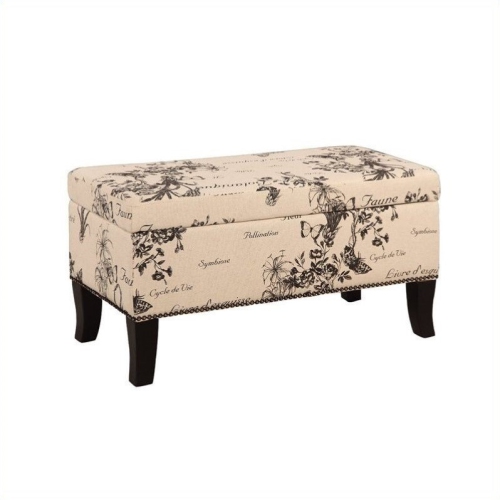
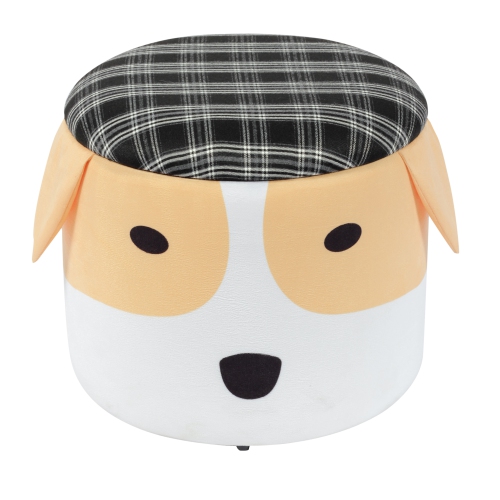
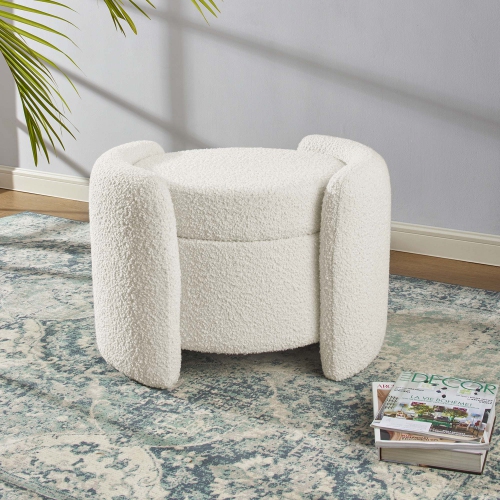
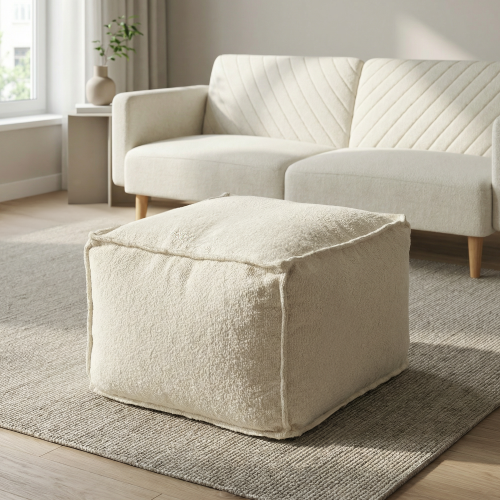
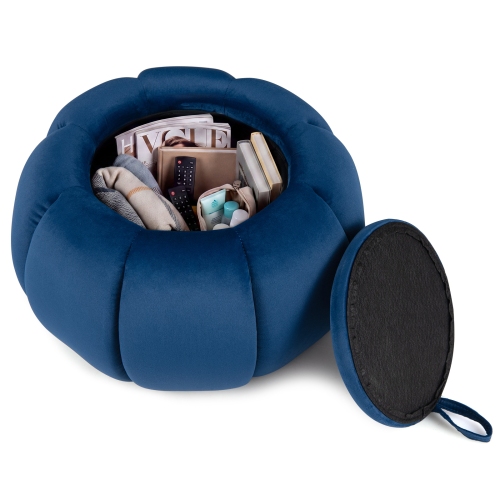
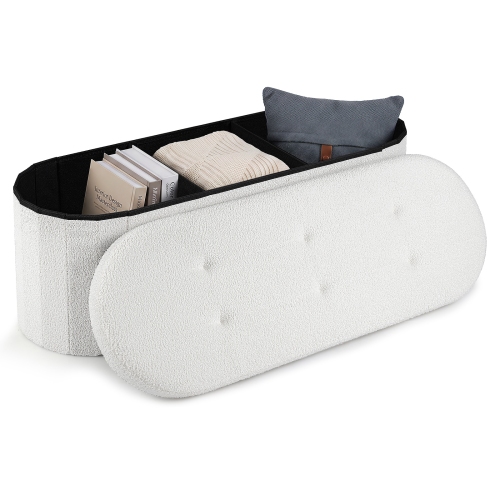
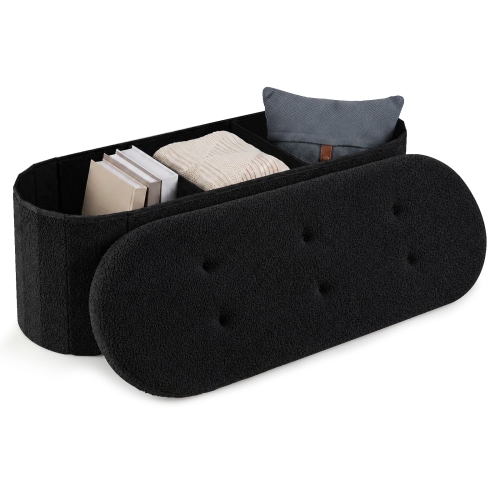
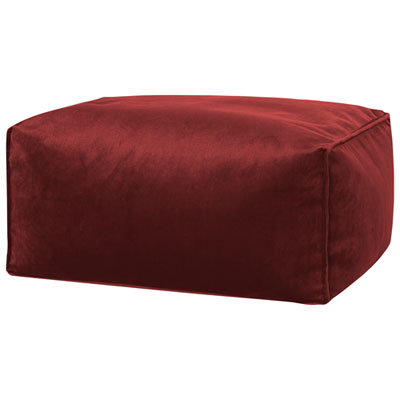
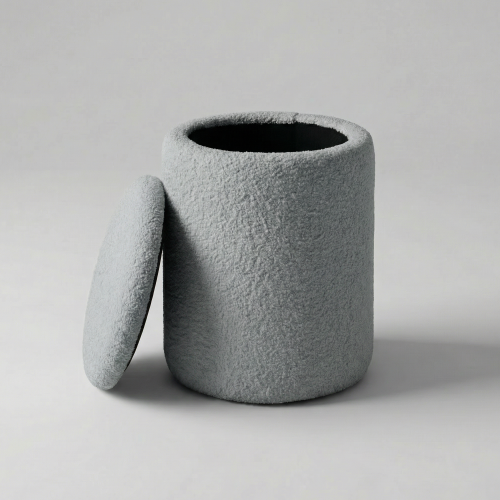
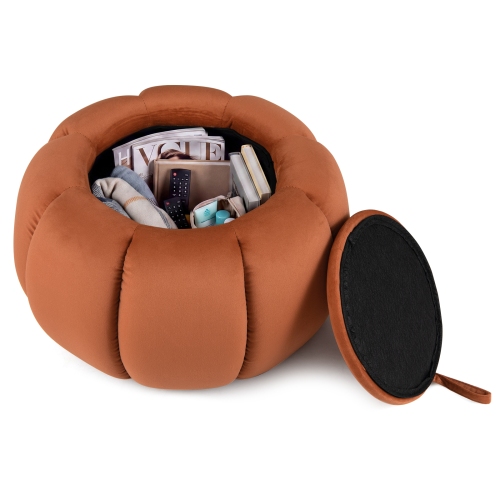
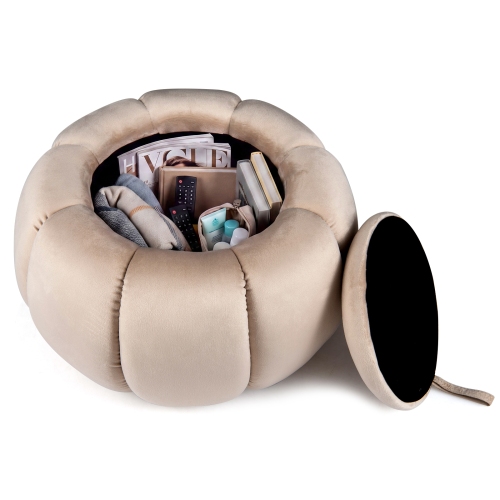
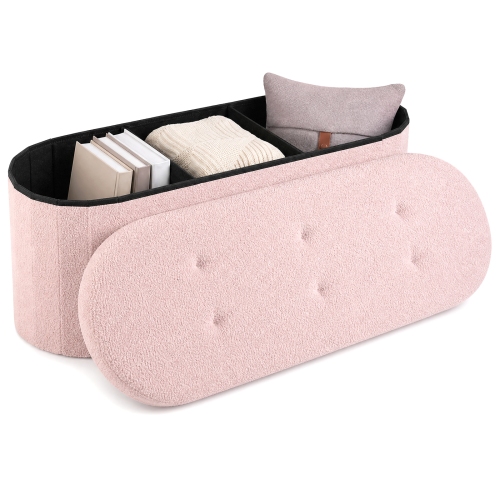
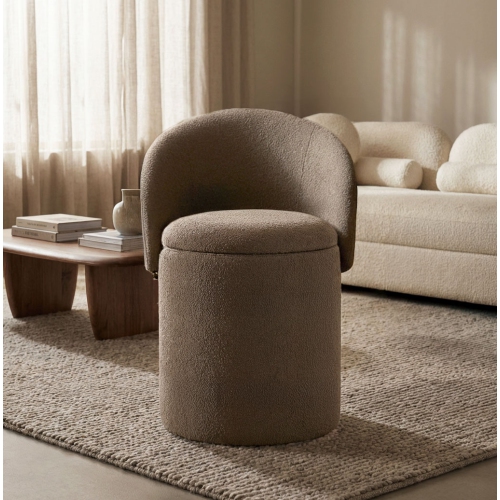
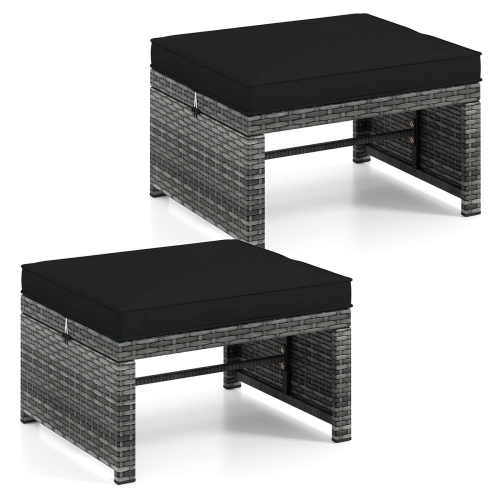
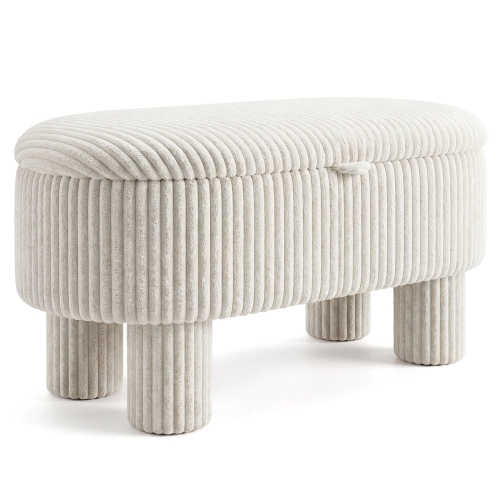
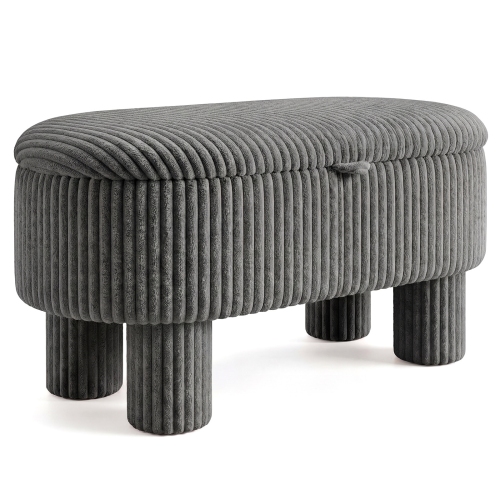
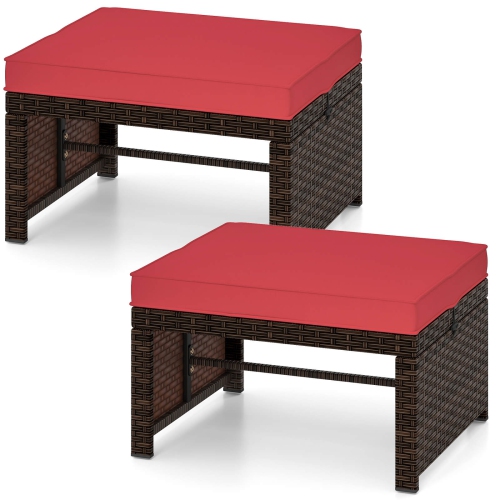

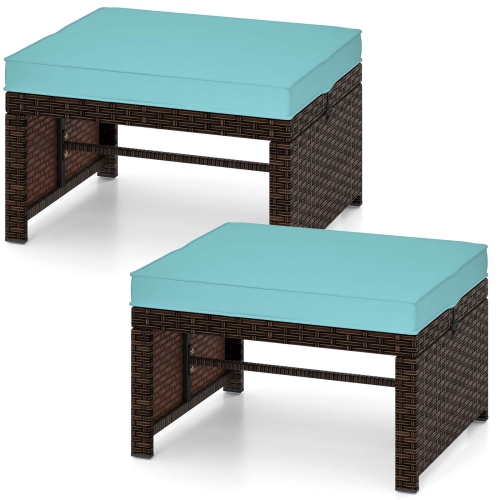
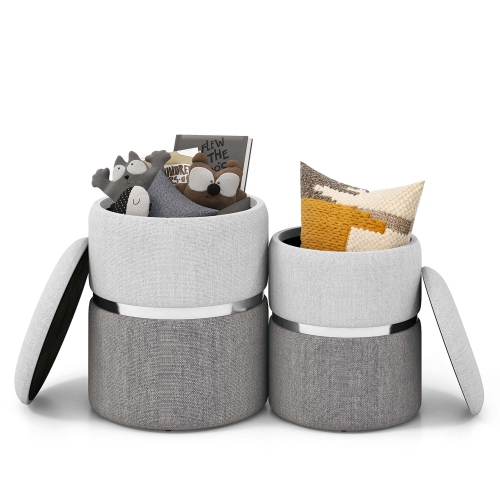
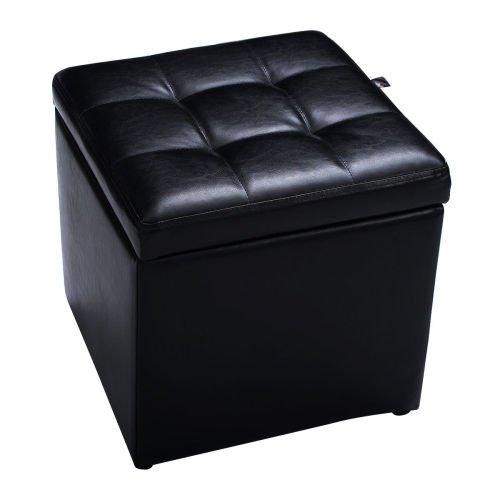
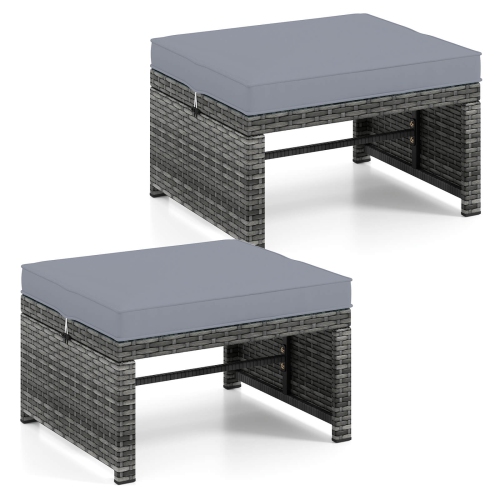
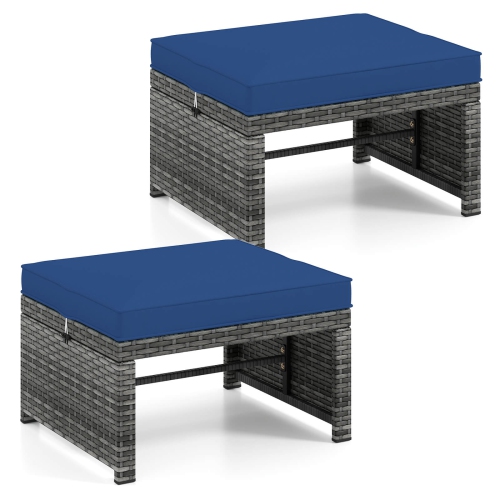
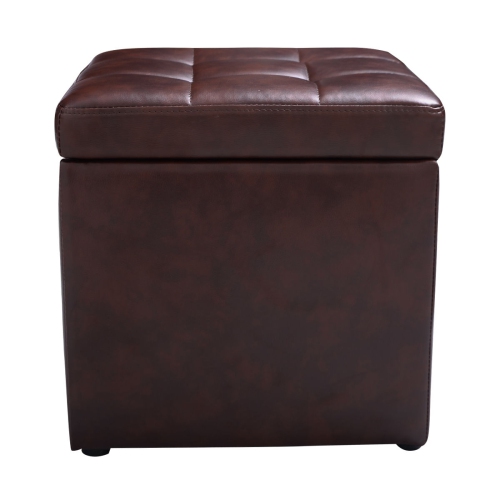
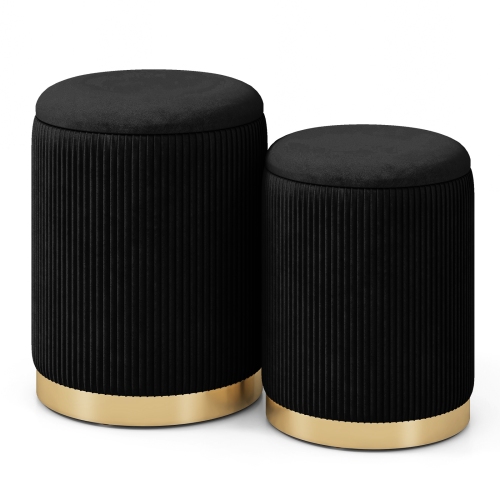
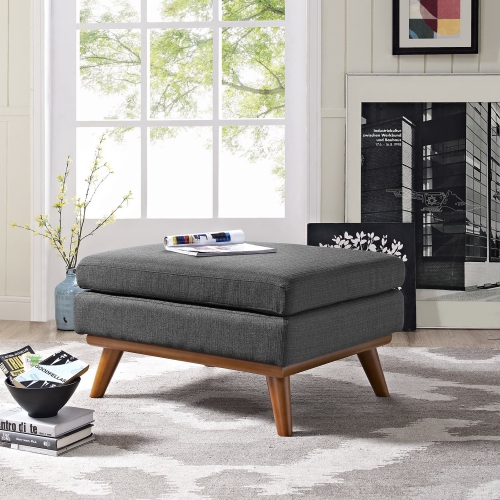

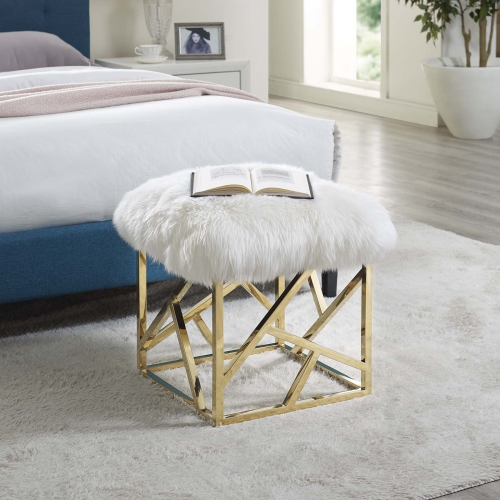
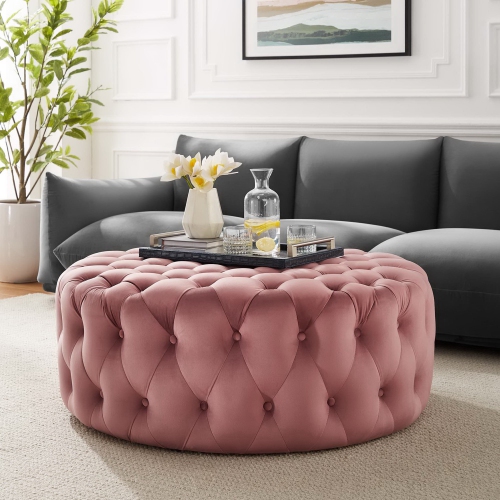
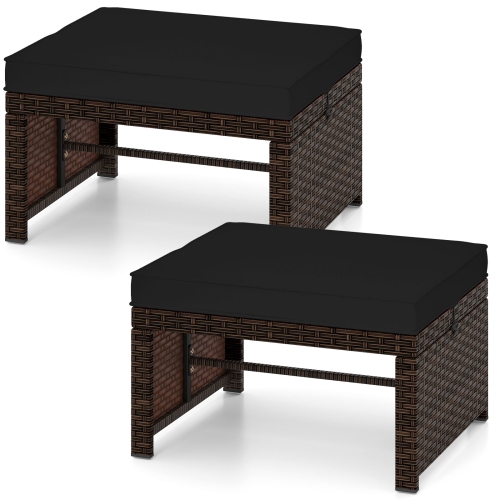
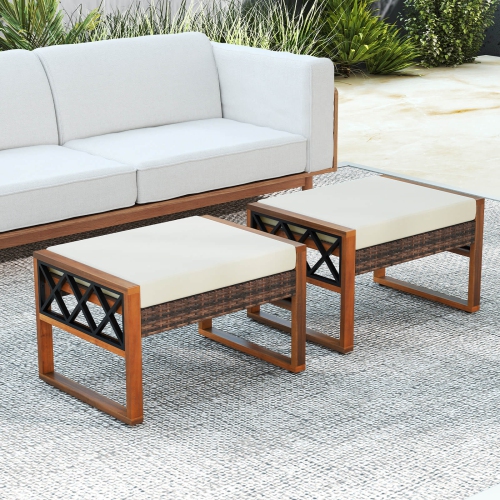
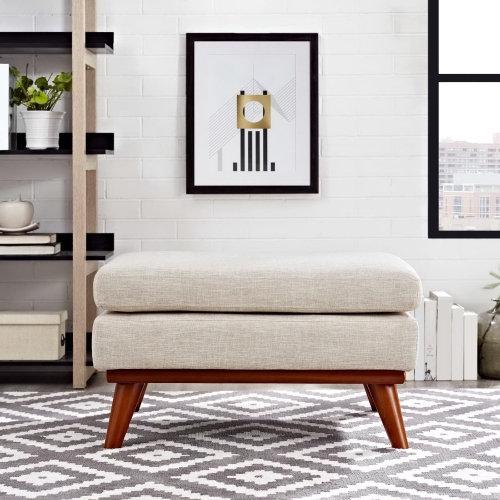
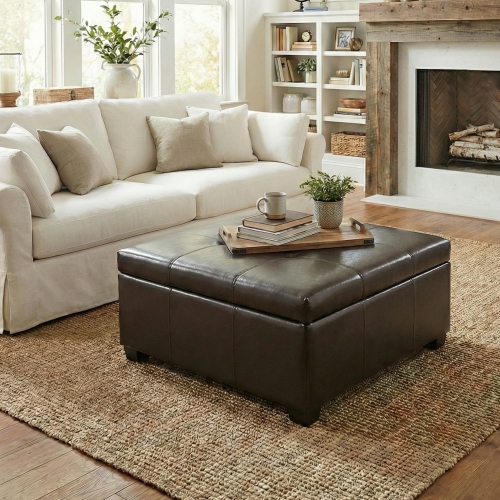
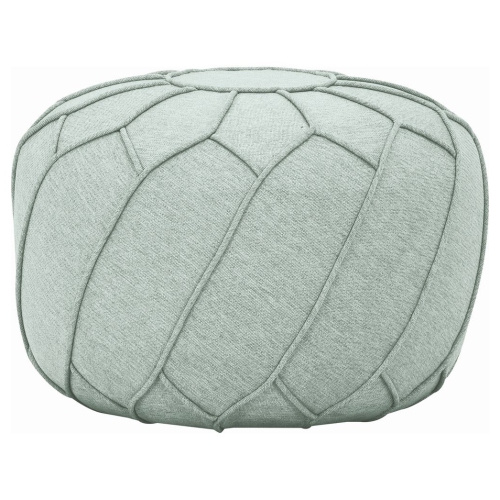
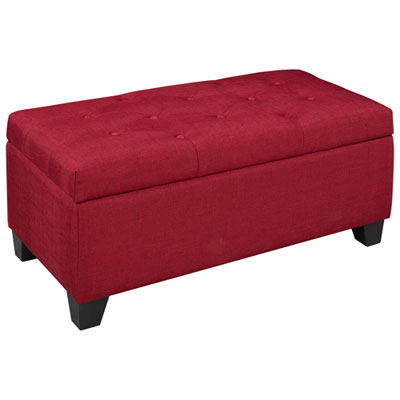
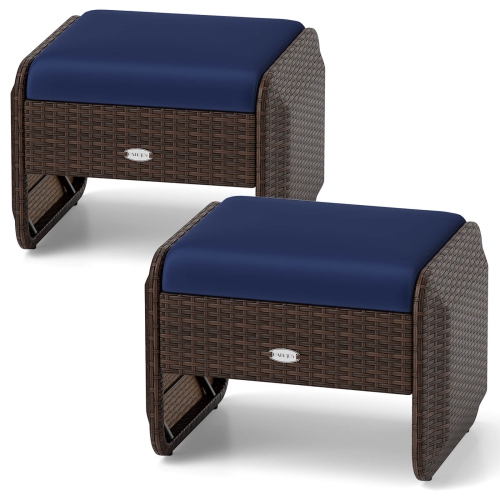
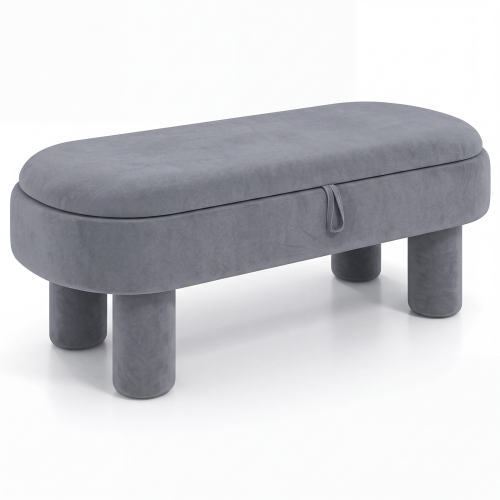
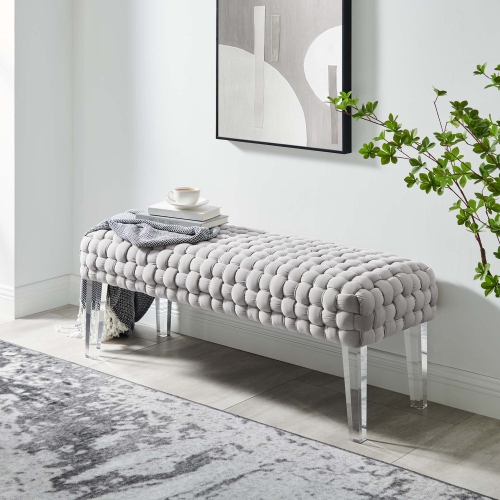

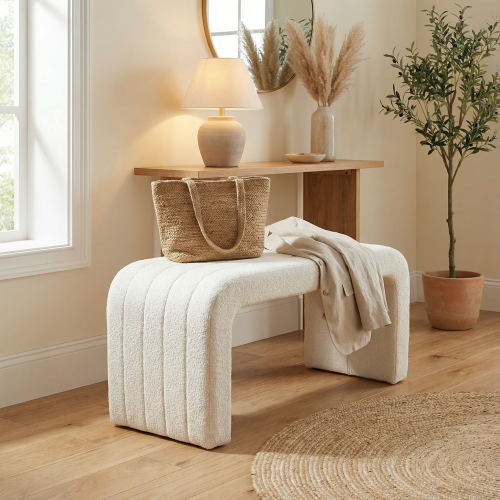
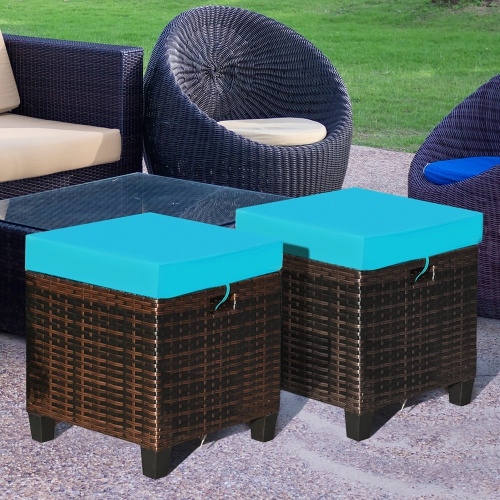
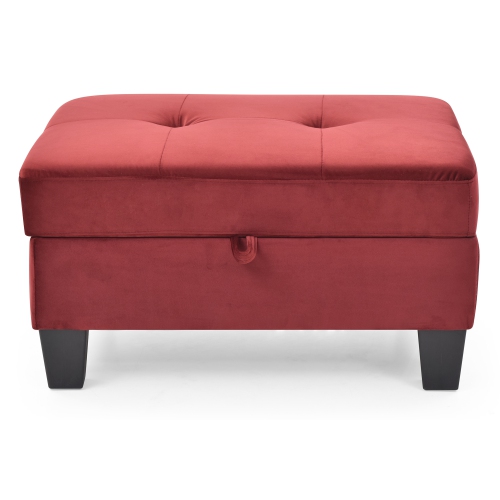
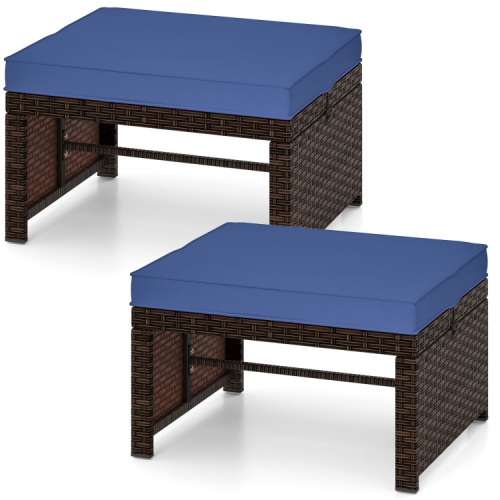
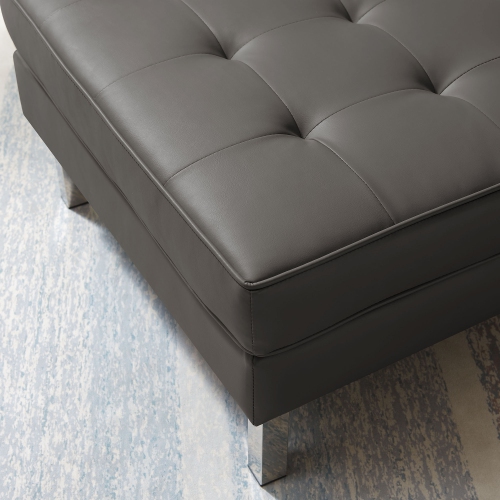
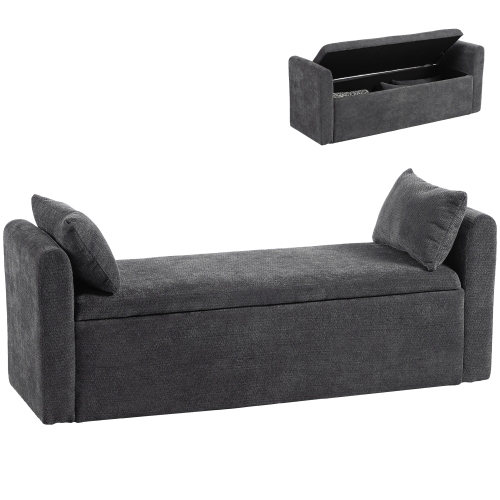
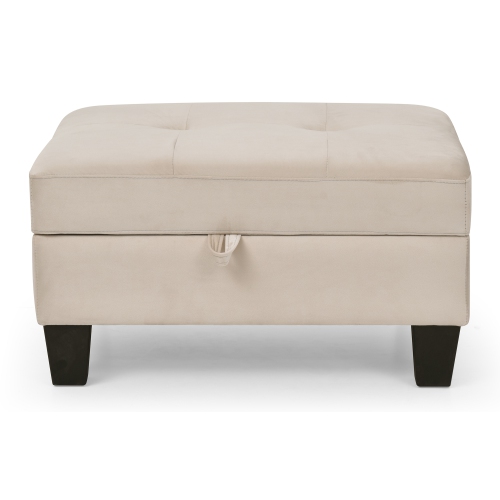
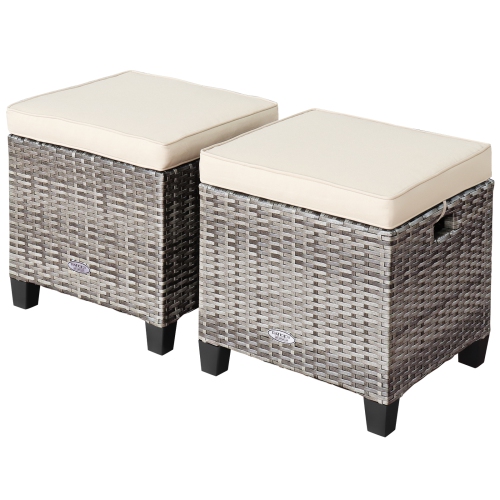
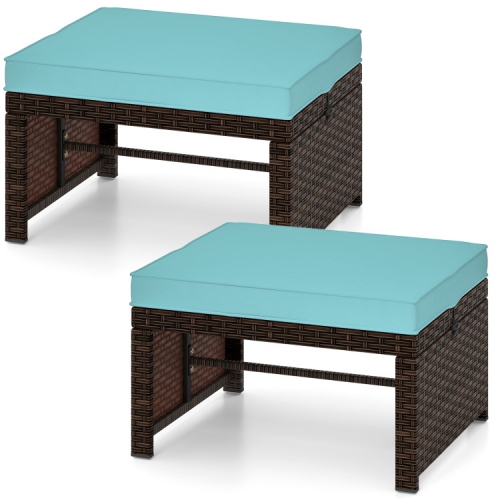
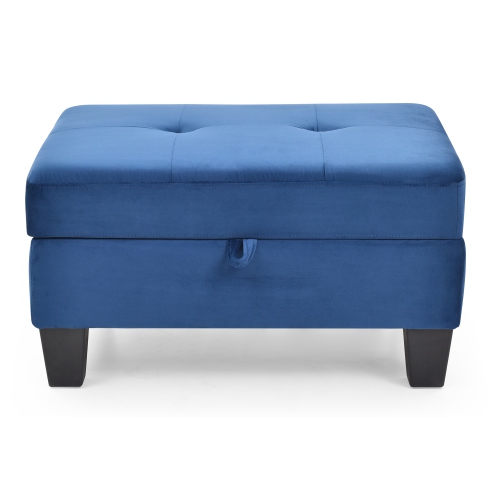
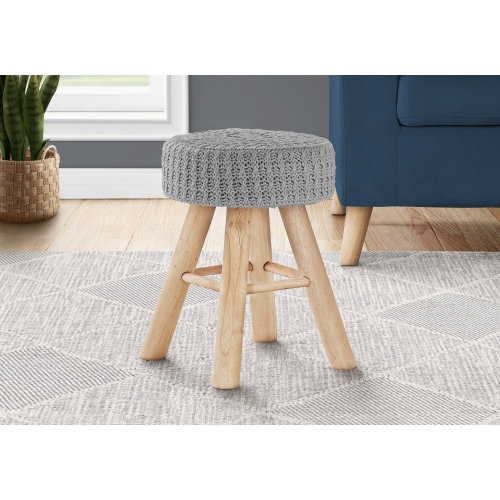
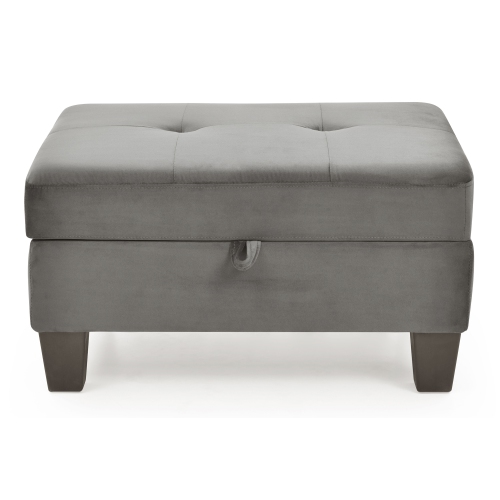

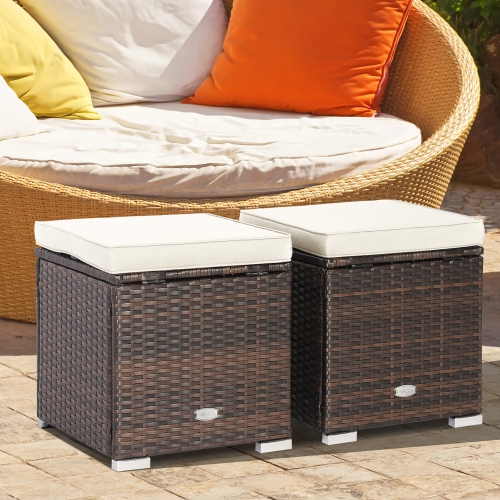
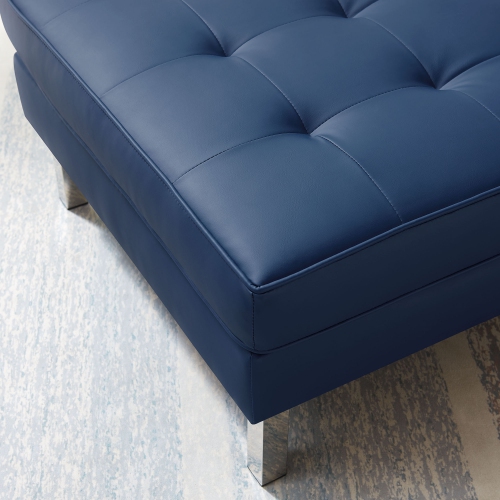
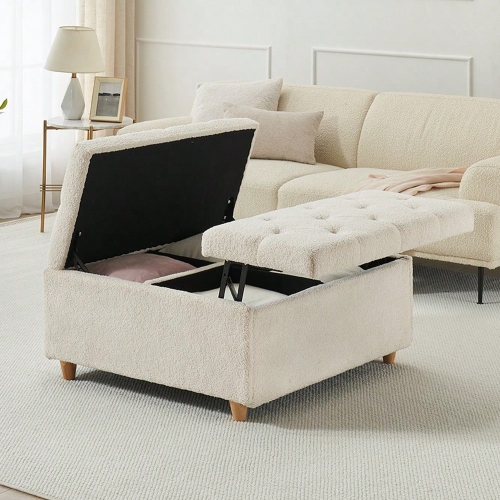
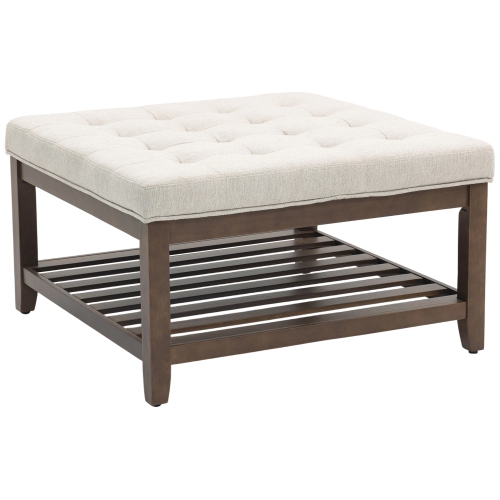
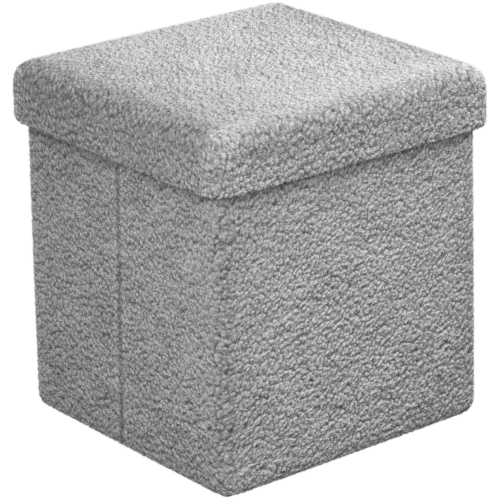
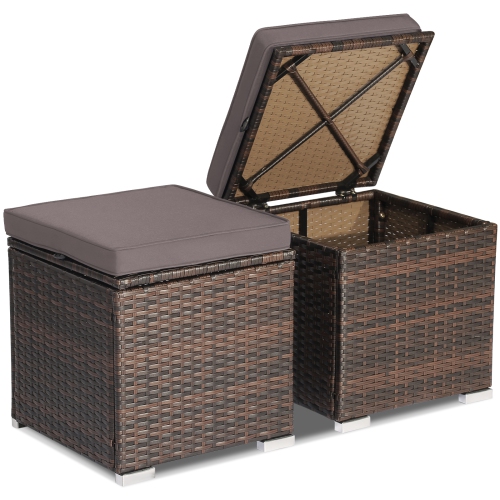

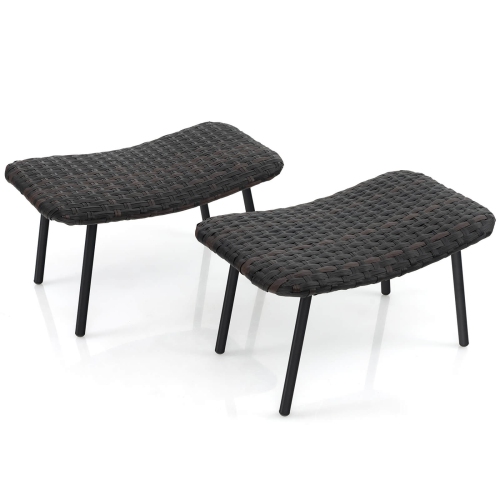
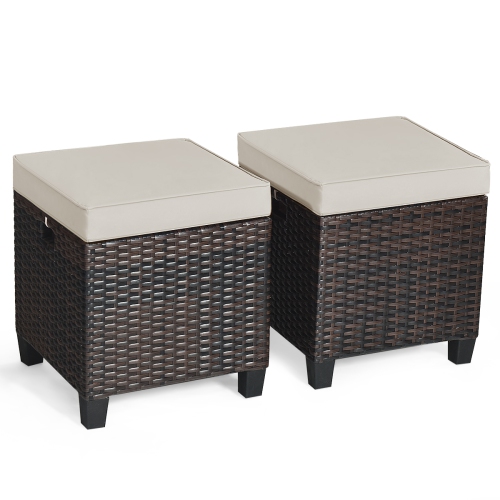


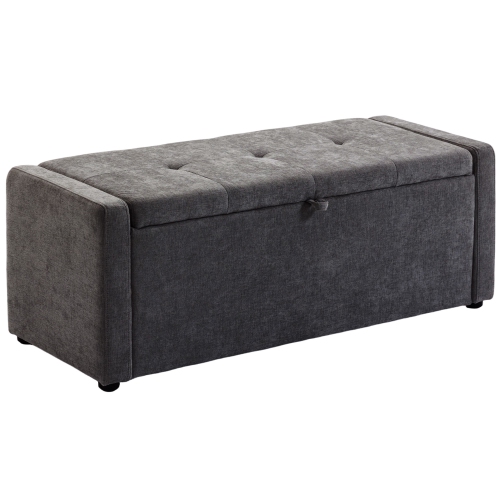
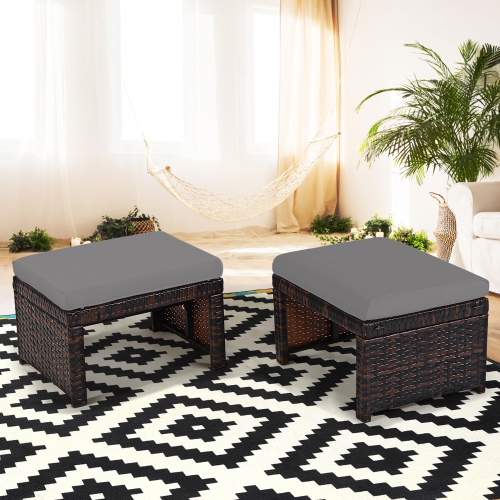
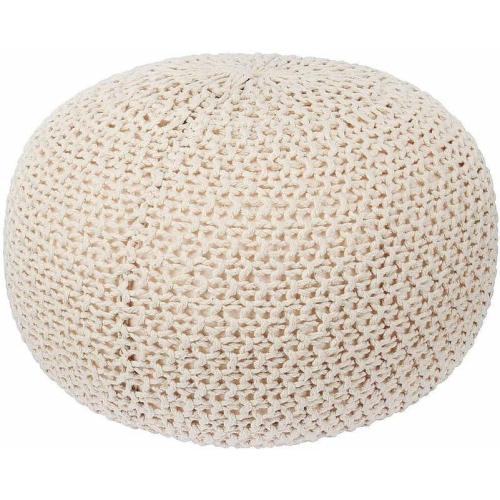
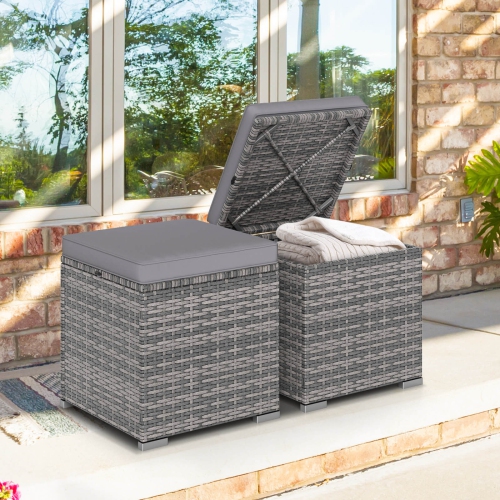

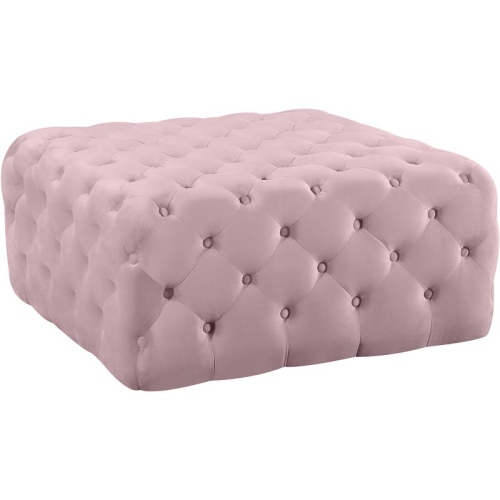
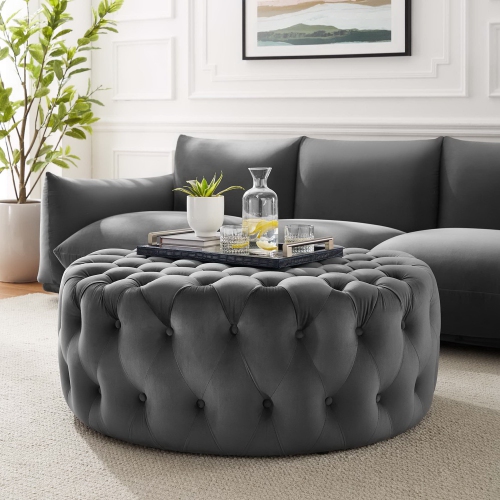
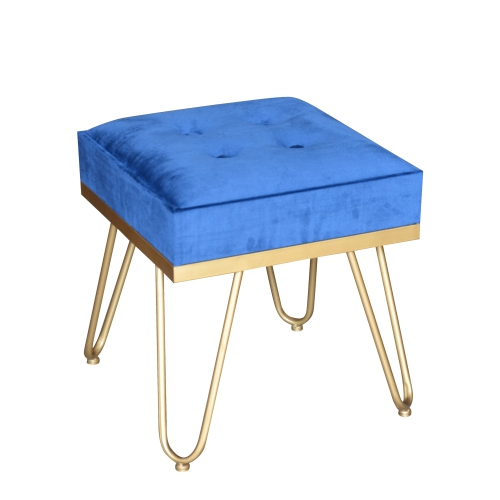
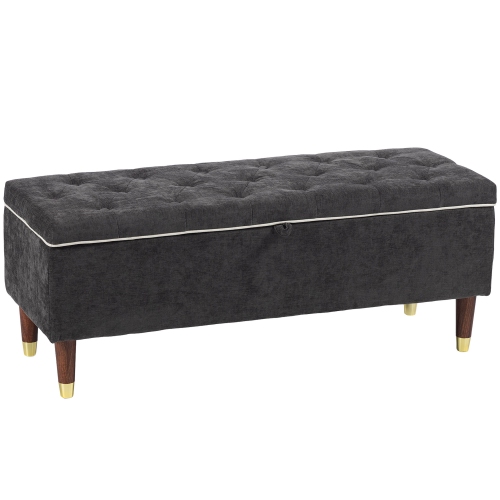
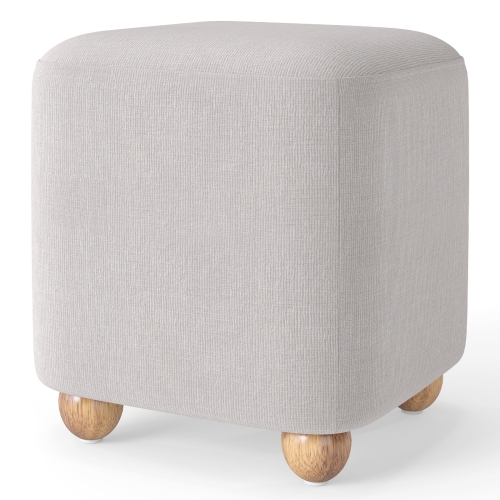
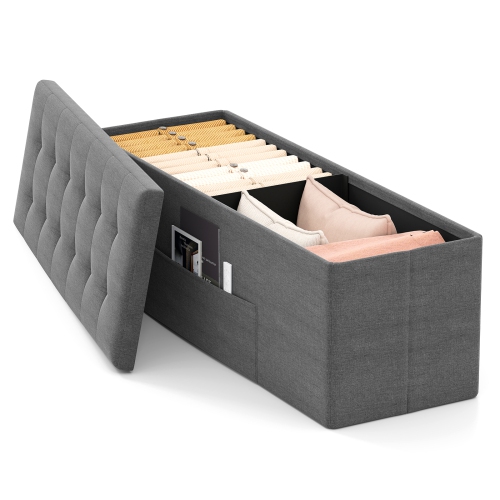

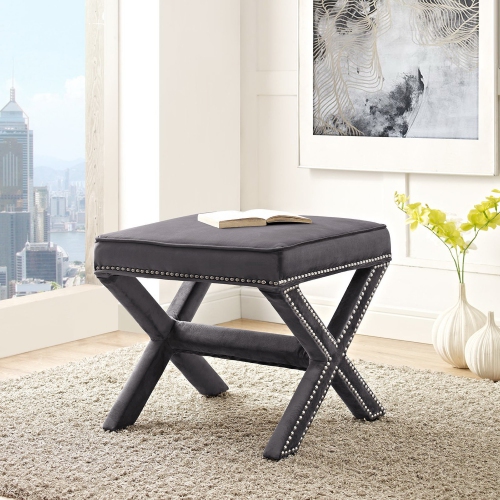
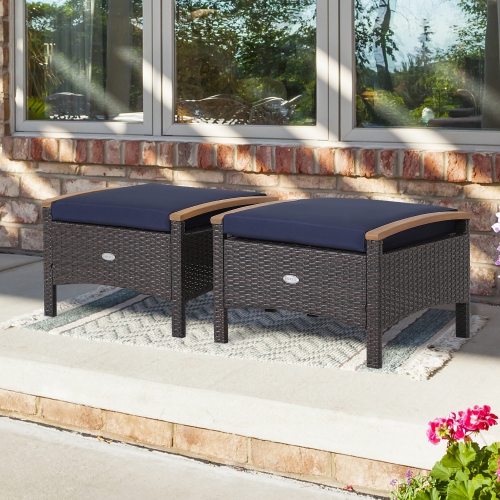

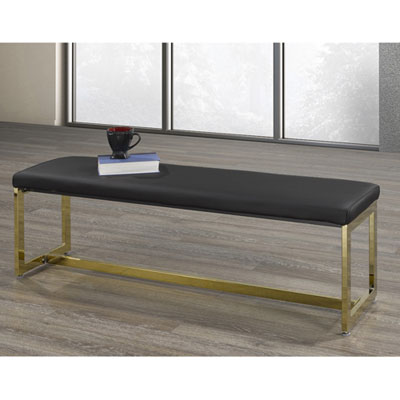
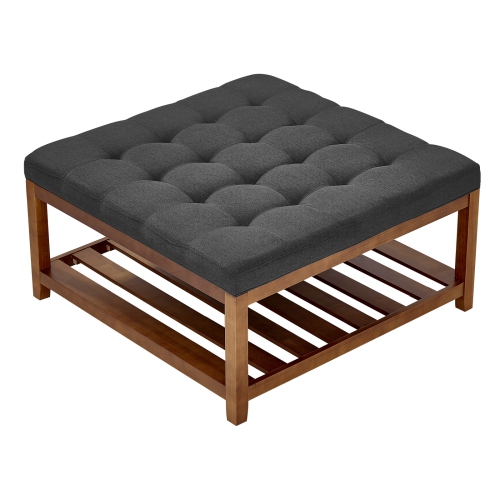
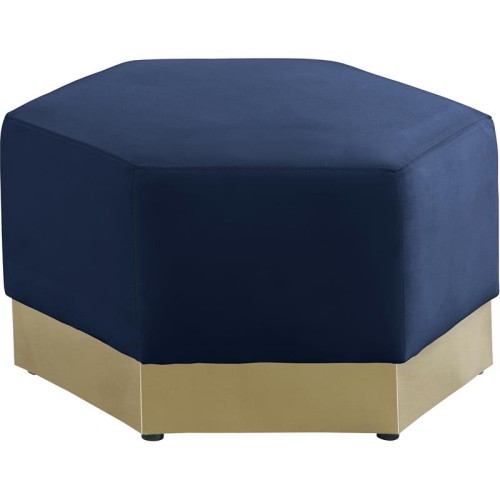
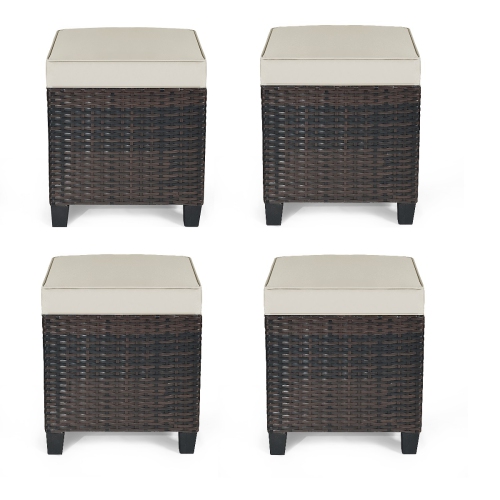


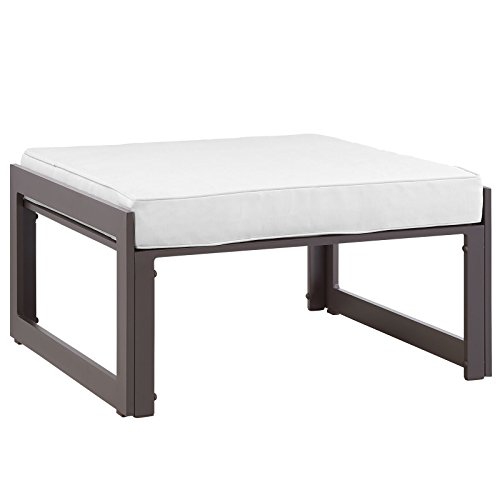
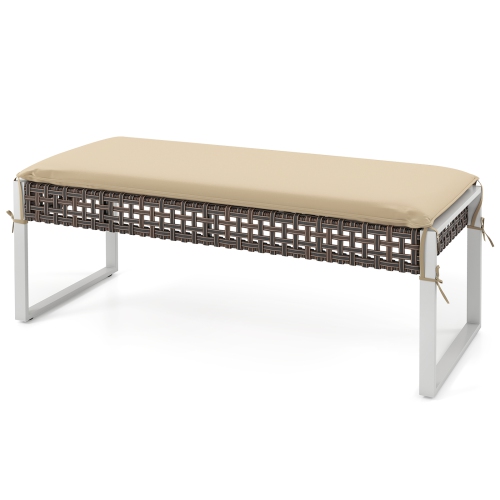
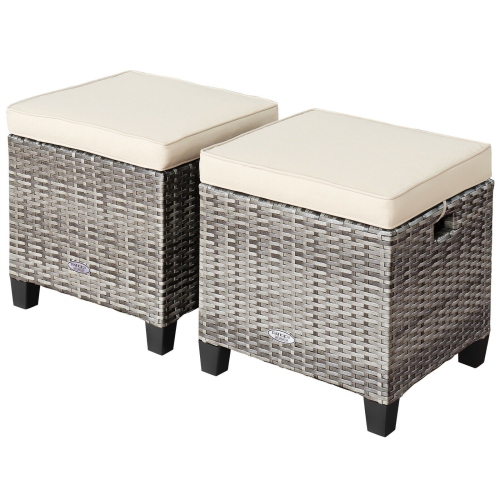
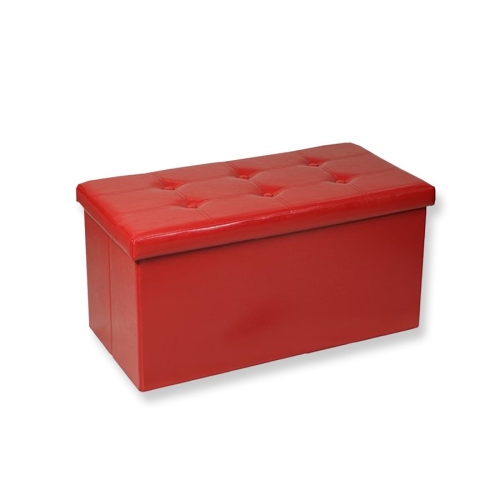
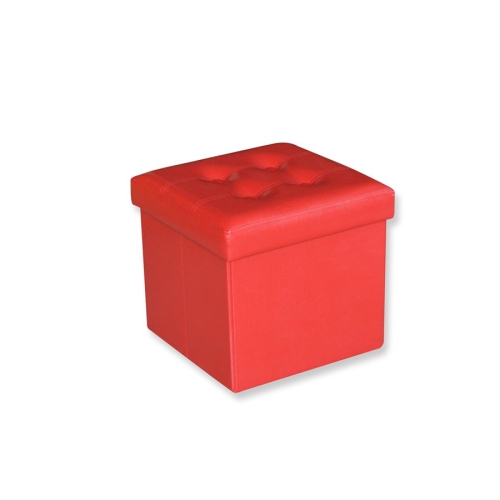
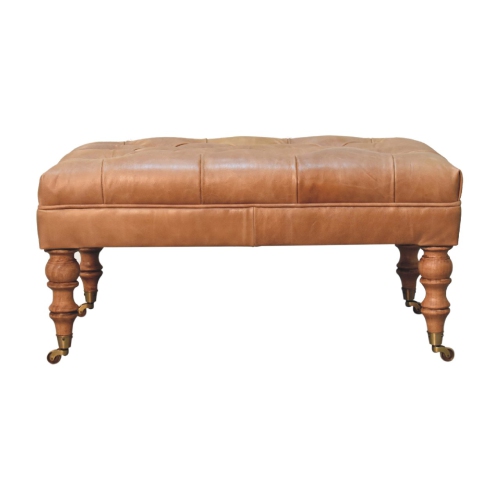

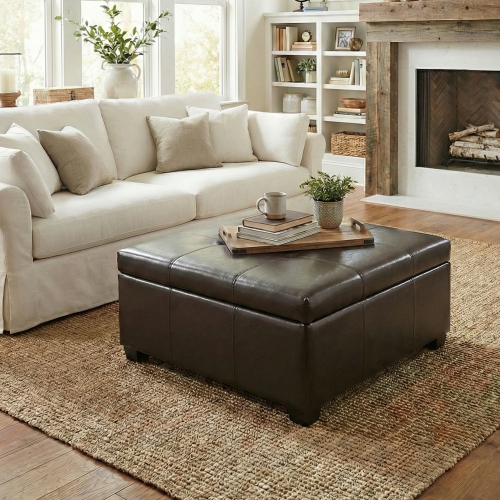
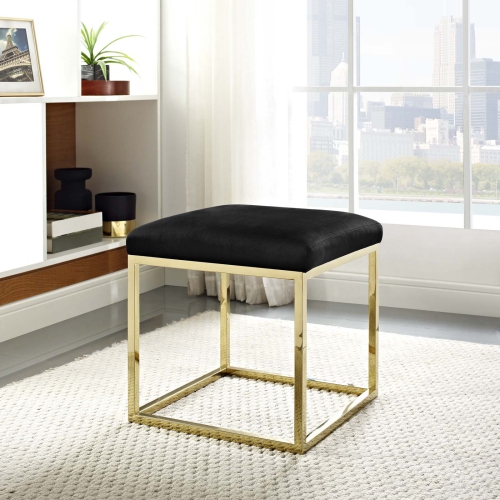
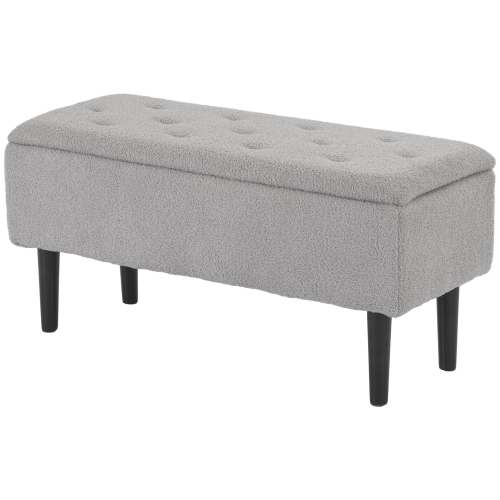
How pattern turns a footrest into a focal point
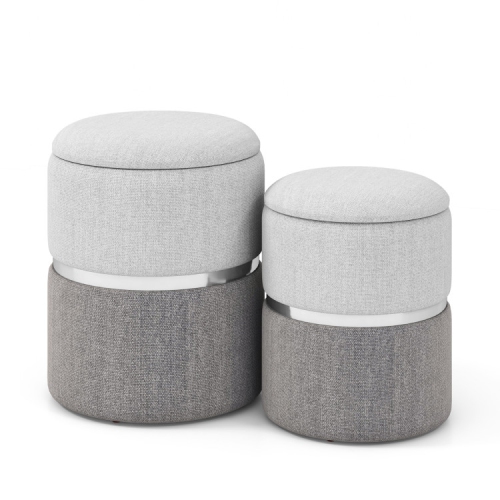
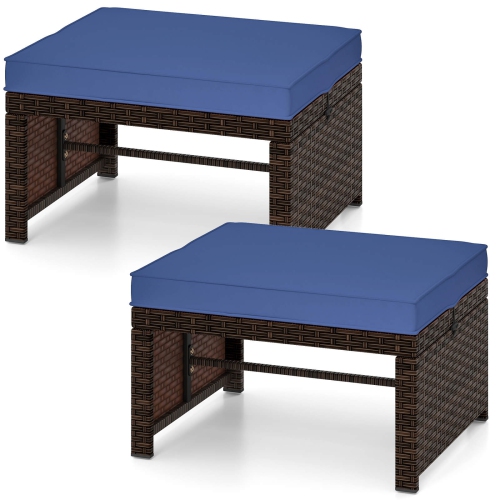
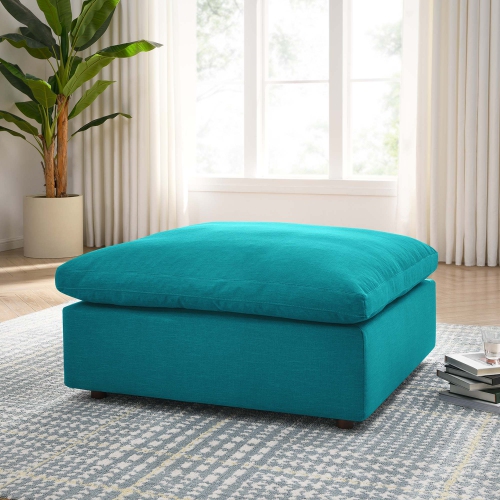
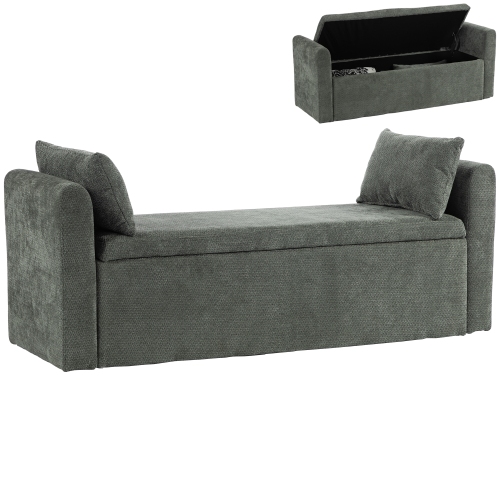
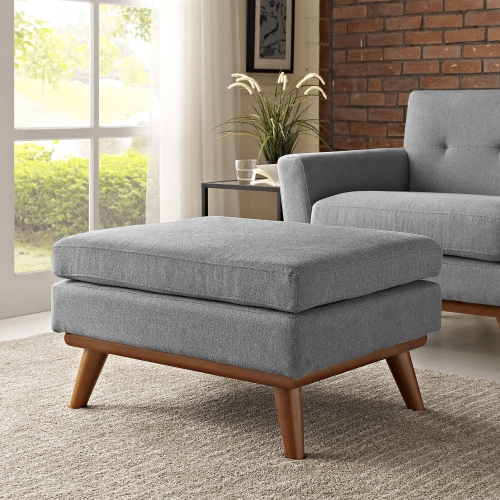
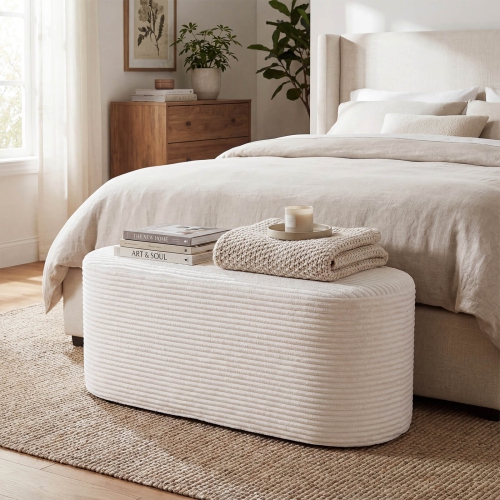
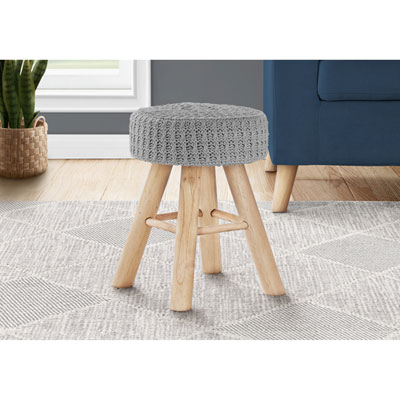
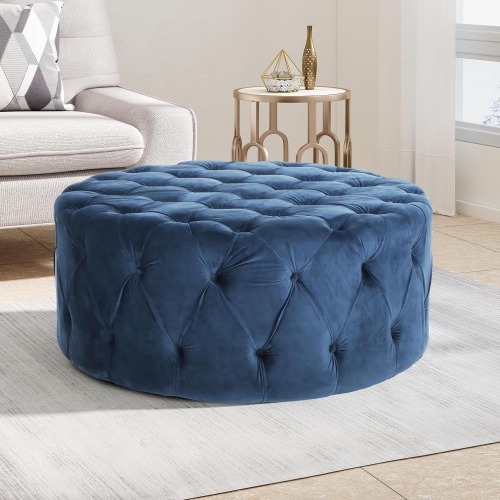
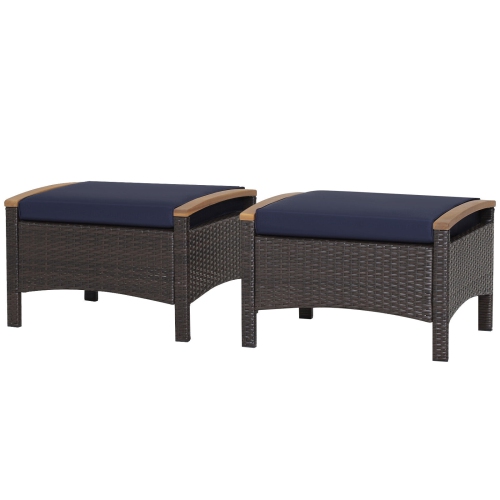
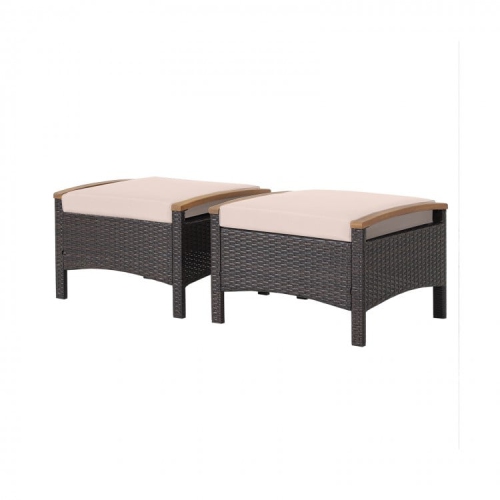
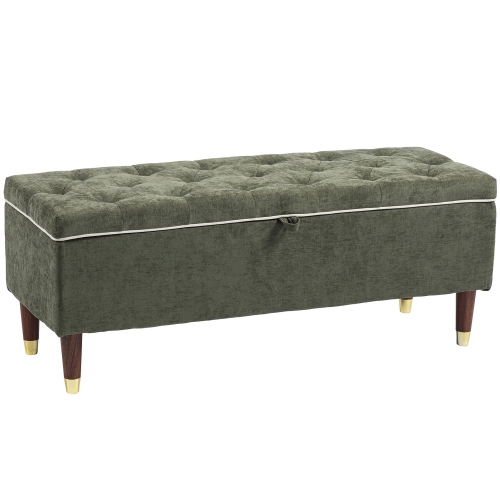
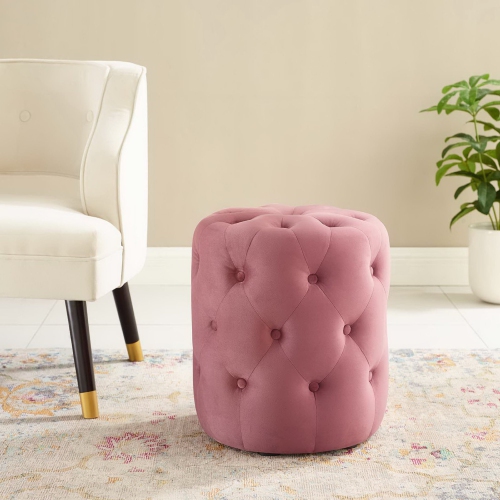
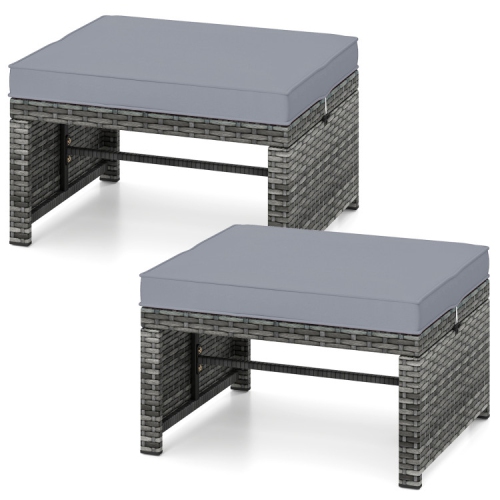
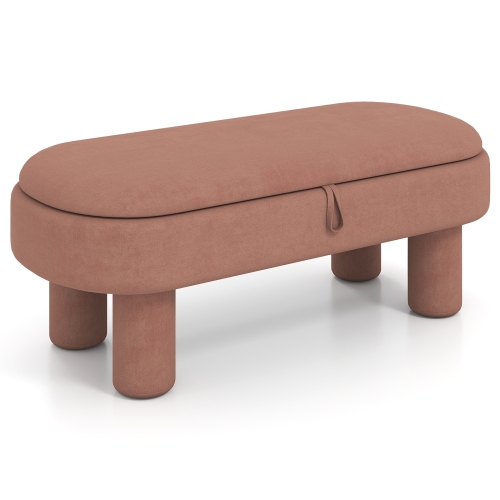
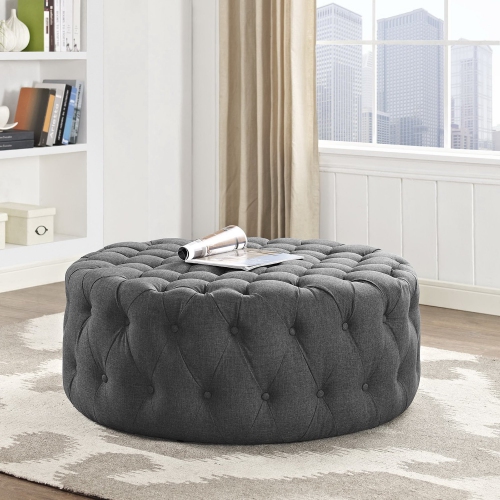
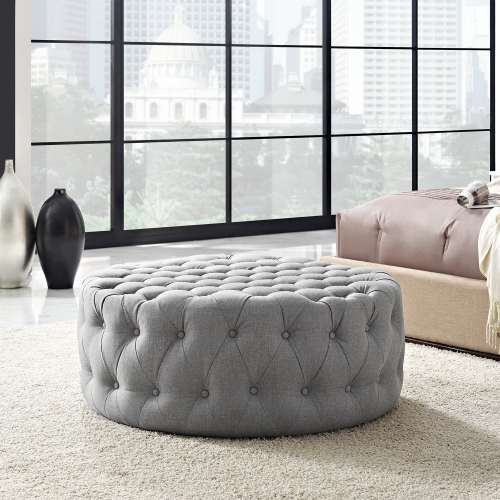
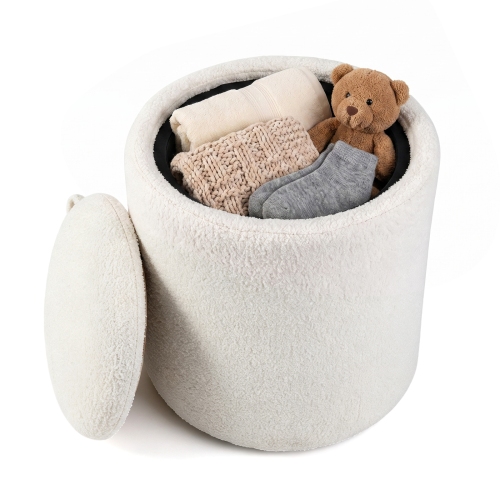
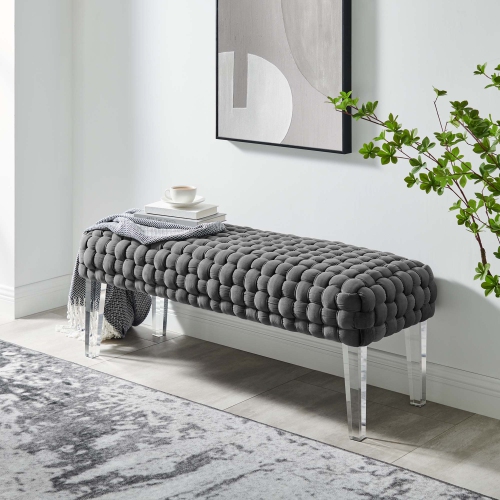
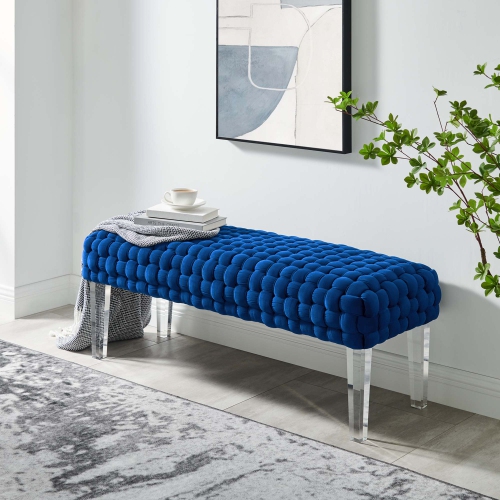
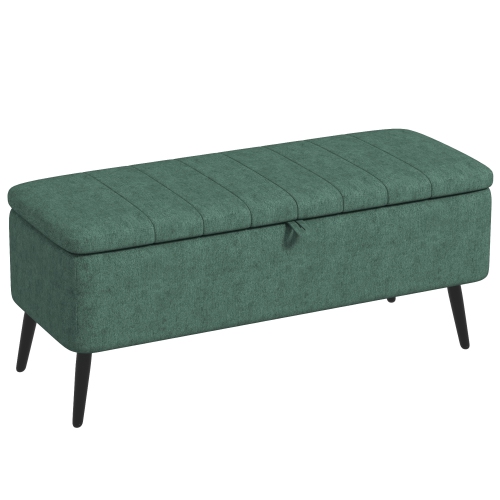
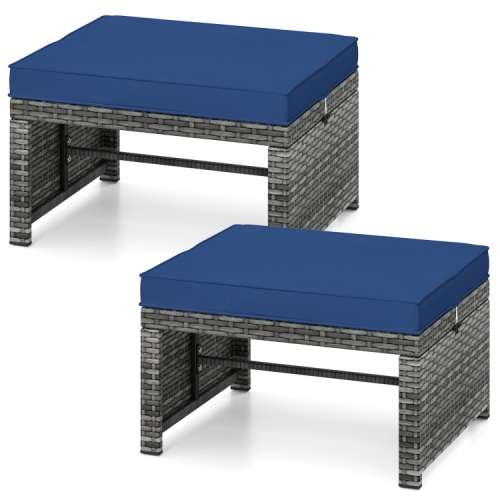
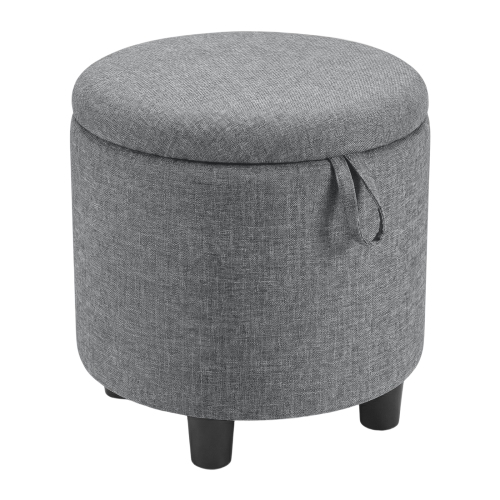
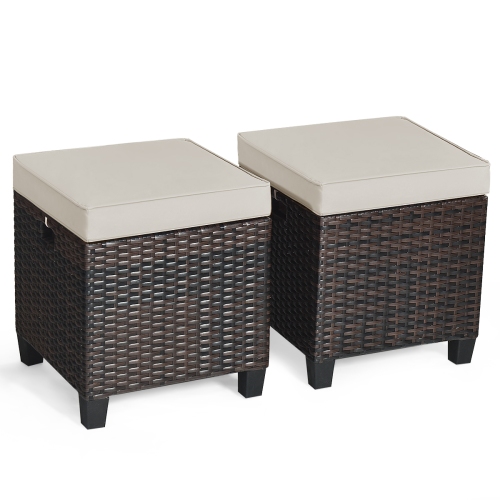
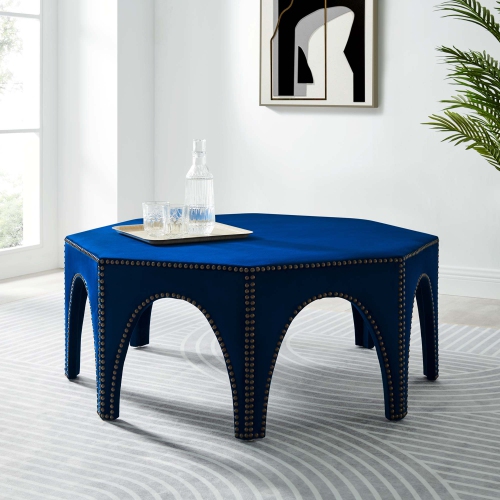
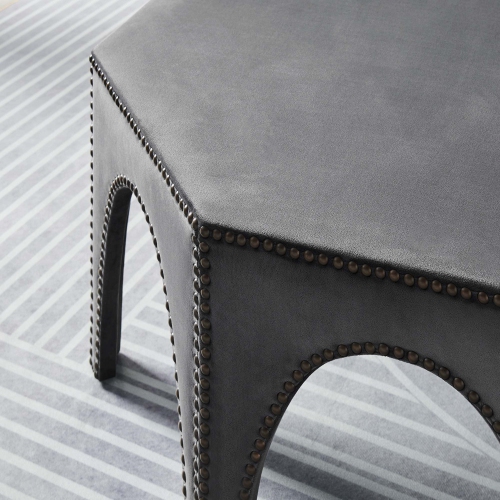
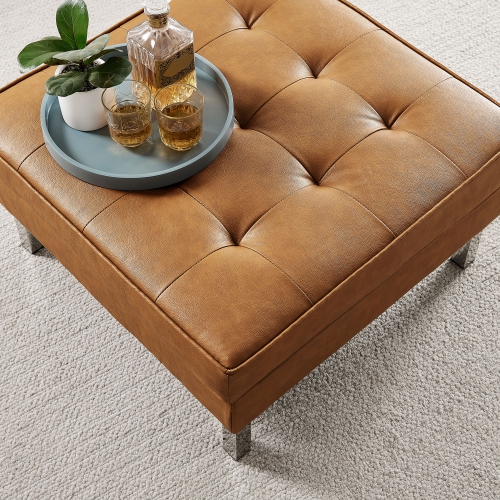
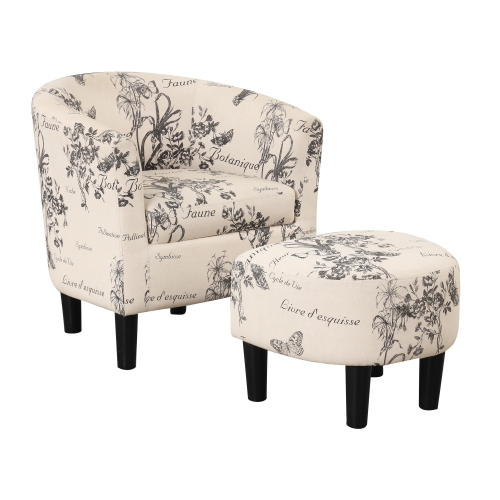
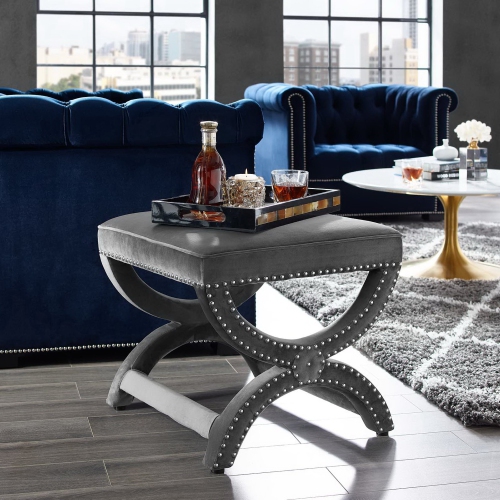
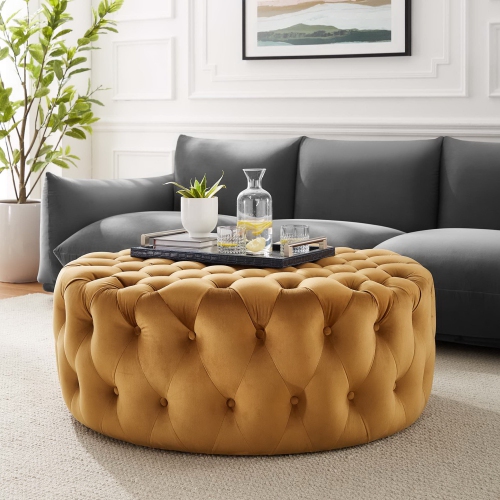
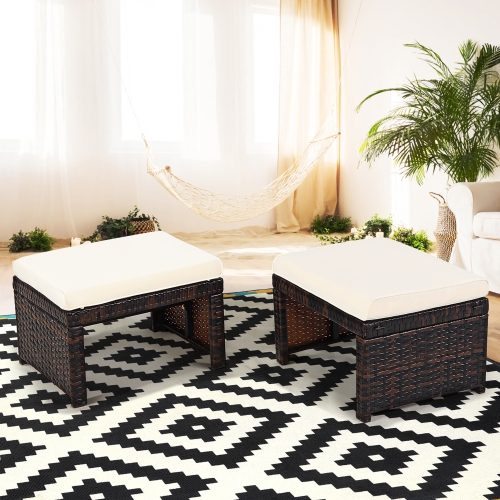
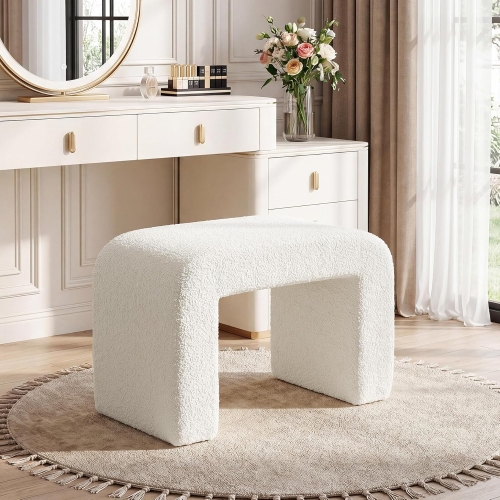
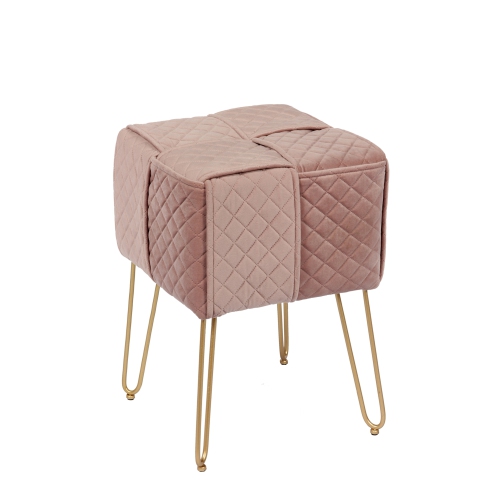
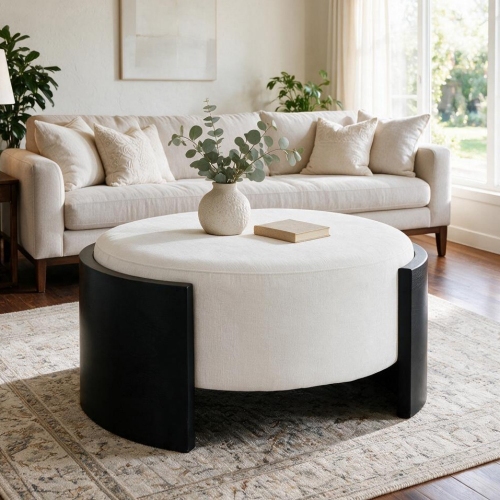
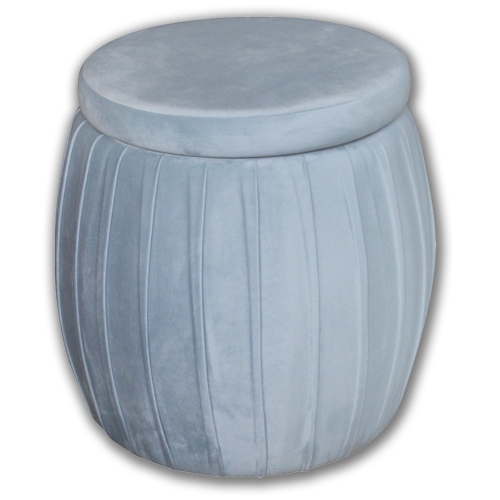
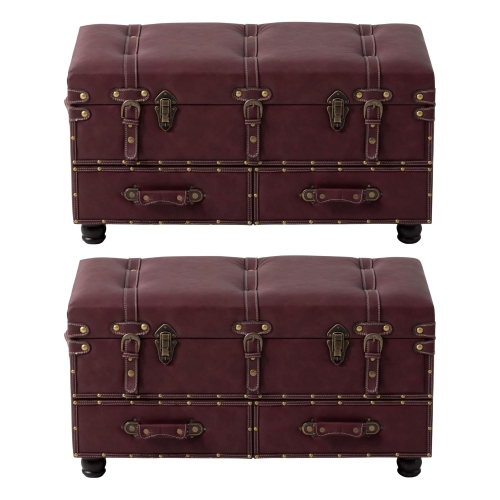
Patterned ottomans are upholstered accent pieces that combine a decorative surface with practical uses such as a footrest, occasional seating or concealed storage, depending on their construction. Their prints and woven motifs bring colour, texture and definition to living rooms, bedrooms and other sitting areas without requiring a large piece of furniture. A striped ottoman can give a relaxed room a crisp finishing touch, while florals, geometric repeats and abstract designs each create a different mood. Against a plain sofa, a patterned ottoman provides a focal point; alongside patterned curtains or a rug, it can help connect colours already present in the room. The scale of the motif makes a noticeable difference. Broad shapes tend to read clearly from across a room, while small repeating patterns often blend into a softer, textured effect at a distance. A shared background colour can tie different prints together without making every upholstered surface match. For example, a navy-and-cream motif can sit comfortably beside a navy chair and a lightly textured cream rug, even when their materials differ. Pattern also interacts with shape: a round ottoman softens the lines of a rectangular sofa, a square design gives an armchair a companion, and a long rectangular ottoman can anchor a seating arrangement. Patterned designs share the expressive appeal of Unique Ottomans, with colour, motif and texture helping a useful furnishing become part of a room’s character. In a reading corner, a modest patterned footstool can make a plain chair feel more inviting. At the end of a bed, a longer upholstered form can introduce a contrasting print without covering a large area. The most convincing combinations leave some visual breathing room, allowing the pattern to stand out against quieter surfaces rather than competing with every cushion, curtain and wall treatment. A border, contrasting piping or tufted surface can add another layer of detail, although each changes how prominently the main pattern appears.
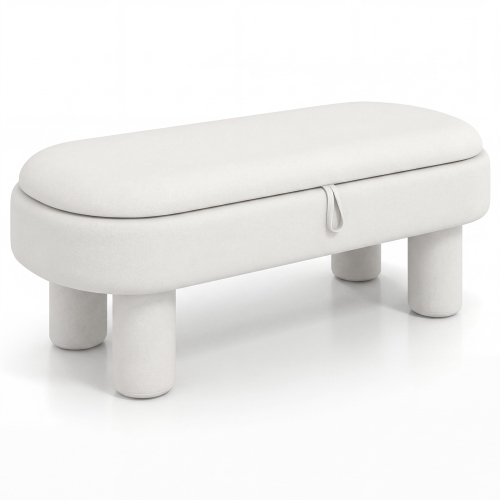
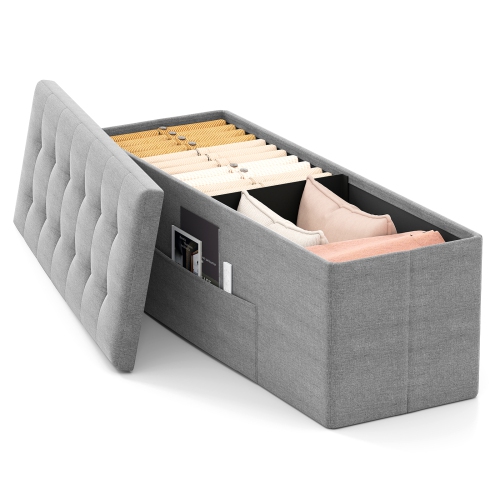
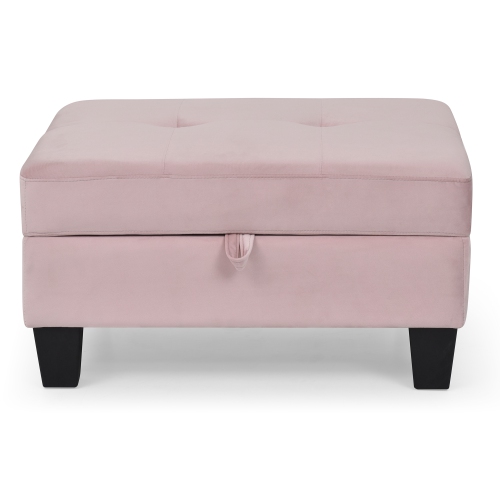
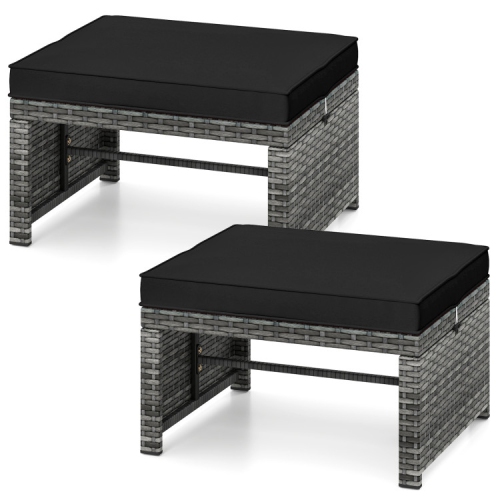
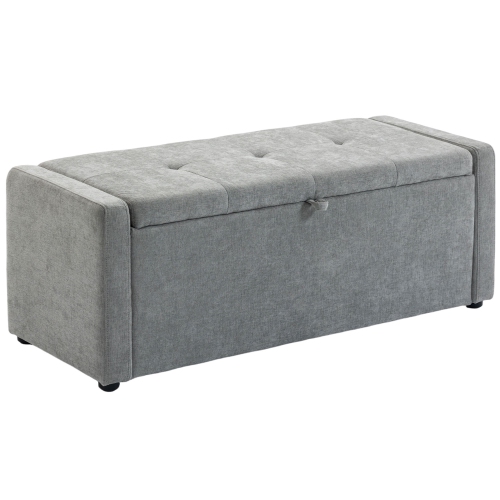
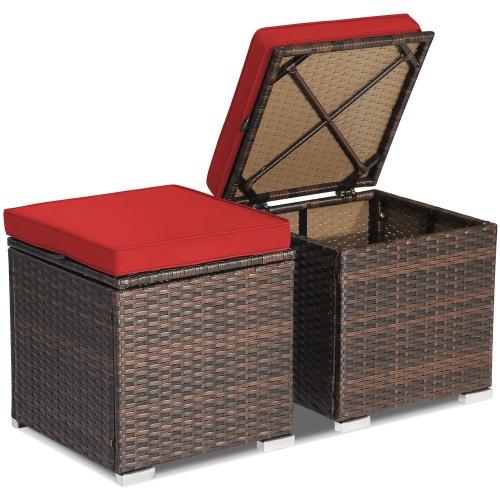
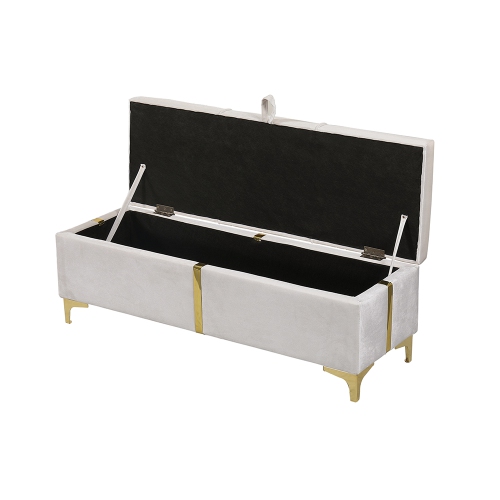
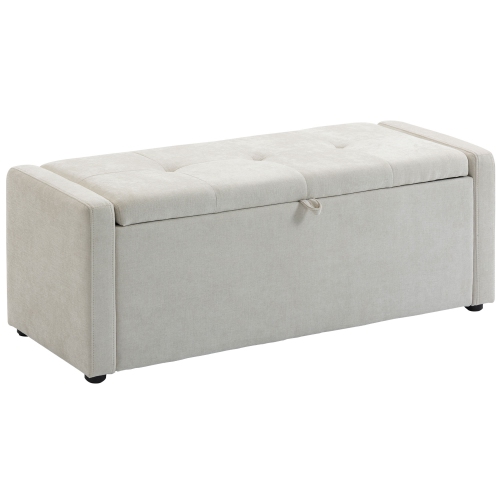
An ottoman’s proportions and intended use matter as much as its appearance. For resting feet, a top close to the seat height of the accompanying chair or sofa generally feels more natural than one that sits noticeably higher. The distance between the seat and ottoman affects comfort, too: enough room is needed to stretch out without placing the piece so far away that it becomes awkward to reach. In a compact living room, a smaller round or square ottoman can provide a landing point without interrupting the route between seating and a doorway. A larger rectangular design may suit a sectional, provided there is still comfortable walking space around it. Dimensions are particularly important for ottomans with thick cushioning, flared sides or projecting feet, since their usable top and overall footprint may differ. A firm, level surface can support a suitable tray for a book or remote, but a deeply tufted or softly rounded top is less suited to that role. Drinks need a stable, level base rather than upholstery alone. When extra seating is part of the plan, the manufacturer’s stated purpose and weight limit matter; a footrest is not automatically built to function as a seat. Storage ottomans offer another kind of flexibility, keeping throws, cushions or games close to a seating area while reducing visible clutter. Their usefulness depends on the interior dimensions, the lid mechanism and the clearance needed to open them fully. A lift-top design beneath a window or beside a sofa arm needs room for the lid to move without striking nearby furniture. For households with children, a lid support or soft-closing mechanism can be a useful feature, though it does not replace supervision. Lightweight pouf-style forms are often easier to reposition, while framed ottomans tend to feel more substantial. Couples sharing a sofa, readers with a favourite armchair and households that occasionally need an extra perch may each value a different balance of surface area, support and portability.
Upholstery and construction influence how a patterned ottoman feels, wears and fits into daily life. Printed fabrics carry their design on the surface, while woven patterns are formed through the arrangement of yarns; neither approach alone determines durability. Fibre content, weave density, finishing and construction all contribute to performance. Cotton and linen blends can have a relaxed, tactile appearance, while polyester blends may offer practical care characteristics, depending on the fabric. Wool-rich upholstery can provide a distinctive texture, and velvet gives a pattern additional depth as the pile catches light from different directions. Fabric described as performance upholstery may have specific stain-resistance or cleaning properties, but those claims are best understood through the manufacturer’s details rather than the label alone. For a frequently used footrest, a tightly woven cover and well-finished seams are useful considerations, particularly where shoes, clothing and repeated movement create friction. A busy pattern can make small marks less noticeable, but it does not prevent stains or wear. Raised loops and loose weaves may also be more vulnerable to snagging from pet claws or jewellery. Beneath the upholstery, a stable frame, secure feet and cushioning suited to the intended use help determine whether the ottoman remains comfortable and steady. A seat designed for regular use needs different support from a soft pouf intended mainly for resting feet. Care requirements vary, so the upholstery label remains the best reference for cleaning methods. Regular vacuuming with an appropriate upholstery attachment helps remove dust from seams, piping and tufted areas. Spills are generally best blotted promptly rather than rubbed, with any cleaner checked against the care instructions and tested discreetly where permitted. A removable cover is not necessarily machine washable, and patterned fabrics may require particular attention to colourfastness. Position also affects appearance over time: strong direct sunlight can fade some textiles, while repeated contact along one edge can create uneven wear. With suitable proportions, construction and care, a patterned ottoman can serve as both a dependable everyday furnishing and a deliberate expression of personal style.
Top selling and popular products
-
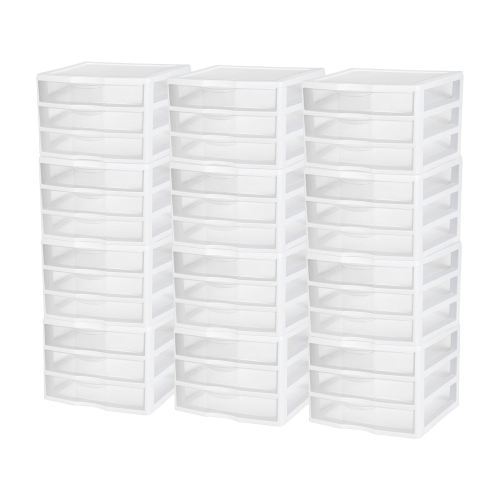 Your price for this item is $644.99
-
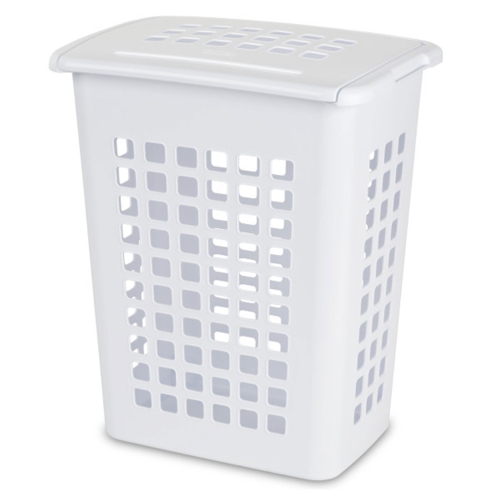 Your price for this item is $978.99
-
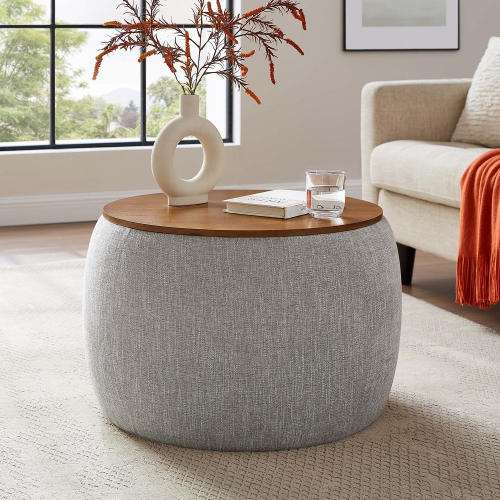 Your price for this item is $286.83
-
 Your price for this item is $765.09
-
 Your price for this item is $765.09
-
 Your price for this item is $765.09
-
 Your price for this item is $765.09
-
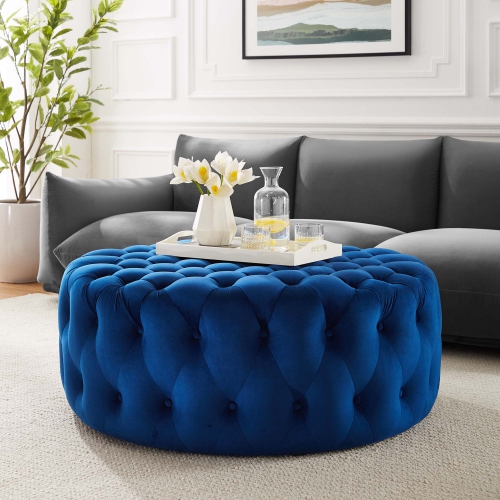 Your price for this item is $765.09
Discover more categories related to Patterned Ottomans
Top Collections:
Best Black Friday Deals This Year, Best Black Friday Deals On Electronics, Kindle Devices, Dyson Airwrap, Best Cameras for Sports Photography, Best Budget Office Chairs, Canon G7X Cameras, PS5 Pro Consoles, Best Black Friday Deals On Apple Products, XBOX One S Consoles
Some products may be subject to Environmental Handling Fees
(EHF) depending on your province.
Learn more about EHFs.