Pet Warming Beds
Keep your furry friends cozy and comfortable with our selection of pet warming beds. Designed to provide a warm and inviting space for your beloved pets to snuggle up, these beds are perfect for keeping them toasty during chilly nights or simply creating a relaxing spot for daytime naps. With various sizes and styles available, you can find the ideal warming bed to suit your pet's needs and preferences. Whether you have a small cat or a large dog, our range of pet warming beds offers both functionality and comfort to ensure your pet feels pampered all year round.
Sort
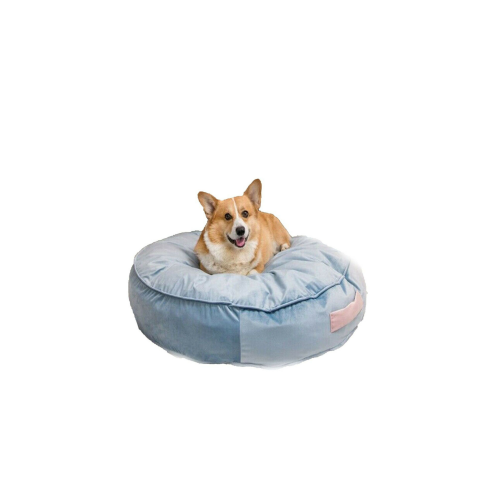
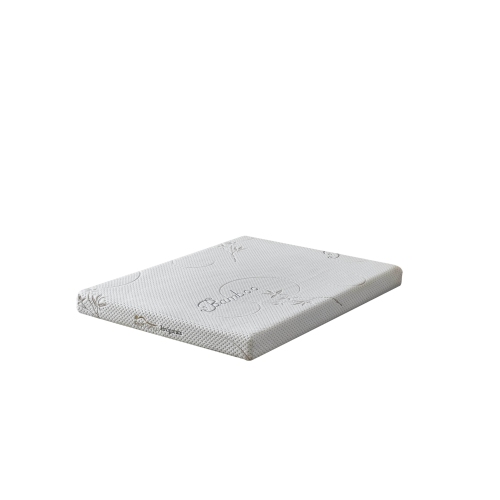
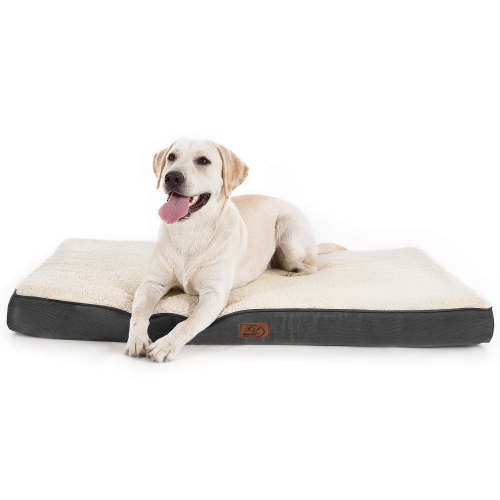
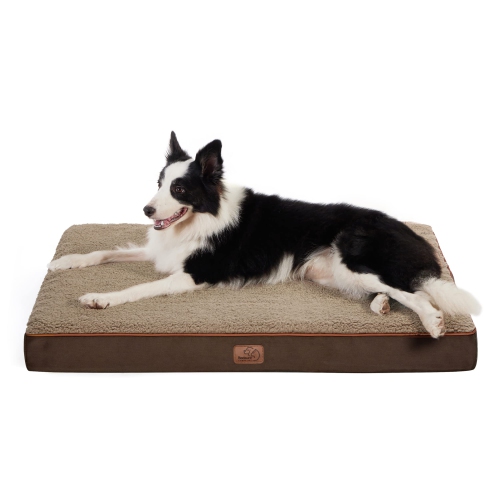
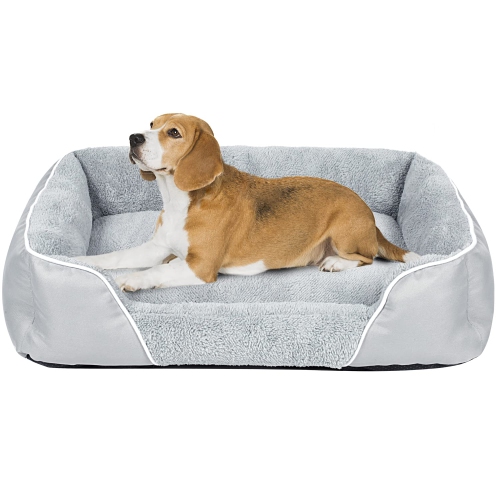
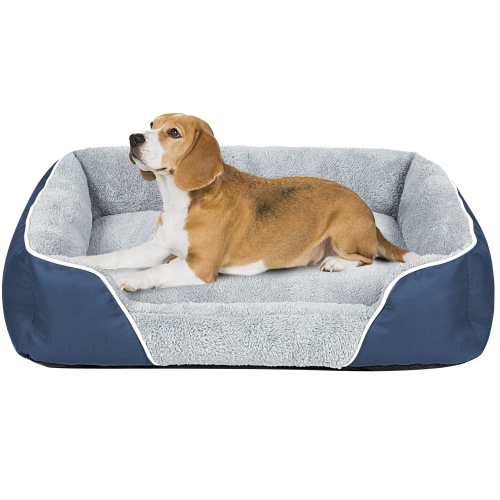
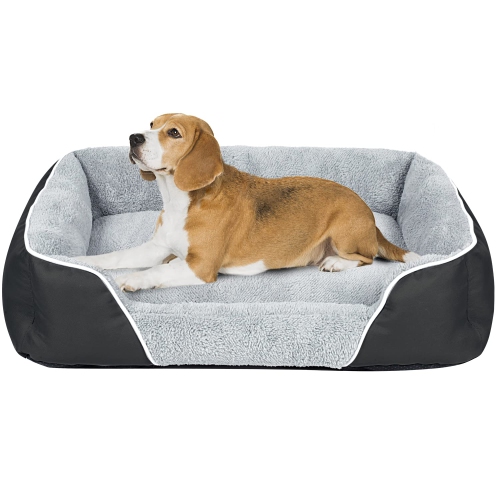

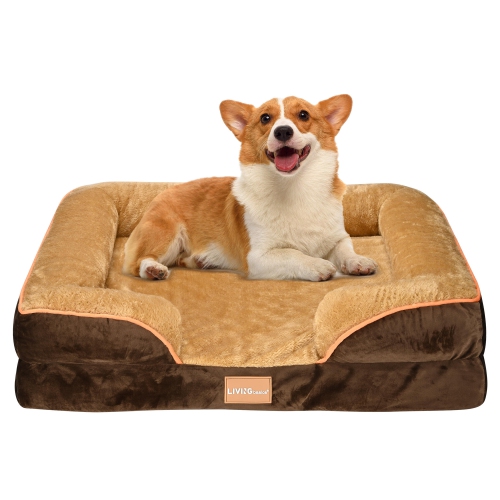
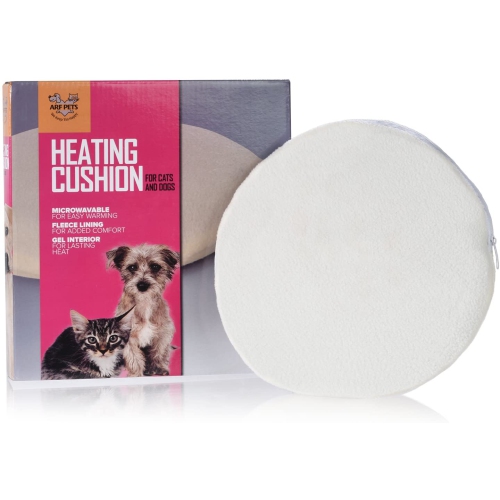
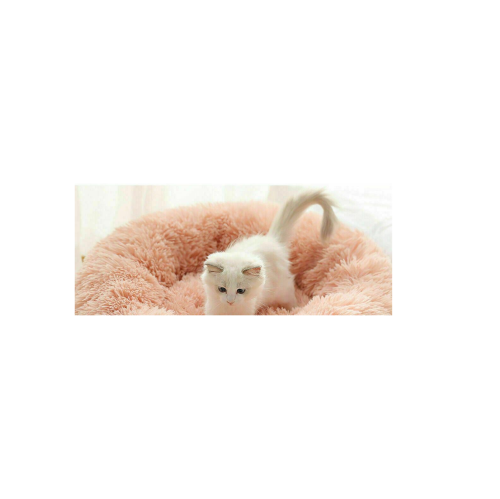
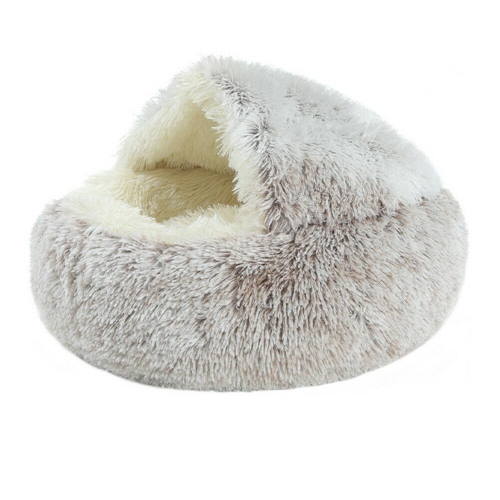
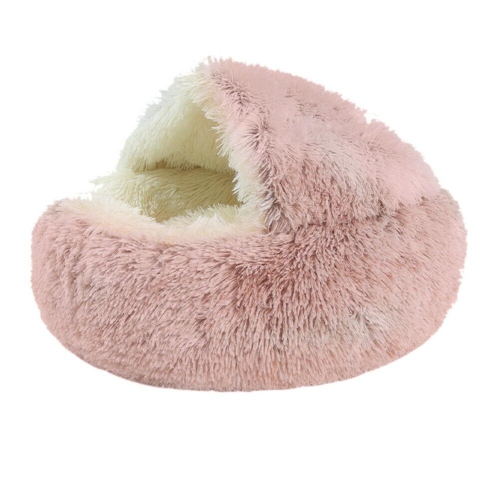
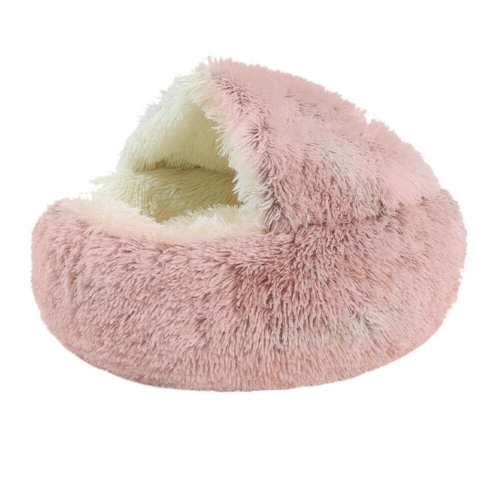
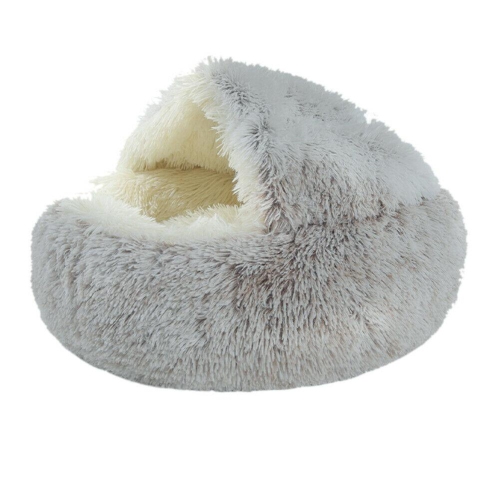
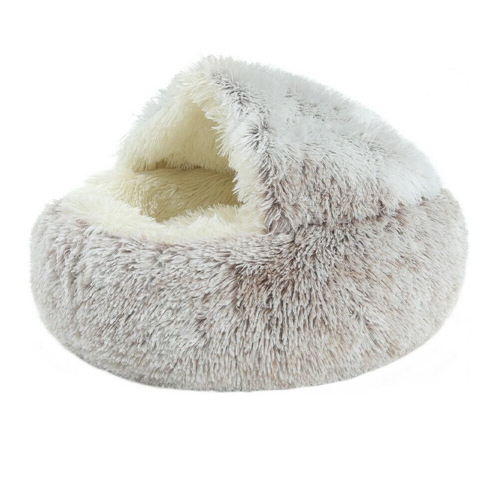
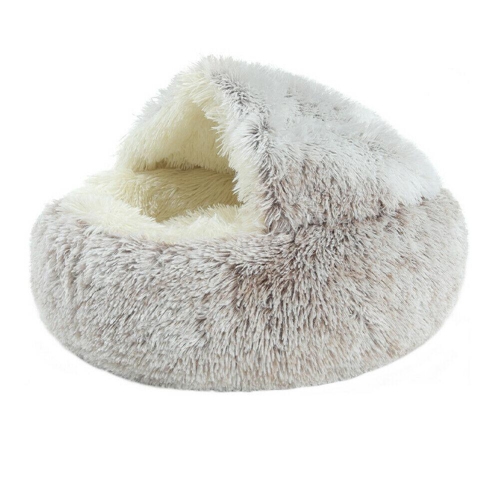
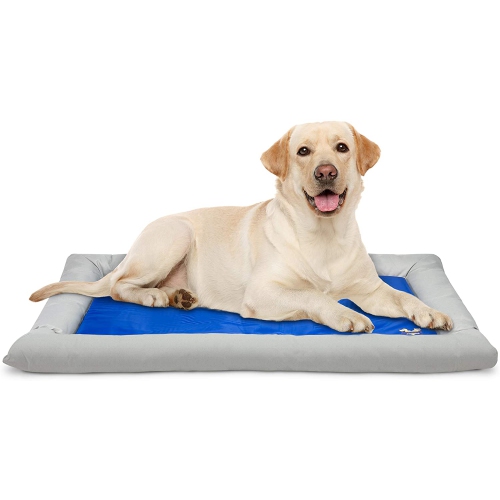
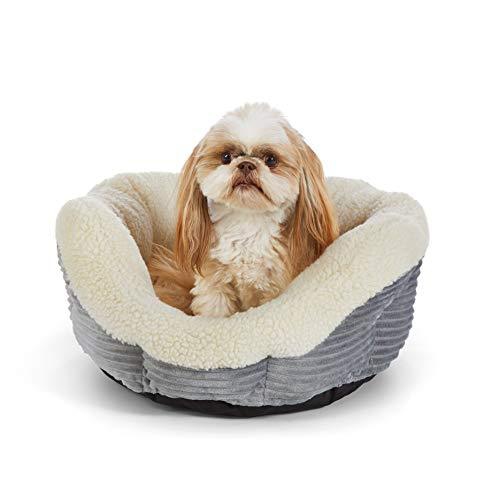
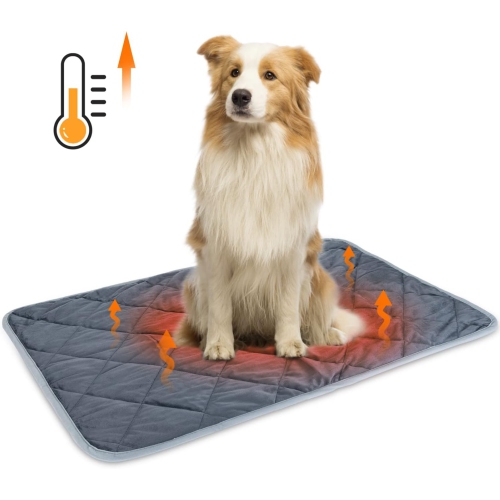
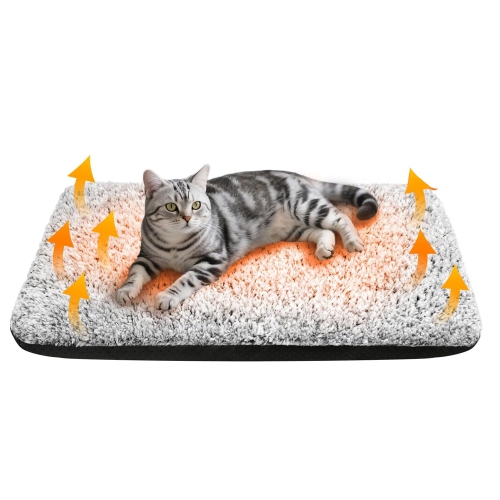

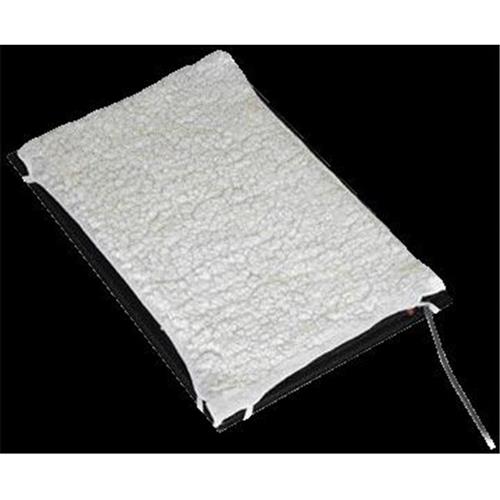
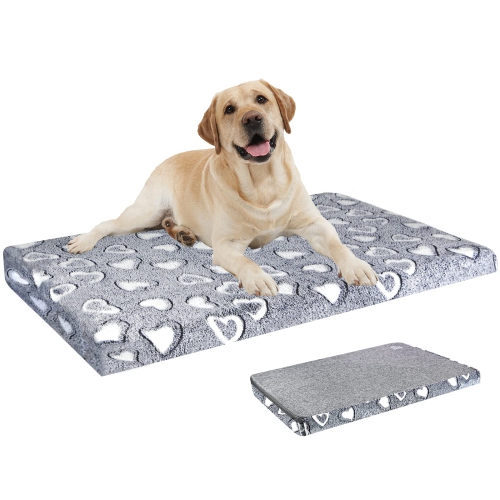
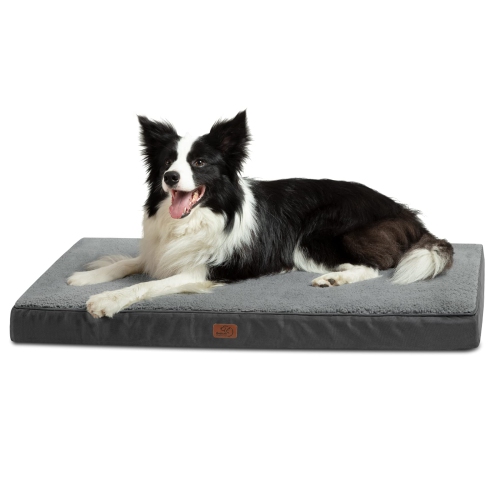
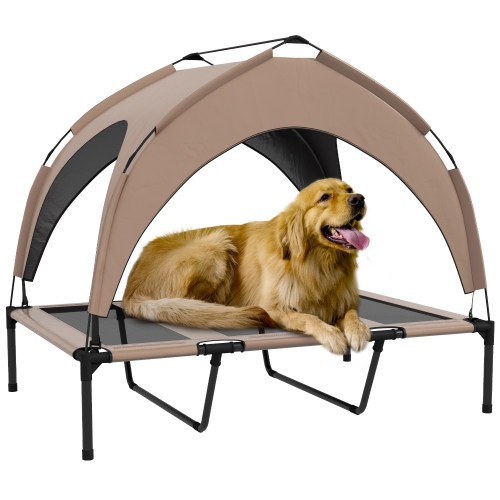
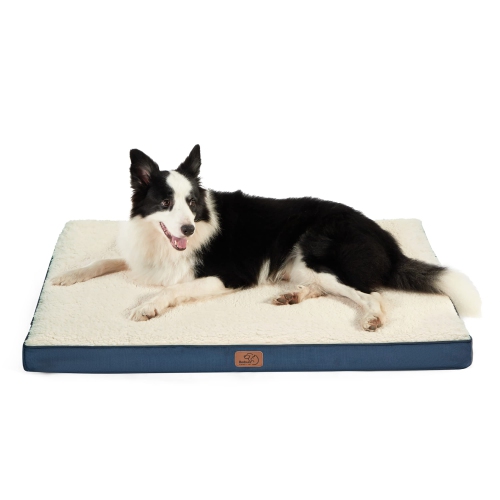
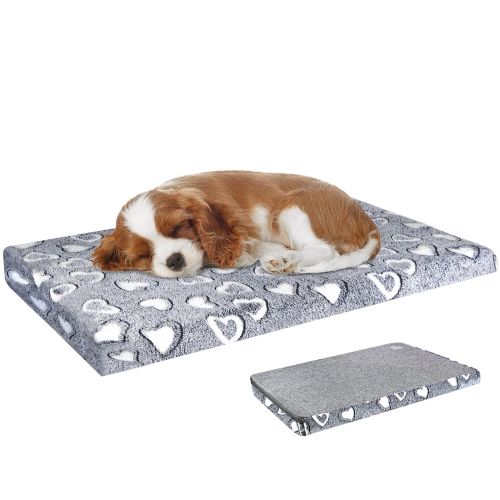
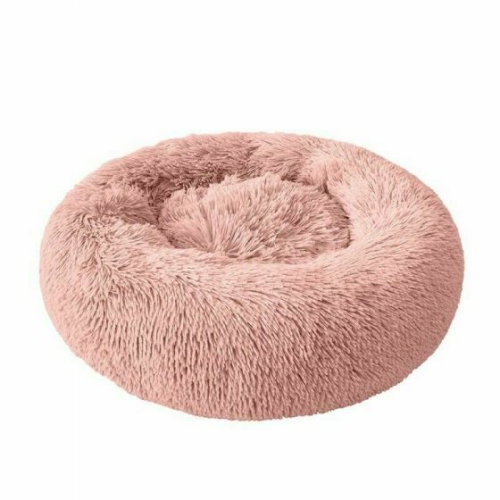
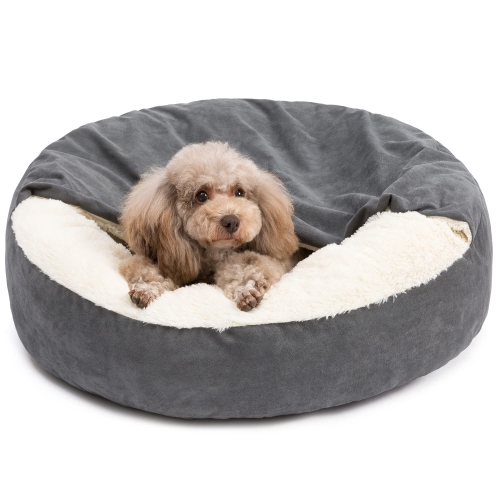
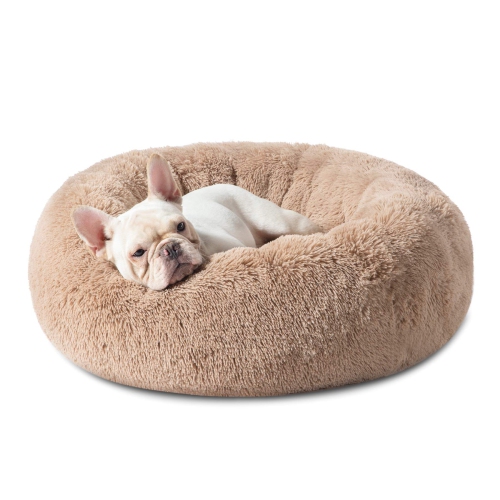
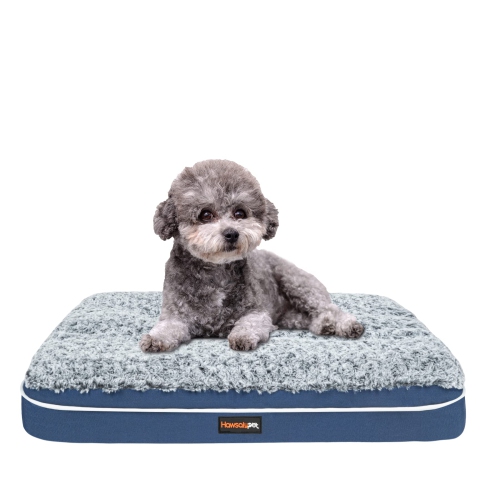
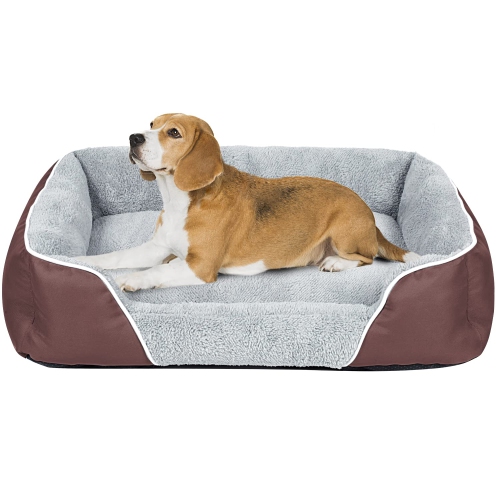
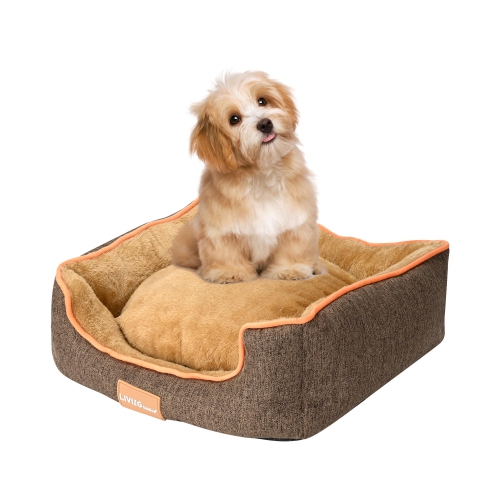
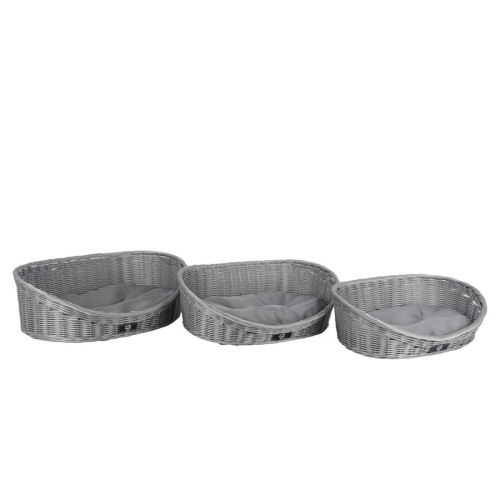
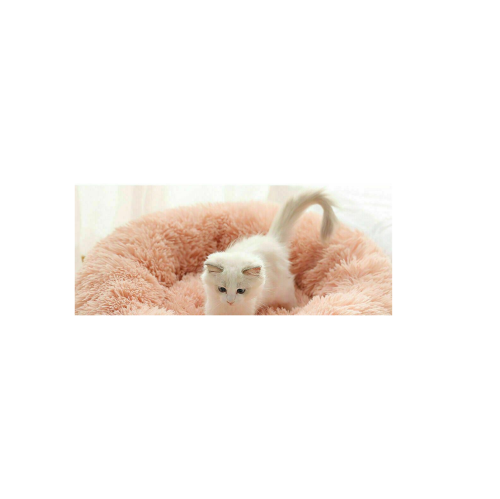
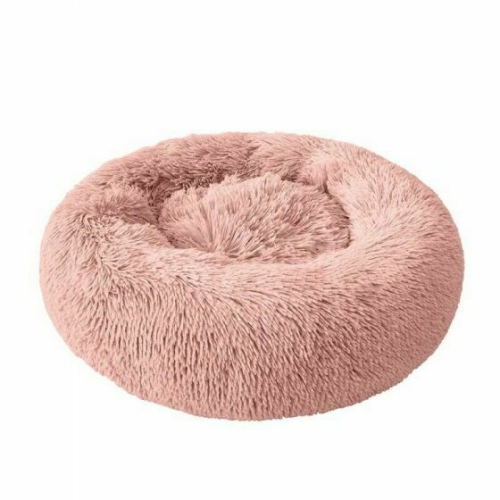
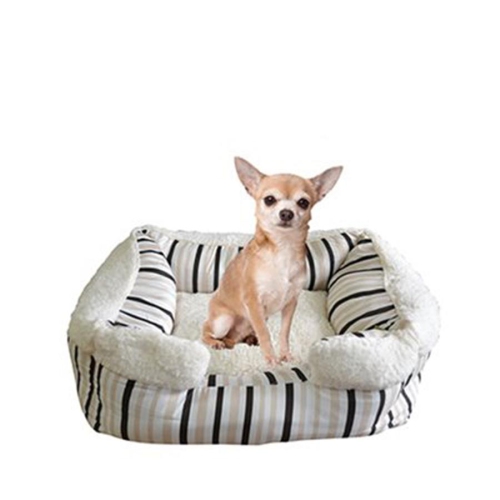
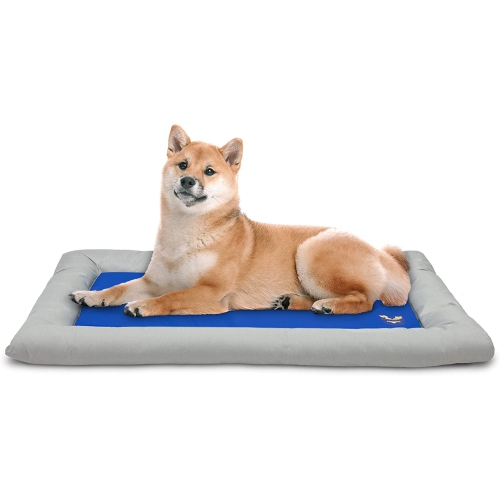
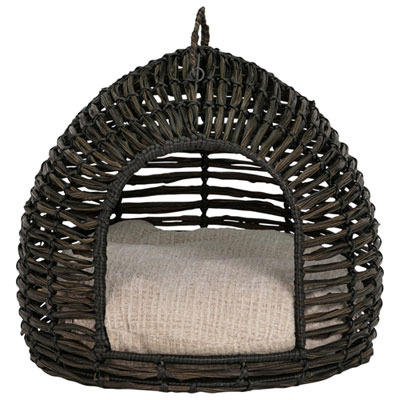
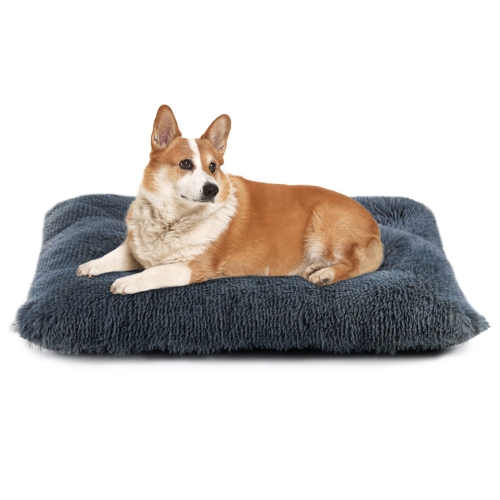
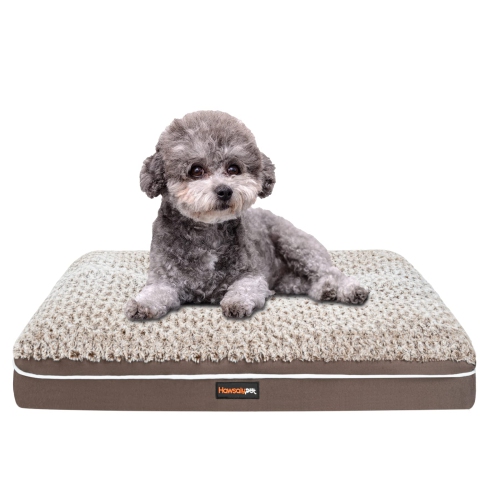
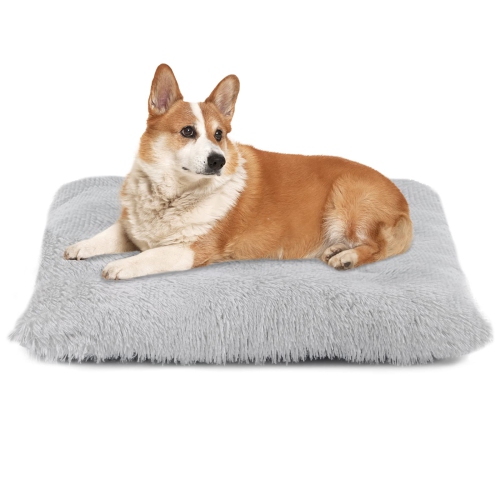
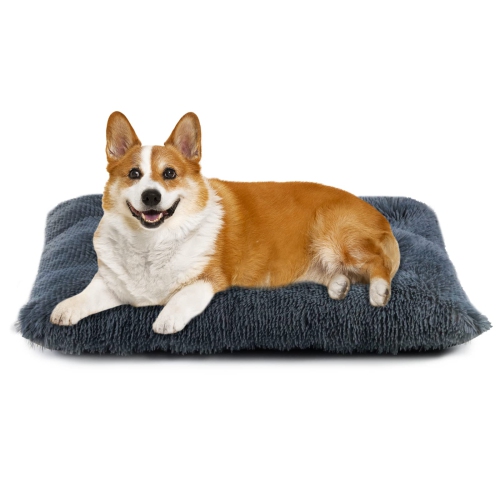
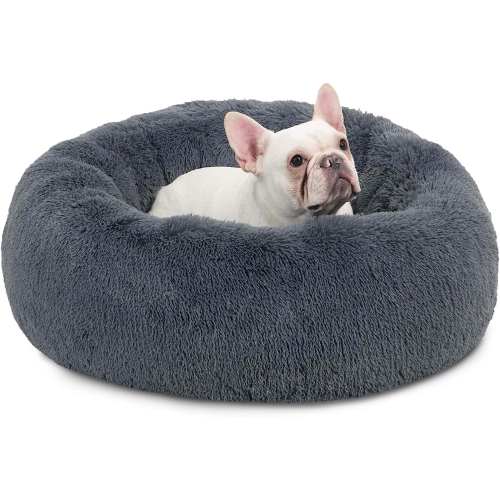
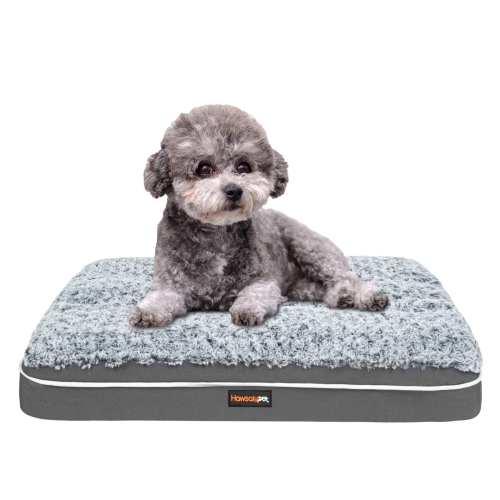
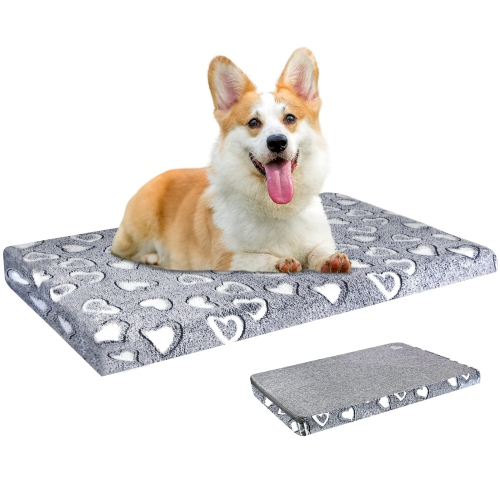
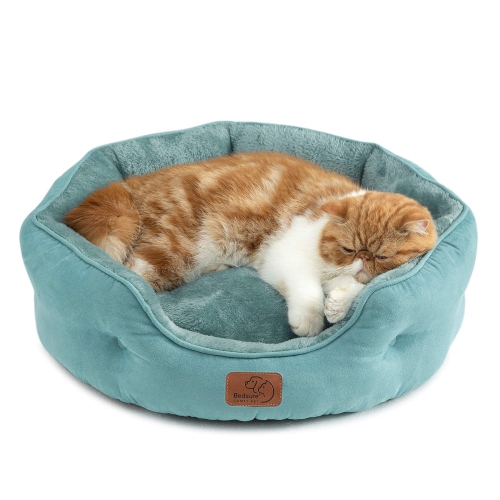
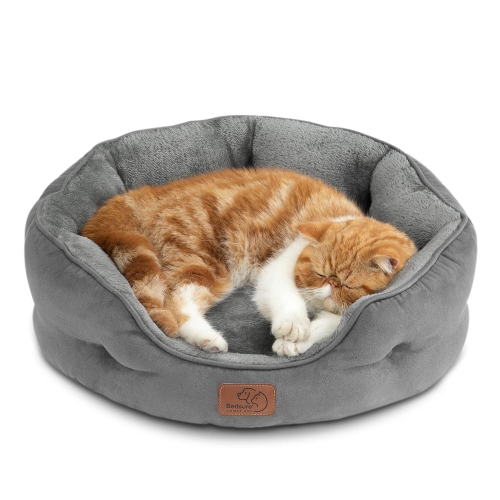
Cosy pet comfort with or without a plug
Pet warming beds give cats and dogs a cosy place to rest by retaining body heat or supplying gentle warmth through a purpose-built heating element. The main distinction is between self-warming pet beds, which need no electrical connection, and electric heated pet beds, which require a suitable power source and use controls that vary by design. Self-warming styles typically combine soft padding with an insulating or heat-reflective layer that helps retain warmth generated by the animal. They can suit a cat that curls up beside the sofa or a small dog that prefers a snug sleeping spot away from a cool floor. Electric styles provide an active source of heat; some have thermostatic controls, while others offer adjustable settings or timers. Automatic temperature adjustment and occupancy sensing are not features of every heated bed, so the individual specifications matter. A warming bed is intended to offer a comfortable resting surface, not to heat a room or replace adequate indoor shelter during cold weather. During the cooler months, that extra comfort may appeal to short-haired pets, older animals, and cats or dogs that regularly seek out the warmest cushion in the house. A familiar bed in a quiet corner can also create a settled resting place after a walk or an afternoon of play. For pets with joint discomfort, limited mobility, reduced sensation, or a health condition that affects temperature regulation, a veterinarian can advise whether added warmth is appropriate. Heat is not a treatment for an underlying condition, and an animal should always be able to move away from it freely. A pet warming bed can make a thoughtful gift for someone welcoming a cat or dog, provided the choice reflects the animal’s size, sleeping habits, and household setup. The most useful bed is one that fits naturally into the pet’s routine, whether that means a tucked-away nook near a favourite chair or an open spot where a dog can stretch out while staying close to the family.
Shape, dimensions, and cushioning all influence how comfortably a pet can use a warming bed. The usable sleeping area is more informative than the outer measurements, particularly on bolster beds where thick sides take up space. A dog that sleeps on its side needs enough room for extended legs, while a cat that curls into a tight circle may prefer raised edges that offer a sheltered feeling. Observing the pet at rest helps reveal whether a flat mat, an open cushion, or a nest-style bed is likely to suit. Low entry points are worth considering for animals that find stepping over high sides difficult, and a stable, non-slip base can help keep the bed from sliding on tile or hardwood. In a compact room, Small Pet Beds may suit a smaller companion without taking up the whole corner, but a compact footprint should still leave enough room for the animal’s usual sleeping position. Materials affect both the feel of the bed and its everyday practicality. Fleece and plush fabrics offer a soft surface for burrowing noses, while smoother woven covers may be easier to brush free of loose hair. Dense foam can provide a more even resting surface than loose filling, although an orthopaedic label alone does not establish how supportive or suitable a bed will be for a particular pet. Cushion thickness, foam construction, and how well the base holds its shape under the animal’s weight are useful details to compare. A pet that circles and scratches before settling may benefit from sturdy seams and a tightly woven cover, though no fabric bed should be assumed to withstand determined chewing. Some self-warming layers can make a faint rustling sound, which may matter to a cautious cat or noise-sensitive dog. Placement is equally important: a level surface away from draughts, busy doorways, and direct heat sources gives the pet a comfortable place to settle without making the bed difficult to reach.
Care requirements and intended use are especially important when a bed includes electrical components. Indoor heated pet beds should stay indoors unless the manufacturer explicitly identifies them for another setting. A covered porch or garage can still expose a bed to dampness, large temperature changes, and other conditions that an indoor design is not built to handle. Water-resistant fabric does not make an entire heated bed waterproof, and a bed described for outdoor use still needs the placement, shelter, and electrical protection specified by its manufacturer. For an electric model, look for safety certification applicable in Canada and follow the supplied directions for power connections, operating time, and supervision. The cord should sit out of walking paths and away from curious teeth, without being pinched beneath furniture or stretched tightly across the floor. A protective cord covering does not make a bed chew-proof. Pets that chew cables, cannot move independently, or are likely to damage the heating insert may need a different resting option. Human heating pads and electric blankets are not substitutes for equipment designed for pets. Added blankets, replacement covers, or extra padding can also alter how heat moves through a bed, so use only layers permitted by the manufacturer. For everyday cleaning, removable washable covers can simplify dealing with shed hair, muddy paws, and the occasional accident. Check whether only the cover is washable or whether other parts can be cleaned too; an electrical insert should never be immersed unless the instructions expressly allow it. Unplug an electric bed before cleaning or inspection, and let permitted washable components dry completely before reassembly. Regularly checking seams, cords, connectors, and padding helps catch damage before the bed is used again. Persistent odours, exposed filling, frayed wires, or uneven heating are reasons to stop using the bed and consult its care or safety directions. With suitable sizing, sensible placement, and consistent care, a warming bed can become the familiar spot a pet heads to for a quiet, comfortable rest.
Shape, dimensions, and cushioning all influence how comfortably a pet can use a warming bed. The usable sleeping area is more informative than the outer measurements, particularly on bolster beds where thick sides take up space. A dog that sleeps on its side needs enough room for extended legs, while a cat that curls into a tight circle may prefer raised edges that offer a sheltered feeling. Observing the pet at rest helps reveal whether a flat mat, an open cushion, or a nest-style bed is likely to suit. Low entry points are worth considering for animals that find stepping over high sides difficult, and a stable, non-slip base can help keep the bed from sliding on tile or hardwood. In a compact room, Small Pet Beds may suit a smaller companion without taking up the whole corner, but a compact footprint should still leave enough room for the animal’s usual sleeping position. Materials affect both the feel of the bed and its everyday practicality. Fleece and plush fabrics offer a soft surface for burrowing noses, while smoother woven covers may be easier to brush free of loose hair. Dense foam can provide a more even resting surface than loose filling, although an orthopaedic label alone does not establish how supportive or suitable a bed will be for a particular pet. Cushion thickness, foam construction, and how well the base holds its shape under the animal’s weight are useful details to compare. A pet that circles and scratches before settling may benefit from sturdy seams and a tightly woven cover, though no fabric bed should be assumed to withstand determined chewing. Some self-warming layers can make a faint rustling sound, which may matter to a cautious cat or noise-sensitive dog. Placement is equally important: a level surface away from draughts, busy doorways, and direct heat sources gives the pet a comfortable place to settle without making the bed difficult to reach.
Care requirements and intended use are especially important when a bed includes electrical components. Indoor heated pet beds should stay indoors unless the manufacturer explicitly identifies them for another setting. A covered porch or garage can still expose a bed to dampness, large temperature changes, and other conditions that an indoor design is not built to handle. Water-resistant fabric does not make an entire heated bed waterproof, and a bed described for outdoor use still needs the placement, shelter, and electrical protection specified by its manufacturer. For an electric model, look for safety certification applicable in Canada and follow the supplied directions for power connections, operating time, and supervision. The cord should sit out of walking paths and away from curious teeth, without being pinched beneath furniture or stretched tightly across the floor. A protective cord covering does not make a bed chew-proof. Pets that chew cables, cannot move independently, or are likely to damage the heating insert may need a different resting option. Human heating pads and electric blankets are not substitutes for equipment designed for pets. Added blankets, replacement covers, or extra padding can also alter how heat moves through a bed, so use only layers permitted by the manufacturer. For everyday cleaning, removable washable covers can simplify dealing with shed hair, muddy paws, and the occasional accident. Check whether only the cover is washable or whether other parts can be cleaned too; an electrical insert should never be immersed unless the instructions expressly allow it. Unplug an electric bed before cleaning or inspection, and let permitted washable components dry completely before reassembly. Regularly checking seams, cords, connectors, and padding helps catch damage before the bed is used again. Persistent odours, exposed filling, frayed wires, or uneven heating are reasons to stop using the bed and consult its care or safety directions. With suitable sizing, sensible placement, and consistent care, a warming bed can become the familiar spot a pet heads to for a quiet, comfortable rest.
Top selling and popular products
-
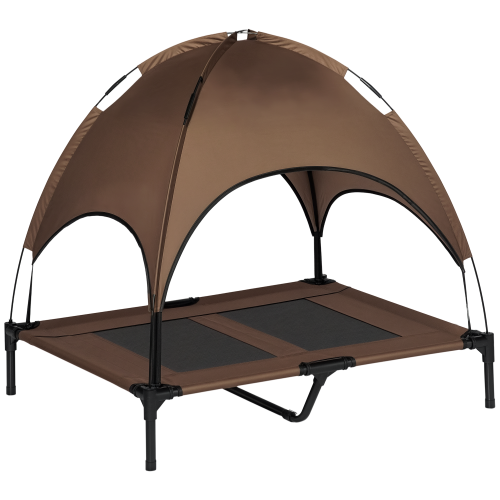 Your price for this item is $53.99
 -
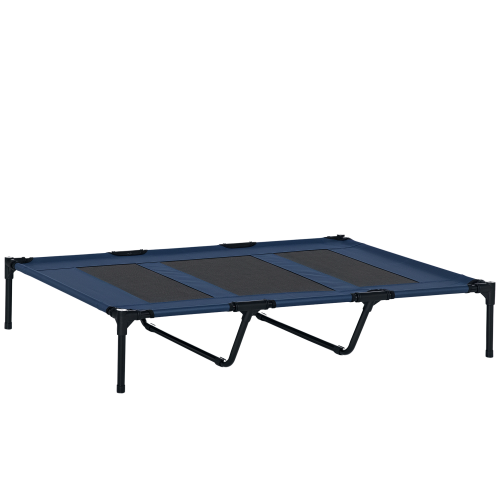 Your price for this item is $52.99
 -
 Your price for this item is $1991.99
 -
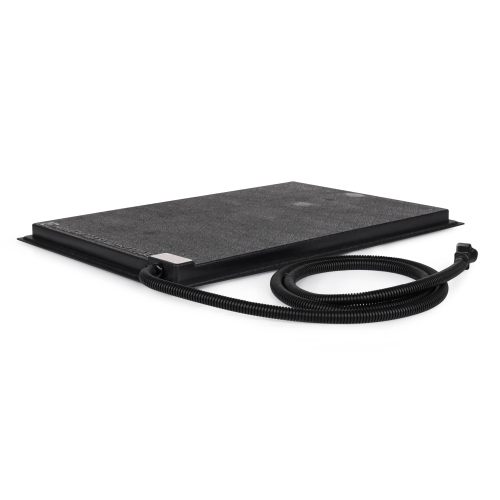 Your price for this item is $155.99
 -
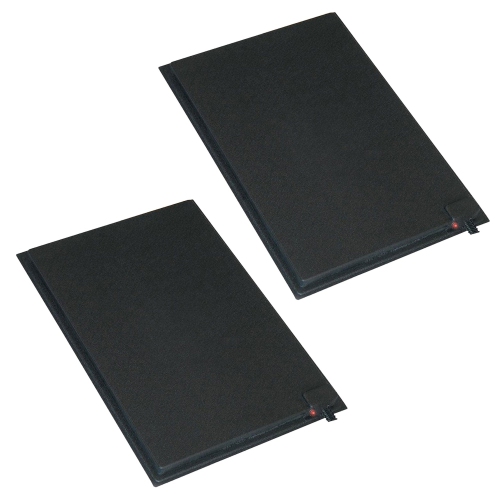 Your price for this item is $220.99
 -
 Your price for this item is $308.99
 -
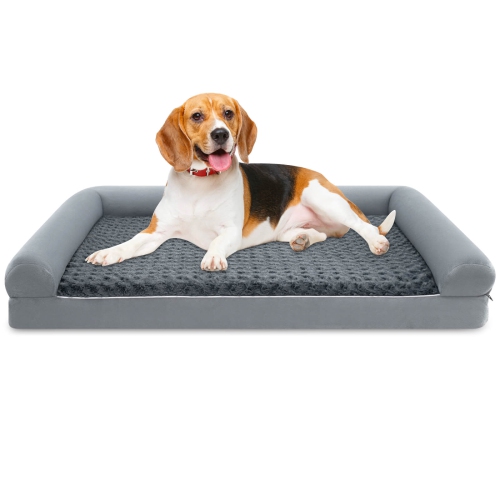 Your price for this item is $85.99
 -
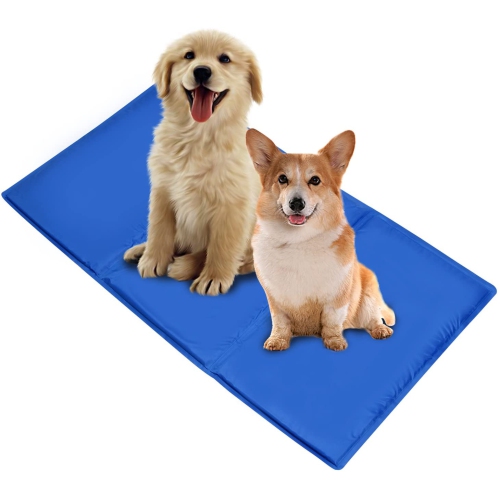 Your price for this item is $24.99
Discover more categories related to Pet Warming Beds

Top Collections:
Pokemon Centers, Kindle Devices, Best Budget Office Chairs, Apple iPhones 16, Best Laptops for Writers, iPhone 15 Apple, Canon G7X Cameras, Refurbished Apple Laptops, Alarm Clock, Motorola Razr Phones
Some products may be subject to Environmental Handling Fees
(EHF) depending on your province.
Learn more about EHFs.