Small Pet Beds
Transform your pet's sleeping space with our cozy selection of small pet beds, designed to offer comfort and style for your furry friends. Whether you're looking to complement your home décor or provide a snug retreat for your pet, our range of beds ensures that every small animal can enjoy a restful slumber. Explore various shapes, colors, and materials to find the perfect match for your pet's personality and needs. With options that cater to different preferences, you can create a personal oasis where your pet can relax in ultimate comfort.
Sort

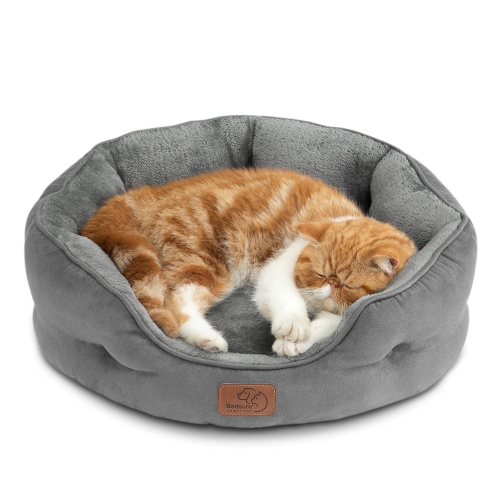
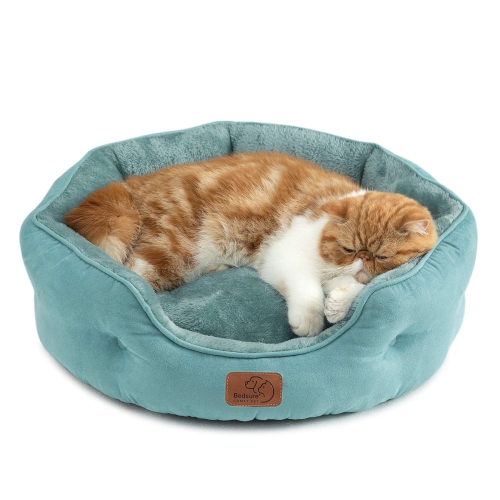
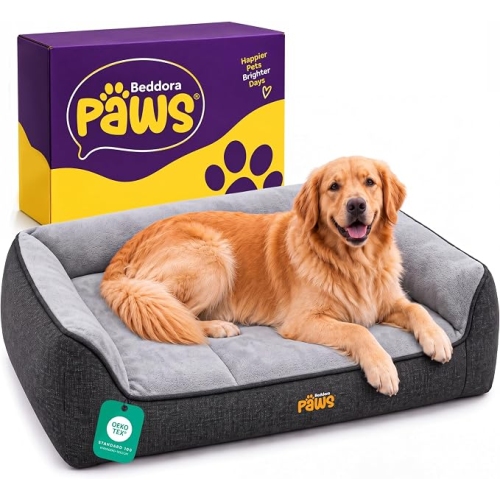
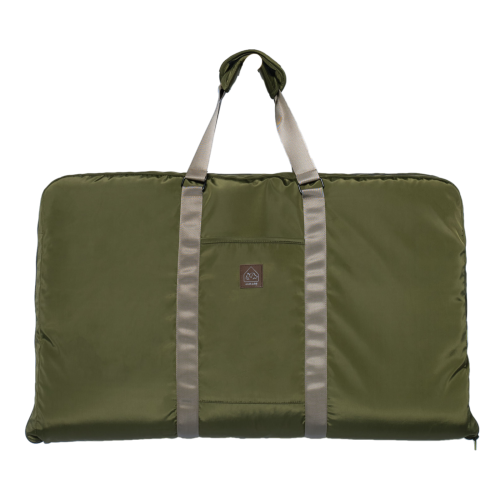
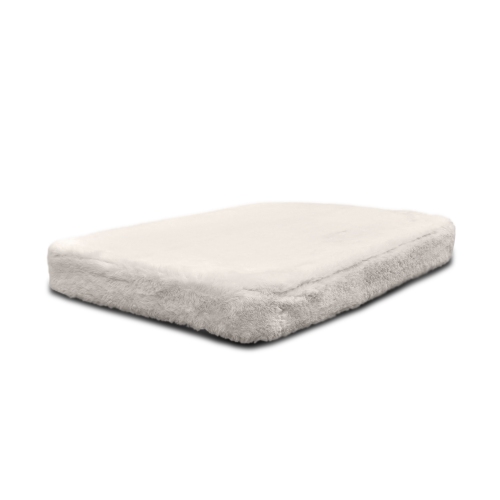

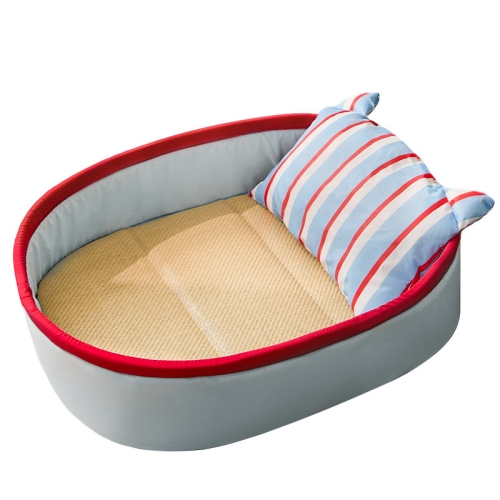
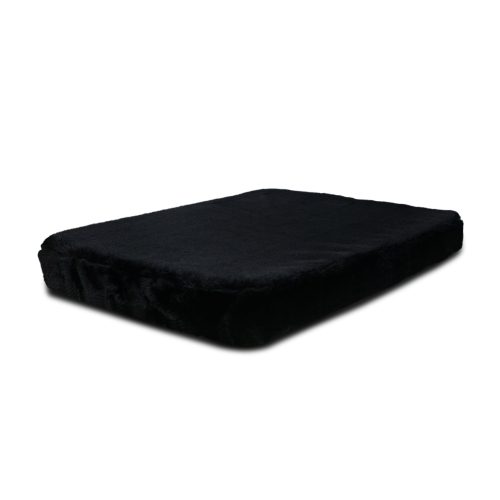
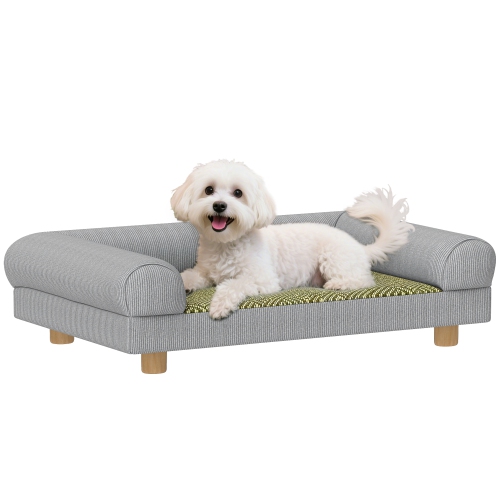
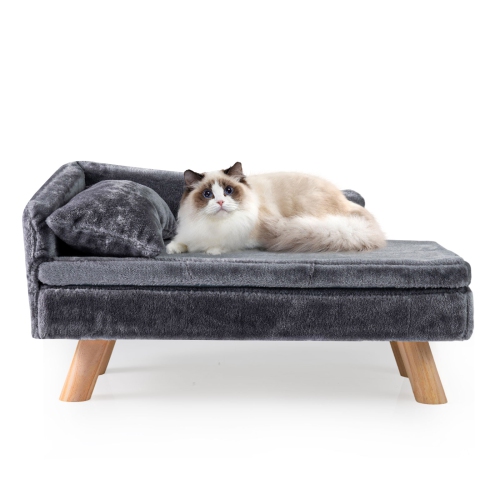
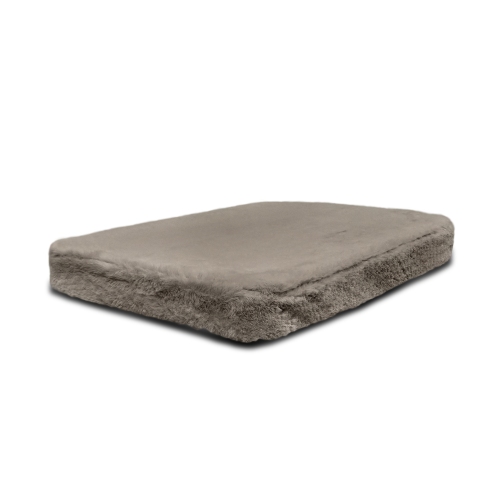
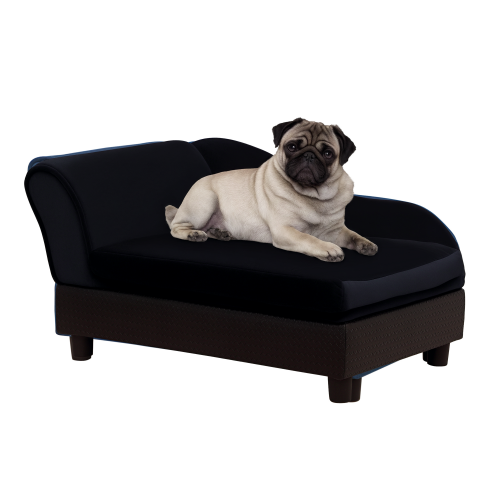
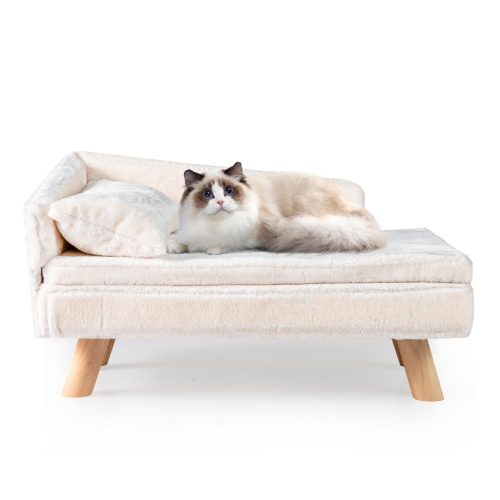

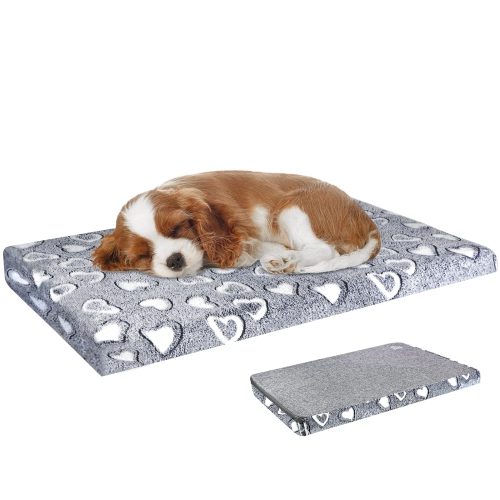
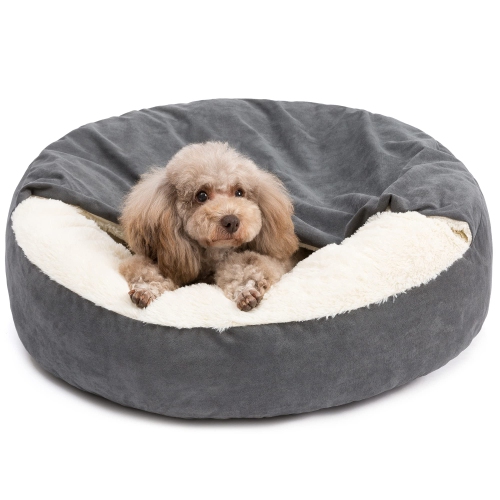

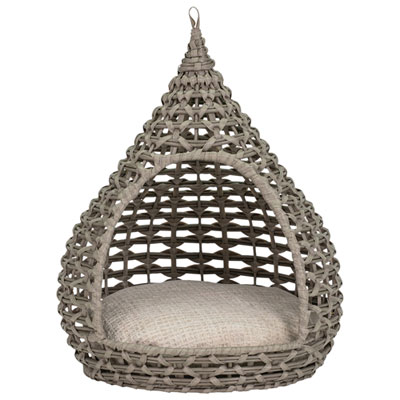
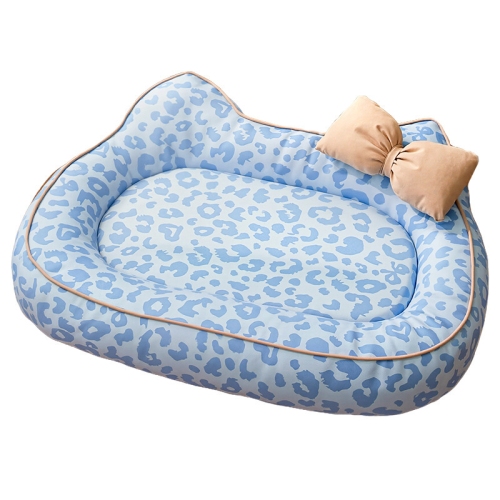




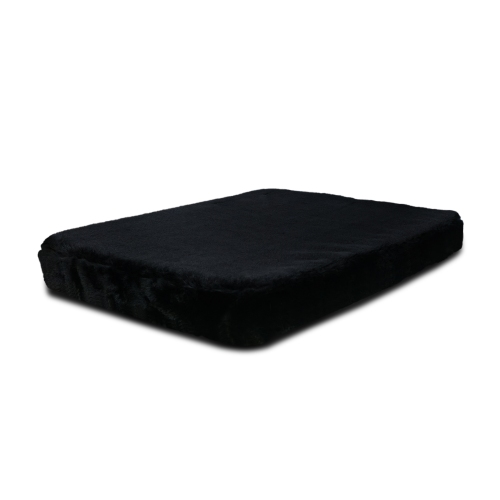
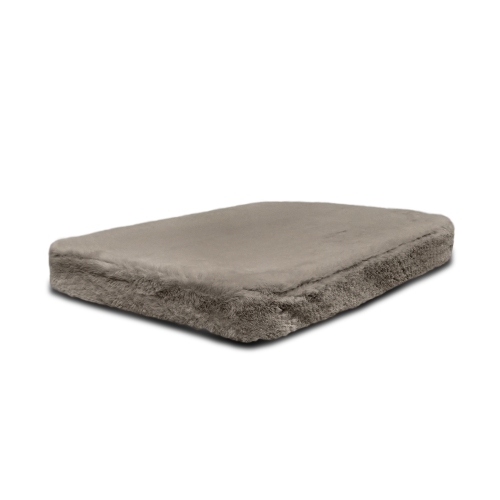
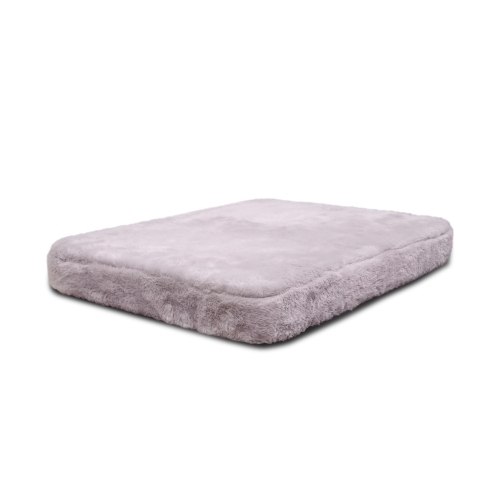
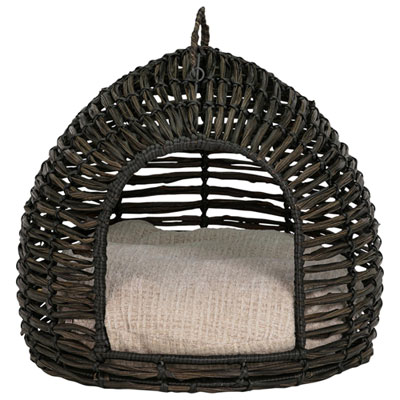
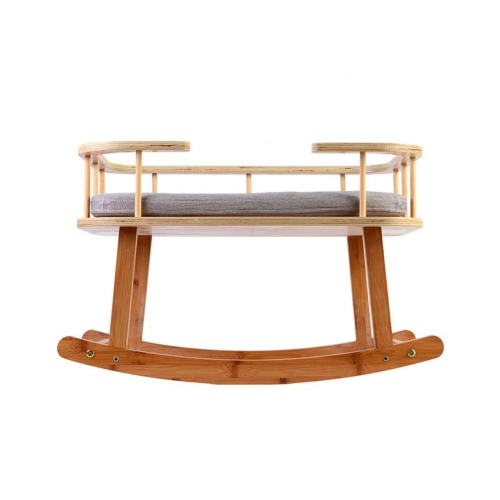
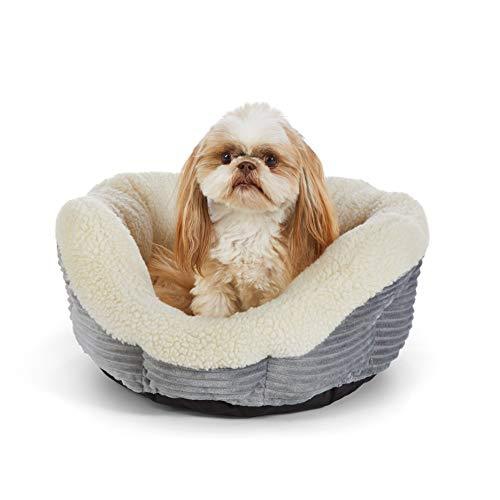
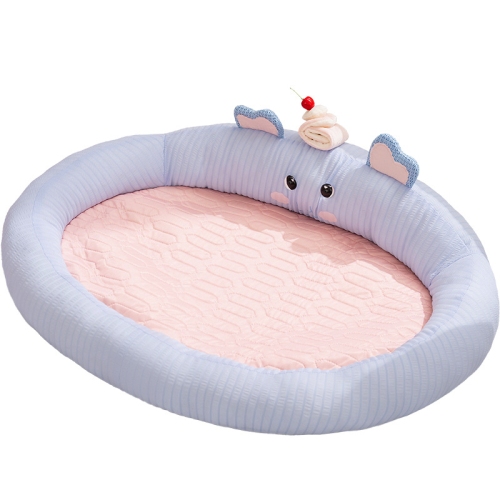
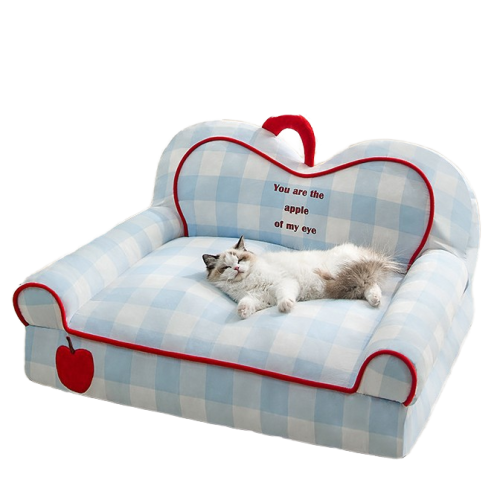




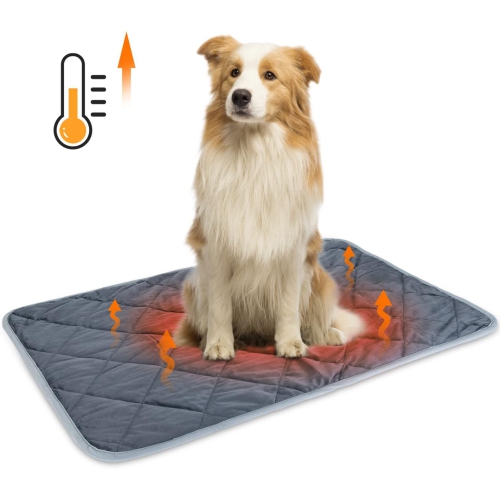
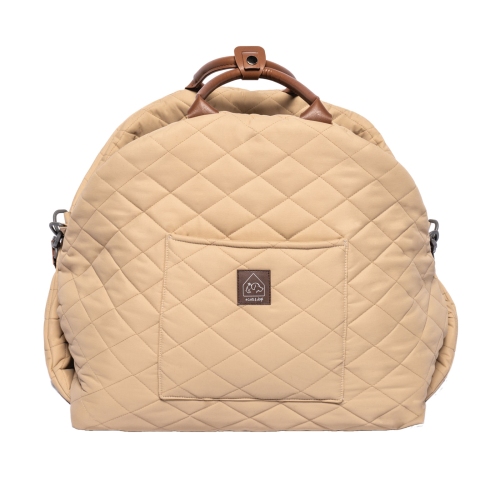

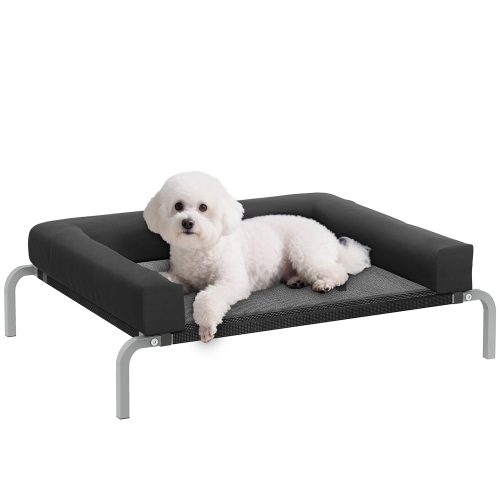
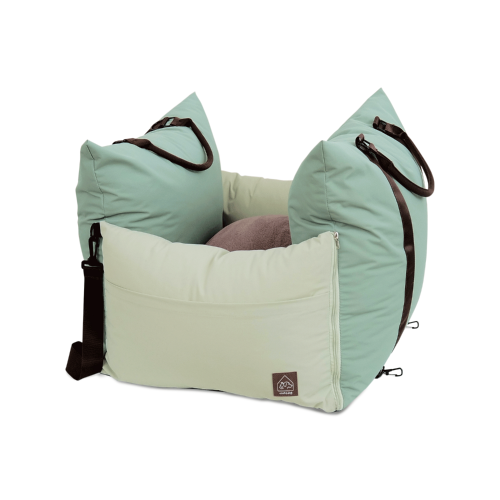




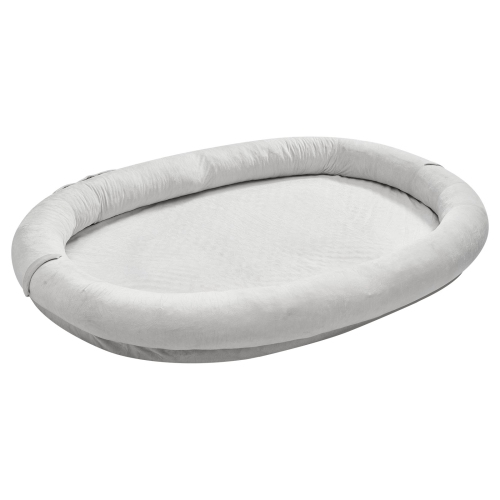
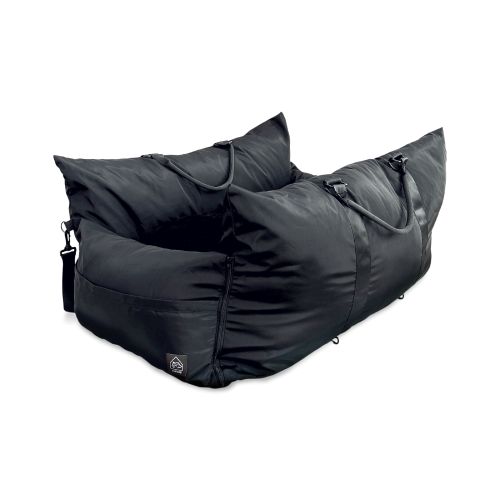
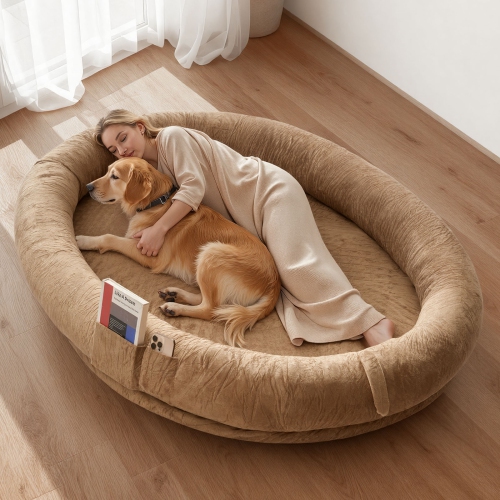
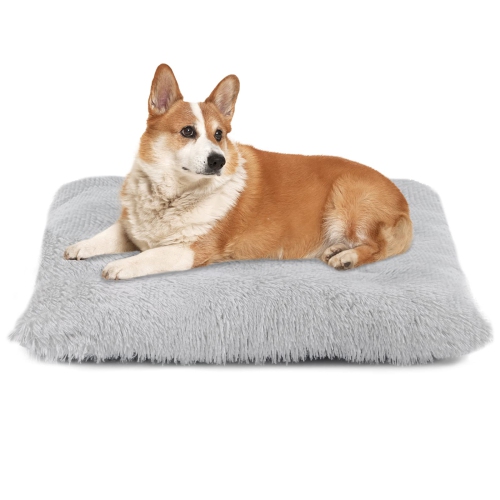
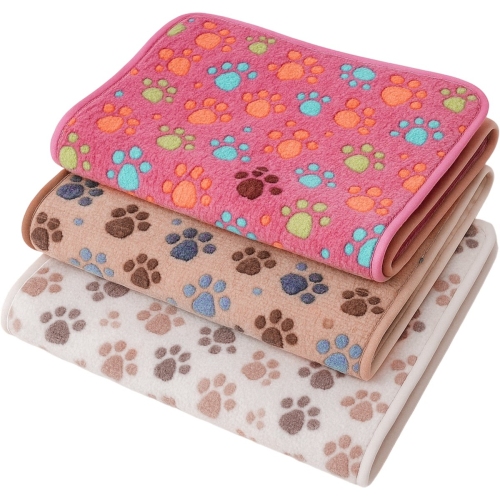
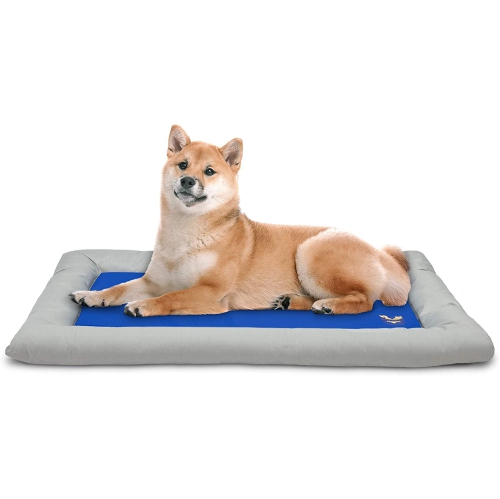
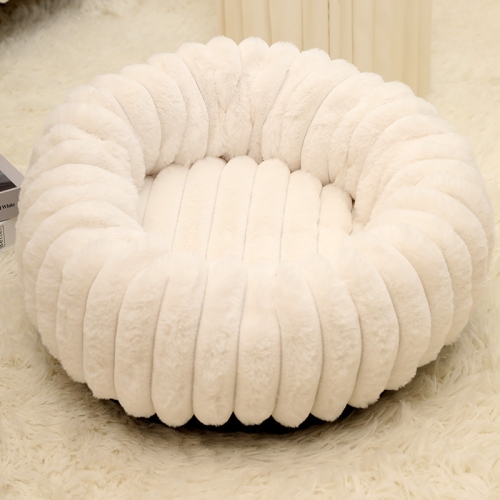
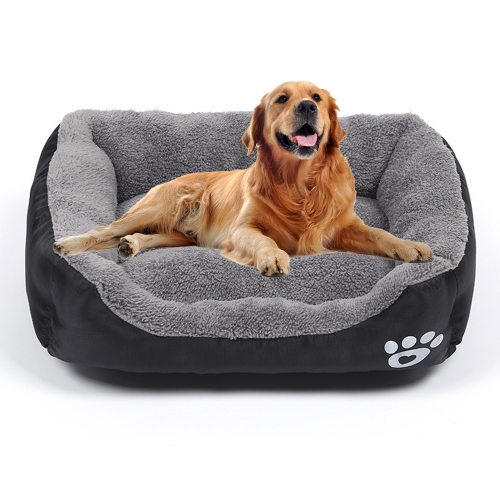




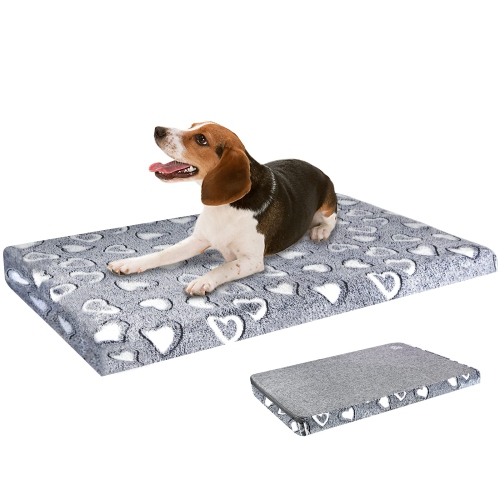
The right bed fits your pet’s resting habits
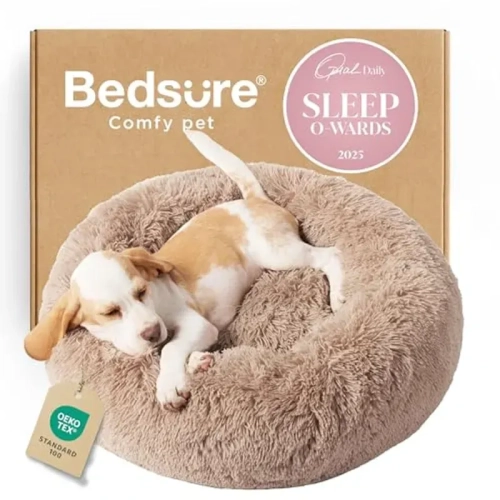
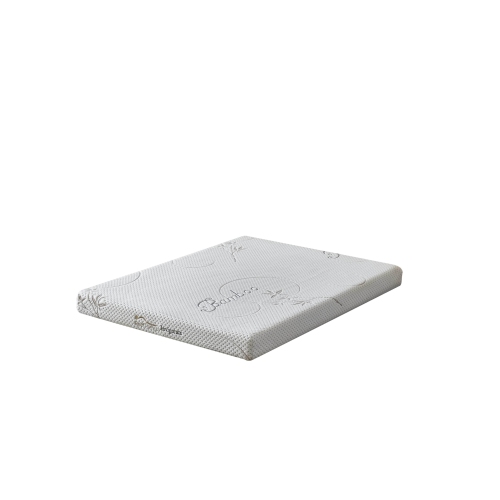
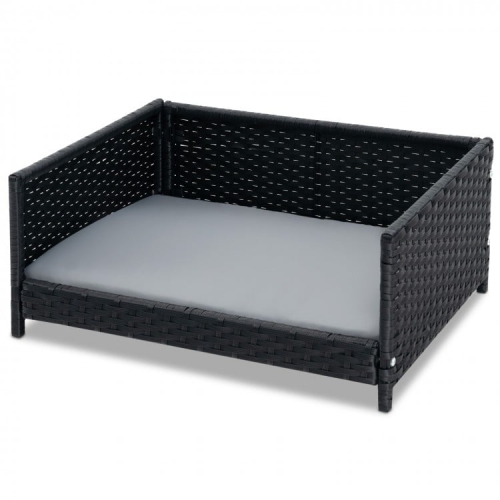
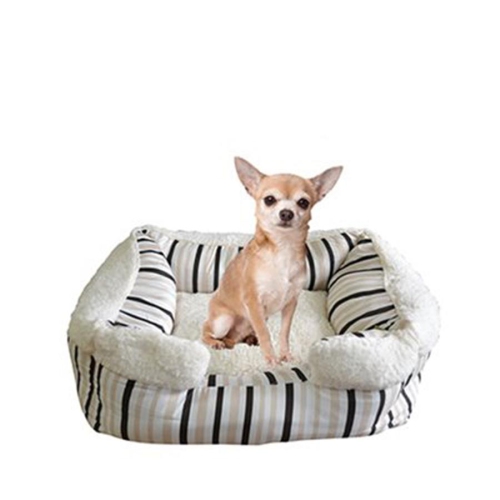
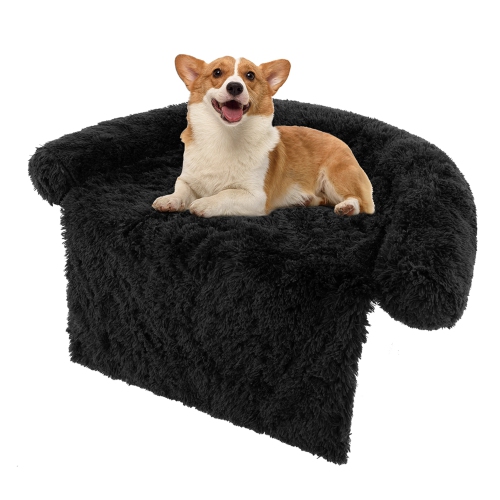
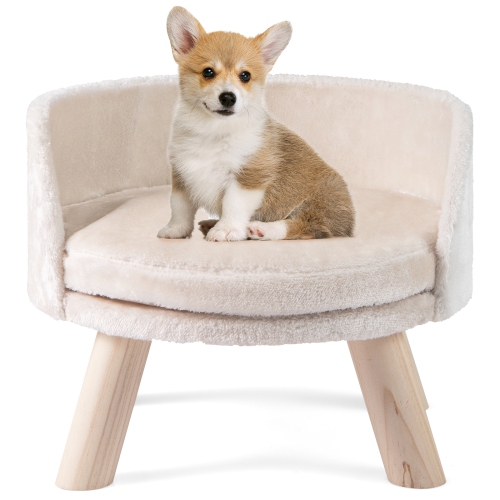
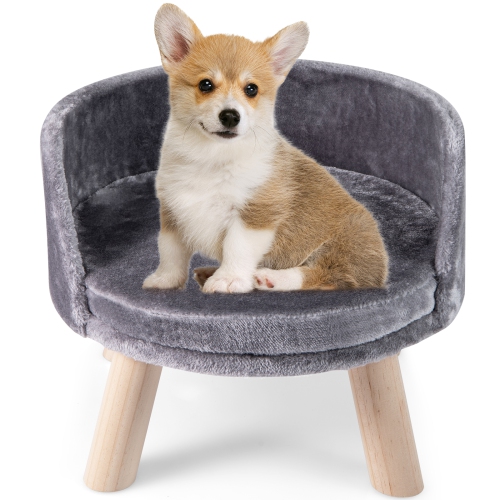
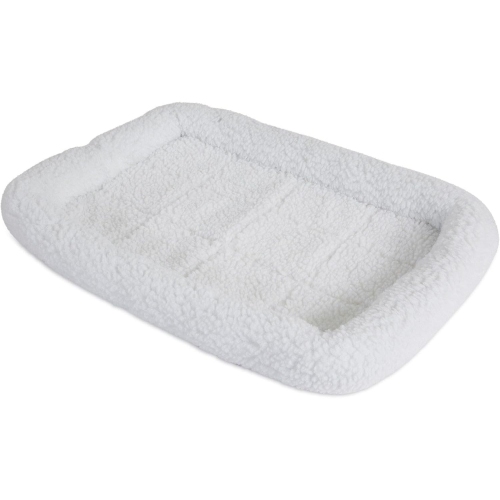
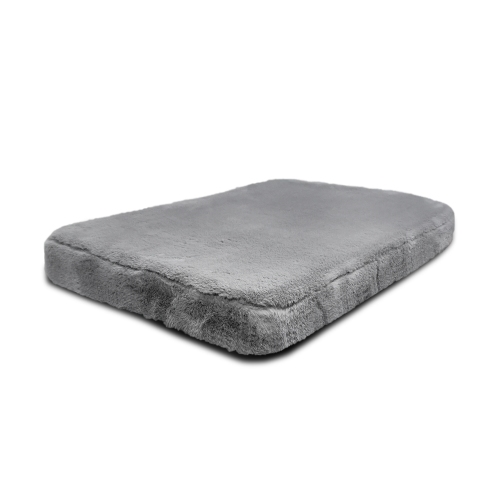
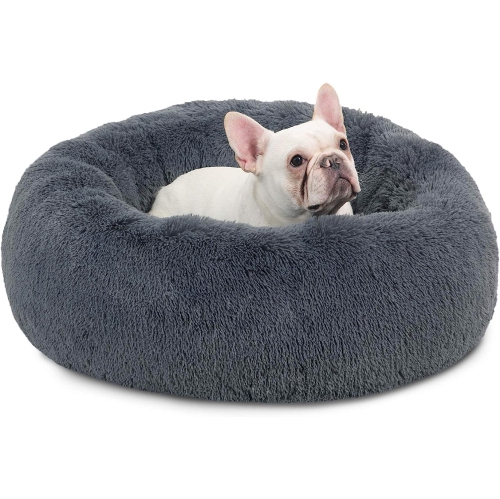
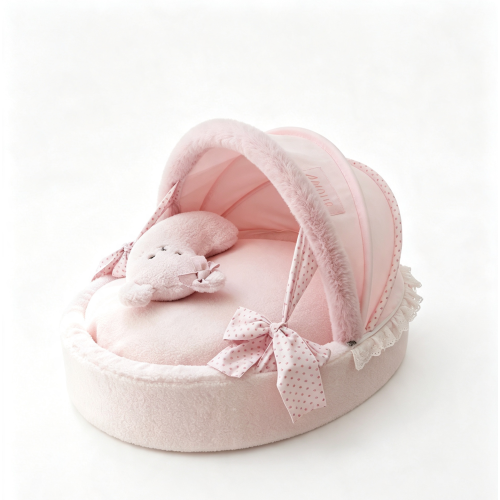
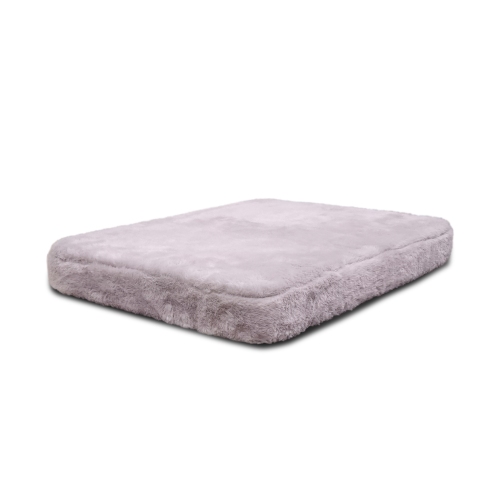
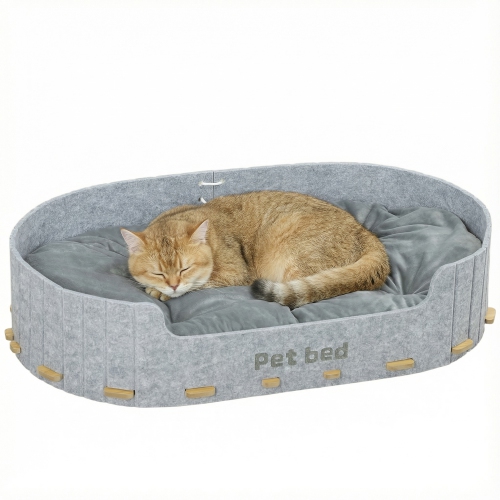
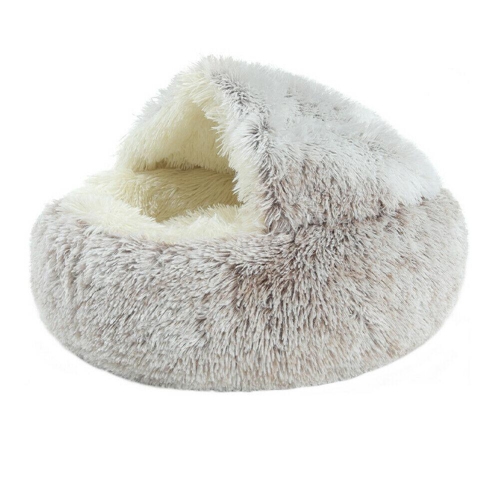
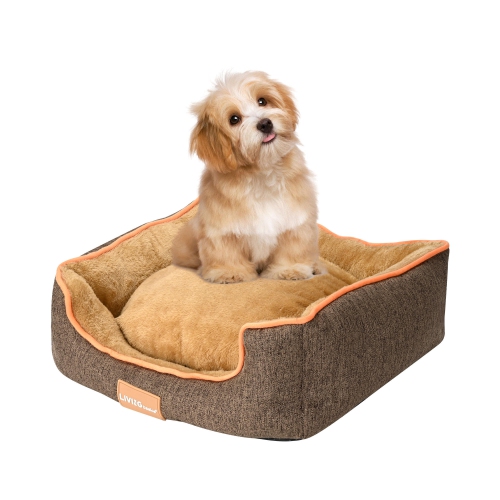
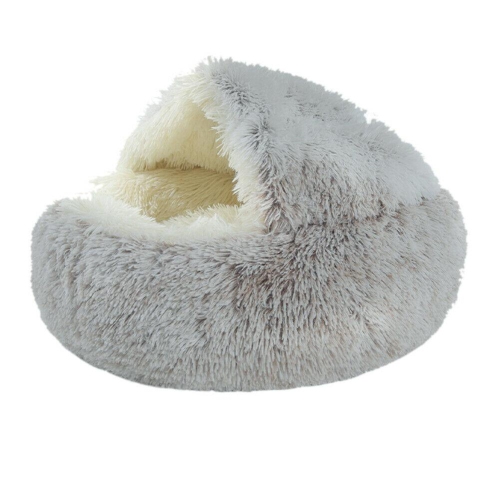
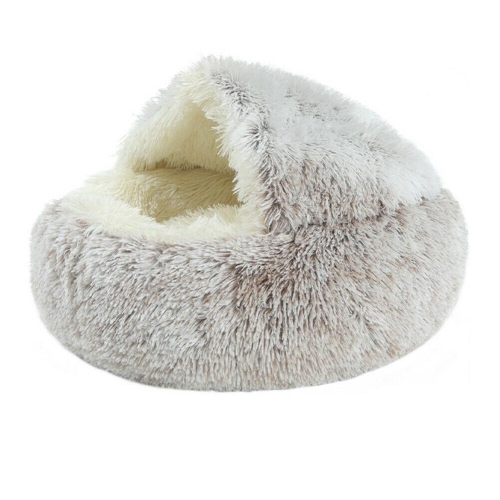
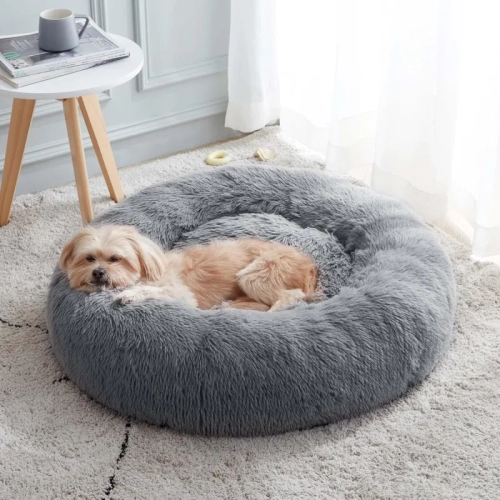
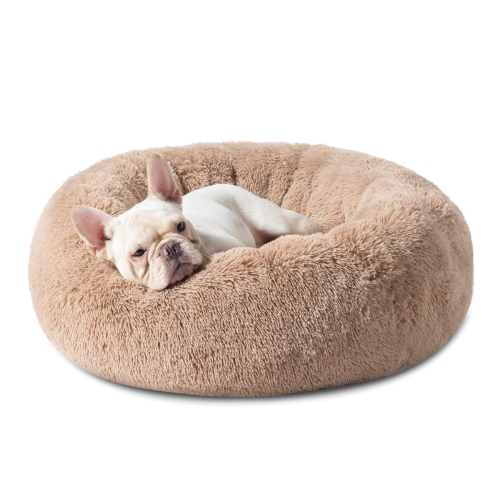
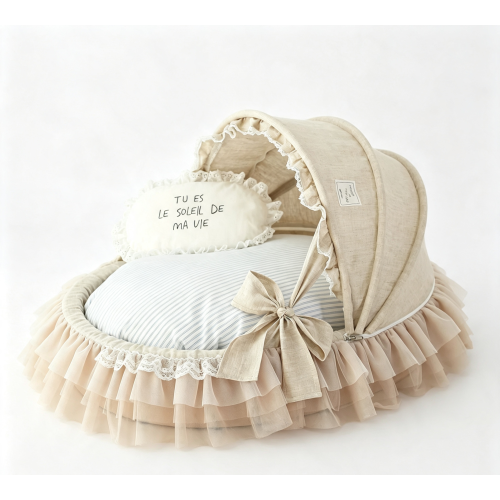
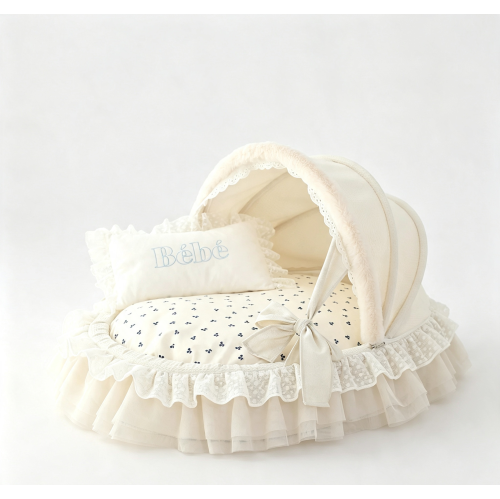
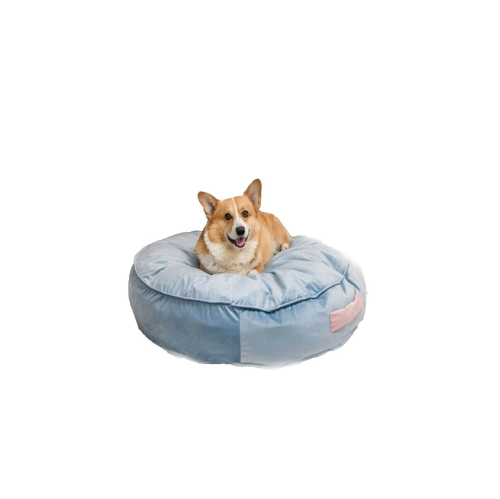
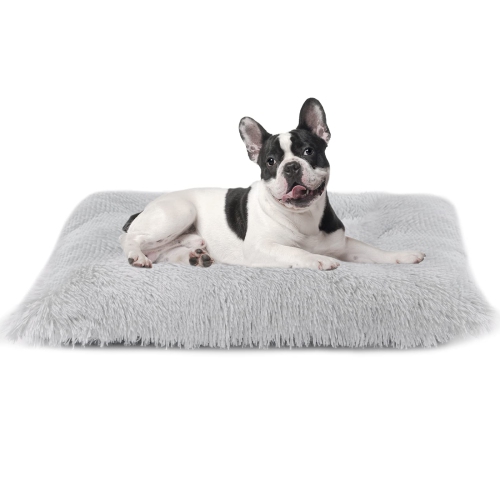
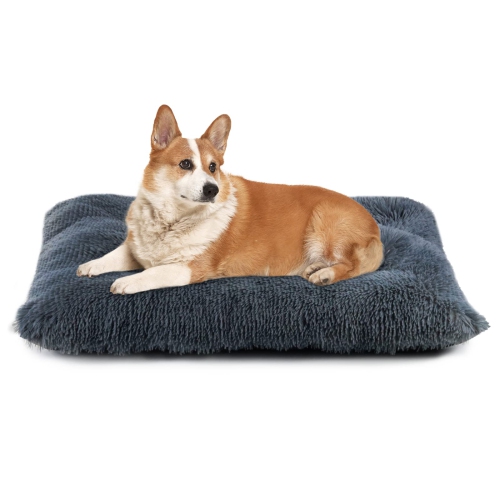
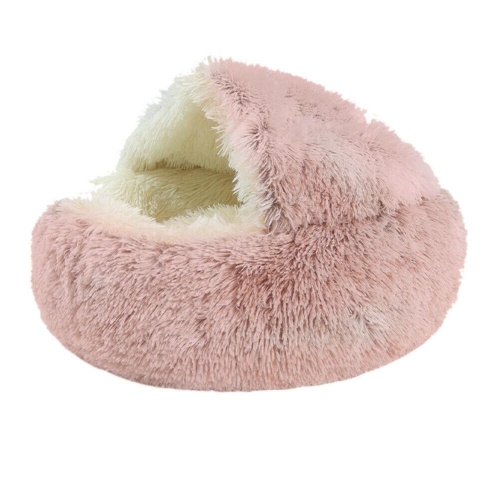
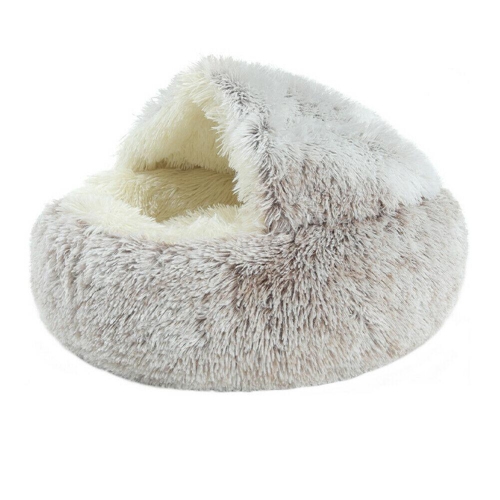
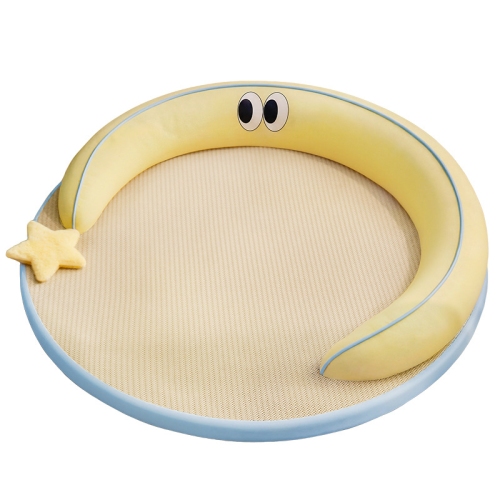
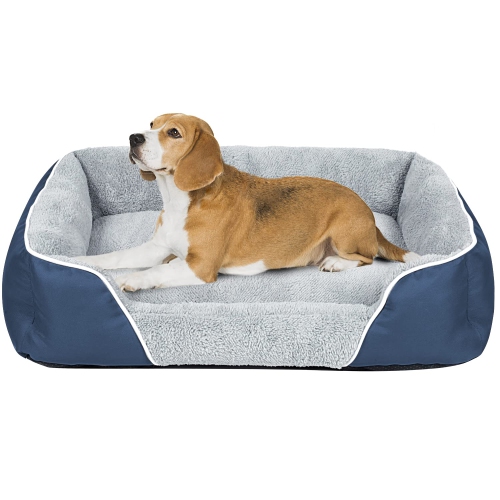
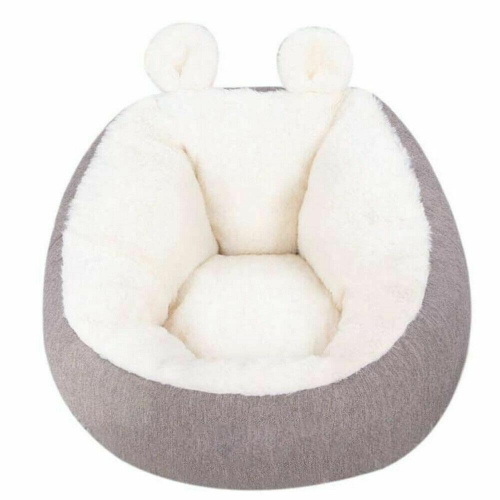
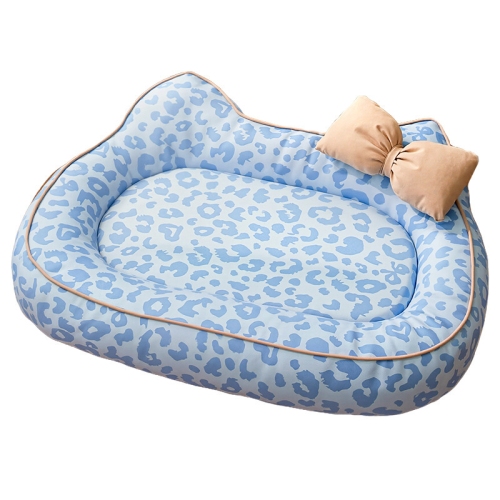
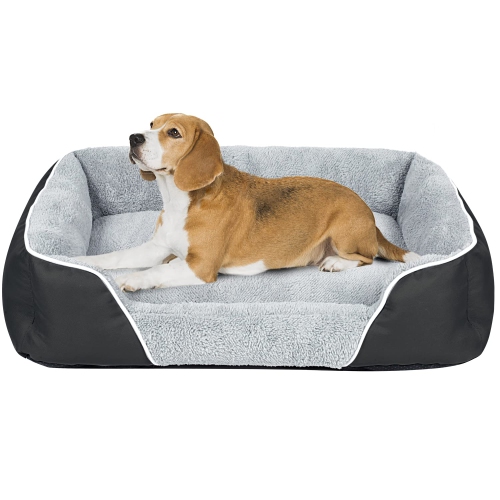
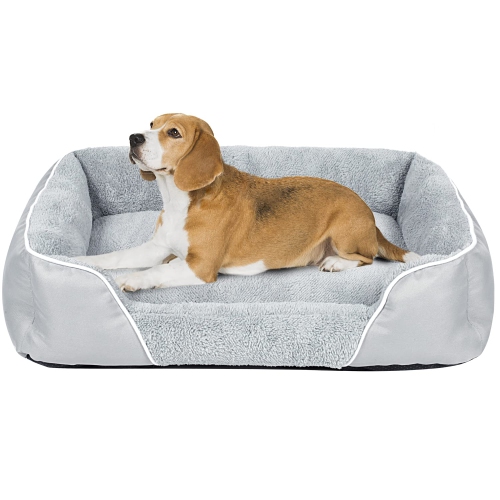
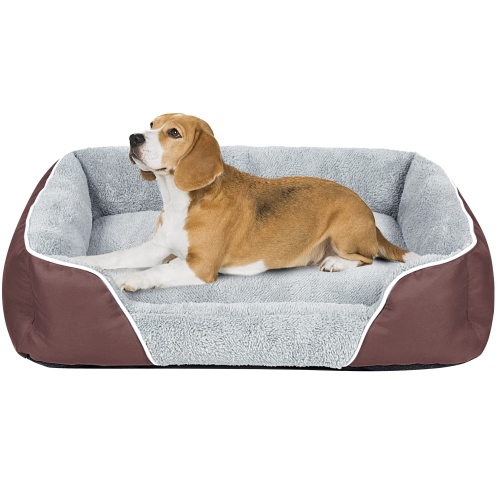
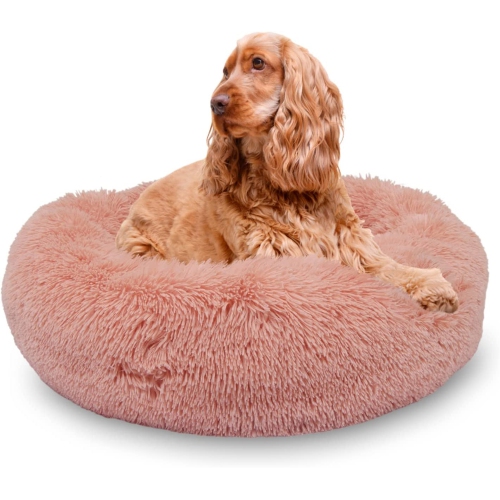
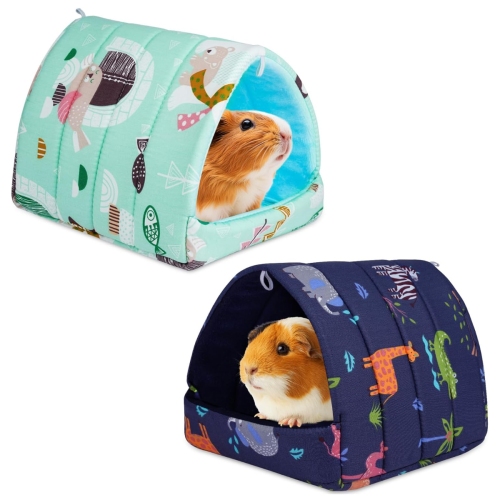
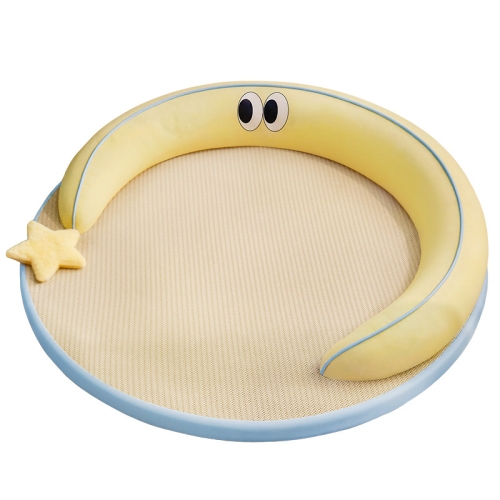
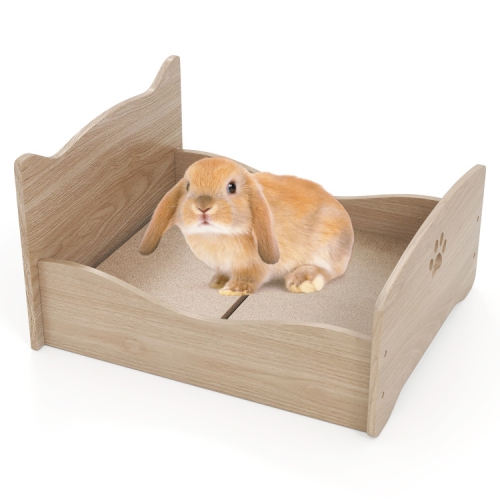
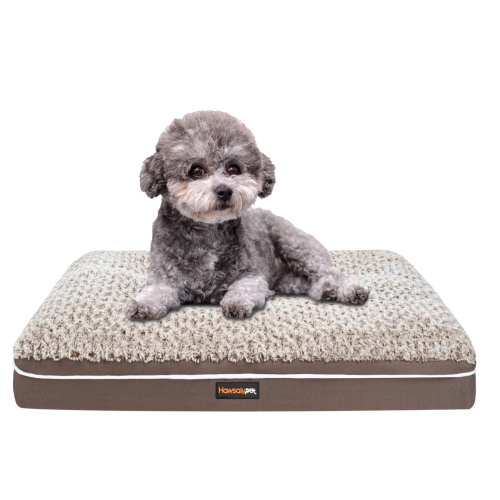
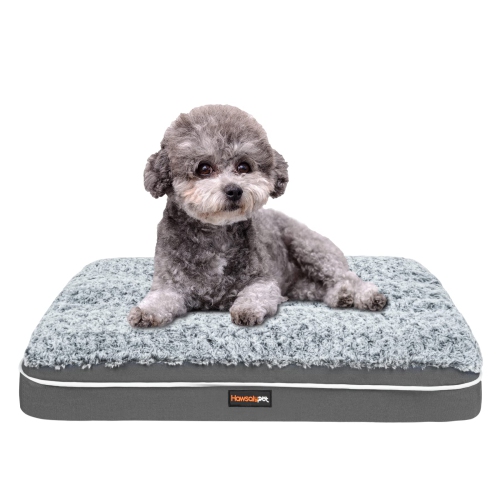
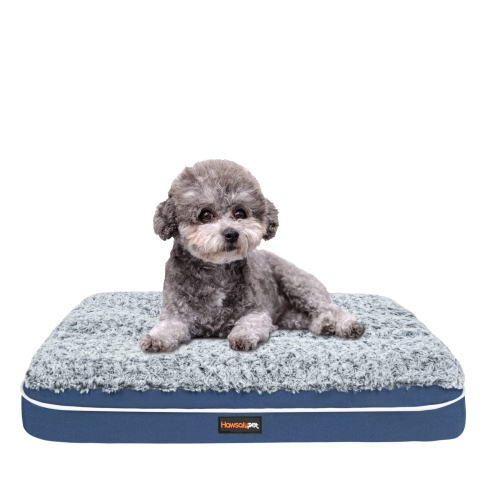
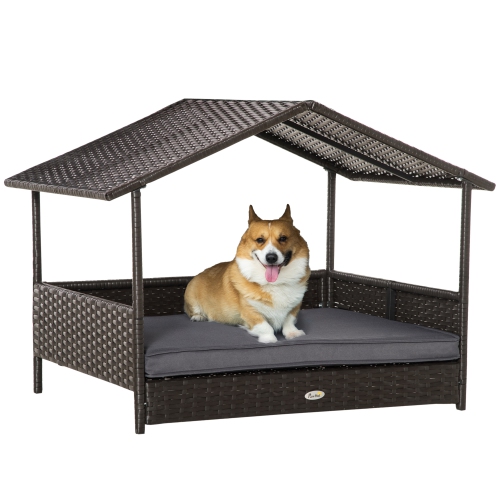
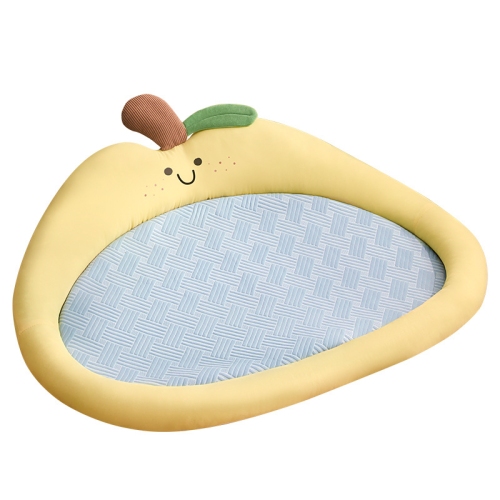
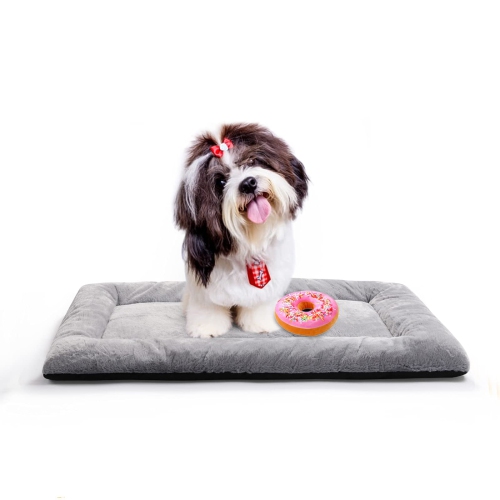
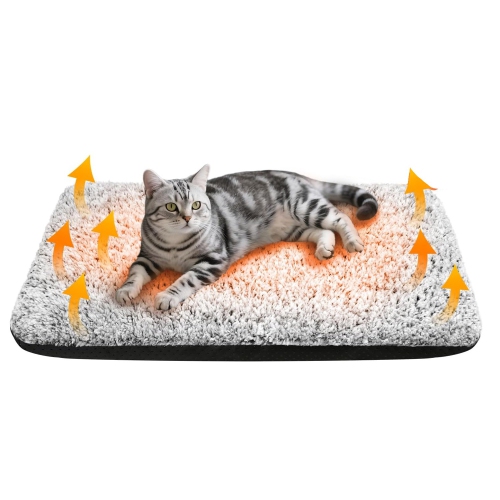
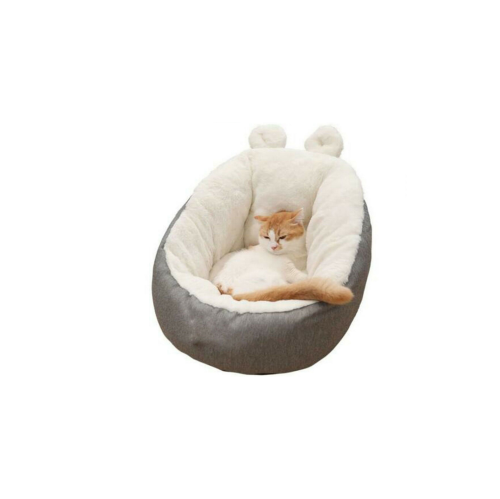
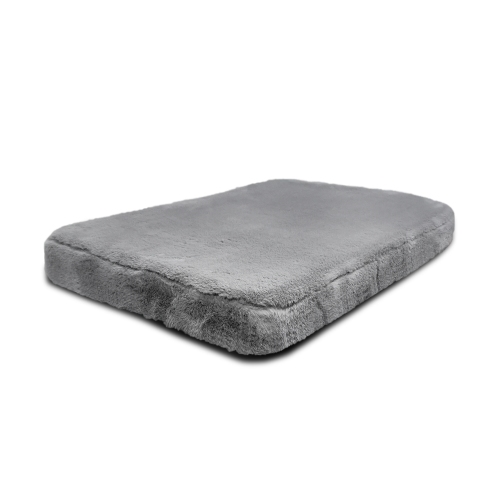
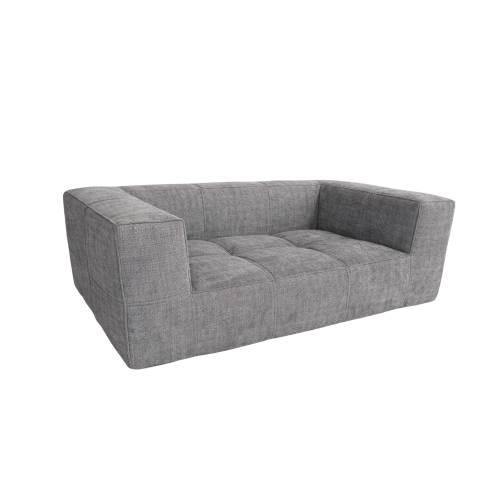
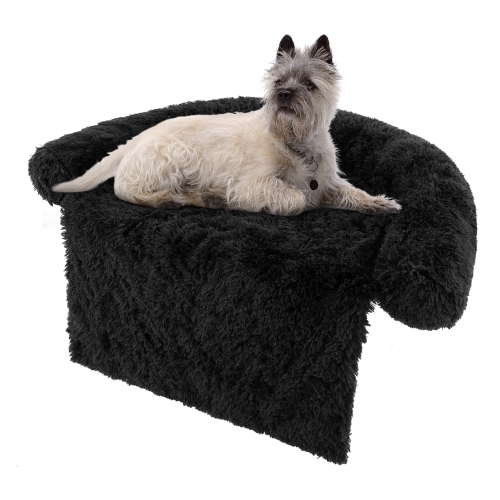
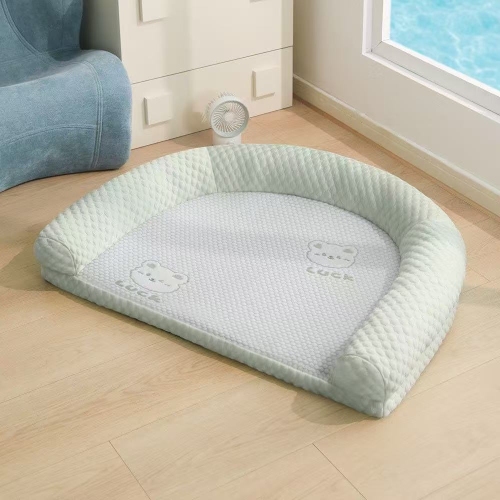
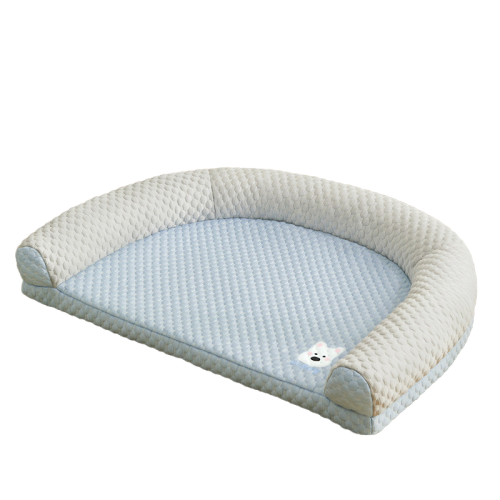
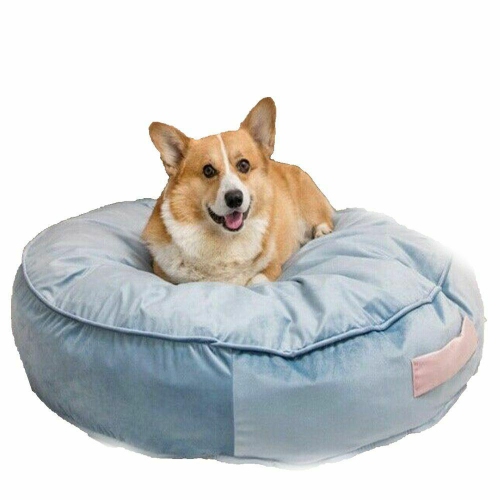
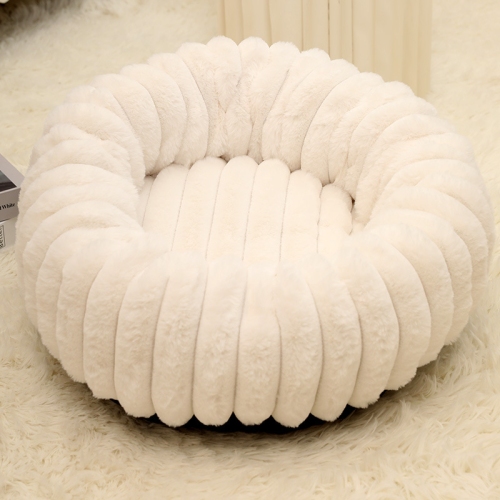
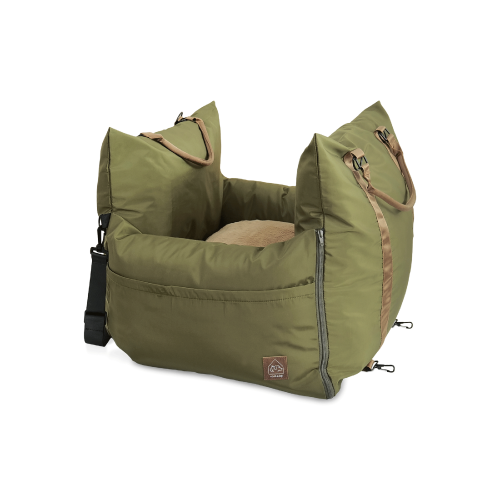
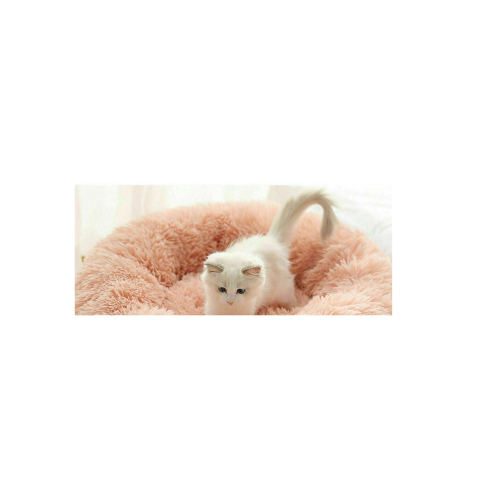
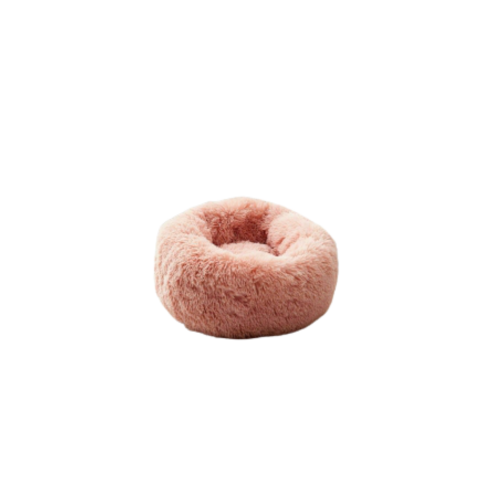
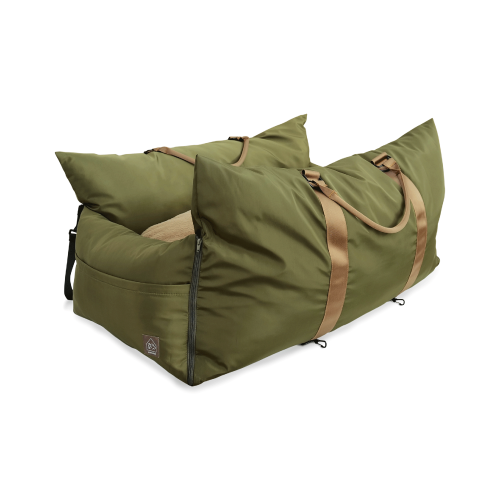
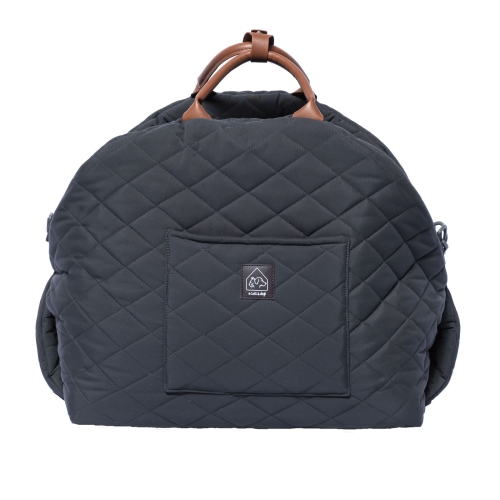
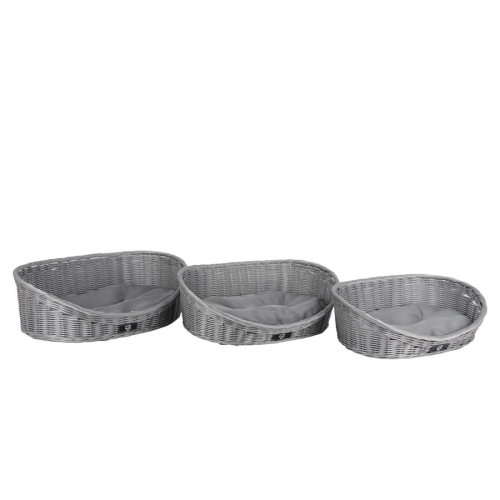
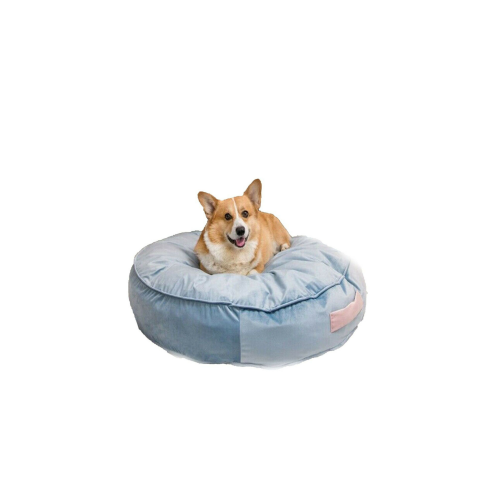
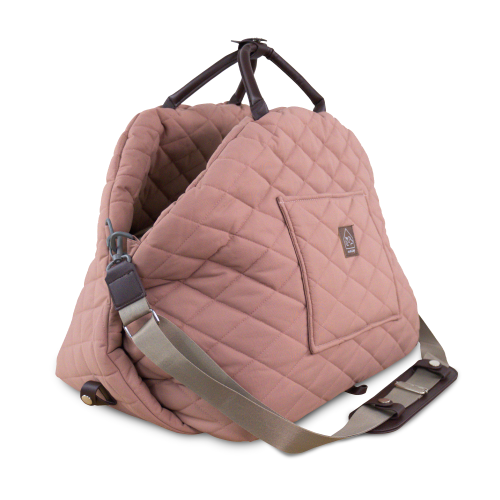
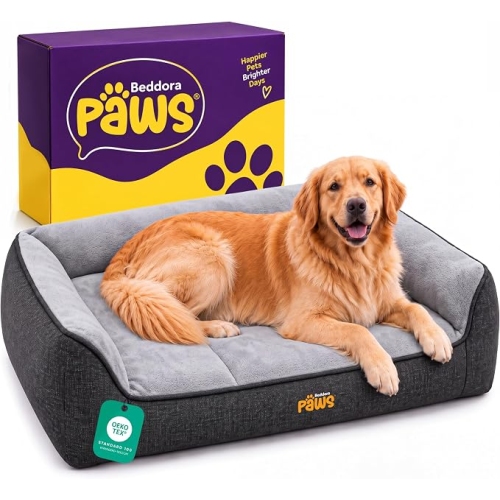
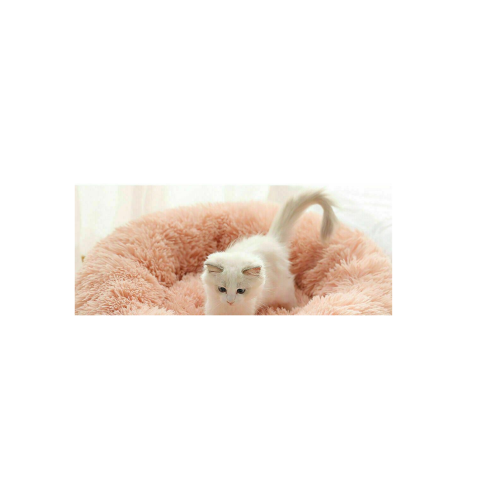
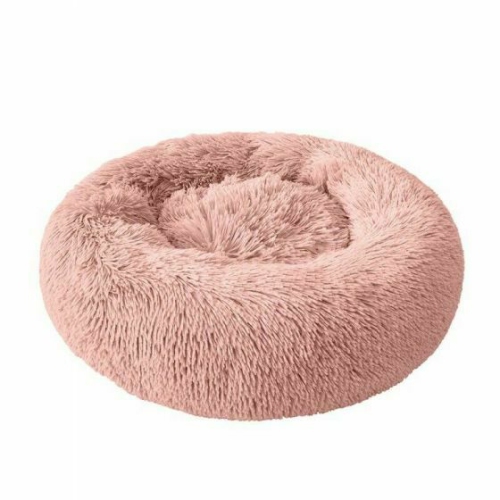
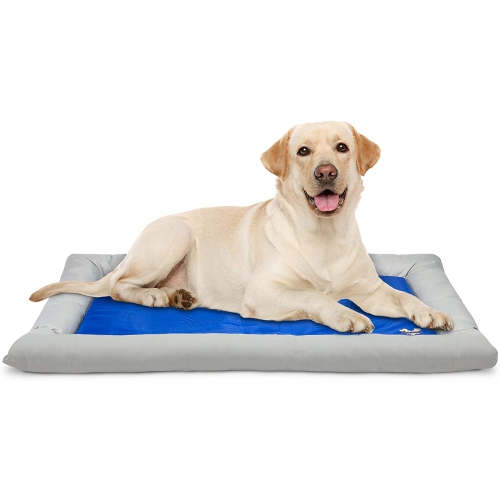
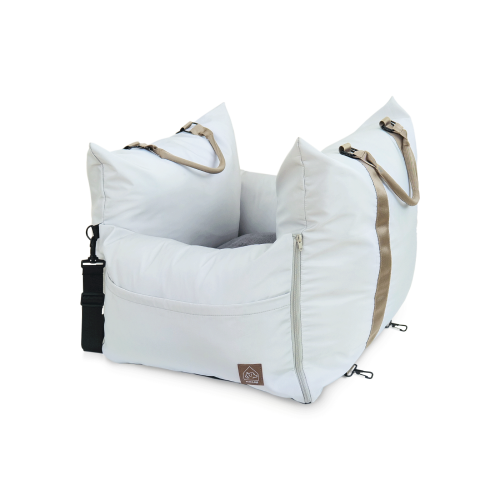
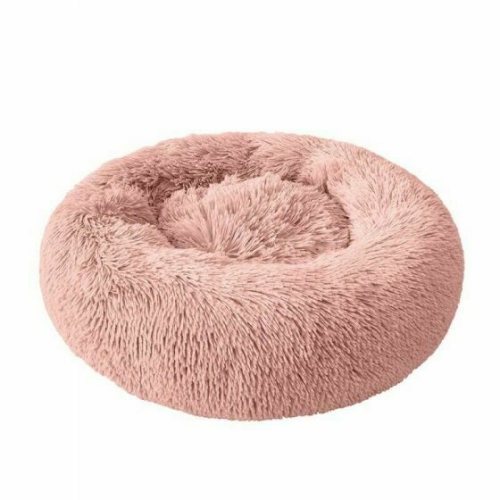
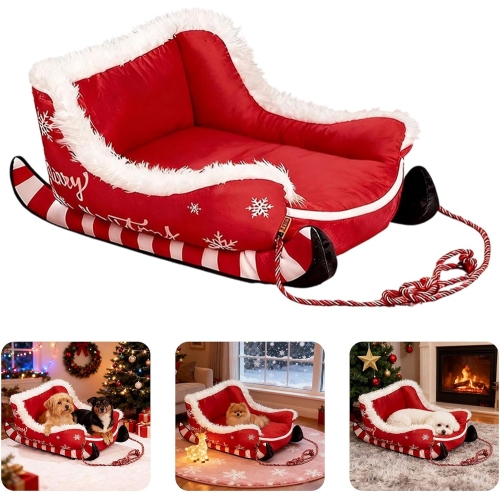
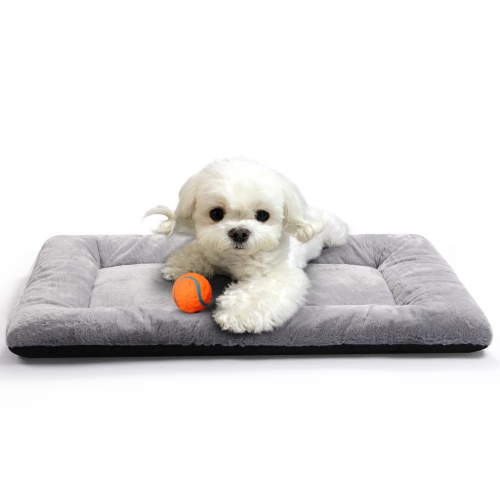
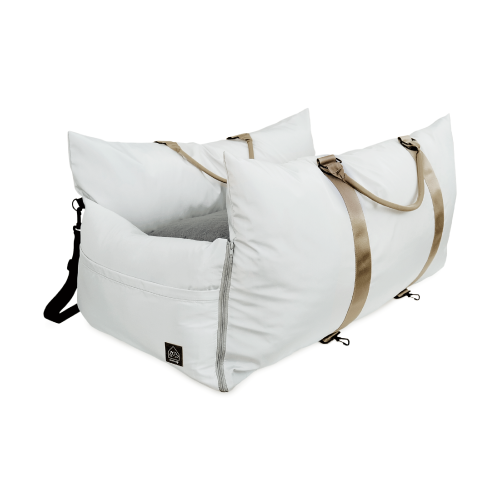
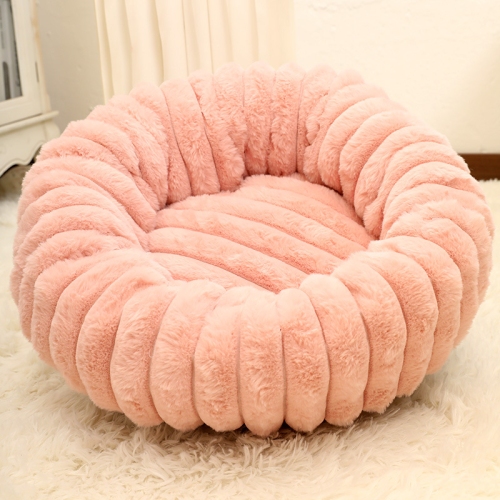
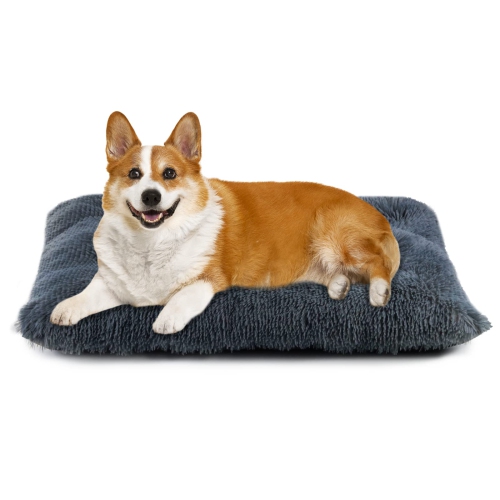
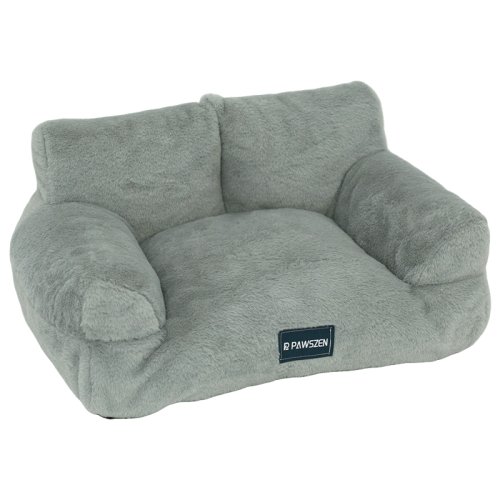
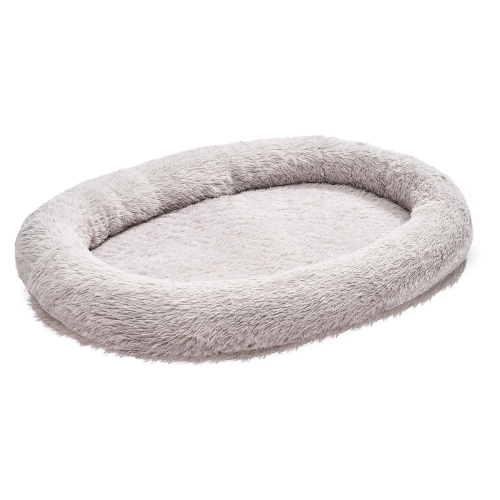
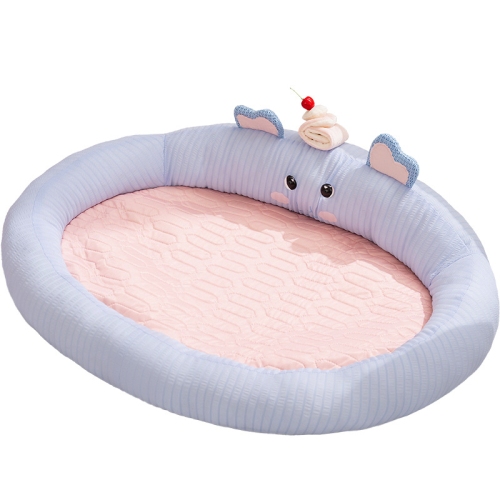
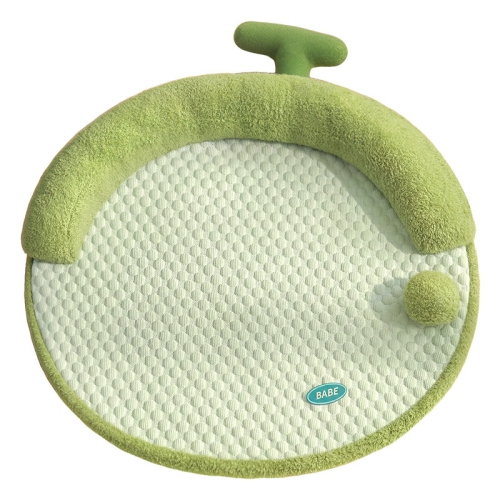
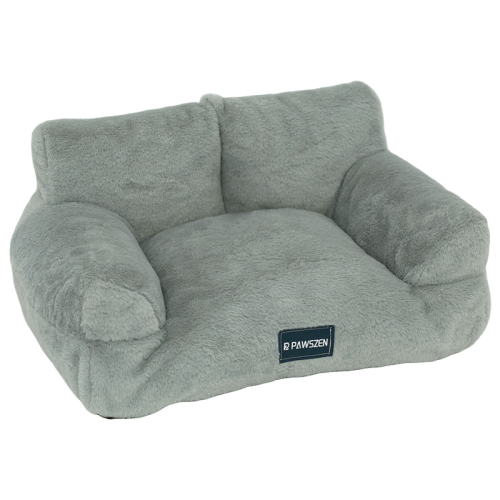
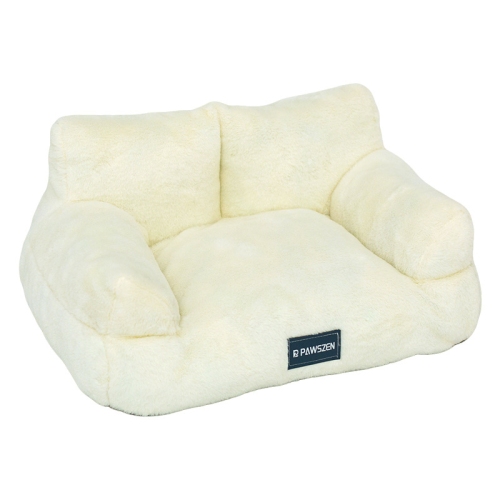
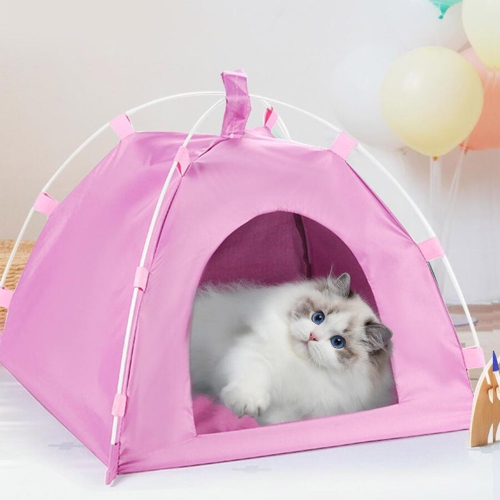
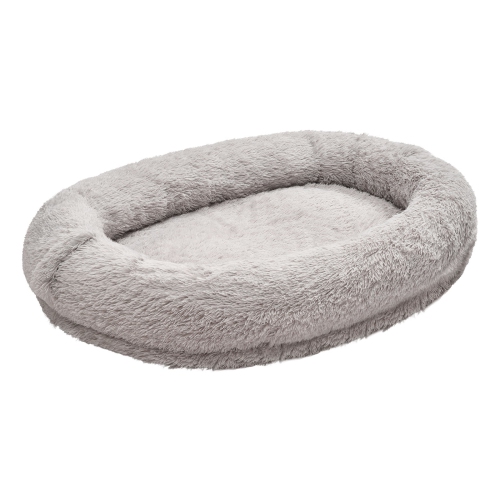
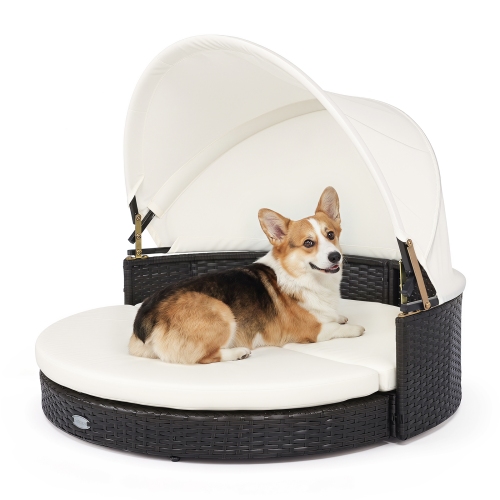
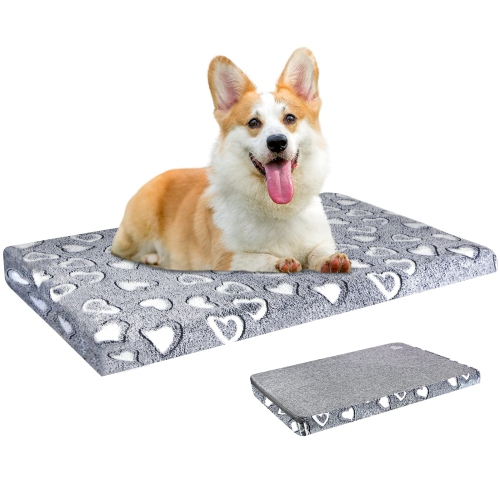
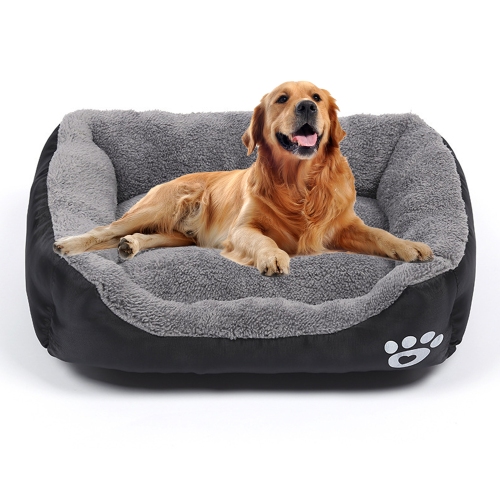
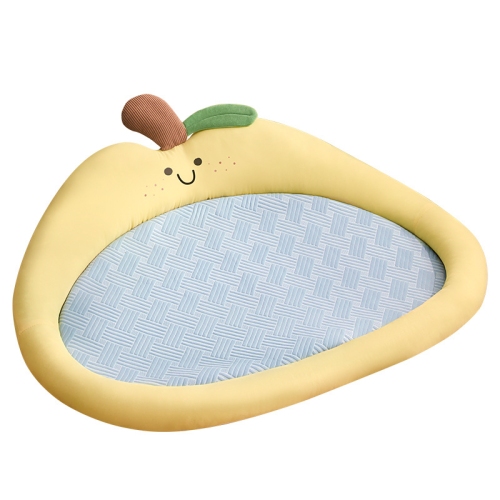
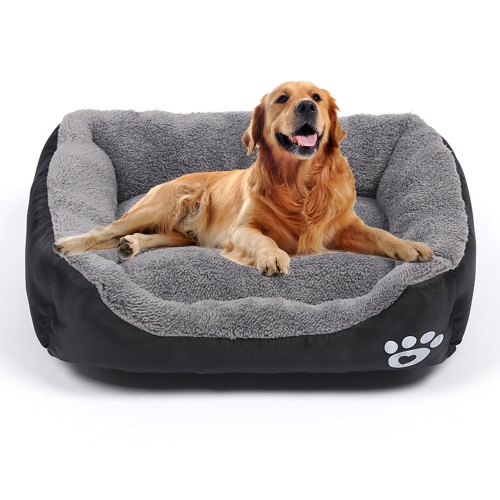
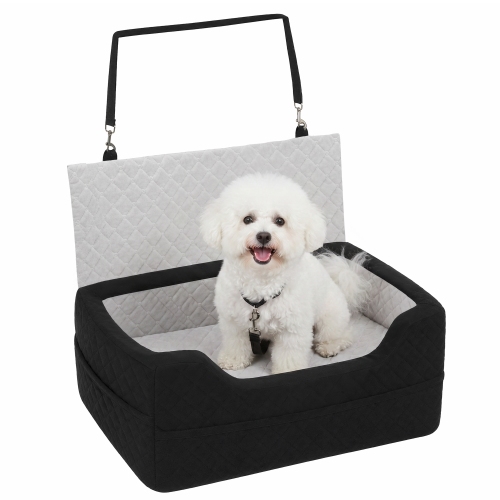
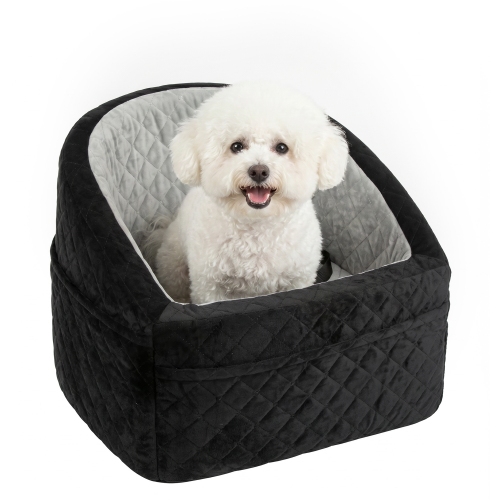
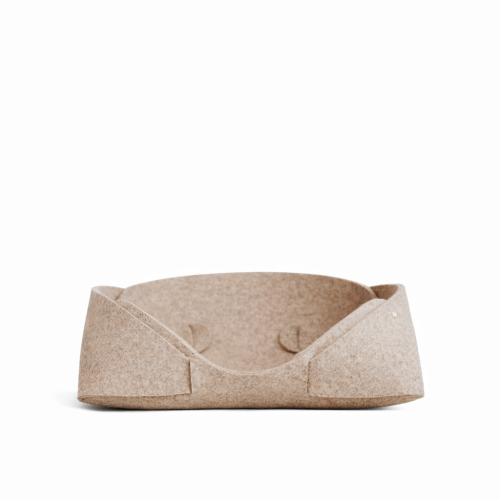
Small pet beds give smaller animals a comfortable, defined place to rest, whether that means a flat mat beside a favourite chair, a cushioned nest in a quiet corner, or an enclosed hideaway with room to curl up. Common styles include open cushions, bolster beds with raised edges, padded mats, and cave beds with a covered sleeping space. Each shape suits a different resting habit: a pet that stretches out may prefer an unobstructed surface, while one that sleeps tucked into a tight curl may settle comfortably against a padded rim. Small cats and toy-breed dogs can often use similar bed shapes, but rabbits, guinea pigs, and other small companions have different housing and chewing needs. A bed’s dimensions and construction matter more than the word “small” on its label. The usable sleeping area can be considerably smaller than the outside measurements, especially when thick bolsters surround the cushion. Measuring a pet while it rests in its usual position gives a more useful reference than weight alone, with enough additional space to turn around and change position. For a cat that likes to drape its front paws over an edge, a low bolster may be a good match; for a small dog that sleeps on its side, a rectangular cushion can provide more uninterrupted room. The opening of a covered bed also needs to allow easy entry and exit without squeezing. Placement is part of the fit, too. A bed tucked beneath a desk should leave room for the pet to approach freely, while one beside a sofa should sit out of the main walking path. Where a bed is intended for a crate or carrier, its measurements should match the interior without bunching against the walls or interfering with the door. These practical details help make a small bed a useful resting spot rather than simply a cushion that looks right in the room.
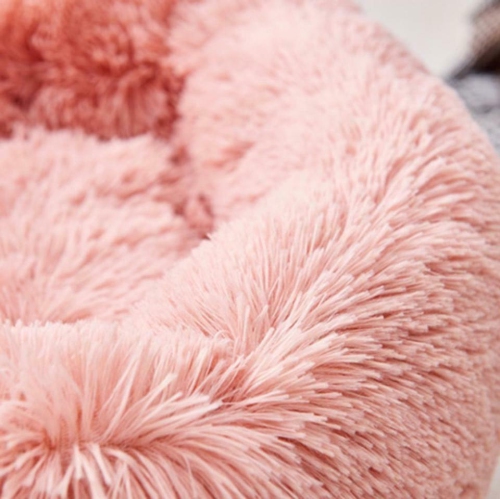
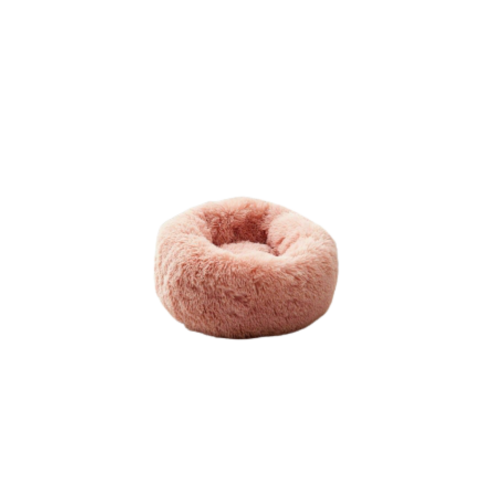
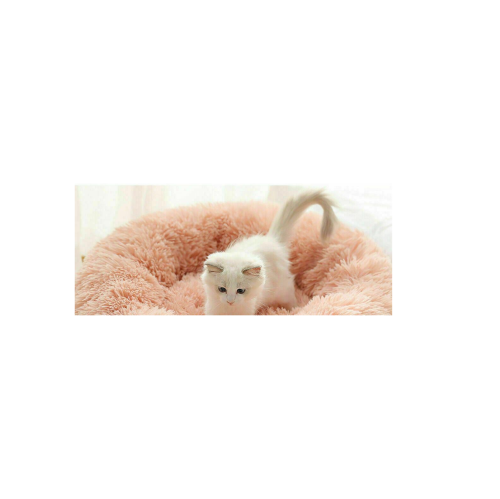
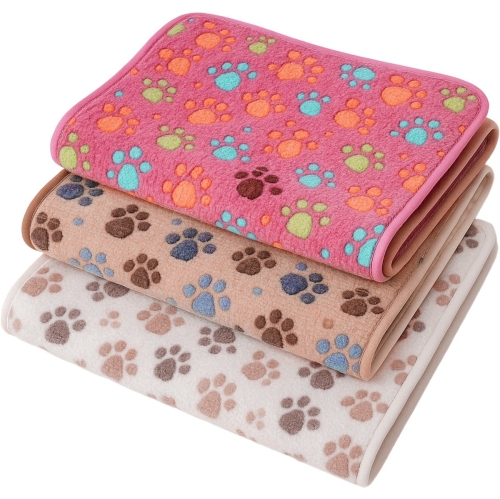
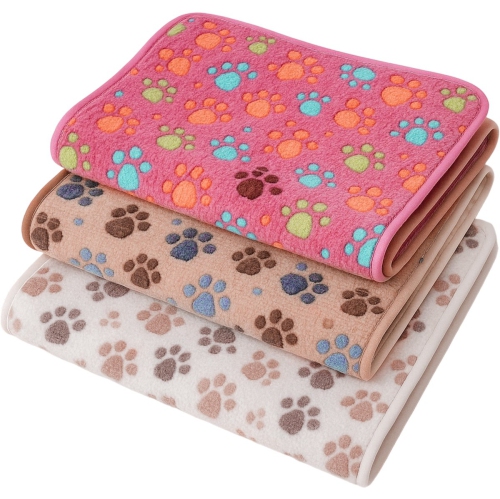
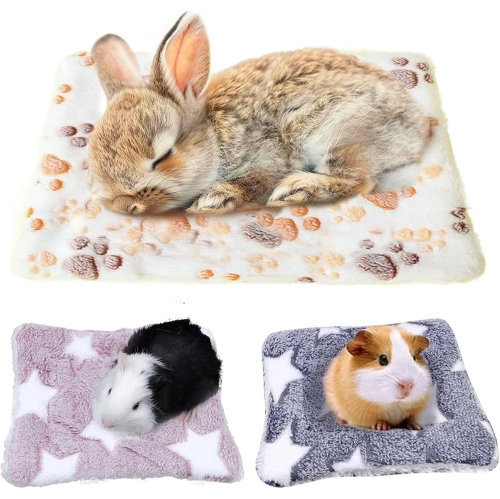
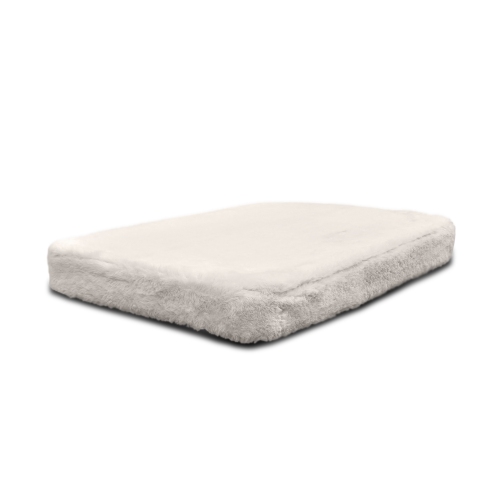
Materials influence how a small pet bed feels, how it holds its shape, and how well it stands up to everyday use. Soft fleece and plush surfaces provide a nest-like texture, while tightly woven fabric can offer a smoother finish that is easier to brush free of loose hair. Neither texture alone determines durability: seam quality, fabric weight, and the way the cover fits over the filling all play a role. Loose threads, decorative attachments, and exposed zippers can invite chewing, so simpler construction is often a practical choice for curious pets. Cushion fillings vary as well. Loose fibre creates a soft, yielding surface, whereas foam generally gives the bed a more defined shape. A firmer, supportive base may make it easier for an older pet to get up than a deep cushion that collapses underfoot, although a bed should not be treated as a remedy for pain or mobility concerns. Low entry points can be useful for short-legged dogs, senior cats, and animals that find stepping over a high rim difficult. A grippy underside helps limit movement on smooth flooring, but the base still needs to sit flat on a clean, dry surface. For rabbits, guinea pigs, and other small mammals, suitability depends especially on chewing behaviour. Fabric beds are not appropriate for every animal, and exposed foam or stuffing should never be accessible to a pet that may swallow it. A washable fleece resting pad may suit some supervised small-animal setups, while persistent chewers need an alternative designed for their species and habits. A soft bed does not replace suitable housing, bedding, or hiding spaces. Covered styles should retain an accessible entrance and allow the animal to leave freely. For multi-pet households, separate resting places can also be more useful than expecting several animals to share one cushion, particularly when a cat or small dog prefers an undisturbed spot of its own.
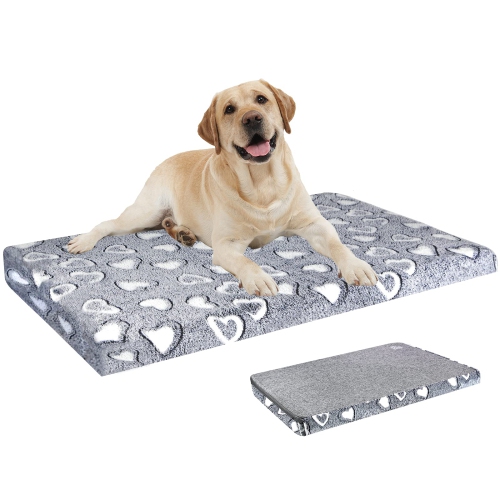
Care requirements deserve as much attention as softness, especially for beds used every day. A removable cover can make routine cleaning more manageable, but it is worth distinguishing between a washable cover and an entirely washable bed. Some foam inserts require spot cleaning, while certain filled cushions can be laundered as a whole; the care label determines the appropriate method. Zipper placement, access to the insert, and whether the cover can be refitted without straining the seams all affect how straightforward that routine will be. Hair and loose debris are easier to manage when removed before washing, and every layer should be thoroughly dry before the bed is returned to use. A water-resistant inner layer can help protect filling from minor accidents, but it does not make the sleeping surface maintenance-free or guarantee protection at seams and openings. For young dogs still learning household routines, easy-clean construction and an appropriately sized sleeping area are particularly useful considerations. Beds chosen for a growing dog may overlap with Puppy Beds, where growth, chewing habits, and frequent cleaning are relevant to the choice. Any bed should be checked regularly for damaged seams, flattened filling, or pieces a pet could pull free, with access stopped if the construction becomes unsafe. A small pet bed can also be a thoughtful gift for someone welcoming an animal into the household, provided the recipient’s pet size, housing arrangement, and care preferences are known. Neutral colours and a shape that fits an established resting spot may be more useful than elaborate decoration. For a pet that already has a favourite place to nap, a familiar cushion shape or surface texture may help the new bed feel less unfamiliar. Whether it sits beside a reading chair, inside an appropriately sized crate, or within a suitable small-animal enclosure, the most useful bed combines enough resting space, accessible construction, and a cleaning routine that fits everyday life.
Top selling and popular products
-
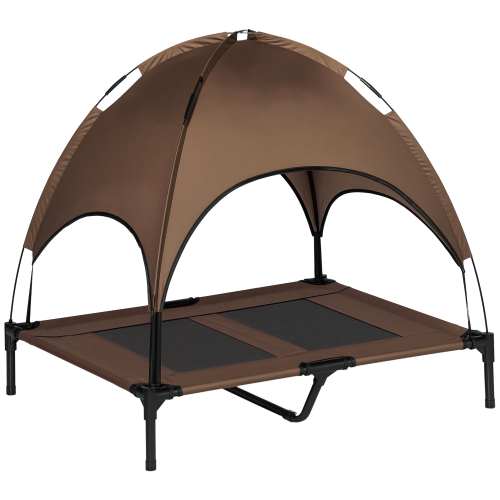 Your price for this item is $59.99
-
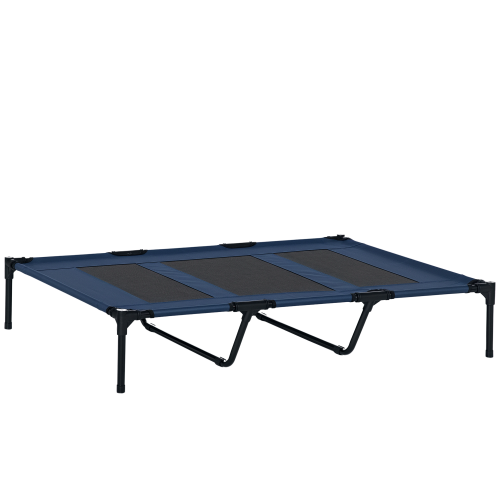 Your price for this item is $55.99
-
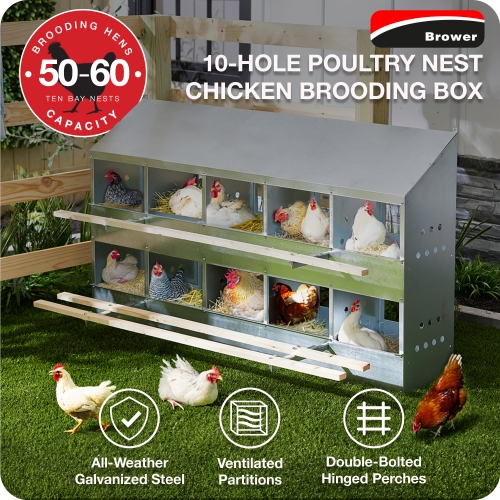 Your price for this item is $503.99
-
 Your price for this item is $176.99
-
 Your price for this item is $257.99
-
 Your price for this item is $359.99
-
 Your price for this item is $24.99
-
 Your price for this item is $55.99
Discover more categories related to Small Pet Beds

Top Collections:
Best Black Friday Deals This Year, Best Black Friday Deals On Electronics, Kindle Devices, Pokemon Centers, Best Black Friday Deals On Apple Products, Best Cameras for Sports Photography, Dyson Airwrap, Pokémon 30th Celebration Cards, Apple iPhone 17 Pro, Canon G7X Cameras
Some products may be subject to Environmental Handling Fees
(EHF) depending on your province.
Learn more about EHFs.