Pink Clocks
Transform any room into a vibrant and stylish space with our collection of pink clocks. Perfect for adding a pop of color to your home or office, these timepieces blend functionality with a touch of elegance. Whether you're looking to complement a modern aesthetic or add a whimsical flair to your decor, pink clocks offer a versatile solution that stands out. Discover the perfect clock that not only keeps you punctual but also elevates your interior design with its charming hue.
Sort
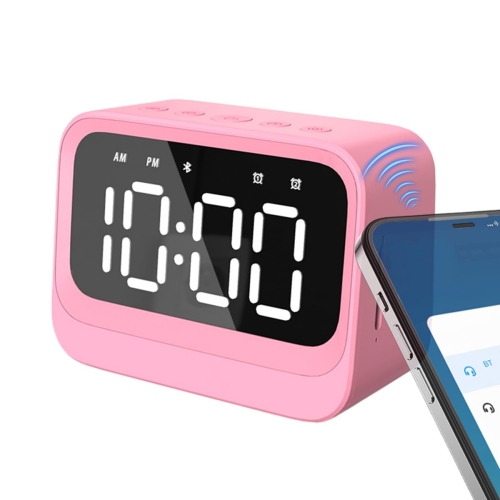
Everyday timekeeping with a blush or bold pink accent
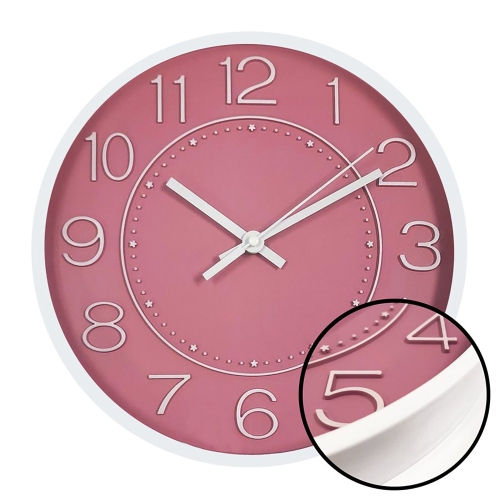
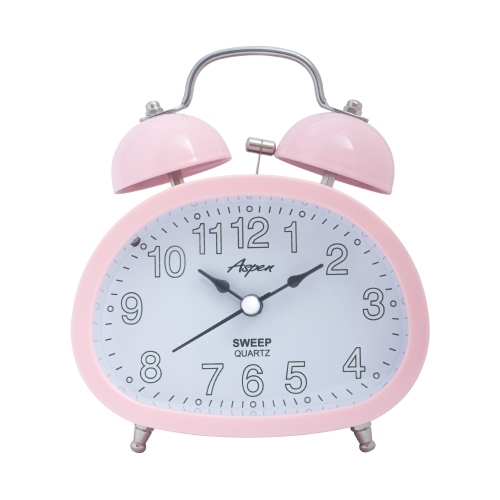
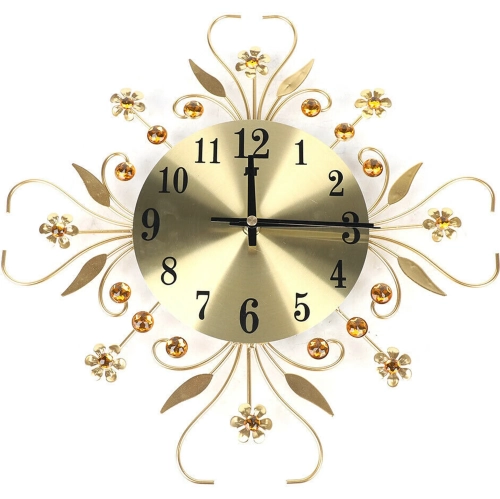
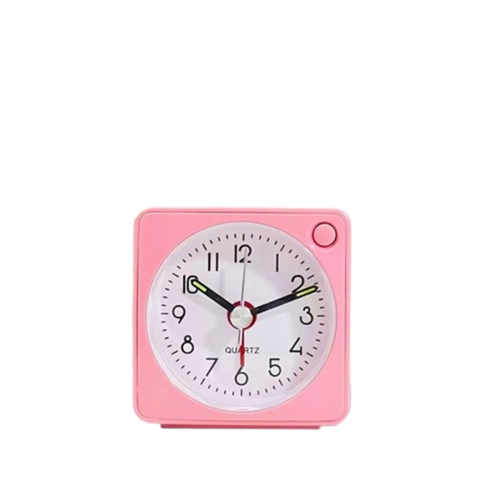
Pink clocks combine everyday timekeeping with a colour that can feel soft, cheerful, or striking, depending on the shade and shape. The category includes wall clocks for kitchens and living spaces, compact desk clocks for work areas, and bedside alarm clocks for morning routines. Blush and dusty rose tend to sit comfortably beside cream upholstery, pale wood, and warm metal finishes, while brighter pinks create a stronger focal point against white shelving or a neutral wall. A pink wall clock can bring colour into a room without taking up table space, making it a practical accent for a small apartment kitchen, a shared study area, or an entryway where a quick glance at the time helps keep departures on track. Analogue clocks use hands and a dial, offering a familiar visual sense of how much time remains before an appointment or the start of a class. Digital clocks display the time in numerals and can be easier to read at a glance, particularly from a bedside table. Depending on the design, digital displays may also show the date, room temperature, or alarm status, although these functions vary by model. The best fit depends as much on visibility as on colour: dark hands against a pale pink face are generally easier to distinguish than hands that closely match the dial. Large numerals, clear hour markers, and an uncluttered face help when the clock will be viewed across a room. A minimalist face without numbers offers a different look but may take more attention to read. Size also changes the effect. A broad dial can anchor an open stretch of wall, while a smaller clock suits a narrow shelf or bedside surface. Measuring the intended spot, including the space around neighbouring furniture and artwork, helps keep the clock in proportion. In a room with several pink accents, matching their warmth or coolness often creates a more cohesive result than trying to make every shade identical.
Materials and construction influence how a pink clock looks, feels, and holds up to daily use. Plastic cases are often lightweight and practical for compact bedside designs, while metal frames can give a wall clock a crisp outline or a more substantial appearance. Wood cases and wood-look finishes introduce texture, particularly alongside woven baskets, fabric lampshades, and upholstered furniture. A glass-covered dial can keep dust away from the hands and face, but reflections from a window or ceiling light may affect readability. Acrylic covers can reduce weight, though their surfaces still need gentle handling to avoid scratches. Matte finishes soften reflected light, while glossy pink surfaces have a brighter appearance and may show fingerprints more readily. For routine care, a soft, dry cloth is generally suitable for the outside of a clock; any cleaning method should follow the manufacturer's directions, with moisture kept away from openings, controls, and the movement. A kitchen clock placed near a hob may collect cooking residue, so a position away from heat, steam, and splashes is usually more practical. Bathroom placement calls for particular care because an ordinary indoor clock should not be assumed to tolerate persistent humidity. For wall-mounted designs, secure installation matters more than appearance alone: the fixing needs to suit both the wall material and the clock's weight. Tabletop clocks benefit from a stable base and enough clearance that reaching for a lamp or a glass of water will not knock them over. Power is another everyday consideration. Battery-operated clocks allow flexible placement without a visible cable, while plug-in and USB-powered designs need a suitable power source nearby. Some digital alarm clocks use backup batteries to retain settings during an interruption, but that does not necessarily mean the display or alarm continues operating in the same way. Accessible battery compartments, straightforward controls, and clear setup directions can make ownership easier, especially when a clock is mounted high or used by someone who prefers simple operation.
In bedrooms and quiet workspaces, movement and display behaviour deserve close attention. A traditional ticking movement can be noticeable beside a pillow or during concentrated reading, whereas a sweep movement is often quieter. Descriptions such as silent or non-ticking are useful starting points, although sensitivity to sound and room acoustics differ. For a pink digital alarm clock, adjustable brightness can make the difference between a display that is comfortably visible and one that casts too much light overnight. Dimming controls, an optional night mode, or a display that can be switched off may suit light-sensitive sleepers. Alarm volume, tone choices, snooze controls, and the ease of setting the time also affect day-to-day use. Someone who gets up before the rest of the household may value a gentler alarm setting, while a person who struggles to wake may prefer a more prominent sound; no single alarm style suits everyone. A child learning to tell the time may benefit from a pink analogue clock with clearly separated numerals and easy-to-distinguish hour and minute hands. In a child's room, secure placement and an appropriately fastened battery compartment are important, and the clock should be treated as a furnishing rather than a toy. Students can use a desk clock to keep the time visible without repeatedly checking a phone, while a home office wall clock provides a shared reference during calls and scheduled breaks. Pink clocks can also make thoughtful gifts for a new home, a bedroom refresh, or someone setting up a study space, particularly when the shade reflects the recipient's taste. A compact design is often easier to place when the room layout is unfamiliar. For a different colour treatment, Black Clocks offer a darker visual accent that pairs naturally with monochrome rooms and black hardware. Whether the setting is a restful bedroom, a busy kitchen, or a colourful workspace, a well-chosen pink clock brings together legible timekeeping, manageable care, and a finish that feels at home among the things used every day.
Materials and construction influence how a pink clock looks, feels, and holds up to daily use. Plastic cases are often lightweight and practical for compact bedside designs, while metal frames can give a wall clock a crisp outline or a more substantial appearance. Wood cases and wood-look finishes introduce texture, particularly alongside woven baskets, fabric lampshades, and upholstered furniture. A glass-covered dial can keep dust away from the hands and face, but reflections from a window or ceiling light may affect readability. Acrylic covers can reduce weight, though their surfaces still need gentle handling to avoid scratches. Matte finishes soften reflected light, while glossy pink surfaces have a brighter appearance and may show fingerprints more readily. For routine care, a soft, dry cloth is generally suitable for the outside of a clock; any cleaning method should follow the manufacturer's directions, with moisture kept away from openings, controls, and the movement. A kitchen clock placed near a hob may collect cooking residue, so a position away from heat, steam, and splashes is usually more practical. Bathroom placement calls for particular care because an ordinary indoor clock should not be assumed to tolerate persistent humidity. For wall-mounted designs, secure installation matters more than appearance alone: the fixing needs to suit both the wall material and the clock's weight. Tabletop clocks benefit from a stable base and enough clearance that reaching for a lamp or a glass of water will not knock them over. Power is another everyday consideration. Battery-operated clocks allow flexible placement without a visible cable, while plug-in and USB-powered designs need a suitable power source nearby. Some digital alarm clocks use backup batteries to retain settings during an interruption, but that does not necessarily mean the display or alarm continues operating in the same way. Accessible battery compartments, straightforward controls, and clear setup directions can make ownership easier, especially when a clock is mounted high or used by someone who prefers simple operation.
In bedrooms and quiet workspaces, movement and display behaviour deserve close attention. A traditional ticking movement can be noticeable beside a pillow or during concentrated reading, whereas a sweep movement is often quieter. Descriptions such as silent or non-ticking are useful starting points, although sensitivity to sound and room acoustics differ. For a pink digital alarm clock, adjustable brightness can make the difference between a display that is comfortably visible and one that casts too much light overnight. Dimming controls, an optional night mode, or a display that can be switched off may suit light-sensitive sleepers. Alarm volume, tone choices, snooze controls, and the ease of setting the time also affect day-to-day use. Someone who gets up before the rest of the household may value a gentler alarm setting, while a person who struggles to wake may prefer a more prominent sound; no single alarm style suits everyone. A child learning to tell the time may benefit from a pink analogue clock with clearly separated numerals and easy-to-distinguish hour and minute hands. In a child's room, secure placement and an appropriately fastened battery compartment are important, and the clock should be treated as a furnishing rather than a toy. Students can use a desk clock to keep the time visible without repeatedly checking a phone, while a home office wall clock provides a shared reference during calls and scheduled breaks. Pink clocks can also make thoughtful gifts for a new home, a bedroom refresh, or someone setting up a study space, particularly when the shade reflects the recipient's taste. A compact design is often easier to place when the room layout is unfamiliar. For a different colour treatment, Black Clocks offer a darker visual accent that pairs naturally with monochrome rooms and black hardware. Whether the setting is a restful bedroom, a busy kitchen, or a colourful workspace, a well-chosen pink clock brings together legible timekeeping, manageable care, and a finish that feels at home among the things used every day.
Top selling and popular products
-
 Your price for this item is $44.99
 -
 Your price for this item is $44.99
 -
 Your price for this item is $89.99
 -
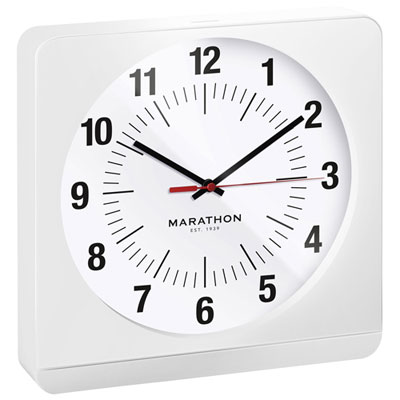 Your price for this item is $114.99
 -
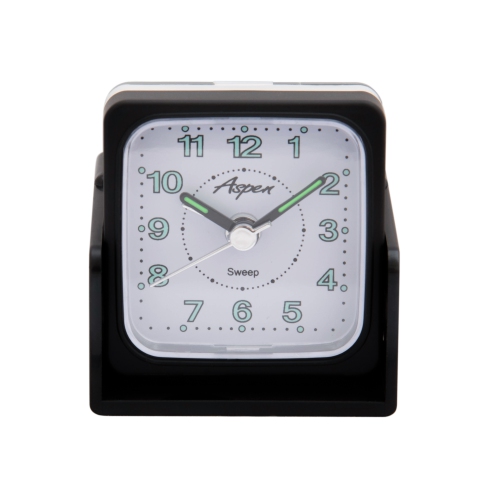 Your price for this item is $19.95
 -
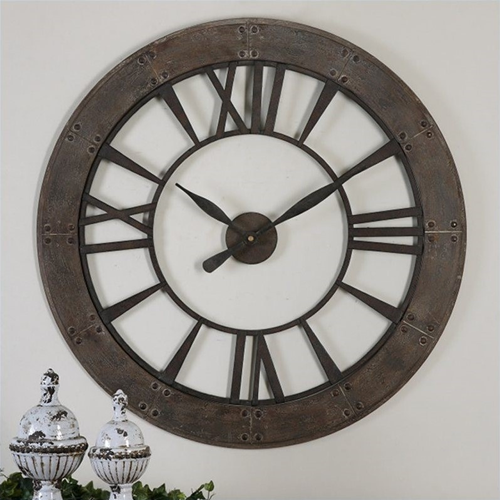 Your price for this item is $907.16
 -
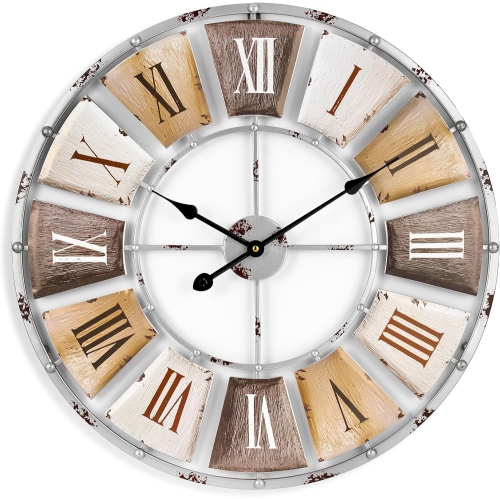 Your price for this item is $79.99
 -
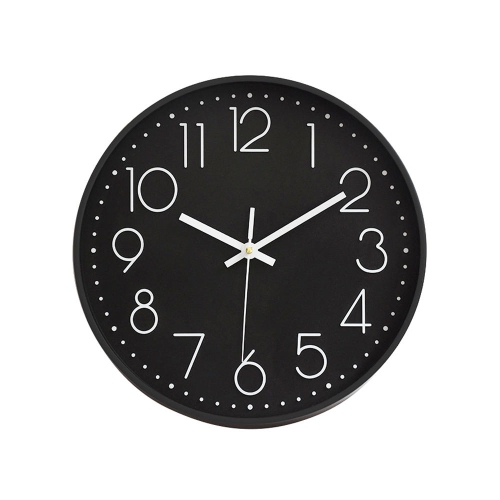 Your price for this item is $19.99
Discover more categories related to Pink Clocks
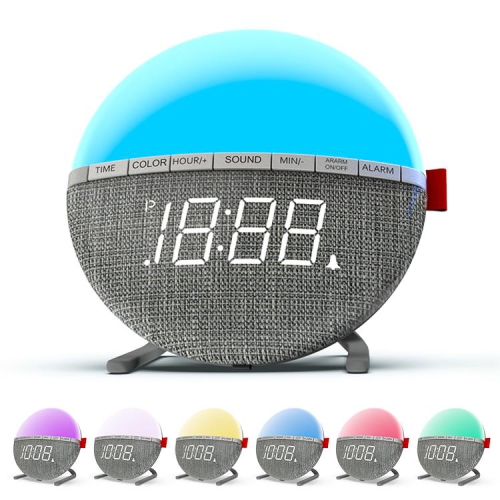
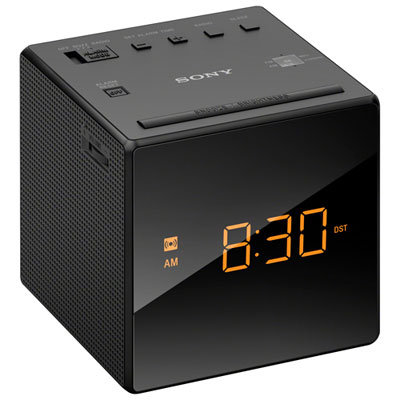
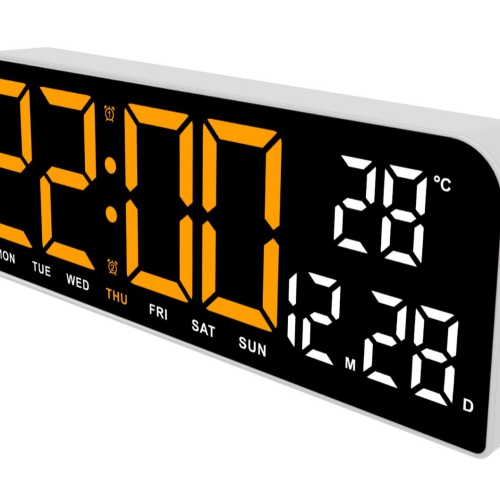
Top Collections:
Pokemon Centers, Kindle Devices, Best Budget Office Chairs, Apple iPhones 16, Best Laptops for Writers, iPhone 15 Apple, Canon G7X Cameras, Refurbished Apple Laptops, Alarm Clock, Motorola Razr Phones
Some products may be subject to Environmental Handling Fees
(EHF) depending on your province.
Learn more about EHFs.