Pink Home Decor
Transform your living space with the charm and elegance of pink home decor. Whether you're looking to add a subtle blush or a bold statement, pink accents can bring warmth, sophistication, and a touch of playfulness to any room. From soft pastel hues that create a calming ambiance to vibrant shades that make a striking impression, our selection of pink home decor items offers something for every style and taste. Explore a variety of options that blend seamlessly with different design themes, making it easy to infuse your home with personality and flair. Discover how the right pink decor can elevate your interiors and create a welcoming atmosphere for you and your guests.
Sort



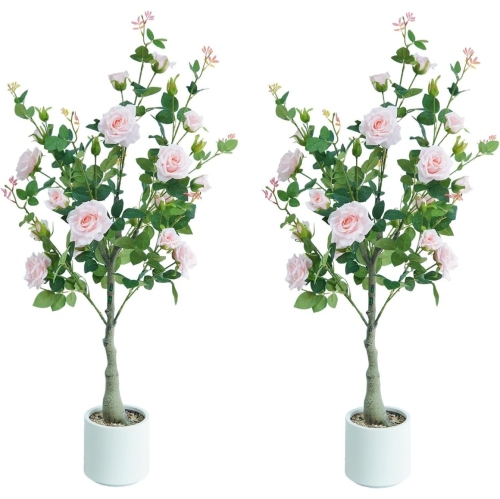
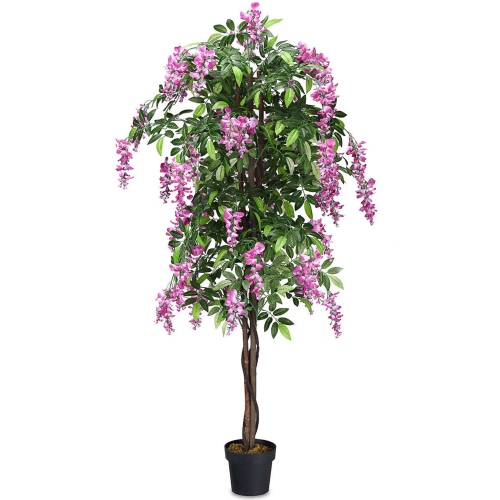
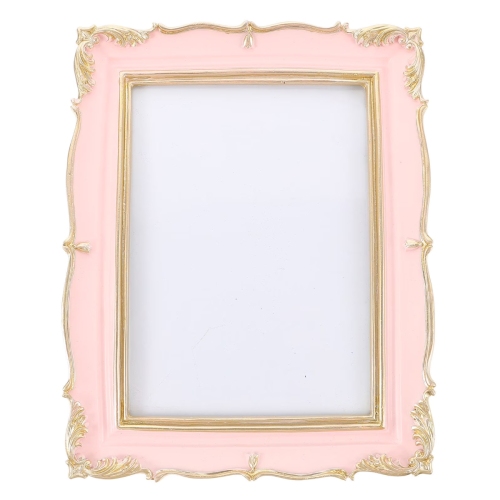


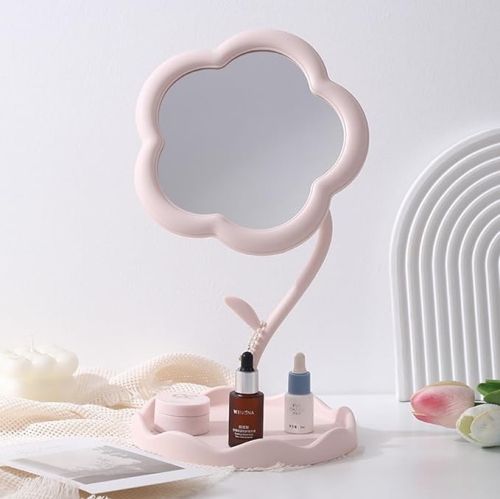
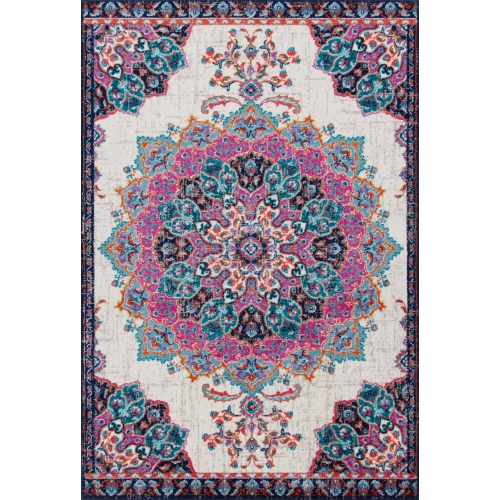
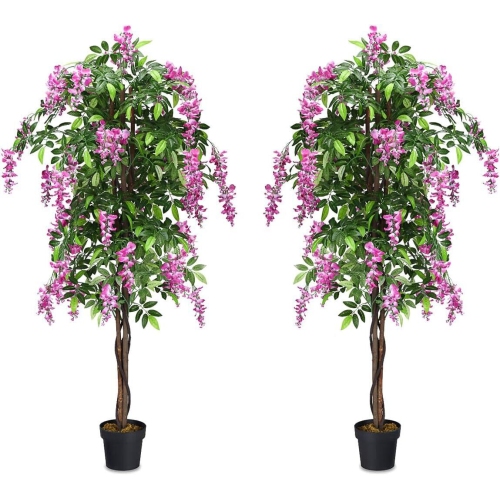
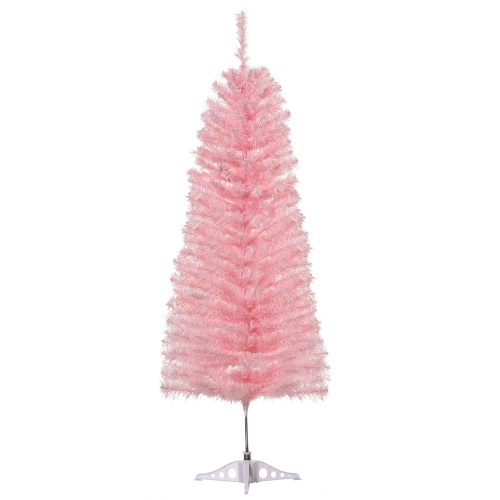
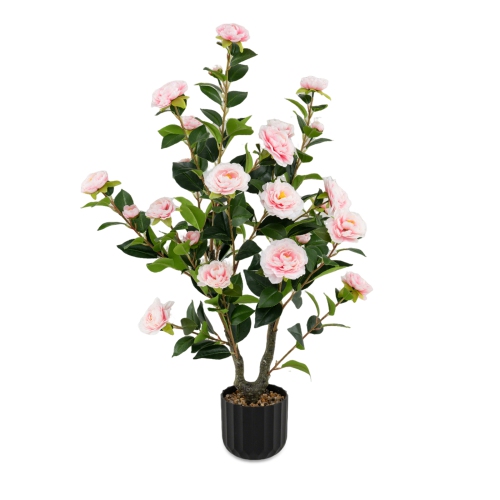
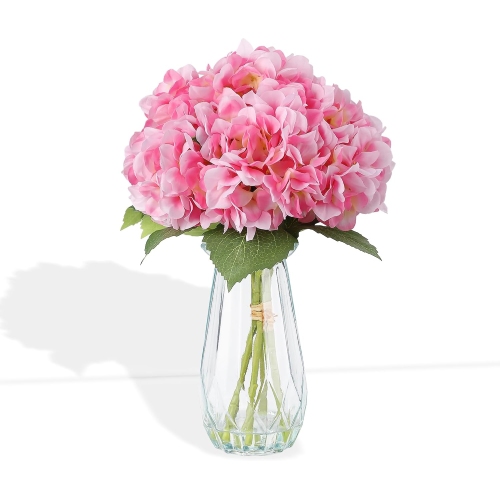
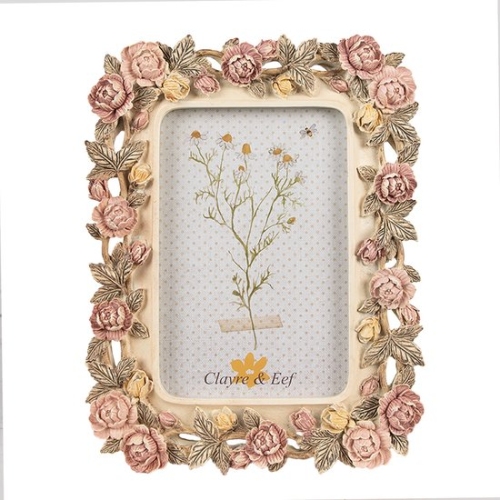
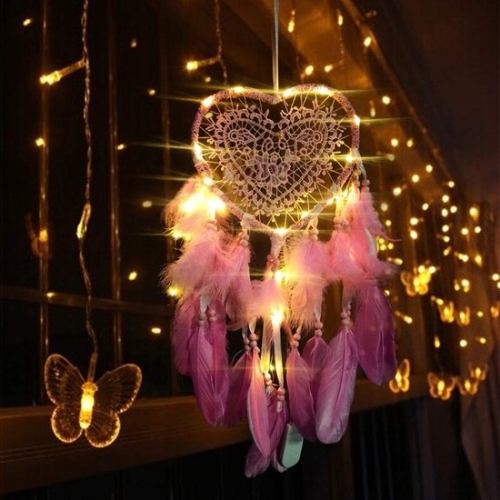
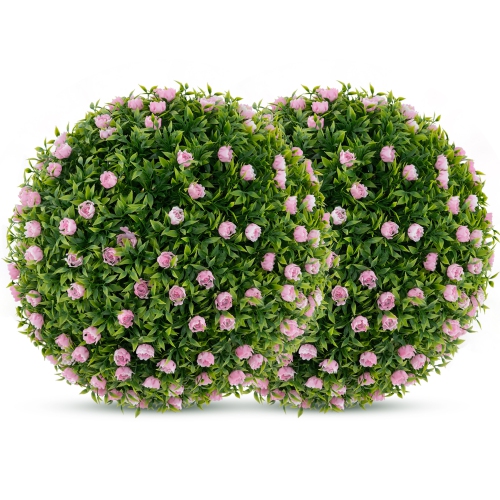
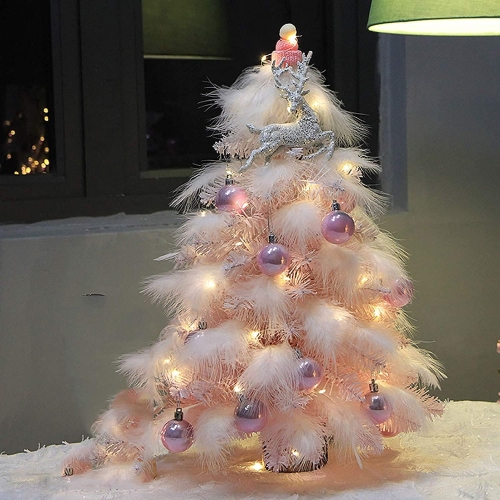
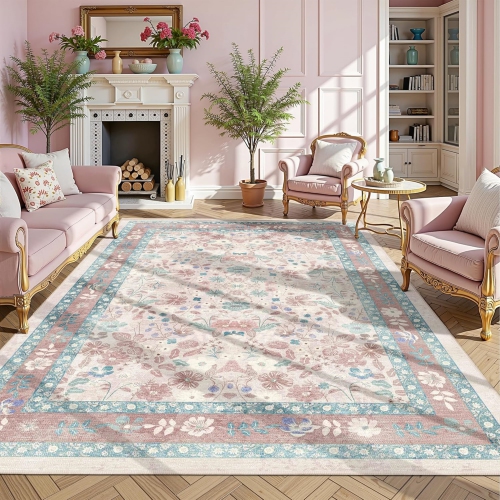
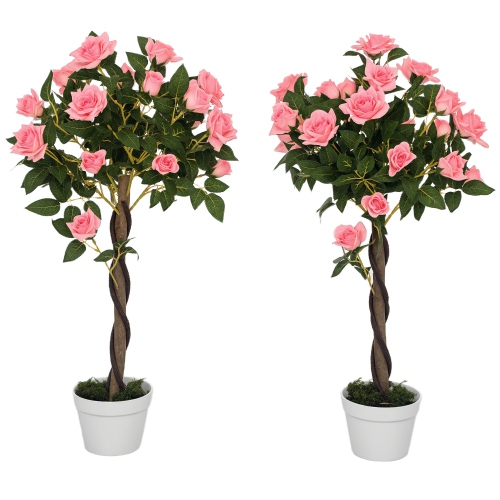
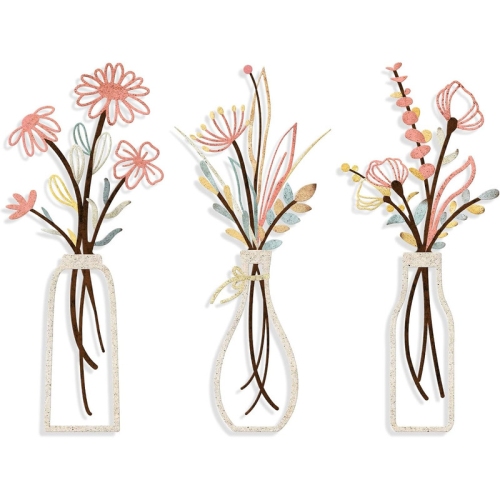
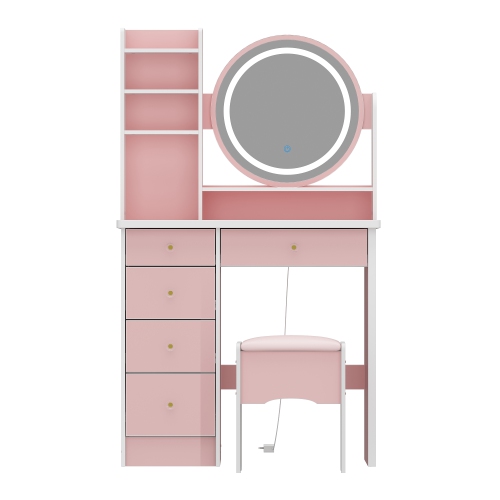
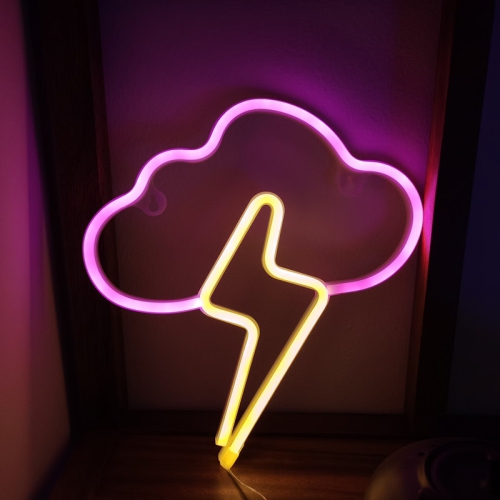
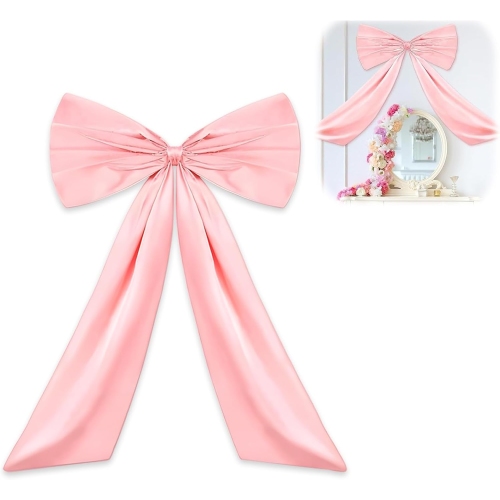

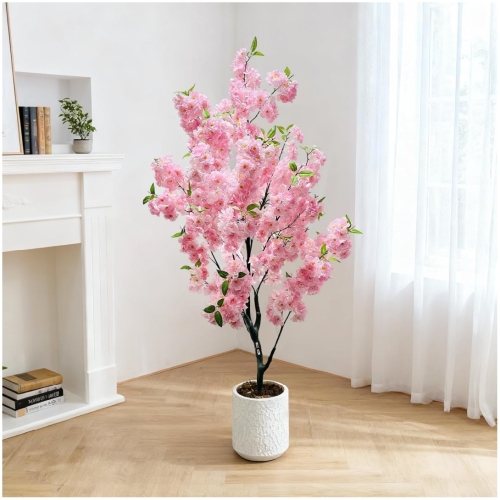
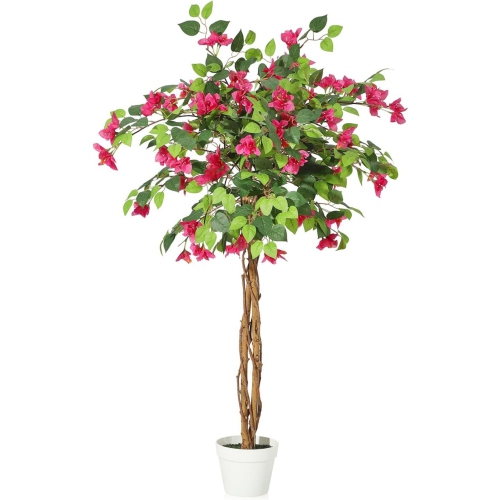
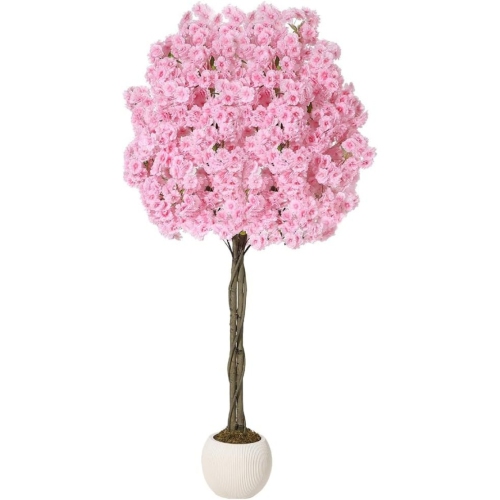

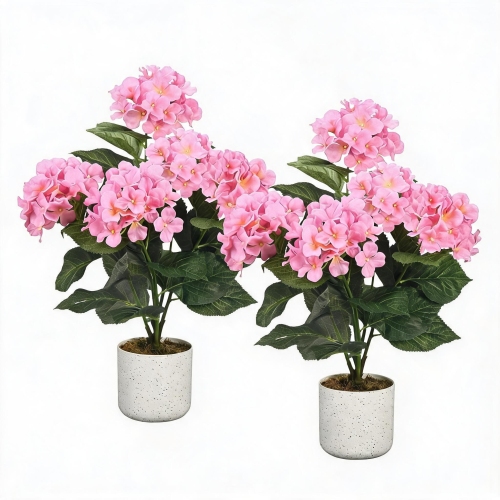

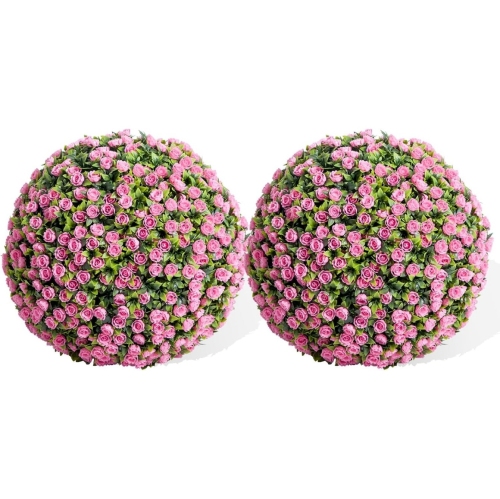
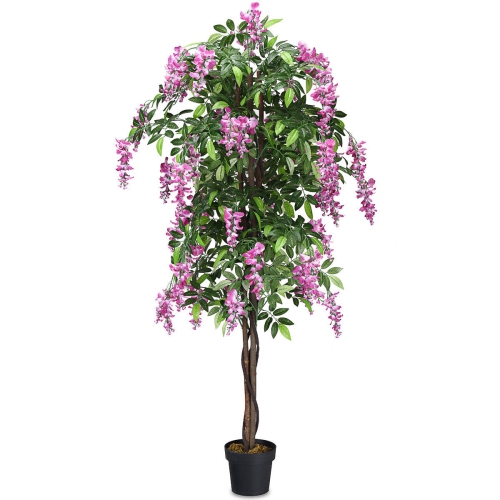
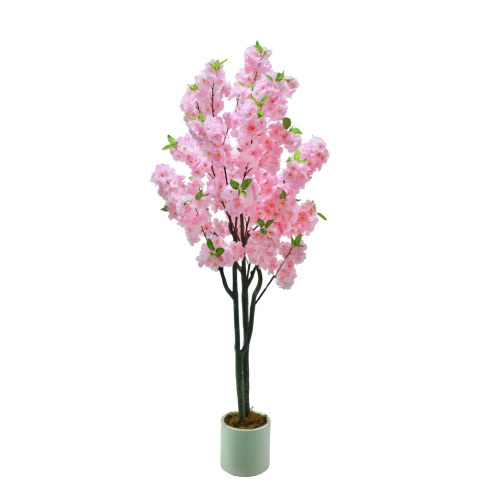
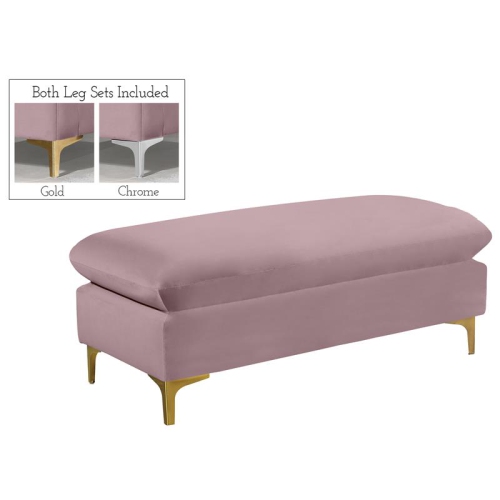




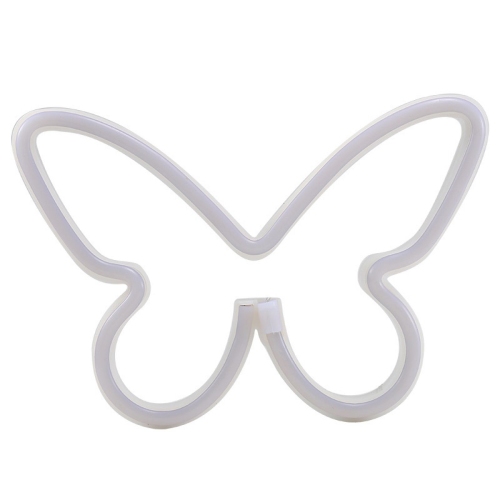

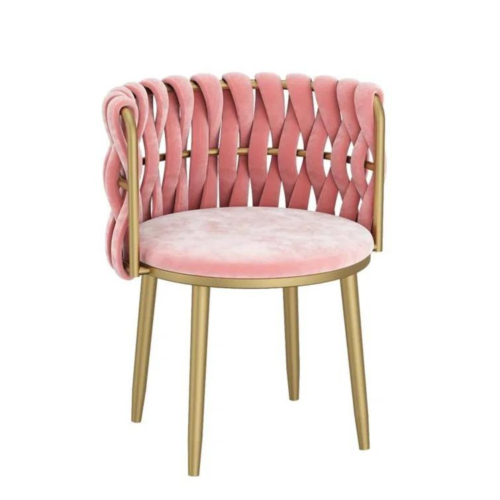
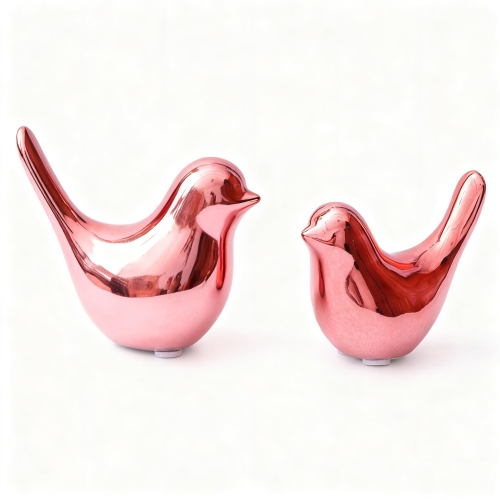
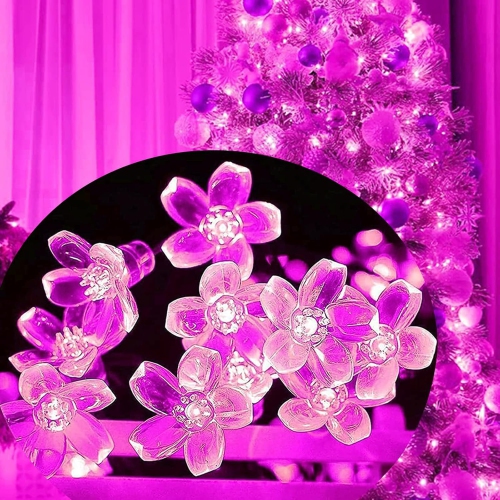
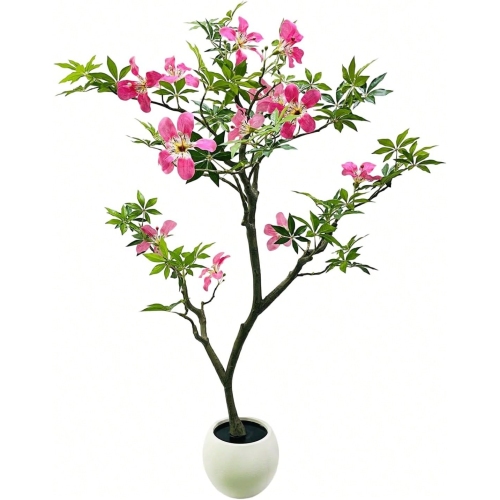
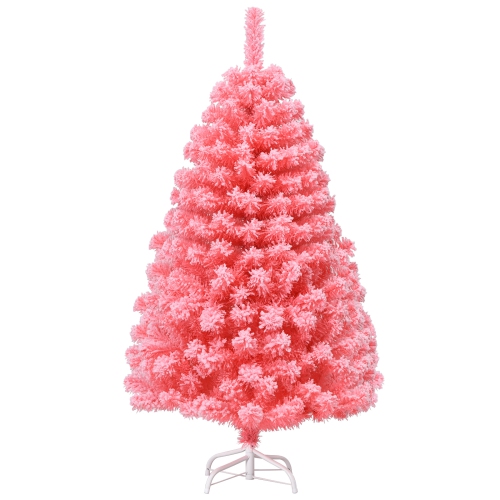
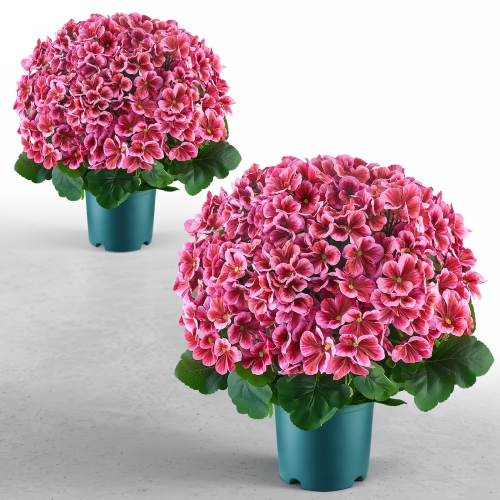
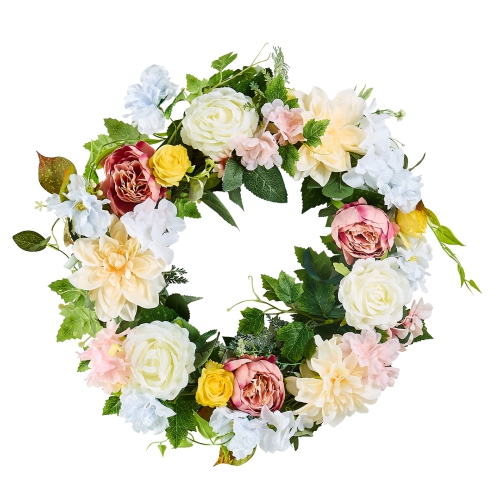
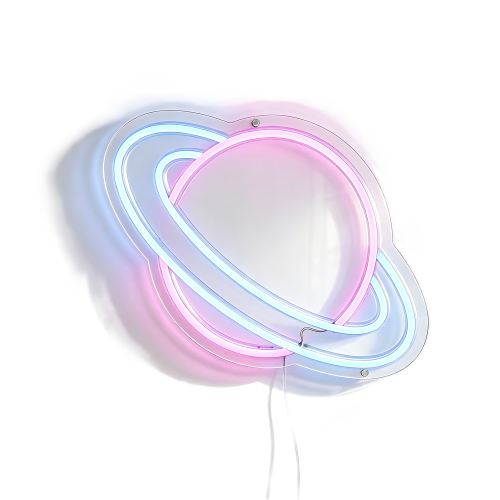
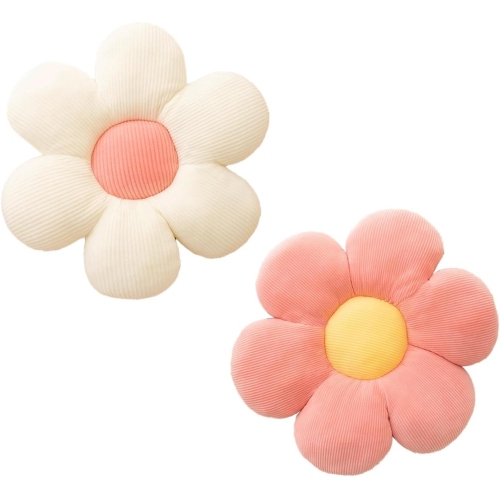
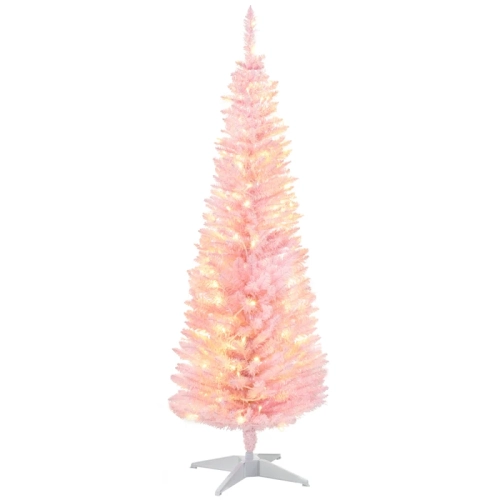
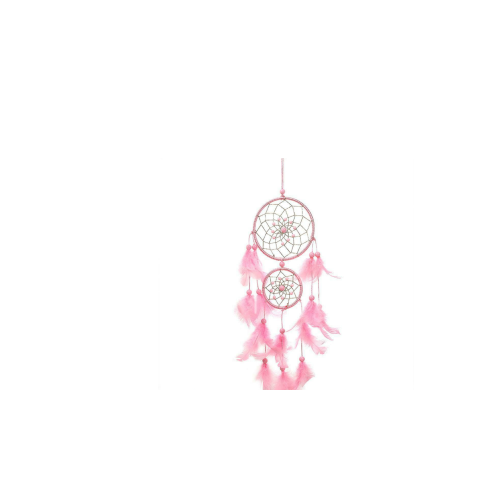
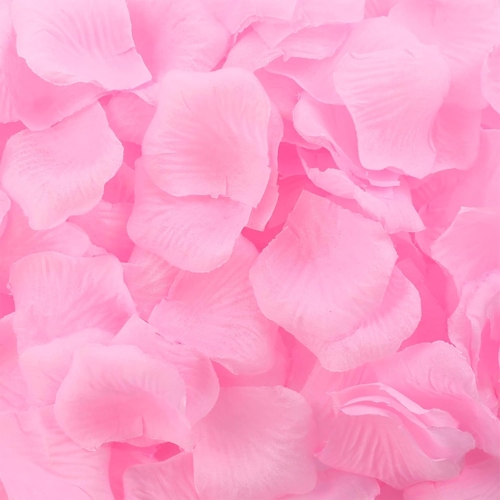
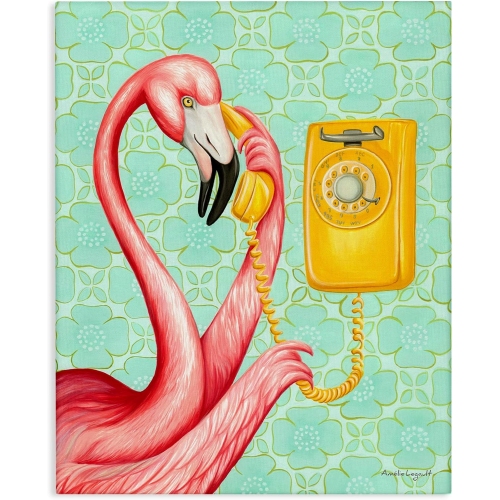

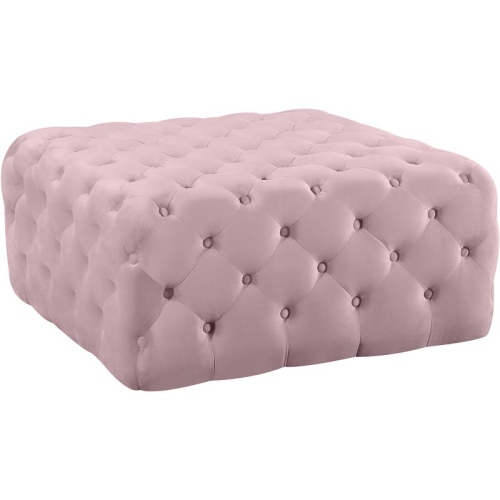
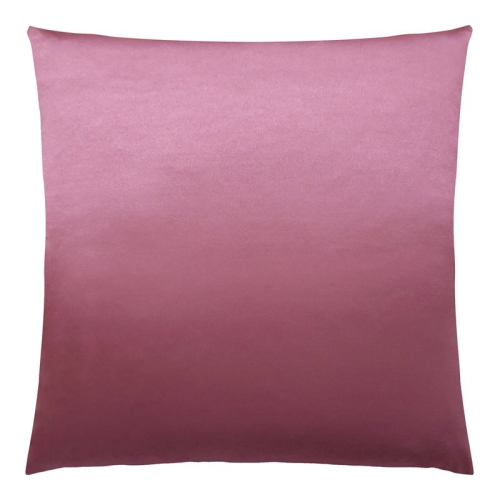
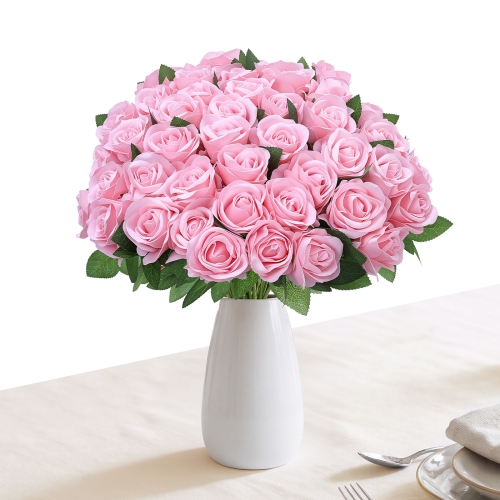


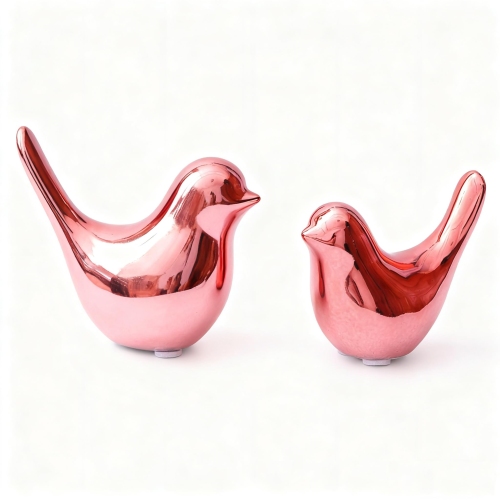
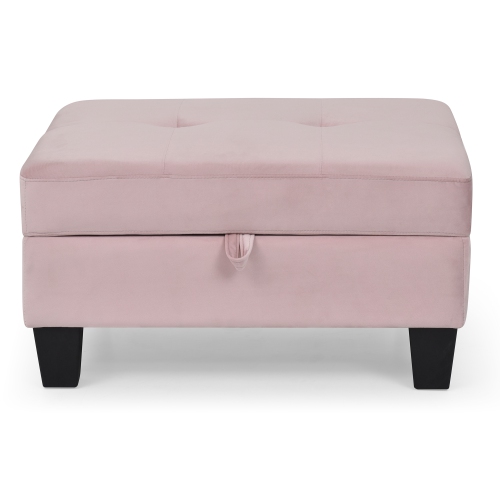
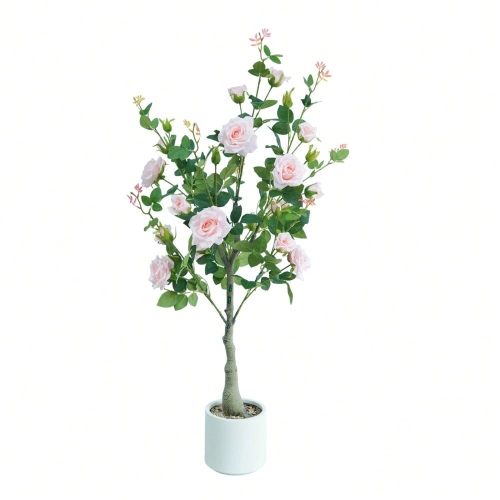
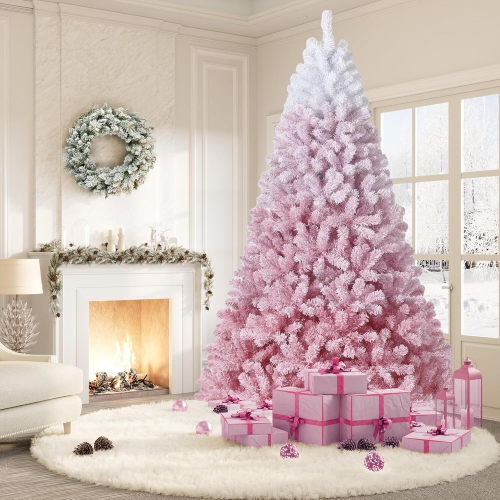
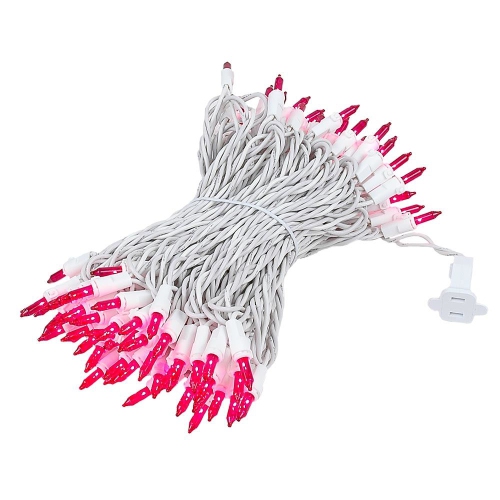
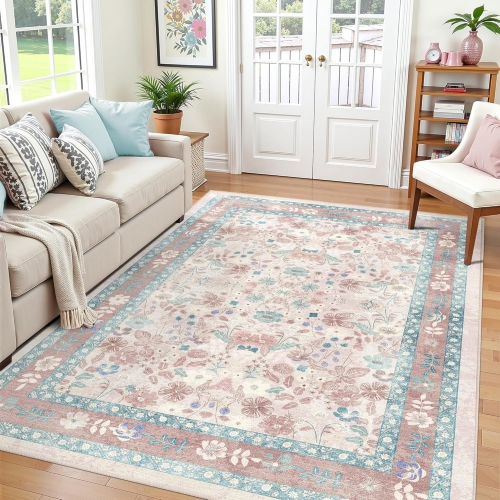
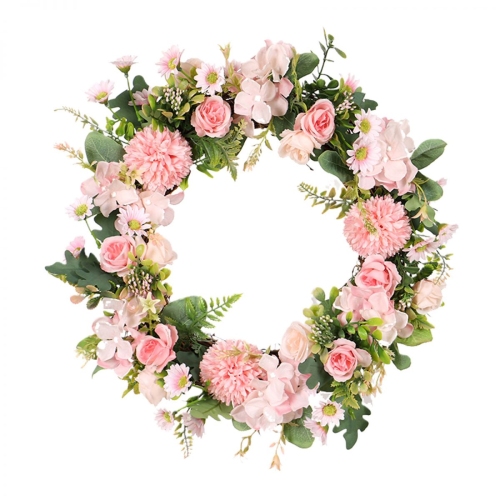
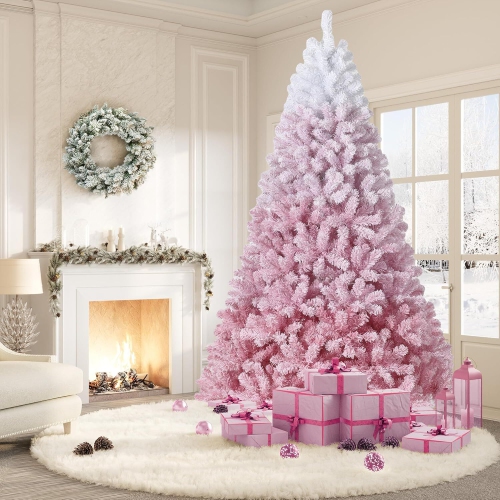

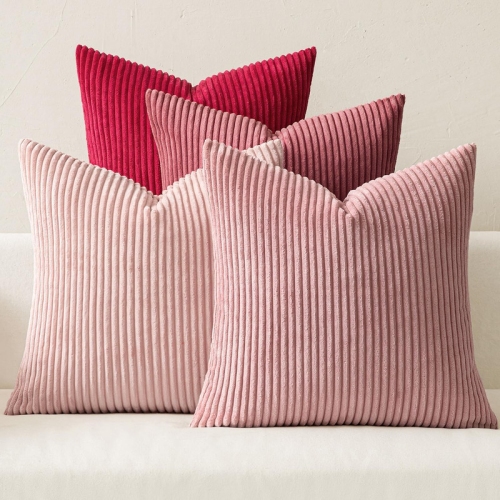
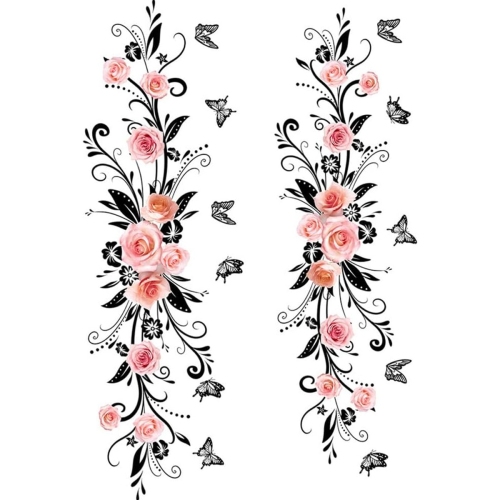
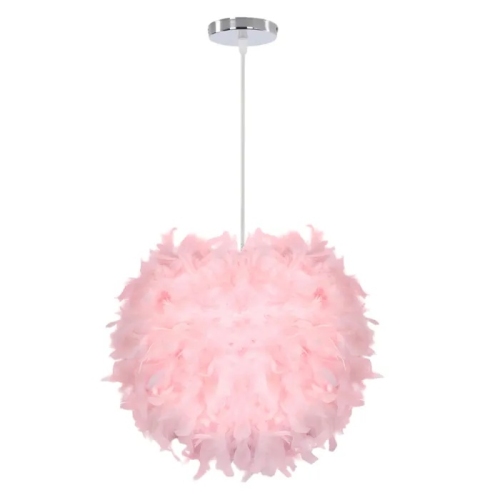
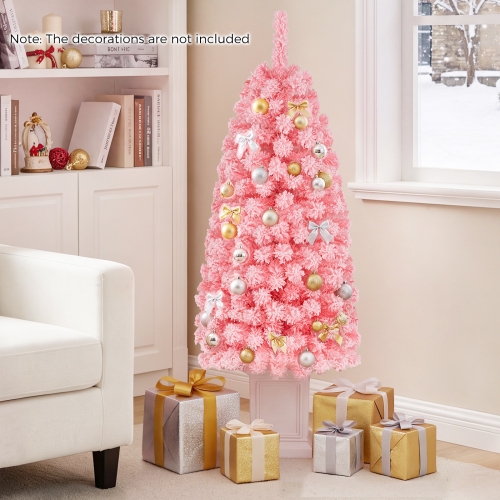

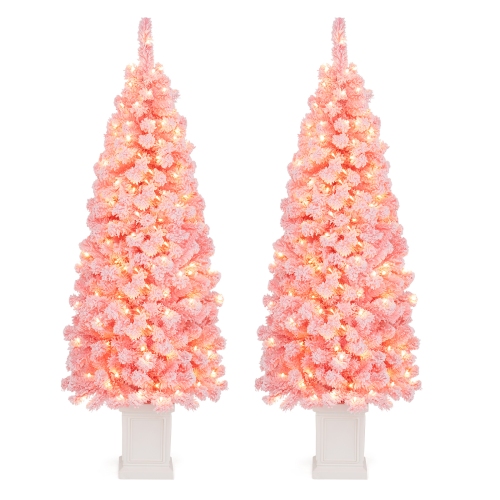

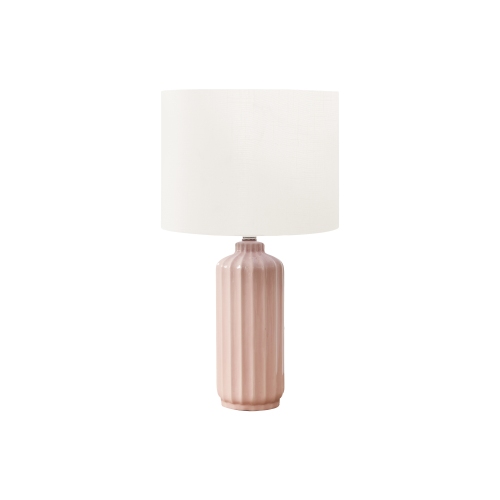
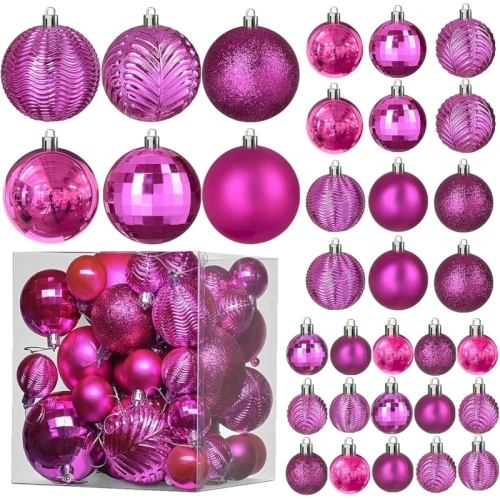

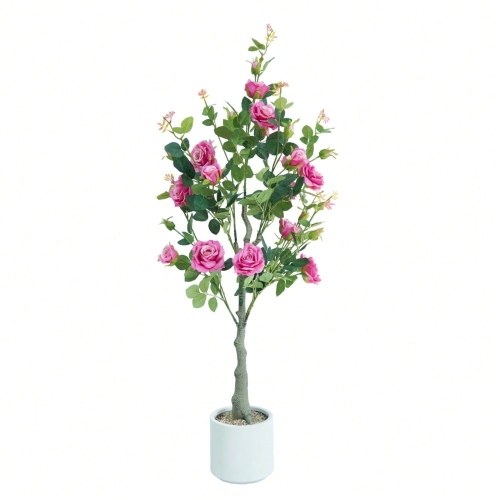
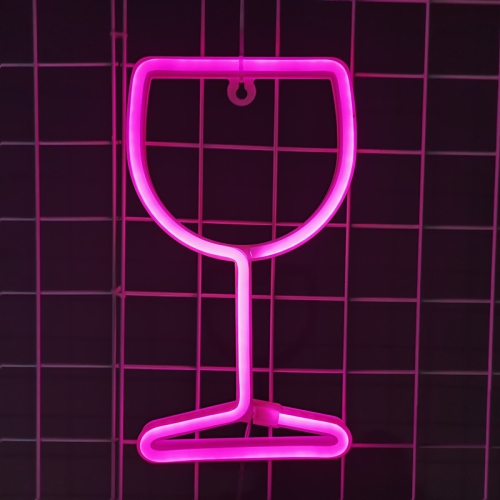
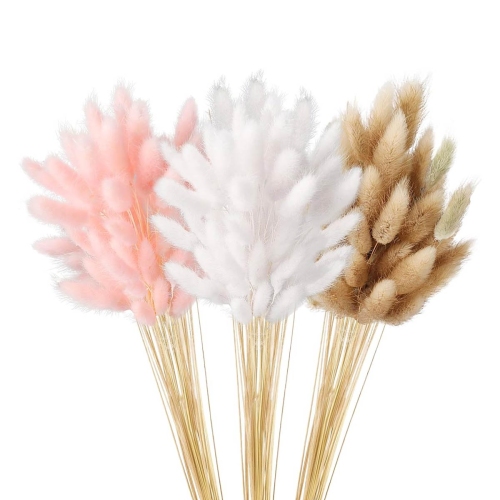


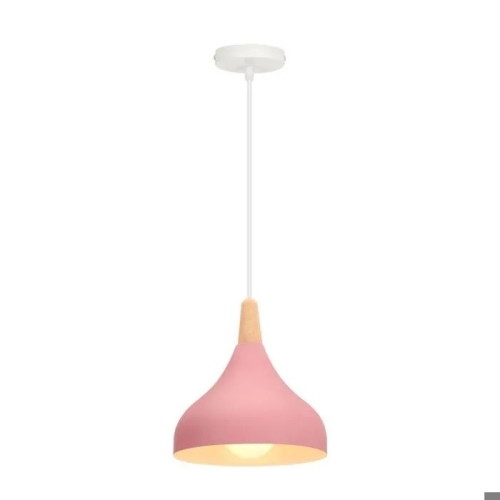
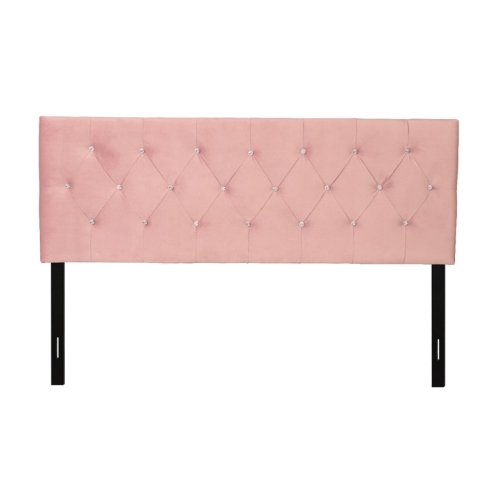

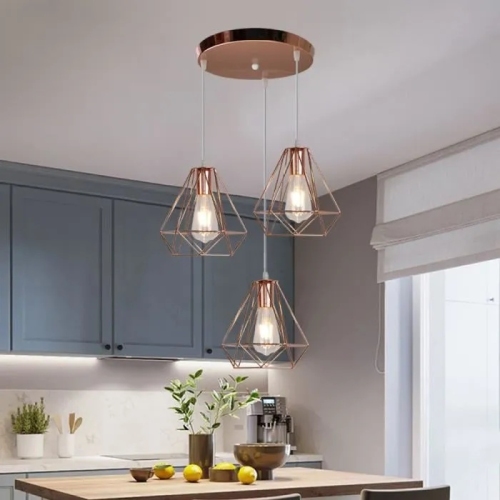
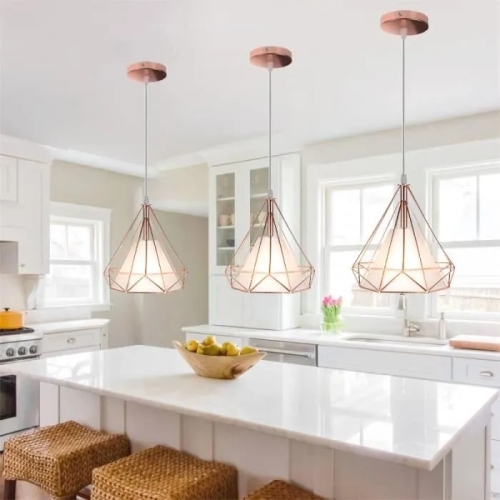
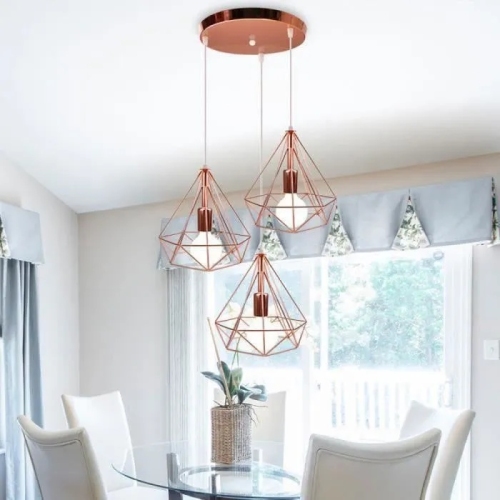
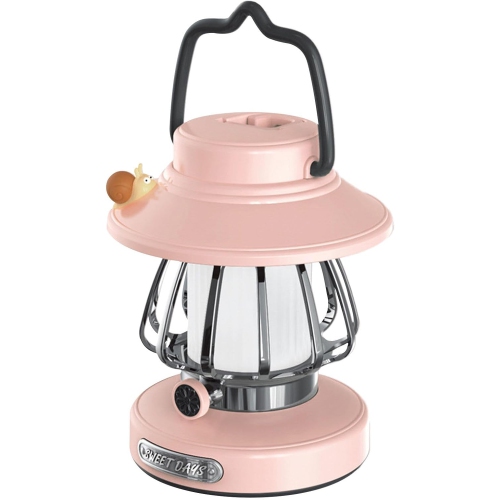
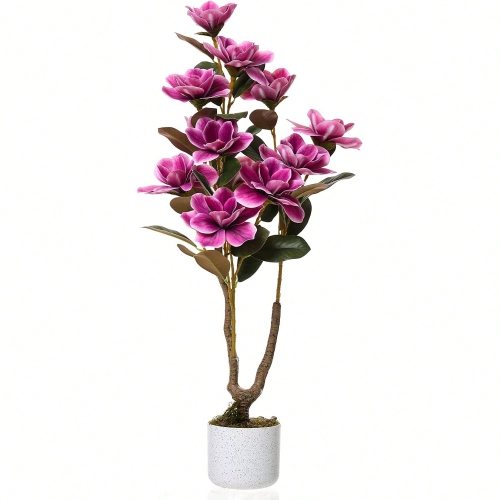
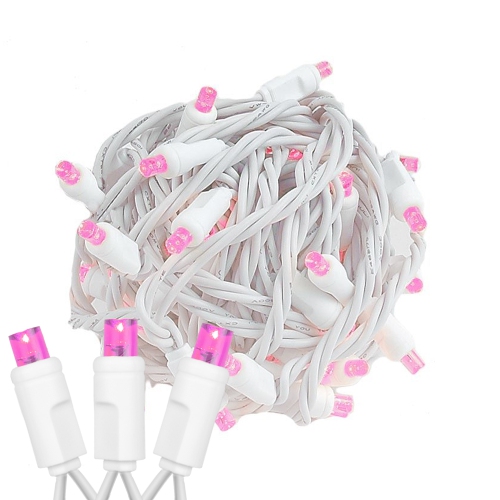
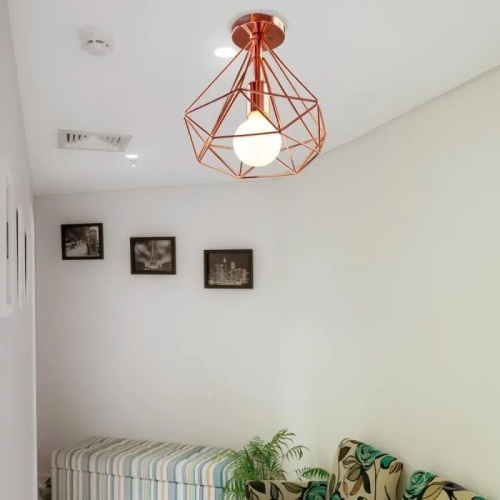
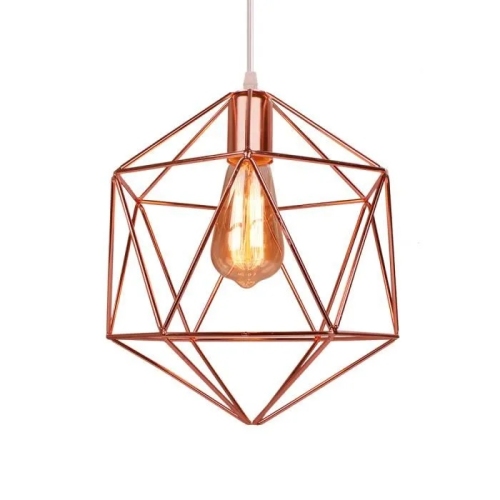
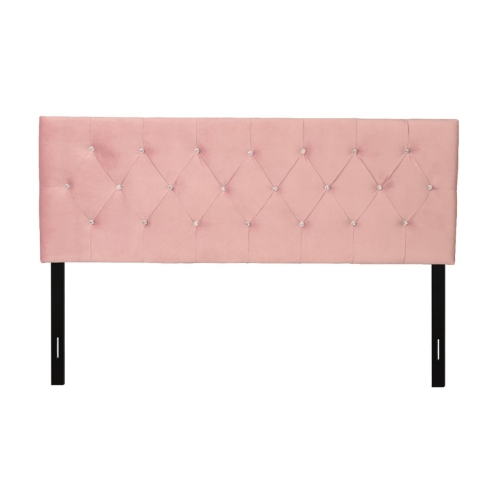
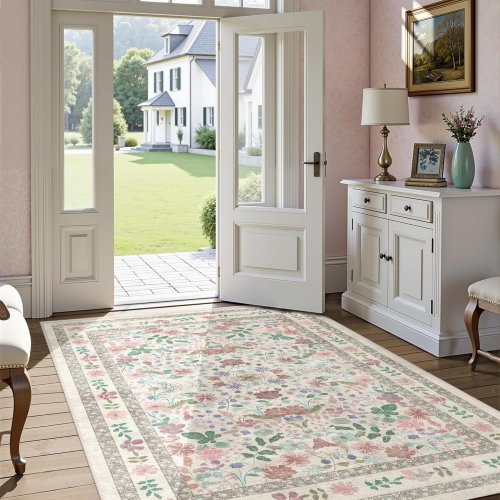
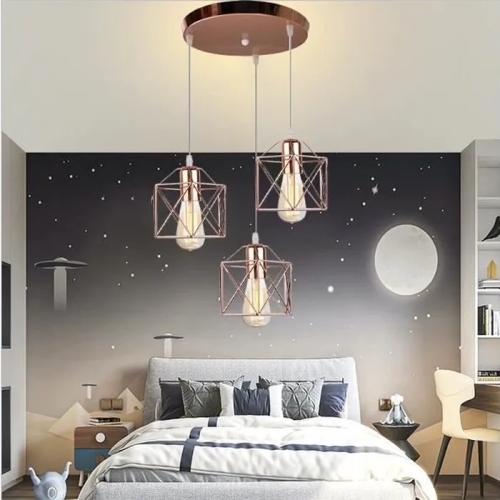
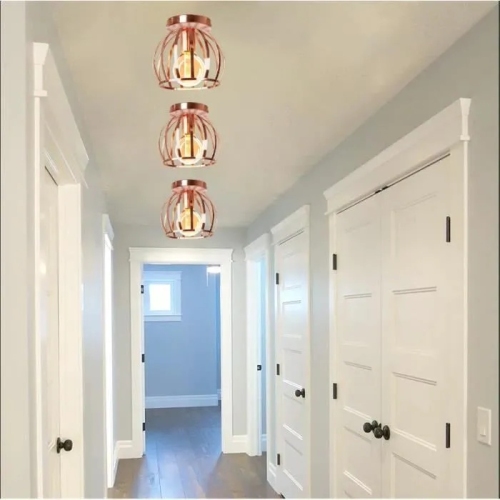
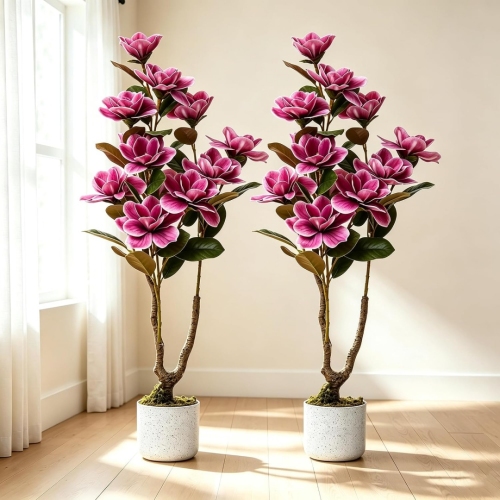


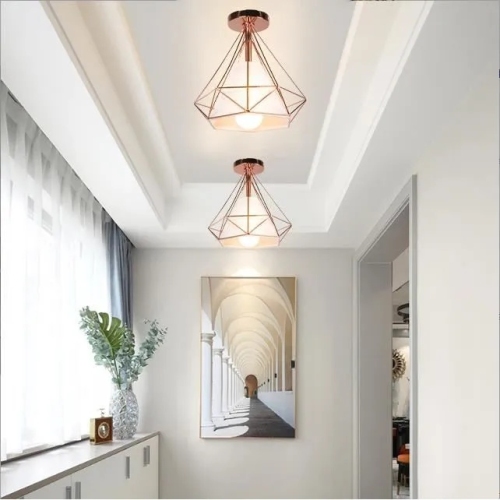
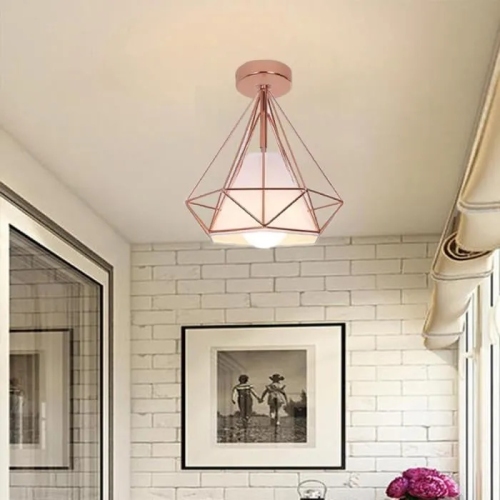
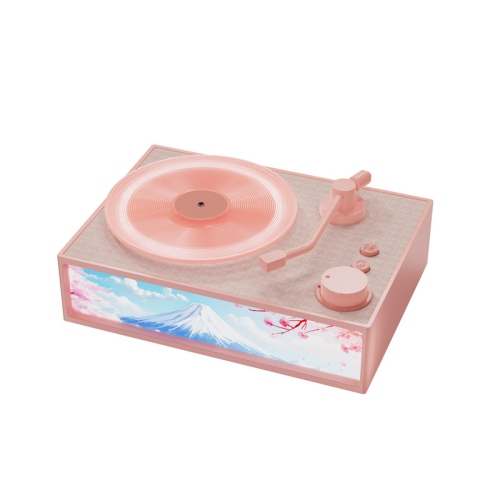
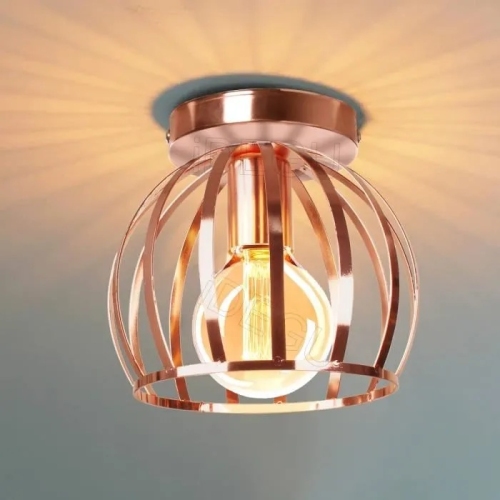
Why pink looks different in every room
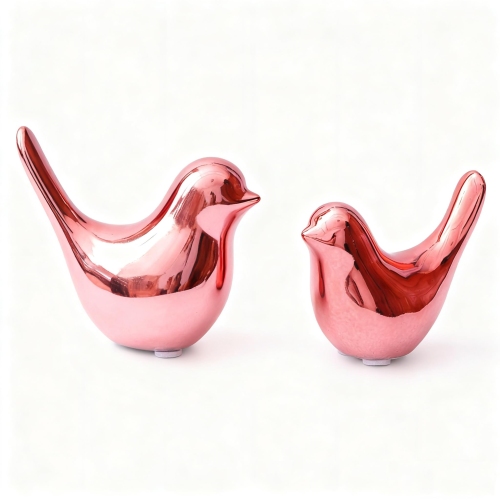
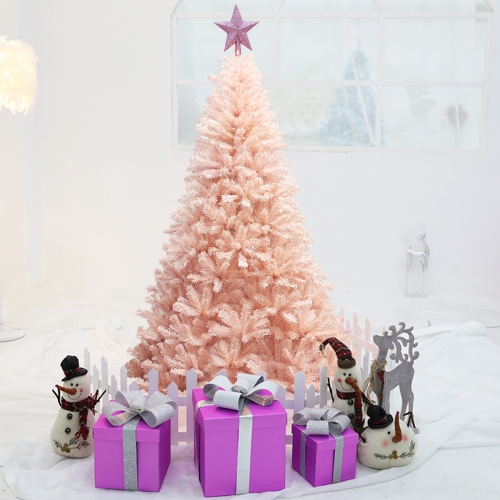
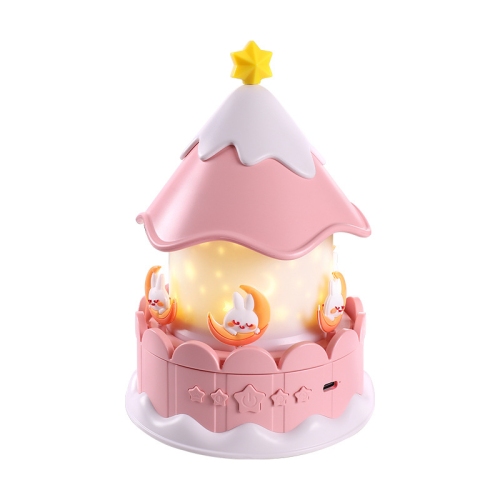
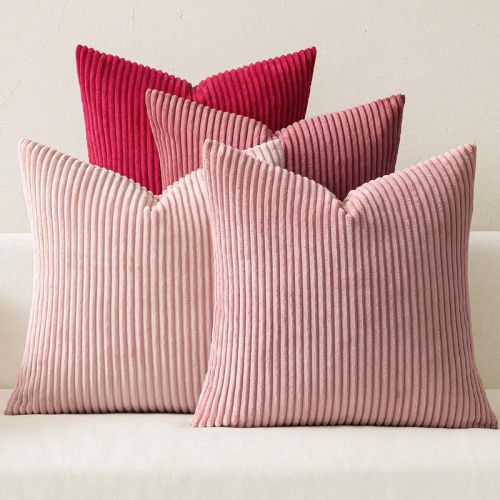
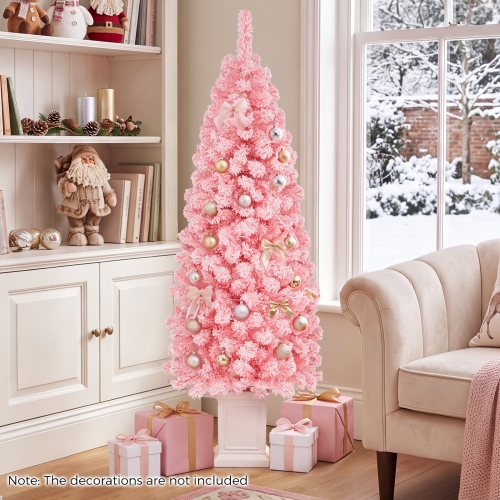
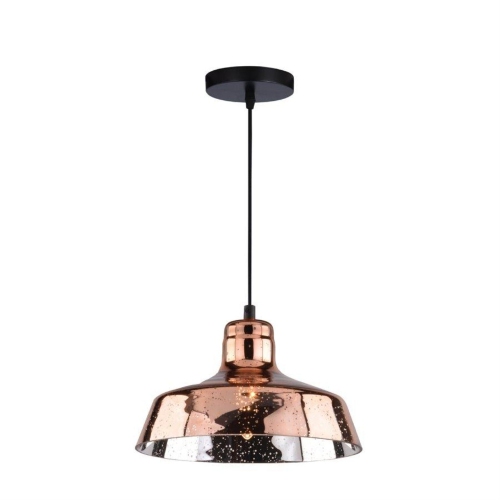
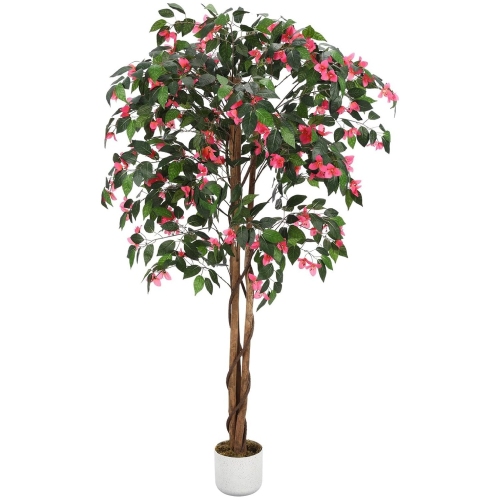
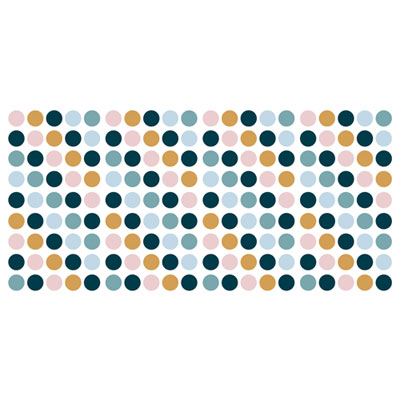
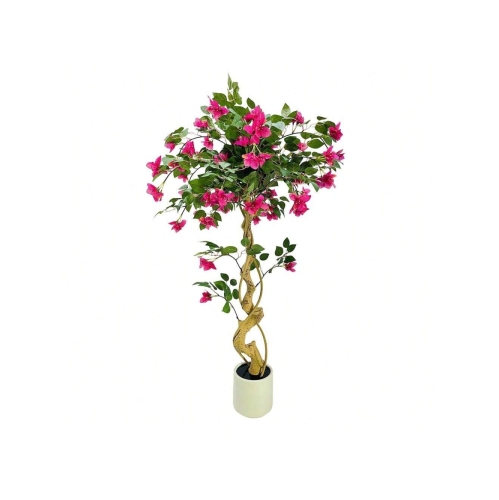
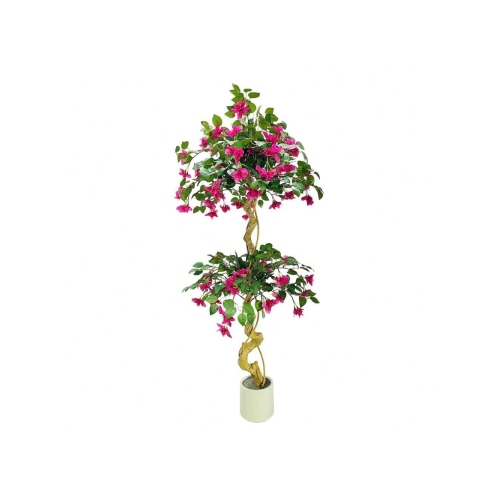
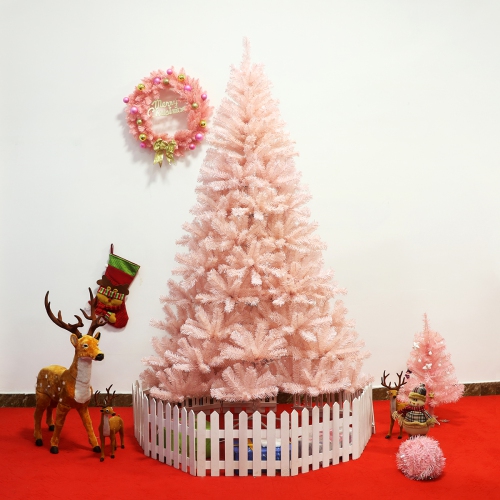
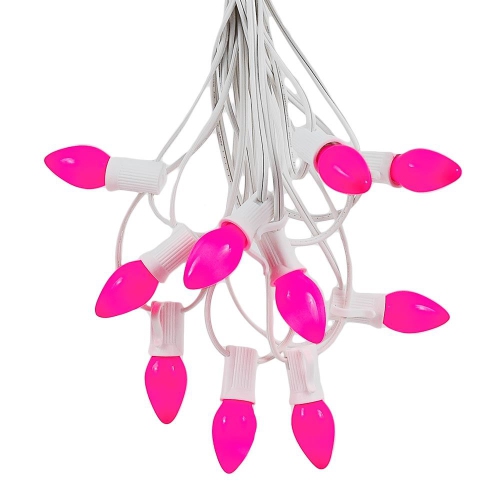
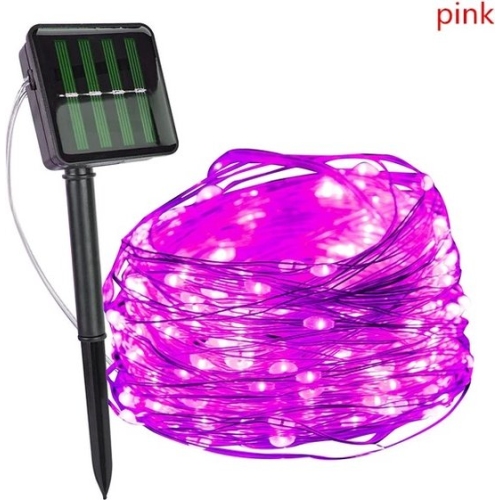
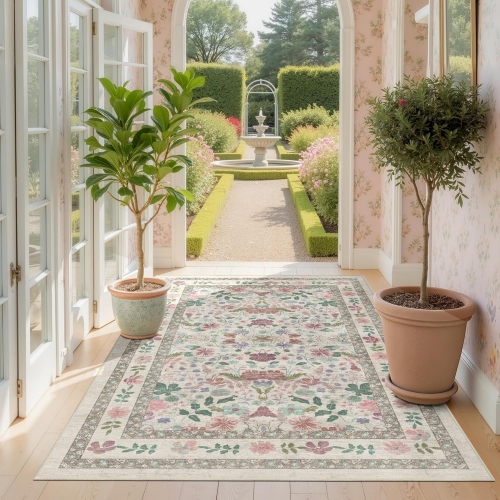
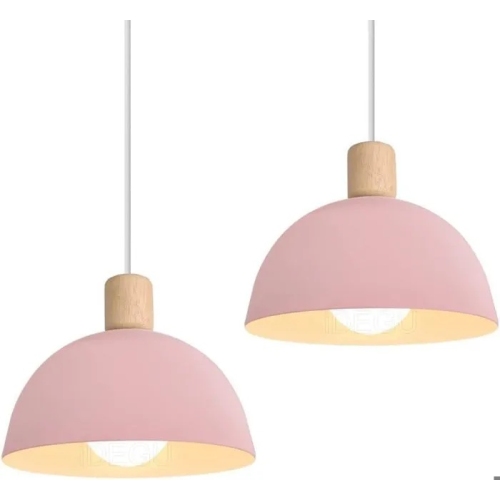
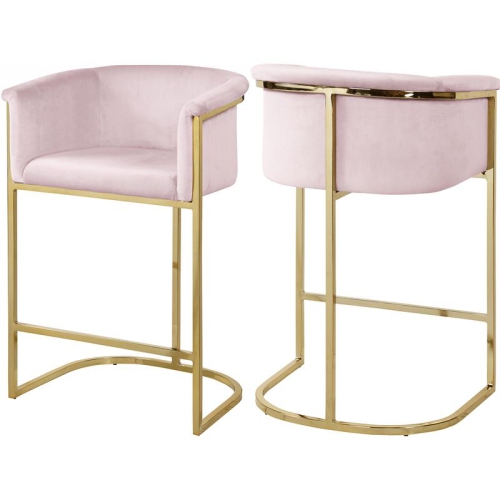
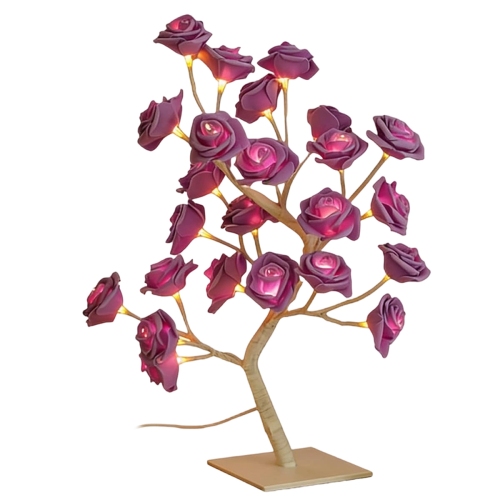
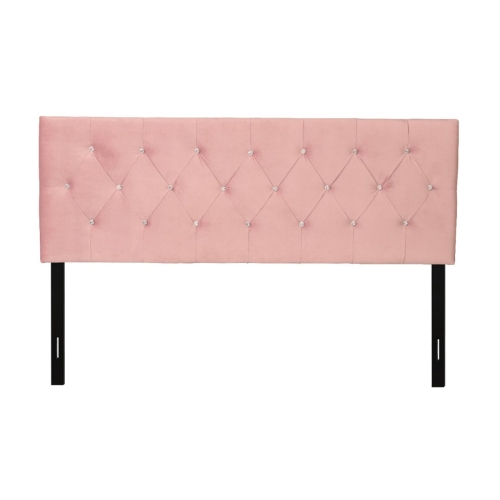
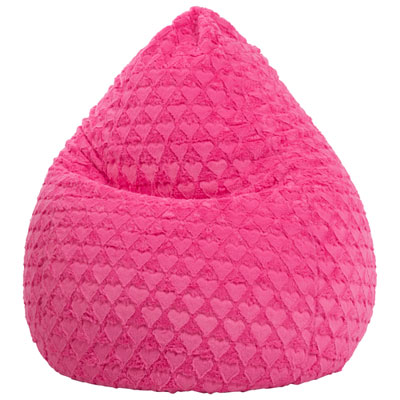
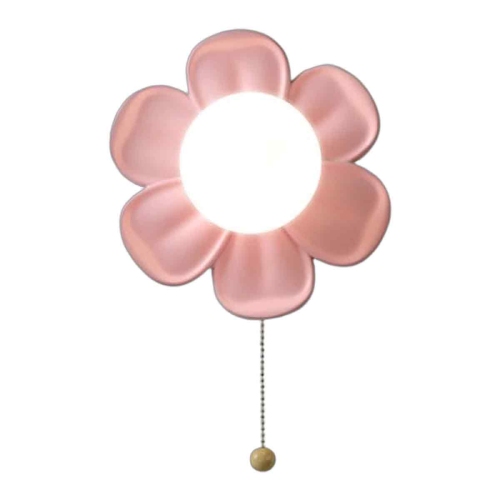
Pink home decor brings blush, rose, coral, fuchsia, and other pink shades into a room through textiles, decorative accents, wall displays, and furnishings. Its appeal extends well beyond a single style: pale pink can feel understated beside cream and light wood, while a saturated raspberry shade creates a stronger focal point against charcoal or navy. Dusty rose has a muted quality that works comfortably with traditional details, and peach-leaning pinks complement terracotta, woven textures, and warm wood tones. Cooler pinks often sit well beside grey, silver, and blue. These distinctions matter because two colours described as pink can look quite different together. A cushion with a soft peach undertone may appear warmer beside a blue-based pink wall, whereas closely related blush tones create a quieter, more continuous effect. Daylight, nearby surfaces, and artificial lighting also influence how the colour reads, so photographs cannot fully convey its appearance in every room. Pink does not need to dominate a space to feel intentional. A few accents repeated across different heights can connect a seating area, while a larger pink surface can establish the room’s main colour story. In a living room with a neutral sofa, pink textiles can soften the contrast between dark furniture and pale walls. In a bedroom, muted rose alongside ivory and walnut can feel composed without becoming overly coordinated. Modern spaces often pair clean shapes with a restrained pink palette, while more layered interiors can accommodate floral patterns, curved forms, and several related shades. Matte finishes tend to make pink look softer; glossy surfaces reflect more light and give it a sharper presence. The balance between colour, shape, and finish is what makes pink home decor adaptable to both subtle accents and expressive rooms, rather than tying it to one age group, decorating style, or type of home.
Materials and construction affect the experience of pink decor just as much as its colour. Cotton and linen textiles bring visible weave and a relaxed surface, while velvet adds depth because its pile catches the light differently as it moves. A pink velvet surface may look pale from one direction and much richer from another, making texture part of the colour itself. Knitted and tufted finishes create a more tactile effect, although raised fibres and loose loops can be less practical where pets like to scratch or snag fabric. For frequently handled textiles, secure seams, well-finished edges, and care requirements that suit everyday routines are useful considerations. Removable covers can make cleaning more manageable, but washing temperatures, drying methods, and suitability for machine washing depend on the individual care label. Different materials may also take dye differently, so a close colour match across fabric, ceramic, and painted wood will not necessarily look identical under the same light. Hard surfaces introduce their own practical differences. Glazed ceramic can have a smooth, reflective finish, while unglazed surfaces may feel more textured and require gentler handling. A decorative vessel is not necessarily watertight or suitable for food contact simply because it resembles functional tableware. Painted wood and coated metal can bring pink into furniture and accent pieces, with durability depending on the underlying material, finish, and intended use. Surfaces that receive regular contact benefit from finishes suited to handling, while delicate detailing is often better suited to display areas. Direct sunlight can fade some fabrics and finishes over time, and vigorous cleaning may alter colour or sheen. In busy households, accessible surfaces, manageable cleaning routines, and sturdy construction can matter more than an exact shade match. A soft pink accent that is easy to maintain may feel more at home in a well-used family room than a delicate finish that needs frequent attention. These practical differences allow pink decor to serve everyday spaces as well as rooms where display takes priority.
Scale and intended use help pink accents feel connected to the room rather than simply placed within it. A compact bedside surface leaves less room for decorative layers than a broad console, and a narrow hallway needs enough clearance for people to pass comfortably. For furnishings, overall width, depth, and height matter alongside the colour; doorways, drawers, and nearby seating still need space to function. Textile dimensions also affect the result. A generous layer across a sofa creates a different impression from a small folded accent, while a floor covering needs proportions that relate to the furniture around it. Pattern can change the visual weight of pink, too. A fine stripe or scattered motif introduces colour gently, whereas a large geometric design can become the centre of attention. In a shared living area, pink works comfortably as one part of a broader palette, with repeated wood tones or neutral fabrics helping connect different tastes. In a home office, a restrained touch can add personality without competing with the work surface. A child’s bedroom may suit playful combinations, while a guest room can use the same colour family in quieter textures and simpler shapes. Pink also pairs naturally with lavender, plum, and aubergine; the shades found in Purple Home Decor can extend that palette from soft tonal combinations to deeper contrasts. For housewarming or birthday gifts, the recipient’s existing colours, available space, and cleaning preferences are more useful reference points than assumptions about who likes pink. Smaller decorative accents can be easier to accommodate than larger furnishings, particularly in a first apartment or shared home. Whether the colour appears in a single focal point or throughout a room, its most lasting appeal comes from the relationship between appearance and everyday use: comfortable textures, suitable proportions, and details that feel personal without making the space harder to live in.
Top selling and popular products
-
 Your price for this item is $49.99
-
 Your price for this item is $69.99
-
 Your price for this item is $51.99
-
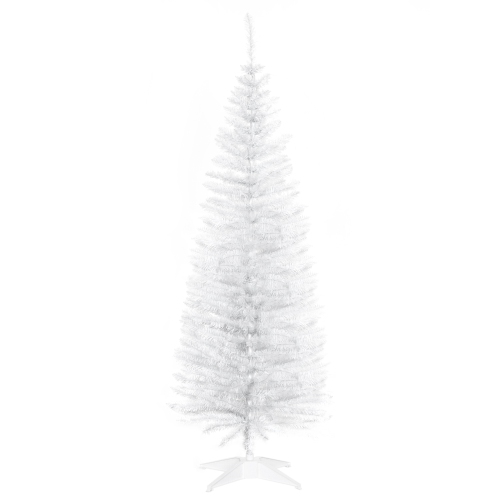 Your price for this item is $49.99
-
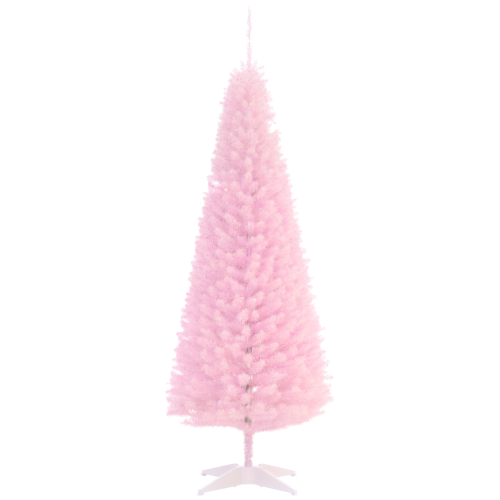 Your price for this item is $48
-
 Your price for this item is $130.99
-
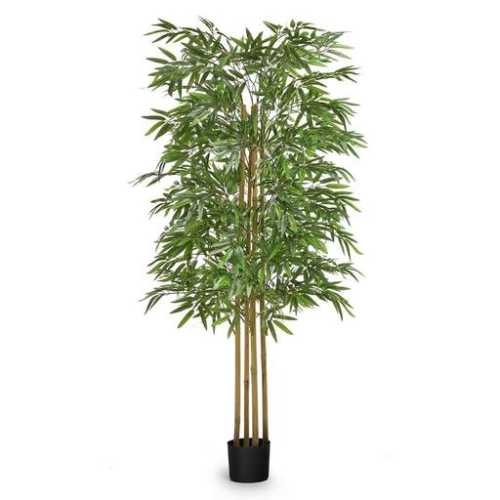 Your price for this item is $167.99
-
 Your price for this item is $112.99
Discover more categories related to Pink Home Decor

Top Collections:
Best Black Friday Deals This Year, Best Black Friday Deals On Electronics, Kindle Devices, Pokemon Centers, Best Black Friday Deals On Apple Products, Best Cameras for Sports Photography, Dyson Airwrap, Pokémon 30th Celebration Cards, Apple iPhone 17 Pro, Canon G7X Cameras
Some products may be subject to Environmental Handling Fees
(EHF) depending on your province.
Learn more about EHFs.