Piscine 12 Pieds
Transformez votre jardin en un véritable espace de détente avec une piscine 12 pieds. Idéale pour profiter des journées ensoleillées et partager des moments inoubliables en famille ou entre amis, une piscine 12 pieds offre une solution pratique pour se rafraîchir à la maison. Découvrez un large choix de piscines adaptées à tous les espaces extérieurs, conçues pour répondre à vos envies de baignade et de loisirs aquatiques. Trouvez le modèle parfait pour ajouter une touche de plaisir à votre été avec une piscine 12 pieds.
Sort

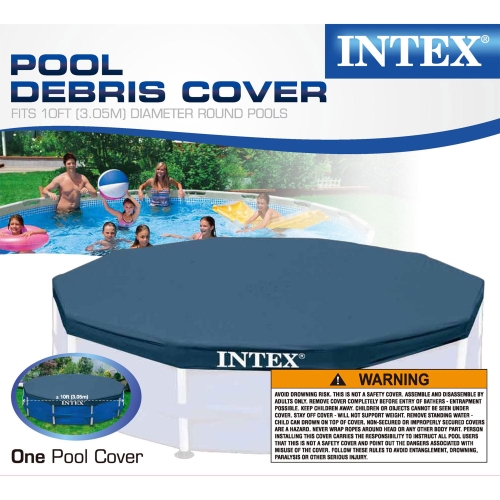
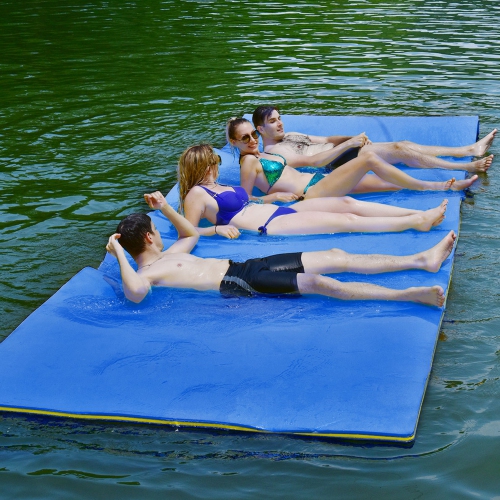
Backyard pool comfort depends on more than diameter
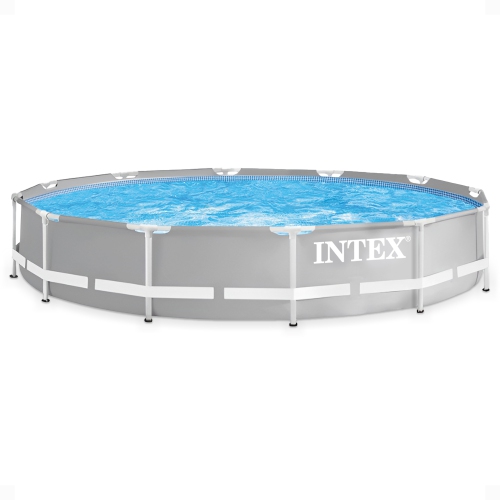
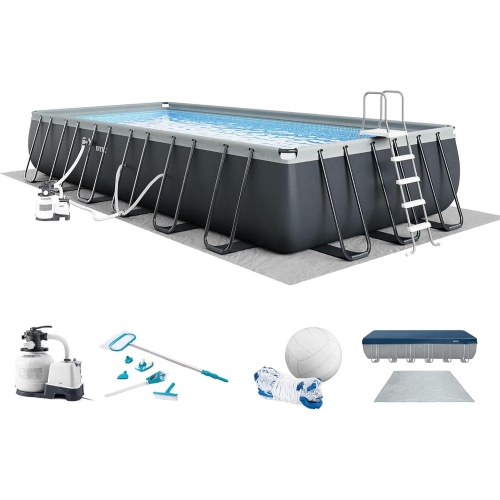
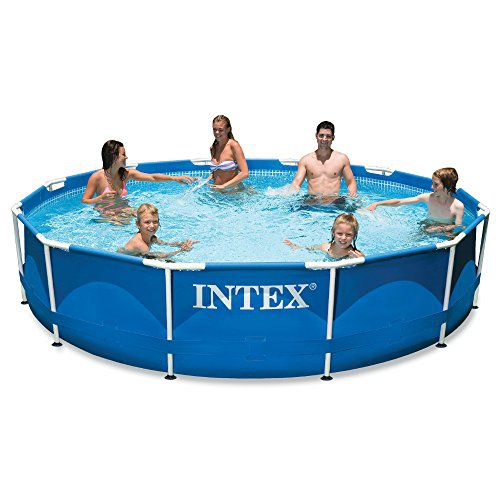
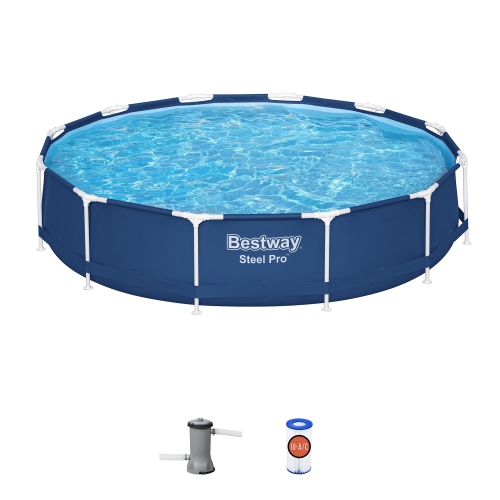
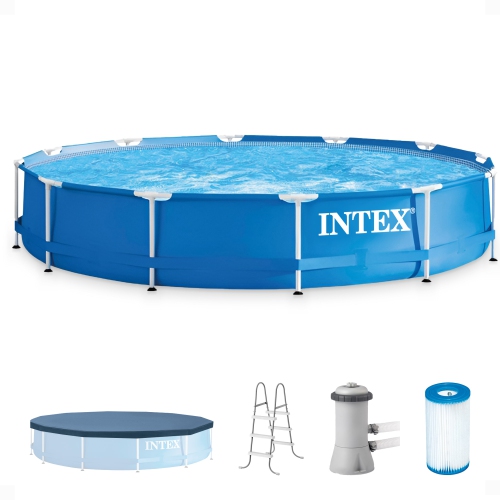
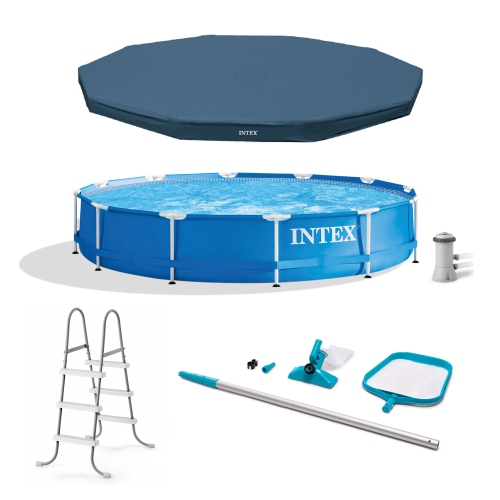
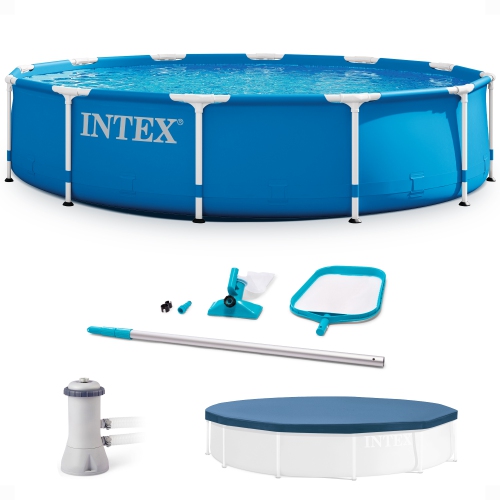
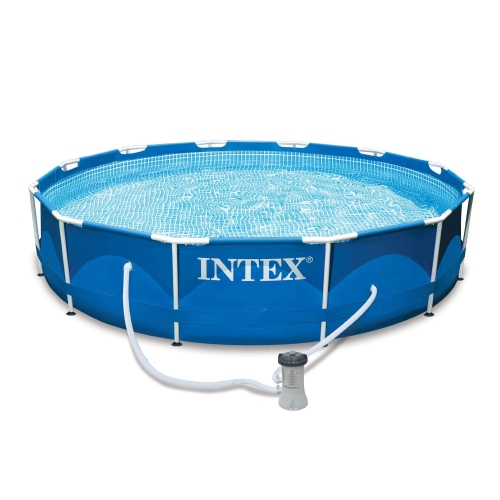
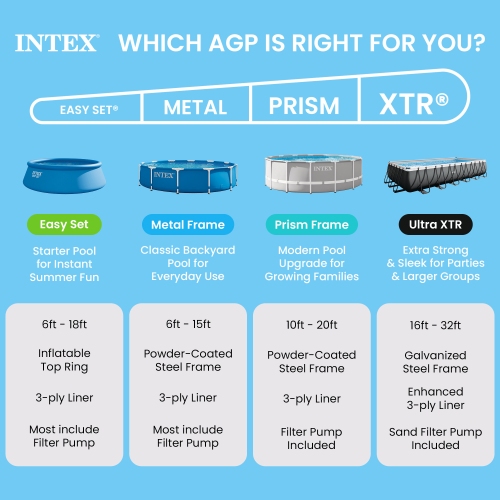
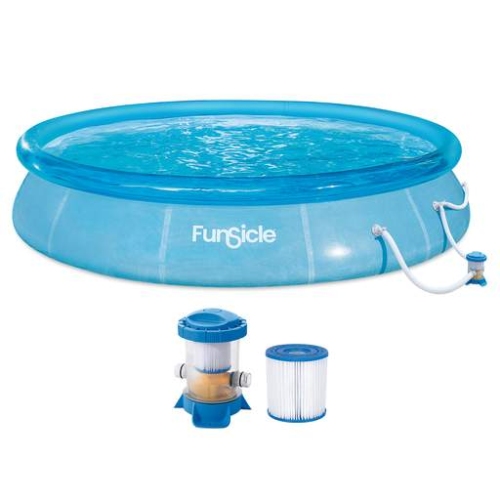
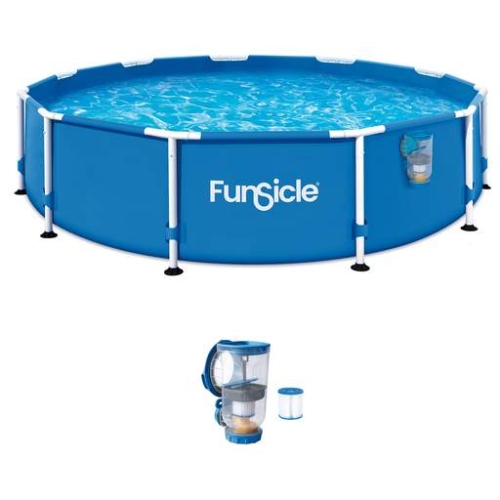
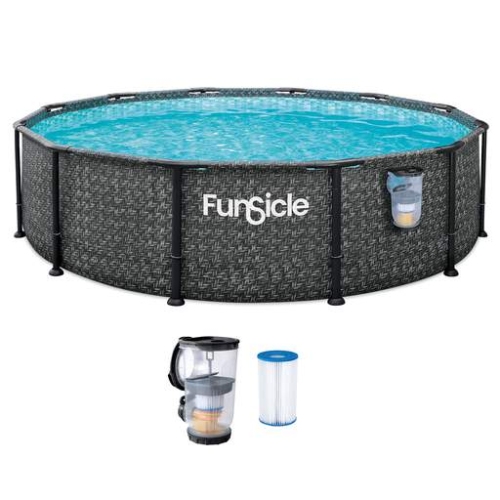
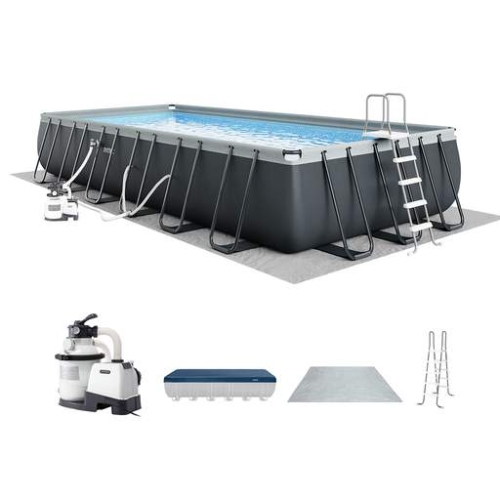
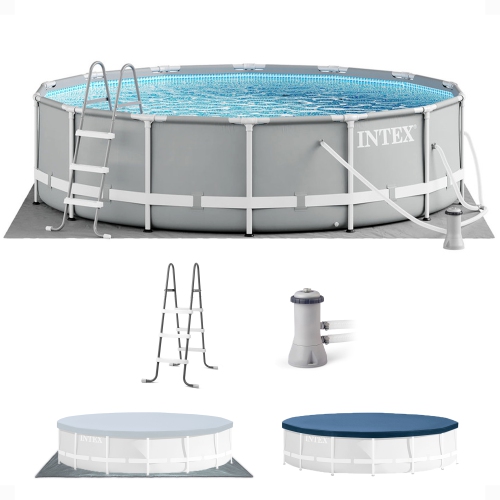
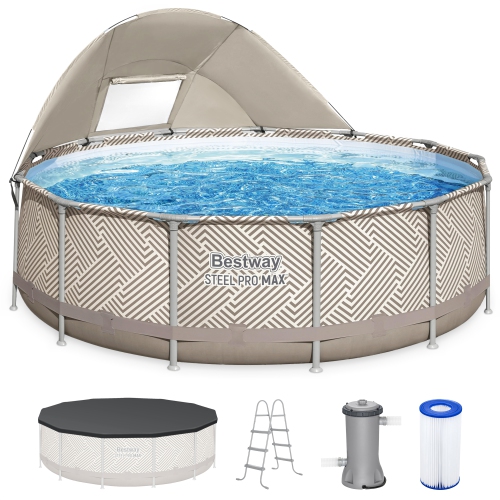
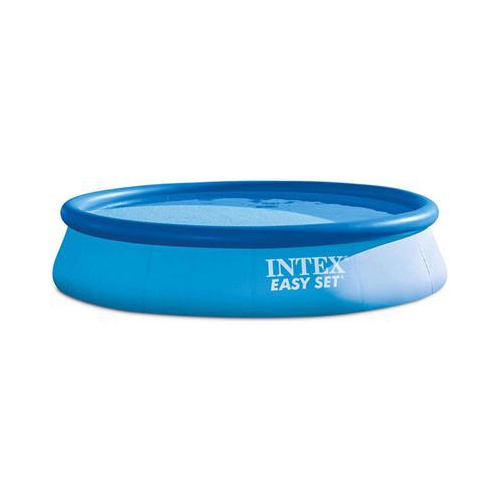
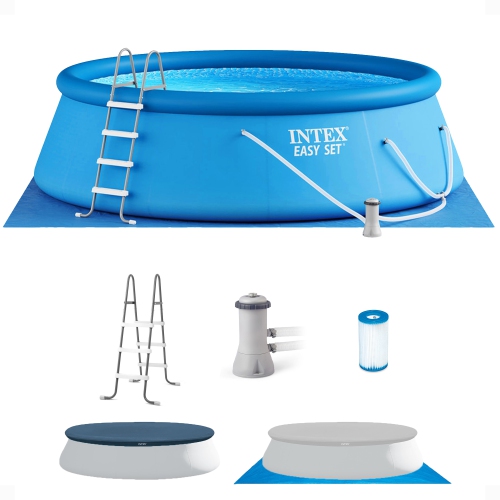
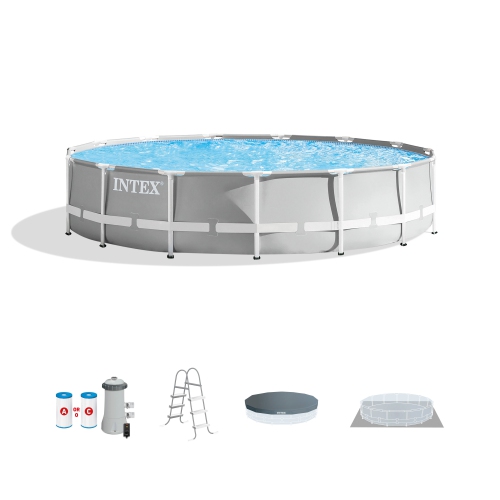
A 12-foot pool brings space for cooling off, gentle water play, and relaxed family time to a residential backyard without requiring the footprint of a large swimming pool. For a round pool, 12 feet usually refers to the diameter, equivalent to approximately 3.66 metres, though the exact measurement and the space needed around the structure depend on its design. This size suits recreational use rather than lap swimming: picture a few people enjoying a quiet soak or a parent sharing supervised splash time with a child. The main types include inflatable-ring pools, metal-frame pools, and rigid-wall above-ground pools. An inflatable-ring design uses an air-filled upper ring to support a flexible liner as the pool fills, creating a simple structure that can generally be emptied and packed away according to its care instructions. A metal-frame pool holds its shape with connected supports and a flexible liner, while a rigid-wall pool uses panels or continuous walls supported by a more substantial framework. Each construction offers a different balance of setup requirements, storage needs, and long-term care. Diameter alone does not describe the swimming experience: wall height, recommended water level, and usable interior space also matter. Two pools with the same stated width can feel quite different when one has sloping sides and the other has more upright walls. The stated wall height is not the same as the water depth, since pools must be filled only to the manufacturer’s indicated level. For households comparing related designs, the Piscine Intex collection provides another way to explore pool options. Across all designs, a 12-foot pool is best understood as a compact recreational space, with suitability determined by its dimensions, construction, and the needs of the people using it rather than diameter alone.
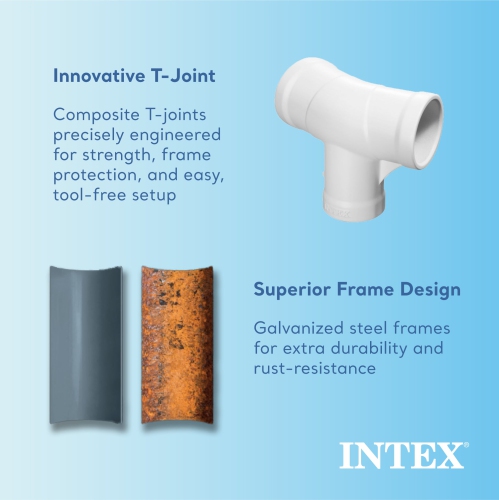
Materials and placement have a large influence on how a 12-foot above-ground pool fits into everyday life. Flexible liners are commonly made from PVC, sometimes reinforced with mesh or multiple layers to help resist stretching and everyday wear. Metal-frame designs often use coated steel tubes, while rigid-wall structures may use steel or aluminium components; the exact materials and protective finishes vary. Reinforcement can improve durability, but no liner is immune to punctures from sharp stones, pet claws, or objects dragged across its surface. A suitable ground cloth can help protect the underside, but it does not replace proper site preparation. The pool needs a level, stable base that meets the manufacturer’s requirements, with enough room beyond the stated diameter for any projecting supports, filtration equipment, safe entry, and routine cleaning. A circular patch of lawn measuring exactly 12 feet across is therefore not necessarily a suitable installation area. Uneven ground can create unequal water pressure, causing walls or supports to lean and placing stress on the structure. Filled pools are extremely heavy, so balconies, rooftops, and raised decks are not suitable locations unless their load capacity and the installation have been assessed and approved by qualified professionals. At ground level, access to a suitable water supply, a permitted drainage route, and a safe electrical connection for powered equipment all affect placement. Pool pumps must be connected according to their instructions and applicable electrical requirements, including ground-fault protection where required. Local bylaws may also set rules for permits, setbacks, fencing, gates, and access control, even for portable pools. A clear path between the pool and its entry point makes everyday use easier, while space around the perimeter allows an adult to reach any side quickly. These practical details help distinguish a pool that merely fits on paper from one that works comfortably in the yard.
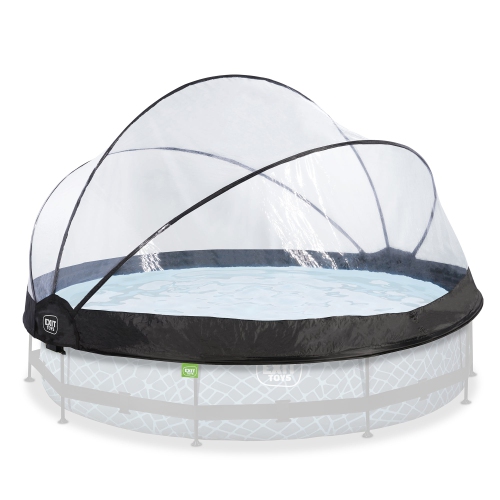
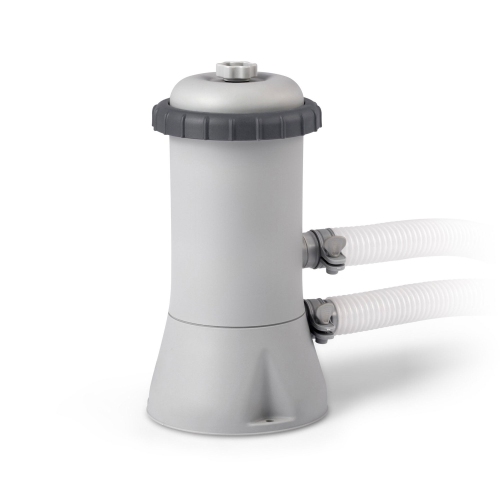
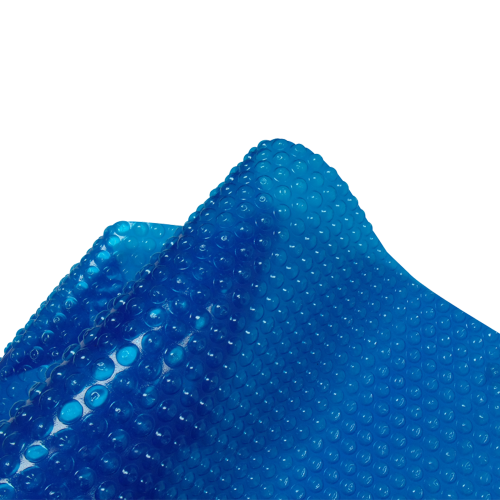
Care and equipment compatibility shape the experience just as much as the pool itself. Some pool packages include filtration equipment, while others require separate components, so the contents and specifications deserve attention. A pump and filter need to suit the pool’s water volume and connection sizes; diameter alone is not enough to establish compatibility because depth and shape affect capacity. Covers, ground cloths, ladders, hoses, and replacement filter cartridges also need to match the intended pool rather than simply carry a similar size description. A ladder must suit the wall height and meet the manufacturer’s weight limits, and its placement should follow the pool’s installation instructions. For routine upkeep, removing leaves and insects from the surface, brushing suitable liner surfaces, and clearing settled debris help keep the water inviting. Filtration does not replace water treatment: testing and maintaining sanitizer and pH levels according to the pool and treatment-product instructions remain essential. Clear-looking water is not proof that it is properly balanced. Pool chemicals require secure storage away from children and pets, and different chemicals must never be mixed together. Families with young children also need a clear supervision routine, with a responsible adult actively watching whenever anyone is in or around the water and staying within arm’s reach of young children or weak swimmers. Shallow water still presents a drowning risk, and flotation toys are not a substitute for supervision or an appropriate personal flotation device. These compact pools are for activities suited to their depth, not diving or jumping from surrounding furniture. When the swimming season ends, storage or winter preparation depends on the construction and the manufacturer’s directions. Portable pools may need to be drained, cleaned, dried thoroughly, and stored before freezing conditions, while some rigid-wall pools are designed to remain installed with appropriate winter preparation. A standard cover can help limit debris, but it is not a safety barrier unless specifically designed and certified for that purpose. With suitable placement, compatible equipment, and consistent care, a 12-foot pool can become a manageable setting for unhurried backyard recreation.
Materials and placement have a large influence on how a 12-foot above-ground pool fits into everyday life. Flexible liners are commonly made from PVC, sometimes reinforced with mesh or multiple layers to help resist stretching and everyday wear. Metal-frame designs often use coated steel tubes, while rigid-wall structures may use steel or aluminium components; the exact materials and protective finishes vary. Reinforcement can improve durability, but no liner is immune to punctures from sharp stones, pet claws, or objects dragged across its surface. A suitable ground cloth can help protect the underside, but it does not replace proper site preparation. The pool needs a level, stable base that meets the manufacturer’s requirements, with enough room beyond the stated diameter for any projecting supports, filtration equipment, safe entry, and routine cleaning. A circular patch of lawn measuring exactly 12 feet across is therefore not necessarily a suitable installation area. Uneven ground can create unequal water pressure, causing walls or supports to lean and placing stress on the structure. Filled pools are extremely heavy, so balconies, rooftops, and raised decks are not suitable locations unless their load capacity and the installation have been assessed and approved by qualified professionals. At ground level, access to a suitable water supply, a permitted drainage route, and a safe electrical connection for powered equipment all affect placement. Pool pumps must be connected according to their instructions and applicable electrical requirements, including ground-fault protection where required. Local bylaws may also set rules for permits, setbacks, fencing, gates, and access control, even for portable pools. A clear path between the pool and its entry point makes everyday use easier, while space around the perimeter allows an adult to reach any side quickly. These practical details help distinguish a pool that merely fits on paper from one that works comfortably in the yard.
Care and equipment compatibility shape the experience just as much as the pool itself. Some pool packages include filtration equipment, while others require separate components, so the contents and specifications deserve attention. A pump and filter need to suit the pool’s water volume and connection sizes; diameter alone is not enough to establish compatibility because depth and shape affect capacity. Covers, ground cloths, ladders, hoses, and replacement filter cartridges also need to match the intended pool rather than simply carry a similar size description. A ladder must suit the wall height and meet the manufacturer’s weight limits, and its placement should follow the pool’s installation instructions. For routine upkeep, removing leaves and insects from the surface, brushing suitable liner surfaces, and clearing settled debris help keep the water inviting. Filtration does not replace water treatment: testing and maintaining sanitizer and pH levels according to the pool and treatment-product instructions remain essential. Clear-looking water is not proof that it is properly balanced. Pool chemicals require secure storage away from children and pets, and different chemicals must never be mixed together. Families with young children also need a clear supervision routine, with a responsible adult actively watching whenever anyone is in or around the water and staying within arm’s reach of young children or weak swimmers. Shallow water still presents a drowning risk, and flotation toys are not a substitute for supervision or an appropriate personal flotation device. These compact pools are for activities suited to their depth, not diving or jumping from surrounding furniture. When the swimming season ends, storage or winter preparation depends on the construction and the manufacturer’s directions. Portable pools may need to be drained, cleaned, dried thoroughly, and stored before freezing conditions, while some rigid-wall pools are designed to remain installed with appropriate winter preparation. A standard cover can help limit debris, but it is not a safety barrier unless specifically designed and certified for that purpose. With suitable placement, compatible equipment, and consistent care, a 12-foot pool can become a manageable setting for unhurried backyard recreation.
Top selling and popular products
-
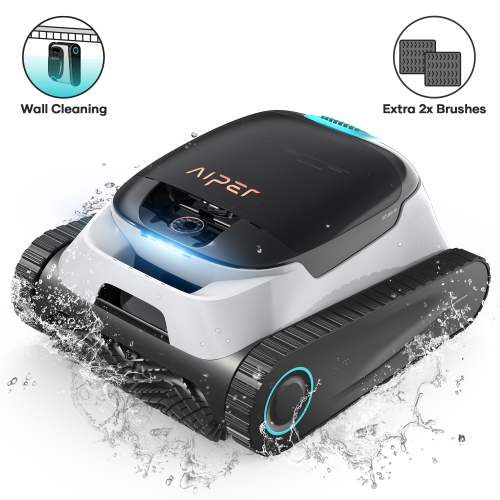 Your price for this item is $679.99
 -
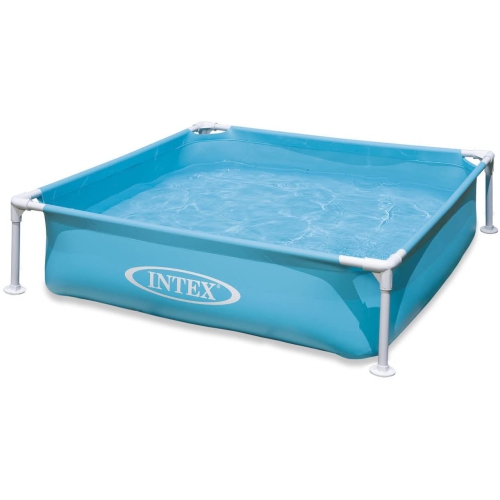 Your price for this item is $75.99
 -
 Your price for this item is $3489
 -
 Your price for this item is $3489
 -
 Your price for this item is $542.99
 -
 Your price for this item is $1098.99
 -
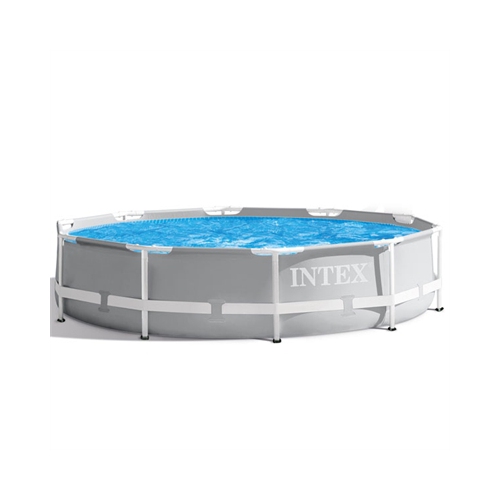 Your price for this item is $285.99
 -
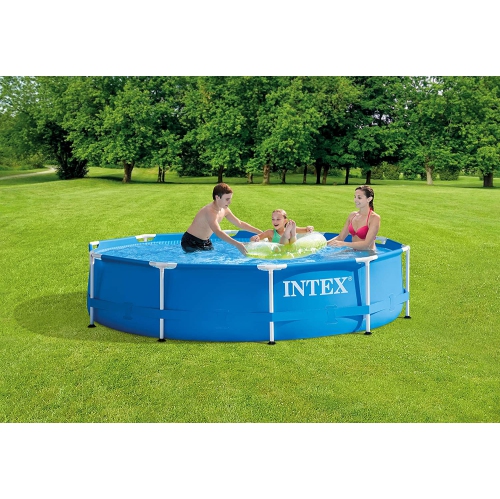 Your price for this item is $257.99
Discover more categories related to Piscine 12 Pieds
Top Collections:
Pokemon Centers, Kindle Devices, Best Budget Office Chairs, Apple iPhones 16, Canon G7X Cameras, iPhone 15 Apple, Alarm Clock, Refurbished Apple Laptops, Flip Phones, Best Laptops for Writers
Some products may be subject to Environmental Handling Fees
(EHF) depending on your province.
Learn more about EHFs.