Piscine Intex
Piscine Intex offers an easy and enjoyable way to transform any outdoor space into a refreshing retreat. Perfect for families, gatherings, or relaxing afternoons, these pools are designed to bring fun and relaxation to your backyard. Discover a variety of Piscine Intex options to suit different spaces and preferences, making it simple to enjoy the water all season long. Find the ideal Piscine Intex for your home and get ready for countless hours of enjoyment in the sun.
Sort
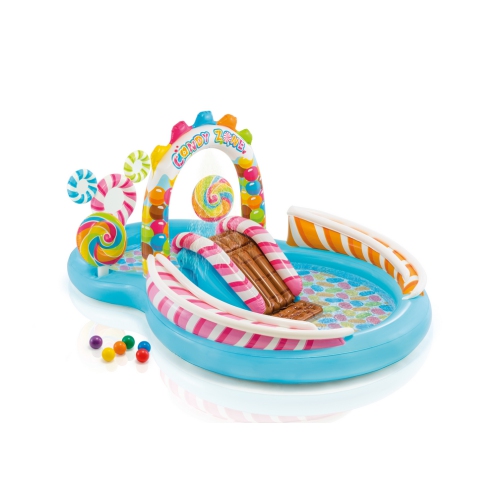
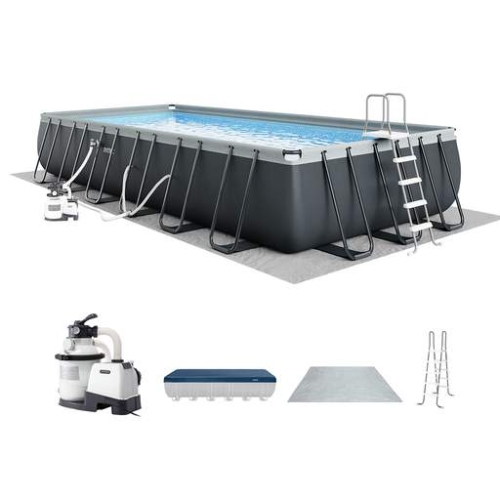
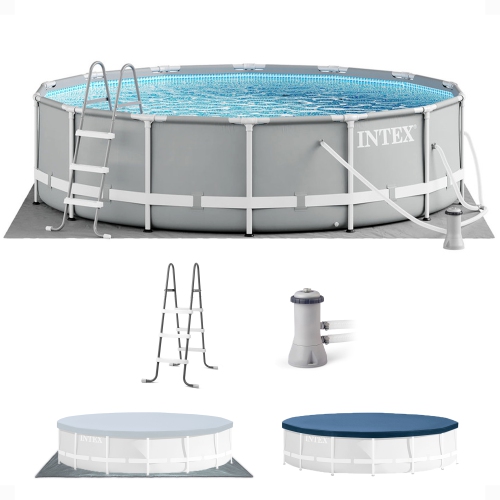
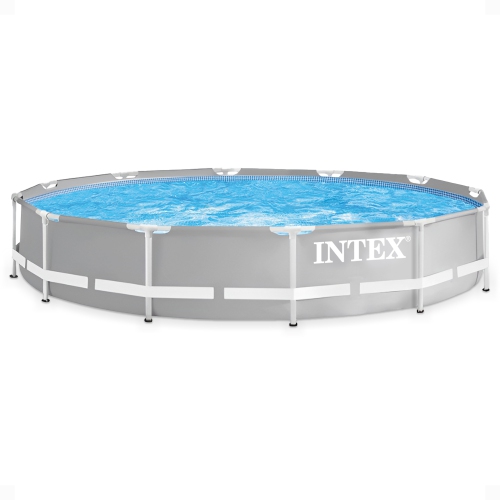
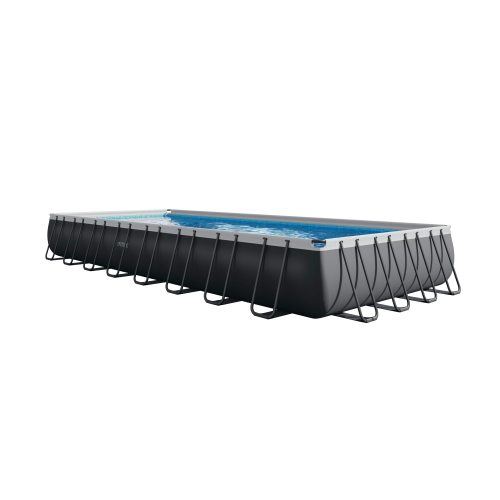
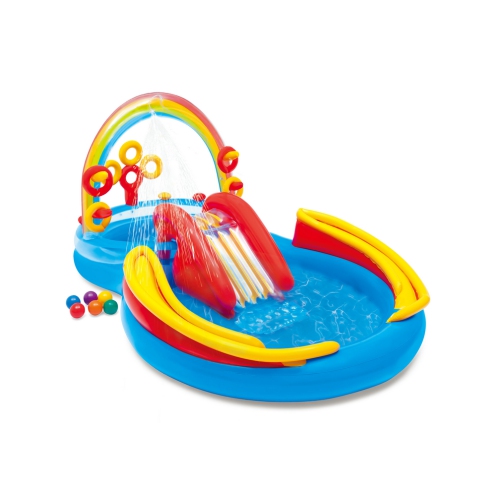
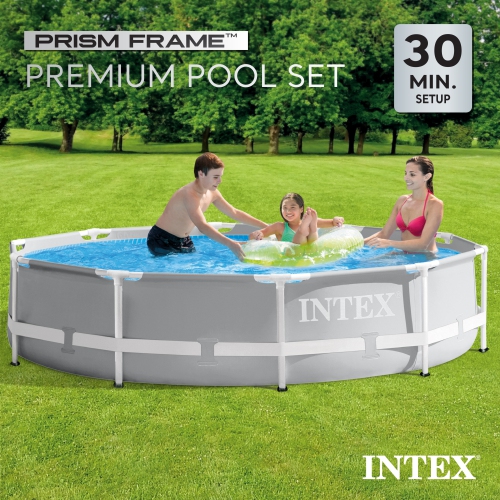
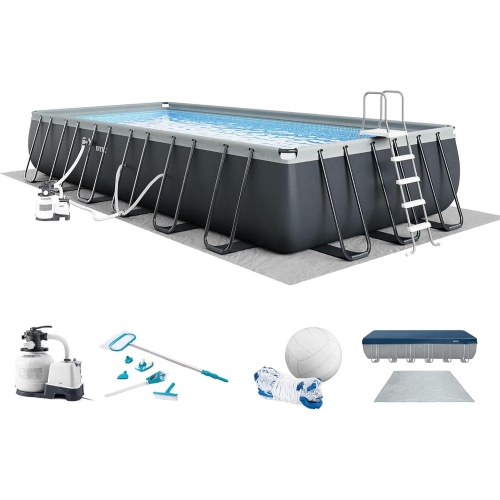
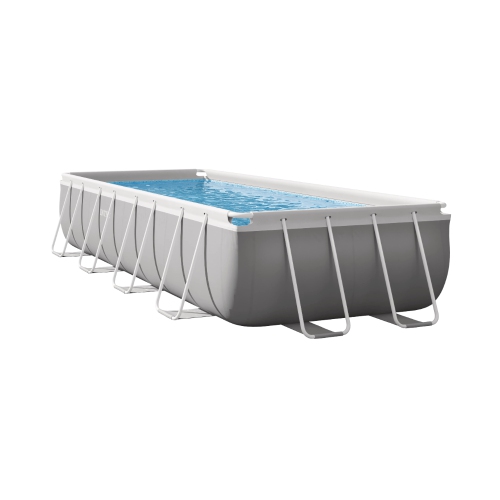
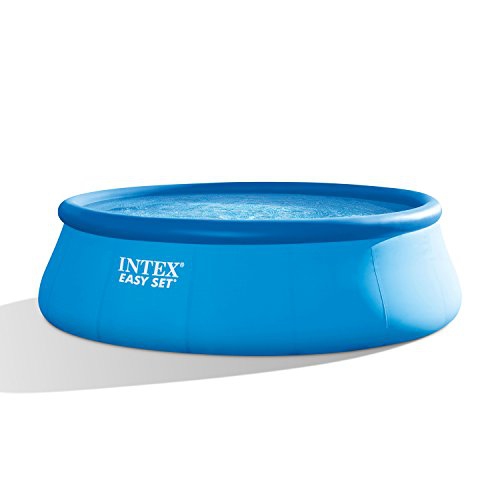
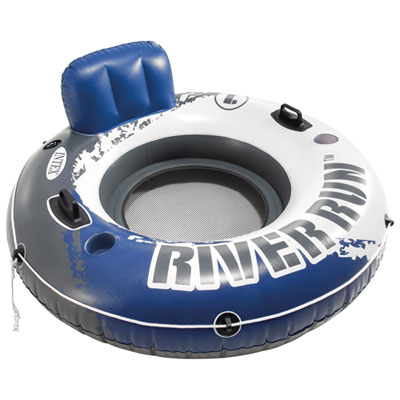
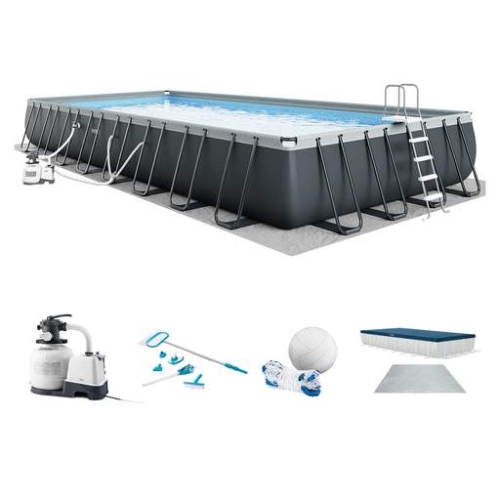
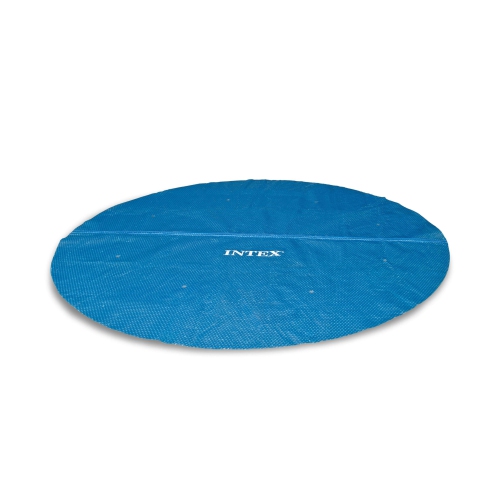
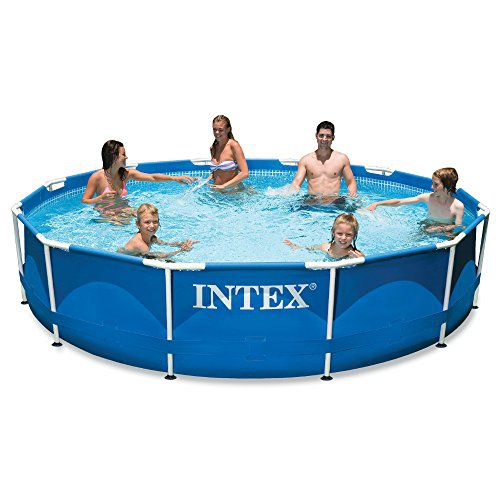
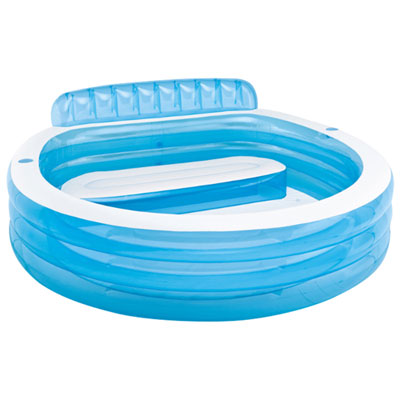
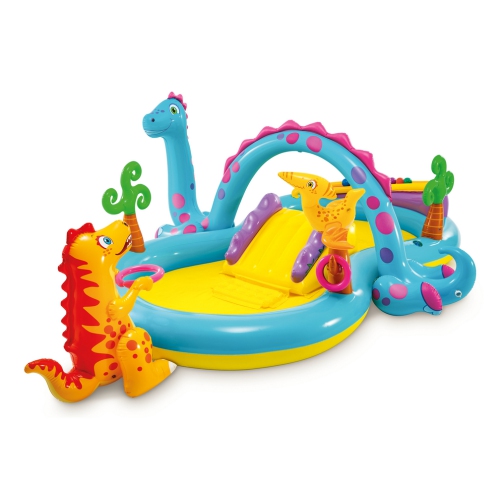
Backyard pool fun without a permanent in-ground installation
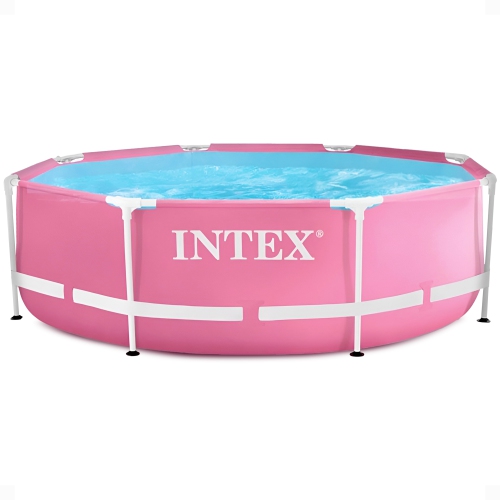
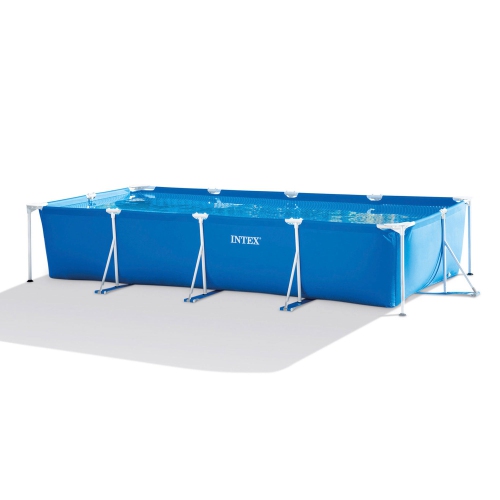
Above-ground swimming pools bring space for water play, relaxed soaking, and shared family time to a backyard without the permanent construction of an in-ground installation. The category includes inflatable pools, pools supported by an inflatable upper ring, and pools with a metal frame and flexible liner. Each design offers a different balance of setup, swimming space, and storage needs. An Inflatable Pool can suit households looking for a smaller, temporary place to splash, while a larger frame-supported pool may better accommodate family recreation when the yard and local requirements permit it. Inflatable-ring designs generally take shape as water rises inside the liner, whereas frame-supported designs use assembled uprights and horizontal rails to hold the pool walls in place. Neither construction style removes the need for a properly prepared site or regular water care. Round pools create a shared central space for gentle play, while rectangular designs may fit more naturally along a broad, open section of yard. Actual usable space depends on the interior dimensions and recommended fill level, not simply the outside measurements or wall height. A shallow pool for seated splashing serves a different purpose from a deeper pool intended for older children and adults, and dimensions alone do not establish age suitability. Manufacturer age recommendations, swimming ability, and the intended activities all matter. For a household picturing an adult sitting beside a young child with floating toys, a compact footprint may be enough; for several family members sharing the water, room to move without crowding becomes more important. These pools are generally intended for recreation rather than diving, jumping from raised surfaces, or vigorous lap swimming. Children need close, constant adult supervision around every pool, including shallow designs. Young children and non-swimmers should remain within arm’s reach of a responsible adult in the water. Pool depth, flotation toys, and a familiar backyard setting are never substitutes for attentive supervision, and access should be controlled whenever the pool is not in use.
Materials and construction influence how a pool feels in daily use and how well it stands up to repeated setup, water pressure, and outdoor exposure. Flexible pool walls may use vinyl or layered PVC, sometimes reinforced with mesh to improve strength. Inflatable sections depend on intact seams, secure valves, and inflation to the level specified by the manufacturer. Excess inflation can strain the material, while insufficient inflation may prevent the pool from holding its intended shape. Frame-supported pools often combine a reinforced liner with coated metal components, though the exact materials and protective finishes vary by design. A frame provides structural support, but it does not make a pool suitable for sloping ground or eliminate the possibility of liner damage. Small stones, sharp roots, rough paving, and objects left beneath the base can create pressure points once the pool is filled. The full installation footprint also extends beyond the water area: angled supports, a ladder, hoses, and filtration equipment may need additional clearance. A yard that looks spacious when empty can feel quite different once those parts are in place, especially where people also need a clear route to a gate or patio. Suitable ground is firm, level, and capable of carrying the filled pool’s weight, with any ground protection installed as directed. Balconies, rooftops, and raised decks should not be assumed to support a filled pool. Placement also affects comfort and upkeep. Overhanging branches can drop leaves into the water, while proximity to fencing or furniture can create unintended climbing access. Municipal rules may address permits, setbacks, fencing, gates, and other safety measures, even for temporary installations. Electrical connections for pumps must meet applicable requirements and follow the equipment instructions. For families, renters with permission to install a pool, or households furnishing a new backyard, the best fit depends as much on site suitability, safe access, and time for maintenance as it does on shape or appearance.
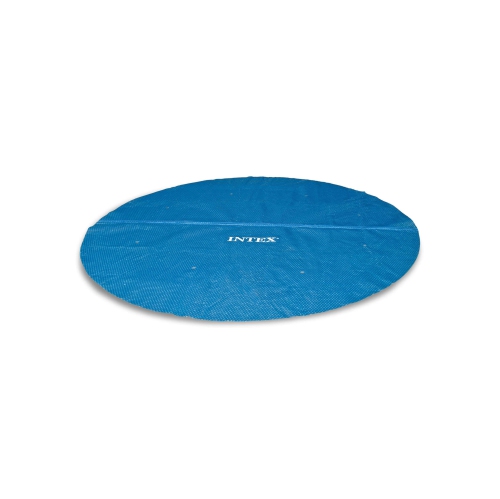
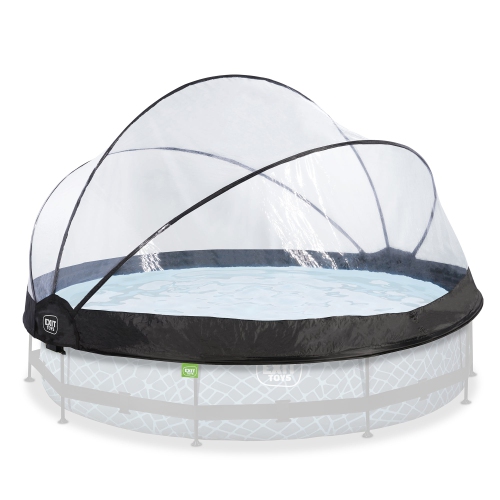
Water care and storage are part of pool ownership, whether the pool is used for a quiet soak or an afternoon of supervised play. Larger above-ground pools commonly rely on a compatible pump and filter to circulate water and capture debris, but filtration does not replace appropriate testing and sanitizing. Pool capacity, hose connections, and the manufacturer’s equipment specifications determine which filtration setup is suitable; not every pump, cartridge, or fitting works with every pool. Package contents also differ, so a pool should not be assumed to include filtration equipment, a ladder, a ground cloth, or a cover. Small pools without filtration have different care requirements and may need to be emptied and cleaned after use, following the manufacturer’s directions and public health advice. For pools designed to hold treated water between uses, clear-looking water still needs testing because appearance alone cannot confirm that it is safe for bathing. Leaves and insects can be removed from the surface, while residue along the waterline calls for cleaning methods approved for the liner material. Chemicals should be suitable for the pool, handled according to their labels, and stored securely away from children. A well-fitting cover can help keep debris out when the pool is idle, but an ordinary debris cover is not a safety barrier and should never be treated as one. During the cooler months, care shifts towards protecting the liner, frame, hoses, and pump from conditions they were not designed to withstand. Some pools require complete draining, dismantling, and indoor storage before freezing temperatures arrive; others have model-specific cold-weather instructions. Thorough drying before folding helps prevent trapped moisture and unpleasant odours, while gentle folds and protected storage reduce unnecessary stress on flexible materials. Frame sections benefit from being cleaned, dried, and checked for damaged coatings or loose connections before storage. Drainage must follow local rules and avoid directing water towards foundations or neighbouring properties. These practical differences shape the ownership experience: a compact pool may be easier to pack away, while a larger setup calls for more storage space, water management, and seasonal preparation.
Materials and construction influence how a pool feels in daily use and how well it stands up to repeated setup, water pressure, and outdoor exposure. Flexible pool walls may use vinyl or layered PVC, sometimes reinforced with mesh to improve strength. Inflatable sections depend on intact seams, secure valves, and inflation to the level specified by the manufacturer. Excess inflation can strain the material, while insufficient inflation may prevent the pool from holding its intended shape. Frame-supported pools often combine a reinforced liner with coated metal components, though the exact materials and protective finishes vary by design. A frame provides structural support, but it does not make a pool suitable for sloping ground or eliminate the possibility of liner damage. Small stones, sharp roots, rough paving, and objects left beneath the base can create pressure points once the pool is filled. The full installation footprint also extends beyond the water area: angled supports, a ladder, hoses, and filtration equipment may need additional clearance. A yard that looks spacious when empty can feel quite different once those parts are in place, especially where people also need a clear route to a gate or patio. Suitable ground is firm, level, and capable of carrying the filled pool’s weight, with any ground protection installed as directed. Balconies, rooftops, and raised decks should not be assumed to support a filled pool. Placement also affects comfort and upkeep. Overhanging branches can drop leaves into the water, while proximity to fencing or furniture can create unintended climbing access. Municipal rules may address permits, setbacks, fencing, gates, and other safety measures, even for temporary installations. Electrical connections for pumps must meet applicable requirements and follow the equipment instructions. For families, renters with permission to install a pool, or households furnishing a new backyard, the best fit depends as much on site suitability, safe access, and time for maintenance as it does on shape or appearance.
Water care and storage are part of pool ownership, whether the pool is used for a quiet soak or an afternoon of supervised play. Larger above-ground pools commonly rely on a compatible pump and filter to circulate water and capture debris, but filtration does not replace appropriate testing and sanitizing. Pool capacity, hose connections, and the manufacturer’s equipment specifications determine which filtration setup is suitable; not every pump, cartridge, or fitting works with every pool. Package contents also differ, so a pool should not be assumed to include filtration equipment, a ladder, a ground cloth, or a cover. Small pools without filtration have different care requirements and may need to be emptied and cleaned after use, following the manufacturer’s directions and public health advice. For pools designed to hold treated water between uses, clear-looking water still needs testing because appearance alone cannot confirm that it is safe for bathing. Leaves and insects can be removed from the surface, while residue along the waterline calls for cleaning methods approved for the liner material. Chemicals should be suitable for the pool, handled according to their labels, and stored securely away from children. A well-fitting cover can help keep debris out when the pool is idle, but an ordinary debris cover is not a safety barrier and should never be treated as one. During the cooler months, care shifts towards protecting the liner, frame, hoses, and pump from conditions they were not designed to withstand. Some pools require complete draining, dismantling, and indoor storage before freezing temperatures arrive; others have model-specific cold-weather instructions. Thorough drying before folding helps prevent trapped moisture and unpleasant odours, while gentle folds and protected storage reduce unnecessary stress on flexible materials. Frame sections benefit from being cleaned, dried, and checked for damaged coatings or loose connections before storage. Drainage must follow local rules and avoid directing water towards foundations or neighbouring properties. These practical differences shape the ownership experience: a compact pool may be easier to pack away, while a larger setup calls for more storage space, water management, and seasonal preparation.
Top selling and popular products
-
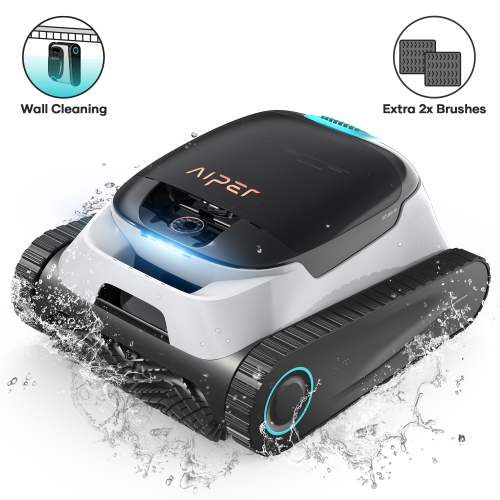 Your price for this item is $679.99
 -
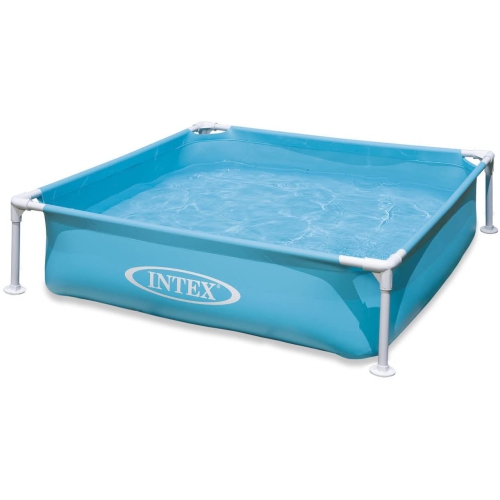 Your price for this item is $75.99
 -
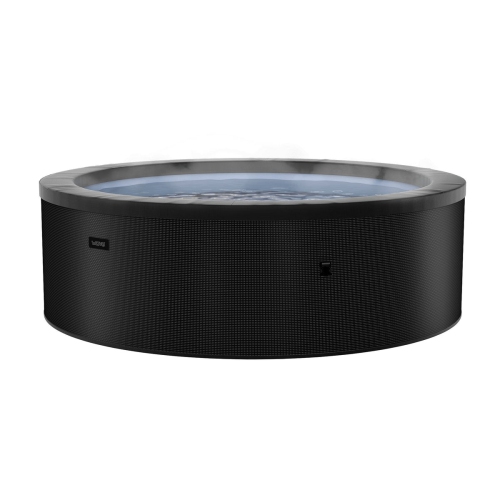 Your price for this item is $3489
 -
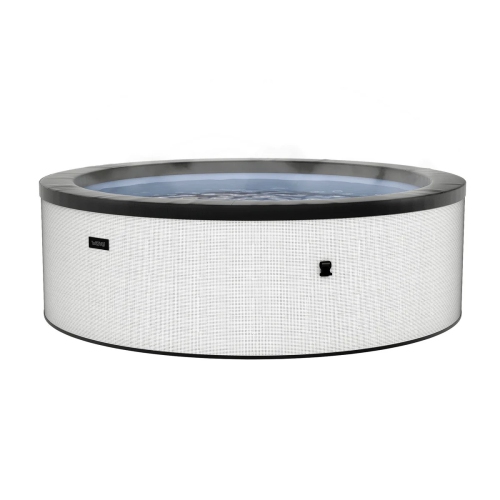 Your price for this item is $3489
 -
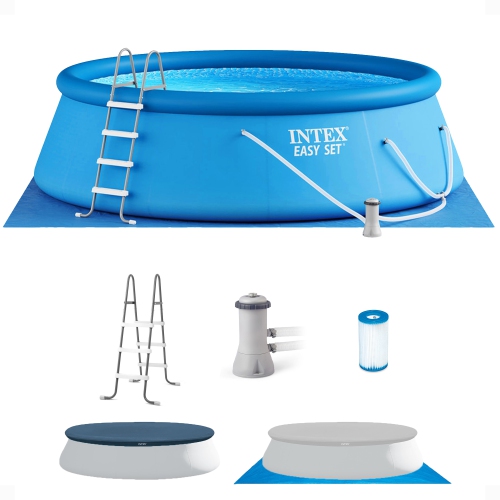 Your price for this item is $542.99
 -
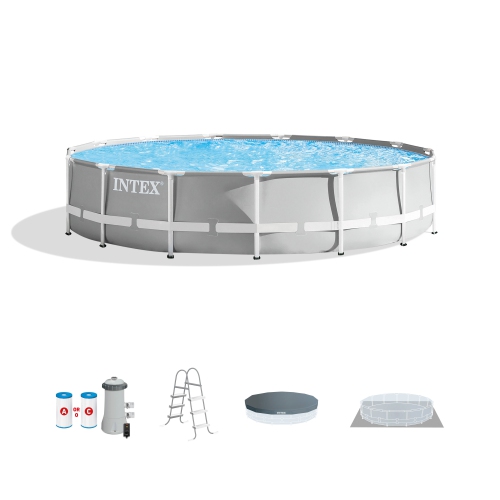 Your price for this item is $1099.99
 -
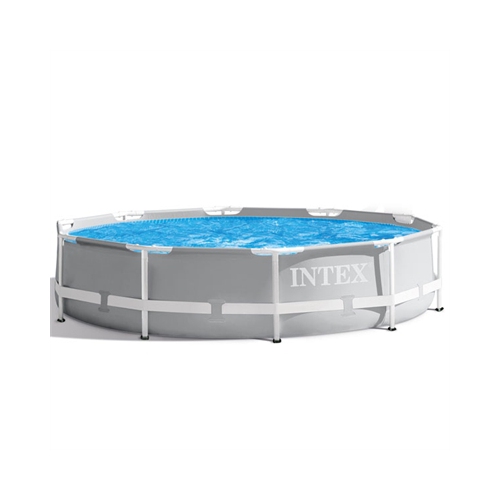 Your price for this item is $285.99
 -
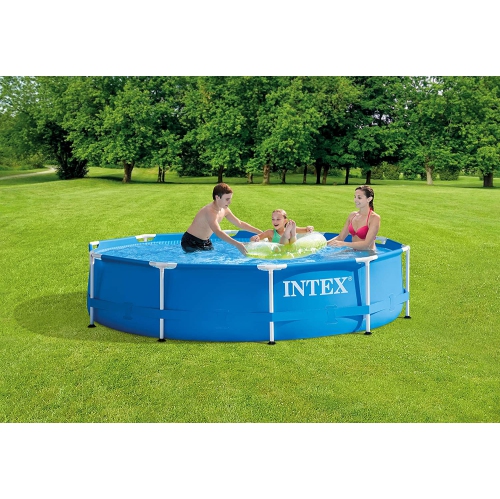 Your price for this item is $258.99
Discover more categories related to Piscine Intex
Top Collections:
Pokemon Centers, Kindle Devices, Best Budget Office Chairs, Apple iPhones 16, Best Laptops for Writers, iPhone 15 Apple, Canon G7X Cameras, Refurbished Apple Laptops, Alarm Clock, Motorola Razr Phones
Some products may be subject to Environmental Handling Fees
(EHF) depending on your province.
Learn more about EHFs.