Plant Containers
Enhance your indoor or outdoor greenery with our diverse selection of plant containers. From sleek and modern designs to rustic and charming options, we offer a range of sizes, shapes, and materials to suit any plant and style preference. Elevate your home decor or garden space with these functional and stylish plant containers that not only provide a home for your beloved plants but also add a touch of personality to any setting. Browse through our collection to find the perfect plant container that complements your botanical beauties and enhances the overall aesthetic of your living space.
Sort
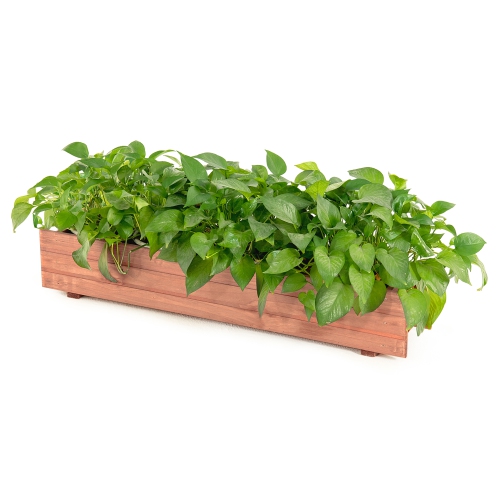
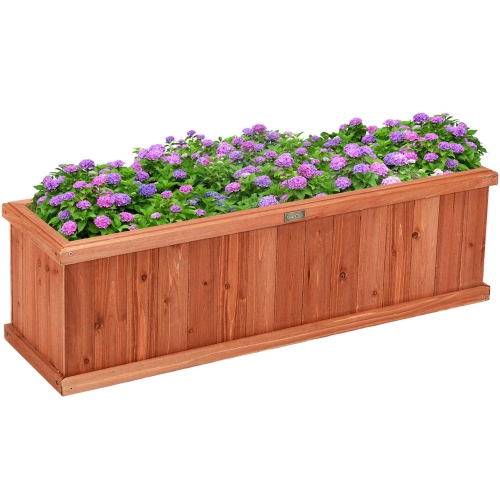
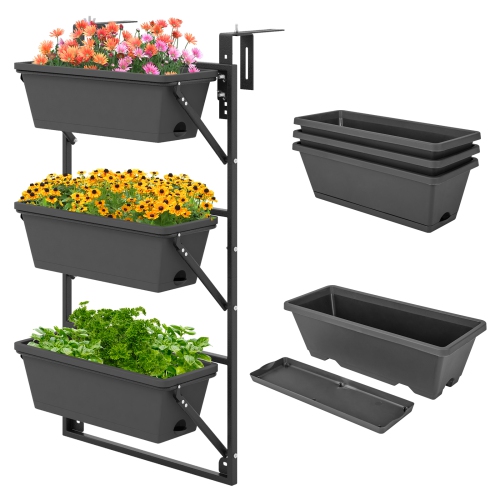
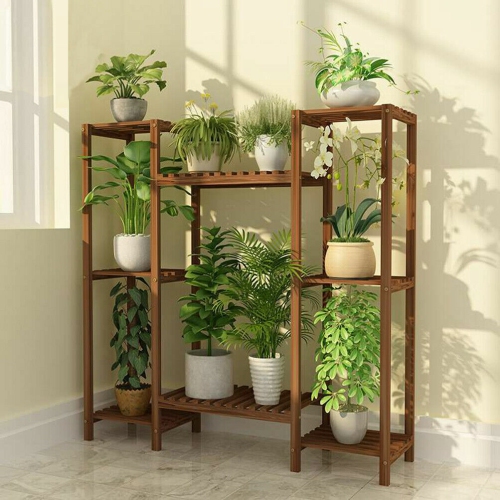



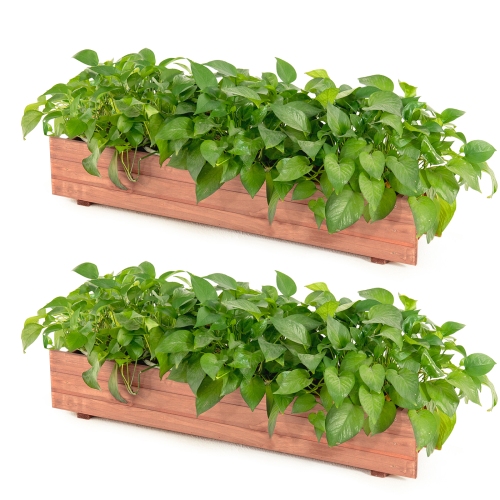
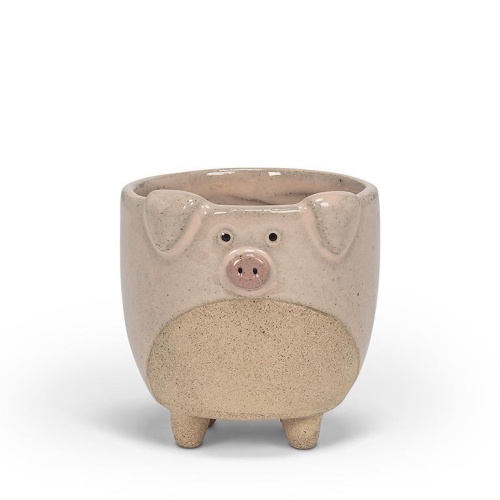
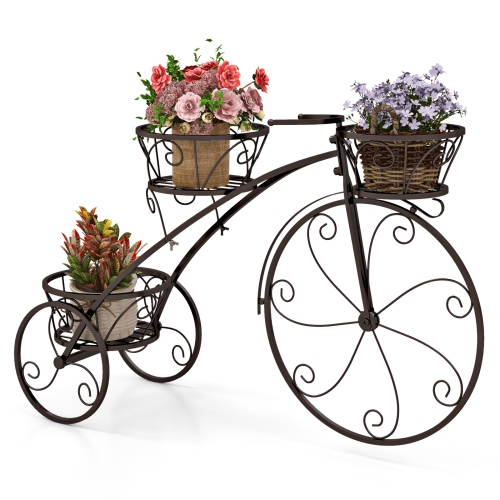
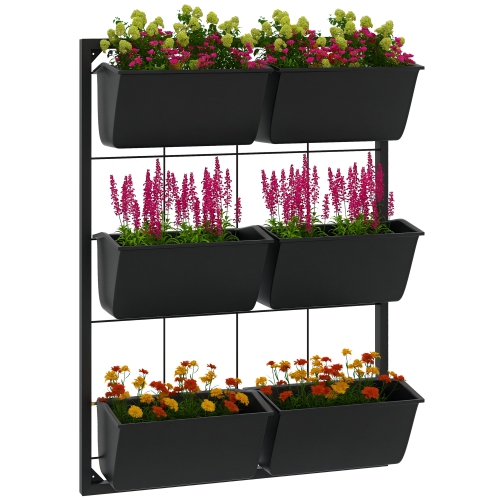
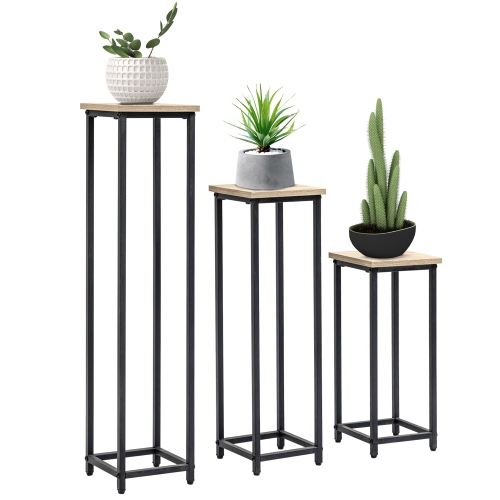
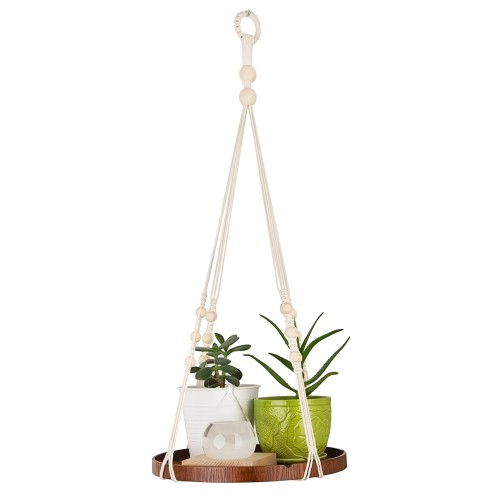
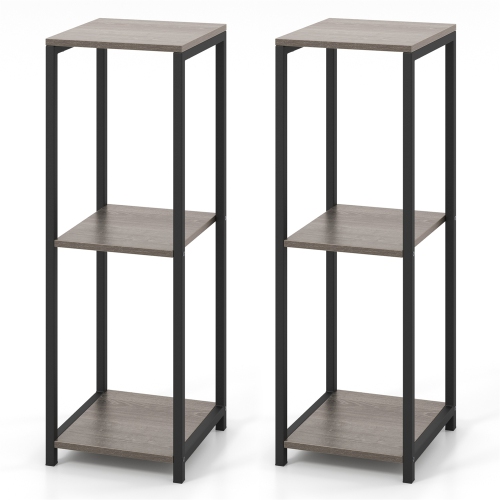
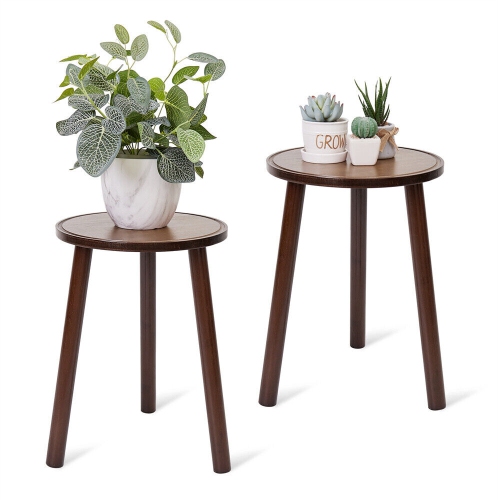

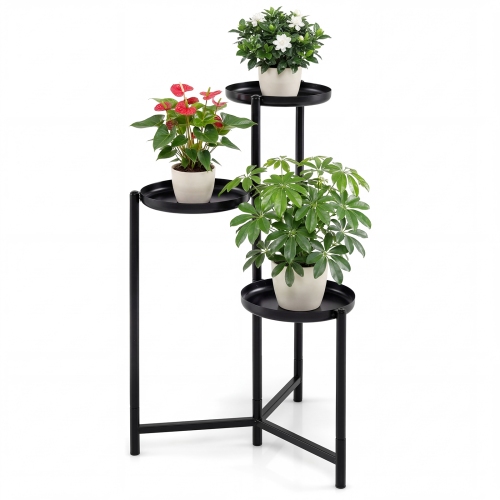
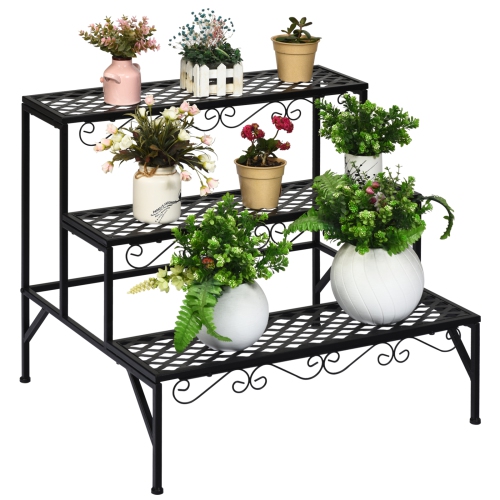
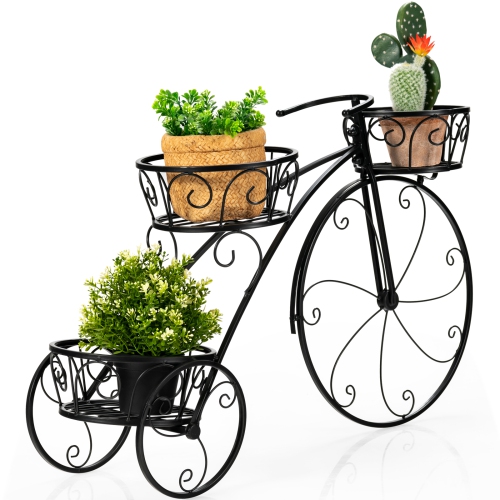


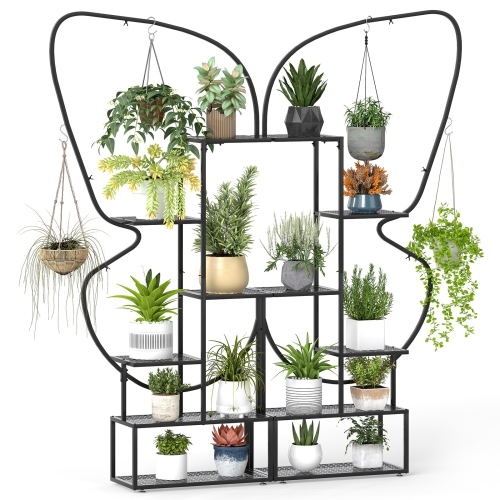
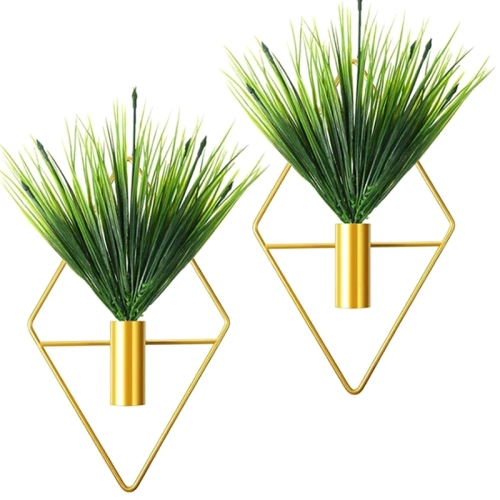
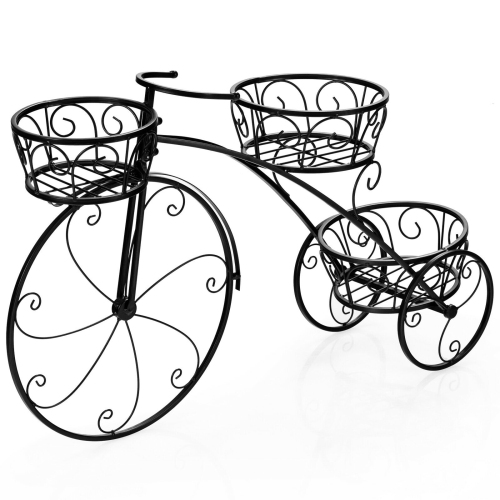
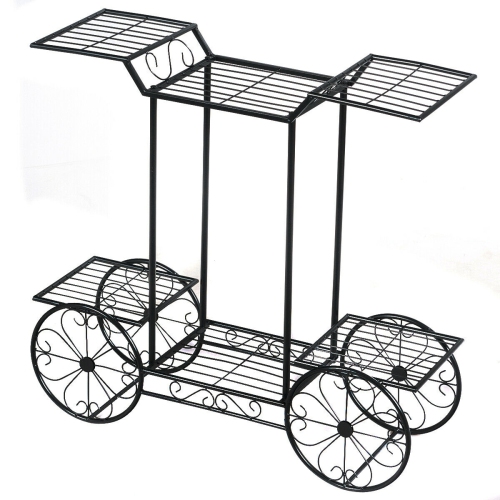
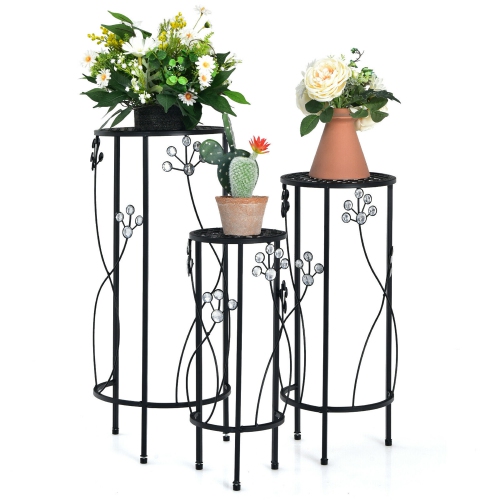
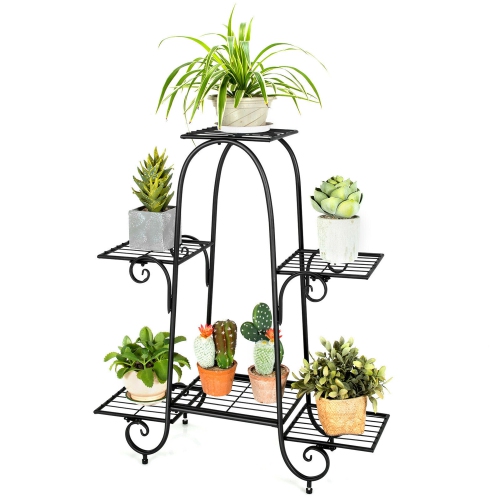
How pot materials and drainage shape everyday plant care
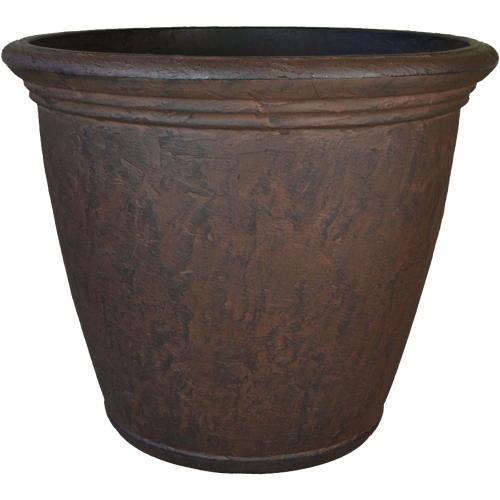
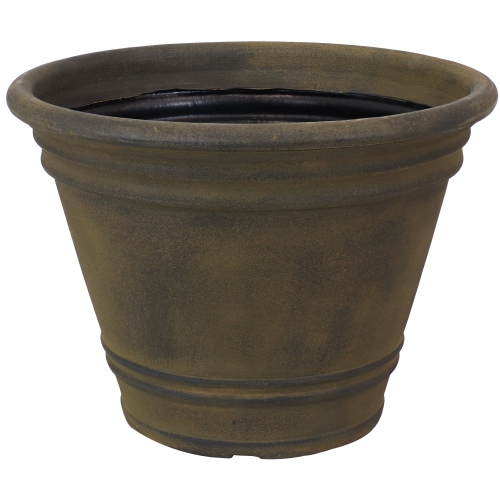
Plant containers hold growing medium and plants, making it possible to bring greenery to a living room, furnish a balcony with flowers, or grow herbs close to the kitchen. They range from compact pots that sit comfortably on a windowsill to deep planters for substantial root systems, with shapes and finishes that suit both indoor rooms and outdoor spaces. The right container provides enough room for roots, manages excess water, and fits the spot where the plant will live. Materials make a noticeable difference in daily use. Unglazed terracotta is porous, allowing moisture to evaporate through its walls; this can suit plants that prefer to dry out between waterings, though it also means checking the soil more often. Glazed ceramic retains moisture longer and brings a smooth, substantial finish to shelves, side tables, and entryways. Its weight can help balance a leafy plant, but makes larger pots harder to move. Plastic nursery pots are lightweight and practical for propagation and repotting, while resin and polyresin containers can offer the appearance of stone without as much weight. Resistance to sunlight, frost, and cracking varies by construction, so outdoor suitability depends on the individual container rather than its appearance alone. Metal planters add crisp lines, although exposed surfaces can heat up in direct sun and some finishes may develop rust over time. Wooden containers bring warmth to patios and porches, with durability influenced by the wood, joints, finish, and exposure to moisture. Concrete provides a solid base for taller growth but needs a surface capable of supporting its filled weight. Across these materials, planter pots can act as quiet backdrops for foliage or become visual features in their own right. A simple cylindrical shape lets arching leaves stand out, while a broad, low bowl gives a grouping of smaller plants a settled, balanced appearance.
Size and drainage matter as much as colour or texture because a plant container is also the space where roots take in water and air. Interior dimensions are more useful than exterior measurements when judging fit, particularly with thick-walled ceramic, tapered sides, or a narrow opening. For many houseplants, moving into a pot only slightly wider than the existing root ball leaves room for growth without surrounding the roots with a large volume of soil that stays wet too long. The appropriate depth depends on the plant: shallow-rooted varieties have different needs from plants with long or extensive roots. Larger containers generally hold moisture longer, while small pots and hanging baskets can dry out quickly, especially near sunny windows or in moving air. Drainage holes give excess water a way out and reduce the likelihood of persistently waterlogged roots. A layer of gravel at the bottom does not replace drainage holes or improve drainage from the soil above it. Indoors, a saucer can catch runoff, but collected water should be emptied rather than left beneath the pot. A watertight outer pot, often called a cachepot, offers another arrangement: the plant stays in a removable nursery pot with drainage holes and is lifted out for watering. Once it has drained, it can return to the outer container without leaving water pooled around its base. Self-watering containers use a reservoir and a wicking system to supply moisture, which may help with plants that prefer more consistent watering. They still need monitoring and are not equally suitable for every plant. The planting medium also plays a role; a container potting mix with a texture suited to the plant is generally more appropriate than dense garden soil. These practical details are especially useful for someone keeping their first houseplant, tending a collection of foliage plants, or growing edible herbs in a limited space. A pot that works with the plant’s watering needs makes routine care more manageable and helps avoid repeated moves between unsuitable containers.
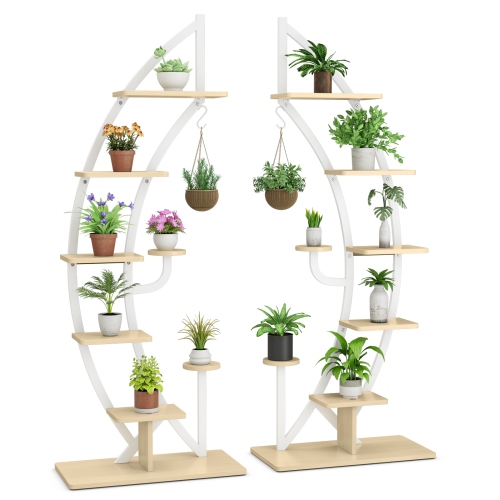
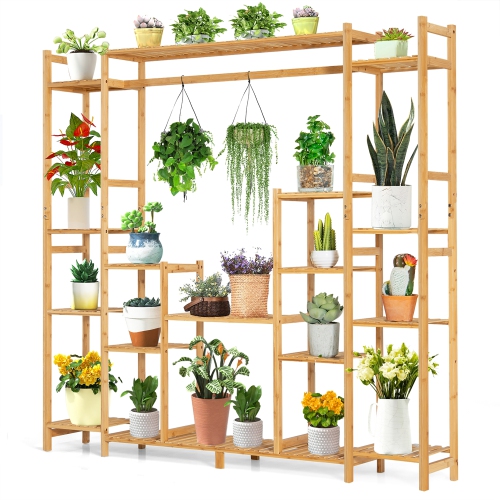
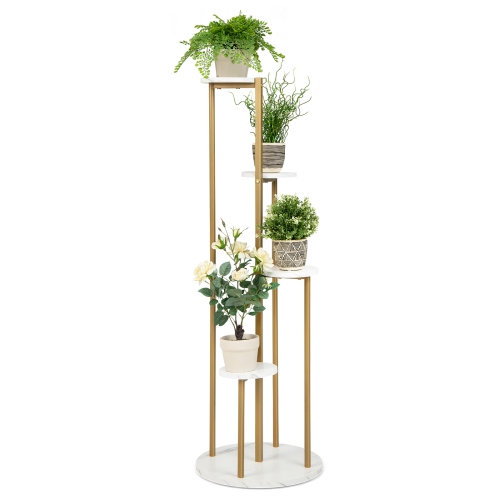
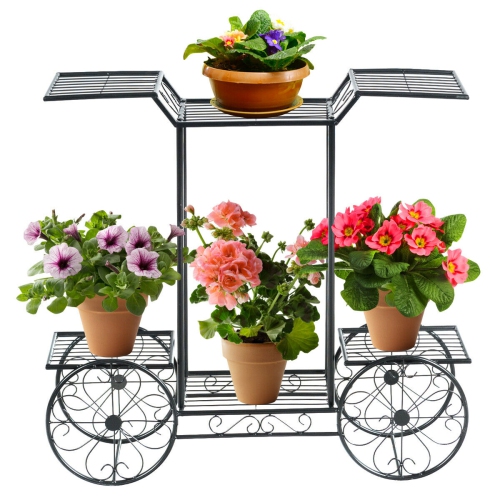
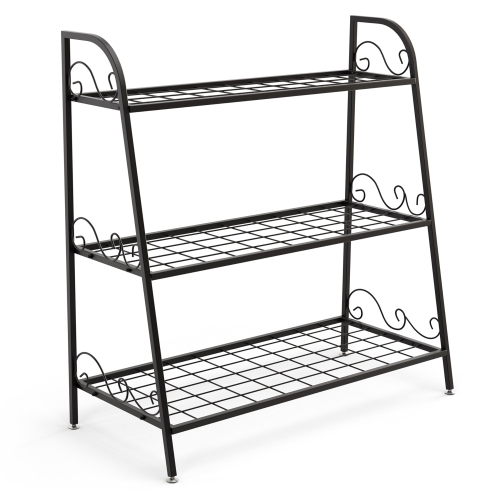
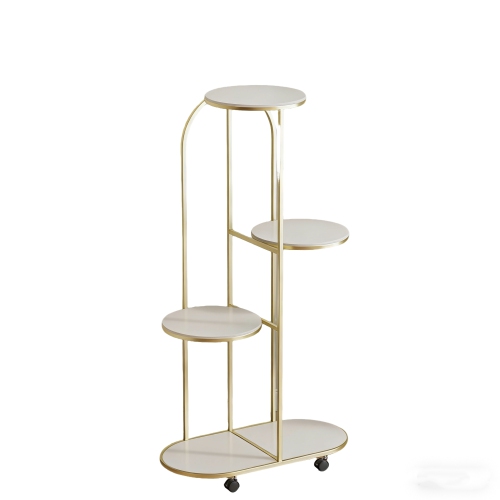
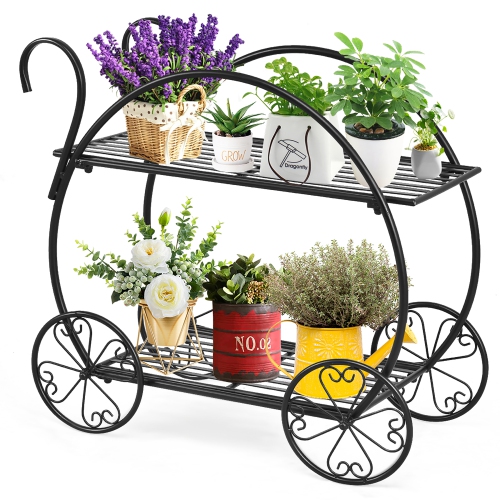
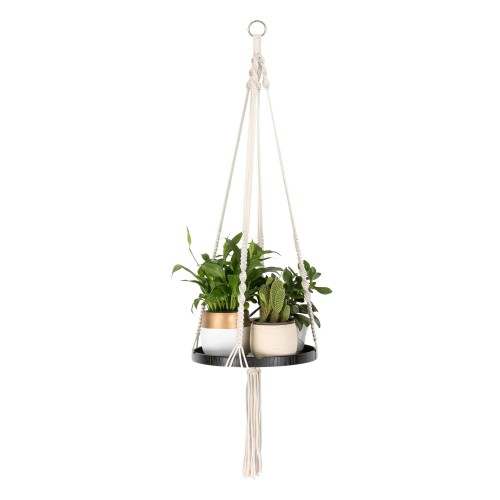
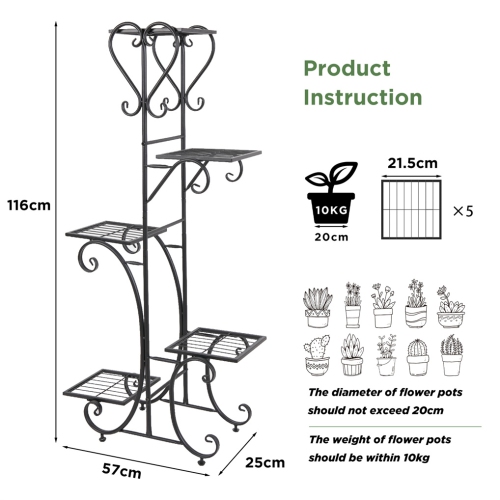
The intended location brings another set of practical considerations, from protecting a wooden floor to keeping a balcony arrangement steady in gusty weather. A tall, narrow container can look elegant beside a sofa, but a broader base may be a better match for a top-heavy plant or a busy walkway. On shelves and plant stands, the combined weight of the pot, wet growing medium, and mature plant needs to stay within the support’s rated capacity. Hanging containers require secure mounting and hardware suited to their filled weight; railing planters also need compatible fittings and safe placement. For renters or anyone who rearranges their rooms often, lighter materials and manageable dimensions make plants easier to move for cleaning or changes in light. Outdoor containers face rain, sun, and shifts in temperature, so weather resistance matters beyond the warmer growing season. As temperatures fall, water trapped in porous pots can freeze and expand, potentially causing cracks. Containers intended to remain outdoors need suitable frost resistance, clear drainage openings, and care that follows the manufacturer’s directions. Even a frost-resistant planter does not make a plant’s roots immune to freezing. Indoors, saucers and protective pads can help separate pots from furniture, although moisture can still collect beneath them and should be checked regularly. Day-to-day care is usually straightforward: wiping away soil, clearing blocked drainage holes, and cleaning containers between plantings helps keep them tidy and ready for use. Mineral deposits may appear on terracotta, while glazed finishes can show water marks; cleaning methods should suit the material and avoid damaging protective coatings. Beyond their practical role, containers help make greenery feel at home. Repeating a finish across a few pots creates a cohesive arrangement, while different heights give trailing stems and upright leaves room to show their natural shapes. For a housewarming or a gift to a keen indoor gardener, a container with a useful opening size, a stable base, and an easy-to-manage drainage arrangement offers lasting value without requiring a large space. Whether placed beside a reading chair or grouped on a sheltered patio, well-matched plant containers support both the planting and the way the space is used.
Size and drainage matter as much as colour or texture because a plant container is also the space where roots take in water and air. Interior dimensions are more useful than exterior measurements when judging fit, particularly with thick-walled ceramic, tapered sides, or a narrow opening. For many houseplants, moving into a pot only slightly wider than the existing root ball leaves room for growth without surrounding the roots with a large volume of soil that stays wet too long. The appropriate depth depends on the plant: shallow-rooted varieties have different needs from plants with long or extensive roots. Larger containers generally hold moisture longer, while small pots and hanging baskets can dry out quickly, especially near sunny windows or in moving air. Drainage holes give excess water a way out and reduce the likelihood of persistently waterlogged roots. A layer of gravel at the bottom does not replace drainage holes or improve drainage from the soil above it. Indoors, a saucer can catch runoff, but collected water should be emptied rather than left beneath the pot. A watertight outer pot, often called a cachepot, offers another arrangement: the plant stays in a removable nursery pot with drainage holes and is lifted out for watering. Once it has drained, it can return to the outer container without leaving water pooled around its base. Self-watering containers use a reservoir and a wicking system to supply moisture, which may help with plants that prefer more consistent watering. They still need monitoring and are not equally suitable for every plant. The planting medium also plays a role; a container potting mix with a texture suited to the plant is generally more appropriate than dense garden soil. These practical details are especially useful for someone keeping their first houseplant, tending a collection of foliage plants, or growing edible herbs in a limited space. A pot that works with the plant’s watering needs makes routine care more manageable and helps avoid repeated moves between unsuitable containers.
The intended location brings another set of practical considerations, from protecting a wooden floor to keeping a balcony arrangement steady in gusty weather. A tall, narrow container can look elegant beside a sofa, but a broader base may be a better match for a top-heavy plant or a busy walkway. On shelves and plant stands, the combined weight of the pot, wet growing medium, and mature plant needs to stay within the support’s rated capacity. Hanging containers require secure mounting and hardware suited to their filled weight; railing planters also need compatible fittings and safe placement. For renters or anyone who rearranges their rooms often, lighter materials and manageable dimensions make plants easier to move for cleaning or changes in light. Outdoor containers face rain, sun, and shifts in temperature, so weather resistance matters beyond the warmer growing season. As temperatures fall, water trapped in porous pots can freeze and expand, potentially causing cracks. Containers intended to remain outdoors need suitable frost resistance, clear drainage openings, and care that follows the manufacturer’s directions. Even a frost-resistant planter does not make a plant’s roots immune to freezing. Indoors, saucers and protective pads can help separate pots from furniture, although moisture can still collect beneath them and should be checked regularly. Day-to-day care is usually straightforward: wiping away soil, clearing blocked drainage holes, and cleaning containers between plantings helps keep them tidy and ready for use. Mineral deposits may appear on terracotta, while glazed finishes can show water marks; cleaning methods should suit the material and avoid damaging protective coatings. Beyond their practical role, containers help make greenery feel at home. Repeating a finish across a few pots creates a cohesive arrangement, while different heights give trailing stems and upright leaves room to show their natural shapes. For a housewarming or a gift to a keen indoor gardener, a container with a useful opening size, a stable base, and an easy-to-manage drainage arrangement offers lasting value without requiring a large space. Whether placed beside a reading chair or grouped on a sheltered patio, well-matched plant containers support both the planting and the way the space is used.
Top selling and popular products
-
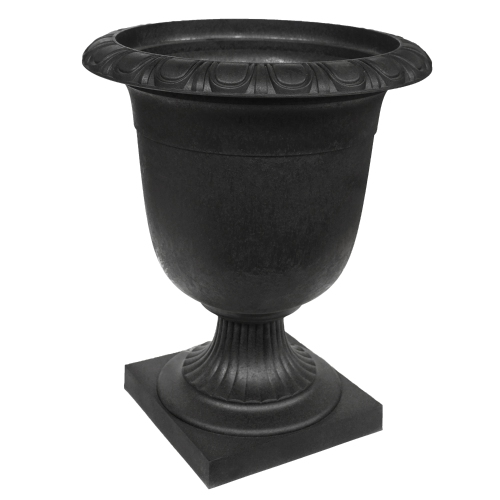 Your price for this item is $69.99
 -
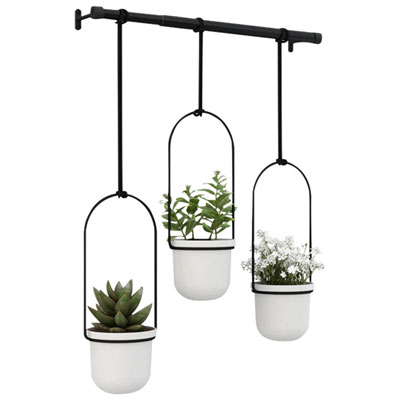 Your price for this item is $54.98
 -
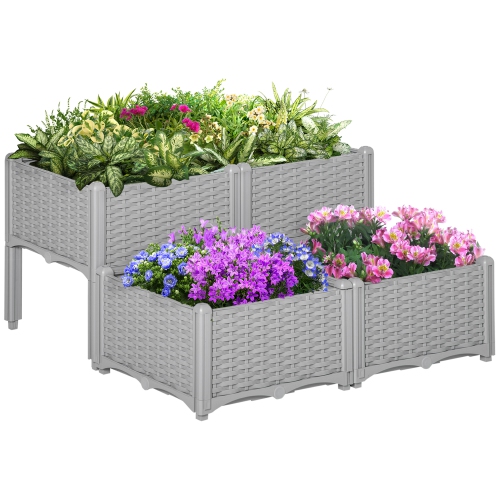 Your price for this item is $89.99
 -
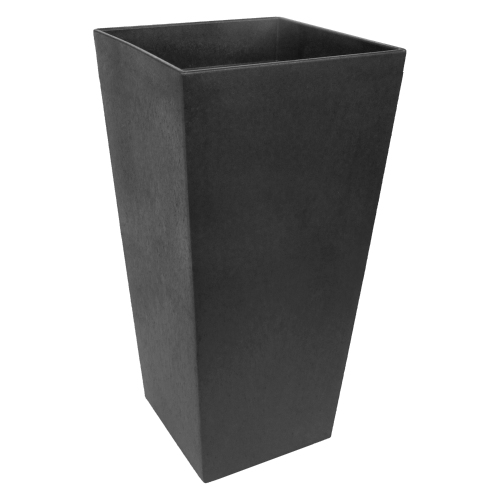 Your price for this item is $79.99
 -
 Your price for this item is $104.99
 -
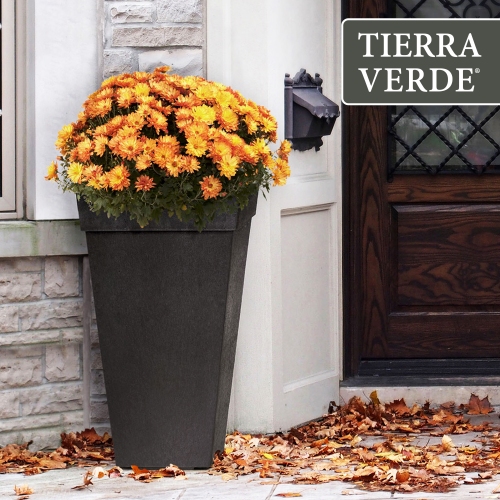 Your price for this item is $141.99
 -
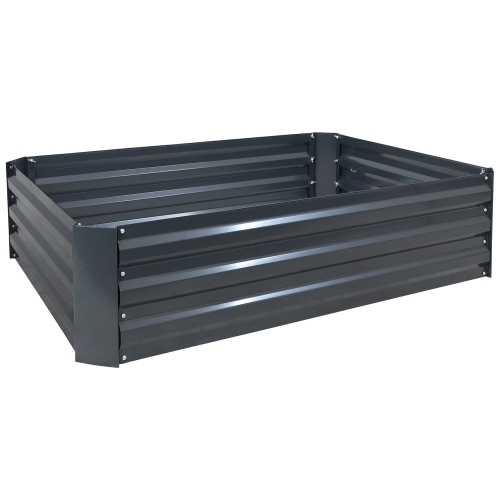 Your price for this item is $117.75
 -
 Your price for this item is $117.75
Discover more categories related to Plant Containers
Top Collections:
Pokemon Centers, Kindle Devices, Best Budget Office Chairs, Apple iPhones 16, Best Laptops for Writers, iPhone 15 Apple, Canon G7X Cameras, Refurbished Apple Laptops, Alarm Clock, Motorola Razr Phones
Some products may be subject to Environmental Handling Fees
(EHF) depending on your province.
Learn more about EHFs.