Plant Holders
Elevate your home décor and showcase your favorite greenery with the perfect plant holder. Whether you’re looking to add a touch of style to your living room, organize your indoor garden, or create a unique display on your patio, there’s a plant holder to suit every space and taste. Discover options designed to complement any room, making it easy to bring nature indoors and highlight your plants in a way that reflects your personal style. Find the ideal plant holder to enhance your home and enjoy a fresh, inviting atmosphere year-round.
Sort

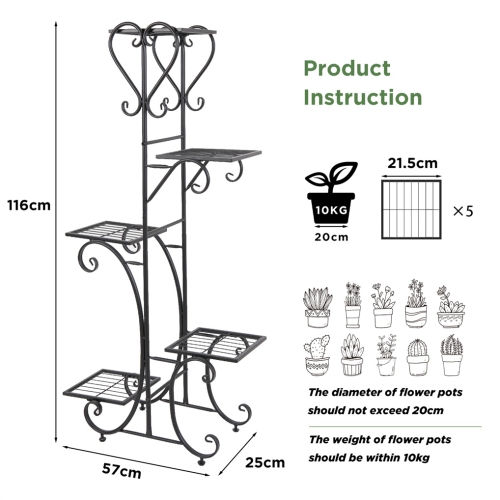
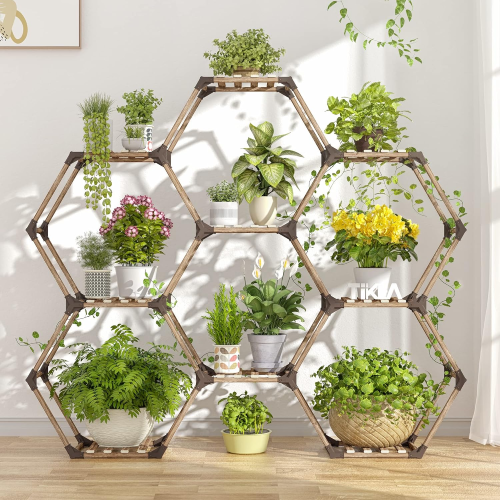
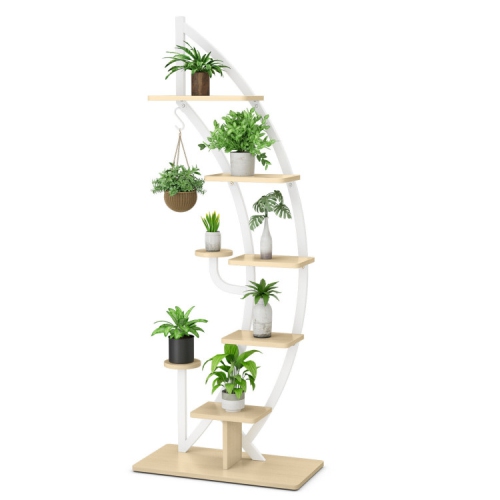
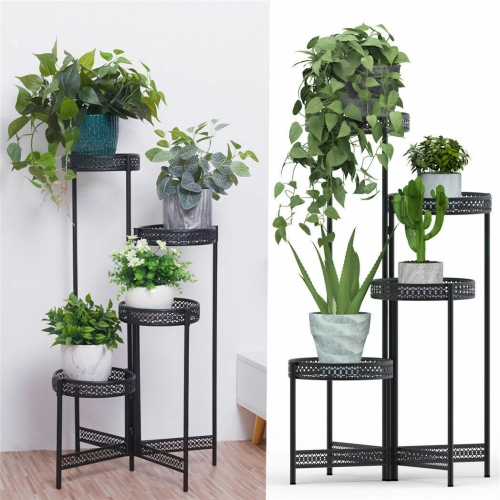
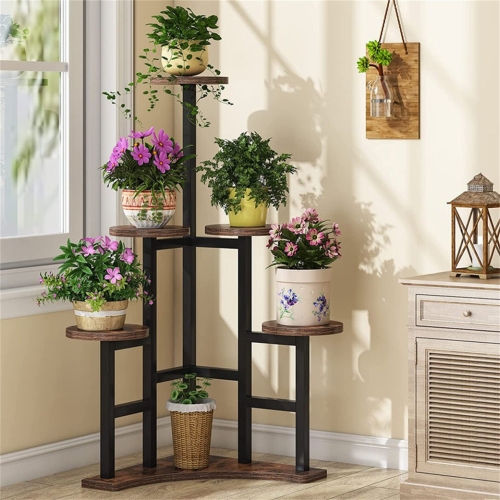
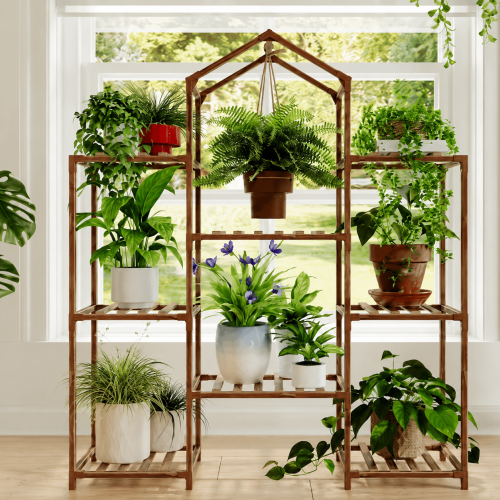
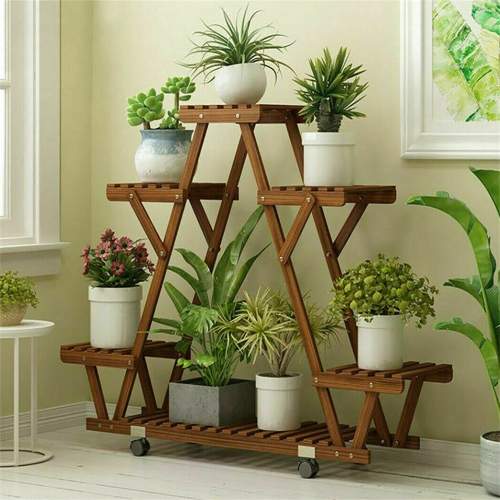
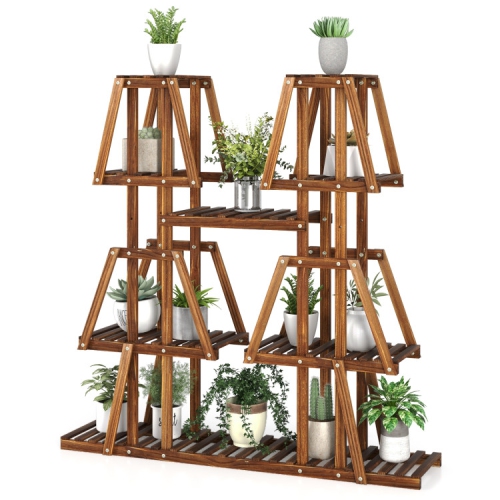
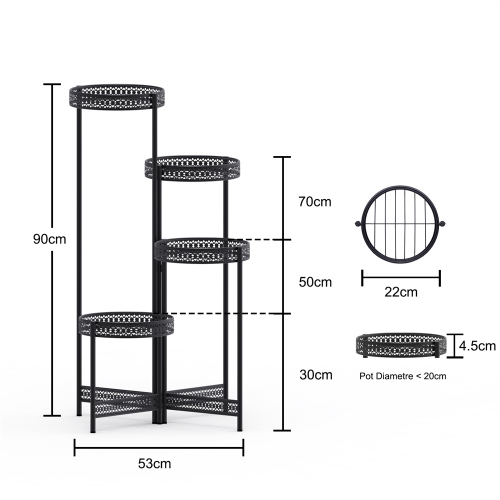
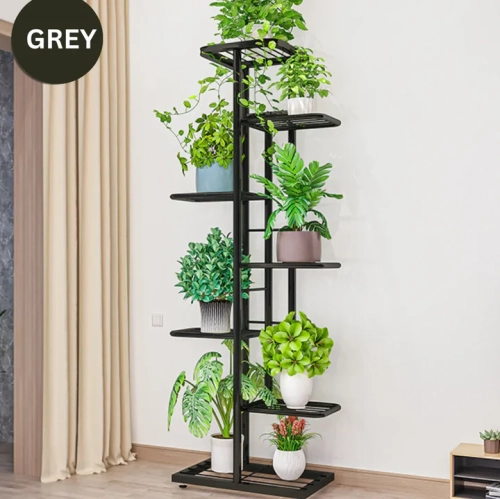
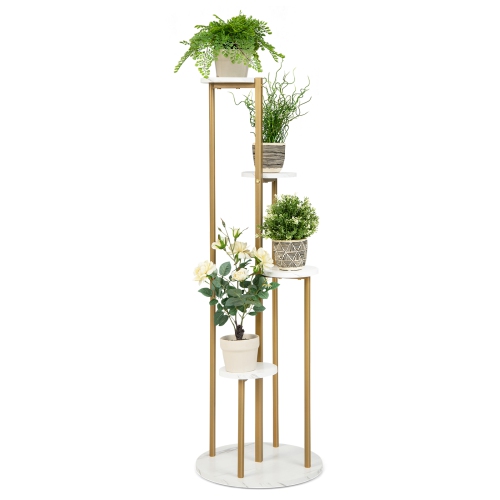
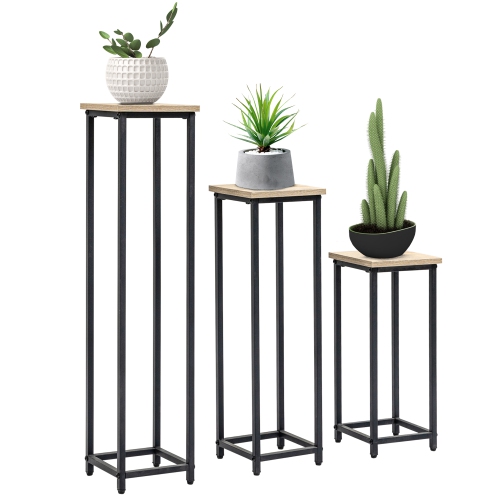
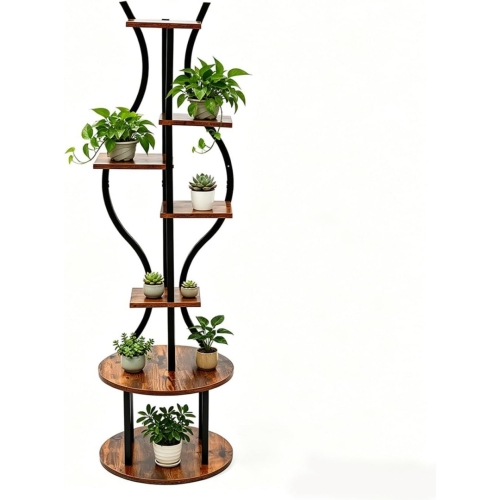
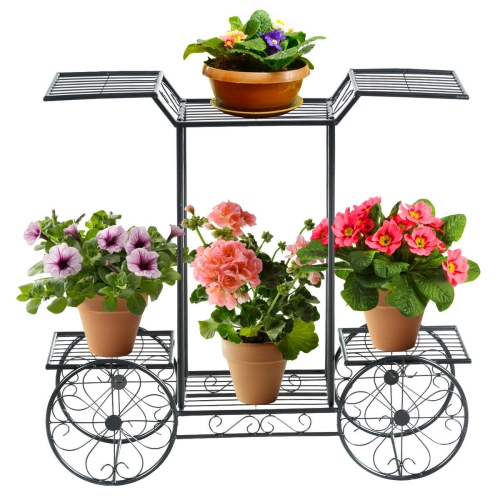
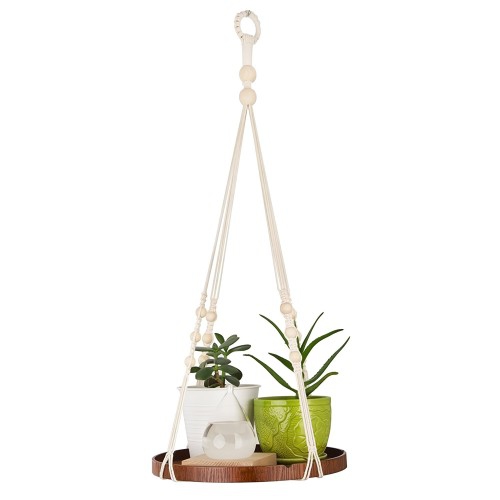
The right support gives your plants more presence
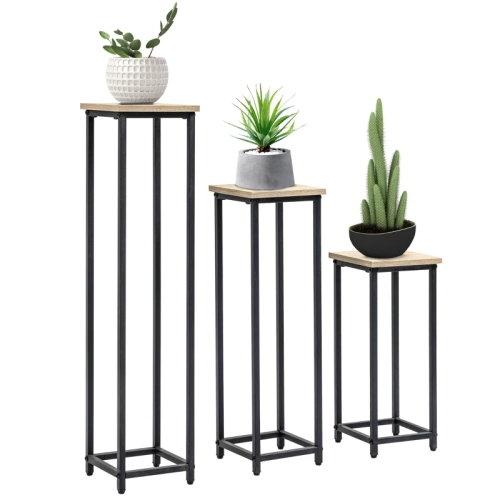
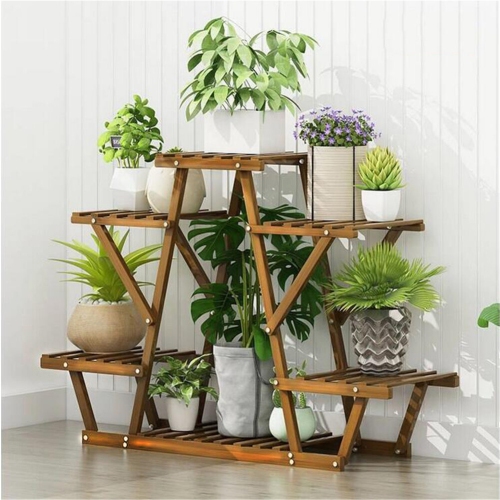
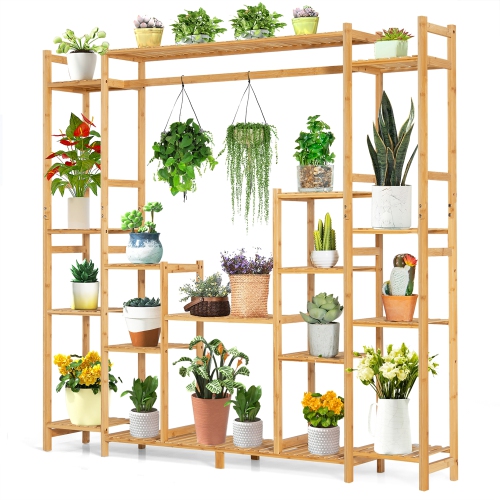
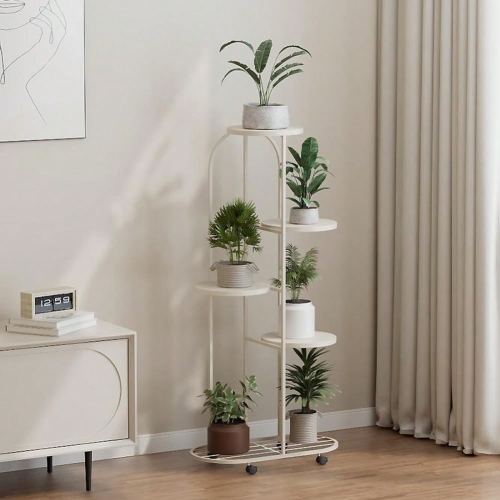
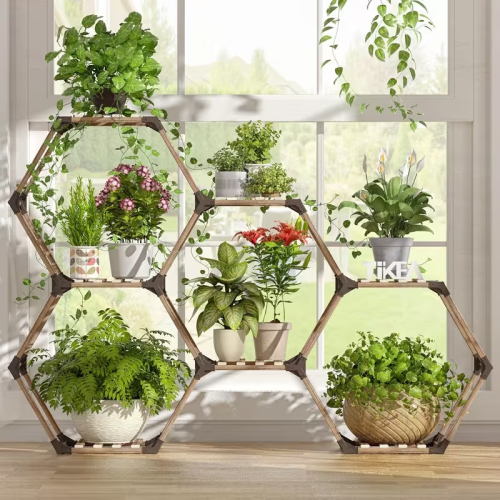
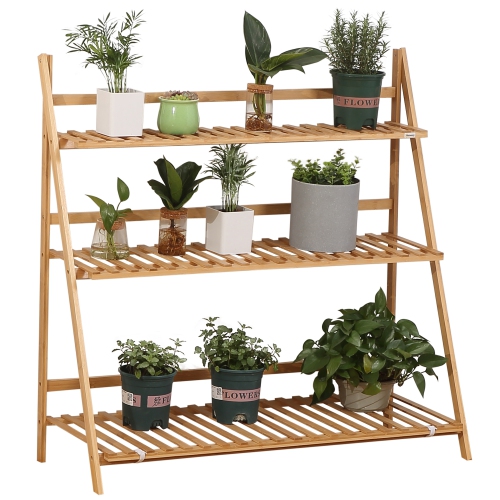
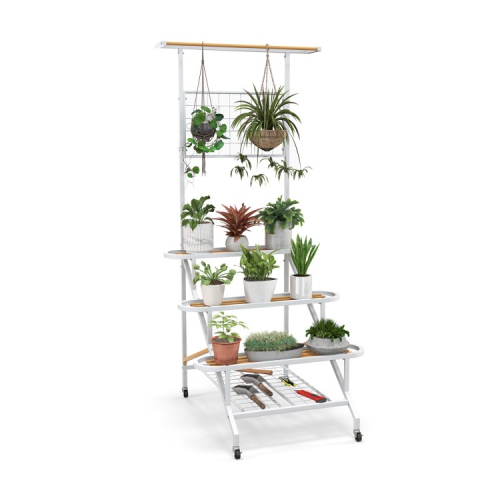
Plant holders support, display, or suspend potted plants, adding height and structure without necessarily replacing the containers the plants grow in. The category includes freestanding plant stands, tiered shelves, hanging holders, wall-mounted brackets, and compact tabletop supports. A planter holds soil or an inner nursery pot, while a plant holder usually supports a separate container; some designs combine both functions. That distinction matters when matching a holder to an existing plant collection. A tall floor stand can bring a small leafy plant into view beside an armchair, while a low, broad platform can give a larger pot a defined place without raising it too far off the floor. Multi-tier plant stands arrange several pots at different heights, making good use of a corner or a narrow stretch beside a window. Open spacing between levels leaves room for leaves to spread and makes individual pots easier to reach. Hanging plant holders create space for trailing stems above a side table, and wall-mounted designs can turn an otherwise unused section of wall into a display without taking up floor space. In apartments, home offices, and shared living areas, these different formats help separate a plant collection from everyday surfaces used for working, dining, or storage. The best visual balance often comes from the relationship between the holder, pot, and plant rather than the holder alone. Slender metal legs can keep a full arrangement from looking heavy, while a solid wooden base gives a single sculptural plant more presence. A simple black or white finish can sit quietly alongside patterned pots; natural wood tones add warmth beside plain containers. Matching every holder is not essential. Repeated colours, similar leg shapes, or a consistent shelf finish can connect several displays while leaving room for pots with different textures and proportions. For a reading nook or an entryway, even one raised plant can create a focal point without crowding the surrounding furniture.
Materials influence a plant holder’s appearance, weight, care needs, and suitability for its intended location. Metal plant stands often have slim frames that leave pots visible, with steel providing a different balance of weight and strength from lighter aluminium designs. Protective finishes help separate the metal from moisture, although joints, edges, and damaged areas still need attention. Wood brings visible grain and a substantial feel, but its surface finish matters wherever a damp pot or saucer may sit. Bamboo holders often have a light, linear appearance, while woven holders introduce texture and are generally better kept away from standing water. Plastic supports are easy to wipe clean and move, though their load ratings and construction remain important, particularly with larger containers. For a balcony or patio, a holder specifically rated for outdoor use is a better match than an indoor-only design. Material alone does not establish suitability: hardware, coatings, feet, and the full assembly all contribute to durability. Fit is equally practical. A pot’s widest diameter may be at its rim, while the section resting inside a support ring can be much narrower. Both dimensions matter, along with the pot’s base width and any saucer that needs to fit underneath it. On a tiered stand, the distance between shelves affects whether taller pots and upright leaves have enough clearance. A broad shelf is not automatically suitable for a heavy container, so the stated capacity for each shelf and the overall stand both deserve attention. Weight includes the pot, plant, growing medium, and water, not just the empty container. Wider bases and level feet help a freestanding holder sit securely, while adjustable feet can be useful on slightly uneven floors. Adjustable-width stands can accommodate different pot sizes, but only within their stated range. Measuring the full footprint, including splayed legs, also helps keep walkways and nearby cabinet doors clear.
Everyday care is easier when a plant holder allows access to the pot rather than enclosing it too tightly. A removable container can be carried to a sink for watering and returned after excess water has drained, reducing the chance of moisture collecting on a shelf or floor. Where watering happens in place, a properly sized watertight saucer helps protect the surface beneath, provided it is emptied rather than left holding water against the pot. Decorative outer containers without drainage openings still need a separate watering arrangement suited to the plant. Pairing plant holders with appropriately sized Flower Planters helps bring the support and container together, with attention to drainage, overall weight, and how securely the pot sits. Protective pads beneath a stand can help reduce marks on hard flooring, while periodic checks for trapped moisture can prevent damage that is easy to miss under a broad base. Dust and water marks are usually easier to manage with prompt wiping and a cleaning method suited to the finish; abrasive tools can scratch coated metal, sealed wood, and plastic. Hanging and wall-mounted plant holders need particular attention to installation. The mounting hardware and supporting structure must be suitable for the complete hanging weight, and a ceiling hook should not rely on a surface that cannot carry the load. Placement also affects daily use: trailing stems should stay clear of doorways, and raised pots should not obstruct switches, ventilation openings, or access to curtains. In homes with children or pets, a stable stand outside busy routes is preferable to a narrow, top-heavy arrangement, and height alone does not make a plant inaccessible. For someone building a first plant collection, a straightforward holder with room for a familiar pot can be a useful gift. An established plant enthusiast may appreciate a tiered display or a hanging format that suits an unused space. In either case, the most useful match reflects the recipient’s available room, preferred materials, and existing pots, giving their plants a considered place in the home.
Top selling and popular products
-
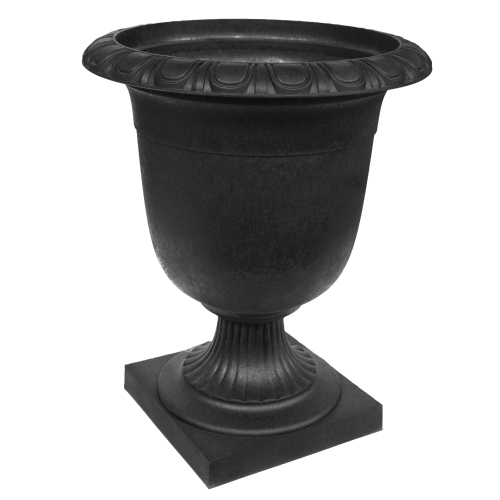 Your price for this item is $204.99
-
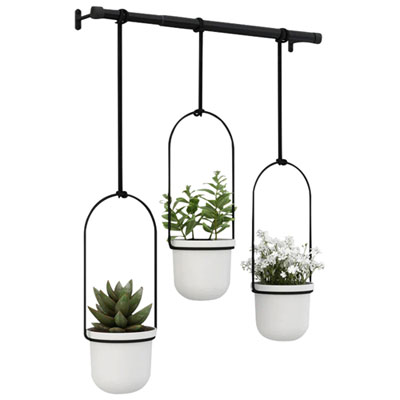 Your price for this item is $65.98
-
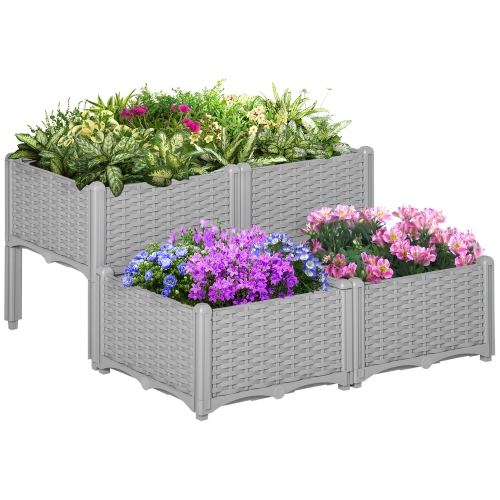 Your price for this item is $94.99
-
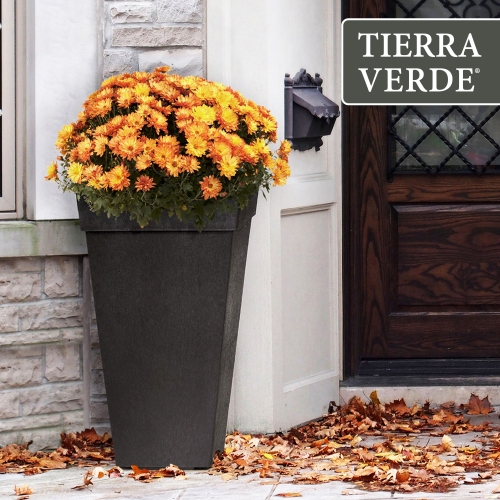 Your price for this item is $187.99
-
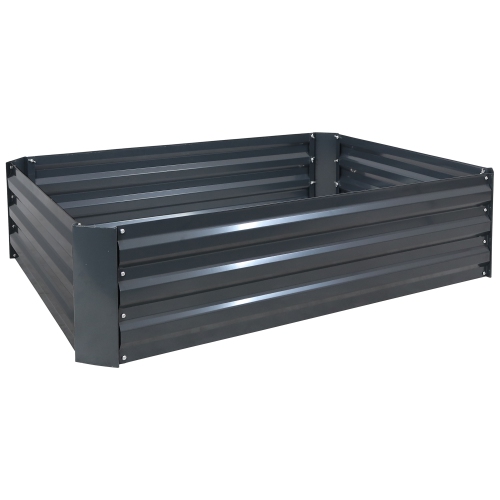 Your price for this item is $117.75
-
 Your price for this item is $117.75
-
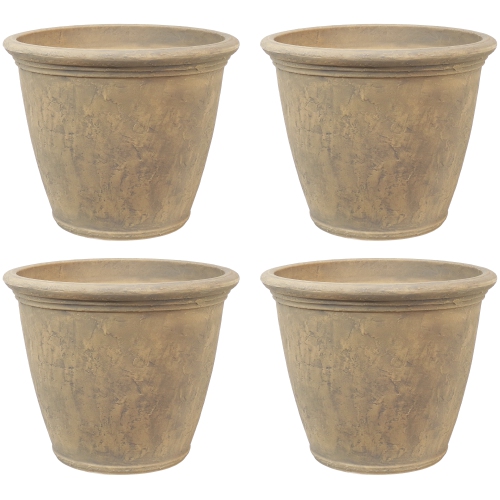 Your price for this item is $415.35
-
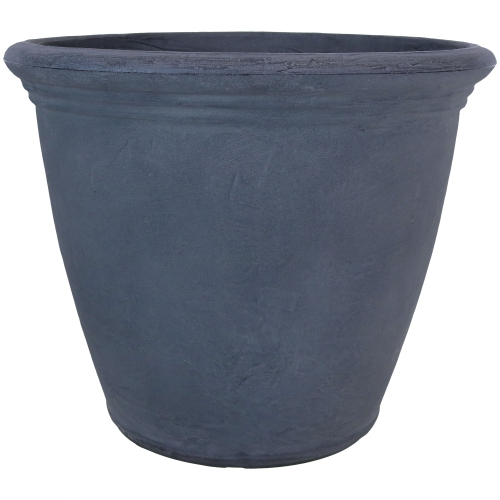 Your price for this item is $134.25
Discover more categories related to Plant Holders
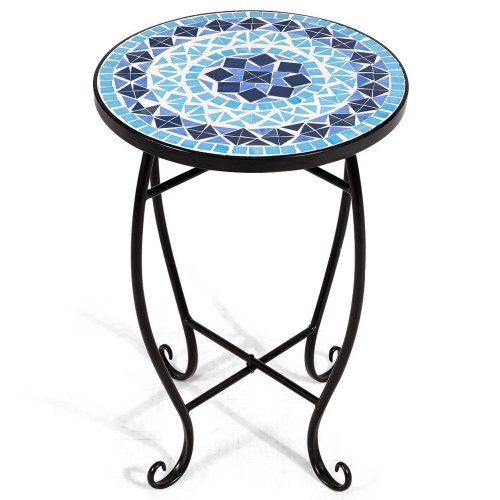
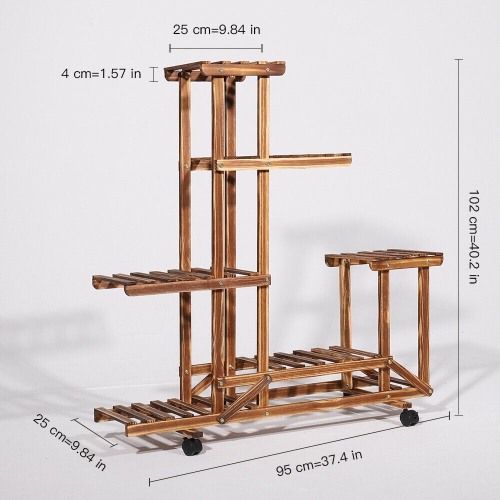
Top Collections:
Best Black Friday Deals This Year, Best Black Friday Deals On Electronics, Kindle Devices, Pokemon Centers, Best Black Friday Deals On Apple Products, Best Cameras for Sports Photography, Dyson Airwrap, Pokémon 30th Celebration Cards, Apple iPhone 17 Pro, Canon G7X Cameras
Some products may be subject to Environmental Handling Fees
(EHF) depending on your province.
Learn more about EHFs.