Plant Lamps
Brighten up your indoor garden and support healthy plant growth with the perfect plant lamp. Whether you’re nurturing seedlings, caring for houseplants, or cultivating herbs year-round, finding the right lighting solution can make all the difference. Explore a variety of plant lamp options designed to fit any space and style, helping you create an ideal environment for your greenery to thrive indoors.
Sort
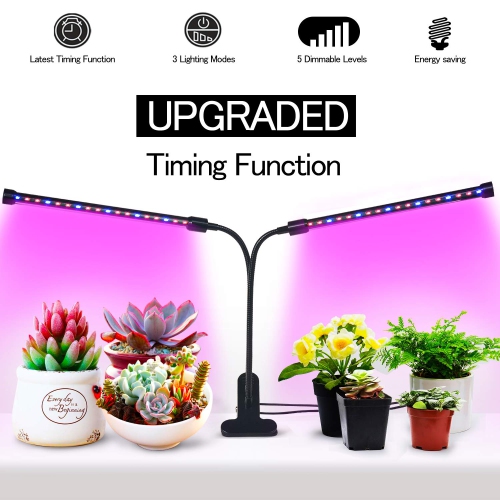
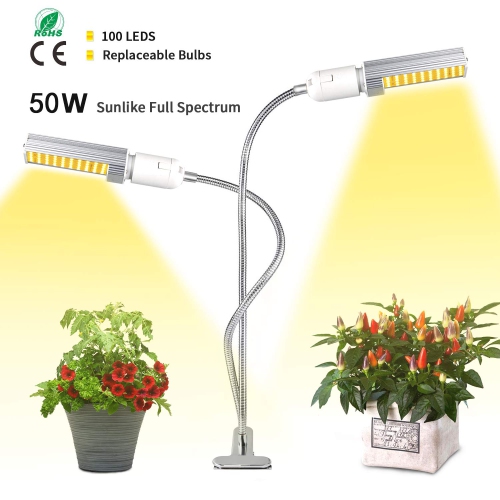
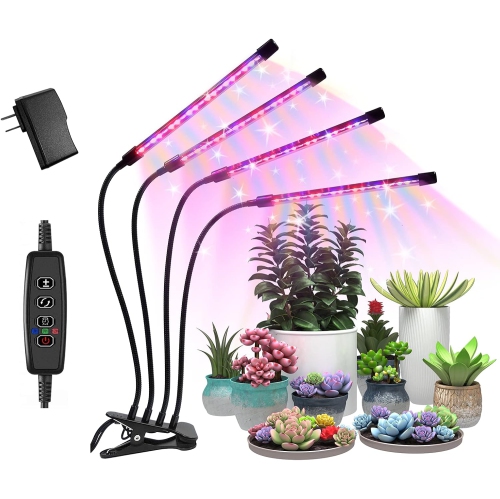

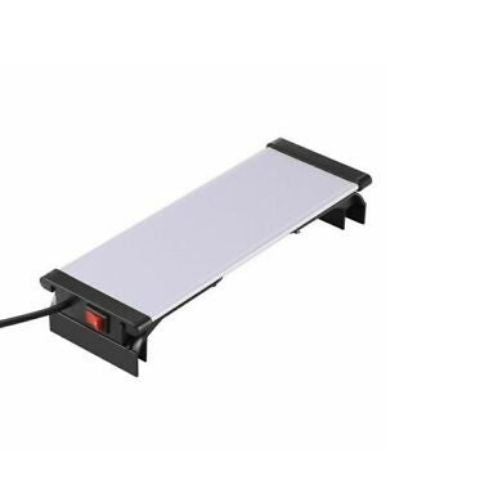
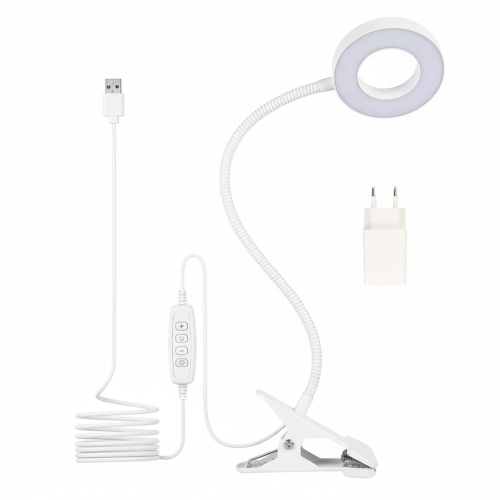
Light that supports indoor growth beyond the windowsill
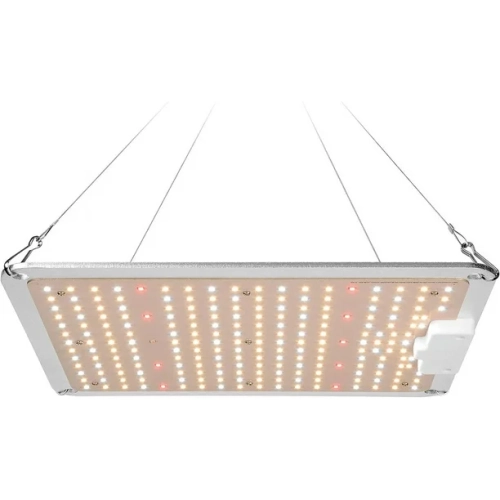
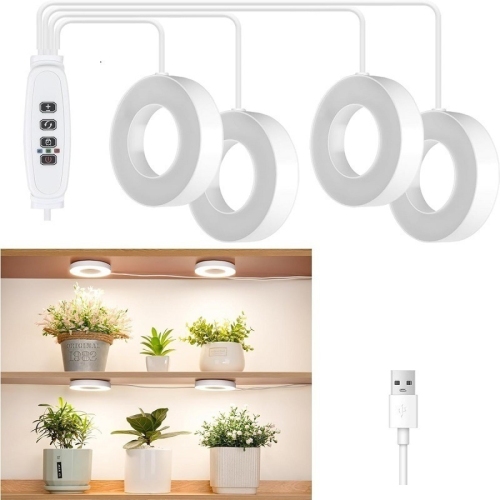
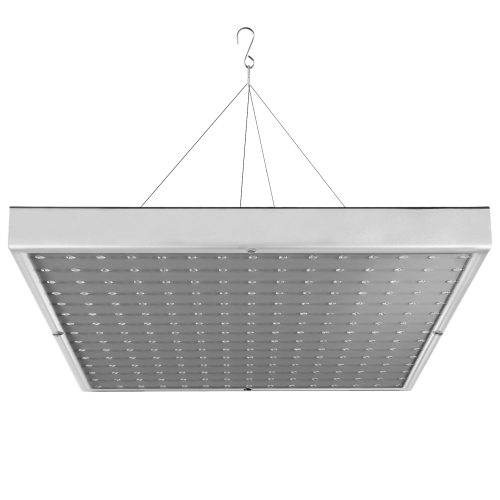
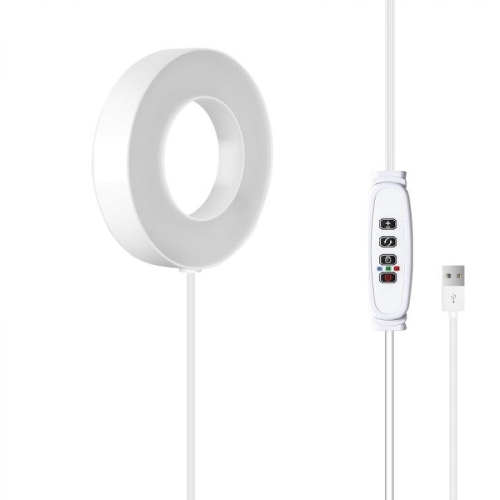
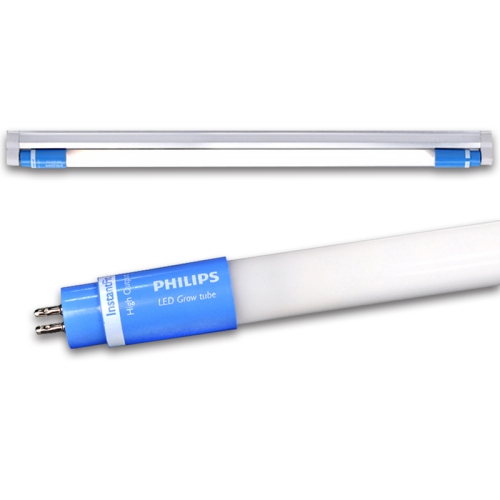
Plant lamps provide artificial light that supports indoor plant growth when daylight is limited or does not reach the leaves evenly. Also called grow lights, they can supplement a bright window or supply the main light source for plants in an interior space, provided their output suits the plants being grown. That makes them useful for everything from a few kitchen herbs to a shelf of leafy houseplants, especially during the cooler months when days are shorter. Unlike a lamp chosen mainly for reading or lighting a room, a plant lamp is designed to deliver light that plants can use for photosynthesis. Many LED grow lights offer a broad spectrum of light, often described as full-spectrum, while others combine selected wavelengths and produce a pink or purple glow. White-light designs tend to blend more easily into living rooms, kitchens, and home offices, where the appearance of both the plants and the surrounding space matters. The full-spectrum label alone does not establish how well a lamp will support growth: light intensity, coverage, distance from the leaves, and daily operating time all play a part. A compact lamp above a single pot serves a different purpose from a long fixture lighting an entire shelf. Similarly, a shade-tolerant foliage plant generally needs less intense light than herbs, succulents, or plants grown for flowers and fruit. Plant lamps are therefore best understood as lighting matched to a particular growing space rather than a universal substitute for sunshine. A trailing plant on a bookcase might need gentle supplemental light across its upper leaves, while a tray of seedlings needs even coverage that helps limit stretching towards a distant window. For someone who enjoys tending plants but has few well-lit windows, a thoughtfully placed grow light can make an indoor planting area more practical without moving every pot onto the same crowded windowsill. It can also help keep light exposure more consistent as natural daylight changes through the season.
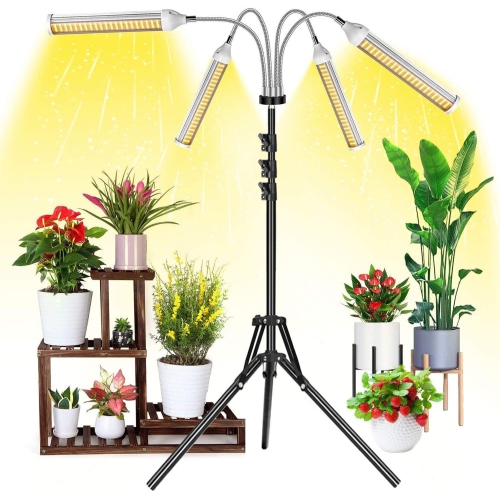
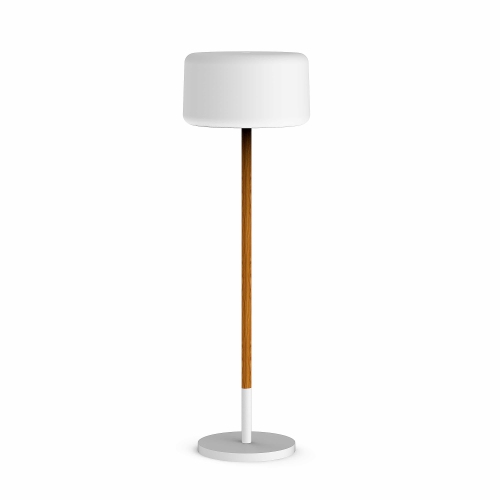
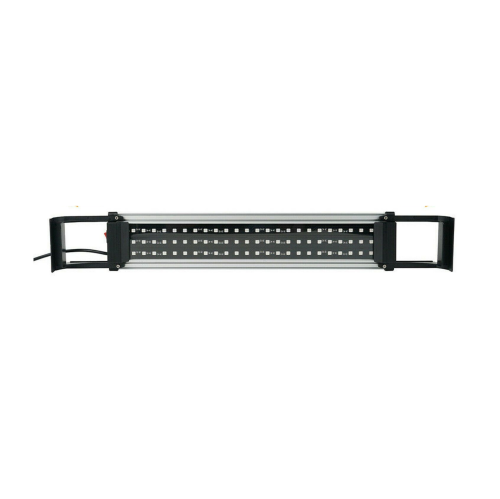
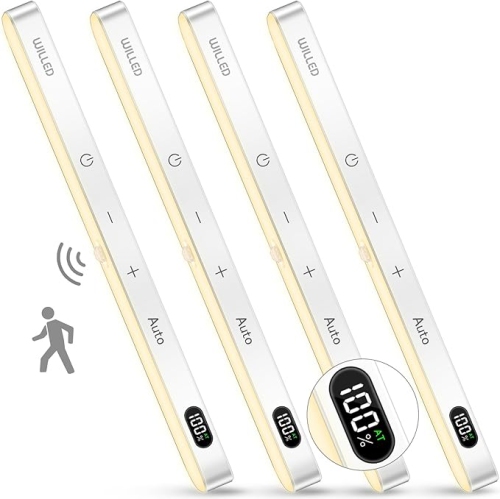
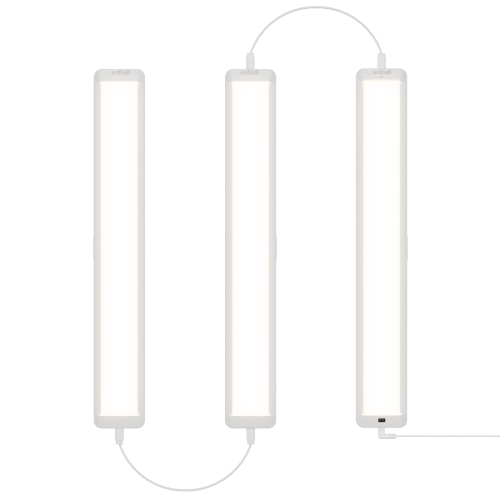
The shape and mounting style of a plant lamp affect how comfortably it fits into everyday life. Tabletop designs suit small pots on desks, counters, and side tables, with a base that needs enough room to sit securely beside the plant. Clip-on lamps can keep a work surface clear, although the clamp opening, grip, and permitted mounting thickness should suit the shelf or furniture edge. Flexible arms and adjustable heads make it easier to direct light towards leaves rather than across a computer screen, while height-adjustable poles can accommodate upright growth. For taller houseplants, floor-standing designs offer more reach, but the base still needs a stable position away from busy walkways. Strip-style grow lights fit neatly beneath shelving, and suspended fixtures can spread light across a wider growing area when installed with suitable supports. Coverage matters as much as the number of lamp heads: several small beams may leave gaps between pots, while a broader fixture can illuminate a continuous row more evenly. Published coverage measurements are most useful when they include the distance at which they were measured. Where provided, photosynthetic photon flux density, or PPFD, indicates how much plant-usable light reaches a measured area; a coverage map can show how that intensity changes from the centre to the edges. Wattage describes electrical power use, not the amount of useful light reaching every leaf. Materials and construction also influence everyday durability. Metal housings can help dissipate heat, while lightweight plastic components can make a small fixture easier to position. Neither material alone guarantees a long service life. Firm joints, a clamp that holds its position, secure mounting hardware, and a well-supported power cable are especially important when a lamp will be adjusted regularly. A slim profile may fit beneath a shelf, but adequate clearance for heat dissipation remains necessary. In shared rooms, the direction of the light, visible brightness, cable length, and access to controls can be just as important as the fixture’s overall dimensions.
Features such as dimming and built-in timers make plant lamps easier to integrate into a regular routine. Dimming allows the output to be adjusted for different plants or changing lamp heights, while a timer can maintain a repeatable light-and-dark cycle without daily switching. Around 12 to 16 hours of artificial light is common for many indoor growing setups, but the appropriate duration depends on the plant, the lamp’s intensity, and how much daylight is already present. Continuous lighting is not a suitable default, since many plants benefit from a daily dark period. There is also no single correct distance between a grow light and the leaves. A small, low-output lamp may sit relatively close, whereas a stronger fixture may need substantially more clearance; the lamp’s placement guidance and the needs of the plant should determine the starting position. Pale patches, scorched edges, or persistent stretching can signal that light placement needs attention, though watering, temperature, and other factors can cause similar changes. As plants grow, adjustable height helps maintain an appropriate gap and prevents foliage from resting against the fixture. Basic care includes unplugging the lamp before cleaning, allowing it to cool, and removing dust with a soft cloth according to its care instructions. Dust on the light surface can reduce output, and moisture from watering should stay away from plugs, controls, and electrical connections. An indoor plant lamp should not be assumed suitable for a damp cabinet, greenhouse, or outdoor location unless its stated rating permits that use. Replaceable bulbs or light modules may offer added flexibility, while integrated LED designs call for attention to the fixture’s expected service life and warranty terms. For gift giving, plant lamps can suit apartment gardeners, herb growers, students with a favourite desk plant, or experienced houseplant enthusiasts expanding a shelf display. Matching the lamp to the recipient’s space and plants makes the gift more useful than choosing by appearance alone. For a household that also enjoys plant-themed play, Plant Games offers a separate way to build on that interest. A well-matched plant lamp brings the focus back to everyday growing: clear light over a kitchen herb pot, balanced coverage across a leafy shelf, and controls that fit naturally into the household routine.
The shape and mounting style of a plant lamp affect how comfortably it fits into everyday life. Tabletop designs suit small pots on desks, counters, and side tables, with a base that needs enough room to sit securely beside the plant. Clip-on lamps can keep a work surface clear, although the clamp opening, grip, and permitted mounting thickness should suit the shelf or furniture edge. Flexible arms and adjustable heads make it easier to direct light towards leaves rather than across a computer screen, while height-adjustable poles can accommodate upright growth. For taller houseplants, floor-standing designs offer more reach, but the base still needs a stable position away from busy walkways. Strip-style grow lights fit neatly beneath shelving, and suspended fixtures can spread light across a wider growing area when installed with suitable supports. Coverage matters as much as the number of lamp heads: several small beams may leave gaps between pots, while a broader fixture can illuminate a continuous row more evenly. Published coverage measurements are most useful when they include the distance at which they were measured. Where provided, photosynthetic photon flux density, or PPFD, indicates how much plant-usable light reaches a measured area; a coverage map can show how that intensity changes from the centre to the edges. Wattage describes electrical power use, not the amount of useful light reaching every leaf. Materials and construction also influence everyday durability. Metal housings can help dissipate heat, while lightweight plastic components can make a small fixture easier to position. Neither material alone guarantees a long service life. Firm joints, a clamp that holds its position, secure mounting hardware, and a well-supported power cable are especially important when a lamp will be adjusted regularly. A slim profile may fit beneath a shelf, but adequate clearance for heat dissipation remains necessary. In shared rooms, the direction of the light, visible brightness, cable length, and access to controls can be just as important as the fixture’s overall dimensions.
Features such as dimming and built-in timers make plant lamps easier to integrate into a regular routine. Dimming allows the output to be adjusted for different plants or changing lamp heights, while a timer can maintain a repeatable light-and-dark cycle without daily switching. Around 12 to 16 hours of artificial light is common for many indoor growing setups, but the appropriate duration depends on the plant, the lamp’s intensity, and how much daylight is already present. Continuous lighting is not a suitable default, since many plants benefit from a daily dark period. There is also no single correct distance between a grow light and the leaves. A small, low-output lamp may sit relatively close, whereas a stronger fixture may need substantially more clearance; the lamp’s placement guidance and the needs of the plant should determine the starting position. Pale patches, scorched edges, or persistent stretching can signal that light placement needs attention, though watering, temperature, and other factors can cause similar changes. As plants grow, adjustable height helps maintain an appropriate gap and prevents foliage from resting against the fixture. Basic care includes unplugging the lamp before cleaning, allowing it to cool, and removing dust with a soft cloth according to its care instructions. Dust on the light surface can reduce output, and moisture from watering should stay away from plugs, controls, and electrical connections. An indoor plant lamp should not be assumed suitable for a damp cabinet, greenhouse, or outdoor location unless its stated rating permits that use. Replaceable bulbs or light modules may offer added flexibility, while integrated LED designs call for attention to the fixture’s expected service life and warranty terms. For gift giving, plant lamps can suit apartment gardeners, herb growers, students with a favourite desk plant, or experienced houseplant enthusiasts expanding a shelf display. Matching the lamp to the recipient’s space and plants makes the gift more useful than choosing by appearance alone. For a household that also enjoys plant-themed play, Plant Games offers a separate way to build on that interest. A well-matched plant lamp brings the focus back to everyday growing: clear light over a kitchen herb pot, balanced coverage across a leafy shelf, and controls that fit naturally into the household routine.
Top selling and popular products
-
 Your price for this item is $274.99
 -
 Your price for this item is $49.99
 -
 Your price for this item is $48.2
 -
 Your price for this item is $89.99
 -
 Your price for this item is $119.99
 -
 Your price for this item is $26.99
 -
 Your price for this item is $129.99
 -
 Your price for this item is $155.68
Discover more categories related to Plant Lamps
Top Collections:
Pokemon Centers, Kindle Devices, Best Budget Office Chairs, Apple iPhones 16, Canon G7X Cameras, iPhone 15 Apple, Alarm Clock, Refurbished Apple Laptops, Flip Phones, Best Laptops for Writers
Some products may be subject to Environmental Handling Fees
(EHF) depending on your province.
Learn more about EHFs.