Grow Lights
If you're looking to give your indoor plants the light they need to thrive, this selection of grow lights provides the perfect solution for ensuring your plants receive the essential light spectrum necessary for healthy growth and flowering. Whether you're a seasoned gardener or just starting out, these high-quality grow lights are designed to mimic natural sunlight, promoting photosynthesis and helping your plants flourish year-round.
Sort
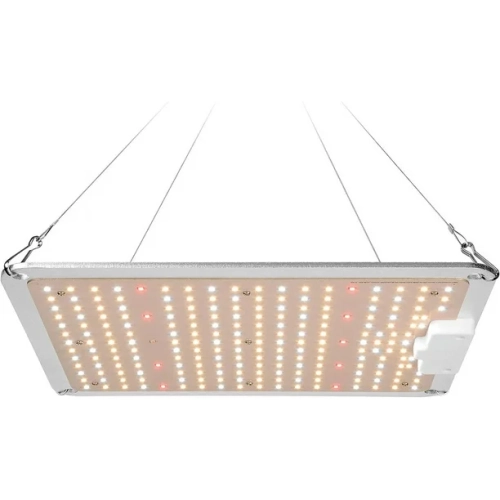
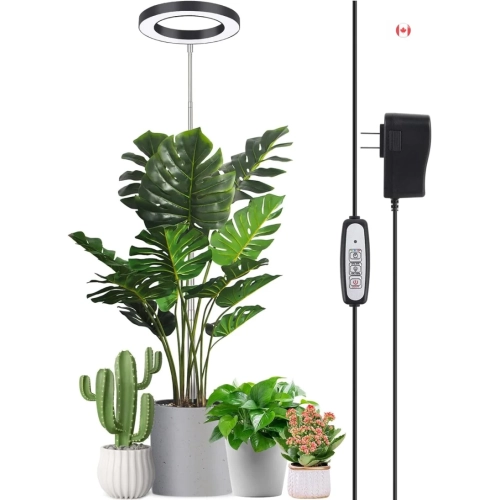
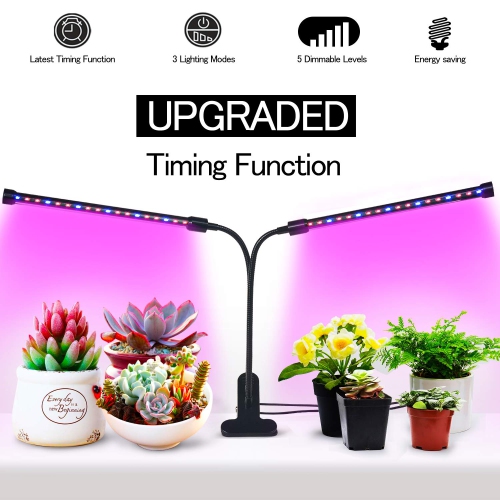
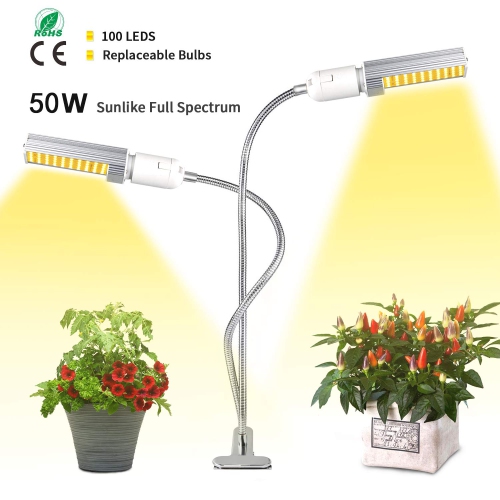
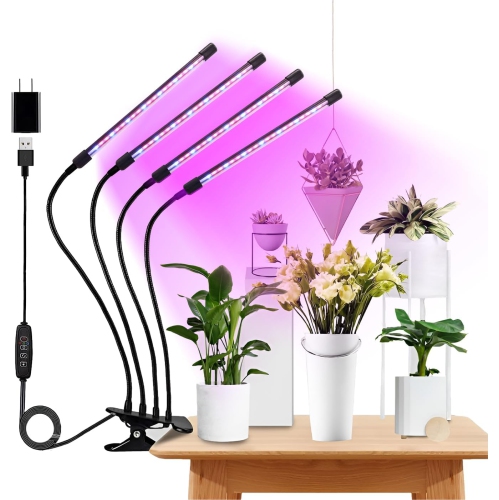
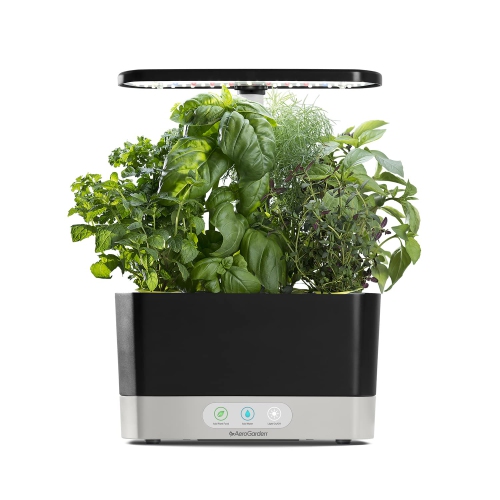
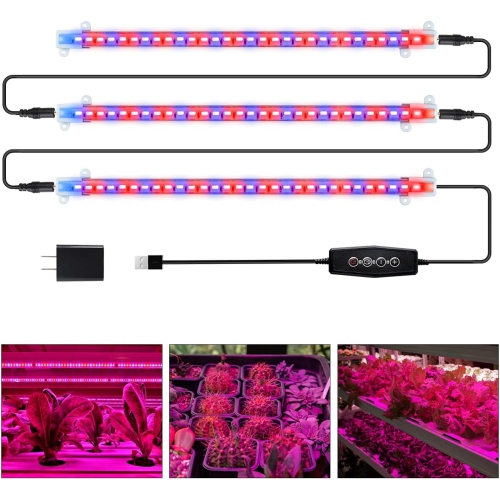
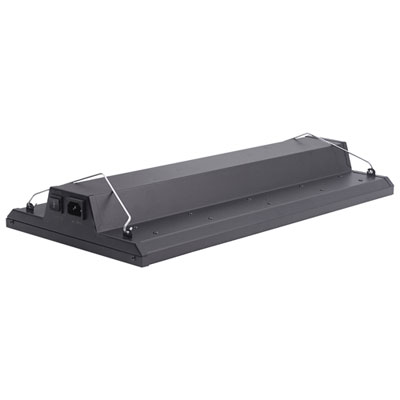
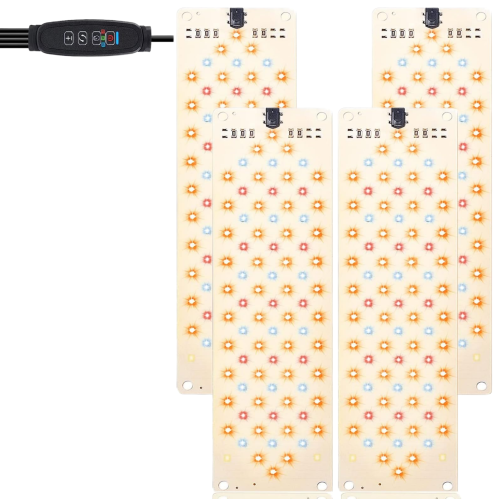
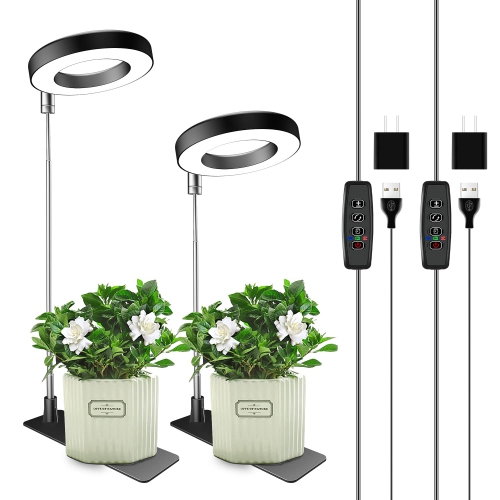
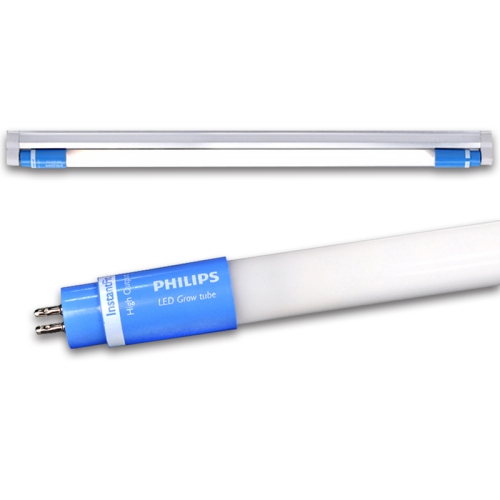
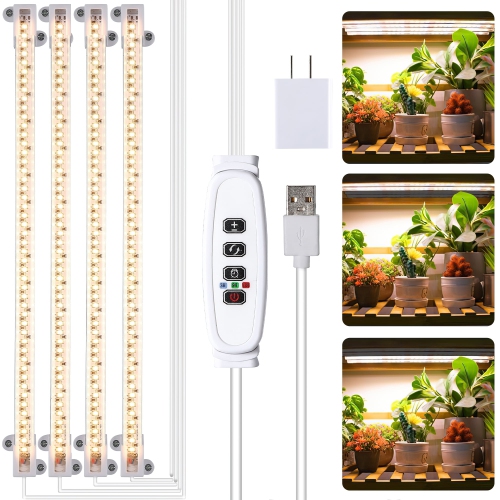
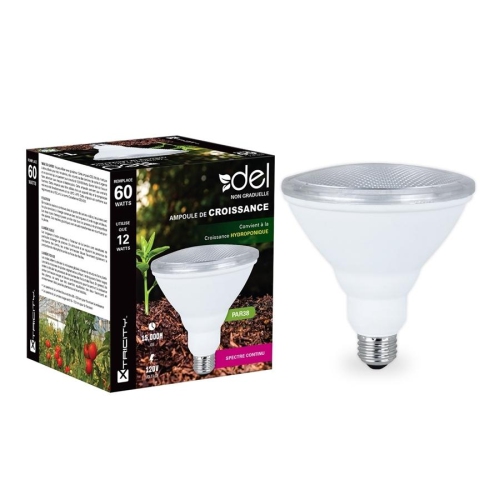
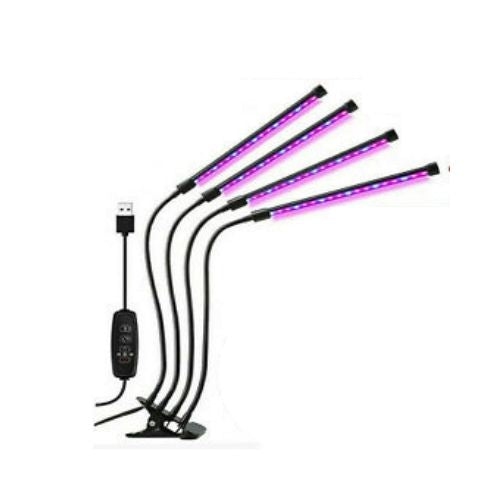

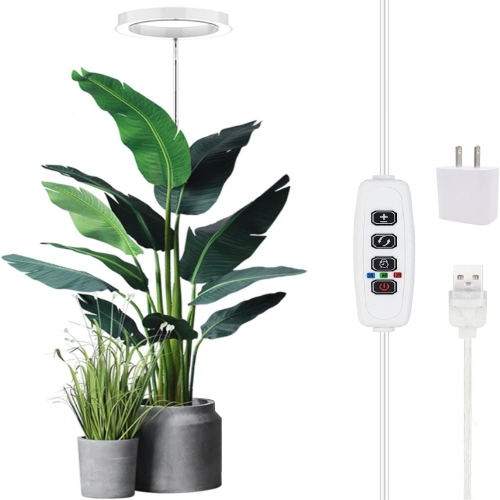
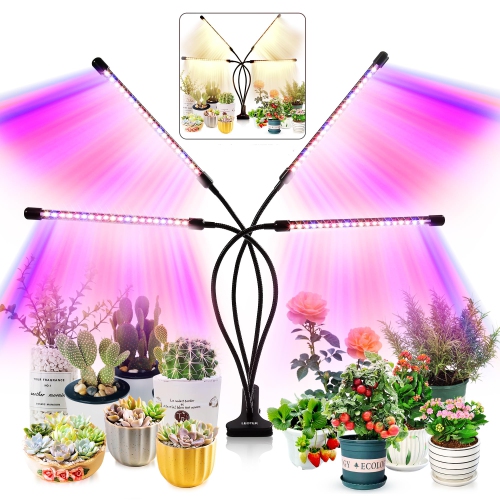
Support healthier indoor growth when daylight falls short
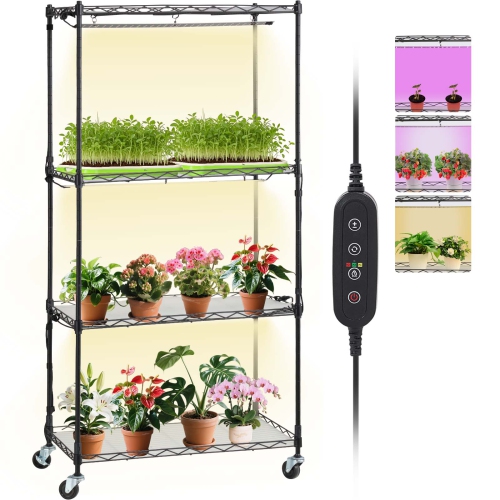
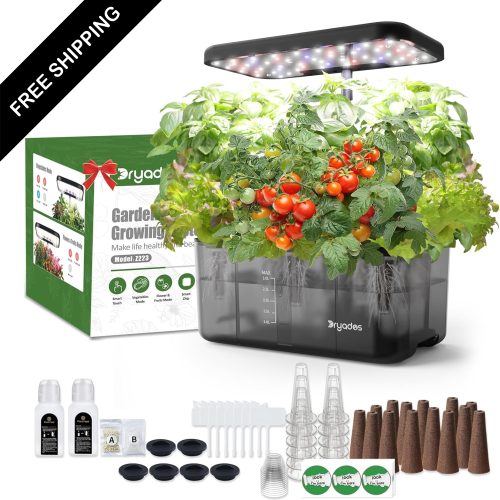
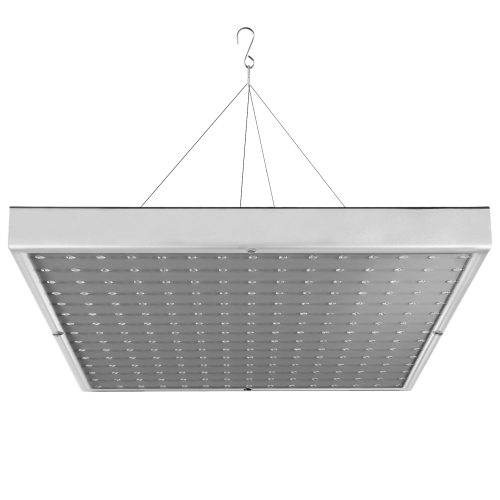
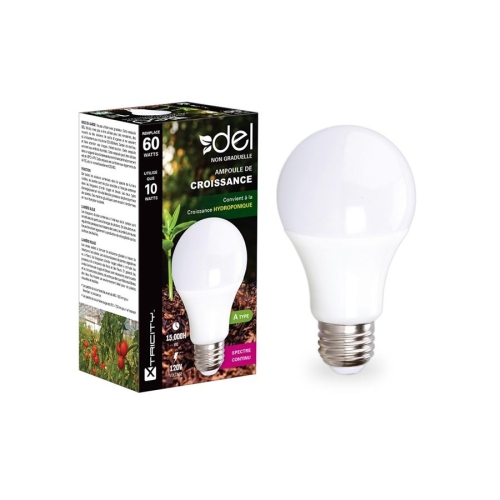
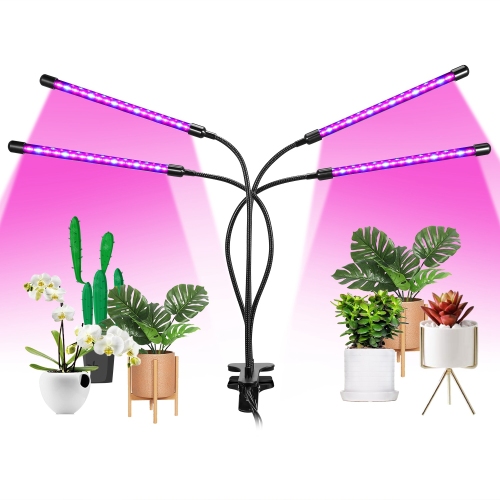
Grow lights provide supplemental illumination for indoor plants, herbs, seedlings and cuttings when natural daylight is limited or inconsistent. They can help bring leafy plants to life in rooms with small windows, brighten a home office or kitchen corner, and support seedlings that need a dependable start before being moved outdoors. During the cooler months, they are especially useful for plants kept away from bright windows, where shorter days and lower sun angles can leave leaves looking pale, stems stretched and new growth slow. They can also be helpful as the weather warms, when young vegetable, flower or herb seedlings are started indoors ahead of planting. The right grow light depends on the size of the growing area, the type of plants being grown and how much control is needed over placement and timing. Compact lights suit a single potted plant, a small shelf or a few herb containers, while broader fixtures can cover trays of seedlings or several plants arranged together. Full-spectrum LED grow lights are a popular choice for home growing because they provide a balanced, daylight-like appearance that is comfortable in living spaces and suitable for many common indoor plants. They are available in a range of shapes and mounting styles, including lights designed for shelves, stands, hanging arrangements and small propagation areas. If you are comparing grow lights with decorative options, explore Plant Lamps for additional ways to add light around indoor greenery while keeping the setup suited to your room. Grow lights can make a thoughtful gift for a plant lover, home cook who enjoys fresh herbs, apartment dweller with limited window space, or anyone starting seeds indoors. They are also practical for a new plant parent who wants to create a more consistent care routine without relying entirely on the position of the sun.
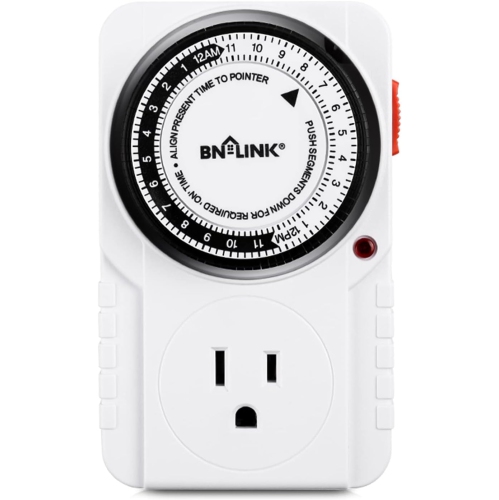
Light intensity, coverage and positioning all influence how well a grow light supports plant growth. For a small setup or young seedlings, a light producing roughly 1,500 to 3,000 lumens may be a useful range to consider, although the ideal output varies with the fixture, plant species and distance from the leaves. A light that is too far away may provide little benefit, while one placed too close can cause excessive heat, pale patches or leaf damage. As a general starting point, many LED grow lights can be positioned about 12 to 18 inches above the top of the plants, then adjusted as the plants grow or as you observe their response. Taller plants may need the light raised to maintain even coverage, while seedlings may benefit from closer, more concentrated illumination within the recommended range for the fixture. Positioning the light slightly above and angled downward can help distribute illumination across the leaves, particularly when the plants are arranged along a shelf rather than directly beneath a ceiling-mounted fixture. Even coverage is important: plants leaning strongly towards one side may be reaching for more light, while dry, curling or scorched leaves can indicate that the light is too intense or too close. Check the coverage area listed for the light and compare it with the width of your plant shelf, tray or growing surface. Adjustable brightness, flexible necks, height-adjustable stands and multiple light modes can make it easier to accommodate plants at different stages. A timer is another useful feature because it can keep the daily schedule consistent, even when your routine changes. Most indoor plants and established seedlings benefit from approximately 12 to 16 hours of light per day, while some young seedlings may require up to 16 to 18 hours depending on their variety and growing conditions. Plants also need a regular period of darkness, generally at least 6 to 8 hours, to rest and follow a natural day-and-night rhythm. A timer can turn the light off automatically and help prevent the common mistake of leaving it on continuously.
When choosing a grow light, consider where it will be used, how much space the plants occupy and whether the arrangement is likely to change. A window shelf may call for a compact light that supplements daylight from one direction, while a darker corner may need broader coverage and a longer daily schedule. Think about cord length, mounting hardware, switch placement and whether the light can be repositioned without disturbing the plants. LEDs are often selected for indoor growing because they offer bright, focused illumination in a compact format, and many have a low-profile design that works neatly beneath shelves or above a propagation tray. Colour temperature and light appearance can also affect how the space feels; daylight-style illumination can make it easier to inspect leaf colour, soil moisture and new growth than older purple-toned lighting. For herbs such as basil, parsley and mint, a well-positioned grow light can support a convenient indoor garden near a kitchen or dining area. For houseplants, it can help maintain foliage in hallways, bedrooms and workspaces that receive little direct daylight. Seed starters can use supplemental light to encourage sturdy, compact growth instead of tall, thin stems that stretch towards a distant window. Set the fixture securely, keep water away from electrical connections, and monitor the leaves during the first few days after installation. Rotating plants occasionally can promote more even growth, while cleaning dust from the light and leaves helps maintain consistent illumination. With the right coverage, distance and schedule, grow lights make it easier to create a dependable indoor growing area through changing daylight conditions and give plants a dedicated source of light wherever they are placed.
Light intensity, coverage and positioning all influence how well a grow light supports plant growth. For a small setup or young seedlings, a light producing roughly 1,500 to 3,000 lumens may be a useful range to consider, although the ideal output varies with the fixture, plant species and distance from the leaves. A light that is too far away may provide little benefit, while one placed too close can cause excessive heat, pale patches or leaf damage. As a general starting point, many LED grow lights can be positioned about 12 to 18 inches above the top of the plants, then adjusted as the plants grow or as you observe their response. Taller plants may need the light raised to maintain even coverage, while seedlings may benefit from closer, more concentrated illumination within the recommended range for the fixture. Positioning the light slightly above and angled downward can help distribute illumination across the leaves, particularly when the plants are arranged along a shelf rather than directly beneath a ceiling-mounted fixture. Even coverage is important: plants leaning strongly towards one side may be reaching for more light, while dry, curling or scorched leaves can indicate that the light is too intense or too close. Check the coverage area listed for the light and compare it with the width of your plant shelf, tray or growing surface. Adjustable brightness, flexible necks, height-adjustable stands and multiple light modes can make it easier to accommodate plants at different stages. A timer is another useful feature because it can keep the daily schedule consistent, even when your routine changes. Most indoor plants and established seedlings benefit from approximately 12 to 16 hours of light per day, while some young seedlings may require up to 16 to 18 hours depending on their variety and growing conditions. Plants also need a regular period of darkness, generally at least 6 to 8 hours, to rest and follow a natural day-and-night rhythm. A timer can turn the light off automatically and help prevent the common mistake of leaving it on continuously.
When choosing a grow light, consider where it will be used, how much space the plants occupy and whether the arrangement is likely to change. A window shelf may call for a compact light that supplements daylight from one direction, while a darker corner may need broader coverage and a longer daily schedule. Think about cord length, mounting hardware, switch placement and whether the light can be repositioned without disturbing the plants. LEDs are often selected for indoor growing because they offer bright, focused illumination in a compact format, and many have a low-profile design that works neatly beneath shelves or above a propagation tray. Colour temperature and light appearance can also affect how the space feels; daylight-style illumination can make it easier to inspect leaf colour, soil moisture and new growth than older purple-toned lighting. For herbs such as basil, parsley and mint, a well-positioned grow light can support a convenient indoor garden near a kitchen or dining area. For houseplants, it can help maintain foliage in hallways, bedrooms and workspaces that receive little direct daylight. Seed starters can use supplemental light to encourage sturdy, compact growth instead of tall, thin stems that stretch towards a distant window. Set the fixture securely, keep water away from electrical connections, and monitor the leaves during the first few days after installation. Rotating plants occasionally can promote more even growth, while cleaning dust from the light and leaves helps maintain consistent illumination. With the right coverage, distance and schedule, grow lights make it easier to create a dependable indoor growing area through changing daylight conditions and give plants a dedicated source of light wherever they are placed.
Top selling and popular products
-
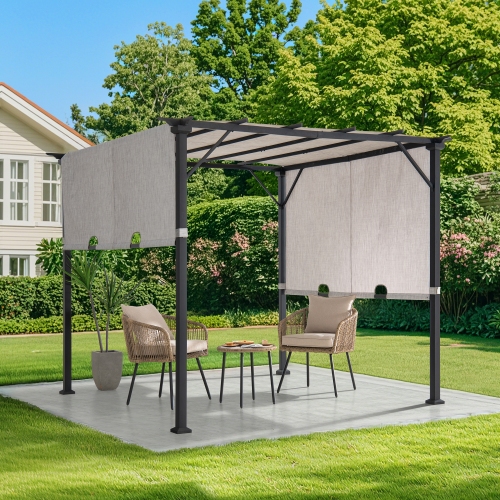 Your price for this item is $274.99
 -
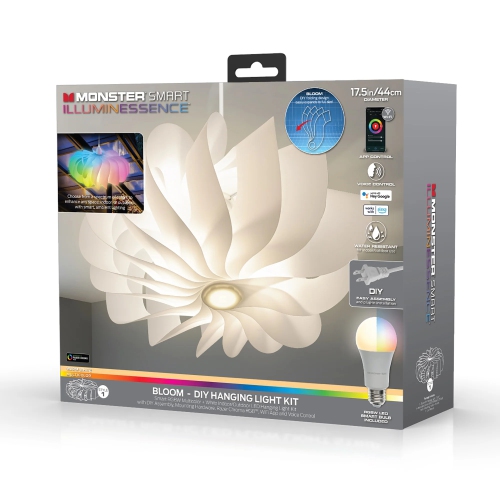 Your price for this item is $49.99
 -
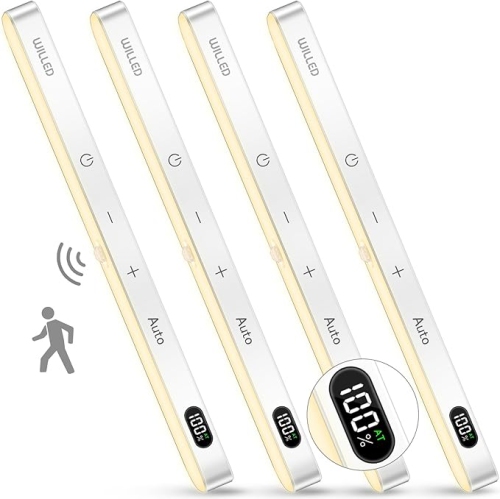 Your price for this item is $48.2
 -
 Your price for this item is $89.99
 -
 Your price for this item is $119.99
 -
 Your price for this item is $26.99
 -
 Your price for this item is $129.99
 -
 Your price for this item is $155.68
Discover more categories related to Grow Lights
Top Collections:
Pokemon Centers, Kindle Devices, Best Budget Office Chairs, Apple iPhones 16, Canon G7X Cameras, iPhone 15 Apple, Alarm Clock, Refurbished Apple Laptops, Flip Phones, Best Laptops for Writers
Some products may be subject to Environmental Handling Fees
(EHF) depending on your province.
Learn more about EHFs.