Plant Stand Canada
Elevate your indoor greenery with a stylish and functional plant stand. Whether you're looking to showcase your favorite houseplants or add a touch of nature to your living space, plant stands offer a versatile solution that complements any decor. From modern minimalist designs to rustic wooden finishes, there's a plant stand to suit every taste and style. Ideal for creating visual interest and maximizing floor space, these stands provide the perfect platform to display your botanical beauties while enhancing the ambiance of any room in your home. Discover the ideal plant stand to bring life and elegance into your living environment.
Sort


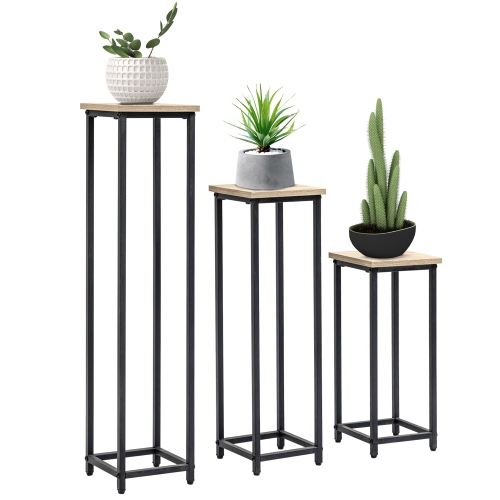
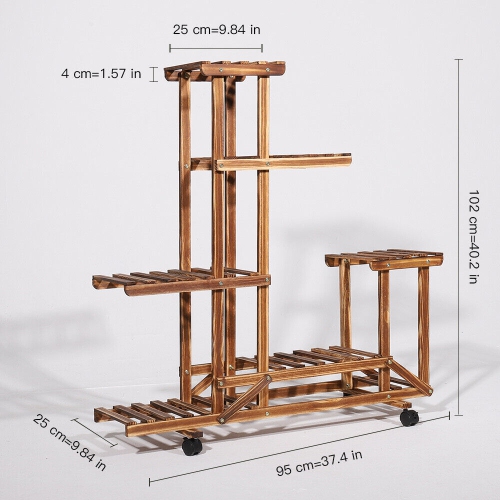
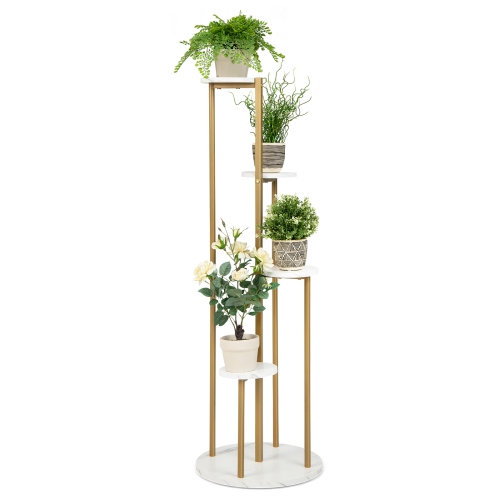

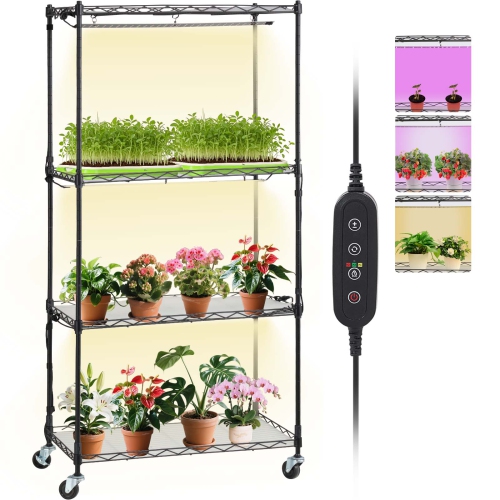

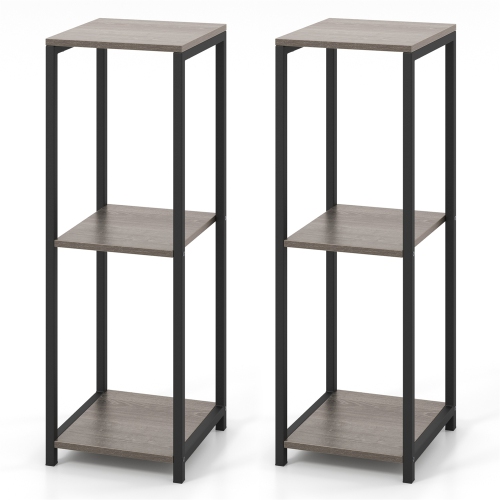

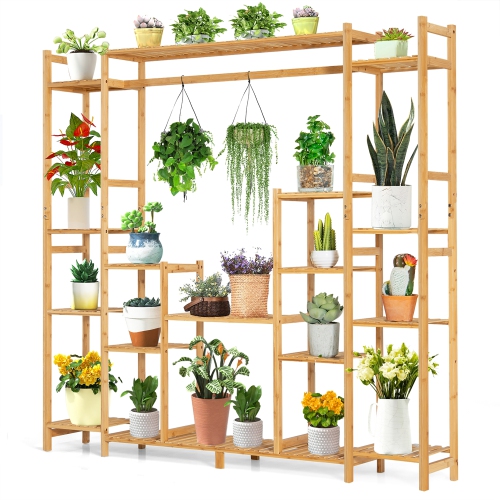
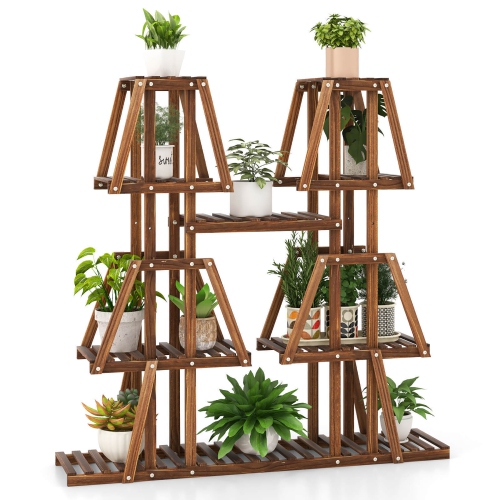
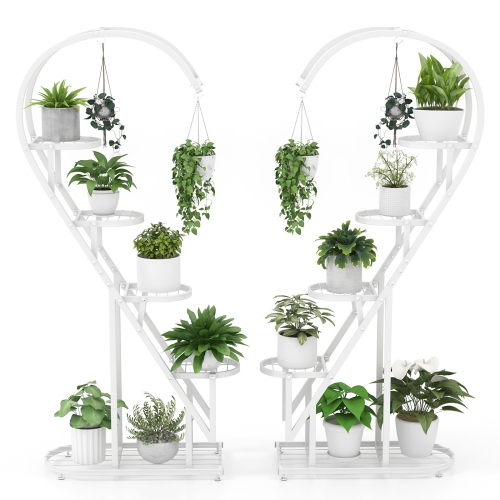
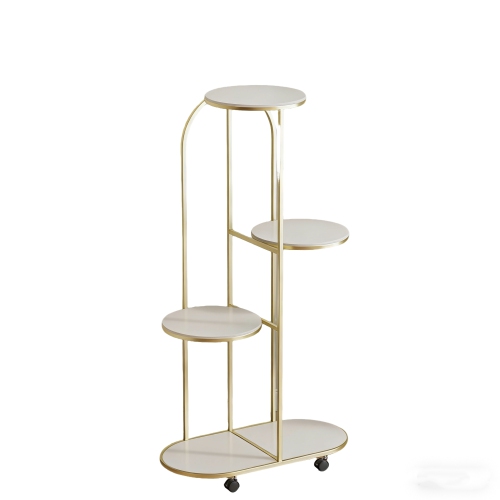
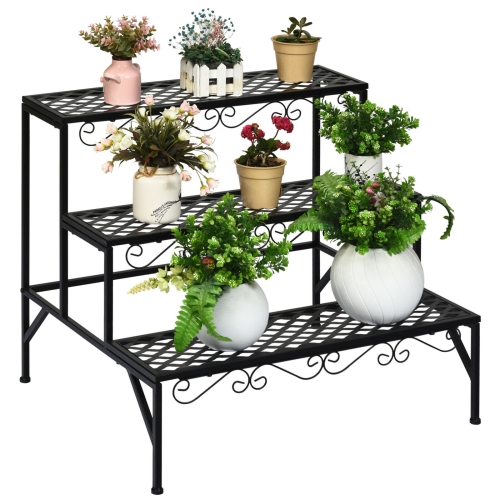
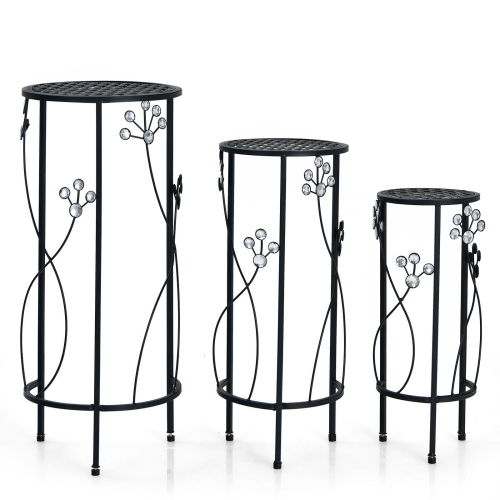
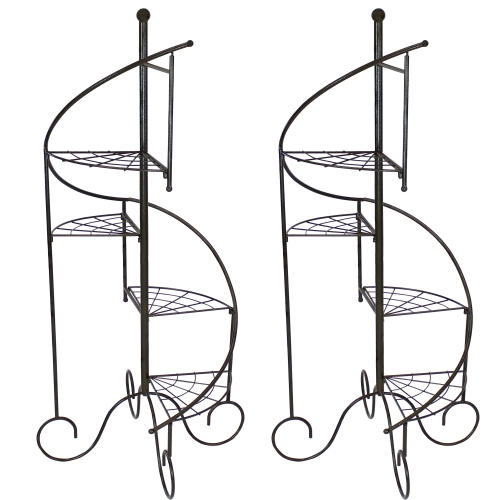

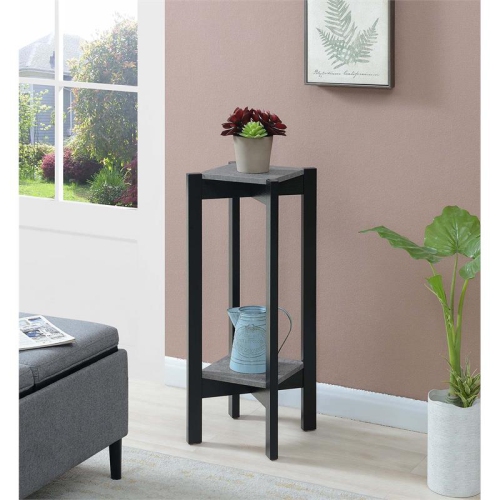
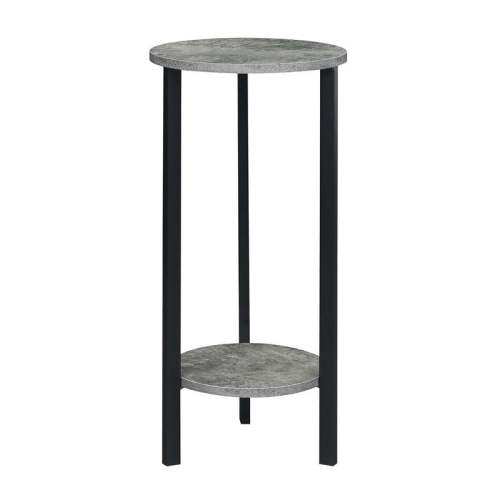
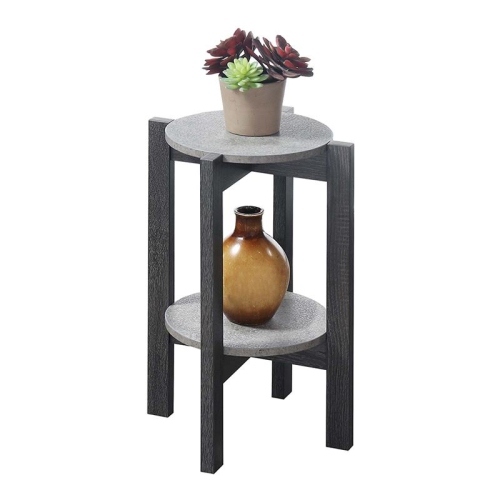
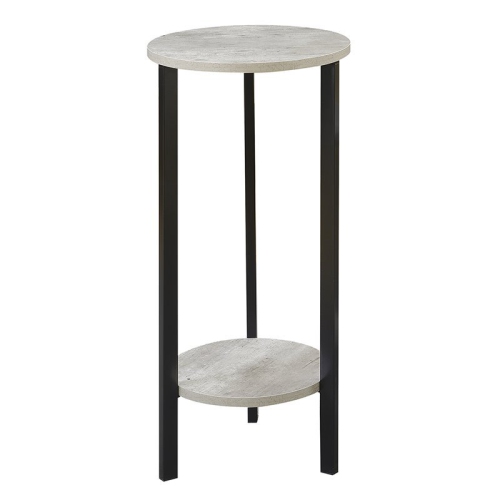
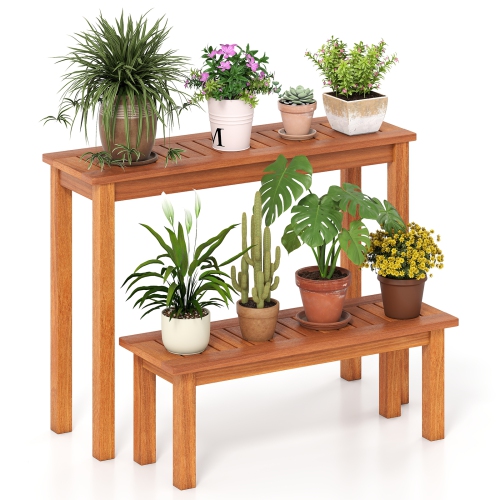
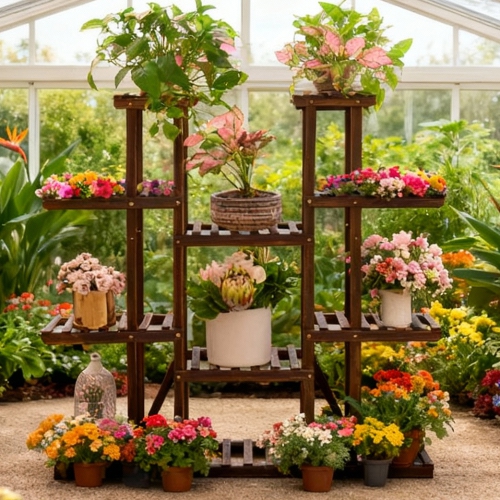
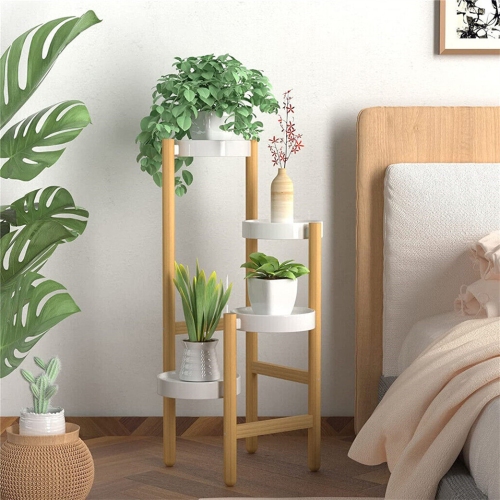
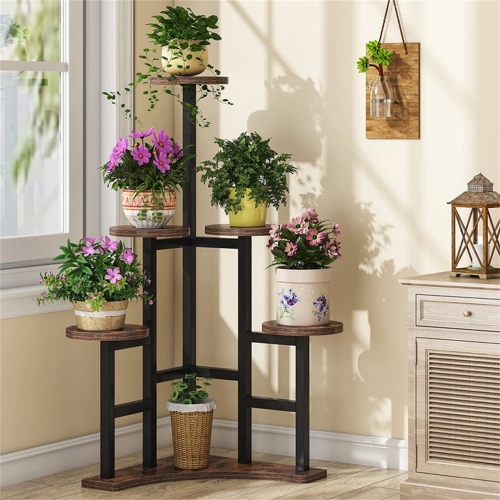
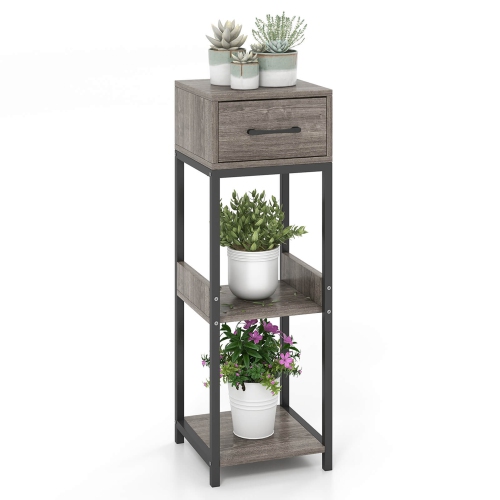
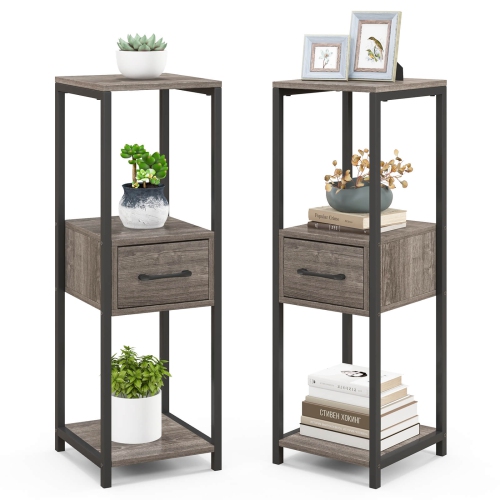
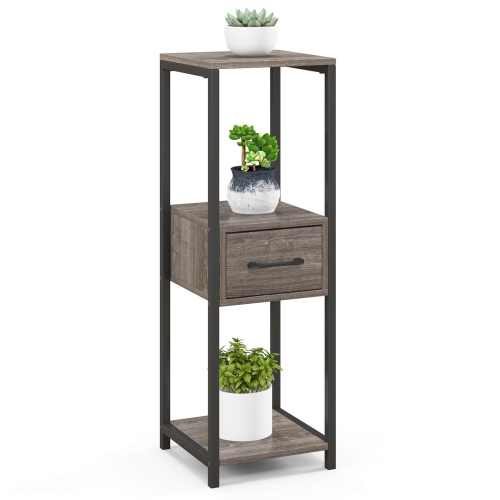
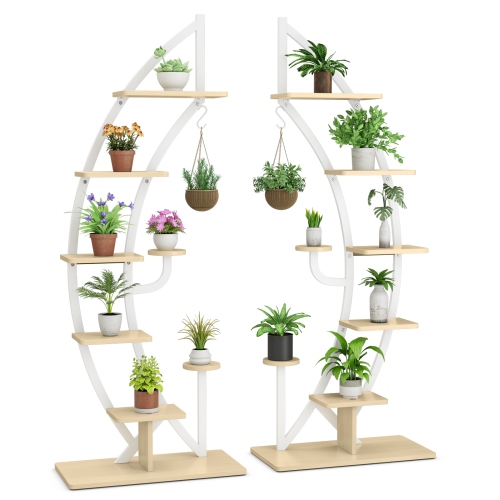

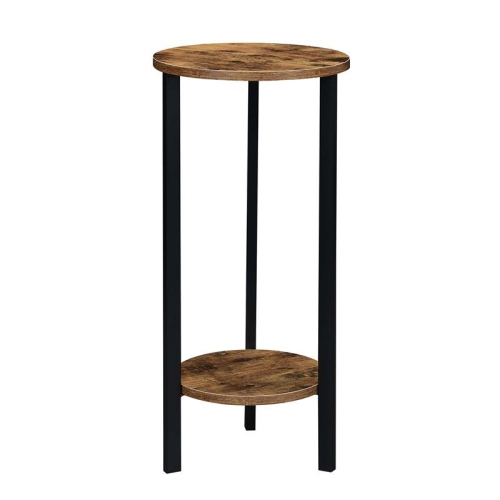
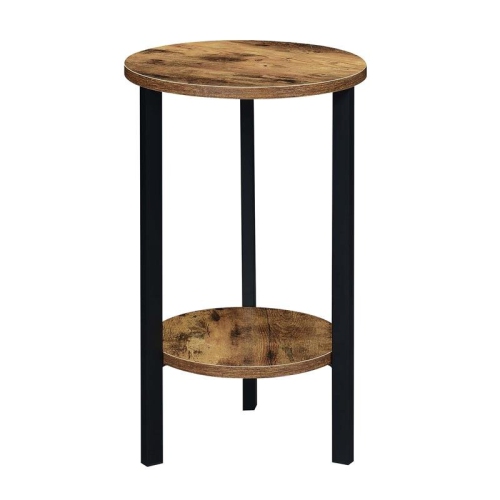
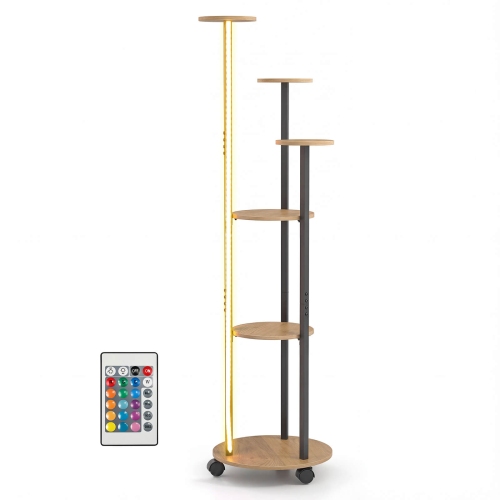
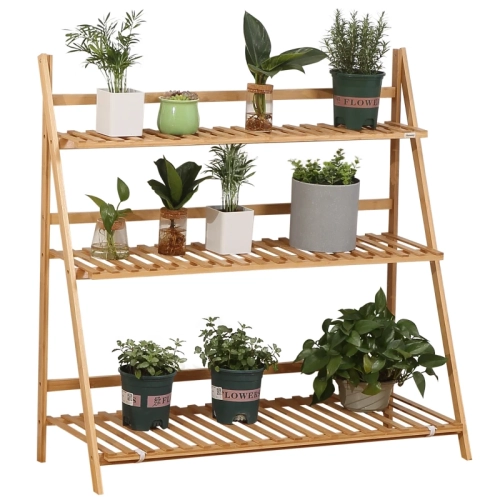
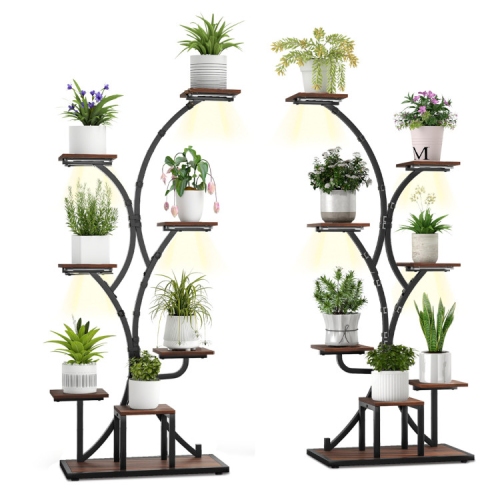

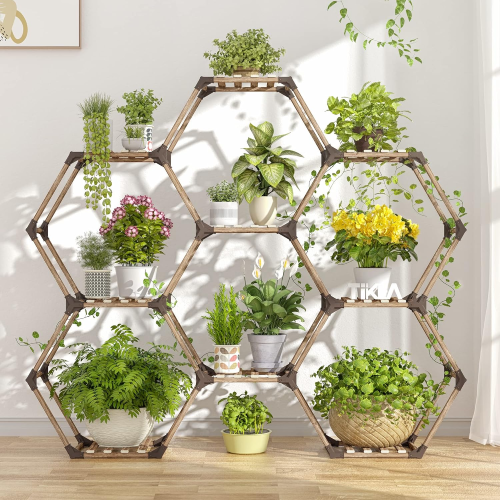
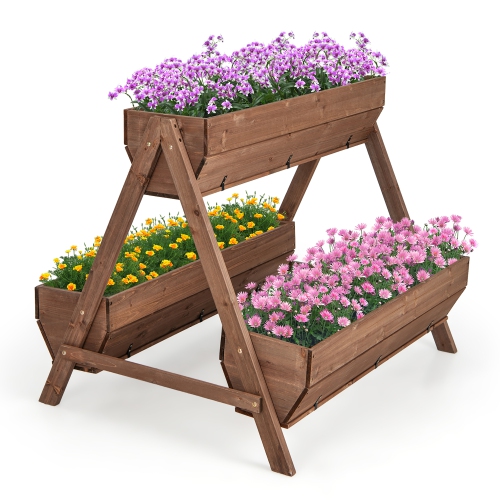
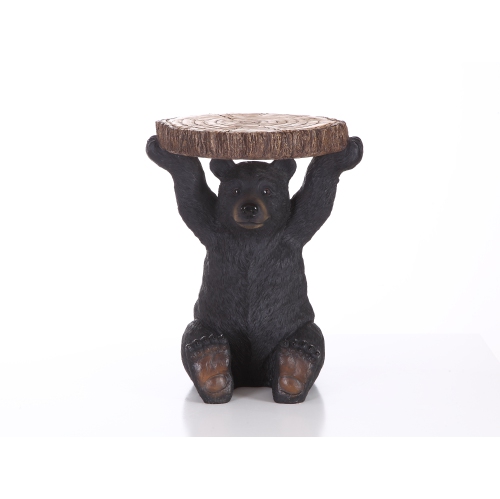

More room for greenery without bulky furniture
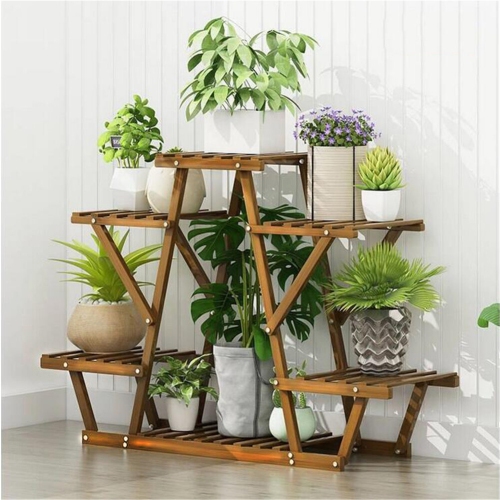
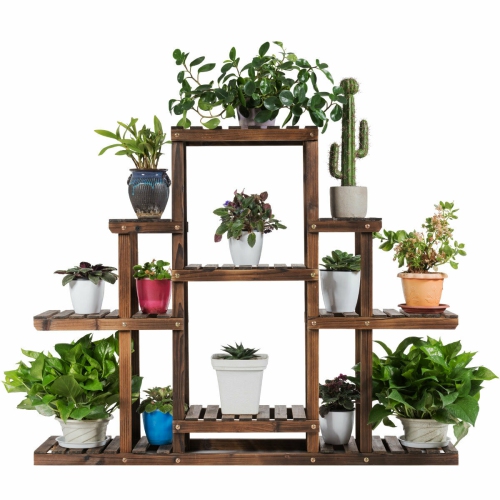
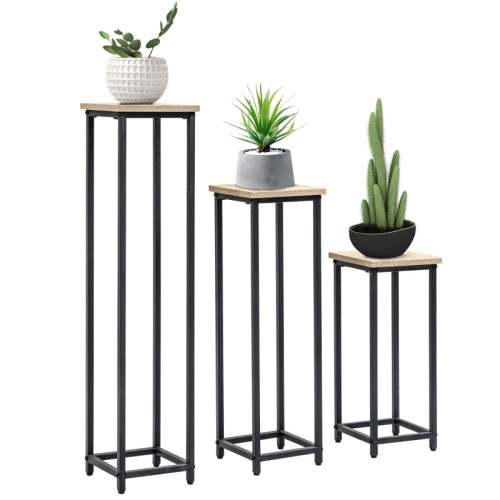
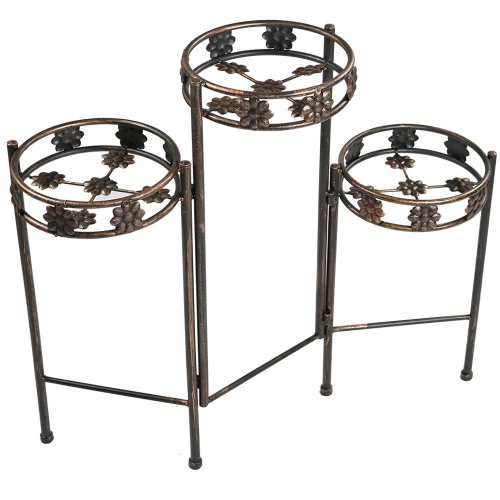
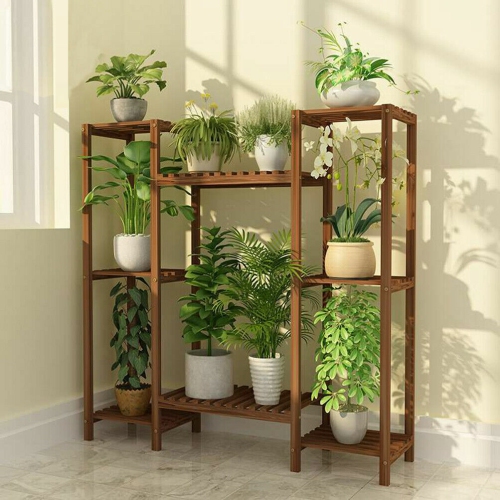
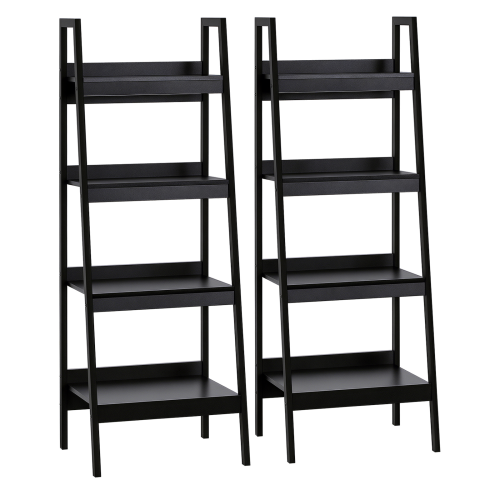
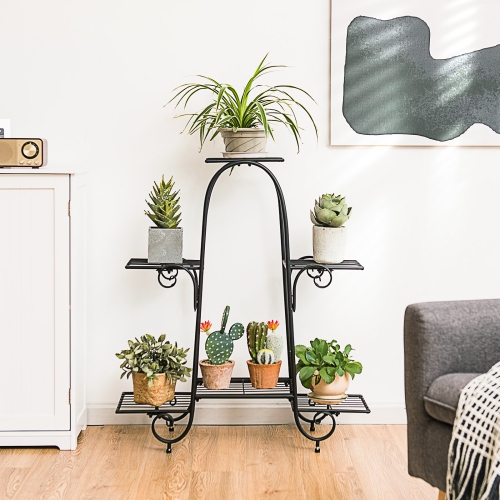
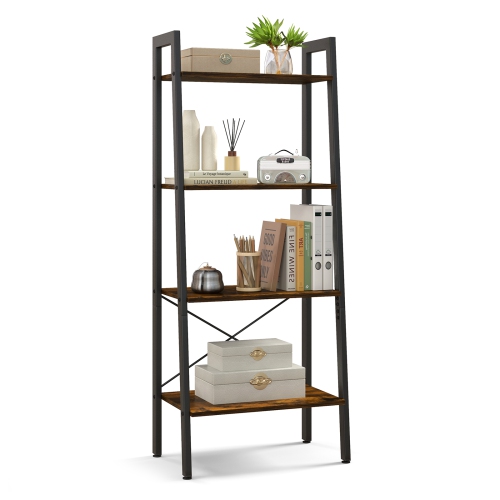
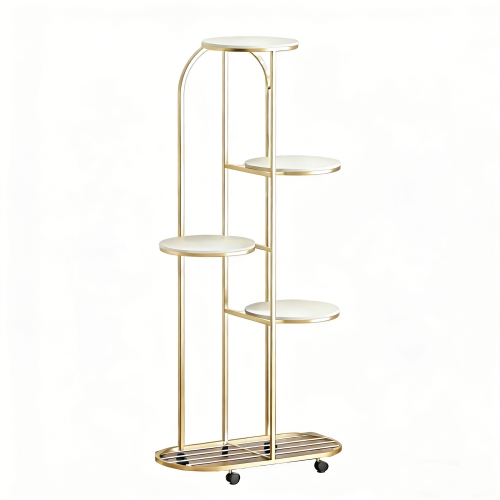
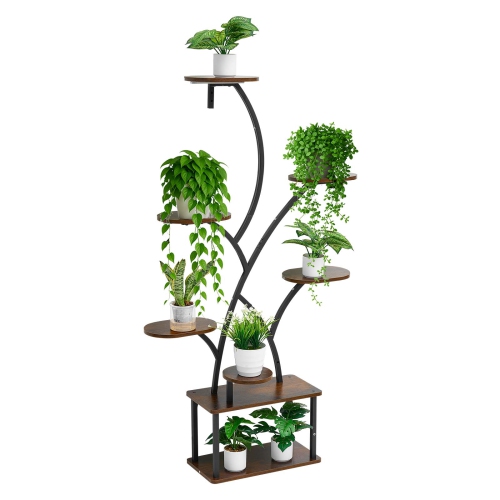
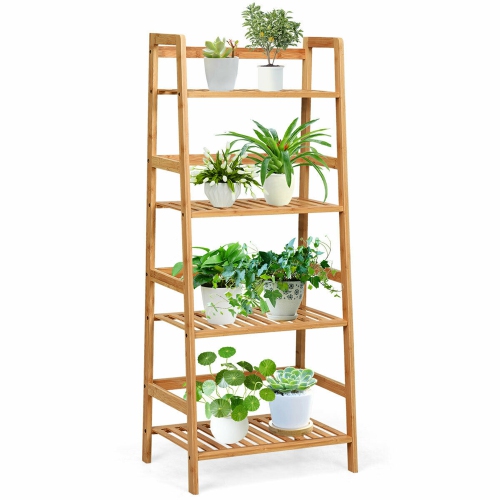
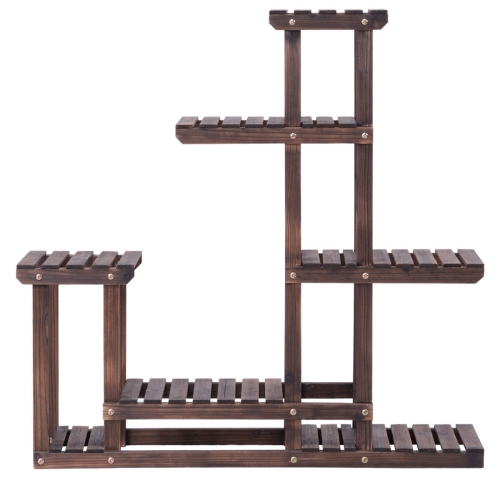
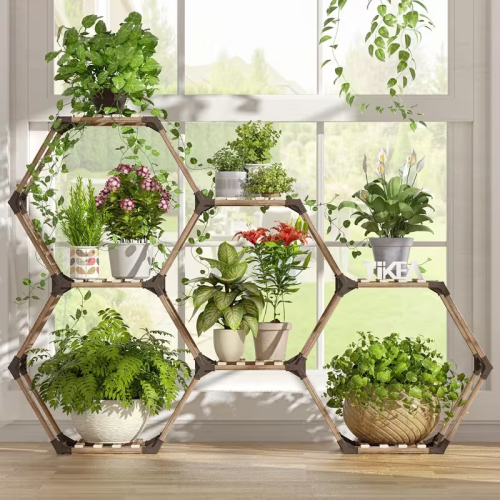
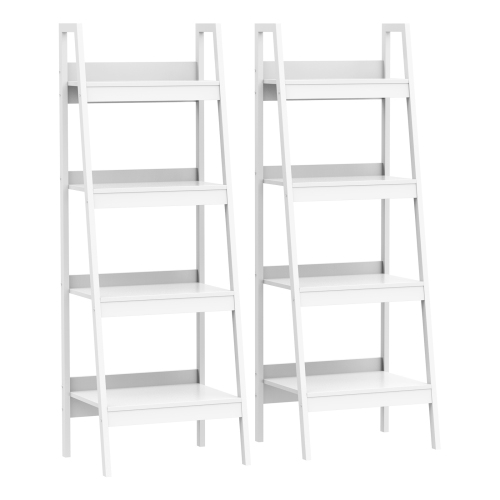
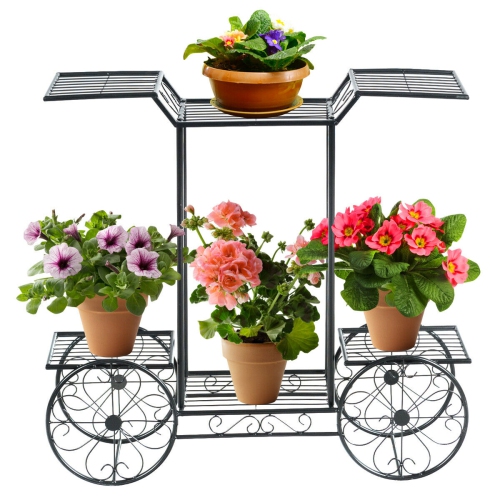
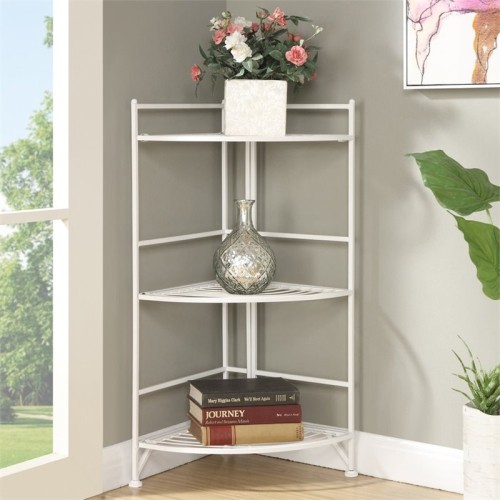
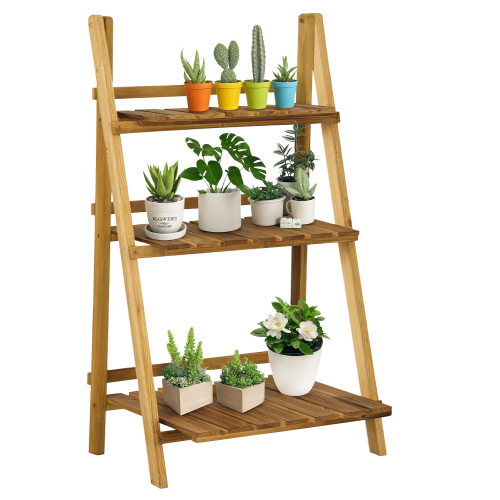
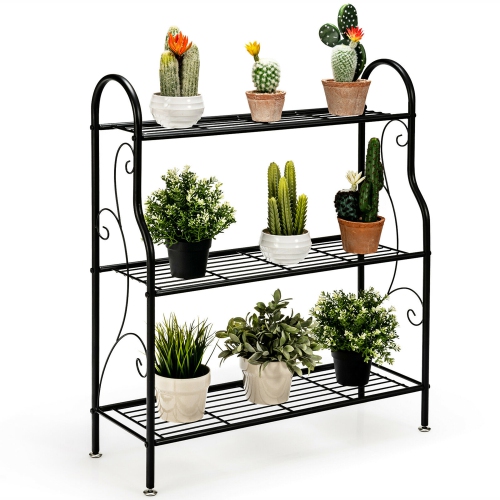
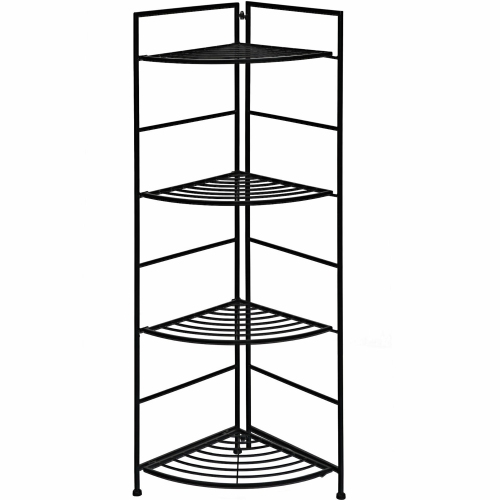
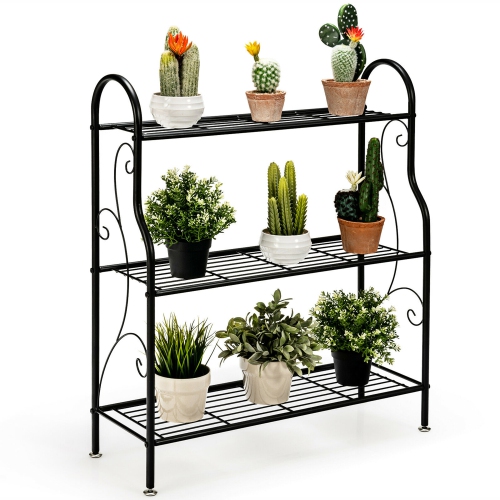
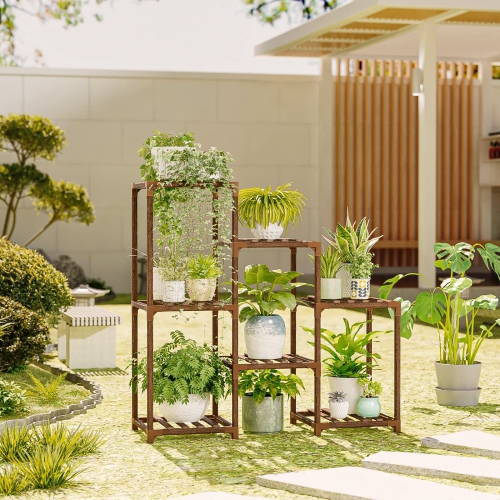
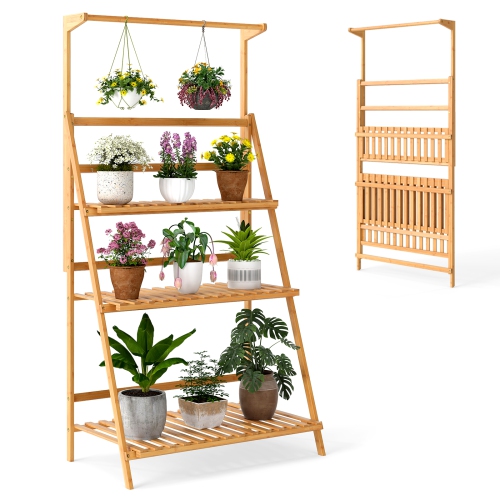
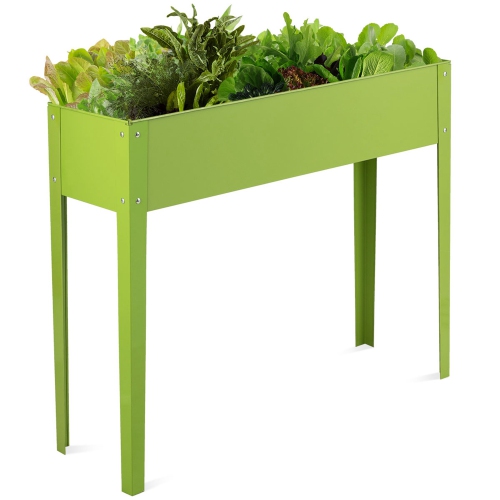
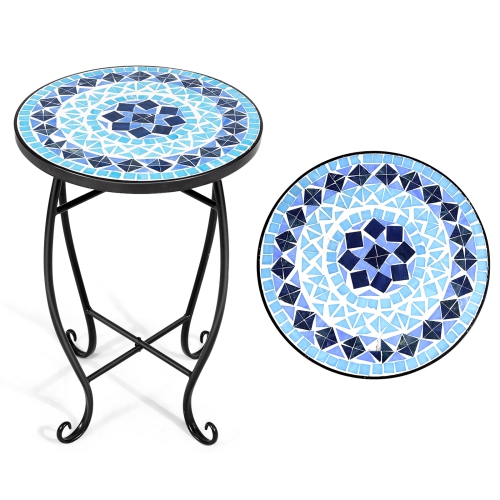
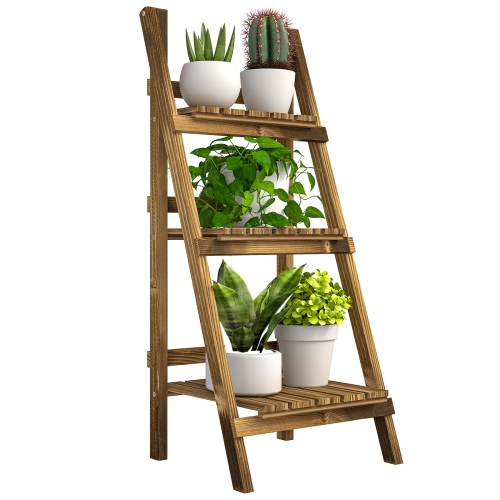
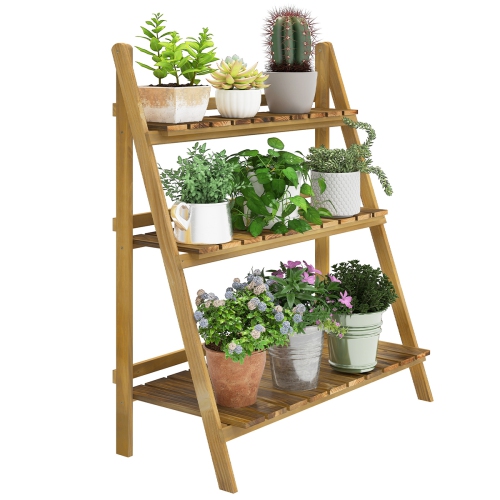
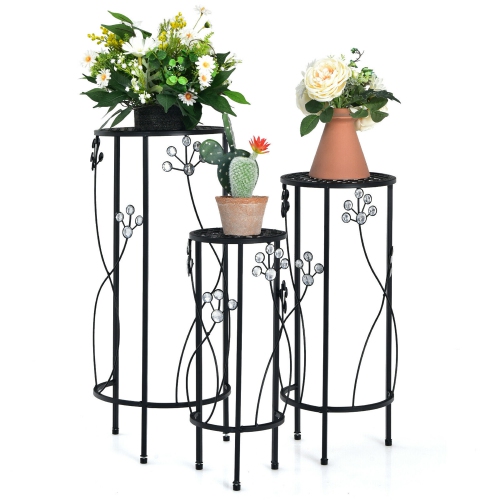
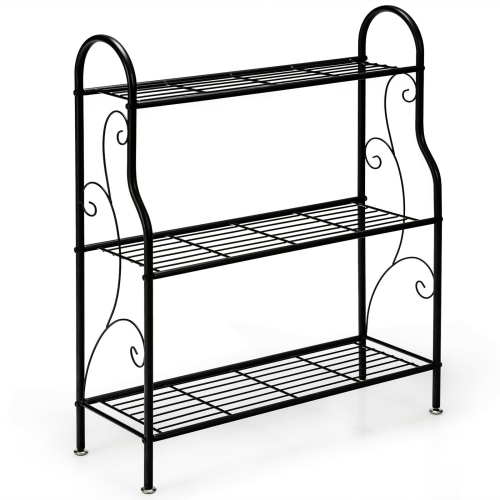
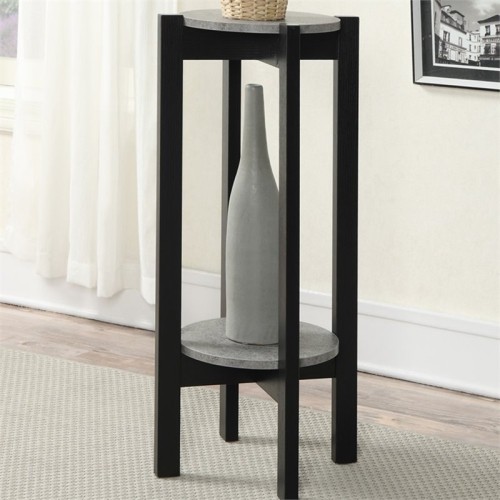
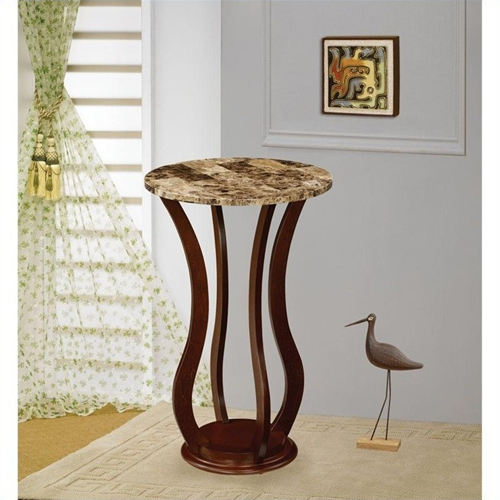
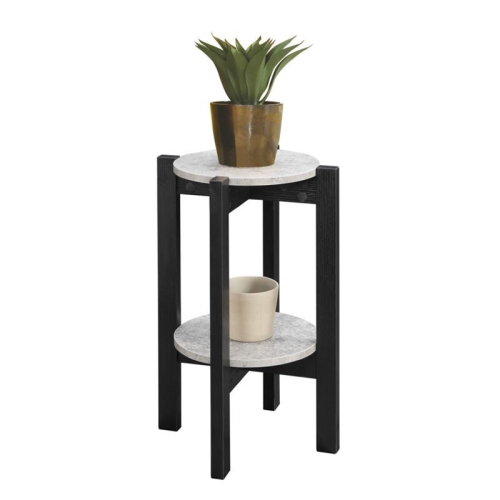
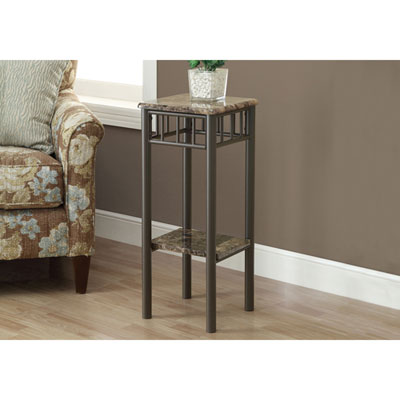
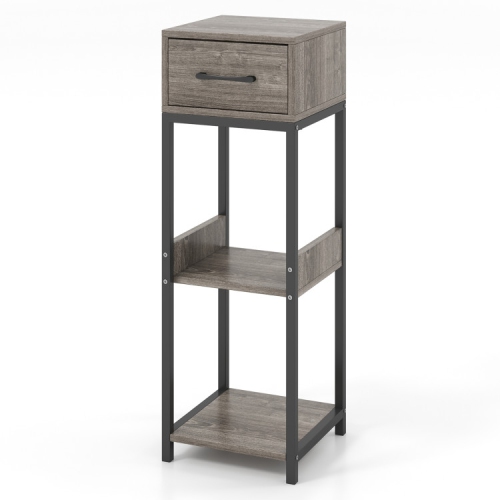
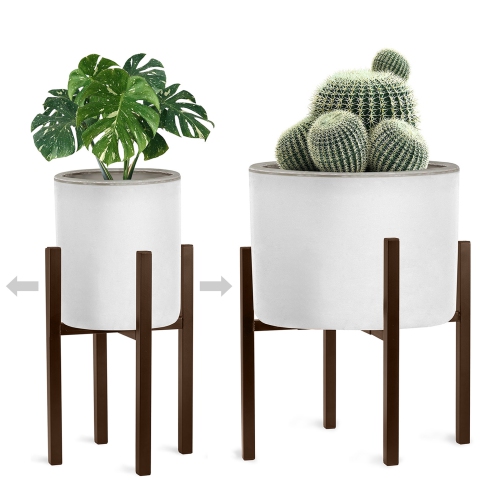
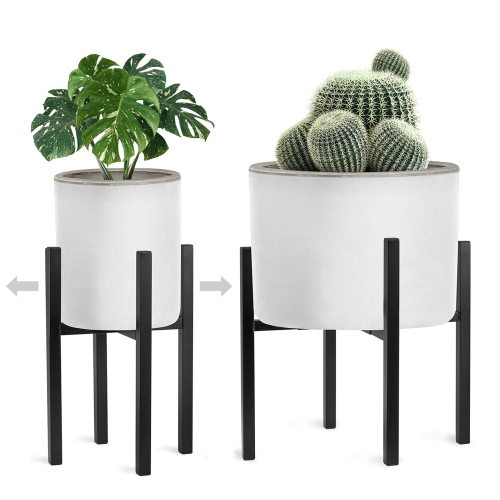
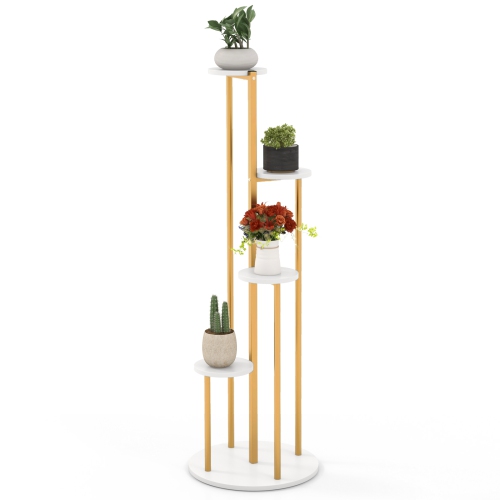
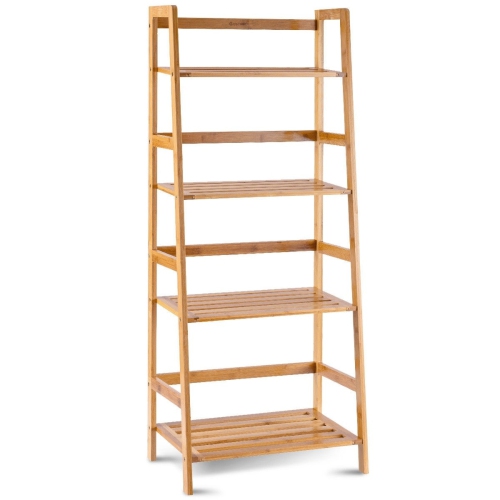
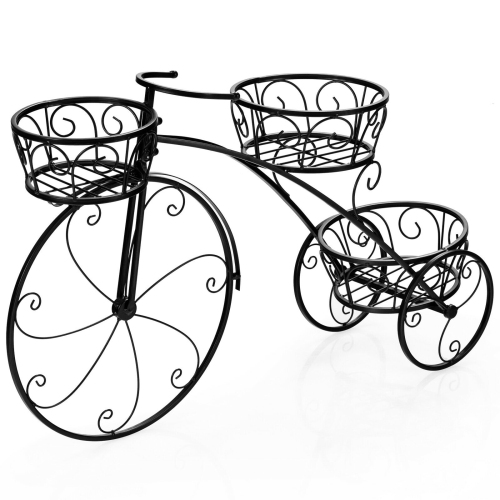
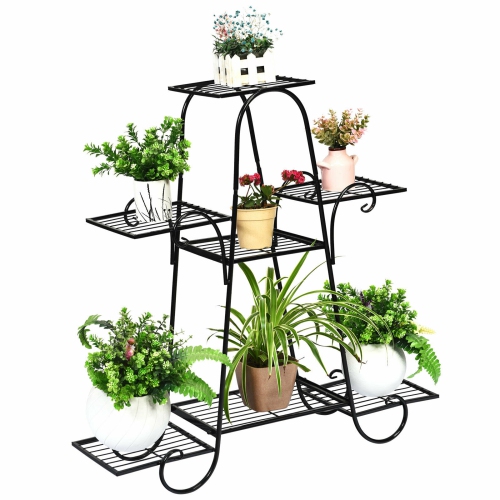
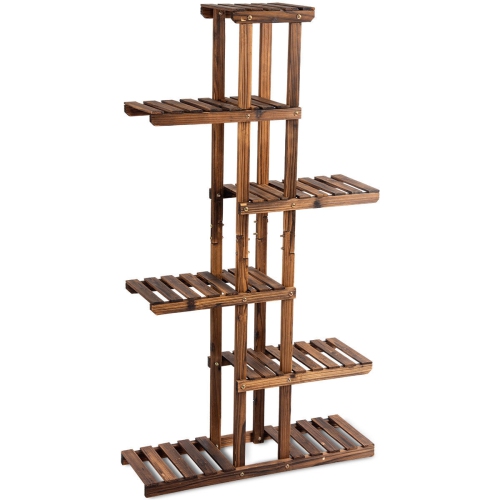
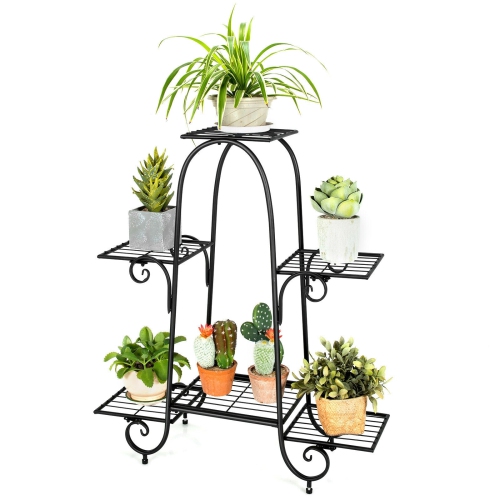
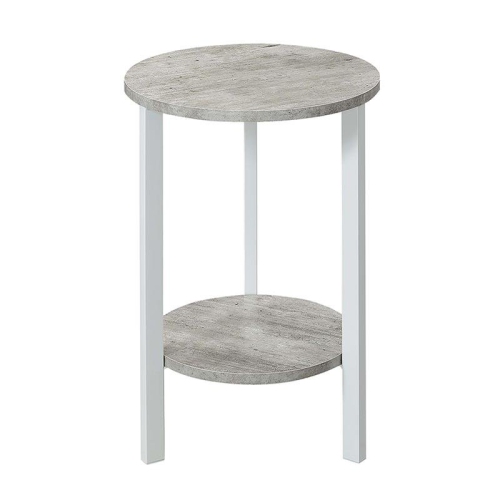
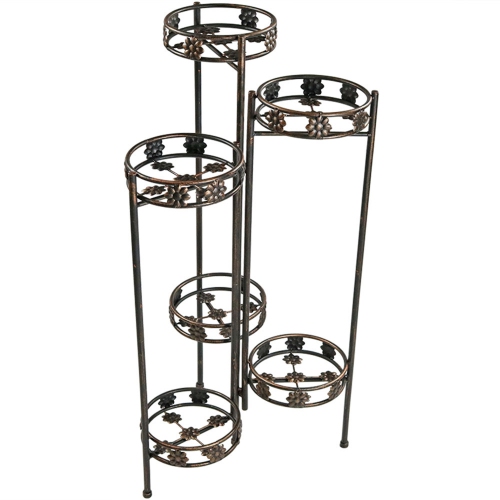
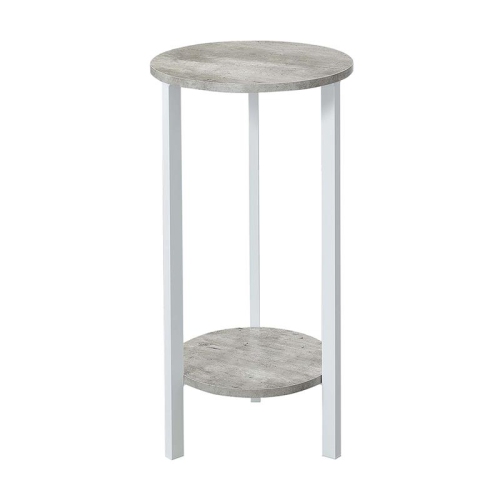
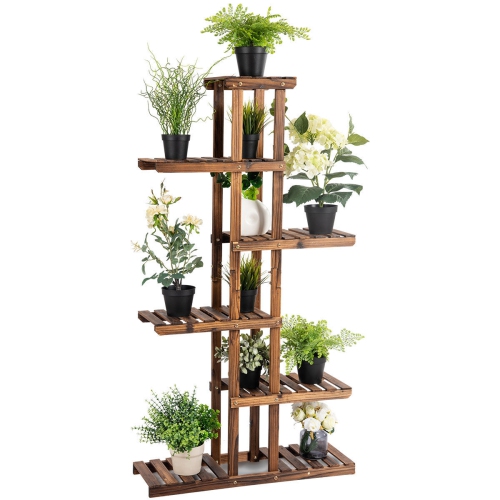
Plant stands give potted greenery a dedicated place in a room, lifting leaves off the floor and bringing smaller plants closer to eye level. In Canadian homes, they can turn a bright living room corner, a compact condo nook, or a sheltered outdoor seating area into a more organized display without requiring a large piece of furniture. Common styles include single-pot pedestals, multi-tier shelves, corner racks, and rolling stands, with wood, bamboo, and metal offering different looks and practical benefits. The range of Plant Stands suits arrangements ranging from one substantial floor plant to a collection of small pots displayed at staggered heights. A single raised planter can give a broad-leafed plant breathing room beside a sofa, while an open tiered rack can keep trailing stems from tangling with neighbouring pots. Narrow frames suit smaller rooms, although the base still needs enough width to support the intended load securely. Taller designs draw the eye upward and make use of vertical space; low, wide stands keep larger pots closer to the floor. Style plays a part, too. Pale wood and bamboo can soften a room with upholstered furniture and light walls, while dark metal creates a crisp outline against foliage. Simple geometric frames work well with contemporary furnishings, and wood with visible grain pairs naturally with textured rugs and woven baskets. Matching every pot is not necessary: a stand with a consistent finish can bring together containers in different colours and shapes. For plant stands in Canada, the intended location matters as much as appearance, particularly when comparing indoor displays with stands meant for balconies, patios, or covered porches. A frame that looks at home outdoors is not automatically rated for rain or cold. Indoor-only stands belong in dry spaces, while outdoor use calls for materials, finishes, and hardware specifically suited to the exposure they will receive. During the cooler months, an indoor stand can also provide a dedicated spot for suitable plants brought inside.
Materials influence a plant stand’s weight, upkeep, and ability to handle everyday moisture. Solid wood offers warmth and can support a substantial display when its construction and load rating allow, but standing water may mark or swell surfaces, particularly around joints and unfinished edges. Bamboo often has a lighter visual appearance and suits airy indoor arrangements, though its finish still needs protection from persistent dampness. Metal frames can be slim yet sturdy, making them useful where an open look is preferred, but strength depends on the frame design, connections, and stated weight capacity rather than the material name alone. Powder-coated finishes provide a protective layer; scratches, exposed fasteners, and pooled water can still become weak points. Iron and steel are not automatically suitable for outdoor placement, so an outdoor-use rating is more meaningful than appearance. Fit involves more than checking whether a pot can sit on a shelf. The usable platform width, the diameter inside any retaining ring, and the distance between tiers all affect how comfortably a planter fits. A tapered pot may sit differently in a ring-style holder than a straight-sided container, and a broad saucer needs its own allowance. Overall height should leave space for foliage as well as the container, especially for upright leaves or trailing growth. Weight capacity should account for the pot, plant, growing medium, saucer, and water after watering, not just the empty container. On a multi-tier stand, both the limit for each shelf and the total rated load matter. Heavier pots generally belong on lower levels, within the manufacturer’s placement instructions, to help maintain stability. Flat feet, secure joints, and a level supporting surface are important, particularly on rugs or textured balcony flooring. Protective pads can reduce scuffs indoors, provided they do not make the stand wobble. In homes with children or pets, a stable base, thoughtfully placed foliage, and any specified wall restraints deserve attention; a plant stand should never serve as a climbing surface.
Everyday use is often where the differences between plant stand designs become most noticeable. A rolling base can make it easier to move a heavy planter for cleaning or adjust its position near a window, provided the castors are rated for the full load and suitable for the floor. Locking wheels help keep it in place once positioned, while thresholds and thick rugs can make movement more difficult. Tiered shelves suit people tending several smaller plants, but enough clearance between pots makes watering, leaf care, and lifting containers much easier. An open arrangement also helps prevent upper shelves and dense foliage from blocking light to plants below. Raising a pot changes its position, not the amount of daylight entering the room, so placement still needs to match the plant’s light requirements. A bright-looking corner several steps from a window may receive much less usable light than the windowsill itself. Keeping leaves clear of cold glass, draughty doors, and heating vents is especially useful during the cooler months. Water management matters on every style of stand: drainage holes need a suitable saucer or another method of catching runoff, and shelves should not be assumed to be watertight. Removing a pot for thorough watering, allowing it to drain, and wiping up spills promptly helps protect both the stand and the floor beneath it. Routine care may include dusting shelves, cleaning with a soft cloth as directed, drying wet surfaces, and checking that fittings remain secure. Outdoor stands may need sheltered storage or other care during freezing conditions, according to their instructions. These practical details make plant stands useful for experienced growers, people arranging their first few houseplants, and anyone wanting a tidier way to display greenery in a small space. They can also make thoughtful housewarming gifts when the recipient’s room size, preferred finish, and existing pots are known. Whether holding a single leafy focal point or a varied group of smaller plants, a well-proportioned stand brings height and order to a display while keeping daily plant care within comfortable reach.
Materials influence a plant stand’s weight, upkeep, and ability to handle everyday moisture. Solid wood offers warmth and can support a substantial display when its construction and load rating allow, but standing water may mark or swell surfaces, particularly around joints and unfinished edges. Bamboo often has a lighter visual appearance and suits airy indoor arrangements, though its finish still needs protection from persistent dampness. Metal frames can be slim yet sturdy, making them useful where an open look is preferred, but strength depends on the frame design, connections, and stated weight capacity rather than the material name alone. Powder-coated finishes provide a protective layer; scratches, exposed fasteners, and pooled water can still become weak points. Iron and steel are not automatically suitable for outdoor placement, so an outdoor-use rating is more meaningful than appearance. Fit involves more than checking whether a pot can sit on a shelf. The usable platform width, the diameter inside any retaining ring, and the distance between tiers all affect how comfortably a planter fits. A tapered pot may sit differently in a ring-style holder than a straight-sided container, and a broad saucer needs its own allowance. Overall height should leave space for foliage as well as the container, especially for upright leaves or trailing growth. Weight capacity should account for the pot, plant, growing medium, saucer, and water after watering, not just the empty container. On a multi-tier stand, both the limit for each shelf and the total rated load matter. Heavier pots generally belong on lower levels, within the manufacturer’s placement instructions, to help maintain stability. Flat feet, secure joints, and a level supporting surface are important, particularly on rugs or textured balcony flooring. Protective pads can reduce scuffs indoors, provided they do not make the stand wobble. In homes with children or pets, a stable base, thoughtfully placed foliage, and any specified wall restraints deserve attention; a plant stand should never serve as a climbing surface.
Everyday use is often where the differences between plant stand designs become most noticeable. A rolling base can make it easier to move a heavy planter for cleaning or adjust its position near a window, provided the castors are rated for the full load and suitable for the floor. Locking wheels help keep it in place once positioned, while thresholds and thick rugs can make movement more difficult. Tiered shelves suit people tending several smaller plants, but enough clearance between pots makes watering, leaf care, and lifting containers much easier. An open arrangement also helps prevent upper shelves and dense foliage from blocking light to plants below. Raising a pot changes its position, not the amount of daylight entering the room, so placement still needs to match the plant’s light requirements. A bright-looking corner several steps from a window may receive much less usable light than the windowsill itself. Keeping leaves clear of cold glass, draughty doors, and heating vents is especially useful during the cooler months. Water management matters on every style of stand: drainage holes need a suitable saucer or another method of catching runoff, and shelves should not be assumed to be watertight. Removing a pot for thorough watering, allowing it to drain, and wiping up spills promptly helps protect both the stand and the floor beneath it. Routine care may include dusting shelves, cleaning with a soft cloth as directed, drying wet surfaces, and checking that fittings remain secure. Outdoor stands may need sheltered storage or other care during freezing conditions, according to their instructions. These practical details make plant stands useful for experienced growers, people arranging their first few houseplants, and anyone wanting a tidier way to display greenery in a small space. They can also make thoughtful housewarming gifts when the recipient’s room size, preferred finish, and existing pots are known. Whether holding a single leafy focal point or a varied group of smaller plants, a well-proportioned stand brings height and order to a display while keeping daily plant care within comfortable reach.
Top selling and popular products
-
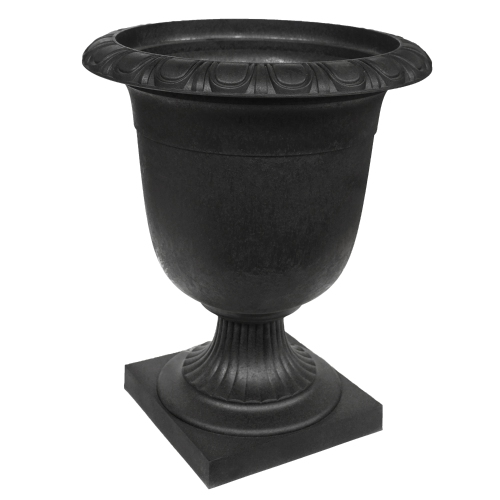 Your price for this item is $160.99
 -
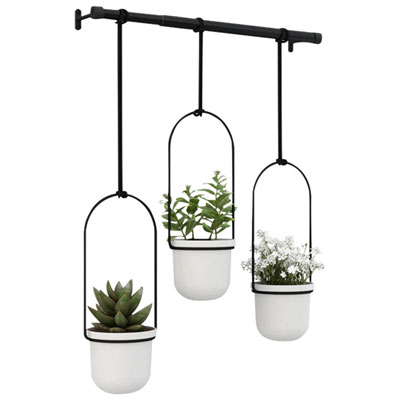 Your price for this item is $54.98
 -
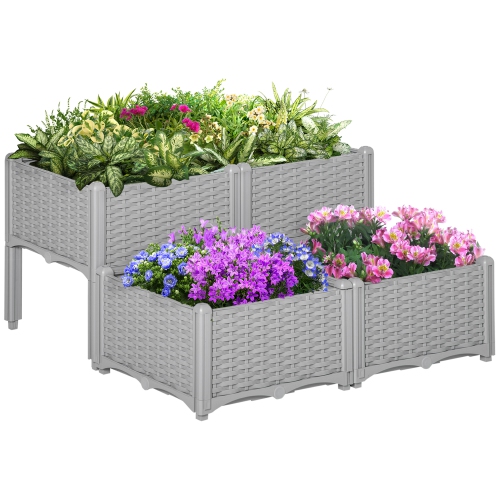 Your price for this item is $89.99
 -
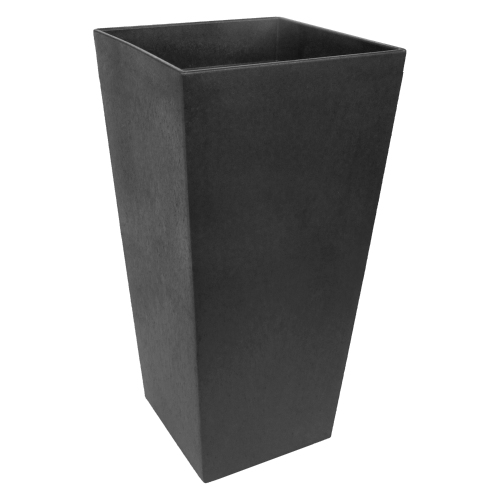 Your price for this item is $79.99
 -
 Your price for this item is $104.99
 -
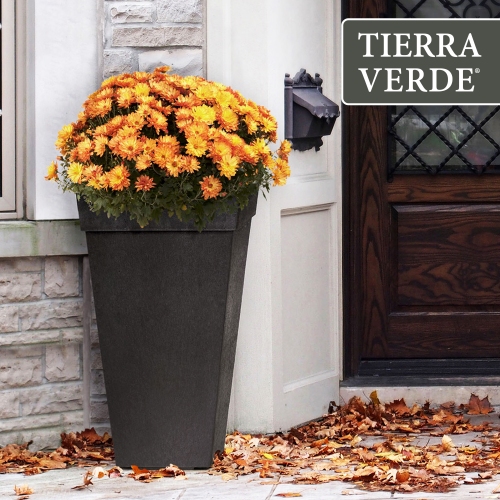 Your price for this item is $141.99
 -
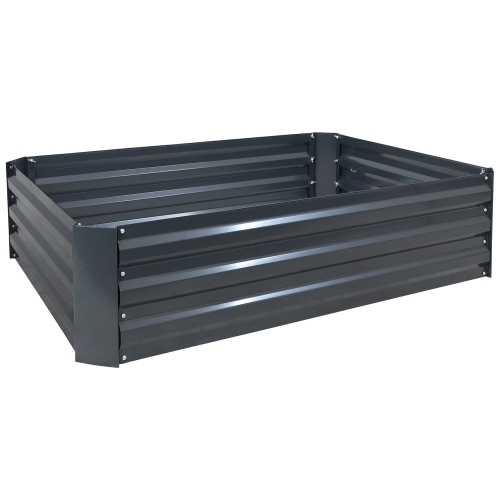 Your price for this item is $117.75
 -
 Your price for this item is $117.75
Discover more categories related to Plant Stand Canada
Top Collections:
Pokemon Centers, Budget 4K TVs, Best Budget Office Chairs, Kindle Devices, Canon G7X Cameras, Apple iPhones 16, iPhone 15 Apple, Laptops for Business Work, Xiaomi Phones, Flip Phones
Some products may be subject to Environmental Handling Fees
(EHF) depending on your province.
Learn more about EHFs.