Plastic Chairs for Outside
Enhance your outdoor living space with the perfect blend of style and durability with our collection of outdoor plastic chairs. Whether you're looking to create a cozy seating area on your patio, deck, or backyard, these chairs are designed to withstand the elements while adding a touch of contemporary charm to your outdoor decor. Explore our selection of plastic chairs to find the perfect style for your outdoor space.
Sort
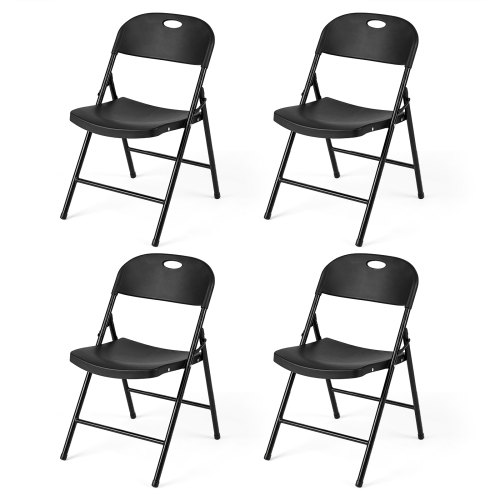
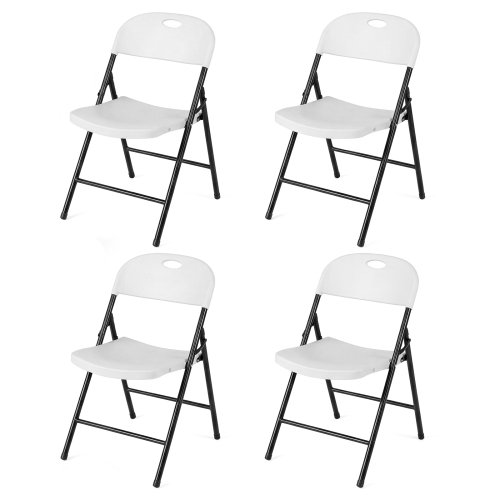
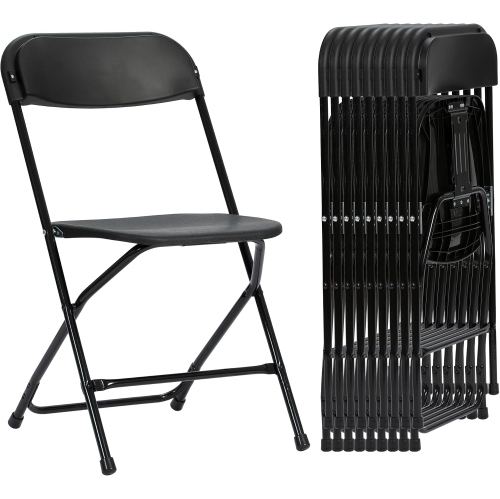
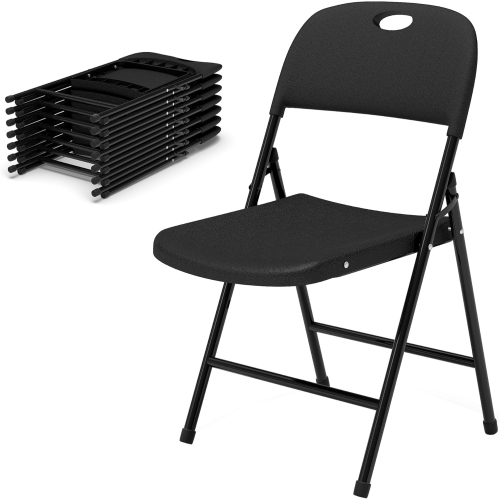



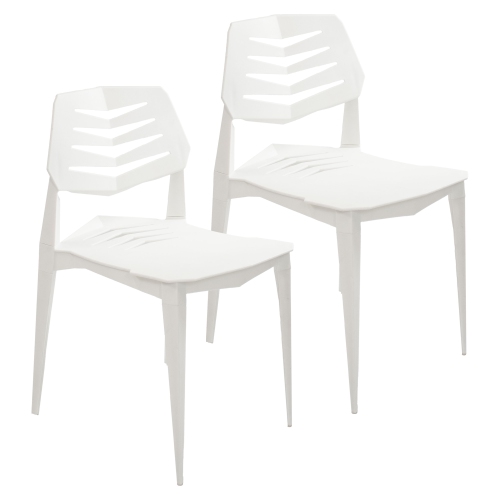


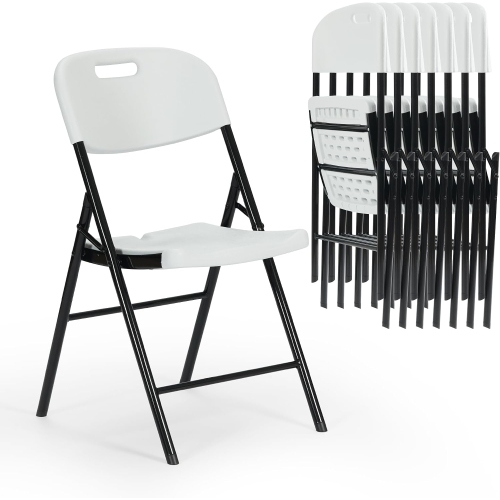


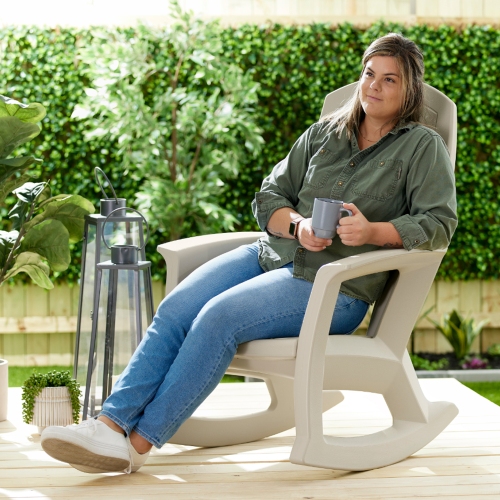


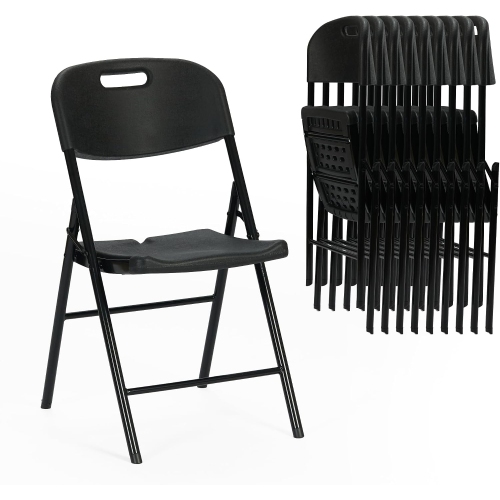















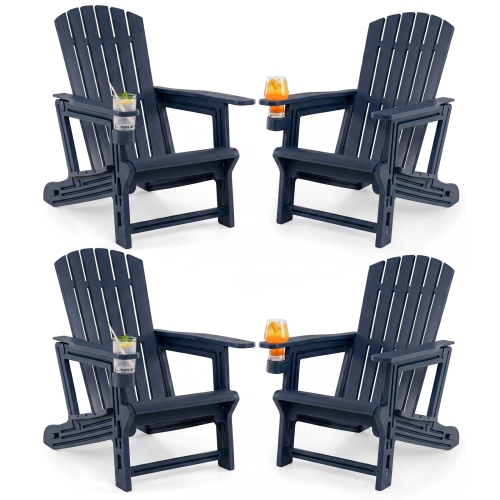
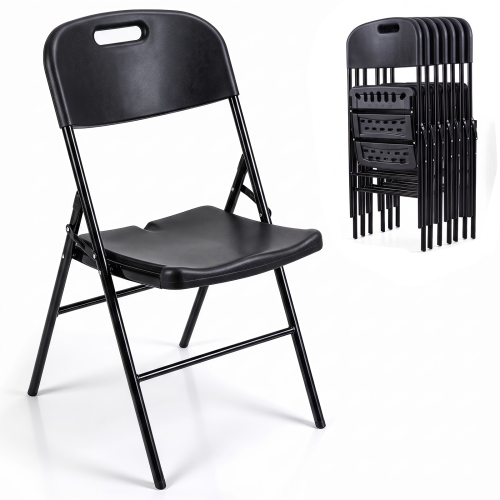

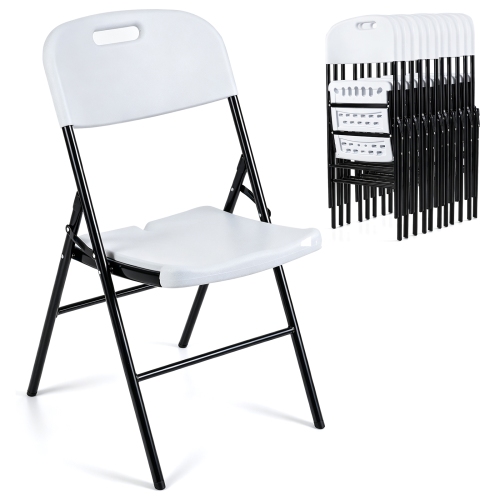
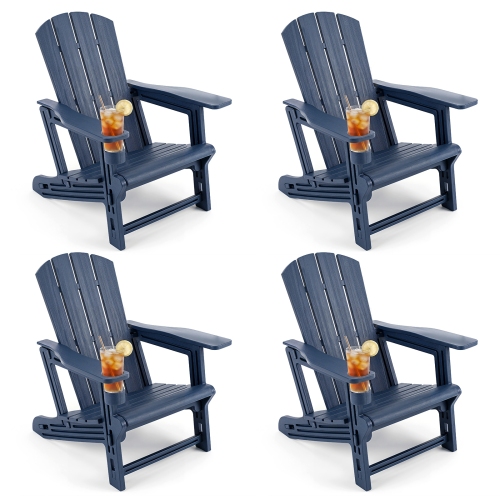












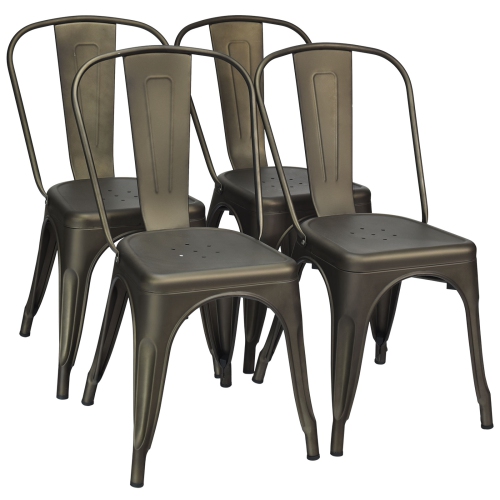

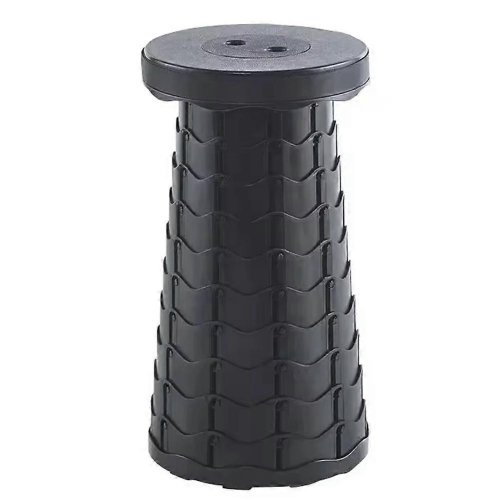
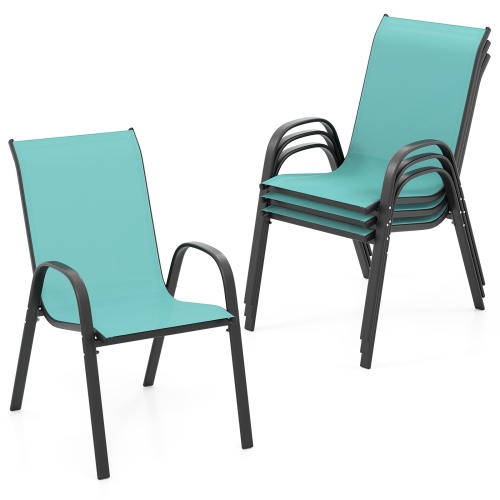


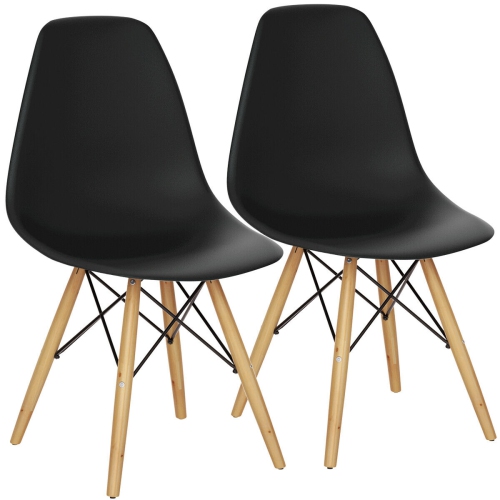














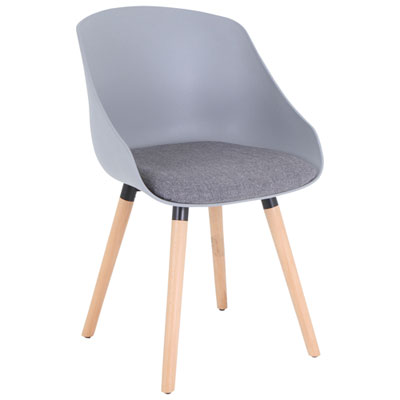


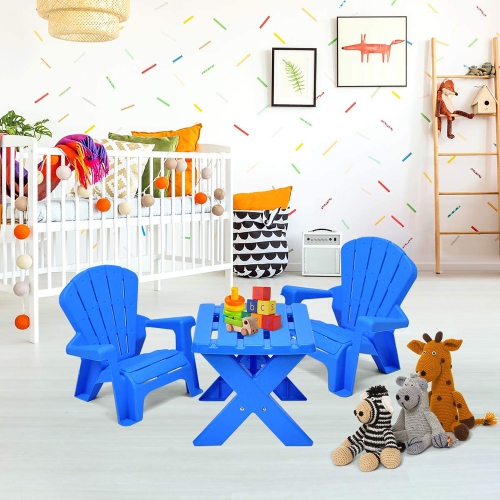
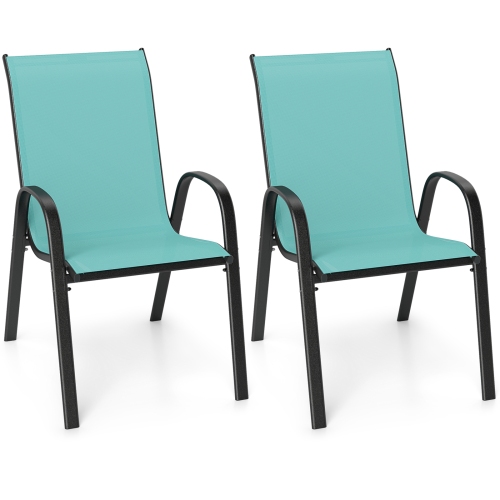
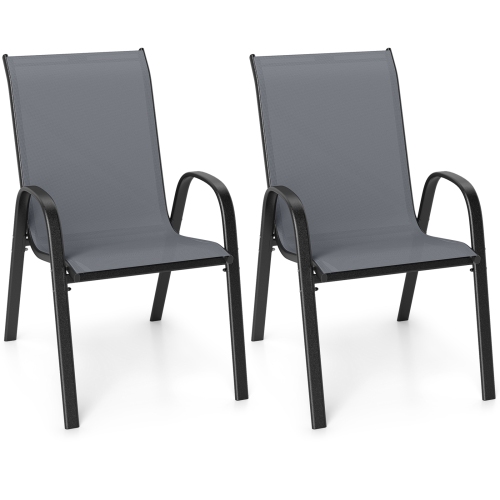


Why seat height matters for relaxed outdoor meals
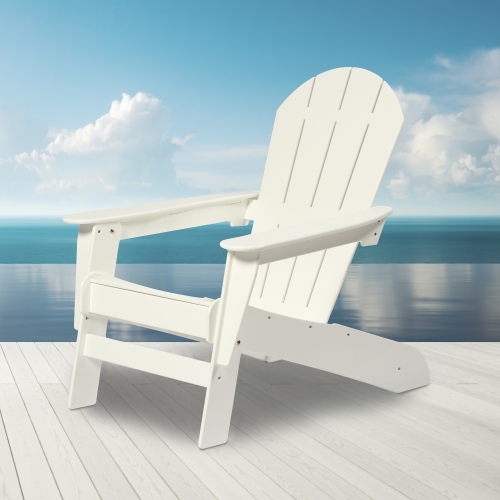
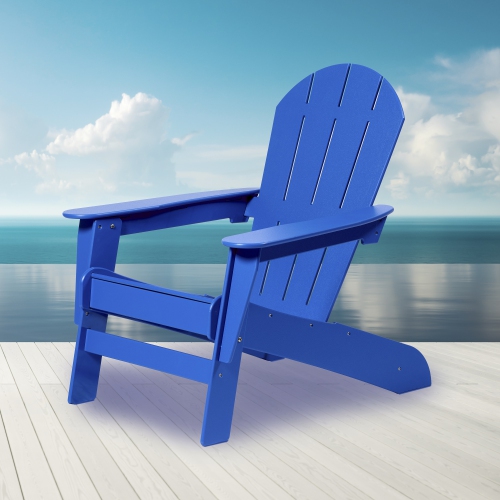
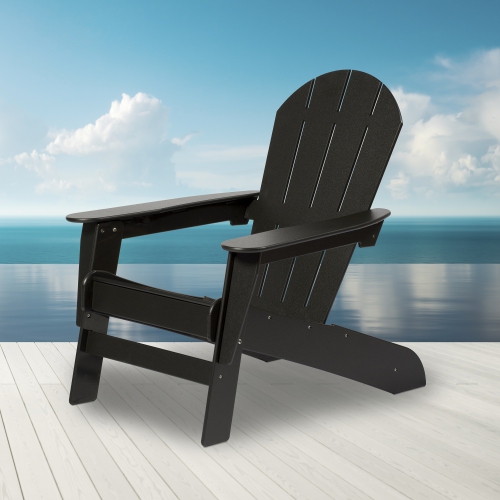
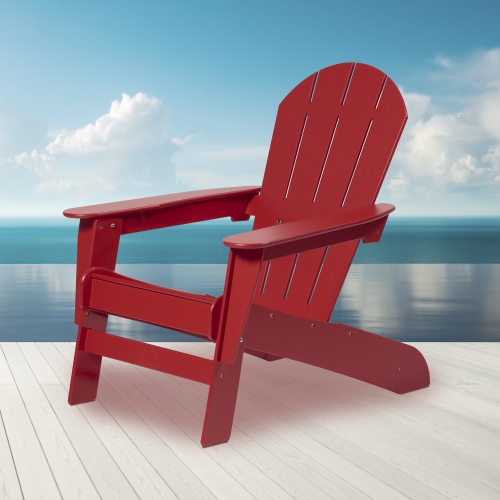
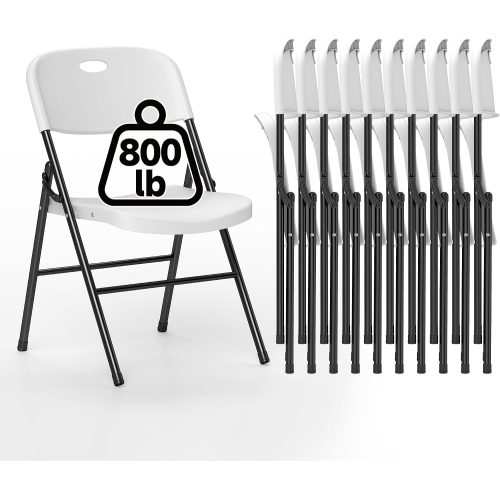
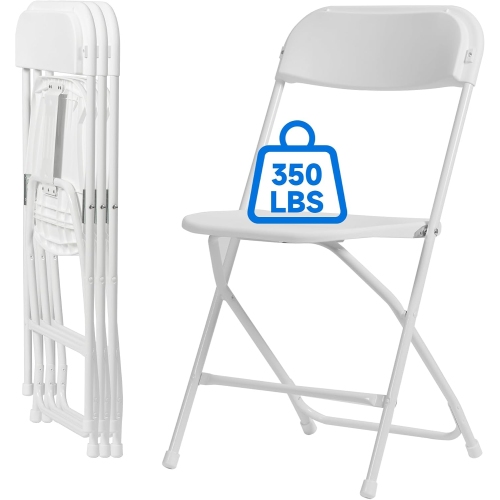
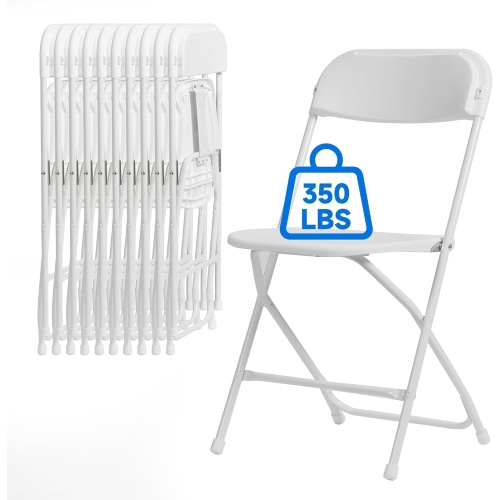
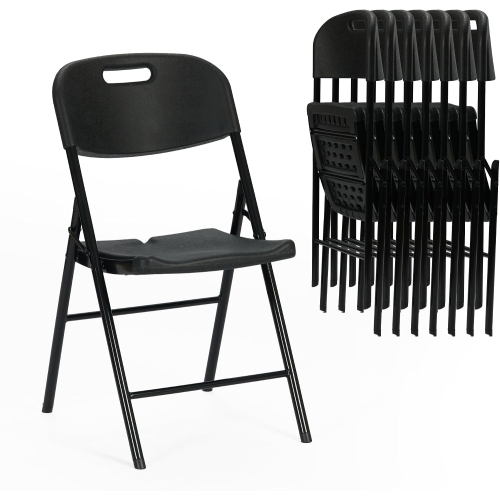
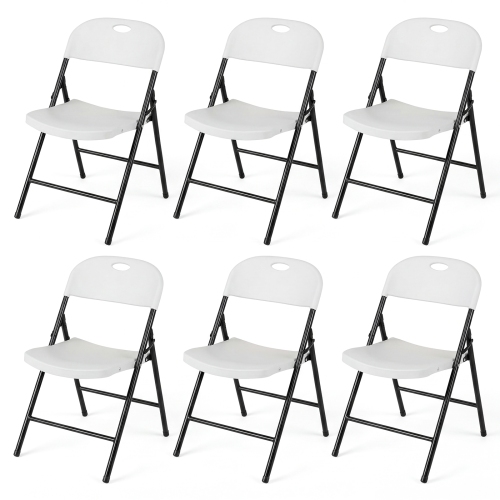
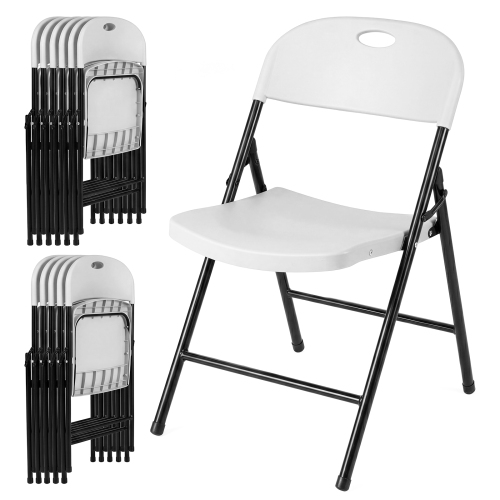
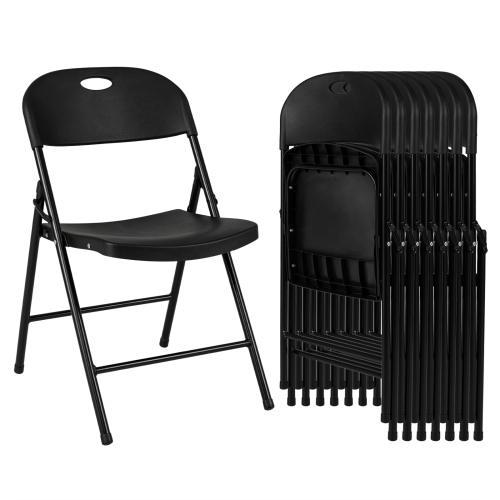
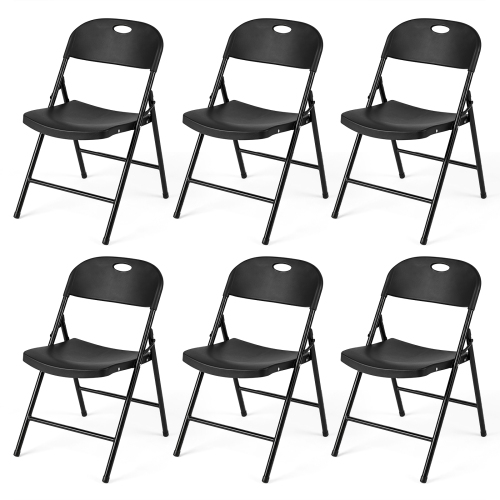
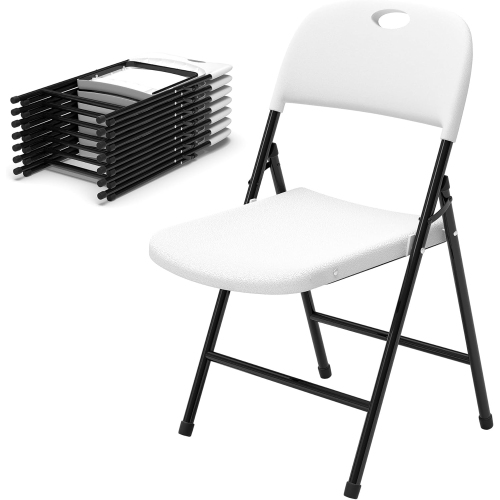
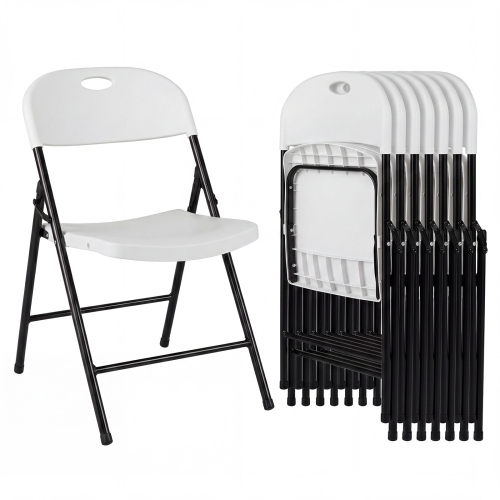
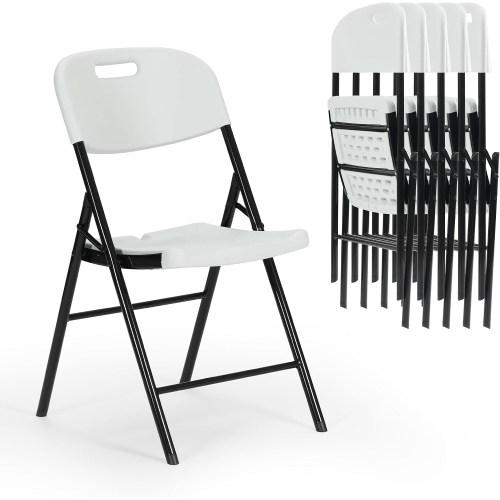
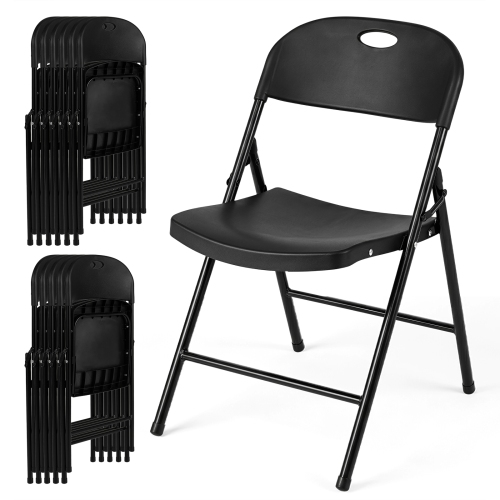
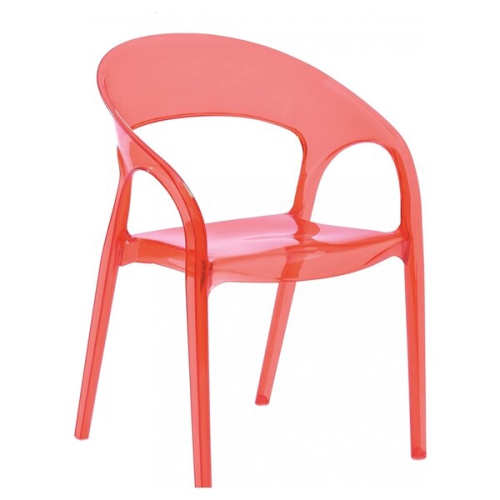
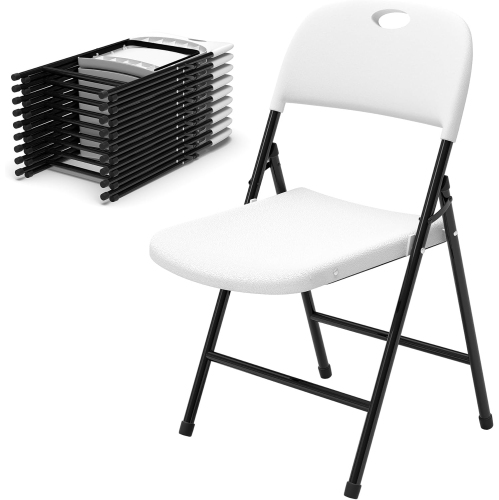
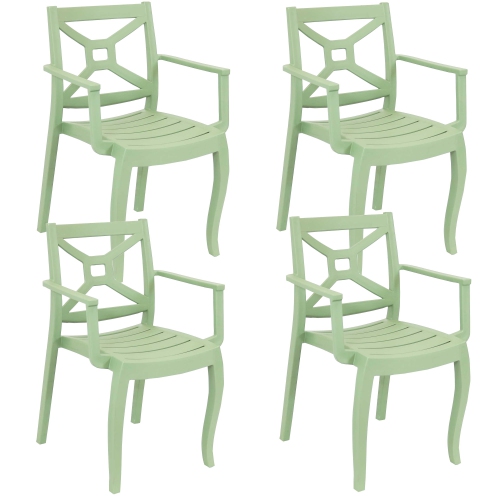
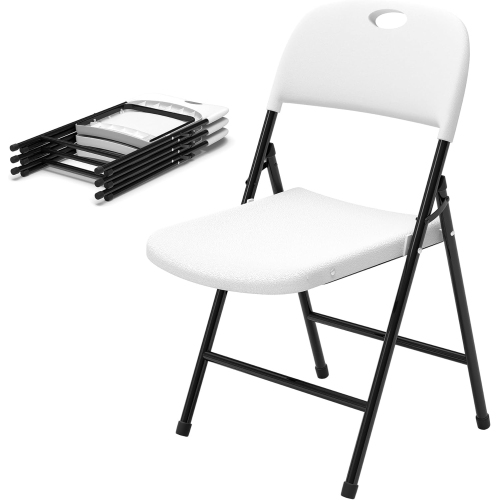
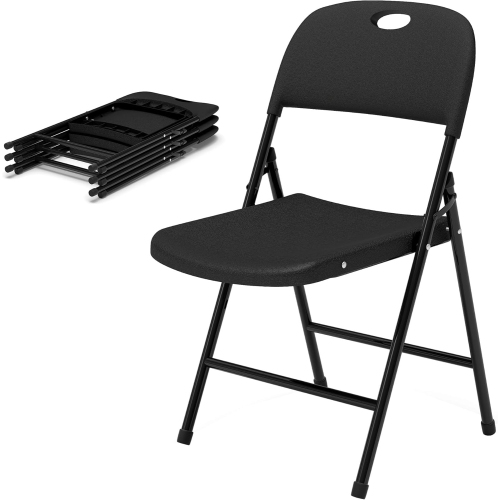
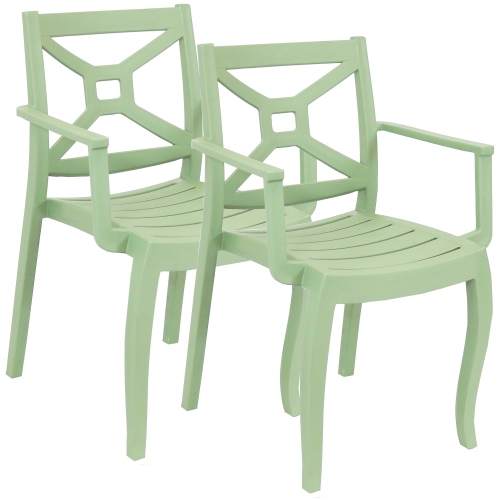
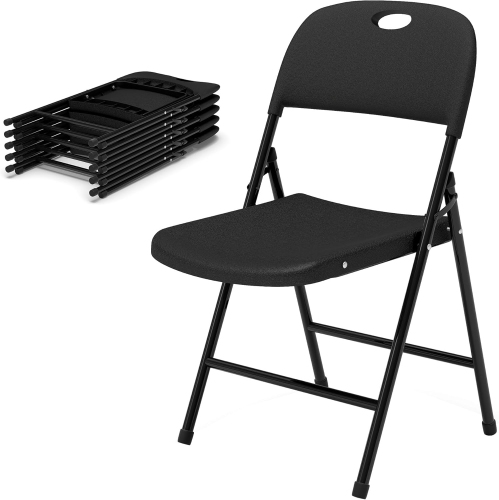
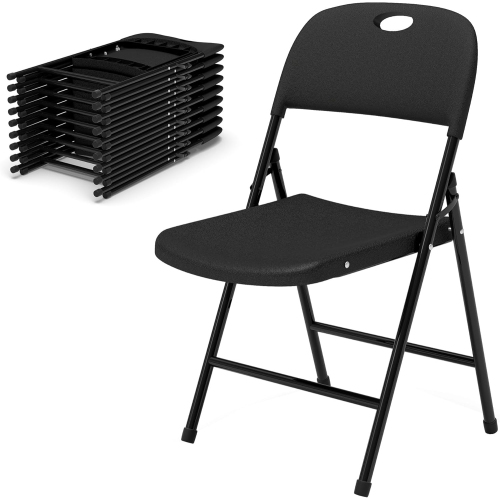
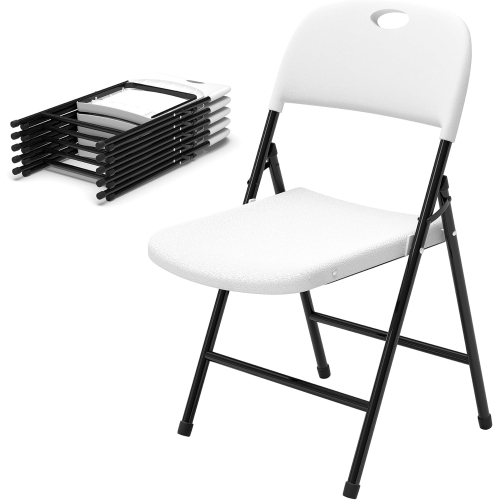
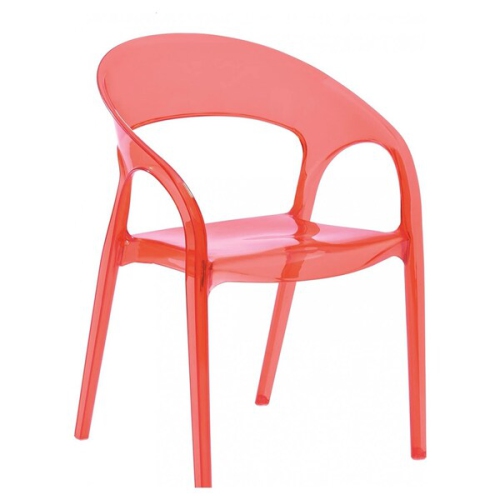
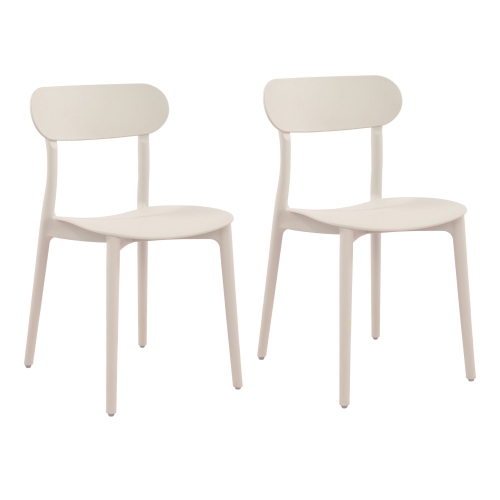
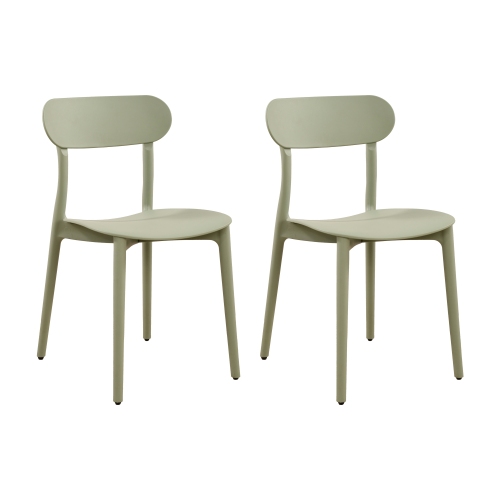
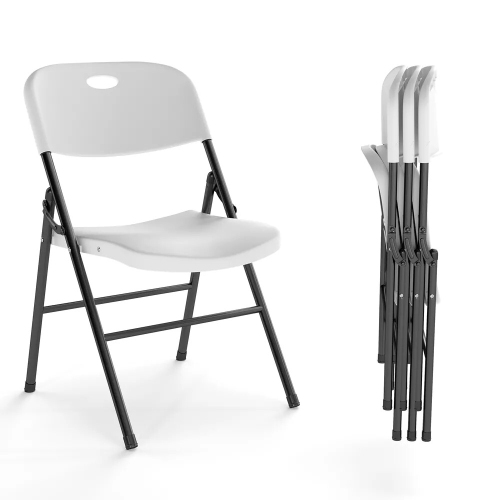
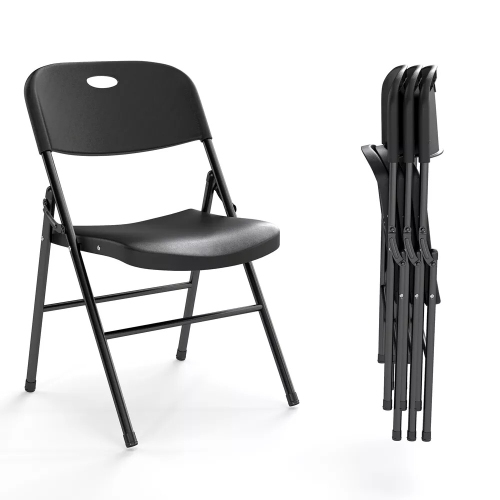
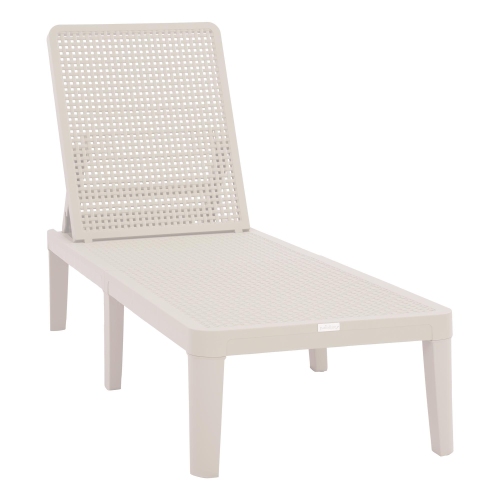
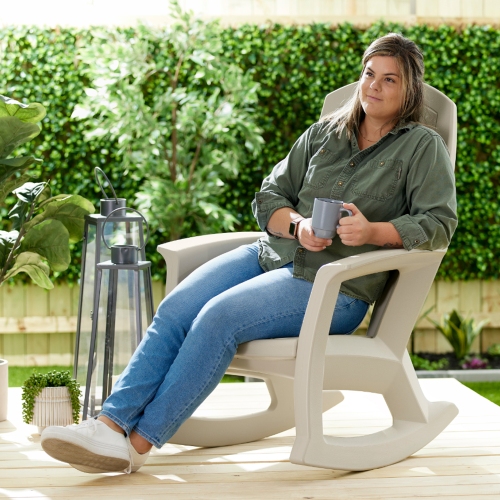
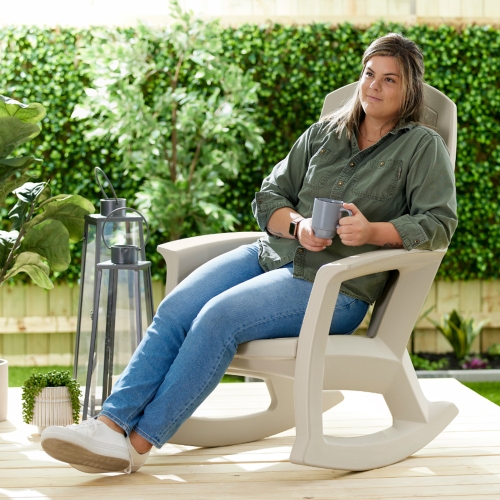
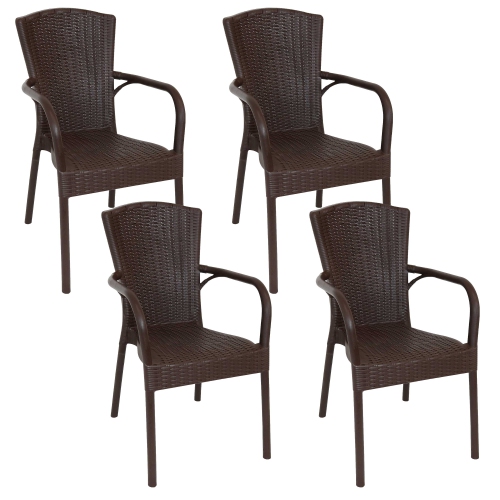
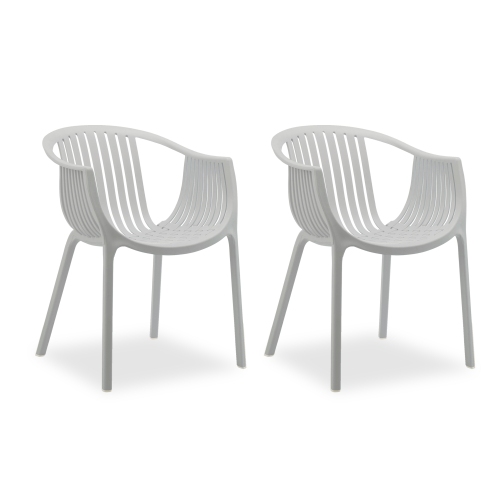
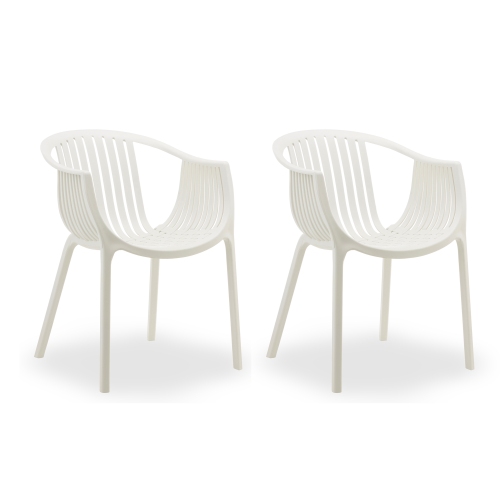
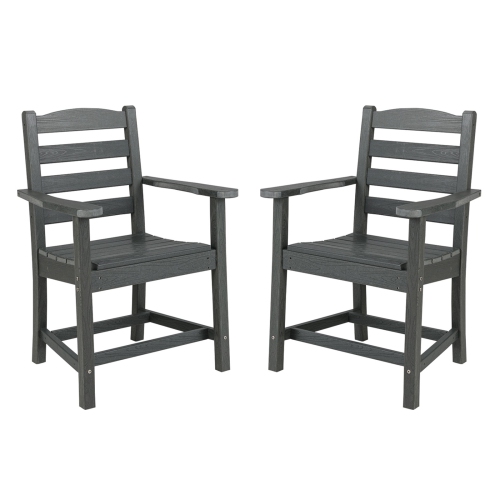
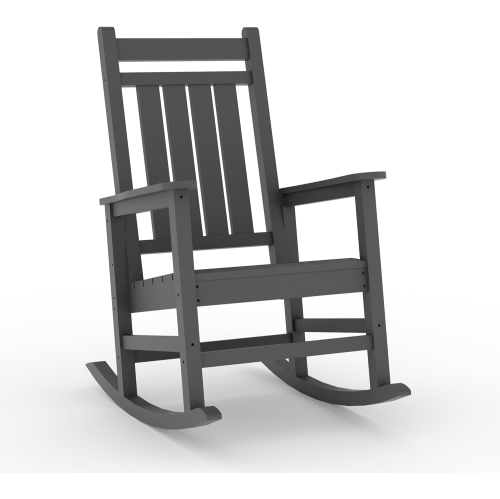
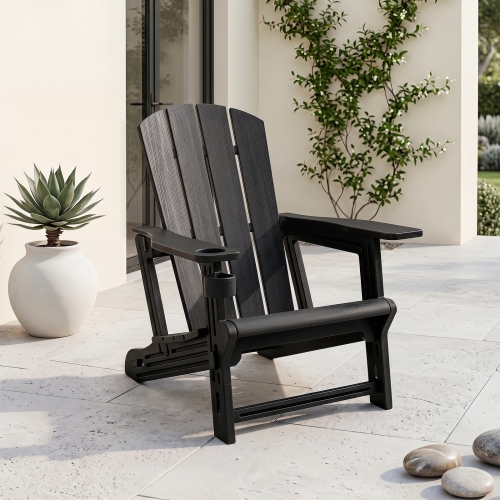
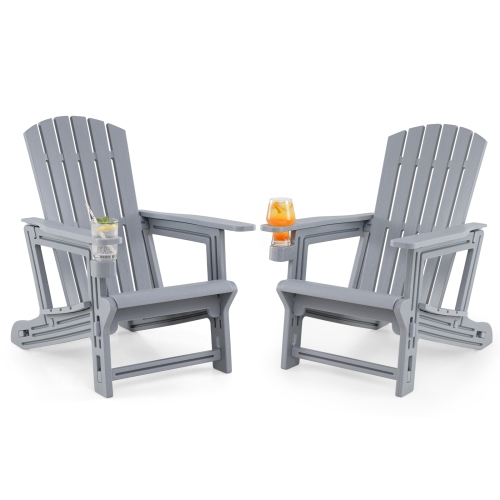
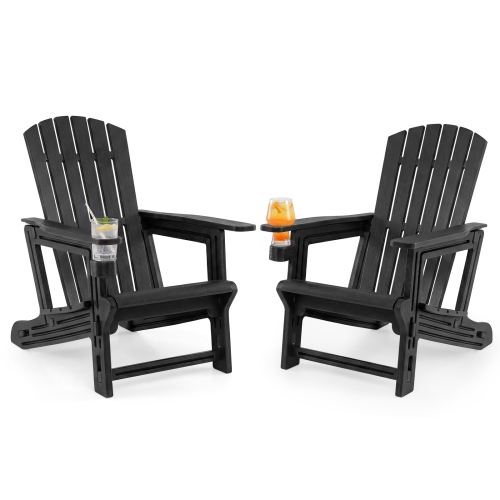
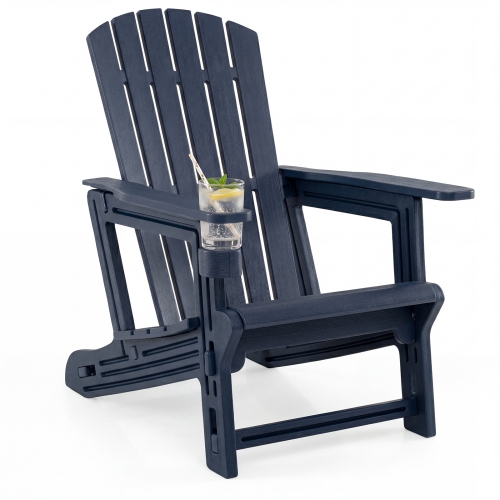
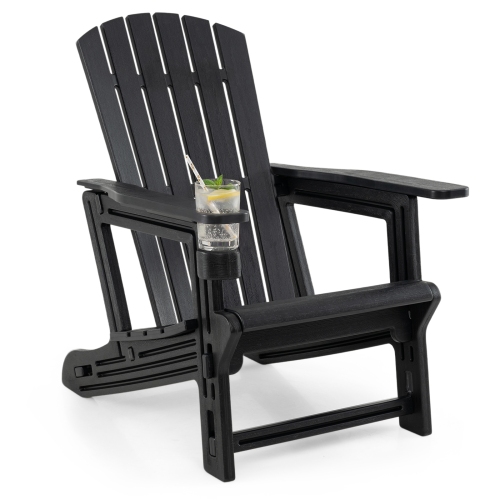
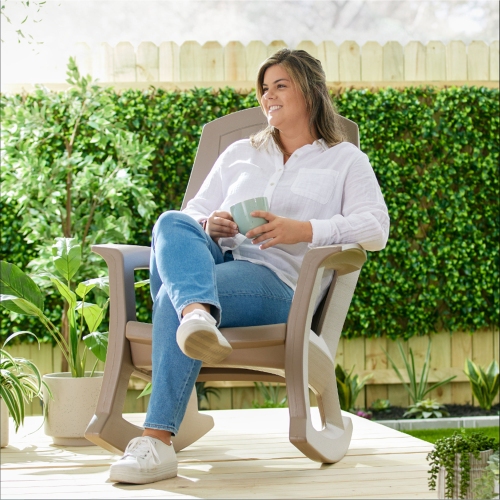
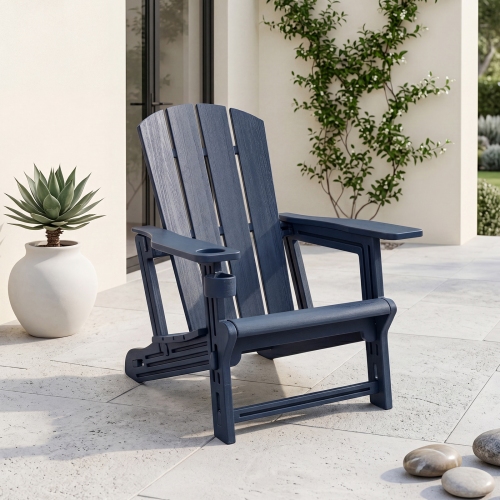
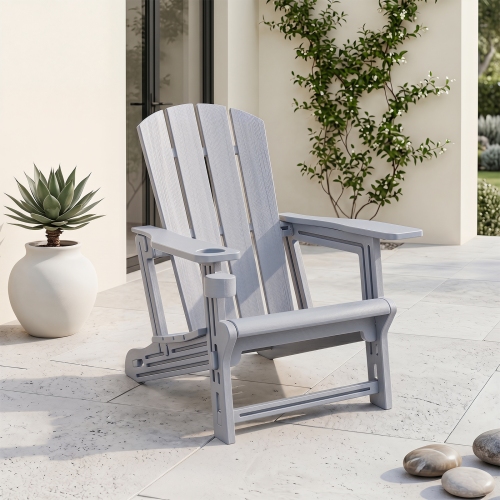
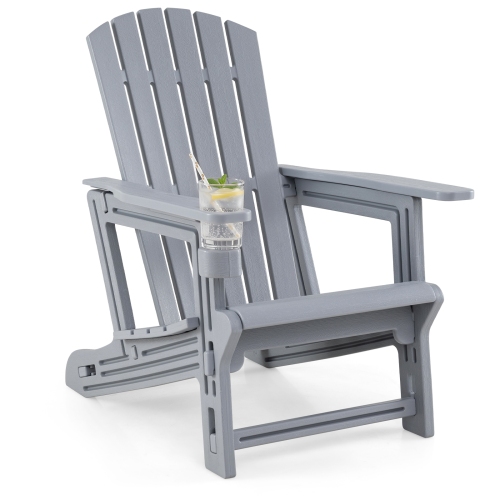
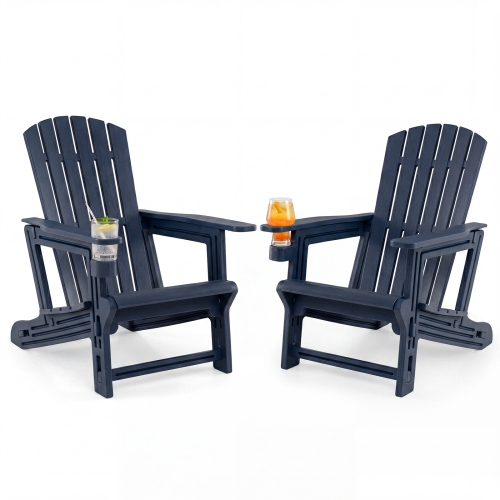
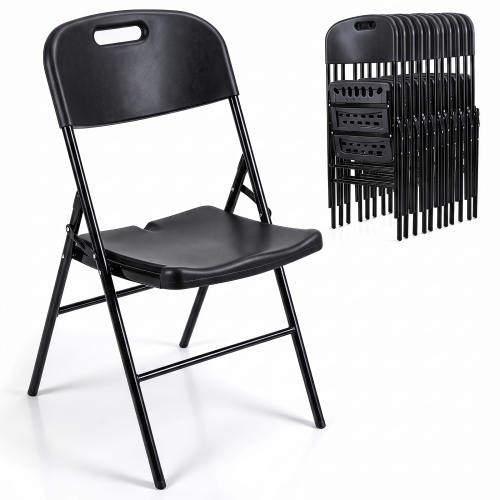
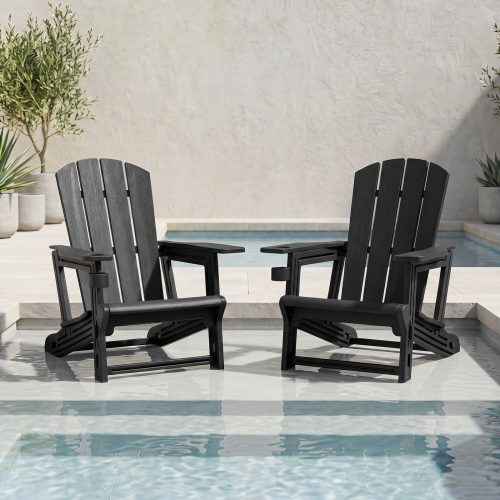
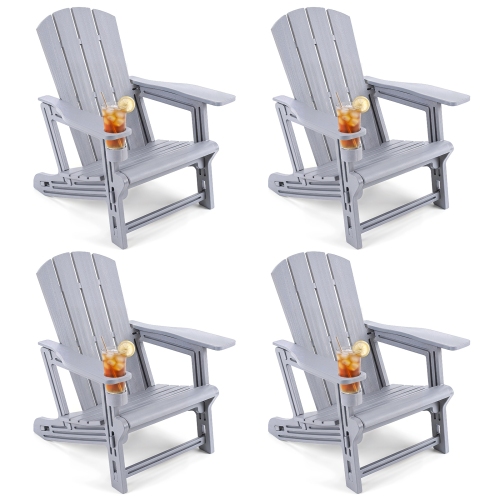
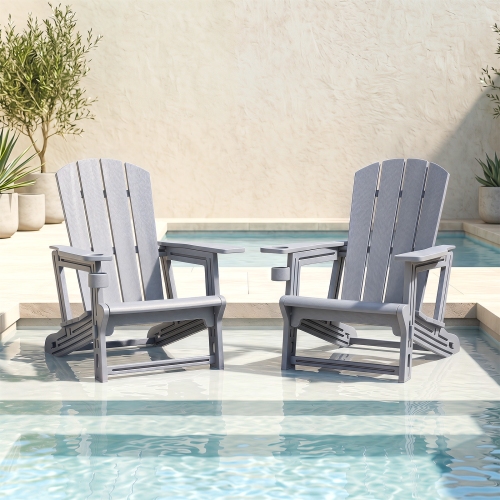
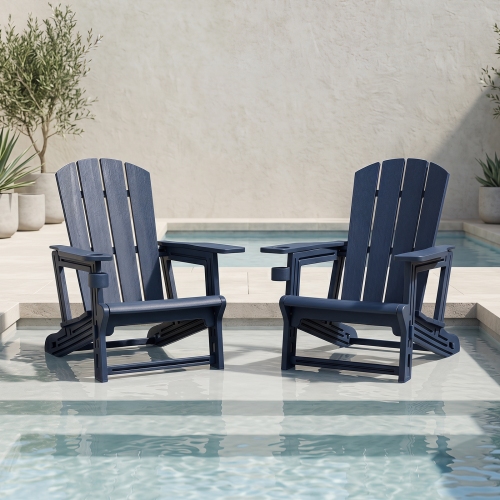
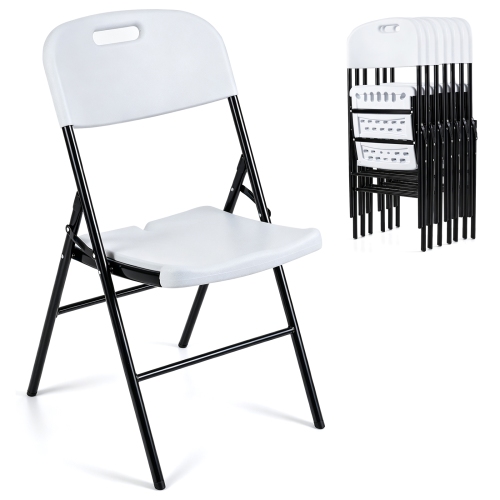
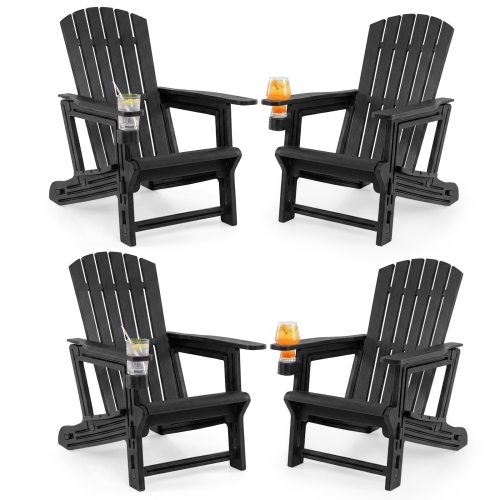
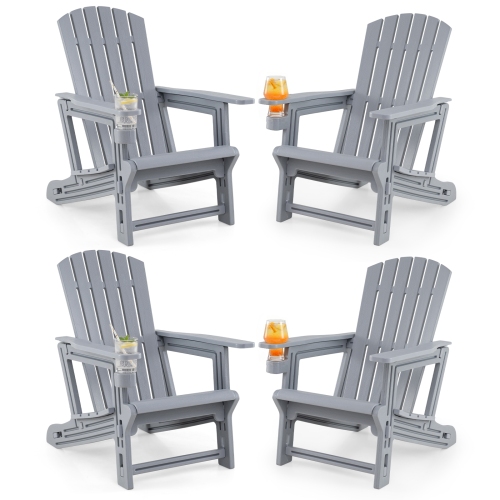
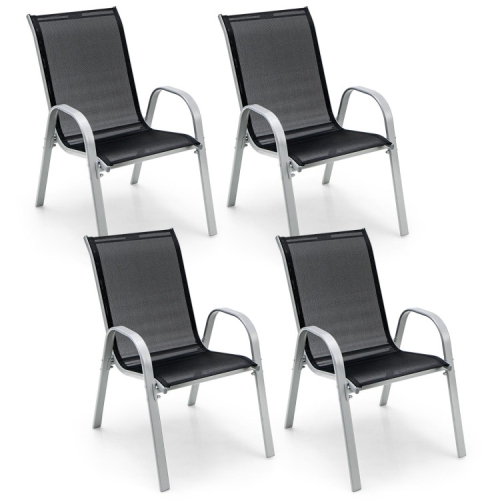
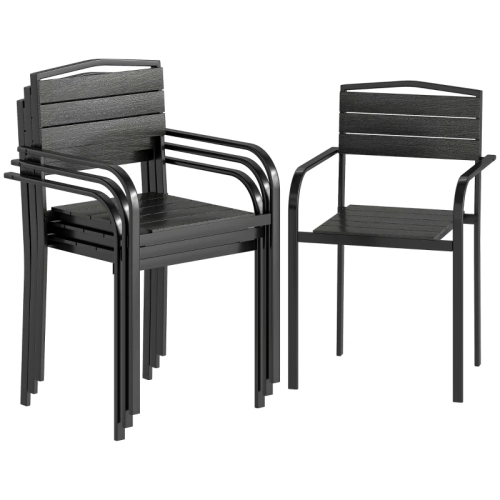
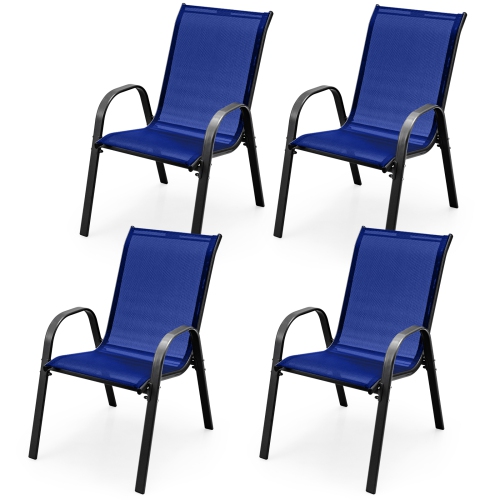
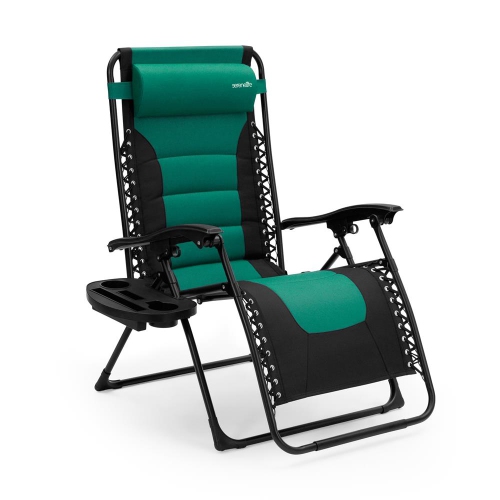
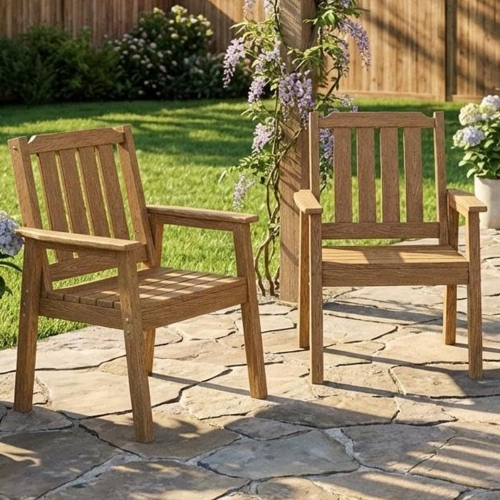
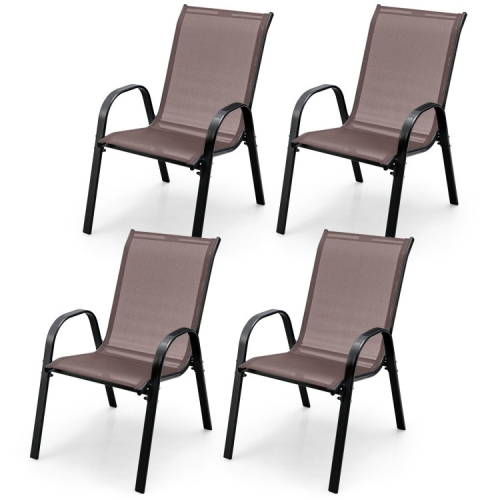
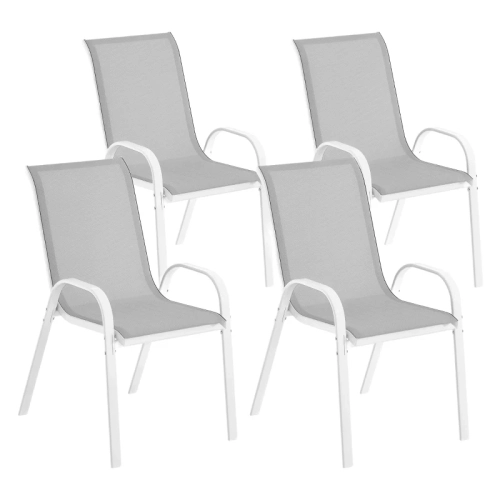
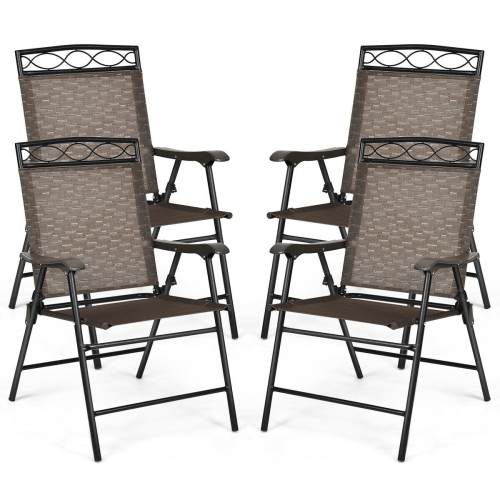
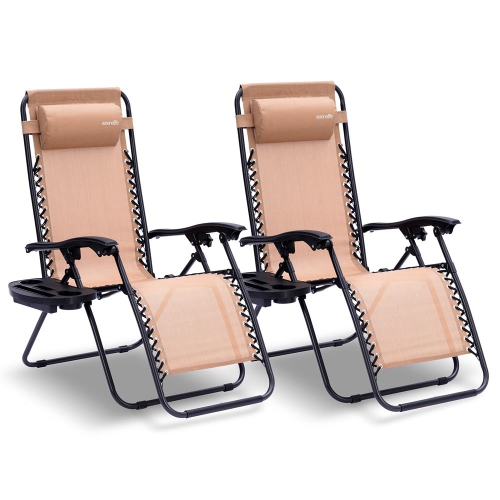
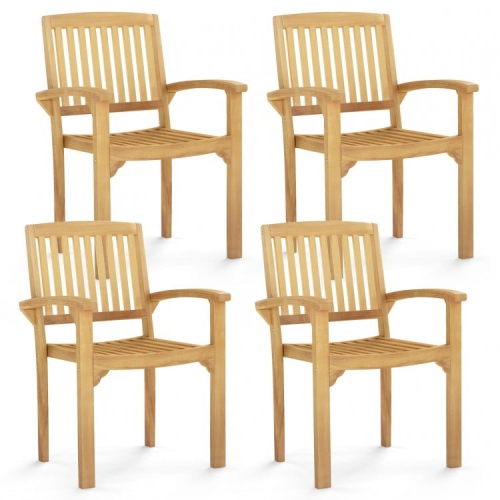
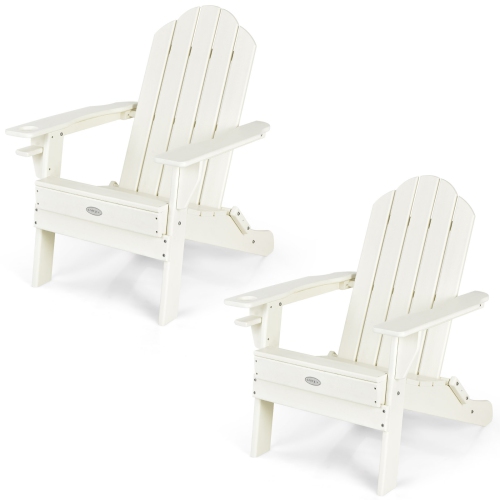
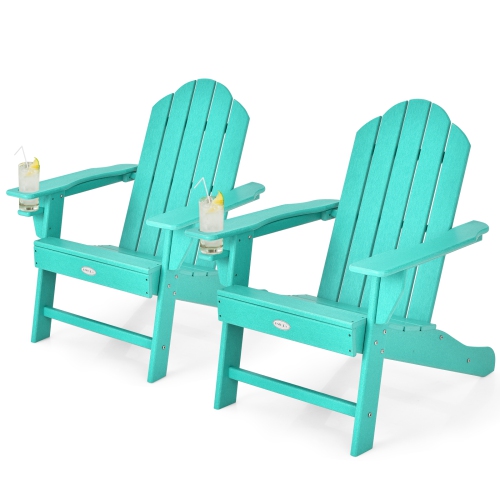
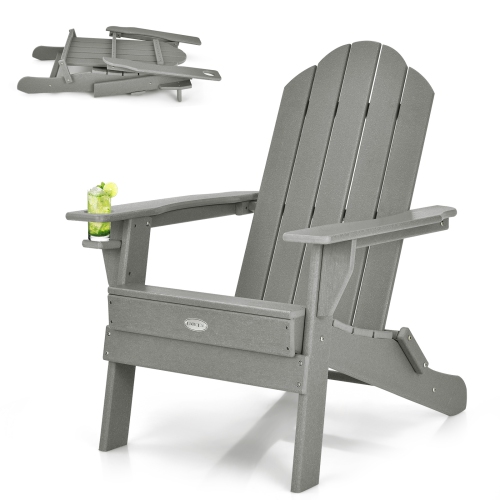
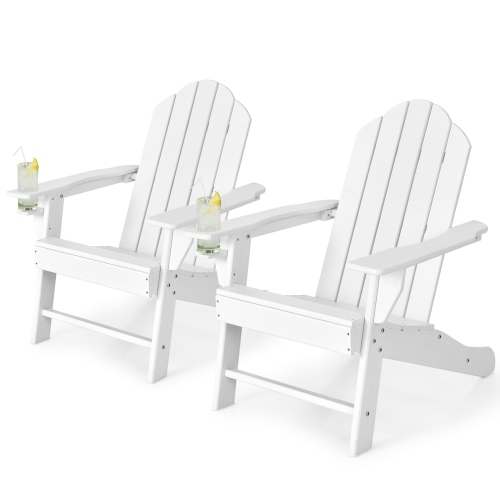
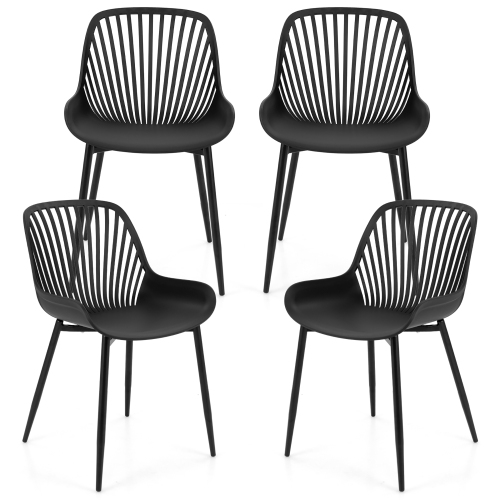
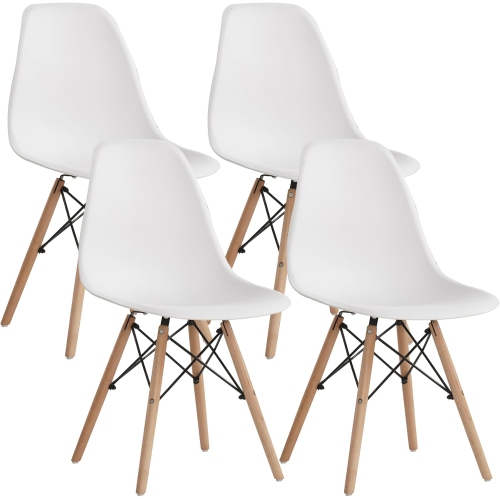
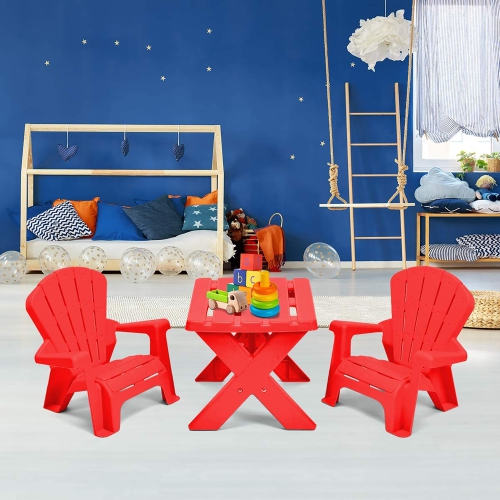
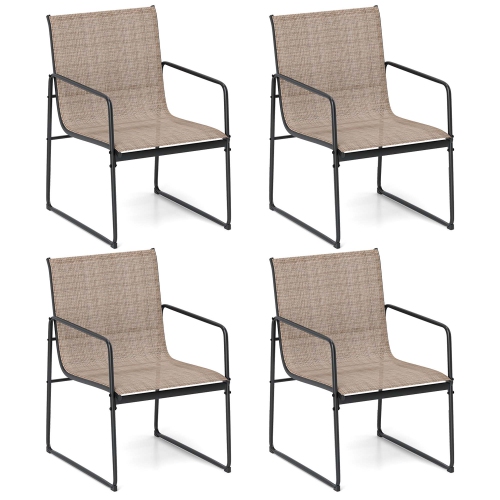
Plastic chairs for outside bring practical seating to patios, balconies, decks, and backyard gathering spaces without making the layout feel permanent. A pair beside a small table can turn an unused corner into a place for morning coffee, while several chairs around a larger table make room for meals and conversation. Their relatively light weight often makes them easier to move between settings, though the shape and construction affect how manageable each chair feels. Upright designs support eating, chatting, and tabletop activities; deeper seats and angled backs create a more relaxed position for reading or stretching out. The difference matters in everyday use: a low lounge chair may feel comfortable beside a side table but leave someone sitting too far below a dining surface. For spaces arranged around shared meals, Plastic Outdoor Dining Chairs offer a more suitable starting point than lounge-style seating. Seat height, arm height, and the space between table legs all influence whether a chair fits comfortably. Arms should clear the underside of the table if the chairs need to tuck away, and there should be enough room behind each seat for someone to stand without squeezing past a planter or railing. Comfort also depends on details that are easy to overlook, including a gently curved back, a seat edge that does not press sharply behind the knees, and armrests positioned at a useful height. A wider seat can provide more room to settle in, while a narrower profile may work better on a compact balcony. For anyone who finds very low seating difficult to use, a firmer, more upright chair with supportive arms may be a better fit, provided its dimensions and weight capacity meet the person’s needs. Simple silhouettes and a choice of colours also make plastic seating easy to coordinate with existing tables, outdoor rugs, and cushions, whether the space feels casual, traditional, or clean-lined and modern.
The term plastic covers several materials and construction methods, so outdoor chairs can differ considerably in weight, flexibility, finish, and durability. Polypropylene is commonly used for moulded seating and can produce smooth, lightweight shapes with integrated backs and arms. High-density polyethylene is also used in outdoor furniture, including thicker components that can give a chair a more substantial feel. Resin is a broad description rather than a precise indication of performance, making the stated material and intended use more useful than the label alone. Some chairs have a one-piece moulded body, while others use assembled sections, separate legs, or additional hardware. A one-piece shape has fewer joints to check, but its suitability still depends on the quality of the material and the design of the seat and legs. On assembled chairs, secure connections and hardware intended for outdoor use help support regular use. Sun exposure can affect plastic over time, contributing to fading or brittleness, so a stated UV-resistant formulation is relevant for an uncovered patio. That protection does not mean the colour or material will remain unchanged indefinitely. Surface texture makes a difference, too: a smooth finish is generally straightforward to wipe, whereas a woodgrain-style texture or woven pattern has more recesses where dust and food crumbs can collect. Open backs and drainage gaps can help rainwater escape, although water may still gather in curved seats or beneath cushions. Darker surfaces can become hot in direct sunlight, and any seat may need a quick check before use. Stability is equally important. Broad, well-spaced legs need a firm, level surface; a chair that feels steady on paving may sit differently on grass or gravel. On a balcony or deck with gaps between boards, the size and shape of the feet deserve attention. The manufacturer’s weight rating and outdoor-use information provide a firmer basis for judging suitability than appearance alone.
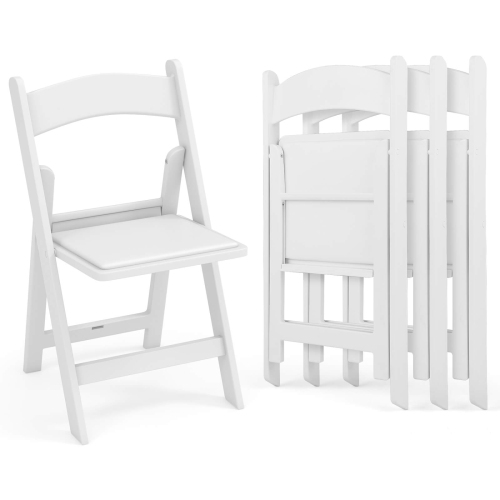
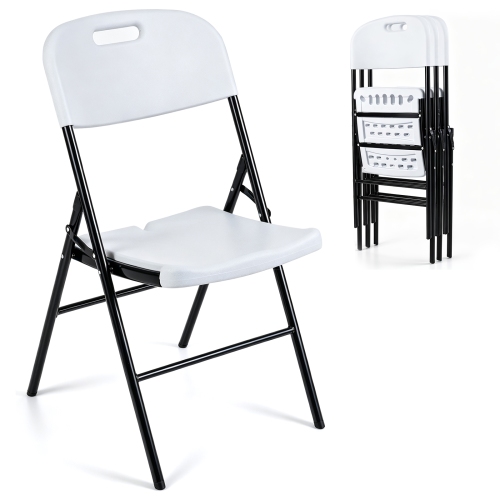
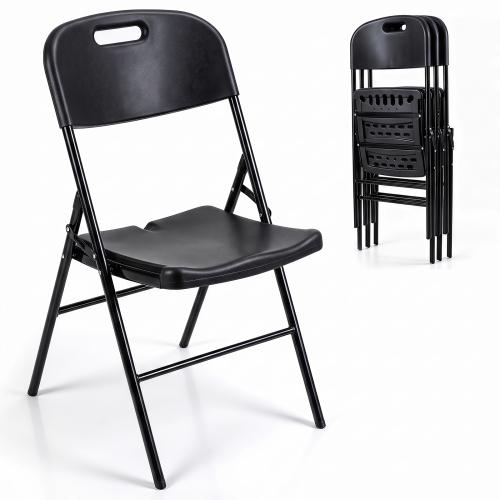
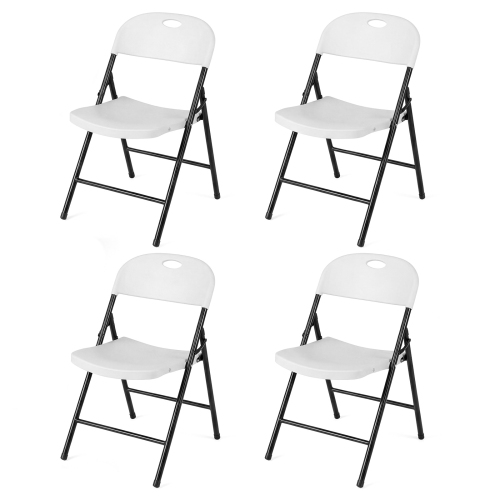
Day-to-day care is usually straightforward, but the right approach helps preserve both the surface and the structure. Mild soap, water, and a soft cloth or brush are often suitable for routine dirt, pollen, and food marks, with the manufacturer’s care directions taking priority. Abrasive pads, harsh solvents, and strong cleaning mixtures can scratch or damage some plastics, while high-pressure washing may affect finishes or force water into joints. Promptly wiping away spills is often easier than removing marks after they have settled into a textured surface. Cushions add softness and colour, but their fit matters: a pad that hangs over the front edge can shift, and ties need a suitable place to fasten without interfering with the chair’s position. Cushions intended for outdoor use still benefit from drying fully before storage. For households that regularly rearrange seating, stackable chairs can keep a patio flexible, provided the design is specifically made to stack and the stack stays within the recommended limit. Folding styles serve a similar purpose, with hinges and locking mechanisms that need to remain clean and operate securely. Light chairs are convenient to carry, but they may need sheltered storage or another suitable arrangement when strong winds are expected. Outdoor-use ratings do not necessarily mean a chair should remain exposed through freezing conditions, so storage requirements are worth checking before leaving seating outside for an extended period. Clean, dry chairs are easier to put away, and a breathable furniture cover can help limit dirt while allowing moisture to escape when used as directed. Before the next gathering, a brief check for cracks, loose fasteners, or damaged feet can identify seating that needs attention. With dimensions matched to the space and care suited to the material, plastic outdoor chairs can support everything from a quiet balcony breakfast to a relaxed meal with visiting friends, while remaining easy to rearrange as the occasion changes.
Top selling and popular products
-
 Your price for this item is $604.99
-
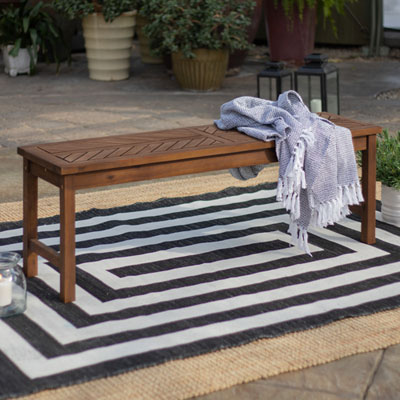 Your price for this item is $371.99
-
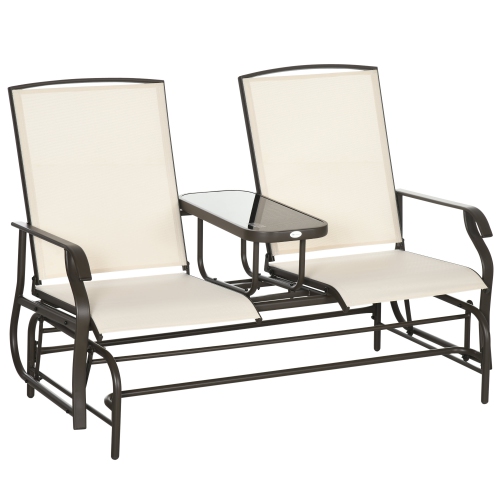 Your price for this item is $209.99
-
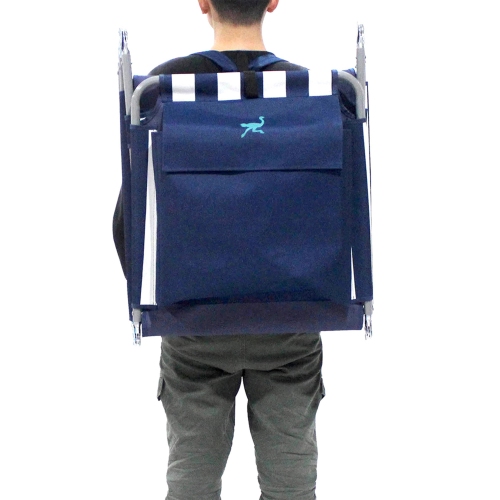 Your price for this item is $174.99
-
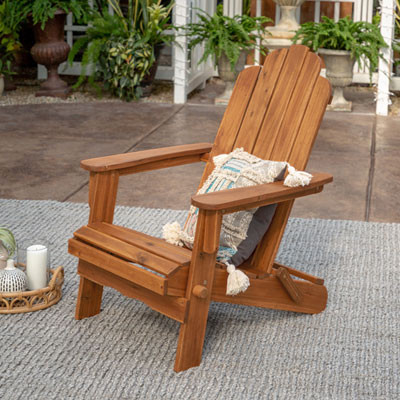 Your price for this item is $461.99
-
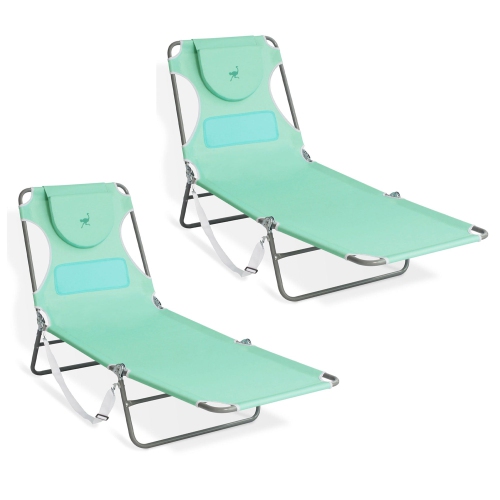 Your price for this item is $335.99
-
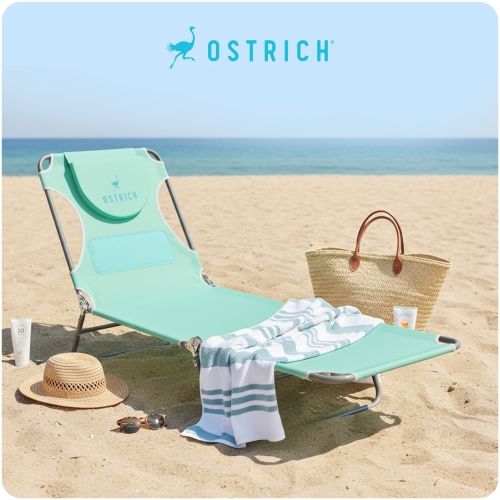 Your price for this item is $170.99
-
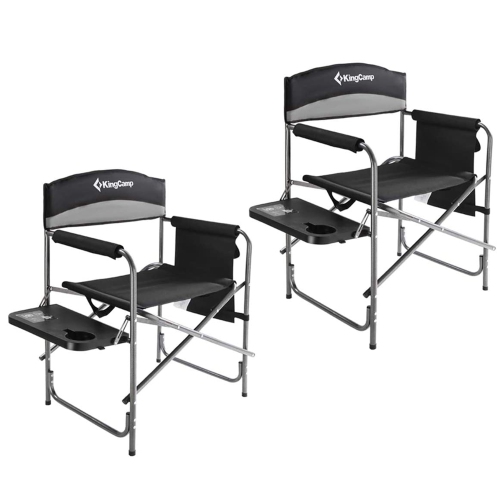 Your price for this item is $205.99
Discover more categories related to Plastic Chairs for Outside
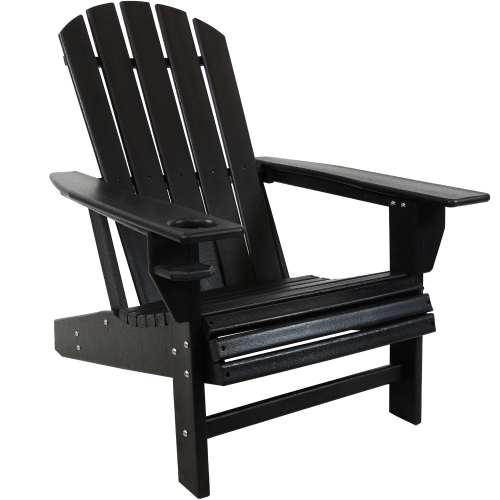

Top Collections:
Pokemon Centers, Best Cameras for Sports Photography, Kindle Devices, Samsung Galaxy Phones, Canon G7X Cameras, Pokémon 30th Celebration Cards, Refurbished Apple Laptops, iPhone 15 Apple, Laptops for Students, Budget Smartphones
Some products may be subject to Environmental Handling Fees
(EHF) depending on your province.
Learn more about EHFs.