Plastic Outdoor Dining Tables
Looking for the perfect outdoor dining table to elevate your patio or backyard space? Look no further than our wide selection of plastic outdoor dining tables. With their durable construction and weather-resistant properties, these tables are designed to withstand the elements and provide you with years of enjoyment. Whether you're hosting a summer barbecue, enjoying a family meal under the stars, or simply relaxing with a cup of coffee in the morning sun, plastic outdoor dining tables offer both style and functionality. Here are some great options available.
Sort


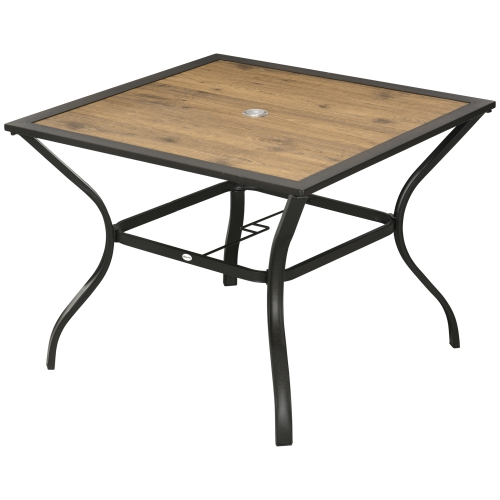


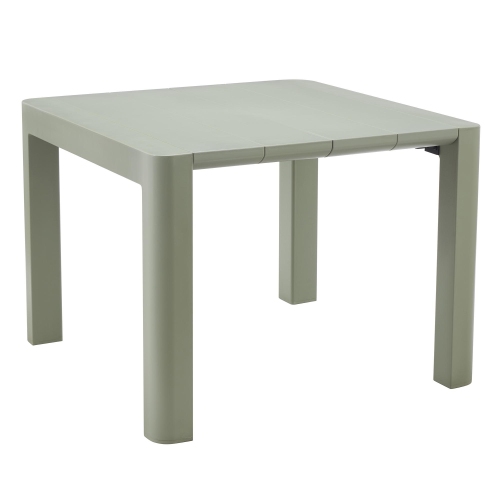
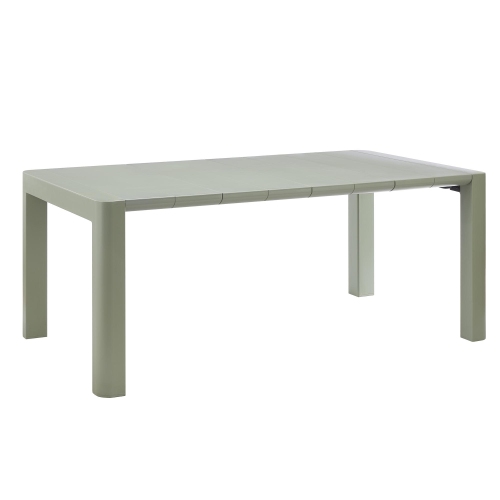
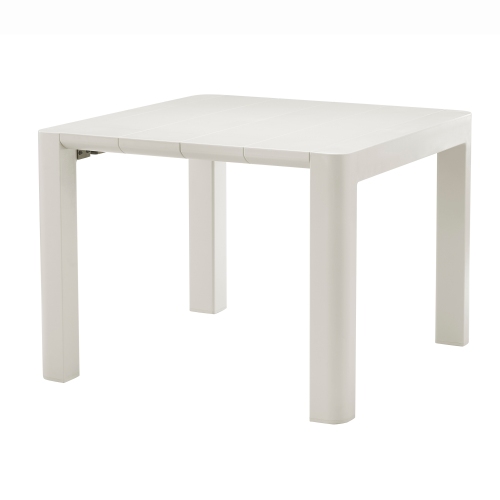
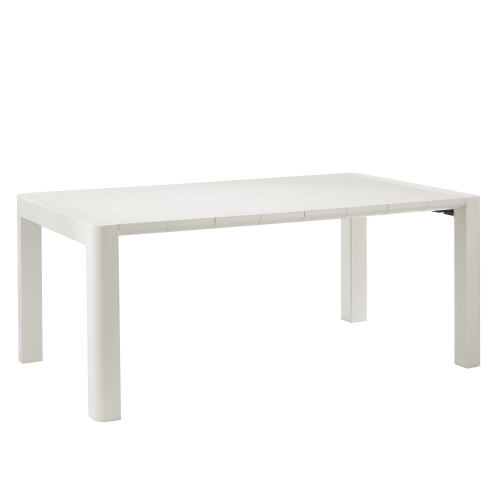


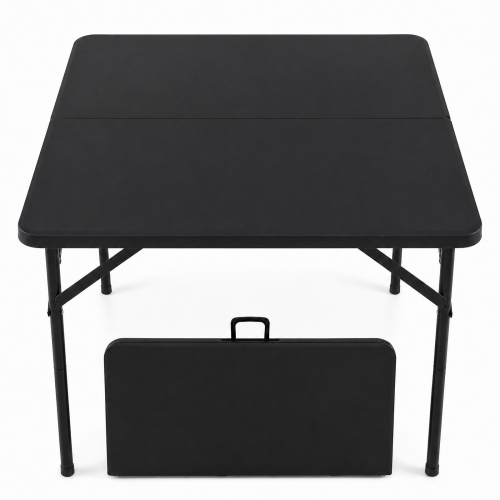

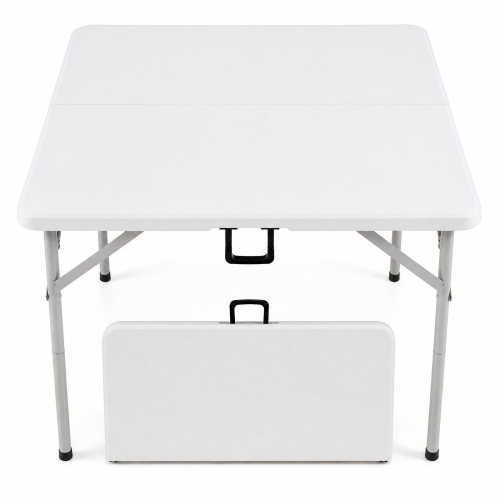


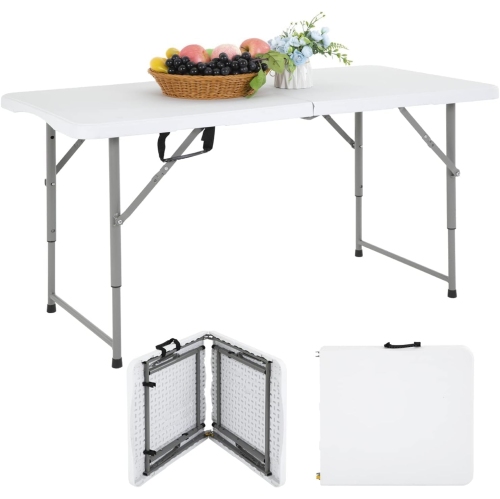
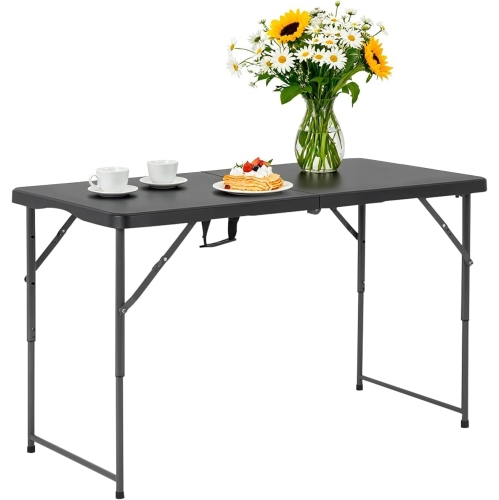

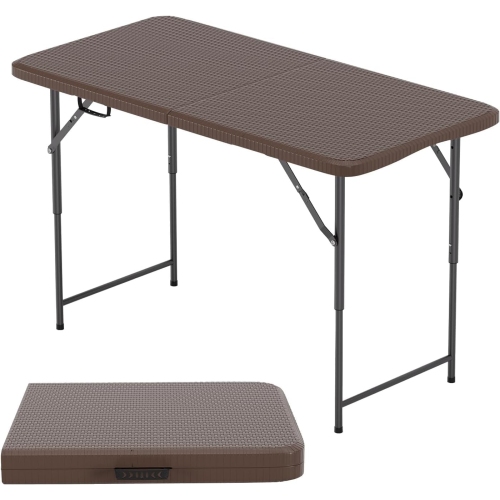
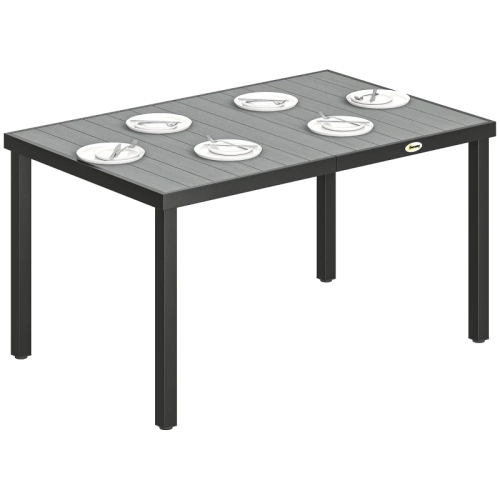
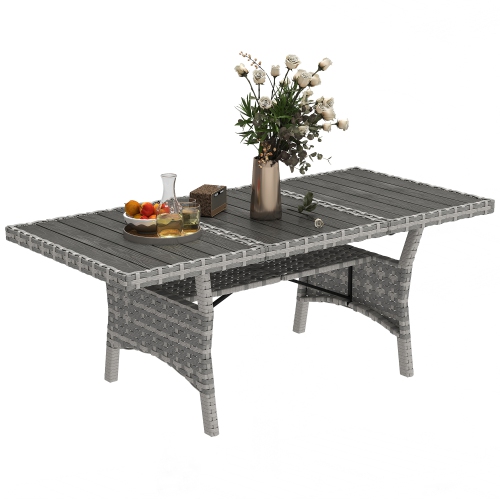

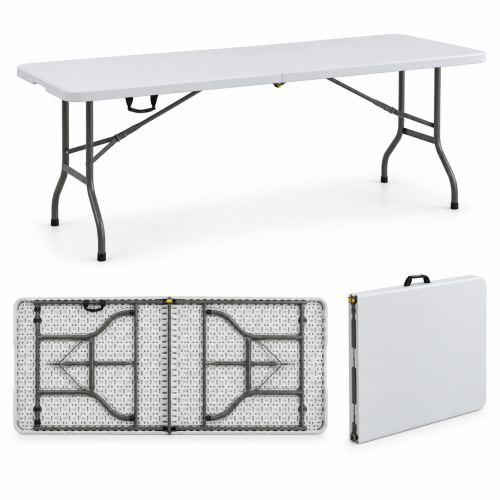


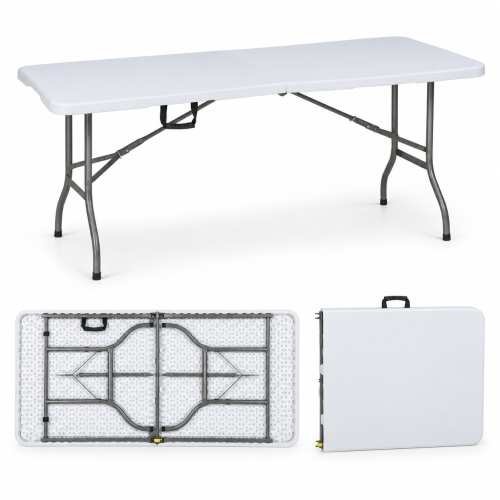


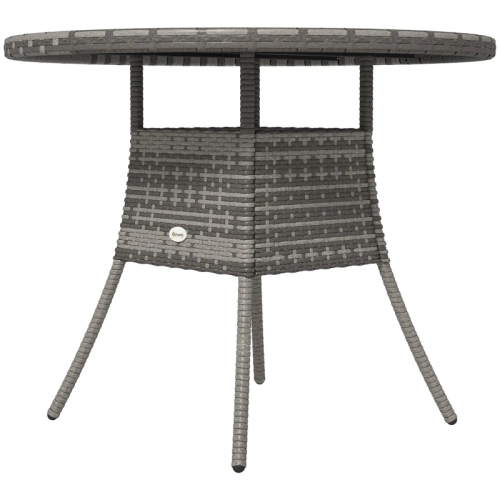
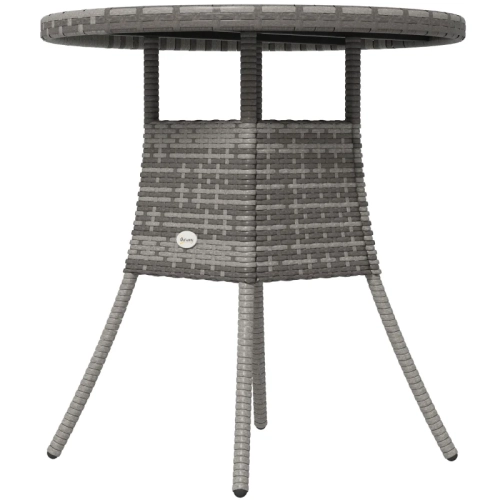
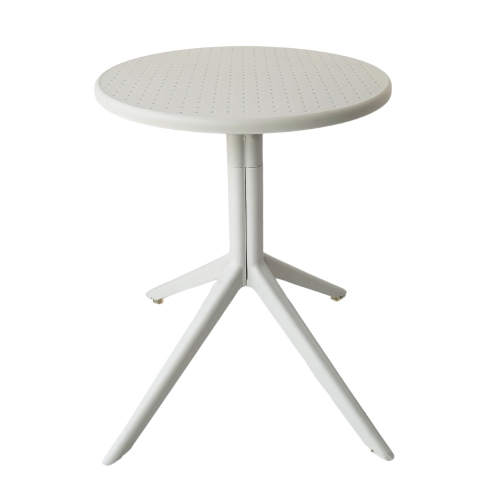


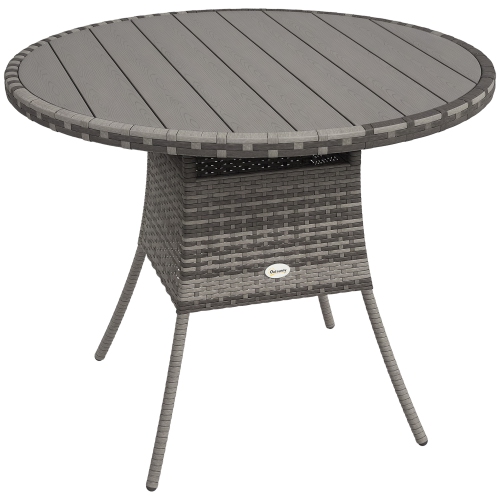

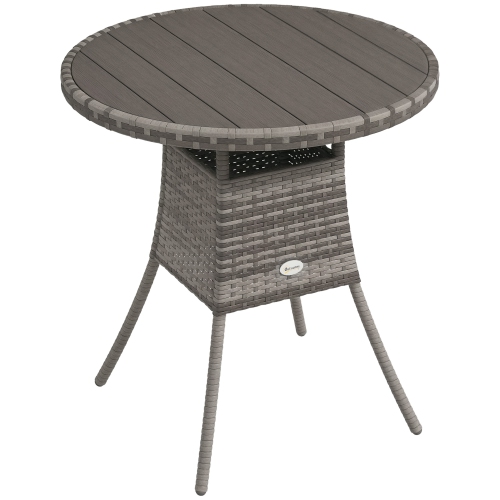


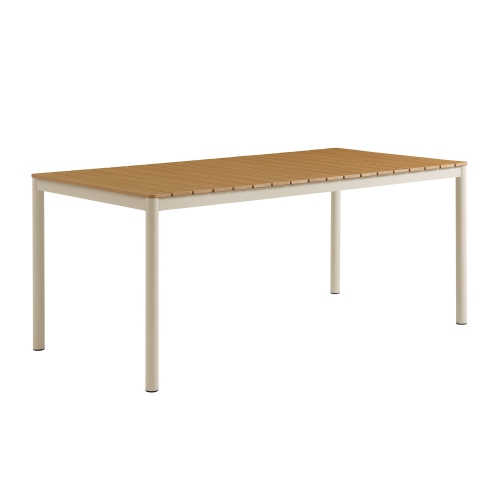

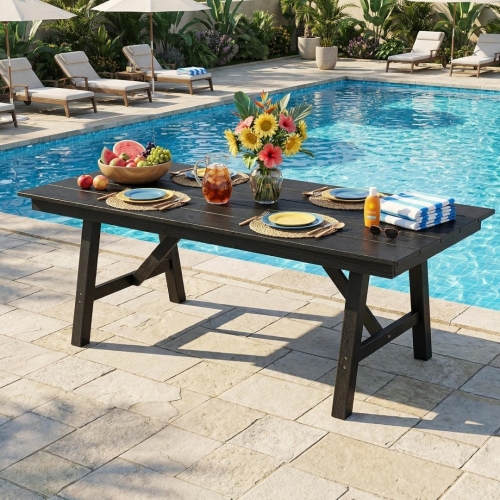


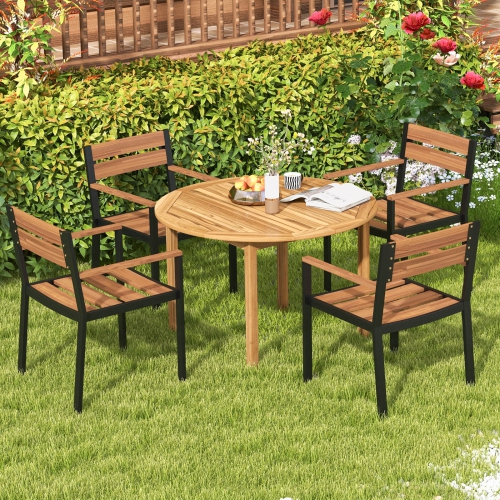


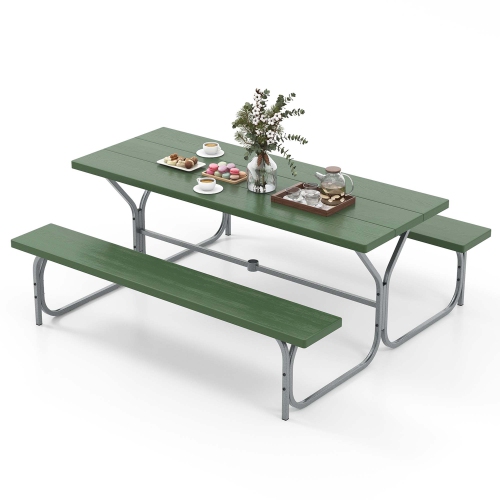


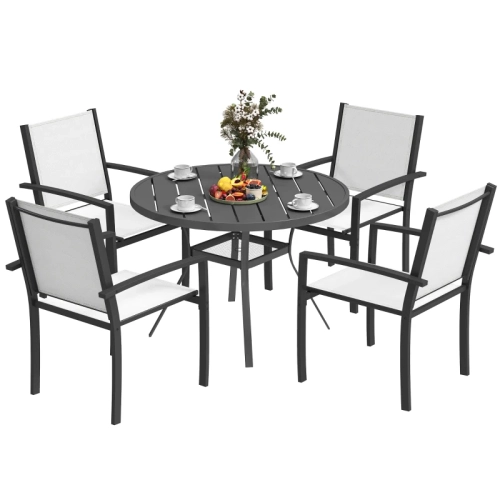


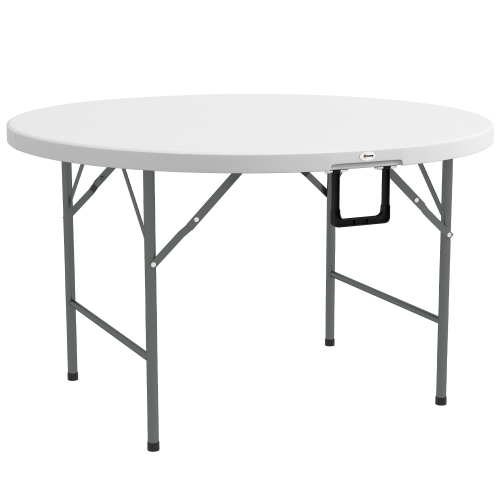

From balcony breakfasts to easy-care backyard dining
Plastic outdoor dining tables create a practical place for meals, conversation, and everyday activities on patios, decks, balconies, and other outdoor living spaces. Their appeal goes beyond having a surface for plates and glasses: many designs are easy to wipe down, straightforward to move, and suited to the spills that come with family meals. A compact table can turn a small balcony into a breakfast spot, while a larger rectangular design can anchor a backyard dining area with room for serving dishes. Plastic outdoor furniture comes in several constructions, so the material description matters. Polypropylene is commonly used in moulded furniture, while high-density polyethylene, often identified as HDPE, may appear in thicker panels or boards. The term resin is also used broadly for plastic furniture; it does not, on its own, identify a particular grade, weight, or level of durability. Some tables have plastic tops supported by metal legs, while others use plastic throughout much of the structure. These differences affect how a table feels when moved, how steady it is under everyday use, and which parts need attention over time. A lightweight moulded table may be convenient for rearranging a small space, whereas a heavier construction may feel more substantial in a permanent dining setup. Neither weight nor thickness alone tells the whole story, since leg placement, bracing, joints, and the quality of the assembly also contribute to stability. Smooth surfaces make crumbs and spills easier to remove, while textured or woodgrain finishes can add visual detail but may need more careful cleaning around grooves. Colours range from understated neutrals that blend with existing seating to brighter finishes that bring definition to a simple outdoor layout. Plastic itself does not rust, but metal frames, fasteners, and fittings may still require care. Where sunlight exposure is a concern, a stated UV-resistant or UV-stabilized construction is a useful feature to look for rather than assuming every plastic table offers the same protection against fading.
Shape and seating capacity have a direct effect on how comfortably an outdoor dining area works. A square table often suits four diners in a compact arrangement, while a rectangular table commonly accommodates six, depending on its dimensions and the chairs used. Those descriptions are starting points rather than guarantees: broad armchairs, thick cushions, or legs positioned near the corners can reduce usable seating space. Round tables encourage conversation across the whole group and avoid projecting corners, although a larger round top still needs considerable floor space. Rectangular tables make good use of long, narrow patios and can provide a central area for shared dishes without placing everything directly beside a diner’s plate. For a dedicated patio eating area, Plastic Patio Dining Tables offer the same useful balance of dining function and easy-care materials. The most important measurements extend beyond the tabletop. Allow enough room for chairs to pull back and for people to pass behind seated guests without squeezing against a railing, planter, or barbecue. Around 90 cm of clearance from the table edge to a wall or other obstruction is a useful planning reference, with additional room where a walkway must remain open. Table height should also work with the intended seating; standard dining chairs are not interchangeable with counter-height or bar-height chairs. Check the space beneath the tabletop, including any apron or support rails, so chair arms can slide in and diners have comfortable knee room. A pedestal base may offer flexible chair placement, while corner legs can leave more open space through the centre. An umbrella hole can be helpful in an exposed dining area, but its diameter must match the umbrella pole, and the umbrella still needs a suitable base. Folding designs are useful where the same space serves several purposes, such as a balcony that needs to remain clear for access or a deck used for both meals and exercise. Consider the folded dimensions and the route to storage, not just the table’s size when open.
Care and durability are especially important for furniture that spends time outdoors. Many plastic dining surfaces can be cleaned with a soft cloth or sponge, mild soap, and water, followed by rinsing and drying as directed by the manufacturer. Promptly wiping up sauces, grease, and drinks helps prevent residue from settling into textured finishes or joints. Abrasive pads, strong solvents, and concentrated cleaners can scratch or damage some plastics, so a gentle approach is generally the better starting point. Hot cookware should sit on an appropriate protective mat or trivet rather than directly on a plastic tabletop, since heat tolerance varies by material. Cutting food directly on the surface can leave marks, and dragging heavy planters or rough-bottomed dishes may do the same. Outdoor durability also depends on exposure and construction. A table described as weather-resistant may still benefit from shelter, a properly fitted cover, or indoor storage when it is not being used for an extended period. Covers should allow moisture to escape, and furniture should be clean and dry before being covered or put away. Standing water around joints or inside hollow sections can create problems, particularly where freezing is possible. Lightweight tables also need thoughtful placement in windy locations; bringing them into a sheltered area is preferable to assuming they will remain steady when unattended. On paving stones or a deck, adjustable feet can help compensate for small variations in the surface, but they cannot correct loose joints or a poorly assembled frame. Folding legs should be fully opened and locked before use, and screws or fittings should be checked periodically according to the care instructions. For families, an easy-clean table makes room for everything from a shared lunch to supervised crafts, though it should not be used as a step or climbing surface. For apartment residents, portability and compact storage may matter more than seating a large group. As a housewarming gift, a plastic outdoor dining table is most useful when its size, seating height, and storage needs are known in advance. A well-matched design supports everyday meals without crowding the space or adding unnecessary upkeep.
Top selling and popular products
-
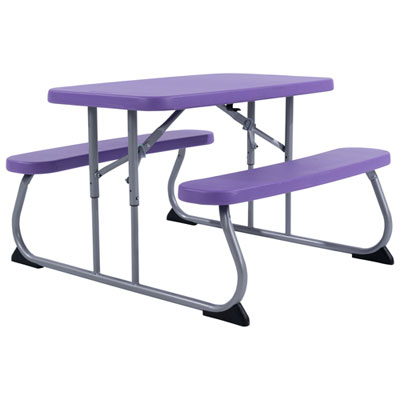 Your price for this item is $123.98
-
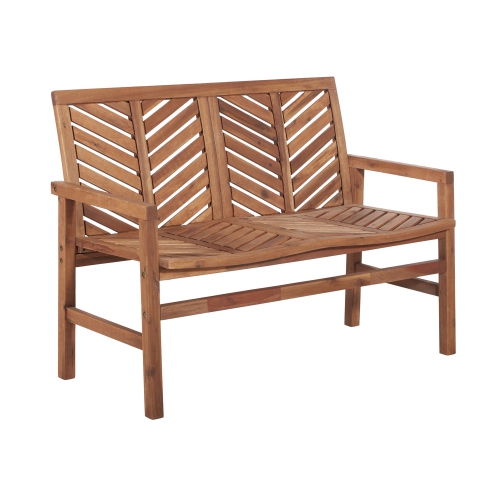 Your price for this item is $481.58
-
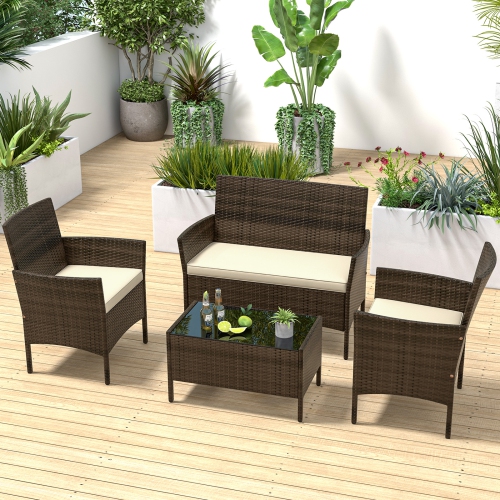 Your price for this item is $246.99
-
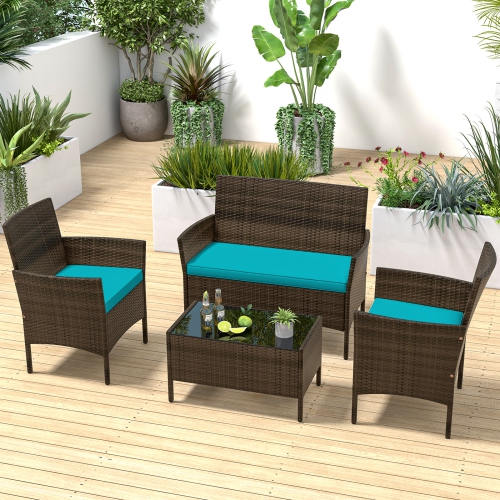 Your price for this item is $236.99
-
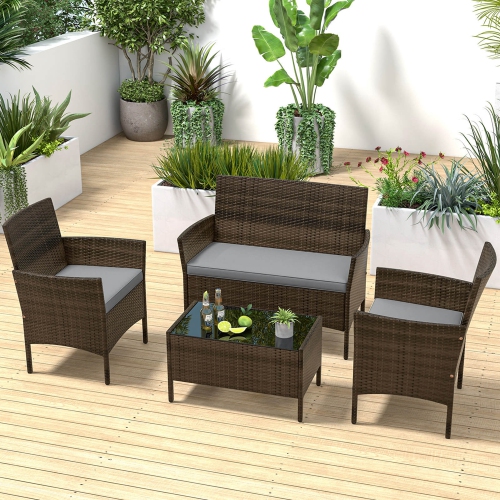 Your price for this item is $236.99
-
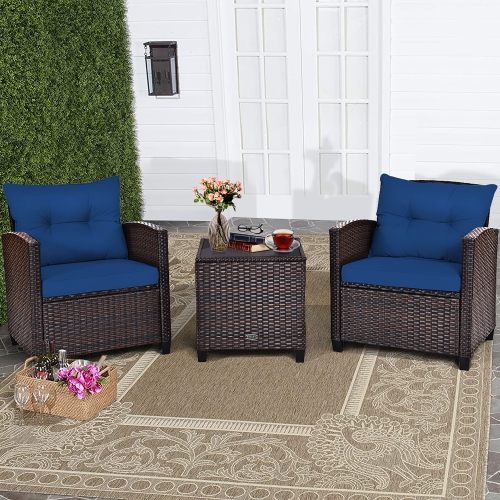 Your price for this item is $229.99
-
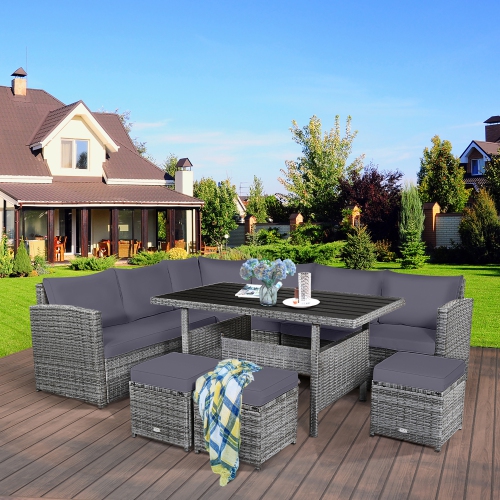 Your price for this item is $899.99
-
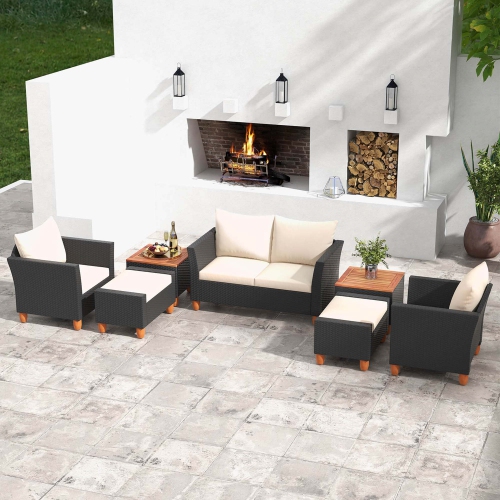 Your price for this item is $599.99
Discover more categories related to Plastic Outdoor Dining Tables

Top Collections:
Pokemon Centers, Best Cameras for Sports Photography, Kindle Devices, Samsung Galaxy Phones, Canon G7X Cameras, Pokémon 30th Celebration Cards, Refurbished Apple Laptops, iPhone 15 Apple, Laptops for Students, Budget Smartphones
Some products may be subject to Environmental Handling Fees
(EHF) depending on your province.
Learn more about EHFs.