Platform Beds With Slats
Platform Bed With Slats options offer a sleek and modern foundation for any bedroom setup, combining both style and practicality. Designed to support your mattress without the need for a box spring, these beds create a streamlined look while maximizing space. Whether you're updating your master suite or furnishing a guest room, explore a variety of sizes, finishes, and designs to find the ideal Platform Bed With Slats that fits your décor and lifestyle.
Sort
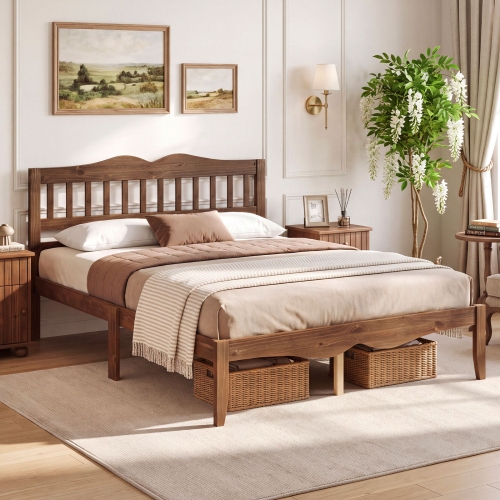
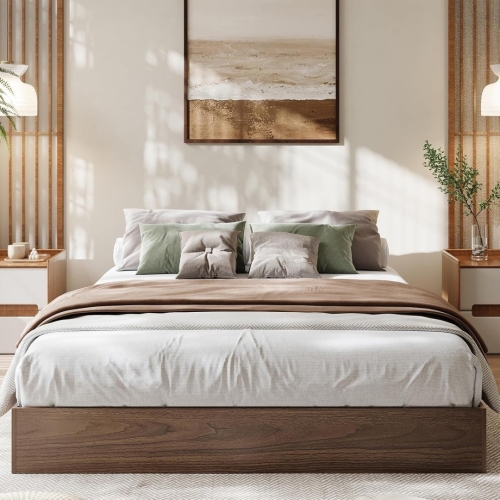
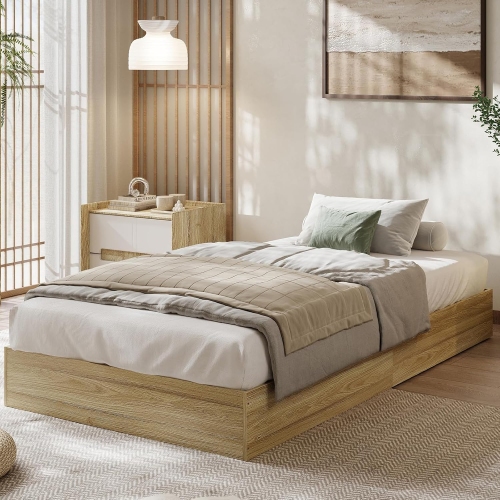
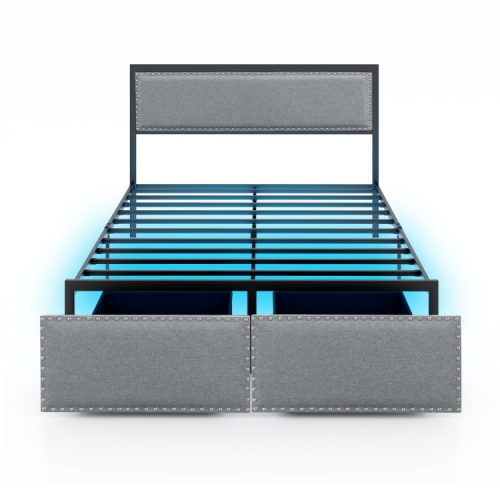
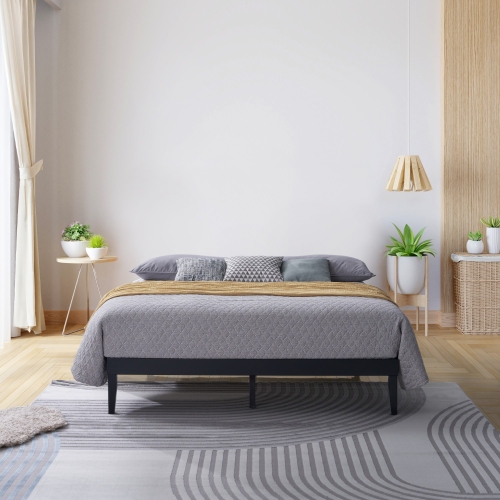
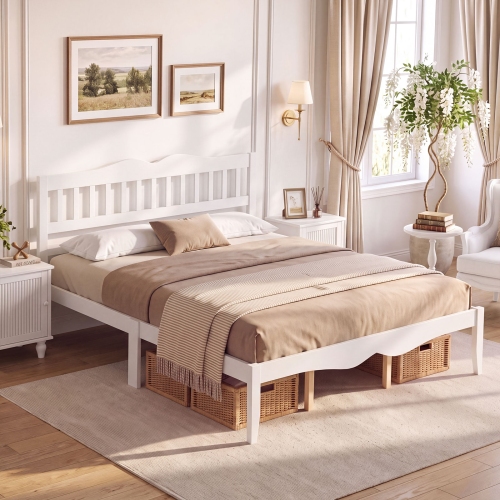
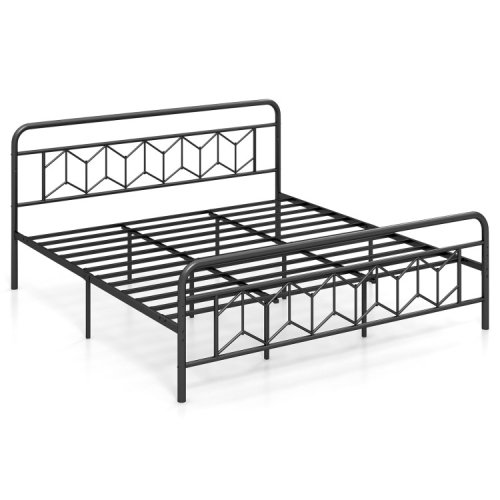
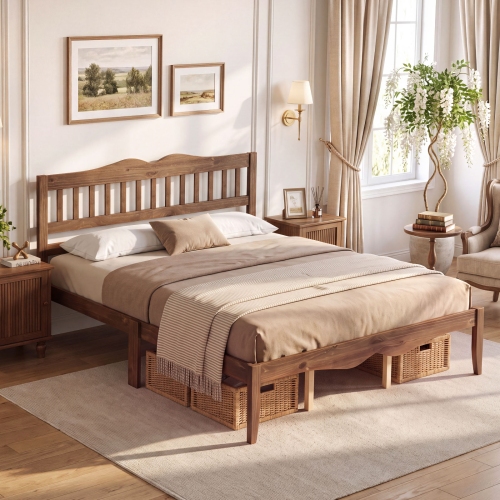
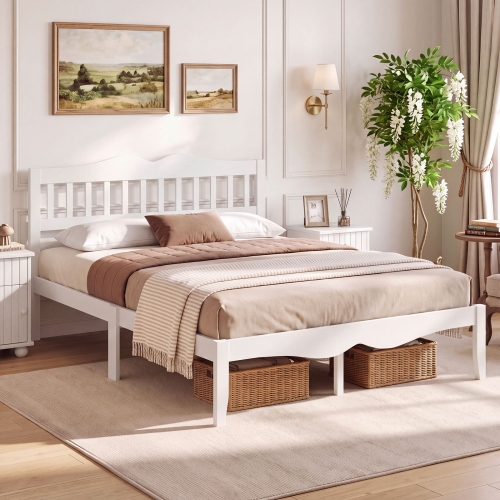
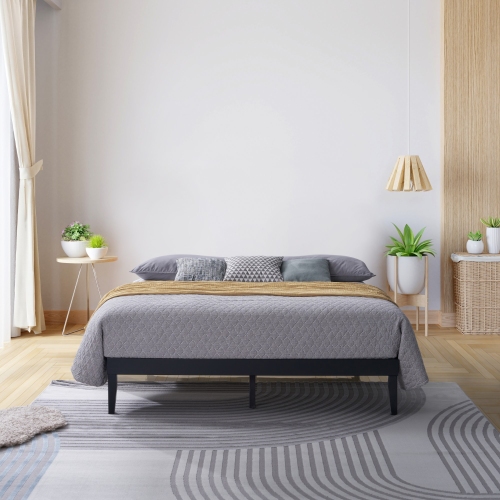
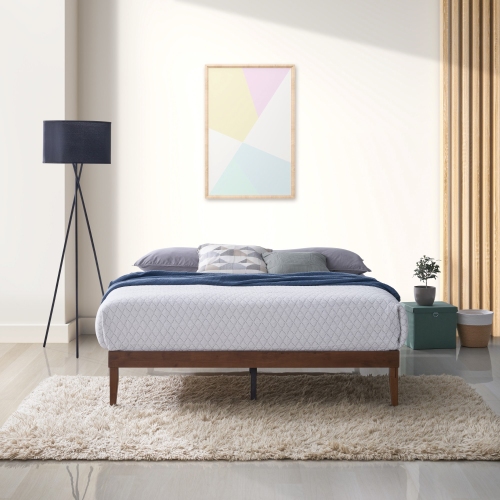
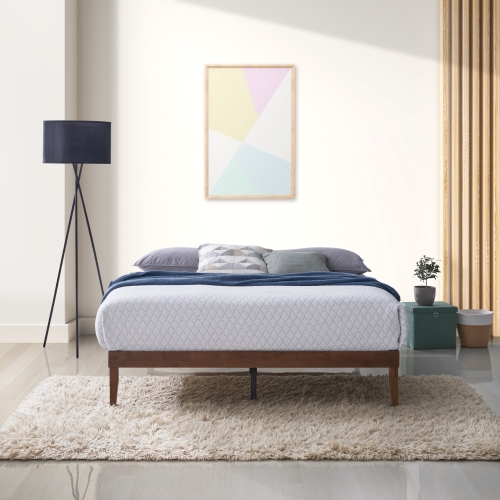
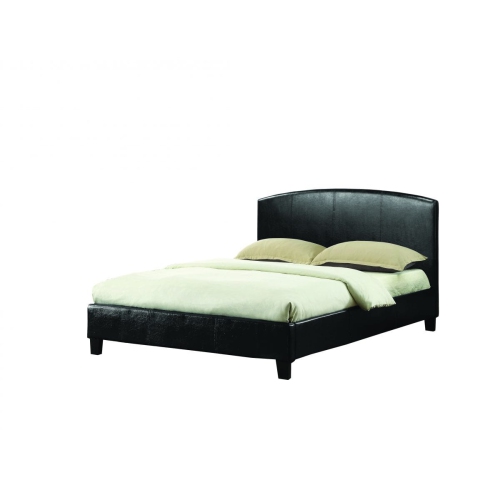
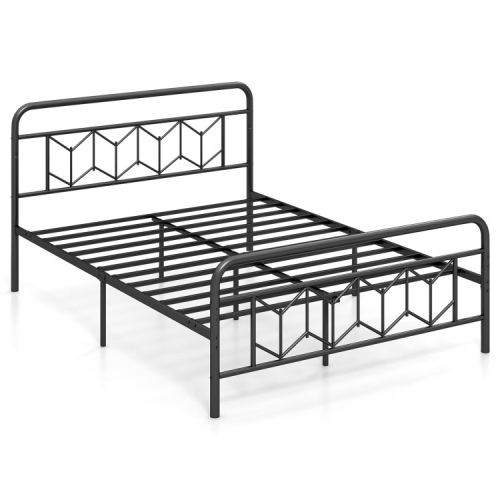
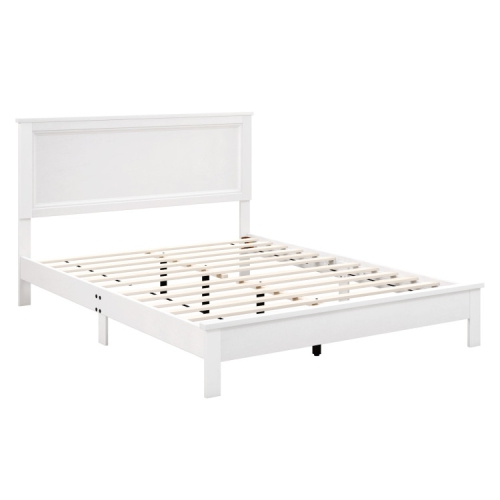
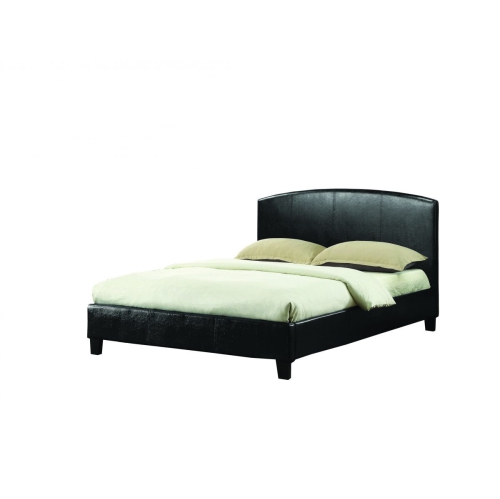
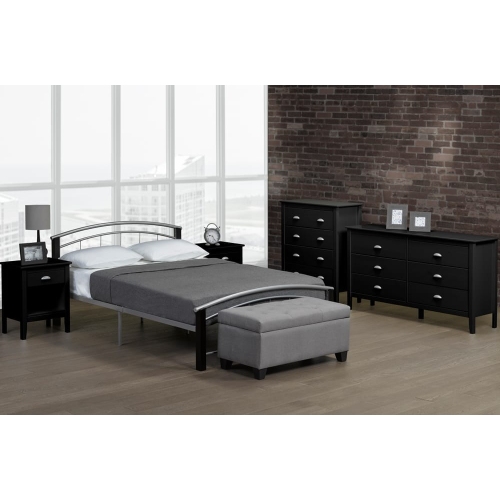
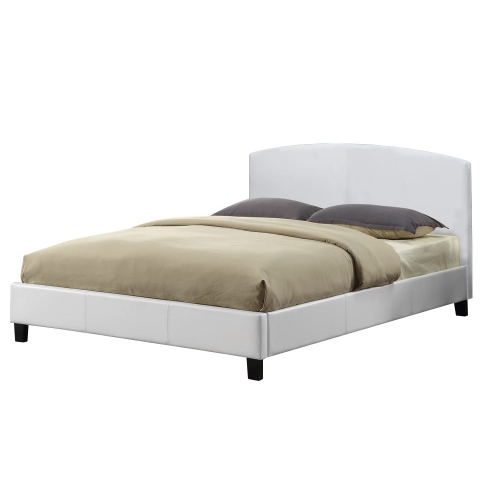
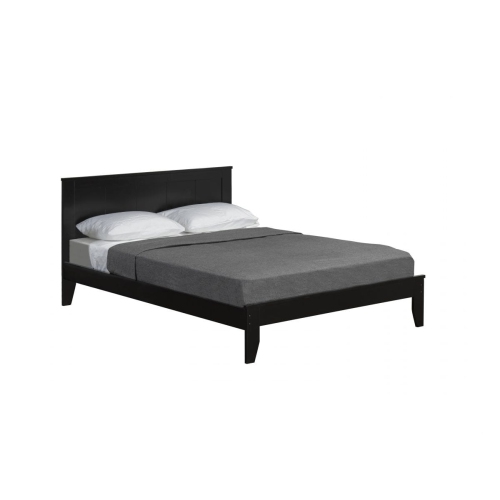
Slat spacing matters as much as bedroom style
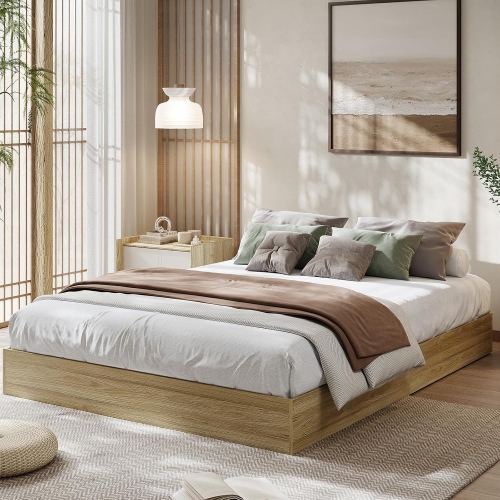
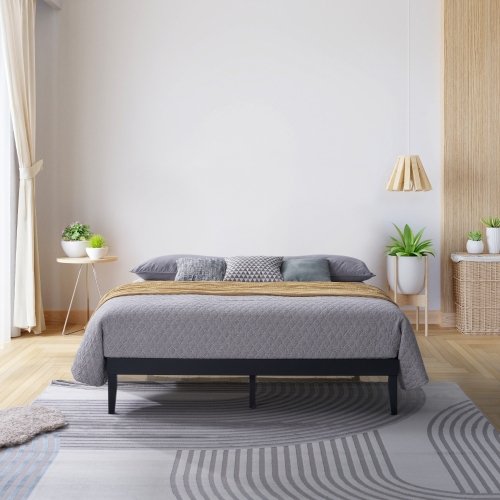
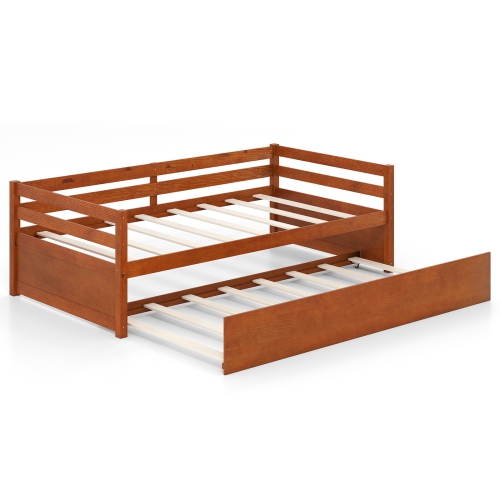
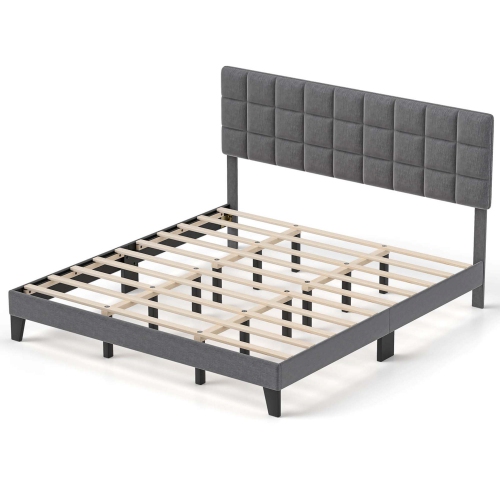
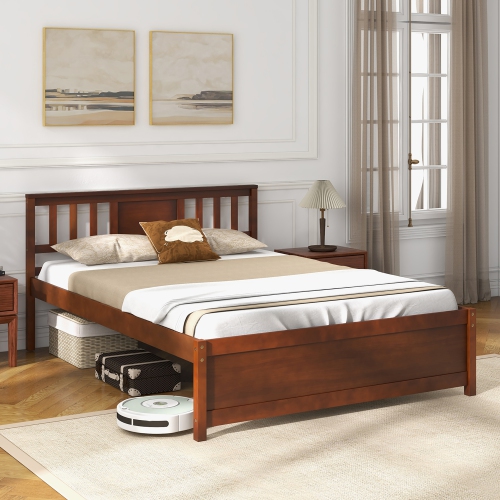
Platform beds with slats pair a bed frame with a series of supports that run beneath the mattress, creating a sleeping surface without the bulk of a traditional foundation. Many are designed to hold a compatible mattress without a box spring, giving the bed a clean profile and leaving more of the headboard visible. That compatibility depends on both the frame and the mattress, however, so the mattress maker’s support requirements remain important. Foam, latex and hybrid mattresses can have different requirements for slat spacing, slat width and centre support; a frame that suits one mattress may not provide the right base for another. Closely spaced slats distribute support across the underside of the mattress, while the openings between them allow air to circulate beneath it. Flat wooden slats generally provide a firmer foundation, whereas curved sprung slats can introduce some flex, although the overall feel also depends on the mattress and frame construction. Some designs secure each slat individually, while others connect the slats with fabric straps or fit them into holders along the side rails. Secure attachment helps keep the supports positioned as intended when someone turns over or sits on the edge of the bed. For larger frames, a centre rail and support legs may be part of the structure, helping carry weight through the middle rather than relying on the outer rails alone. Weight capacity should account for the mattress and everyone using the bed, according to how the manufacturer defines its rating. Slatted designs sit within the broader range of Platform Beds, offering options for a main bedroom, a teenager’s room or a guest space. Their appeal is straightforward: the mattress rests on an integrated support system, while the frame establishes the bed’s height, shape and presence in the room. A well-matched combination brings those elements together without requiring an unnecessarily tall stack of bedding components.
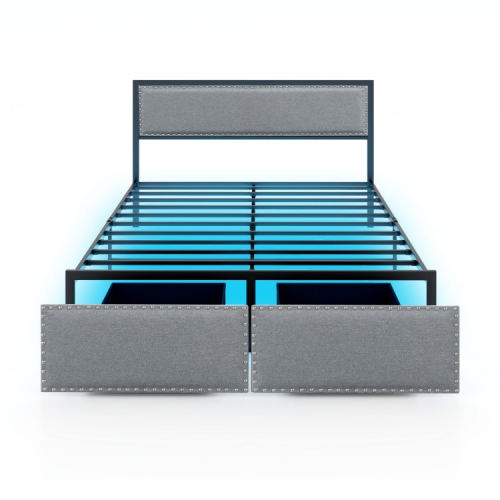
Materials give platform beds with slats much of their character, but they also influence everyday care and how the frame feels in use. Solid wood can show grain patterns and natural variation, with finishes ranging from pale, understated tones to deeper colours that anchor a room. Engineered wood panels may be finished with veneer or laminate, creating a consistent surface and a range of looks. Metal frames often have slimmer rails and a more open appearance, which can make a bed feel less visually dominant in a compact room. Upholstered frames introduce fabric or other coverings around the headboard, rails or footboard, softening the outline and providing a padded surface where the design includes cushioning. The upholstery’s texture matters beyond appearance: a tightly woven fabric, a textured weave and a smooth covering each feel different and call for their own cleaning methods. For someone who reads against the headboard, its height above the mattress is worth considering, especially when thick pillows are added. A tall mattress can conceal much of a shorter headboard, while a thinner mattress may reveal more of the frame than expected. The finished sleeping height is the combination of the frame’s mattress-support height and the mattress itself, not simply the height of the side rails. A low platform can create a relaxed, uncluttered look, but a higher sleeping surface may be easier for someone who finds a low seat difficult to rise from. Fit also extends beyond the mattress size printed on the label. Headboards, padded rails and projecting corners can make the overall frame noticeably larger than the mattress footprint. In a narrow bedroom, that difference can affect the route to a wardrobe or the clearance beside a nightstand. Baseboards, wall outlets and drawer fronts all occupy space around the bed, so the outer dimensions help show how comfortably a frame will work with the rest of the furniture.
Everyday usefulness often comes down to the space beneath the bed and the details that keep the structure steady. An open base can leave room for shallow storage containers, provided there is sufficient clearance and the containers do not interfere with support legs. Built-in drawers offer a more enclosed arrangement for folded linens or clothing, but they need room to extend without meeting a nightstand, wall or nearby dresser. Lift-up storage designs use a different opening mechanism, and their mattress weight requirements and operating instructions deserve particular attention. Storage should not crowd moving parts or place pressure on the slats from below. Assembly is another practical consideration, especially in an apartment with a tight stairwell or a bedroom reached through a narrow hallway. Package dimensions, component sizes and the space needed to lay out the rails can matter as much as the assembled footprint. Once the bed is in place, correctly fitted hardware and support legs that make proper contact with the floor help the frame perform as designed. Uneven flooring or a thick rug beneath only part of the bed can affect that contact. Occasional checks for loose fasteners, shifted slats or worn holders can help identify small issues before they become persistent movement or noise. Care is usually a matter of matching the cleaning method to the material: a soft cloth for suitable finished surfaces, prompt drying after wiping, and an upholstery attachment or approved spot-cleaning method for fabric. Excess moisture should not be left on wooden parts, and bedding stored underneath benefits from a clean, dry space. In a frequently used bedroom, accessible edges and enough clearance for a vacuum make routine cleaning simpler. In a guest room, a straightforward frame can leave more space for luggage while still providing a defined place to sleep. Whether the priority is visible wood grain, a padded headboard or discreet storage, the most useful slatted platform bed is one whose construction, proportions and care requirements fit both the mattress and daily life around it.
Top selling and popular products
-
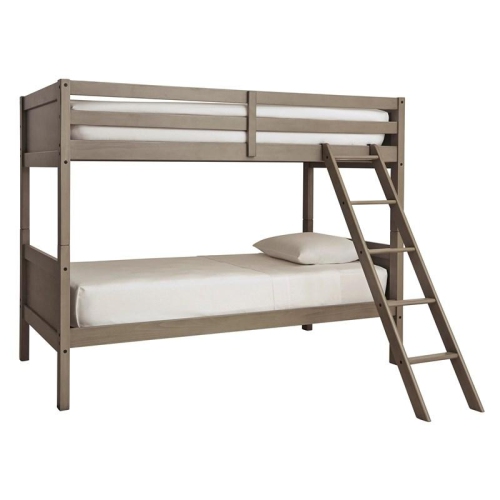 Your price for this item is $799.99
-
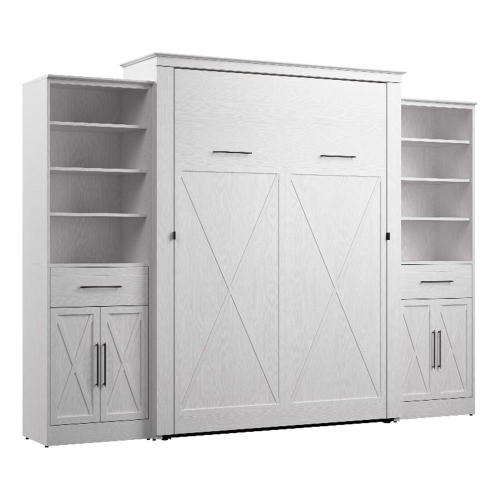 Your price for this item is $3519.99
-
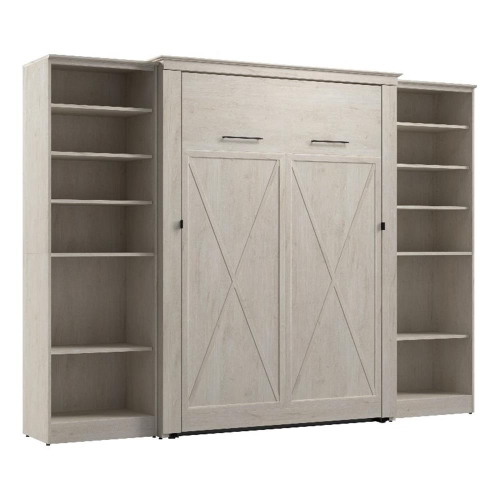 Your price for this item is $3099.99
-
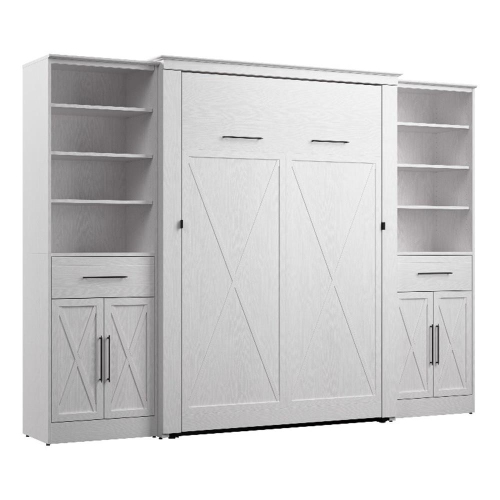 Your price for this item is $3349.99
-
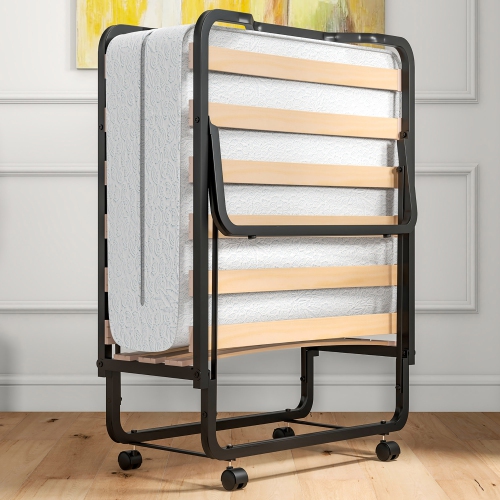 Your price for this item is $235.99
-
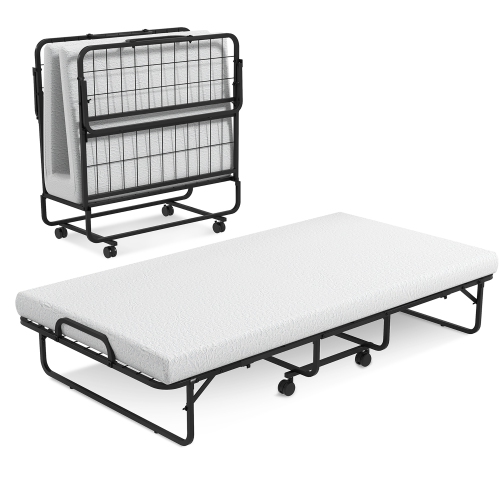 Your price for this item is $233.99
-
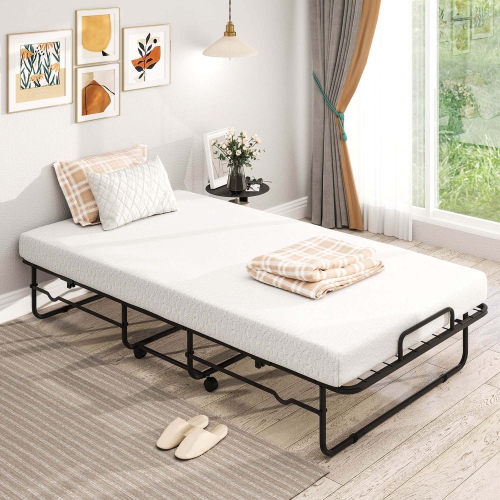 Your price for this item is $243.99
-
 Your price for this item is $364.99
Discover more categories related to Platform Beds With Slats
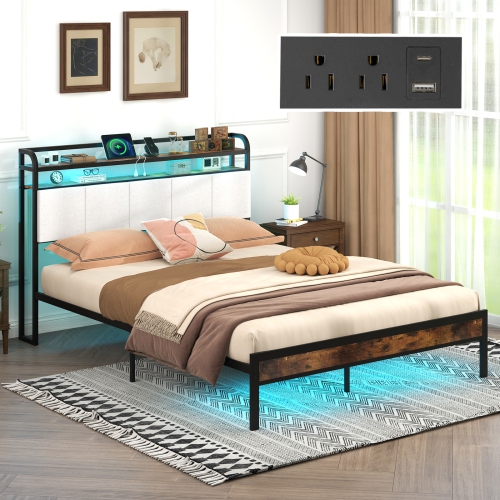
Top Collections:
Best Black Friday Deals This Year, Best Black Friday Deals On Electronics, Kindle Devices, Best Black Friday Deals On Apple Products, Best Budget Office Chairs, Best Cameras for Sports Photography, Dyson Airwrap, Canon G7X Cameras, Best Laptops for Writers, Samsung Galaxy Phones
Some products may be subject to Environmental Handling Fees
(EHF) depending on your province.
Learn more about EHFs.