Plush Area Rugs
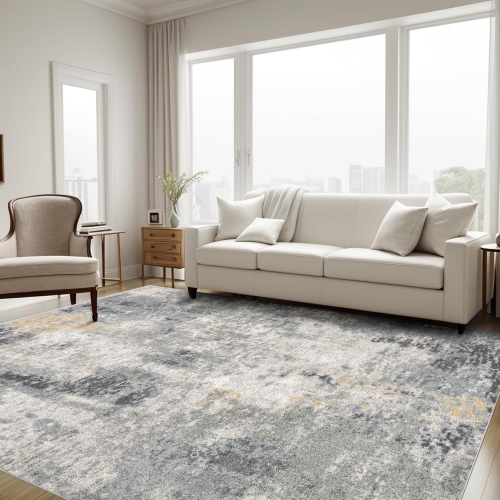
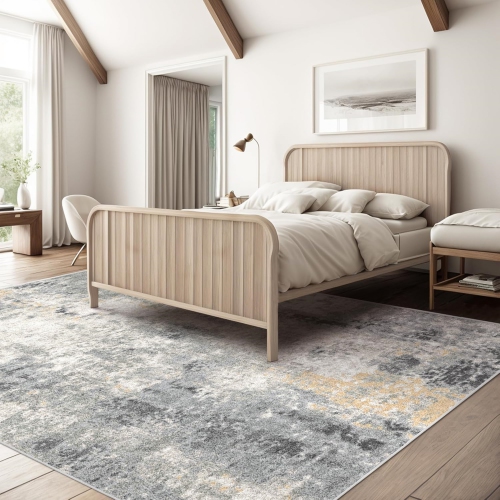
Transform your living space into a cozy oasis with our collection of plush area rugs. Whether you're looking to add warmth to your hardwood floors or create a stylish focal point in your room, our wide range of luxurious rugs is sure to meet your needs. From ultra-soft shag rugs to elegant and textured options, we have the perfect Contemporary Living Room Rug to complement any decor style. Explore our selection today and discover how a plush area rug can instantly elevate the comfort and style of your home.
Sort

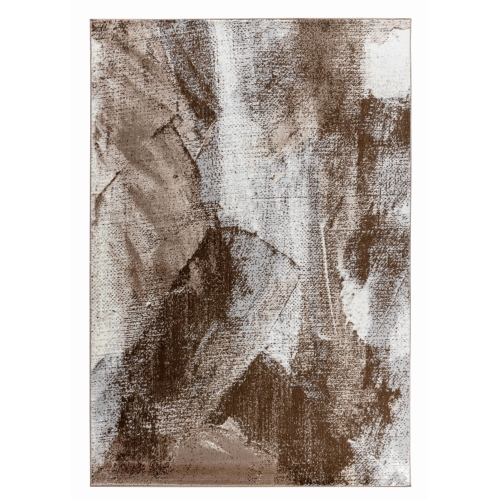

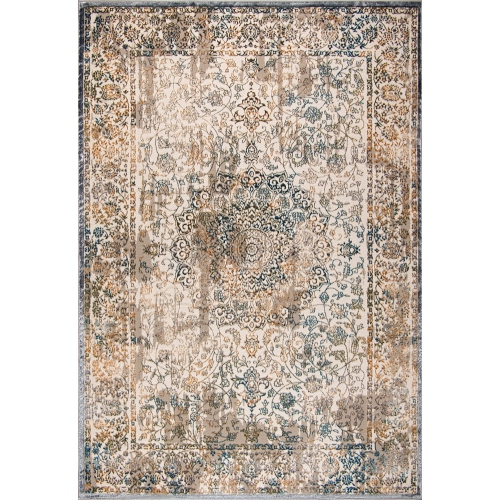
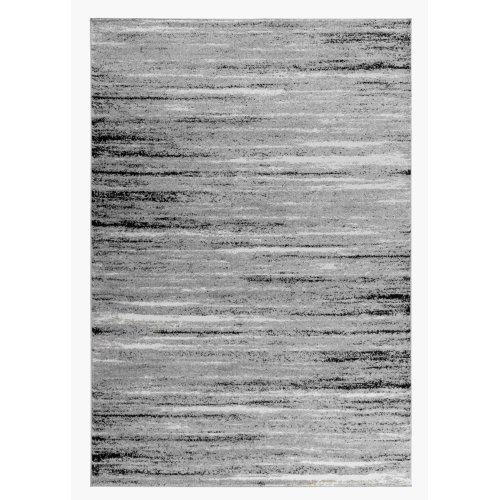
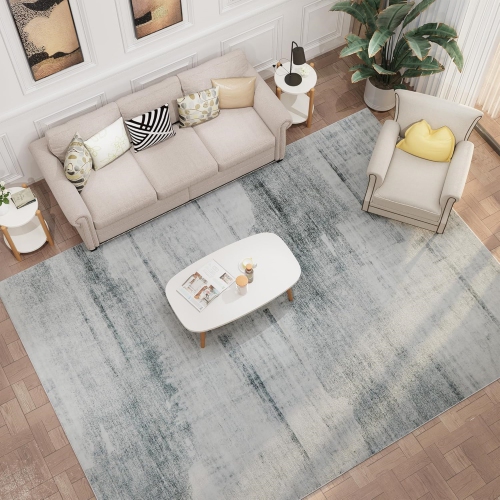
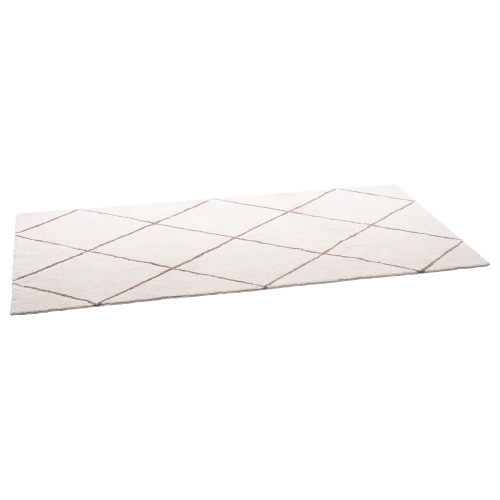
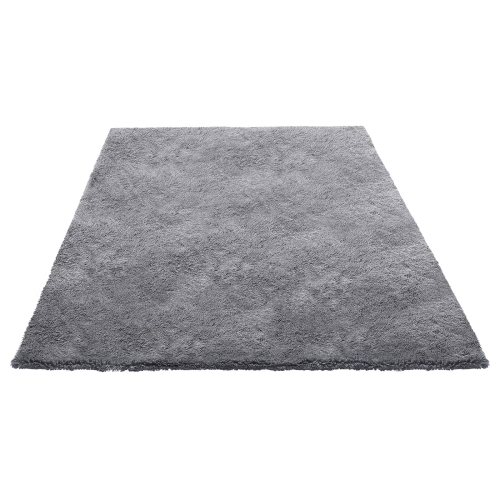
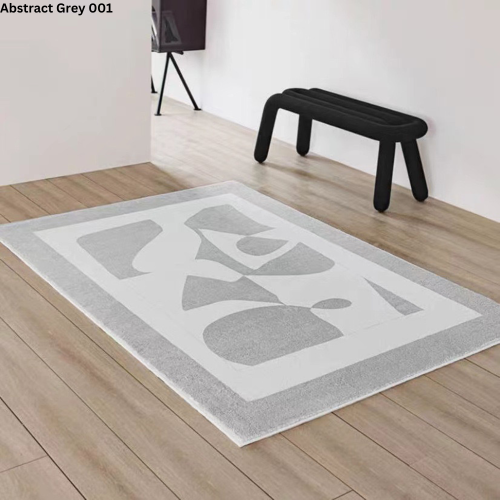
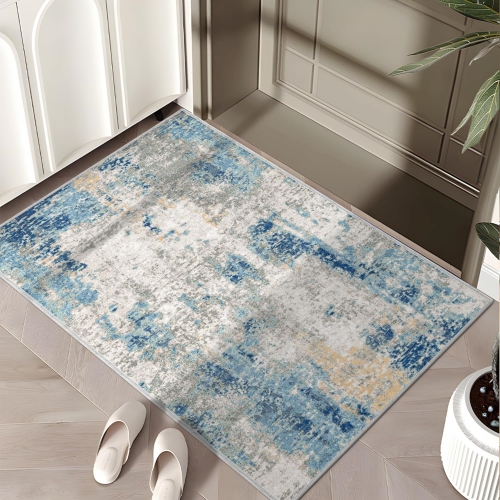


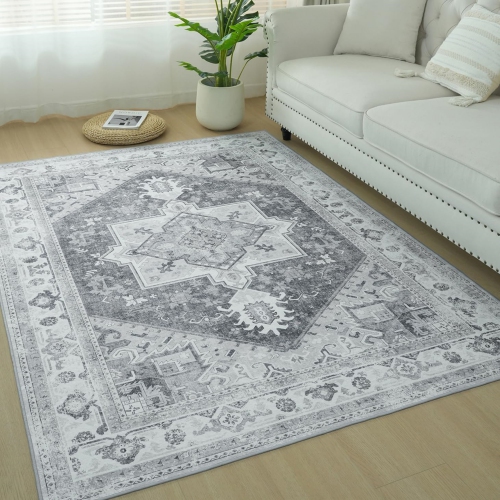
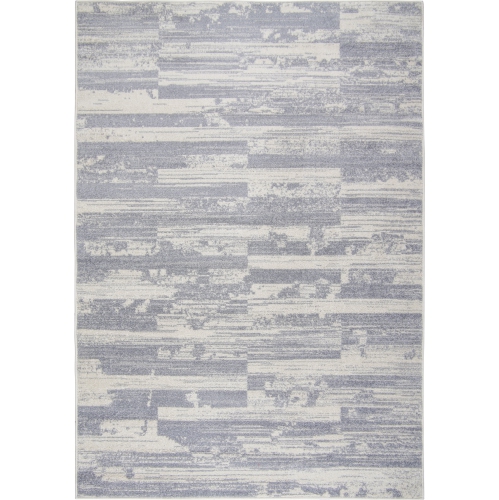
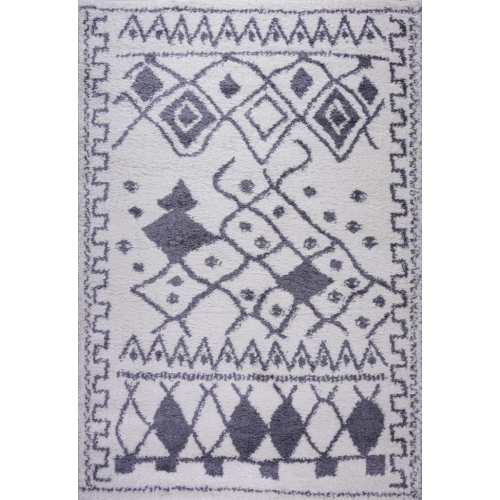
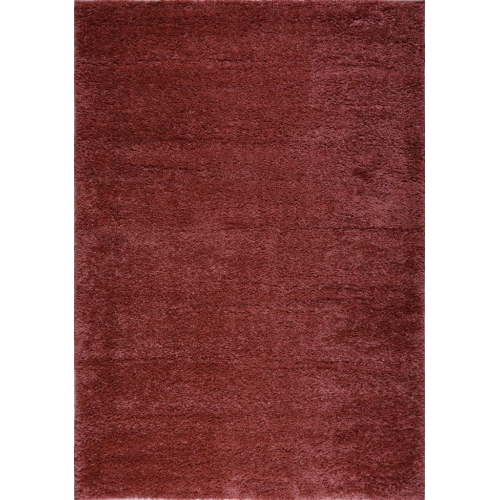

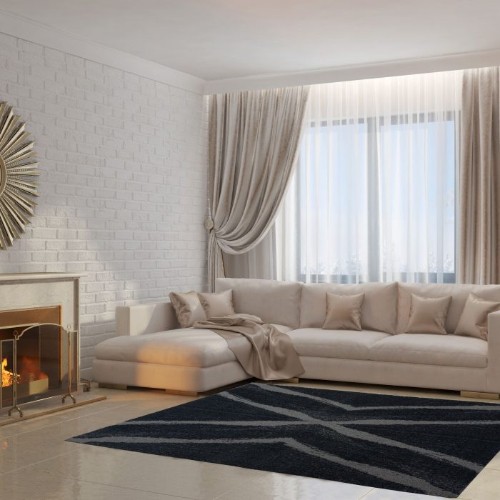
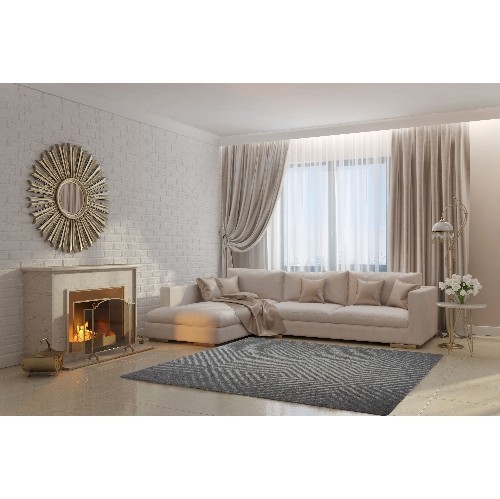

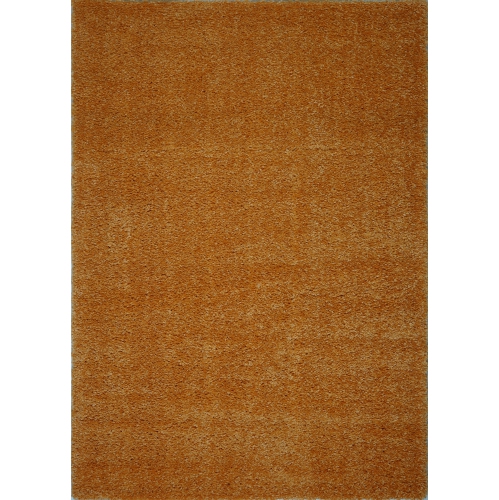
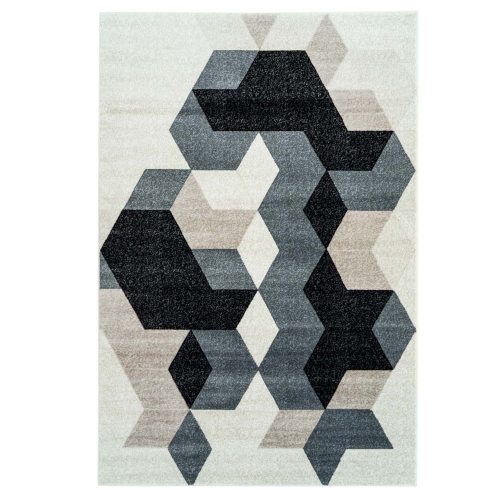
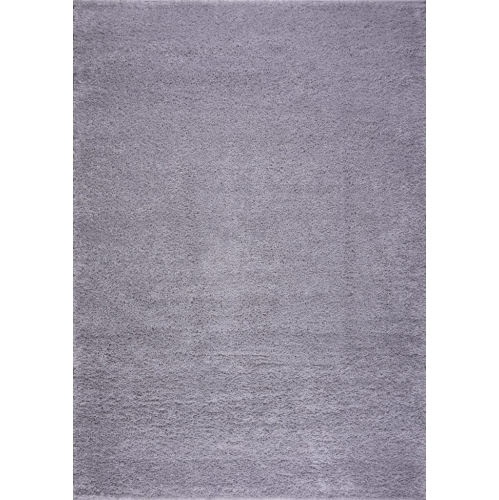
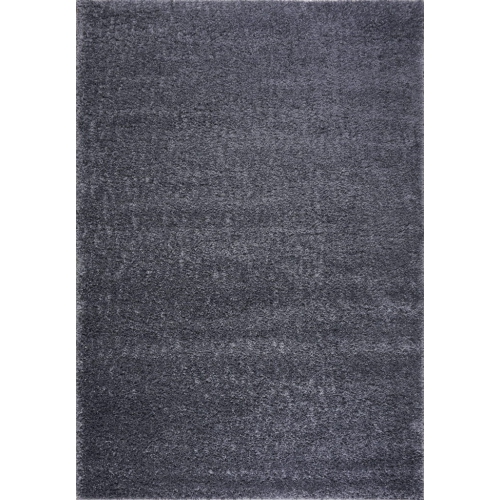
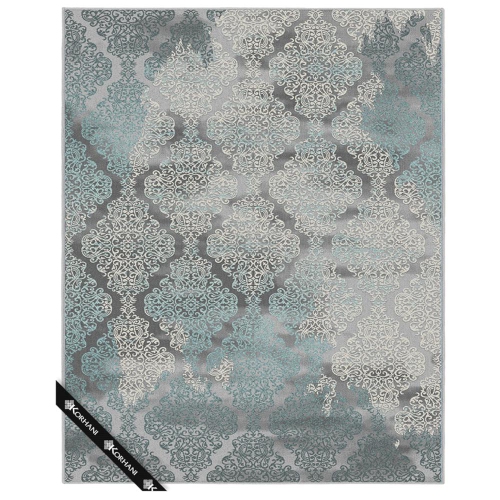
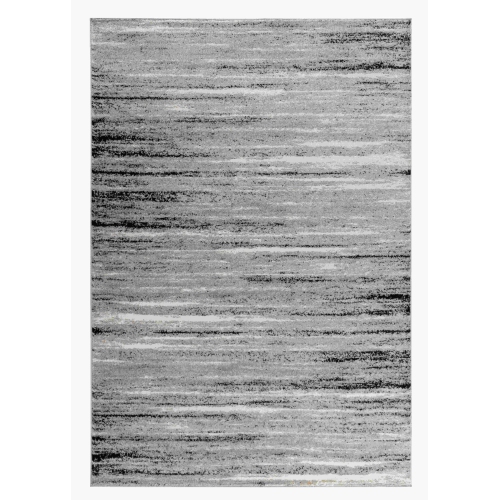
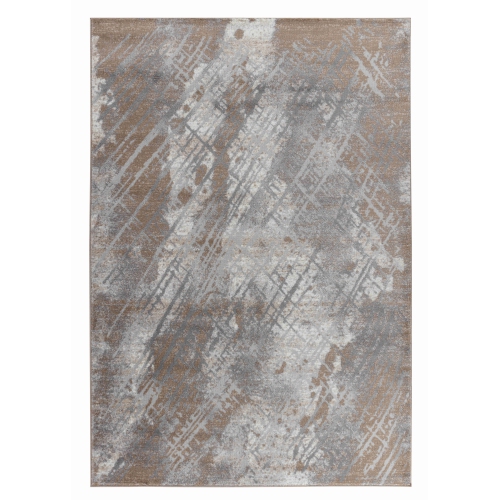
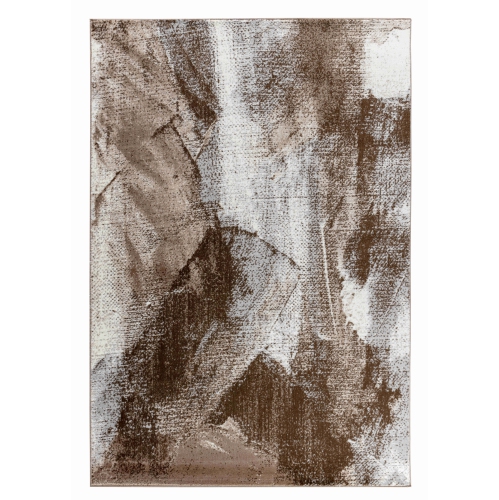
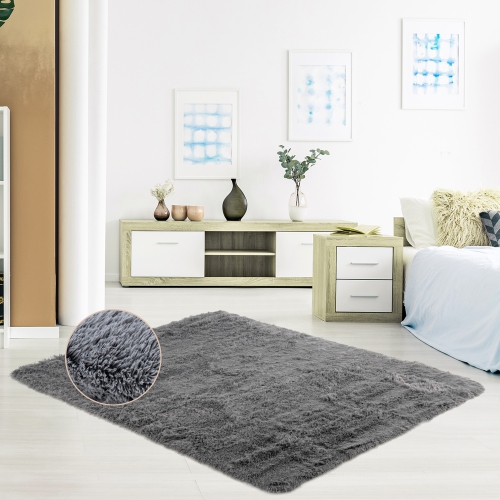
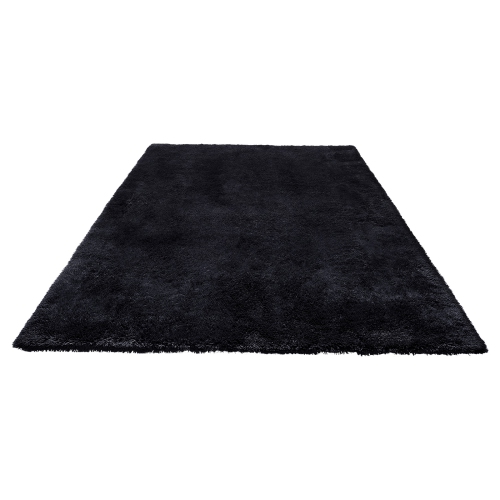
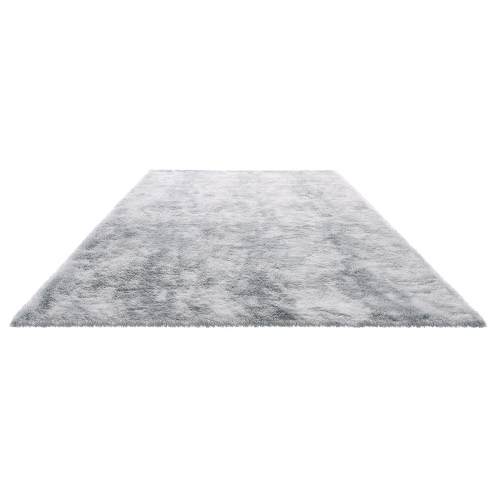
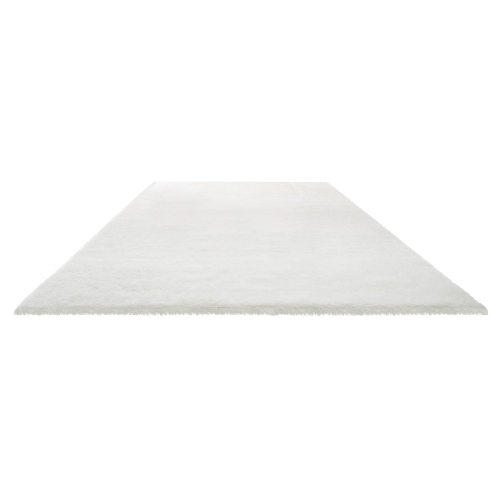
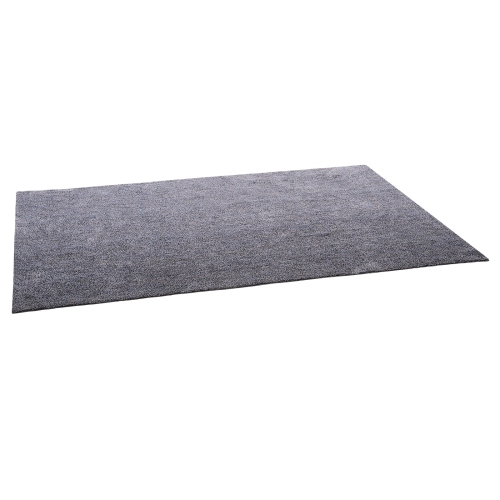
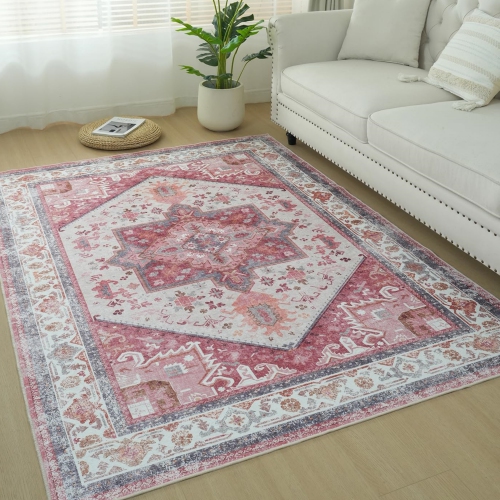
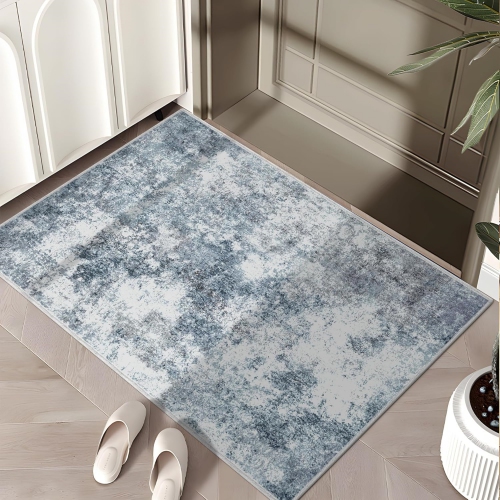
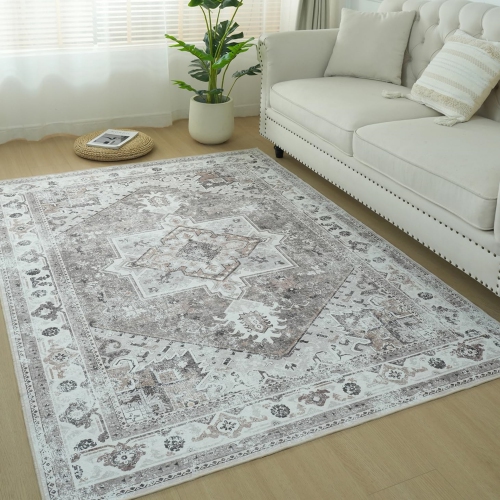
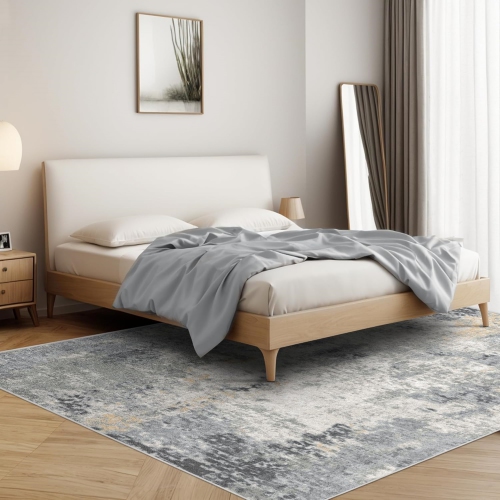

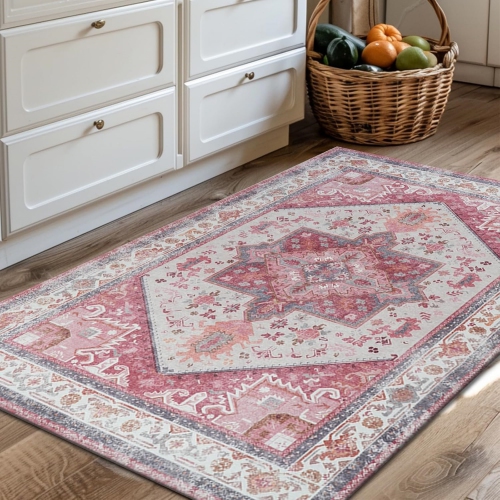
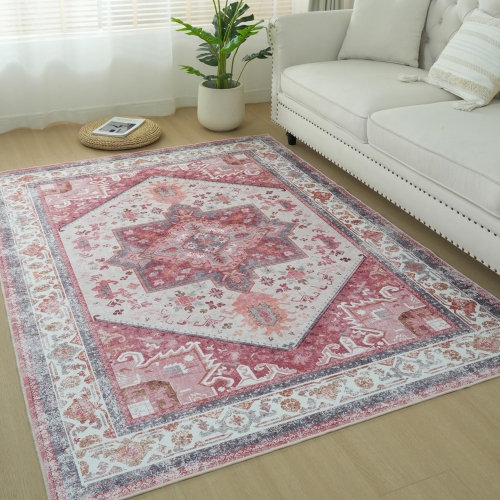
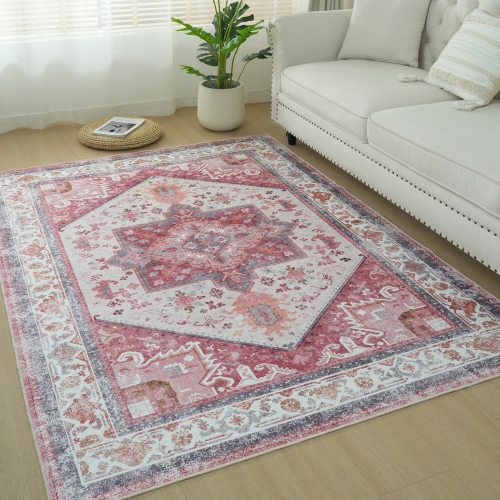

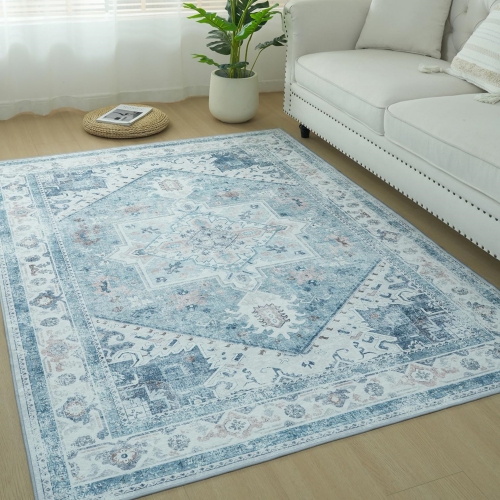
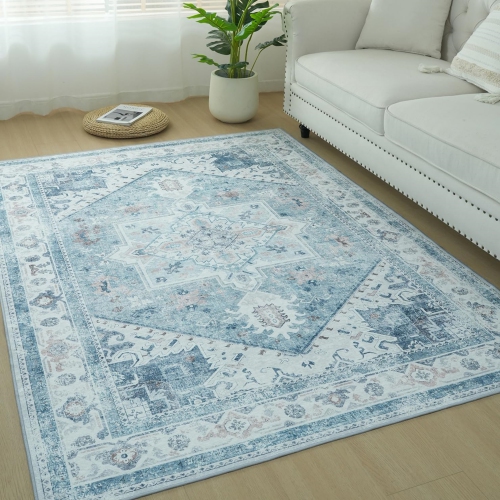
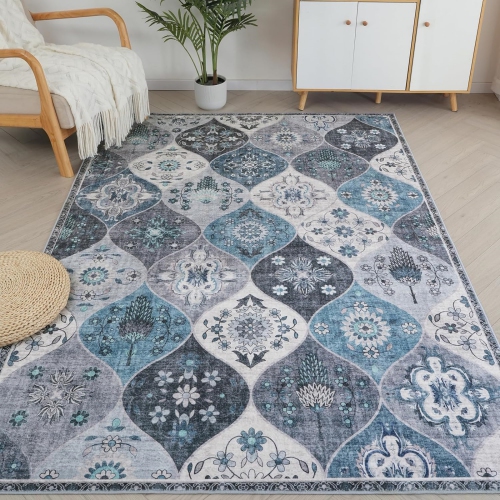
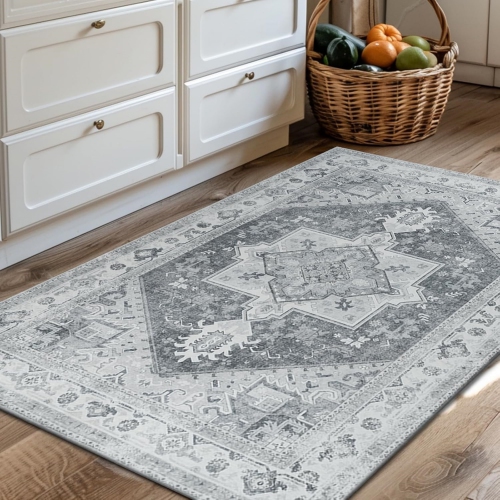
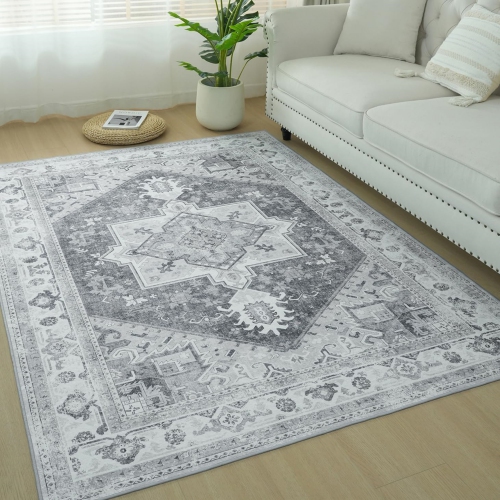

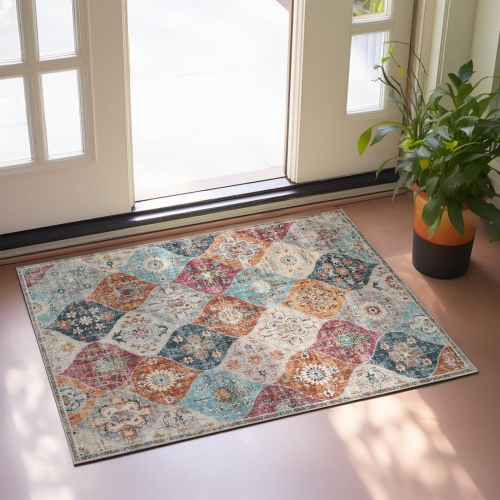
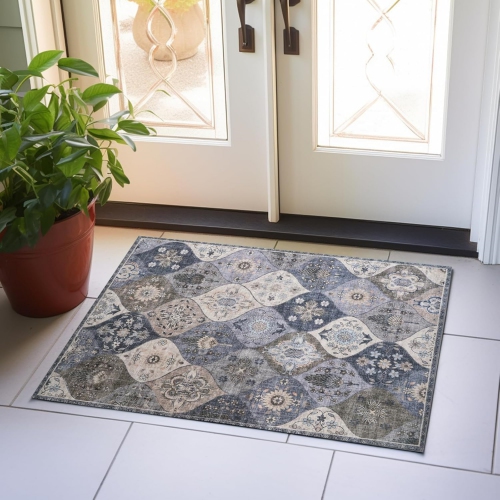
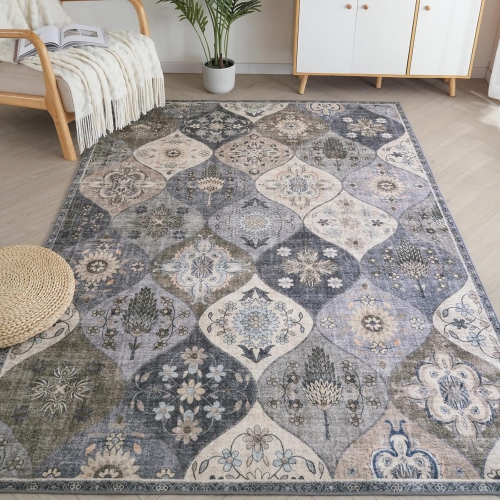
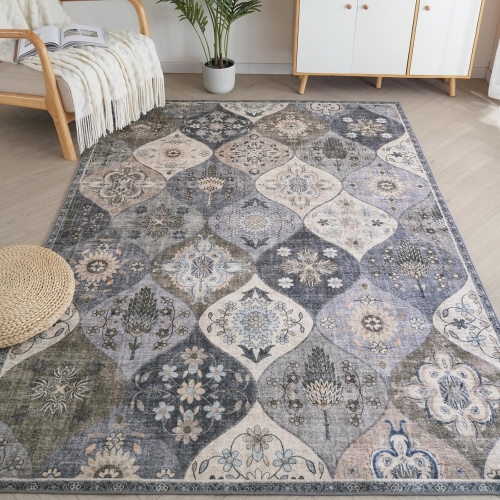
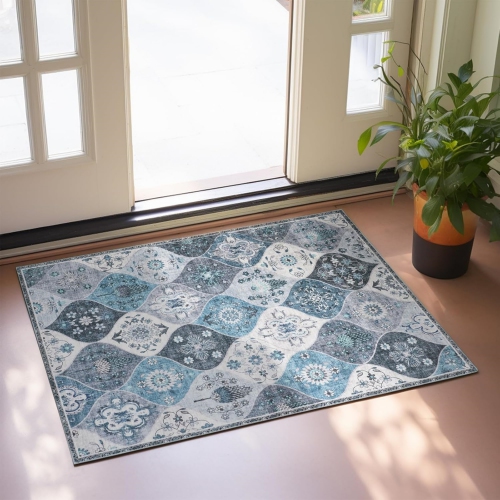
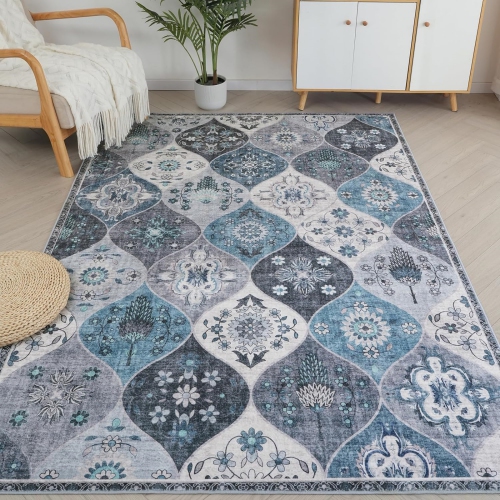
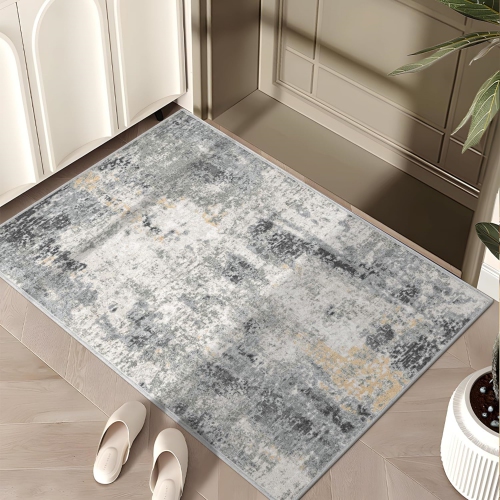
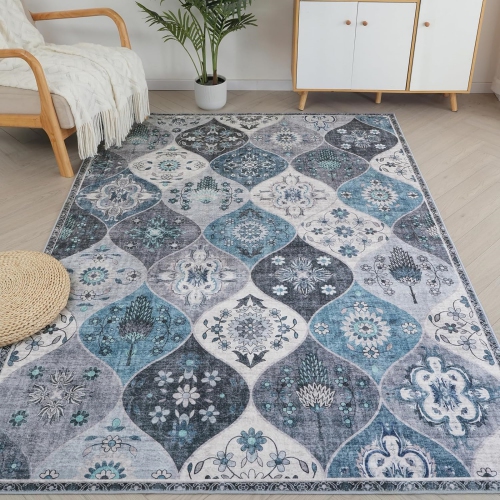
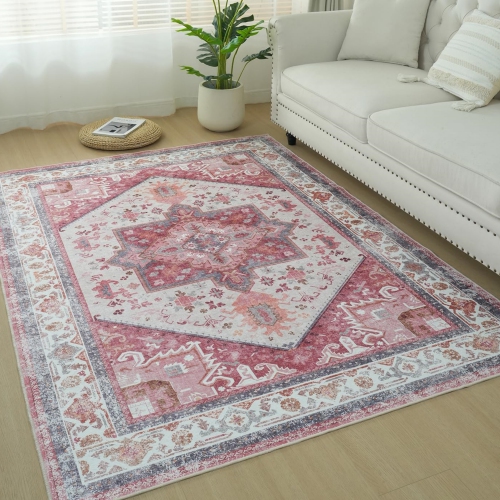

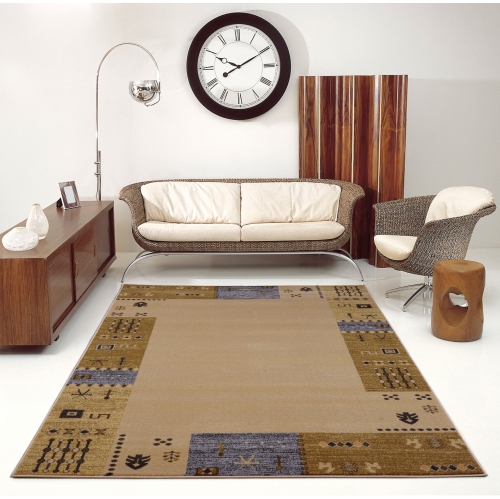
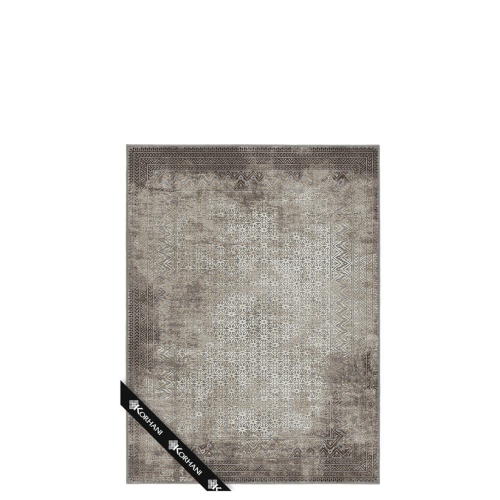
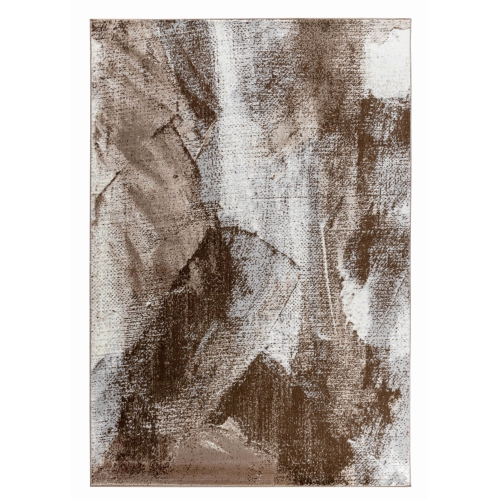
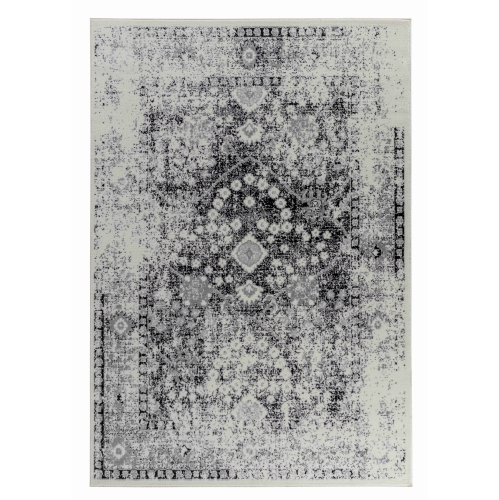
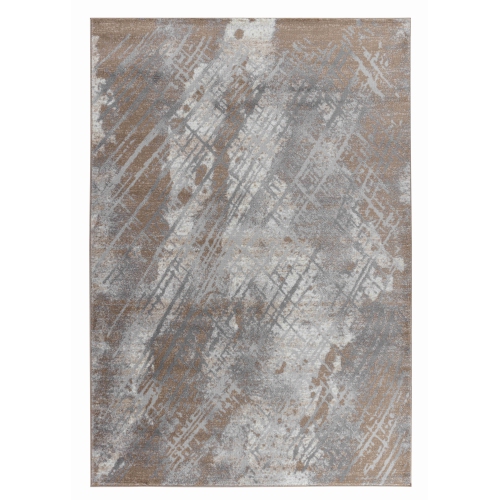
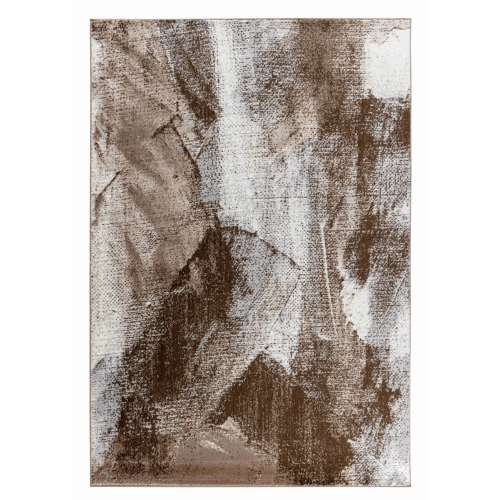
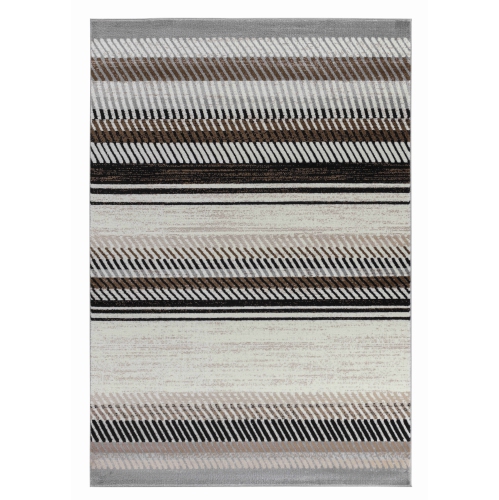
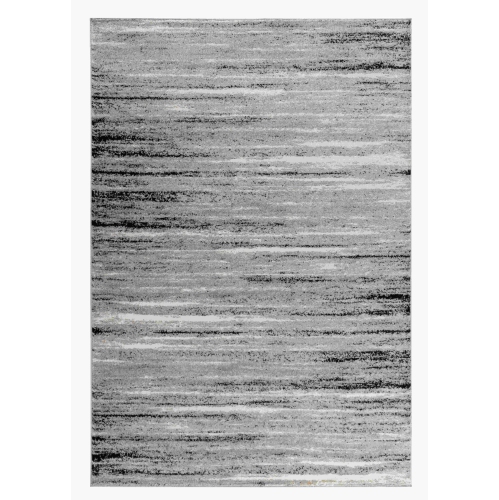
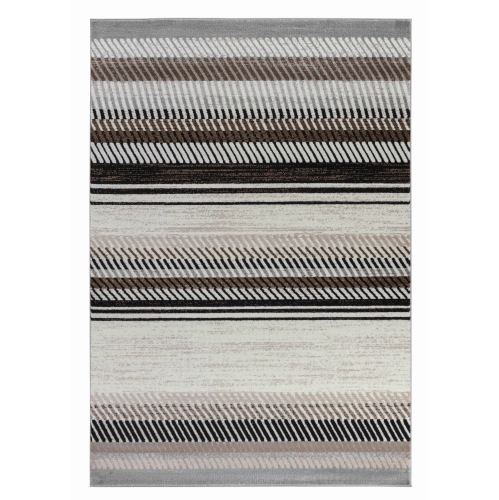
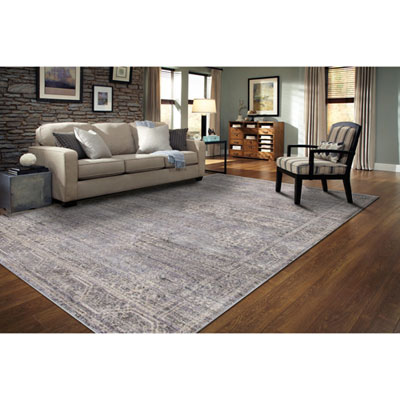
There’s more to softness than a rug’s pile height
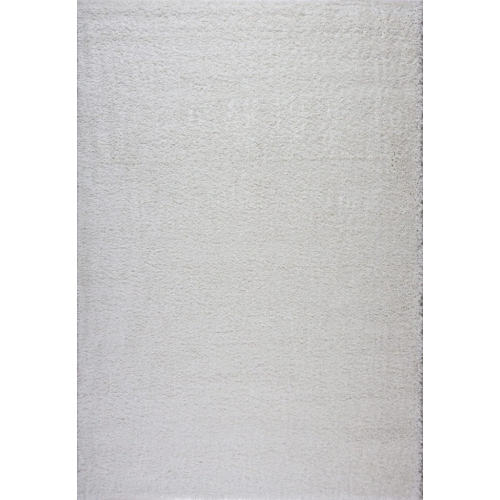
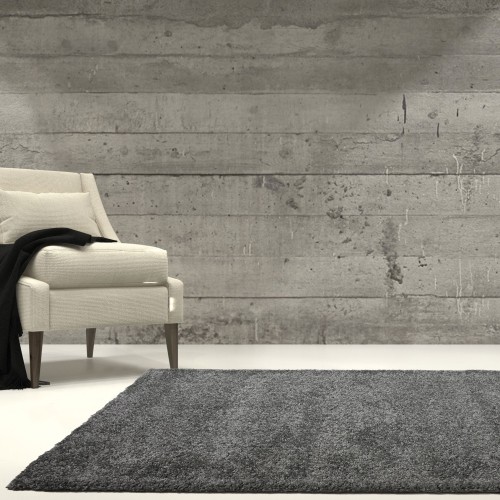
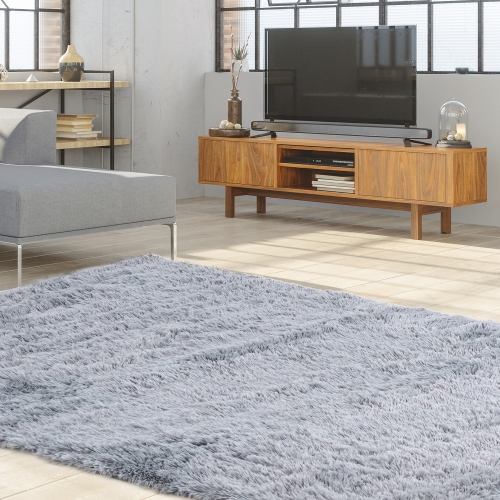
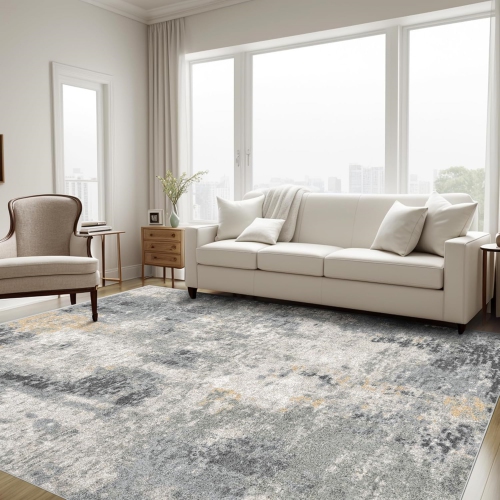
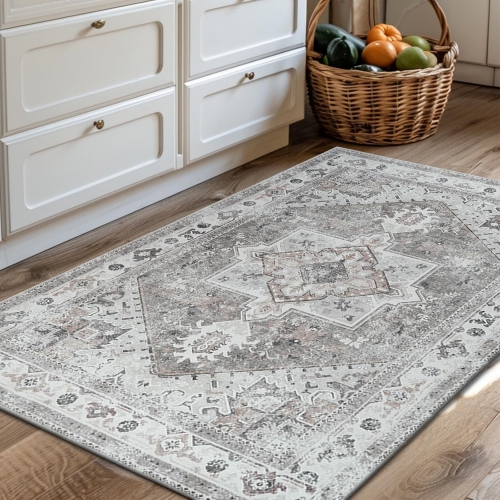
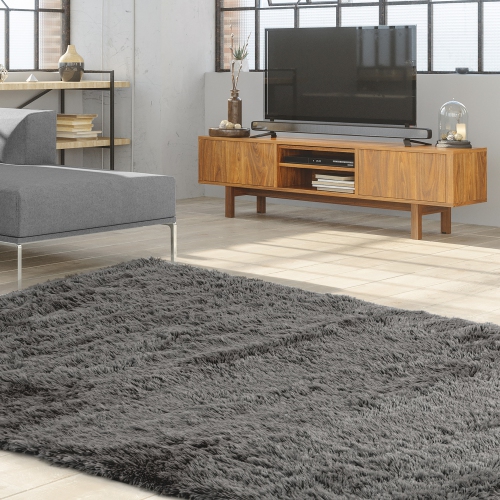
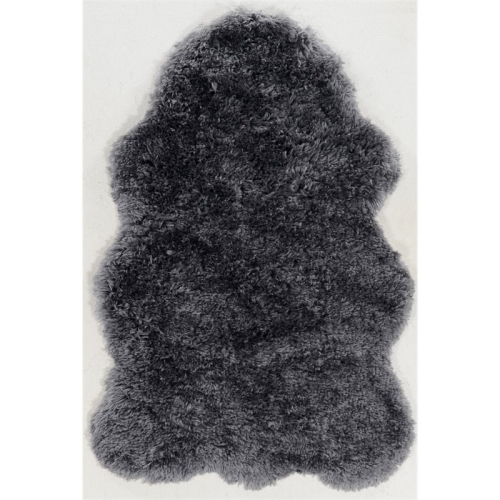
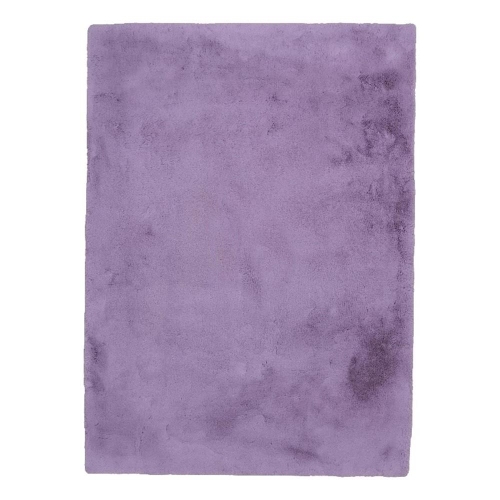
Plush area rugs bring a soft, cushioned texture to hard flooring and help define comfortable places to sit, stretch out, or step out of bed. Their distinctive feel comes from the pile: the fibres that rise above the rug’s backing. A dense, medium-height pile can feel velvety and supportive, while a longer shag pile has a looser, more enveloping texture that shifts as someone walks across it. Pile height alone does not determine softness or quality; fibre thickness, density, construction, and the backing all influence how a rug feels underfoot. For a bedroom, a deep pile can make that first step beside the bed more comfortable. In a living room, a slightly shorter plush surface may be easier to maintain around a coffee table and everyday foot traffic. Materials also make a noticeable difference. Polyester is often used for its soft touch and ability to hold colour, while polypropylene is commonly chosen for its resistance to moisture absorption and many everyday stains. Nylon generally offers good resilience, making it worth considering for spaces that see frequent use. Wool has natural spring and a substantial feel, although some shedding is normal, especially when a rug is new, and cleaning requirements deserve attention. Faux-fur textures offer a silky, distinctive finish, but their long fibres can need more frequent grooming to keep them looking even. No fibre is completely stain-proof, and performance varies with construction and care. The most suitable plush rug balances the desired softness with what happens in the room, whether that means quiet reading, children playing on the floor, or a pet settling beside the sofa. A rug can also help soften footsteps and reduce some reflected sound in a sparsely furnished space, though it is not a substitute for soundproofing. For anyone furnishing a first apartment or refreshing a familiar room, this combination of texture, comfort, and visual definition gives a plush area rug a practical role beyond its appearance.
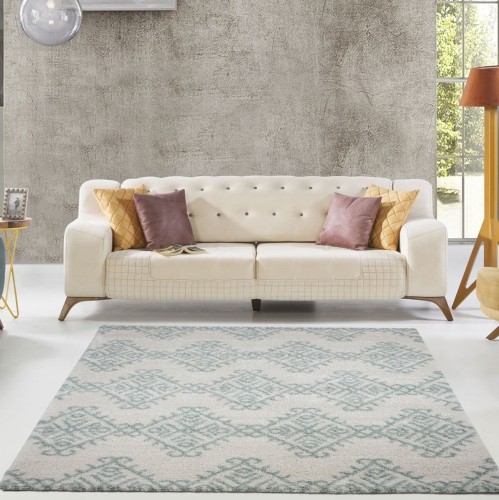
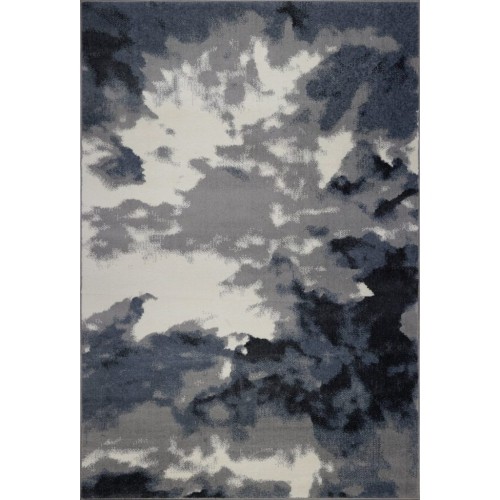
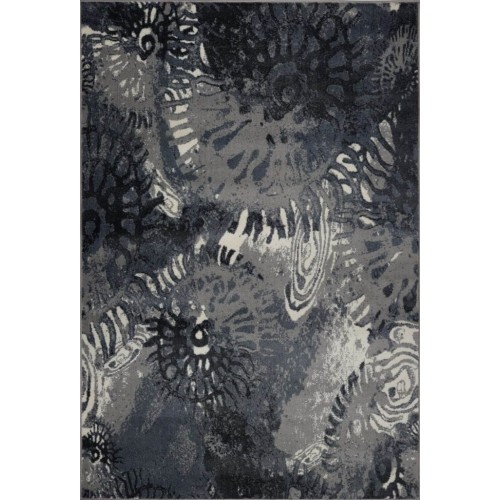
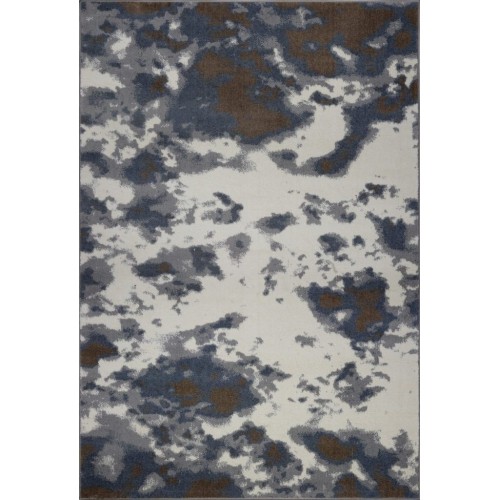
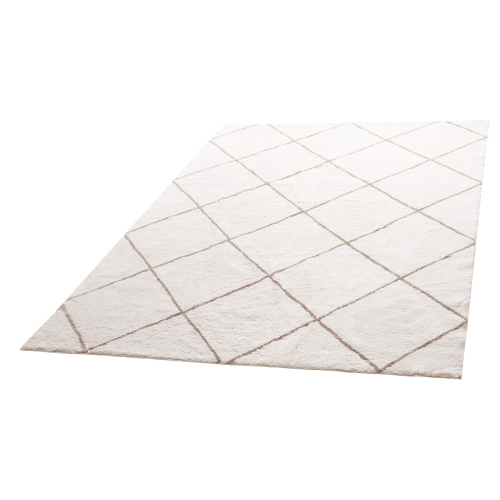
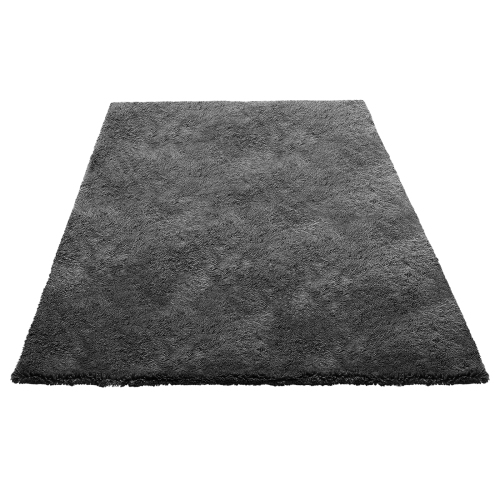
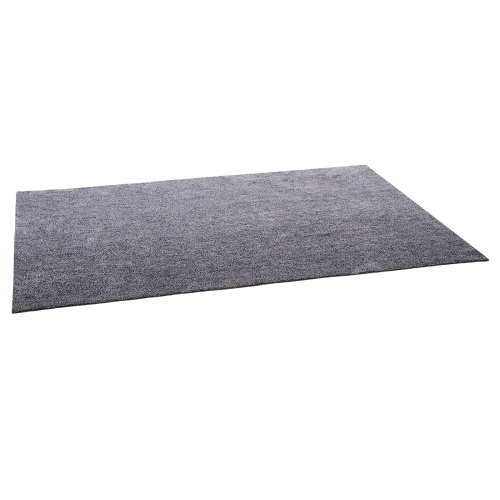
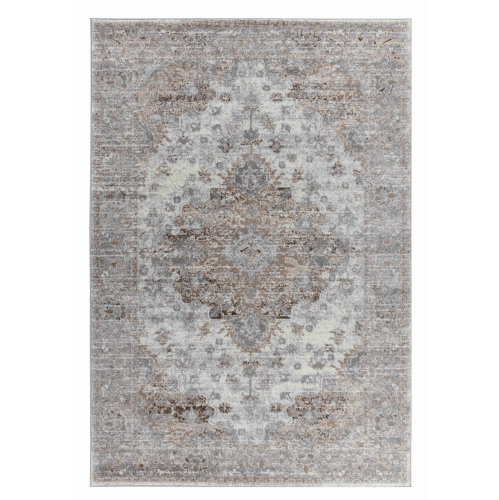
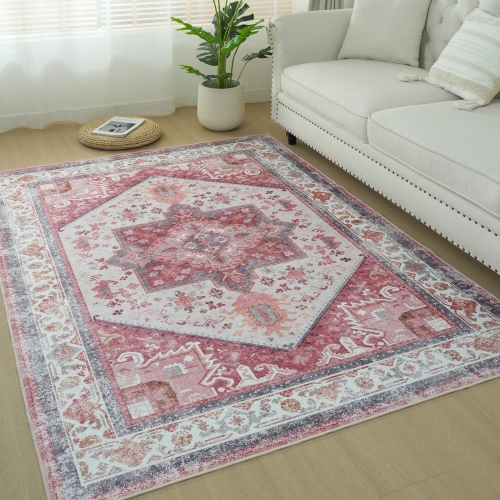
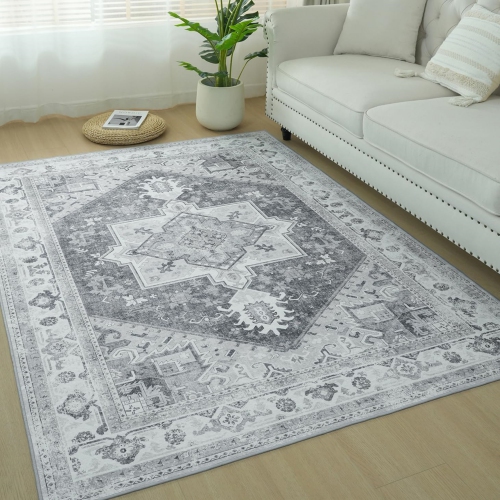
Size and placement determine whether a plush area rug feels connected to the furniture or looks like a small island in the middle of the floor. In a seating area, a rug large enough to sit beneath the front legs of the sofa and nearby chairs usually creates a more cohesive arrangement than one that fits only under the coffee table. Keeping the furniture legs at a consistent level also helps seating feel stable. An 8-foot by 10-foot rug may suit some living room layouts, while a 5-foot by 8-foot rug can work in a compact seating nook; the furniture footprint and room dimensions matter more than the size label alone. Marking the proposed edges with painter’s tape makes it easier to picture the proportions and check walking routes before settling on a size. In a bedroom, allow enough rug to extend beyond the sides of the bed where feet naturally land, rather than hiding most of the soft surface beneath the frame. Smaller rugs beside the bed can provide a similar touch without covering as much floor, provided they stay securely in place. Round rugs can soften the straight lines of a reading corner, while rectangular shapes tend to follow the layout of sofas and beds. Door clearance needs attention with thick pile, particularly near closet doors or doors that swing into the room. Colour and pattern have an equally useful role. Cream, oatmeal, taupe, and soft grey can sit comfortably alongside different wood tones and upholstery, while deeper shades create contrast against pale floors. Plush neutral area rugs offer a restrained foundation when cushions, artwork, or furniture provide the stronger colours in a room. Subtle mottling and tonal patterns can make small bits of lint or minor marks less noticeable than a completely uniform surface. Long pile may appear lighter or darker depending on the direction of the fibres and the light, so a brushed or shaded effect is often part of its character rather than an uneven colour.
Care and durability are especially important with plush rugs because their depth can hold crumbs, dust, and pet hair below the visible surface. Regular vacuuming helps prevent debris from settling at the base of the pile, but the appropriate vacuum setting depends on the rug’s construction. Long shag and delicate fibres may need suction-only cleaning or an adjustable setting rather than an aggressive rotating brush, which can pull or tangle strands. The manufacturer’s care label should determine the method. A machine-washable label is useful, but it does not mean every rug will fit safely in a household washer; the rug’s dimensions, wet weight, backing, and the appliance’s capacity all matter. Some rugs require spot cleaning or professional cleaning instead, and drying instructions are just as important as washing instructions. For a spill, prompt blotting with a clean, absorbent cloth is generally preferable to rubbing, which can spread the mark and disturb the pile. Any cleaner should be suitable for the fibre and tested in an inconspicuous area first. Letting the rug dry completely before placing it back on the floor helps protect both the backing and the surface underneath. A compatible rug pad can improve cushioning and reduce movement, although it should be suitable for the flooring and trimmed so it does not protrude beyond the edges. Even a rug described as non-slip needs a clean, dry floor and occasional checks for shifting or curled corners. Rotating the rug periodically can spread wear more evenly, particularly where people follow the same route past a sofa or dresser. Furniture cups may help distribute the pressure of heavy legs, while lifting furniture instead of dragging it reduces stress on the pile and edges. Deep plush is usually better suited to lounging and bedside spaces than to areas where dining chairs or office chair casters must move freely. Households with pets may prefer a denser, shorter plush texture that is easier to inspect and vacuum. Matching the rug’s construction to these everyday habits helps preserve its softness, appearance, and usefulness over time.
Size and placement determine whether a plush area rug feels connected to the furniture or looks like a small island in the middle of the floor. In a seating area, a rug large enough to sit beneath the front legs of the sofa and nearby chairs usually creates a more cohesive arrangement than one that fits only under the coffee table. Keeping the furniture legs at a consistent level also helps seating feel stable. An 8-foot by 10-foot rug may suit some living room layouts, while a 5-foot by 8-foot rug can work in a compact seating nook; the furniture footprint and room dimensions matter more than the size label alone. Marking the proposed edges with painter’s tape makes it easier to picture the proportions and check walking routes before settling on a size. In a bedroom, allow enough rug to extend beyond the sides of the bed where feet naturally land, rather than hiding most of the soft surface beneath the frame. Smaller rugs beside the bed can provide a similar touch without covering as much floor, provided they stay securely in place. Round rugs can soften the straight lines of a reading corner, while rectangular shapes tend to follow the layout of sofas and beds. Door clearance needs attention with thick pile, particularly near closet doors or doors that swing into the room. Colour and pattern have an equally useful role. Cream, oatmeal, taupe, and soft grey can sit comfortably alongside different wood tones and upholstery, while deeper shades create contrast against pale floors. Plush neutral area rugs offer a restrained foundation when cushions, artwork, or furniture provide the stronger colours in a room. Subtle mottling and tonal patterns can make small bits of lint or minor marks less noticeable than a completely uniform surface. Long pile may appear lighter or darker depending on the direction of the fibres and the light, so a brushed or shaded effect is often part of its character rather than an uneven colour.
Care and durability are especially important with plush rugs because their depth can hold crumbs, dust, and pet hair below the visible surface. Regular vacuuming helps prevent debris from settling at the base of the pile, but the appropriate vacuum setting depends on the rug’s construction. Long shag and delicate fibres may need suction-only cleaning or an adjustable setting rather than an aggressive rotating brush, which can pull or tangle strands. The manufacturer’s care label should determine the method. A machine-washable label is useful, but it does not mean every rug will fit safely in a household washer; the rug’s dimensions, wet weight, backing, and the appliance’s capacity all matter. Some rugs require spot cleaning or professional cleaning instead, and drying instructions are just as important as washing instructions. For a spill, prompt blotting with a clean, absorbent cloth is generally preferable to rubbing, which can spread the mark and disturb the pile. Any cleaner should be suitable for the fibre and tested in an inconspicuous area first. Letting the rug dry completely before placing it back on the floor helps protect both the backing and the surface underneath. A compatible rug pad can improve cushioning and reduce movement, although it should be suitable for the flooring and trimmed so it does not protrude beyond the edges. Even a rug described as non-slip needs a clean, dry floor and occasional checks for shifting or curled corners. Rotating the rug periodically can spread wear more evenly, particularly where people follow the same route past a sofa or dresser. Furniture cups may help distribute the pressure of heavy legs, while lifting furniture instead of dragging it reduces stress on the pile and edges. Deep plush is usually better suited to lounging and bedside spaces than to areas where dining chairs or office chair casters must move freely. Households with pets may prefer a denser, shorter plush texture that is easier to inspect and vacuum. Matching the rug’s construction to these everyday habits helps preserve its softness, appearance, and usefulness over time.
Top selling and popular products
-
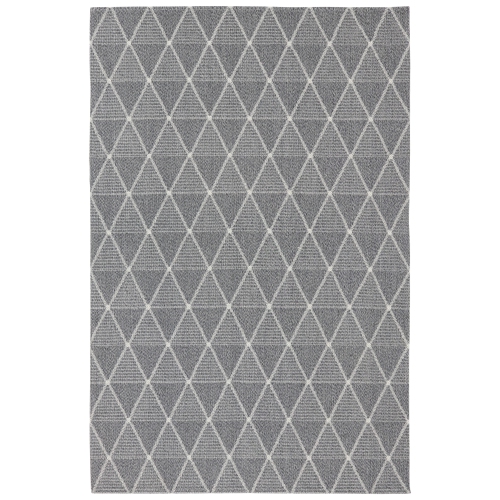 Your price for this item is $130.55
 -
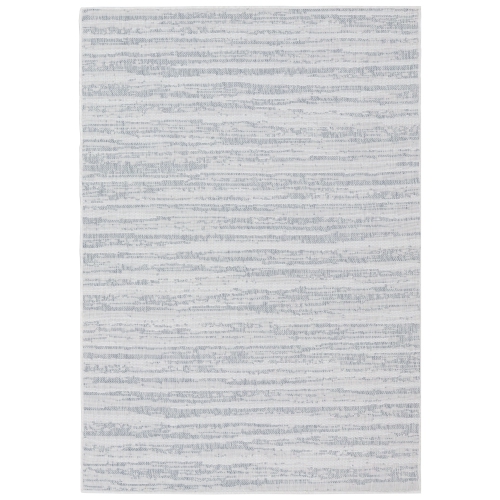 Your price for this item is $129.15
 -
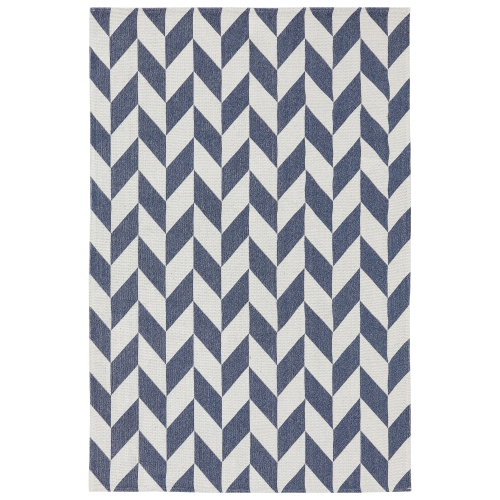 Your price for this item is $130.55
 -
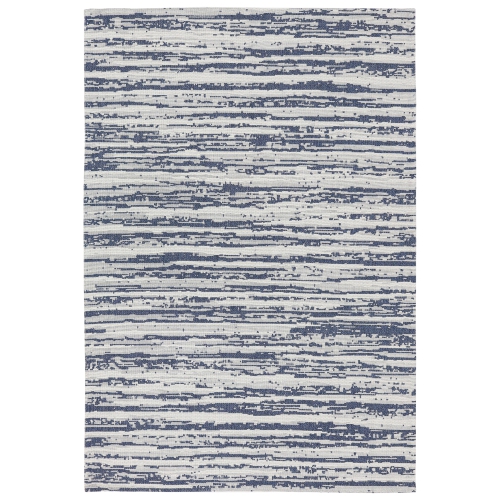 Your price for this item is $130.55
 -
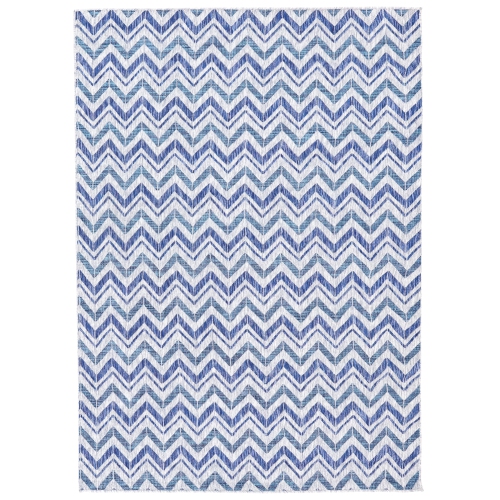 Your price for this item is $129.15
 -
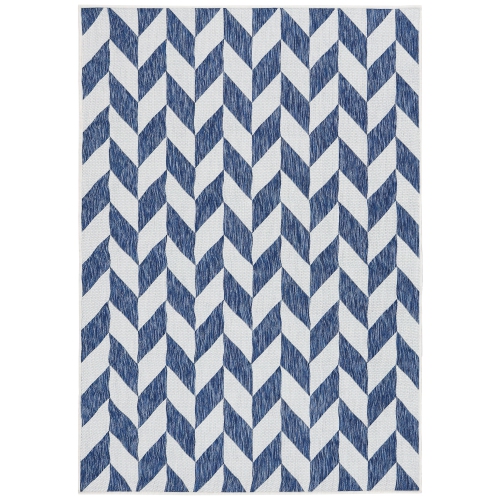 Your price for this item is $129.15
 -
 Your price for this item is $269.46
 -
 Your price for this item is $219.8
Discover more categories related to Plush Area Rugs
Top Collections:
Pokemon Centers, Kindle Devices, Best Budget Office Chairs, Apple iPhones 16, Best Laptops for Writers, iPhone 15 Apple, Canon G7X Cameras, Refurbished Apple Laptops, Alarm Clock, Motorola Razr Phones
Some products may be subject to Environmental Handling Fees
(EHF) depending on your province.
Learn more about EHFs.