Pocket Literature Displays
Pocket literature displays are a great way to showcase information in a small, easy-to-use format. These displays are typically used to showcase brochures, pamphlets, and other marketing materials in a small space. They are often used in retail stores, lobbies, trade shows, and other public spaces. Here are some great options available.
Sort
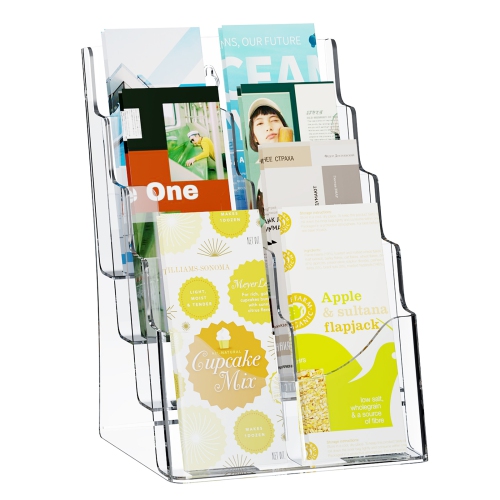

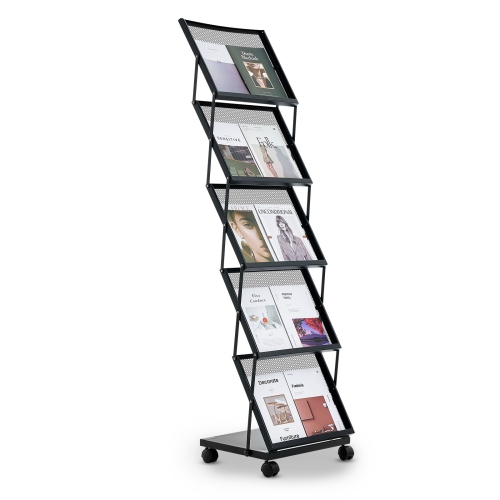
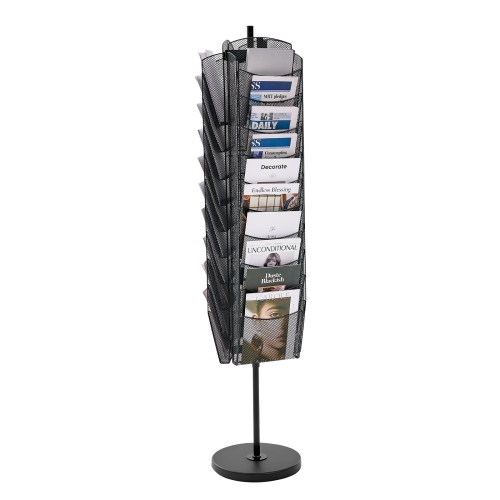
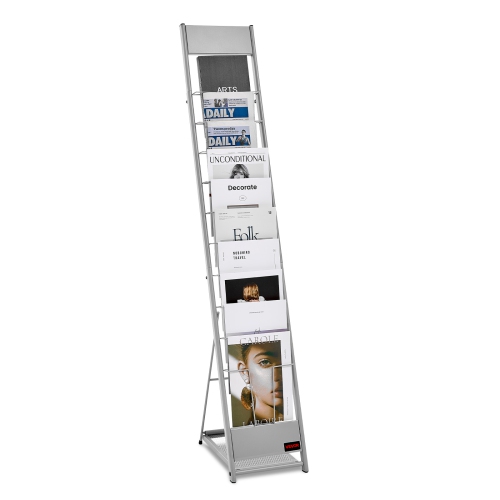
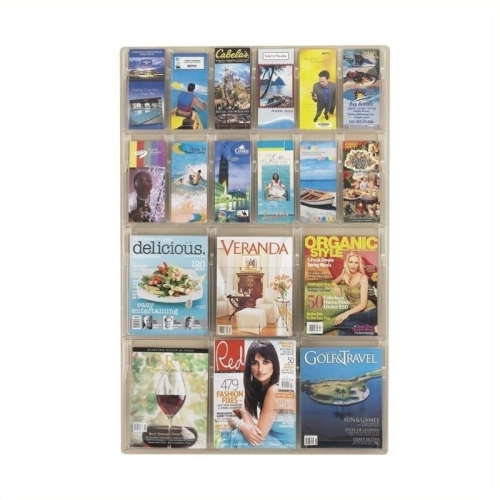
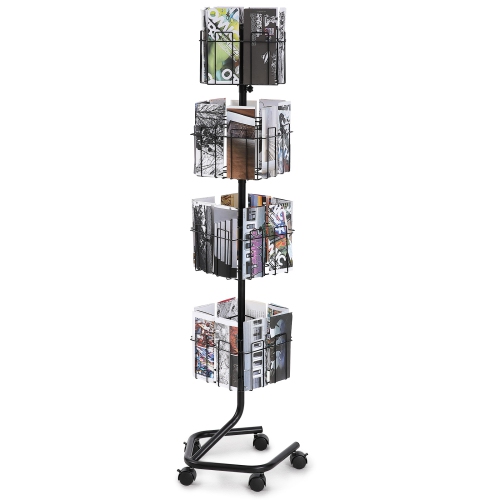
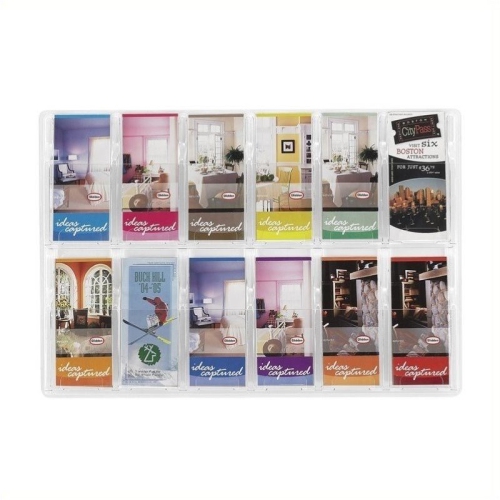
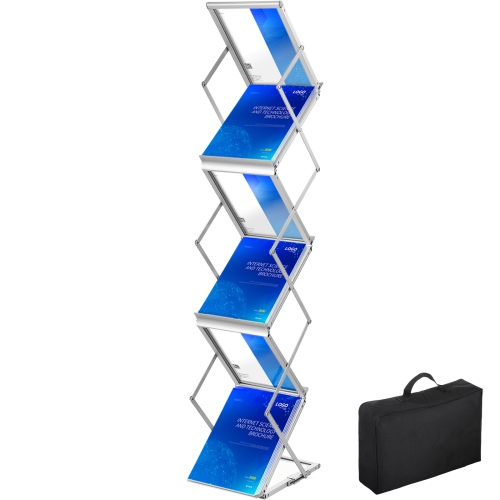
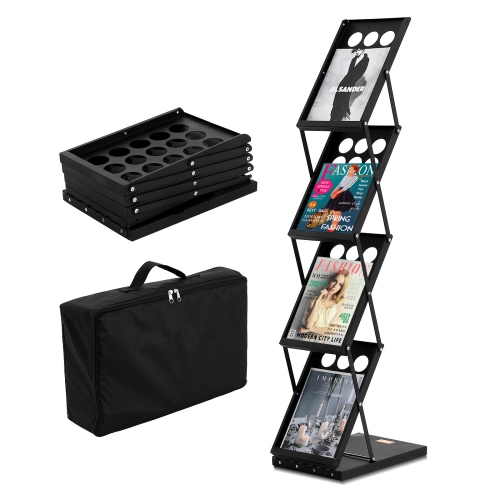
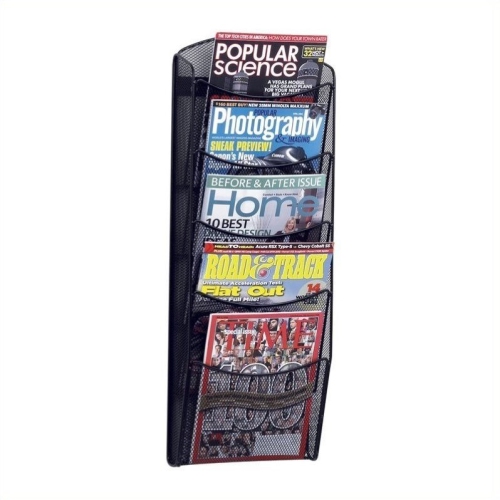

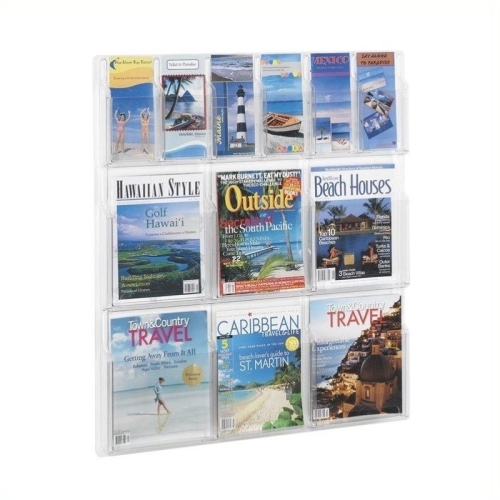
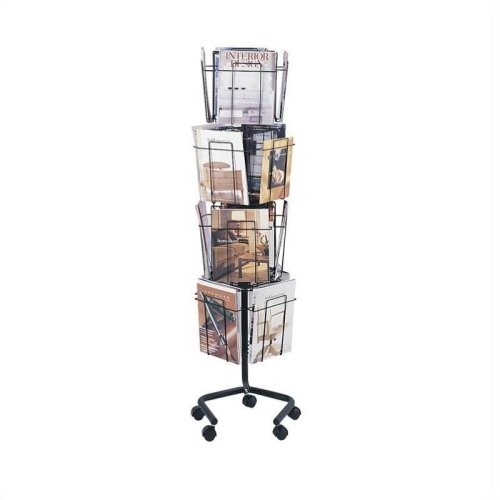
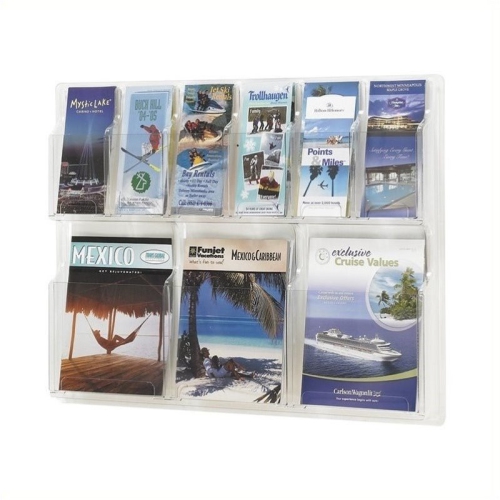
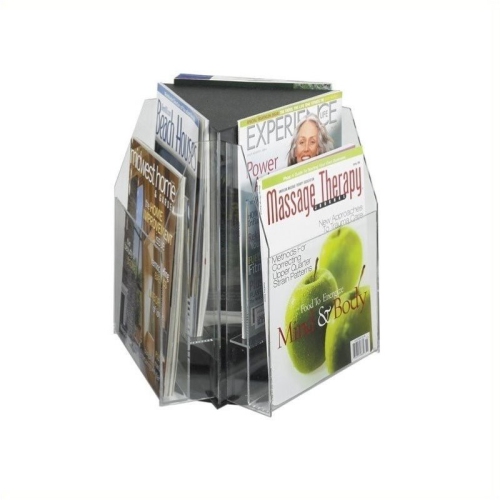
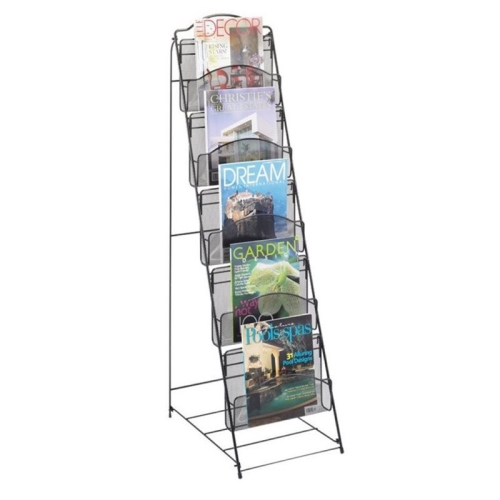
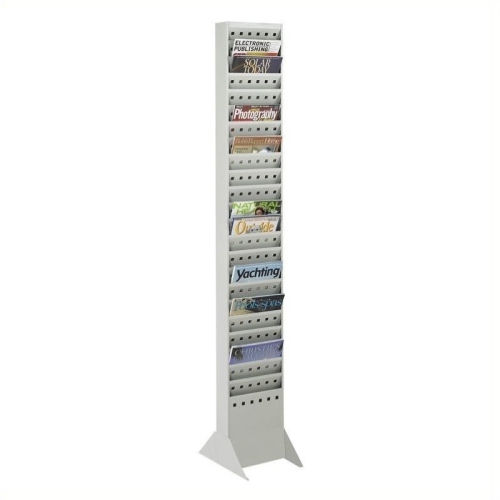
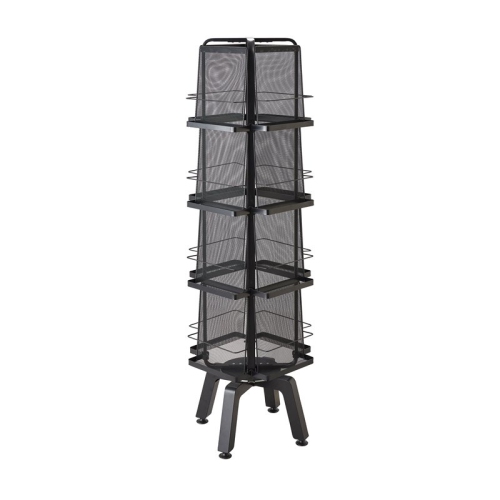
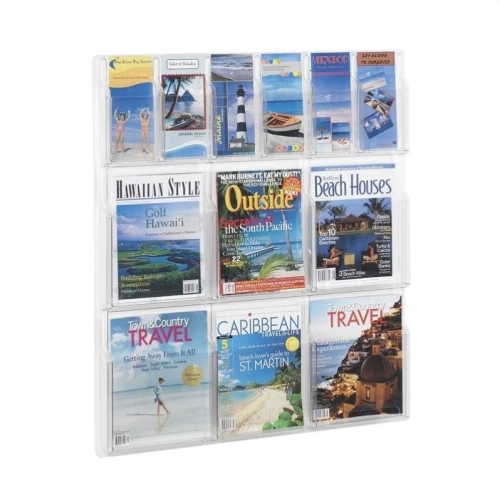
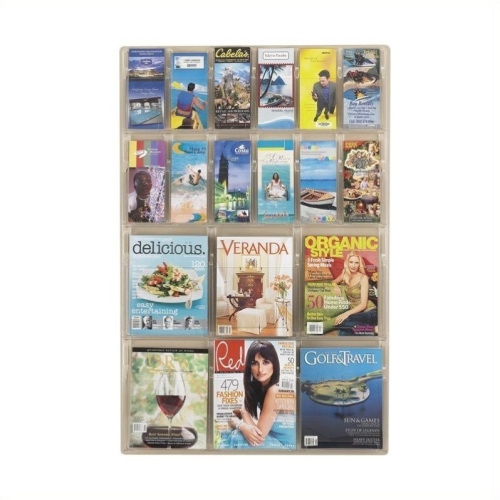
Practical displays keep brochures visible and easy to reach
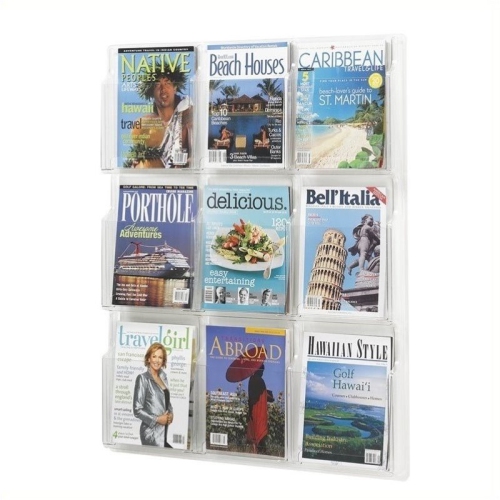
Pocket literature displays provide a practical way to organize and present brochures, pamphlets, flyers, menus, newsletters, event details, and other printed materials. Rather than leaving handouts in a loose stack where they can become bent, hidden, or overlooked, a pocket-style display keeps each piece upright, visible, and easy to reach. These displays are commonly used in reception areas, retail counters, waiting rooms, offices, libraries, community centres, schools, clinics, hotels, studios, and event spaces. They can also be useful in a home office, craft room, or shared workspace when several types of paper need to remain accessible without taking over a desk. When choosing a display, begin with the size and format of the literature it will hold. A standard tri-fold brochure needs a pocket with enough depth and width to support the folded edges, while letter-size sheets, magazines, menus, and larger promotional materials may require a more generous opening. Check both the external dimensions and the usable pocket dimensions, since a compact-looking unit may have less room than expected once dividers, side panels, or a backing frame are taken into account. It is also worth considering how many titles or categories need to be displayed. A single-pocket holder suits one frequently used handout, while a tiered or multi-pocket design can separate several subjects and make the contents easier to scan. For example, a reception desk might use individual pockets for appointment information, service details, local attractions, and forms, allowing visitors to find what they need without asking for assistance. Clear acrylic and other transparent materials are popular where visibility is the priority, as the front of each brochure remains easy to see and the display blends with many interiors. Metal and mesh designs can offer a more structured appearance and are often well suited to busier settings or portable arrangements. Fabric pockets and foldable formats can be convenient for events, especially when a display needs to be transported between venues and packed away after use.
The best placement depends on the way people move through the space. Desktop and countertop displays work well near checkouts, service desks, reception stations, and entrance tables, where visitors can pick up information while speaking with staff or completing another task. Wall-mounted pockets help preserve valuable surface area and are useful beside doors, in corridors, near elevators, or on the wall behind a counter. Adhesive-backed options can be suitable for lighter literature and temporary arrangements, provided the mounting surface is clean, smooth, dry, and able to support the combined weight of the holder and its contents. For a more permanent installation, look for a design with mounting hardware or clearly defined attachment points, and confirm that the wall type and fasteners are compatible before installation. Floor-standing racks are helpful in high-traffic locations where a larger selection of materials needs to be presented at a comfortable viewing height. Their footprint matters, particularly in narrow hallways or areas where customers, visitors, or staff need to pass by with ease. Portable and foldable displays are a natural choice for trade shows, open houses, information booths, school events, markets, and community gatherings. A carrying case, lightweight frame, folding mechanism, or compact packed size can make a noticeable difference when equipment needs to travel by car or be carried across a venue. Stability should remain a priority: a tall rack with several full pockets may need a wide base, a weighted support, or placement away from doorways and busy corners. The way a display opens and closes can also affect everyday convenience, so examine whether pockets remain secure when moved and whether printed materials can be added or removed without disturbing the rest. Those comparing styles and formats may find more options among Literature Holders, including holders intended for different locations, capacities, and types of printed material.
A well-planned pocket literature display should make information feel inviting rather than crowded. Leave enough room for each brochure to be lifted out comfortably, and avoid filling every pocket so tightly that the front titles disappear or the paper becomes difficult to remove. If the display will be used by children, older adults, or visitors with limited mobility, position it at an accessible height and choose pockets that do not require much force to use. In a business setting, consistent labels or clearly visible cover headings can help people identify the right material quickly, while a simple arrangement by topic, service, destination, or audience can reduce confusion. A hospitality space might group local maps and dining information separately from accommodation details; a school office might divide registration forms, activity notices, and community resources; and a small business could keep service menus, appointment information, and take-away cards together in one tidy area. At home, a pocket display can hold recipes, class schedules, craft patterns, travel notes, or invitations, keeping useful papers off the refrigerator and away from a crowded work surface. These displays can also make thoughtful gifts for someone opening a studio, organizing a home office, setting up a market table, or preparing a welcoming guest area. During the warmer and cooler parts of the year, they can help seasonal venues present changing menus, local event details, visitor information, or activity schedules without requiring a complete change to the surrounding furniture. Before making a selection, consider the available space, the expected traffic, the quantity and size of the literature, the need for portability, and how often the contents will change. A durable, easy-to-read holder in the right format can turn a neglected pile of papers into a clear information point that looks organized, supports self-service, and helps important details reach the people who need them.
The best placement depends on the way people move through the space. Desktop and countertop displays work well near checkouts, service desks, reception stations, and entrance tables, where visitors can pick up information while speaking with staff or completing another task. Wall-mounted pockets help preserve valuable surface area and are useful beside doors, in corridors, near elevators, or on the wall behind a counter. Adhesive-backed options can be suitable for lighter literature and temporary arrangements, provided the mounting surface is clean, smooth, dry, and able to support the combined weight of the holder and its contents. For a more permanent installation, look for a design with mounting hardware or clearly defined attachment points, and confirm that the wall type and fasteners are compatible before installation. Floor-standing racks are helpful in high-traffic locations where a larger selection of materials needs to be presented at a comfortable viewing height. Their footprint matters, particularly in narrow hallways or areas where customers, visitors, or staff need to pass by with ease. Portable and foldable displays are a natural choice for trade shows, open houses, information booths, school events, markets, and community gatherings. A carrying case, lightweight frame, folding mechanism, or compact packed size can make a noticeable difference when equipment needs to travel by car or be carried across a venue. Stability should remain a priority: a tall rack with several full pockets may need a wide base, a weighted support, or placement away from doorways and busy corners. The way a display opens and closes can also affect everyday convenience, so examine whether pockets remain secure when moved and whether printed materials can be added or removed without disturbing the rest. Those comparing styles and formats may find more options among Literature Holders, including holders intended for different locations, capacities, and types of printed material.
A well-planned pocket literature display should make information feel inviting rather than crowded. Leave enough room for each brochure to be lifted out comfortably, and avoid filling every pocket so tightly that the front titles disappear or the paper becomes difficult to remove. If the display will be used by children, older adults, or visitors with limited mobility, position it at an accessible height and choose pockets that do not require much force to use. In a business setting, consistent labels or clearly visible cover headings can help people identify the right material quickly, while a simple arrangement by topic, service, destination, or audience can reduce confusion. A hospitality space might group local maps and dining information separately from accommodation details; a school office might divide registration forms, activity notices, and community resources; and a small business could keep service menus, appointment information, and take-away cards together in one tidy area. At home, a pocket display can hold recipes, class schedules, craft patterns, travel notes, or invitations, keeping useful papers off the refrigerator and away from a crowded work surface. These displays can also make thoughtful gifts for someone opening a studio, organizing a home office, setting up a market table, or preparing a welcoming guest area. During the warmer and cooler parts of the year, they can help seasonal venues present changing menus, local event details, visitor information, or activity schedules without requiring a complete change to the surrounding furniture. Before making a selection, consider the available space, the expected traffic, the quantity and size of the literature, the need for portability, and how often the contents will change. A durable, easy-to-read holder in the right format can turn a neglected pile of papers into a clear information point that looks organized, supports self-service, and helps important details reach the people who need them.
Top selling and popular products
-
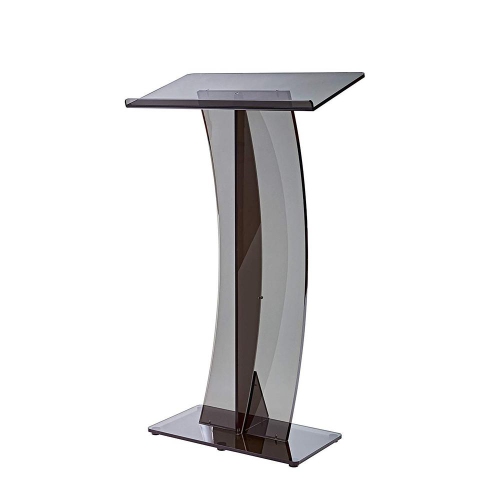 Your price for this item is $649.77
 -
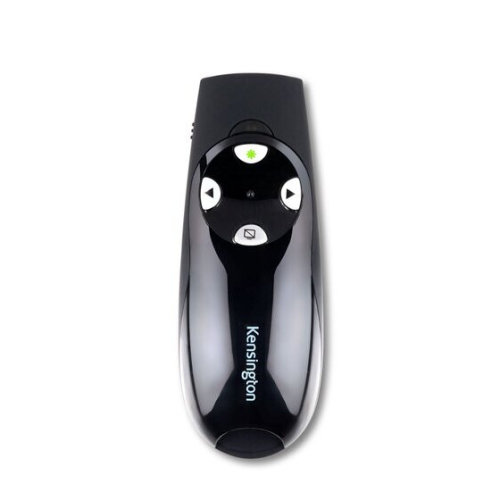 Your price for this item is $71.99
 -
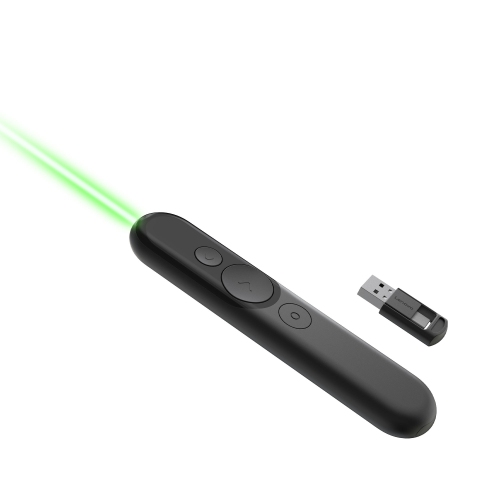 Your price for this item is $84.99
 -
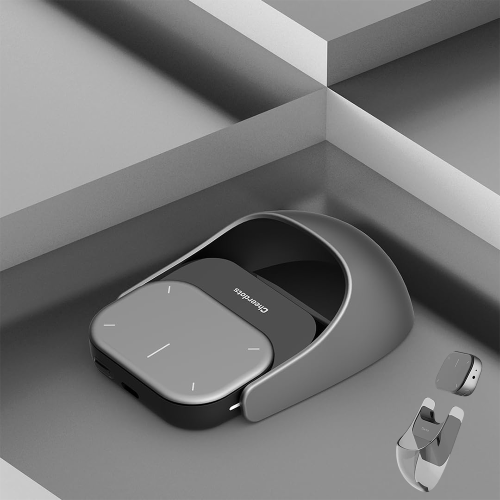 Your price for this item is $129.99
 -
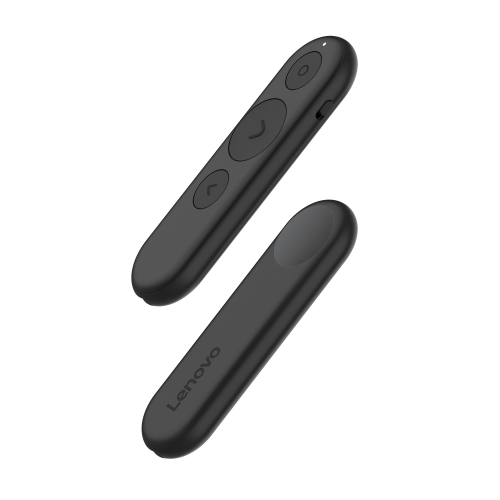 Your price for this item is $42.99
 -
 Your price for this item is $21.44
 -
 Your price for this item is $27.81
 -
 Your price for this item is $15.99
Discover more categories related to Pocket Literature Displays

Top Collections:
Pokemon Centers, Kindle Devices, Best Budget Office Chairs, Apple iPhones 16, Best Laptops for Writers, iPhone 15 Apple, Canon G7X Cameras, Refurbished Apple Laptops, Alarm Clock, Motorola Razr Phones
Some products may be subject to Environmental Handling Fees
(EHF) depending on your province.
Learn more about EHFs.