Tall Literature Displays
When it comes to showcasing your literature in a stylish and organized manner, tall literature displays are the perfect solution. These versatile displays are designed to not only elevate the presentation of your pamphlets, brochures, or magazines but also to save space and draw attention in any setting. Whether you're furnishing a retail space, office lobby, or trade show booth, these tall literature displays offer a sleek and professional way to keep your reading materials easily accessible for customers and visitors. With their modern design and sturdy construction, these displays are a must-have for any business looking to make a statement with their printed materials.
Sort
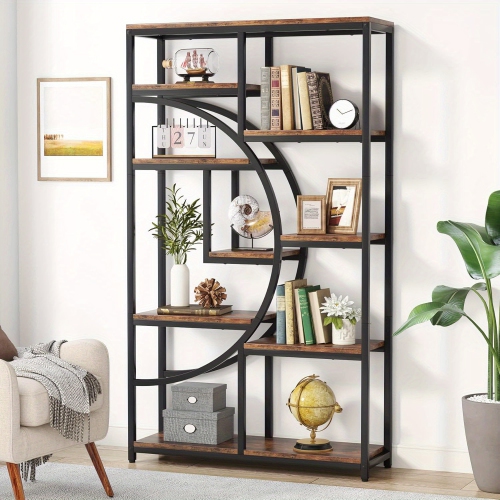

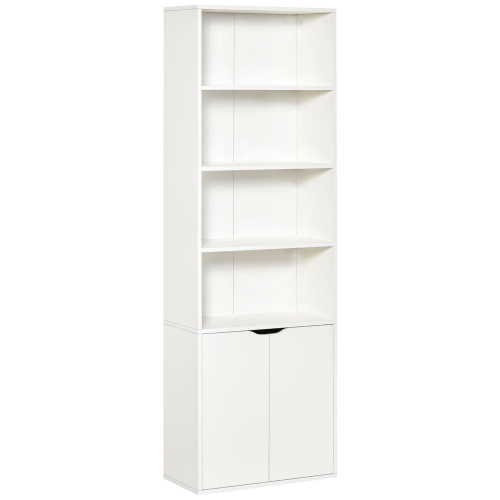
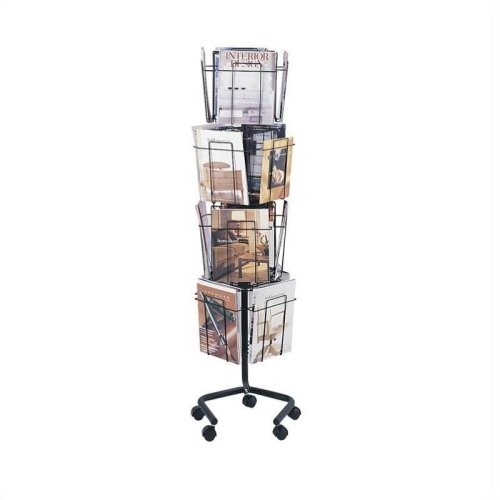
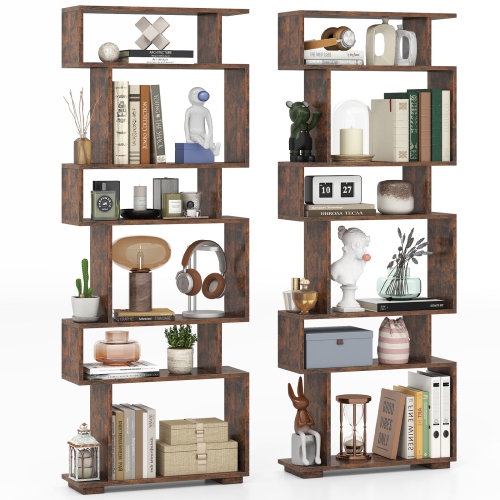
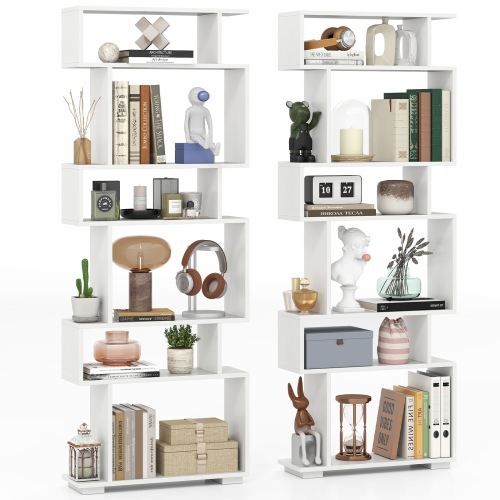
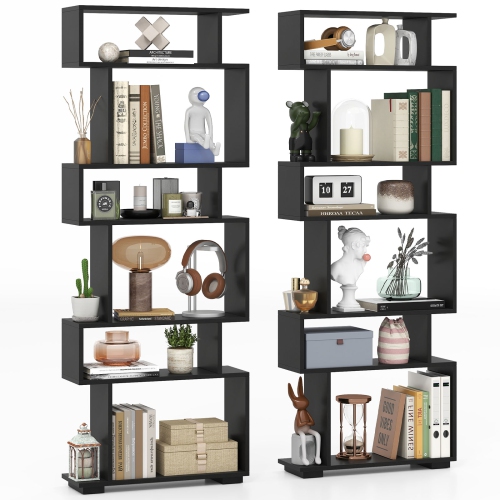
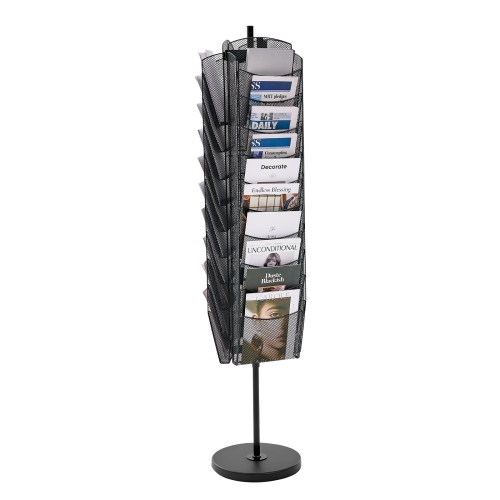
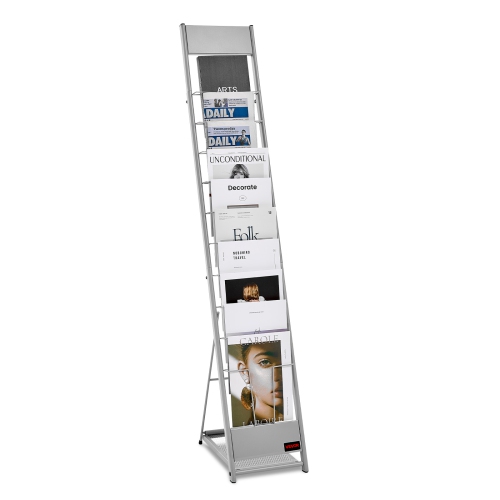
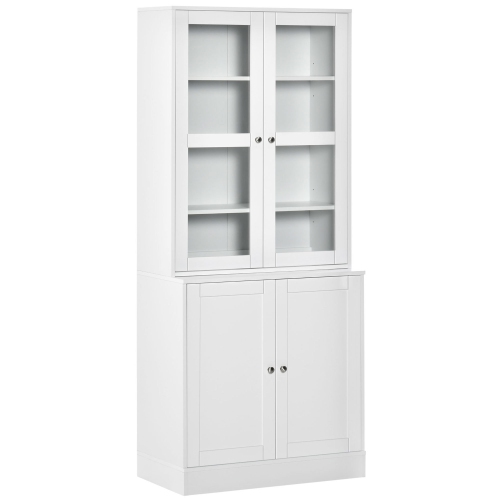
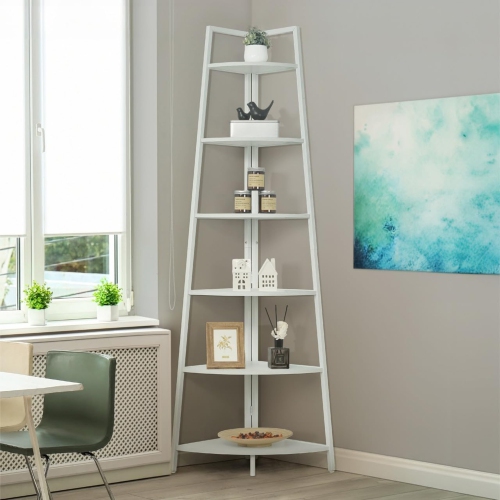
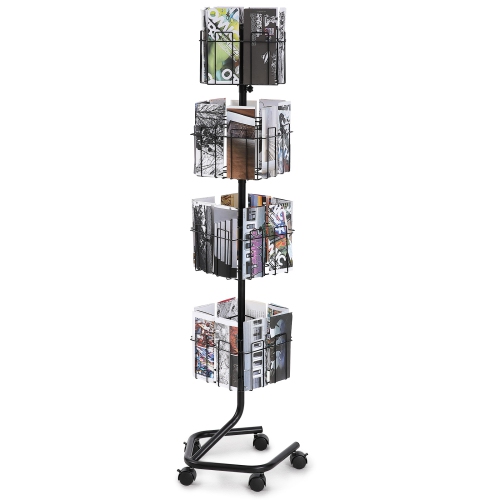
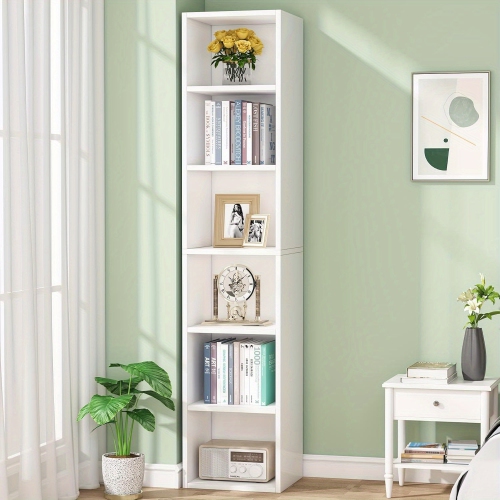
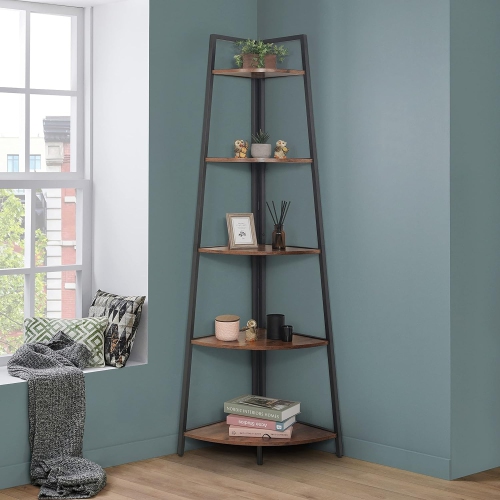
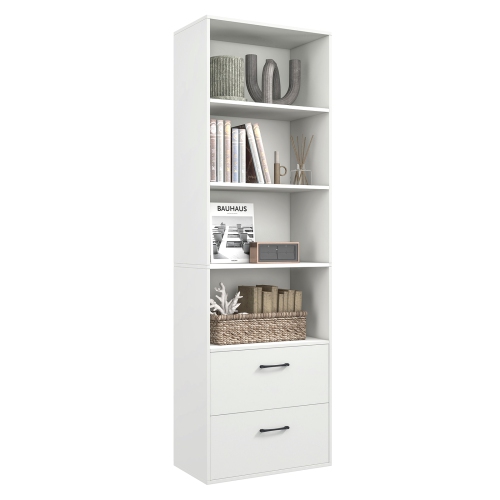
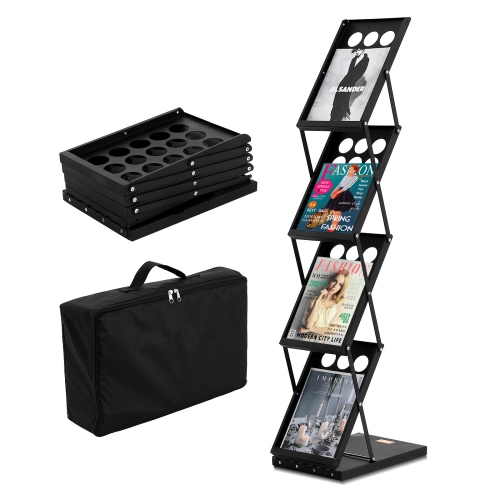
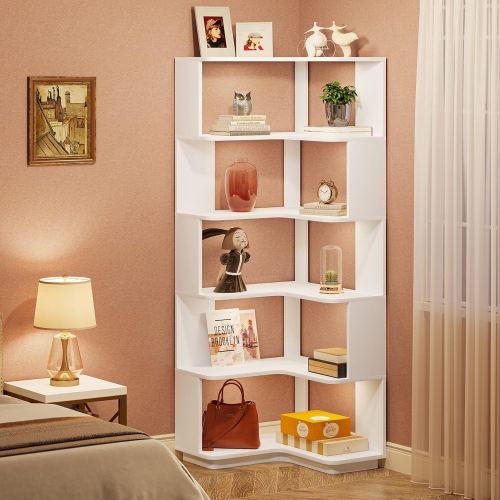
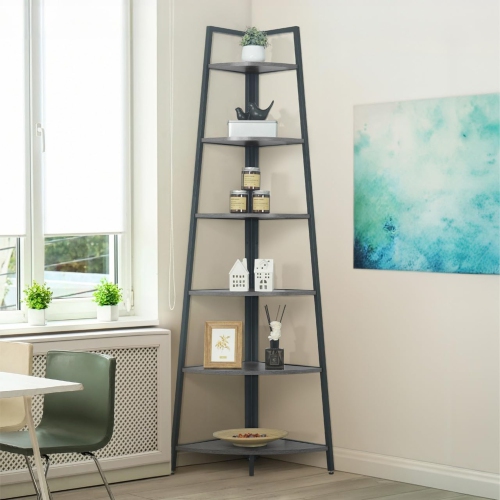
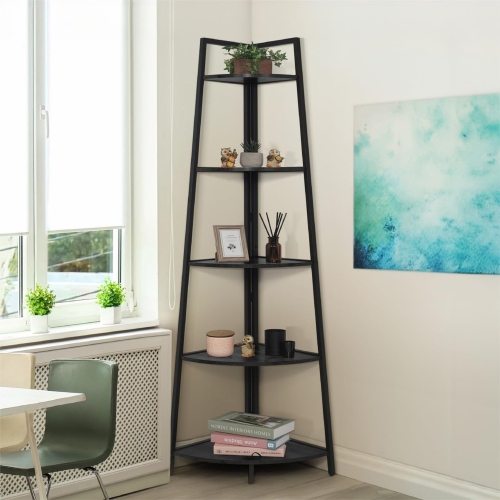
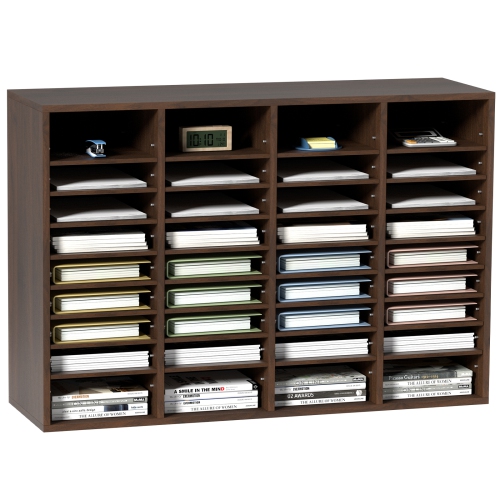
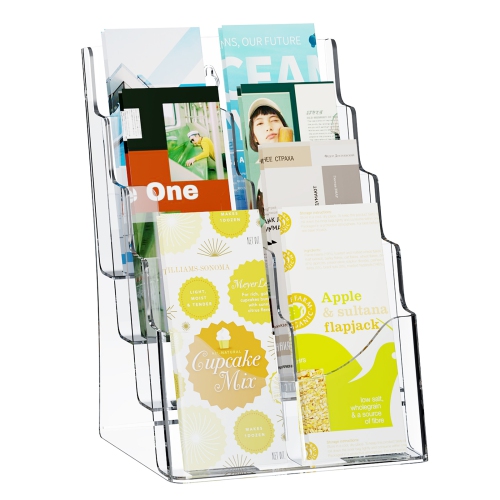
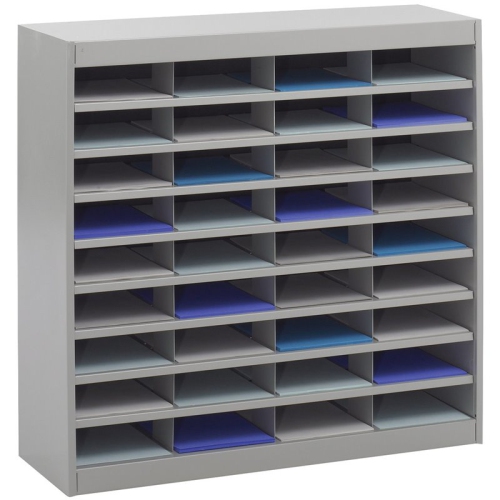
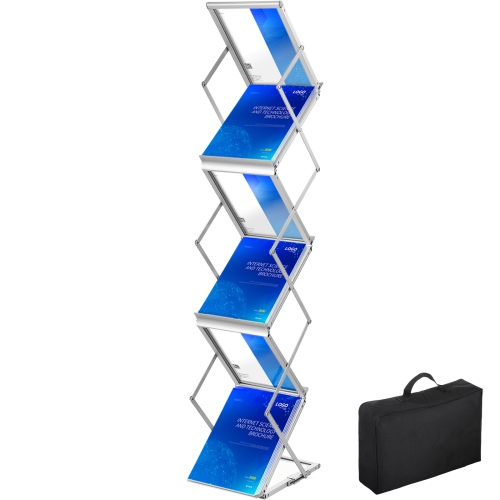
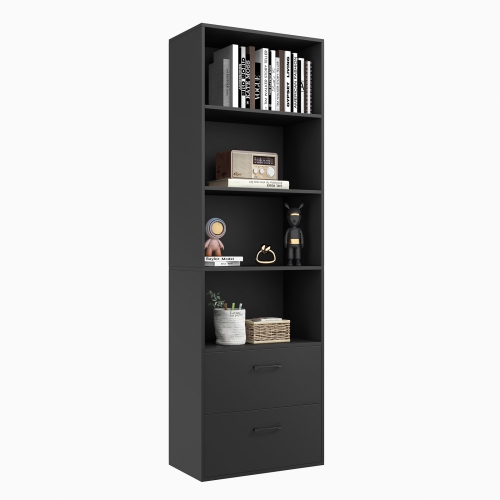
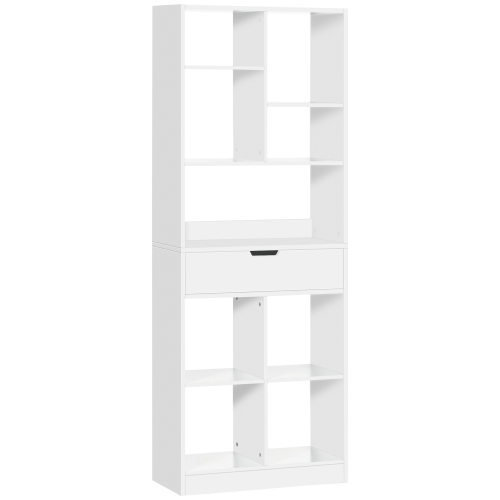
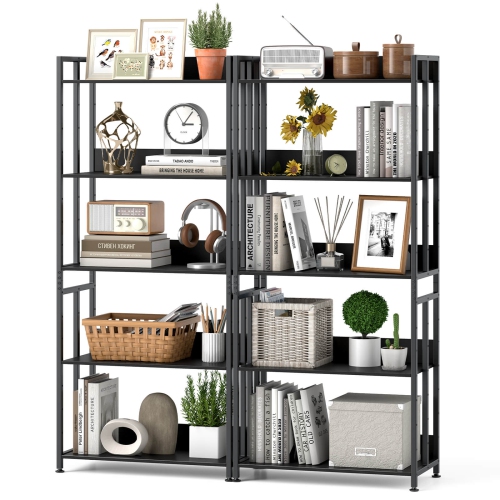
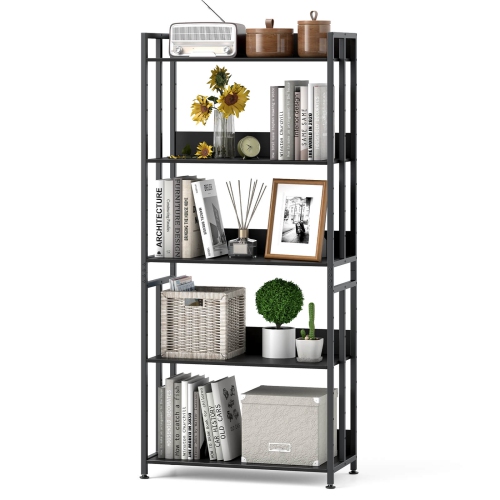
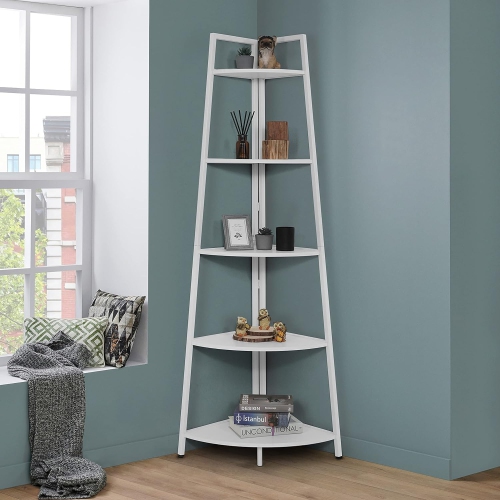
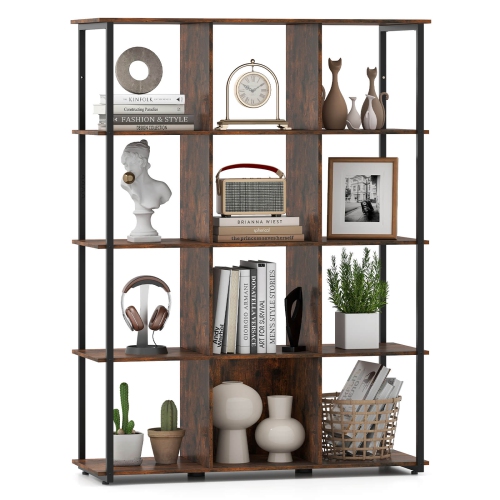
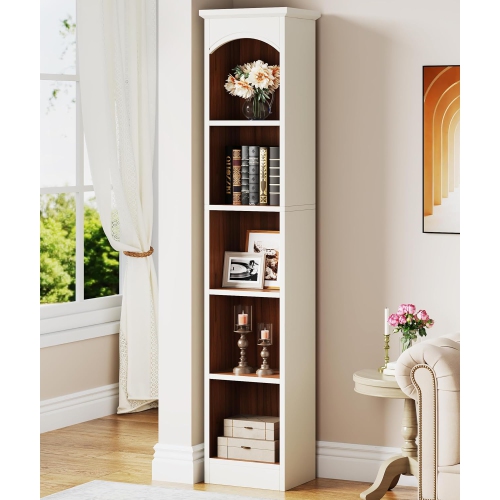
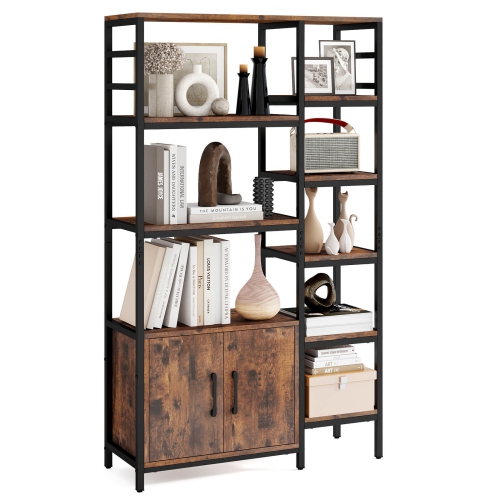
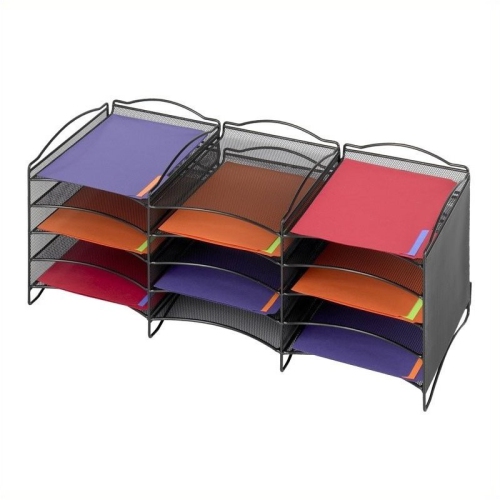
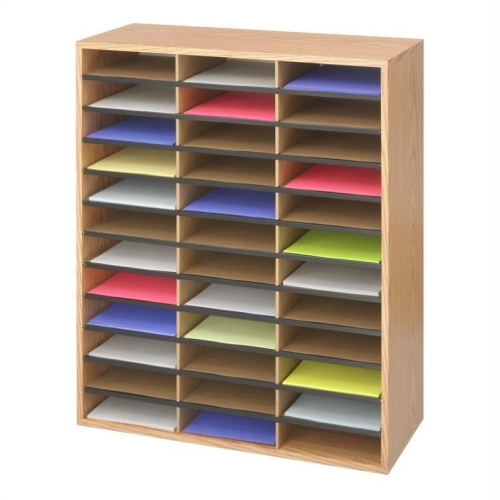
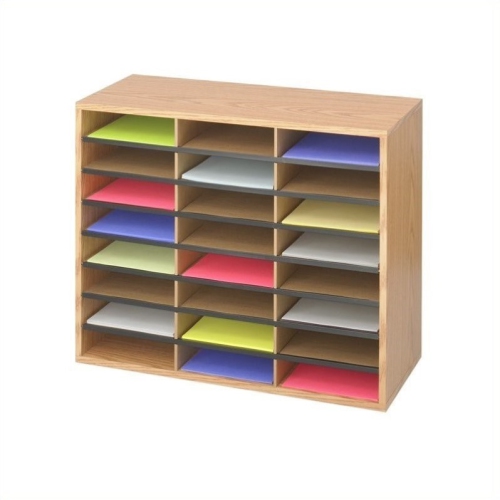

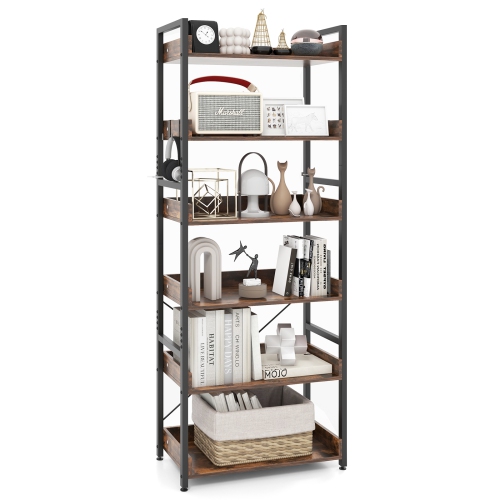
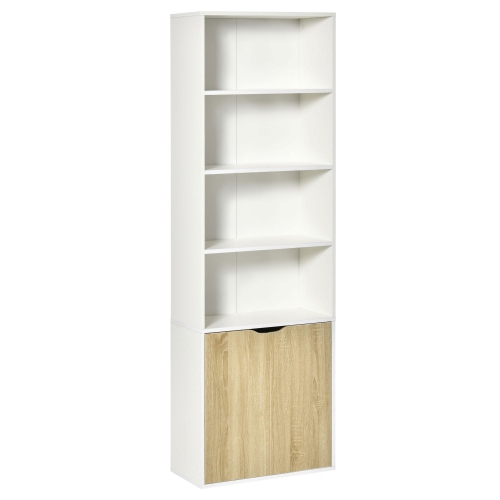
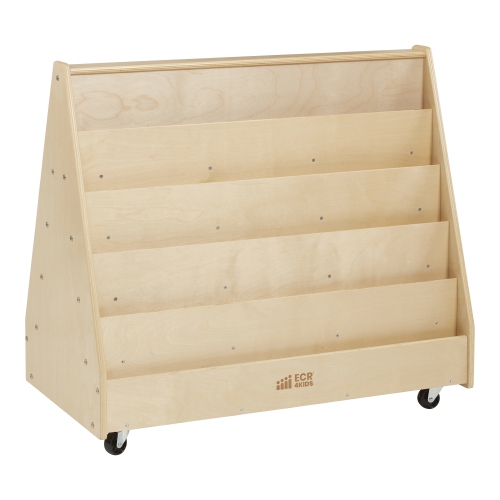
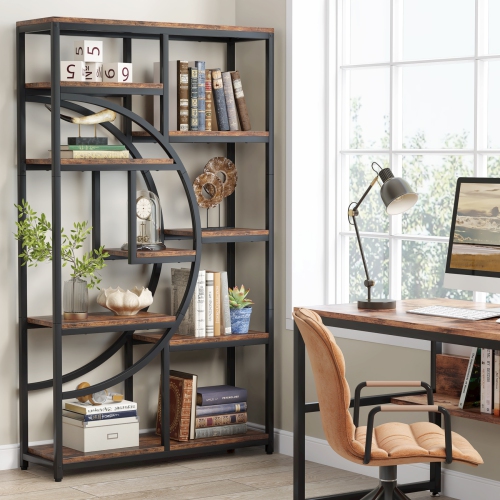
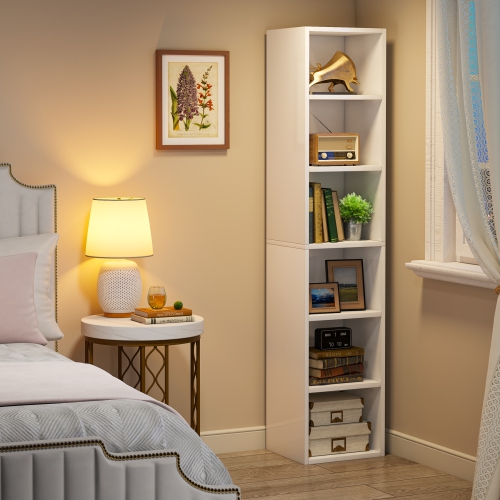
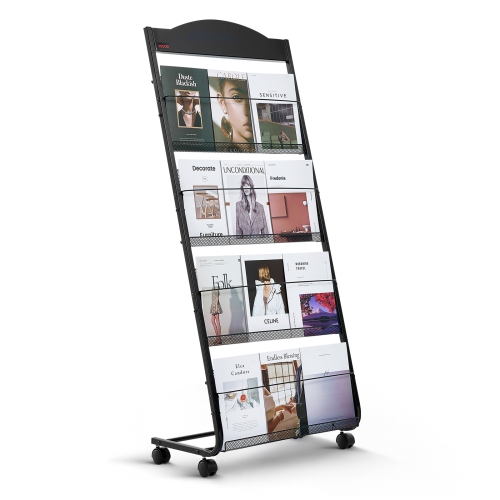
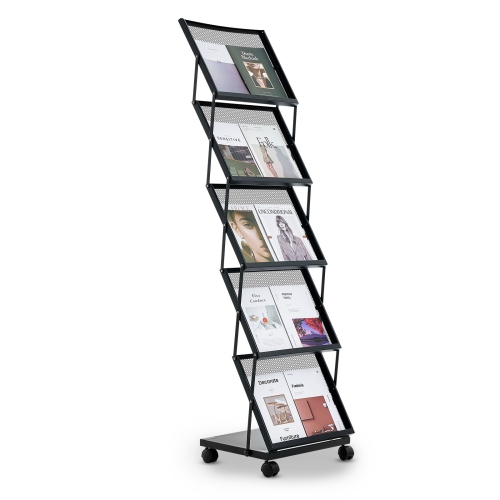
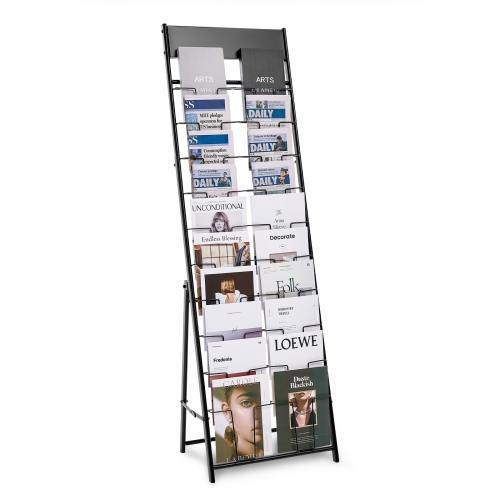
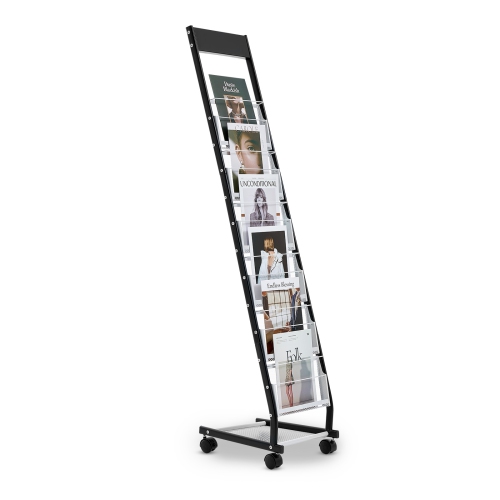
Vertical organization keeps printed materials visible and accessible
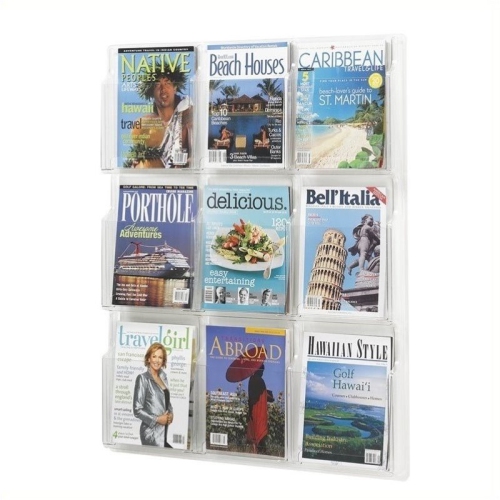
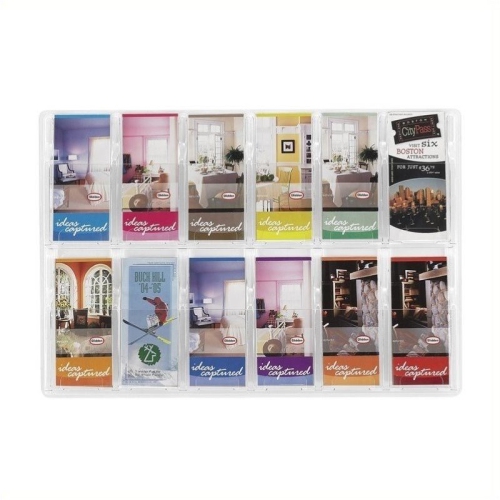
Tall literature displays are floor-standing organizers designed to present reading material clearly while making efficient use of vertical space. Their multiple tiers, shelves, or pockets can hold magazines, brochures, catalogues, newsletters, menus, event programmes, product information sheets, and other printed materials in places where people naturally pause. They are well suited to reception areas, waiting rooms, libraries, community centres, retail stores, trade show spaces, hotels, clinics, offices, schools, and service counters. A tall profile helps keep literature visible at eye level and above, while a relatively narrow footprint can work well in an entranceway or beside a seating area without taking over the room. Depending on the design, materials may be displayed on one side or both sides, giving visitors a quick view of available reading without requiring them to open drawers or search through a stack. This can make a noticeable difference in a busy setting: a visitor waiting for an appointment can easily take a magazine, a customer can browse service information while standing in line, and a guest can find local brochures without needing to ask at the front desk. For workplaces and public-facing spaces, a well-organized display also helps keep printed materials from spreading across tables and counters. When comparing options, start by considering the type and size of literature you plan to store. Standard magazine pockets are useful for individual issues and slim catalogues, while wider shelves may be better for booklets, folded brochures, newspapers, or mixed-format materials. Pocket depth matters as well; a shallow compartment may offer a clean front-facing presentation, while a deeper pocket can hold a larger quantity and reduce the need for frequent restocking. Count the number of separate compartments and think about how many titles or categories need their own space. A display with several narrow pockets can make it easier to separate publications by subject, department, or audience, whereas broad tiers provide more flexibility for changing collections. It is also helpful to measure the available floor area, doorway clearance, ceiling height, and nearby furniture before choosing a tall unit. Leave enough room for people to approach the display comfortably and remove material without brushing against walls, chairs, or other fixtures. For smaller collections or areas where wall and counter space are more practical, Pocket Literature Displays may be a complementary option.
Construction and mobility are important considerations when a literature display will be used every day. Wire designs often provide an open, lightweight appearance and make the contents easy to see from across a room. They can be especially practical for magazines and brochures because each pocket keeps its shape while allowing visitors to see the cover. Metal stands may offer a more substantial feel for high-traffic areas, larger collections, or locations where the display needs to remain steady when several people browse at once. Acrylic components can create a clean, unobstructed presentation that puts the printed material in focus, making them a natural fit for professional offices, galleries, visitor centres, and modern reception areas. Look for stable bases, reinforced joints, smooth edges, and pockets that are easy to reach without pulling surrounding material out of place. A rotating base can allow people to browse several sides from one position, which is useful in central floor locations, while a double-sided arrangement can increase capacity without requiring a wider footprint. Locking casters or smooth-rolling wheels can make it easier to move a display for cleaning, room changes, presentations, or seasonal layout adjustments; however, the wheels should lock securely when the unit is in use. Adjustable shelves or pockets are worth considering when the assortment changes regularly, particularly if some materials are single sheets and others are thicker catalogues. Think about visibility from different heights, too. A display in a family waiting area, school, or community venue may need lower pockets that children or seated visitors can reach, while an office lobby may prioritize a taller, more formal arrangement. Capacity should match the rate at which materials are used: an oversized display can look sparse if it is only partly filled, while a compact unit may need constant attention in a busy location. During the warmer season and into the cooler months, floor-standing displays can also help organize changing event information, travel brochures, local guides, class schedules, menus, or seasonal service materials without requiring a permanent change to the surrounding furniture. They can be a thoughtful practical addition for a newly opened office, renovated waiting room, community programme, reception desk, or small business that wants to make information easier to browse. Before placing materials inside, group similar titles together, keep the most useful information at comfortable viewing height, and leave enough of each cover visible to distinguish one item from another. A tall literature display works best when it feels inviting rather than crowded: tidy pockets, readable labels, stable construction, and an arrangement suited to the way people move through the space can turn a simple rack into a dependable information point.
Construction and mobility are important considerations when a literature display will be used every day. Wire designs often provide an open, lightweight appearance and make the contents easy to see from across a room. They can be especially practical for magazines and brochures because each pocket keeps its shape while allowing visitors to see the cover. Metal stands may offer a more substantial feel for high-traffic areas, larger collections, or locations where the display needs to remain steady when several people browse at once. Acrylic components can create a clean, unobstructed presentation that puts the printed material in focus, making them a natural fit for professional offices, galleries, visitor centres, and modern reception areas. Look for stable bases, reinforced joints, smooth edges, and pockets that are easy to reach without pulling surrounding material out of place. A rotating base can allow people to browse several sides from one position, which is useful in central floor locations, while a double-sided arrangement can increase capacity without requiring a wider footprint. Locking casters or smooth-rolling wheels can make it easier to move a display for cleaning, room changes, presentations, or seasonal layout adjustments; however, the wheels should lock securely when the unit is in use. Adjustable shelves or pockets are worth considering when the assortment changes regularly, particularly if some materials are single sheets and others are thicker catalogues. Think about visibility from different heights, too. A display in a family waiting area, school, or community venue may need lower pockets that children or seated visitors can reach, while an office lobby may prioritize a taller, more formal arrangement. Capacity should match the rate at which materials are used: an oversized display can look sparse if it is only partly filled, while a compact unit may need constant attention in a busy location. During the warmer season and into the cooler months, floor-standing displays can also help organize changing event information, travel brochures, local guides, class schedules, menus, or seasonal service materials without requiring a permanent change to the surrounding furniture. They can be a thoughtful practical addition for a newly opened office, renovated waiting room, community programme, reception desk, or small business that wants to make information easier to browse. Before placing materials inside, group similar titles together, keep the most useful information at comfortable viewing height, and leave enough of each cover visible to distinguish one item from another. A tall literature display works best when it feels inviting rather than crowded: tidy pockets, readable labels, stable construction, and an arrangement suited to the way people move through the space can turn a simple rack into a dependable information point.
Top selling and popular products
-
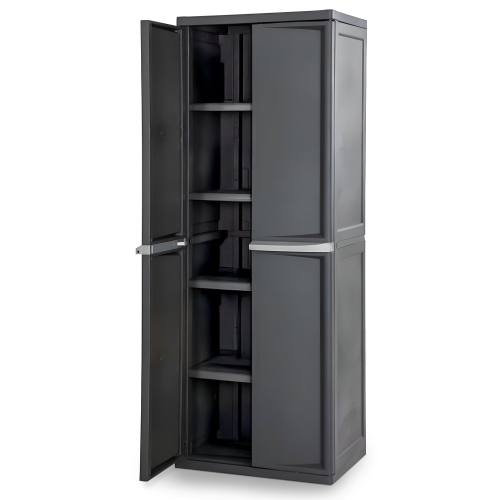 Your price for this item is $772.99
 -
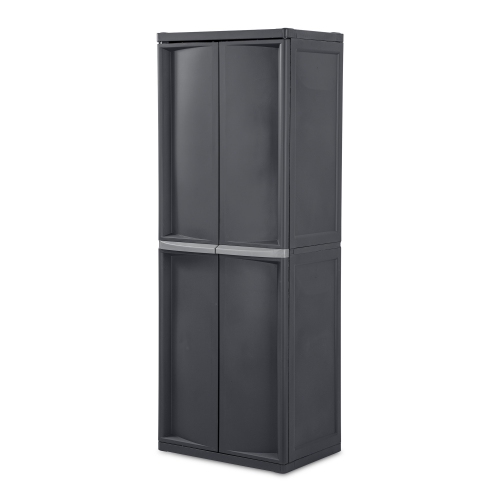 Your price for this item is $1522.99
 -
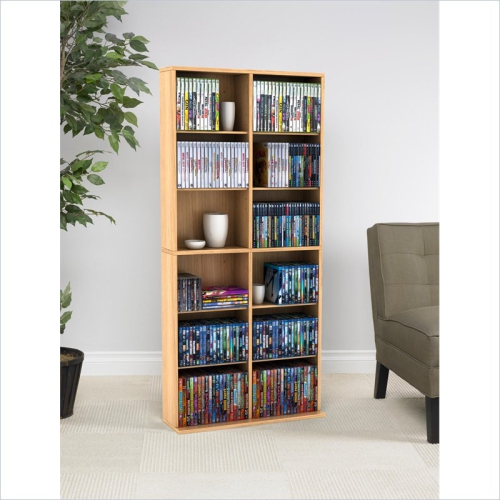 Your price for this item is $234.68
 -
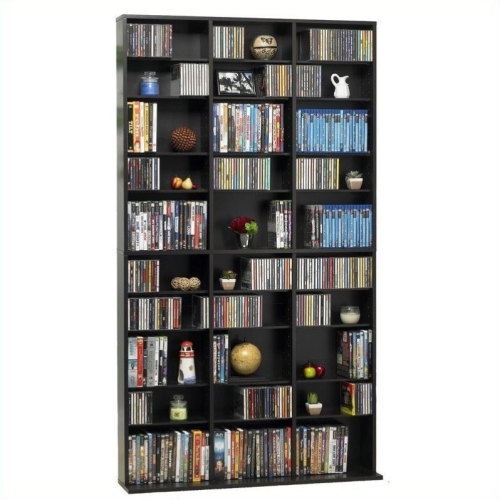 Your price for this item is $365.38
 -
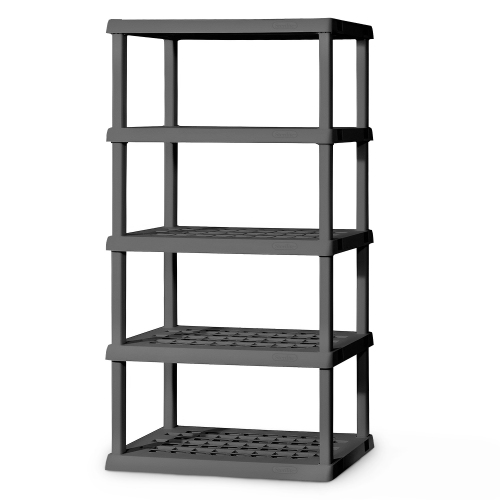 Your price for this item is $468.99
 -
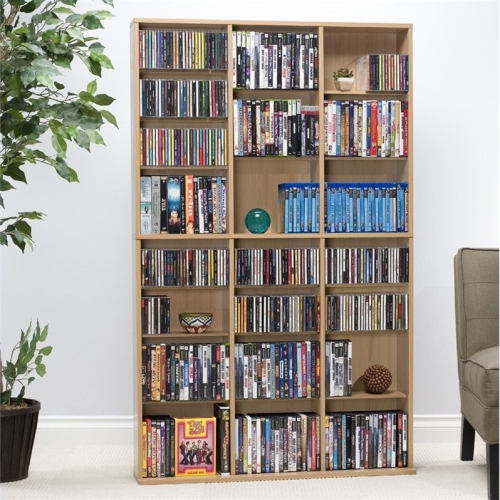 Your price for this item is $295.84
 -
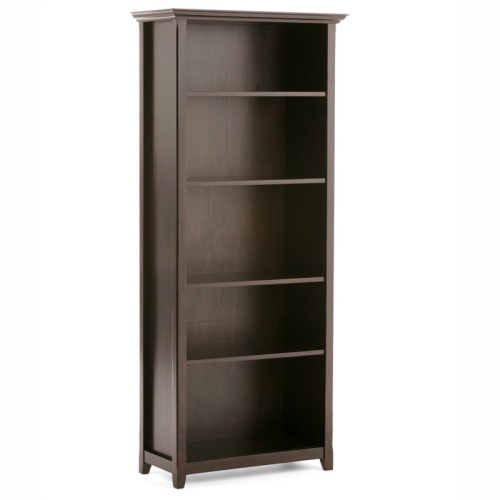 Your price for this item is $999.77
 -
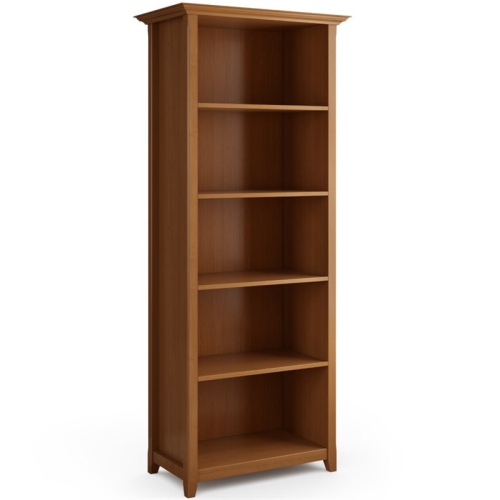 Your price for this item is $998.43
Discover more categories related to Tall Literature Displays
Top Collections:
Pokemon Centers, Kindle Devices, Best Budget Office Chairs, Apple iPhones 16, Best Laptops for Writers, iPhone 15 Apple, Canon G7X Cameras, Refurbished Apple Laptops, Alarm Clock, Motorola Razr Phones
Some products may be subject to Environmental Handling Fees
(EHF) depending on your province.
Learn more about EHFs.