Pompe Piscine Hayward 1.5 Hp
Pompe Piscine Hayward 1.5 Hp offers a reliable solution for maintaining clear and inviting pool water throughout the season. Designed to meet the needs of both residential and commercial pool owners, these powerful pumps help ensure consistent water circulation and filtration. Explore a selection of Pompe Piscine Hayward 1.5 Hp models to find the right fit for your pool setup, and enjoy efficient performance that keeps your swimming environment fresh and enjoyable.
Sort

Why pool pump compatibility goes beyond horsepower
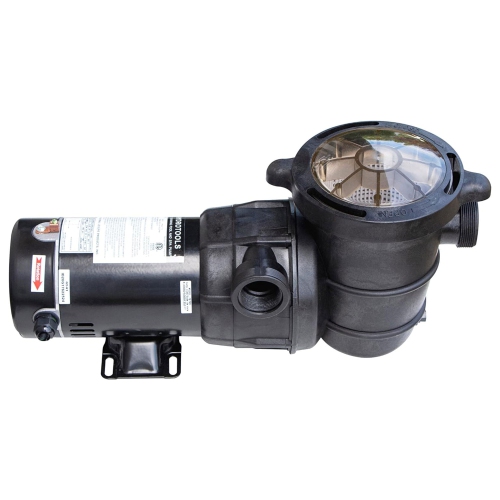
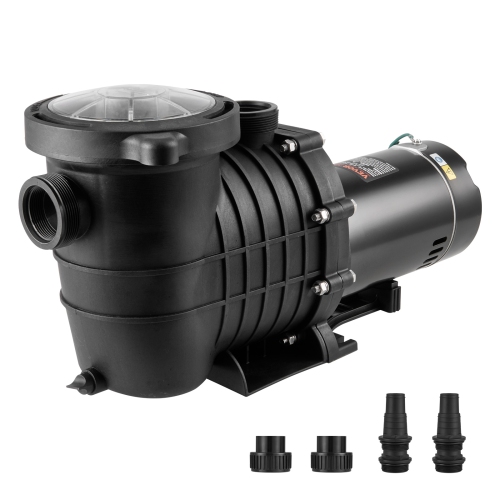
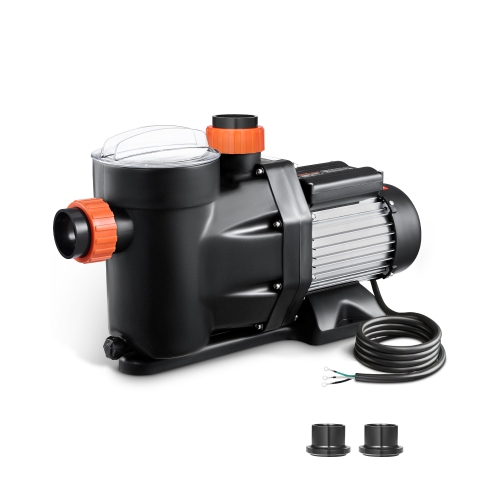
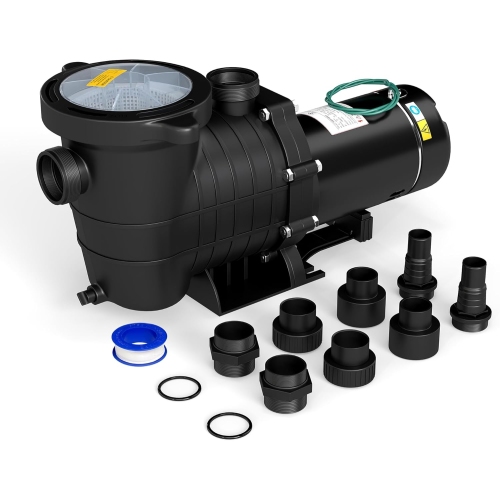
A 1.5 hp pool pump provides the circulation that carries water from the pool through the filtration system and back to the swimming area. Its job is to keep water moving so the filter can capture suspended particles and pool treatments can circulate throughout the water. For owners replacing a worn pump or updating an existing setup, this horsepower rating is a useful starting point, but it does not establish compatibility on its own. Two pumps labelled 1.5 hp can deliver different flow rates because their motor ratings, impeller designs, and hydraulic characteristics differ. The right fit depends on the pool’s volume, the plumbing layout, the filter’s permitted flow range, and the resistance created by fittings, heaters, and other connected equipment. An above-ground pool with short hoses and equipment positioned below the waterline has different requirements from an inground pool with long underground pipes and a pump sitting above the water. Pumps designed for these arrangements are not automatically interchangeable; their intended installation and priming capabilities matter more than a matching horsepower label. A self-priming design can suit certain installations above the waterline, although it still needs to be filled and started according to its instructions. A flooded-suction arrangement relies on water reaching the pump by gravity and must be installed in the position specified for that design. For a household with an established backyard pool, a suitable replacement supports familiar routines, from circulating water before an afternoon swim to running compatible suction-cleaning equipment. It is not a substitute for balanced water chemistry or regular cleaning, but it is central to both filtration and everyday pool operation. Clear water depends on the whole system working together, rather than on selecting the largest motor that will fit beside the pool. A pump with excessive flow can exceed a filter’s limits or create problems elsewhere in the circulation system, while insufficient flow may leave connected equipment unable to operate as intended.
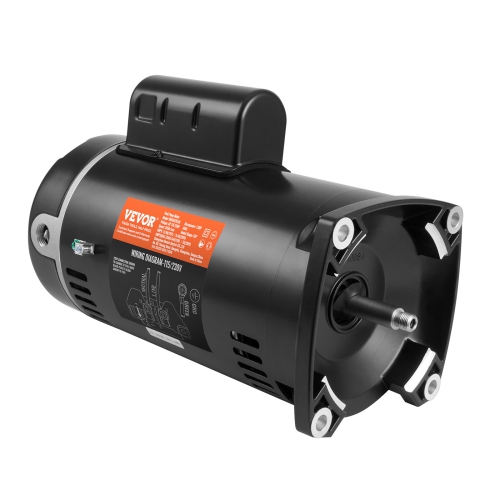
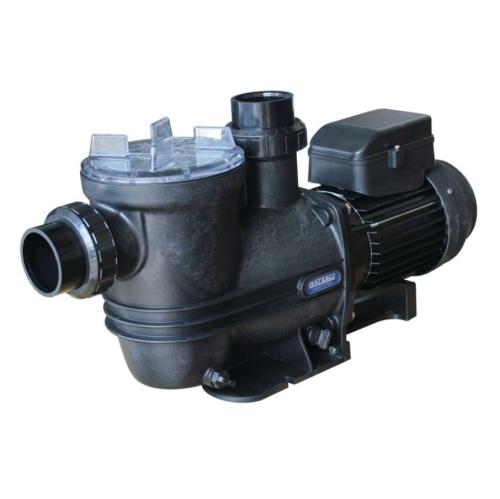
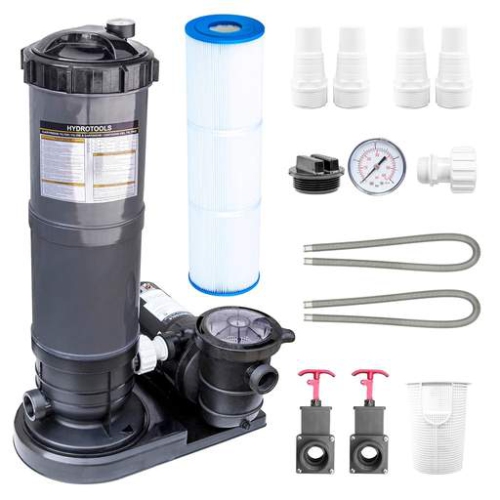
The construction and physical fit of a 1.5 hp pool pump affect how easily it integrates into an equipment area and how well it stands up to regular use. Pool pump housings commonly use moulded thermoplastic materials chosen to withstand contact with treated pool water, while seals, gaskets, and internal components have their own compatibility requirements. Saltwater pools still require equipment explicitly rated for the application; a plastic housing alone does not confirm that every component is suitable. Port diameter, connection type, inlet and outlet position, and overall dimensions are important when replacing an existing pump. Even a small difference in port height can turn a straightforward swap into a plumbing alteration. Unions can make later removal easier where the installation permits them, and enough clearance above the strainer lid makes routine basket cleaning less awkward. A transparent lid, where included, provides a convenient view of collected debris and can help reveal air entering the pump basket. The basket catches larger material before it reaches the impeller, while the separate pool filter handles finer particles according to its filtration medium and design. The Filtreur Hayward page is a related place to explore pool filtration equipment, with compatibility determined by the specifications of both components rather than their names alone. Single-speed pumps operate at one running speed, while two-speed and variable-speed designs offer different ways to adjust circulation when the system supports them. Lower-speed operation may reduce electricity use and operating sound, but it must still provide the flow required by heaters, chlorinators, and cleaning equipment. Electrical details also need to match the installation: supply voltage, wiring arrangement, circuit protection, grounding, and bonding are not interchangeable simply because two motors share a horsepower rating. A qualified installer can assess these requirements alongside local electrical rules. For equipment positioned near a deck or bedroom window, published sound information, a firm mounting surface, and the condition of the plumbing are more useful than assuming that every pump of the same size will sound alike.
Long-term durability depends as much on installation and care as on the pump’s materials. A stable base, adequate drainage, and unobstructed motor ventilation help protect equipment in a backyard setting where splashes, rain, and windblown debris are part of daily use. A pump should not sit where water collects around its motor, and an enclosure should not restrict the airflow it needs. Keeping skimmer and pump baskets clear helps maintain water movement, particularly when leaves collect on the surface during the cooler months. With the power safely isolated and system pressure relieved according to the equipment instructions, routine maintenance can include emptying the basket, inspecting the lid seal, and checking accessible connections for leakage. Seal care should follow the manufacturer’s directions, including the use of a compatible lubricant only where specified. Running a pump dry can damage its seal, so a low pool water level, a blocked suction line, or persistent air in the basket deserves attention rather than a longer run time. Changes in sound can also signal a problem: a new rattling noise or gravel-like sound may reflect debris, restricted water supply, or another fault that requires assessment. Pool suction fittings and covers must remain compliant and intact; a pool with a missing or damaged suction cover should not be used. In parts of Canada where freezing temperatures are expected, seasonal closing is an important part of pump ownership. Water left inside the housing or connected plumbing can freeze and cause cracks, even when the equipment appears sturdy. Winter preparation depends on the installation and may involve draining specified components, removing plugs, or moving suitable equipment into protected storage. The equipment instructions and a pool professional’s advice help establish the appropriate process. For returning pool owners, dependable circulation is ultimately about a well-matched system that is accessible to maintain, properly protected during cold weather, and ready to support ordinary swimming-season routines without unnecessary strain on its components.
The construction and physical fit of a 1.5 hp pool pump affect how easily it integrates into an equipment area and how well it stands up to regular use. Pool pump housings commonly use moulded thermoplastic materials chosen to withstand contact with treated pool water, while seals, gaskets, and internal components have their own compatibility requirements. Saltwater pools still require equipment explicitly rated for the application; a plastic housing alone does not confirm that every component is suitable. Port diameter, connection type, inlet and outlet position, and overall dimensions are important when replacing an existing pump. Even a small difference in port height can turn a straightforward swap into a plumbing alteration. Unions can make later removal easier where the installation permits them, and enough clearance above the strainer lid makes routine basket cleaning less awkward. A transparent lid, where included, provides a convenient view of collected debris and can help reveal air entering the pump basket. The basket catches larger material before it reaches the impeller, while the separate pool filter handles finer particles according to its filtration medium and design. The Filtreur Hayward page is a related place to explore pool filtration equipment, with compatibility determined by the specifications of both components rather than their names alone. Single-speed pumps operate at one running speed, while two-speed and variable-speed designs offer different ways to adjust circulation when the system supports them. Lower-speed operation may reduce electricity use and operating sound, but it must still provide the flow required by heaters, chlorinators, and cleaning equipment. Electrical details also need to match the installation: supply voltage, wiring arrangement, circuit protection, grounding, and bonding are not interchangeable simply because two motors share a horsepower rating. A qualified installer can assess these requirements alongside local electrical rules. For equipment positioned near a deck or bedroom window, published sound information, a firm mounting surface, and the condition of the plumbing are more useful than assuming that every pump of the same size will sound alike.
Long-term durability depends as much on installation and care as on the pump’s materials. A stable base, adequate drainage, and unobstructed motor ventilation help protect equipment in a backyard setting where splashes, rain, and windblown debris are part of daily use. A pump should not sit where water collects around its motor, and an enclosure should not restrict the airflow it needs. Keeping skimmer and pump baskets clear helps maintain water movement, particularly when leaves collect on the surface during the cooler months. With the power safely isolated and system pressure relieved according to the equipment instructions, routine maintenance can include emptying the basket, inspecting the lid seal, and checking accessible connections for leakage. Seal care should follow the manufacturer’s directions, including the use of a compatible lubricant only where specified. Running a pump dry can damage its seal, so a low pool water level, a blocked suction line, or persistent air in the basket deserves attention rather than a longer run time. Changes in sound can also signal a problem: a new rattling noise or gravel-like sound may reflect debris, restricted water supply, or another fault that requires assessment. Pool suction fittings and covers must remain compliant and intact; a pool with a missing or damaged suction cover should not be used. In parts of Canada where freezing temperatures are expected, seasonal closing is an important part of pump ownership. Water left inside the housing or connected plumbing can freeze and cause cracks, even when the equipment appears sturdy. Winter preparation depends on the installation and may involve draining specified components, removing plugs, or moving suitable equipment into protected storage. The equipment instructions and a pool professional’s advice help establish the appropriate process. For returning pool owners, dependable circulation is ultimately about a well-matched system that is accessible to maintain, properly protected during cold weather, and ready to support ordinary swimming-season routines without unnecessary strain on its components.
Top selling and popular products
-
 Your price for this item is $291.98
 -
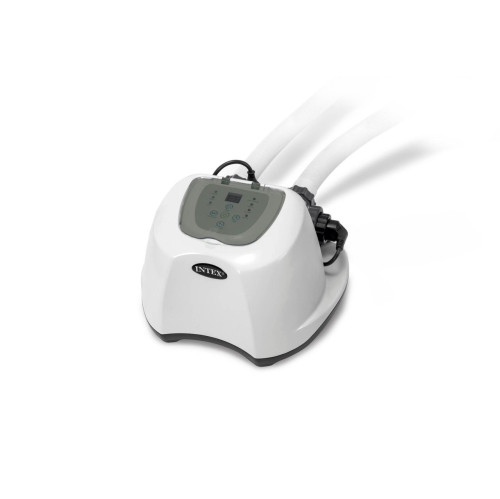 Your price for this item is $269.99
 -
 Your price for this item is $214.99
 -
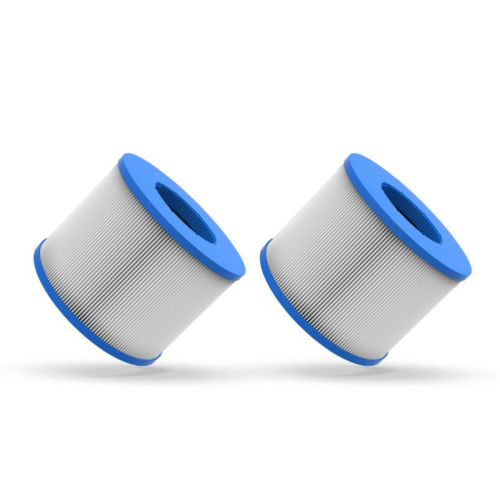 Your price for this item is $39
 -
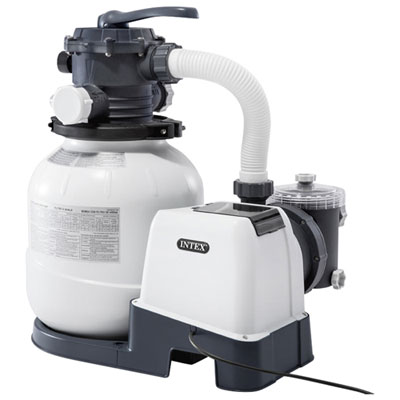 Your price for this item is $229.98
 -
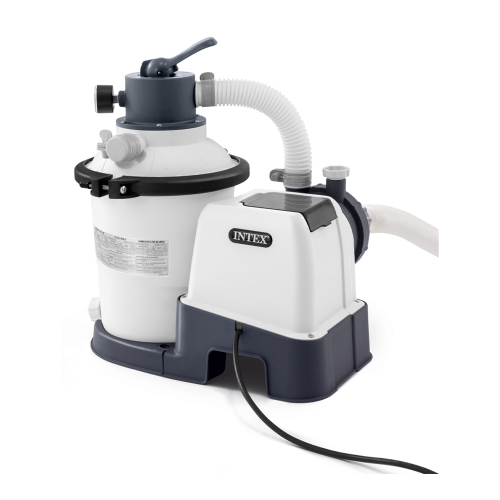 Your price for this item is $206.99
 -
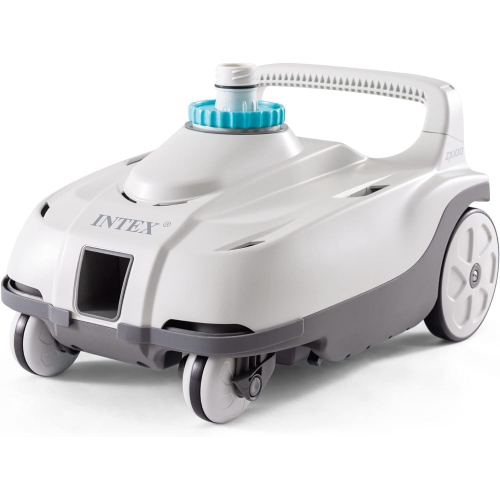 Your price for this item is $150.99
 -
 Your price for this item is $101.99
Discover more categories related to Pompe Piscine Hayward 1.5 Hp
Top Collections:
Pokemon Centers, Kindle Devices, Best Budget Office Chairs, Apple iPhones 16, Canon G7X Cameras, iPhone 15 Apple, Alarm Clock, Refurbished Apple Laptops, Flip Phones, Best Laptops for Writers
Some products may be subject to Environmental Handling Fees
(EHF) depending on your province.
Learn more about EHFs.