Filtreur Hayward
Filtreur Hayward offers a reliable solution for maintaining clean and clear pool water, making pool care simple and efficient. Designed to meet the needs of both residential and commercial pools, Filtreur Hayward is an essential choice for those seeking dependable performance. Explore a range of options to find the ideal filtration system that fits your pool’s requirements and ensures a refreshing swimming experience all season long.
Sort
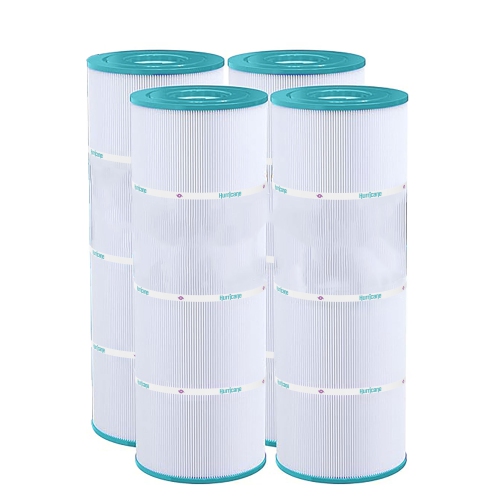
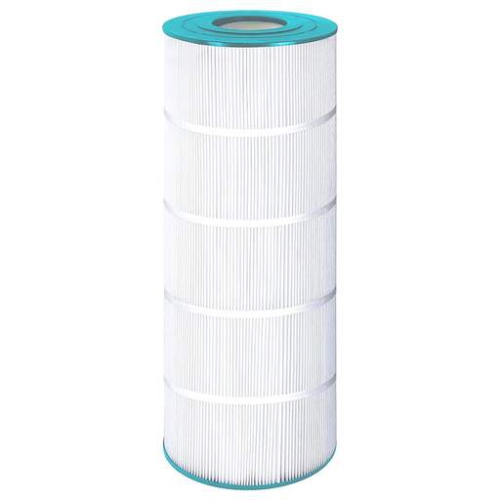
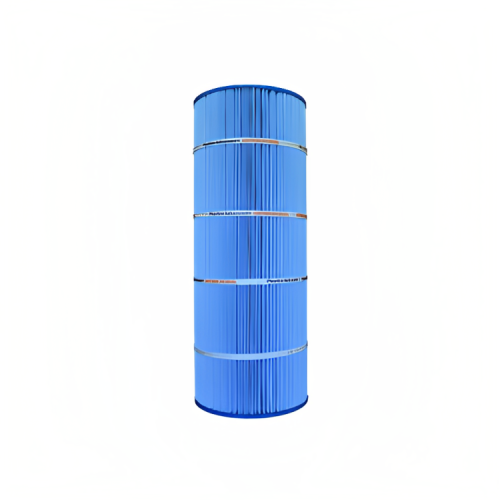
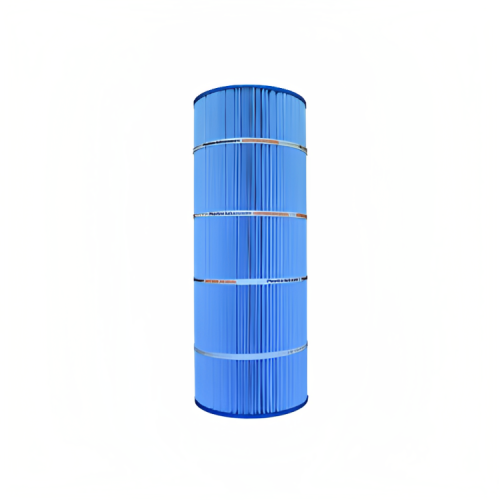

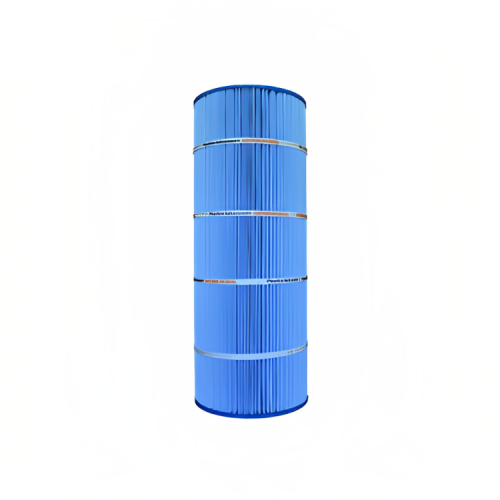
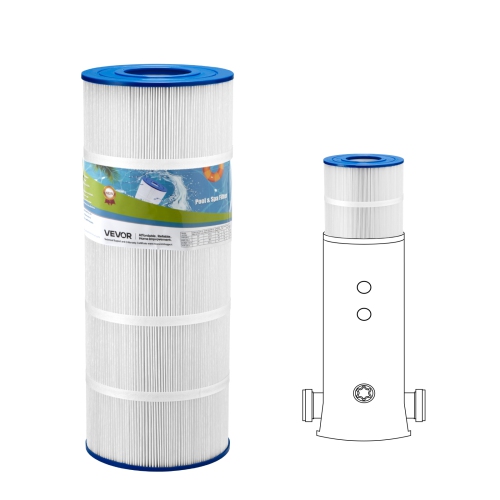
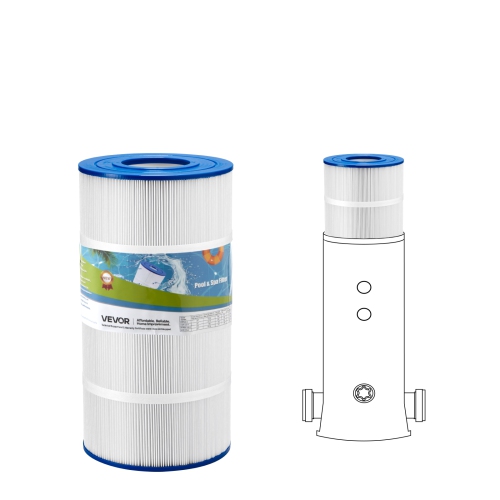
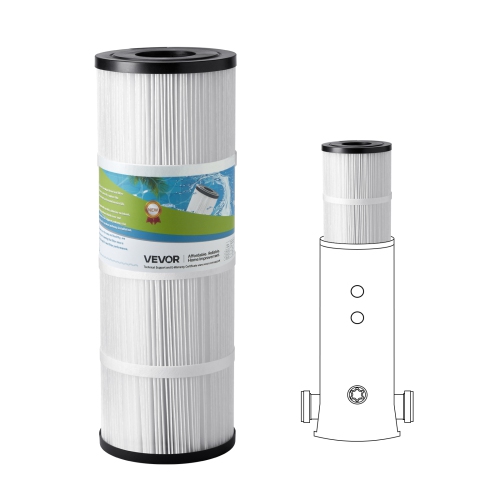
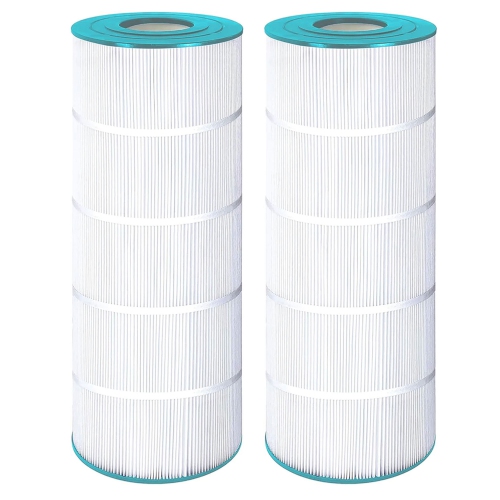
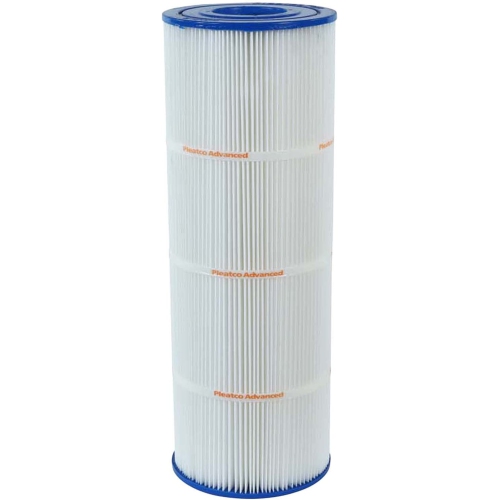
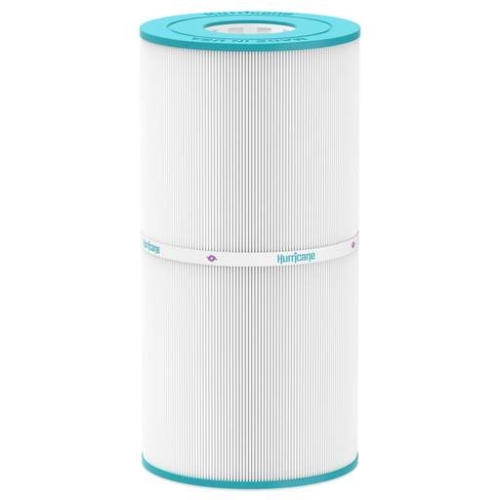

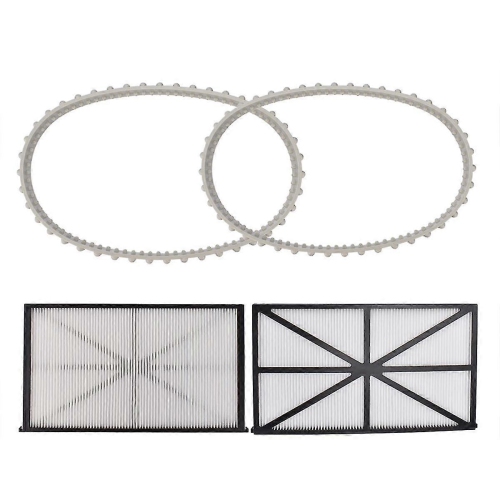
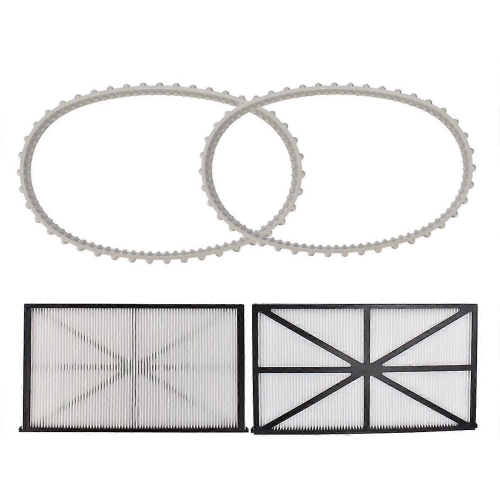
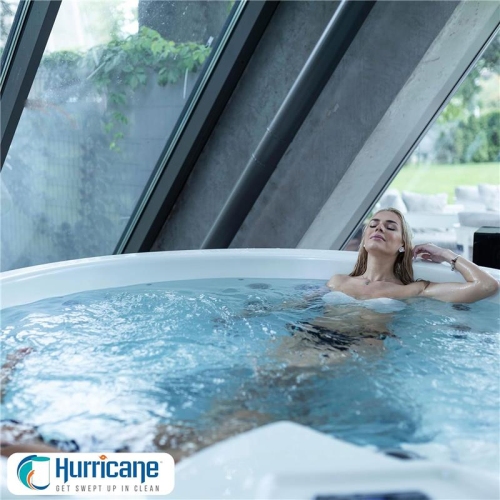

How sand and cartridge filters support clearer pool water
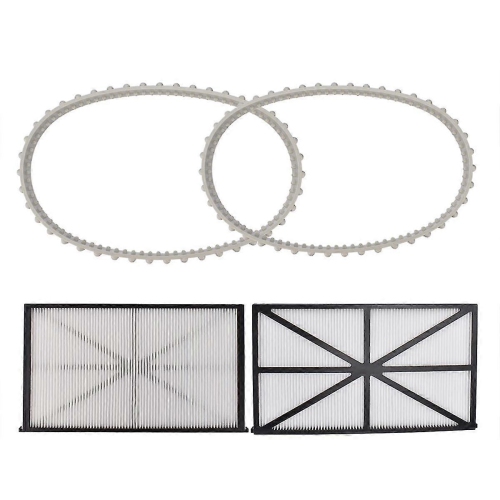
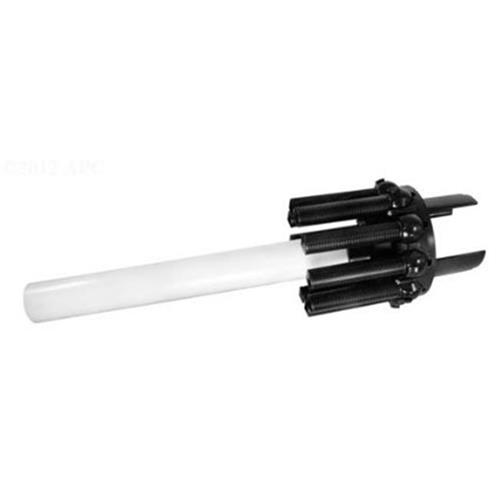
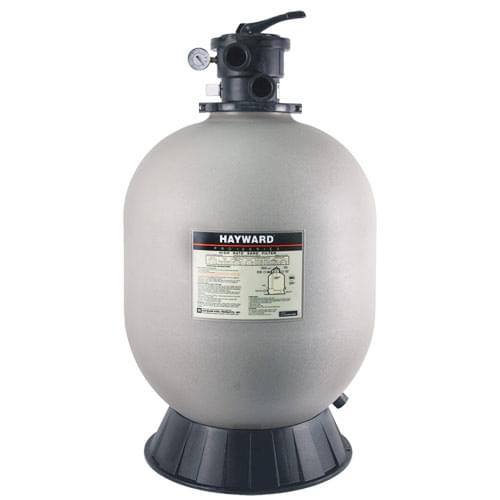
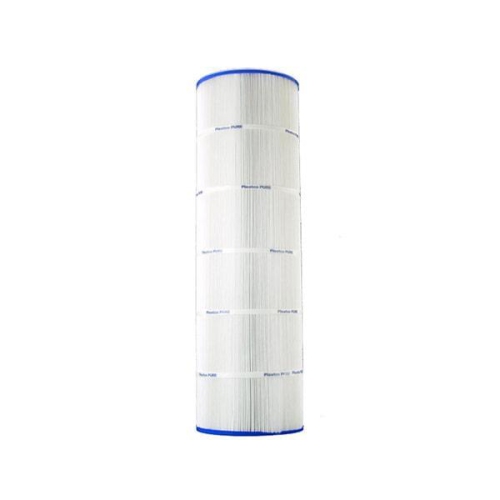
Pool filters help keep swimming water clear by trapping suspended particles as water circulates through the pool’s filtration system. Dust, pollen, fine grit, and debris carried in by swimmers can cloud the water even when larger leaves are removed with a skimmer. A filter captures some of that material before the water returns to the pool, while the pump supplies the movement needed for filtration. These components work together, but they perform different jobs: a filter does not replace a pump, and neither replaces the sanitizing and water-balancing products needed for proper pool care. Sand and cartridge filtration are two common options for residential pools, with different designs and maintenance needs. Sand filters pass water through a bed of filtration media inside a tank, where particles become trapped between the grains. Some systems can use an approved glass medium instead of sand, although compatibility and the required quantity depend on the filter’s specifications. Cartridge filters direct water through pleated elements that capture debris across a broad surface area. Those elements are removed for cleaning rather than cleaned through a conventional backwash cycle. Both approaches can suit backyard swimming pools when the equipment is correctly sized and matched to the circulation system. For a household with an above-ground pool used on relaxed weekends, a straightforward layout and accessible controls may be especially useful. A larger in-ground pool used frequently by family and friends may place greater demands on filtration capacity and cleaning frequency. Windblown dust, nearby trees, and the length of the swimming season also influence how much material a filter needs to handle. Clear-looking water is only one part of pool care, however; regular water testing remains important because filtration alone cannot establish that water is properly sanitized. Understanding these basic roles makes it easier to distinguish a complete pool filter from a replacement element, a valve assembly, or a filter component designed for an automatic pool cleaner.
Fit involves more than finding a tank that occupies the same space as the previous equipment. Pool volume, pump flow, filter capacity, plumbing connections, and the manufacturer’s operating limits all affect whether a filtration system is suitable. Tank diameter alone does not establish capacity, and two filters with similar outer dimensions can have different filtration areas or flow ratings. A pump that moves more water than a filter is designed to accept can create operating problems rather than better filtration. The intended application matters as well: equipment designed for an above-ground installation is not automatically interchangeable with equipment specified for an in-ground pool. Existing pipe size, connection type, valve position, and the arrangement of the equipment pad can influence installation requirements. A side-mounted valve needs space beside the tank, while a top-mounted assembly changes access above it. Cartridge housings also need enough overhead clearance for their lids and elements to be lifted out without obstruction. These details become particularly noticeable when equipment sits beneath a deck or beside a fence, where a compact footprint can still leave too little room for routine servicing. Durable filter construction often includes moulded polymer or reinforced composite housings intended to withstand poolside exposure, with materials varying by design. Resistance to corrosion is useful around treated water, but seals, clamps, threads, and valve components still require care. Compatibility with saltwater pools should be confirmed in the equipment specifications rather than assumed from the tank material. For replacement cartridges, matching the length, outside diameter, end-cap configuration, and specified filtration area helps establish a proper fit; a visually similar element may not seat or seal correctly. Pleated polyester is common in reusable cartridge elements, providing a large filtering surface within a relatively compact housing. Correctly fitted seals and sound internal components help keep water moving through the intended filtration path rather than bypassing it. For households replacing older equipment, verified compatibility can be more useful than simply choosing a larger tank, particularly when the existing pump and plumbing will remain in place.
Everyday ownership differs between filtration types, especially when it comes to cleaning and access. Sand filters typically use a valve-controlled backwash cycle to reverse water flow through the media and flush trapped debris to an appropriate discharge point. That process uses pool water, so the discharge route and any local requirements are practical considerations around the equipment pad. Cartridge filters generally require the system to be shut down and fully depressurized before the housing is opened and the elements are removed for rinsing or cleaning according to the manufacturer’s directions. A suitable work area and access to a hose make this task less awkward, particularly with tall or multiple-element housings. Pressure readings can help indicate when cleaning is needed, but the relevant change is measured against the filter’s clean operating pressure and the manufacturer’s stated threshold, not a single pressure value applied to every pool. A sudden change in pressure or water flow can also point to an issue elsewhere in the circulation system. Careful handling helps protect cartridge pleats and end caps, while appropriate cleaning products matter when oils or mineral deposits remain after rinsing. Torn fabric, damaged supports, or persistent performance problems may signal that an element needs replacement rather than another cleaning. Filtration media also has service requirements, and its condition and replacement interval depend on the approved material, water conditions, and equipment instructions. During the cooler months, outdoor pool systems exposed to freezing temperatures need winter preparation suited to their design, including proper drainage where specified. Water left inside a tank, valve, or connection can freeze and damage components that otherwise have plenty of service life remaining. Related maintenance categories on Hayward Pool Supplies provide broader context for the fittings, cleaning equipment, and other supplies used alongside filtration. For backyard pool owners, the most practical setup balances water clarity with manageable upkeep, accessible service points, and parts that match the installed system. That combination supports regular pool care without turning every cleaning session into a struggle with cramped fittings or hard-to-reach components.
Fit involves more than finding a tank that occupies the same space as the previous equipment. Pool volume, pump flow, filter capacity, plumbing connections, and the manufacturer’s operating limits all affect whether a filtration system is suitable. Tank diameter alone does not establish capacity, and two filters with similar outer dimensions can have different filtration areas or flow ratings. A pump that moves more water than a filter is designed to accept can create operating problems rather than better filtration. The intended application matters as well: equipment designed for an above-ground installation is not automatically interchangeable with equipment specified for an in-ground pool. Existing pipe size, connection type, valve position, and the arrangement of the equipment pad can influence installation requirements. A side-mounted valve needs space beside the tank, while a top-mounted assembly changes access above it. Cartridge housings also need enough overhead clearance for their lids and elements to be lifted out without obstruction. These details become particularly noticeable when equipment sits beneath a deck or beside a fence, where a compact footprint can still leave too little room for routine servicing. Durable filter construction often includes moulded polymer or reinforced composite housings intended to withstand poolside exposure, with materials varying by design. Resistance to corrosion is useful around treated water, but seals, clamps, threads, and valve components still require care. Compatibility with saltwater pools should be confirmed in the equipment specifications rather than assumed from the tank material. For replacement cartridges, matching the length, outside diameter, end-cap configuration, and specified filtration area helps establish a proper fit; a visually similar element may not seat or seal correctly. Pleated polyester is common in reusable cartridge elements, providing a large filtering surface within a relatively compact housing. Correctly fitted seals and sound internal components help keep water moving through the intended filtration path rather than bypassing it. For households replacing older equipment, verified compatibility can be more useful than simply choosing a larger tank, particularly when the existing pump and plumbing will remain in place.
Everyday ownership differs between filtration types, especially when it comes to cleaning and access. Sand filters typically use a valve-controlled backwash cycle to reverse water flow through the media and flush trapped debris to an appropriate discharge point. That process uses pool water, so the discharge route and any local requirements are practical considerations around the equipment pad. Cartridge filters generally require the system to be shut down and fully depressurized before the housing is opened and the elements are removed for rinsing or cleaning according to the manufacturer’s directions. A suitable work area and access to a hose make this task less awkward, particularly with tall or multiple-element housings. Pressure readings can help indicate when cleaning is needed, but the relevant change is measured against the filter’s clean operating pressure and the manufacturer’s stated threshold, not a single pressure value applied to every pool. A sudden change in pressure or water flow can also point to an issue elsewhere in the circulation system. Careful handling helps protect cartridge pleats and end caps, while appropriate cleaning products matter when oils or mineral deposits remain after rinsing. Torn fabric, damaged supports, or persistent performance problems may signal that an element needs replacement rather than another cleaning. Filtration media also has service requirements, and its condition and replacement interval depend on the approved material, water conditions, and equipment instructions. During the cooler months, outdoor pool systems exposed to freezing temperatures need winter preparation suited to their design, including proper drainage where specified. Water left inside a tank, valve, or connection can freeze and damage components that otherwise have plenty of service life remaining. Related maintenance categories on Hayward Pool Supplies provide broader context for the fittings, cleaning equipment, and other supplies used alongside filtration. For backyard pool owners, the most practical setup balances water clarity with manageable upkeep, accessible service points, and parts that match the installed system. That combination supports regular pool care without turning every cleaning session into a struggle with cramped fittings or hard-to-reach components.
Top selling and popular products
-
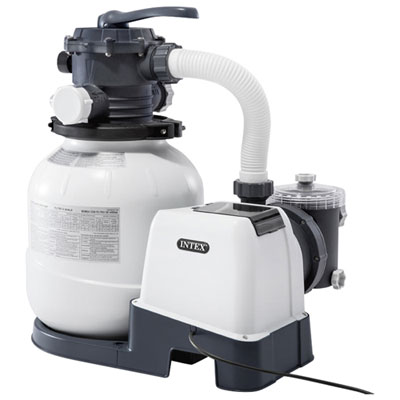 Your price for this item is $291.98
 -
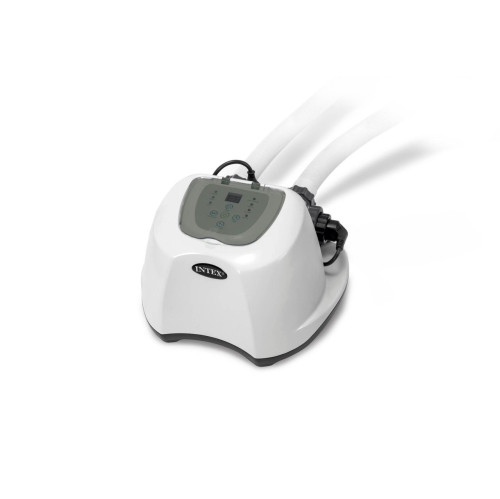 Your price for this item is $269.99
 -
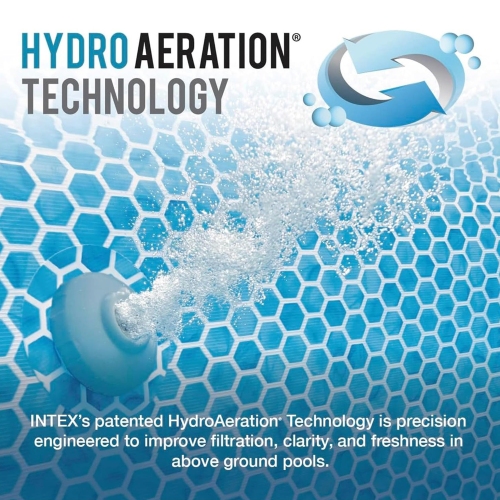 Your price for this item is $214.99
 -
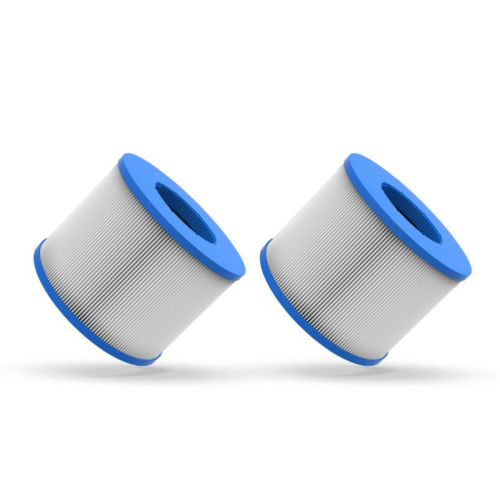 Your price for this item is $39
 -
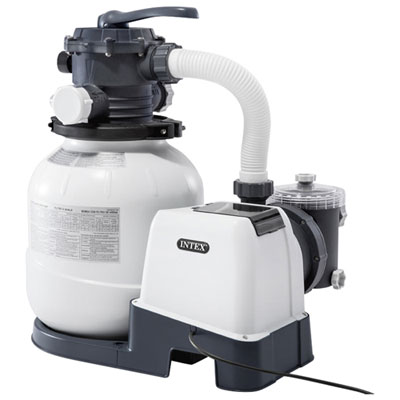 Your price for this item is $229.98
 -
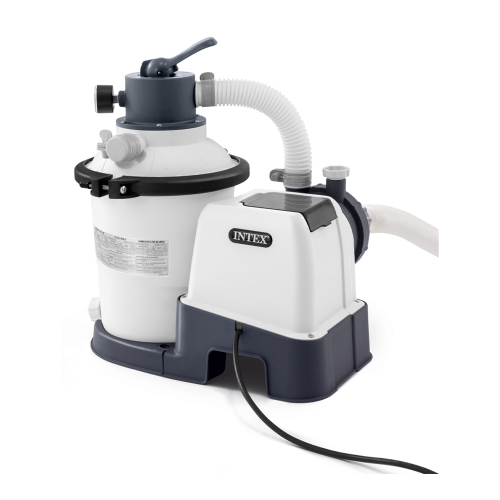 Your price for this item is $206.99
 -
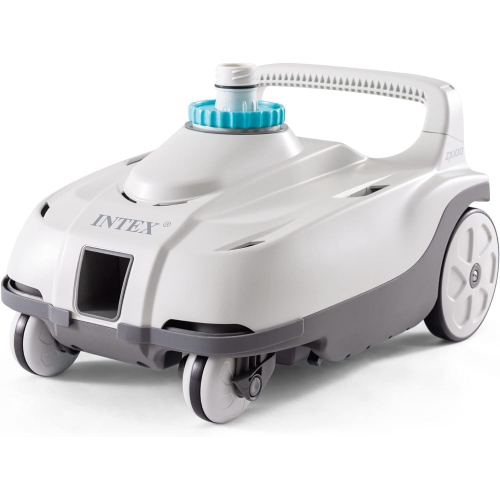 Your price for this item is $150.99
 -
 Your price for this item is $101.99
Discover more categories related to Filtreur Hayward
Top Collections:
Pokemon Centers, Kindle Devices, Best Budget Office Chairs, Apple iPhones 16, Canon G7X Cameras, iPhone 15 Apple, Alarm Clock, Refurbished Apple Laptops, Flip Phones, Best Laptops for Writers
Some products may be subject to Environmental Handling Fees
(EHF) depending on your province.
Learn more about EHFs.