Pool Cleaning Supplies
Looking to keep your pool crystal clear and ready for a refreshing dip? Look no further than our wide selection of pool cleaning supplies. From brushes and nets to vacuums and chemicals, we have everything you need to maintain a pristine pool all season long. Dive into our assortment of high-quality products designed to make pool maintenance a breeze. Whether you're a seasoned pool owner or just starting out, our collection of pool cleaning supplies will help you keep your oasis in top shape, allowing you to spend more time enjoying the water and less time worrying about maintenance.
Sort
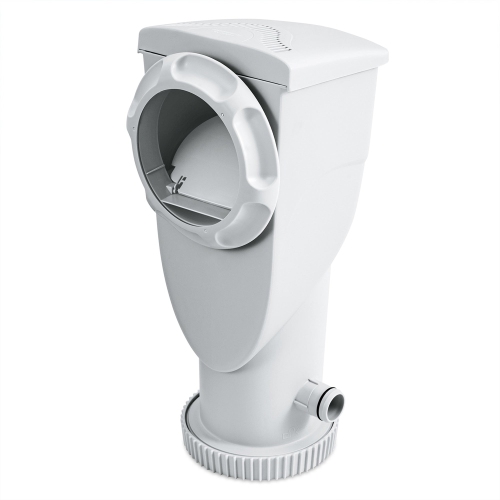
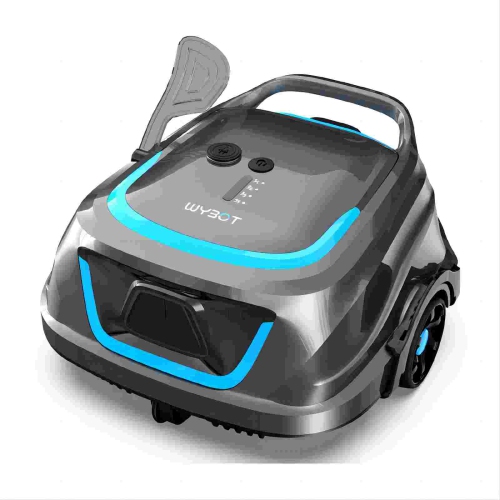
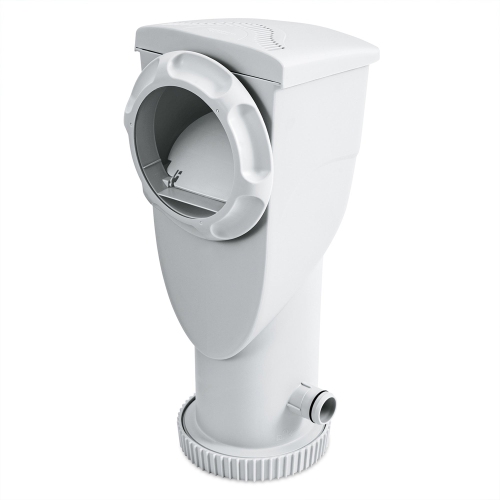
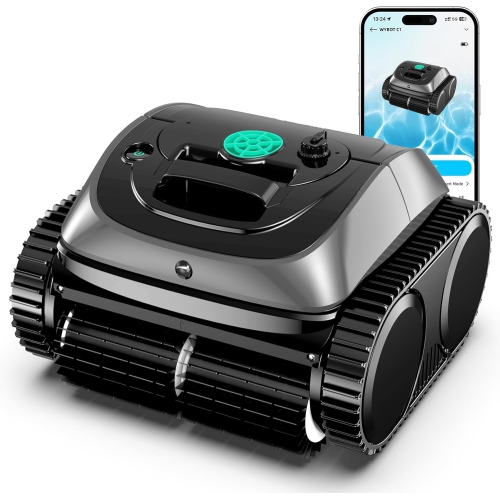
![DOLPHIN MAYTRONICS Dolphin Explorer E20 Robotic Pool [Vacuum] Cleaner](https://multimedia.bbycastatic.ca/multimedia/products/500x500/165/16568/16568065.jpeg)
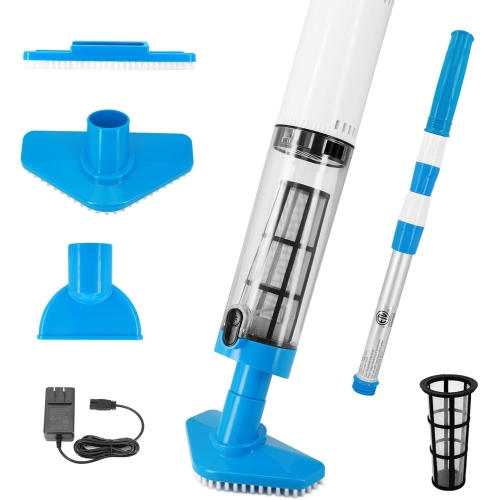
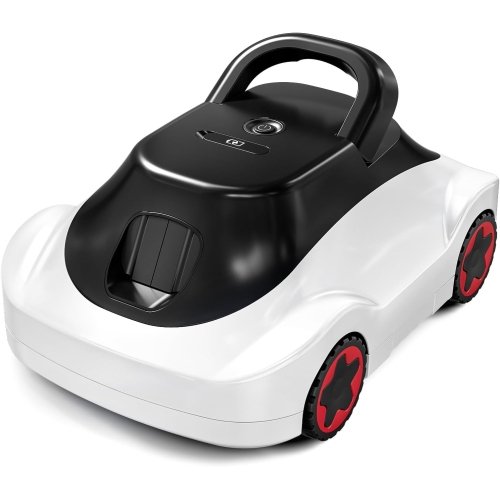
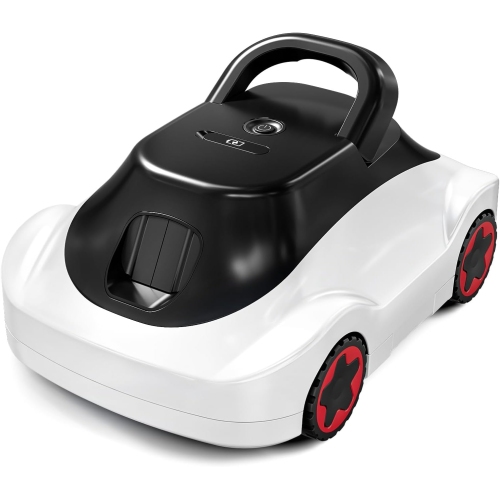
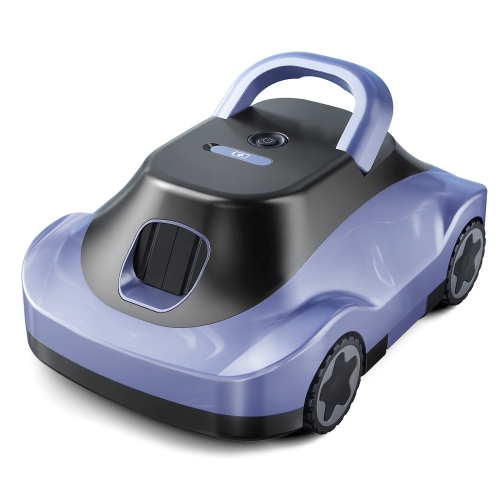
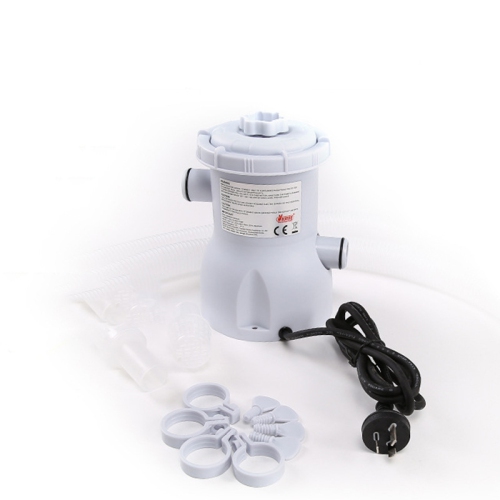
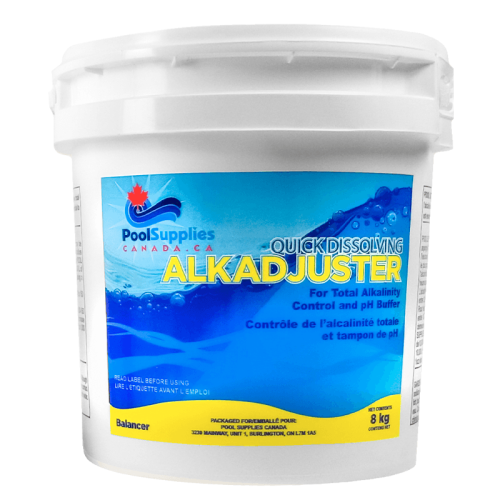
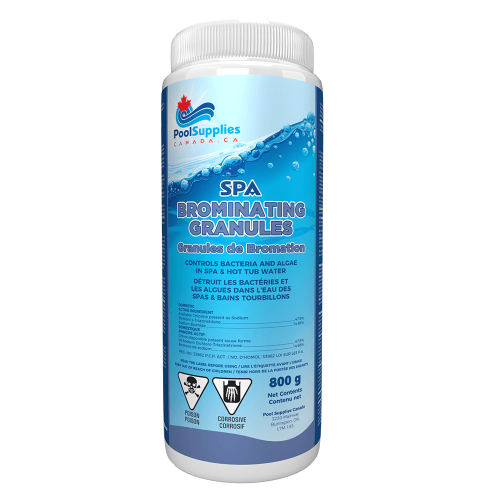

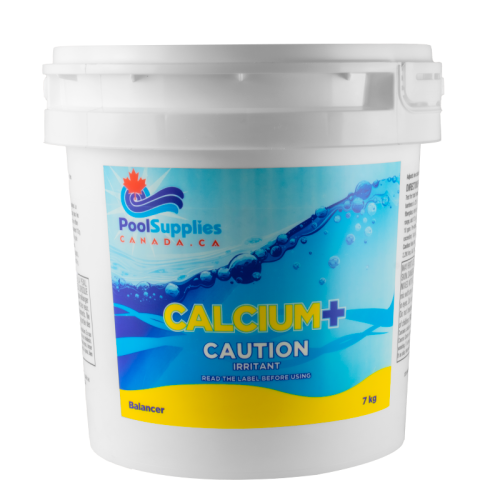
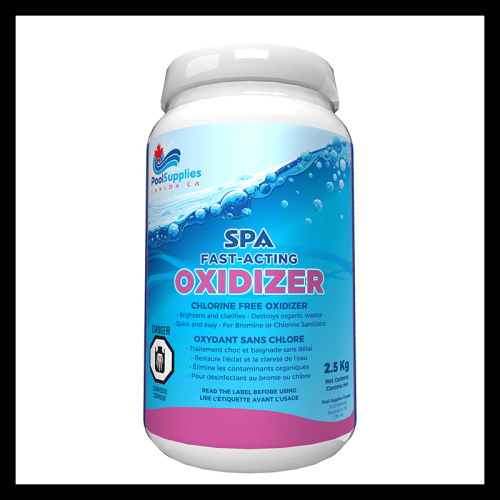
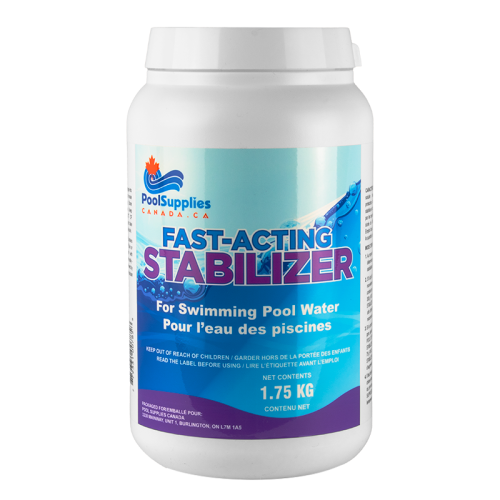
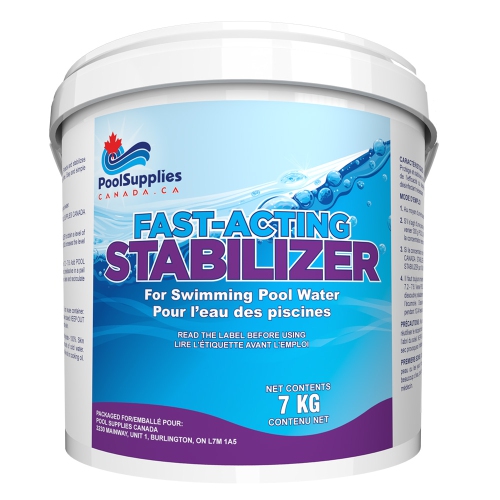
Tools and testing essentials for a smoother pool-care routine
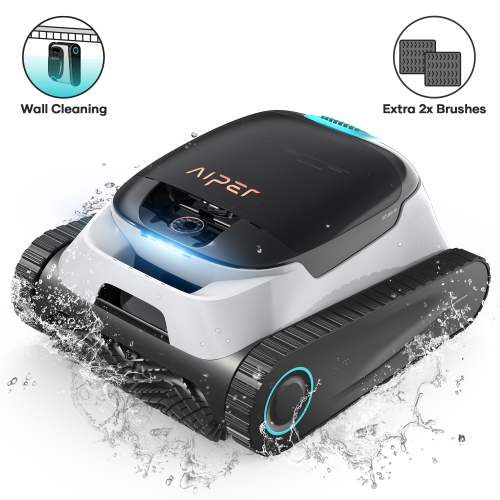
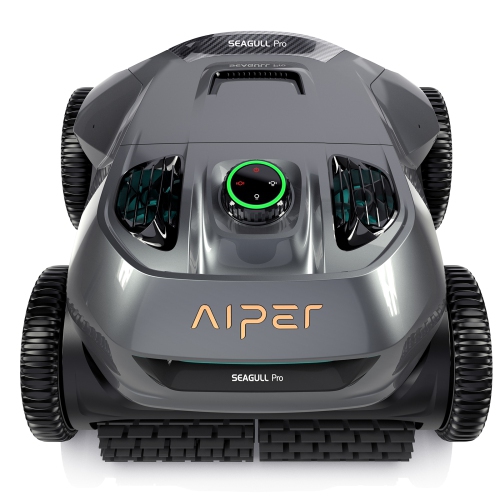
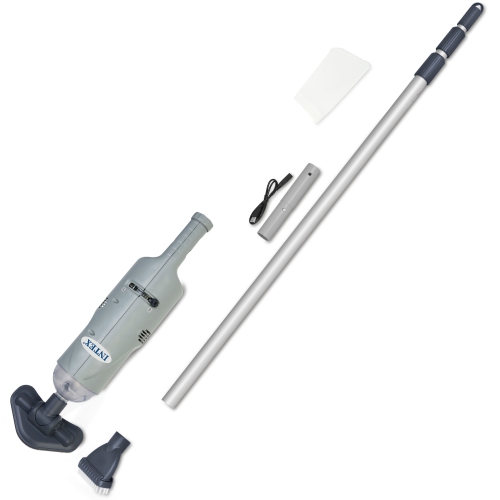
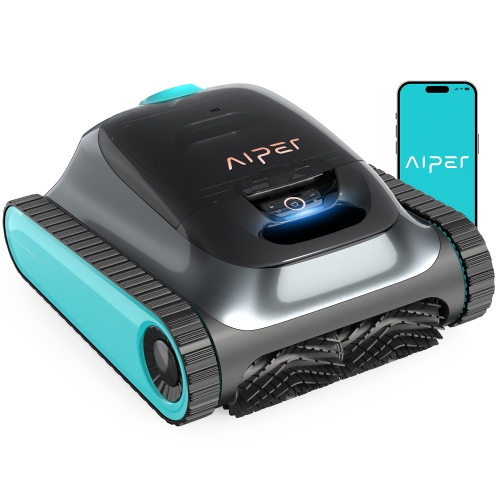
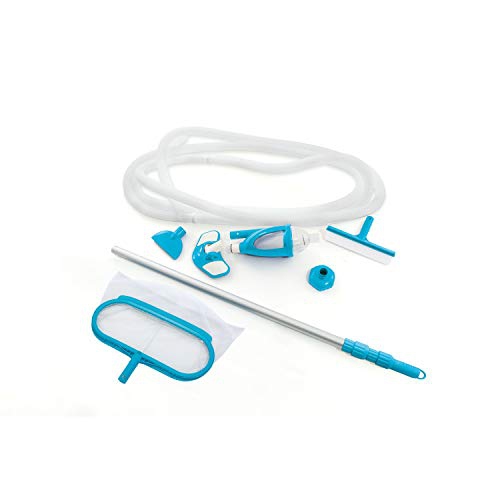
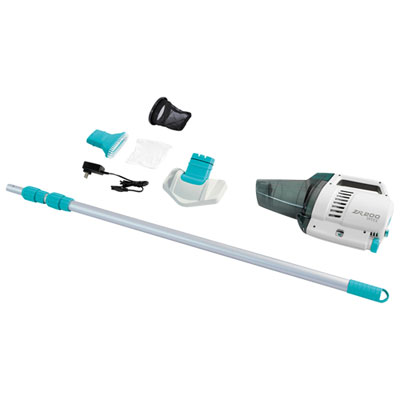
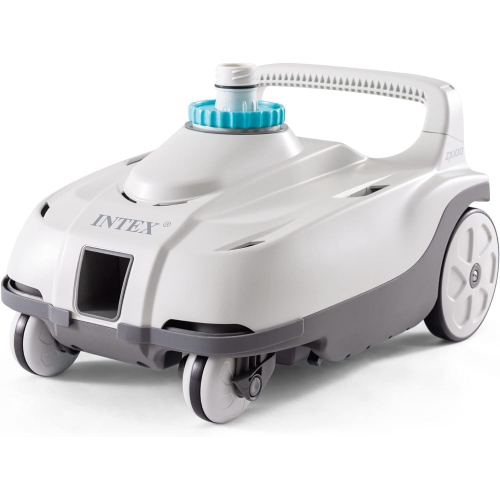
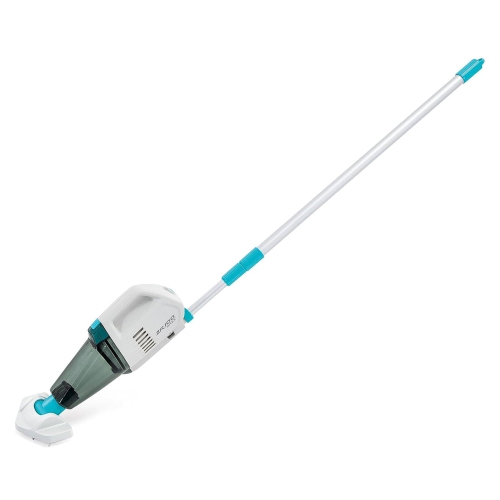
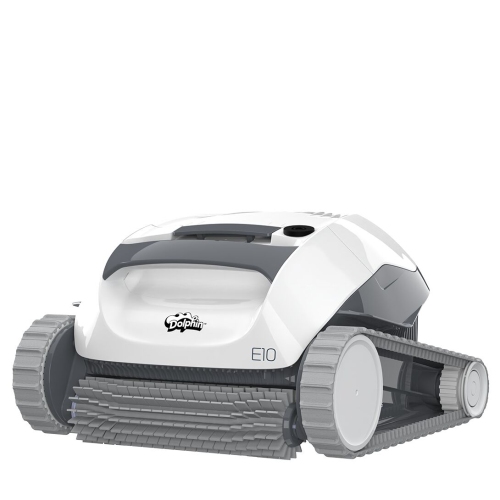
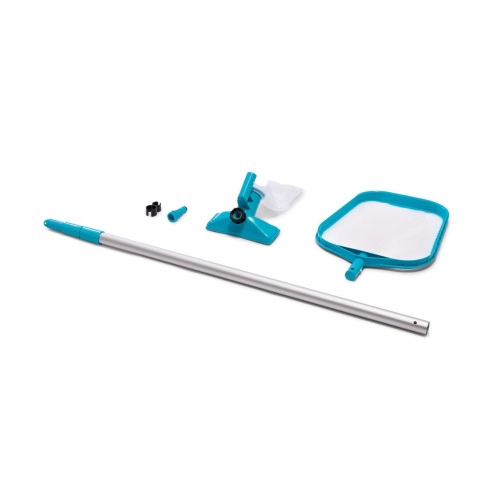
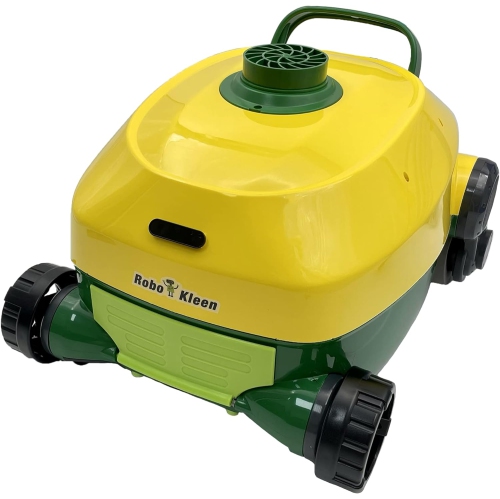
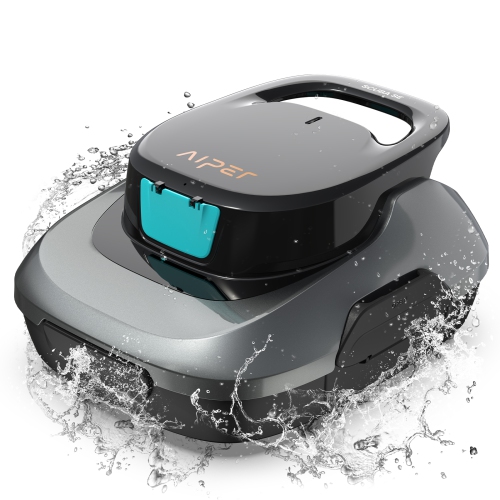
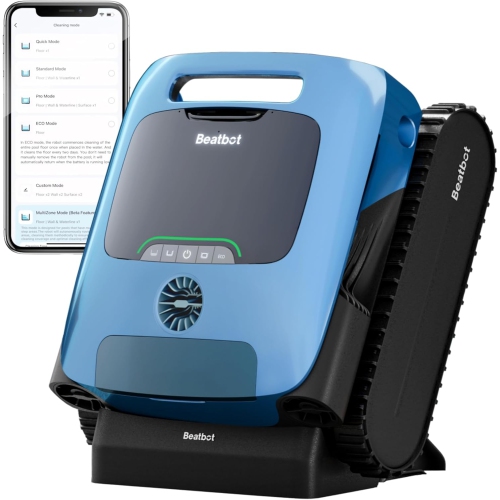
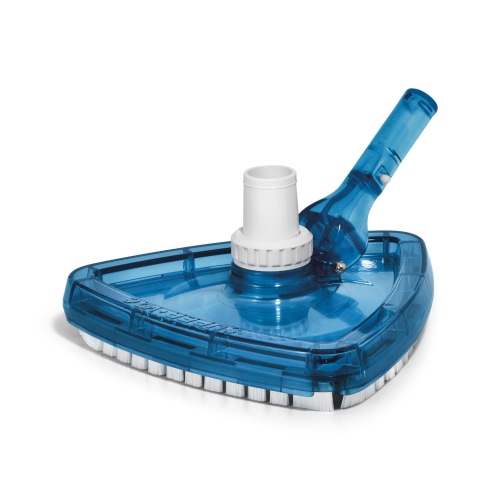
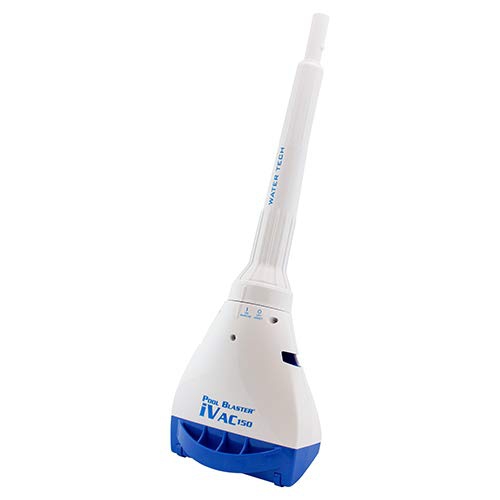
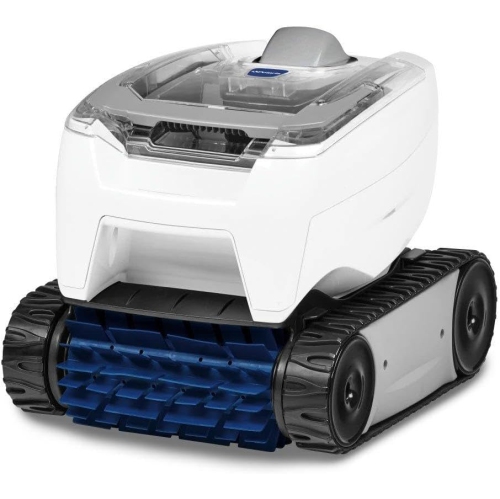
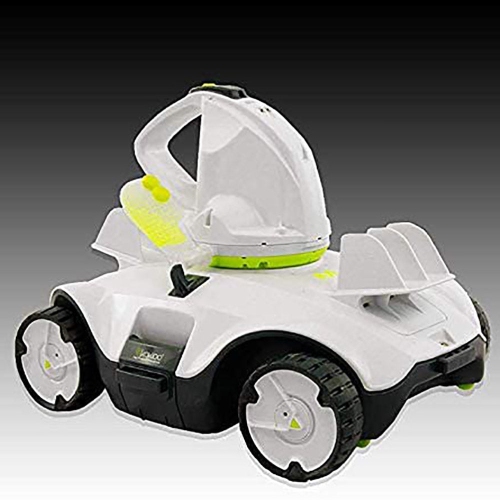
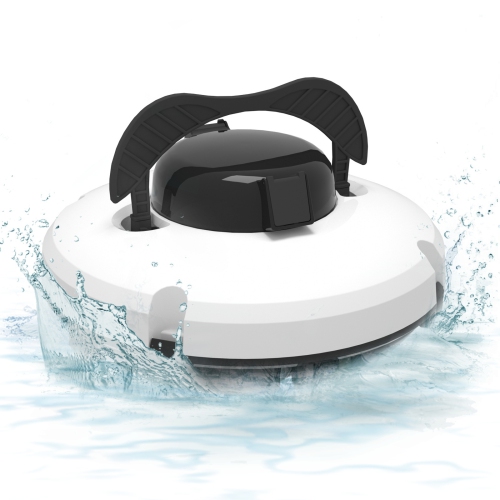
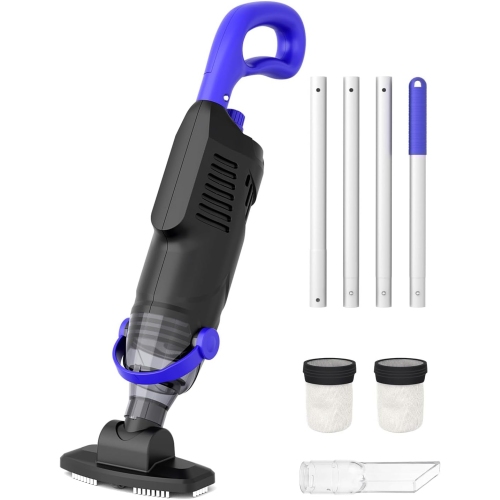
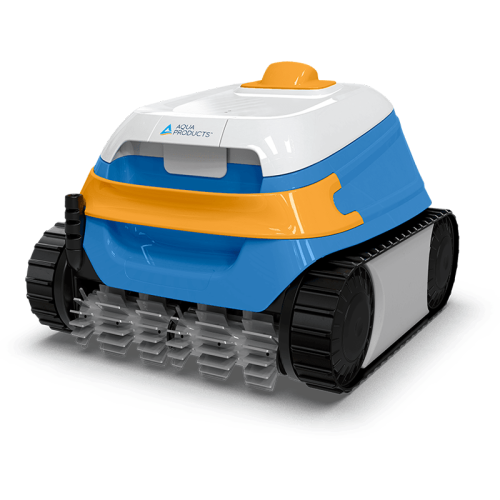
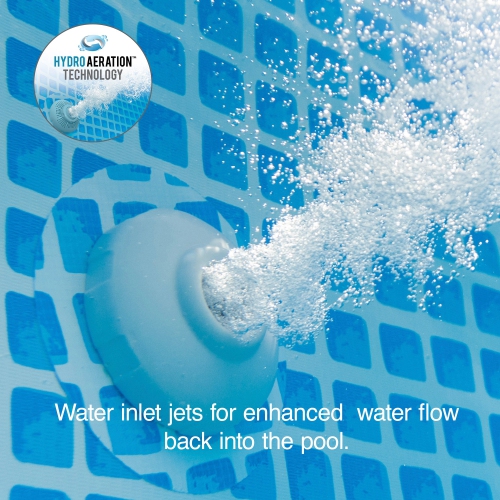
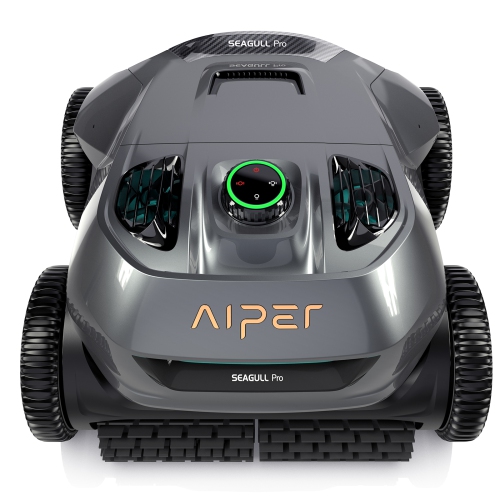
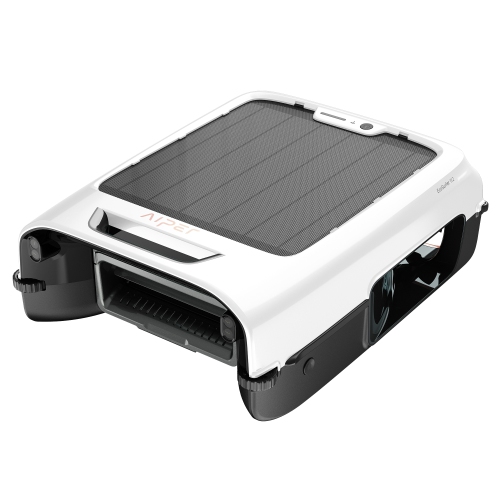
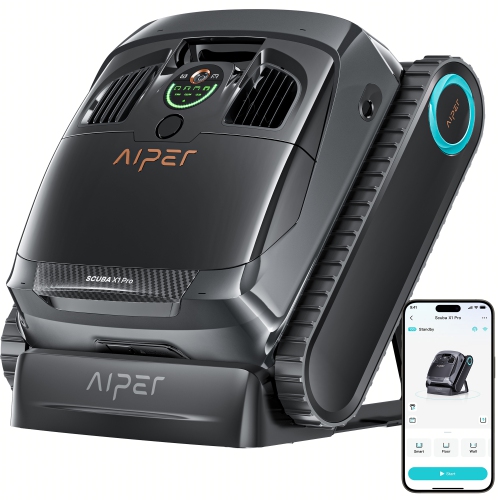
Pool cleaning supplies help make routine pool care more manageable, whether you maintain a compact above-ground pool, a large in-ground pool, or a seasonal backyard swimming area. A practical setup usually begins with a telescopic pole that can connect to different attachments as needed. A skimmer or leaf net is useful for removing leaves, grass, insects, and other debris from the surface before it sinks, while a pool brush helps loosen dirt along walls, steps, corners, and the floor. Choose bristles that suit the pool’s surface: softer nylon is generally appropriate for vinyl liners and fibreglass, while a more durable brush may be better suited to concrete or other hard finishes. A manual vacuum head and hose can collect settled debris from the bottom, especially after wind, rain, or heavier use. Some systems connect through the pool’s skimmer and rely on the existing pump and filter, so checking connection sizes and equipment compatibility before buying can save time during setup. For a lower-maintenance approach, automatic surface skimmers and robotic pool cleaners can help collect floating debris or scrub the floor and walls with less hands-on effort. A robotic cleaner may be particularly useful for households where the pool is used often, where leaves accumulate quickly, or where regular brushing and vacuuming are difficult to fit into a busy routine. When comparing pool cleaning supplies, consider the pool’s size, depth, shape, surface material, filtration system, and available storage space. A lightweight pole and compact net may be enough for occasional touch-ups, while a larger pool may benefit from a full selection of interchangeable attachments and an automated cleaner.
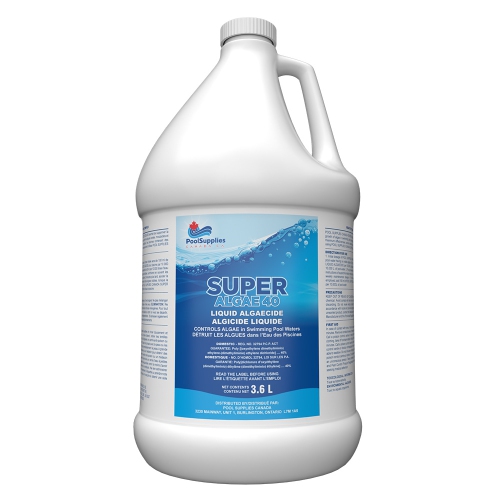
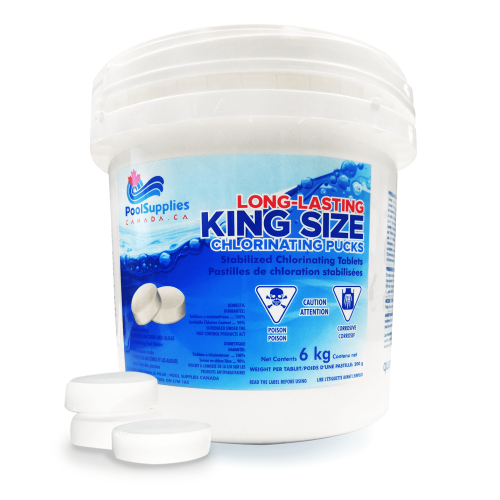
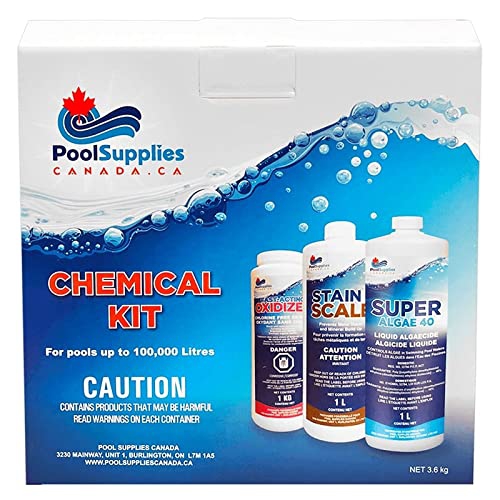
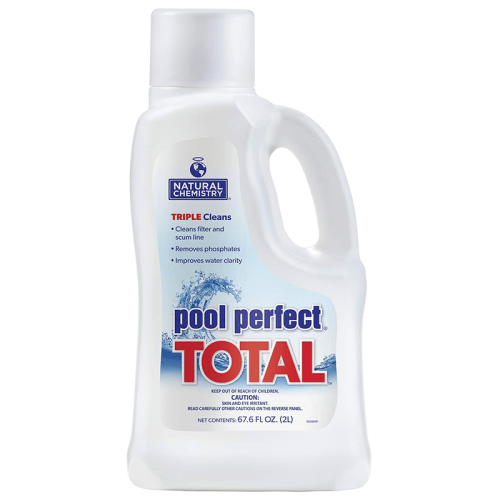
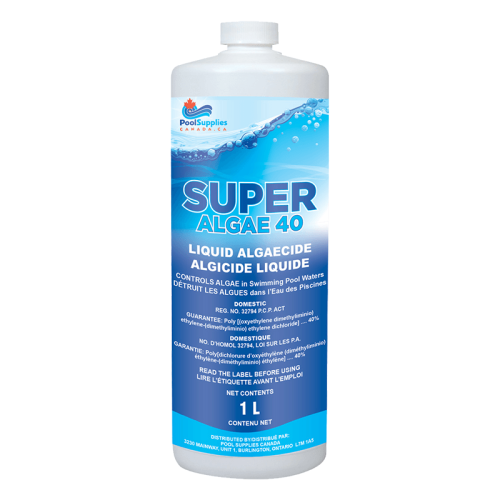
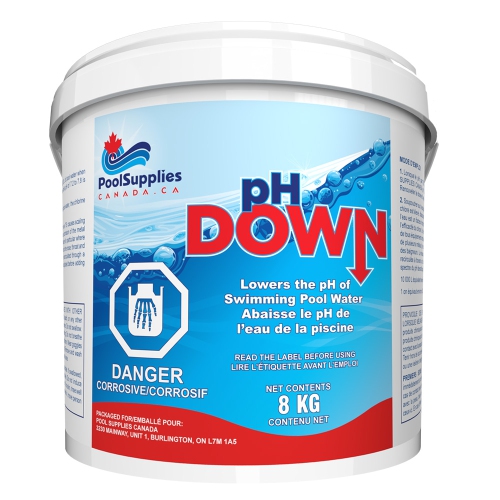
Keeping the water balanced is just as important as removing visible debris. Test strips and liquid or drop-based test kits can help monitor pH, chlorine, alkalinity, and calcium hardness, giving you a clearer picture of what the water needs before you add treatment products. Testing on a regular schedule, and after heavy rain or frequent swimming, can help prevent small changes from becoming more difficult to correct. Pool shock is commonly used to oxidize organic contaminants and address cloudy water, while algaecide may be used as part of an algae-control routine when recommended for the pool and water-care system. These products should always be selected for the type of pool, measured according to the label, and stored securely away from children, pets, heat, and incompatible chemicals. Never mix pool chemicals together, and allow treated water to circulate for the time indicated on the product instructions before swimming. Cleaning tools also work best when used in a sensible order: skim floating debris first, brush surfaces to loosen buildup, then vacuum or run an automatic cleaner so the filter can capture the material. Rinsing equipment after use and allowing it to dry before storage can help keep nets, brushes, hoses, and attachments ready for the next cleaning session. During the cooler months, pool owners may use these supplies to remove debris before covering the pool, inspect equipment before storage, or prepare for reopening as the weather warms. For a broader selection of related equipment, water-care products, covers, and accessories, explore Pool Supplies.
Pool cleaning supplies can be a thoughtful and practical choice for new homeowners, families with a backyard pool, or anyone preparing to take over regular pool maintenance. A beginner-friendly collection might include a telescopic pole, surface skimmer, brush, vacuum head, hose, water-testing kit, and a suitable storage solution for keeping everything together. Someone with an established pool may prefer replacement attachments, a more efficient cleaner, or testing supplies to keep on hand between visits from a professional service. These items are also useful for shared cottages and vacation properties, where a simple routine helps keep the pool ready for guests throughout the swimming season. Before making a purchase, check whether the equipment is intended for above-ground or in-ground pools and confirm that the pole fittings, hose length, vacuum connection, and cleaner settings match the existing setup. Pool shape matters as well: steps, benches, curved walls, and tight corners can affect how easily a brush or automated cleaner reaches every area. It is also worth considering the weight of the equipment, the length of the handle, cord or battery requirements, filter-cleaning needs, and whether replacement parts are available. A consistent routine often takes less effort than a major cleanup after debris has accumulated. Skimming after windy conditions, brushing before visible buildup develops, checking water levels and chemistry, and emptying baskets regularly can all support clearer water and smoother equipment operation. With the right combination of physical tools, automated cleaning options, and water-testing essentials, pool owners can approach maintenance with greater confidence from the first warm days through the cooler period when the pool is covered or prepared for its next season.
Keeping the water balanced is just as important as removing visible debris. Test strips and liquid or drop-based test kits can help monitor pH, chlorine, alkalinity, and calcium hardness, giving you a clearer picture of what the water needs before you add treatment products. Testing on a regular schedule, and after heavy rain or frequent swimming, can help prevent small changes from becoming more difficult to correct. Pool shock is commonly used to oxidize organic contaminants and address cloudy water, while algaecide may be used as part of an algae-control routine when recommended for the pool and water-care system. These products should always be selected for the type of pool, measured according to the label, and stored securely away from children, pets, heat, and incompatible chemicals. Never mix pool chemicals together, and allow treated water to circulate for the time indicated on the product instructions before swimming. Cleaning tools also work best when used in a sensible order: skim floating debris first, brush surfaces to loosen buildup, then vacuum or run an automatic cleaner so the filter can capture the material. Rinsing equipment after use and allowing it to dry before storage can help keep nets, brushes, hoses, and attachments ready for the next cleaning session. During the cooler months, pool owners may use these supplies to remove debris before covering the pool, inspect equipment before storage, or prepare for reopening as the weather warms. For a broader selection of related equipment, water-care products, covers, and accessories, explore Pool Supplies.
Pool cleaning supplies can be a thoughtful and practical choice for new homeowners, families with a backyard pool, or anyone preparing to take over regular pool maintenance. A beginner-friendly collection might include a telescopic pole, surface skimmer, brush, vacuum head, hose, water-testing kit, and a suitable storage solution for keeping everything together. Someone with an established pool may prefer replacement attachments, a more efficient cleaner, or testing supplies to keep on hand between visits from a professional service. These items are also useful for shared cottages and vacation properties, where a simple routine helps keep the pool ready for guests throughout the swimming season. Before making a purchase, check whether the equipment is intended for above-ground or in-ground pools and confirm that the pole fittings, hose length, vacuum connection, and cleaner settings match the existing setup. Pool shape matters as well: steps, benches, curved walls, and tight corners can affect how easily a brush or automated cleaner reaches every area. It is also worth considering the weight of the equipment, the length of the handle, cord or battery requirements, filter-cleaning needs, and whether replacement parts are available. A consistent routine often takes less effort than a major cleanup after debris has accumulated. Skimming after windy conditions, brushing before visible buildup develops, checking water levels and chemistry, and emptying baskets regularly can all support clearer water and smoother equipment operation. With the right combination of physical tools, automated cleaning options, and water-testing essentials, pool owners can approach maintenance with greater confidence from the first warm days through the cooler period when the pool is covered or prepared for its next season.
Top selling and popular products
-
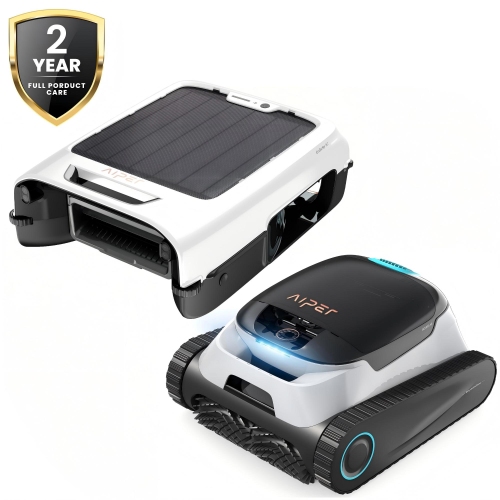 Your price for this item is $1159.99
 -
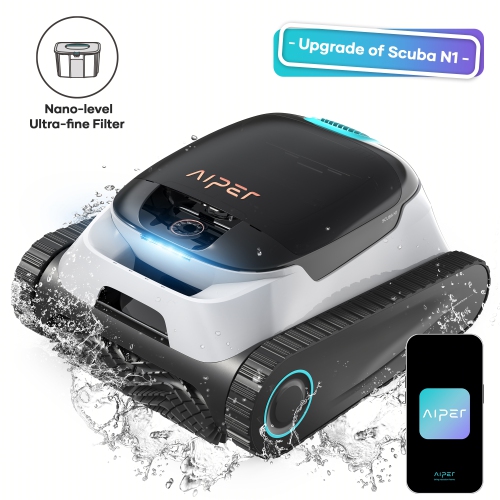 Your price for this item is $749.98
 -
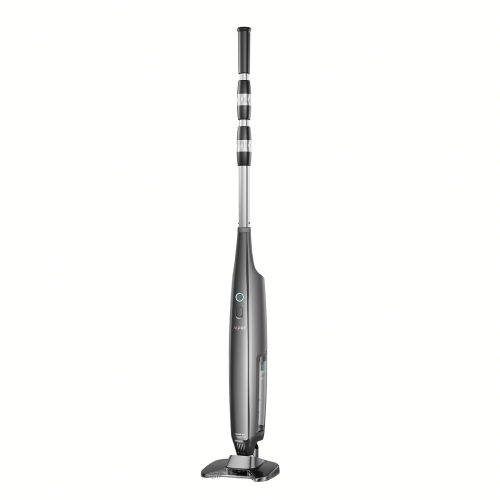 Your price for this item is $299.98
 -
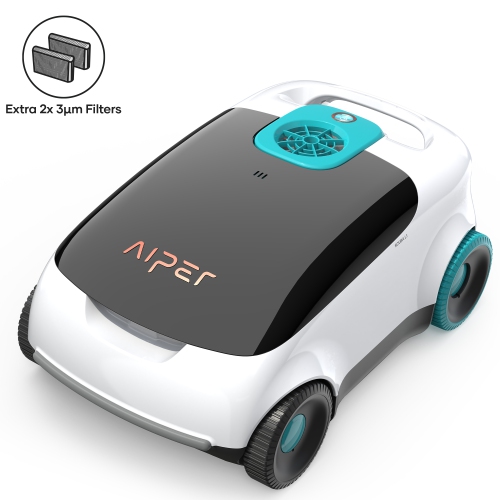 Your price for this item is $319.99
 -
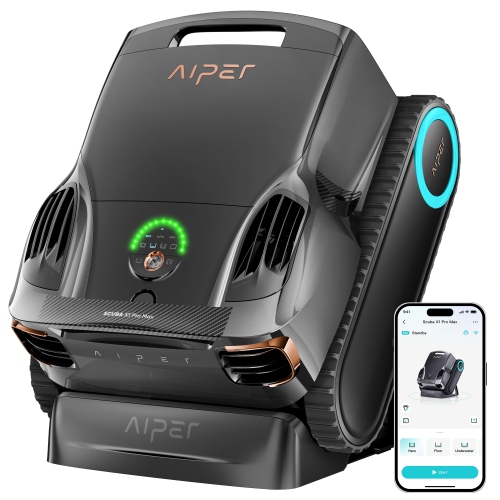 Your price for this item is $2299.98
 -
 Your price for this item is $599.98
 -
 Your price for this item is $479.98
 -
 Your price for this item is $1199.98
Discover more categories related to Pool Cleaning Supplies
Top Collections:
Pokemon Centers, Kindle Devices, Best Budget Office Chairs, Apple iPhones 16, Best Laptops for Writers, iPhone 15 Apple, Canon G7X Cameras, Refurbished Apple Laptops, Alarm Clock, Motorola Razr Phones
Some products may be subject to Environmental Handling Fees
(EHF) depending on your province.
Learn more about EHFs.