Swimming Pool Cleaners
Keep your swimming pool crystal clear with our selection of top-of-the-line swimming pool cleaners. Whether you have an in-ground or above-ground pool, these innovative devices are designed to efficiently remove dirt, debris, and algae, so you can spend more time enjoying your pool and less time cleaning it. From robotic cleaners to suction-side and pressure-side models, we offer a variety of options to suit your pool's specific needs. Dive into a hassle-free pool maintenance routine with our range of swimming pool cleaners that deliver sparkling results every time.
Sort
![DOLPHIN MAYTRONICS Dolphin Explorer E20 Robotic Pool [Vacuum] Cleaner](https://multimedia.bbycastatic.ca/multimedia/products/500x500/165/16568/16568065.jpeg)
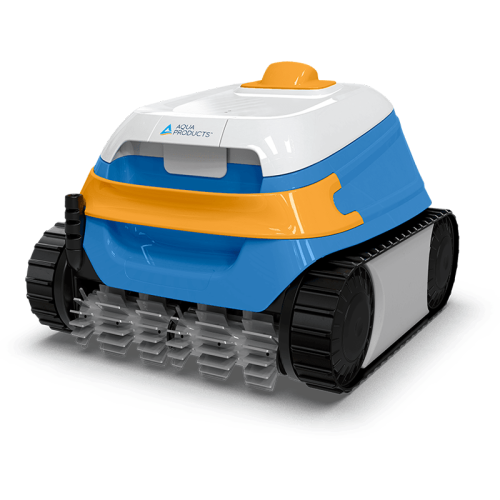
Pool design, debris, and routines shape cleaner choice
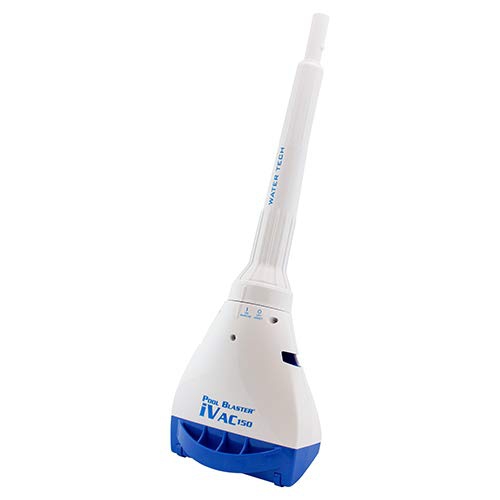
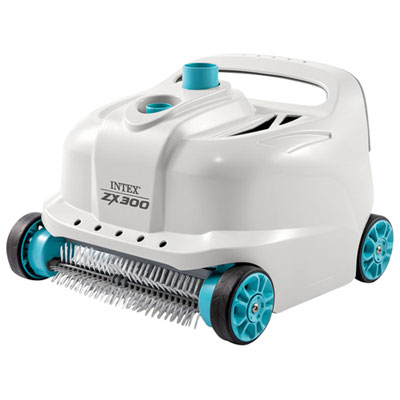
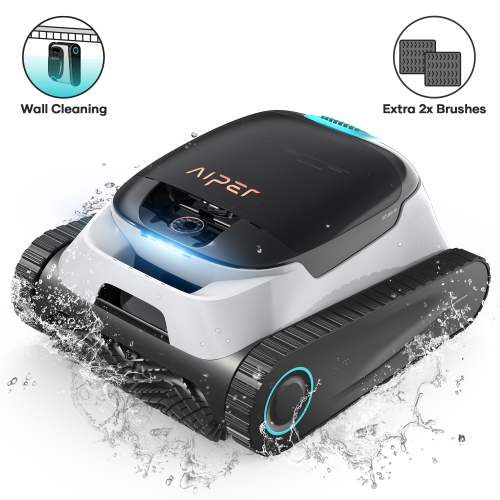
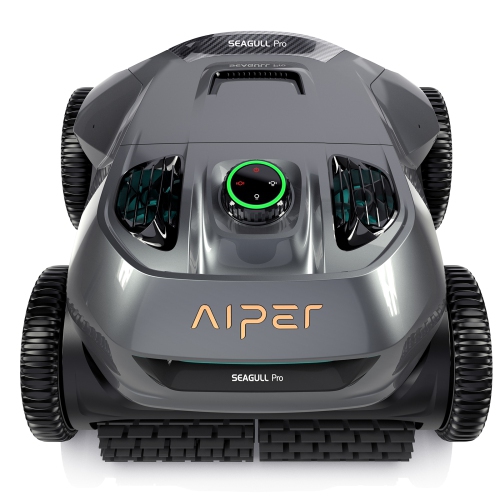
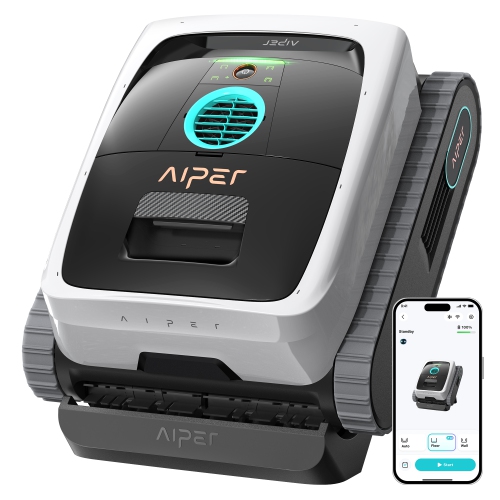
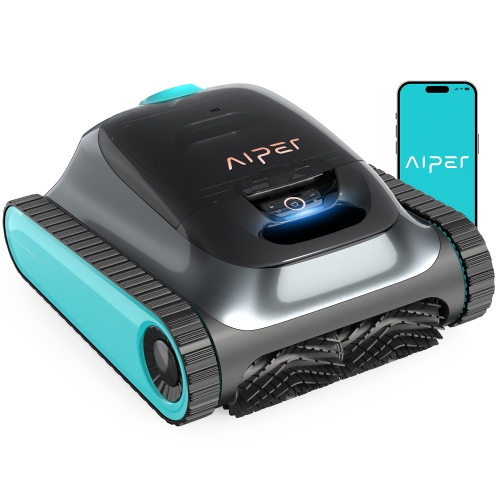
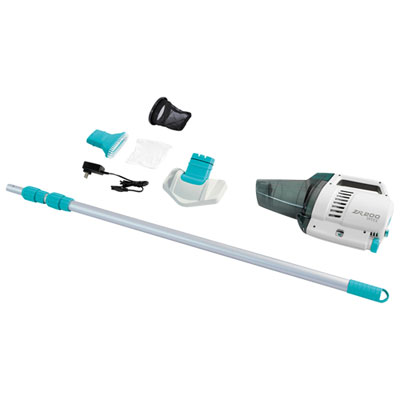
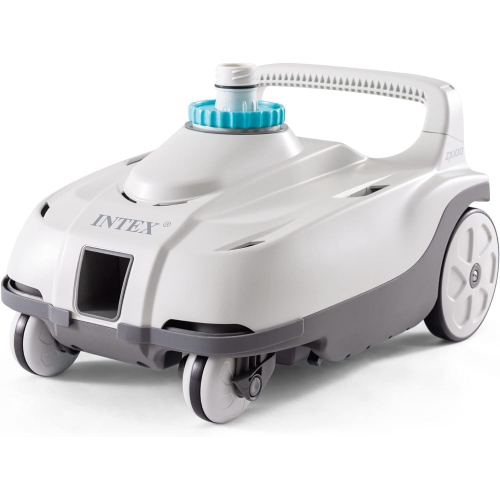
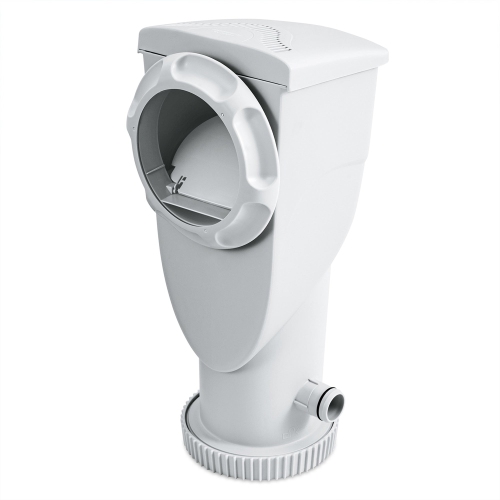
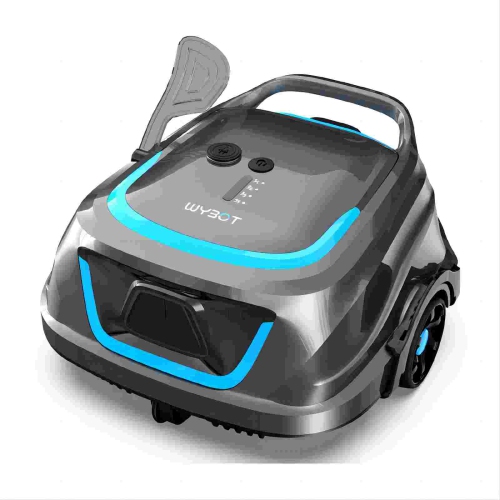
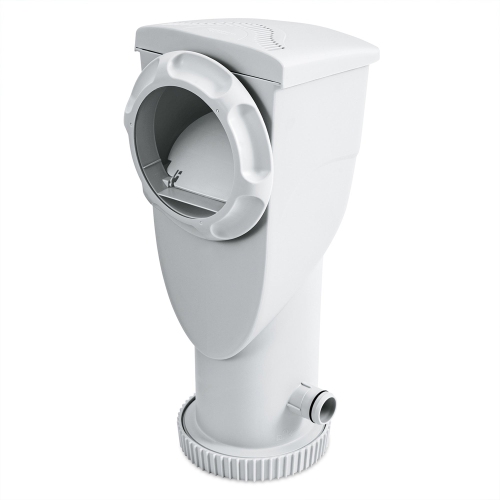
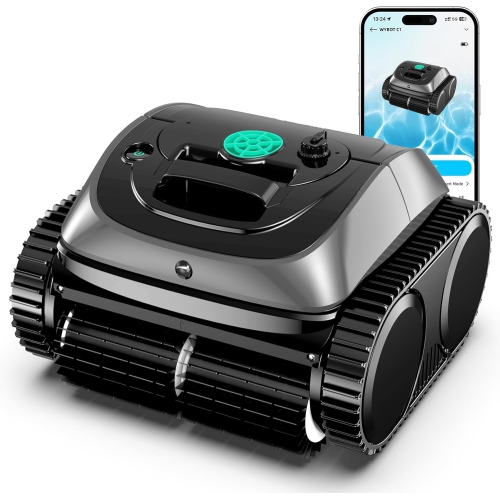
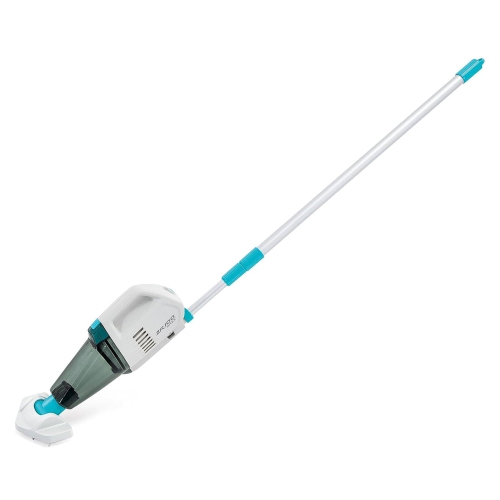
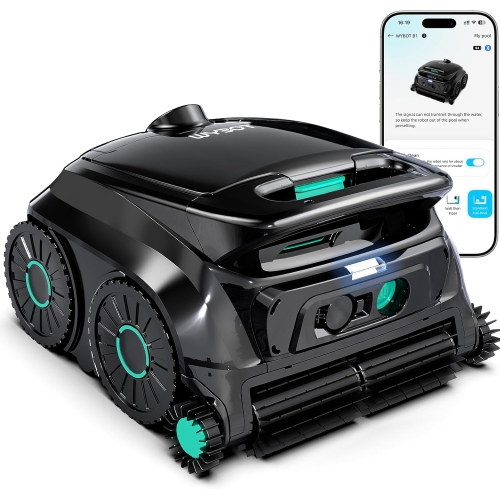
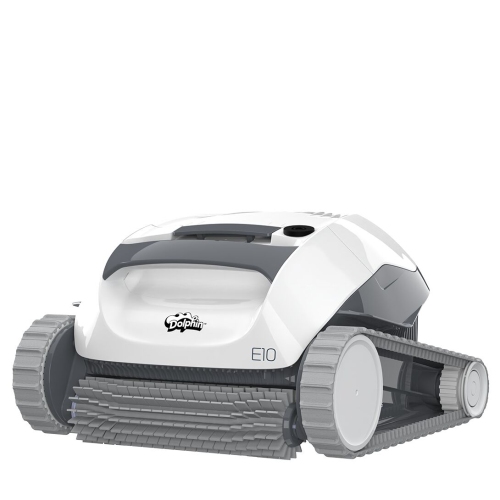
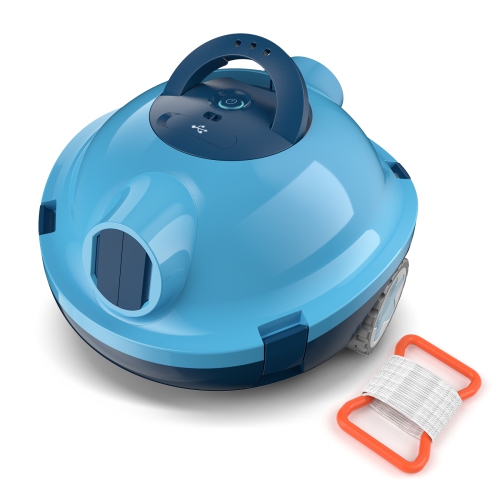
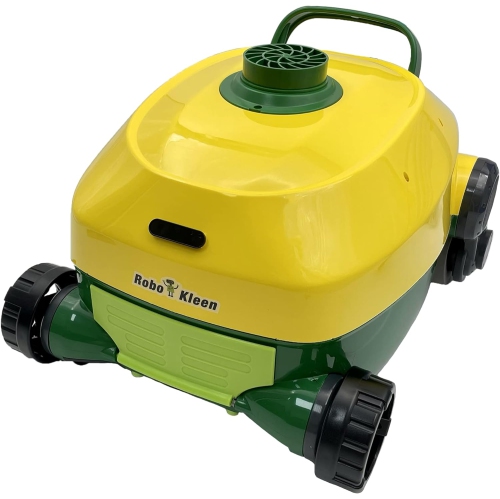
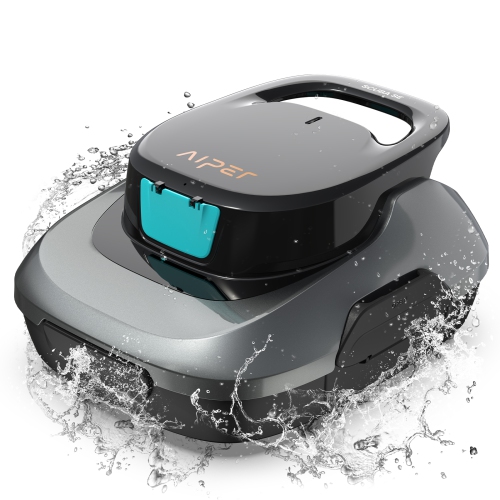
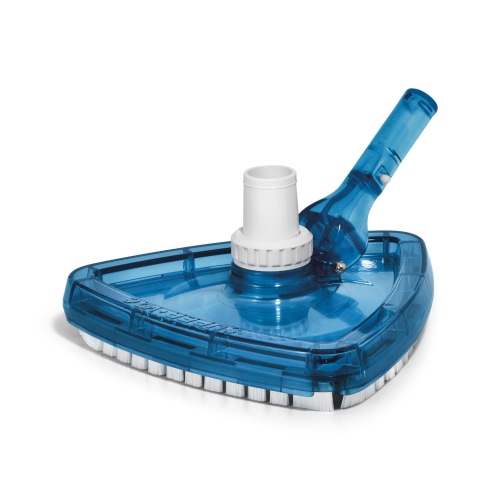
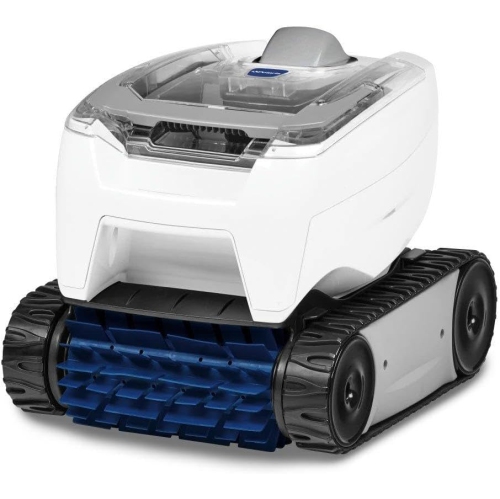
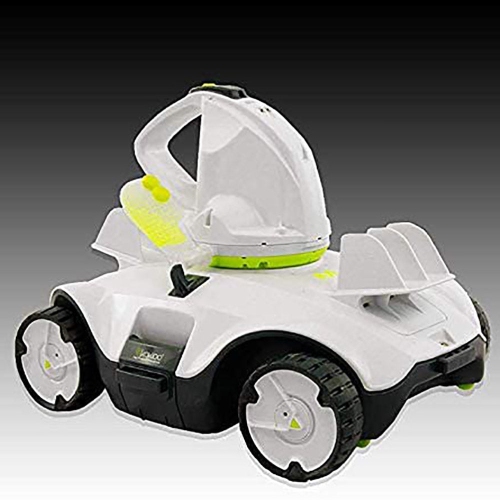
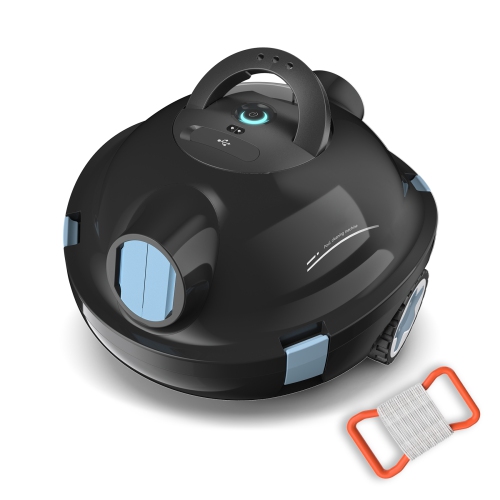
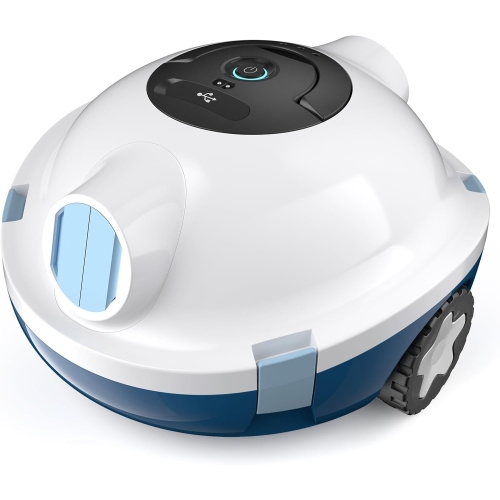
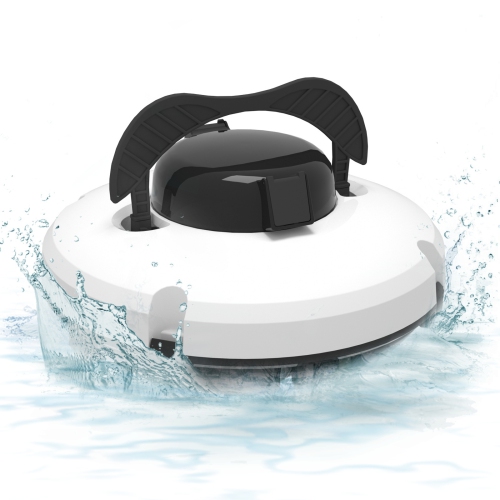
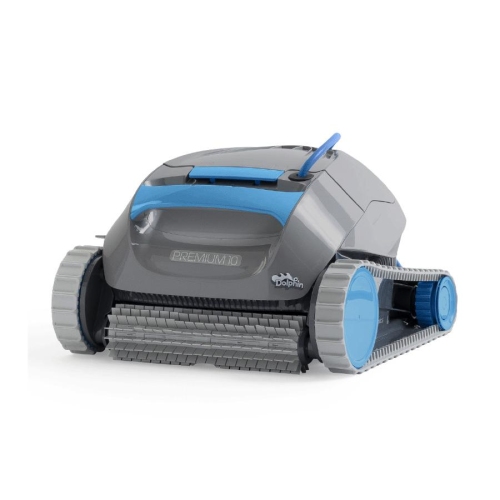
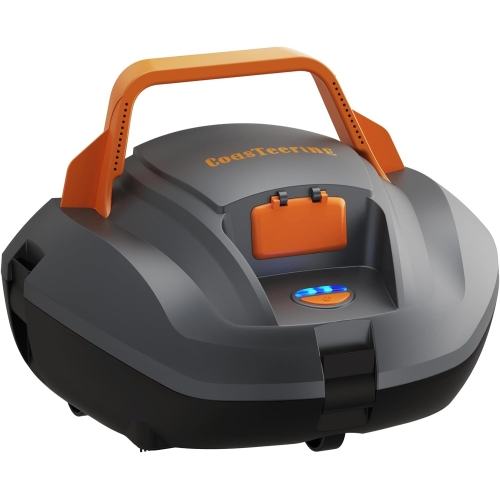
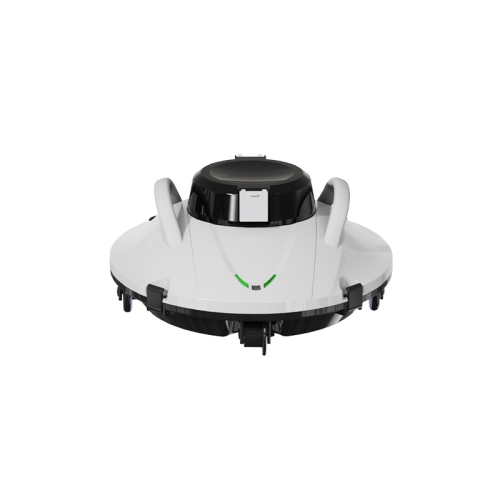
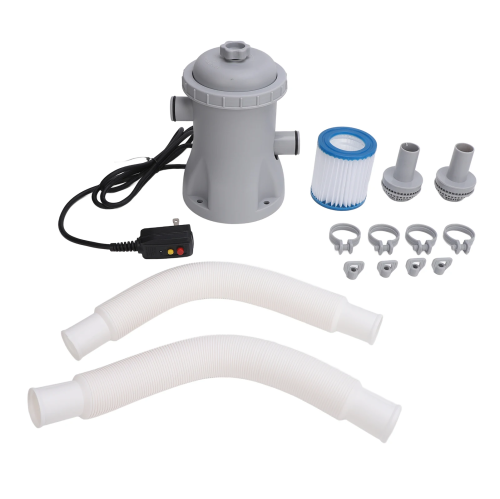
Swimming pool cleaners help keep the water clearer, the surfaces more comfortable underfoot, and routine pool care more manageable throughout the swimming season. The best choice depends on the pool’s construction, size, shape, surface, and plumbing, as well as how much hands-on cleaning you want to do. Above-ground pools often have simpler layouts and may be well suited to compact cleaners designed for flat floors, while in-ground pools can benefit from models that travel across different surfaces, climb walls, or follow the waterline. Before choosing, measure the approximate pool length and width, consider the total surface area, and note any steps, ledges, deep ends, tight corners, or unusually curved sections. A cleaner that handles a modest, flat-bottom pool may not have the reach, traction, or battery life needed for a larger pool with several levels. It is also useful to think about the debris your pool usually collects. Fine dust and sand call for effective filtration, while leaves, grass, and larger outdoor debris may require a roomy debris basket or filter bag that is easy to remove and rinse. Robotic pool cleaners operate independently, using built-in motors, brushes, filters, and either rechargeable batteries or a power connection to move through the pool and collect debris. Cordless designs can be convenient when you want to avoid managing a floating cable, and a longer runtime can be helpful for larger pools or heavier cleaning sessions. Some models offer automatic scheduling, app controls, multiple cleaning cycles, or sensors that help them map the pool and adjust their route. These features can reduce the need to supervise the cleaner, although the pool should still be checked for missed areas and the filter should be emptied after use. For shoppers who prefer to connect a cleaner to existing pool equipment, suction-side models attach to a skimmer or dedicated suction line and use the pool pump to draw in debris. They can be a practical option when the pump system is compatible and regular, budget-conscious cleaning is the priority. Pressure-side cleaners connect to a pressure line or booster pump and typically sweep debris into an attached bag, keeping larger leaves and grit separate from the pool’s main filtration system. Comparing these three categories makes it easier to match the cleaner to the pool and the amount of manual work you want to avoid. Browse Automatic Pool Cleaners to explore options designed for different pool setups and cleaning routines.
Convenience is only one part of the decision; the cleaner must also be practical to lift, store, operate, and maintain. Check the recommended pool size and maximum cleaning area rather than relying on appearance alone, and compare the stated runtime with the time your pool typically needs. A unit that finishes a smaller pool in one cycle may need to be recharged between passes in a larger pool. If wall climbing or waterline cleaning matters, look for a design specifically rated for those tasks, since floor-only models are not intended to scrub vertical surfaces. Brush style and suction strength can affect how well a cleaner loosens stuck-on dirt, while the filter type determines how fine the collected particles can be. Easy-access filters are especially helpful when pollen, hair, or fine sediment builds up quickly; being able to open the compartment, rinse the filter, and put it back without a complicated process encourages more frequent use. Consider the pool’s finish as well. Vinyl liners, painted surfaces, fibreglass, and tiled pools may have different cleaning requirements, so the manufacturer’s compatibility information should be checked before purchase. Corded robotic cleaners can provide consistent operating time for extended cleaning sessions, but the cable needs enough length to reach the farthest area without snagging around ladders or steps. Cordless options offer greater freedom of movement, though battery charging time and storage conditions become part of the routine. Suction-side and pressure-side cleaners also depend on the pool’s pump, skimmer, hose, or pressure-line configuration, making compatibility a key consideration before ordering. A cleaner can be a useful choice for a household opening a first pool, replacing an older manual vacuum, or making regular maintenance easier for someone with limited time. It may also be a thoughtful gift for a new pool owner, particularly when paired with practical accessories such as a skimmer net, a floating thermometer, or a storage solution. Families often notice the difference after a windy afternoon, when leaves collect in the corners and fine grit settles across the floor; instead of spending the entire next morning brushing and vacuuming, they can run the cleaner as part of a repeatable maintenance routine. Pool cleaners do not replace testing water chemistry, checking the pump and filter, skimming the surface, or removing large objects by hand, but they can take on much of the repetitive work that keeps those tasks from becoming overwhelming.
Timing and storage also influence how well a pool cleaner serves you over time. During the warmer part of the year, frequent cleaning may be needed after swimming, storms, nearby yard work, or periods of heavy pollen. As the weather cools and the pool is used less often, a dependable cleaning cycle can help remove leaves and settled debris before closing or covering the pool. Follow the pool and cleaner instructions for winter preparation, including any guidance about draining water, rinsing filters, drying components, and storing the unit in a protected location. Rechargeable models should be stored with the battery cared for according to the manufacturer’s recommendations, and cables, hoses, and accessories should be kept free from sharp bends, standing water, and freezing conditions. Before each cleaning session, inspect the brushes, wheels, floating cable, hose connections, and filter compartment for debris or wear. Emptying the basket or filter after every run helps maintain suction and prevents old debris from sitting inside the cleaner between uses. It is also wise to remove the cleaner from the pool when it is not in operation unless the instructions specifically allow extended immersion. When comparing swimming pool cleaners, focus on the details that affect everyday use: pool type, dimensions, shape, floor and wall coverage, debris capacity, filtration, runtime, charging or connection requirements, control options, and ease of maintenance. A compact robotic unit can suit a straightforward above-ground pool, while a full-coverage model may be more appropriate for a larger in-ground pool with walls and a waterline that need attention. A suction-side or pressure-side design can make sense when the existing pump system is ready for the connection and you prefer a cleaner that works as part of that setup. Choosing with these factors in mind can make pool care feel less like a large weekend project and more like a simple, consistent part of keeping the water ready for the next swim.
Convenience is only one part of the decision; the cleaner must also be practical to lift, store, operate, and maintain. Check the recommended pool size and maximum cleaning area rather than relying on appearance alone, and compare the stated runtime with the time your pool typically needs. A unit that finishes a smaller pool in one cycle may need to be recharged between passes in a larger pool. If wall climbing or waterline cleaning matters, look for a design specifically rated for those tasks, since floor-only models are not intended to scrub vertical surfaces. Brush style and suction strength can affect how well a cleaner loosens stuck-on dirt, while the filter type determines how fine the collected particles can be. Easy-access filters are especially helpful when pollen, hair, or fine sediment builds up quickly; being able to open the compartment, rinse the filter, and put it back without a complicated process encourages more frequent use. Consider the pool’s finish as well. Vinyl liners, painted surfaces, fibreglass, and tiled pools may have different cleaning requirements, so the manufacturer’s compatibility information should be checked before purchase. Corded robotic cleaners can provide consistent operating time for extended cleaning sessions, but the cable needs enough length to reach the farthest area without snagging around ladders or steps. Cordless options offer greater freedom of movement, though battery charging time and storage conditions become part of the routine. Suction-side and pressure-side cleaners also depend on the pool’s pump, skimmer, hose, or pressure-line configuration, making compatibility a key consideration before ordering. A cleaner can be a useful choice for a household opening a first pool, replacing an older manual vacuum, or making regular maintenance easier for someone with limited time. It may also be a thoughtful gift for a new pool owner, particularly when paired with practical accessories such as a skimmer net, a floating thermometer, or a storage solution. Families often notice the difference after a windy afternoon, when leaves collect in the corners and fine grit settles across the floor; instead of spending the entire next morning brushing and vacuuming, they can run the cleaner as part of a repeatable maintenance routine. Pool cleaners do not replace testing water chemistry, checking the pump and filter, skimming the surface, or removing large objects by hand, but they can take on much of the repetitive work that keeps those tasks from becoming overwhelming.
Timing and storage also influence how well a pool cleaner serves you over time. During the warmer part of the year, frequent cleaning may be needed after swimming, storms, nearby yard work, or periods of heavy pollen. As the weather cools and the pool is used less often, a dependable cleaning cycle can help remove leaves and settled debris before closing or covering the pool. Follow the pool and cleaner instructions for winter preparation, including any guidance about draining water, rinsing filters, drying components, and storing the unit in a protected location. Rechargeable models should be stored with the battery cared for according to the manufacturer’s recommendations, and cables, hoses, and accessories should be kept free from sharp bends, standing water, and freezing conditions. Before each cleaning session, inspect the brushes, wheels, floating cable, hose connections, and filter compartment for debris or wear. Emptying the basket or filter after every run helps maintain suction and prevents old debris from sitting inside the cleaner between uses. It is also wise to remove the cleaner from the pool when it is not in operation unless the instructions specifically allow extended immersion. When comparing swimming pool cleaners, focus on the details that affect everyday use: pool type, dimensions, shape, floor and wall coverage, debris capacity, filtration, runtime, charging or connection requirements, control options, and ease of maintenance. A compact robotic unit can suit a straightforward above-ground pool, while a full-coverage model may be more appropriate for a larger in-ground pool with walls and a waterline that need attention. A suction-side or pressure-side design can make sense when the existing pump system is ready for the connection and you prefer a cleaner that works as part of that setup. Choosing with these factors in mind can make pool care feel less like a large weekend project and more like a simple, consistent part of keeping the water ready for the next swim.
Top selling and popular products
-
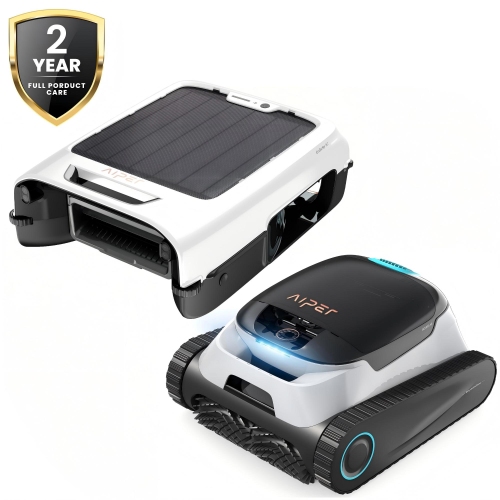 Your price for this item is $1159.99
 -
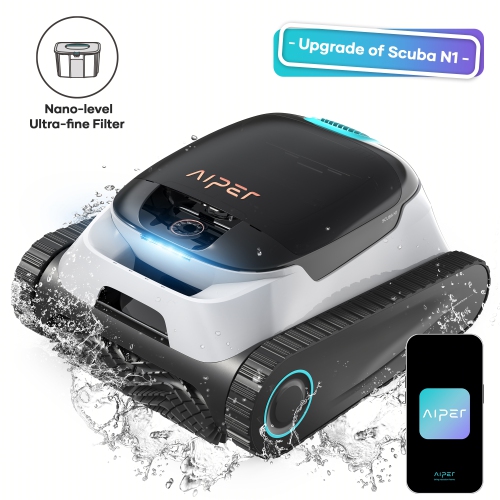 Your price for this item is $749.98
 -
 Your price for this item is $299.98
 -
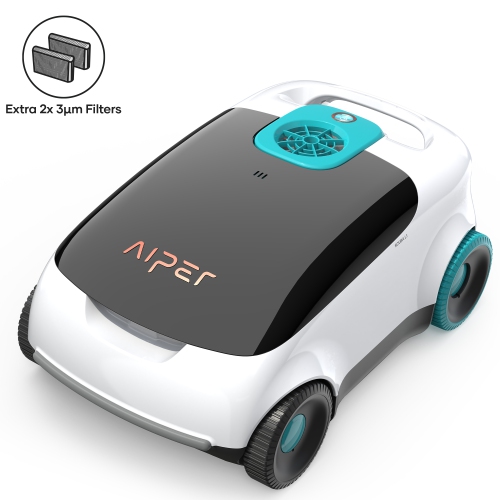 Your price for this item is $319.99
 -
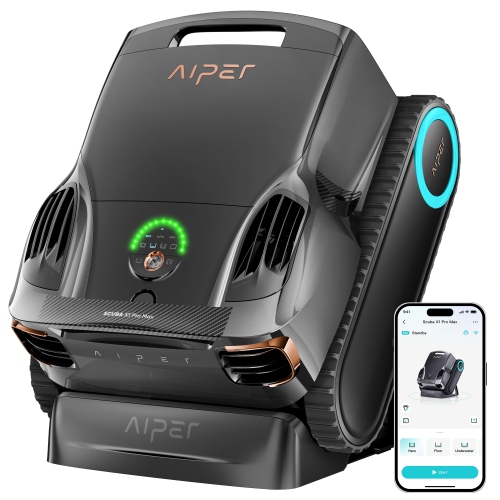 Your price for this item is $2299.98
 -
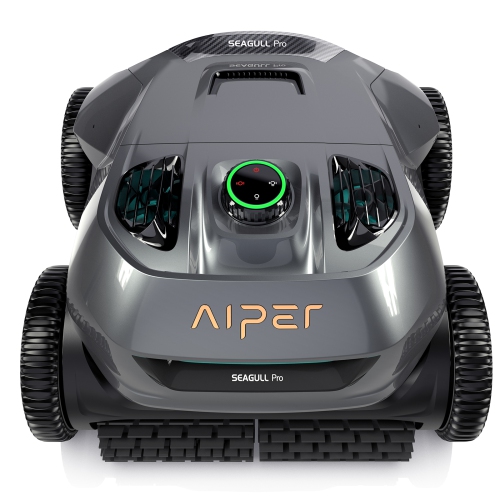 Your price for this item is $599.98
 -
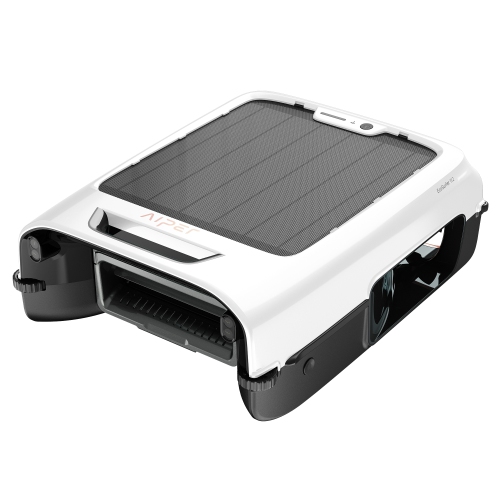 Your price for this item is $479.98
 -
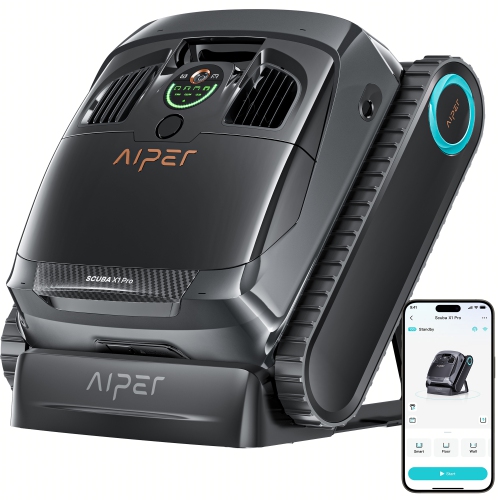 Your price for this item is $1199.98
Discover more categories related to Swimming Pool Cleaners
Top Collections:
Pokemon Centers, Kindle Devices, Best Budget Office Chairs, Apple iPhones 16, Best Laptops for Writers, iPhone 15 Apple, Canon G7X Cameras, Refurbished Apple Laptops, Alarm Clock, Motorola Razr Phones
Some products may be subject to Environmental Handling Fees
(EHF) depending on your province.
Learn more about EHFs.