Pool Solar Covers
Transform your pool experience with the eco-friendly and cost-effective solution of a pool solar cover. Designed to harness the power of the sun, these covers not only help maintain a comfortable water temperature but also reduce evaporation and keep your pool cleaner by blocking debris. Ideal for extending your swimming season, a solar cover is a smart investment for any pool owner looking to maximize enjoyment while minimizing maintenance efforts. Explore our selection of pool solar covers and discover how you can enhance your backyard oasis with this sustainable option.
Sort
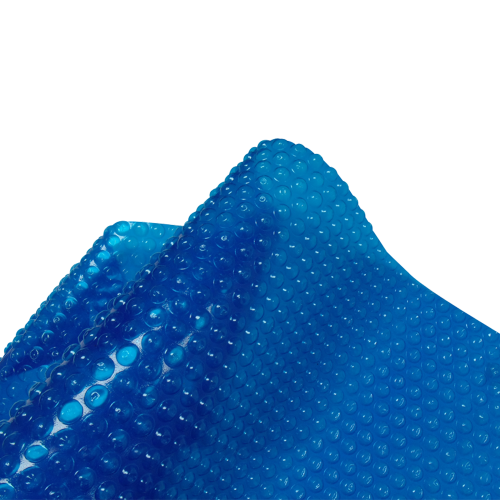
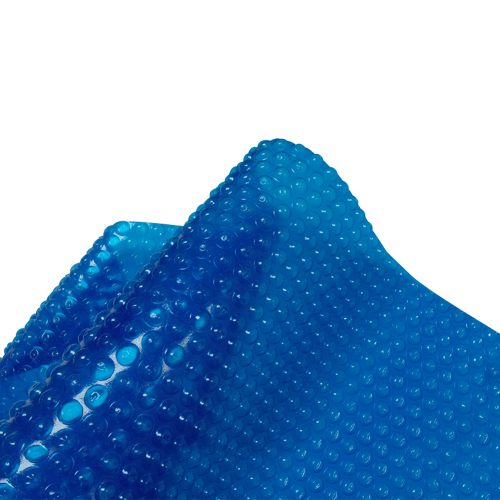
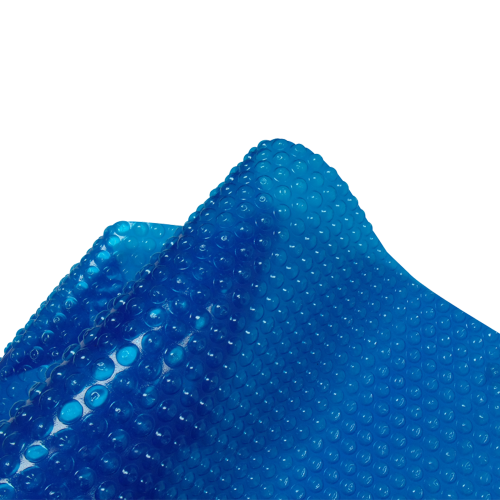
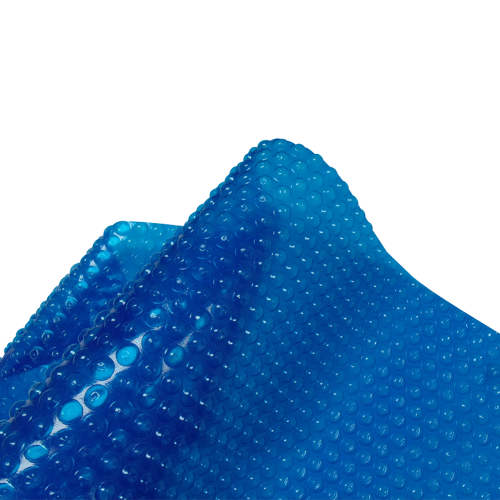

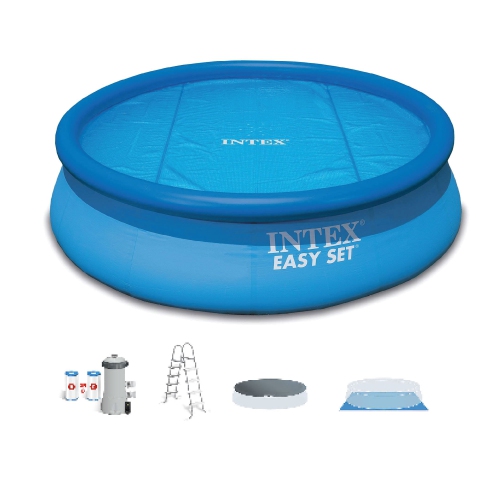
How solar covers retain warmth and simplify pool care
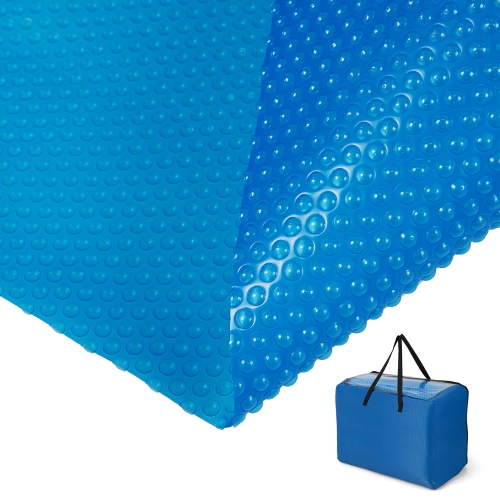
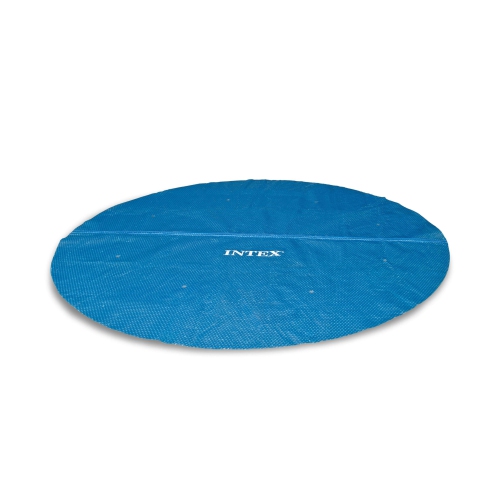
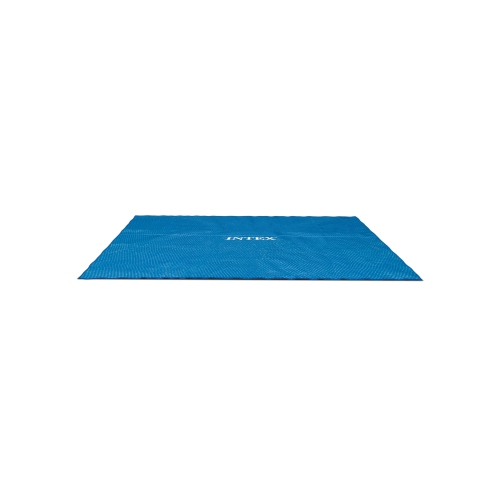
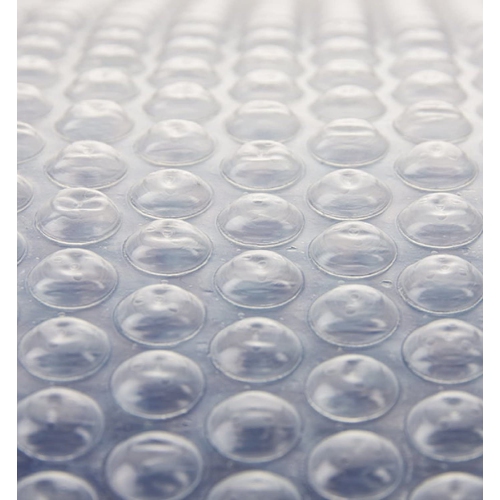
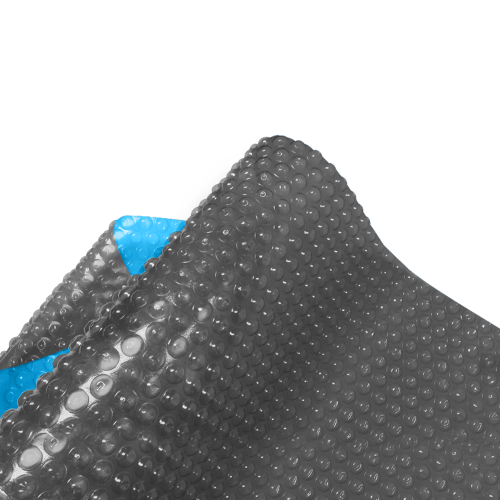
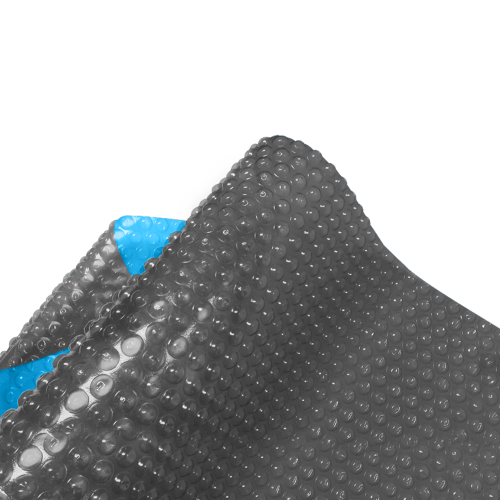
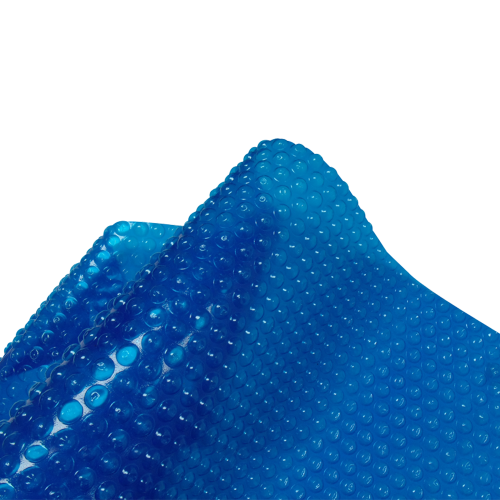
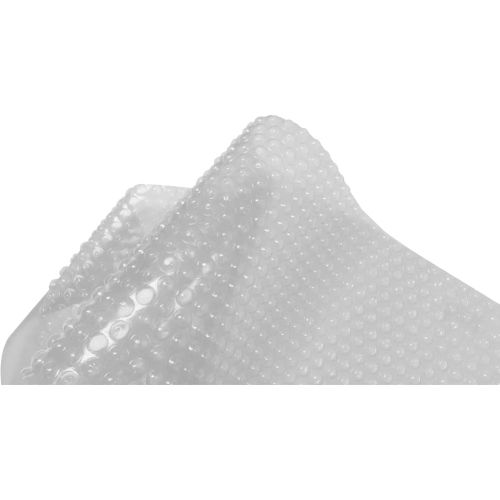
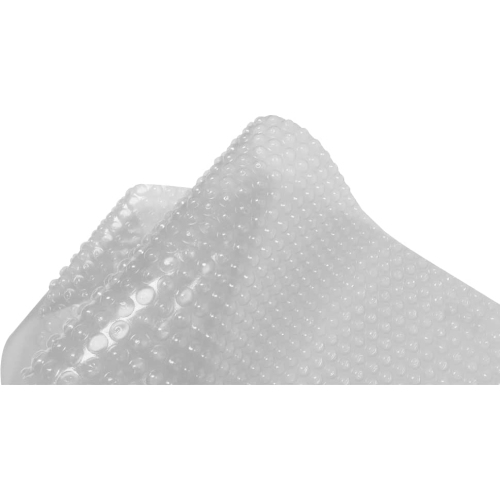
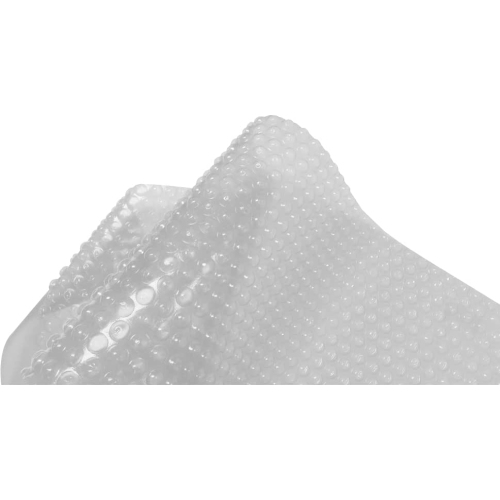
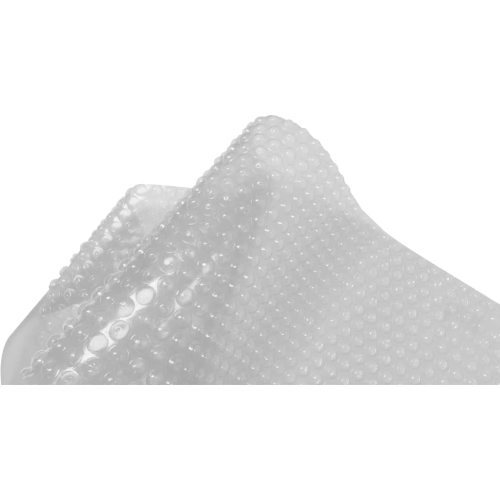
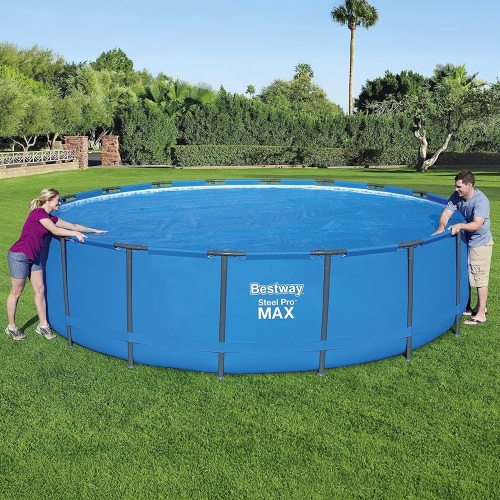
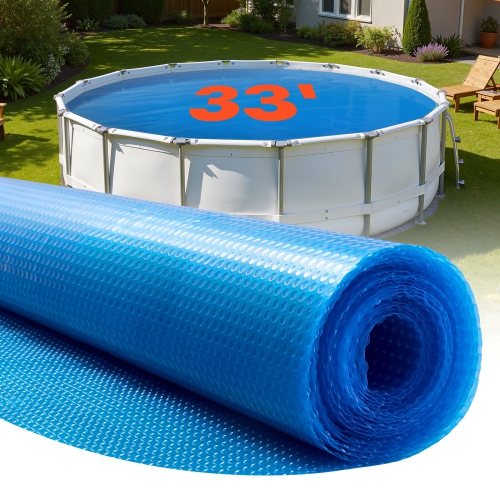
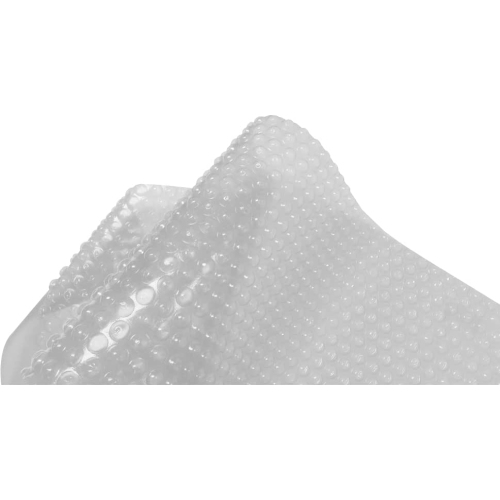
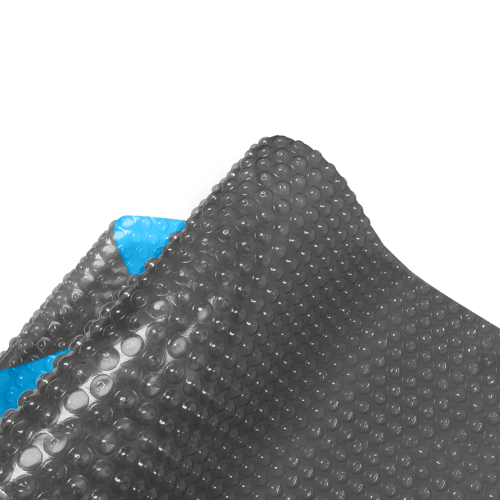
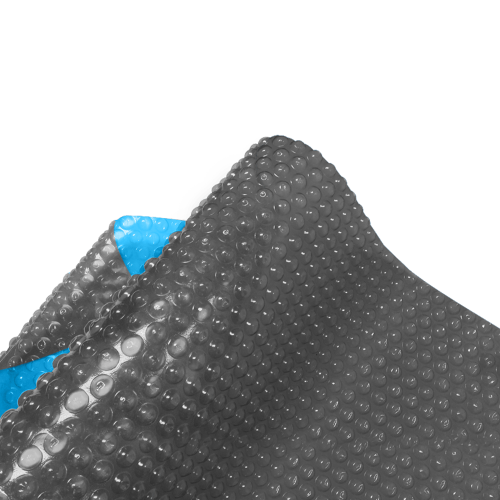
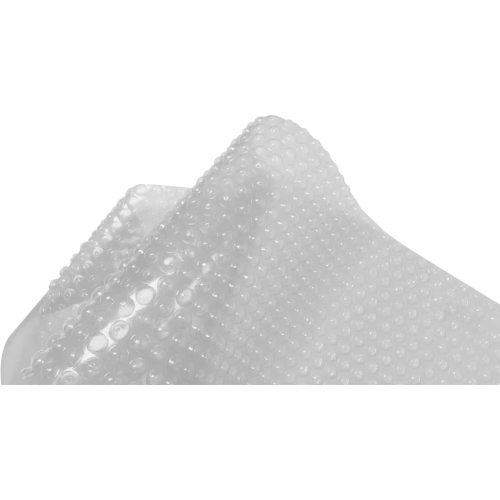
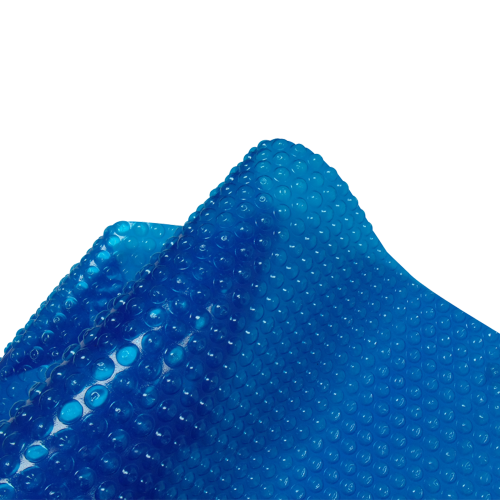
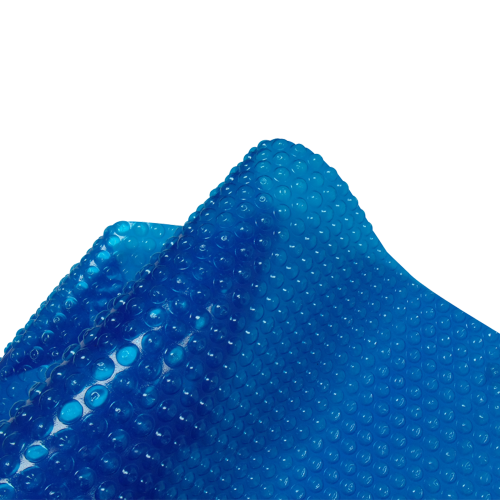
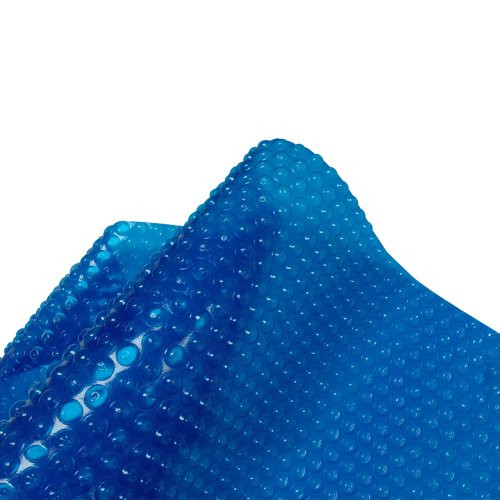
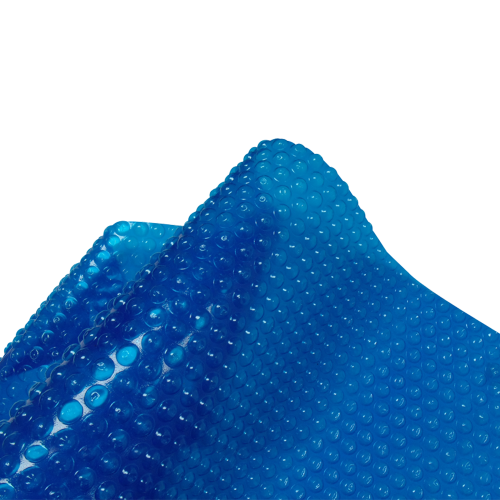
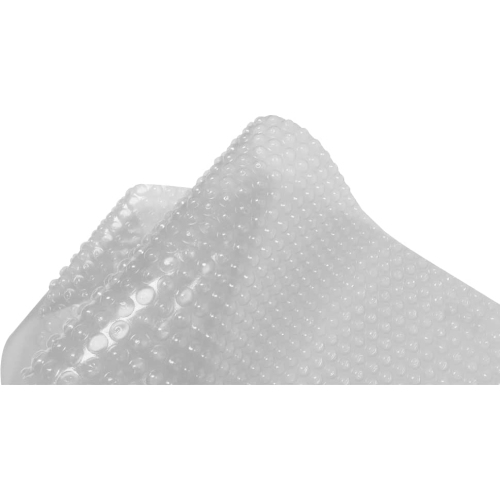
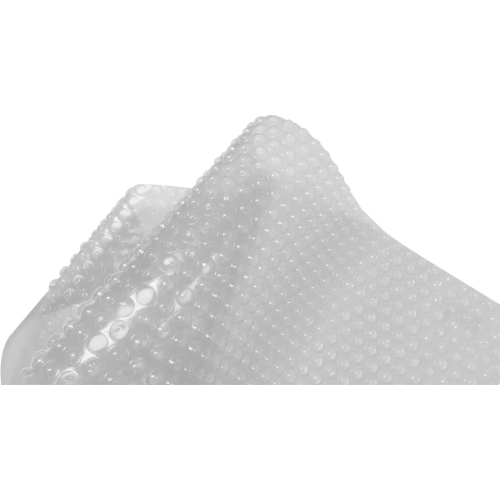
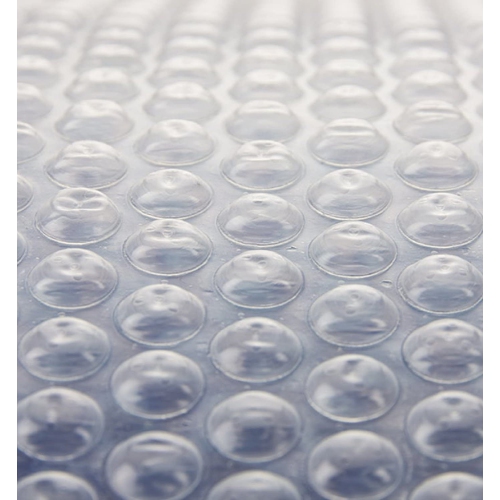
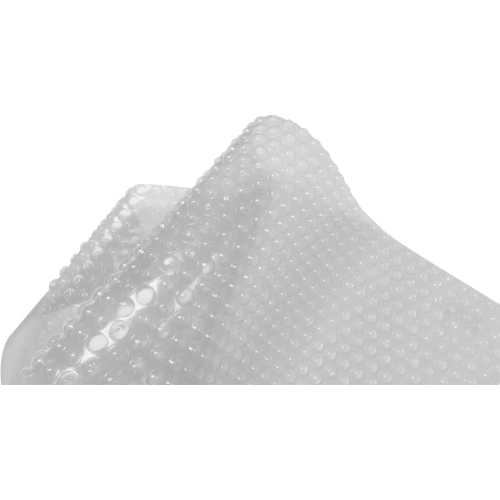
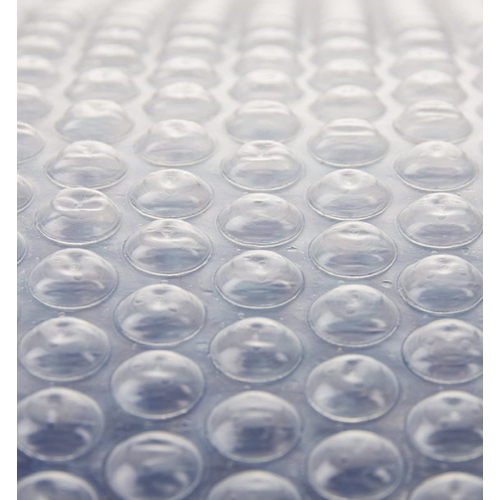
Pool solar covers are floating polyethylene blankets designed to help maintain pool temperature by capturing warmth from sunlight and slowing heat loss when the air becomes cooler. Often called solar pool blankets or bubble covers, they sit directly on the water’s surface with the bubble side facing down. The air-filled bubbles work like small insulating pockets: sunlight passes through the cover, warmth is transferred into the upper layer of the pool, and the cover helps reduce the amount of heat that escapes overnight or during breezy weather. It also creates a barrier over the water that can limit evaporation and help keep leaves, grass, insects, and other outdoor debris from entering the pool between swims. Browse the selection of Solar Covers to find an option suited to your pool setup and seasonal routine. These covers are useful for above-ground and inground pools, including round, oval, and rectangular shapes, although the cover should be large enough to reach across the water without leaving significant uncovered areas. Before choosing one, measure the pool’s water surface rather than relying only on the outside dimensions, since coping, rails, ladders, steps, and other features can affect the fit. Some covers can be trimmed with sharp scissors or a utility knife for a closer fit, but it is best to leave enough coverage around the edges to make removal straightforward. A cover that is too small may leave warm water exposed, while an oversized cover can be awkward to position and more difficult to fold or roll neatly. Thickness is another important consideration. Lightweight options, commonly around 8 mil, are easier for one person to lift and may suit smaller pools or occasional use. Heavier options in the 12 to 16 mil range generally feel more substantial, resist handling wear, and may be a practical choice for larger pools or households that plan to put the cover on and take it off frequently. Colour can also influence how the cover performs. Blue covers are a familiar choice and can shade some of the water from ultraviolet exposure, while clearer designs may allow more sunlight to pass deeper into the pool. The right choice depends on the pool’s location, the amount of direct sun it receives, how often it is covered, and whether easy handling or long-term durability is the higher priority.
Using a pool solar cover is fairly simple, but careful handling helps preserve its insulating bubbles and keeps pool maintenance manageable. Lay the cover flat on the water with the smooth side facing upward and the bubbles in contact with the water; it should float freely rather than being stretched tightly over the pool. Remove it before swimming, and never walk, sit, or allow children or pets to play on it, since a floating solar cover is not a safety cover and cannot support a person’s weight. A reel or storage roller can make regular use much easier, particularly with wide covers that are difficult to fold without help. When the pool is in use, roll or fold the cover carefully instead of dragging it across concrete, decking, fencing, or rough ground. Store it away from direct sunlight when it is off the pool, ideally in a cool, shaded area where it will not be exposed to sharp objects or heavy items. Leaving a dry cover in hot sun can cause the bubbles to overheat and pop, reducing its ability to retain warmth. Pool chemistry matters as well. Follow the cover and pool manufacturer’s care instructions, maintain balanced pH and sanitizer levels, and allow strong chemical treatments or shock treatments to circulate for the recommended time before replacing the cover. Excessively high chlorine levels or poorly balanced water may contribute to premature deterioration. During the cooler months, a solar cover can be helpful whenever the pool is open and sunlight is available, but it should not be treated as a substitute for proper winterization. If the pool is being closed for an extended period, follow the recommended winter closing process for the pool type and region, then clean and dry the cover before storing it. For households that enjoy swimming whenever the weather allows, a cover can make the pool feel more inviting on a crisp afternoon by helping retain warmth between uses. It can also make opening the pool after a windy day less of a chore by reducing the amount of debris that reaches the water. Pool owners choosing a cover as a practical household purchase should consider the pool’s shape and dimensions, the available storage space, the number of people who will handle it, the desired thickness, and whether a reel or other handling accessory would make regular use more convenient.
Using a pool solar cover is fairly simple, but careful handling helps preserve its insulating bubbles and keeps pool maintenance manageable. Lay the cover flat on the water with the smooth side facing upward and the bubbles in contact with the water; it should float freely rather than being stretched tightly over the pool. Remove it before swimming, and never walk, sit, or allow children or pets to play on it, since a floating solar cover is not a safety cover and cannot support a person’s weight. A reel or storage roller can make regular use much easier, particularly with wide covers that are difficult to fold without help. When the pool is in use, roll or fold the cover carefully instead of dragging it across concrete, decking, fencing, or rough ground. Store it away from direct sunlight when it is off the pool, ideally in a cool, shaded area where it will not be exposed to sharp objects or heavy items. Leaving a dry cover in hot sun can cause the bubbles to overheat and pop, reducing its ability to retain warmth. Pool chemistry matters as well. Follow the cover and pool manufacturer’s care instructions, maintain balanced pH and sanitizer levels, and allow strong chemical treatments or shock treatments to circulate for the recommended time before replacing the cover. Excessively high chlorine levels or poorly balanced water may contribute to premature deterioration. During the cooler months, a solar cover can be helpful whenever the pool is open and sunlight is available, but it should not be treated as a substitute for proper winterization. If the pool is being closed for an extended period, follow the recommended winter closing process for the pool type and region, then clean and dry the cover before storing it. For households that enjoy swimming whenever the weather allows, a cover can make the pool feel more inviting on a crisp afternoon by helping retain warmth between uses. It can also make opening the pool after a windy day less of a chore by reducing the amount of debris that reaches the water. Pool owners choosing a cover as a practical household purchase should consider the pool’s shape and dimensions, the available storage space, the number of people who will handle it, the desired thickness, and whether a reel or other handling accessory would make regular use more convenient.
Top selling and popular products
-
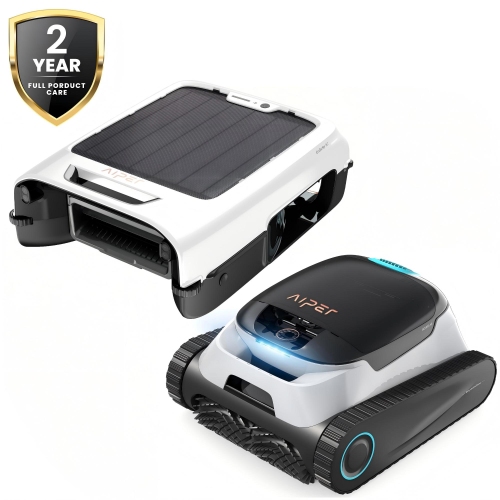 Your price for this item is $1159.99
 -
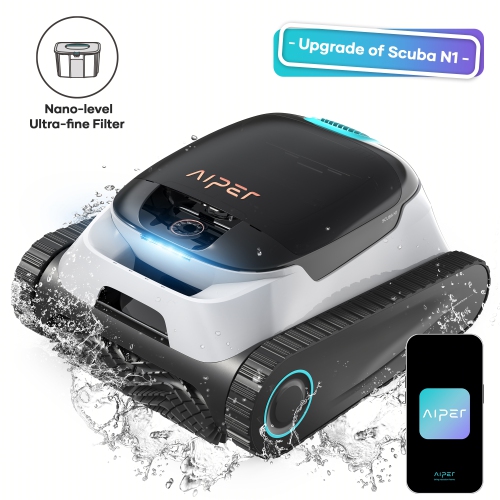 Your price for this item is $749.98
 -
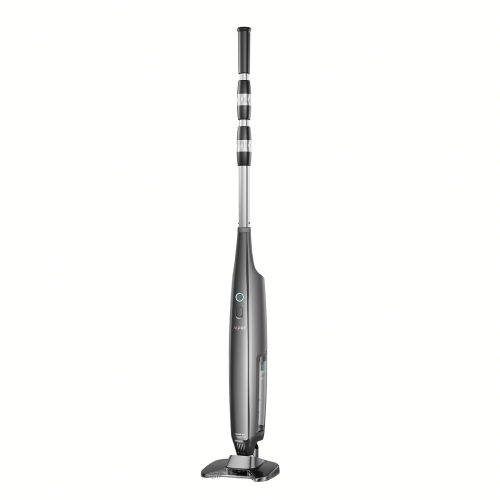 Your price for this item is $299.98
 -
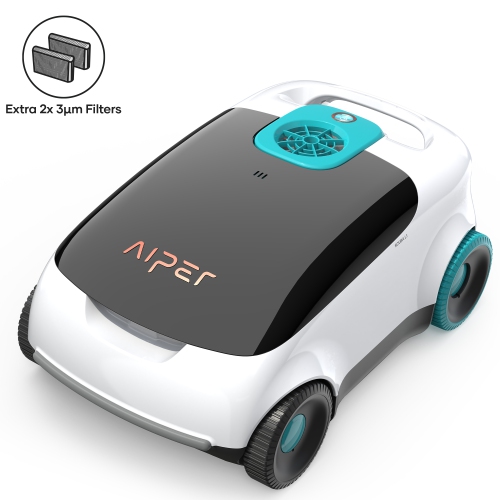 Your price for this item is $319.99
 -
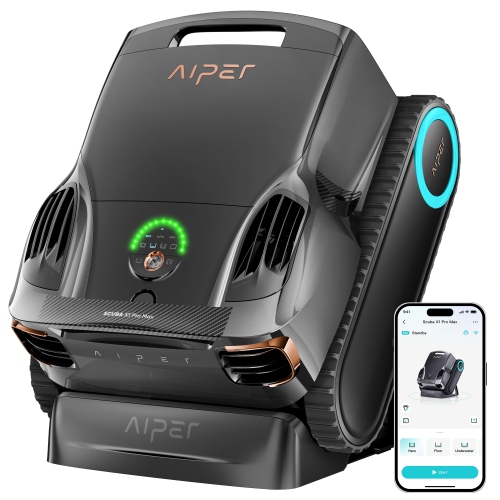 Your price for this item is $2299.98
 -
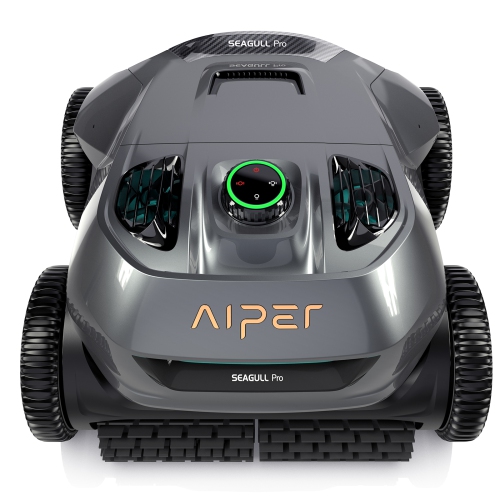 Your price for this item is $599.98
 -
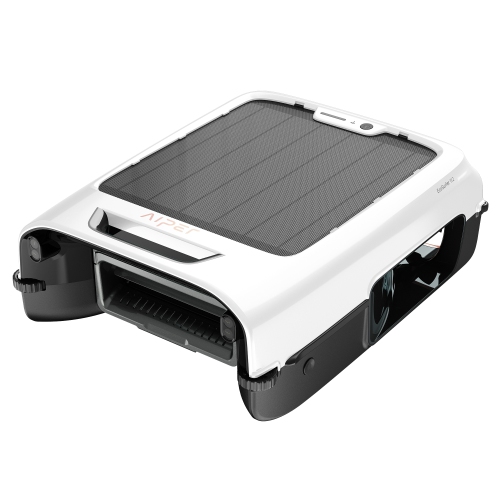 Your price for this item is $479.98
 -
 Your price for this item is $1199.98
Discover more categories related to Pool Solar Covers

Top Collections:
Pokemon Centers, Kindle Devices, Best Budget Office Chairs, Apple iPhones 16, Best Laptops for Writers, iPhone 15 Apple, Canon G7X Cameras, Refurbished Apple Laptops, Alarm Clock, Motorola Razr Phones
Some products may be subject to Environmental Handling Fees
(EHF) depending on your province.
Learn more about EHFs.