Pool Winter Covers
As the seasons change and temperatures drop, ensuring your pool is well protected becomes a top priority. A reliable pool winter cover is essential for safeguarding your investment against harsh winter elements, debris, and algae growth. Offering peace of mind and convenience, these covers are designed to fit a variety of pool shapes and sizes, providing a snug barrier that keeps your pool clean and ready for the warmer months ahead. Explore our selection of durable and efficient pool winter covers to find the perfect solution that meets your needs and helps maintain your pool's pristine condition all year round.
Sort
What to consider before closing your pool for winter
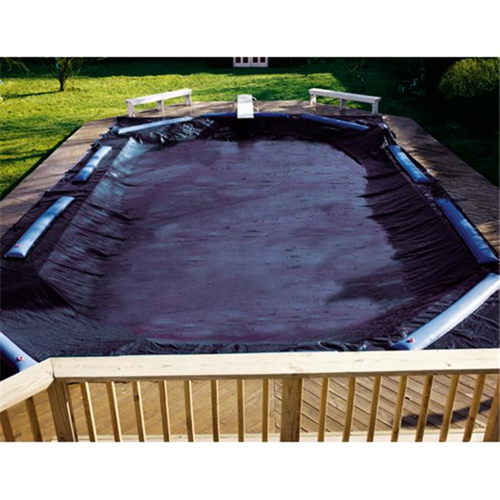
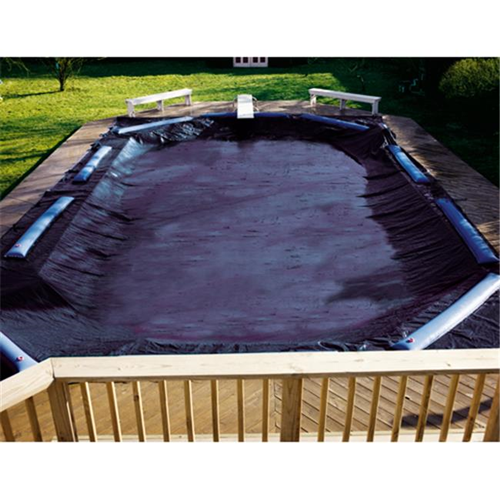
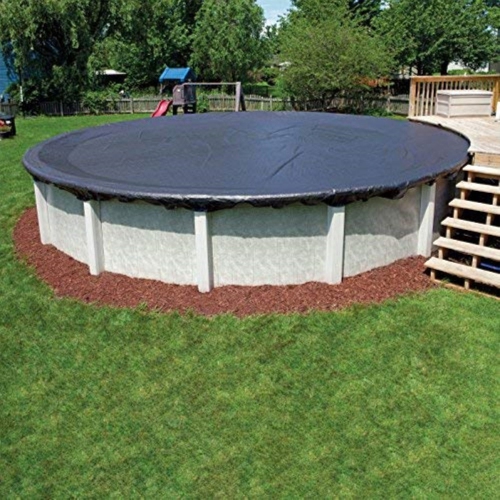
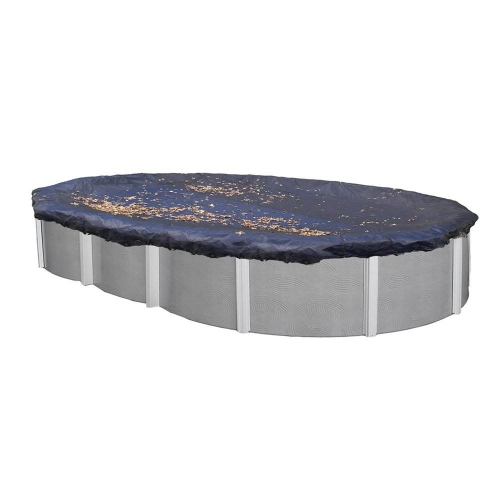
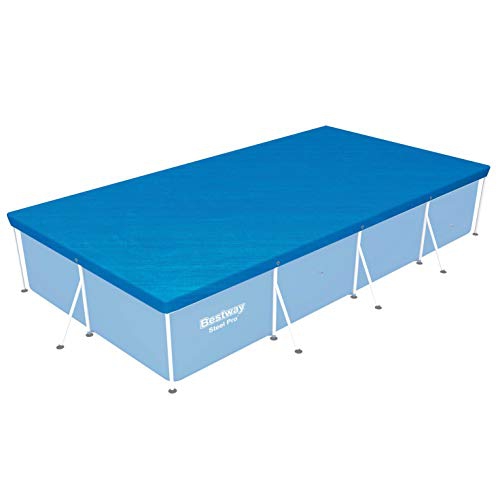
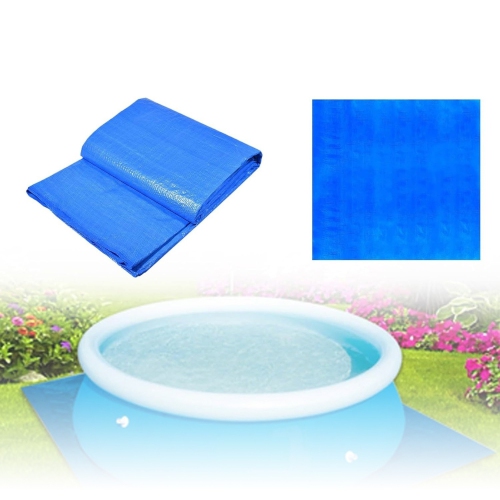
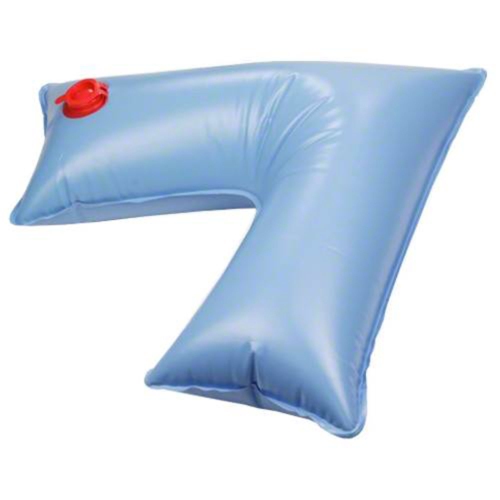
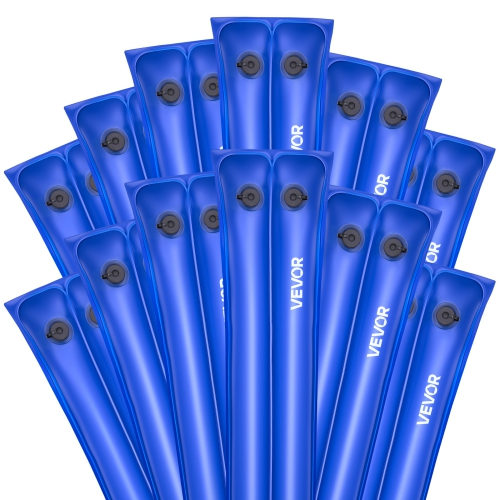
Pool winter covers help protect a swimming pool during the off-season, when cooler weather, falling leaves, rain, snow and ice can place extra demands on the water, liner and surrounding equipment. They are designed for both above-ground and in-ground pools, but the right cover depends on the pool’s shape, dimensions and construction. Before shopping, measure the pool carefully, including any steps, attached ledges or unusual corners that may affect the fit. A cover that is too small may leave exposed areas around the edges, while one that is excessively oversized can collect more water and become difficult to secure. Above-ground pool covers commonly use a winch-and-cable system, clips or other perimeter fasteners to hold the cover in place, while in-ground covers may use water tubes, straps, anchors or spring-loaded hardware. Look for a cover made for your pool type and compare the listed dimensions with the manufacturer’s recommended coverage area rather than relying only on the nominal pool size. A snug, properly supported fit helps reduce flapping in the wind and keeps debris from entering around the edges. If you are still enjoying warm-weather swimming or preparing to reopen the pool, explore Summer Pool Covers for seasonal options suited to active pools.
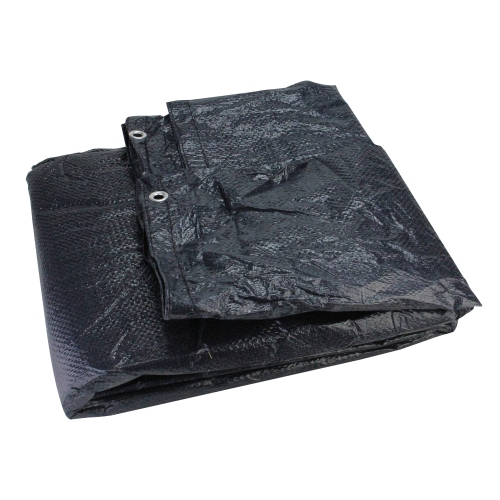
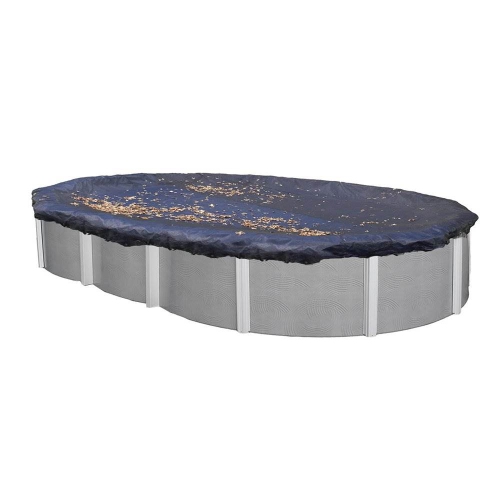
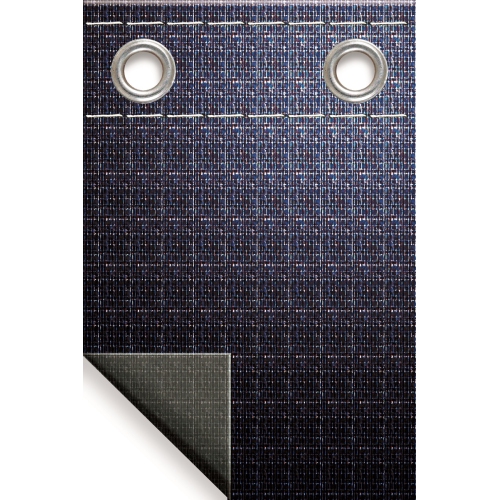
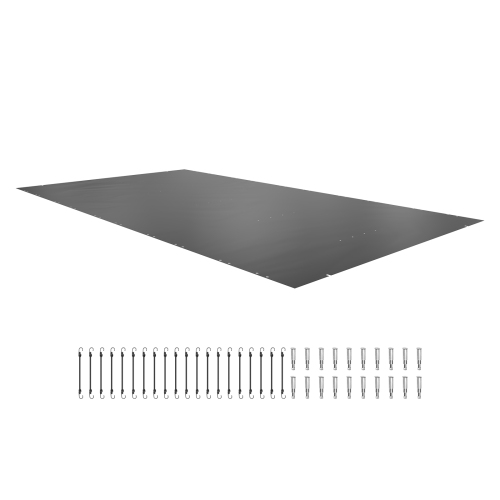
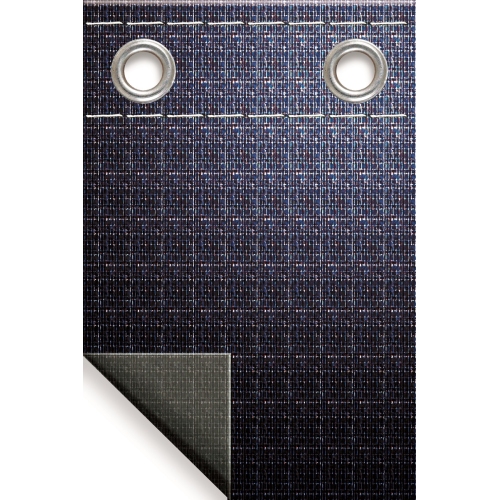
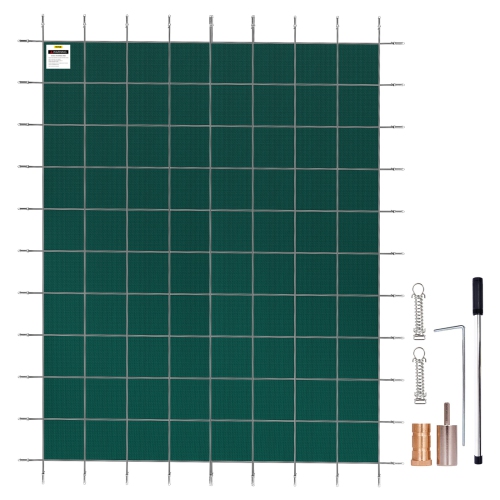
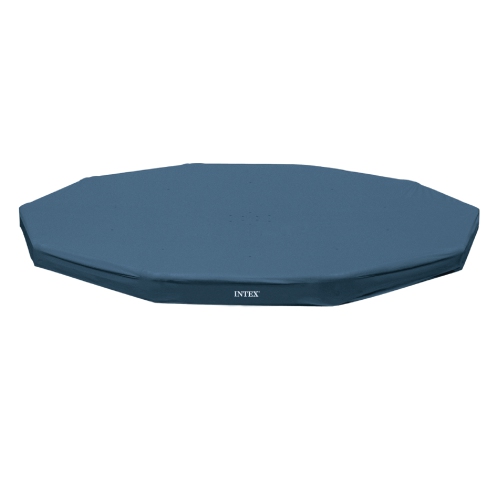
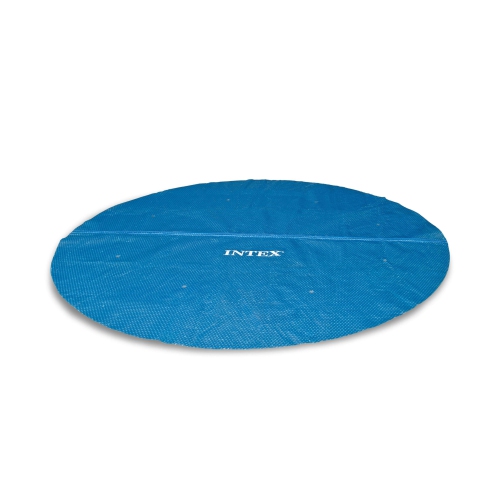
The main pool winter cover styles are solid covers, mesh covers and leaf nets. Solid covers are made from tightly woven or laminated material that blocks sunlight and helps keep leaves, dirt and other debris out of the water. Because rain and melting snow cannot pass through most solid covers, a compatible cover pump is usually needed to remove standing water from the surface. This is an important consideration for households that want a darker, more enclosed pool during the cooler months but do not mind checking the cover after periods of rain or snowfall. Mesh covers are designed to let water drain through while catching larger debris, which can make seasonal maintenance more convenient. Mesh safety covers are a more secure style, typically using strong fabric, perimeter anchors and tensioned springs to create a firm barrier over the pool. However, not every mesh cover is a safety cover, and a standard winter cover should never be treated as a substitute for a properly rated barrier. Leaf nets can be placed over a solid or mesh winter cover to collect a heavy layer of leaves before they reach the main cover. They are especially useful beside mature trees or in yards where wind regularly gathers leaves in one area. When comparing materials, consider the expected weather, how often the pool can be checked and how the cover will be removed and stored. Reinforced edges, secure attachment points, UV-resistant construction and a suitable weight rating can all contribute to dependable use from the end of swimming season through the return of warmer weather.
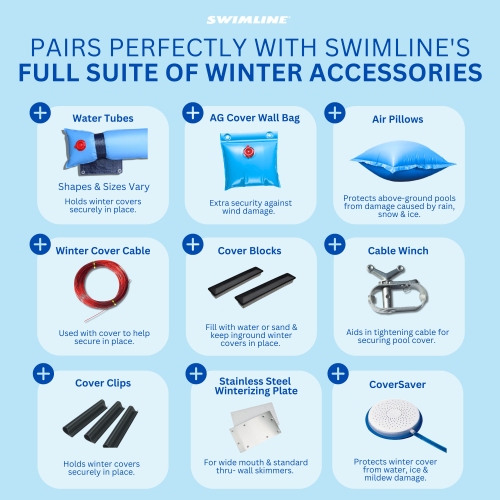
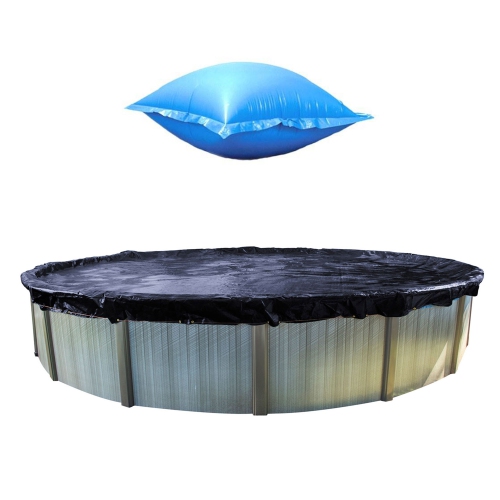
Preparing the pool properly before covering it is just as important as selecting the cover itself. Clean the pool, remove floating and settled debris, and balance the water according to the pool-care system being used. Many pool owners also shock the water before closing, allowing sufficient time for the treatment to circulate before the cover is installed. Lower the water only as recommended for the particular pool and cover; removing too much water can place unnecessary strain on an above-ground pool wall or liner, while leaving too much water may allow the cover to sit poorly. An air pillow positioned near the centre of an above-ground pool can help reduce pressure from expanding ice and encourage the cover to remain centred, although it should be used only when compatible with the pool and cover design. Secure the perimeter carefully, using the supplied winch and cable for suitable above-ground setups or water tubes, anchors and springs where required for in-ground installations. Avoid improvised objects with sharp edges that could tear the material or damage the pool surround. During the cooler months, inspect the cover after strong wind, heavy rain or snowfall. Remove accumulated water from a solid cover with a suitable pump, and clear heavy snow gently with a soft broom rather than standing on the cover or pulling sharply at the edges. Keep children and pets away from any pool cover unless it is specifically designed, installed and rated as a safety barrier. When the pool is opened again, remove the cover carefully, clean and dry it thoroughly, and store it in a cool, dry place away from rodents, sharp objects and direct sunlight. With the right fit, secure installation and regular checks, a pool winter cover can make seasonal closing more orderly while helping preserve cleaner water and reduce the amount of debris that reaches the pool.
The main pool winter cover styles are solid covers, mesh covers and leaf nets. Solid covers are made from tightly woven or laminated material that blocks sunlight and helps keep leaves, dirt and other debris out of the water. Because rain and melting snow cannot pass through most solid covers, a compatible cover pump is usually needed to remove standing water from the surface. This is an important consideration for households that want a darker, more enclosed pool during the cooler months but do not mind checking the cover after periods of rain or snowfall. Mesh covers are designed to let water drain through while catching larger debris, which can make seasonal maintenance more convenient. Mesh safety covers are a more secure style, typically using strong fabric, perimeter anchors and tensioned springs to create a firm barrier over the pool. However, not every mesh cover is a safety cover, and a standard winter cover should never be treated as a substitute for a properly rated barrier. Leaf nets can be placed over a solid or mesh winter cover to collect a heavy layer of leaves before they reach the main cover. They are especially useful beside mature trees or in yards where wind regularly gathers leaves in one area. When comparing materials, consider the expected weather, how often the pool can be checked and how the cover will be removed and stored. Reinforced edges, secure attachment points, UV-resistant construction and a suitable weight rating can all contribute to dependable use from the end of swimming season through the return of warmer weather.
Preparing the pool properly before covering it is just as important as selecting the cover itself. Clean the pool, remove floating and settled debris, and balance the water according to the pool-care system being used. Many pool owners also shock the water before closing, allowing sufficient time for the treatment to circulate before the cover is installed. Lower the water only as recommended for the particular pool and cover; removing too much water can place unnecessary strain on an above-ground pool wall or liner, while leaving too much water may allow the cover to sit poorly. An air pillow positioned near the centre of an above-ground pool can help reduce pressure from expanding ice and encourage the cover to remain centred, although it should be used only when compatible with the pool and cover design. Secure the perimeter carefully, using the supplied winch and cable for suitable above-ground setups or water tubes, anchors and springs where required for in-ground installations. Avoid improvised objects with sharp edges that could tear the material or damage the pool surround. During the cooler months, inspect the cover after strong wind, heavy rain or snowfall. Remove accumulated water from a solid cover with a suitable pump, and clear heavy snow gently with a soft broom rather than standing on the cover or pulling sharply at the edges. Keep children and pets away from any pool cover unless it is specifically designed, installed and rated as a safety barrier. When the pool is opened again, remove the cover carefully, clean and dry it thoroughly, and store it in a cool, dry place away from rodents, sharp objects and direct sunlight. With the right fit, secure installation and regular checks, a pool winter cover can make seasonal closing more orderly while helping preserve cleaner water and reduce the amount of debris that reaches the pool.
Top selling and popular products
-
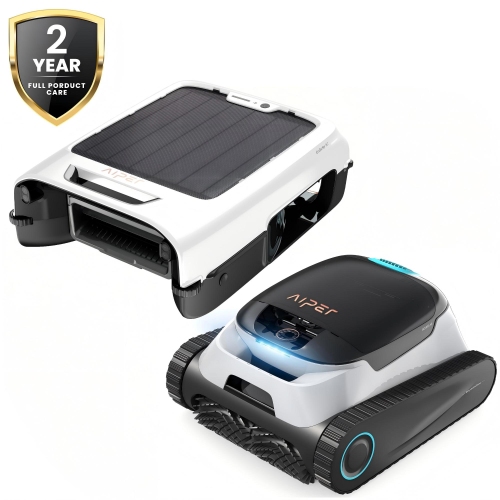 Your price for this item is $1159.99
 -
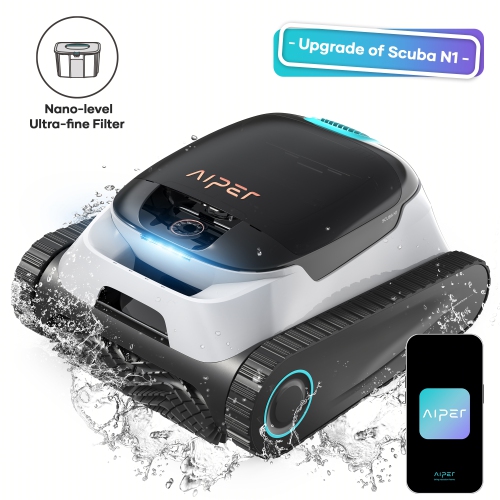 Your price for this item is $749.98
 -
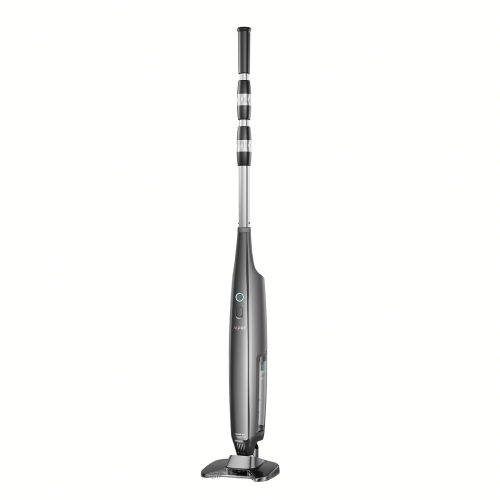 Your price for this item is $299.98
 -
 Your price for this item is $319.99
 -
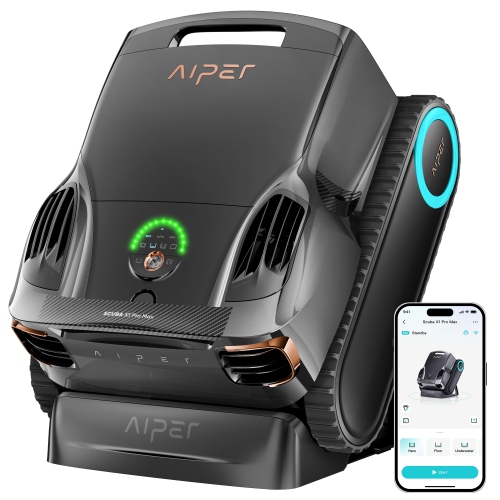 Your price for this item is $2299.98
 -
 Your price for this item is $599.98
 -
 Your price for this item is $479.98
 -
 Your price for this item is $1199.98
Discover more categories related to Pool Winter Covers


Top Collections:
Pokemon Centers, Kindle Devices, Best Budget Office Chairs, Apple iPhones 16, Best Laptops for Writers, iPhone 15 Apple, Canon G7X Cameras, Refurbished Apple Laptops, Alarm Clock, Motorola Razr Phones
Some products may be subject to Environmental Handling Fees
(EHF) depending on your province.
Learn more about EHFs.