Portable Folding Beds
A portable folding bed offers a convenient and practical solution for accommodating guests, traveling, or maximizing space in any room. Designed for easy storage and quick setup, a portable folding bed is ideal for apartments, dorm rooms, offices, or any situation where extra sleeping space is needed. Explore a variety of options to find the perfect portable folding bed that fits your lifestyle and ensures comfort wherever you need it.
Sort
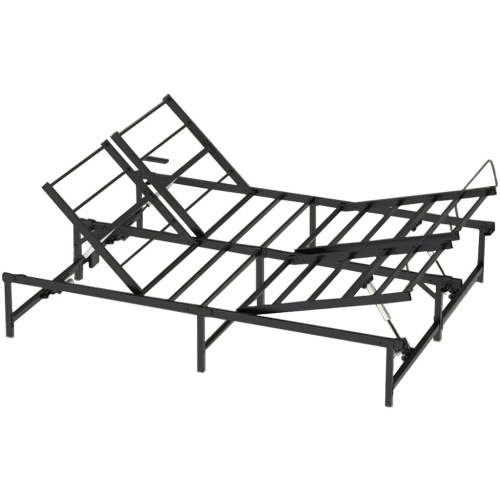
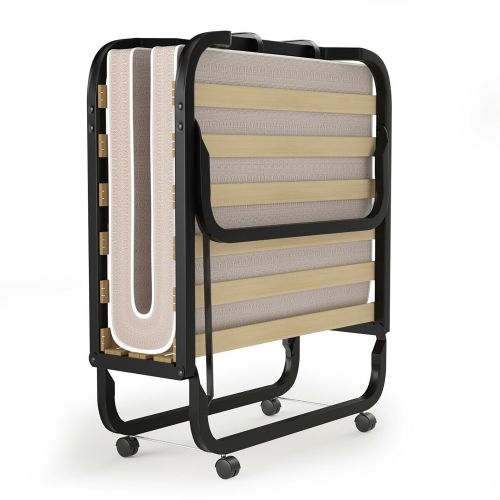
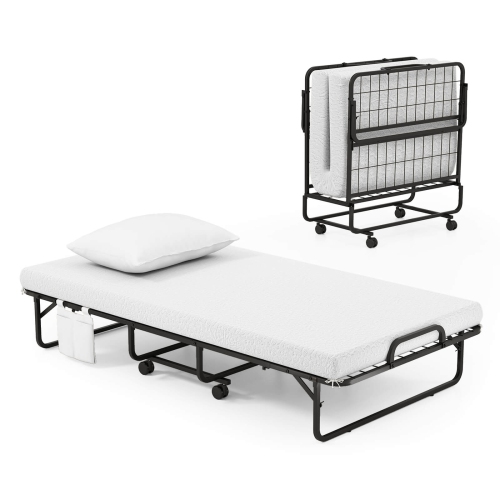
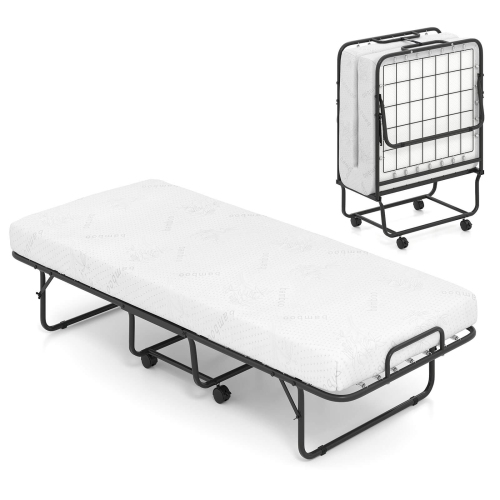
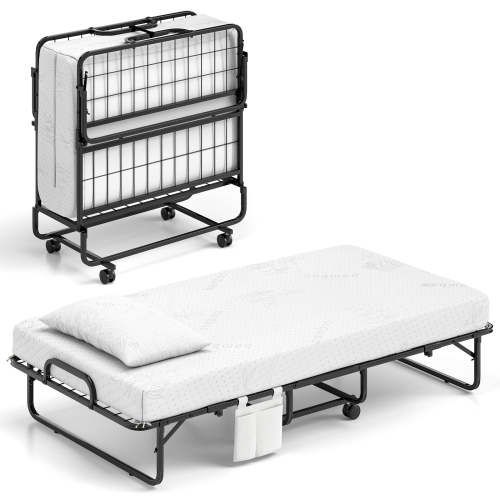
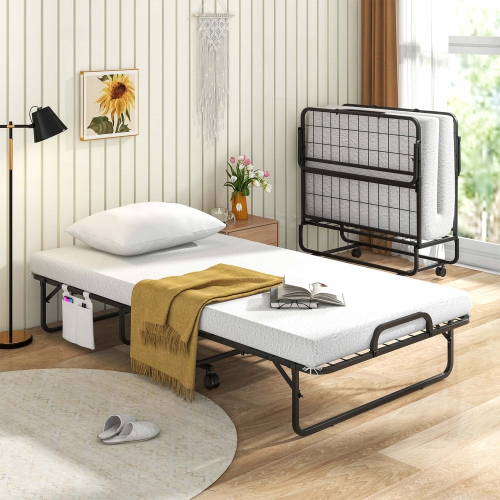
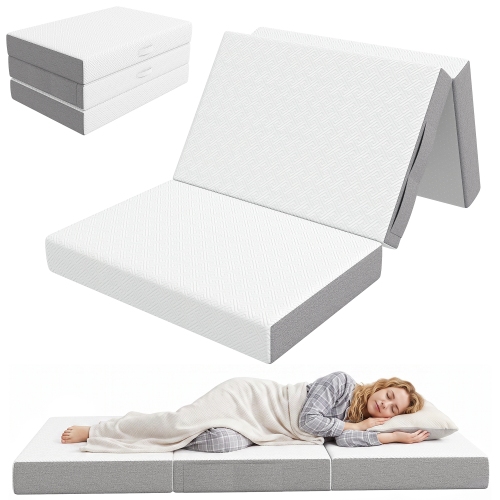
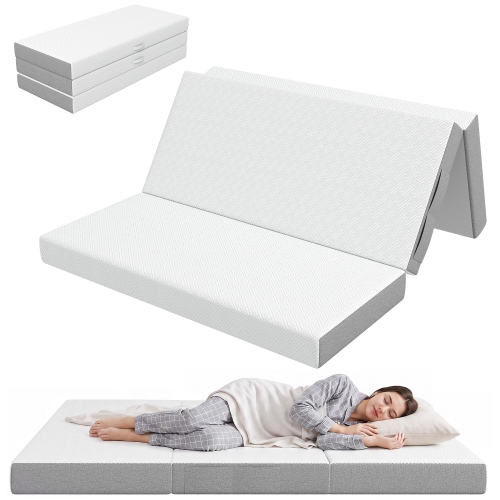
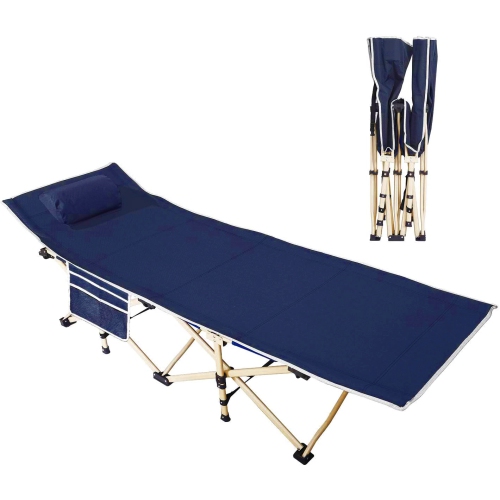
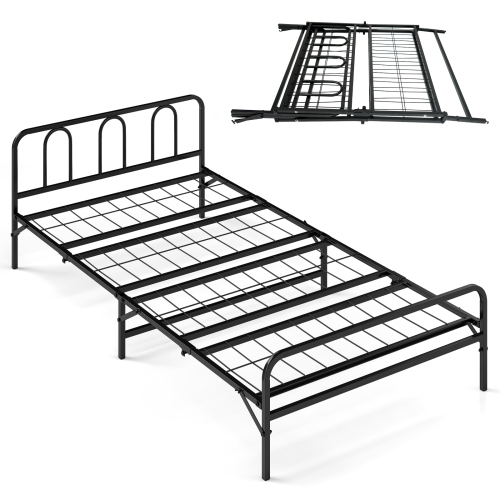
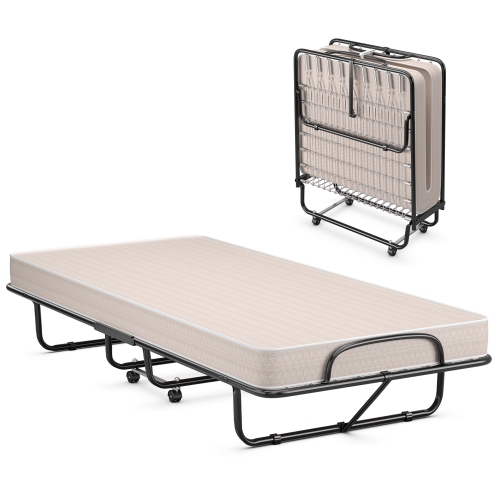
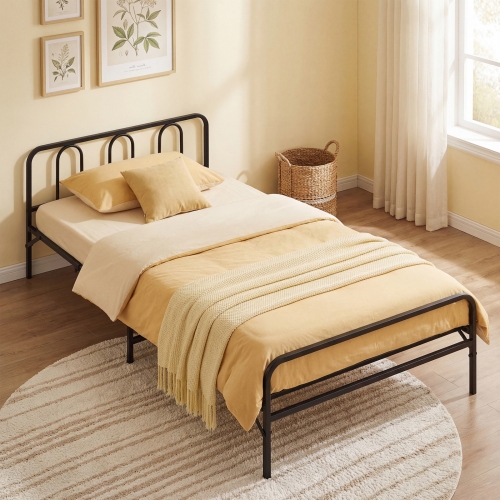


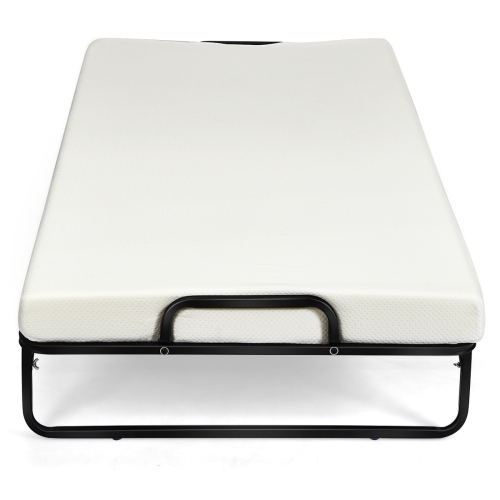
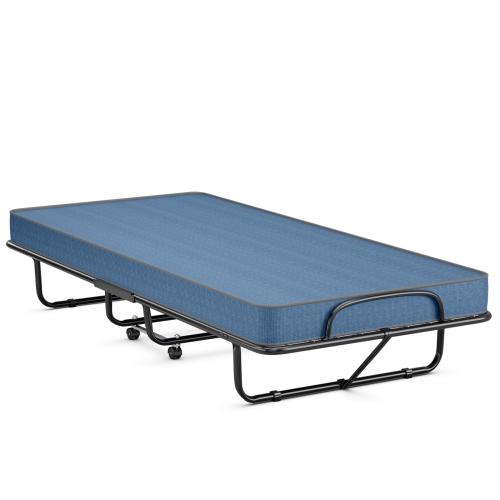
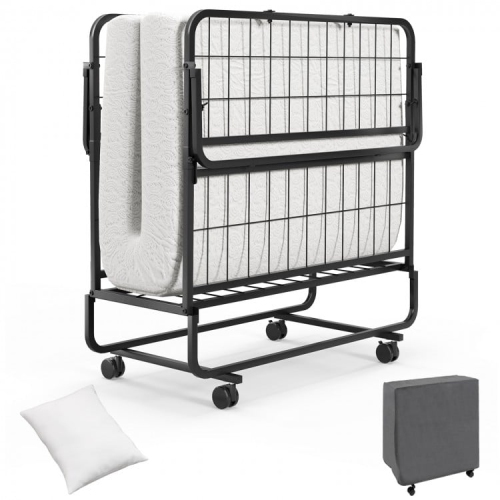
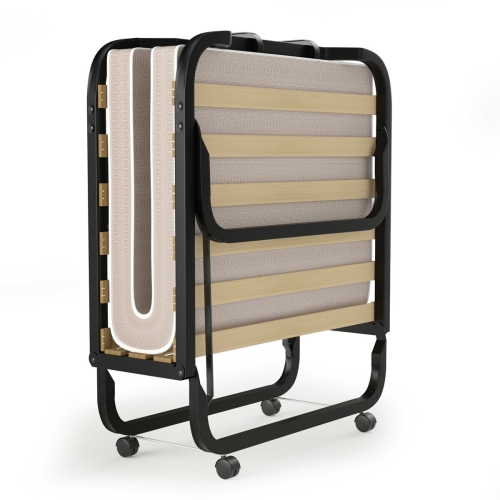
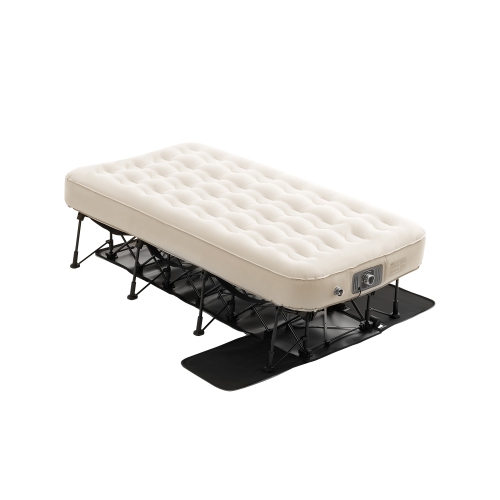
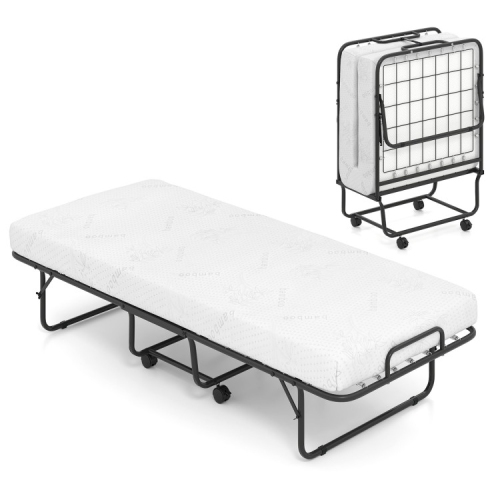
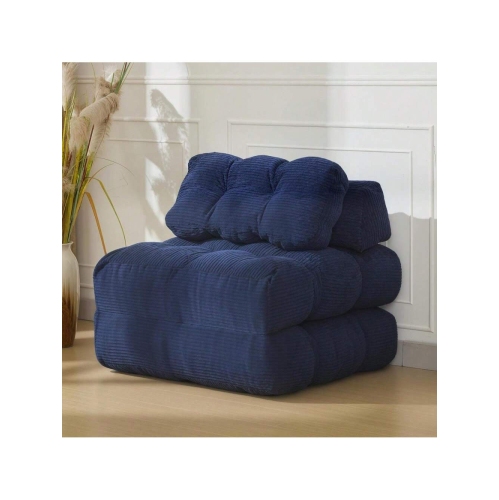
Overnight comfort that folds away between visits
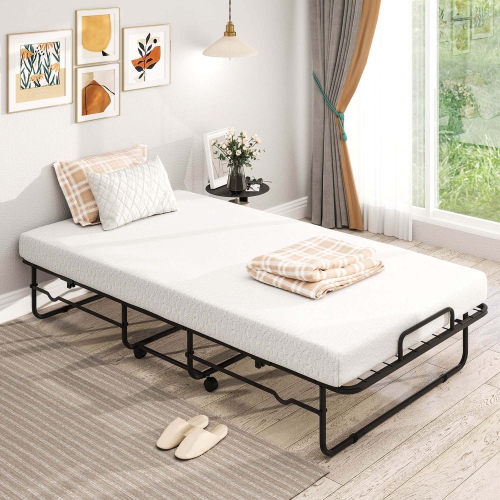
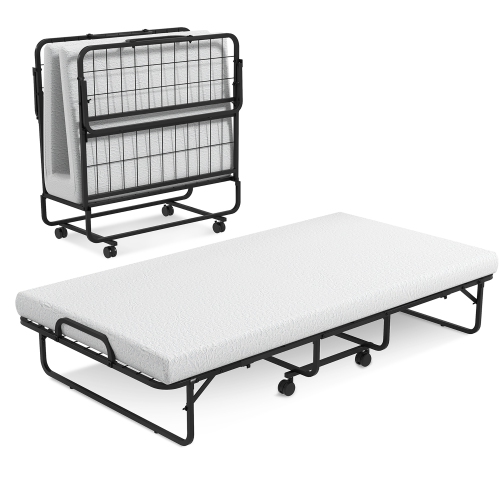
Portable folding beds are freestanding sleeping surfaces that fold into a smaller shape for storage or transport. They provide an extra place to sleep without dedicating a room to a permanent bed, making them useful in apartments, condos, home offices, and homes where overnight guests visit occasionally. Unlike wall-mounted beds, portable folding designs generally do not need permanent installation. A living room can accommodate a visiting friend overnight, while a home office can serve as a guest room without losing its everyday purpose. The category includes rollaway beds with folding frames and mattresses, as well as lighter folding cots designed for easier carrying. These formats serve different needs: wheels help move a bed between rooms on the same floor, while a carry handle or storage bag can make a compact cot easier to transport. A wheeled frame is not necessarily light enough to lift comfortably into a vehicle or carry upstairs, so portability involves more than whether a bed folds. Both open and folded dimensions matter. The sleeping surface needs enough length and width for the intended sleeper, while the folded frame needs to fit through doorways and into its storage space. In a small room, the full footprint also includes room to walk beside the bed, open a nearby door, and reach a bedside lamp. Mattress dimensions may differ from familiar twin or single sizes, so the actual measurements are more useful than the size name alone. Fitted sheets should match the mattress depth as well as its length and width. For taller adults or people who change position often, usable sleeping space matters more than a particularly narrow folded profile. A bed intended for occasional overnight visits may also have different comfort requirements from one used for an extended stay.
Frame construction and mattress design work together to determine how a portable folding bed feels. Steel frames are common in rollaway designs, while aluminium appears in some lighter portable formats. Neither material alone establishes strength or comfort; the frame layout, joints, support legs, and sleeping platform all contribute. Slatted bases support a mattress across spaced strips, while other beds use wire mesh, springs, or tensioned fabric. Differences in these foundations can affect how much the sleeping surface flexes and whether a sleeper notices pressure beneath the shoulders or hips. Foam mattresses offer cushioning in a foldable format, with memory foam tending to contour around the body and other foam constructions providing a more responsive feel. Mattress thickness is worth considering, but thickness alone does not establish firmness, support, or durability. Foam quality, the foundation beneath it, and the sleeper’s preferences all matter. A thinner mattress on a well-supported base may suit occasional use, while longer visits can make cushioning and room to move more important. Compatibility is especially relevant with folding frames: a replacement mattress must suit both the open bed and the folding mechanism. Adding an unsuitable mattress or topper can prevent the frame from closing properly or interfere with a retaining strap. Bed height also affects everyday comfort. A low cot may be easy to pack away, but getting up from it can be less comfortable for someone with limited mobility. A higher sleeping surface may make sitting down and standing up easier, provided the frame remains stable. Manufacturer weight limits and intended-use instructions establish which sleepers a bed can accommodate; appearance and frame material are not substitutes for those specifications. Secure folding locks, correctly positioned legs, and locking casters, where fitted, help keep the bed stable during use. Adult folding beds are not substitutes for cribs or other approved infant sleep spaces, and children’s folding sleep products need to be appropriate for the child’s age and size.
Storage and care have a direct effect on how convenient a folding bed remains between visits. A slim folded shape can fit neatly into a cupboard or storage room, but the route there matters just as much as the space itself. Carpet, doorway thresholds, and tight corners can make a heavy rollaway harder to manoeuvre, while stairs usually require lifting rather than rolling. Casters should suit the flooring, and the folded frame should have a secure closure that prevents it from opening unexpectedly while being moved. Bedding normally needs separate storage unless the manufacturer specifically allows it to remain on the bed when folded. Keeping sheets, a pillow, and a suitable mattress protector together can make an overnight setup feel considered rather than improvised. A washable protector can help manage spills and everyday wear, but a removable mattress cover is not automatically machine washable; its care label determines the appropriate cleaning method. Frames can generally be wiped down according to their finish and care instructions, with attention to hinges and areas where dust gathers. Mattresses should be clean and fully dry before storage, and a suitable cover can help protect the folded bed from dust without putting pressure on moving parts. Over time, checking fasteners, support slats, fabric seams, wheels, and locking mechanisms can reveal wear before it affects use. A loose joint or damaged support should be addressed according to the manufacturer’s directions rather than hidden beneath extra bedding. These practical details matter whether the bed hosts visiting relatives, gives an overnight guest a separate sleeping surface, or travels between homes for occasional stays. Within the wider category of Folding Beds, portable designs place particular emphasis on manageable movement and compact storage. The most useful balance is a bed that suits the sleeper when open, fits the home when folded, and can be set up and put away without making every visit a furniture-moving project.
Top selling and popular products
-
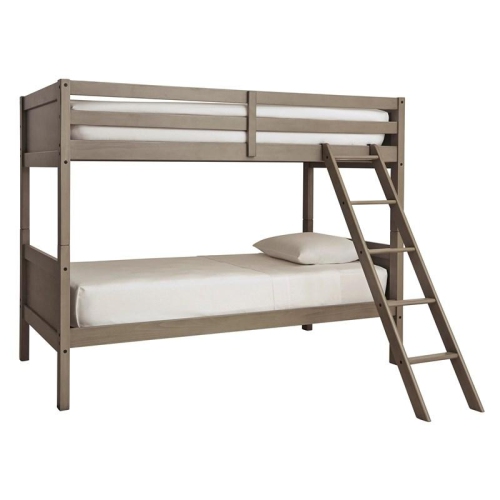 Your price for this item is $799.99
-
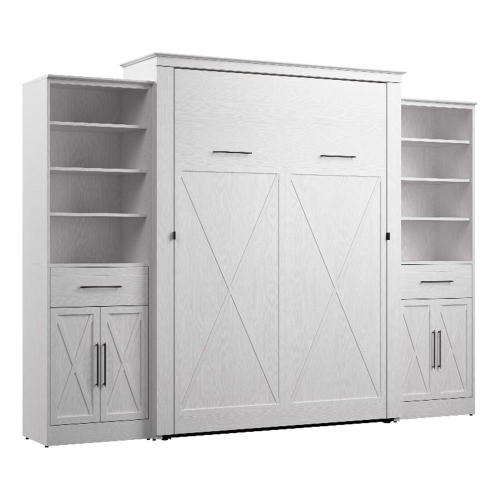 Your price for this item is $3519.99
-
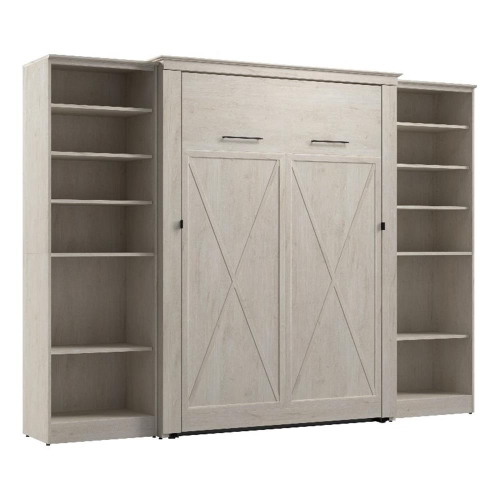 Your price for this item is $3099.99
-
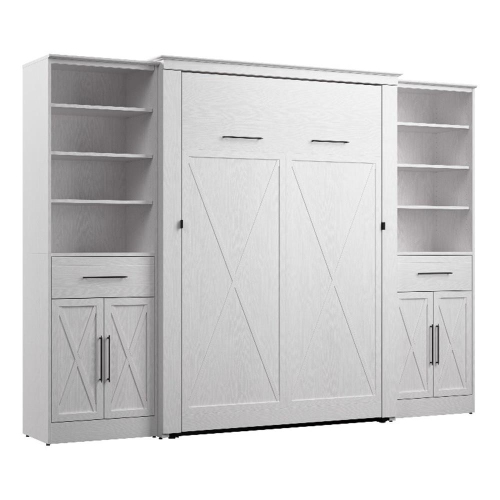 Your price for this item is $3349.99
-
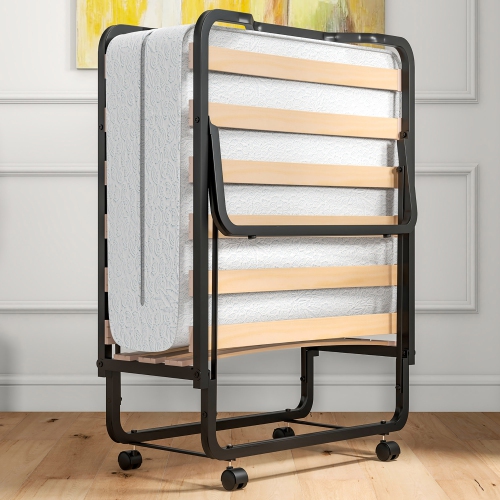 Your price for this item is $235.99
-
 Your price for this item is $243.99
-
 Your price for this item is $233.99
-
 Your price for this item is $364.99
Discover more categories related to Portable Folding Beds
Top Collections:
Best Black Friday Deals This Year, Best Black Friday Deals On Electronics, Kindle Devices, Best Black Friday Deals On Apple Products, Best Budget Office Chairs, Best Cameras for Sports Photography, Dyson Airwrap, Canon G7X Cameras, Best Laptops for Writers, Samsung Galaxy Phones
Some products may be subject to Environmental Handling Fees
(EHF) depending on your province.
Learn more about EHFs.