Portable Snow Blowers
When winter arrives and snow starts piling up, a portable snow blower can be your best ally in keeping your driveway and walkways clear. These compact and efficient machines are designed to tackle snow removal with ease, making winter chores a breeze. Whether you're dealing with light flurries or heavy snowfall, a portable snow blower offers convenience and power in a manageable package. Explore this selection of portable snow blowers to find the perfect solution for clearing pathways and driveways during the snowy season.
Sort

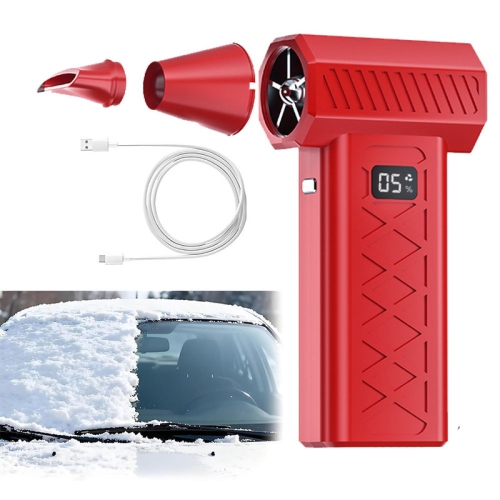
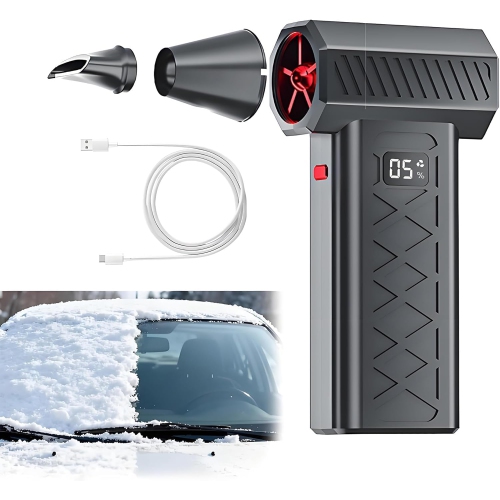
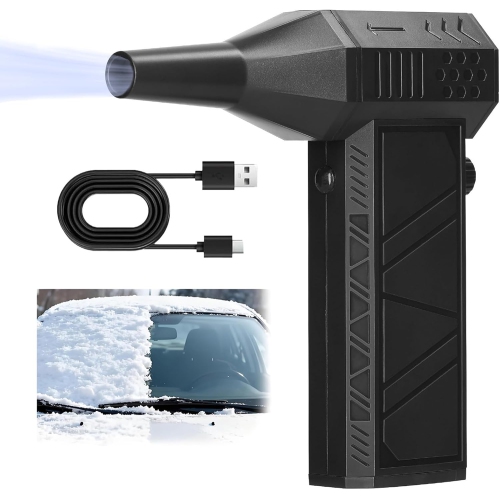
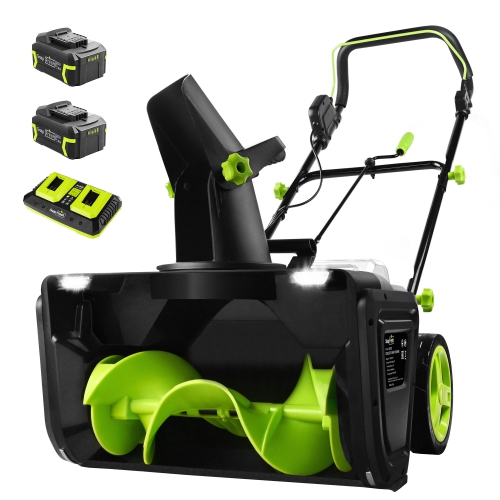
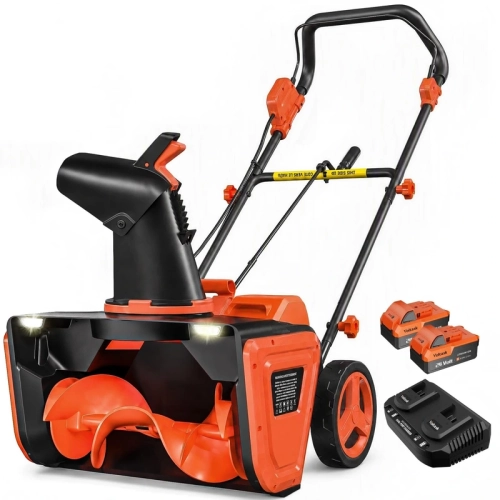
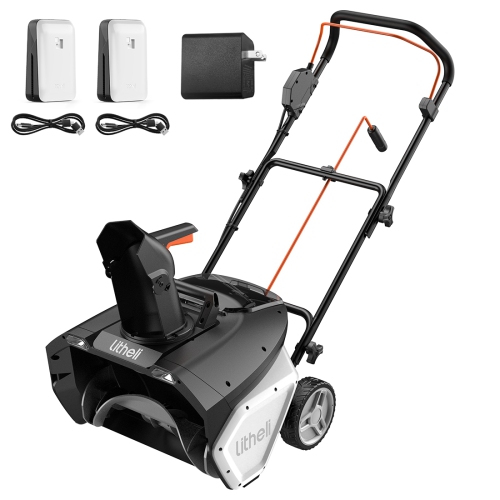
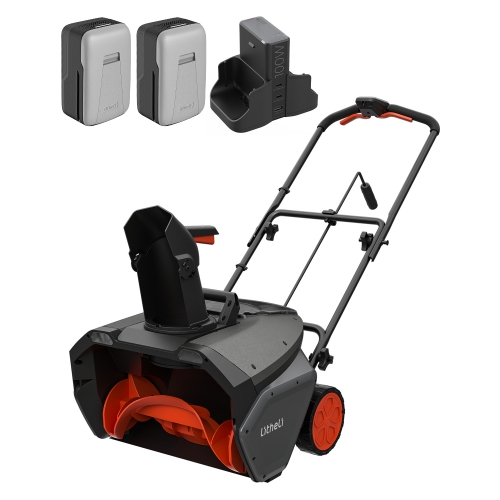
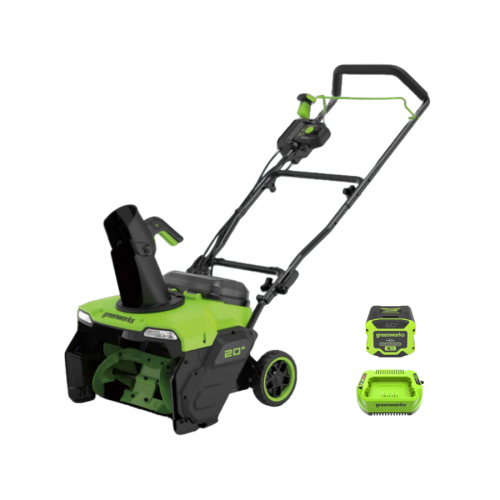
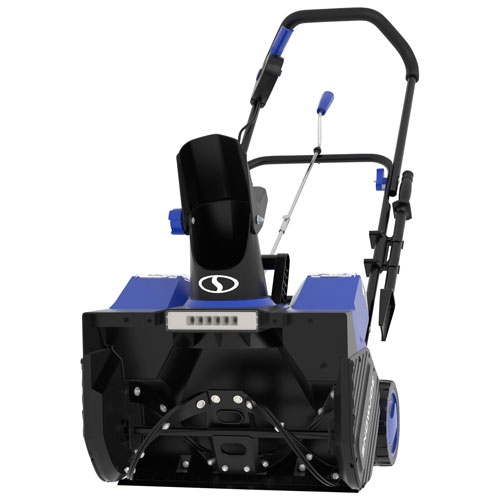
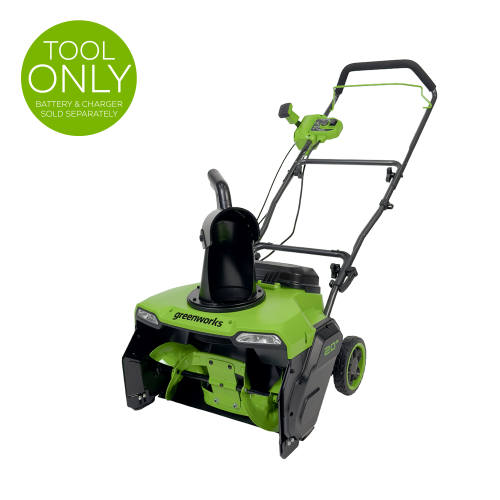
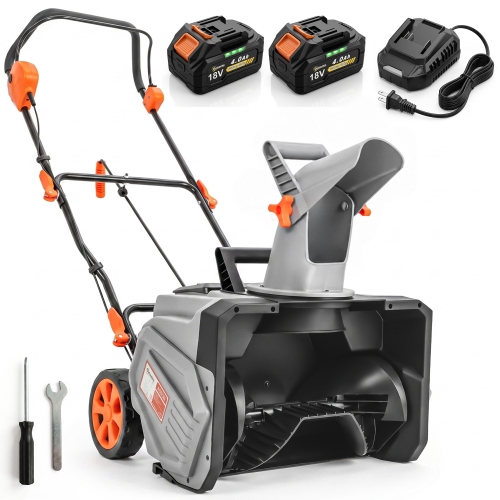
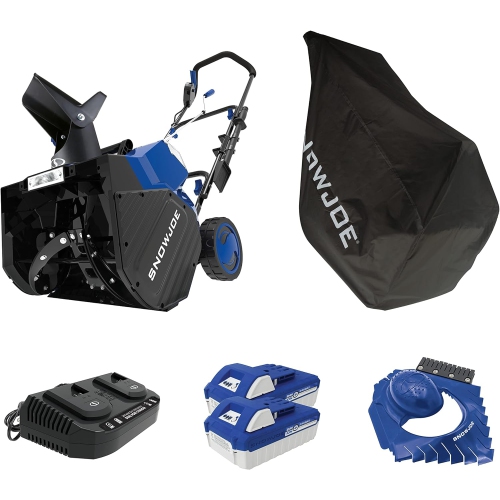
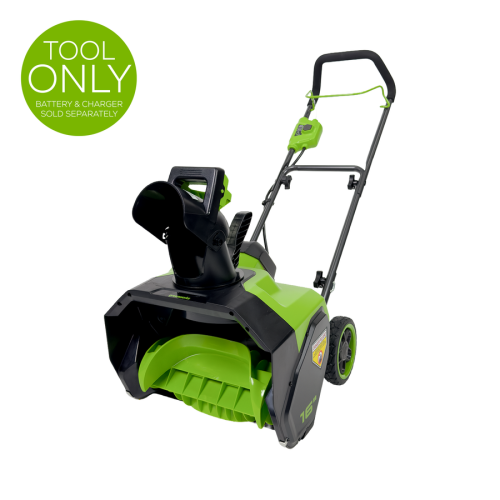
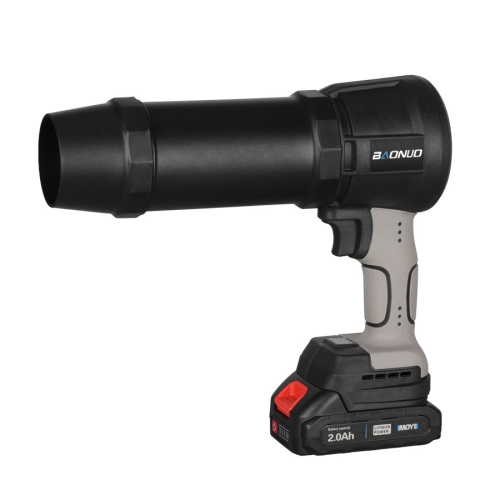
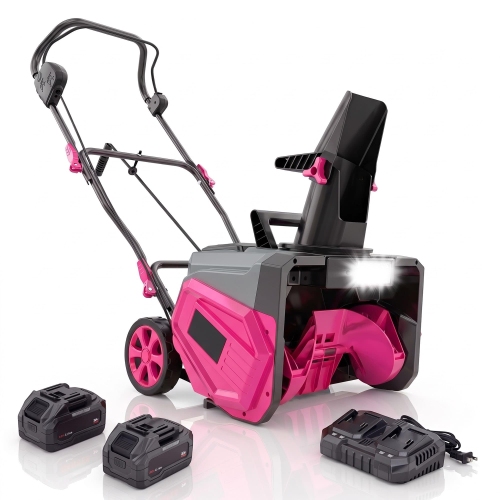
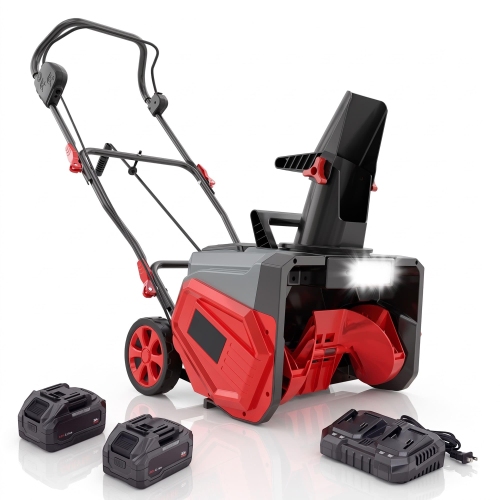

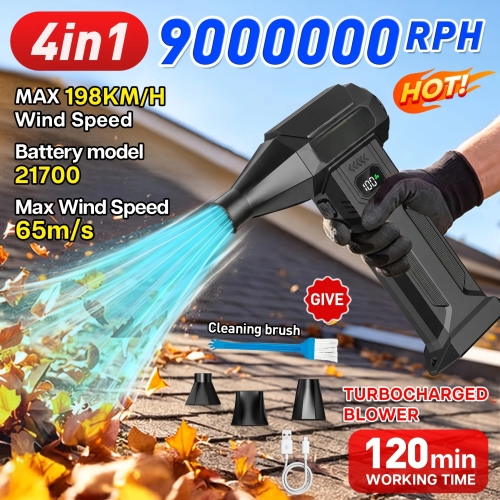
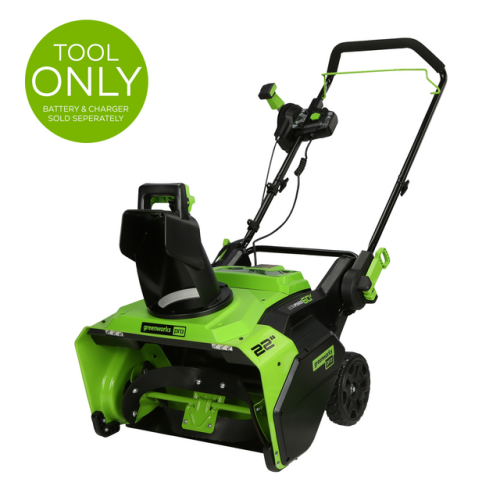
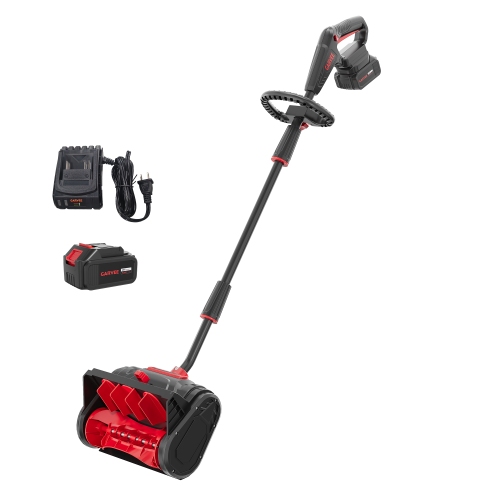
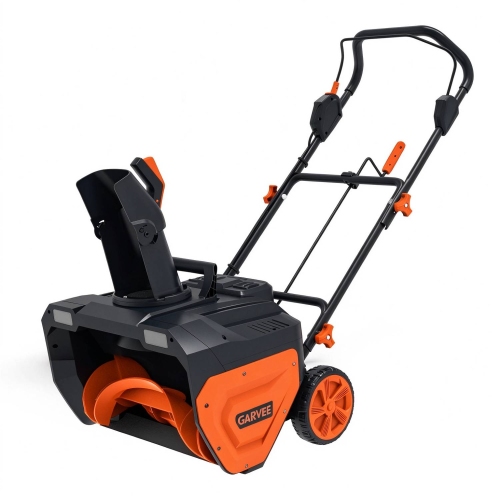
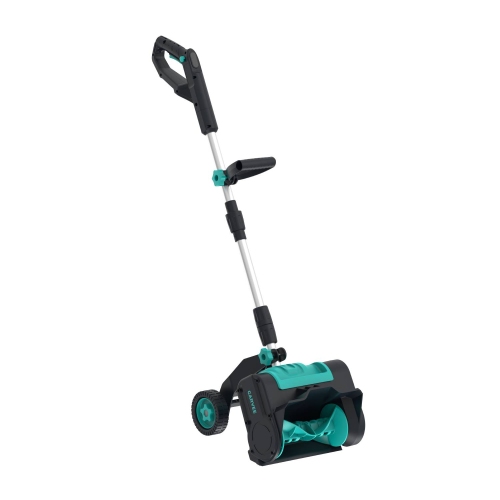
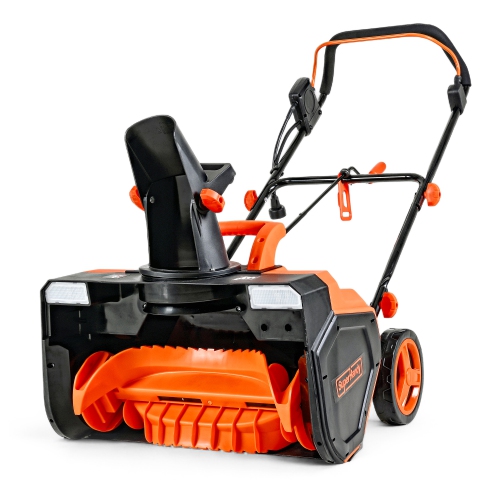
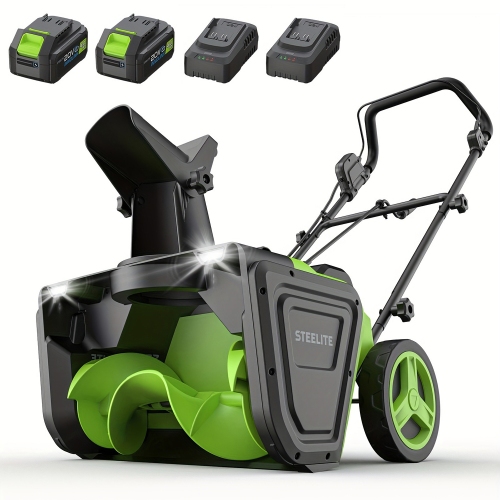
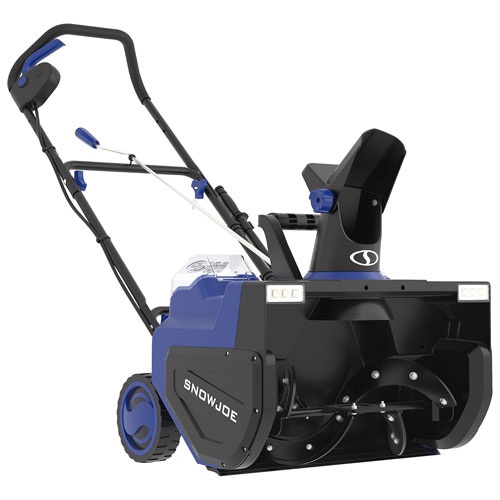
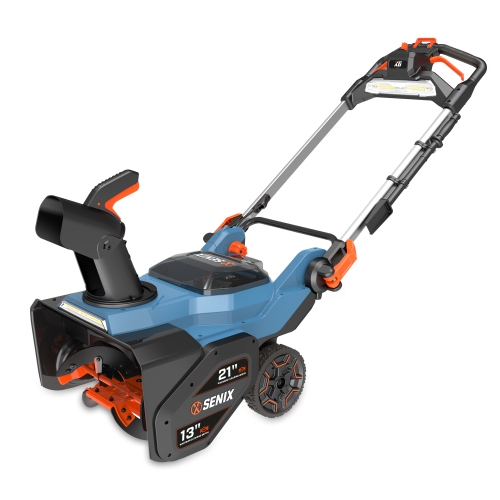
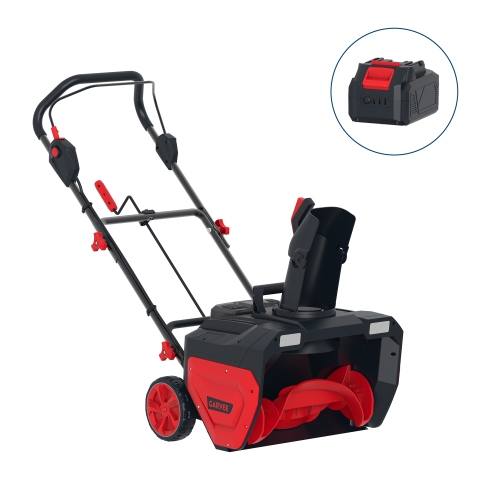


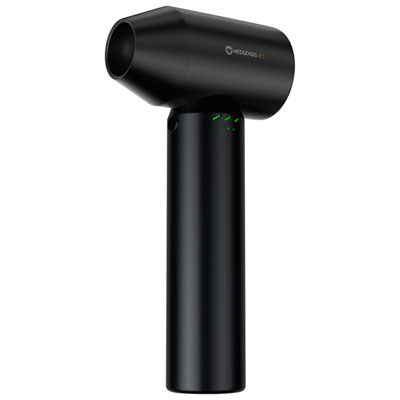
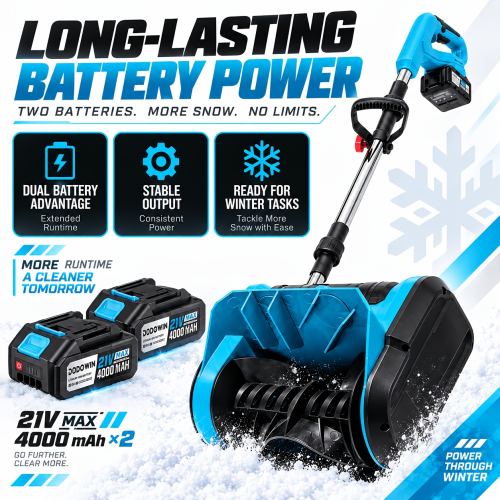

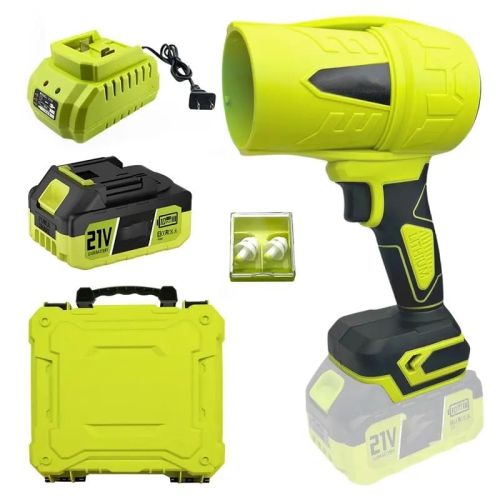
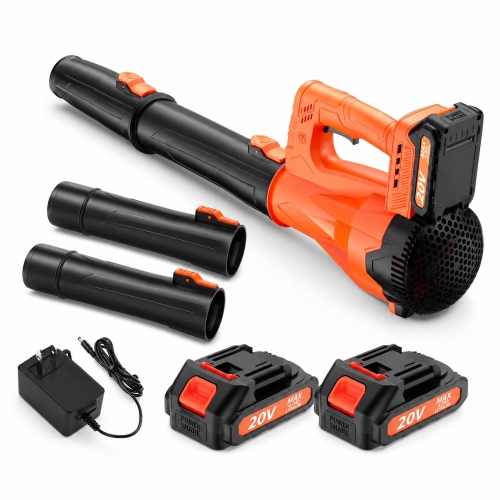
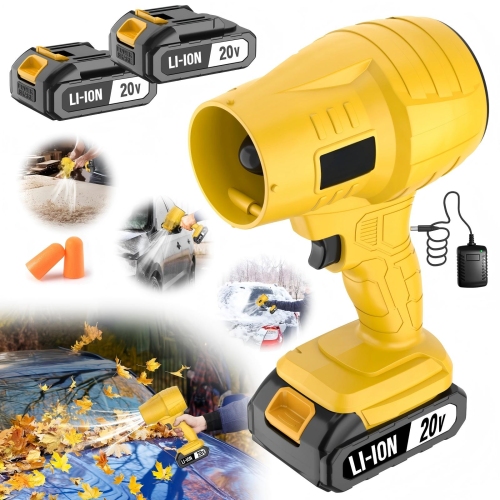
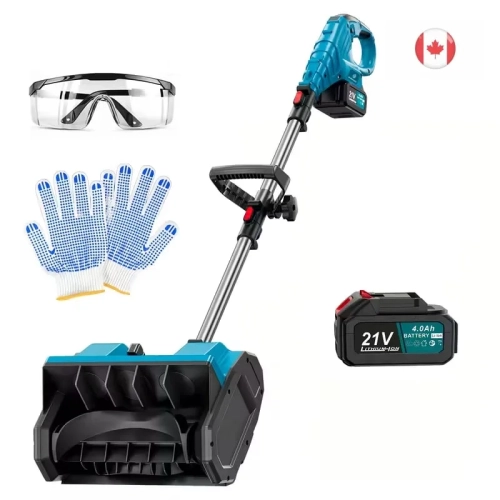

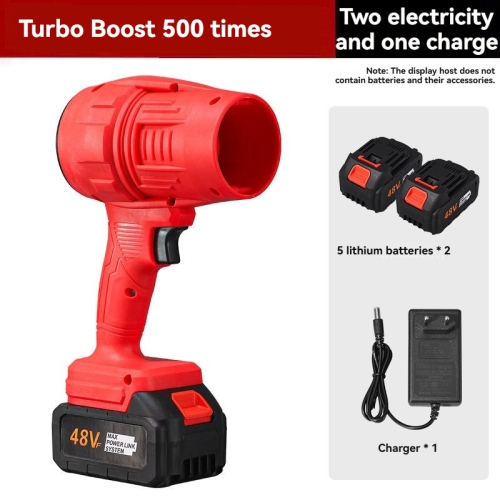
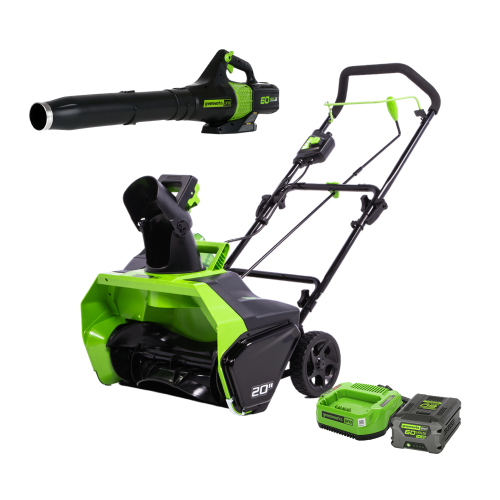
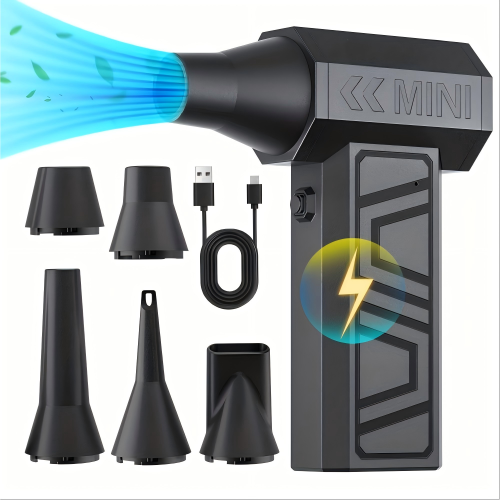
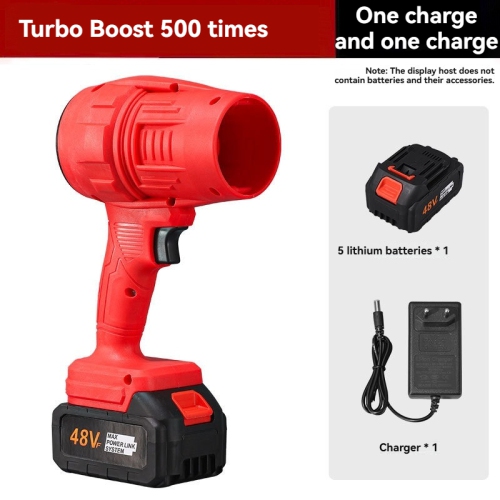
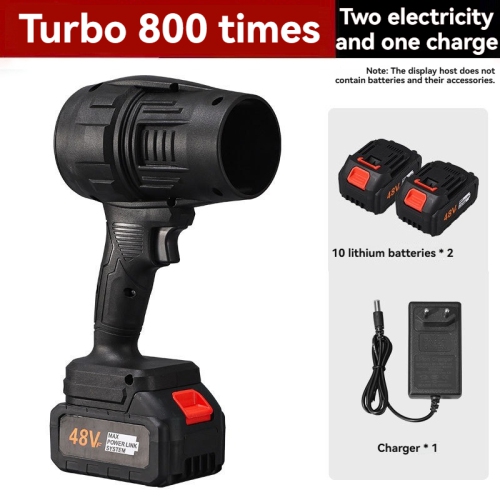

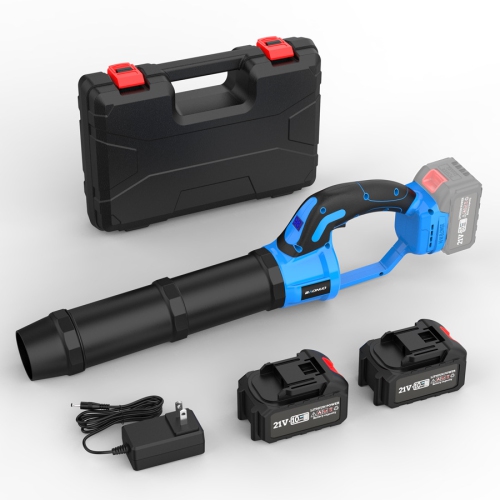
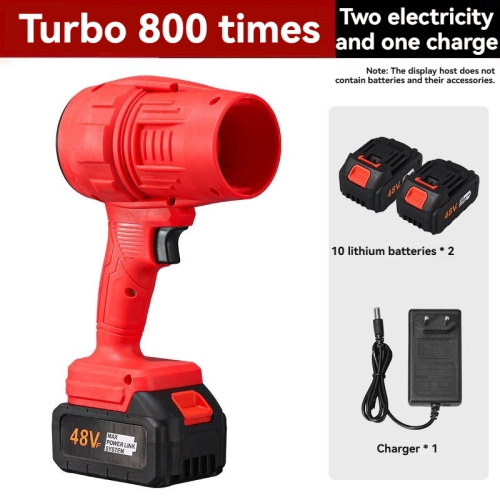

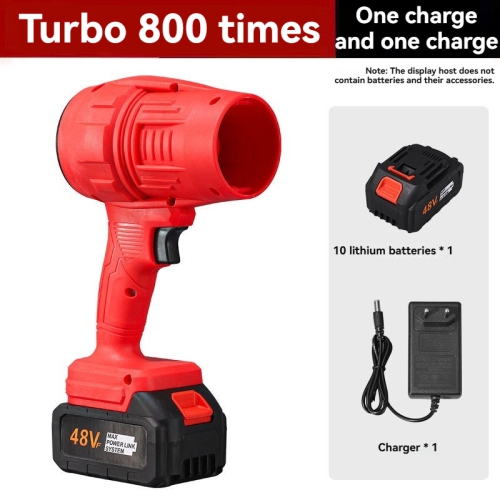
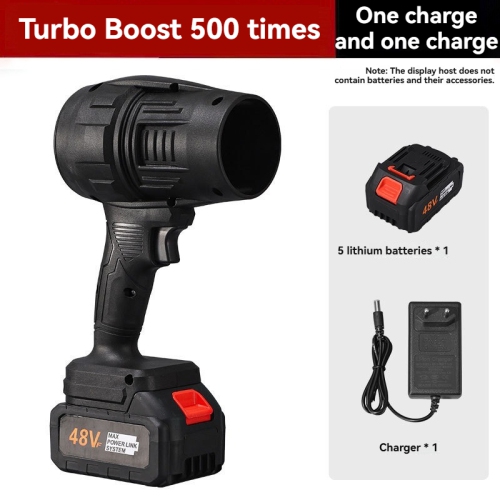
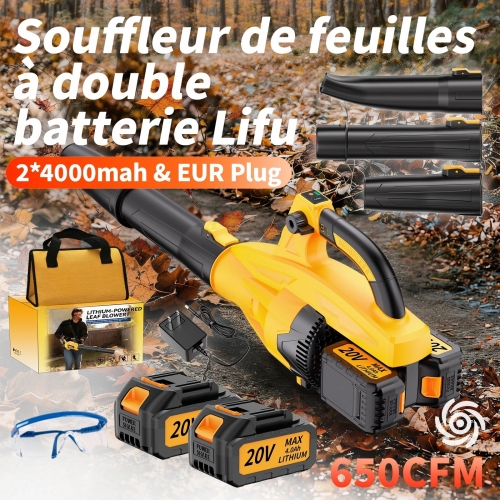
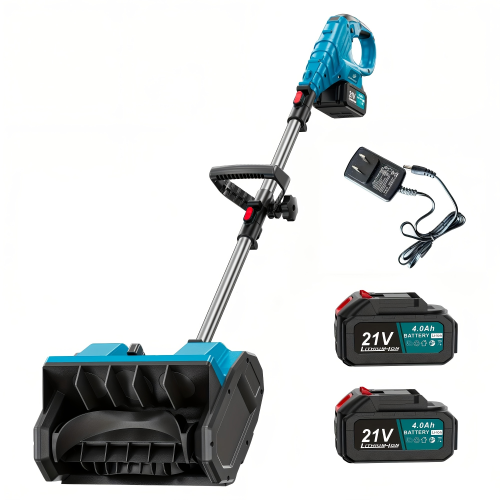
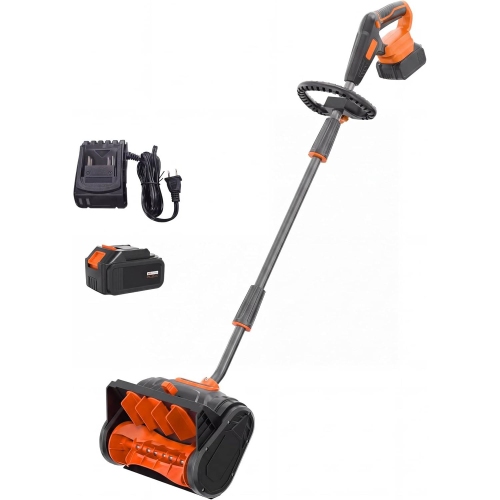
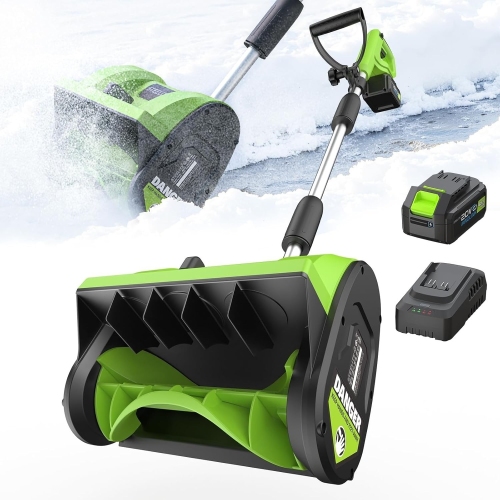
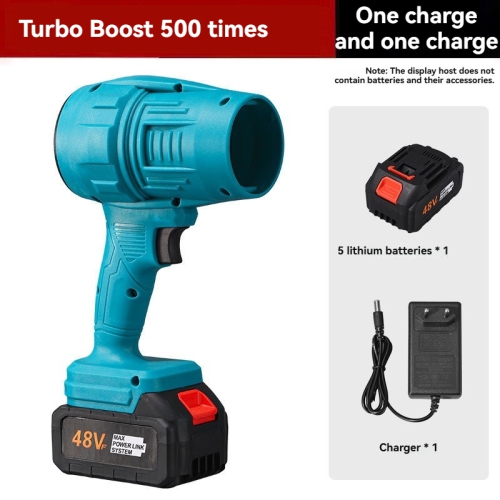
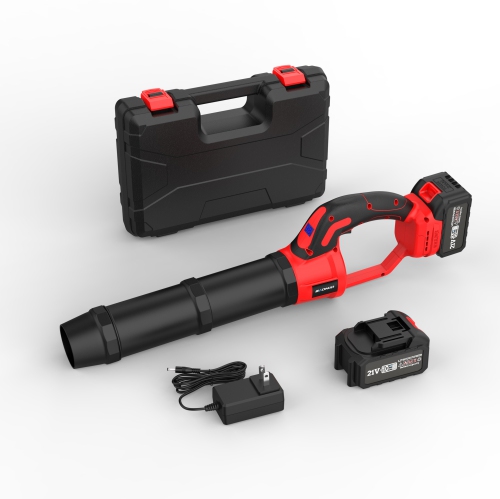
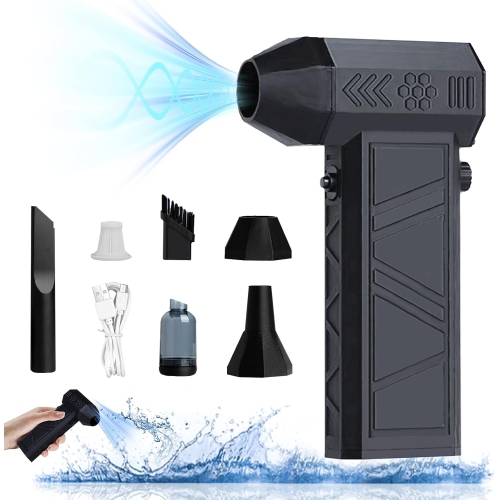

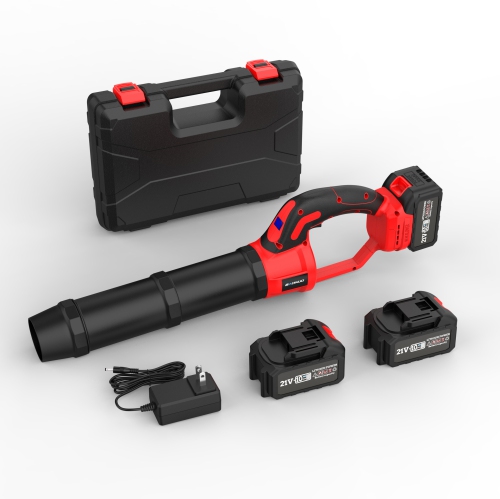
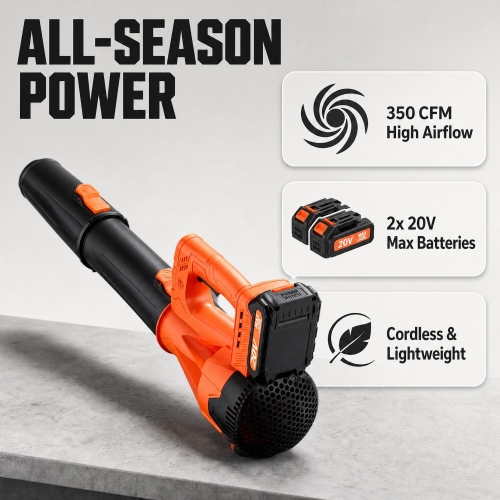
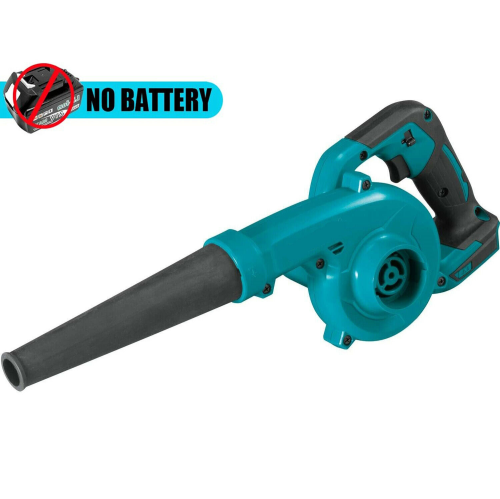
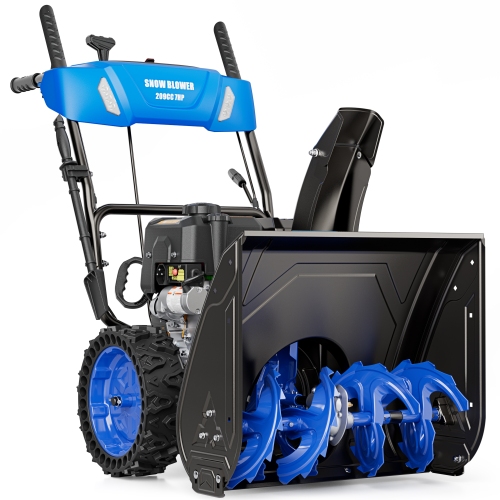
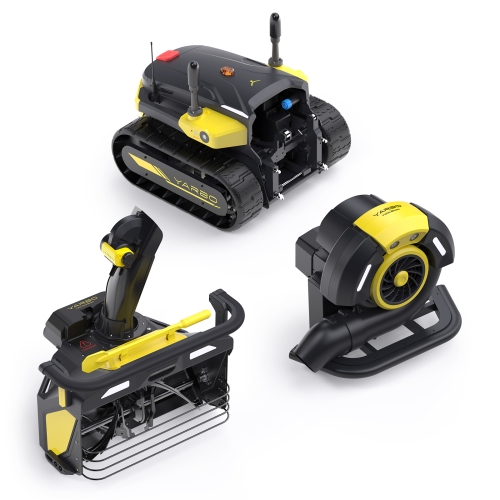
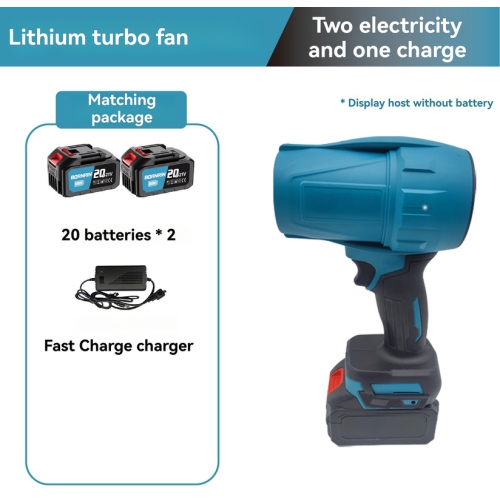
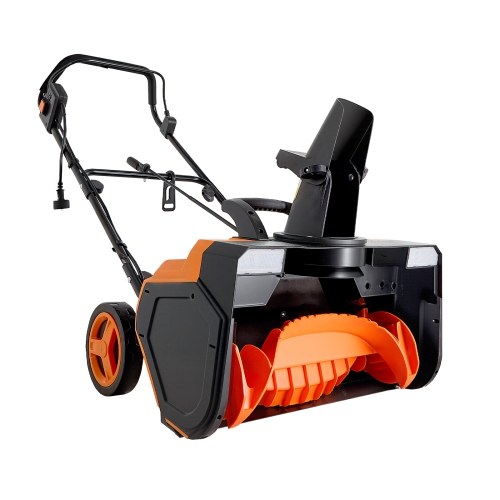
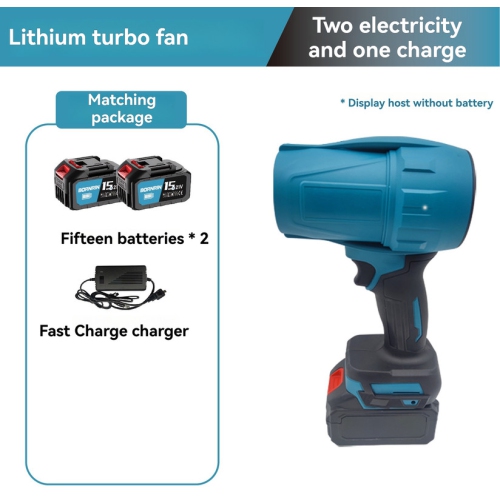
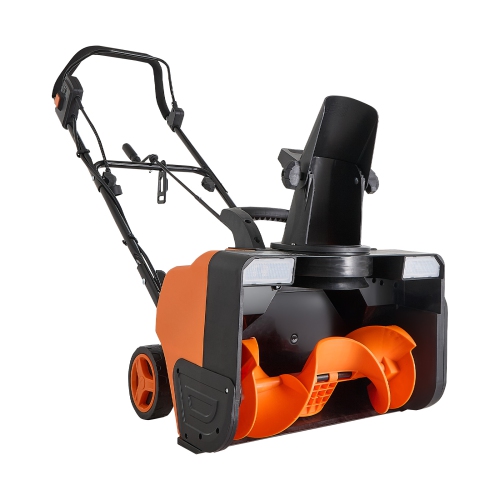
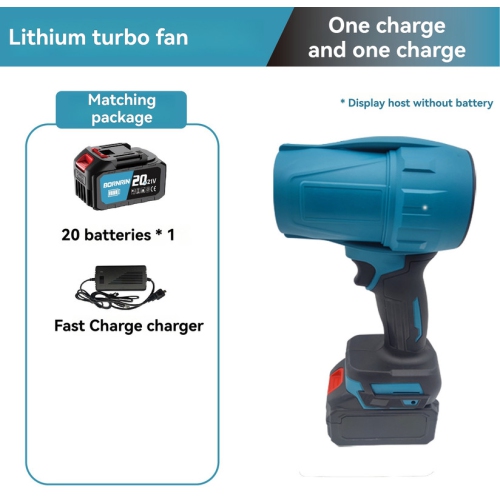
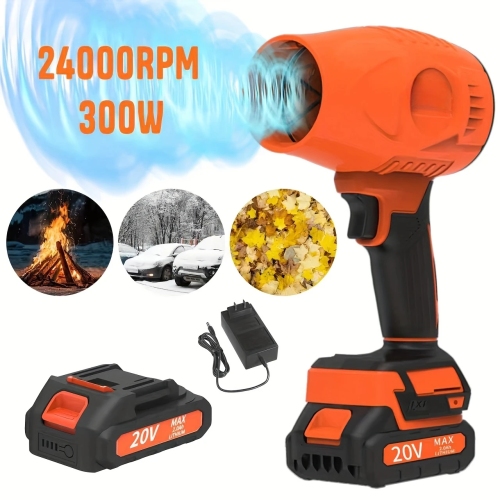
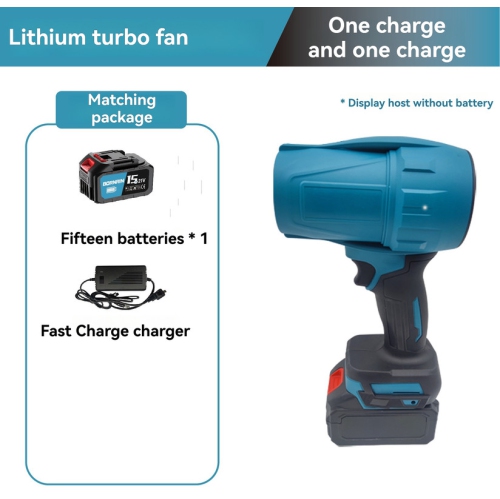
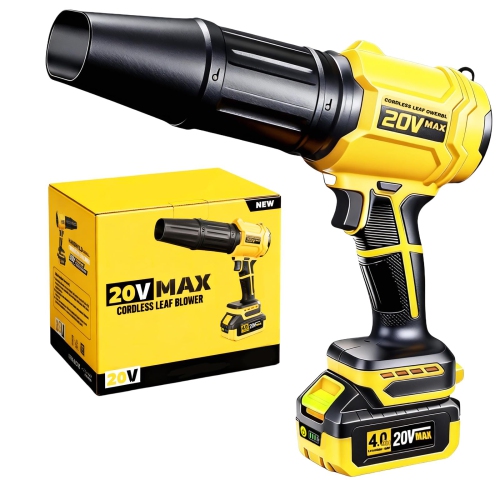
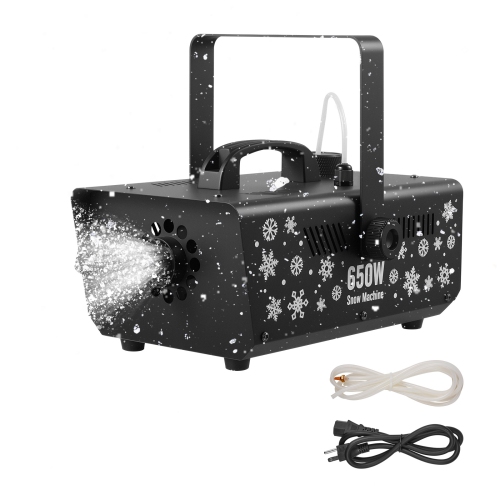

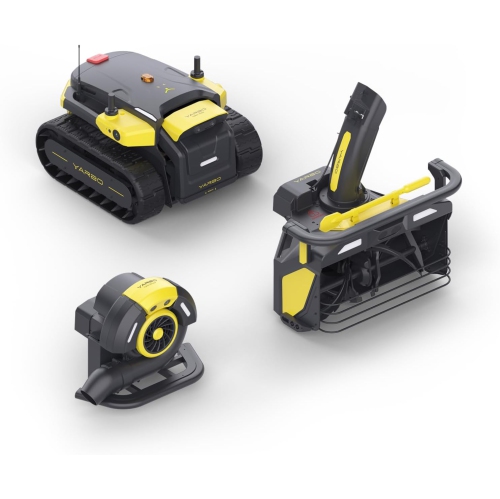
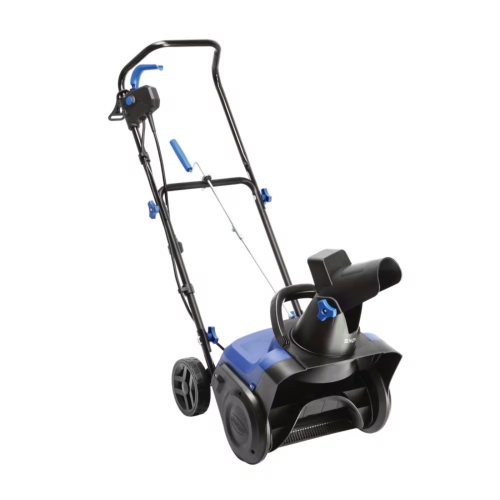
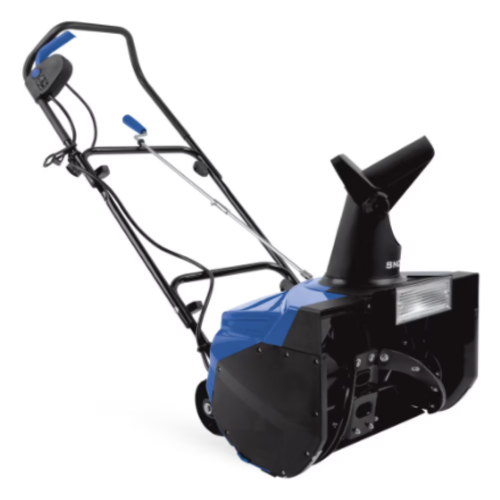
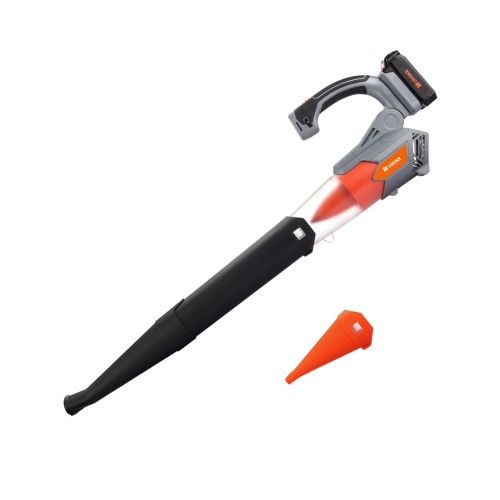
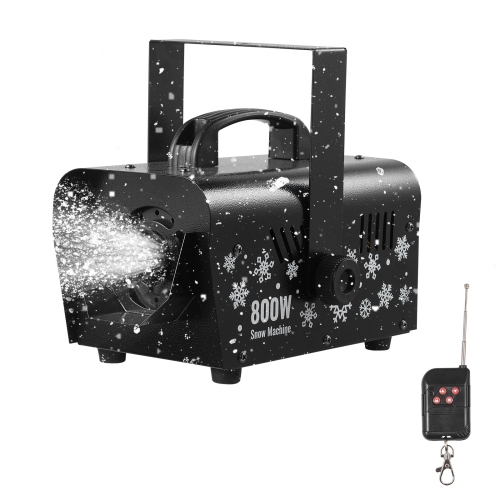
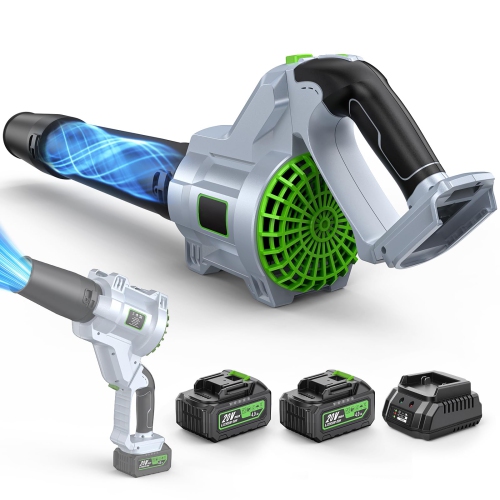
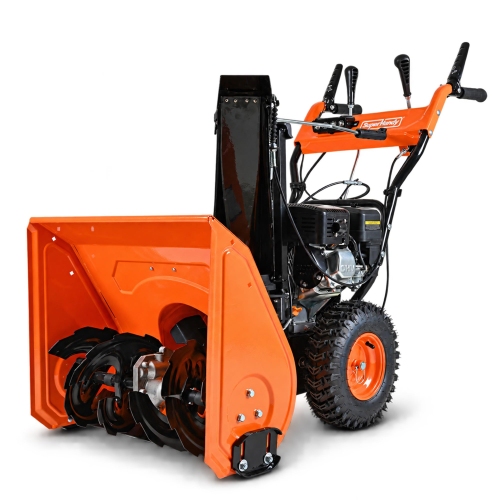
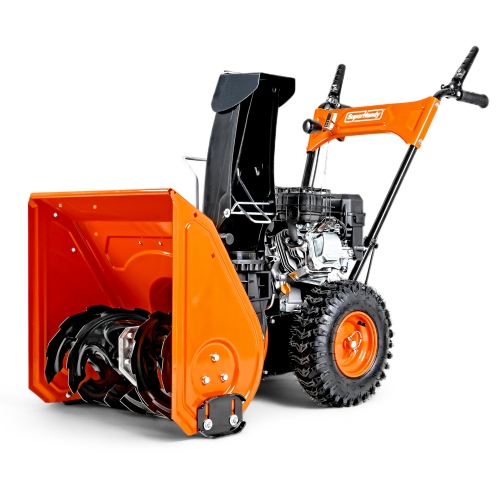
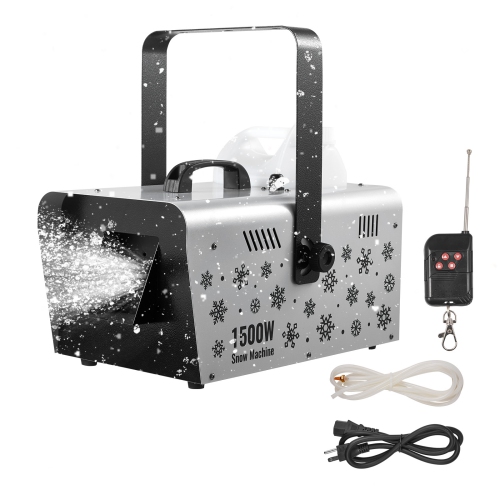
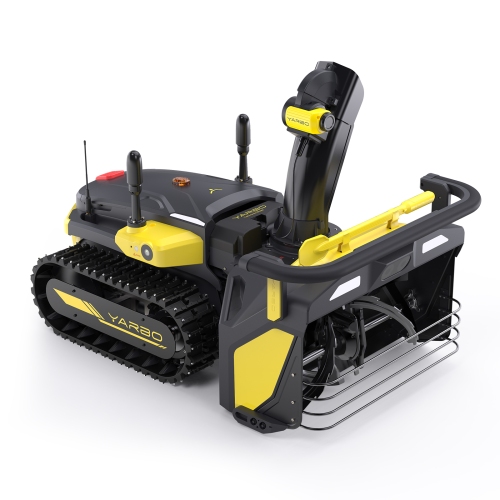
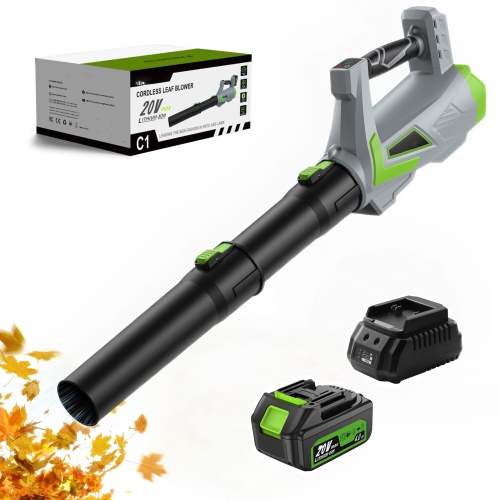

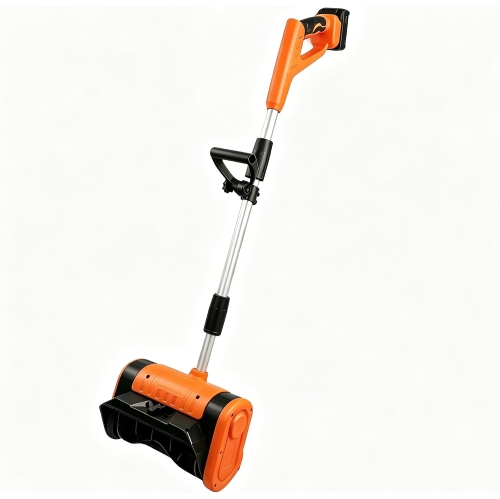
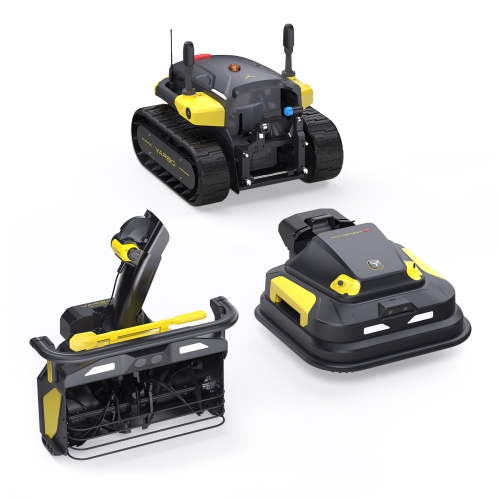
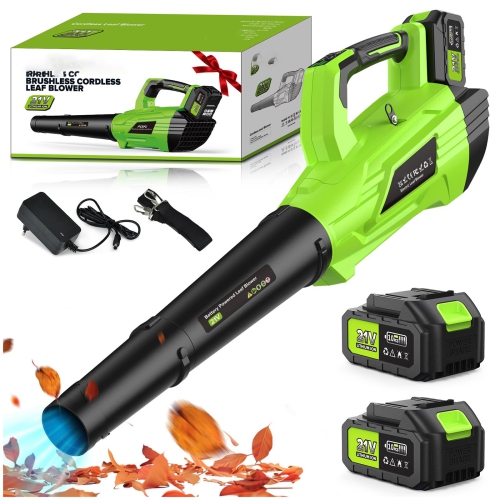
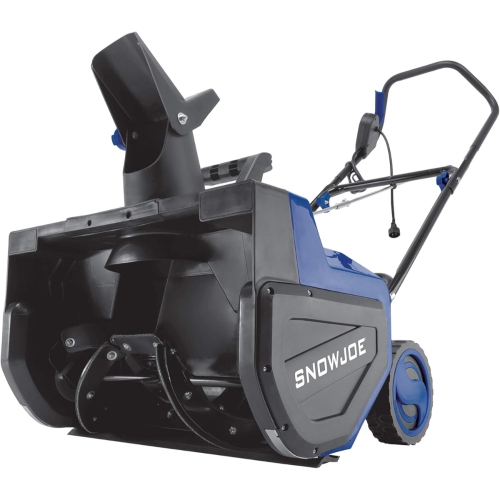
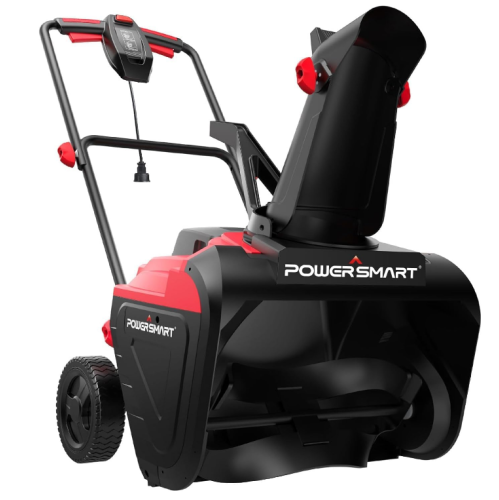
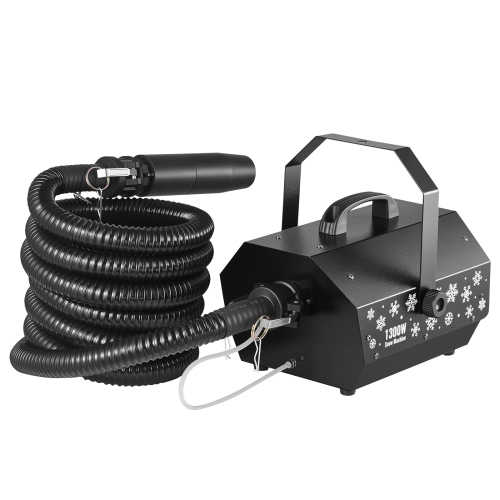
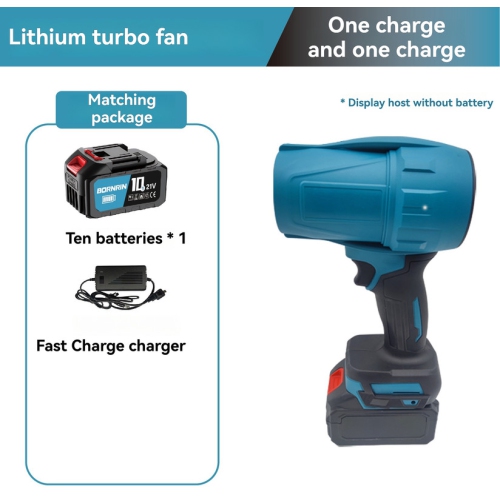
Less bulk for snow clearing in tight spaces
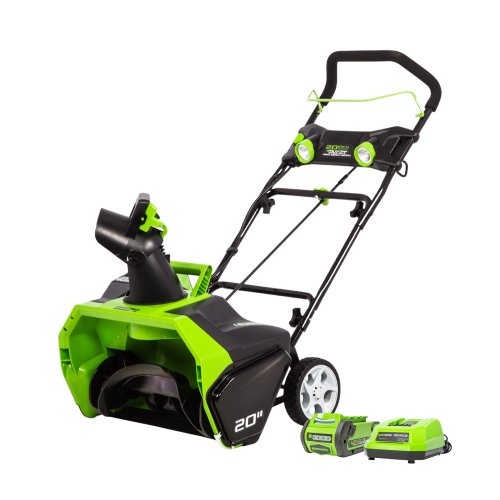
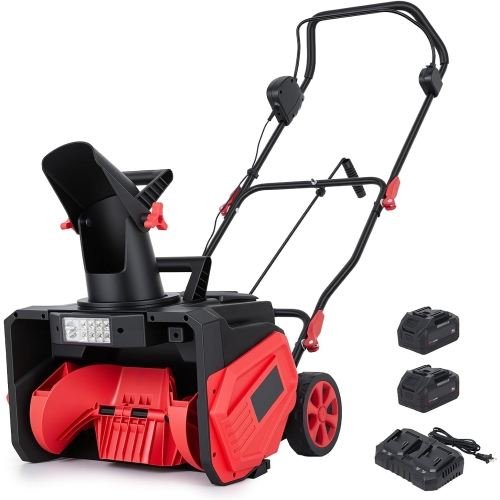
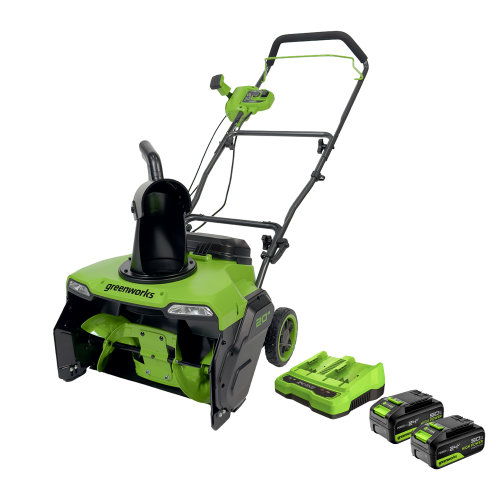
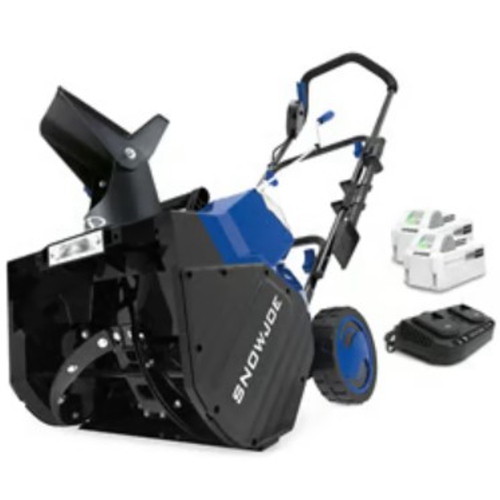
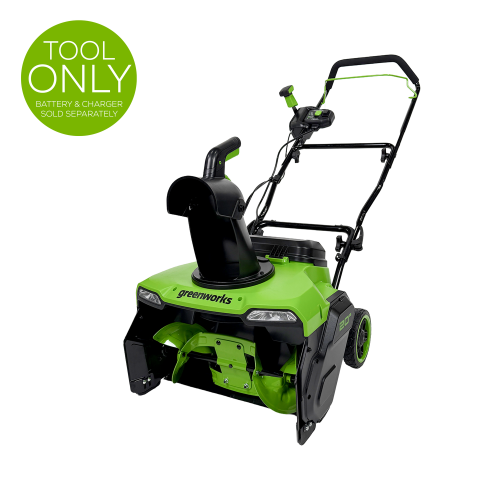
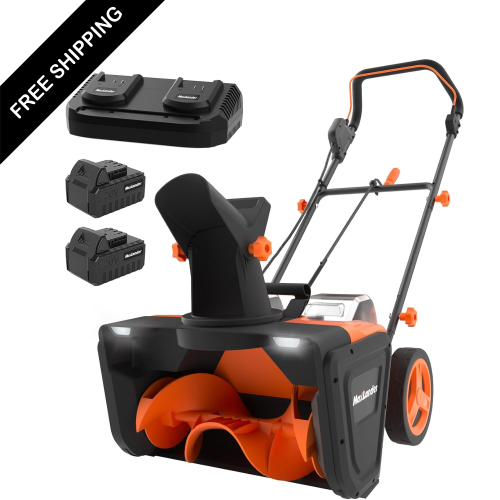
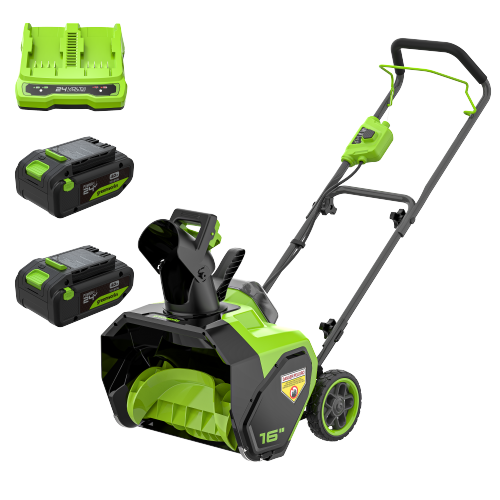
Portable snow blowers are compact snow-clearing machines designed to be easier to move, manoeuvre, and store than larger driveway equipment. Most are lightweight, single-stage electric models that use an auger to gather snow and discharge it through a chute in one continuous action. Their size makes them particularly useful for paved walkways, patios, paths between a house and garage, and small to mid-sized driveways where a full-size machine may be awkward to handle. Portability is not a standard weight rating, however: a machine that rolls easily along a level driveway may still be difficult to lift over a threshold or carry up steps. Overall weight, balance, wheel size, and the position of any lifting handles all contribute to how manageable it feels. Corded designs suit areas within safe reach of an appropriate outdoor electrical outlet, while cordless designs offer freedom to move around parked vehicles and reach paths farther from the house. For a broader look at these power options, Electric Snow Blowers include designs with different clearing widths, power requirements, and storage footprints. A portable model is often a practical match for someone maintaining a townhouse entrance, a short suburban driveway, or a narrow route to a shed. It can also complement a larger machine by handling spaces where turning room is limited. Powered snow shovels serve a similar purpose for smaller cleanup jobs, although their narrower clearing paths and discharge controls can differ from those of wheeled snow blowers. The distinction matters when the job involves directing snow away from a doorway rather than simply moving it forward. Compact equipment is generally best suited to frequent clearing of lighter accumulations, rather than tackling an entire driveway after a deep snowfall. Its appeal lies in manageable handling and convenient access for routine snow removal, with less bulk to navigate around outdoor furniture, fences, and garage storage.
Clearing width and intake height help describe a portable snow blower’s working size, but they do not tell the whole story of its performance. A wider clearing path can reduce the number of passes across an open driveway, while a narrower body may fit more comfortably through a gate or along a side entrance. Intake height indicates the size of the opening, not a promise that the machine can clear every type of snow up to that depth in one pass. Loose, freshly fallen snow moves differently from dense, wet accumulation or the compacted ridge left at the end of a driveway by a street plow. Small single-stage machines can struggle with those heavier deposits, and packed ice is not the same task as ordinary snow clearing. Throwing distance also varies with snow texture, wind, and the machine’s design. An adjustable chute and deflector help place discharged snow where there is room for it, rather than across a recently cleared path, towards people, or against a neighbour’s property. Many single-stage designs work close to the ground and are intended for smooth, hard surfaces; loose gravel and uneven paving require particular attention to the manufacturer’s surface recommendations. For corded machines, the extension cord must be rated for outdoor use and meet the specified gauge and length requirements. Cord routing matters on a driveway with parked cars or several turns, since the cable needs to stay clear of the auger and the clearing route. Cordless snow blowers avoid that tether, but operating time depends on battery capacity, snow conditions, workload, and temperature. A stated runtime is therefore not a fixed measure of how much driveway can be cleared. Battery voltage alone is not a reliable comparison of overall capability, either. Battery compatibility, charging time, and whether batteries and a charger are included are useful details to check. Removable batteries can make charging more convenient, provided their charging and storage conditions follow the manufacturer’s instructions.
Comfort, construction, and storage details become more noticeable when a snow blower is used repeatedly. A handle height that suits the operator can reduce awkward bending, while controls that are accessible with winter gloves make starts, stops, and chute adjustments easier to manage. Lightweight construction may help with turning, but it does not eliminate the effort needed to push through resistant snow or move over a rough surface. Wheels with suitable tread can help with handling, although slippery ground still calls for secure footwear and careful movement. Built-in lighting can improve visibility along a shaded path or in low light, without replacing a clear view of obstacles and the discharge area. Housings may combine moulded plastic components with metal framing, balancing weight with rigidity; auger materials and designs vary, so the specifications for each machine matter more than assumptions based on appearance. Scraper bars, paddles, belts where fitted, and other wear parts affect long-term upkeep, particularly on abrasive or uneven pavement. Access to compatible replacement parts can help extend useful service life. Folding handles are valuable in a crowded garage or shed, but the folded dimensions deserve attention alongside the machine’s operating dimensions. A compact footprint is most useful when the snow blower can be reached without moving bicycles, bins, or other heavy equipment first. After use, accumulated snow and moisture should be removed as directed, and the machine should be stored in a suitable dry location. Batteries need the storage conditions specified by their manufacturer rather than being left wherever the machine happens to fit. Before inspection, maintenance, or clearing a blockage, the motor must be stopped, the power disconnected or batteries removed, and all moving parts allowed to stop completely. A blocked chute should only be cleared with the appropriate clean-out tool, never by hand. For households with modest paved areas to maintain, the most useful portable snow blower combines a suitable clearing capacity with controls, weight, and storage requirements that fit the person using it and the space being cleared.
Top selling and popular products
-
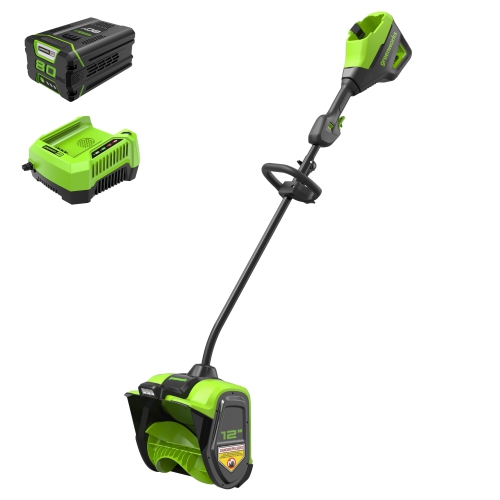 Your price for this item is $399.99
-
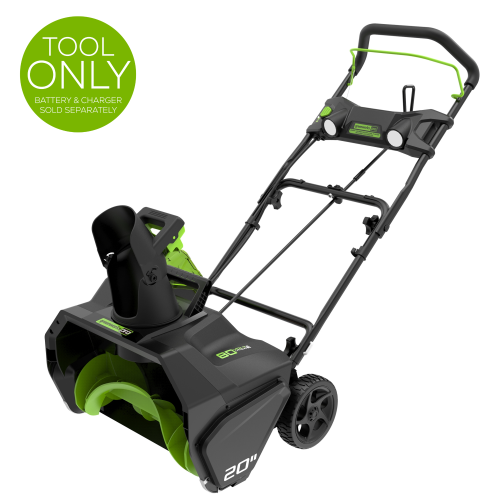 Your price for this item is $449.99
-
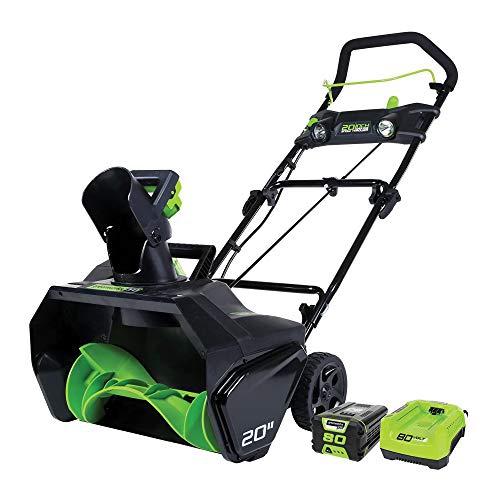 Your price for this item is $399.99
-
 Your price for this item is $319.99
-
 Your price for this item is $339.99
-
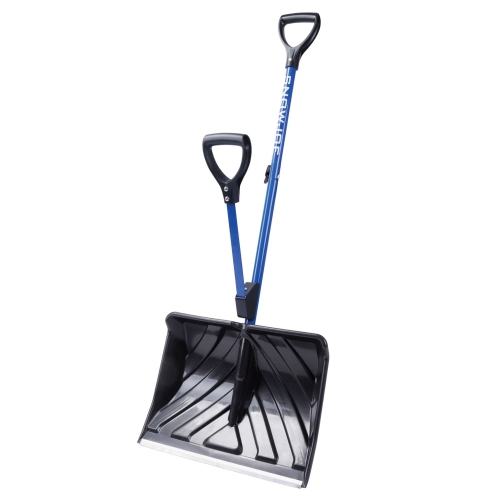 Your price for this item is $113.99
-
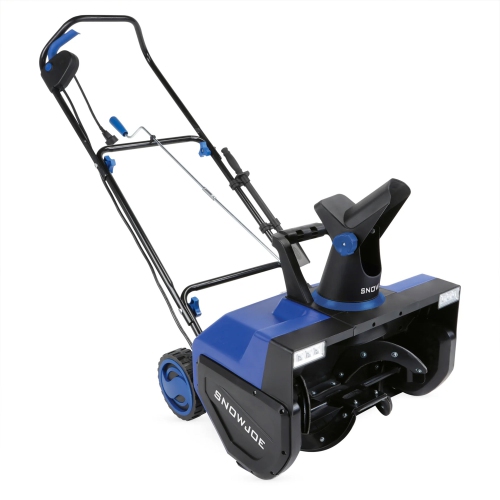 Your price for this item is $374.99
-
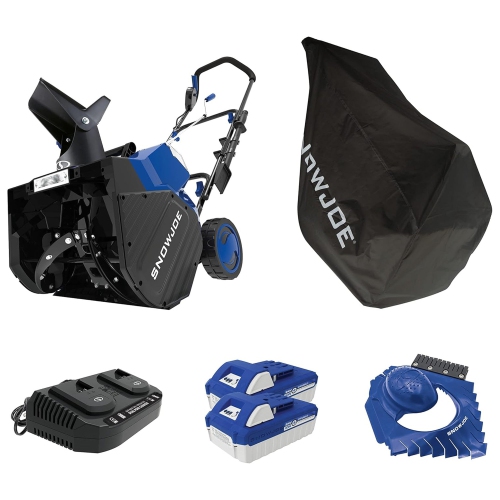 Your price for this item is $529.99
Discover more categories related to Portable Snow Blowers
Top Collections:
Best Black Friday Deals This Year, Best Black Friday Deals On Electronics, Kindle Devices, Dyson Airwrap, Best Cameras for Sports Photography, Best Budget Office Chairs, Canon G7X Cameras, PS5 Pro Consoles, Best Black Friday Deals On Apple Products, XBOX One S Consoles
Some products may be subject to Environmental Handling Fees
(EHF) depending on your province.
Learn more about EHFs.