Poufs for Seating
Looking for a versatile and stylish seating option to spruce up your living space? Look no further than our collection of poufs! These trendy and functional pieces are the perfect addition to any room, offering both comfort and style. Whether you're looking for a cozy spot to put up your feet after a long day or an extra seat for guests, our selection of poufs has got you covered. With various shapes, sizes, and designs available, you're sure to find the perfect pouf to complement your home decor.
Sort
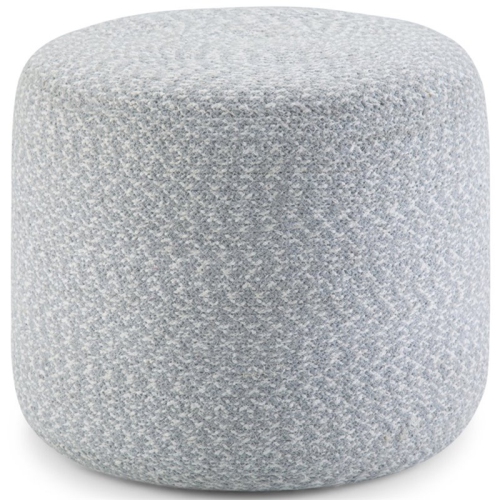
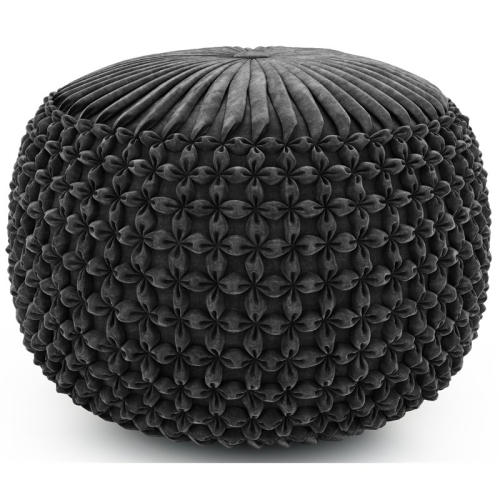
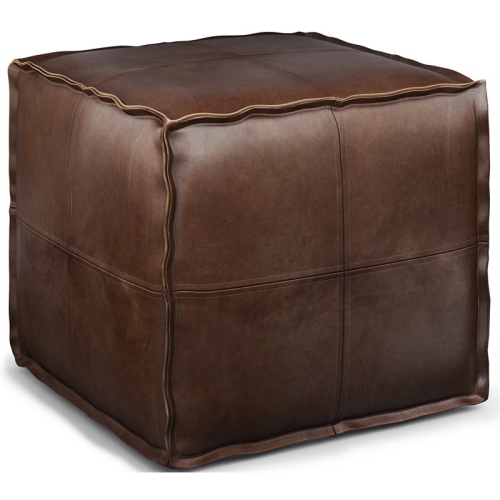
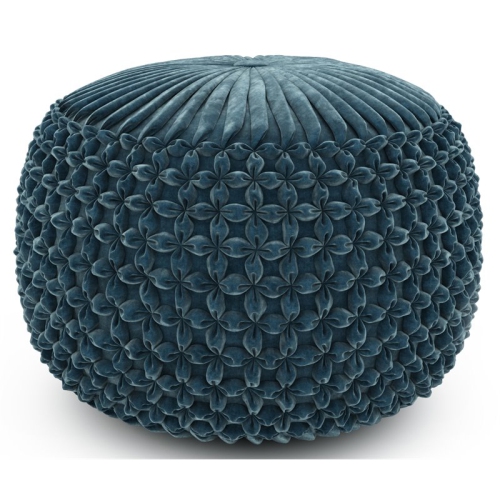
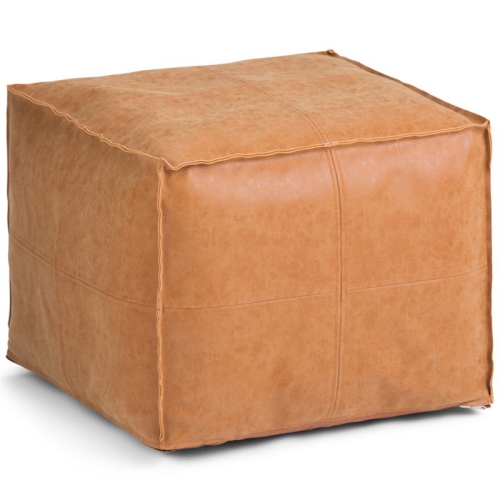
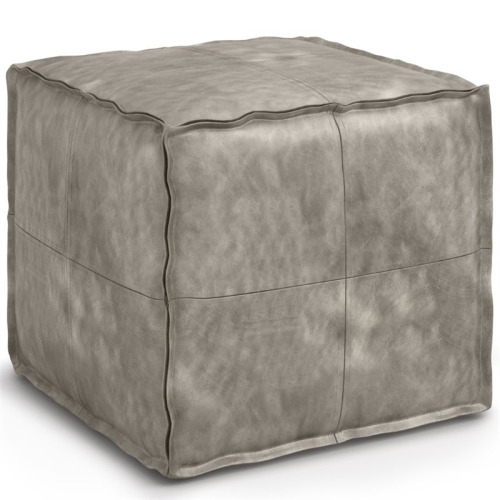
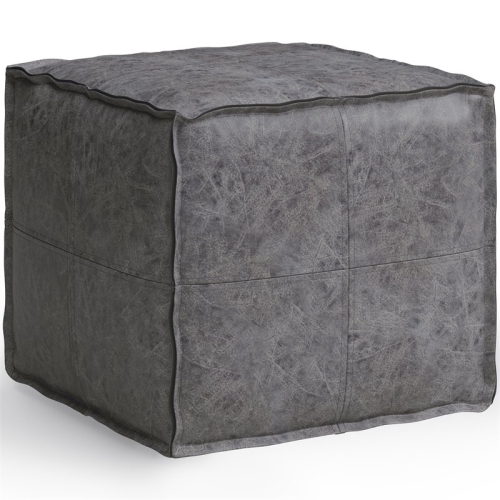
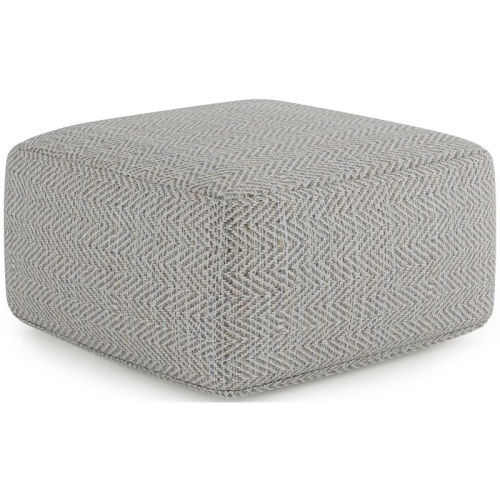
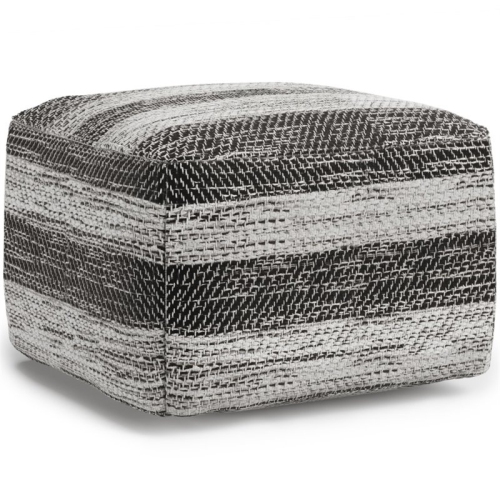
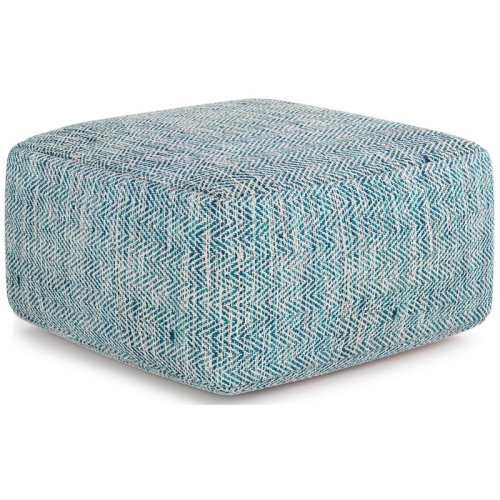
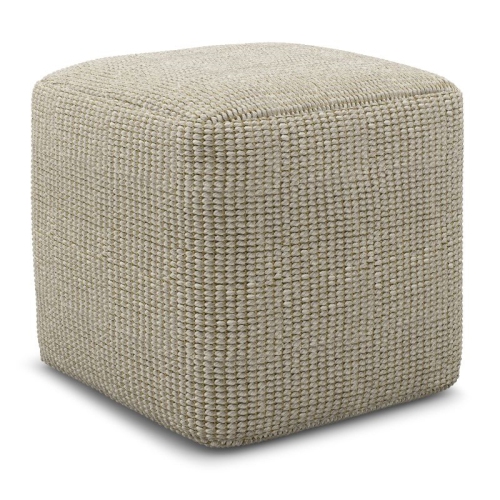
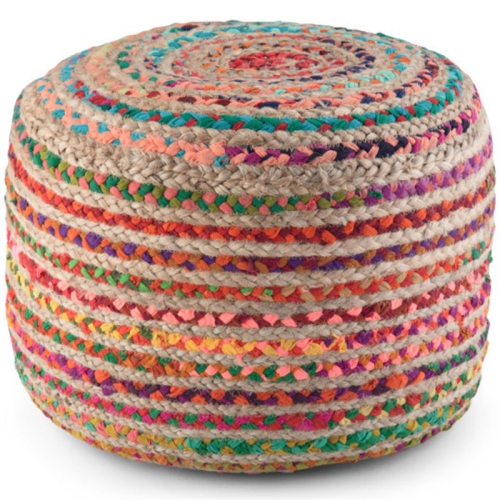
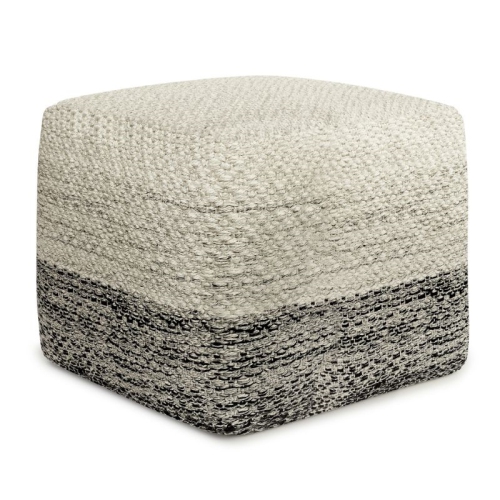
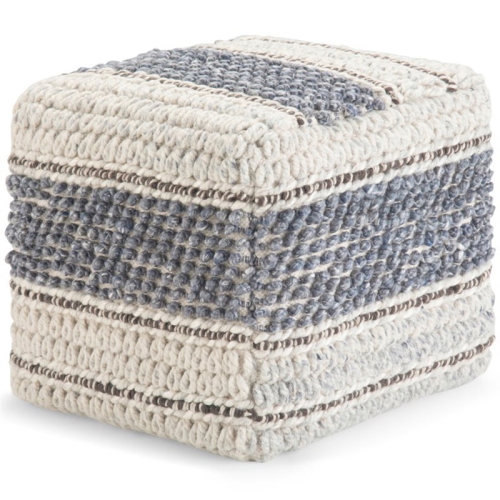
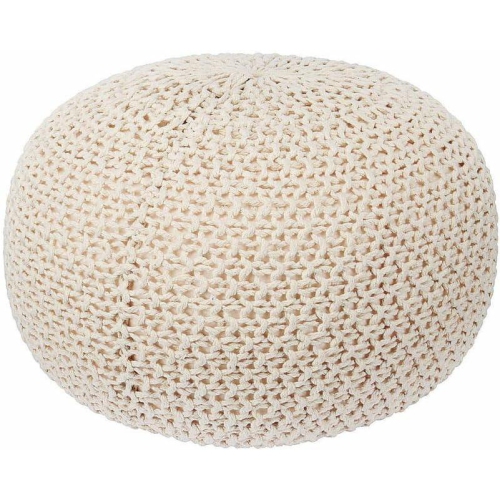
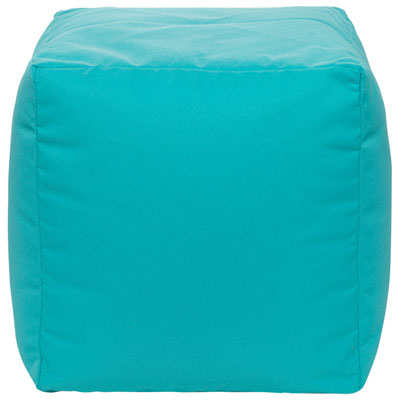
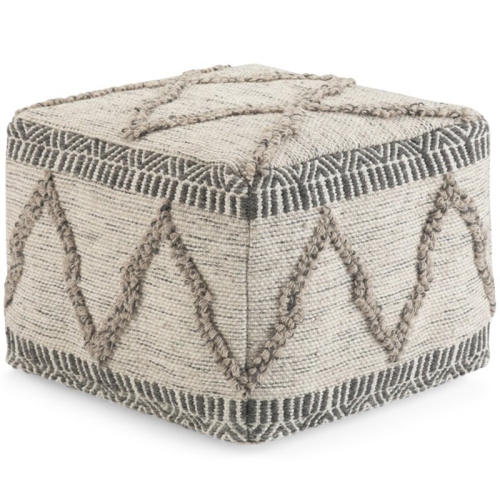
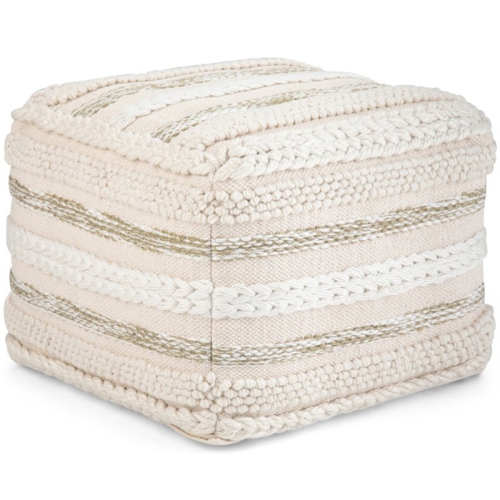
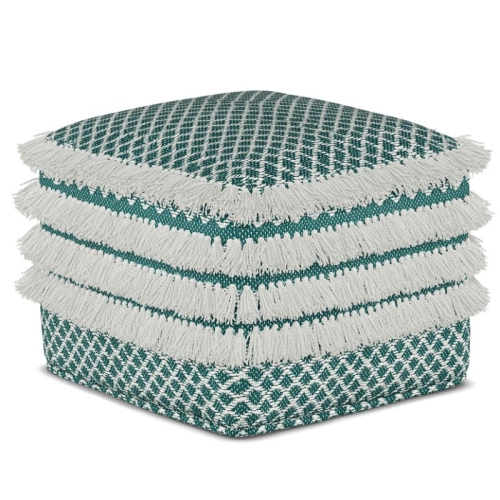
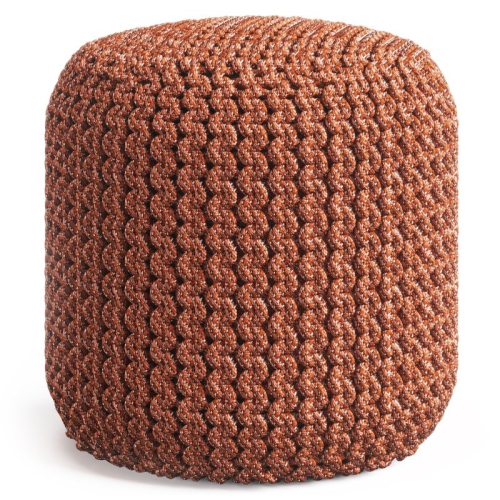
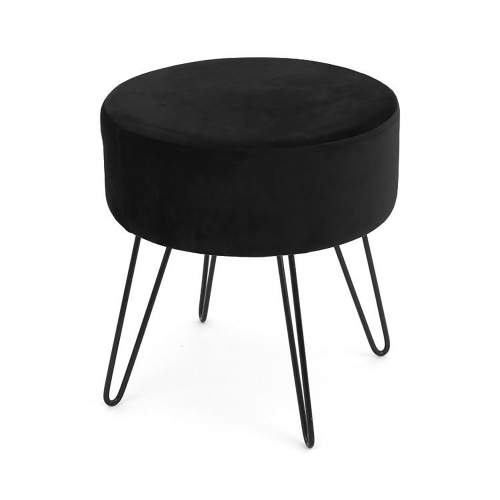
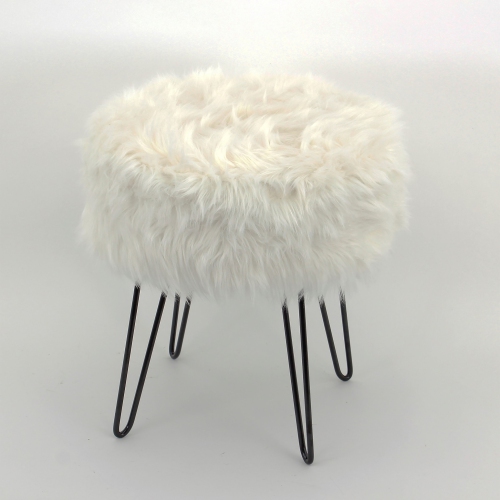
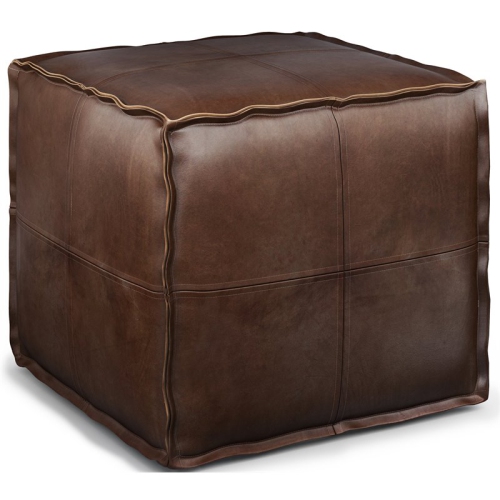
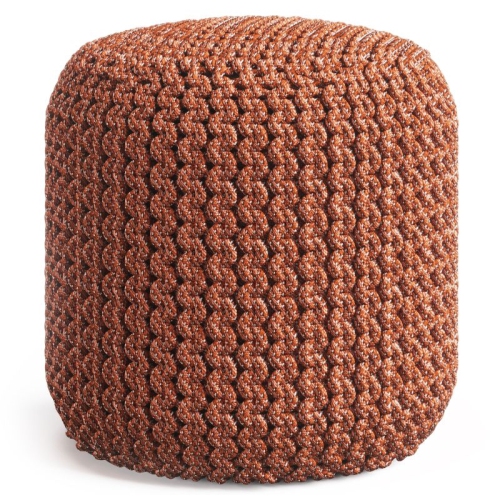
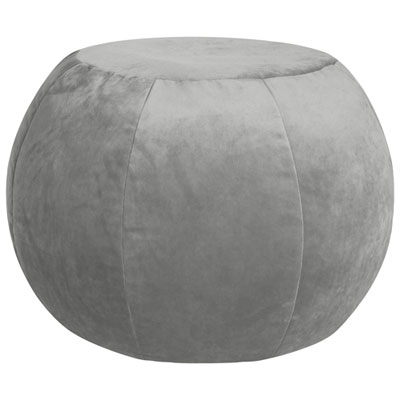


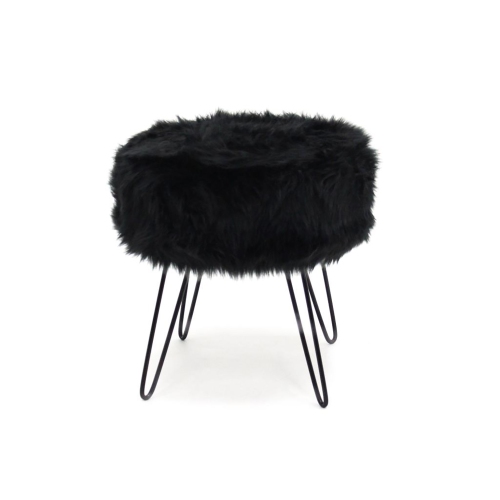
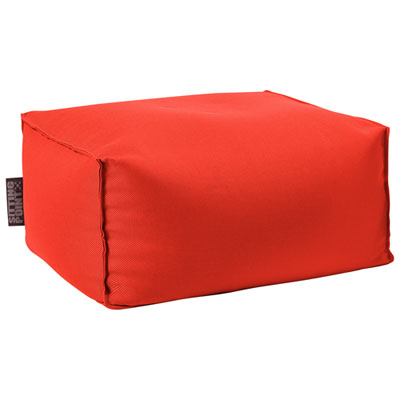

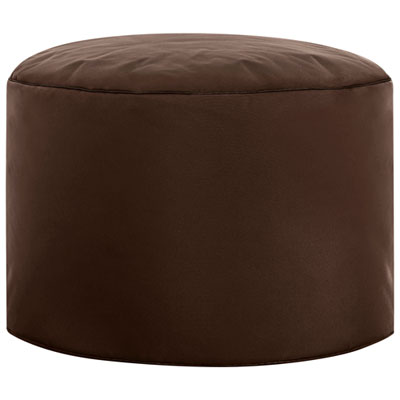

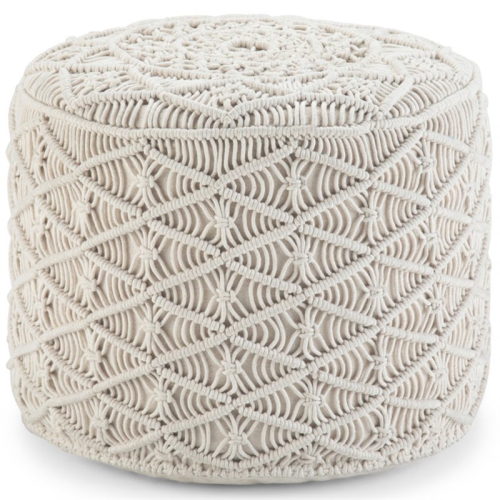
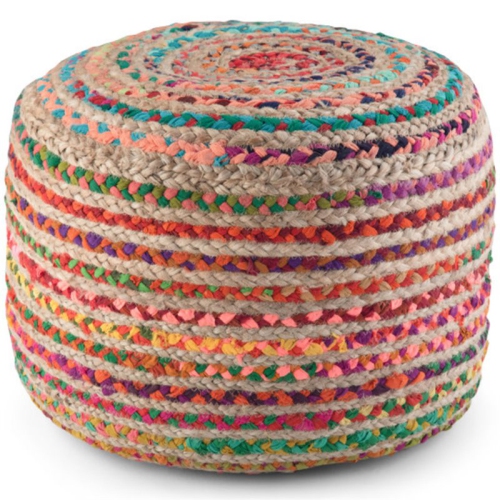
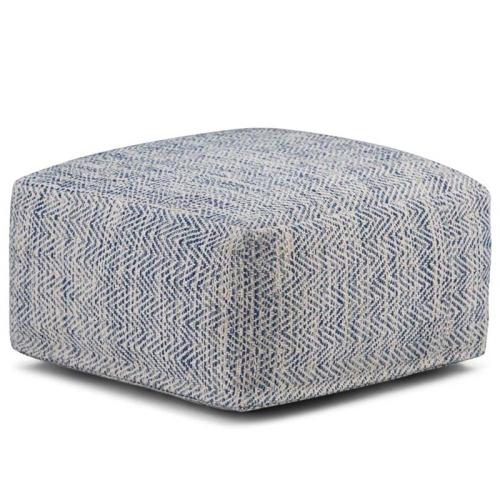
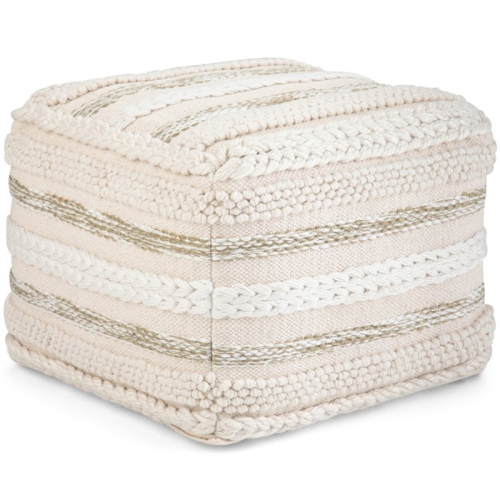
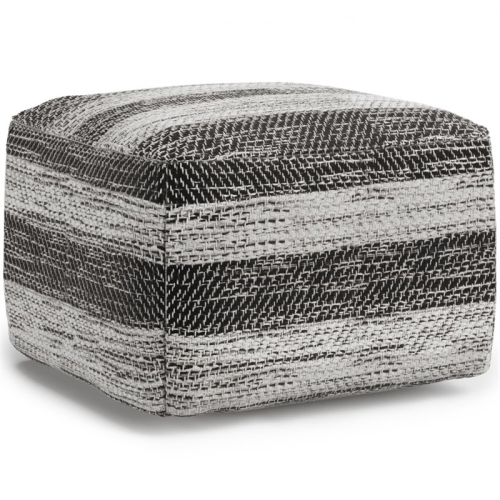
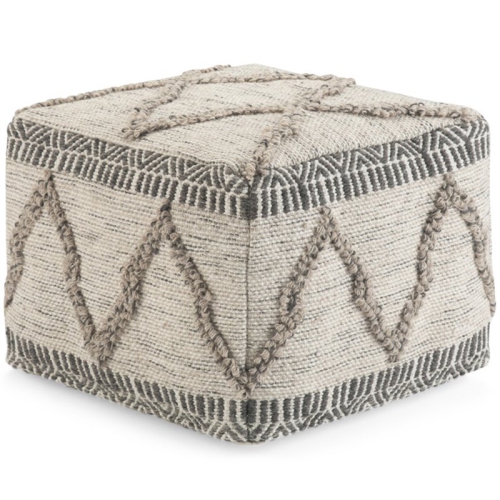
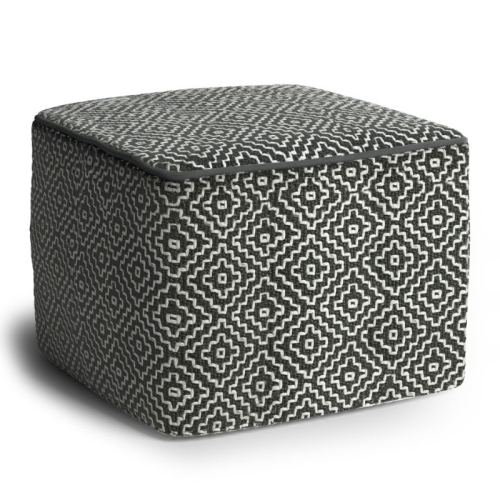


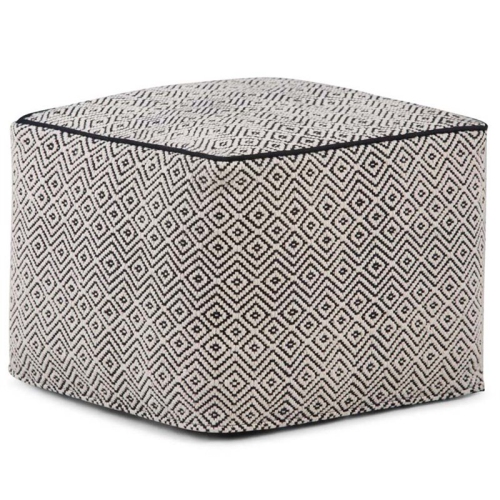
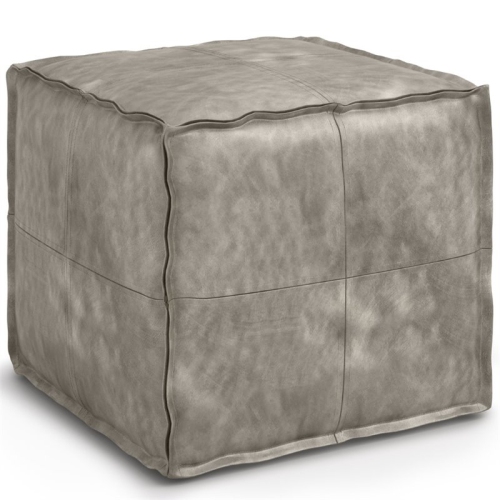
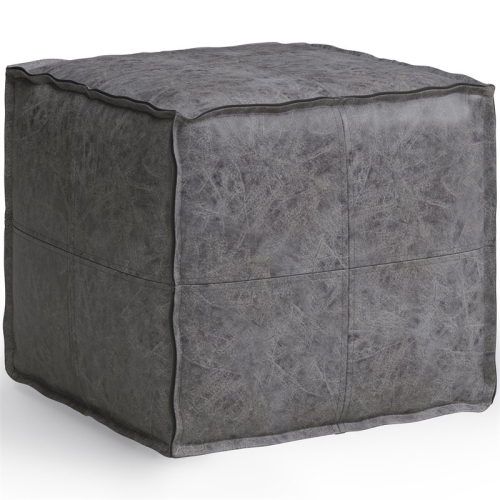
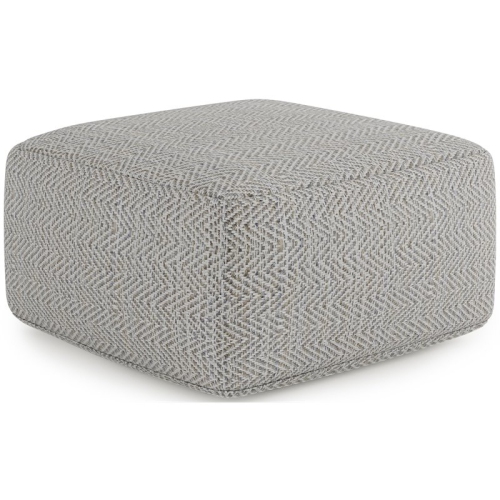
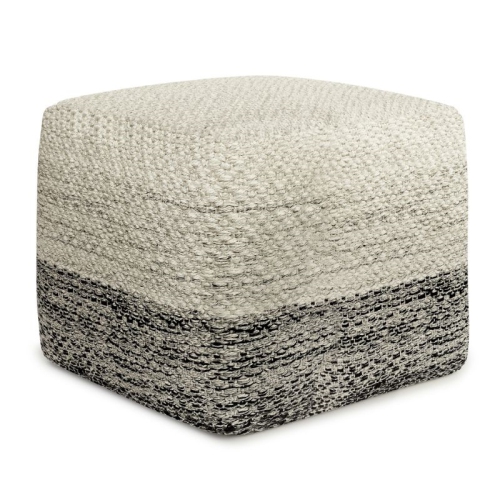
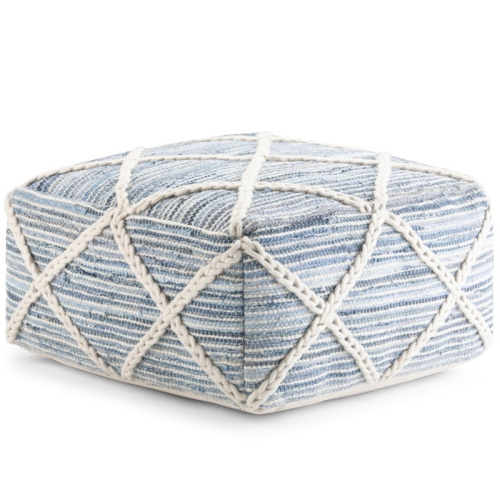
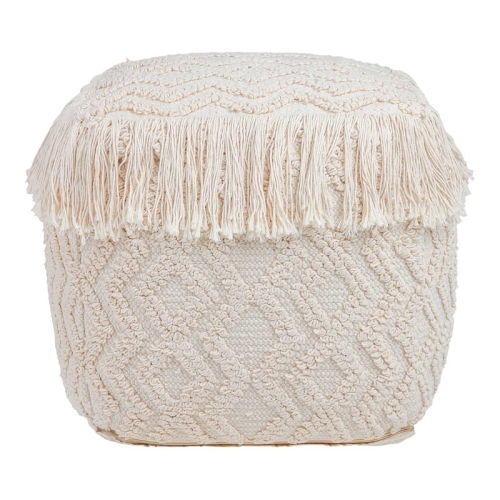
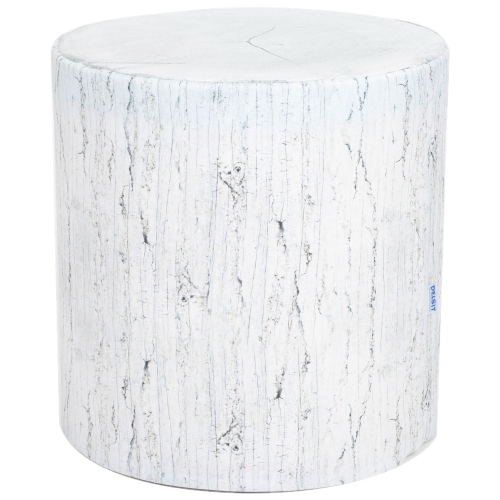
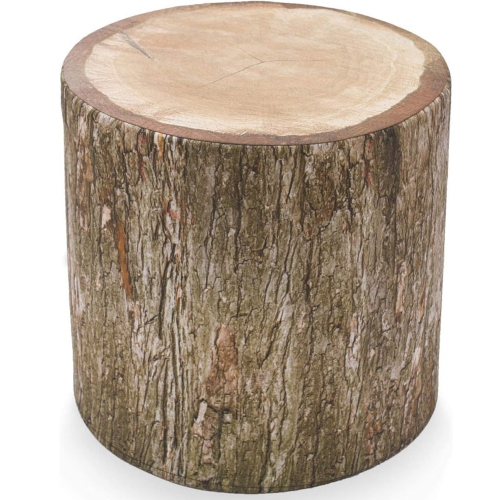
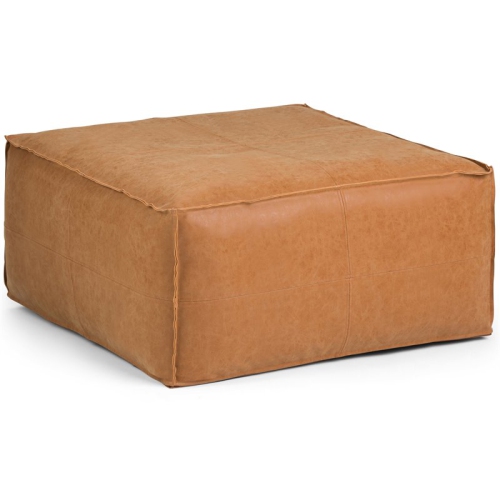
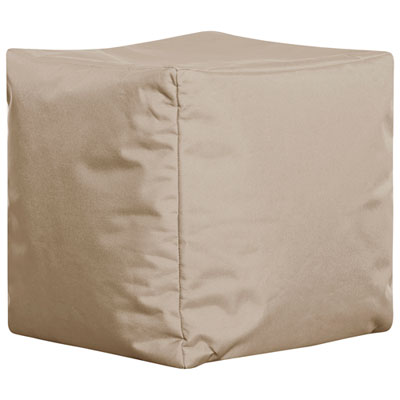
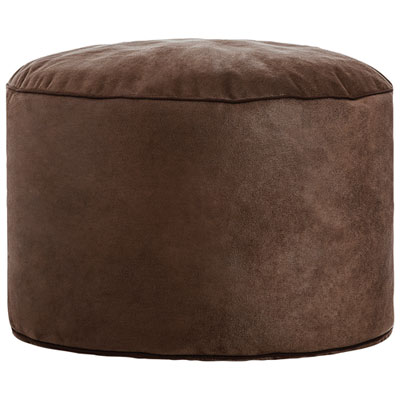
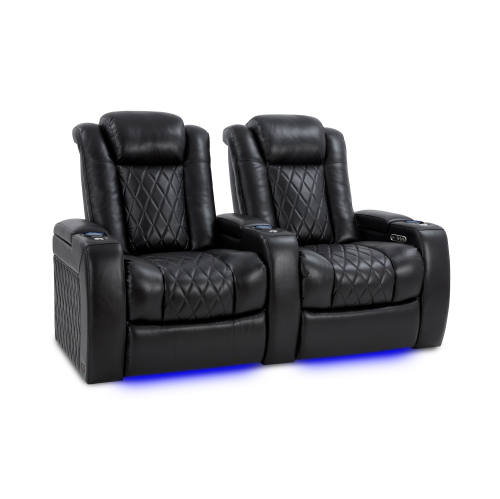

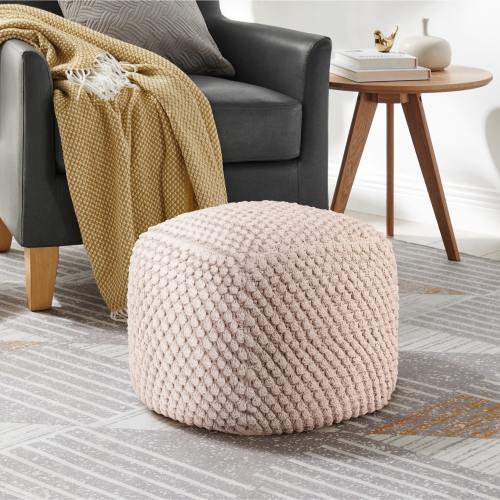
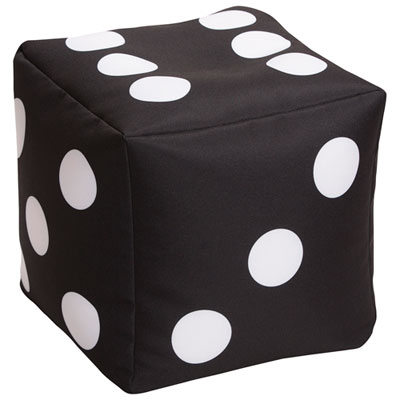
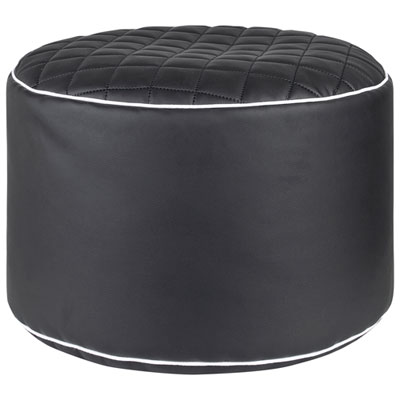
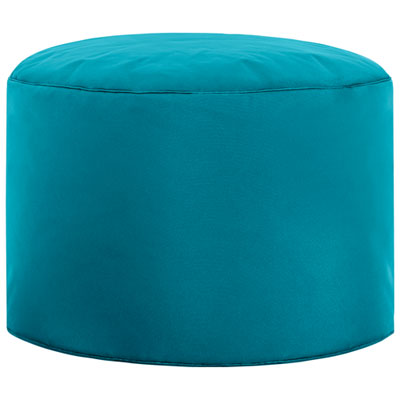
Extra seats for guests without a roomful of chairs
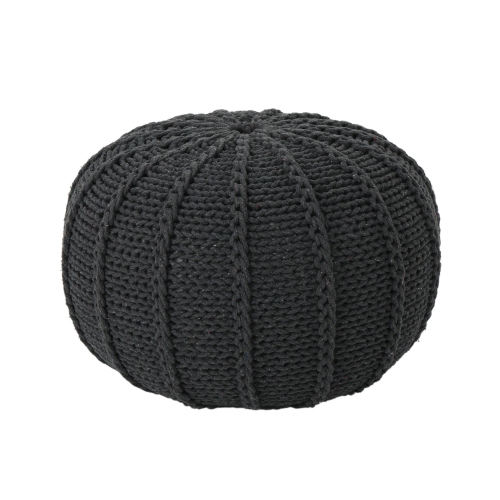
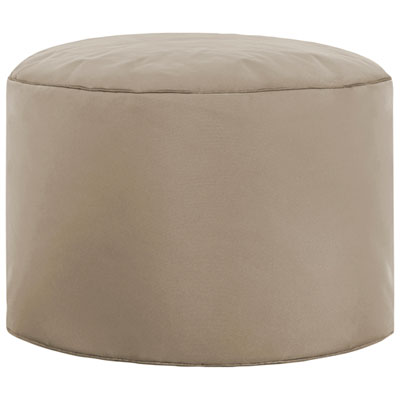
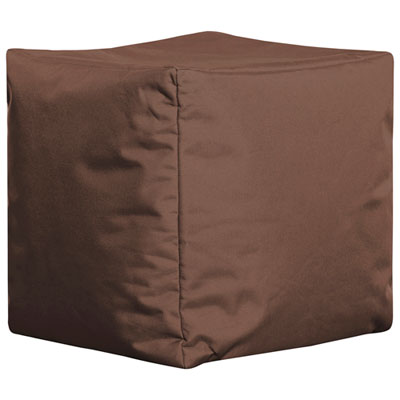
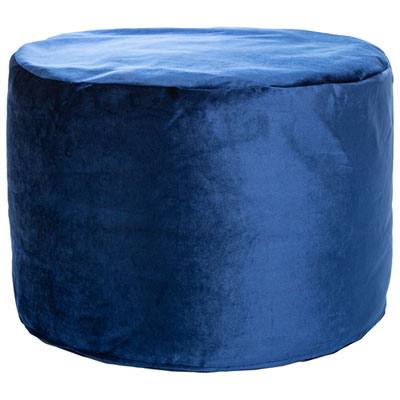
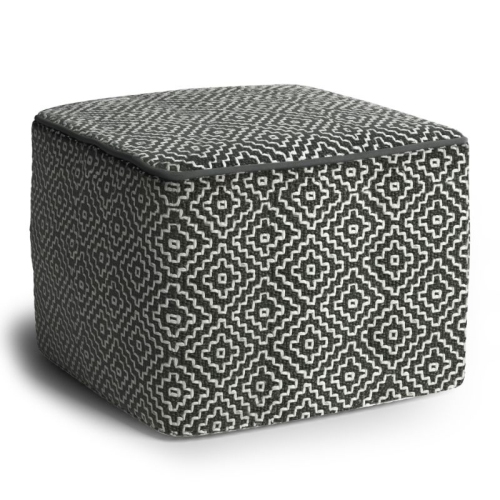
Poufs for seating are compact, upholstered furnishings that provide a low, casual place to sit without the size or structure of a traditional armchair. Usually round, square, or cylindrical, they can bring extra seating to a living room, reading nook, bedroom, or shared family space. Their appeal is in their flexibility: a pouf can sit beside the sofa as a footrest, move closer to a board game when friends visit, or tuck beneath an open console when the floor needs to stay clear. Unlike a chair, a typical pouf has no backrest or arms, so it is generally better suited to relaxed, shorter periods of sitting than hours of desk work or dining. Some have a firm, defined shape, while others settle around the person sitting on them. That difference matters when choosing a pouf primarily as a seat rather than as an accent or footrest. A level top, supportive filling, and a base that sits securely on the floor make casual seating more comfortable. In a small apartment, a pair of compact poufs can create places for guests to perch without permanently filling the room with chairs. In a larger living area, they can bring people closer together around a coffee table or provide an informal spot near a bookshelf. During the cooler months, soft upholstery and a textured throw nearby can make a reading corner feel especially inviting. Poufs can also be thoughtful housewarming gifts for someone furnishing a first home, provided their preferred colours, room dimensions, and seating needs are known. Their usefulness depends less on making a statement than on fitting naturally into daily routines, whether that means pulling up a seat for a conversation or having somewhere comfortable to rest tired feet. For anyone who needs back support or finds low seating difficult to rise from, a conventional chair is usually the more practical everyday choice.
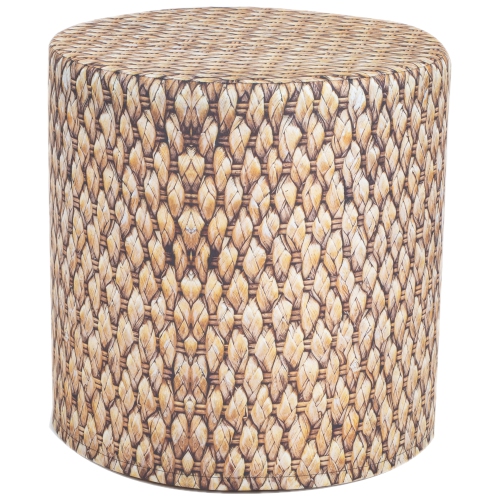
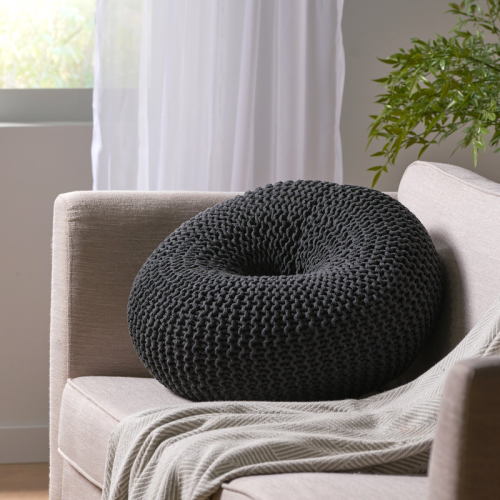
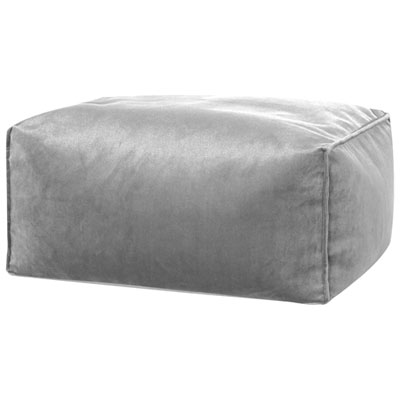
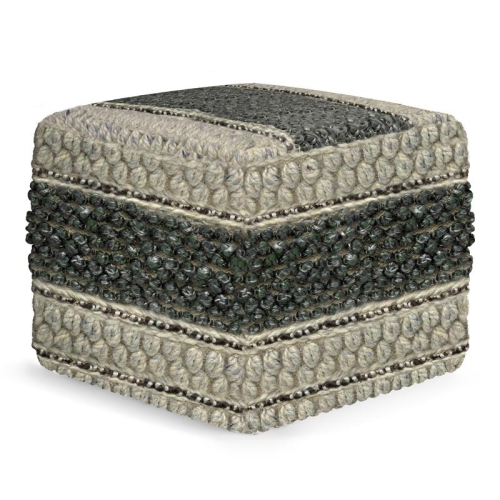
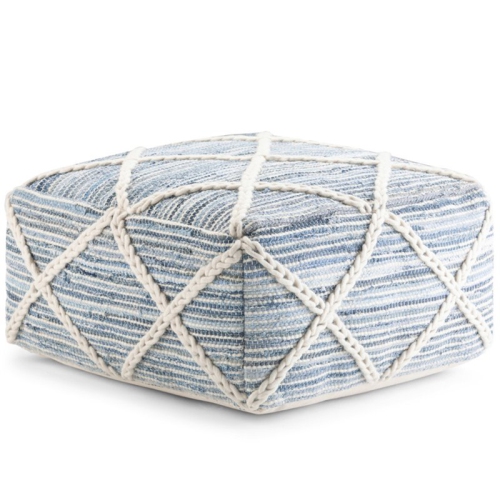
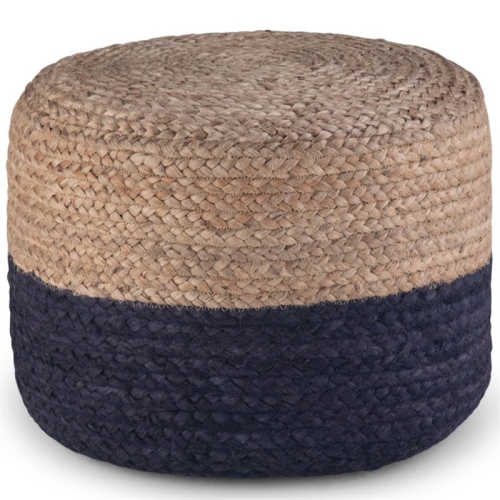
Materials give seating poufs much of their character, but texture is only part of the decision. Cotton covers can feel soft and relaxed, with woven or knitted surfaces that suit bedrooms and casual living spaces. Tightly woven fabrics generally have a smoother finish, while chunky knits introduce a more pronounced texture that may catch on jewellery, pet claws, or clothing fasteners. Bouclé brings a looped, tactile surface, and velvet has a soft pile that can look lighter or darker depending on the direction it is brushed. Both can add warmth to a room, though their care requirements deserve attention in homes where snacks, pets, and frequent use are part of the routine. Jute and braided plant-fibre covers offer a coarse, earthy texture that works well alongside wood furniture and simple upholstery. That rougher surface may feel less comfortable against bare legs than a soft fabric, particularly when sitting for longer stretches. Leather can develop visible character with use, but its finish determines how it responds to scratches, spills, and cleaning. Faux leather offers a similar visual effect with different care needs; neither material should be treated as automatically stain-proof or suitable for every household. Inside the cover, foam, fibre, beads, or mixed fillings influence how much a pouf compresses and how readily it returns to shape. A softly filled pouf may be pleasant as a footrest yet feel too yielding as a seat, while a densely filled design can provide a firmer perch. Filling may also settle over time, making construction and maintenance details important for regular seating use. Reinforced seams, securely finished edges, and a well-attached base are useful details to look for, especially if the pouf will often be moved between rooms. A removable cover can simplify care only when its cleaning instructions allow washing; removable does not necessarily mean machine washable. Routine vacuuming with a suitable upholstery attachment, prompt attention to spills, and cleaning according to the care label help preserve the finish. Leather, velvet, and coarse woven fibres may each require different treatment, so a single cleaning method is not suitable for every pouf.
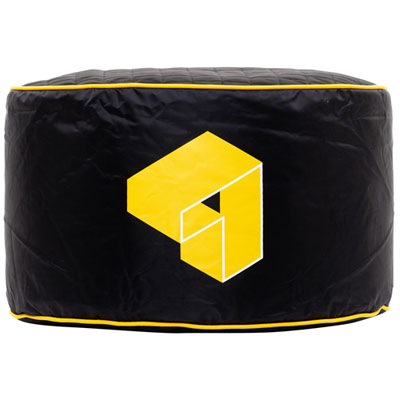
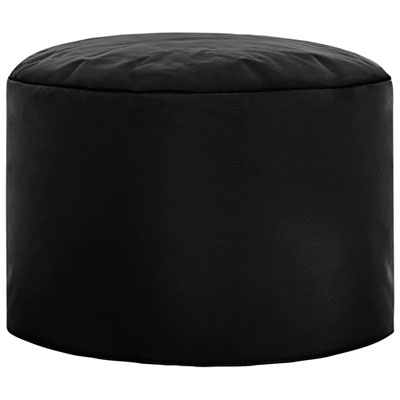
Size and placement determine whether a pouf feels useful or simply gets in the way. Check its full width, depth, and height against the space where it will sit, leaving room for walking routes, opening drawers, and moving around nearby furniture. A low pouf can work well for floor-level activities, while a taller, firmer shape may feel closer to a conventional seat, although the surface can sink under weight. If it will double as a footrest, its height relative to the sofa or armchair matters: a comfortable position should not push the knees awkwardly upward. For seating, confirm that the stated intended use includes sitting and follow any specified weight limit; an upholstered accent is not necessarily built to support a person. A pouf should not be used as a step stool. In a family room, a broad, stable base can be helpful when people shift position, and the floor surface should not allow the pouf to slide easily. Lighter designs are convenient to move, but handles, where included, should be used only as directed. Colour and shape can help tie the room together without requiring every piece to match. Round poufs soften the lines of rectangular sofas and tables, while square shapes fit neatly beside angular furniture. Neutral shades blend easily with changing cushions and throws, and Black Poufs can provide a dark accent beside pale upholstery, warm wood, or a patterned rug. Dark upholstery may make some marks less noticeable, but lint and light-coloured pet hair can stand out against it. If a pouf will occasionally hold a tray, a firm, level surface is preferable, though soft seating should not be treated as a dependable table for hot drinks or fragile objects. Indoor upholstery also belongs indoors unless the pouf is expressly designed for outdoor use. Matching its proportions, support, and care needs to the room makes it a practical addition that can shift comfortably between everyday relaxation and extra seating when company arrives.
Materials give seating poufs much of their character, but texture is only part of the decision. Cotton covers can feel soft and relaxed, with woven or knitted surfaces that suit bedrooms and casual living spaces. Tightly woven fabrics generally have a smoother finish, while chunky knits introduce a more pronounced texture that may catch on jewellery, pet claws, or clothing fasteners. Bouclé brings a looped, tactile surface, and velvet has a soft pile that can look lighter or darker depending on the direction it is brushed. Both can add warmth to a room, though their care requirements deserve attention in homes where snacks, pets, and frequent use are part of the routine. Jute and braided plant-fibre covers offer a coarse, earthy texture that works well alongside wood furniture and simple upholstery. That rougher surface may feel less comfortable against bare legs than a soft fabric, particularly when sitting for longer stretches. Leather can develop visible character with use, but its finish determines how it responds to scratches, spills, and cleaning. Faux leather offers a similar visual effect with different care needs; neither material should be treated as automatically stain-proof or suitable for every household. Inside the cover, foam, fibre, beads, or mixed fillings influence how much a pouf compresses and how readily it returns to shape. A softly filled pouf may be pleasant as a footrest yet feel too yielding as a seat, while a densely filled design can provide a firmer perch. Filling may also settle over time, making construction and maintenance details important for regular seating use. Reinforced seams, securely finished edges, and a well-attached base are useful details to look for, especially if the pouf will often be moved between rooms. A removable cover can simplify care only when its cleaning instructions allow washing; removable does not necessarily mean machine washable. Routine vacuuming with a suitable upholstery attachment, prompt attention to spills, and cleaning according to the care label help preserve the finish. Leather, velvet, and coarse woven fibres may each require different treatment, so a single cleaning method is not suitable for every pouf.
Size and placement determine whether a pouf feels useful or simply gets in the way. Check its full width, depth, and height against the space where it will sit, leaving room for walking routes, opening drawers, and moving around nearby furniture. A low pouf can work well for floor-level activities, while a taller, firmer shape may feel closer to a conventional seat, although the surface can sink under weight. If it will double as a footrest, its height relative to the sofa or armchair matters: a comfortable position should not push the knees awkwardly upward. For seating, confirm that the stated intended use includes sitting and follow any specified weight limit; an upholstered accent is not necessarily built to support a person. A pouf should not be used as a step stool. In a family room, a broad, stable base can be helpful when people shift position, and the floor surface should not allow the pouf to slide easily. Lighter designs are convenient to move, but handles, where included, should be used only as directed. Colour and shape can help tie the room together without requiring every piece to match. Round poufs soften the lines of rectangular sofas and tables, while square shapes fit neatly beside angular furniture. Neutral shades blend easily with changing cushions and throws, and Black Poufs can provide a dark accent beside pale upholstery, warm wood, or a patterned rug. Dark upholstery may make some marks less noticeable, but lint and light-coloured pet hair can stand out against it. If a pouf will occasionally hold a tray, a firm, level surface is preferable, though soft seating should not be treated as a dependable table for hot drinks or fragile objects. Indoor upholstery also belongs indoors unless the pouf is expressly designed for outdoor use. Matching its proportions, support, and care needs to the room makes it a practical addition that can shift comfortably between everyday relaxation and extra seating when company arrives.
Top selling and popular products
-
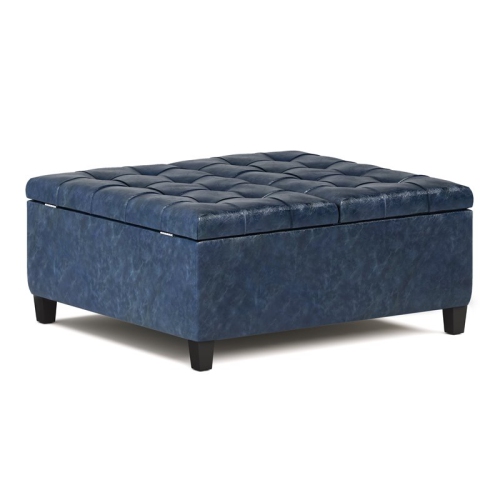 Your price for this item is $1016.33
 -
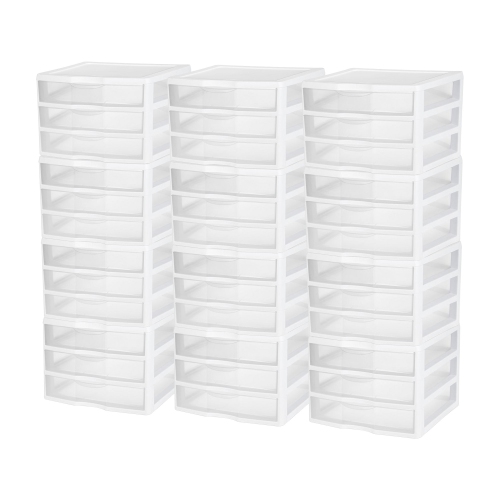 Your price for this item is $530.99
 -
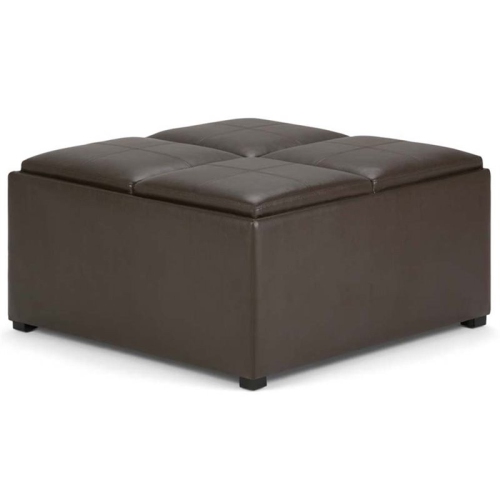 Your price for this item is $1109.94
 -
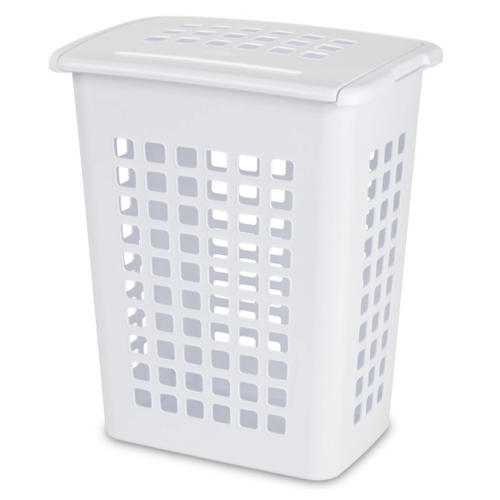 Your price for this item is $1403.99
 -
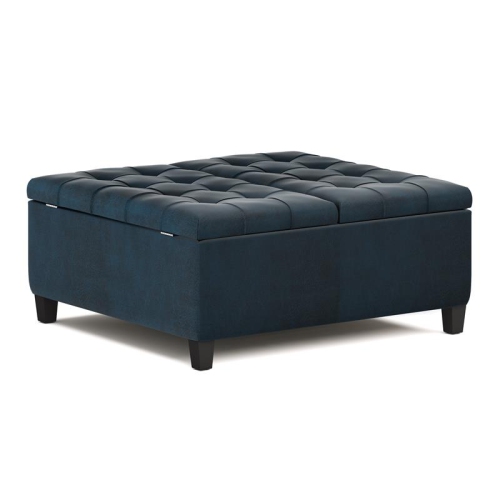 Your price for this item is $1018.38
 -
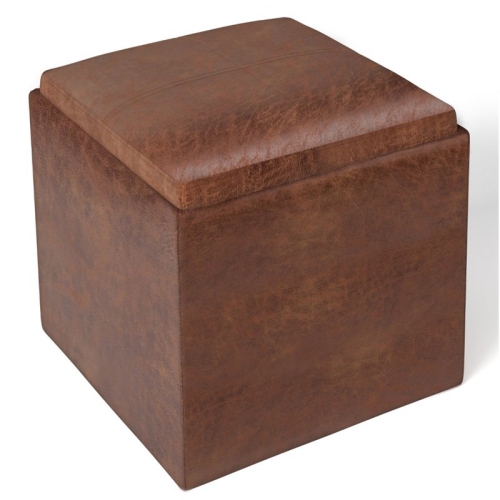 Your price for this item is $339.24
 -
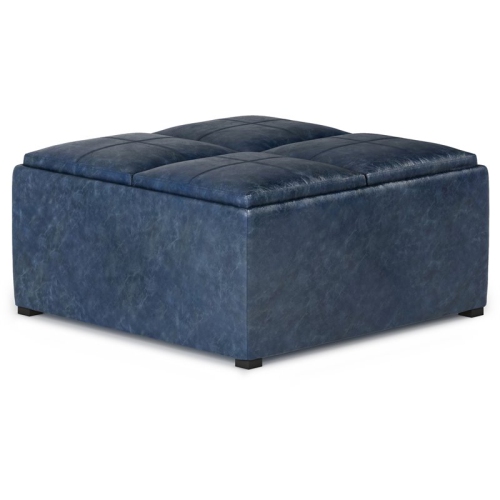 Your price for this item is $1174.21
 -
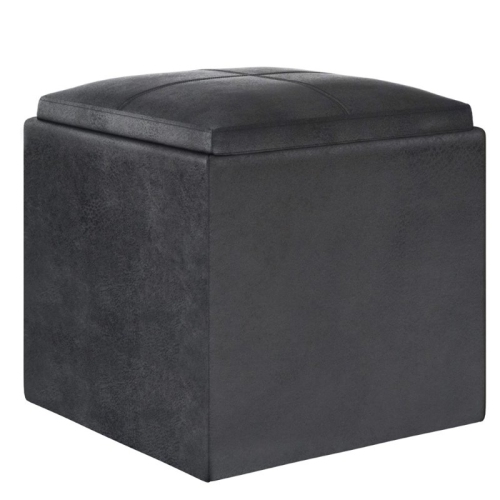 Your price for this item is $346.6
Discover more categories related to Poufs for Seating
Top Collections:
Pokemon Centers, Kindle Devices, Best Budget Office Chairs, Apple iPhones 16, Best Laptops for Writers, iPhone 15 Apple, Canon G7X Cameras, Refurbished Apple Laptops, Alarm Clock, Motorola Razr Phones
Some products may be subject to Environmental Handling Fees
(EHF) depending on your province.
Learn more about EHFs.