Power Snow Shovels
Clear your driveway and walkways with ease this winter with our selection of power snow shovels. These efficient and durable tools are designed to make snow removal a breeze, saving you time and effort. Whether you're dealing with light snow or heavy drifts, our power snow shovels are equipped to handle the job. With their powerful motors and adjustable features, you'll be able to clear away snow quickly and efficiently. Say goodbye to back-breaking manual shoveling and hello to a more convenient way to tackle winter weather.
Sort




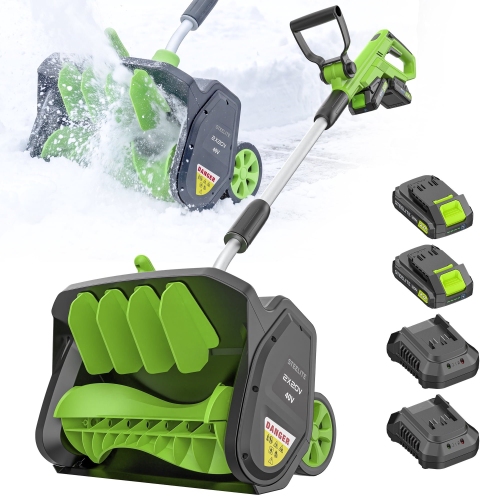


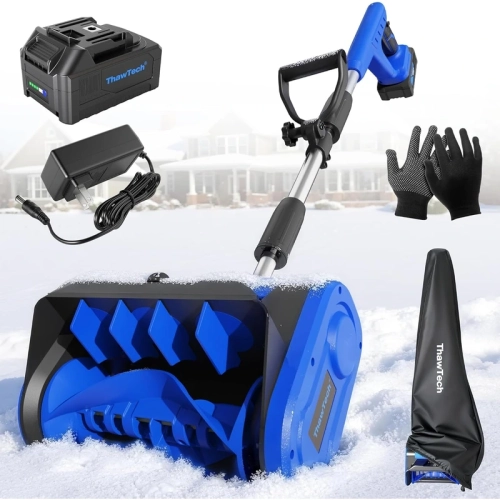


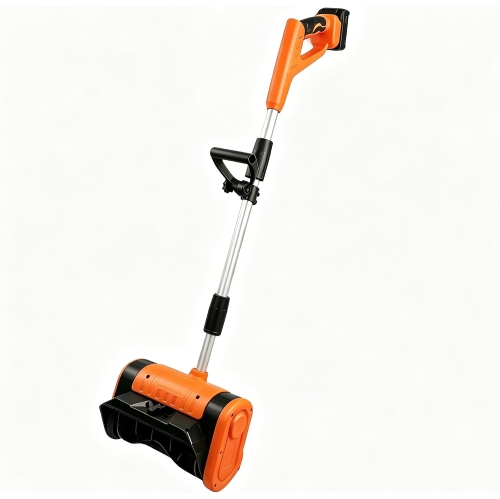


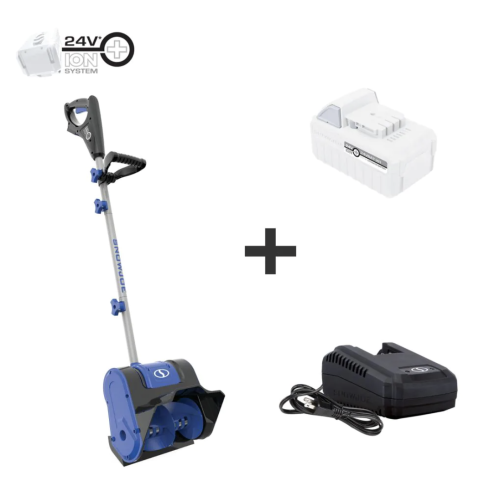
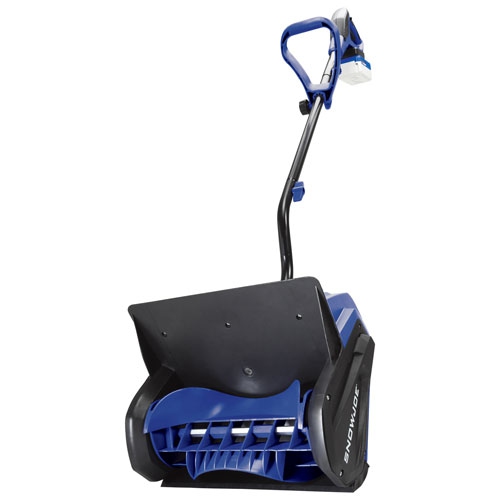
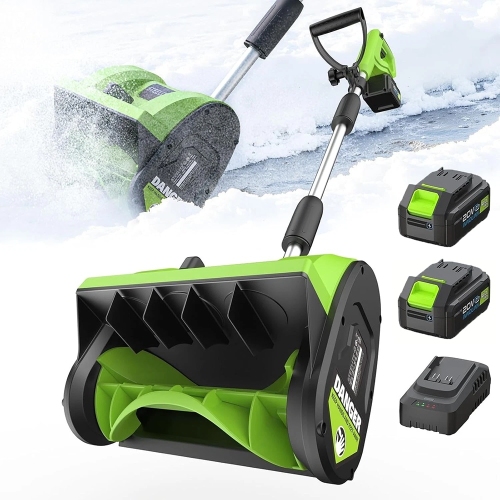
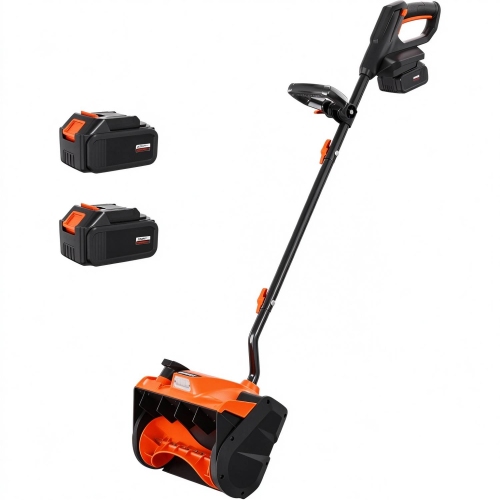

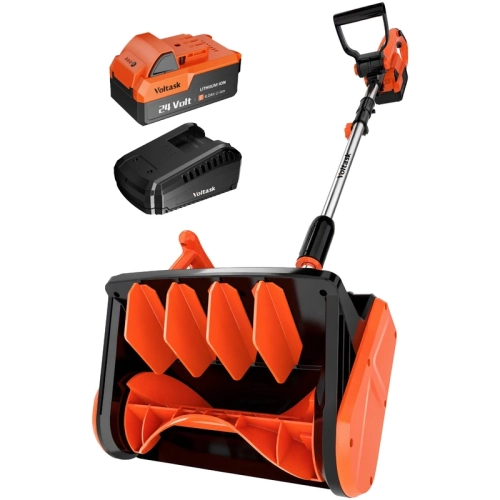
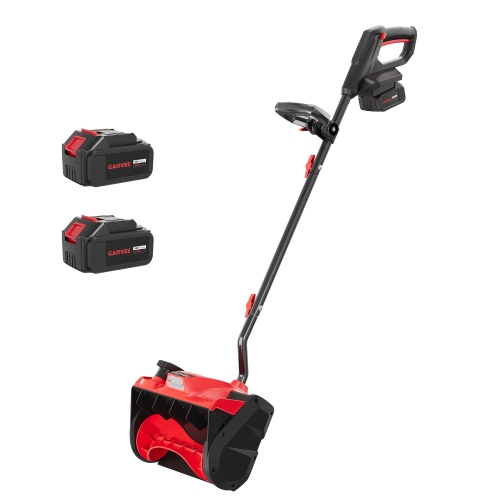

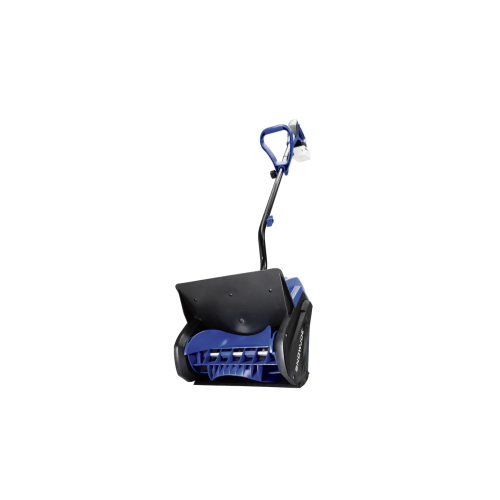
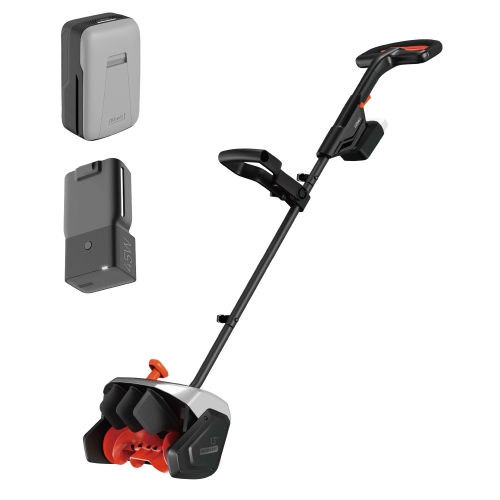


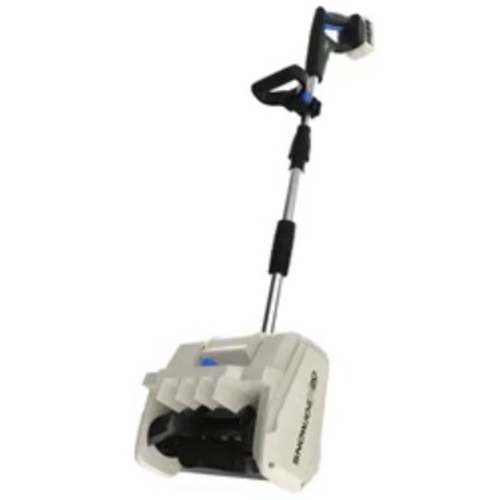





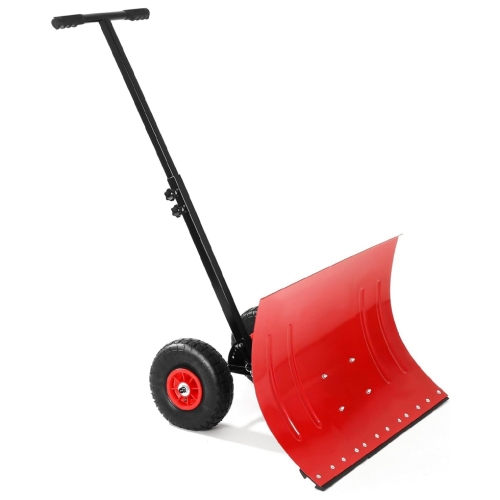
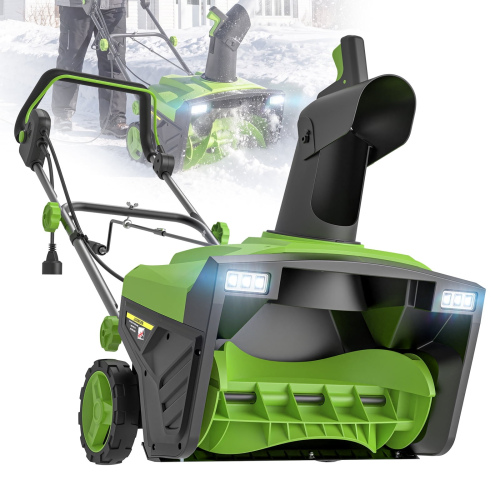
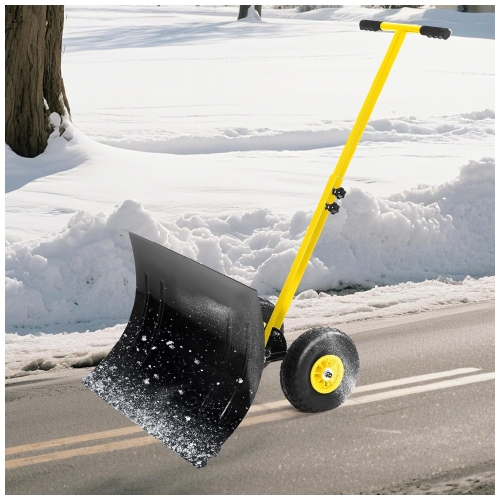

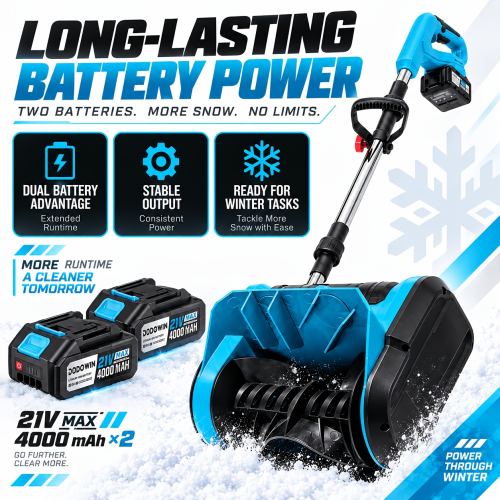
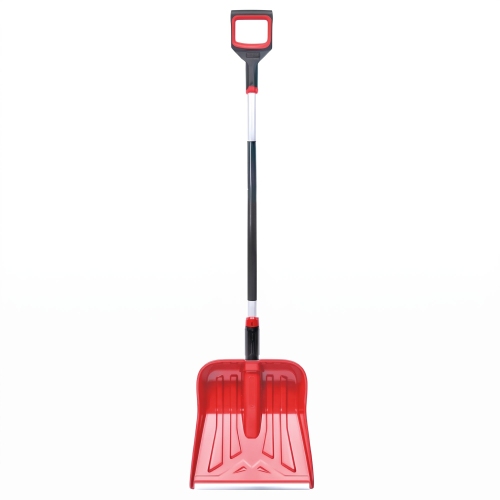
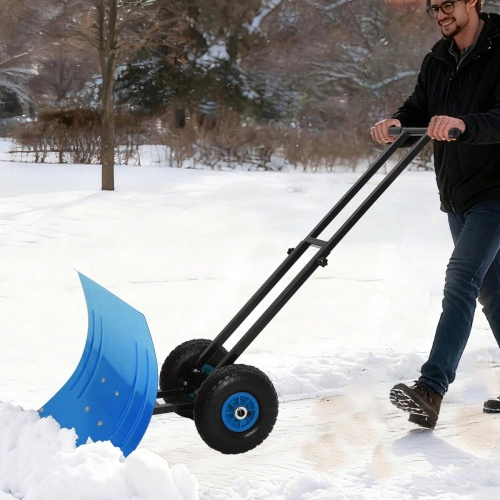
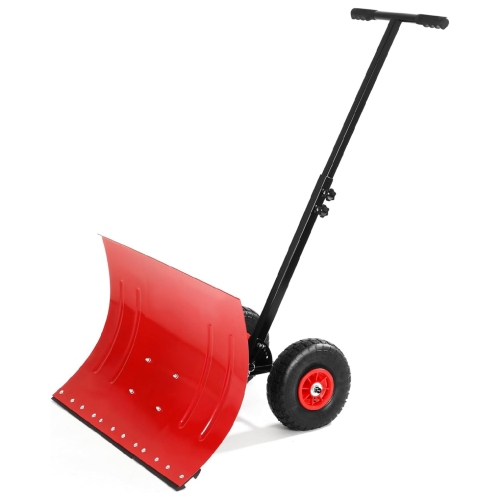
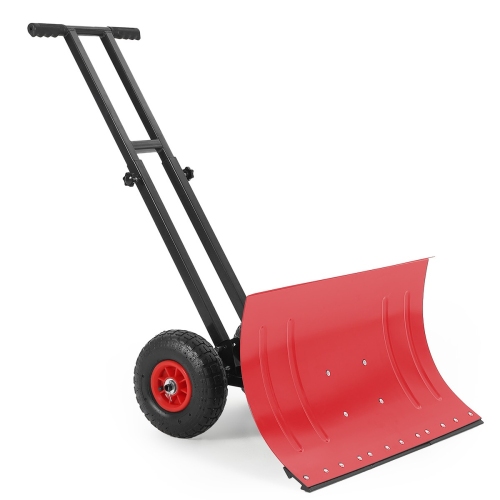

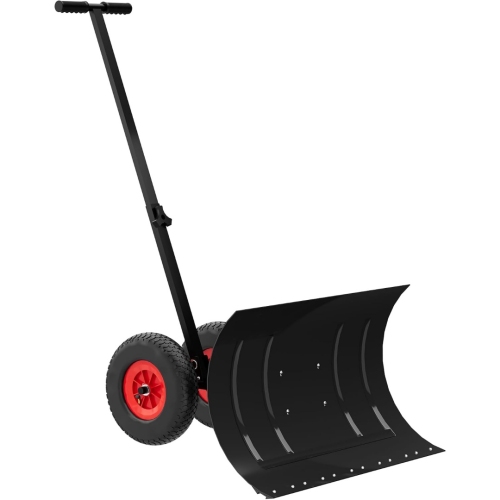
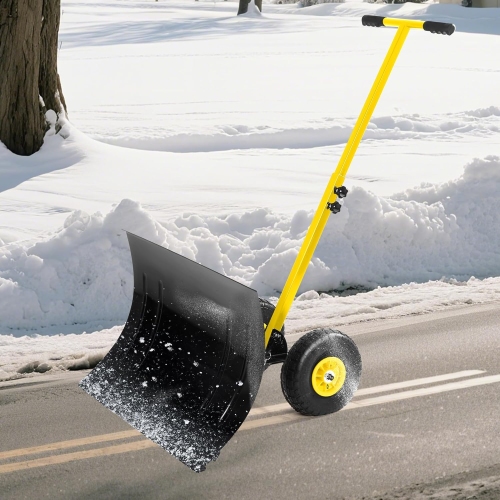
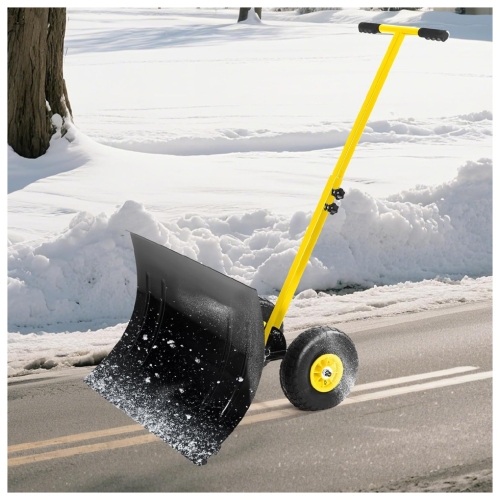
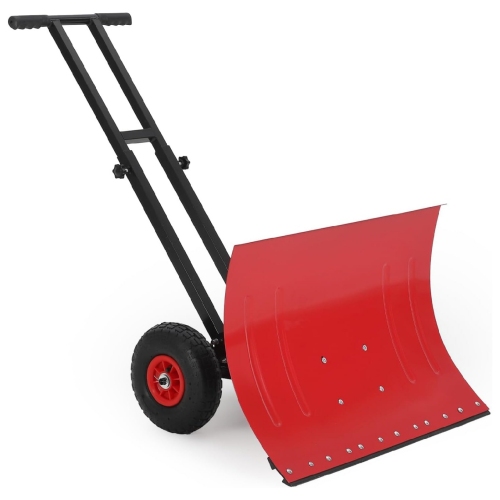
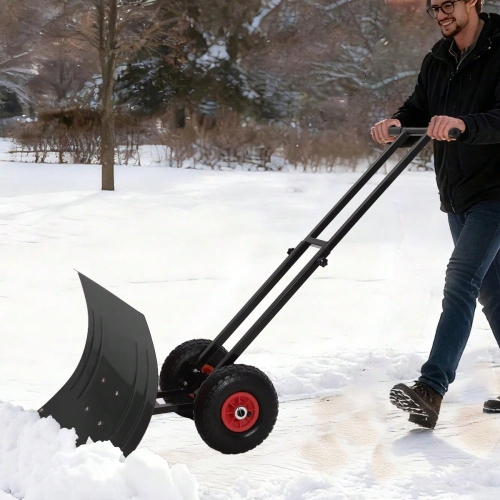
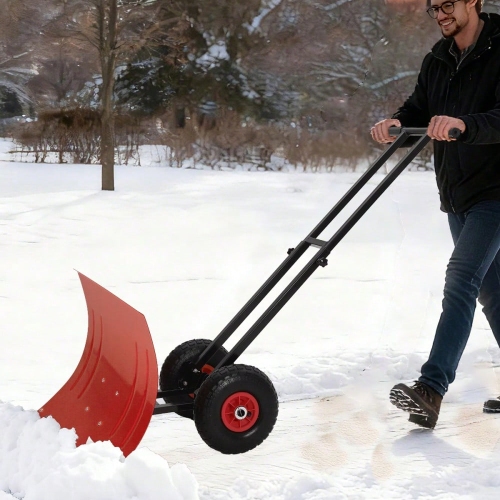
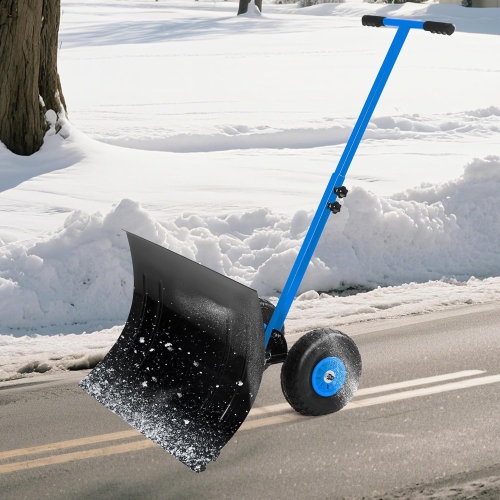


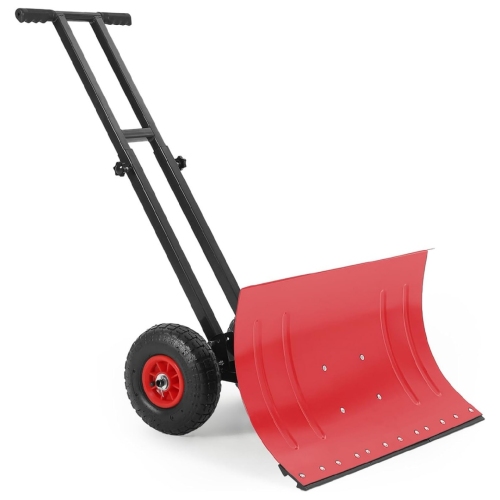
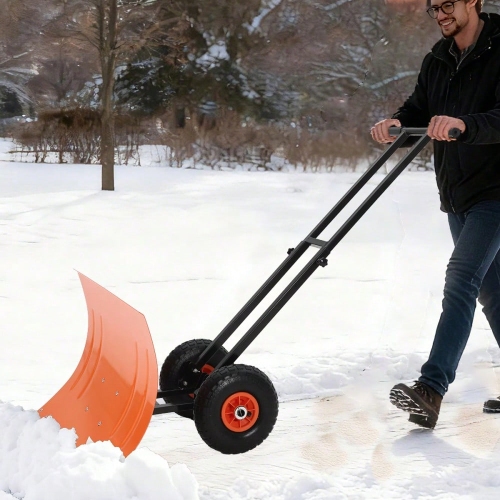
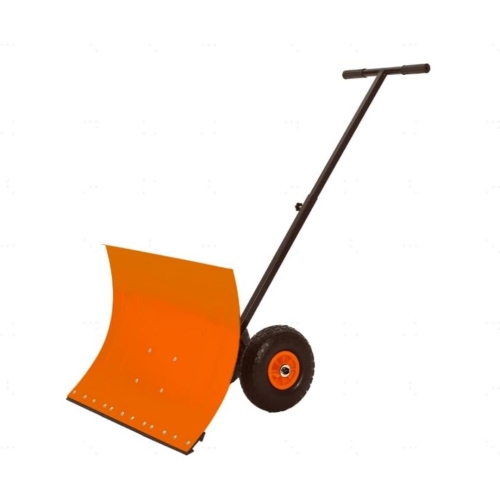


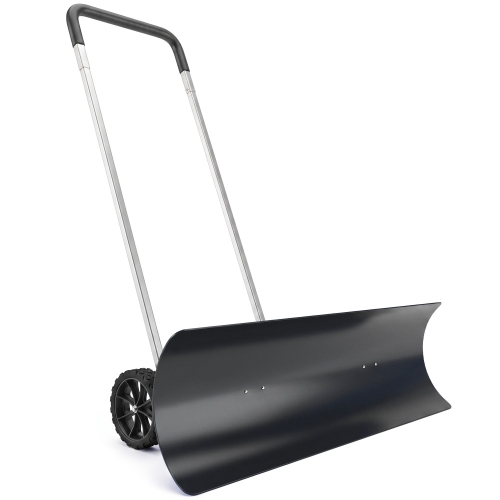


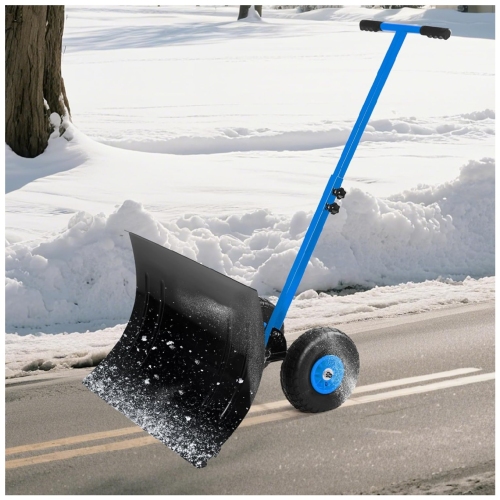
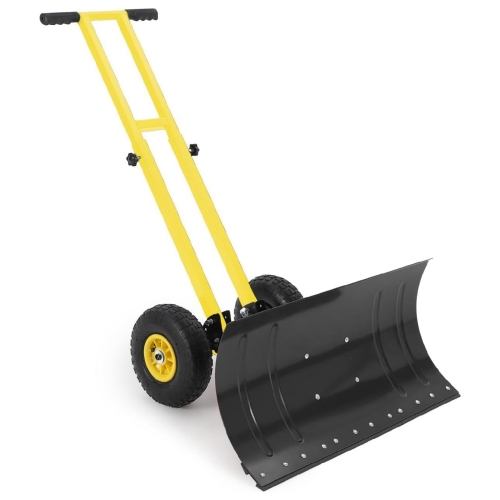


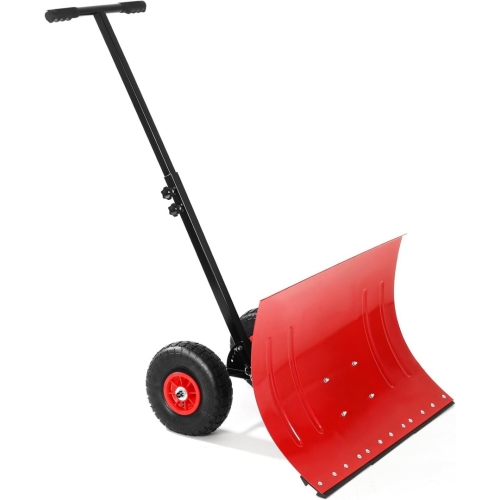


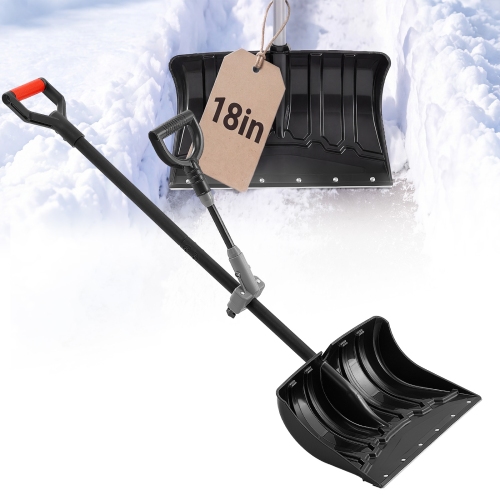
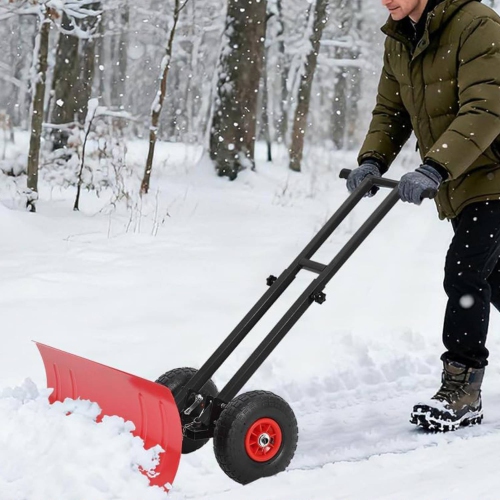


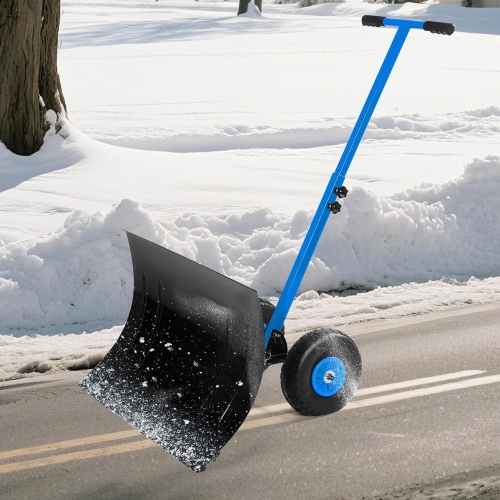

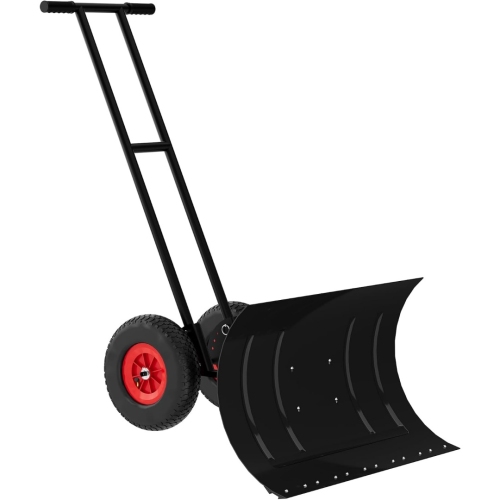

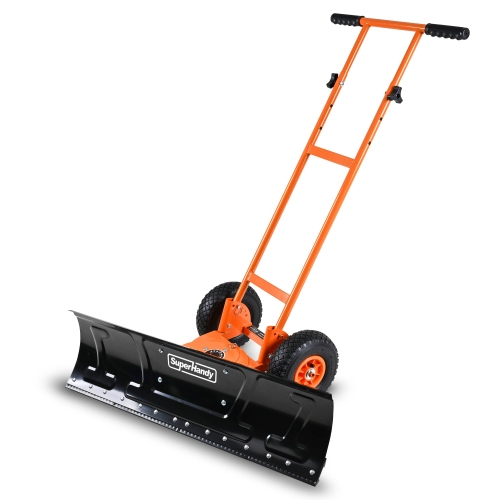

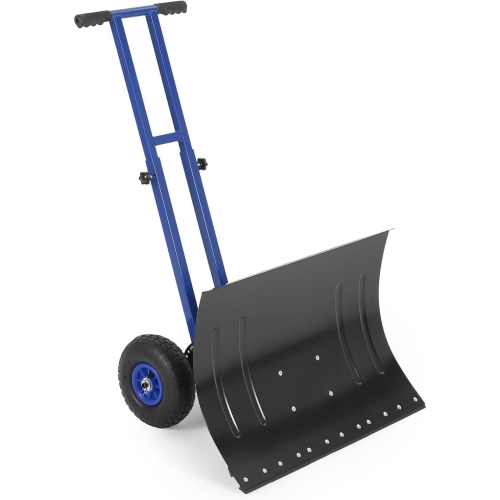
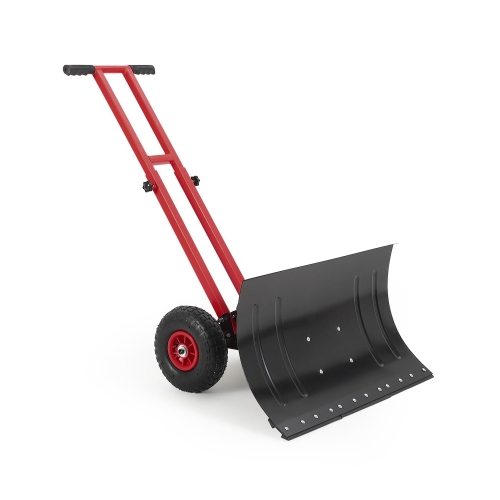
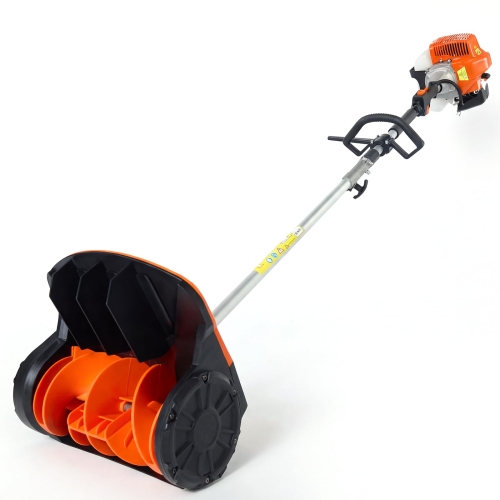
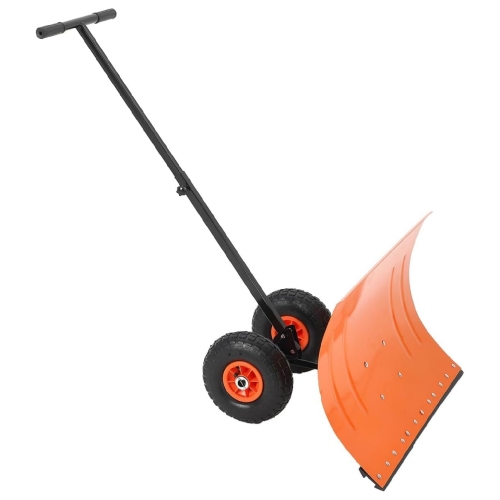

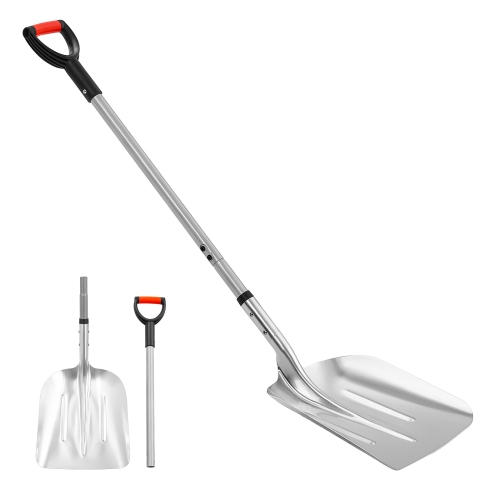




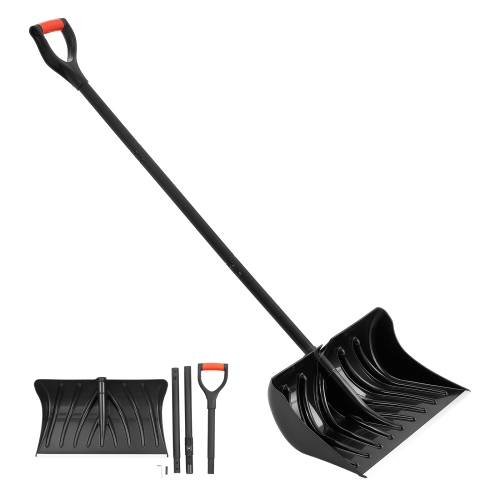
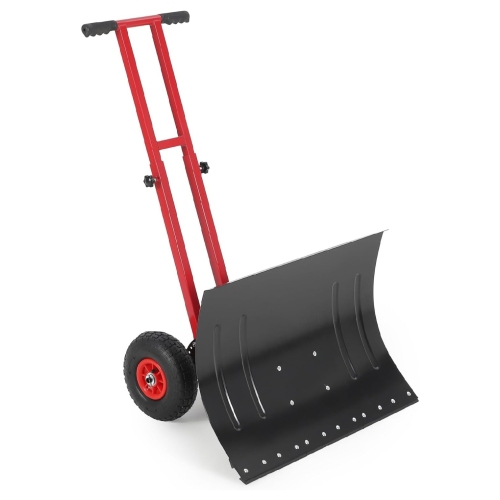
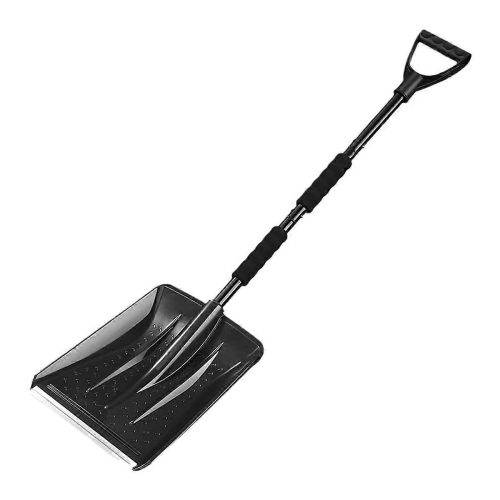

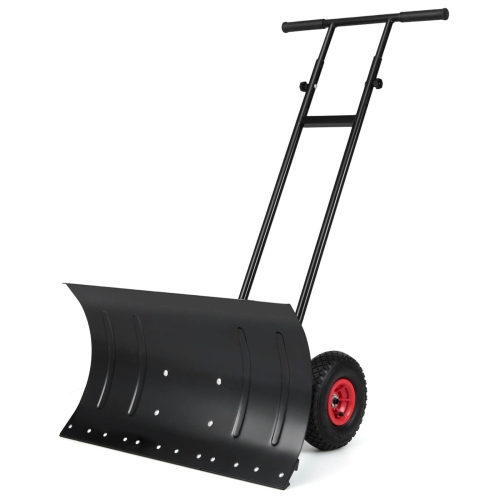

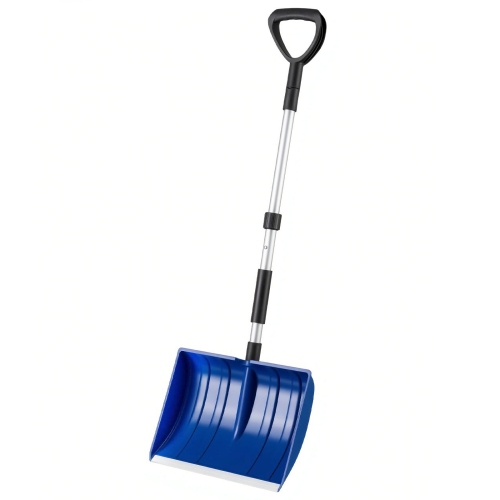
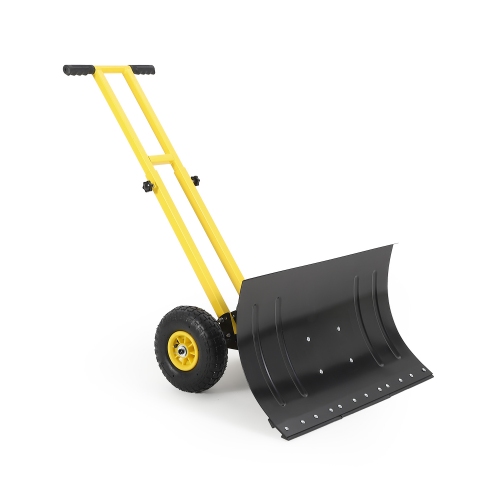
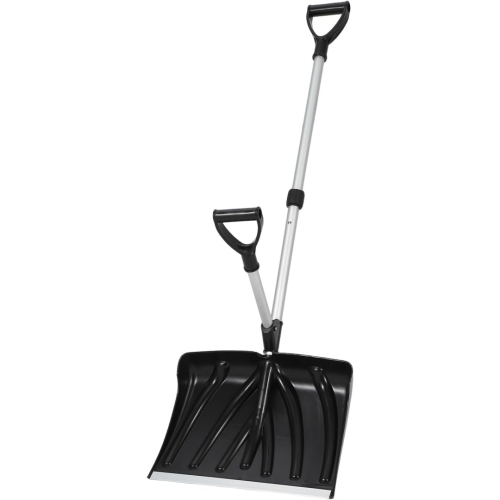
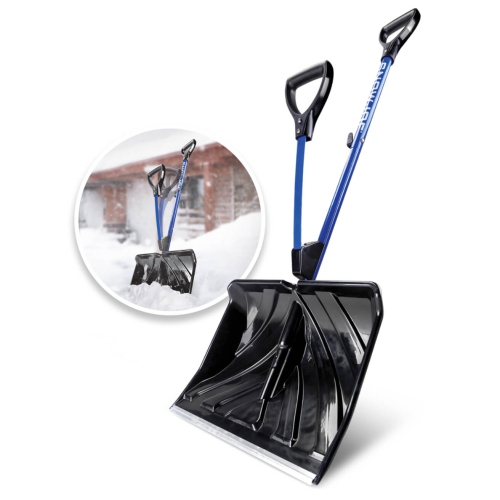
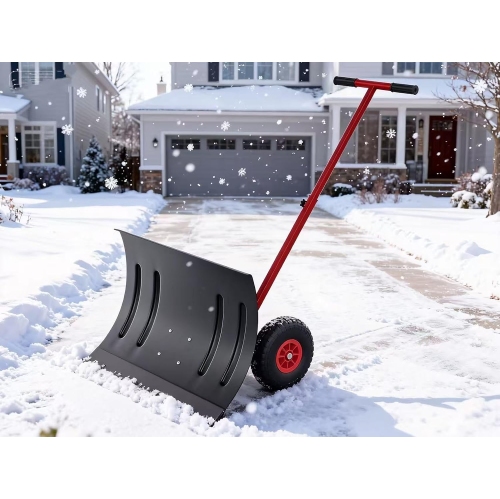
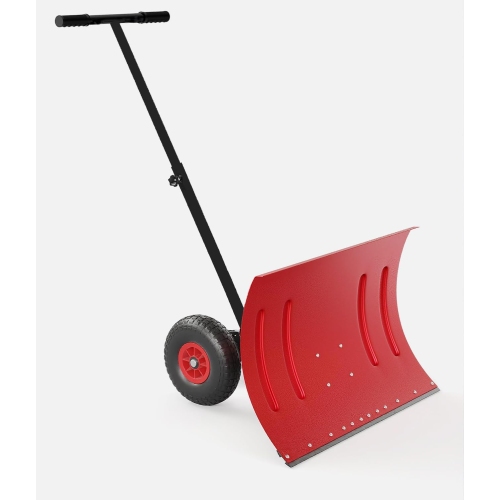
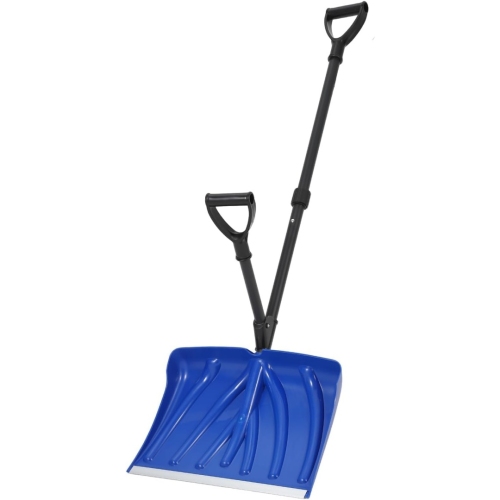
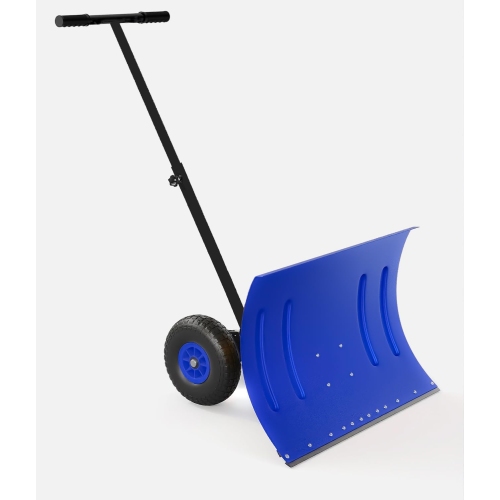

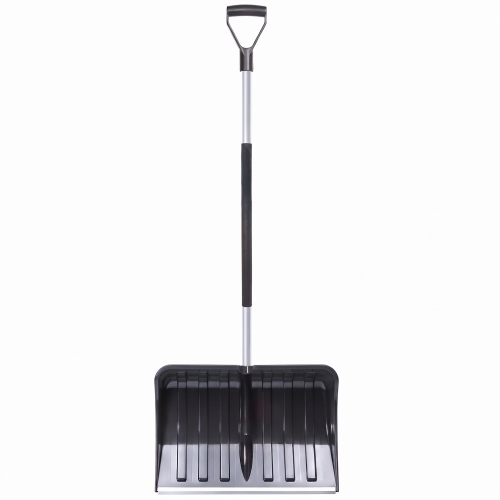
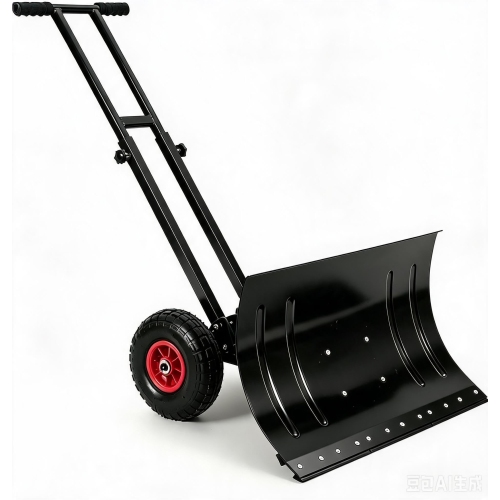
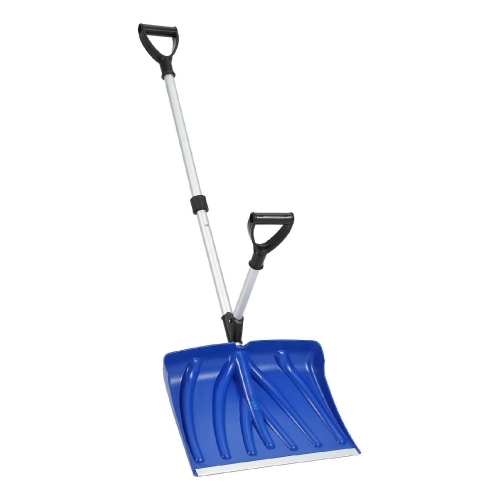
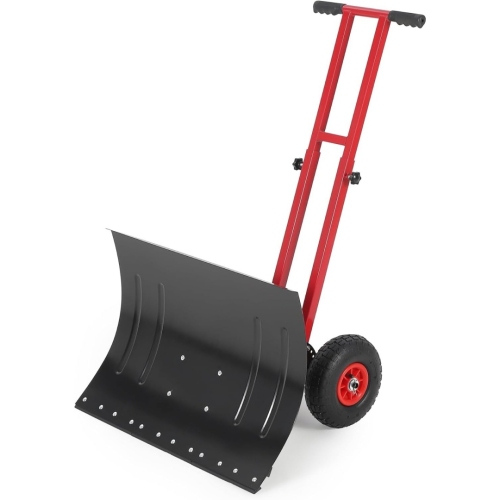
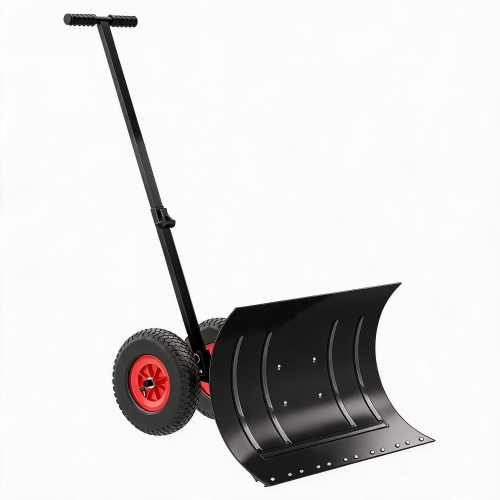
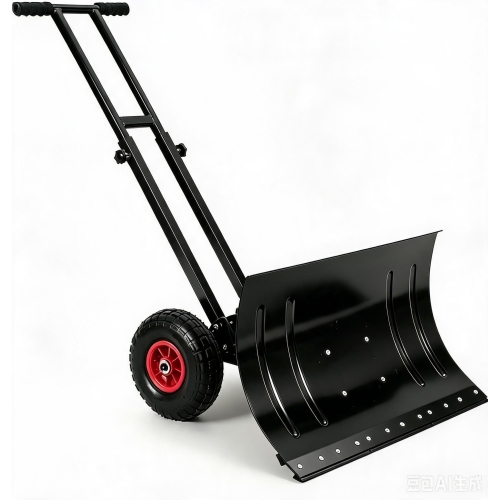
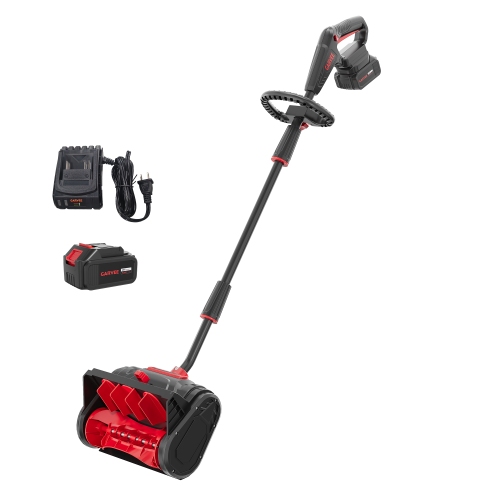
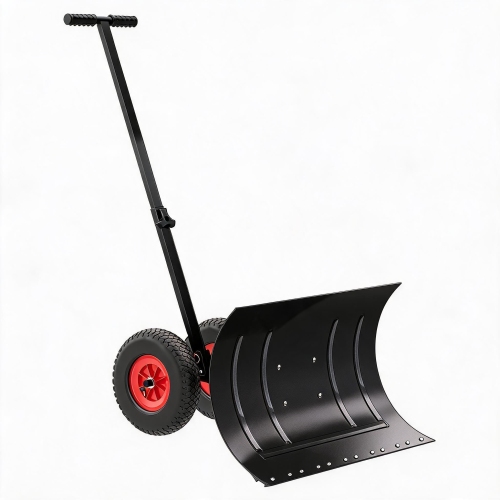
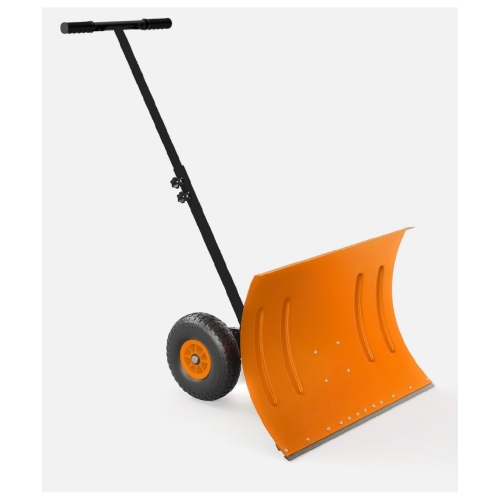
Less lifting for light snow on narrow paths
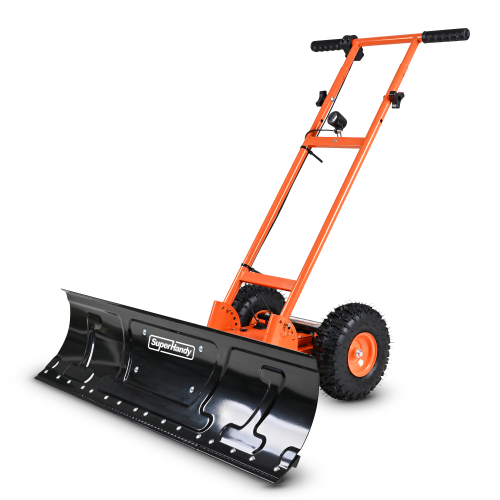
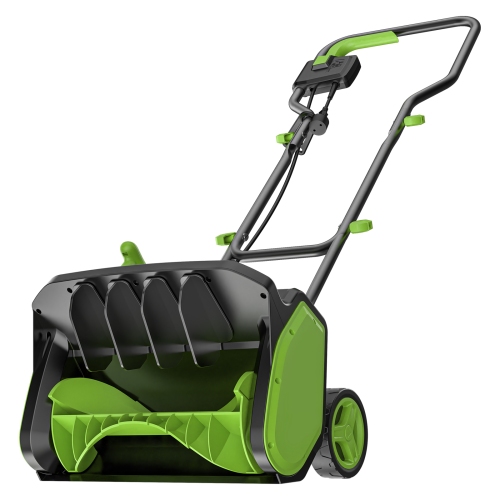
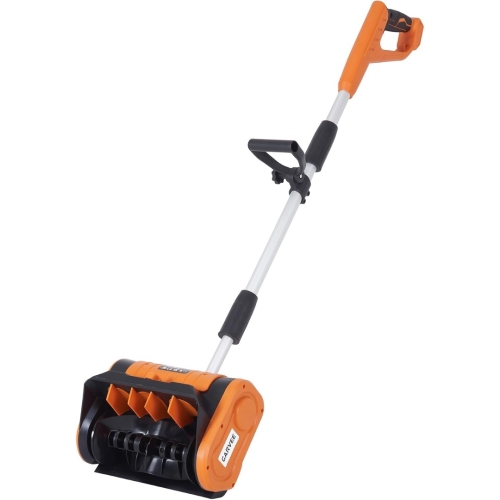
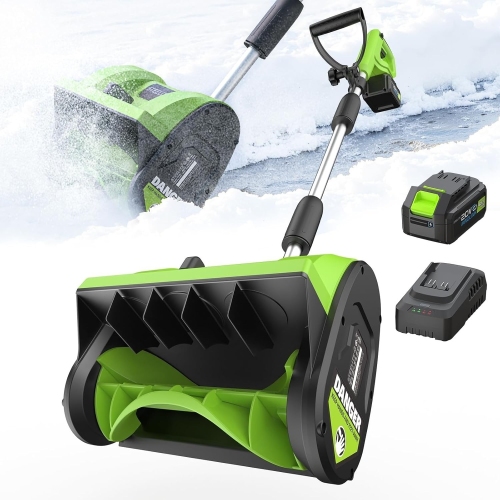
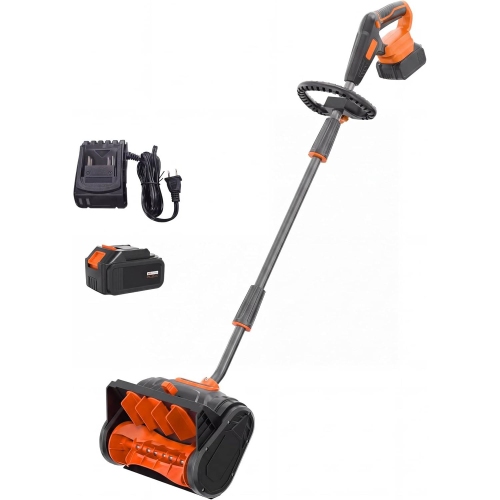
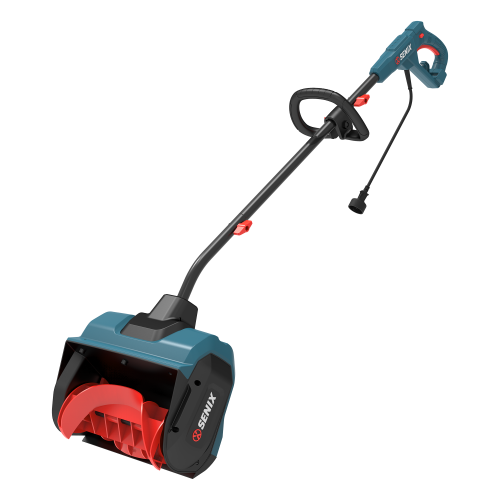
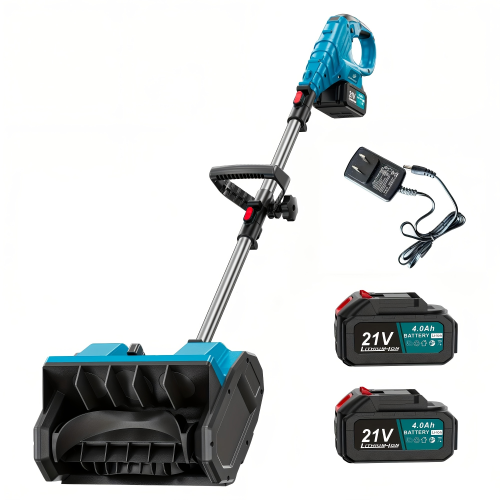
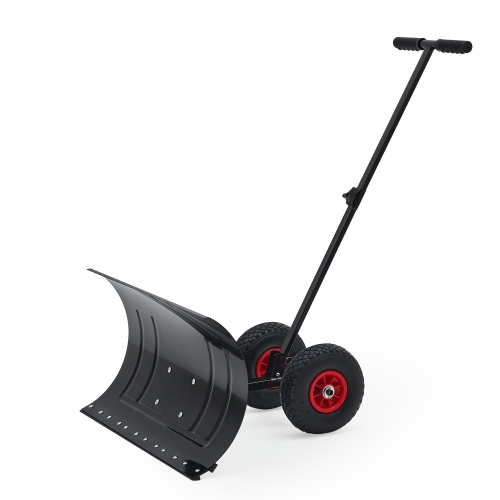
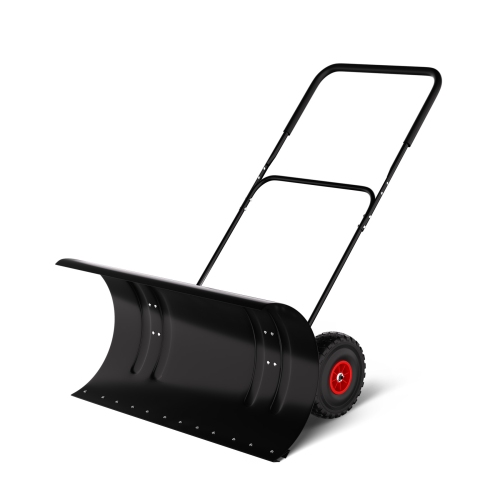
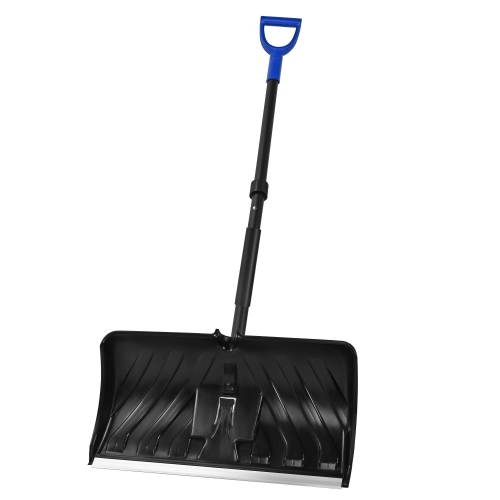
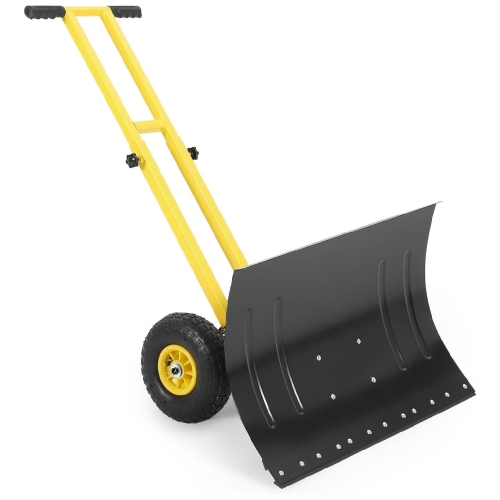
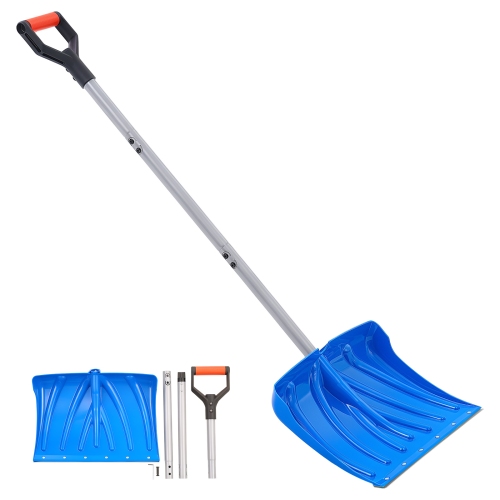
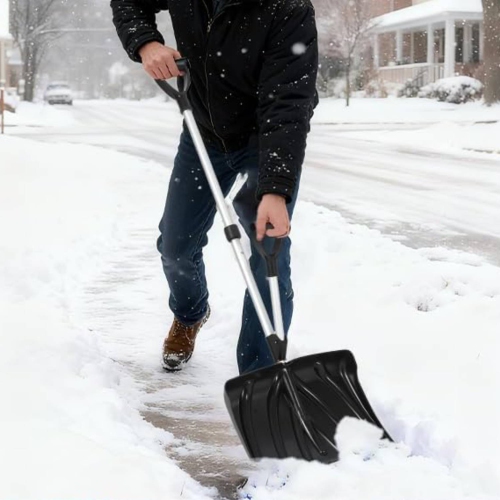
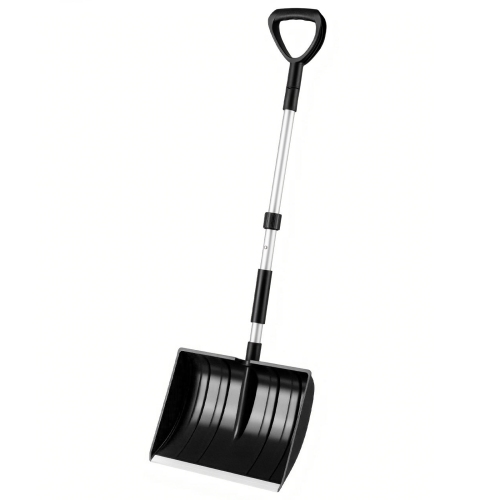
Power snow shovels are compact, motorized tools that move snow with a rotating paddle or auger, reducing the repeated scooping and lifting involved in using a manual shovel. Their narrow clearing heads and upright handles make them well suited to walkways, front entrances, patios, and small paved areas where a full-sized snow blower can feel cumbersome. A 10- to 13-inch clearing width is common in this category, although dimensions vary by model. Some designs can handle light snow approaching a 6-inch depth and throw it roughly 15 to 25 feet under suitable conditions; actual performance depends on snow density, wind, battery charge or power supply, and the tool’s specifications. Fresh, loose snow is generally easier to move than slush, packed footprints, or the dense ridge left by a street plow. Power snow shovels are best understood as tools for manageable accumulations rather than substitutes for larger machines in every situation. A short path from the front door to the pavement, a narrow strip beside a parked car, or a patio door landing can be a practical match for their size. Compact heads also fit into spaces that leave little room for turning, though the operator still needs secure footing and enough clearance to control the handle. Snow discharge matters as much as clearing width: a tool that throws straight ahead needs a different working space from one with an adjustable discharge direction. The landing area for displaced snow should be clear of people, vehicles, windows, and neighbouring access routes. Wind can also send fine powder back towards the operator or across a freshly cleared section. For decks, decorative paving, and other finished surfaces, suitability depends on the manufacturer’s stated uses and the condition of the surface. These tools move snow rather than break up bonded ice, so an icy patch beneath a thin white covering remains a separate traction concern.
Corded and cordless power snow shovels offer different ways to manage small-area snow clearing. A corded electric design draws power from an outlet, making the location of that outlet and the route of the extension cord important parts of its everyday usefulness. The cord needs to be rated for outdoor use and meet the tool manufacturer’s requirements for length and wire gauge. A long, awkward route around railings or parked vehicles can make cord management more demanding than the clearing itself. Cordless designs remove that tether, which can be helpful for a detached garage entrance, a side gate, or several short paths around a property. Their working time depends on battery capacity, snow conditions, and how heavily the motor is loaded; a runtime figure does not necessarily translate into the same cleared area in wet snow as it does in dry powder. Cold temperatures can affect battery performance, and charging and storage temperatures should stay within the battery manufacturer’s limits. Compatibility also extends beyond voltage: batteries and chargers must belong to the specified system. Where a compatible battery is already used for other household tools, that connection can simplify charging and storage. Comfort depends on more than the weight printed in a specification list. The assembled weight, including the battery, the balance between the handle and clearing head, and the position of an auxiliary grip all influence how the tool feels during repeated passes. An adjustable shaft or handle can help accommodate different heights without forcing an awkward reach. Controls that are manageable with winter gloves are useful, as is a grip shape that feels secure without excessive squeezing. Powered assistance reduces some lifting, but the operator still pushes, steers, turns, and sometimes carries the tool. For households sharing snow-clearing duties, a comfortable fit for more than one person can matter as much as motor output.
Materials and construction influence how a power snow shovel stands up to repeated contact with snow, moisture, and outdoor surfaces. Moulded polymer housings can keep weight manageable, while metal shafts and reinforced handle connections provide structure where the tool is pushed and steered. Auger and paddle materials vary, and neither a metal component nor a heavier build automatically makes a tool suitable for every surface. The scraper edge, ground clearance, and manufacturer’s surface recommendations are especially relevant around deck boards, uneven paving joints, and exposed fasteners. Loose gravel and hidden debris can become projectiles or damage moving parts, making surface suitability an important limit rather than a minor detail. Durability also depends on routine care: salt residue, trapped moisture, and snow left to freeze around the clearing head can affect the next use. With the tool switched off and disconnected from its power source, accessible surfaces can be cleaned according to the manual, then allowed to dry before storage. A blocked auger requires the same isolation from power and a suitable clearing tool, never a hand placed near the mechanism. Replaceable wear parts and access to the specified maintenance information are useful considerations for long-term ownership. Storage dimensions deserve attention too, particularly in a narrow garage or shared shed where the handle may project beyond the clearing head. For a wide driveway or frequent deep accumulation, Home Snow Blowers may be a more suitable category to explore, while power snow shovels can complement larger equipment on the smaller connecting paths around a home. Their appeal lies in matching a compact powered tool to a manageable job: clearing the route to a bin enclosure, opening a garden gate, or keeping an entrance accessible after light snowfall. With realistic expectations about snow type, working width, and physical effort, they can take some of the repetition out of routine winter upkeep.
Top selling and popular products
-
 Your price for this item is $399.99
-
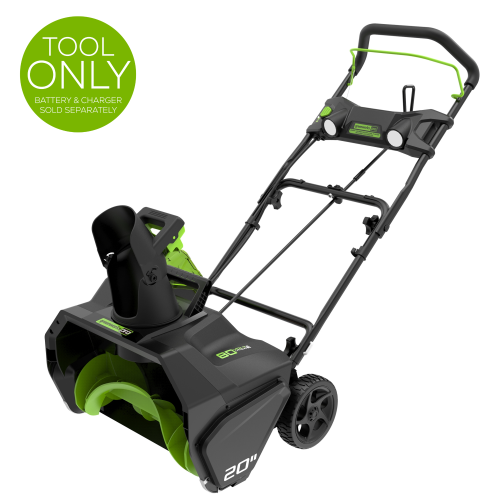 Your price for this item is $449.99
-
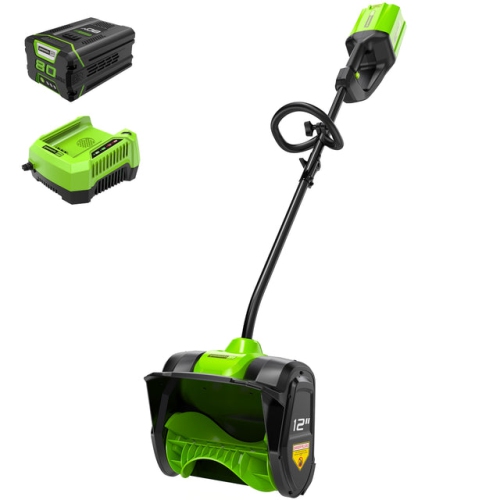 Your price for this item is $341.99
-
 Your price for this item is $339.99
-
 Your price for this item is $113.99
-
 Your price for this item is $429.99
-
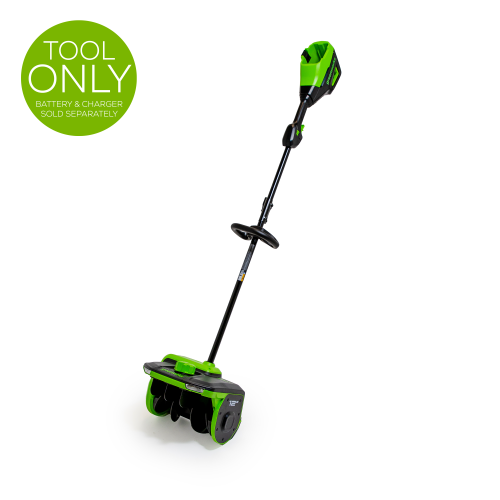 Your price for this item is $355.99
-
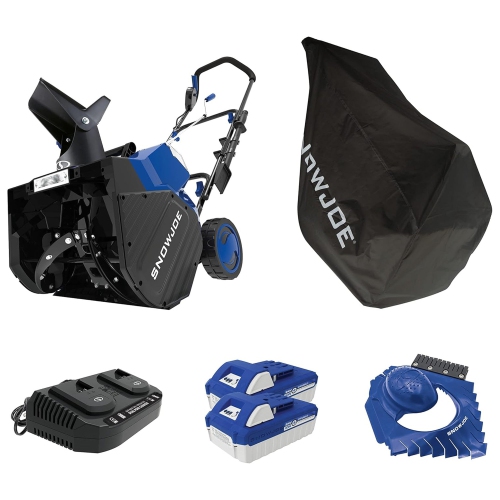 Your price for this item is $499.98
Discover more categories related to Power Snow Shovels
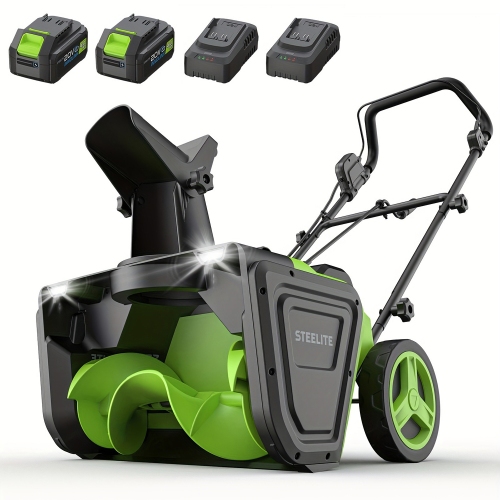
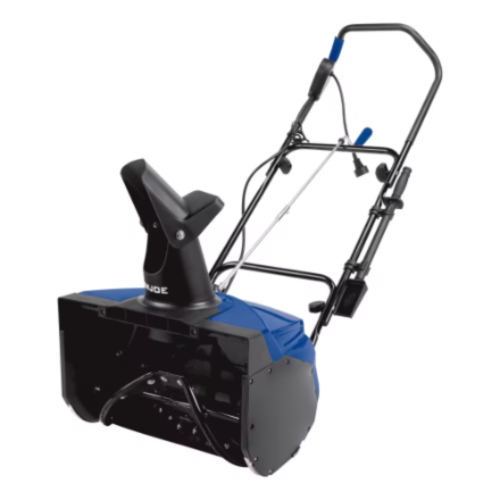
Top Collections:
Best Black Friday Deals This Year, Best Black Friday Deals On Electronics, Kindle Devices, Pokemon Centers, Best Black Friday Deals On Apple Products, Best Cameras for Sports Photography, Dyson Airwrap, Pokémon 30th Celebration Cards, Apple iPhone 17 Pro, Canon G7X Cameras
Some products may be subject to Environmental Handling Fees
(EHF) depending on your province.
Learn more about EHFs.