Precision Knives
Whether you're a seasoned chef or a home cook, having precision knives in your kitchen is essential for effortless meal preparation. From slicing and dicing to mincing and chopping, the right set of knives can make all the difference in your culinary creations. Discover a range of high-quality precision knives designed to meet your cooking needs with sharp blades, ergonomic handles, and durable construction. Elevate your kitchen experience and achieve precise cuts with our selection of top-notch knives that combine functionality and style seamlessly.
Sort
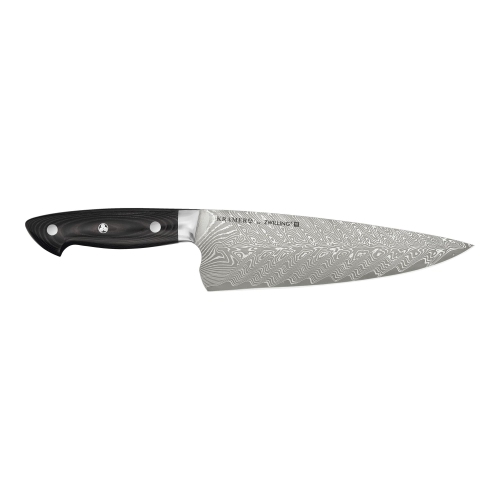
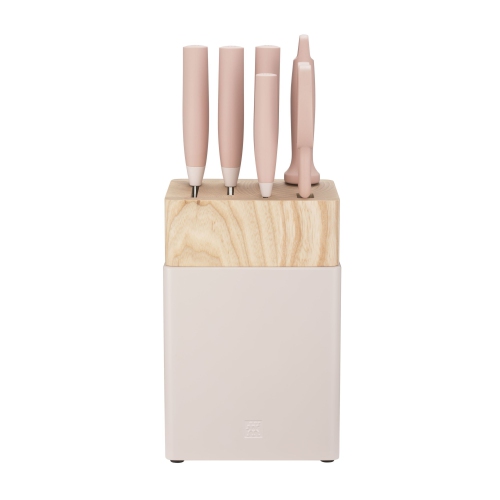
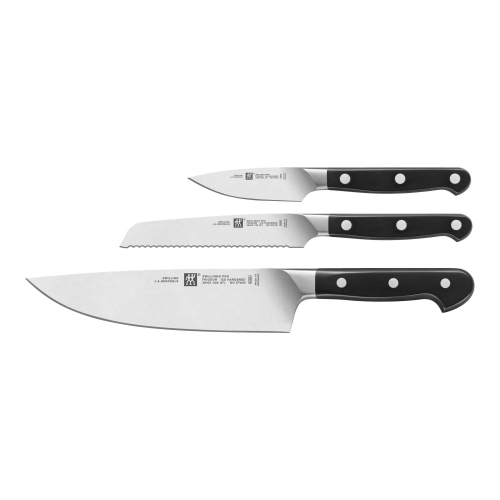
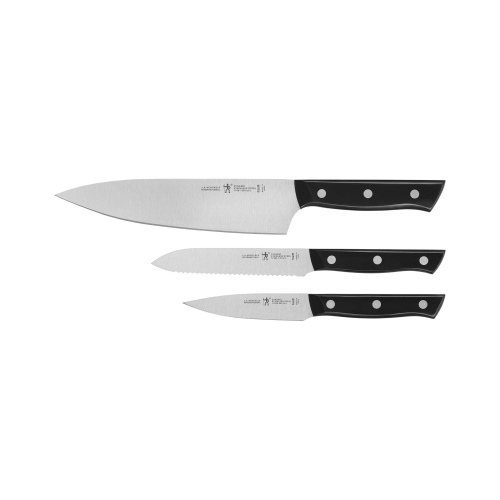

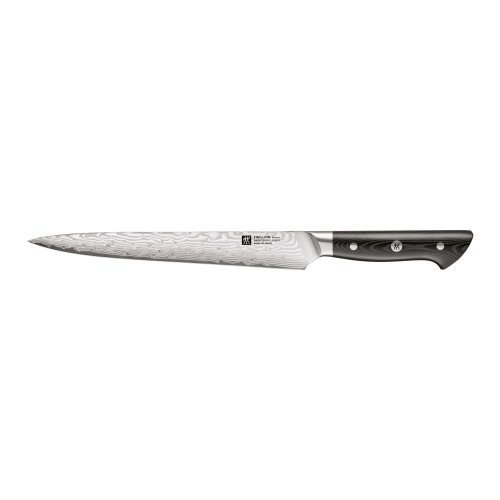
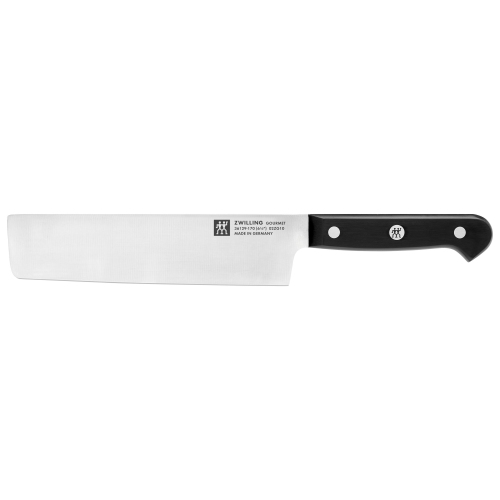
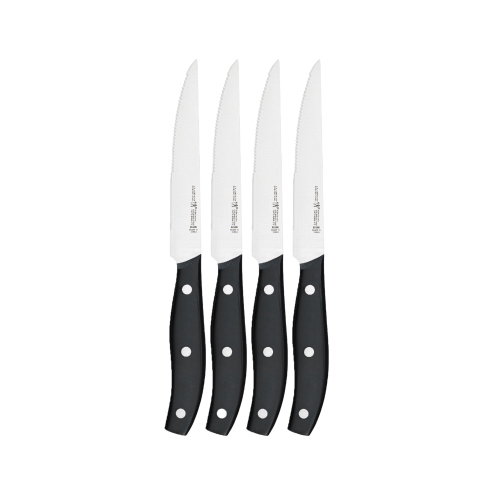
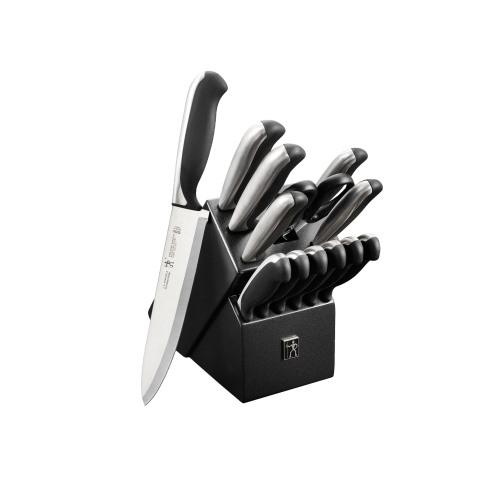
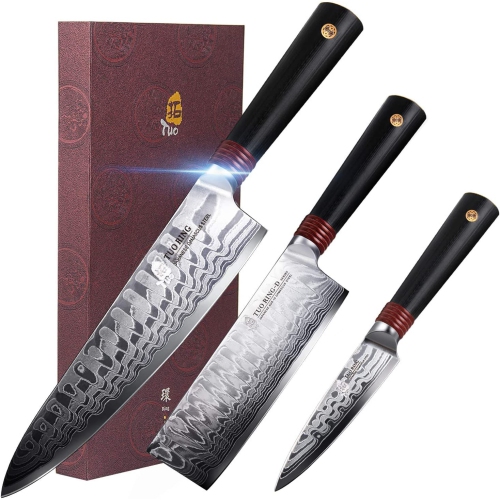
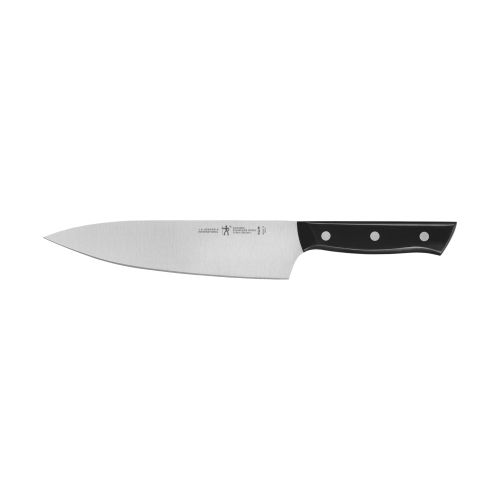
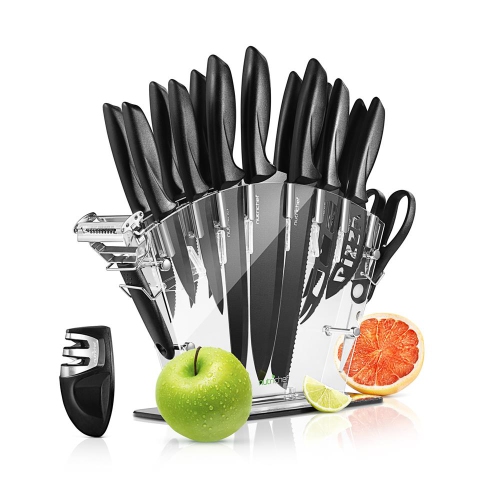
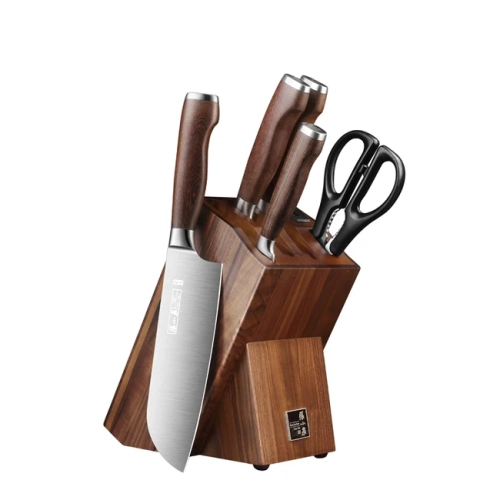
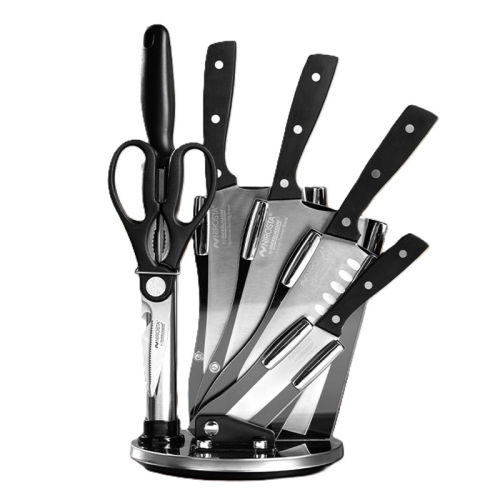
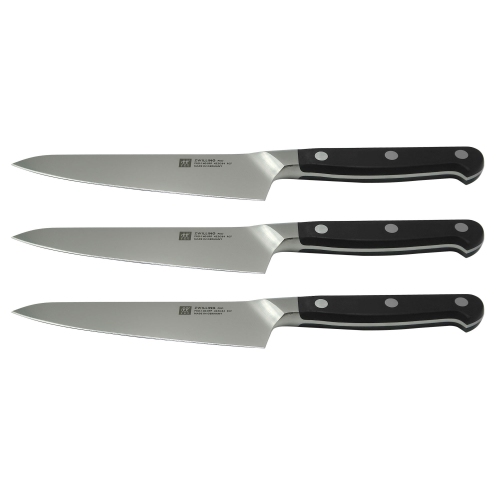
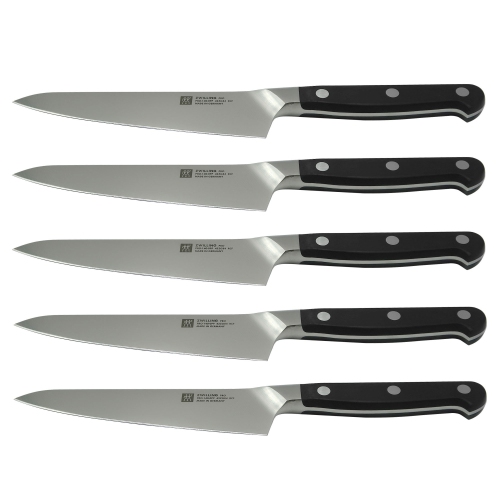
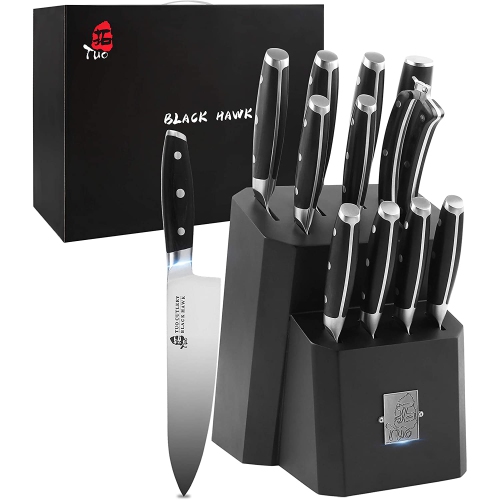
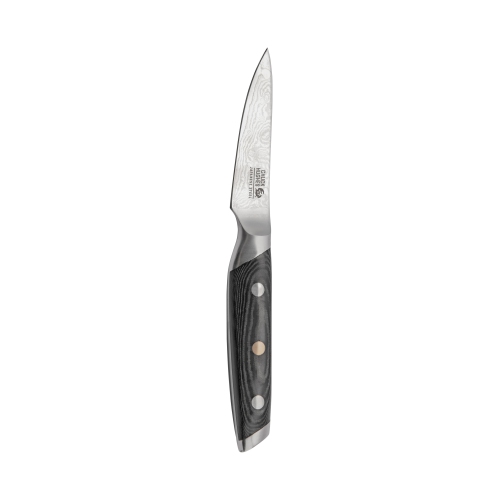
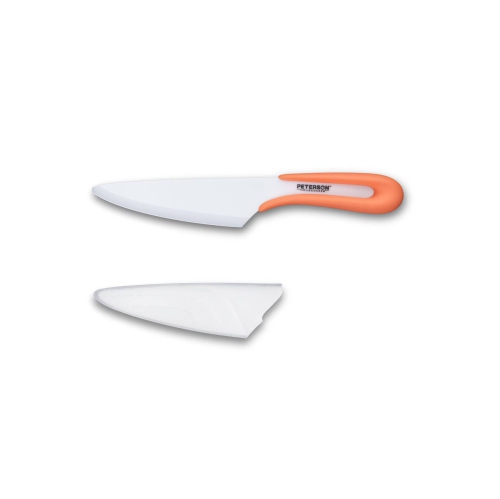
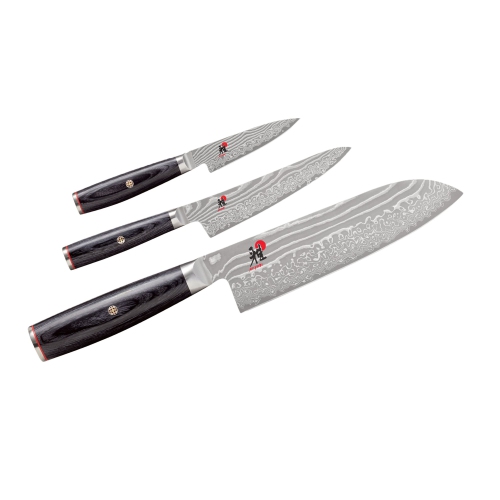
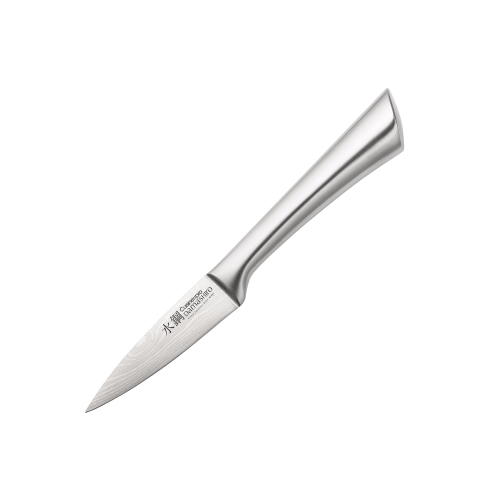
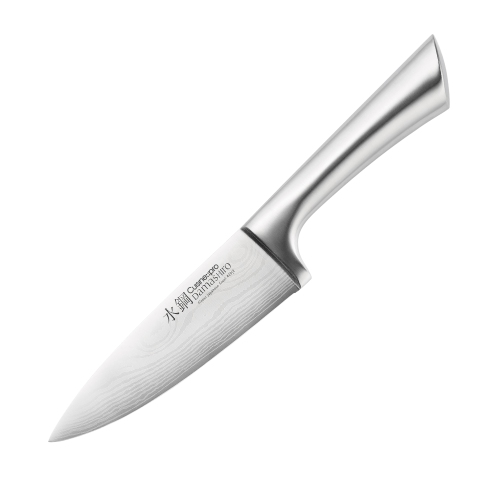
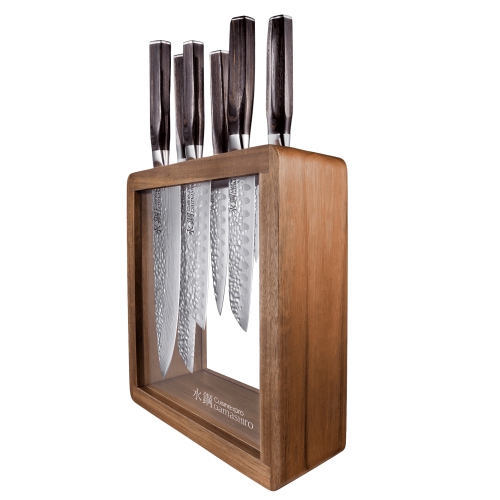
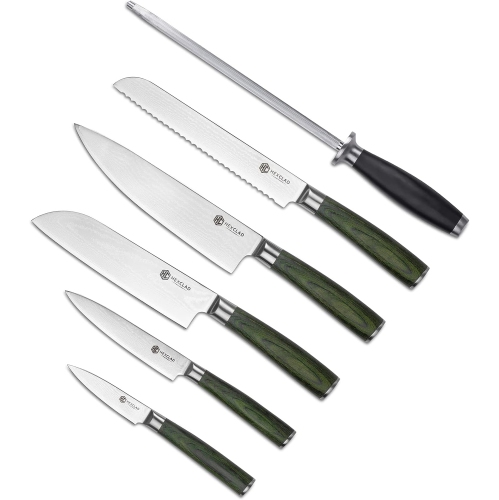
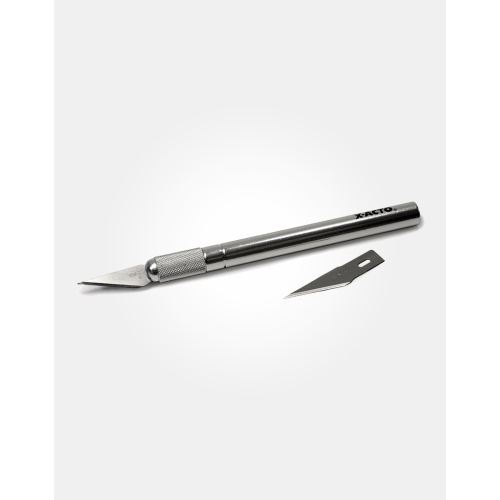
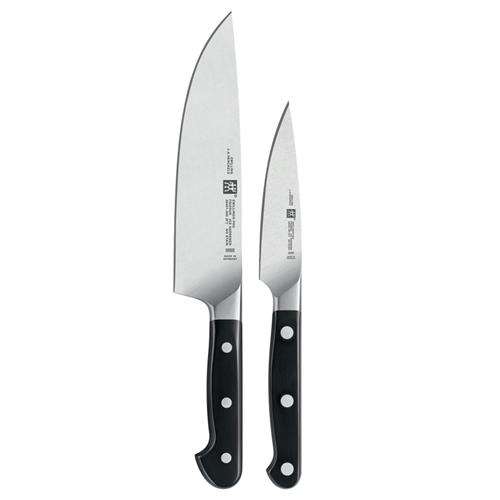
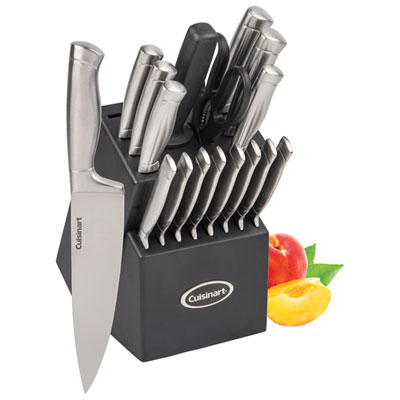
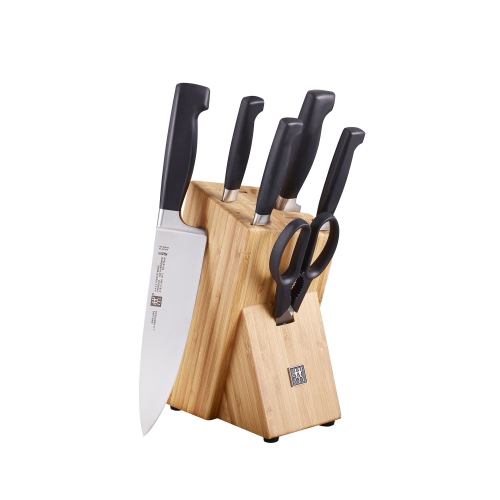
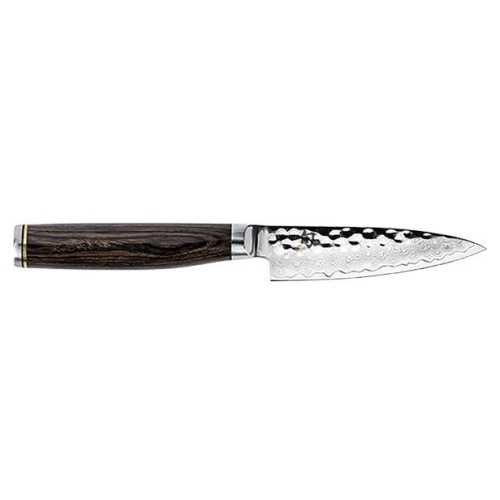
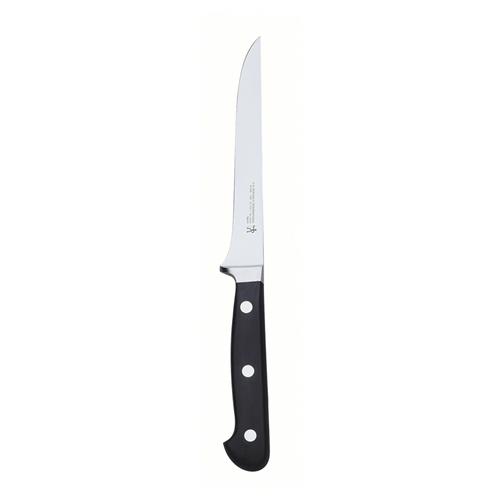
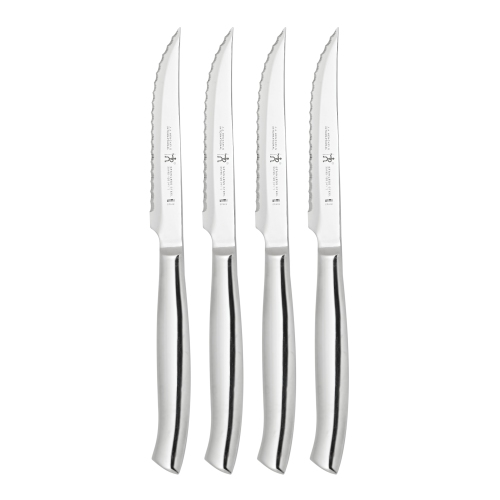
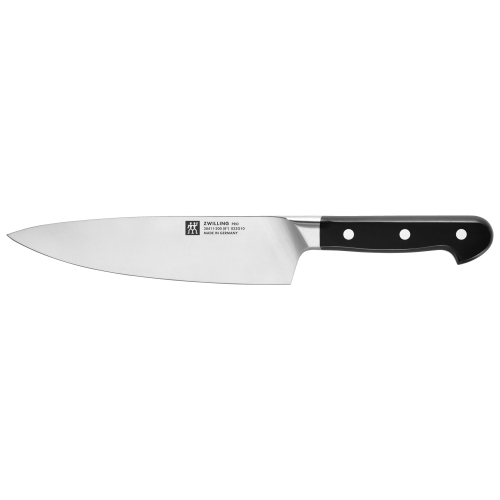
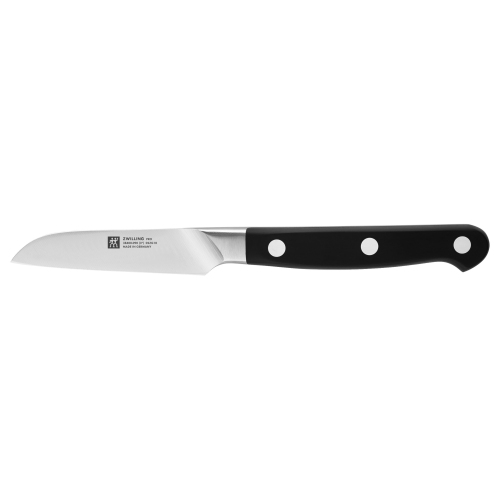
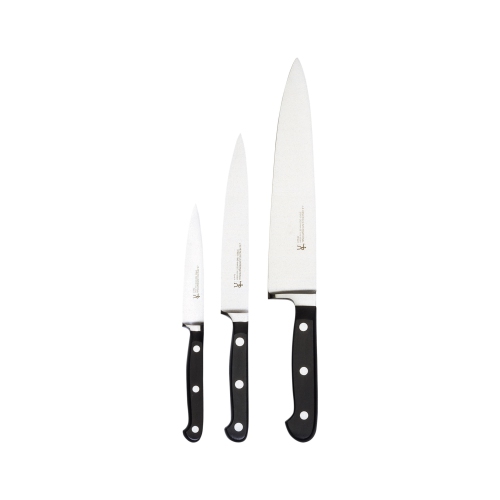
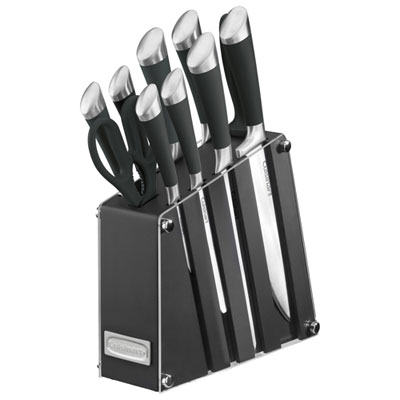
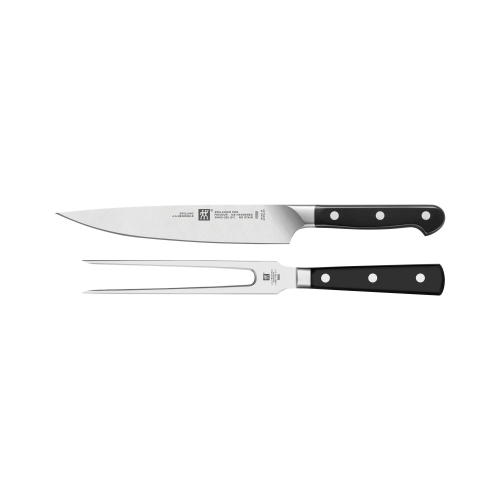
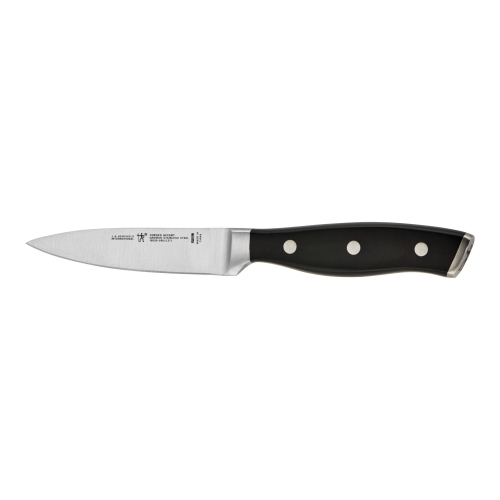
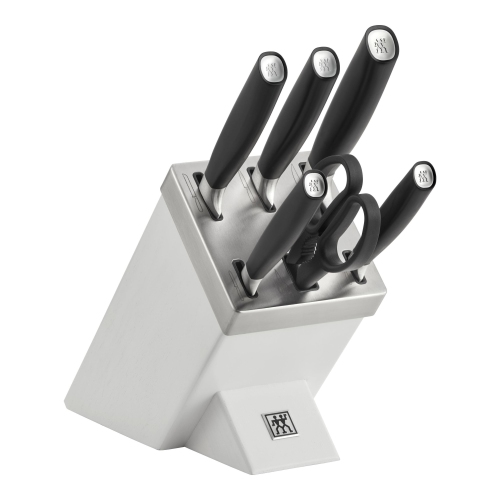

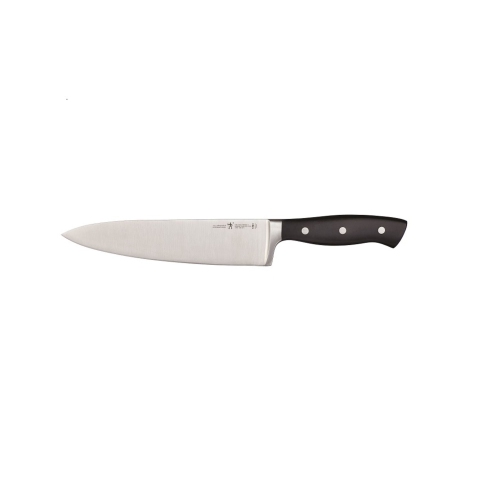
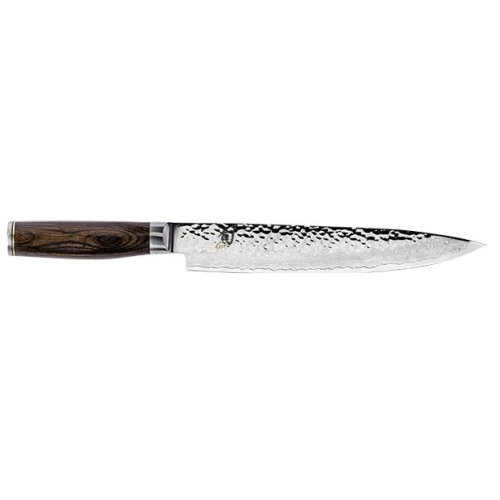
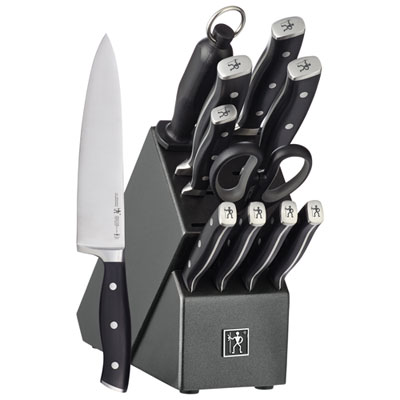
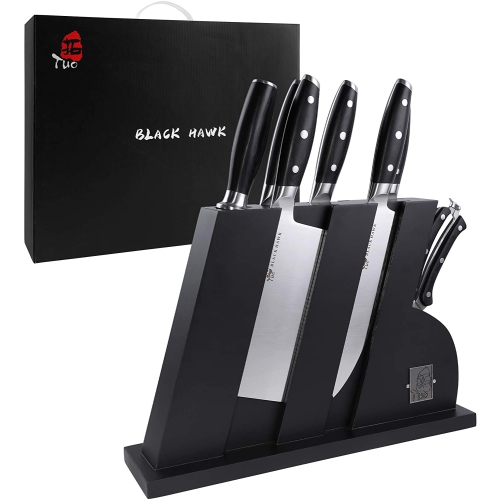
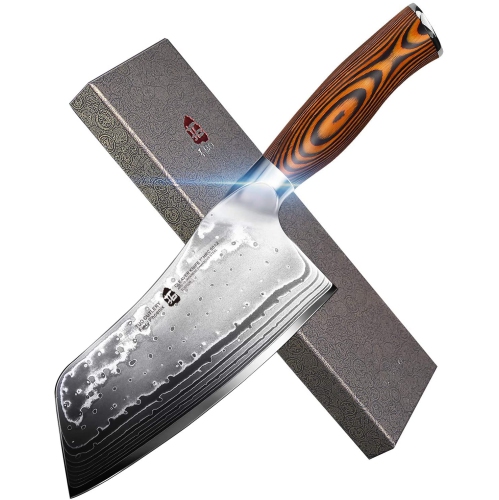
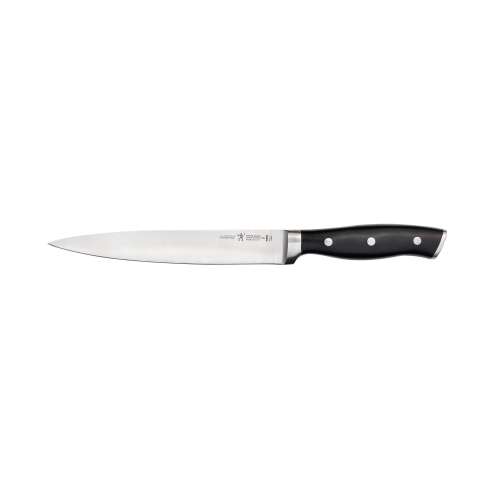
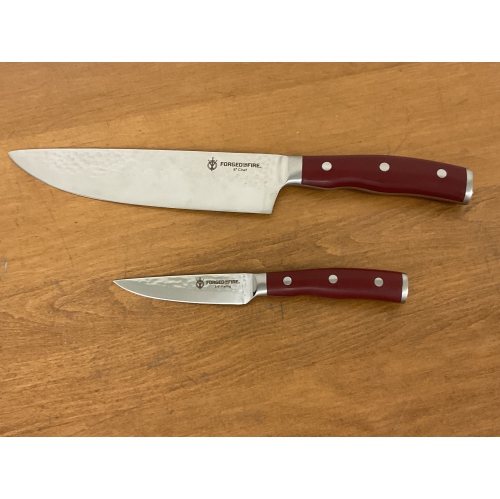

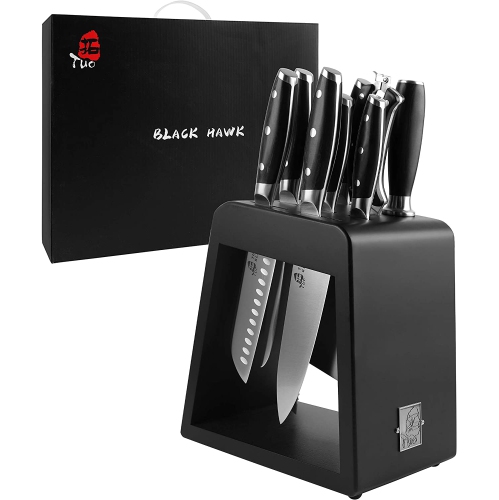
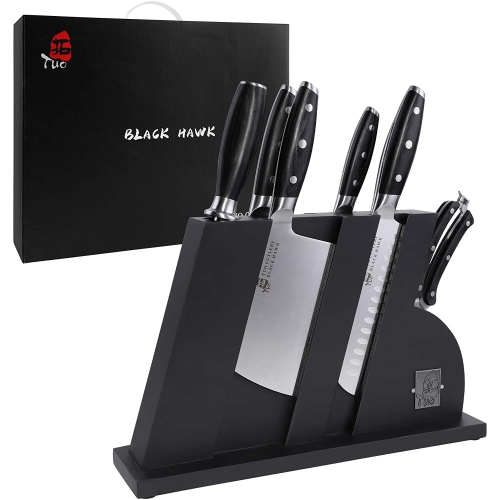
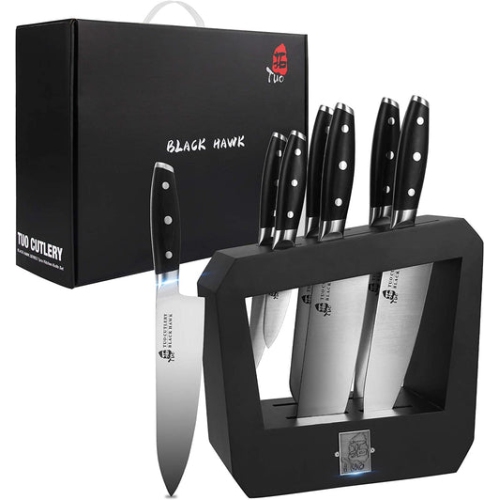
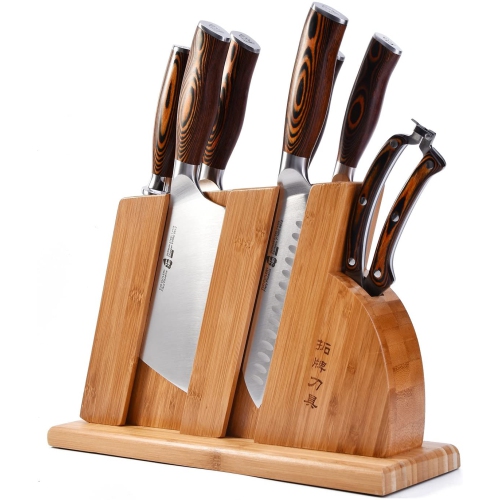
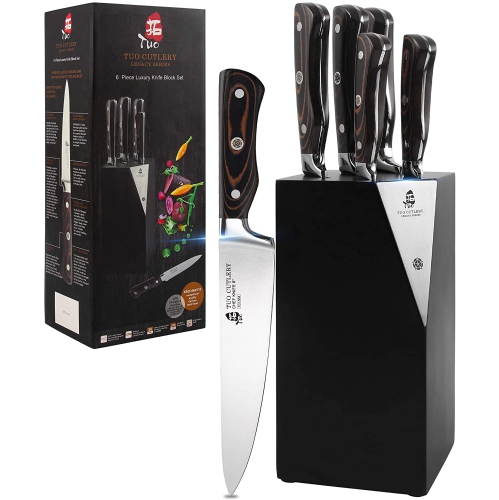
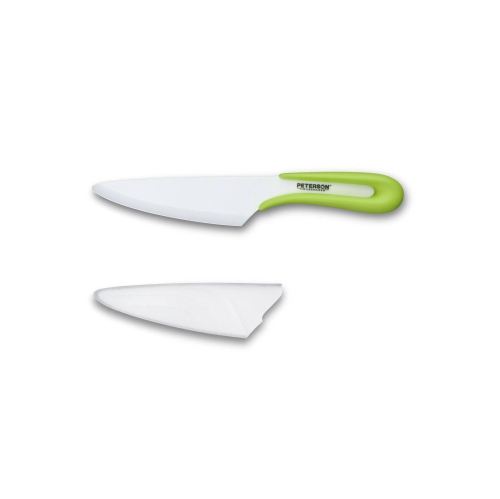
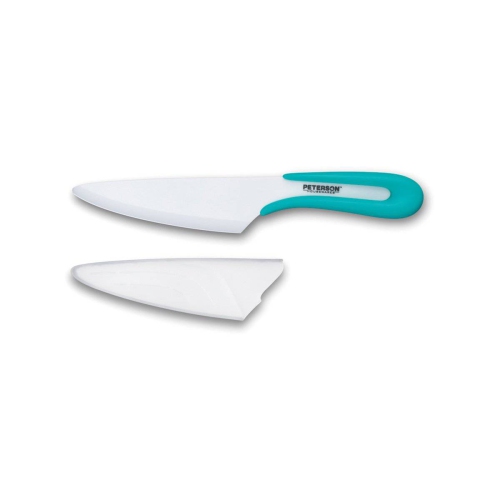

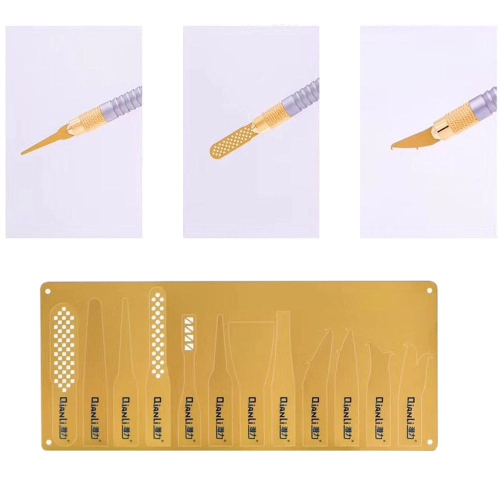
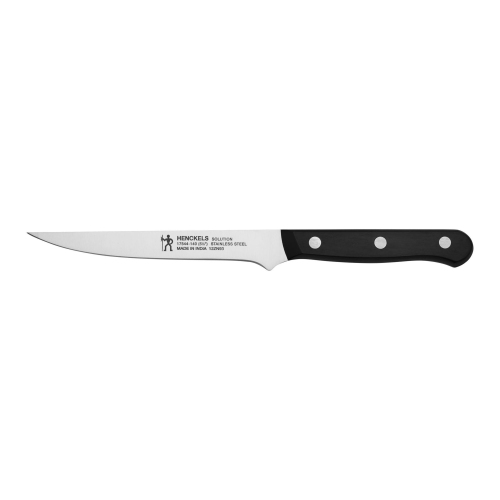
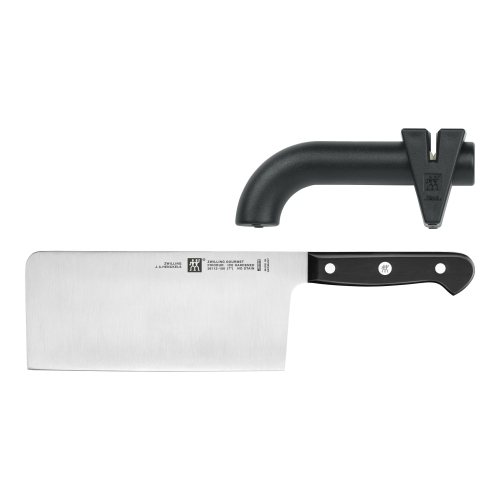
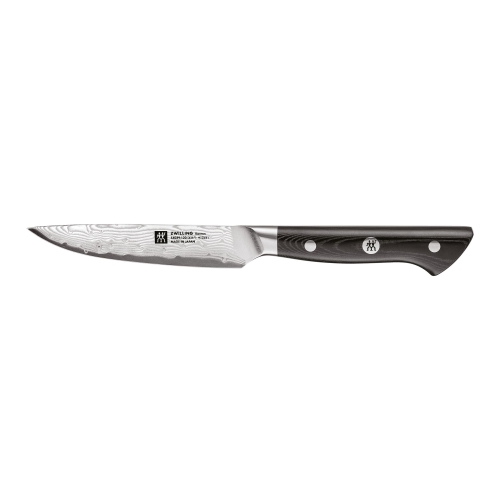
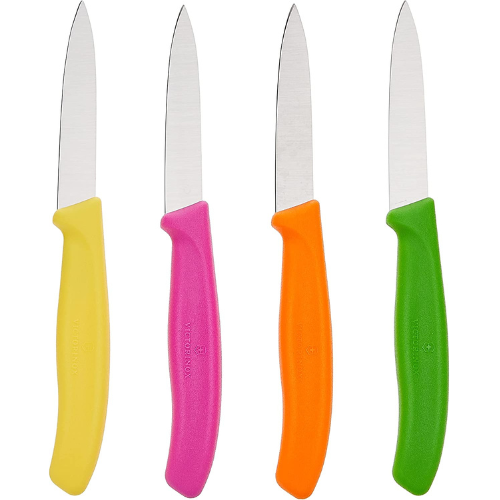
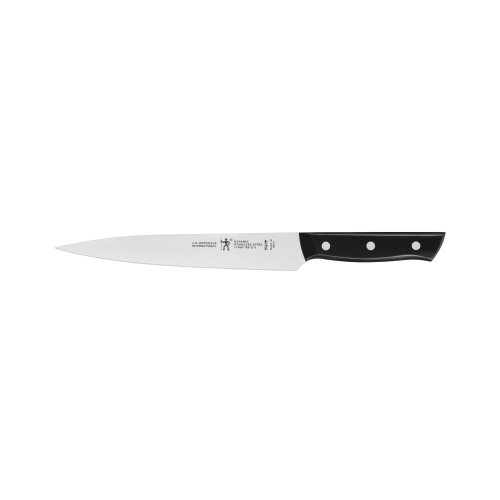
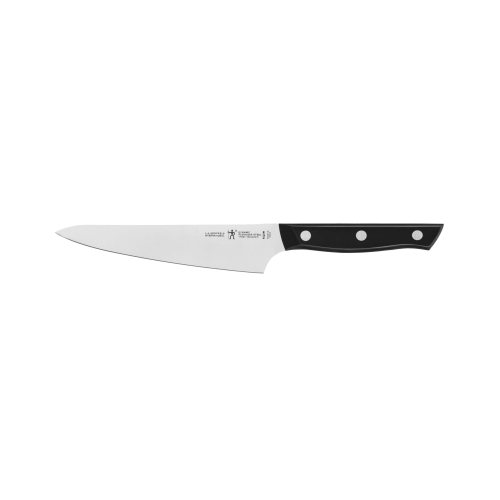
Controlled cutting for detailed crafts, models, and projects
Precision knives are lightweight, fine-detail hand tools made for controlled cutting, trimming, scoring, and shaping. Unlike general-purpose utility knives, they are designed to handle delicate work where a clean edge and careful movement matter more than force. Crafters may use them to cut paper, cardstock, adhesive vinyl, photographs, stencils, and thin foam, while hobbyists often rely on them for trimming model parts, removing decals, refining miniature details, or cleaning up narrow seams. They can also be useful for leathercraft, graphic design, card making, scrapbooking, quilting, and other projects that involve intricate outlines or tight curves. The slim handle gives the user a pen-like grip, which can make it easier to follow a drawn line or guide a blade around a small shape without obscuring the work. A precision knife can feel especially helpful when a pair of scissors is too broad for the task or when a standard utility knife does not provide enough control. For anyone setting up a craft table, studio, workshop, or home office project area, browsing Tools for Precision Cutting can help round out a collection with complementary cutting accessories and hand tools. These products may also make a thoughtful gift for a model builder, paper artist, student, illustrator, maker, or detail-oriented hobbyist, particularly when paired with suitable materials such as a cutting mat, ruler, replacement blades, or storage case.
When choosing precision knives, begin with the material and the type of cut involved. Thin paper and vinyl generally call for a very sharp, fine-point blade, while thicker cardstock, plastic sheets, leather, or layered materials may require a sturdier edge and a handle that feels secure during repeated passes. Blade shape is another important consideration. A narrow pointed blade is well suited to piercing, corner work, and small openings, whereas a broader or angled blade can be useful for trimming along a ruler or making longer, shallower cuts. Many traditional precision knives use steel blades, including fine-point formats suited to graphic arts and modelling. Steel can deliver a crisp cut and is often available in a wide range of replacement shapes, but it should be kept clean and dry to help maintain its edge. Ceramic blades are another option, valued for their rust-resistant construction and finger-friendly design on some safety-oriented tools. They may be a practical choice for light trimming and shared craft spaces, although the exact cutting feel varies by blade style and material. Handle construction also affects comfort. Lightweight aluminium handles are easy to manoeuvre for detailed work, while textured or contoured grips can help reduce slipping during longer sessions. Look for a cap, retractable mechanism, or other protective feature when the tool is not in use, and consider whether replacement blades are readily available in the shapes you need. A knife that feels balanced between the fingers can make a noticeable difference when tracing a winding line through a sheet of paper or removing a tiny flash of plastic from a model part.
Safe technique is just as important as blade sharpness. Use a self-healing cutting mat or another purpose-made protective surface rather than a desk, countertop, book, or bare tabletop. Keep the material flat, secure loose sections before cutting, and guide the knife away from your body with slow, deliberate pressure. Several light passes are usually safer and cleaner than trying to force one deep cut, especially through layered paper, vinyl, or thin plastic. A metal ruler can help create a straight edge, but keep fingers well clear of the blade path and avoid placing a hand directly in front of the point. Replace a blade when it begins to drag, tear, snag, or require extra pressure; a dull edge can make fine work less predictable and may damage the surface underneath. After use, close the blade, fit its protective cap, or store the tool in a secure case where it cannot be reached accidentally. Keep spare blades contained and out of reach of children and pets, and follow the manufacturer’s instructions for disposal. Precision knives are intended for careful craft and workshop tasks, not food preparation, and they should be selected with the project, user’s experience, and workspace in mind. During the cooler months, when indoor crafting, model building, and repair projects often move to a kitchen table or dedicated workbench, a well-chosen precision knife can bring neat, controlled results to everything from a hand-cut greeting card to the final finishing touches on a detailed miniature.
When choosing precision knives, begin with the material and the type of cut involved. Thin paper and vinyl generally call for a very sharp, fine-point blade, while thicker cardstock, plastic sheets, leather, or layered materials may require a sturdier edge and a handle that feels secure during repeated passes. Blade shape is another important consideration. A narrow pointed blade is well suited to piercing, corner work, and small openings, whereas a broader or angled blade can be useful for trimming along a ruler or making longer, shallower cuts. Many traditional precision knives use steel blades, including fine-point formats suited to graphic arts and modelling. Steel can deliver a crisp cut and is often available in a wide range of replacement shapes, but it should be kept clean and dry to help maintain its edge. Ceramic blades are another option, valued for their rust-resistant construction and finger-friendly design on some safety-oriented tools. They may be a practical choice for light trimming and shared craft spaces, although the exact cutting feel varies by blade style and material. Handle construction also affects comfort. Lightweight aluminium handles are easy to manoeuvre for detailed work, while textured or contoured grips can help reduce slipping during longer sessions. Look for a cap, retractable mechanism, or other protective feature when the tool is not in use, and consider whether replacement blades are readily available in the shapes you need. A knife that feels balanced between the fingers can make a noticeable difference when tracing a winding line through a sheet of paper or removing a tiny flash of plastic from a model part.
Safe technique is just as important as blade sharpness. Use a self-healing cutting mat or another purpose-made protective surface rather than a desk, countertop, book, or bare tabletop. Keep the material flat, secure loose sections before cutting, and guide the knife away from your body with slow, deliberate pressure. Several light passes are usually safer and cleaner than trying to force one deep cut, especially through layered paper, vinyl, or thin plastic. A metal ruler can help create a straight edge, but keep fingers well clear of the blade path and avoid placing a hand directly in front of the point. Replace a blade when it begins to drag, tear, snag, or require extra pressure; a dull edge can make fine work less predictable and may damage the surface underneath. After use, close the blade, fit its protective cap, or store the tool in a secure case where it cannot be reached accidentally. Keep spare blades contained and out of reach of children and pets, and follow the manufacturer’s instructions for disposal. Precision knives are intended for careful craft and workshop tasks, not food preparation, and they should be selected with the project, user’s experience, and workspace in mind. During the cooler months, when indoor crafting, model building, and repair projects often move to a kitchen table or dedicated workbench, a well-chosen precision knife can bring neat, controlled results to everything from a hand-cut greeting card to the final finishing touches on a detailed miniature.
Top selling and popular products
-
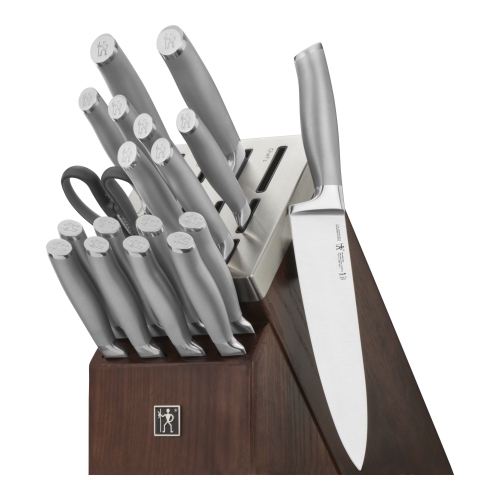 Your price for this item is $489.99
 -
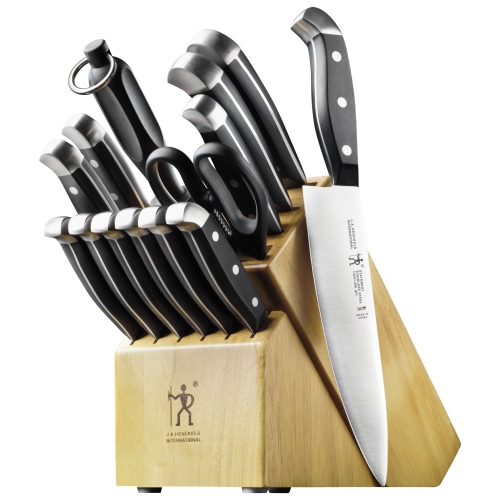 Your price for this item is $239.99
 -
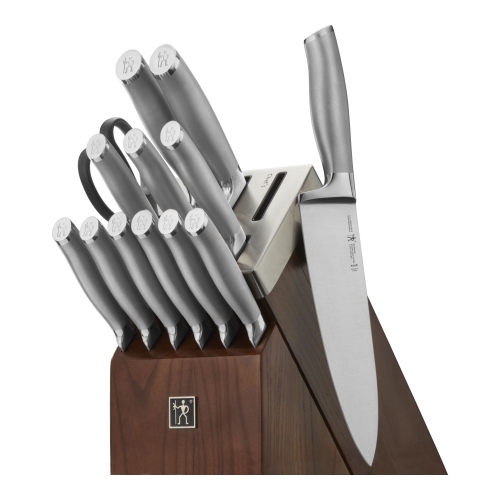 Your price for this item is $299.99
 -
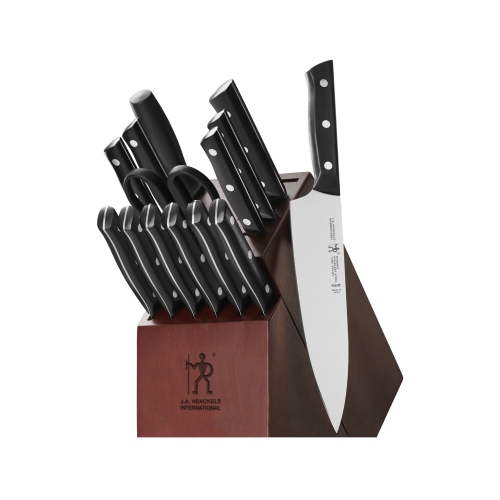 Your price for this item is $214.99
 -
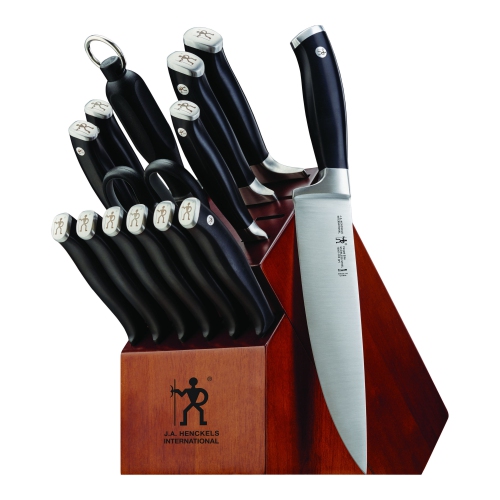 Your price for this item is $289.99
 -
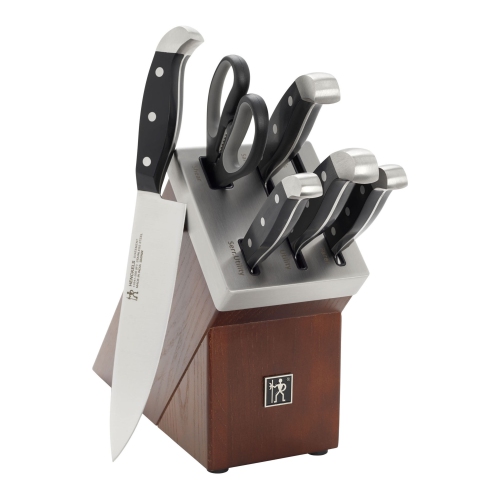 Your price for this item is $179.99
 -
 Your price for this item is $179.99
 -
 Your price for this item is $899.99
Discover more categories related to Precision Knives
Top Collections:
Pokemon Centers, Kindle Devices, Best Budget Office Chairs, Apple iPhones 16, Best Laptops for Writers, iPhone 15 Apple, Canon G7X Cameras, Refurbished Apple Laptops, Alarm Clock, Motorola Razr Phones
Some products may be subject to Environmental Handling Fees
(EHF) depending on your province.
Learn more about EHFs.