Carving Knives
Carving knives are an important tool for any kitchen enthusiast or professional chef looking to elevate their culinary skills. With their precision and versatility, these cooking essentials are designed to effortlessly slice through a variety of meats, from tender roasts to succulent turkeys. Whether you're hosting a holiday feast or simply enjoy the art of carving, our collection of carving knives offers a wide range of options to suit your needs. From durable stainless steel blades to ergonomic handles that provide superior grip, these knives are crafted with the utmost attention to detail, ensuring exceptional performance and long-lasting durability. Discover the perfect carving knife that will make every meal preparation a breeze.
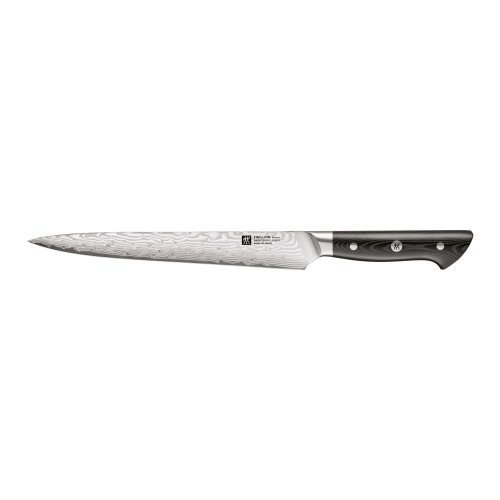
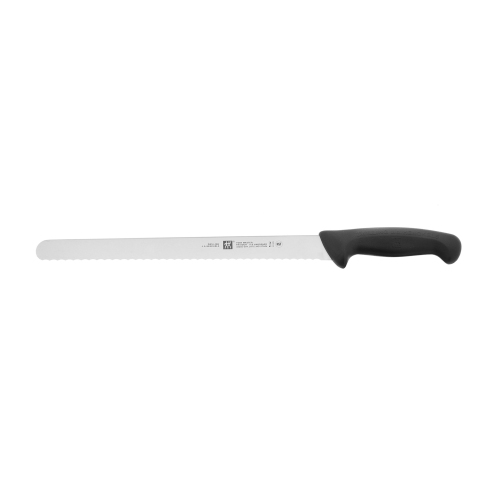
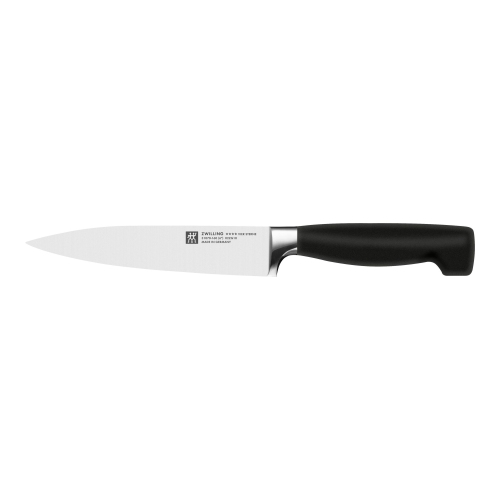
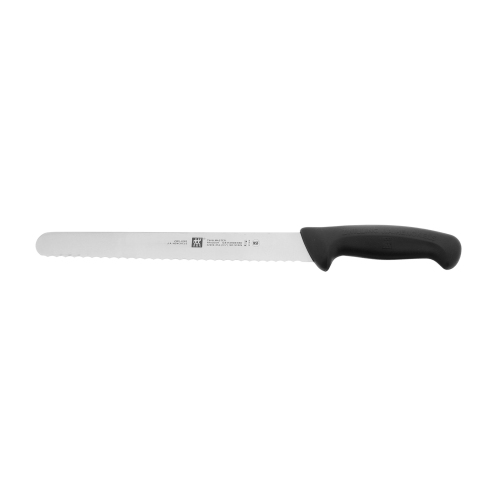
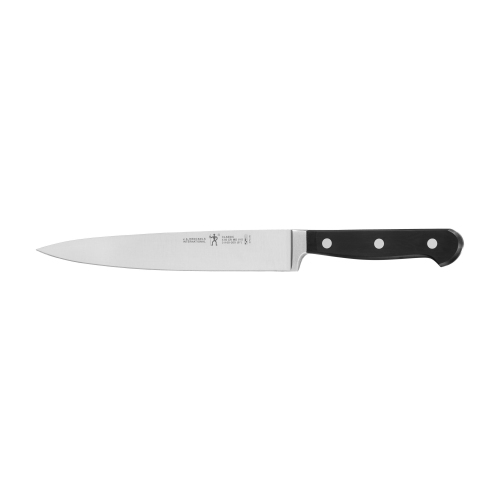
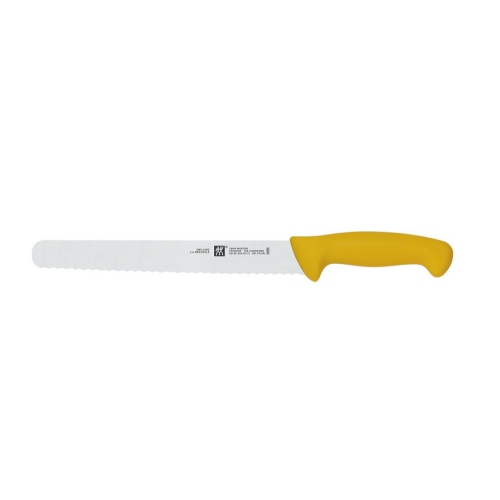
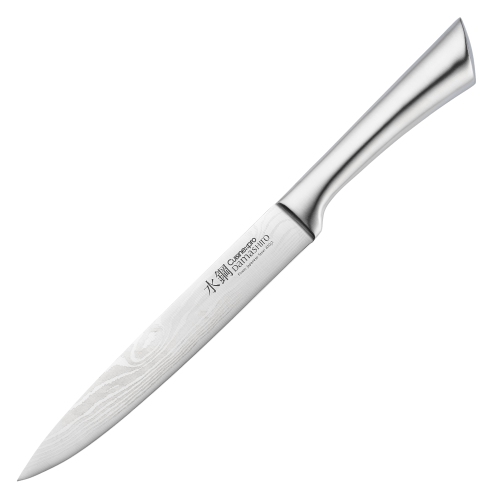
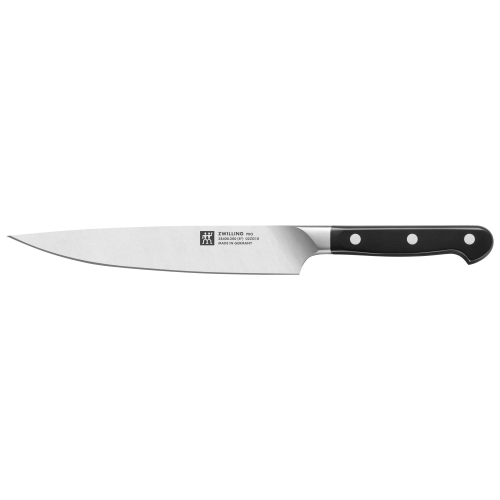

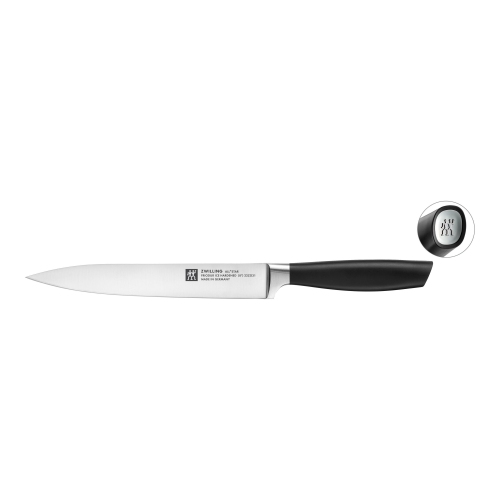
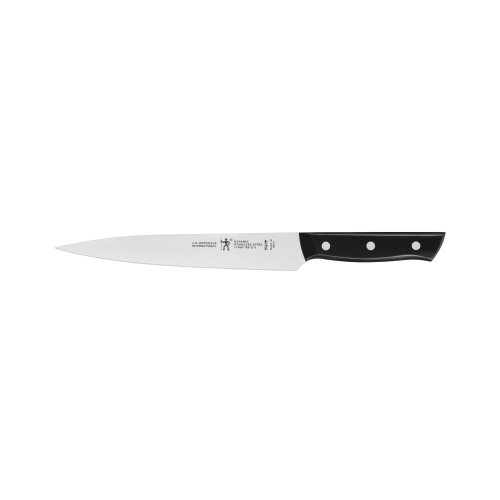
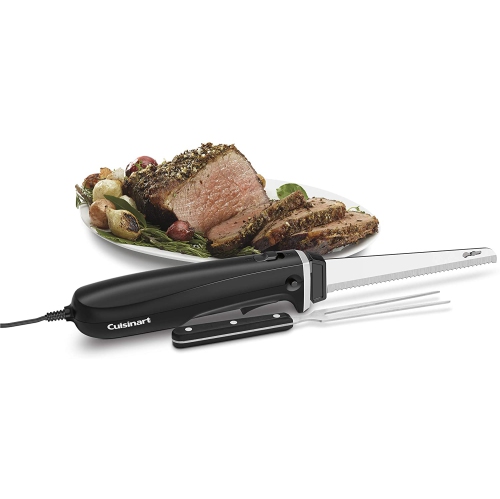


How slender blades help turn roasts into even slices
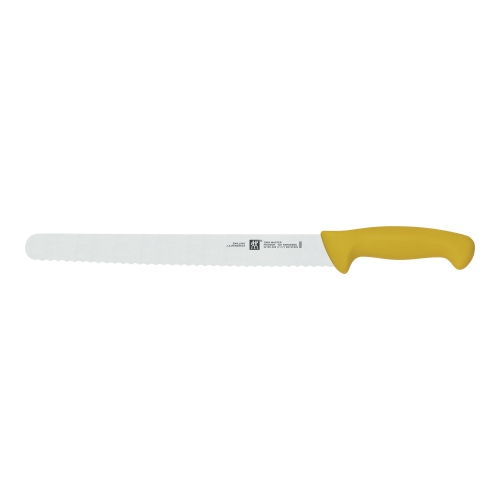
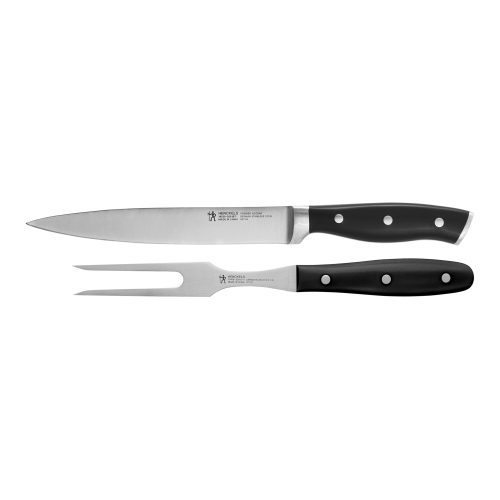
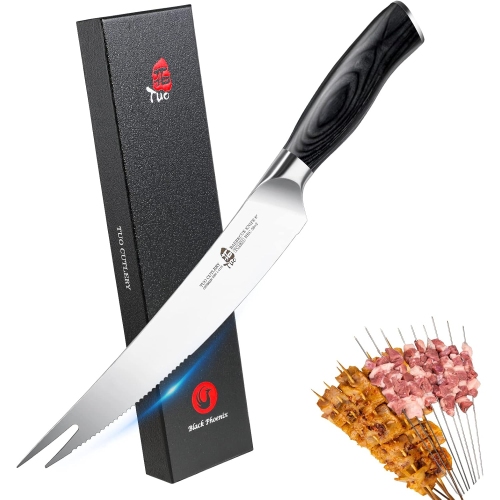
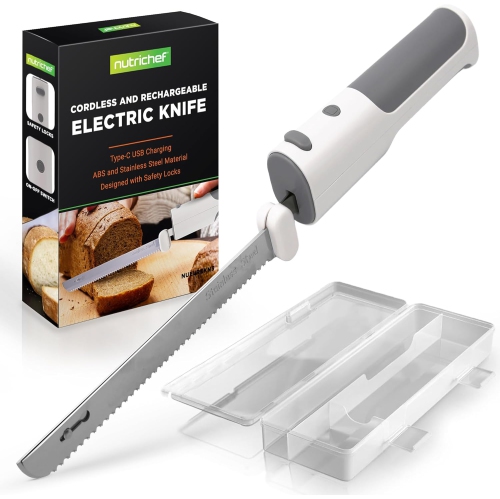
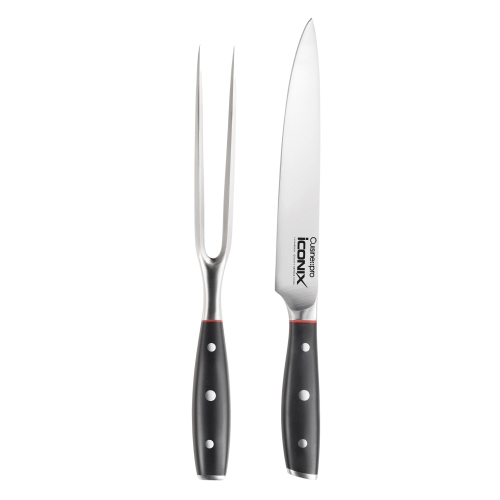
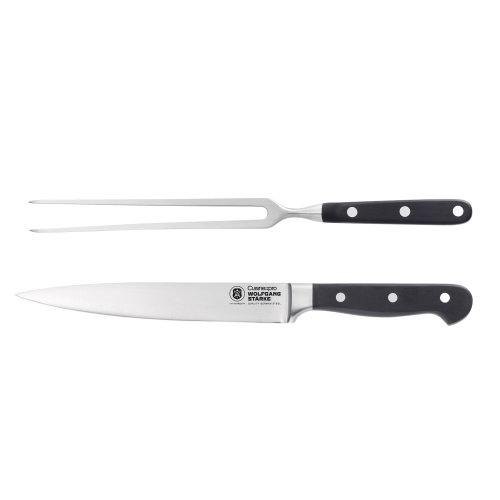
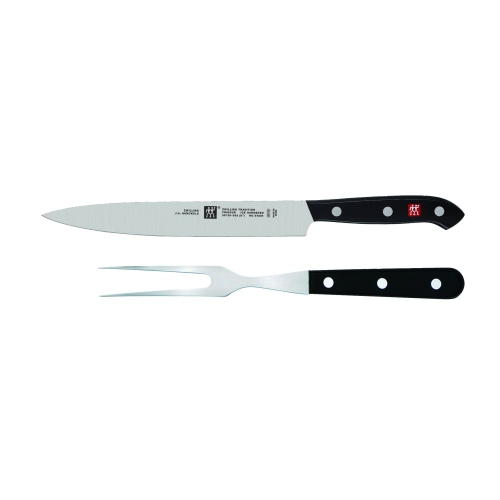
Materials, handle shape, and construction influence how a carving knife feels in use and how much attention it needs between meals. Stainless steel is common because it offers useful resistance to rust and staining, but it still benefits from prompt cleaning and thorough drying. High-carbon stainless steel combines carbon content with stain-resistant alloying elements; the exact composition and heat treatment affect edge retention, toughness, and ease of sharpening more than the label alone. Carbon steel without comparable stain resistance can develop a patina and needs particular care around moisture and acidic foods. Harder steel may hold an edge longer in suitable use, but it can also be less forgiving of twisting or contact with bone. Forged and stamped blades can both perform well, so weight, balance, and finishing deserve attention alongside the construction method. A full tang, where the blade’s steel extends through the handle, can contribute to a solid feel, although it is not the only route to a durable knife. Handle fit is equally important. The grip should feel secure without forcing the fingers into an awkward position, and there should be enough clearance to keep knuckles comfortable during a cut. Moulded synthetic handles generally require little upkeep, while wooden handles may need occasional treatment according to the maker’s care directions. A heavier knife can feel steady, but a lighter one may be more comfortable during extended preparation or for someone who finds weight tiring. For serving, a carving fork can steady the food while keeping the supporting hand away from the blade’s path. Resting cooked meat before carving, using a stable board with a juice groove, and cutting across the grain where practical all support cleaner portions. Handwashing with mild detergent, drying immediately, and storing the blade in a suitable guard, block, or rack help protect both the edge and anyone reaching into a drawer. Dishwashers can expose knives to harsh detergent, prolonged moisture, and knocks against other utensils. Regular edge maintenance matters too: honing can help realign some edges, while sharpening removes metal to restore the cutting bevel. The appropriate method depends on the steel and the manufacturer’s directions.
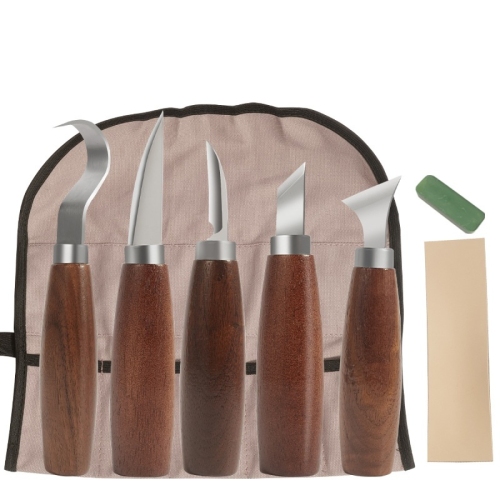
The term carving knife also describes tools for shaping wood, and these are quite different from kitchen carving knives in size, geometry, and intended use. A wood carving knife commonly has a short blade, often around 1.5 to 2 inches, that supports controlled cuts close to the hand. General whittling blades remove small amounts of material to establish a shape, while narrower detail blades reach tight corners and refine features such as a bird’s beak or the folds in a carved figure. Curved hook knives serve another purpose, hollowing concave areas such as spoon bowls rather than making the straight slicing cuts associated with a kitchen blade. For these tools, edge geometry, handle comfort, and suitability for the wood are more relevant than the ability to slice a roast. Softer, straight-grained carving woods are generally more approachable for beginners, while knots and changing grain direction can make a cut harder to control. A comfortable handle helps during repeated small movements, and task-appropriate hand protection, a supported workpiece, and keeping hands clear of the cutting path are important precautions. Woodworking tools should remain separate from knives used for food preparation. For fine craft trimming rather than whittling or meal preparation, Precision Knives relate to a different category of close-control cutting tasks, such as shaping paper or trimming model components. Understanding these distinctions is especially helpful when choosing a gift. Someone who enjoys hosting roast dinners is likely to value a kitchen carving knife with a comfortable grip and suitable blade length, while a hobby woodcarver needs a tool matched to their projects and experience. Protective storage is useful in either setting. The most practical choice is one whose shape, materials, and care requirements suit the work it will actually perform, from clean slices at the dinner table to small, deliberate cuts at a craft bench.
Top selling and popular products
-
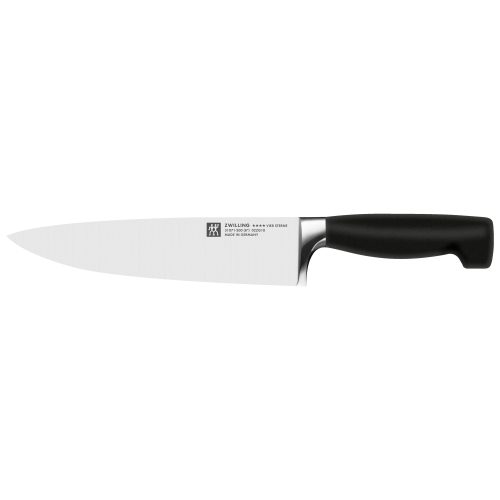 Your price for this item is $129.99
 -
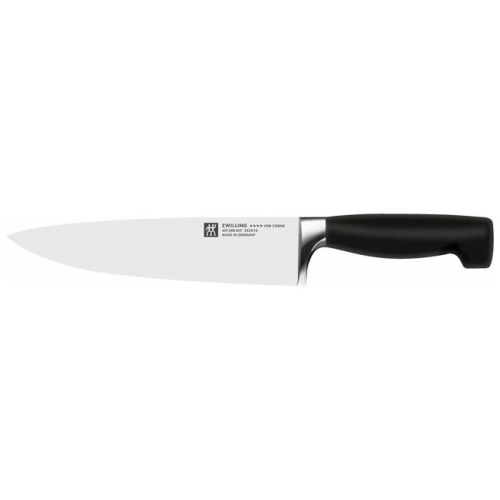 Your price for this item is $199.99
 -
 Your price for this item is $139.99
 -
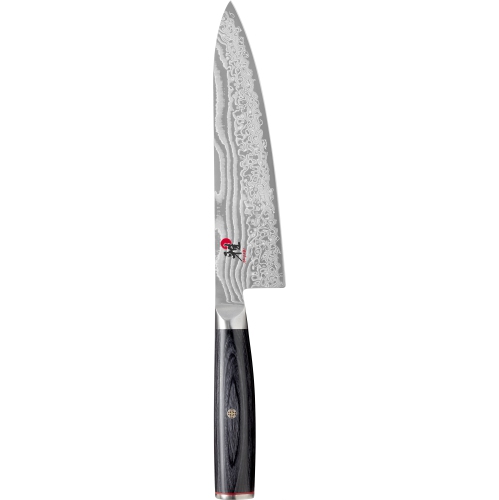 Your price for this item is $299.99
 -
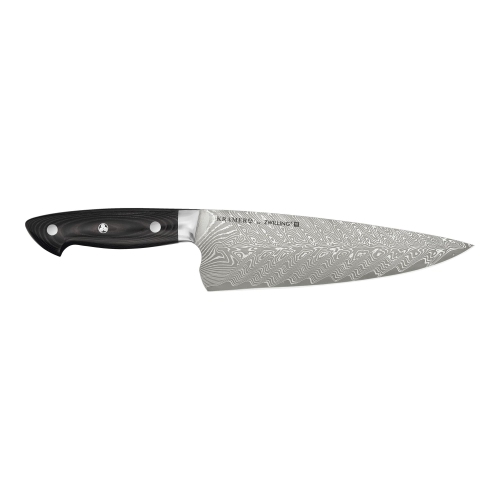 Your price for this item is $385
 -
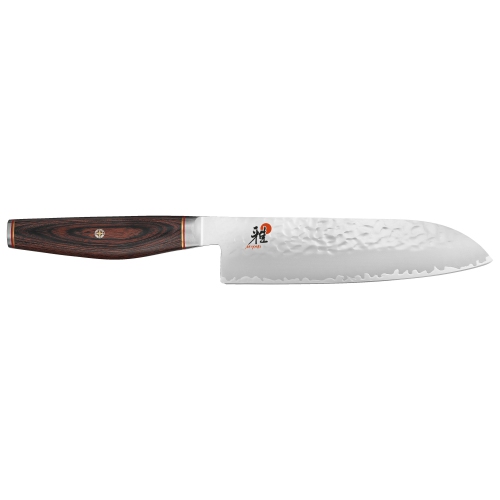 Your price for this item is $329.99
 -
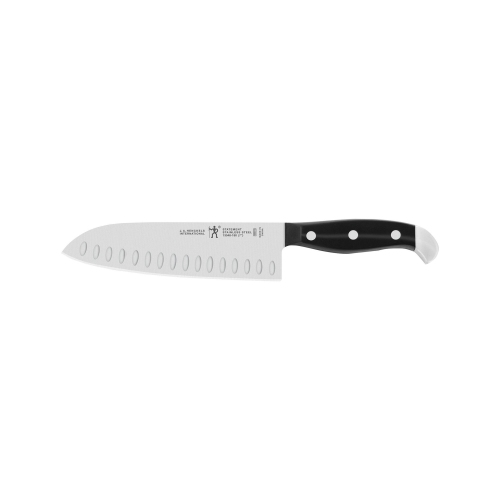 Your price for this item is $29.99
 -
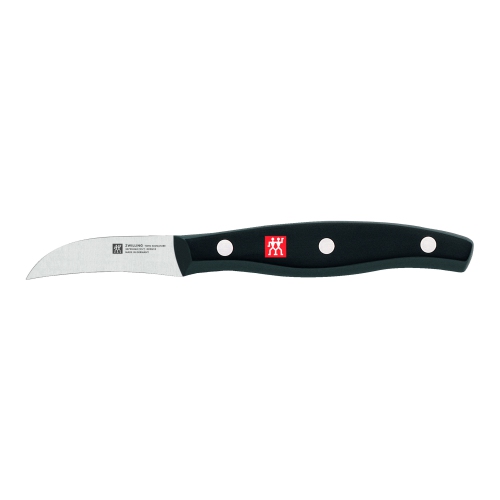 Your price for this item is $49.99