Privacy Screen Room Dividers
Privacy Screen Room Dividers offer a stylish and practical solution for creating separate spaces in any room. Whether you’re looking to enhance your home, office, or studio, these versatile dividers help define areas with ease and add a touch of elegance to your décor. Find the ideal Privacy Screen Room Dividers to suit your needs and enjoy greater flexibility in how you use your space.
Sort
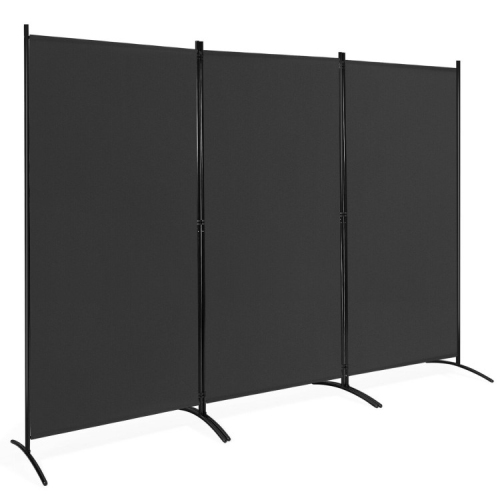
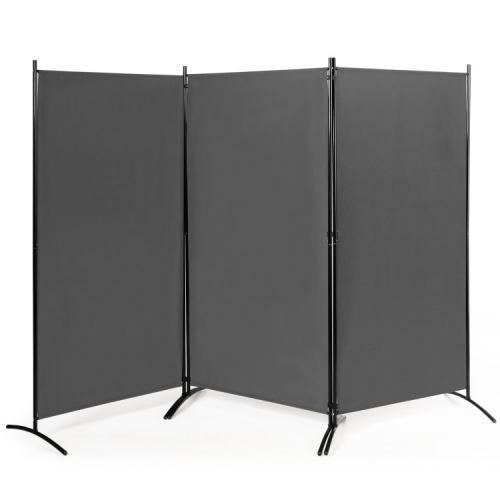
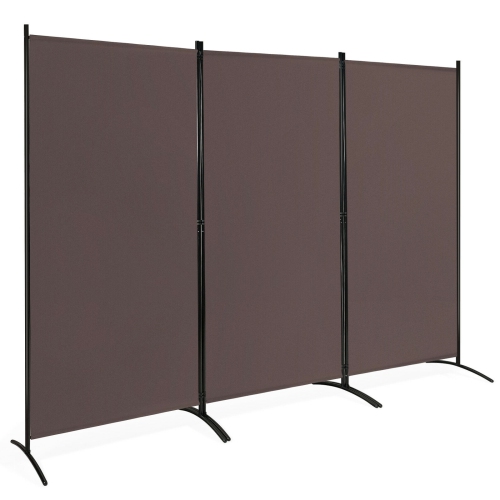
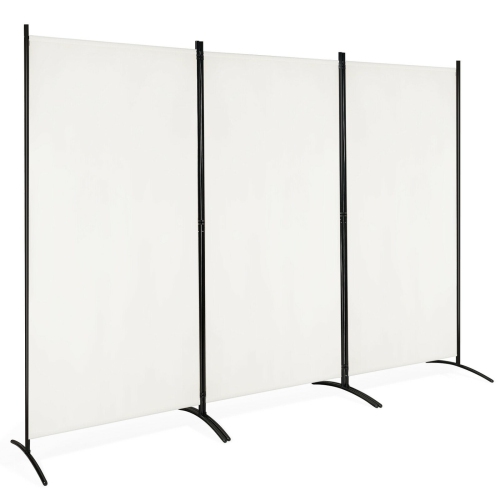
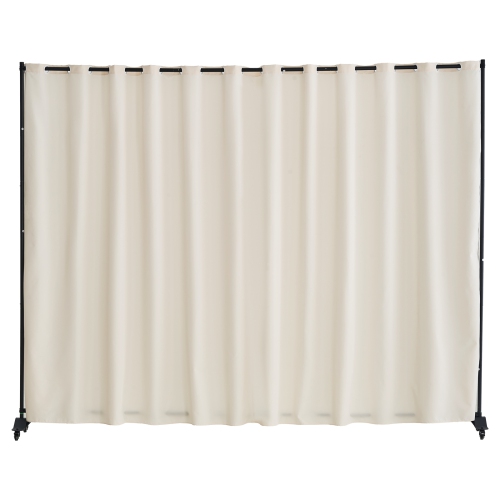
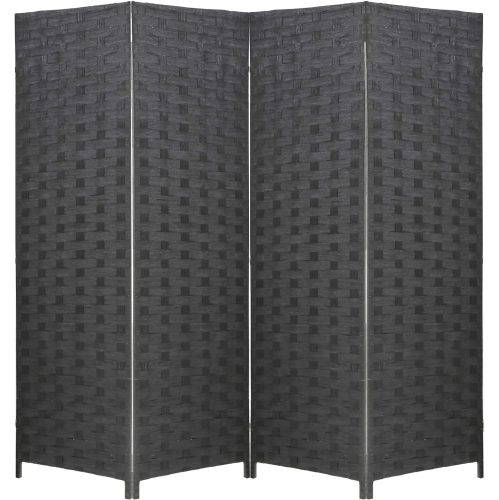
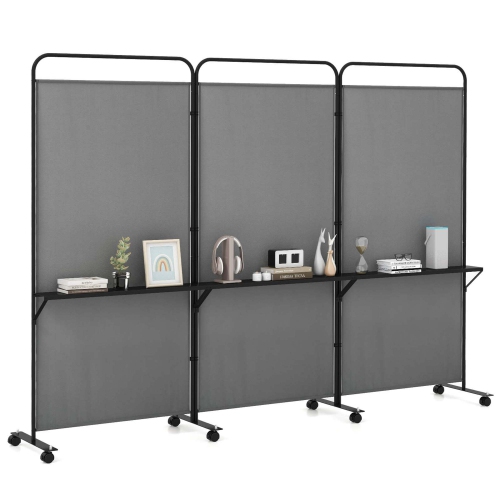
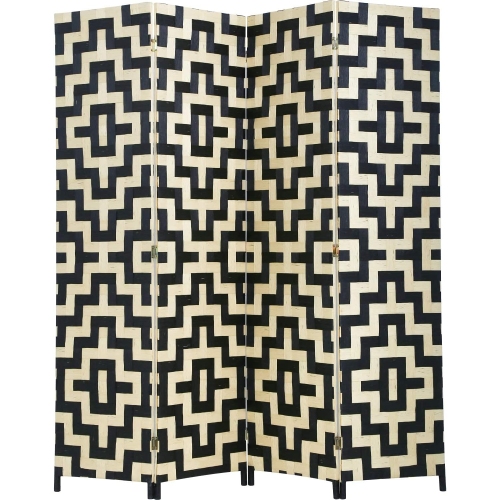
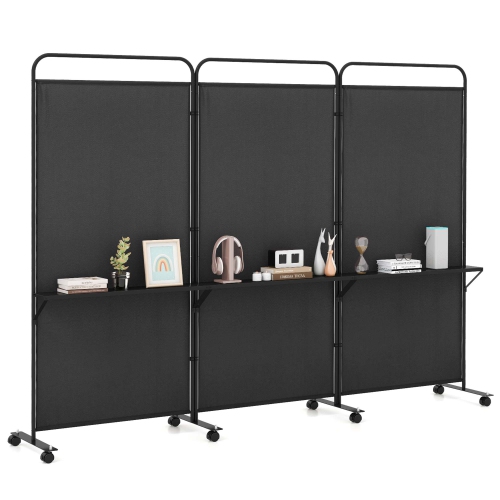
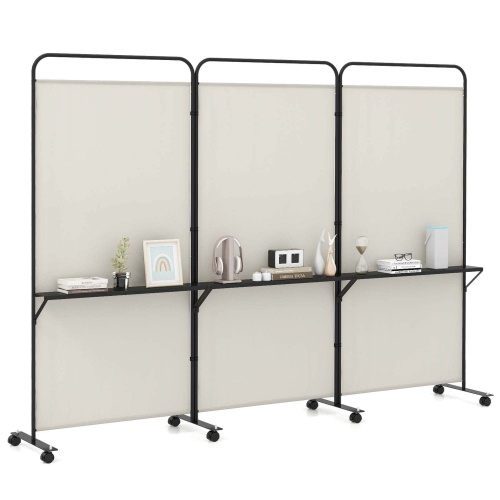

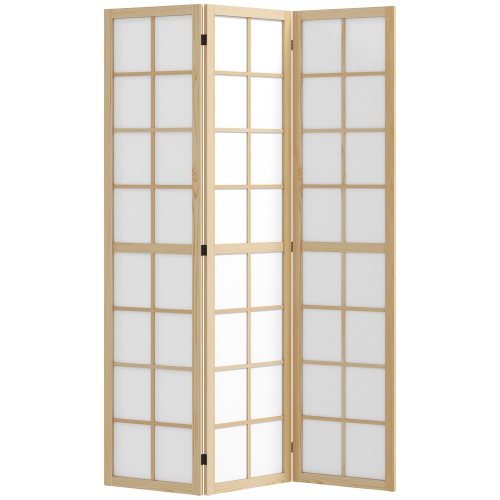


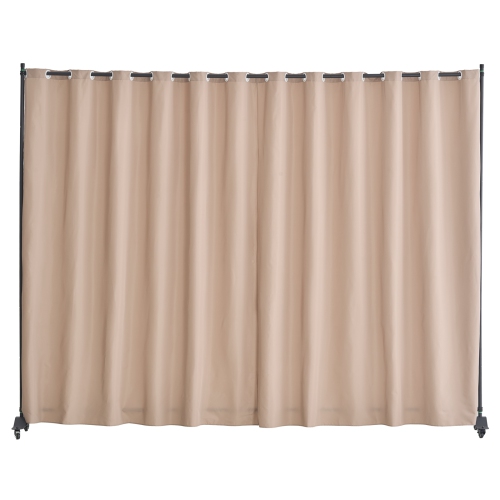
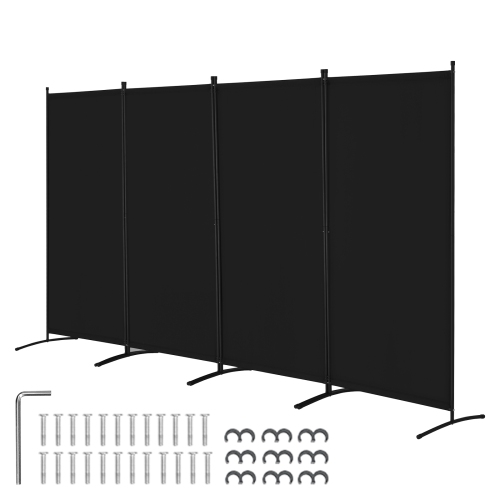
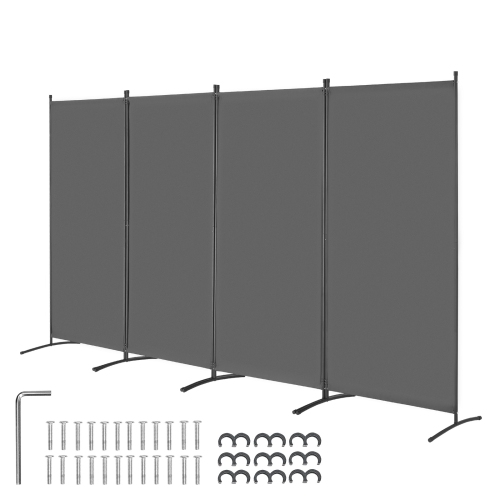
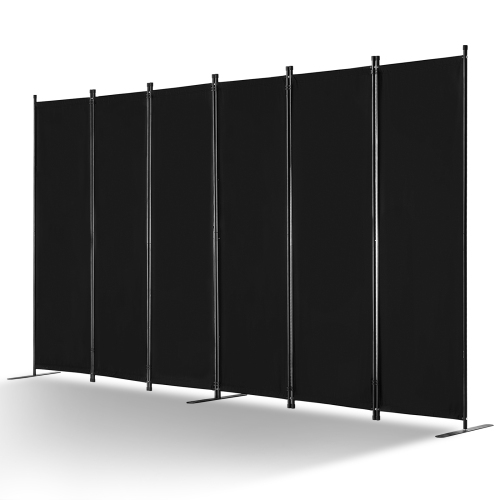
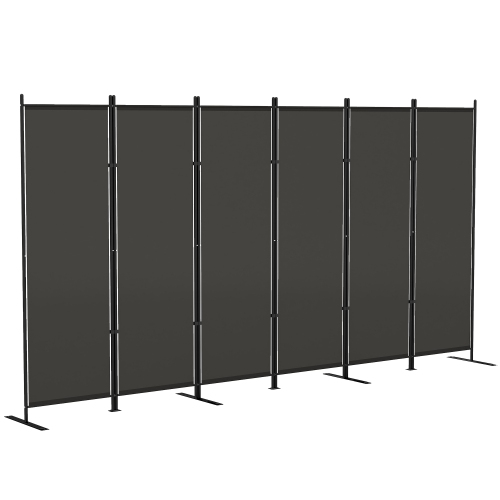

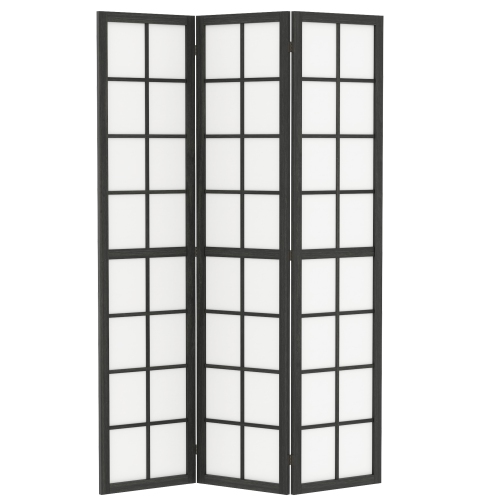
More privacy without permanent changes to your room
Privacy screen room dividers create a sense of separation without turning one room into two permanent spaces. In an open living area, a screen can keep a desk out of sight from the sofa, give a guest bed a more secluded corner, or soften the view of a busy storage area. For people sharing an apartment, working from home, or making several uses of a single room, that visual boundary can make the layout feel more intentional. A divider behind a desk can also provide a simple backdrop for video calls, keeping household activity and personal belongings out of the frame. The amount of privacy depends on the panel construction as much as its height. Solid panels and tightly woven coverings generally block sightlines more effectively than open latticework or loosely woven fibres. Translucent inserts let light pass through while obscuring details, although silhouettes may remain visible when a lamp or window is directly behind them. Slatted screens offer a lighter appearance, but the view through the gaps changes as someone moves around the room. These differences matter when the screen will sit beside a sleeping area or separate a changing space from a shared room. Visual separation should not be confused with sound isolation: an ordinary freestanding screen does not seal a space, and conversations can still travel around its edges and over the top. For many homes, the appeal is more modest and practical—a reading chair that feels tucked away, a dining area with fewer distractions, or a spare room that can serve visitors without leaving the everyday workspace on display. Privacy screens can be especially useful for renters who want a flexible layout without making permanent alterations, provided the chosen design does not require wall attachment. They also suit households whose needs change throughout the day, with a panel opened for focused work and folded aside when the full room is needed.
Materials give privacy screen room dividers much of their character and influence how they feel in daily use. Wood frames can bring a substantial, furniture-like presence to a space, whether the finish is pale and understated or dark enough to stand apart from nearby walls. Bamboo and woven plant-fibre panels add texture, with variations in the weave affecting both light transmission and coverage. Fabric-covered screens can introduce a softer surface beside hard flooring, metal shelving, or a glass-topped desk. A plain fabric panel tends to sit quietly in the background, while a patterned covering can act as a focal point in a room with simple furnishings. Metal frames often have slimmer profiles, though the overall weight and sturdiness depend on the construction rather than the material name alone. Paper-style inserts create a diffused glow when light passes through them, but delicate surfaces need more protection from knocks, claws, and frequent handling. For a screen that will be moved regularly, the joins, hinges, feet, and panel edges deserve as much attention as the finish. Smooth hinge movement makes folding less awkward, and secure connections help the panels hold their intended arrangement. Privacy also depends on details that can be easy to overlook in a photograph, including openings between panels, clearance beneath the screen, and cut-out sections near the top. A tall divider with open detailing may provide less coverage than a shorter one with opaque panels. Colour and proportion influence how comfortably the screen fits into the room: a broad, dark surface can feel prominent in a compact space, while a lighter finish may blend with the walls. Matching every piece of furniture is not necessary; repeating one wood tone, frame colour, or fabric texture can help connect the divider with its surroundings. Where both sides will face occupied areas, the reverse finish matters too. A screen between a dining table and a workstation becomes part of the view from each side, so a consistent finish can make the separation feel deliberate rather than temporary.
Fit involves more than checking whether a divider is wide enough to cover an opening. Folding panels usually stand in an angled or zigzag arrangement, so their useful coverage can be narrower than the total width measured flat. The footprint also extends into the room, leaving less usable floor space beside a bed, chair, or walkway. Height should suit the sightline being blocked: screening a seated workspace is different from providing coverage for someone standing. Allowing room for chair movement, cabinet doors, and comfortable passage helps a divider serve its purpose without becoming an obstacle. Keeping exits, heating vents, and everyday routes clear is particularly important in smaller homes. Stability depends on the base design, panel position, floor surface, and assembly, and a freestanding screen should never be treated as a support for leaning or climbing. In homes with children or pets, the placement needs extra thought so an active play area or a favourite running route does not lead straight into the panels. For layouts that change often, Portable Room Dividers offer another way to explore flexible separation, with folded dimensions, carrying weight, and storage space all worth considering. A screen that folds compactly can tuck beside a wardrobe or into a suitable cupboard when not needed, as long as it is stored securely. Routine care varies by surface. A soft cloth or gentle dusting attachment may suit frames and woven sections, while fabric panels may call for spot cleaning or removal for washing only when the care directions permit it. Excess moisture can affect some wood finishes, paper inserts, and coverings, so cleaning methods should match the material. Moving a screen by its frame rather than pulling on the infill helps protect the panels, and checking fasteners periodically can catch loosening caused by repeated folding. With the right balance of coverage, proportions, and everyday practicality, a privacy divider can make a shared room feel more comfortable while preserving the freedom to rearrange it.
Top selling and popular products
-
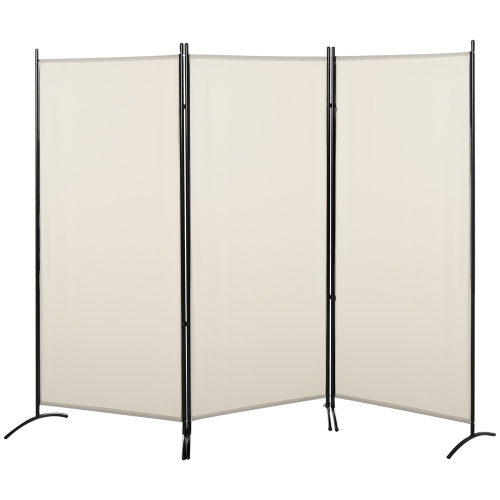 Your price for this item is $80.99
-
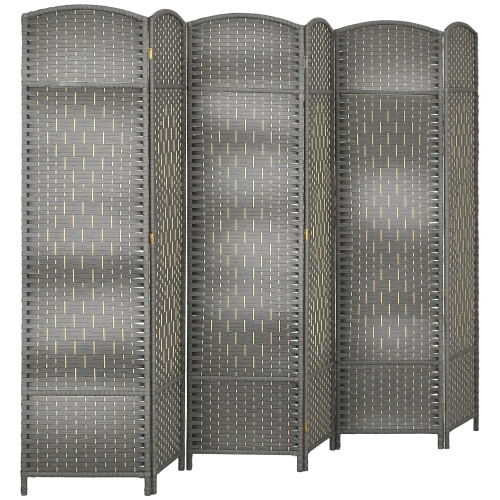 Your price for this item is $149.99
-
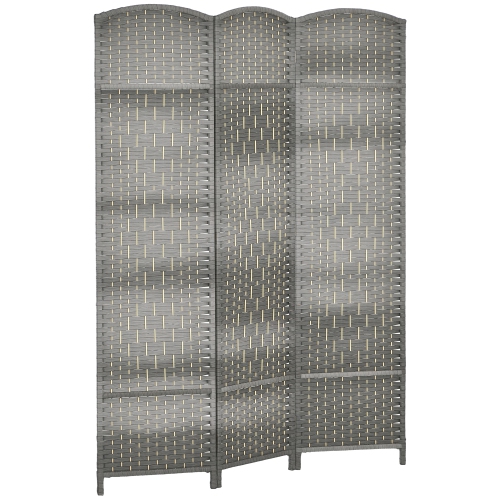 Your price for this item is $94.99
-
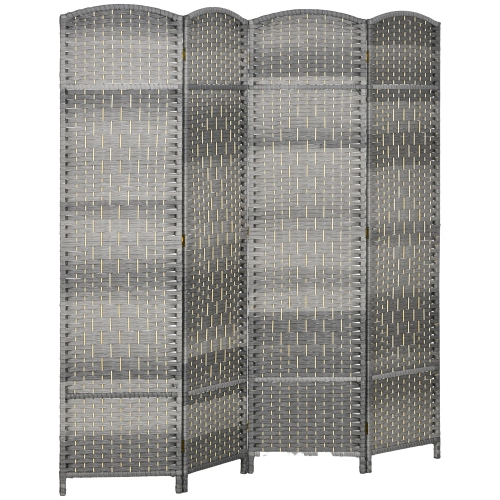 Your price for this item is $114.99
-
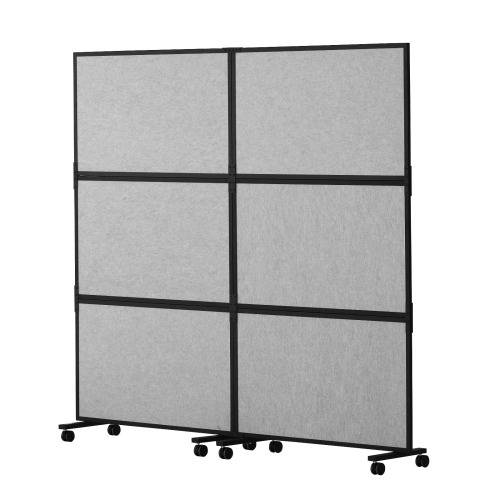 Your price for this item is $374.9
-
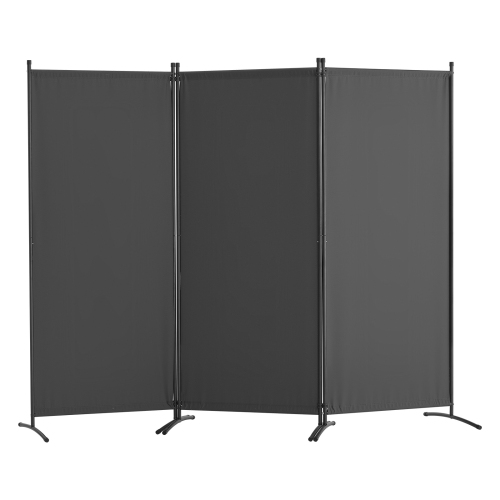 Your price for this item is $67.9
-
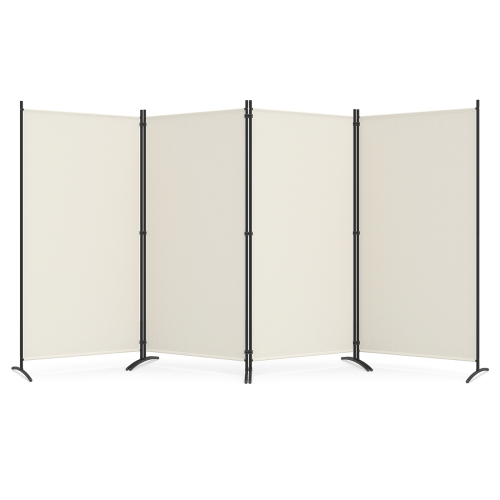 Your price for this item is $109.99
-
 Your price for this item is $279.99
Discover more categories related to Privacy Screen Room Dividers
Top Collections:
Pokemon Centers, Kindle Devices, Best Black Friday Deals This Year, Pokémon 30th Celebration Cards, Best Black Friday Deals On Electronics, Best Cameras for Sports Photography, Best Black Friday Deals On Apple Products, Canon G7X Cameras, iPhone 15 Apple, Candle Warmer Lights
Some products may be subject to Environmental Handling Fees
(EHF) depending on your province.
Learn more about EHFs.