Professional Knife Sharpeners
Whether you're a seasoned chef or a home cook looking to elevate your culinary skills, investing in a professional knife sharpener is essential for maintaining the sharpness and precision of your kitchen tools. A dull knife not only makes food prep more challenging but can also be dangerous. With a wide range of options available, finding the right knife sharpener to suit your needs can make a significant difference in your cooking experience. From manual sharpeners to electric models, explore our selection of professional knife sharpeners to keep your knives in top condition for effortless slicing and dicing.
Sort
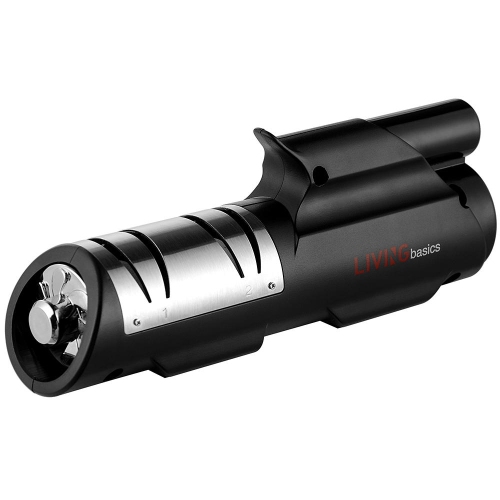
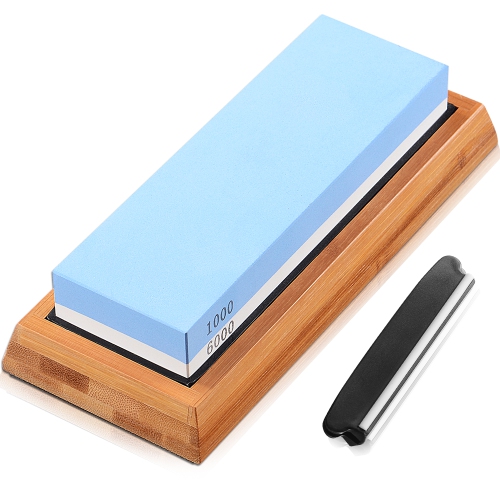
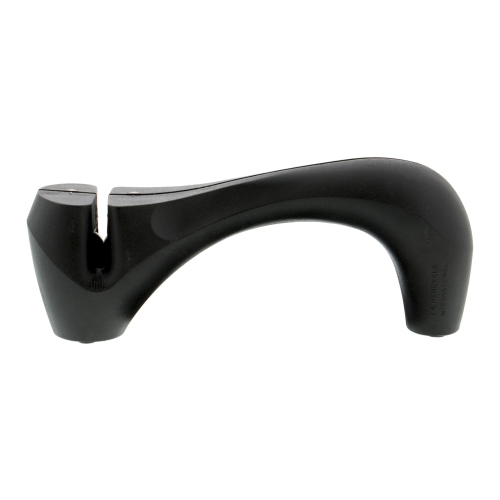
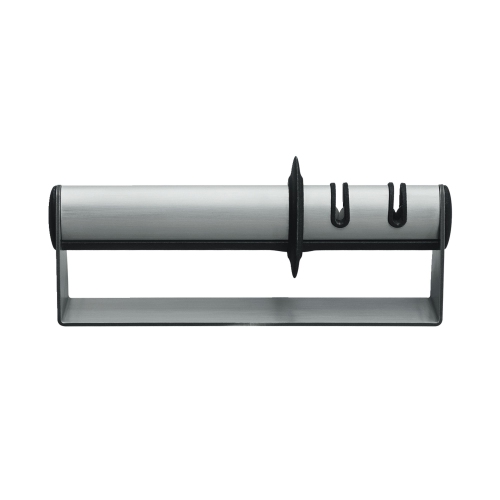
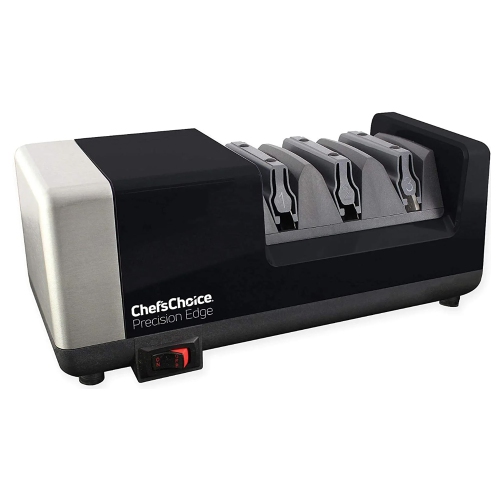

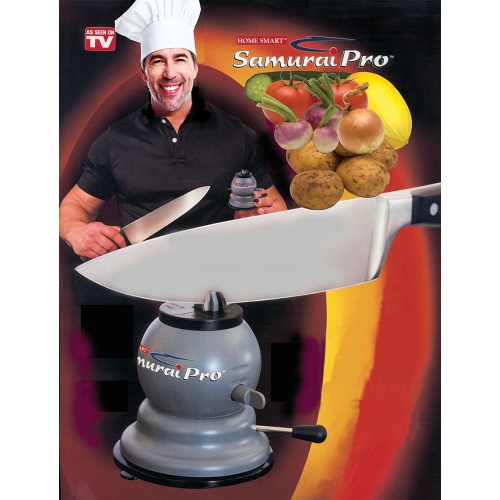
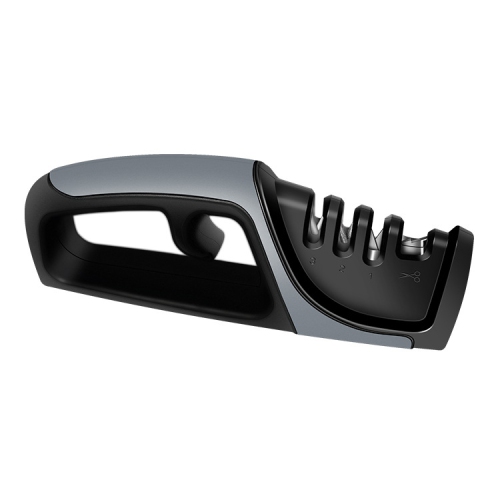
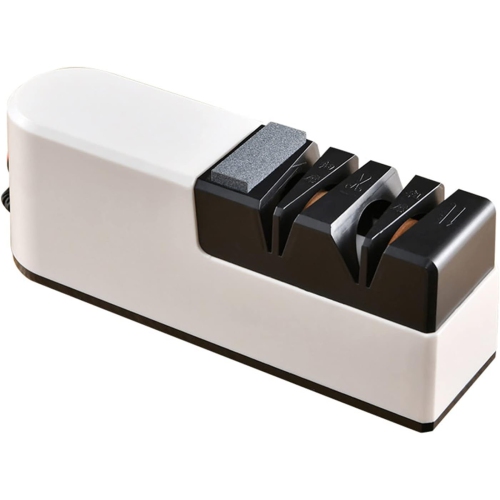
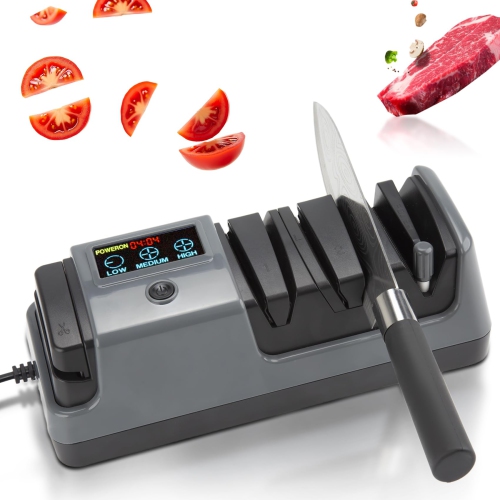
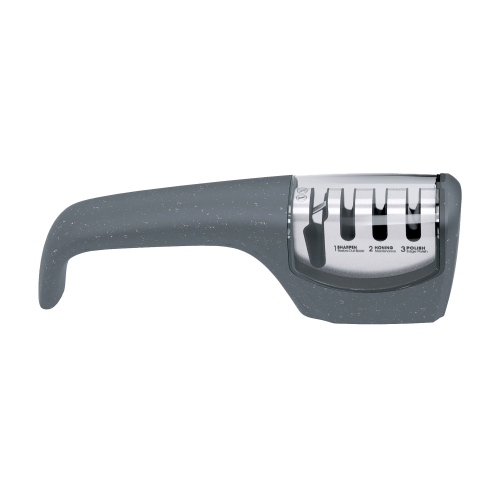
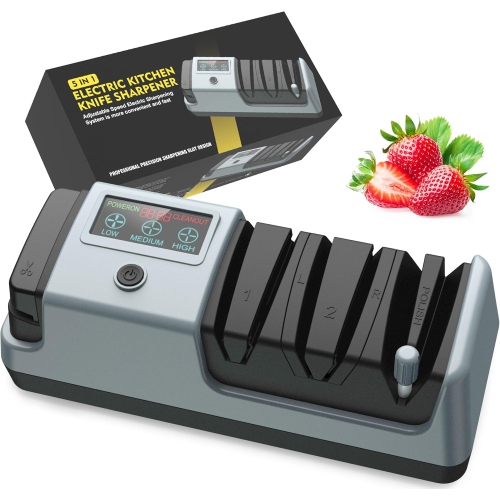
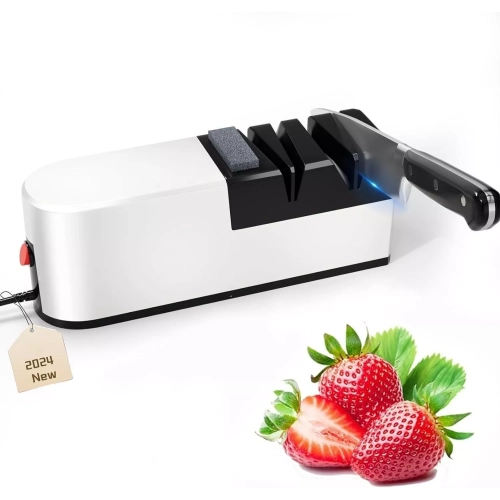
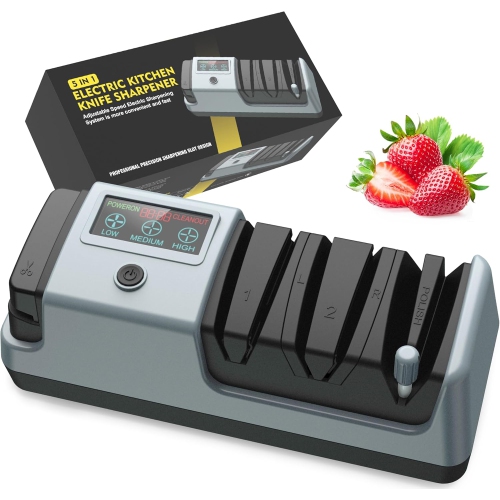
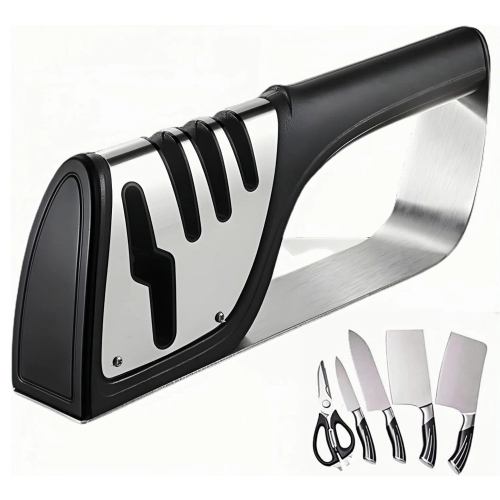
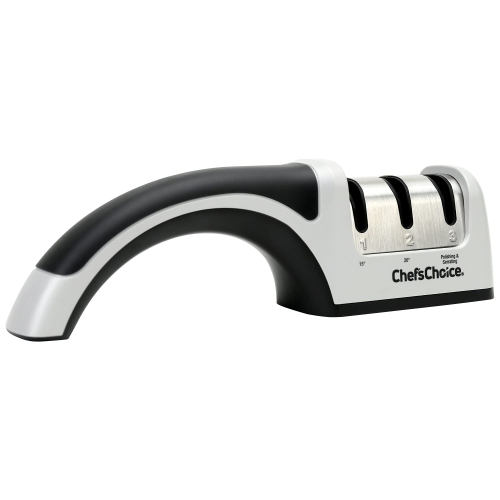
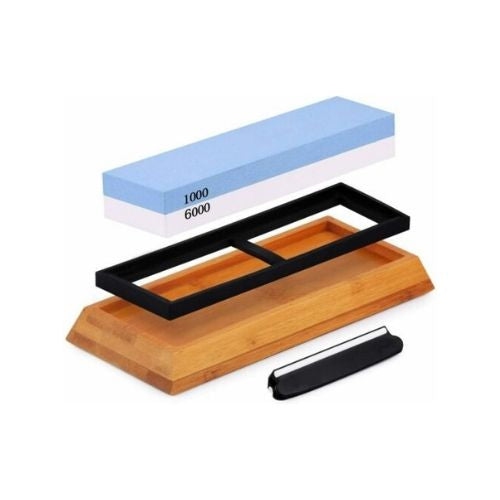

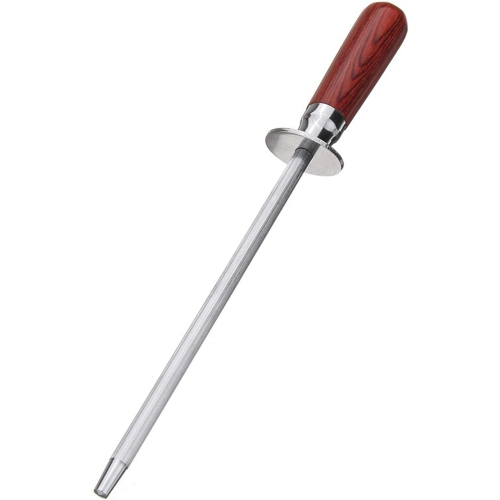
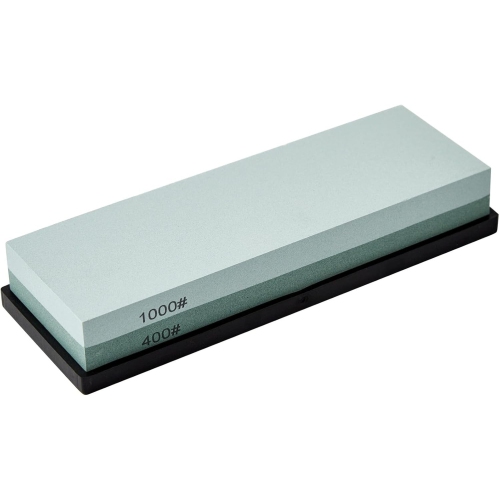
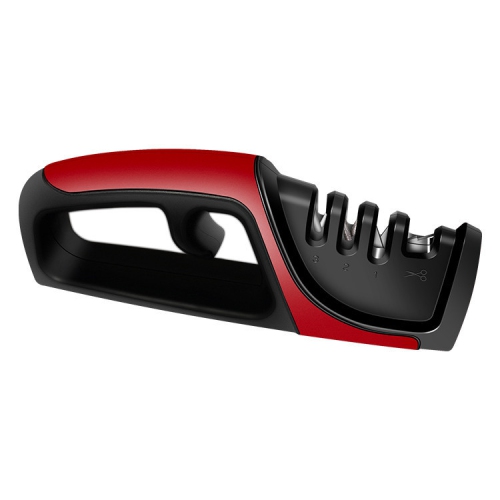
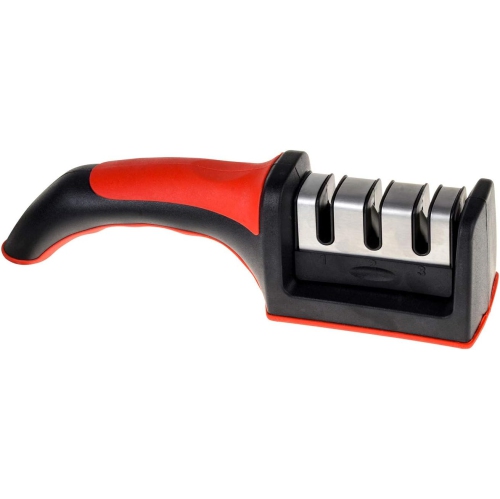
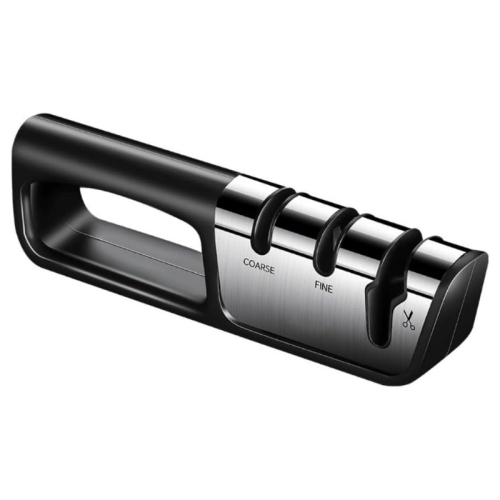
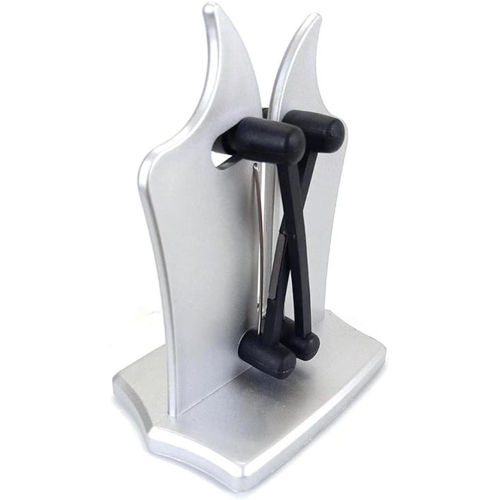
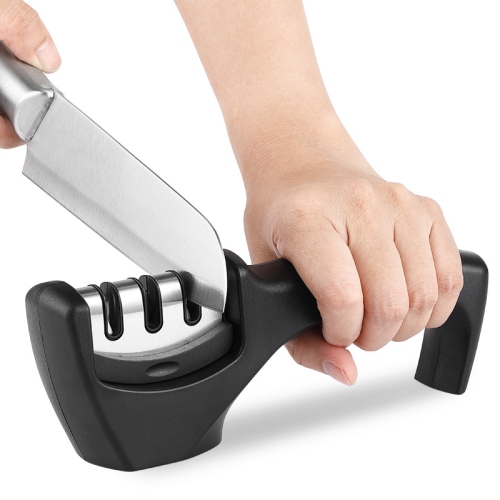
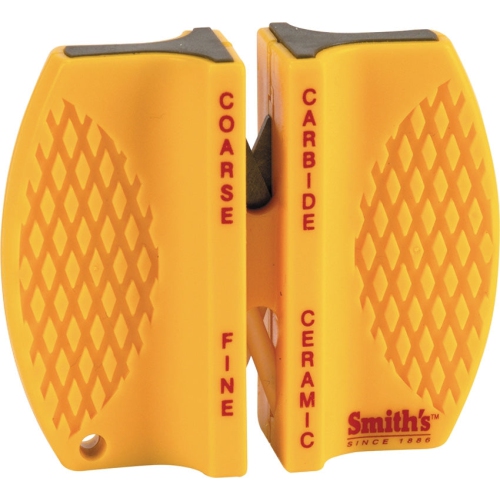
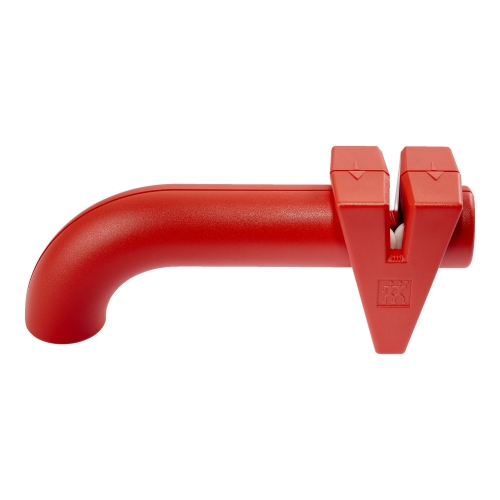
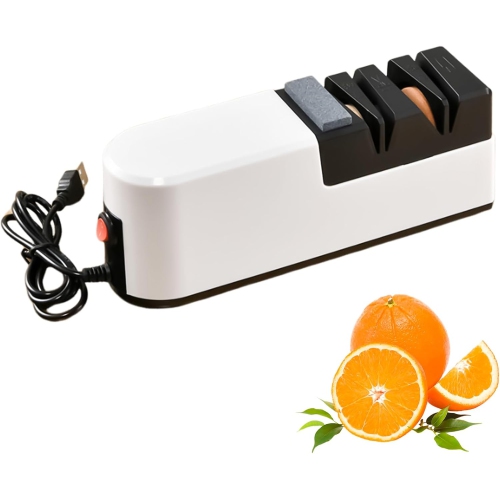
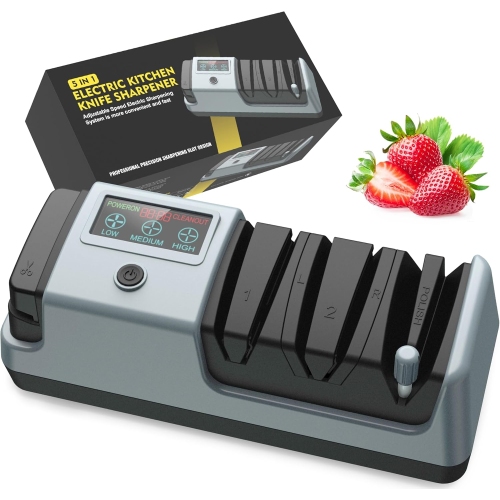
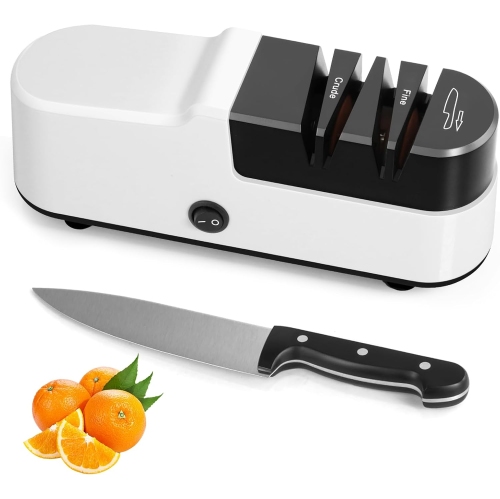
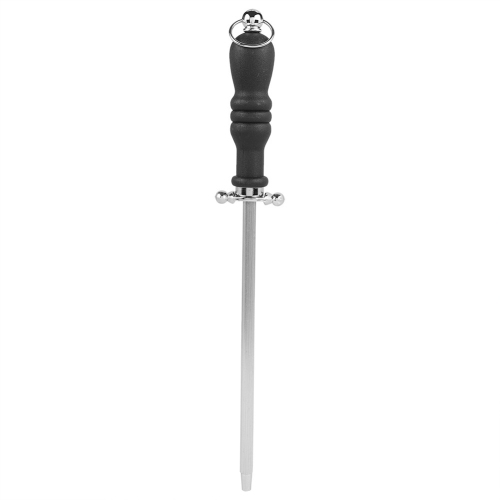

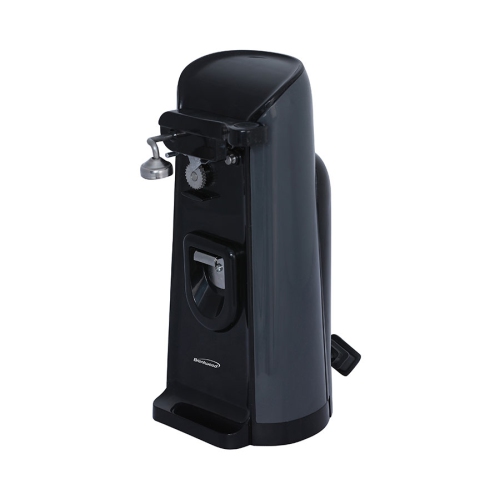
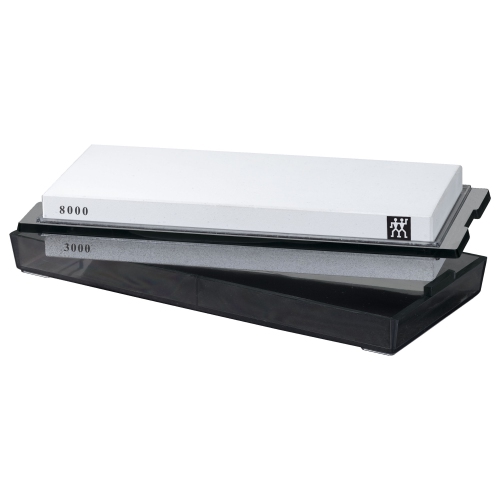
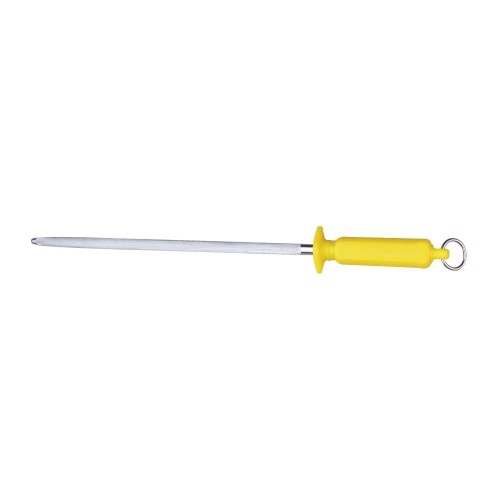
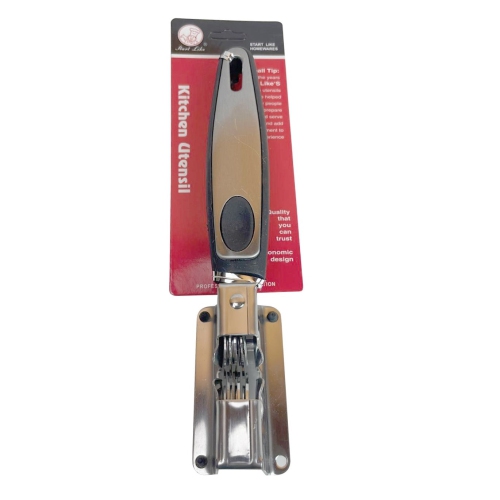
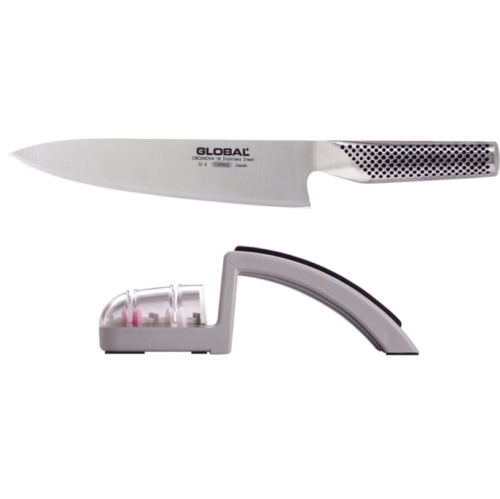
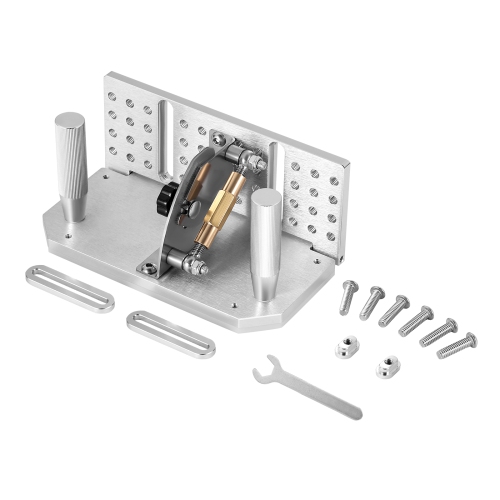
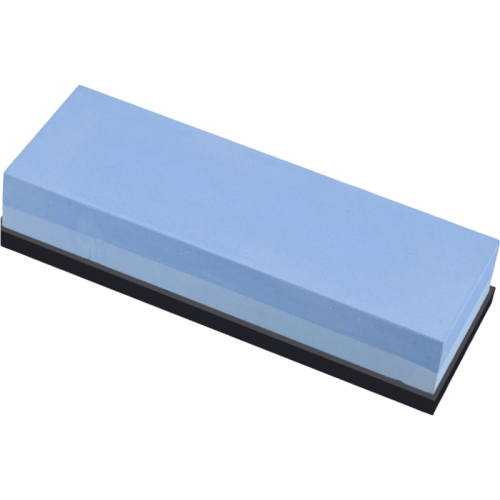
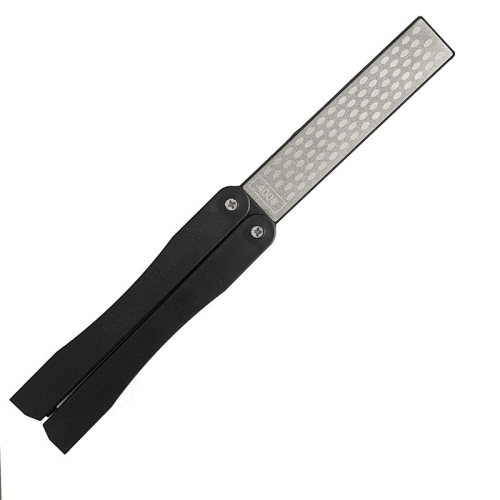
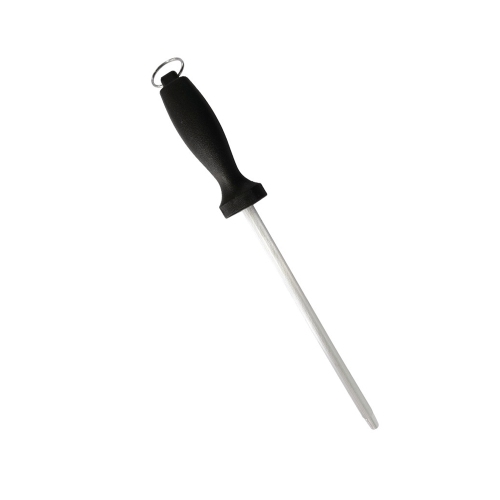
Sharpening options suit different knives, routines, and experience levels
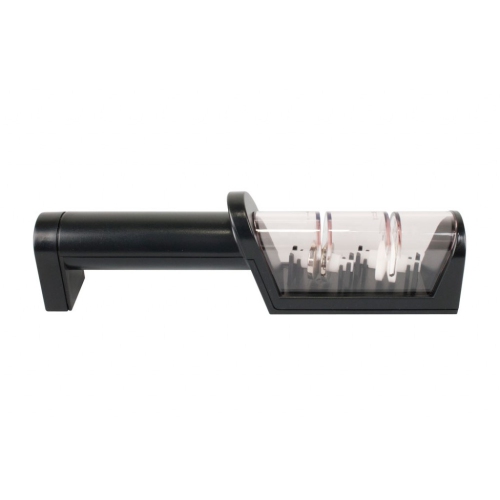
Professional knife sharpeners are designed for cooks who want dependable control over the condition of their kitchen blades, whether they prepare meals every day or simply appreciate the difference a well-maintained knife can make. A properly sharpened edge moves through an onion with less crushing, glides through ripe tomatoes instead of tearing the skin, and gives you more control when trimming meat, chopping herbs, or portioning vegetables. Professional-style sharpeners are available in several formats, each suited to a different level of experience and preferred routine. Electric sharpeners use powered abrasive wheels, belts, or discs to guide a blade through the sharpening stages with consistent pressure and angle control. They are often a practical choice for busy home cooks, culinary students, caterers, and anyone who wants a repeatable result without spending a long time setting up. Many electric models use diamond abrasives for efficient sharpening, followed by a finer honing or polishing stage that refines the edge. When browsing Electric Knife Sharpeners for Kitchens, look for a design that matches the knives you use most often, including the blade type, edge angle, and number of sharpening stages. Some sharpeners are intended for common kitchen knives, while others may also accommodate serrated blades, cleavers, or specialty edges. Reading the instructions before use is important, since each model has its own method for positioning the blade and completing a pass. Moving the knife smoothly and allowing the sharpener to do the work can help prevent uneven wear, excessive pressure, or accidental damage to the edge.
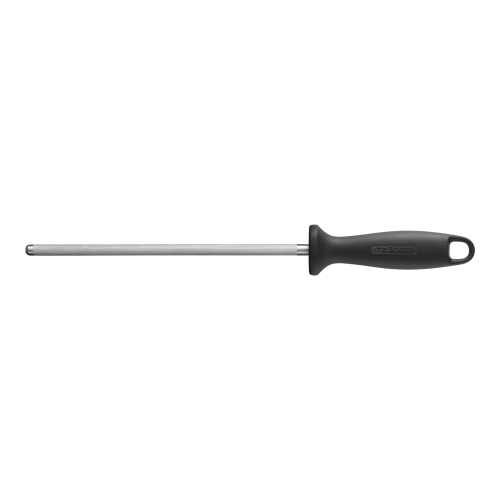
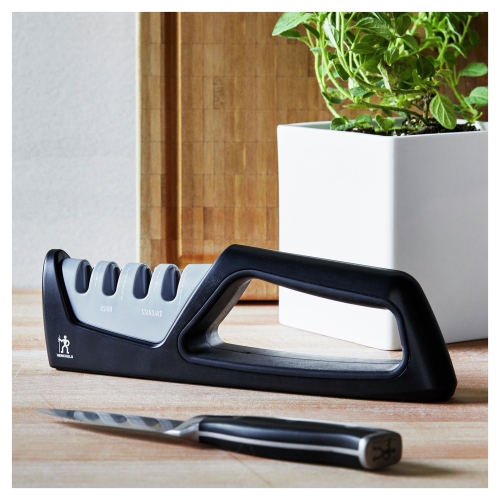
Guided manual sharpeners appeal to cooks who value precision while still wanting a straightforward process. These systems may hold a knife at a fixed or adjustable angle and use interchangeable stones, plates, or abrasive elements with different levels of coarseness. A coarser abrasive can repair a noticeably dull edge or establish a new bevel, while a medium abrasive refines the shape and a fine abrasive helps smooth and polish the finished edge. Adjustable systems can be useful in households with a range of knives, since a narrow angle may suit certain fine kitchen blades and a wider angle may be better for heavier-duty work. Manual pull-through sharpeners offer another accessible option, combining guided slots with preset angles for routine maintenance. They are usually compact and easy to store in a drawer, making them convenient for a kitchen that sees regular use but has limited counter space. Whetstones and water stones provide the greatest hands-on control and are often preferred by experienced home cooks, chefs, and culinary professionals who want to manage the angle, pressure, and feel of every stroke. They require more practice than powered or guided designs, along with preparation such as soaking or wetting the stone when specified by the manufacturer. Keeping the stone flat is also important, because a hollow or uneven surface can make it difficult to create a consistent bevel. A stone holder, non-slip base, or damp towel can help keep the setup stable during sharpening. Whichever format you choose, consider storage, cleaning, replacement abrasives, noise level, and the amount of counter space available. A sharpener that fits naturally into your cooking routine is more likely to be used consistently than one that is difficult to set up or maintain.
Professional knife sharpeners can be useful for home kitchens, restaurants, food-service settings, workshops, and shared cooking spaces where knives need regular attention. They can also make a thoughtful gift for a new homeowner, a passionate baker who prepares fruit and garnishes, a barbecue enthusiast, or someone building a more capable kitchen setup. During the cooler months, when meals often include hearty vegetables, roasts, stews, and shared dishes, a reliable sharpener can help keep everyday preparation comfortable and efficient. Before purchasing, check whether the sharpener supports the size and construction of your knives. Hardened Japanese-style blades, traditional Western knives, heavy forged blades, and serrated knives may call for different sharpening methods, and not every sharpener is suitable for every edge. Ceramic blades may require a compatible diamond abrasive, while serrated knives often need a dedicated sharpening surface rather than a standard flat slot. It is also worth considering how much metal the sharpener removes. Routine honing or fine polishing maintains an existing edge, whereas coarse sharpening removes more material and should generally be reserved for blades that are genuinely dull, nicked, or in need of reshaping. Always keep fingers clear of the blade path, use a stable work surface, and clean away metal filings according to the manufacturer’s directions. Sharpening is only one part of knife care: hand washing, careful drying, suitable storage, and using a proper cutting board can help preserve the edge between sessions. With the right combination of sharpener, technique, and maintenance, cooks can keep their essential knives feeling controlled and responsive for daily prep, weekend cooking projects, and meals shared with family and friends.
Guided manual sharpeners appeal to cooks who value precision while still wanting a straightforward process. These systems may hold a knife at a fixed or adjustable angle and use interchangeable stones, plates, or abrasive elements with different levels of coarseness. A coarser abrasive can repair a noticeably dull edge or establish a new bevel, while a medium abrasive refines the shape and a fine abrasive helps smooth and polish the finished edge. Adjustable systems can be useful in households with a range of knives, since a narrow angle may suit certain fine kitchen blades and a wider angle may be better for heavier-duty work. Manual pull-through sharpeners offer another accessible option, combining guided slots with preset angles for routine maintenance. They are usually compact and easy to store in a drawer, making them convenient for a kitchen that sees regular use but has limited counter space. Whetstones and water stones provide the greatest hands-on control and are often preferred by experienced home cooks, chefs, and culinary professionals who want to manage the angle, pressure, and feel of every stroke. They require more practice than powered or guided designs, along with preparation such as soaking or wetting the stone when specified by the manufacturer. Keeping the stone flat is also important, because a hollow or uneven surface can make it difficult to create a consistent bevel. A stone holder, non-slip base, or damp towel can help keep the setup stable during sharpening. Whichever format you choose, consider storage, cleaning, replacement abrasives, noise level, and the amount of counter space available. A sharpener that fits naturally into your cooking routine is more likely to be used consistently than one that is difficult to set up or maintain.
Professional knife sharpeners can be useful for home kitchens, restaurants, food-service settings, workshops, and shared cooking spaces where knives need regular attention. They can also make a thoughtful gift for a new homeowner, a passionate baker who prepares fruit and garnishes, a barbecue enthusiast, or someone building a more capable kitchen setup. During the cooler months, when meals often include hearty vegetables, roasts, stews, and shared dishes, a reliable sharpener can help keep everyday preparation comfortable and efficient. Before purchasing, check whether the sharpener supports the size and construction of your knives. Hardened Japanese-style blades, traditional Western knives, heavy forged blades, and serrated knives may call for different sharpening methods, and not every sharpener is suitable for every edge. Ceramic blades may require a compatible diamond abrasive, while serrated knives often need a dedicated sharpening surface rather than a standard flat slot. It is also worth considering how much metal the sharpener removes. Routine honing or fine polishing maintains an existing edge, whereas coarse sharpening removes more material and should generally be reserved for blades that are genuinely dull, nicked, or in need of reshaping. Always keep fingers clear of the blade path, use a stable work surface, and clean away metal filings according to the manufacturer’s directions. Sharpening is only one part of knife care: hand washing, careful drying, suitable storage, and using a proper cutting board can help preserve the edge between sessions. With the right combination of sharpener, technique, and maintenance, cooks can keep their essential knives feeling controlled and responsive for daily prep, weekend cooking projects, and meals shared with family and friends.
Top selling and popular products
-
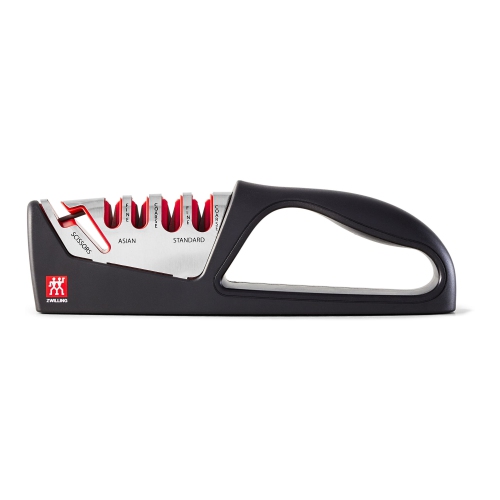 Your price for this item is $59.99
 -
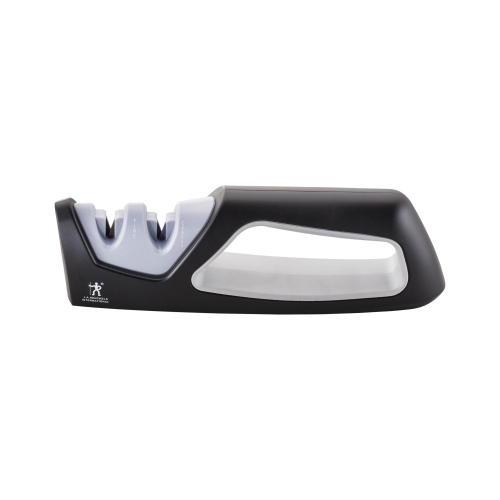 Your price for this item is $34.99
 -
 Your price for this item is $70.13
 -
 Your price for this item is $44.99
 -
 Your price for this item is $369.99
 -
 Your price for this item is $104.99
 -
 Your price for this item is $49.99
 -
 Your price for this item is $19.99
Discover more categories related to Professional Knife Sharpeners
Top Collections:
Pokemon Centers, Kindle Devices, Best Budget Office Chairs, Apple iPhones 16, Canon G7X Cameras, iPhone 15 Apple, Alarm Clock, Refurbished Apple Laptops, Flip Phones, Best Laptops for Writers
Some products may be subject to Environmental Handling Fees
(EHF) depending on your province.
Learn more about EHFs.