Pu Leather Barstools
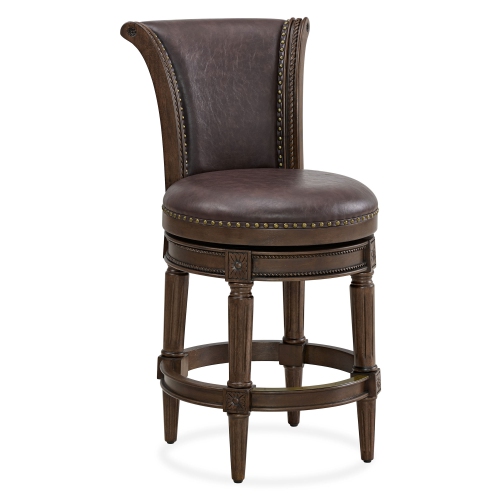
Upgrade your home bar or kitchen island with our selection of PU leather barstools. Designed for both style and comfort, these barstools are the perfect addition to any modern living space. Crafted with high-quality materials, these barstools offer a sleek and sophisticated look while providing a cozy seating experience for you and your guests. Whether you're enjoying a casual breakfast or hosting a lively gathering, our PU leather barstools will elevate your space with their contemporary design and practical functionality.
Sort
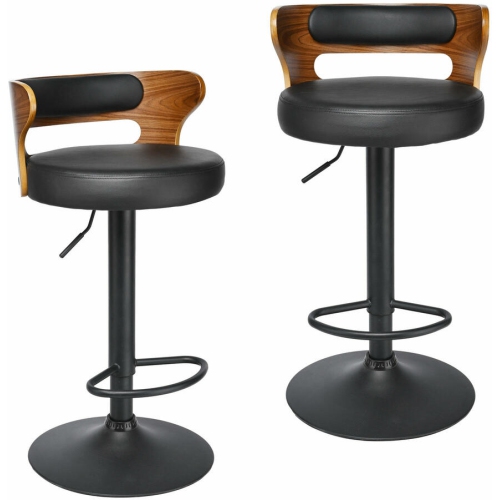
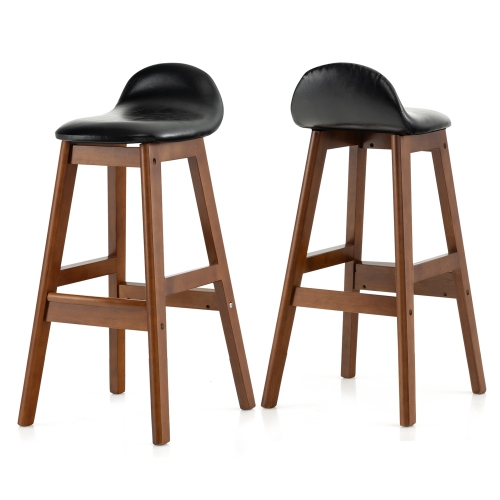
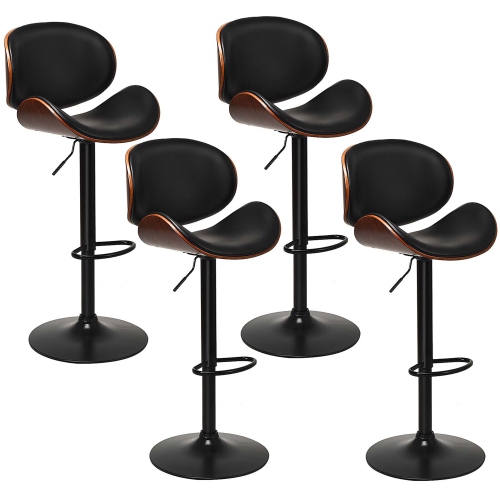
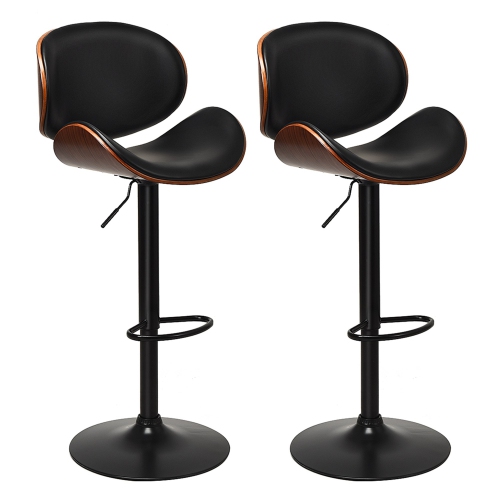
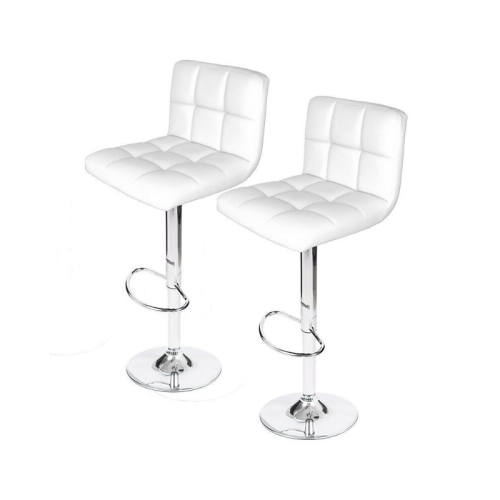
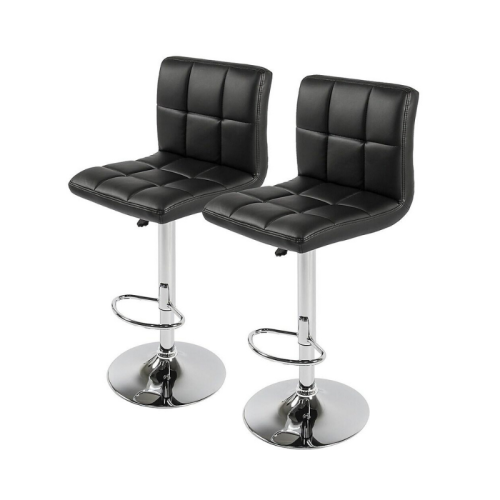
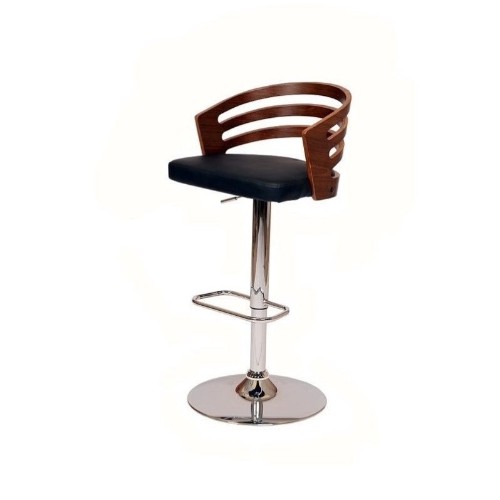
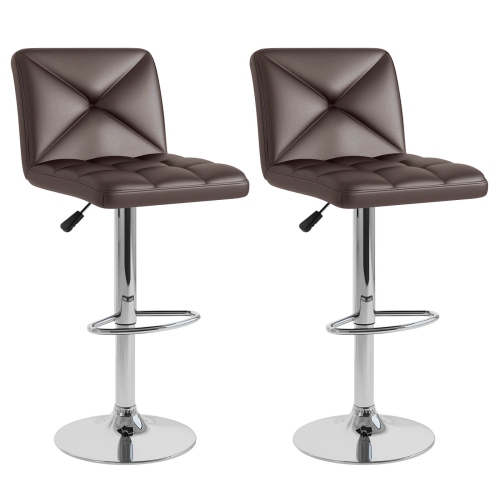
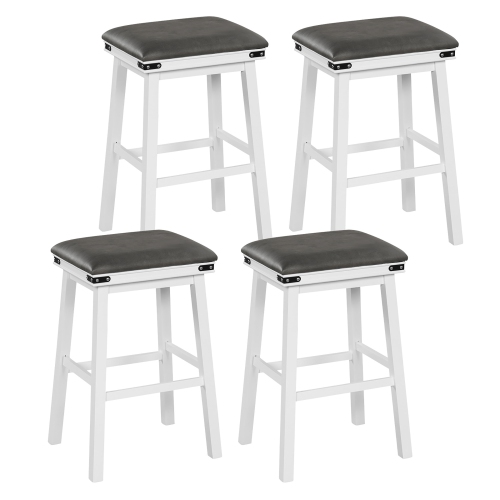
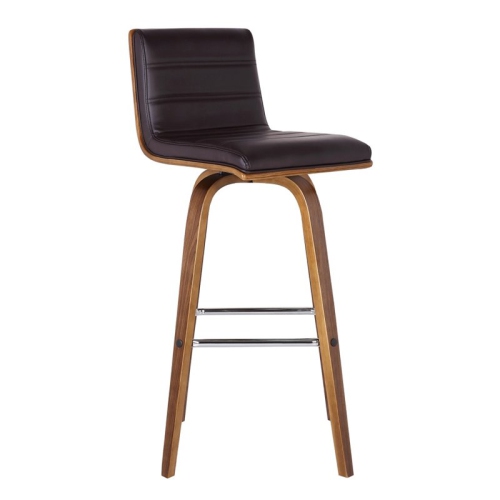
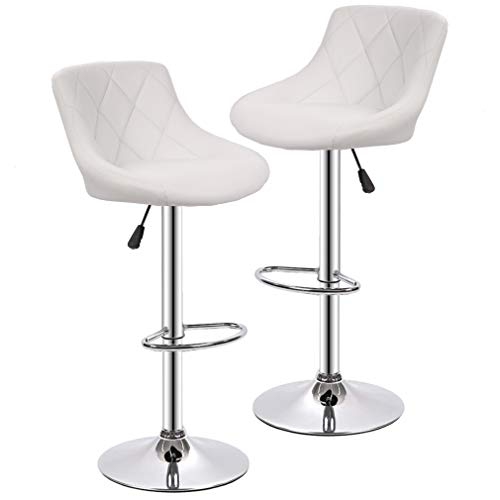
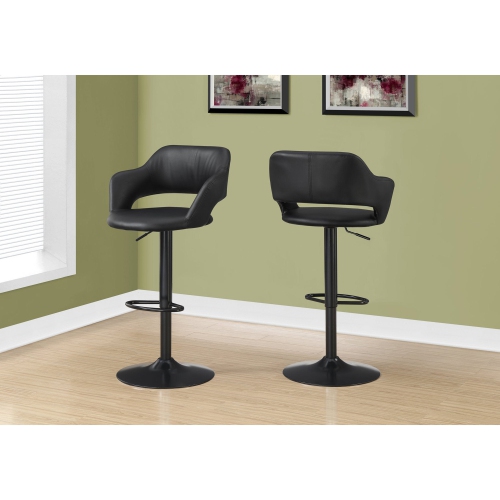
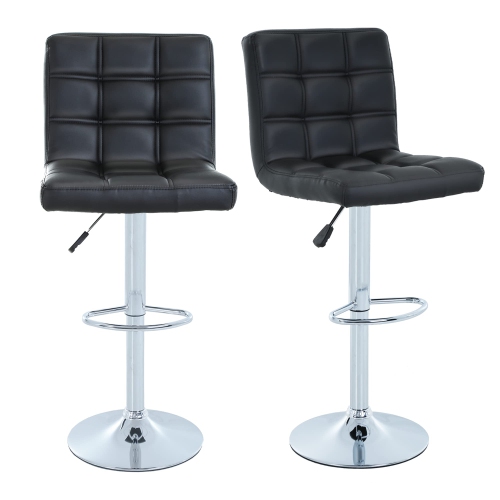
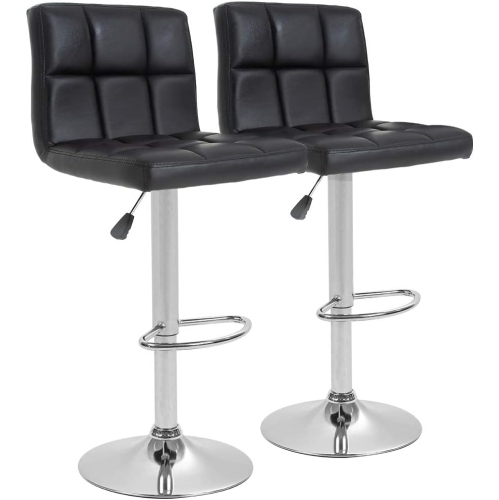
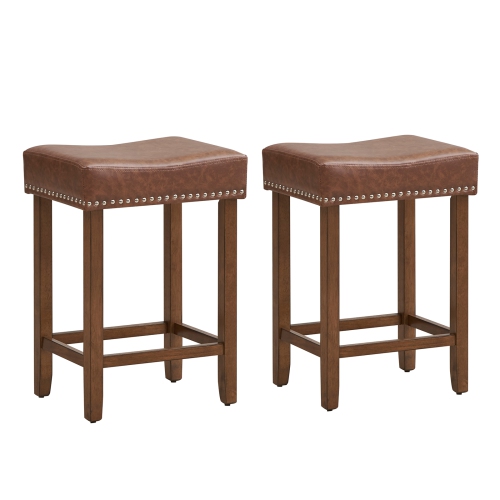
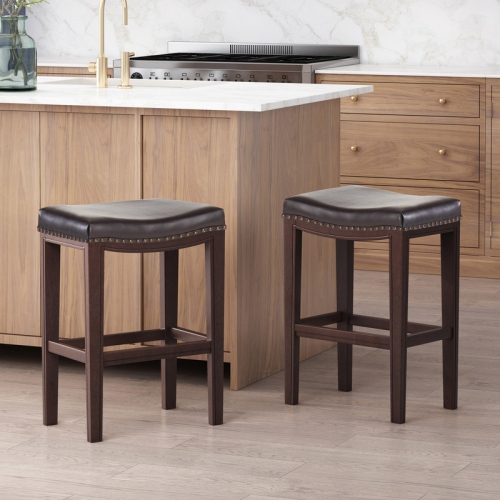
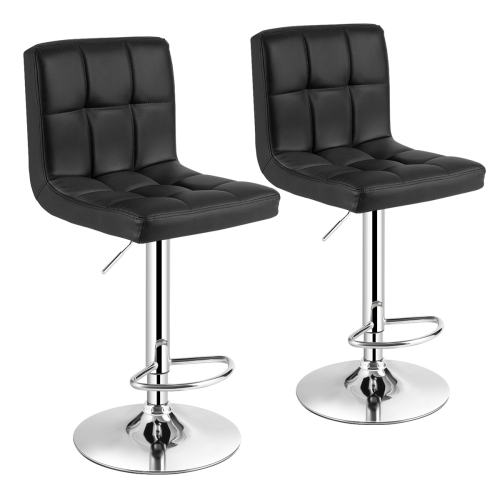
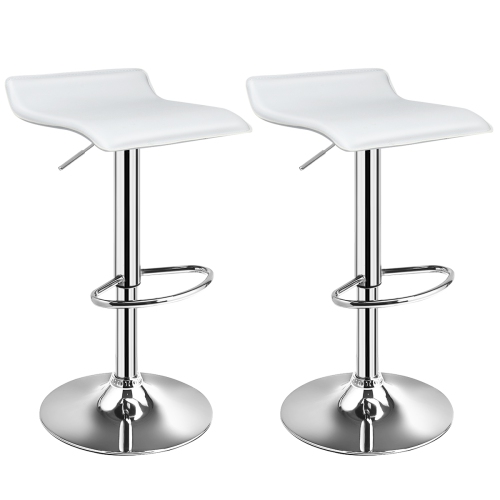
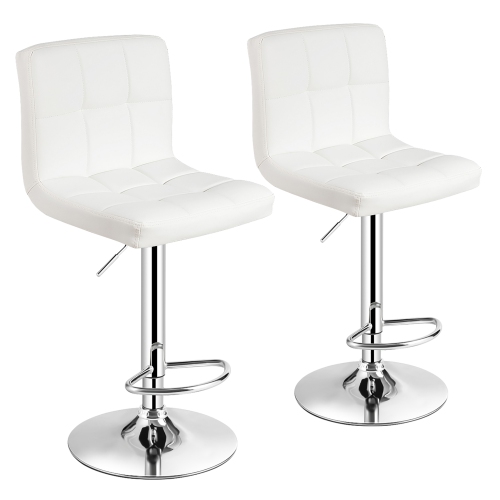
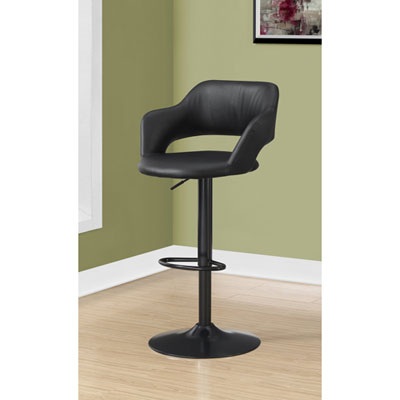
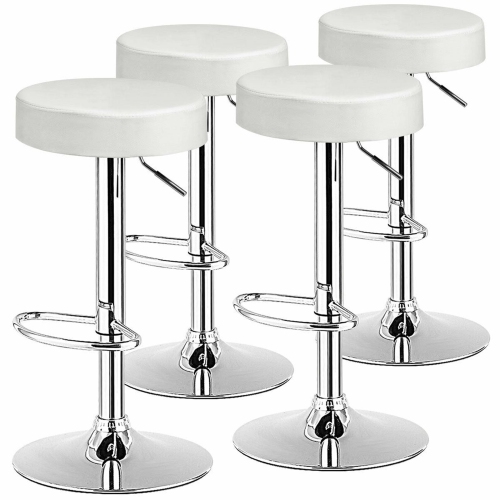
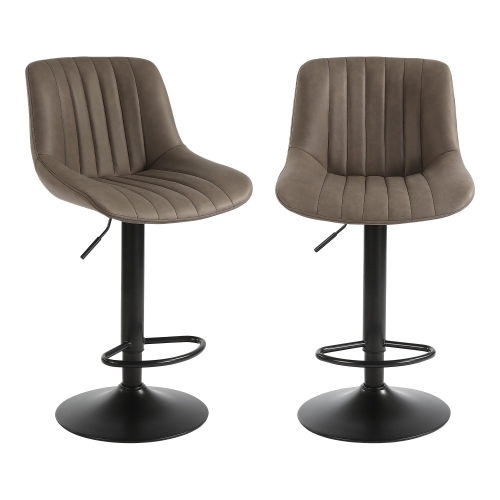
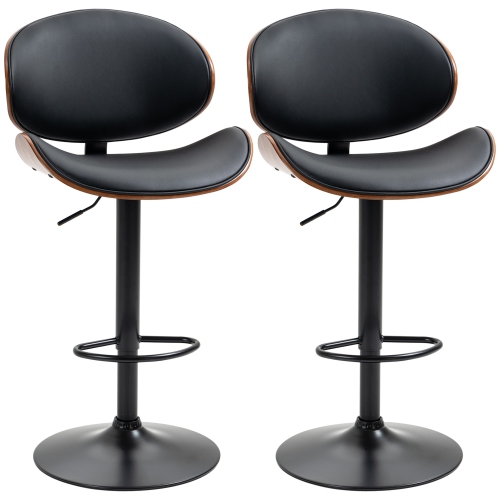
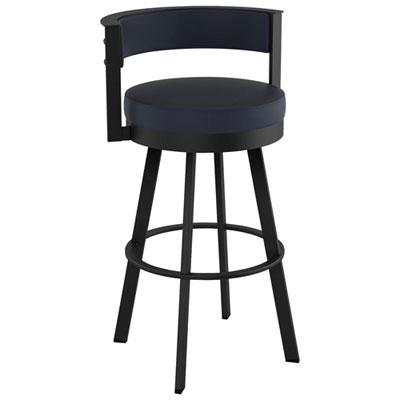
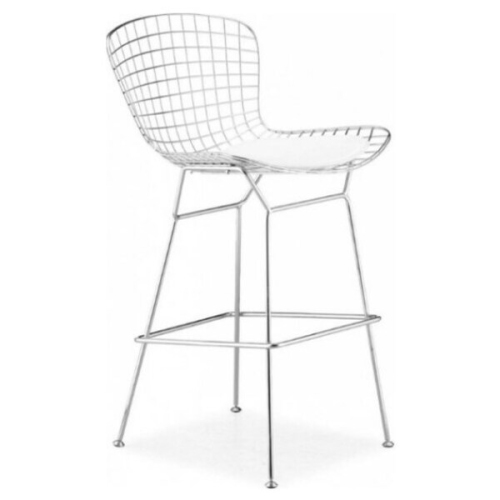
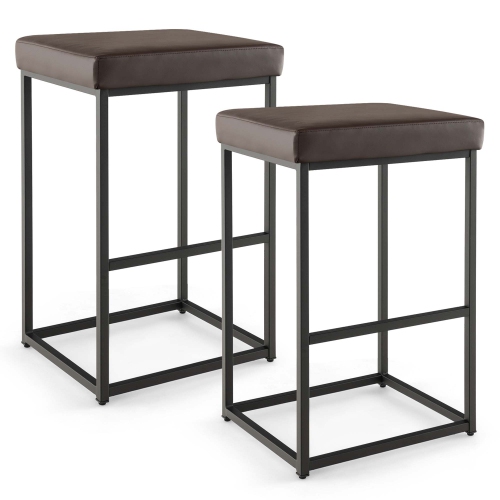
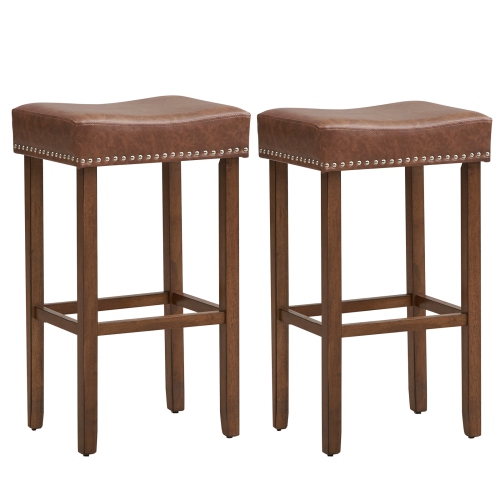
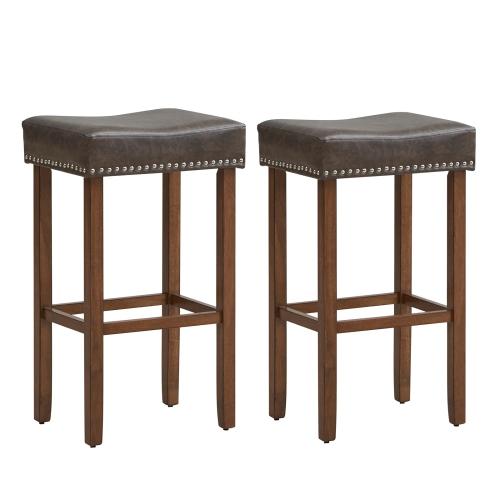
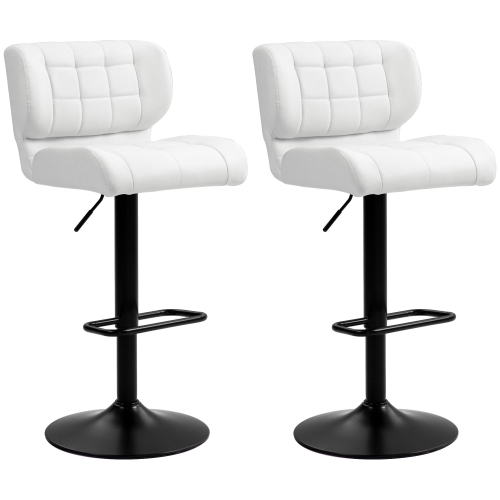
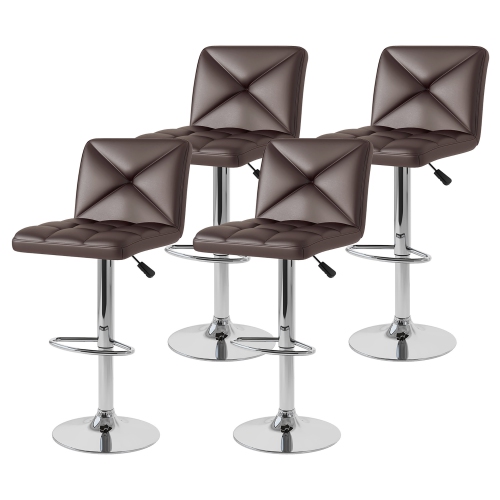
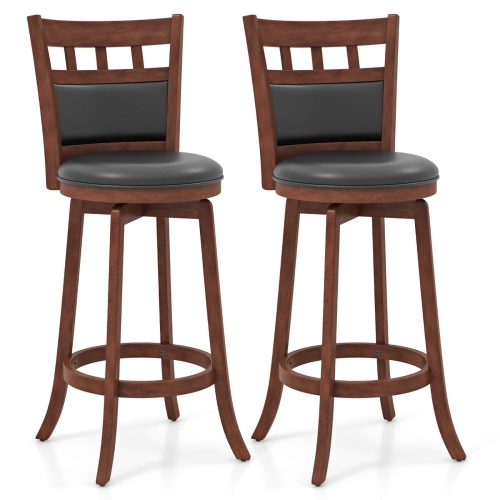
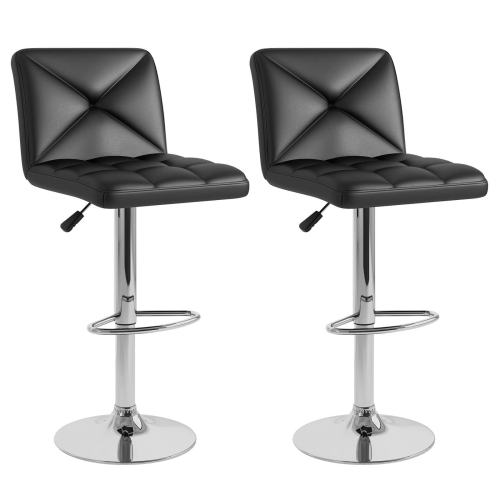
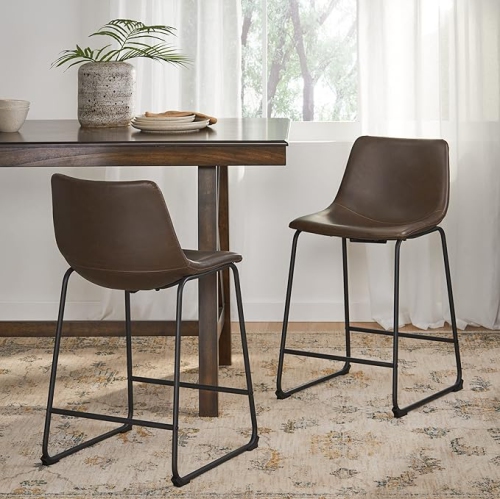
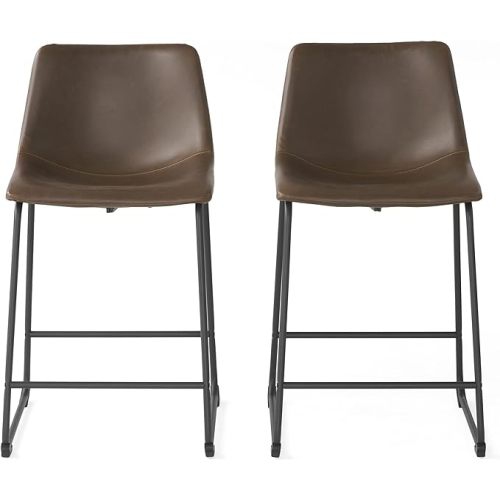

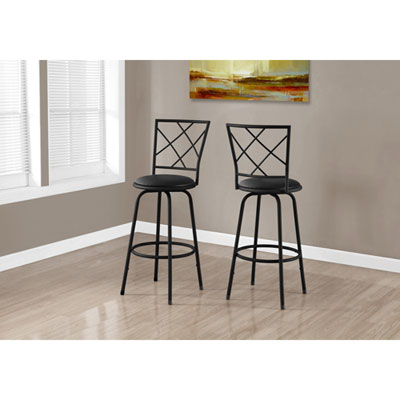
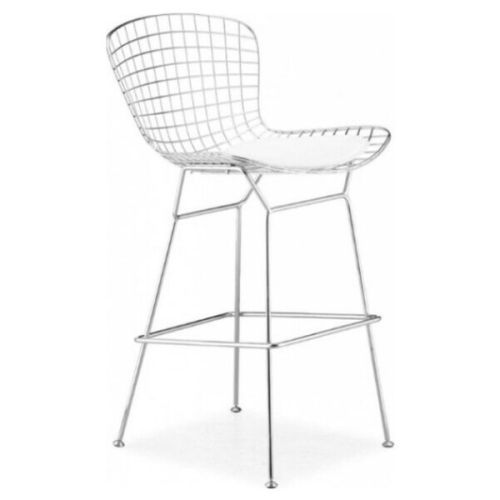
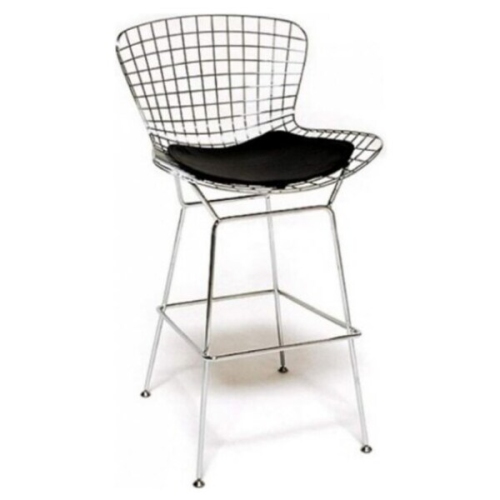
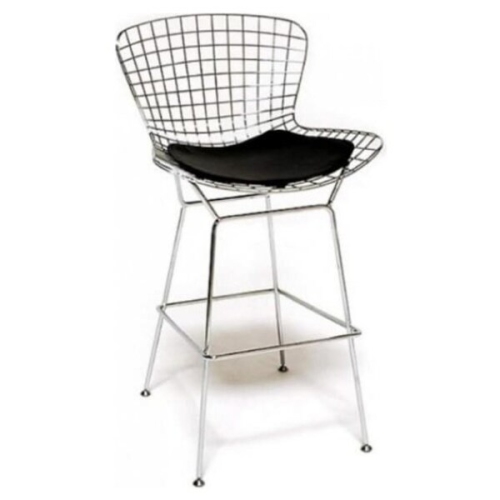
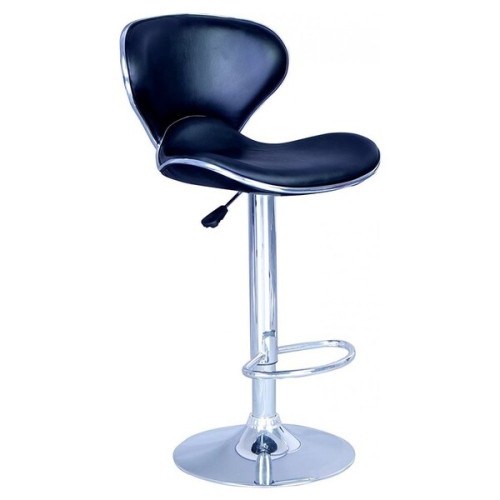
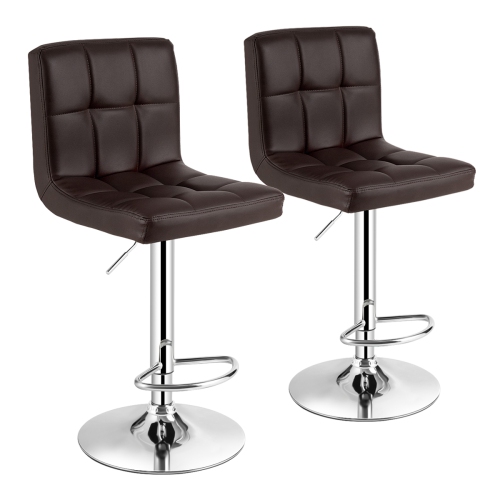
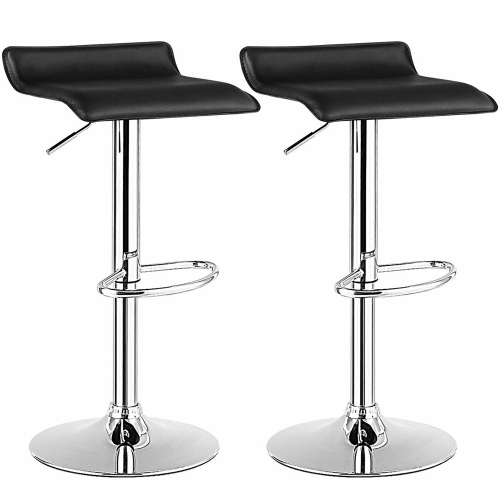
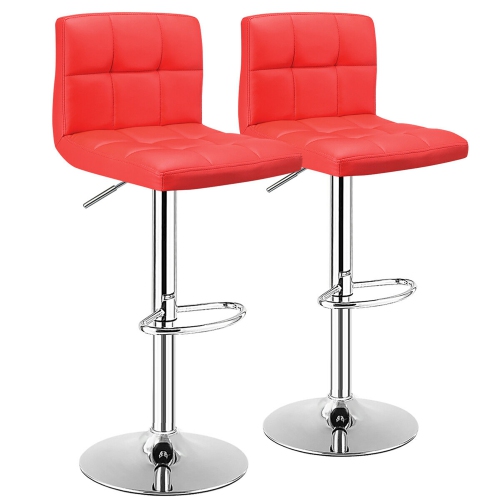
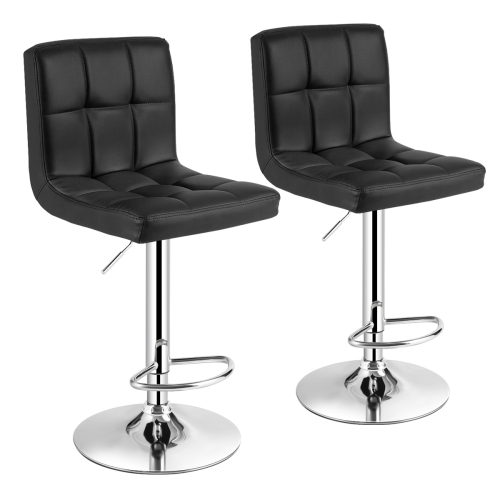
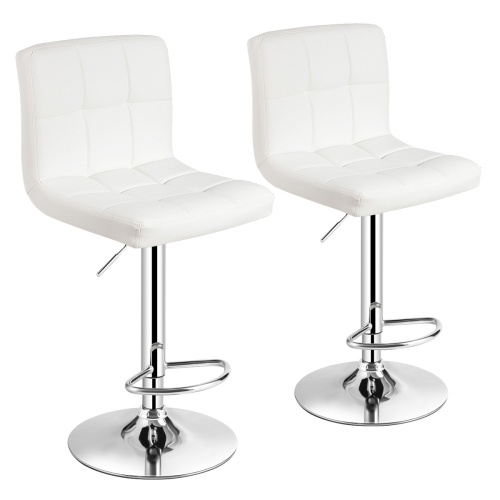
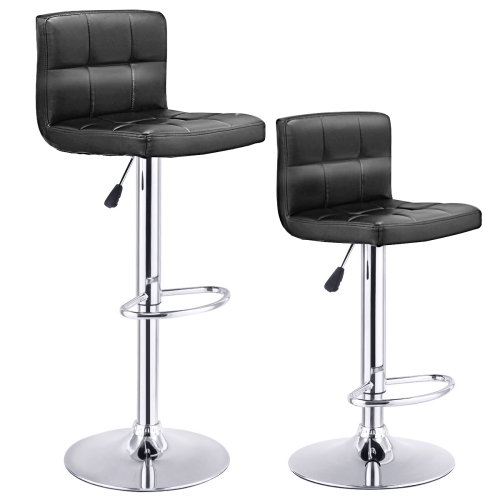
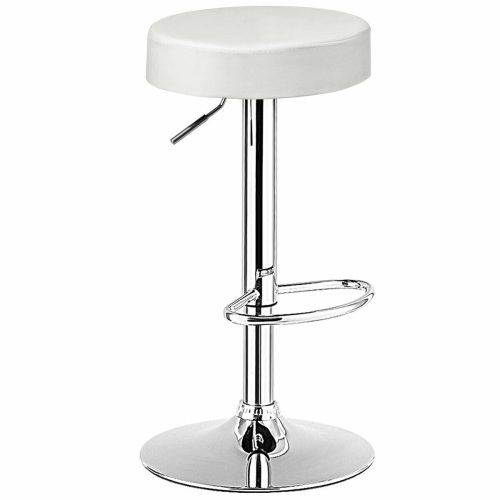
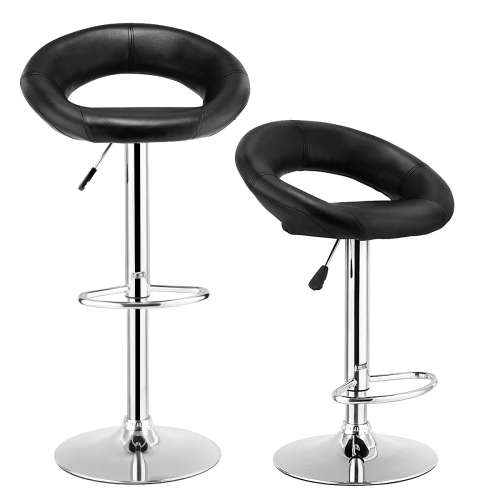
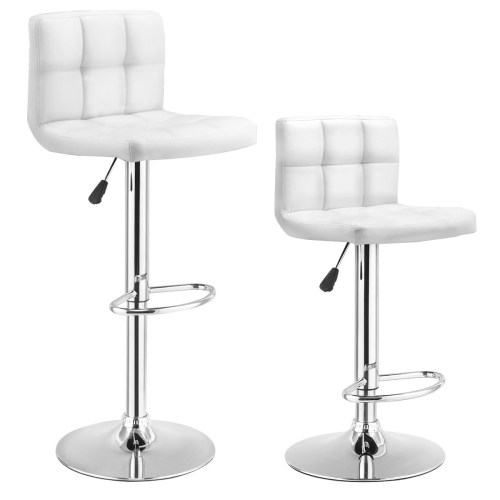
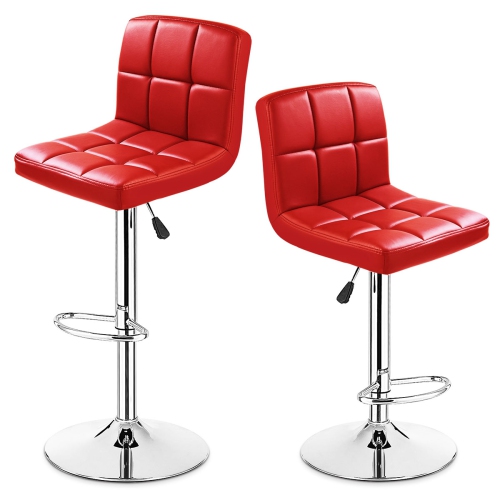
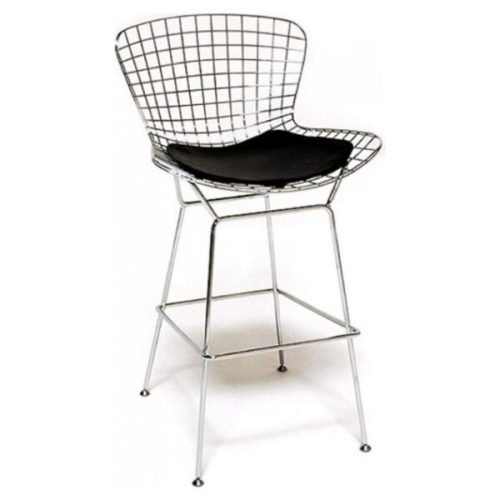
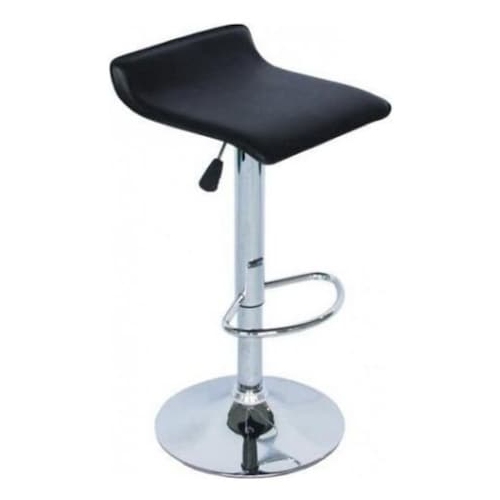
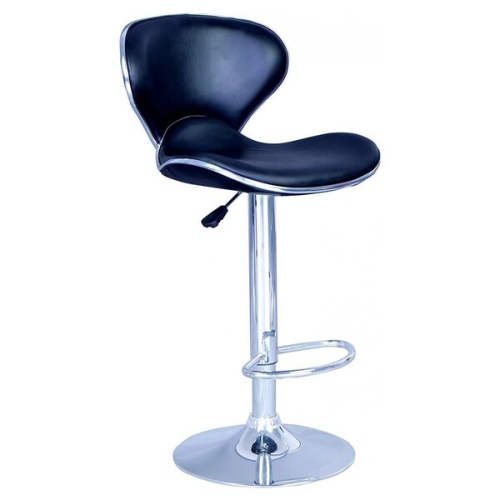
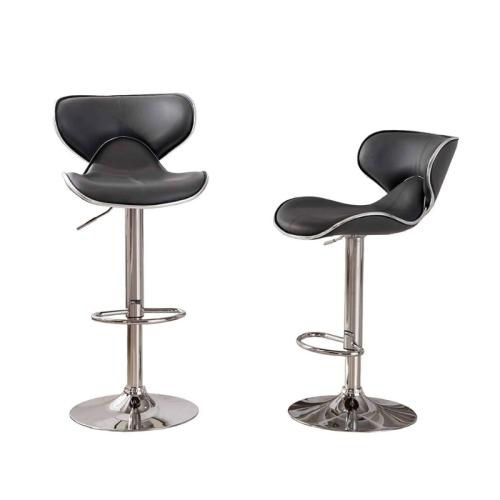
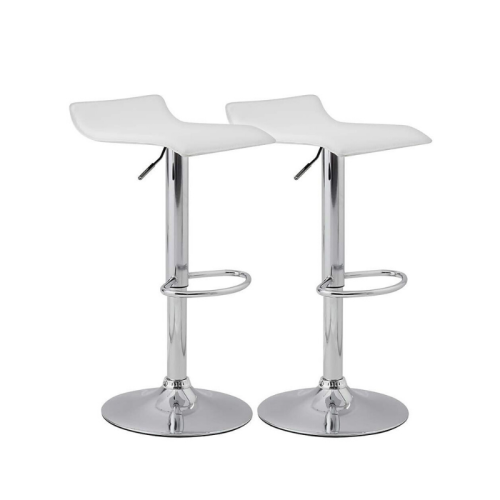

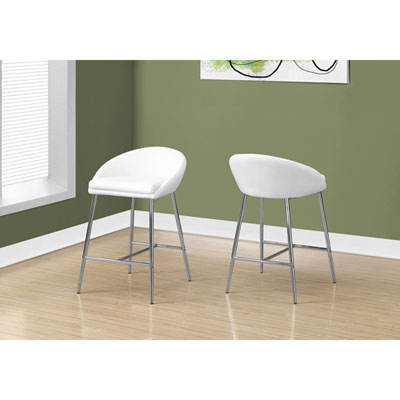
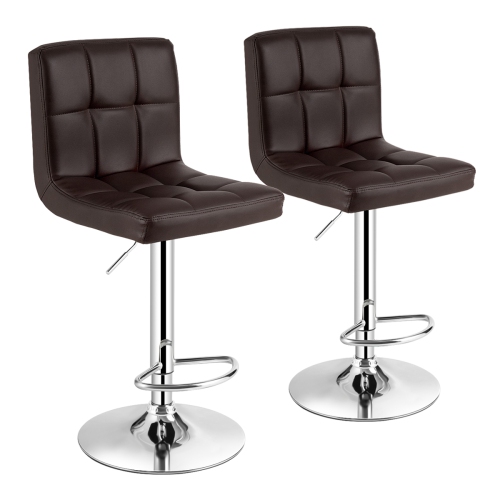
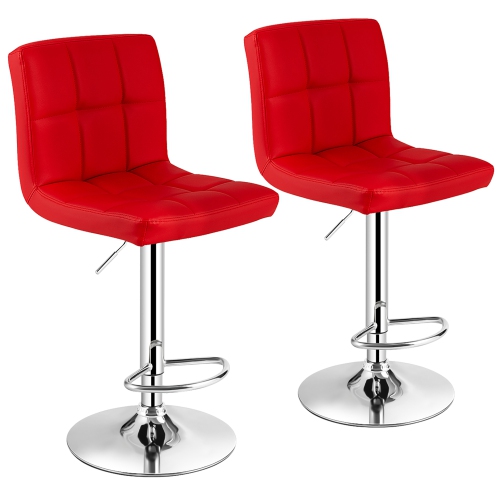
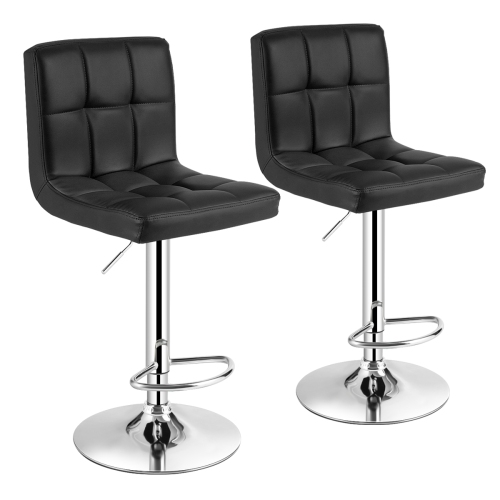
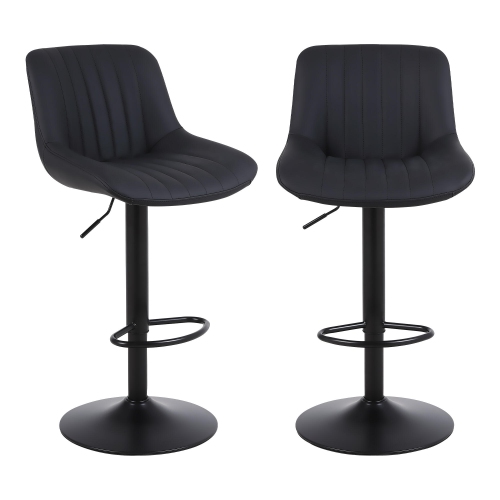
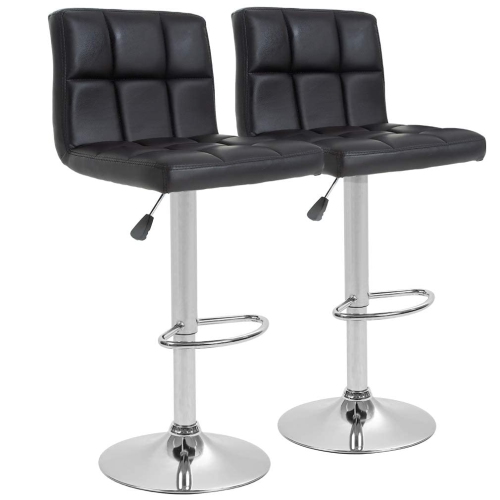
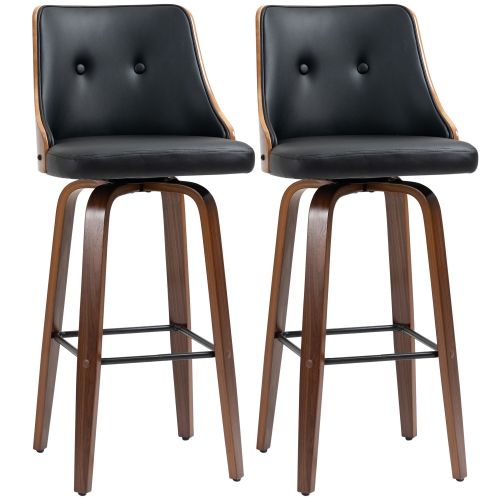
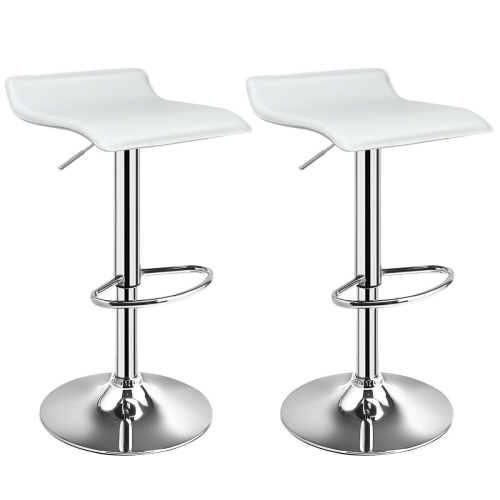

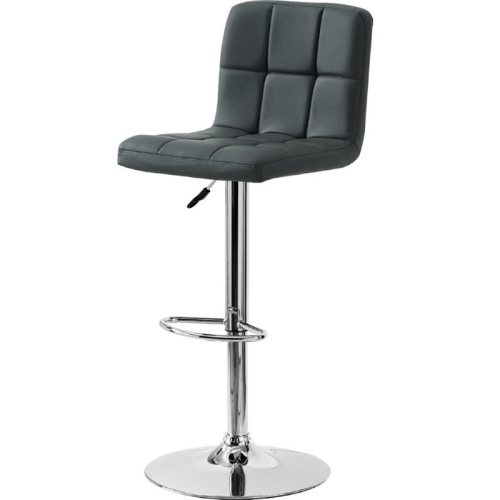
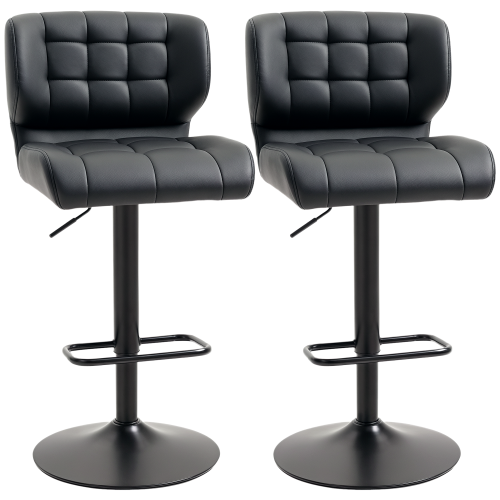
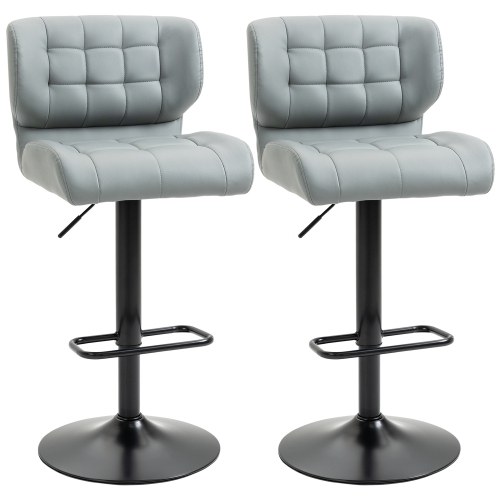
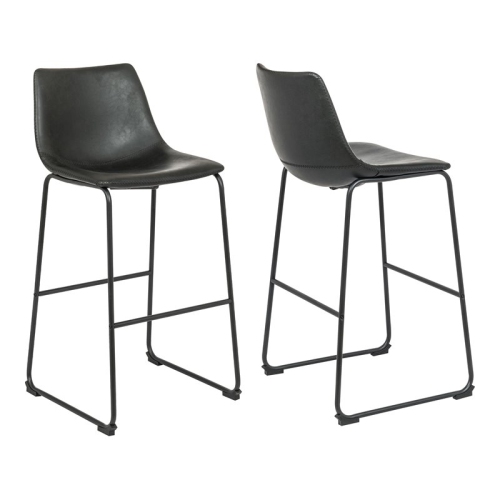
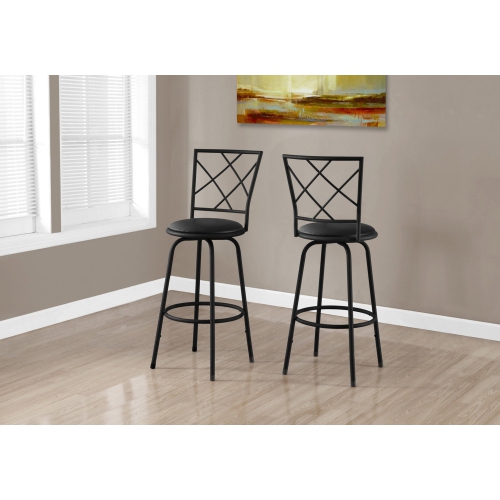
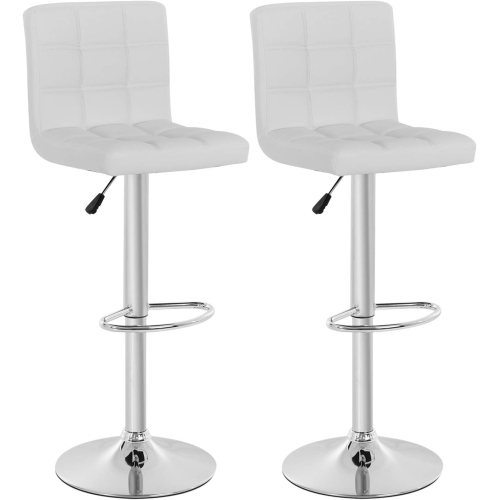
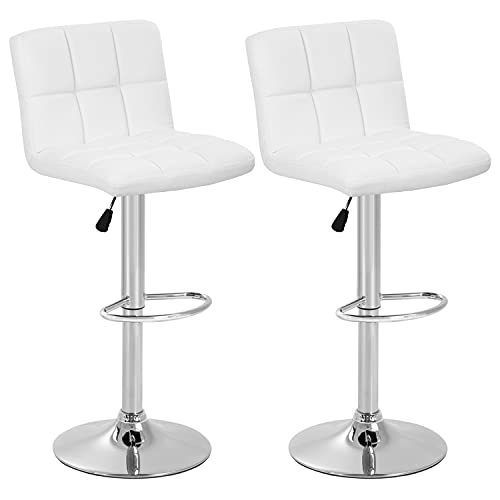
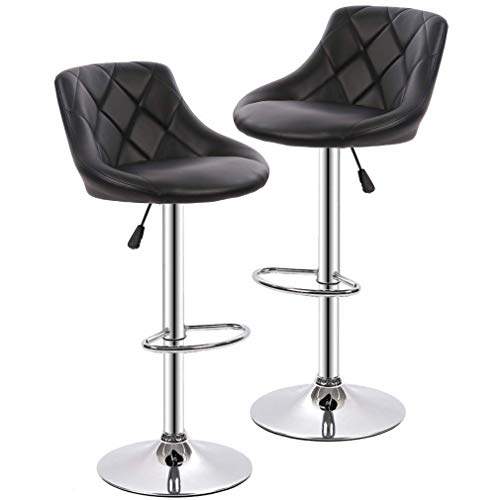
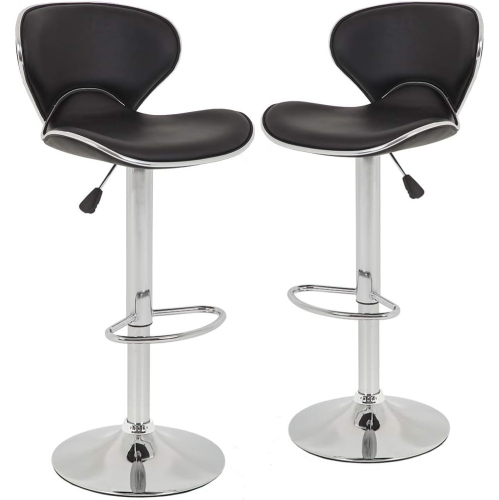

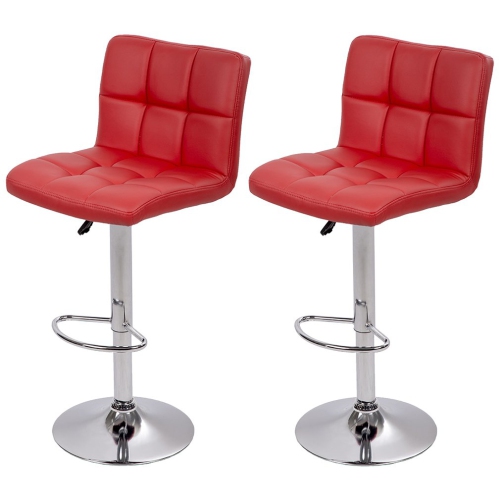
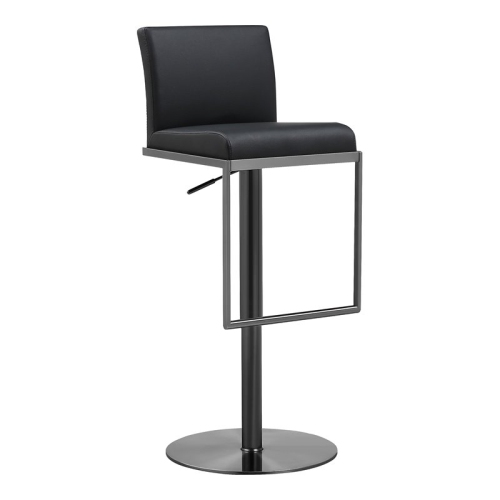
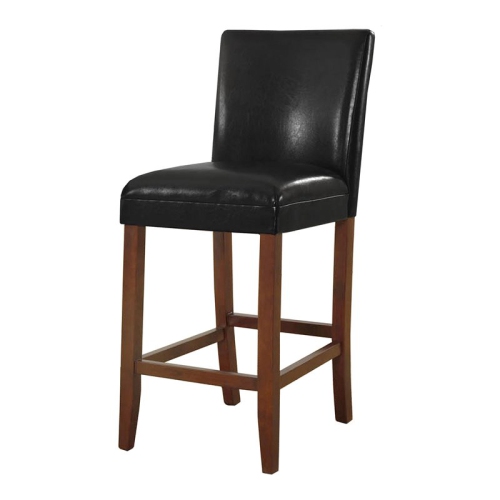
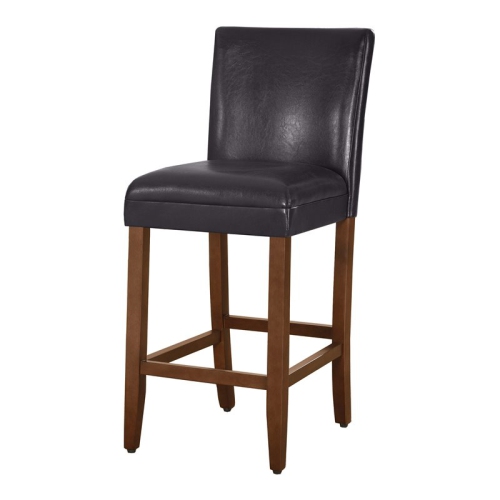
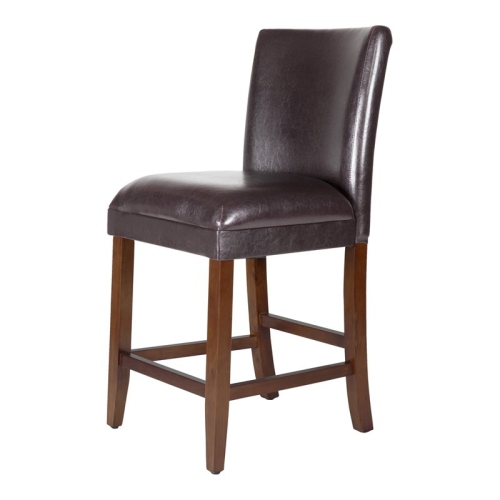
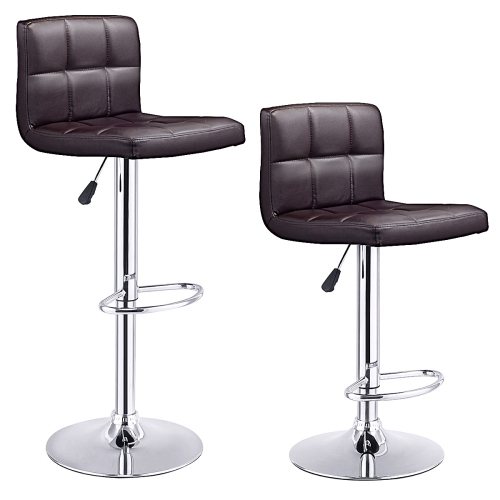
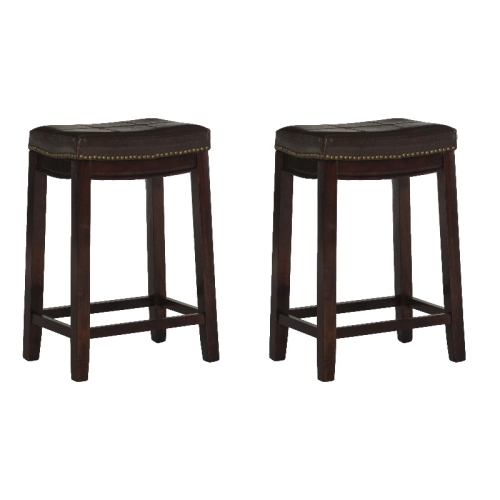
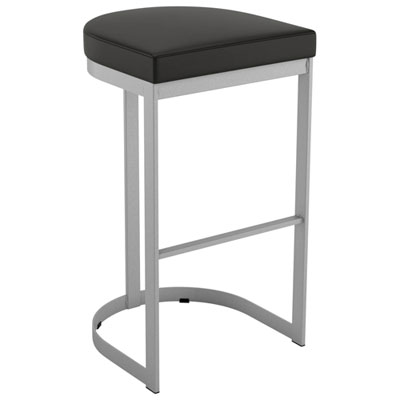
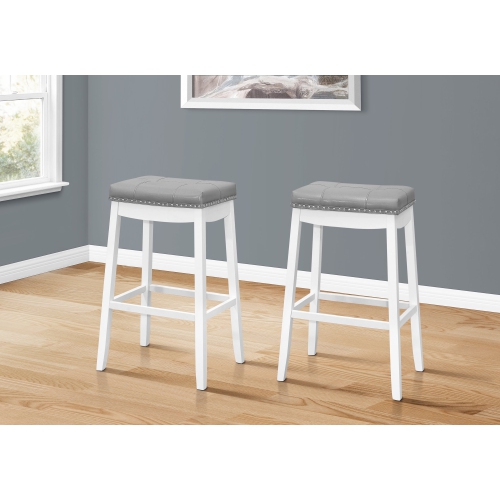
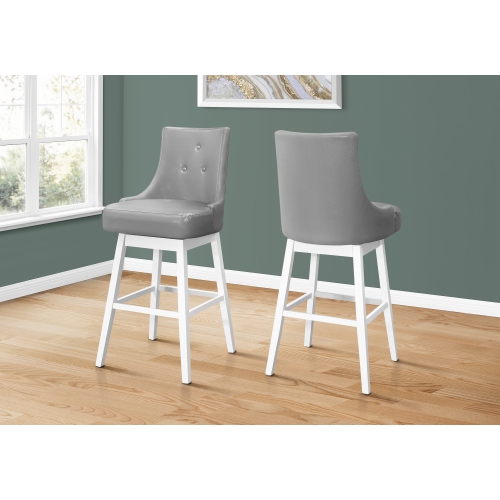
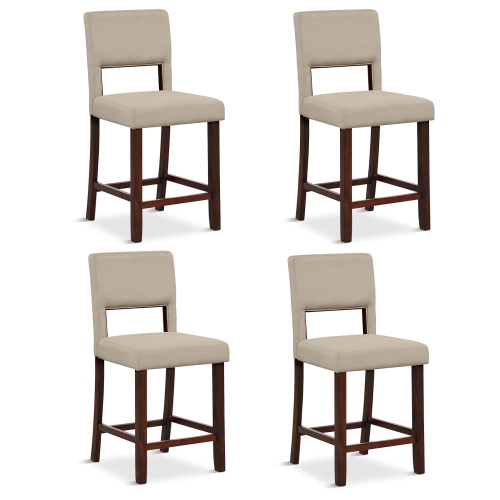
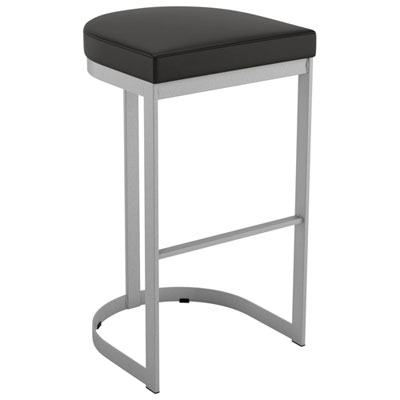
Smooth upholstery meets cushioned comfort at the counter
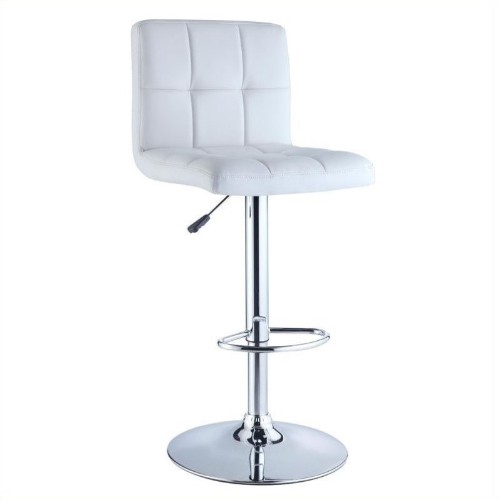
PU leather barstools combine upholstered seating with a smooth, leather-like finish for kitchen islands, breakfast counters, and home bars. PU stands for polyurethane, the coating used to create the upholstery’s outer surface. This material often has a textile backing, although construction varies, so the upholstery description matters when distinguishing fully synthetic coverings from materials that also contain leather. The appeal is straightforward: a cushioned seat, a tailored appearance, and a surface that is generally easy to wipe after everyday spills. PU leather can have a fine grain, a matte finish, or a slight sheen, with stitching and panel shapes adding definition. Smooth upholstery suits a pared-back kitchen, while channel stitching or a curved backrest can give a dining nook a more furnished feel. Black, grey, cream, and brown are versatile colours that work with many cabinet and countertop finishes. For a more distinct accent, Blue Leather Bar Stools can introduce colour alongside pale wood, white cabinetry, or brushed metal details. Frame materials also shape the overall look: metal creates a crisp outline, while wood brings visible grain and a warmer visual contrast to the upholstery. Comfort depends on more than the covering itself. Seat width, cushion firmness, backrest shape, and footrest position all affect how a stool feels during breakfast, a conversation over coffee, or a relaxed meal at the island. A generously padded seat may feel inviting at first, but supportive foam and a well-positioned backrest matter for longer periods of sitting. Backless stools keep sightlines open and often tuck neatly beneath a counter. Low backs offer some support without dominating the room, while taller backs and armrests create a more chair-like seat. For a kitchen island that doubles as a place to sort paperwork or help with homework, that extra support can be particularly useful.
The right fit starts with the relationship between the seat and the eating surface. Counter-height stools commonly have seats around 24 to 27 inches high and suit counters approximately 35 to 37 inches high. Bar-height stools commonly have seats around 28 to 32 inches high and suit surfaces approximately 40 to 42 inches high. These are general ranges rather than guarantees of fit; the actual measurements of the counter and stool are what count. A useful starting point is approximately 10 to 12 inches between the top of the seat and the underside of the surface, with extra attention to thick countertops, support brackets, or an apron that reduces knee clearance. Adjustable-height PU leather barstools can accommodate different users or surface heights, but their minimum and maximum seat heights still need to match the intended space. An adjustable mechanism does not automatically make a stool suitable for every counter or bar. Width and spacing deserve equal attention. Allowing approximately 6 inches between the outer edges of neighbouring seats is a practical starting point, with more space needed for broad seats, armrests, or swivel movement. Measure the usable counter frontage rather than the full island length if cupboards, legs, or an overhang limit where people can sit. Depth matters too: a stool that slides beneath the counter when empty may still project well into a walkway when someone is seated. In a narrow kitchen, a compact frame and an armless design can make movement around the island easier. Swivel seating helps people turn towards a conversation or get up without dragging the base across the floor, although the backrest needs clearance from nearby cabinetry. A footrest gives feet somewhere to settle when the seat is too high for them to reach the floor. Its position should feel comfortable without pressing sharply behind the knees. Base dimensions, stated weight capacity, and a level standing surface are also important, especially in shared households where the same seating serves several people throughout the day.
Care and construction help determine how well PU leather barstools stand up to routine use. The coated surface generally handles small spills more easily than absorbent upholstery, but it is not immune to damage. Blotting a spill promptly with a soft cloth helps keep liquid from collecting around seams, piping, and stitched details. For routine cleaning, follow the manufacturer’s instructions; a lightly dampened cloth is often suitable, with a mild soap solution used only when permitted and a dry cloth afterwards. Soaking the upholstery or leaving cleaner on the surface can affect its finish. Abrasive pads, strong solvents, and leather treatments intended for other materials may also damage the coating. Crumbs can gather where the seat meets the backrest, so those joins benefit from gentle, regular attention. PU leather does not develop the same patina as genuine leather, and its surface can eventually crack or peel as the coating wears. Upholstery quality, friction, exposure to direct sunlight, and cleaning habits all influence how it ages. Sharp clothing hardware, pet claws, and repeated rubbing against a counter edge can mark the surface, making placement and everyday handling worthwhile considerations. Beyond upholstery, look at how the stool is put together: secure frame connections, neatly finished seams, supportive cushioning, and a stable base contribute to dependable seating. On stools assembled at home, fasteners may need periodic checks in line with the care instructions. Floor protectors should suit the flooring and be kept free of grit that could scratch its finish. For households with children, stable seating and supervised use are important; barstools are not climbing steps or substitutes for age-appropriate child seating. Home-use stools should not be assumed suitable for a café or other commercial setting unless rated for that purpose. In everyday spaces, the most useful PU leather barstools balance comfortable proportions with easy access and manageable care, whether they provide a quick breakfast perch, seating for visiting friends, or a regular place at the kitchen counter.
The right fit starts with the relationship between the seat and the eating surface. Counter-height stools commonly have seats around 24 to 27 inches high and suit counters approximately 35 to 37 inches high. Bar-height stools commonly have seats around 28 to 32 inches high and suit surfaces approximately 40 to 42 inches high. These are general ranges rather than guarantees of fit; the actual measurements of the counter and stool are what count. A useful starting point is approximately 10 to 12 inches between the top of the seat and the underside of the surface, with extra attention to thick countertops, support brackets, or an apron that reduces knee clearance. Adjustable-height PU leather barstools can accommodate different users or surface heights, but their minimum and maximum seat heights still need to match the intended space. An adjustable mechanism does not automatically make a stool suitable for every counter or bar. Width and spacing deserve equal attention. Allowing approximately 6 inches between the outer edges of neighbouring seats is a practical starting point, with more space needed for broad seats, armrests, or swivel movement. Measure the usable counter frontage rather than the full island length if cupboards, legs, or an overhang limit where people can sit. Depth matters too: a stool that slides beneath the counter when empty may still project well into a walkway when someone is seated. In a narrow kitchen, a compact frame and an armless design can make movement around the island easier. Swivel seating helps people turn towards a conversation or get up without dragging the base across the floor, although the backrest needs clearance from nearby cabinetry. A footrest gives feet somewhere to settle when the seat is too high for them to reach the floor. Its position should feel comfortable without pressing sharply behind the knees. Base dimensions, stated weight capacity, and a level standing surface are also important, especially in shared households where the same seating serves several people throughout the day.
Care and construction help determine how well PU leather barstools stand up to routine use. The coated surface generally handles small spills more easily than absorbent upholstery, but it is not immune to damage. Blotting a spill promptly with a soft cloth helps keep liquid from collecting around seams, piping, and stitched details. For routine cleaning, follow the manufacturer’s instructions; a lightly dampened cloth is often suitable, with a mild soap solution used only when permitted and a dry cloth afterwards. Soaking the upholstery or leaving cleaner on the surface can affect its finish. Abrasive pads, strong solvents, and leather treatments intended for other materials may also damage the coating. Crumbs can gather where the seat meets the backrest, so those joins benefit from gentle, regular attention. PU leather does not develop the same patina as genuine leather, and its surface can eventually crack or peel as the coating wears. Upholstery quality, friction, exposure to direct sunlight, and cleaning habits all influence how it ages. Sharp clothing hardware, pet claws, and repeated rubbing against a counter edge can mark the surface, making placement and everyday handling worthwhile considerations. Beyond upholstery, look at how the stool is put together: secure frame connections, neatly finished seams, supportive cushioning, and a stable base contribute to dependable seating. On stools assembled at home, fasteners may need periodic checks in line with the care instructions. Floor protectors should suit the flooring and be kept free of grit that could scratch its finish. For households with children, stable seating and supervised use are important; barstools are not climbing steps or substitutes for age-appropriate child seating. Home-use stools should not be assumed suitable for a café or other commercial setting unless rated for that purpose. In everyday spaces, the most useful PU leather barstools balance comfortable proportions with easy access and manageable care, whether they provide a quick breakfast perch, seating for visiting friends, or a regular place at the kitchen counter.
Top selling and popular products
-
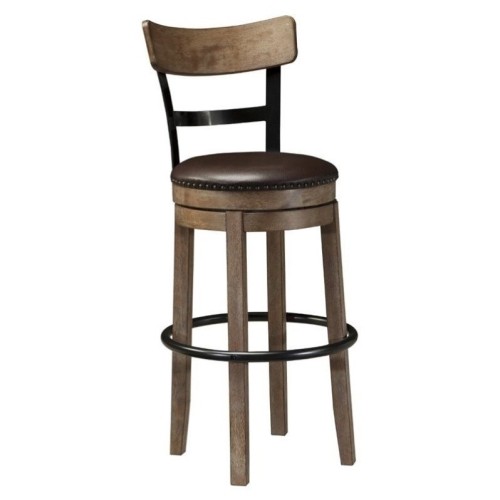 Your price for this item is $416.61
 -
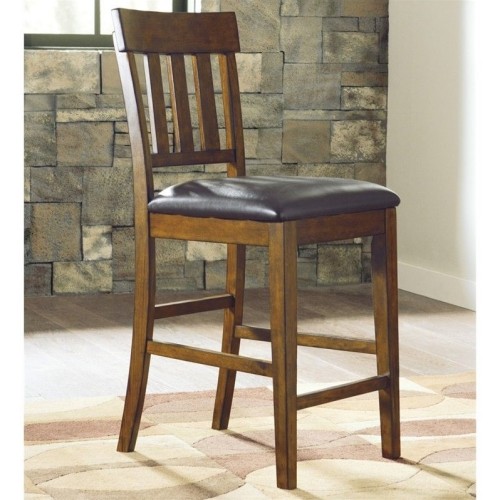 Your price for this item is $666.4
 -
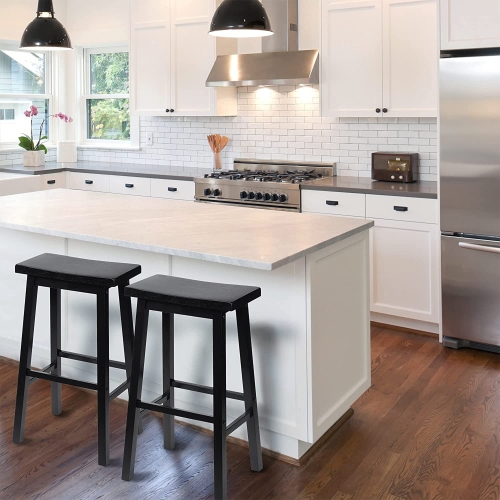 Your price for this item is $538.99
 -
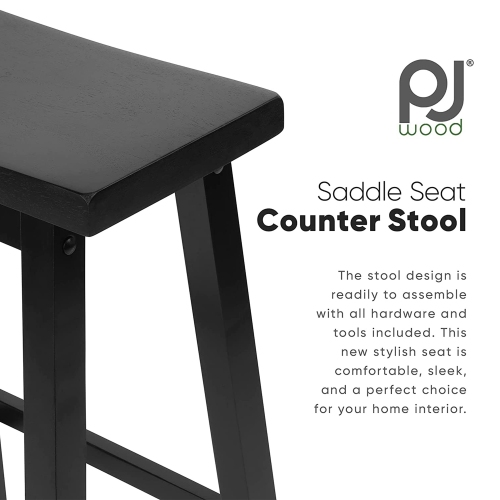 Your price for this item is $207.99
 -
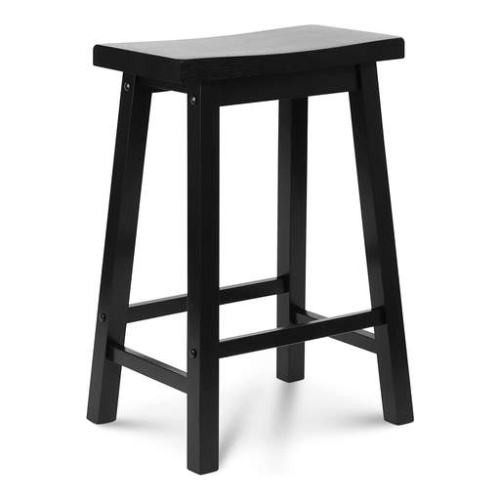 Your price for this item is $88.99
 -
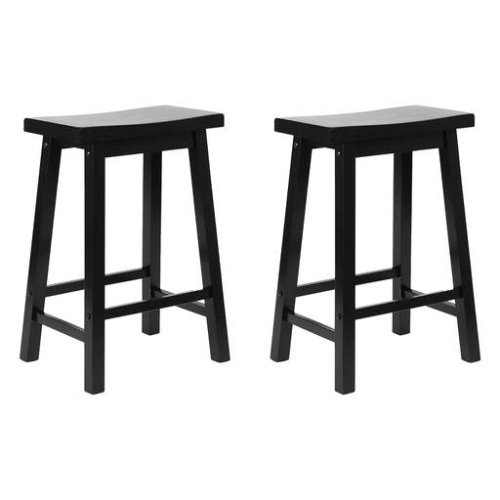 Your price for this item is $214.99
 -
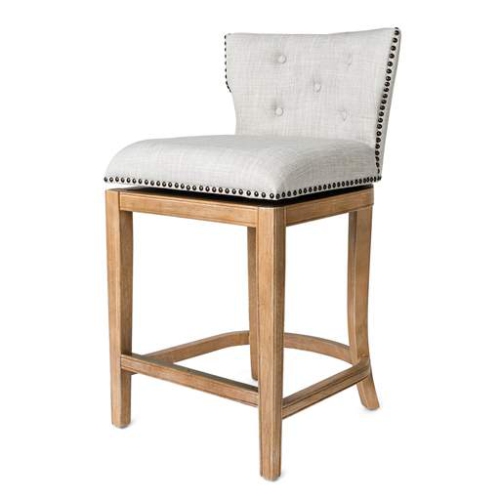 Your price for this item is $529.99
 -
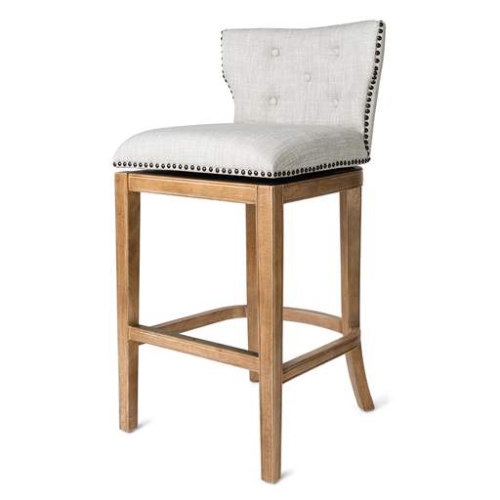 Your price for this item is $406.99
Discover more categories related to Pu Leather Barstools
Top Collections:
Pokemon Centers, Kindle Devices, Best Budget Office Chairs, Apple iPhones 16, Best Laptops for Writers, iPhone 15 Apple, Canon G7X Cameras, Refurbished Apple Laptops, Alarm Clock, Motorola Razr Phones
Some products may be subject to Environmental Handling Fees
(EHF) depending on your province.
Learn more about EHFs.