Punching Tools
Looking to take your DIY projects to the next level? Look no further than our wide selection of punching tools. Whether you're a seasoned crafter or just starting out, these versatile tools are designed to help you create precise holes and shapes in a variety of materials. From leatherworking to paper crafts, our collection includes a range of options to suit every need. With durable construction and ergonomic designs, our punching tools are built to last and provide you with the precision and control you need for your next project. Explore our selection today and unleash your creativity!
Sort
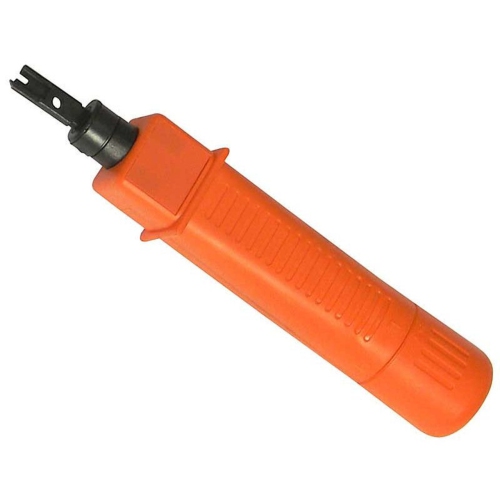
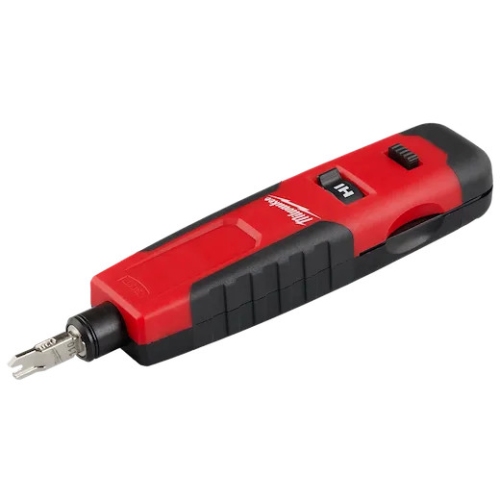
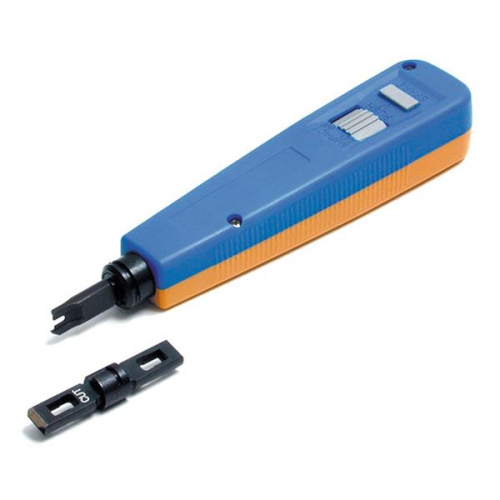
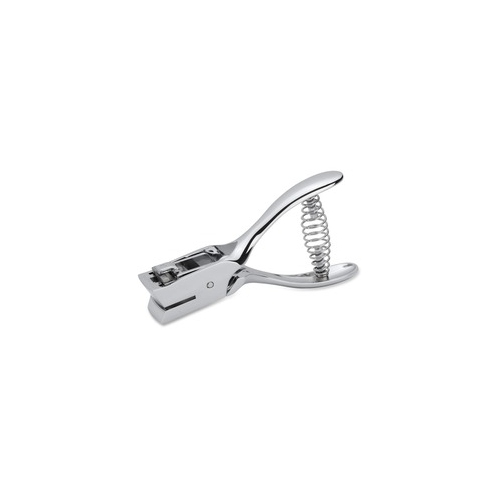
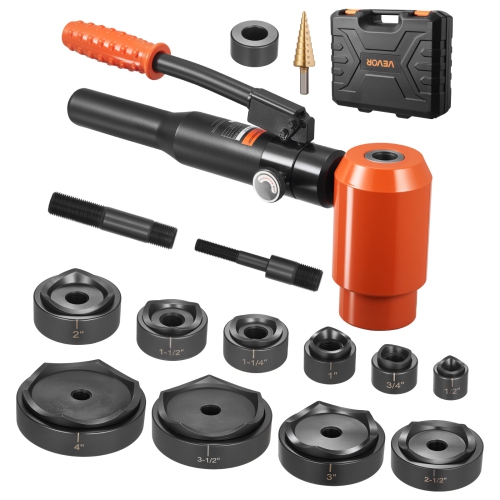
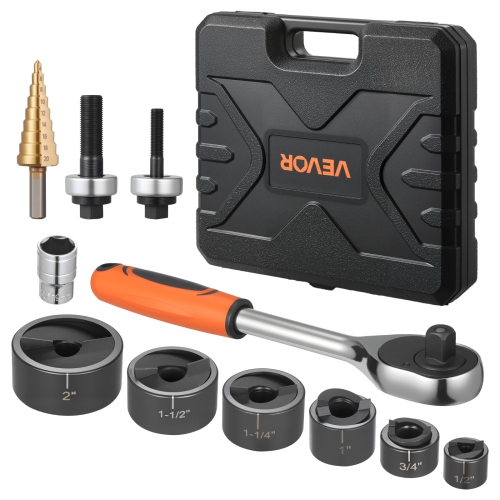
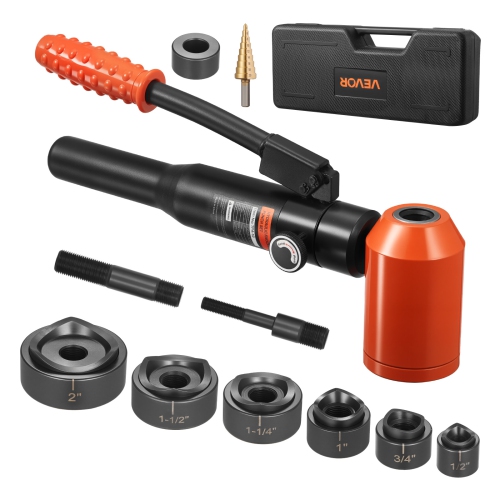
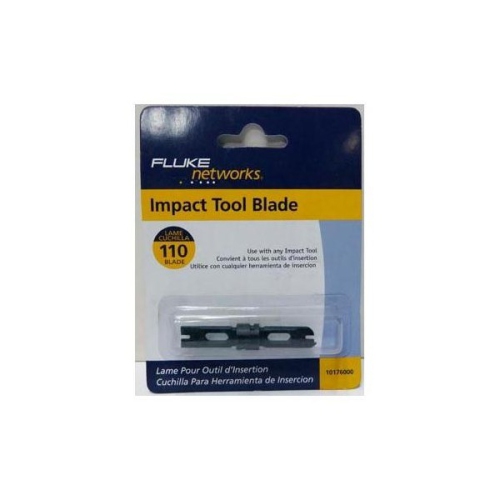
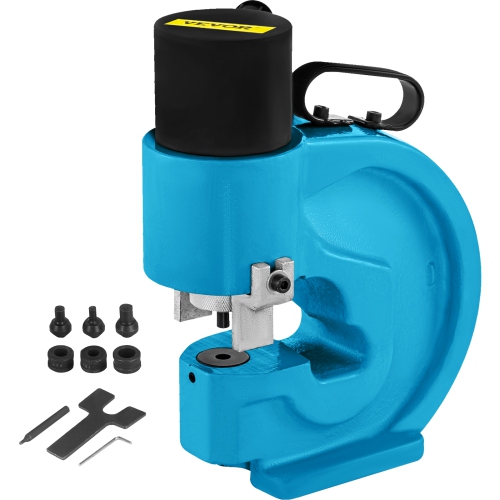
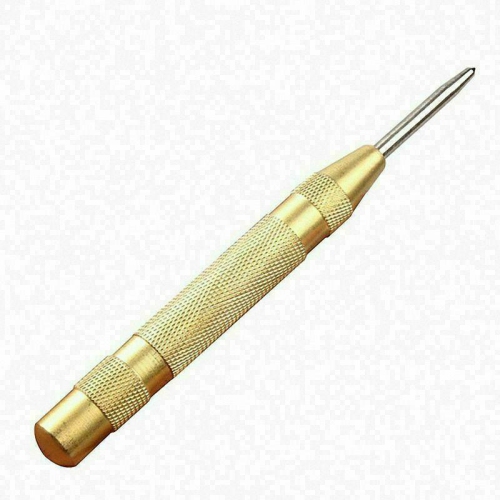
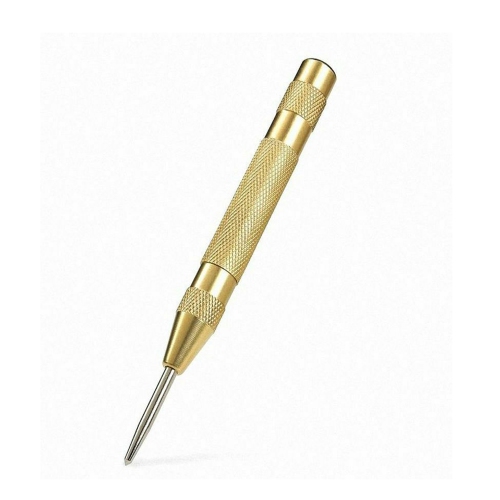
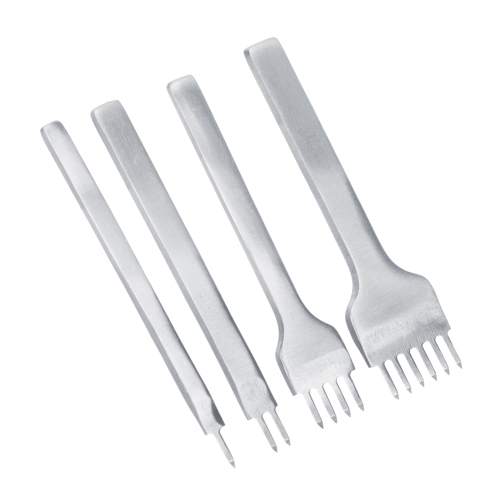
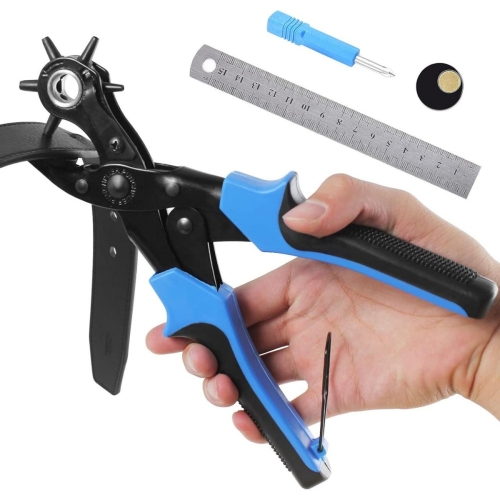
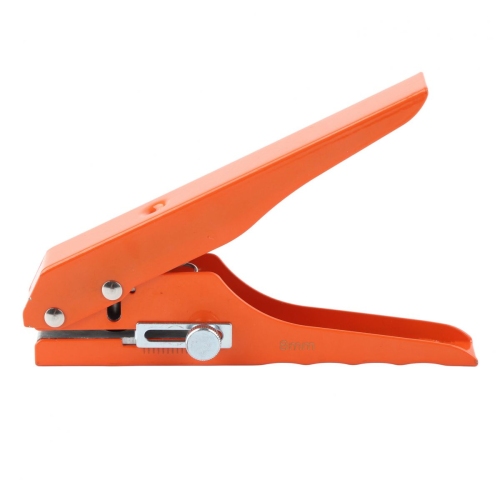
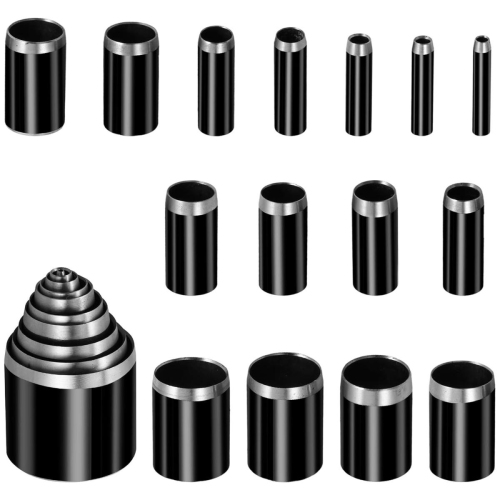
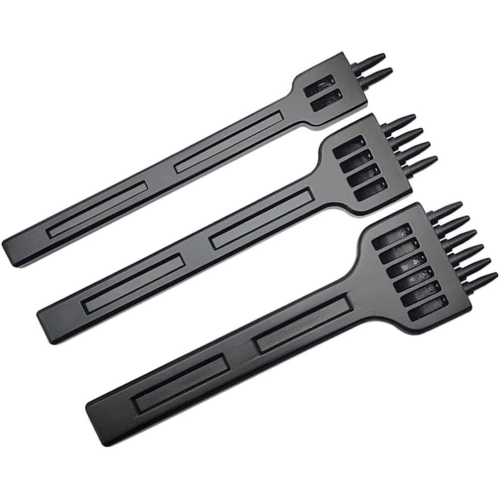
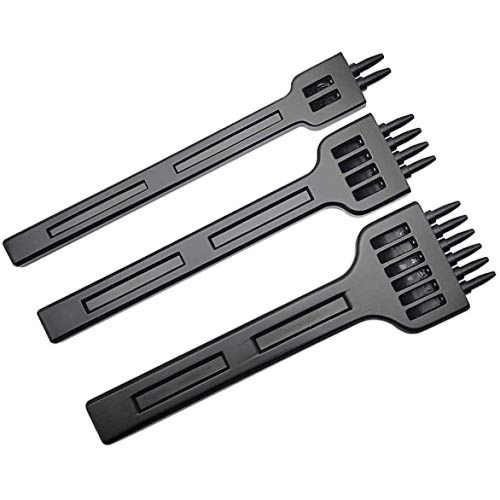
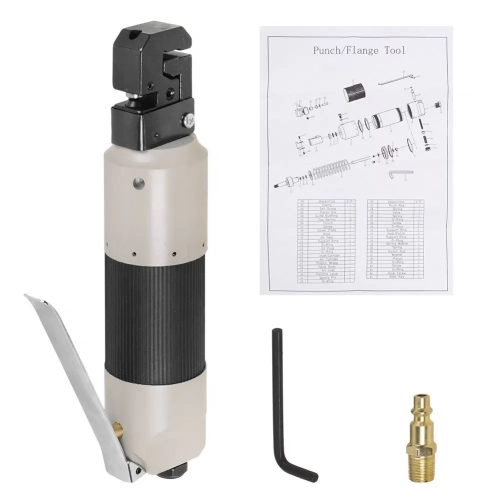
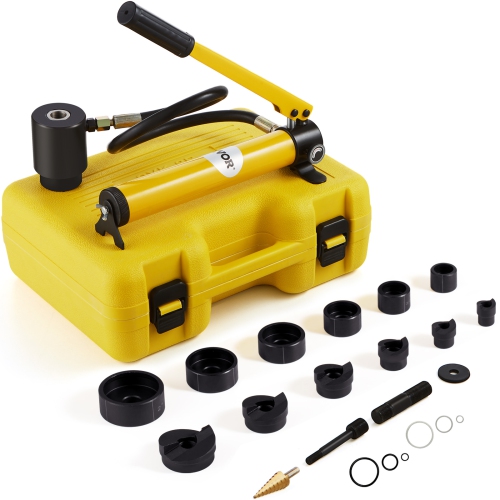
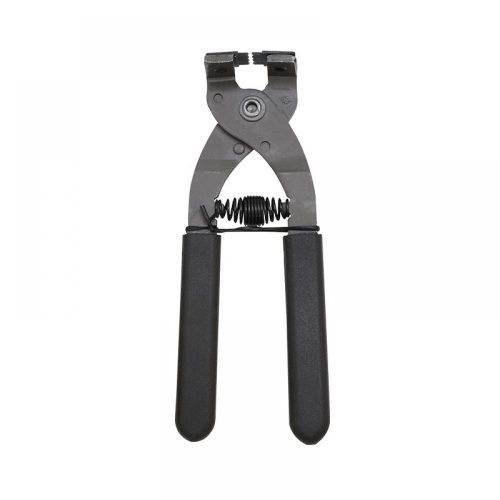
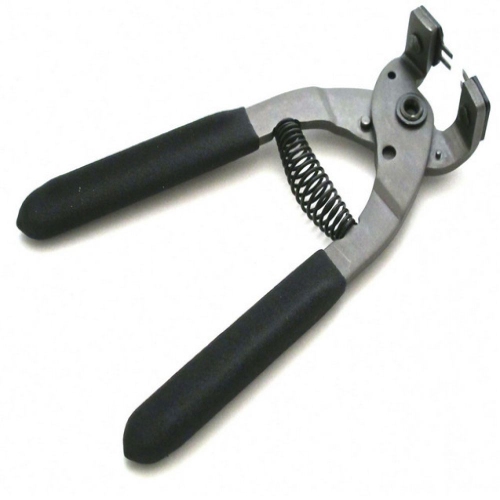

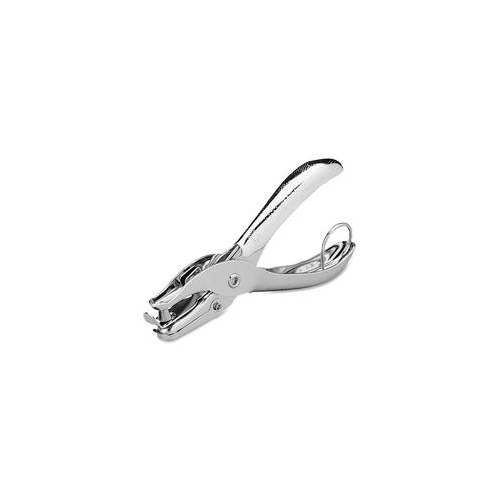
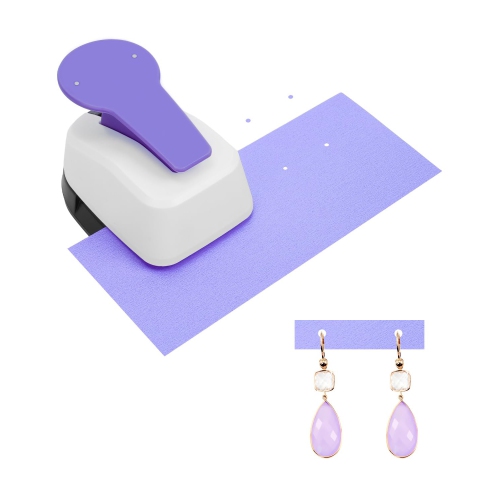
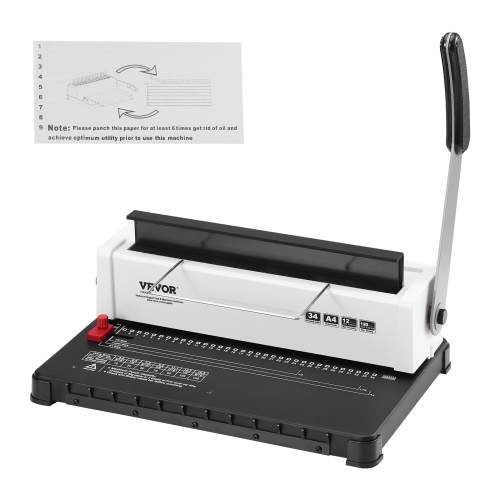
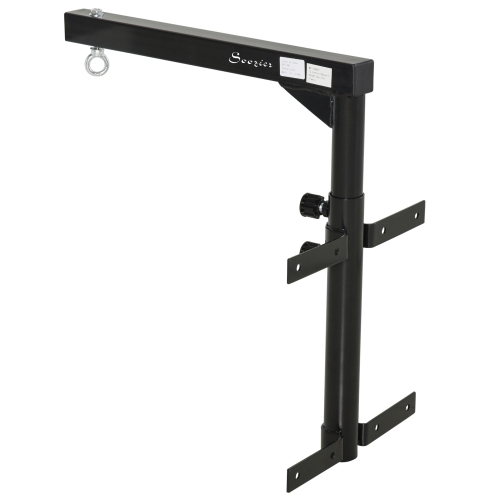
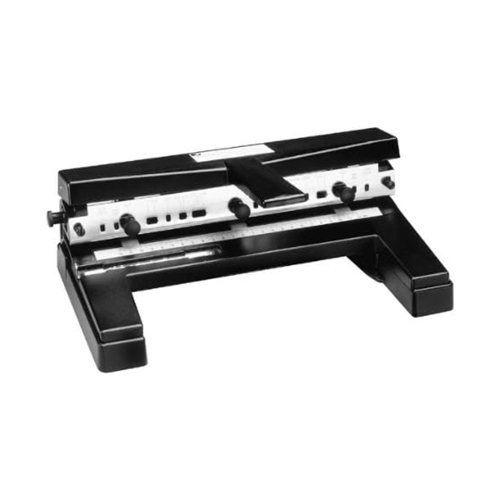
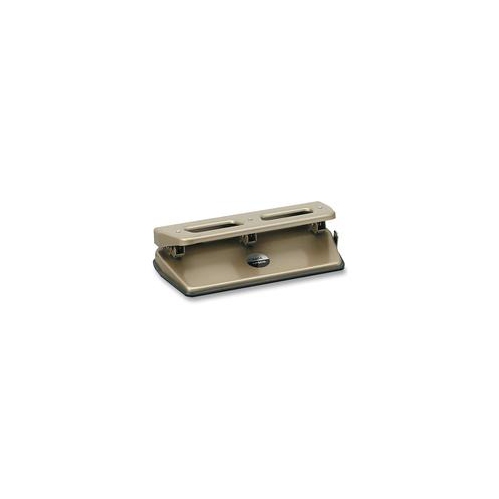
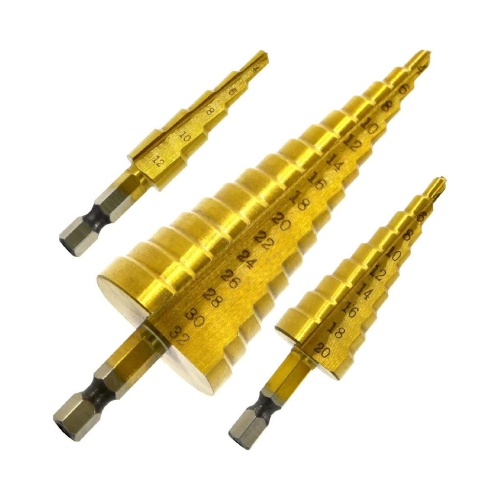
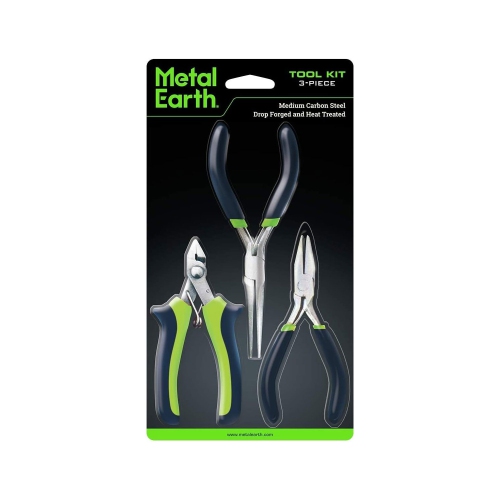
How punch profiles affect marking and pin removal
Punching tools are workshop hand tools used to mark surfaces, position drill holes, and move pins or similar fasteners in mechanical assemblies. A typical punch has a hardened metal body with a working tip at one end and a striking head at the other, although automatic centre punches use an internal spring mechanism instead of a separate hammer. Their usefulness comes from concentrating force on a small, controlled area. A clearly placed indentation on a metal bracket gives a drill bit a starting point, while a correctly sized pin punch can help remove a hinge pin without striking the surrounding hardware. Different punch profiles serve different purposes, so the shape of the tip matters as much as the overall size. Centre punches have pointed tips that make indentations to help keep drill bits from wandering across a surface. Prick punches generally have finer points for precise layout marks, whereas pin punches have straight shafts and flat working faces for driving suitable pins through holes. Roll pin punches have a small projection at the tip that helps locate the tool in the hollow end of a roll pin. Starter punches use a shorter, sturdier working section to begin moving tight pins before a longer pin punch carries them farther through an assembly. These distinctions make punching tools useful to metalworkers, mechanics, maintenance technicians, and hobbyists working on repairs or fabrication projects. They also have a place in a home workshop, particularly for tasks involving hinges, brackets, small machinery, and accurately marked drilling locations. The term covers tools for making holes in softer materials as well: hollow punches cut openings in compatible materials such as leather, rubber, or gasket sheet. Unlike a solid punch that marks or displaces material, a hollow punch removes a small cut-out. That difference is important when the intended result is a clean opening rather than a dimple or a loosened fastener. Each type brings a different combination of precision, reach, and force to the workbench.
Materials and construction influence how punching tools hold up under repeated use. Hardened, heat-treated tool steel is common because the working end needs to resist wear and deformation, but hardness alone does not determine quality. A punch also needs toughness to withstand its intended striking loads without becoming excessively brittle. Some punches use alloy steels selected for demanding workshop tasks, while certain specialized applications call for softer, non-marring materials. A softer punch may reduce the chance of marking a component, but it can deform more readily and is not an interchangeable substitute for every steel punch. Protective finishes can help limit surface rust, although the tip and striking head still need attention as they wear. For pin removal, fit depends on the diameter of the pin, the size of the surrounding hole, and the clearance behind the assembly. A punch that is too narrow can concentrate force unevenly or damage a hollow pin; one that is too wide can catch the surrounding material instead of passing through the hole. Shaft length affects access, too. A longer reach can be useful inside a recessed assembly, but an unnecessarily slender, extended shaft is more vulnerable to bending under heavy force. Shorter starter profiles and longer driving profiles therefore complement each other rather than duplicate the same function. On centre punches, a crisp, symmetrical point helps create a consistent mark, while an automatic mechanism can be convenient when the other hand is needed to steady the work. Adjustable spring force, where included, allows the indentation to be matched more closely to the material and task. Grip details also make a practical difference: knurled surfaces provide texture, and a hexagonal body is less likely to roll across a bench. For hollow punches, cutting diameter, edge condition, and the thickness of the material determine suitability. A clean hole in a thin leather strap presents a different demand from cutting a thicker rubber gasket, even when both openings have the same diameter. Matching the tool to the material helps produce a neater result with less unnecessary force.
Durability also depends on how punching tools are used, supported, and stored. During pin removal, the assembly needs firm support with enough open space for the pin to move out; a solid surface directly beneath the pin can stop its travel and place unnecessary stress on the tool. The punch should meet the pin squarely, since an angled strike can bend the shaft, damage the pin, or leave a mark on the surrounding component. Mechanical assemblies may also contain tapered pins, retaining clips, or other features that need to be identified before force is applied. For layout work, clearly scribed lines and a stable workpiece make an accurately placed centre mark easier to achieve. Hollow punches benefit from a suitable sacrificial backing surface that supports the cut without dulling the edge against bare metal or concrete. Eye protection is important for striking tasks because fragments can come from a damaged tool or workpiece. A striking head that has spread into a mushroom shape, a chipped point, or a bent shaft is a reason to stop using the tool and follow the manufacturer's repair or replacement guidance. Routine care is straightforward: remove debris, wipe away moisture, and apply a light protective coating where appropriate for the material and finish. Separate storage slots or a fitted case help keep cutting edges and points from knocking together, while visible size markings make it easier to distinguish closely matched diameters. For someone who enjoys repairing equipment or building small metal projects, punching tools can be a thoughtful workshop gift when their intended tasks and existing tools are known. A useful assortment is one that fits those tasks, rather than simply containing the greatest number of pieces. Although the word “punching” also appears in sport and recreation, Punching Machines are a separate category from these workshop tools. Here, the defining purpose is controlled contact with a workpiece, whether that means placing a precise drilling mark, moving a fitted pin, or cutting a neatly sized hole.
Materials and construction influence how punching tools hold up under repeated use. Hardened, heat-treated tool steel is common because the working end needs to resist wear and deformation, but hardness alone does not determine quality. A punch also needs toughness to withstand its intended striking loads without becoming excessively brittle. Some punches use alloy steels selected for demanding workshop tasks, while certain specialized applications call for softer, non-marring materials. A softer punch may reduce the chance of marking a component, but it can deform more readily and is not an interchangeable substitute for every steel punch. Protective finishes can help limit surface rust, although the tip and striking head still need attention as they wear. For pin removal, fit depends on the diameter of the pin, the size of the surrounding hole, and the clearance behind the assembly. A punch that is too narrow can concentrate force unevenly or damage a hollow pin; one that is too wide can catch the surrounding material instead of passing through the hole. Shaft length affects access, too. A longer reach can be useful inside a recessed assembly, but an unnecessarily slender, extended shaft is more vulnerable to bending under heavy force. Shorter starter profiles and longer driving profiles therefore complement each other rather than duplicate the same function. On centre punches, a crisp, symmetrical point helps create a consistent mark, while an automatic mechanism can be convenient when the other hand is needed to steady the work. Adjustable spring force, where included, allows the indentation to be matched more closely to the material and task. Grip details also make a practical difference: knurled surfaces provide texture, and a hexagonal body is less likely to roll across a bench. For hollow punches, cutting diameter, edge condition, and the thickness of the material determine suitability. A clean hole in a thin leather strap presents a different demand from cutting a thicker rubber gasket, even when both openings have the same diameter. Matching the tool to the material helps produce a neater result with less unnecessary force.
Durability also depends on how punching tools are used, supported, and stored. During pin removal, the assembly needs firm support with enough open space for the pin to move out; a solid surface directly beneath the pin can stop its travel and place unnecessary stress on the tool. The punch should meet the pin squarely, since an angled strike can bend the shaft, damage the pin, or leave a mark on the surrounding component. Mechanical assemblies may also contain tapered pins, retaining clips, or other features that need to be identified before force is applied. For layout work, clearly scribed lines and a stable workpiece make an accurately placed centre mark easier to achieve. Hollow punches benefit from a suitable sacrificial backing surface that supports the cut without dulling the edge against bare metal or concrete. Eye protection is important for striking tasks because fragments can come from a damaged tool or workpiece. A striking head that has spread into a mushroom shape, a chipped point, or a bent shaft is a reason to stop using the tool and follow the manufacturer's repair or replacement guidance. Routine care is straightforward: remove debris, wipe away moisture, and apply a light protective coating where appropriate for the material and finish. Separate storage slots or a fitted case help keep cutting edges and points from knocking together, while visible size markings make it easier to distinguish closely matched diameters. For someone who enjoys repairing equipment or building small metal projects, punching tools can be a thoughtful workshop gift when their intended tasks and existing tools are known. A useful assortment is one that fits those tasks, rather than simply containing the greatest number of pieces. Although the word “punching” also appears in sport and recreation, Punching Machines are a separate category from these workshop tools. Here, the defining purpose is controlled contact with a workpiece, whether that means placing a precise drilling mark, moving a fitted pin, or cutting a neatly sized hole.
Top selling and popular products
-
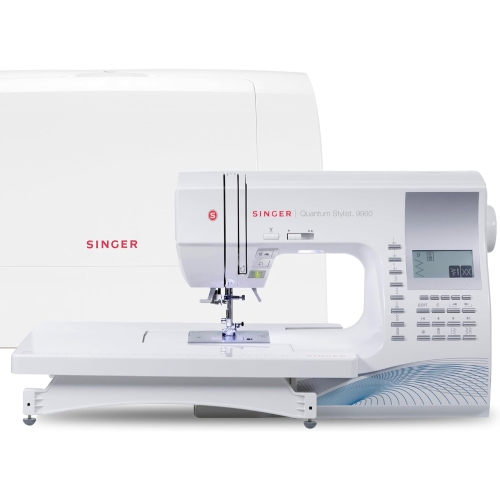 Your price for this item is $911.05
 -
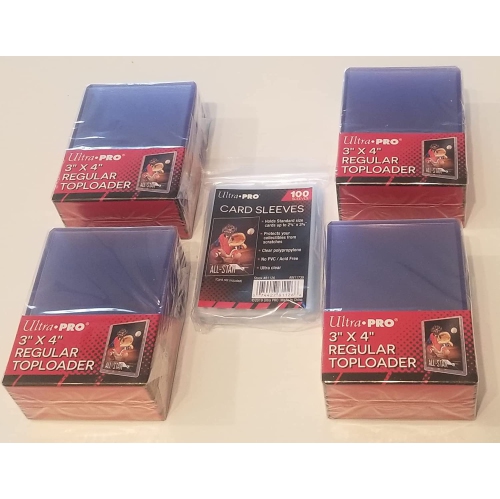 Your price for this item is $6.84
 -
 Your price for this item is $238.44
 -
 Your price for this item is $680.99
 -
 Your price for this item is $229
 -
 Your price for this item is $109
 -
 Your price for this item is $39.99
 -
 Your price for this item is $179
Discover more categories related to Punching Tools
Top Collections:
Pokemon Centers, Kindle Devices, Best Budget Office Chairs, Apple iPhones 16, Best Laptops for Writers, iPhone 15 Apple, Canon G7X Cameras, Refurbished Apple Laptops, Alarm Clock, Motorola Razr Phones
Some products may be subject to Environmental Handling Fees
(EHF) depending on your province.
Learn more about EHFs.