Puppy Training Equipment
Looking to give your new furry friend the best start in life? Our puppy training equipment collection has almost everything you need to help your pup become a well-behaved and obedient companion. Whether you're just starting out or looking to enhance your existing training routine, our selection of quality products will make the process enjoyable for both you and your four-legged friend. Get ready to embark on an exciting journey of teaching and bonding with your pup with our puppy training equipment.
Sort












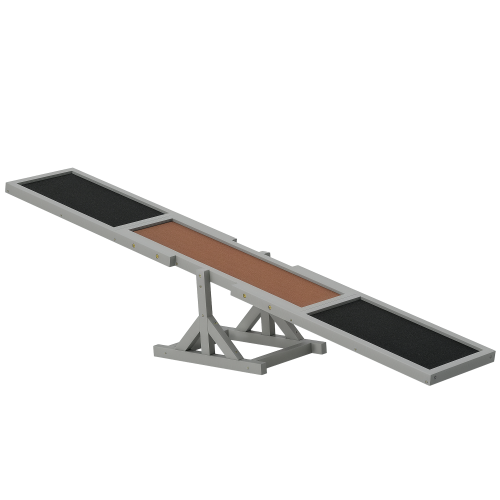
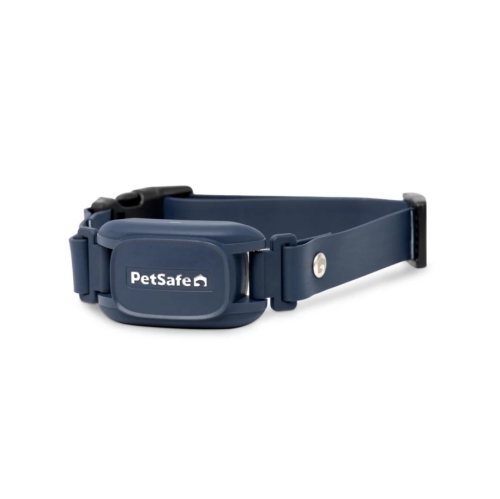
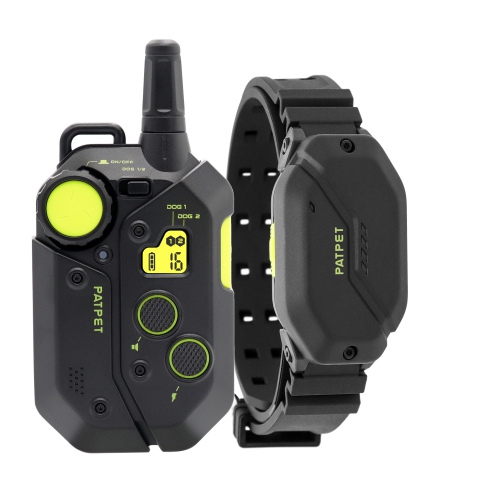
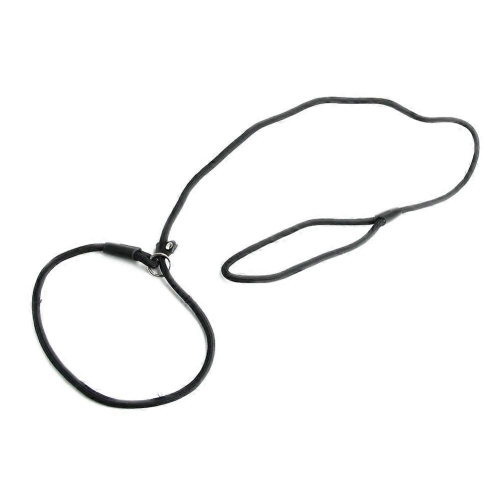


























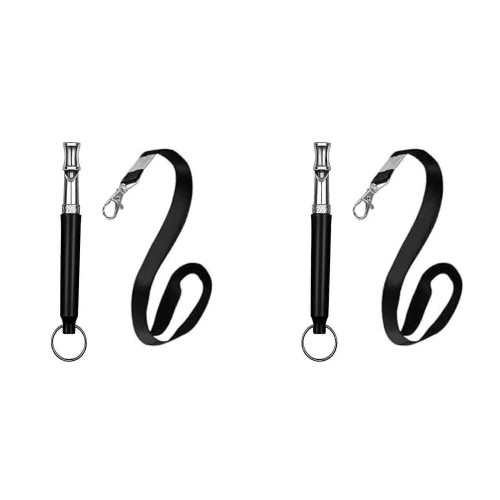
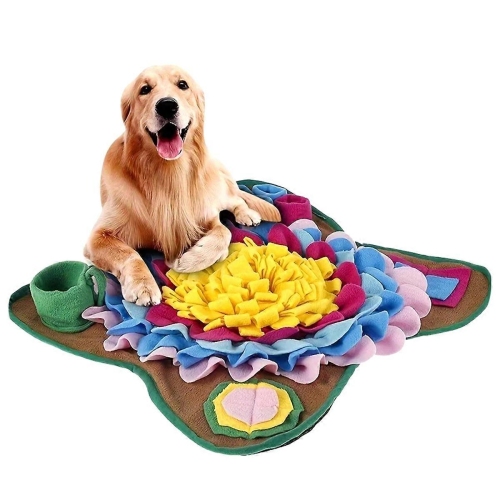
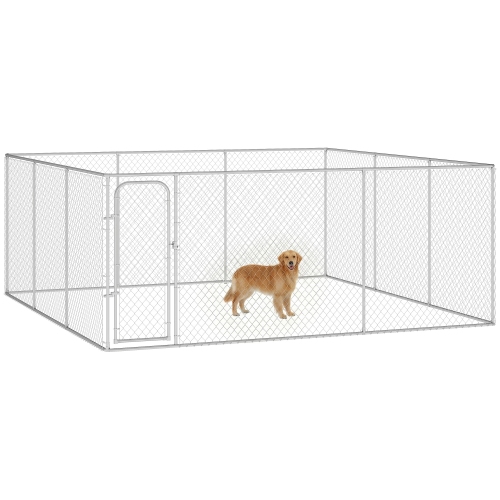


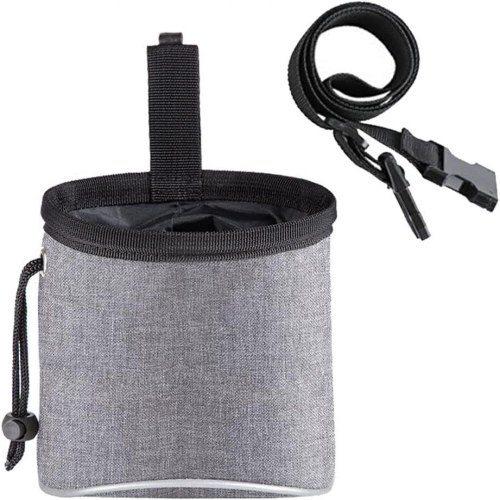


From loose-leash walks to calmer moments at home
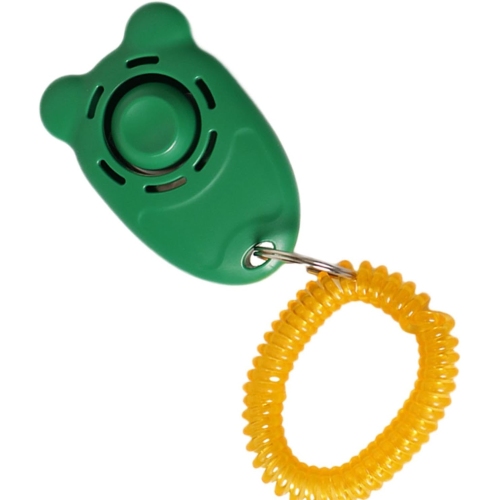
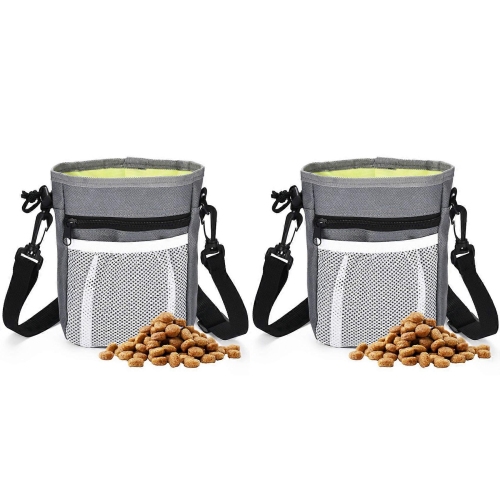
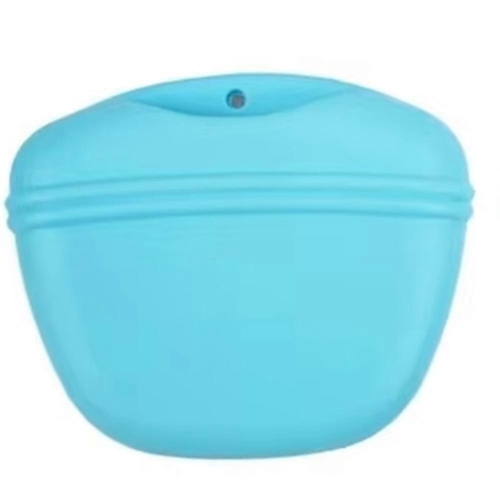
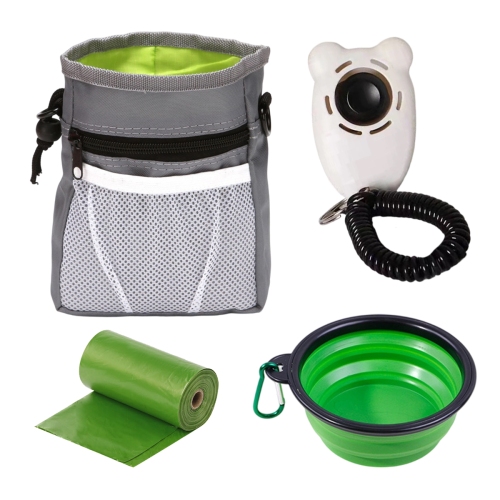
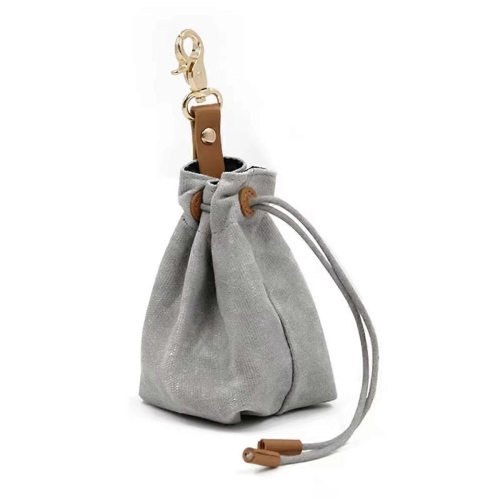
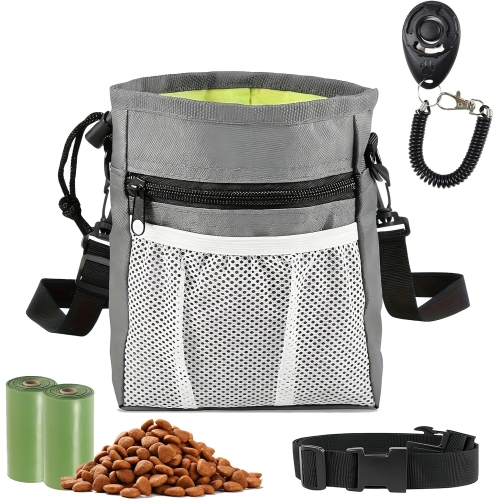
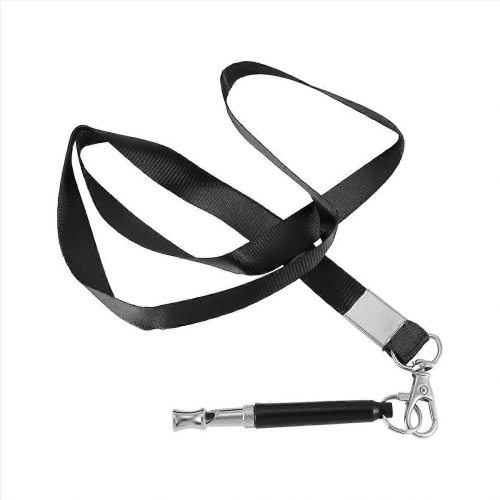
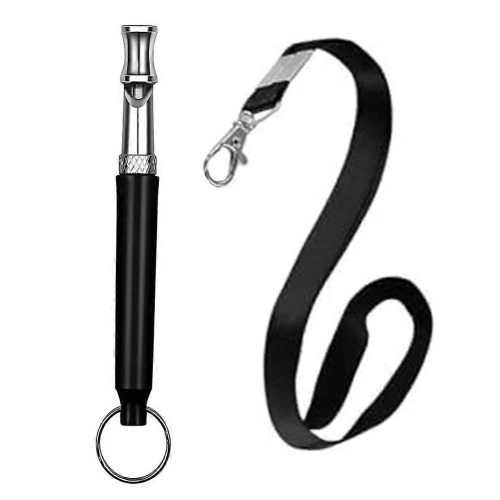
Puppy training equipment supports everyday skills such as walking on a loose leash, settling in a designated spot, coming when called, and learning where to toilet. Common categories include training clickers, treat pouches, standard leashes, long lines, harnesses, gates, and washable training pads, each serving a different purpose as a young dog adjusts to home life. The most useful combination depends on a puppy’s size, age, confidence, and daily routine rather than the number of accessories involved. A clicker provides a distinct sound that can mark a desired action precisely, while a treat pouch keeps small food rewards within reach. Together, these tools can make it easier to acknowledge the moment a puppy sits calmly beside the front door instead of jumping at a visitor. A spoken marker can also serve this purpose, so a clicker is an option rather than a requirement. For sound-sensitive puppies, the volume and tone of a marker deserve attention. Treat pouches vary in opening style, attachment method, and compartment layout; a secure waistband clip or adjustable strap can be useful when hands are occupied with a leash. Smooth, wipeable linings help with the crumbs and residue that soft training treats leave behind, while separate compartments keep food apart from keys and waste bags. Related Puppy Training Aids can support these same routines, from rewarding calm behaviour to establishing familiar household boundaries. These categories are relevant to first-time puppy owners, experienced dog owners welcoming a new companion, and households sharing care among several people. Consistent cues and reward timing matter more than elaborate equipment, but comfortable, easy-to-handle accessories can reduce the fumbling that interrupts a brief practice session. A well-placed pouch and an uncomplicated leash are especially practical during those ordinary moments between breakfast, a toilet break, and the first walk of the day. Equipment supports communication and management; it does not replace patient teaching, rest, or appropriate social experiences.
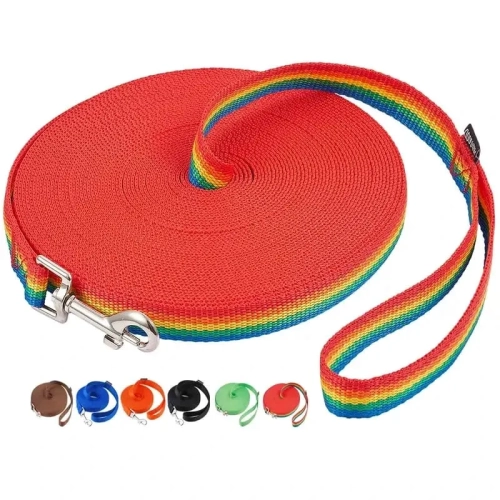
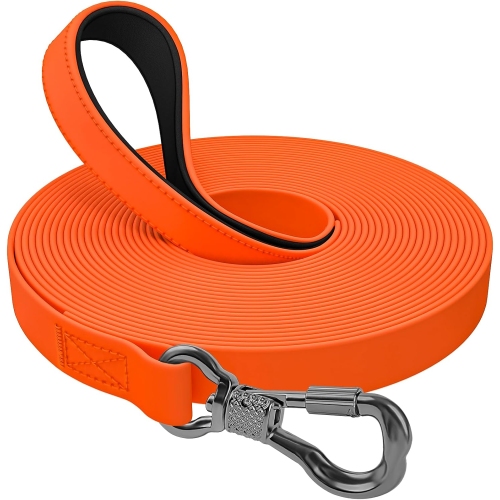
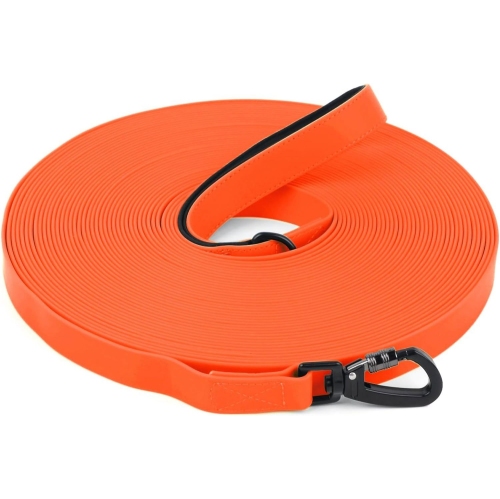
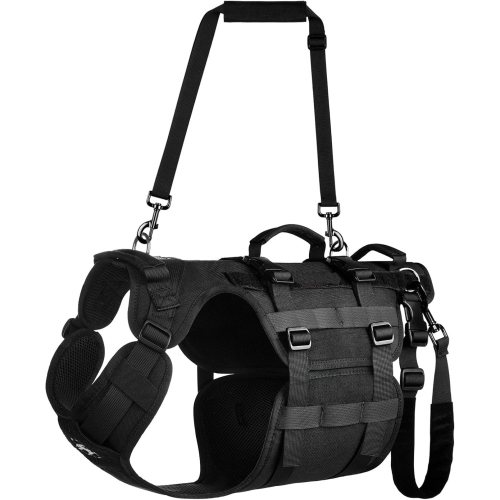
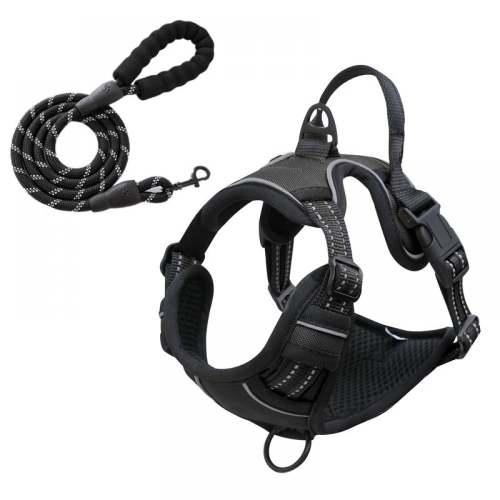
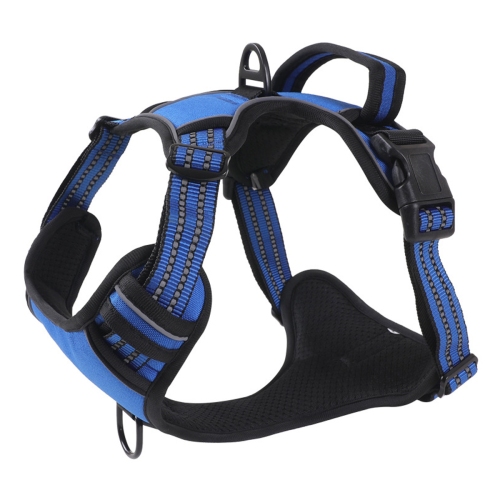
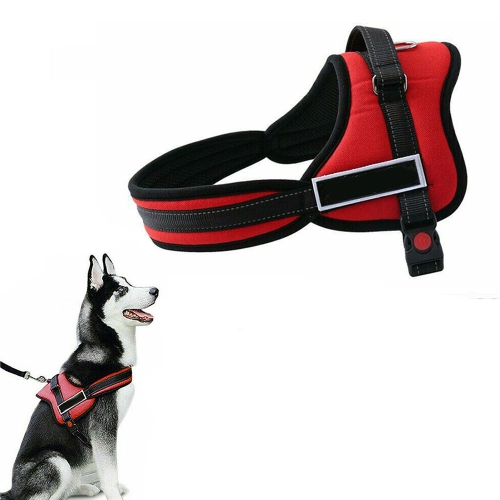
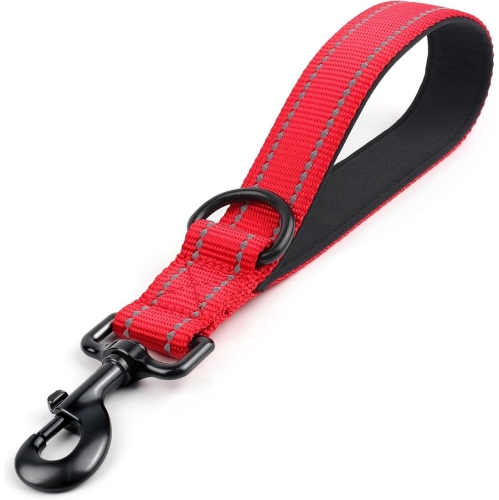
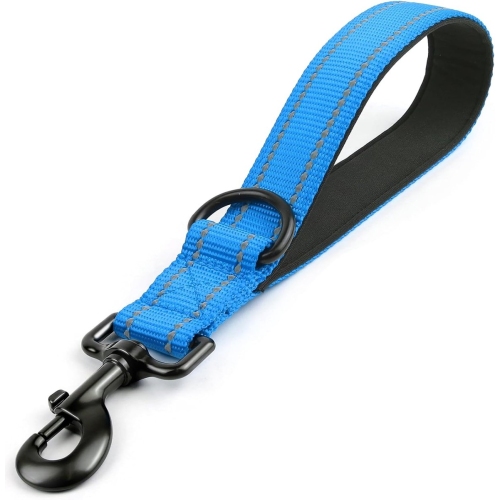
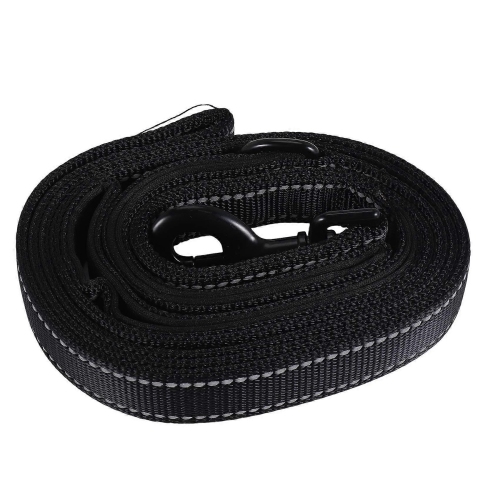
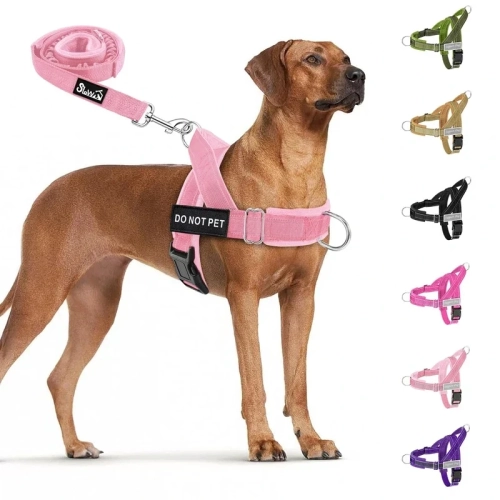
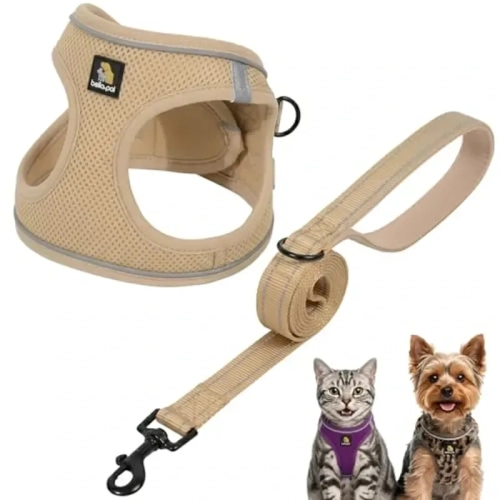
Walking and recall equipment needs to balance freedom of movement with dependable control. A standard, fixed-length leash of roughly four to six feet offers a predictable working distance for pavement walks and early practice near home. Unlike a retractable leash, it does not continually change the distance between the puppy and handler, which can make handling simpler around doorways, driveways, and passing pedestrians. Lightweight hardware matters for small puppies, while larger puppies need clips, webbing, and stitching suited to their strength. Nylon and polyester webbing are common choices because they are relatively light and straightforward to clean; coated materials may be easier to wipe after a muddy outing, though their flexibility and grip vary. Handles should feel comfortable without bulky seams pressing into the palm, and metal attachments should close securely without sticking. Harness fit is equally important: a suitable design allows normal shoulder movement, avoids rubbing behind the front legs, and adjusts as the puppy grows. Manufacturer sizing information and body measurements are more useful than breed labels alone, particularly for puppies with narrow chests or rapidly changing proportions. A fit check is worthwhile as growth continues, since yesterday’s comfortable setting may soon feel restrictive. Long lines serve a different purpose from everyday walking leashes, providing extra distance for supervised recall practice in an appropriate open area. They are generally better attached to a well-fitted harness than a collar, helping avoid concentrating a sudden stop at the neck. Their added length also creates tangling and trip hazards, making them unsuitable for crowded paths or unattended tethering. During cooler months, wet grass, grit, and damp leaves put handles, clips, and fabric through repeated use. Reflective details can improve visibility when caught by headlights, but they do not replace close supervision or a safe walking route. Durability includes the smaller details: reinforced attachment points, intact stitching, smooth buckles, and hardware that remains easy to operate after cleaning.
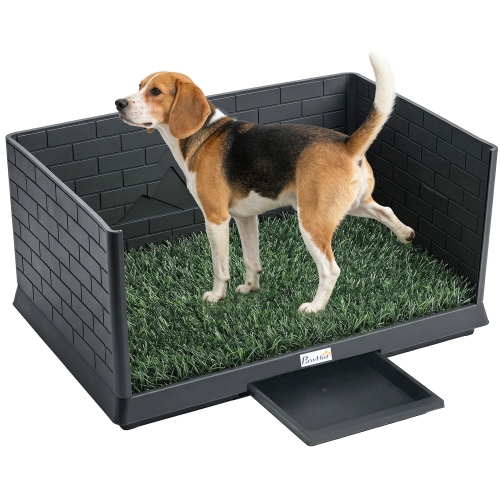
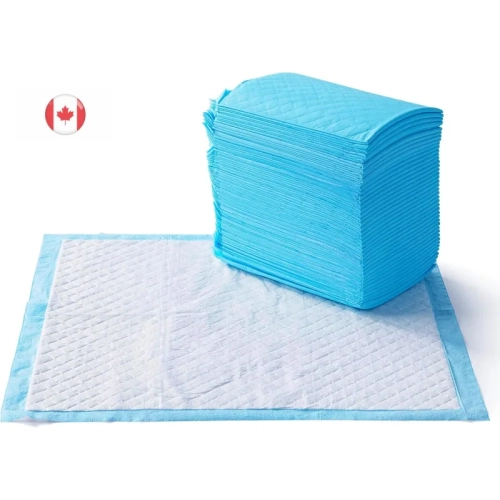
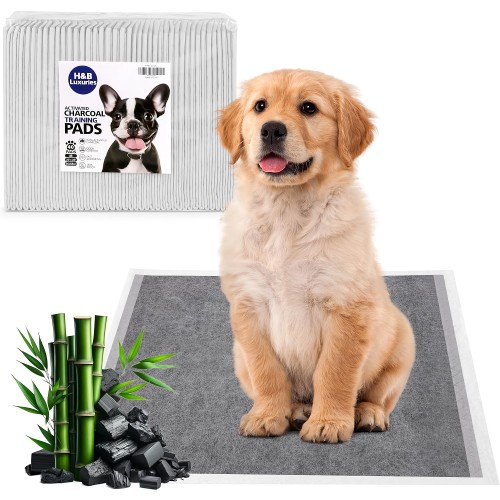
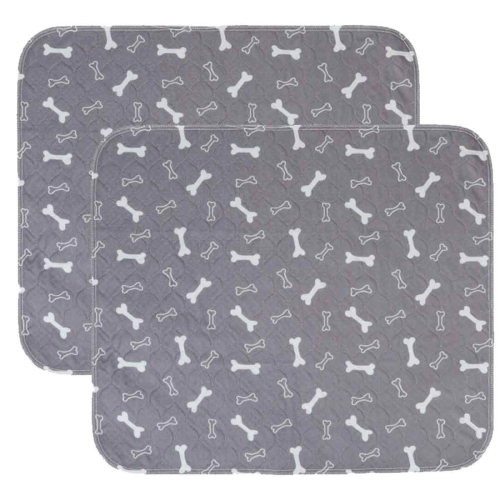
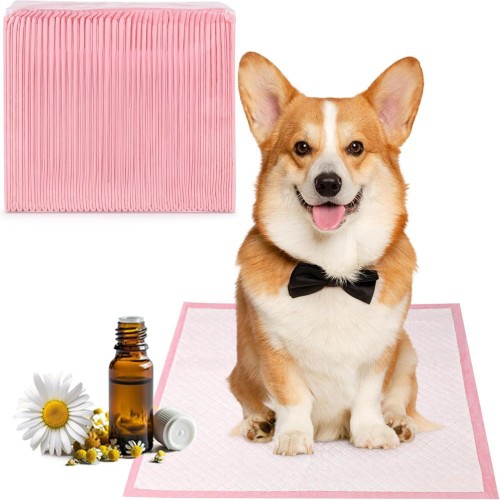
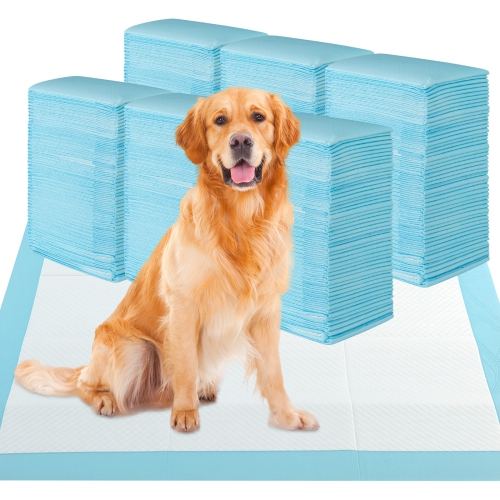
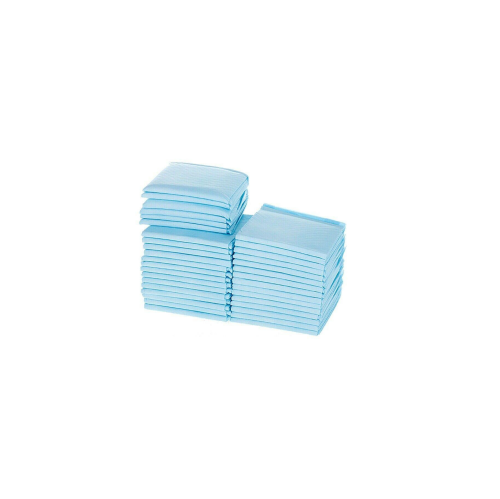
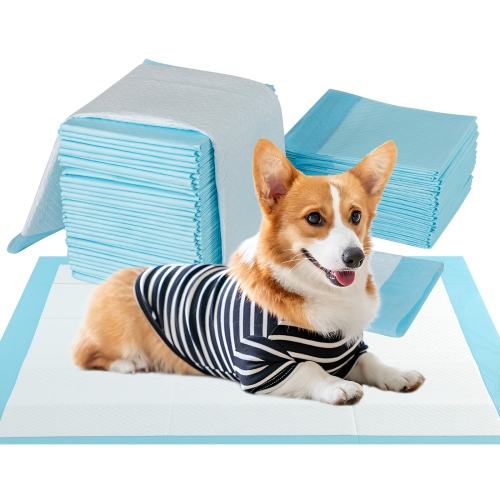
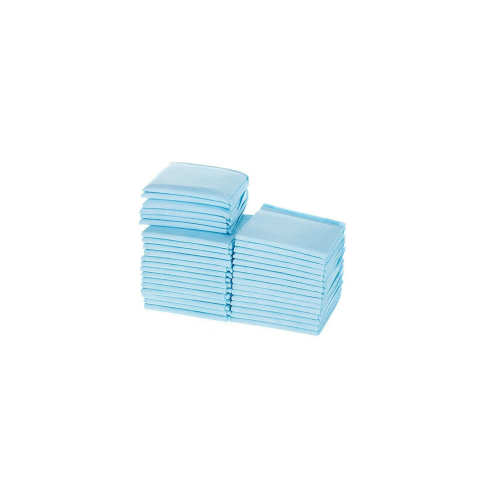
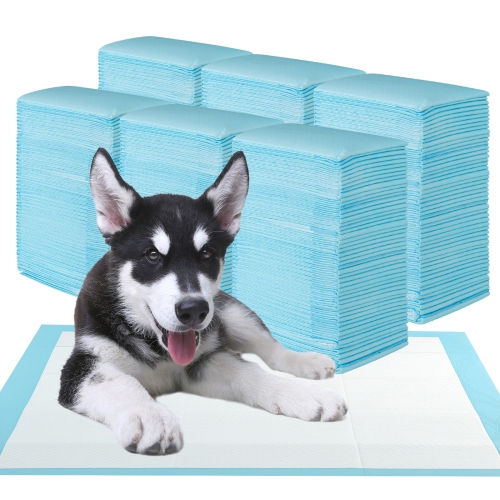
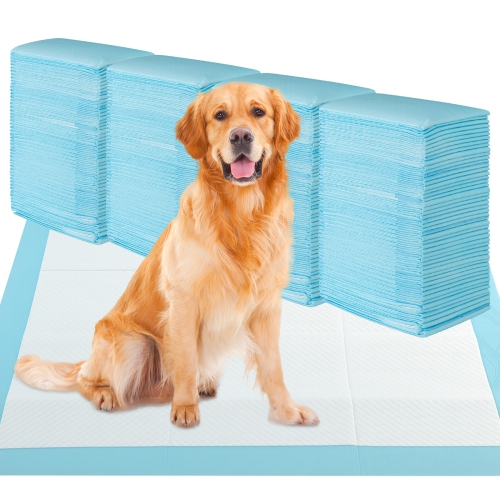
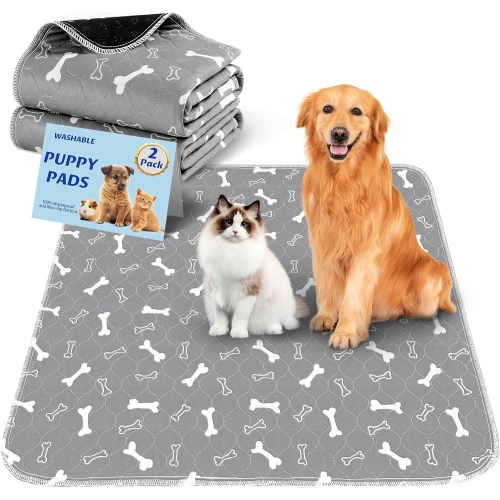
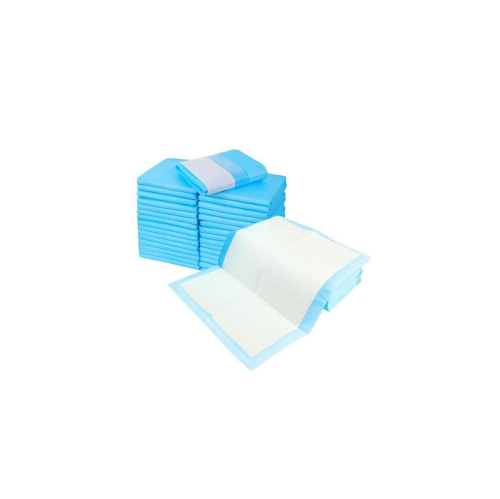
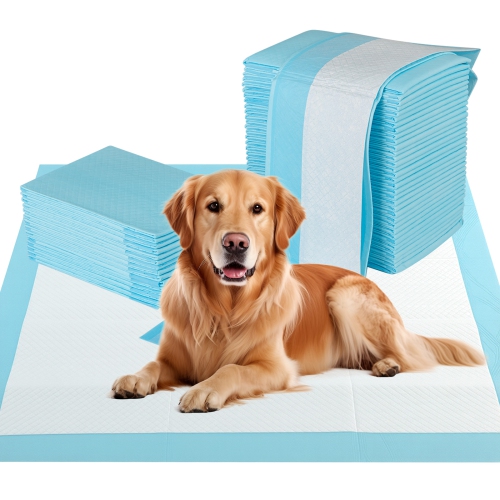
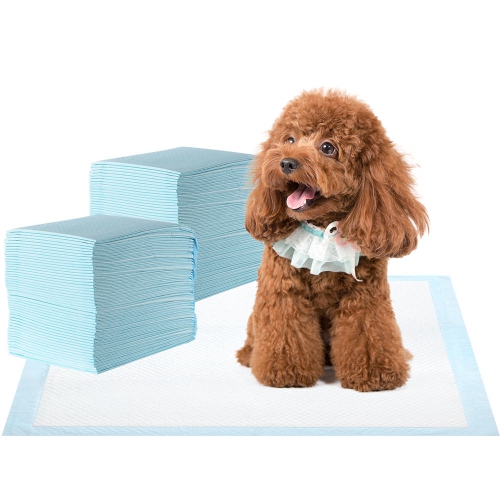
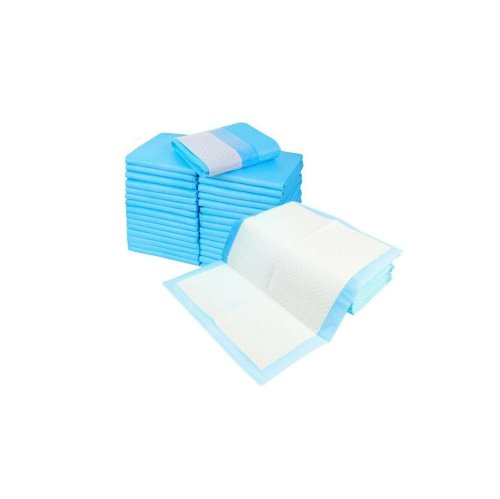
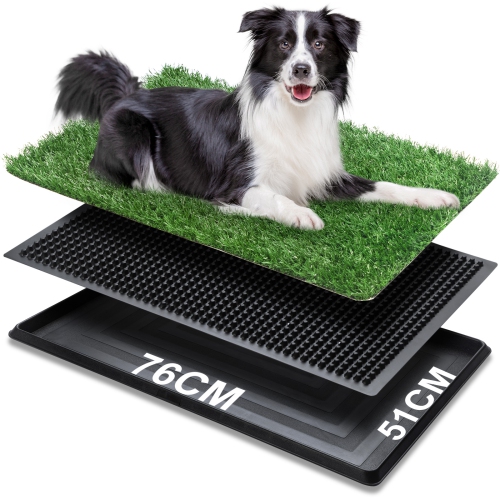
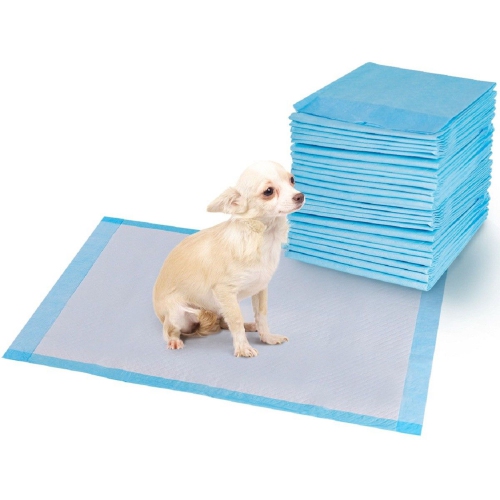
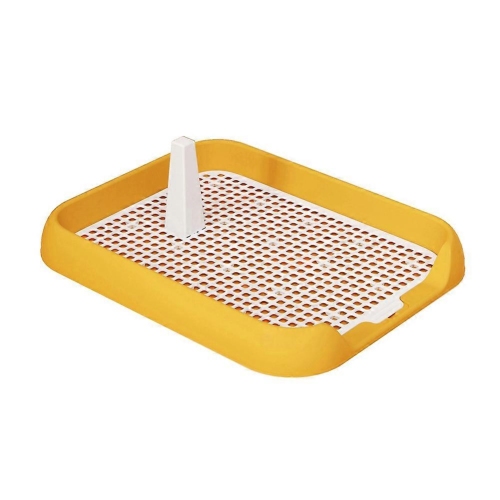
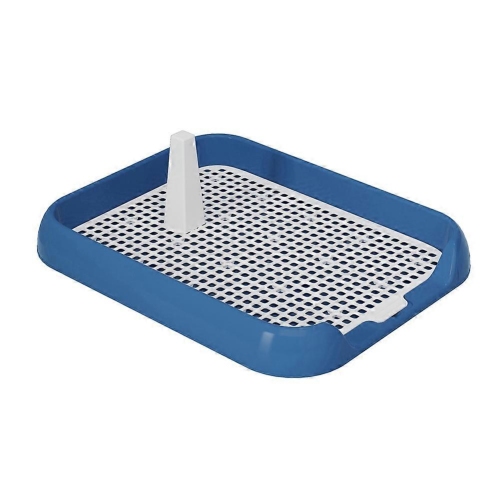
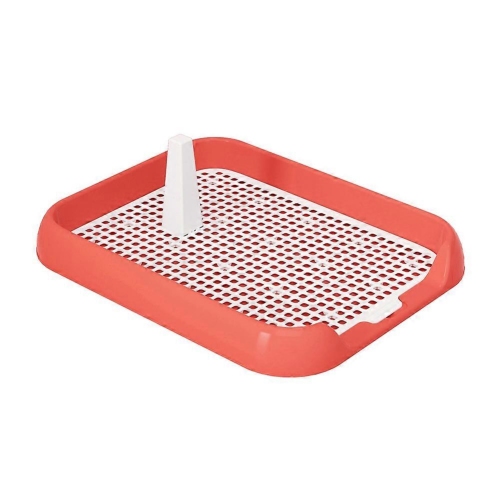
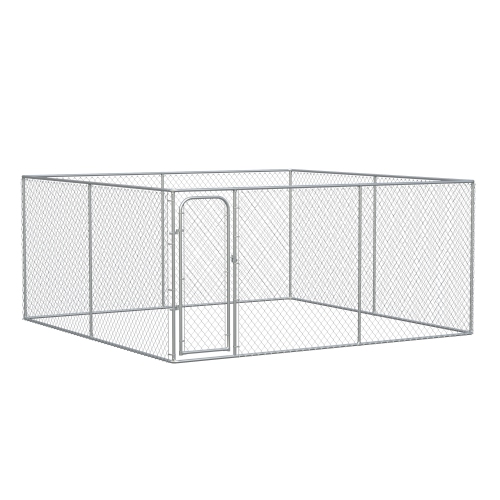
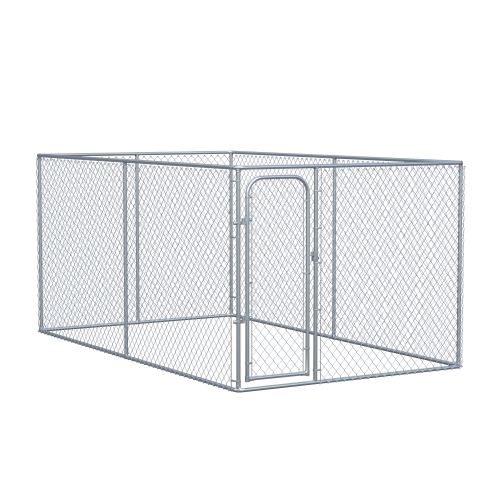
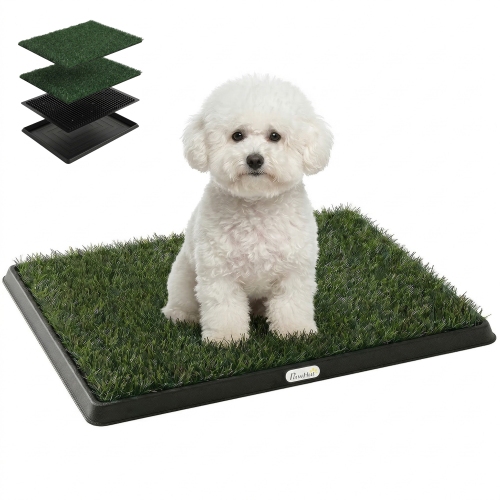
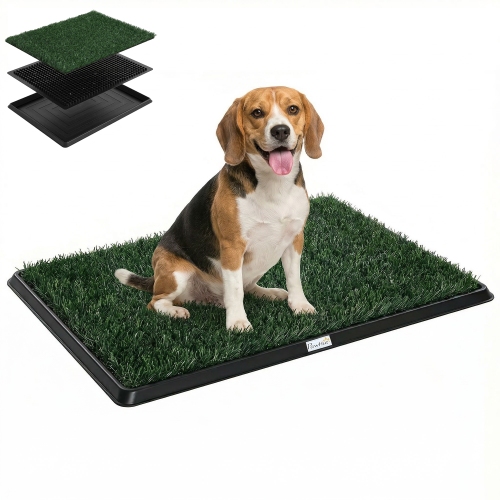
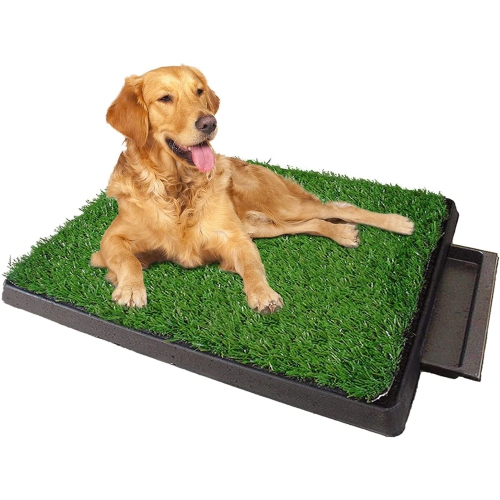
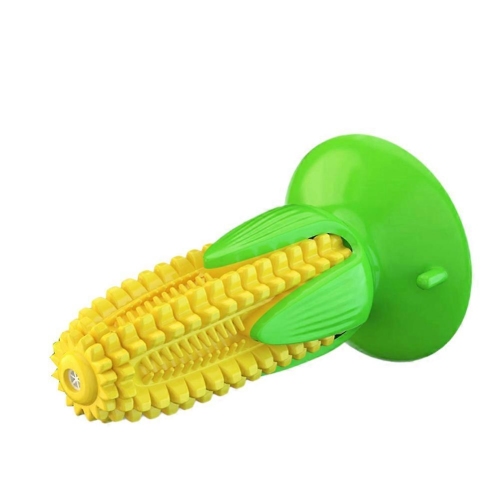
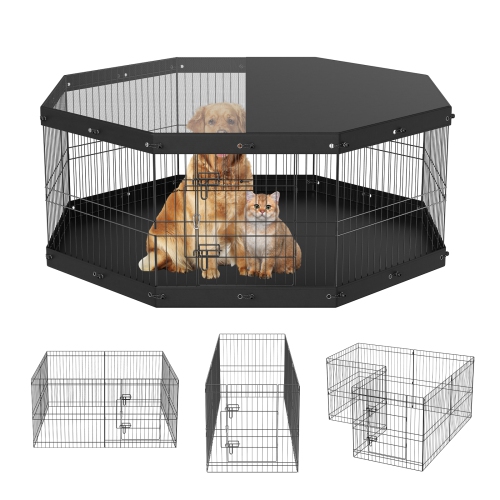
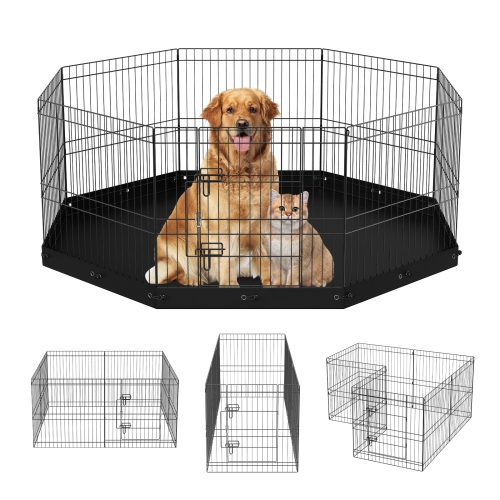
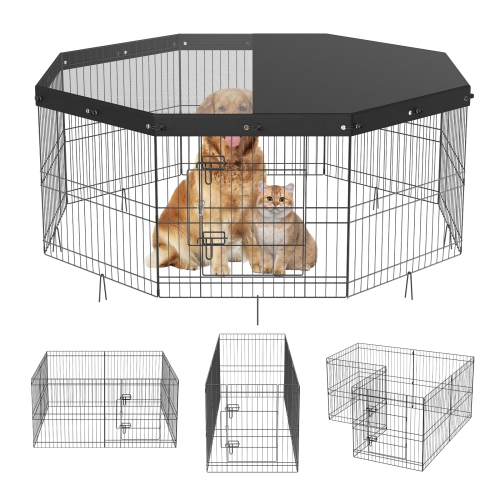
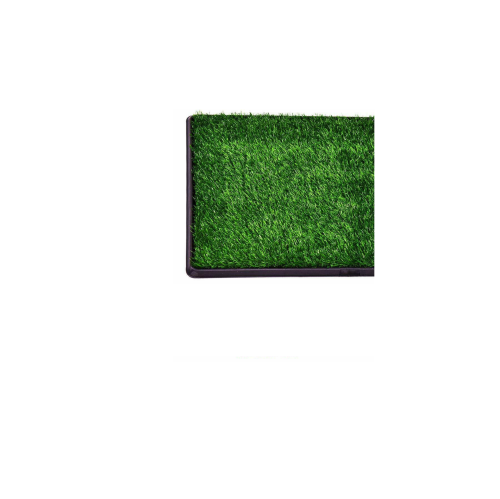
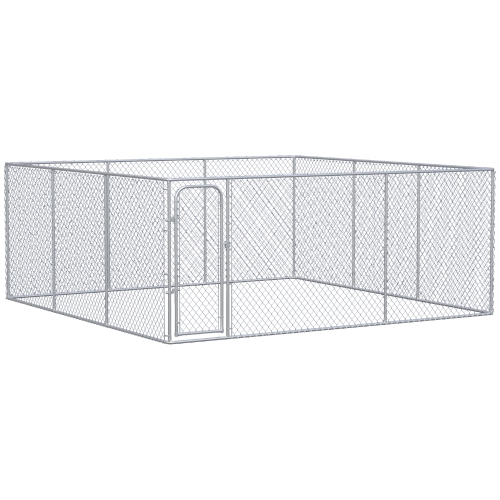
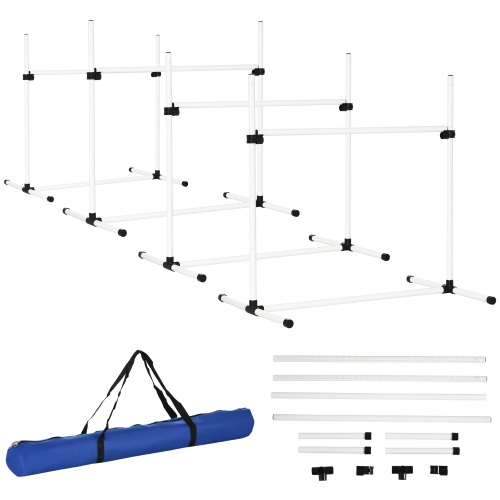
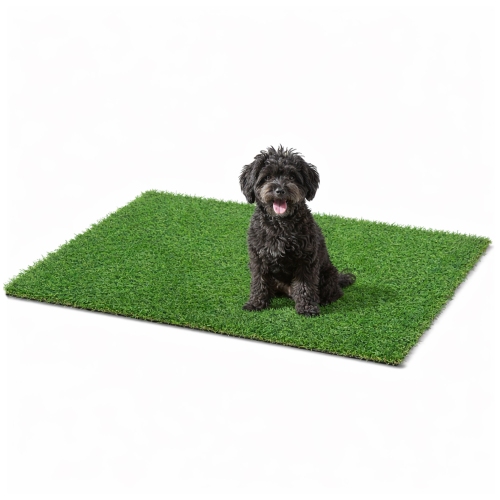
Indoor puppy training equipment is largely about arranging a home so that rest, play, and toilet routines are easier to manage. Gates and exercise pens can separate a puppy from a busy kitchen or protect a quiet resting area without requiring constant hands-on redirection. Their suitability depends on the puppy’s height, climbing habits, chewing behaviour, and ability to squeeze through openings, as well as the stability of the installation. A lightweight barrier that suits a very small puppy may not suit the same dog several weeks later. Crates can provide a familiar resting space when introduced gradually and positively, with room for the puppy to stand, turn around, and lie comfortably; they are not a substitute for toilet breaks, companionship, or exercise. For households using an indoor toilet area, absorbent pads and trays offer a defined surface, while washable options bring laundering requirements into the decision. A pad’s backing, edge construction, and drying time affect how practical it is on hard flooring or near an entrance. Disposable pads need prompt replacement when soiled, and any pad that is being shredded or swallowed calls for a different arrangement and closer supervision. Cleaning supplies also have a place in house-training routines: enzymatic cleaners designed for pet accidents can help address lingering odours, provided they are suitable for the surface and used according to their labels. Chew toys and food-dispensing toys can support appropriate chewing and calm occupation, but size, material firmness, and resistance to damage should match the puppy’s age and chewing style. No toy is indestructible, and loose pieces, splits, or exposed filling are reasons to stop using it. Across these categories, removable covers, accessible corners, and clear washing instructions make regular care less cumbersome. For someone welcoming a puppy, a gift of training accessories is most thoughtful when it reflects the household’s routine and the dog’s measurements rather than appearance alone. Practical equipment fits naturally into daily life: a clean resting space after a damp walk, a secure boundary while dinner is prepared, and rewards close at hand when four muddy paws pause politely at the door.
Top selling and popular products
-
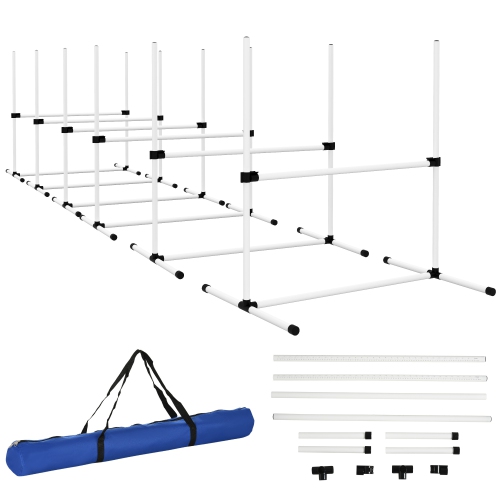 Your price for this item is $89.99
-
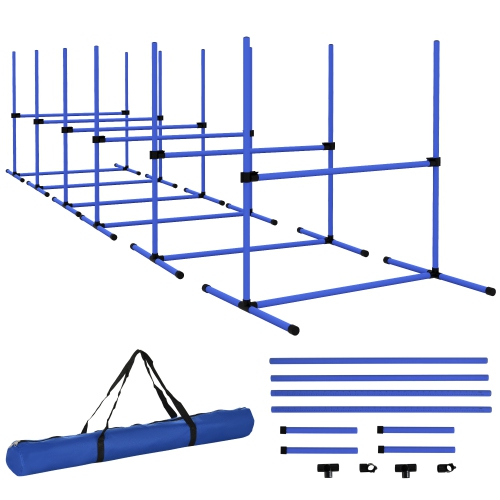 Your price for this item is $84.99
-
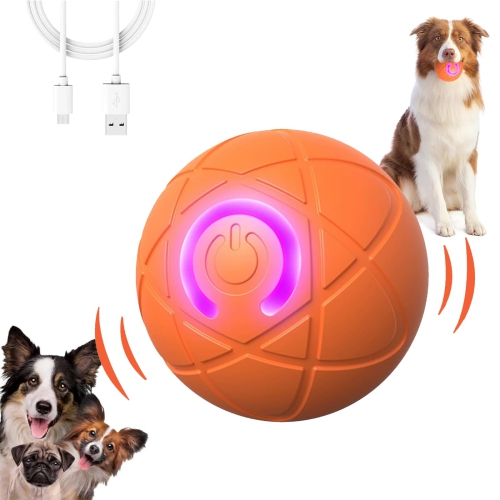 Your price for this item is $30.99
-
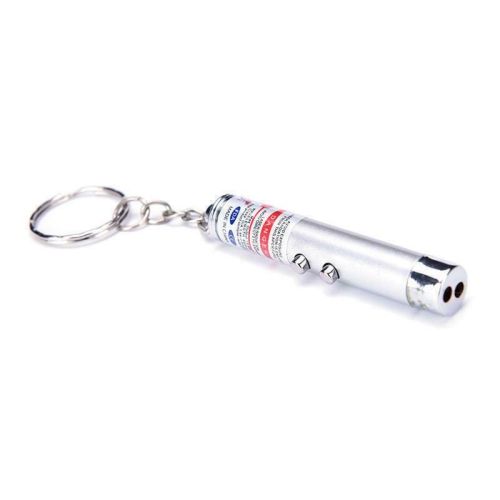 Your price for this item is $18
-
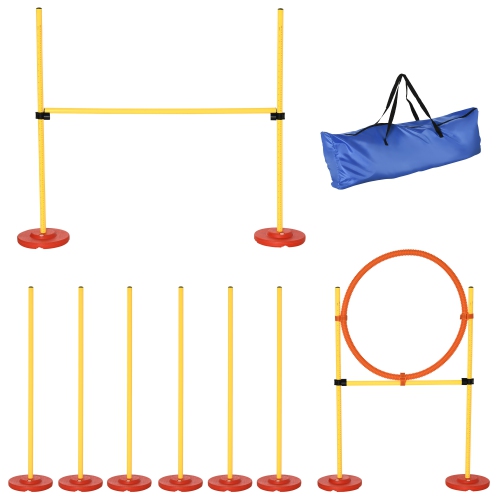 Your price for this item is $64.99
-
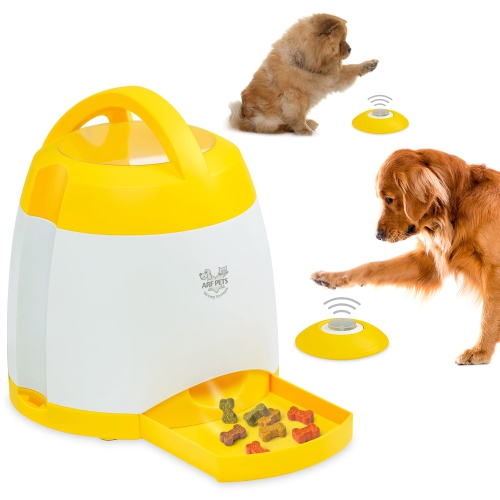 Your price for this item is $109.99
-
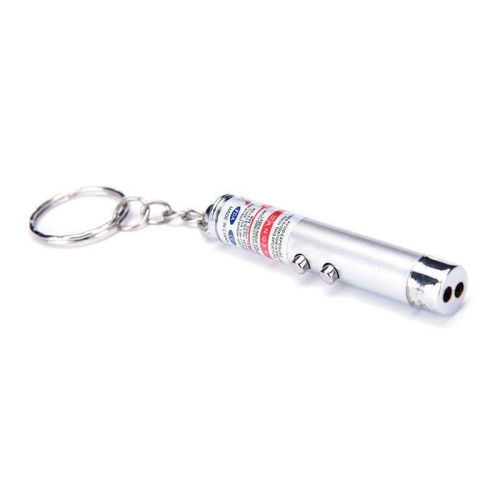 Your price for this item is $18
-
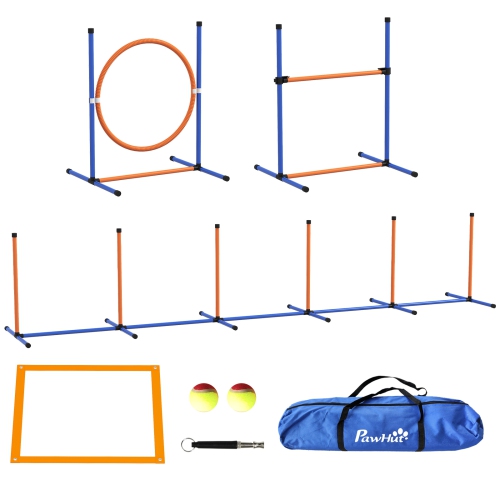 Your price for this item is $54.99
Discover more categories related to Puppy Training Equipment
Top Collections:
Pokemon Centers, Kindle Devices, Best Budget Office Chairs, Canon G7X Cameras, Apple iPhones 16, Samsung Galaxy Phones, Refurbished Apple Laptops, Laptops for Students, iPhone 15 Apple, Budget Smartphones
Some products may be subject to Environmental Handling Fees
(EHF) depending on your province.
Learn more about EHFs.