Dog Training Equipment
Discover a wide range of dog training equipment designed to help your furry friend learn new tricks and behaviors with ease. Whether you're a seasoned trainer or just starting out, finding the right tools can make all the difference in creating a positive and effective training experience. From agility sets to obedience aids, our selection offers everything you need to support your dog's development and enhance your bond. Explore options that cater to various training styles and goals, ensuring that both you and your canine companion enjoy every step of the journey.
Sort








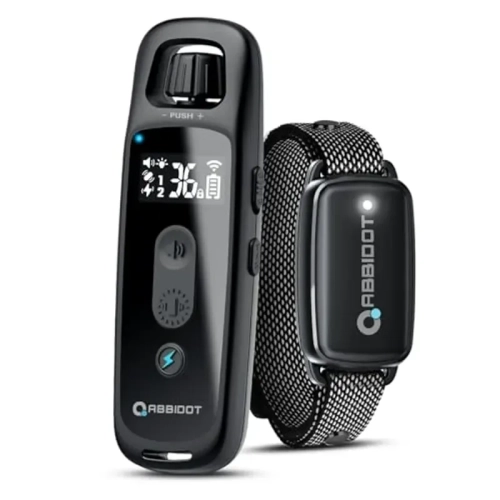


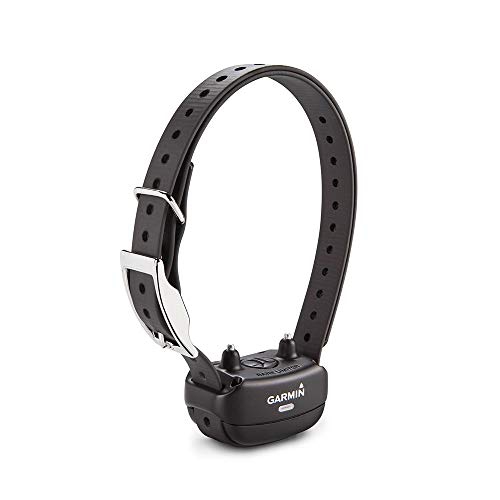
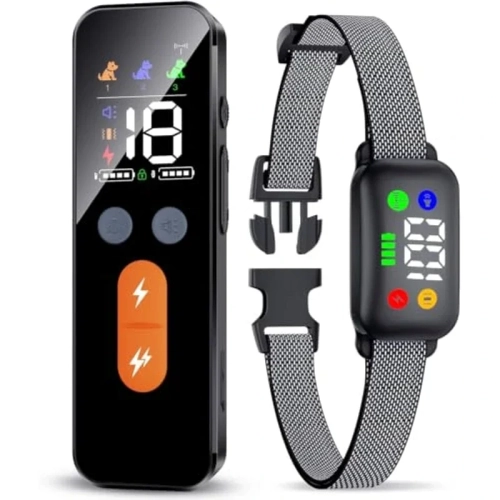


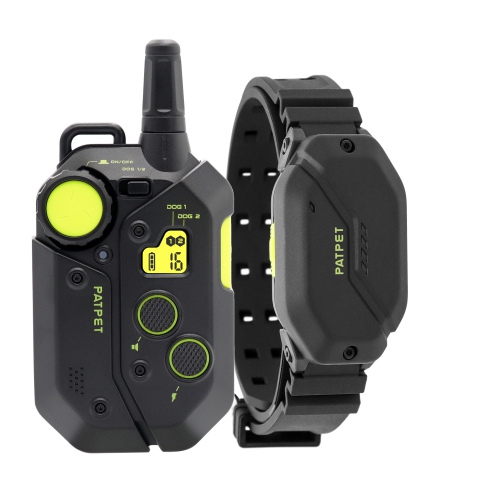

















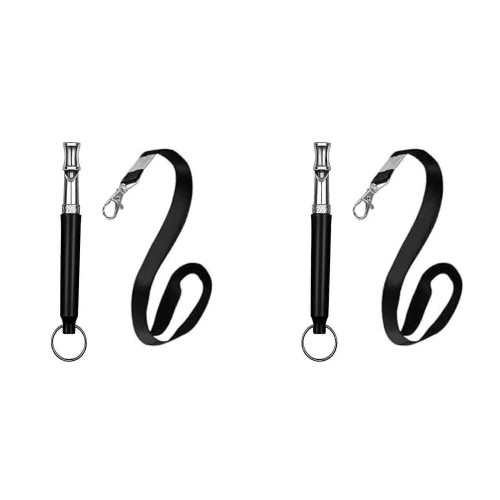


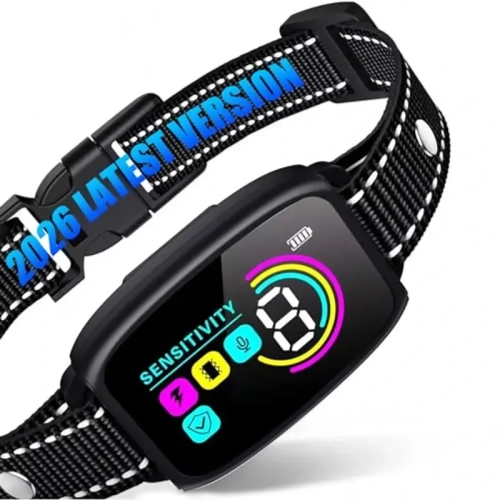


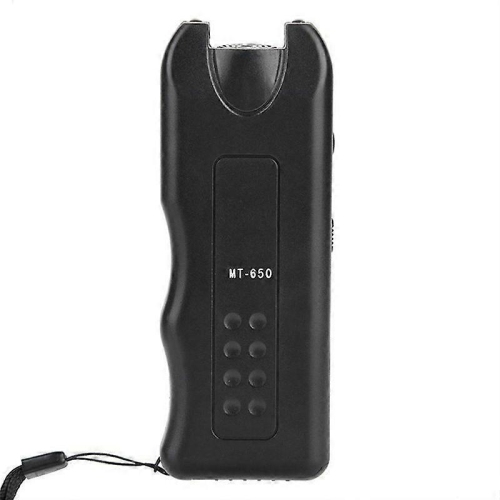


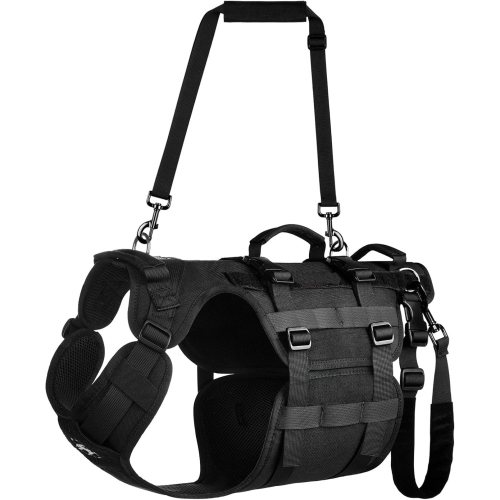
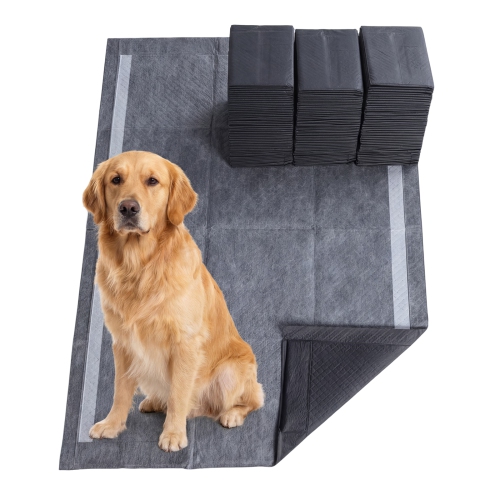






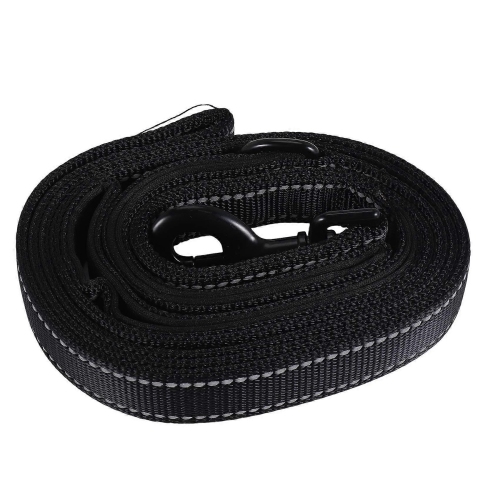
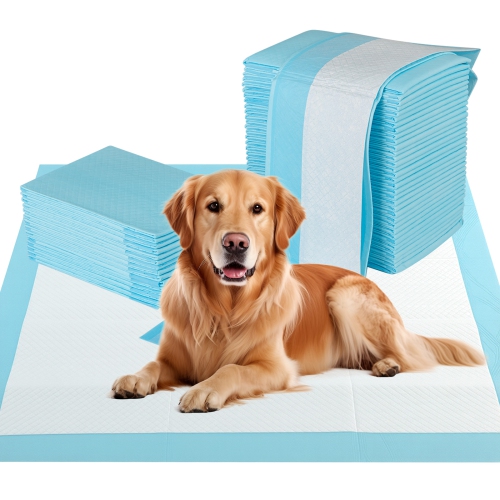

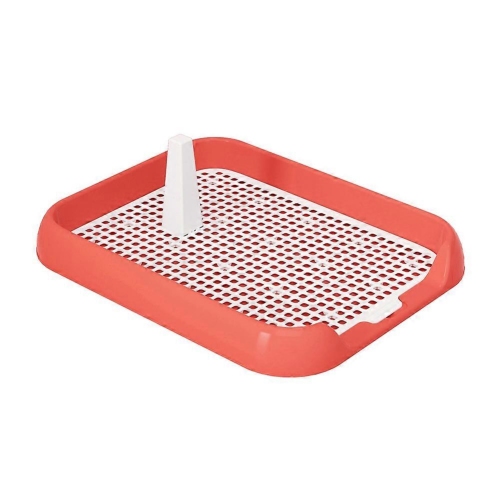
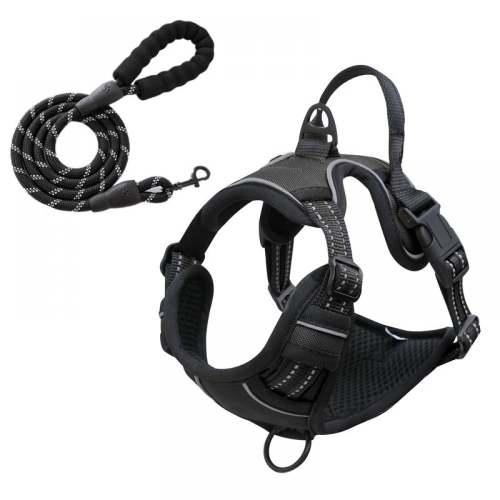















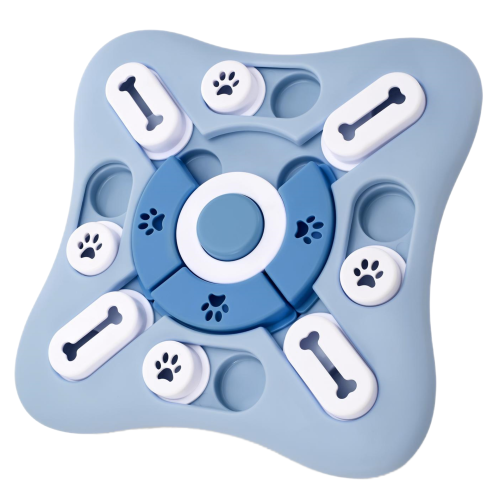
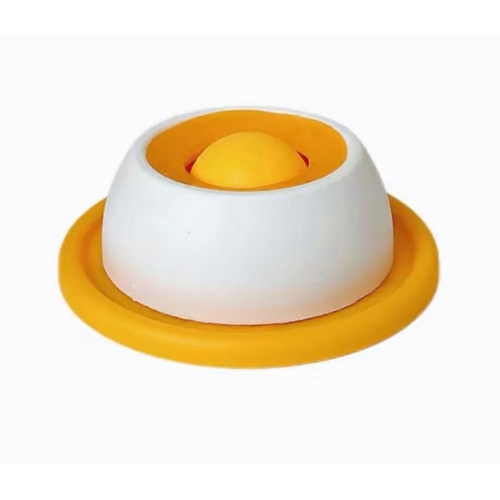
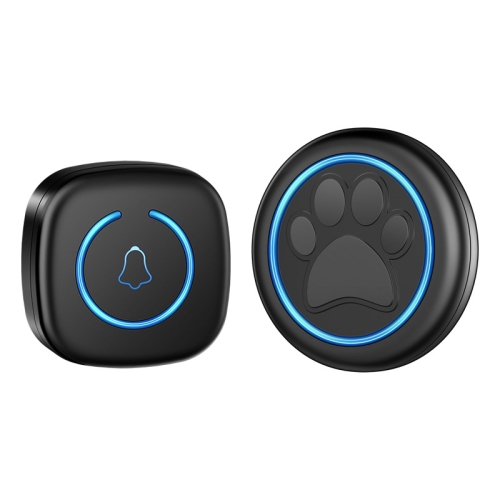

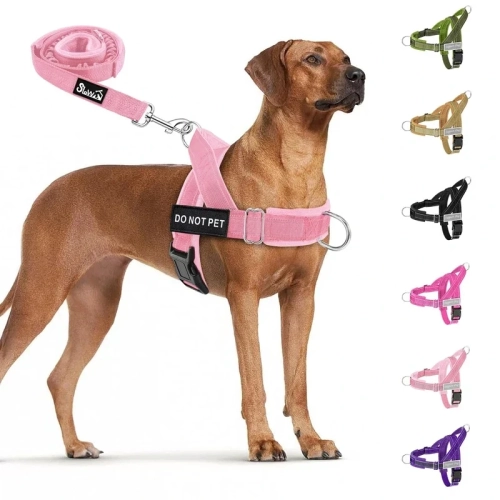
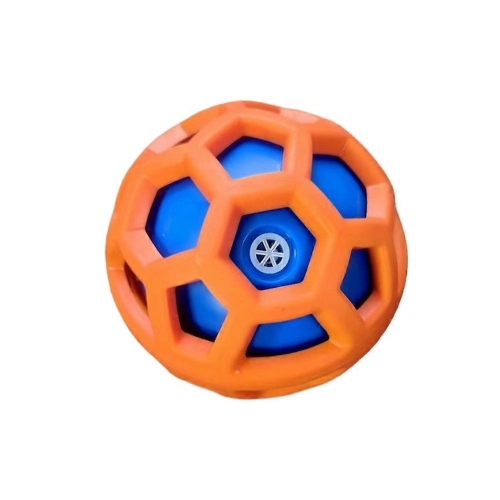

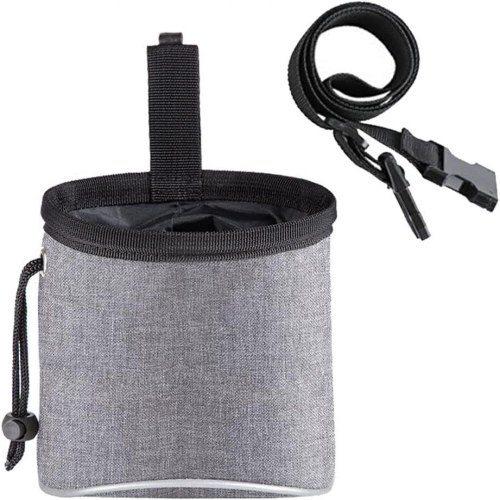

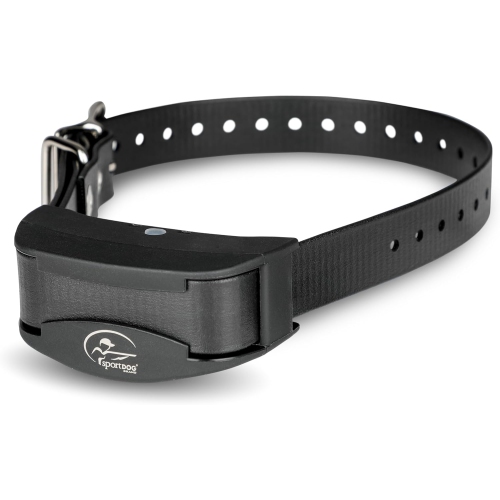
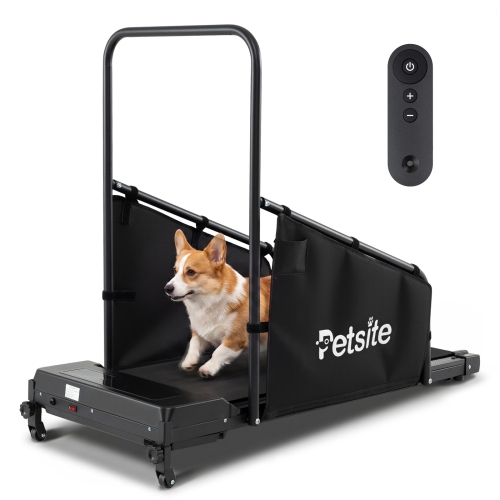


Practical tools for building calm, confident everyday behaviours
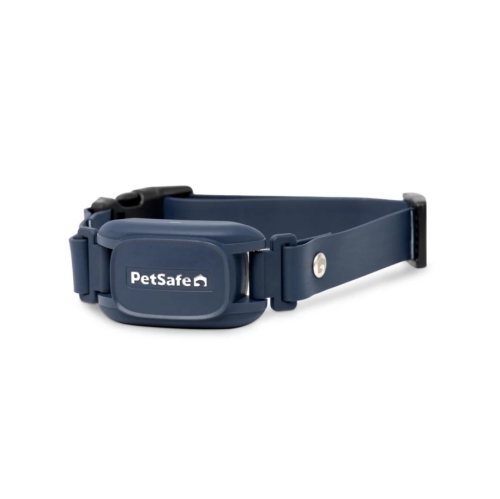
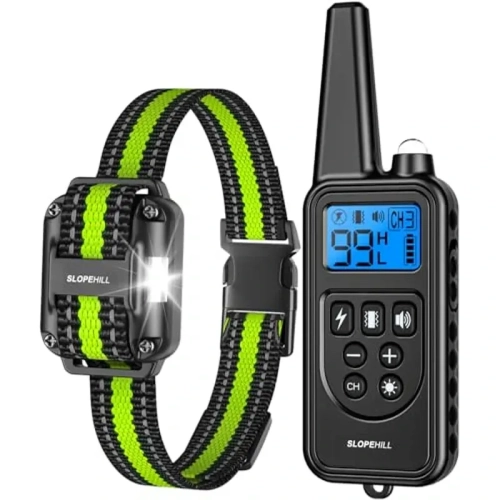
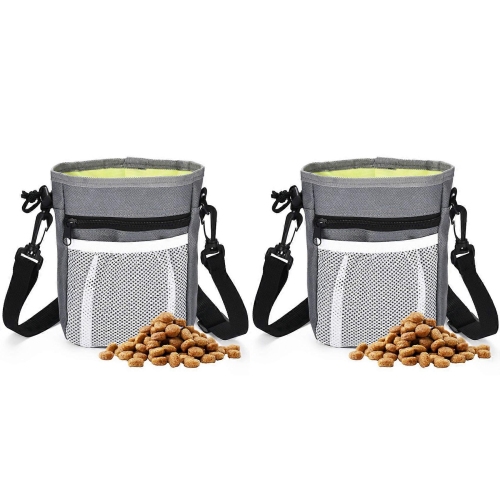
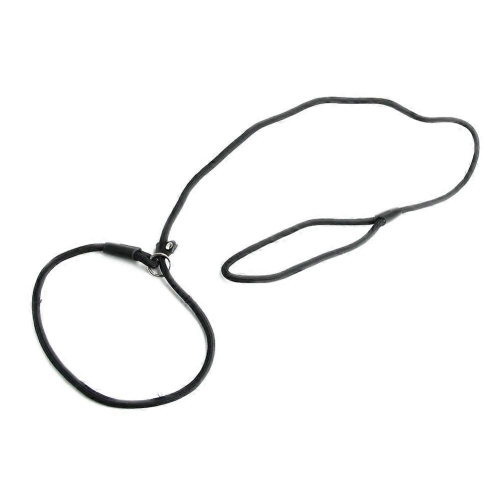
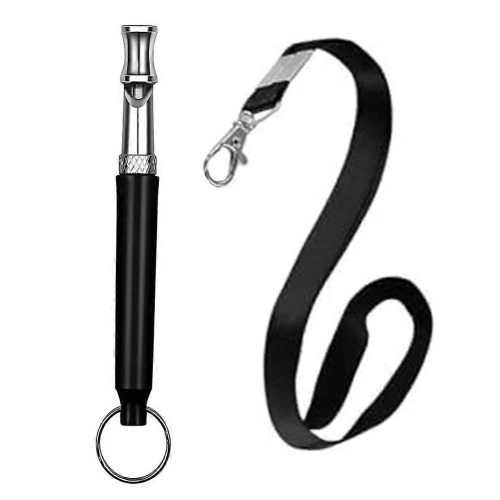
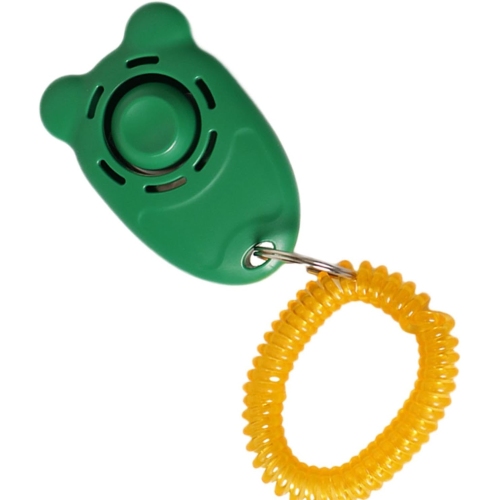
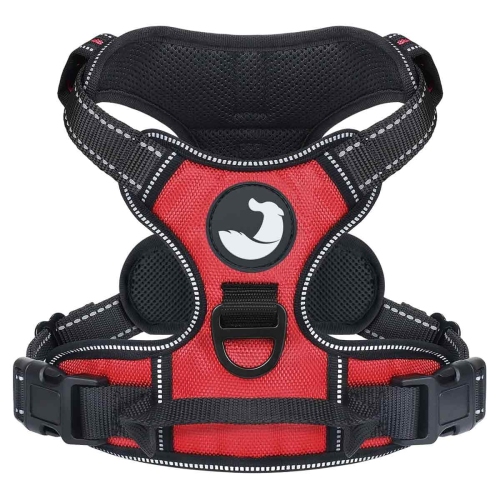
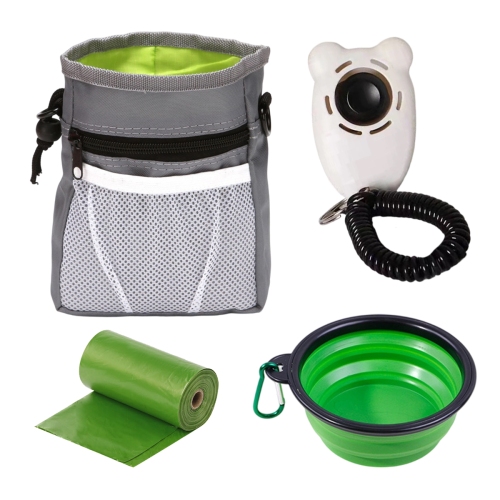
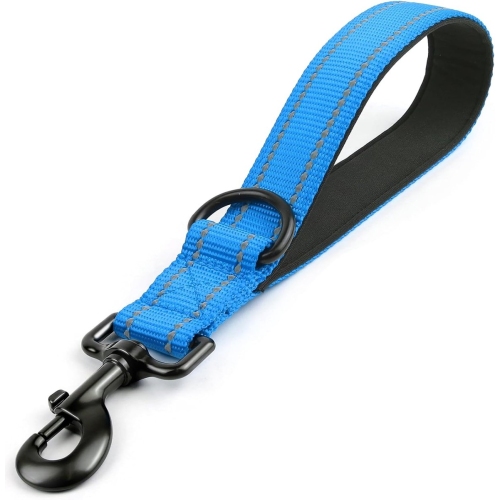
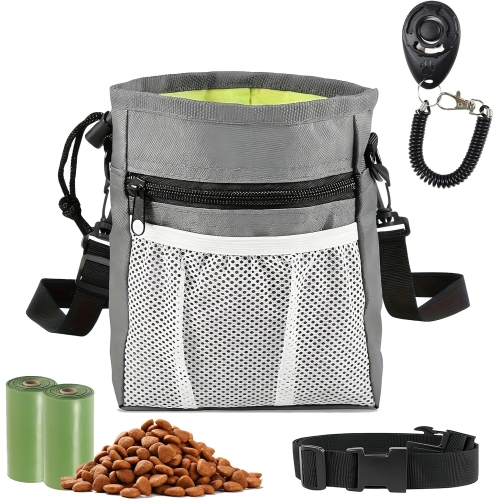
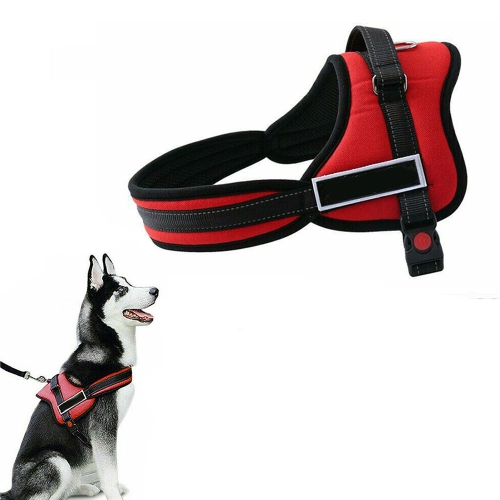
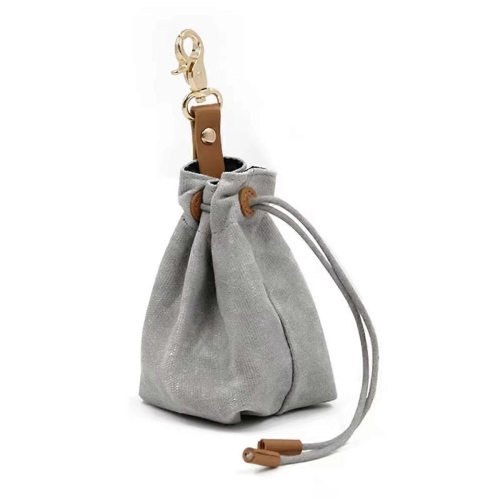
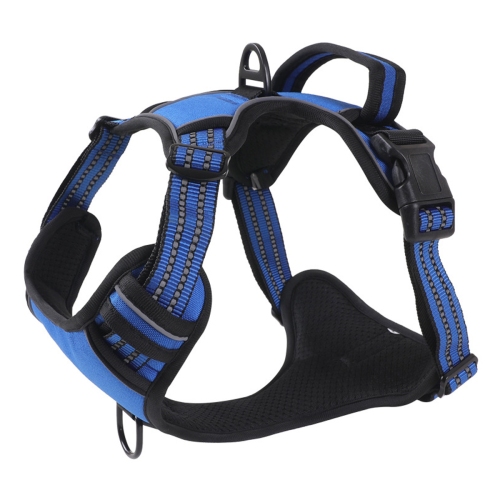
Dog training equipment can make everyday learning more organised, comfortable, and rewarding for both dogs and their people. The right setup depends on your dog’s age, size, temperament, experience, and training goals, but a few practical essentials form the foundation for most routines. A standard six-foot leash offers reliable control for neighbourhood walks, obedience practice, and guided exploration without the extra slack of a retractable design. Pair it with a properly fitted flat collar or harness that sits securely without rubbing, pinching, or restricting movement. A harness can be especially useful for dogs that pull, dogs with sensitive necks, or handlers who prefer to distribute gentle guidance across the chest. Fit should be checked regularly as puppies grow and as coats change through the seasons. A wearable treat pouch keeps rewards close at hand, helping you reinforce a calm sit before crossing the road, a quiet greeting at the door, or a check-in during a distracting walk. Small, soft treats or a portion of your dog’s regular kibble are convenient choices, since rewards should be quick to deliver and easy for your dog to eat. A clicker can provide a crisp, consistent marker for the exact moment your dog performs a desired behaviour; if a clicker is not part of your routine, a clearly timed marker word can serve a similar purpose. Many families use these basics for puppy manners, loose-leash walking, recall, settling on a mat, and polite interactions with visitors. They can also be thoughtful gifts for a new dog parent, a family welcoming a puppy, or anyone preparing for a season of more structured walks and outdoor activities. Explore these everyday essentials alongside other useful options in Dog Training Must Haves.
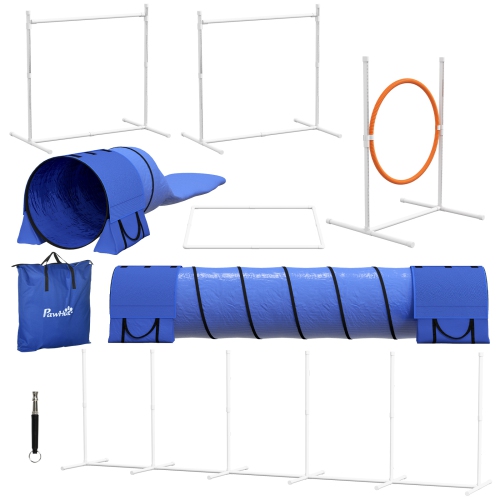
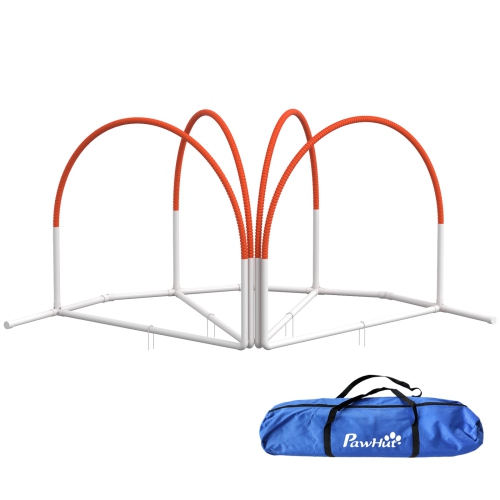
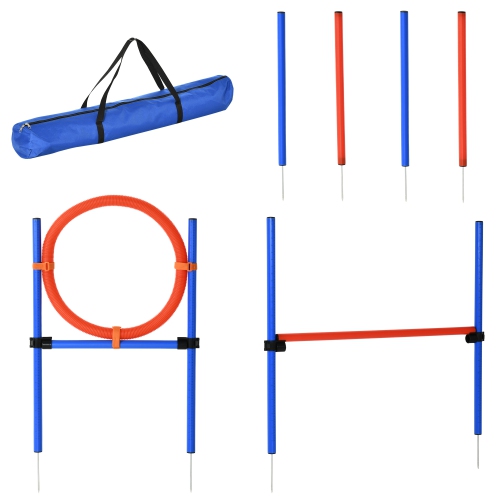
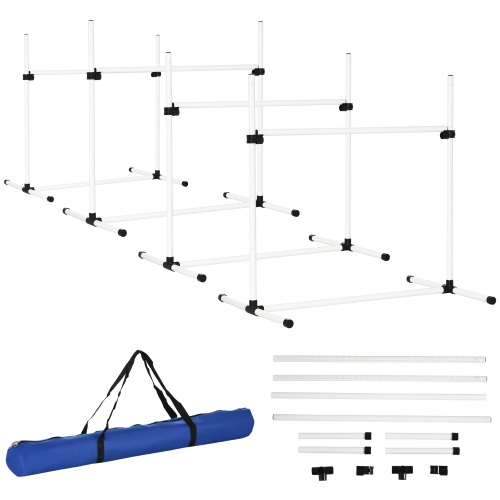
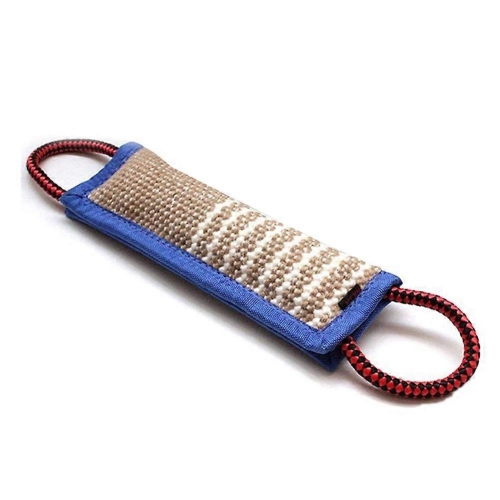
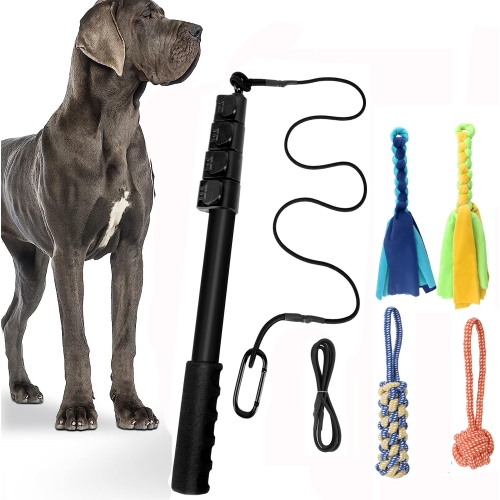
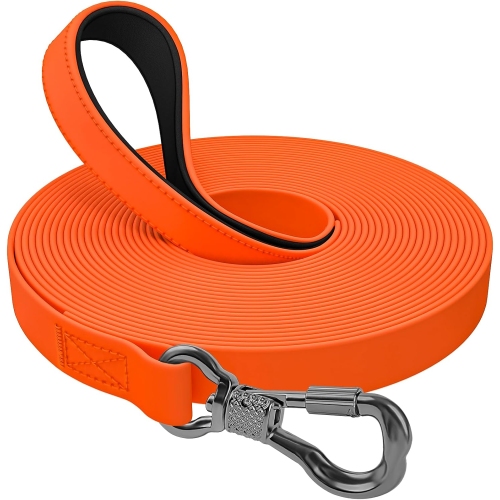
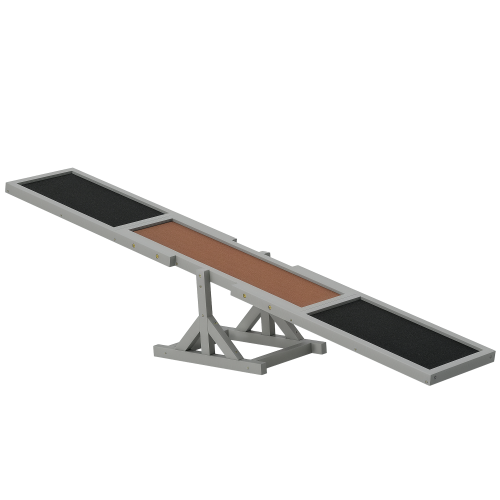
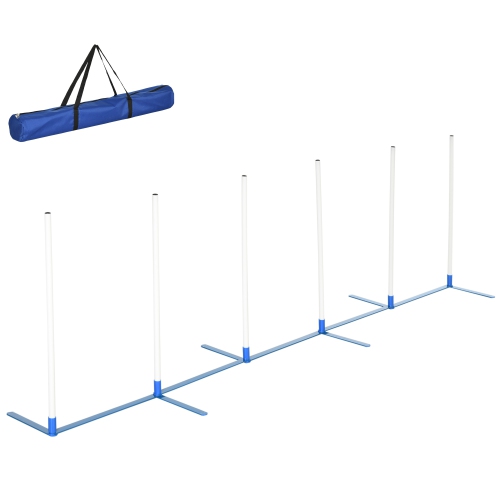
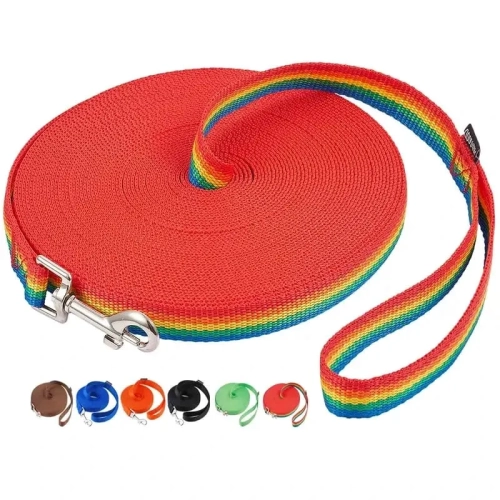
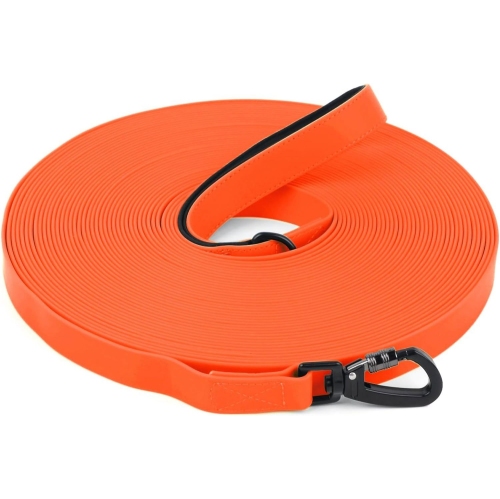
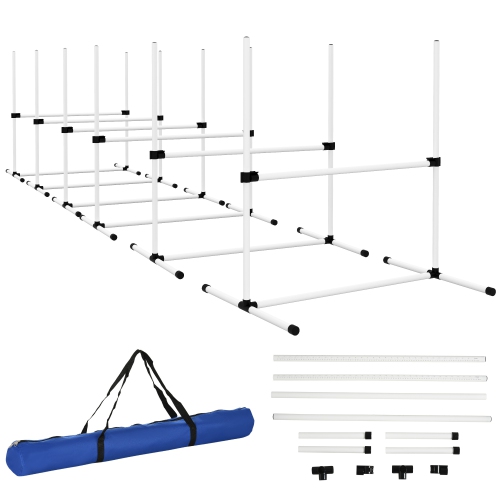
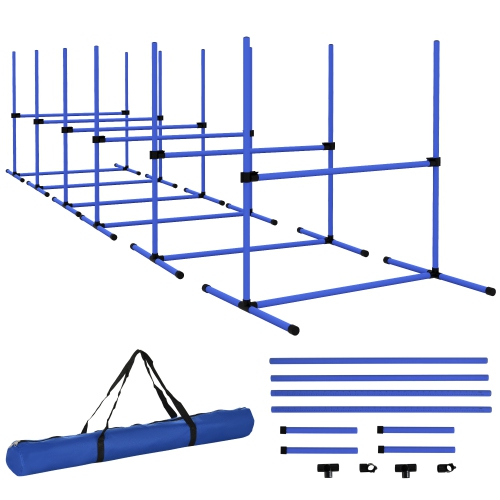
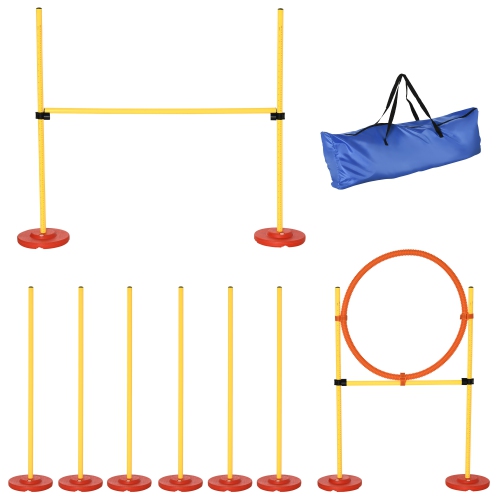
As your dog progresses, additional equipment can support distance work, impulse control, confidence, and physical coordination. A long line, often available in lengths ranging from approximately 15 to 50 feet, provides room to practise recall and attention outdoors while keeping a connection between dog and handler. It is useful in open spaces where a fully off-leash environment is not appropriate, although it should be handled carefully to reduce tangles and avoid wrapping around people, dogs, trees, or other obstacles. A place board, training cot, or similar elevated platform gives your dog a clear physical boundary for learning stays, waiting calmly, and returning to a designated spot after excitement. This type of equipment can be helpful in busy homes, during meal preparation, or when guests arrive and your dog needs an inviting alternative to jumping at the door. Portable agility equipment, such as weave poles, collapsible tunnels, and adjustable jump bars, can add variety to training sessions while developing body awareness and following direction. Keep jumps low and activities suited to your dog’s age, mobility, and fitness level, particularly for puppies and dogs with joint concerns. Training should feel like a series of achievable successes rather than a test of endurance. Short sessions of a few focused minutes often work better than one long session in which attention fades. Begin in a quiet room, then gradually introduce ordinary distractions such as footsteps in the hallway, sounds from the garden, or activity on a cooler-season walk. Rewarding calm choices as they happen helps dogs understand which behaviours are useful, and repeating the same cues and routines allows everyone in the household to participate consistently.
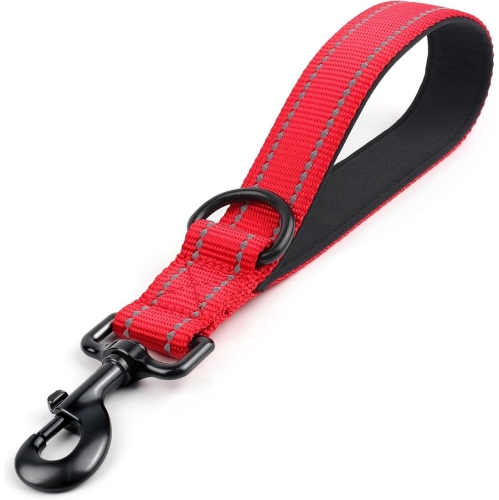
When choosing dog training equipment, consider where it will be used, how easy it is to carry and clean, and whether it suits the dog who will be wearing or handling it. Measure your dog according to each item’s sizing instructions rather than relying only on breed or weight, and inspect buckles, clips, stitching, and attachment points regularly for signs of wear. A leash with a comfortable handle may make repeated practice easier on the person holding it, while a lightweight pouch with separate compartments can keep treats, waste bags, or a clicker organised during longer outings. Reflective details and visible colours can be useful during darker walks in the cooler months, but they should complement—not replace—safe route choices and careful supervision. For dogs that become overwhelmed by noise, visitors, or unfamiliar places, training equipment works best alongside gradual exposure, generous distance, and a calm retreat area. Avoid using equipment to force a frightened dog into a situation; comfort, patience, and professional guidance are important when fear, reactivity, or aggression is involved. Children can help deliver treats or practise simple cues with an adult nearby, provided the dog is comfortable and the activity remains gentle and closely supervised. A well-chosen collection can serve a first-time puppy owner, an experienced handler refining recall, or a household looking for constructive indoor activities when weather limits outdoor time. Picture a rainy afternoon transformed into a few minutes of focused practice in the kitchen, or a crisp walk where a dog learns to glance back at the handler before continuing along the path. With equipment that fits properly and a routine built around clear communication, rewards, and steady repetition, training becomes part of daily life rather than a separate chore.
Top selling and popular products
-
 Your price for this item is $89.99
-
 Your price for this item is $84.99
-
 Your price for this item is $30.99
-
 Your price for this item is $18
-
 Your price for this item is $64.99
-
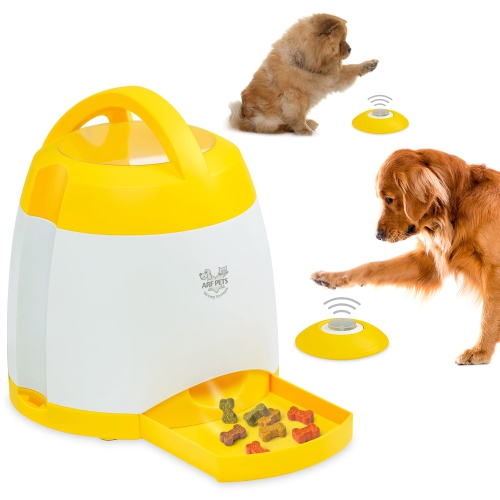 Your price for this item is $109.99
-
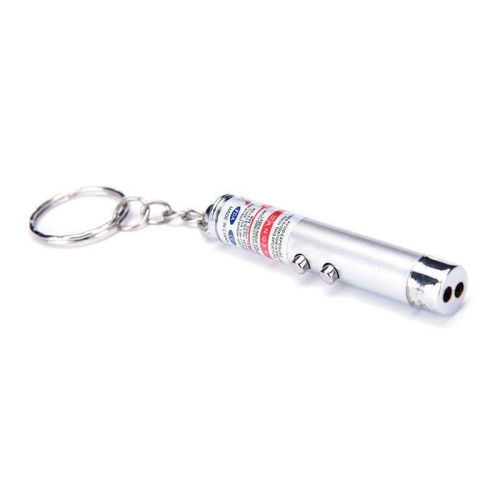 Your price for this item is $18
-
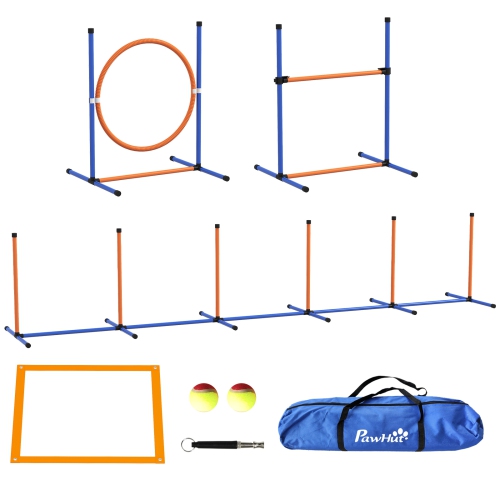 Your price for this item is $54.99
Discover more categories related to Dog Training Equipment
Top Collections:
Pokemon Centers, Kindle Devices, Best Budget Office Chairs, Canon G7X Cameras, Apple iPhones 16, Samsung Galaxy Phones, Refurbished Apple Laptops, Laptops for Students, iPhone 15 Apple, Budget Smartphones
Some products may be subject to Environmental Handling Fees
(EHF) depending on your province.
Learn more about EHFs.