Queen Beds
Upgrade your sleep experience with queen beds that combine comfort and style. These beds are designed to fit two people comfortably, making them the perfect choice for couples or those who like a little extra space. Here are some great options available.
Sort


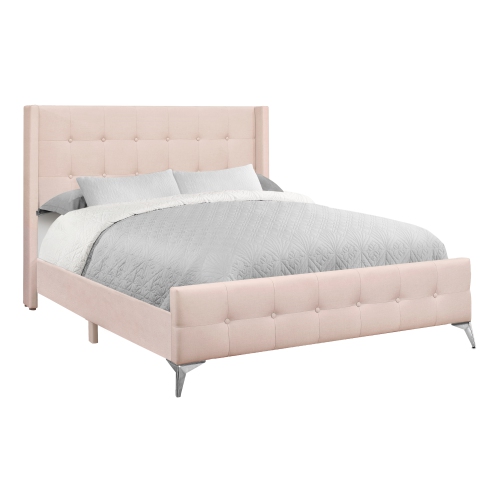
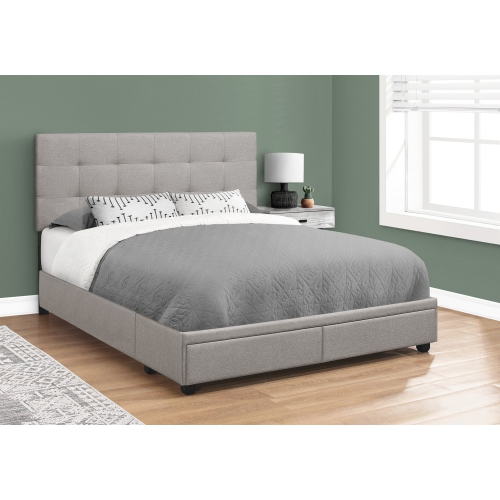
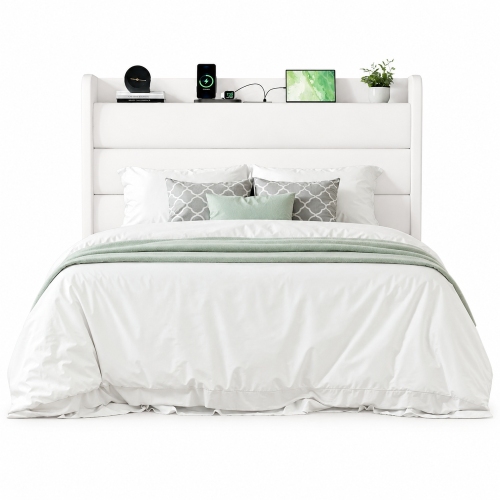
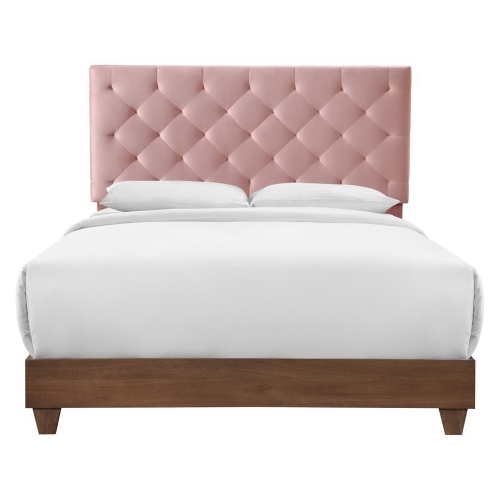
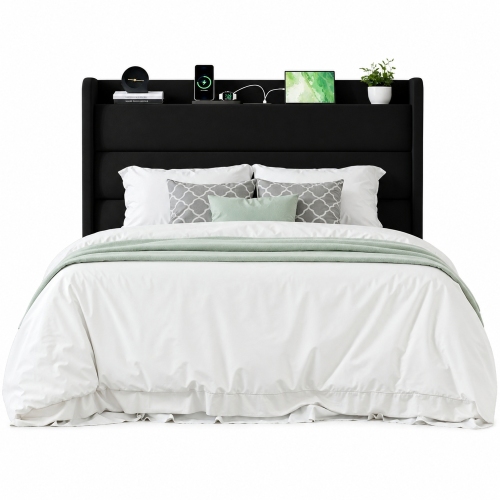


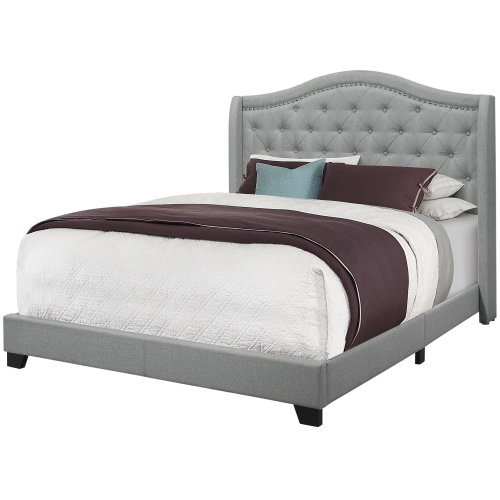
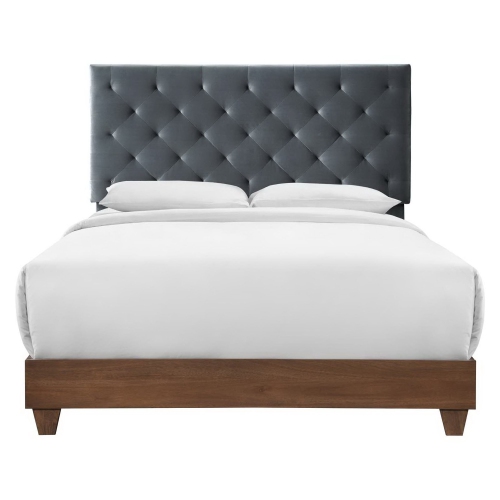
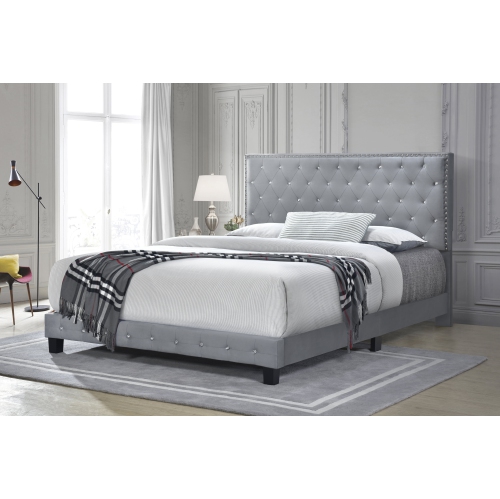
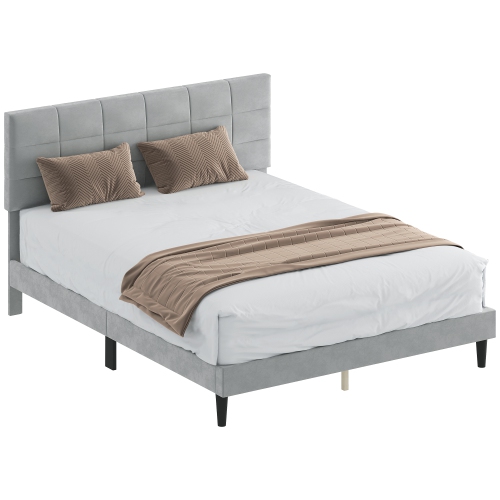

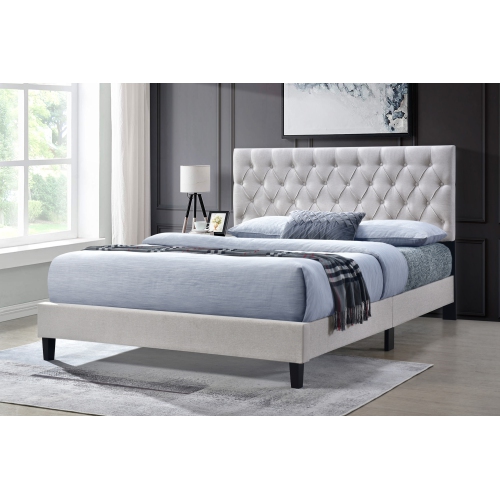
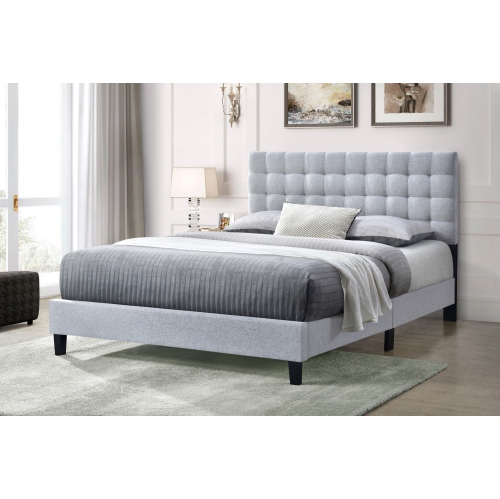
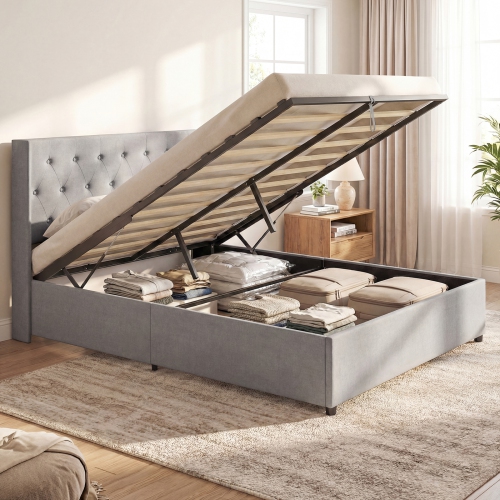
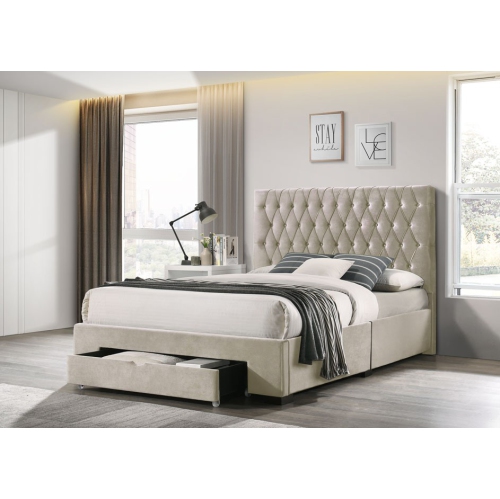

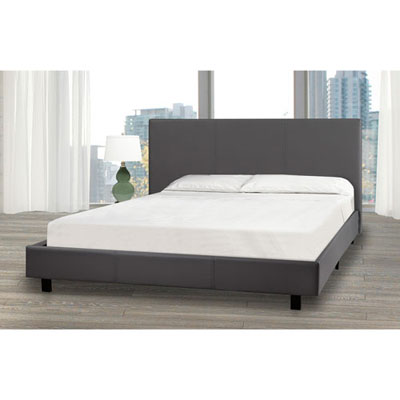
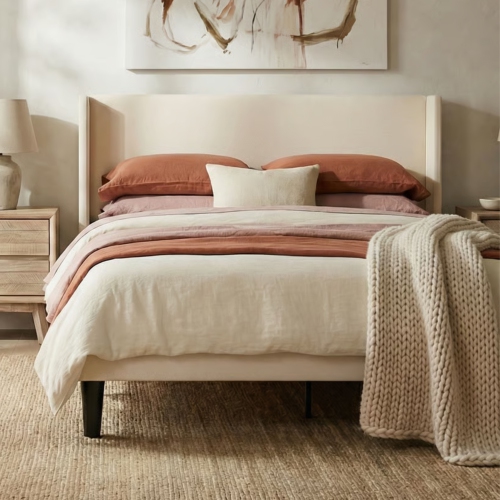
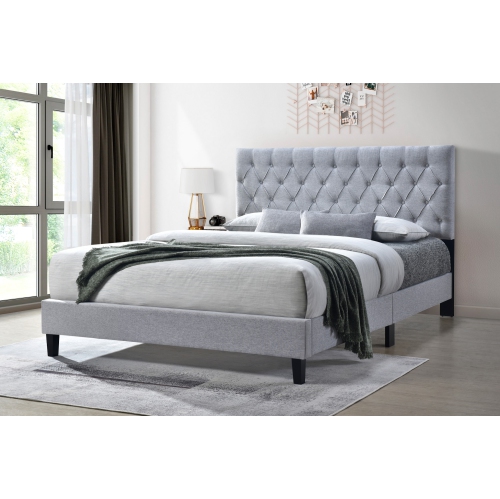

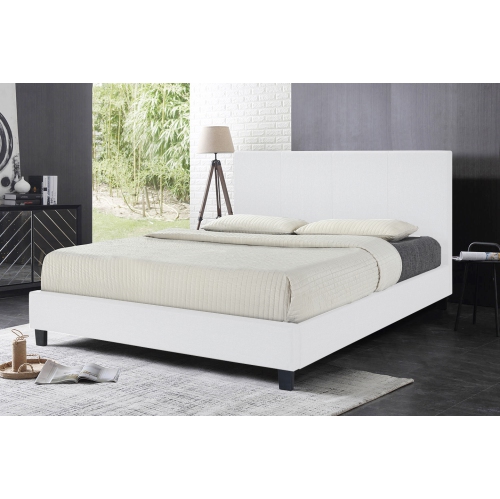
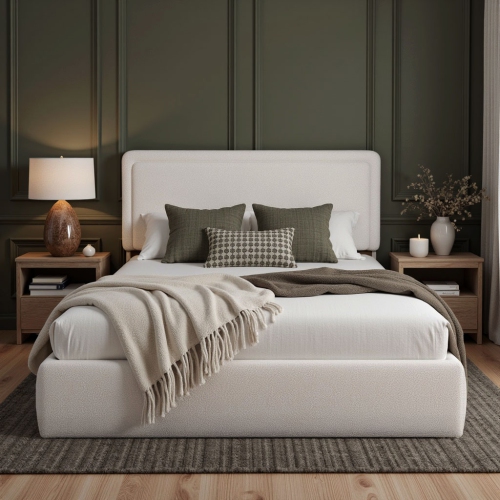
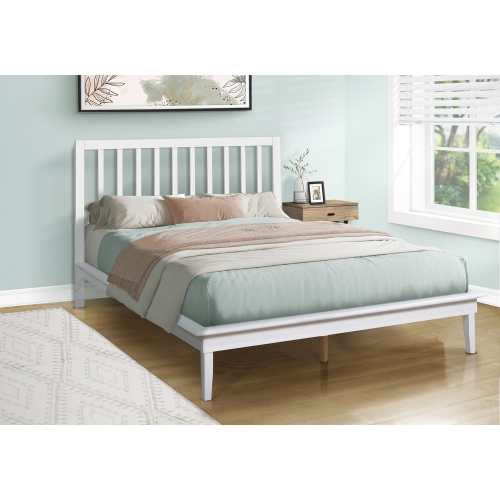
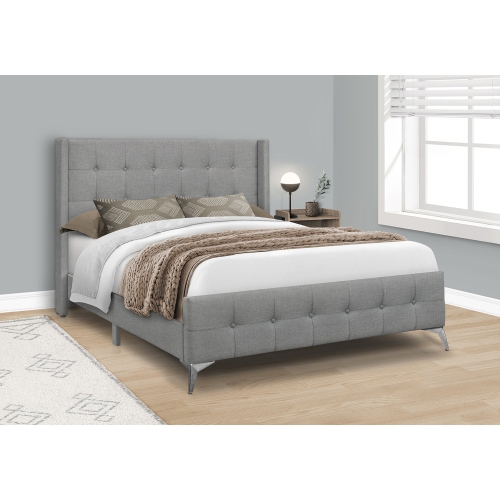
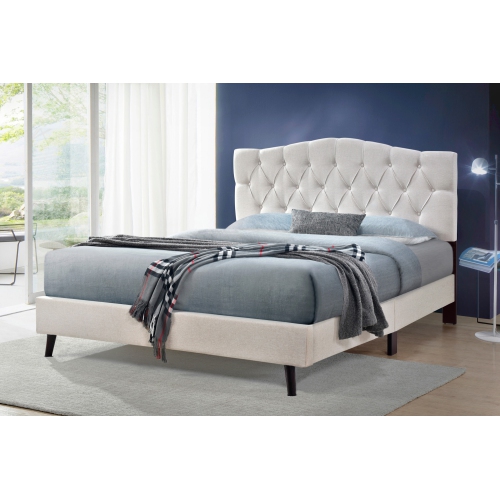
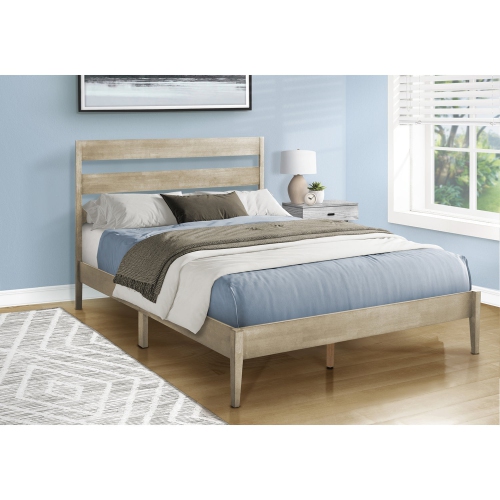
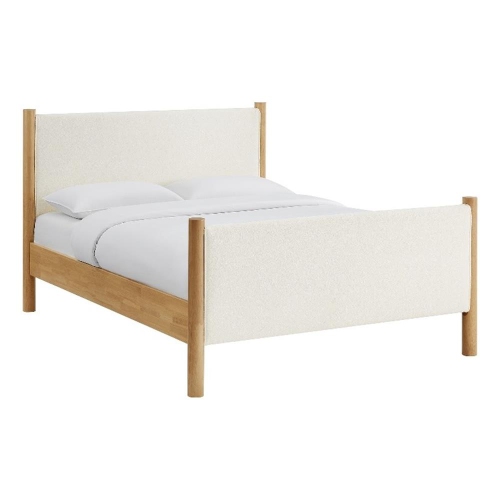
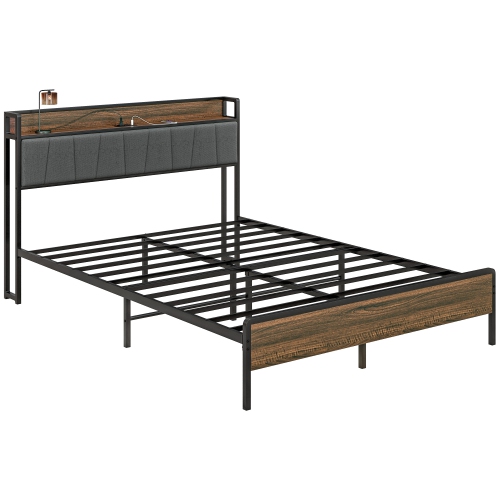
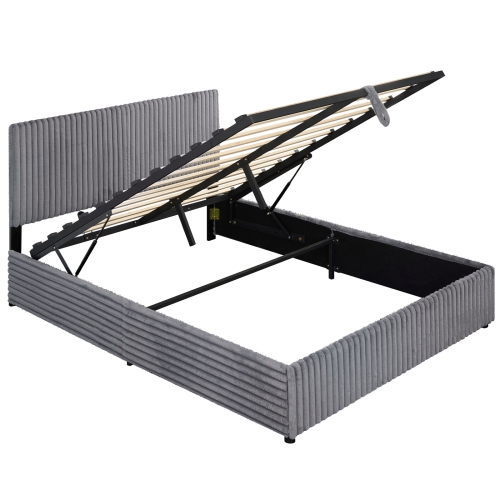
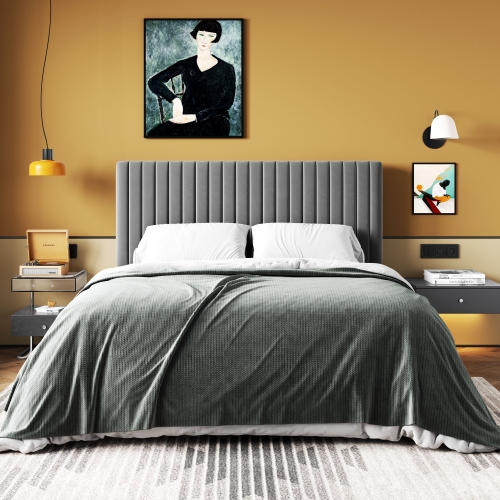
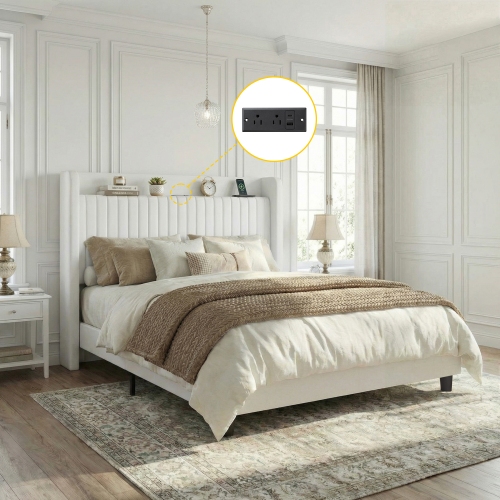
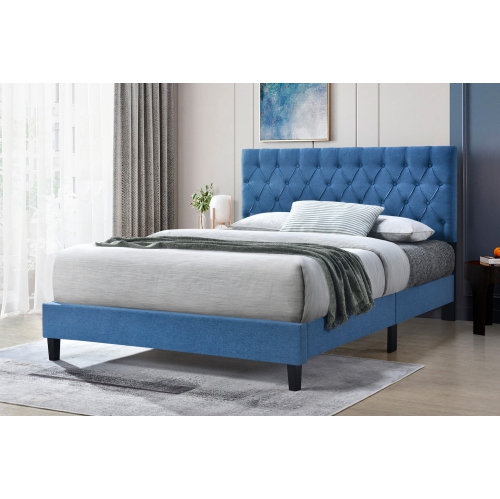
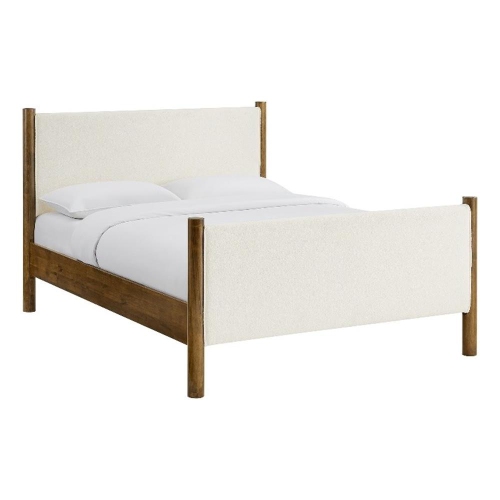
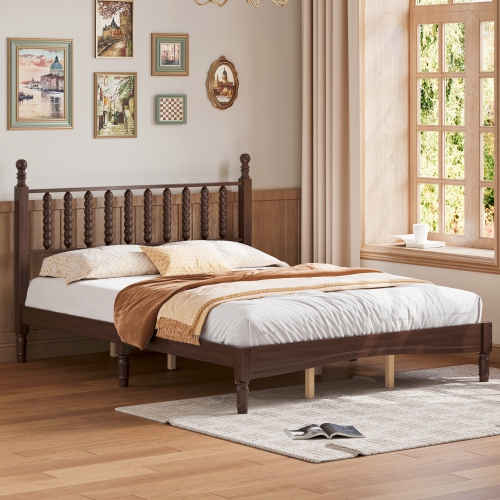
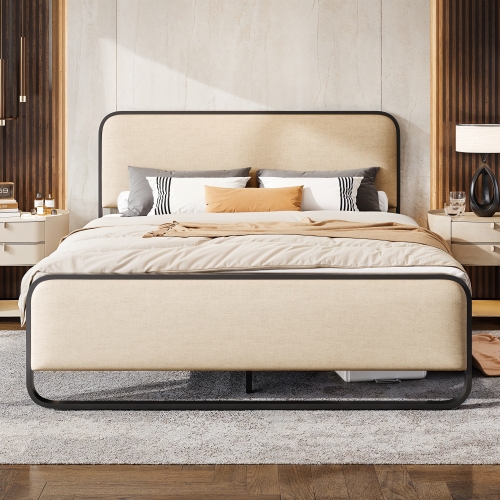
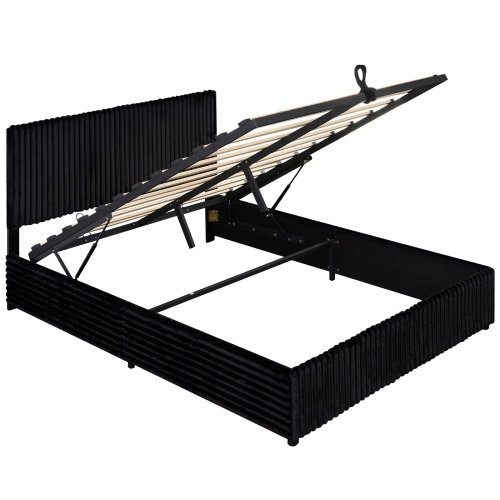
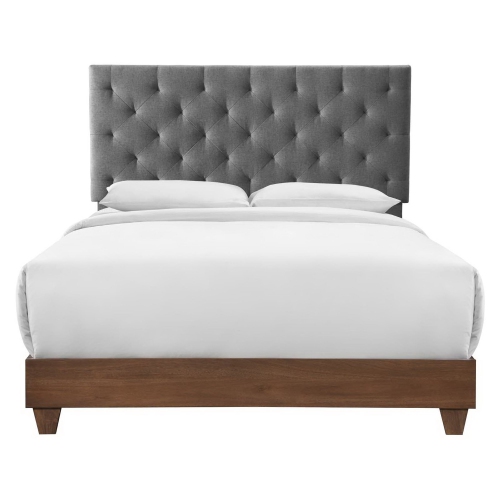


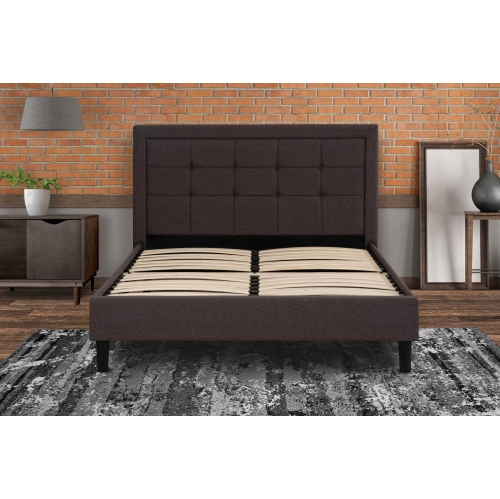
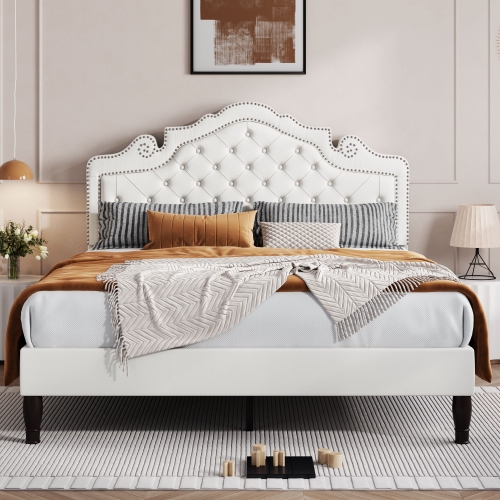
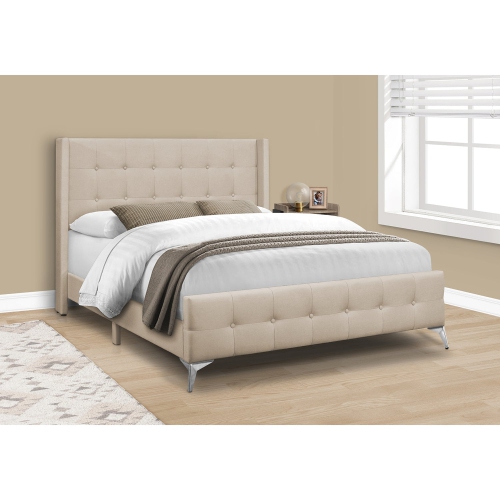

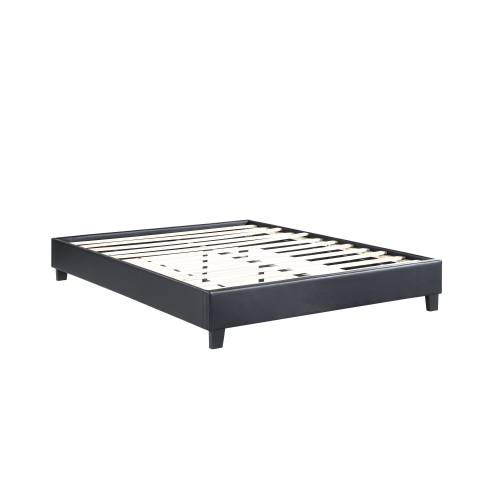


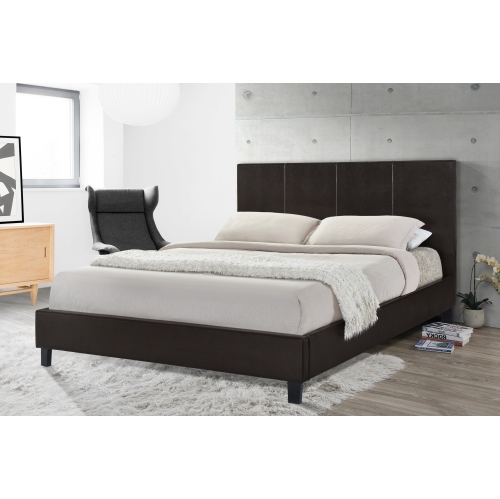
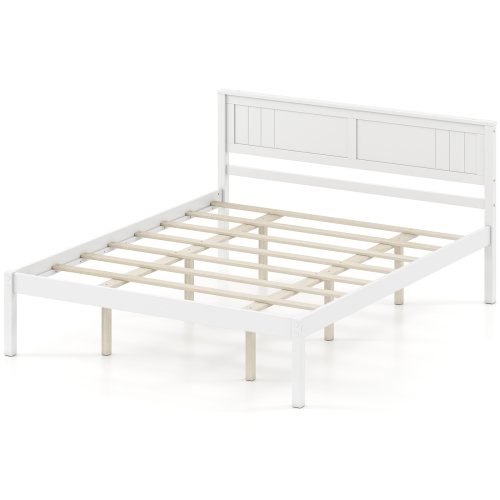

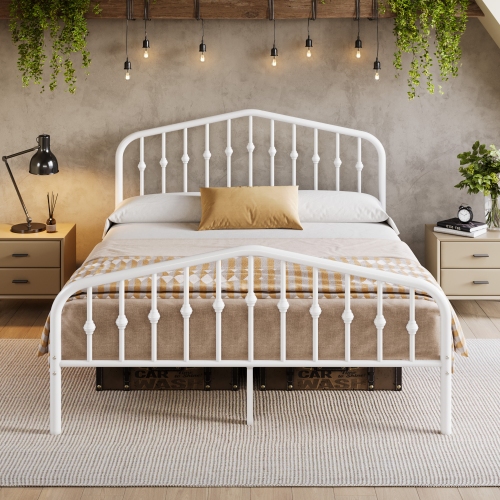
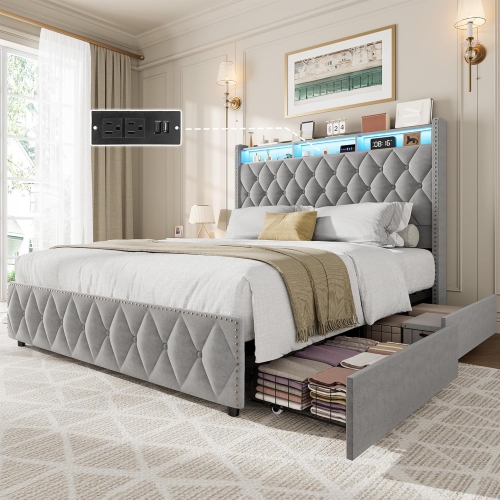
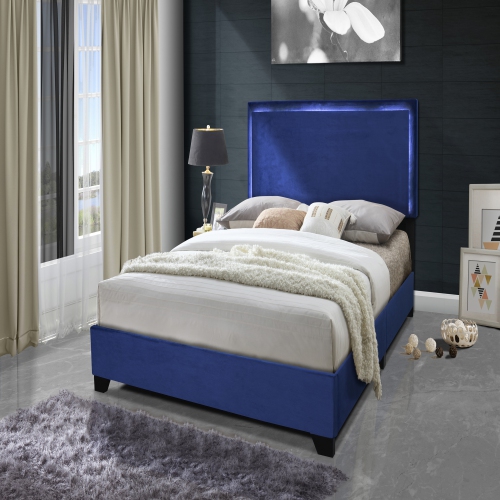
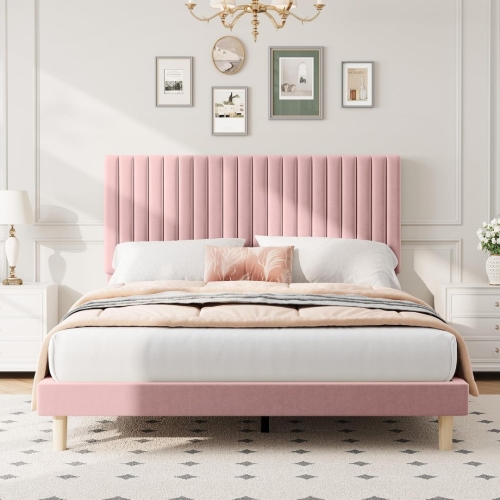
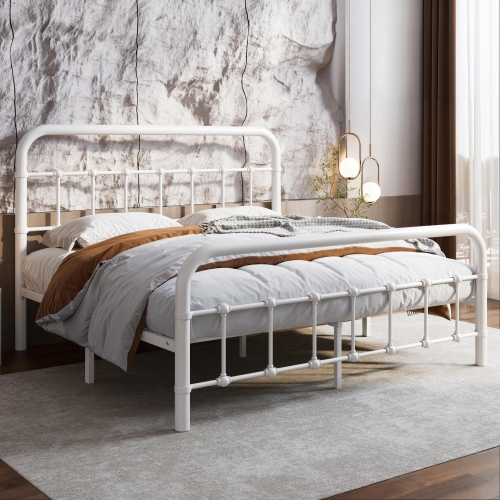

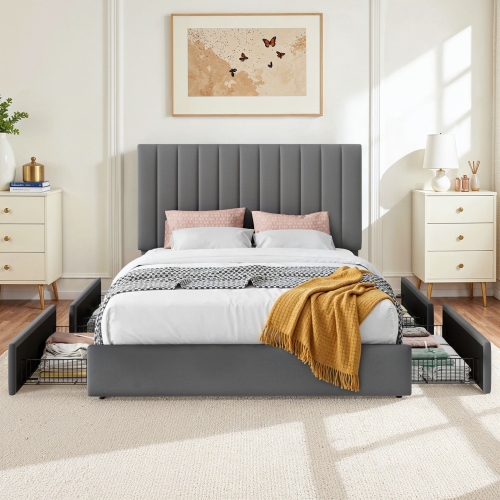


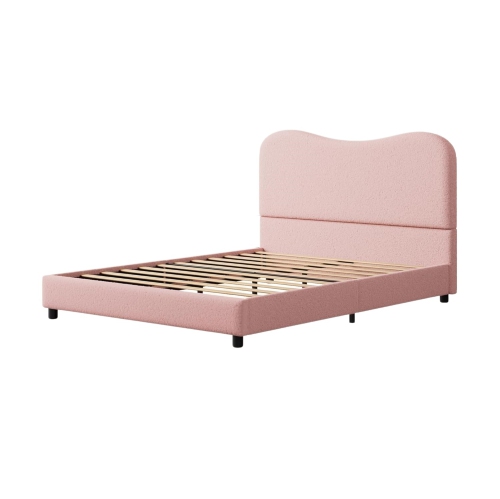
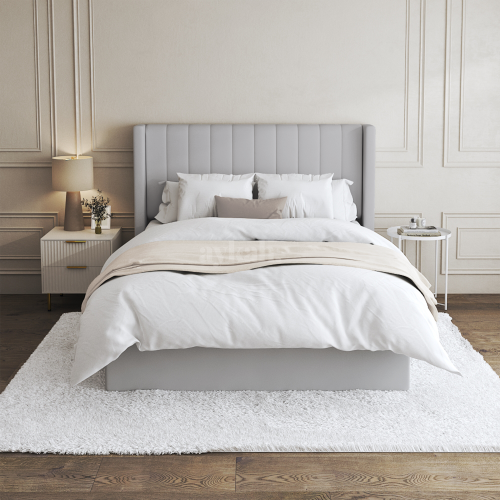
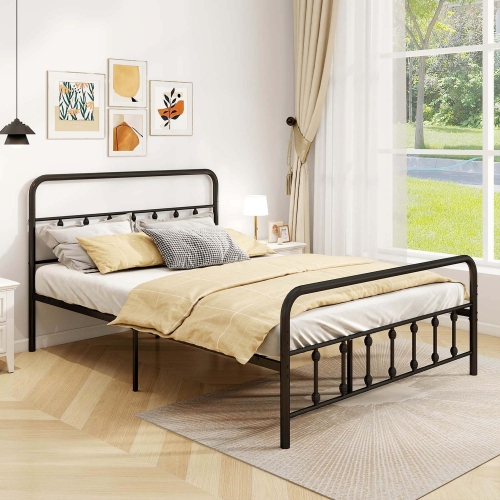
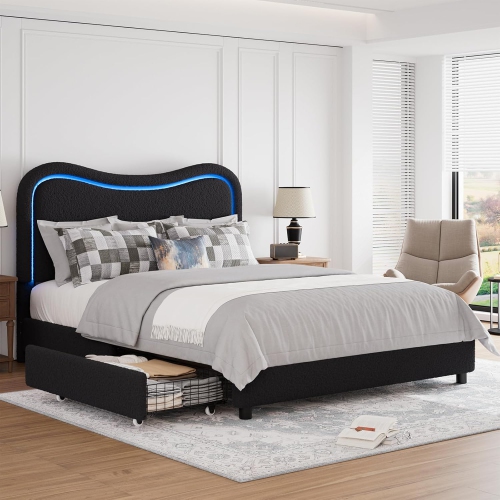
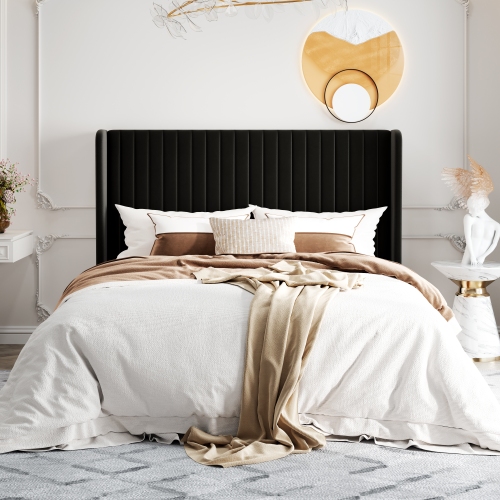

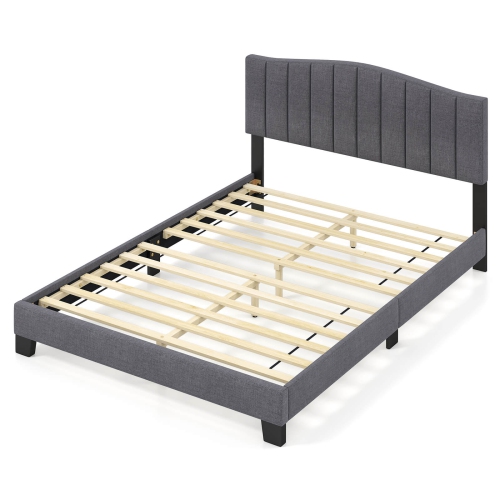
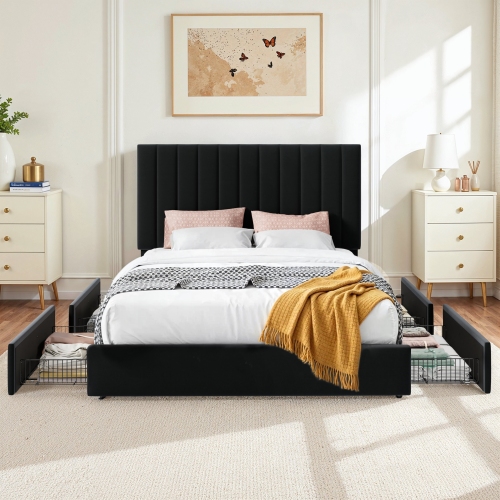
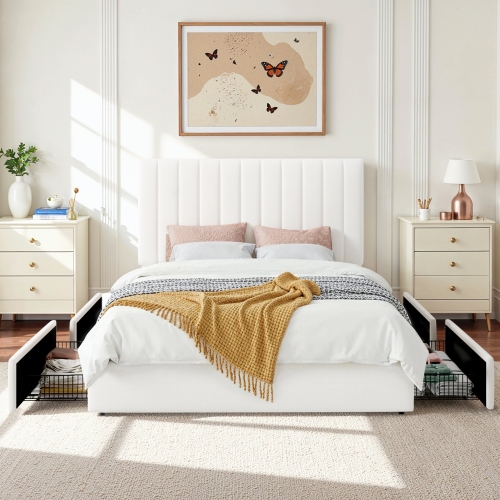

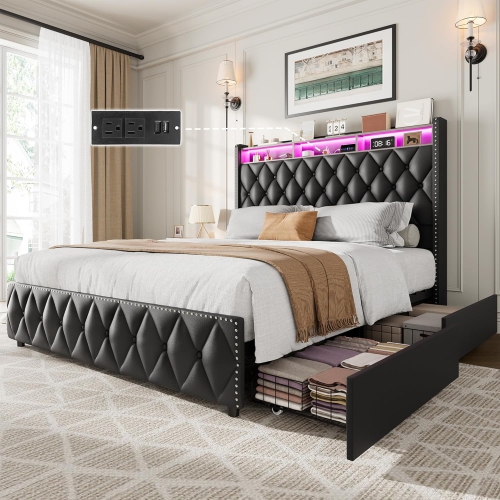
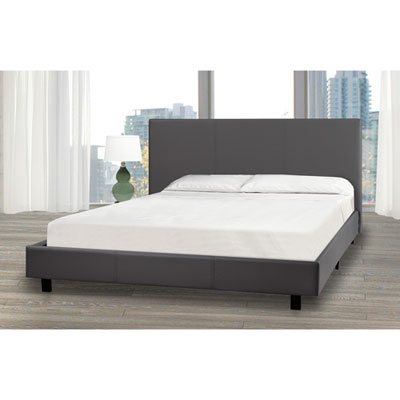
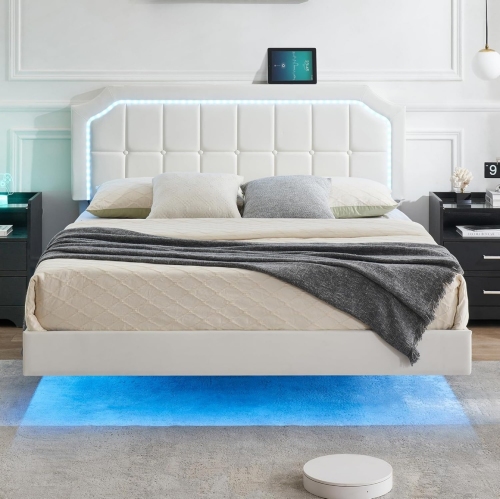
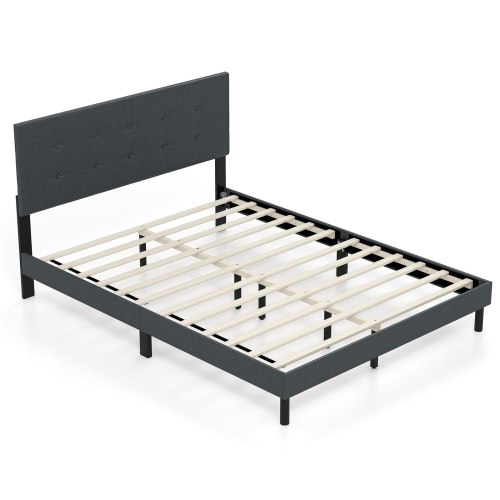
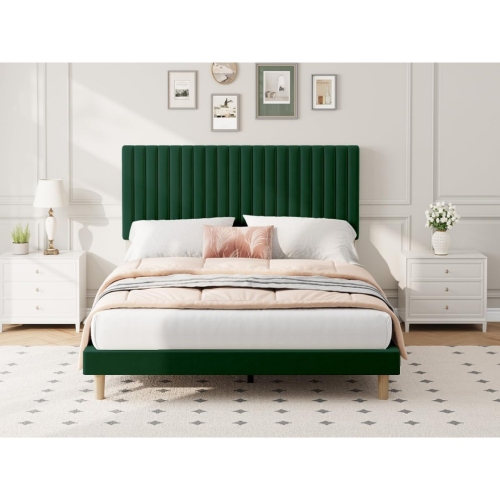
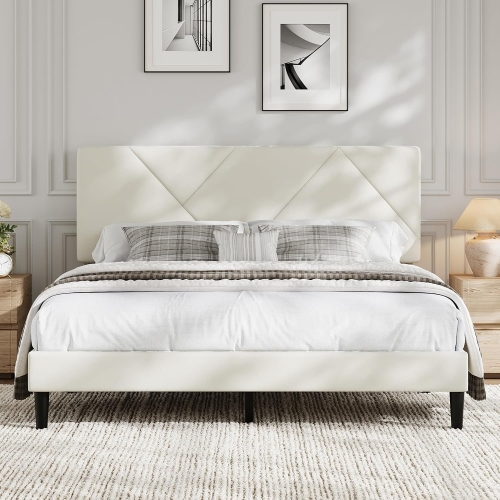

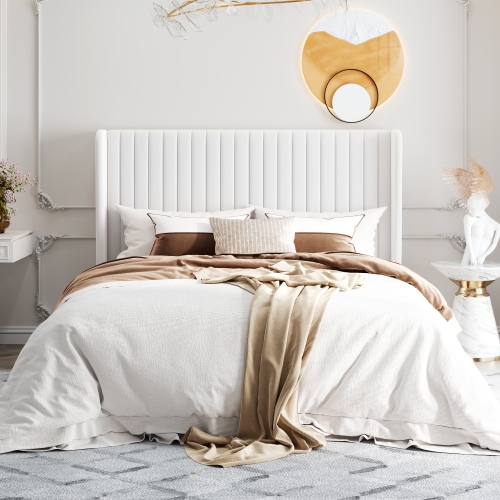
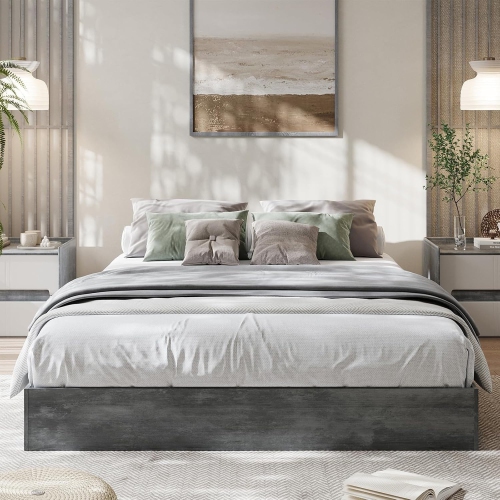
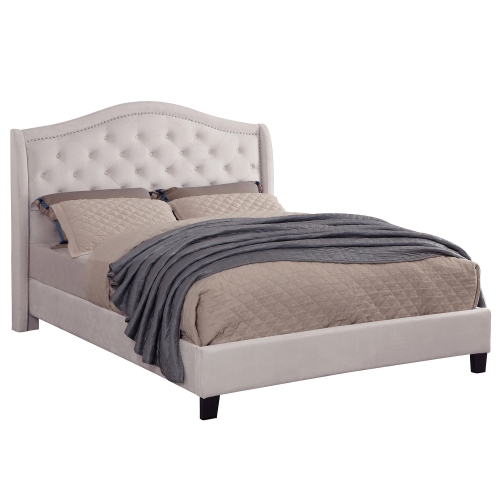
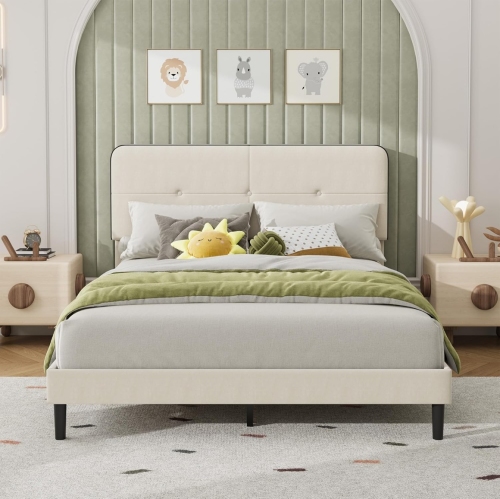
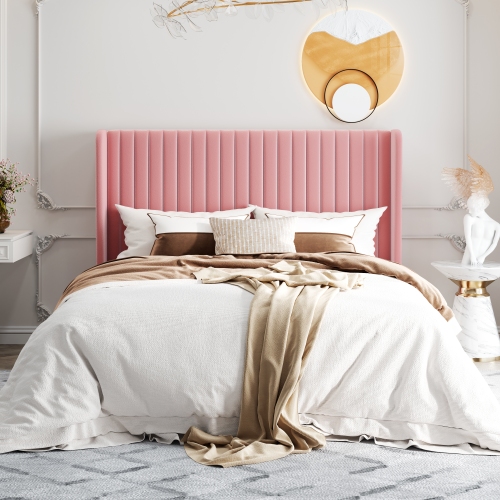
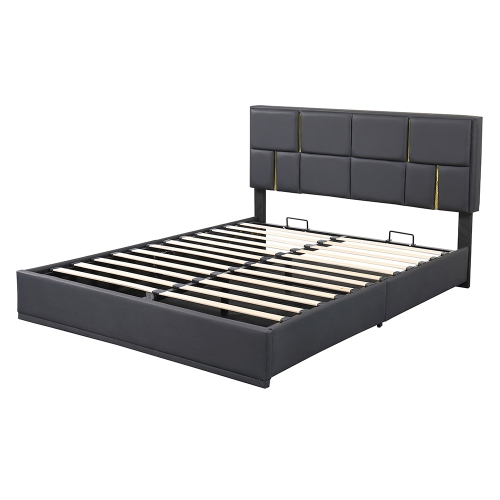

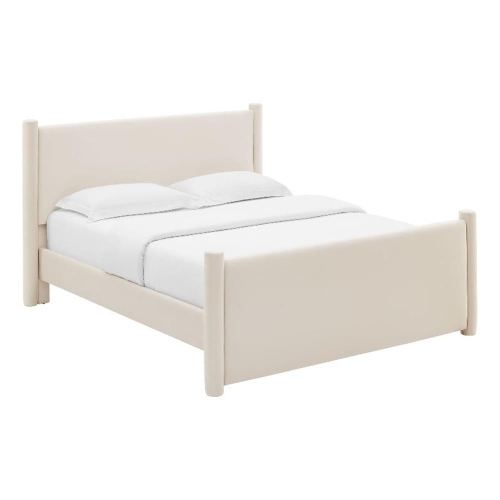
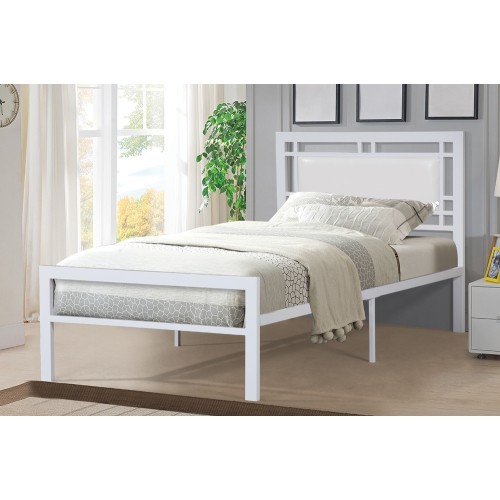
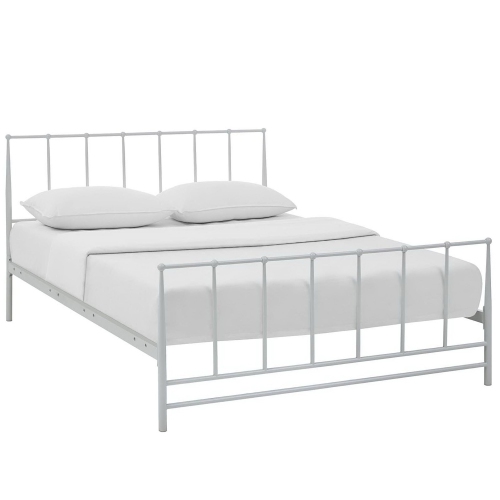
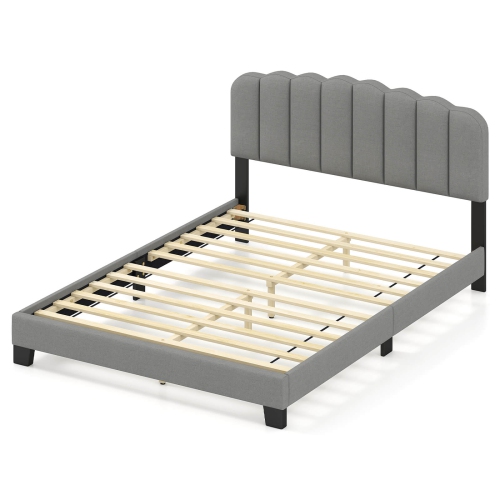
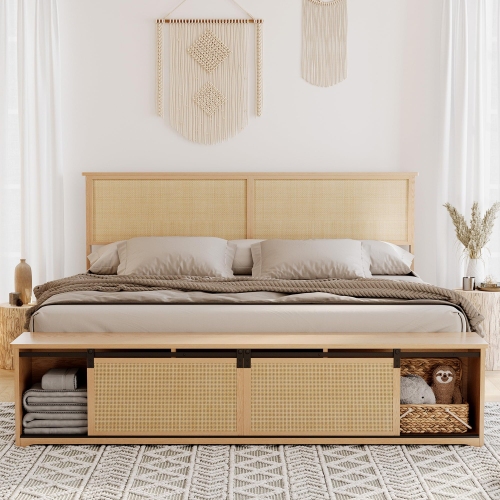
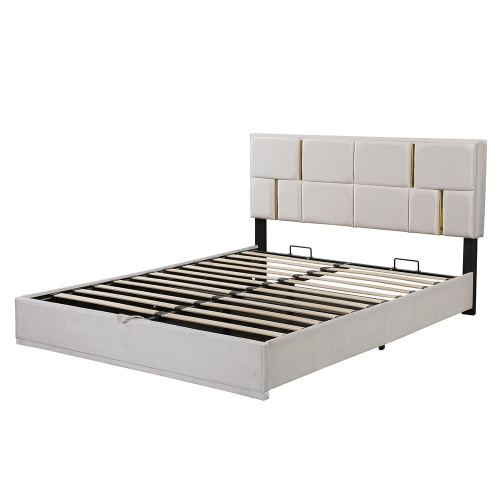
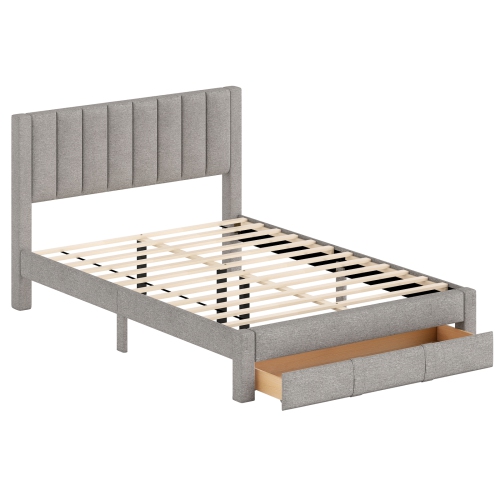
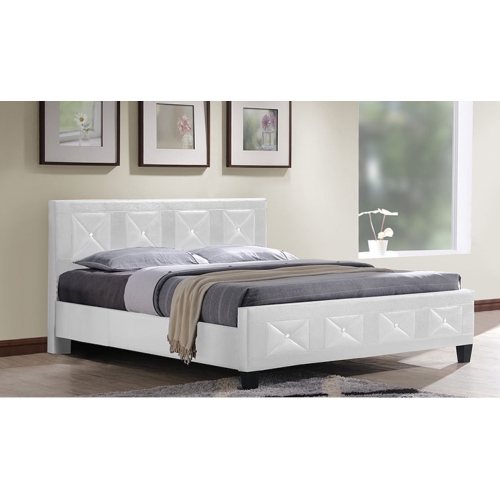
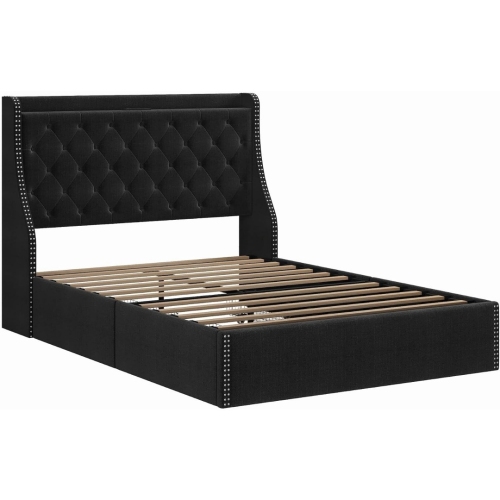
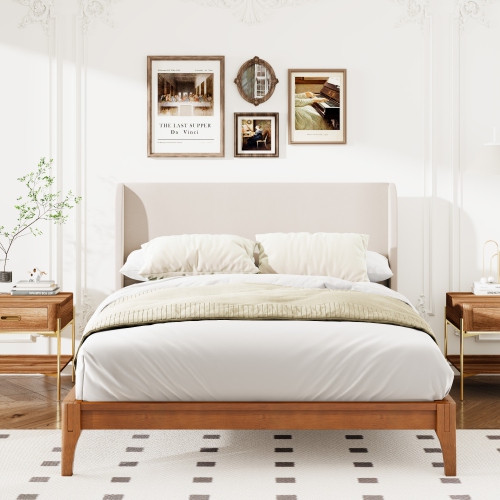
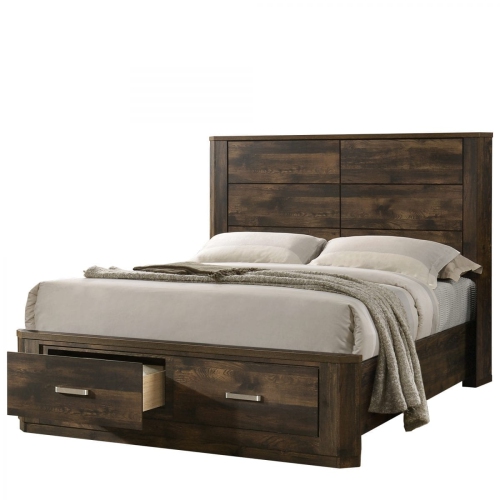

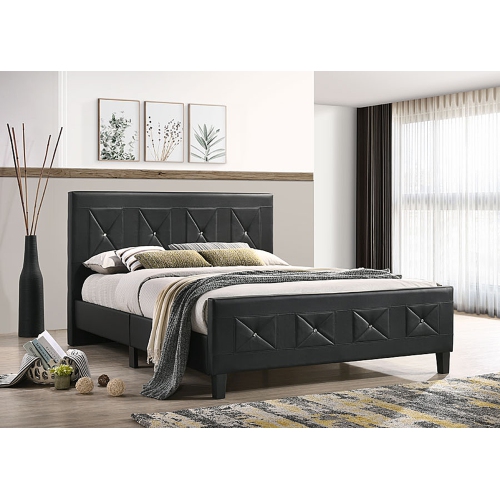
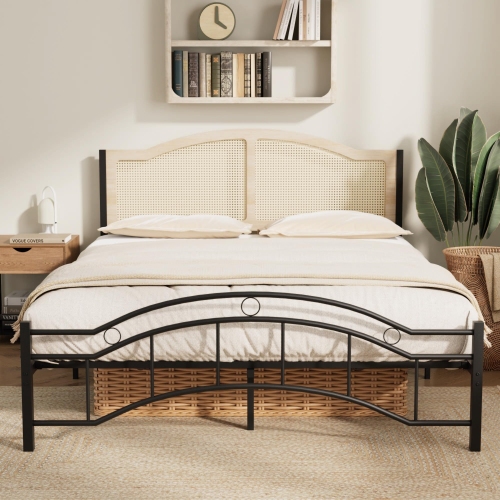
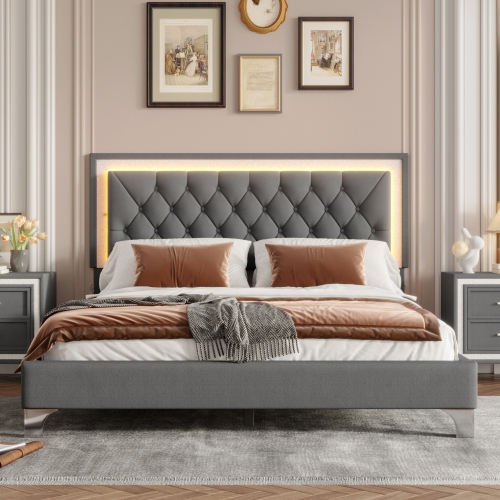
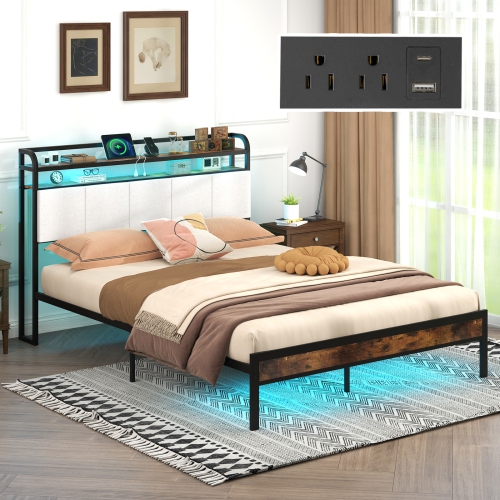

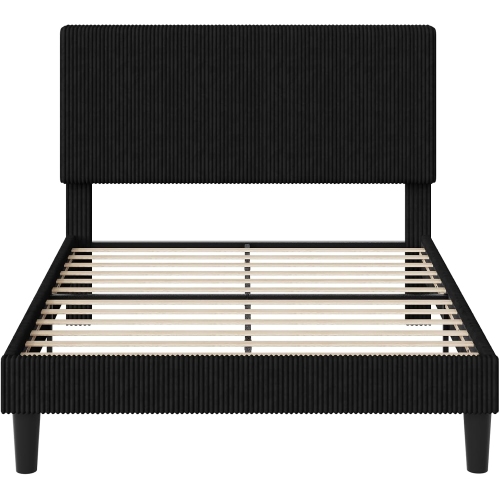

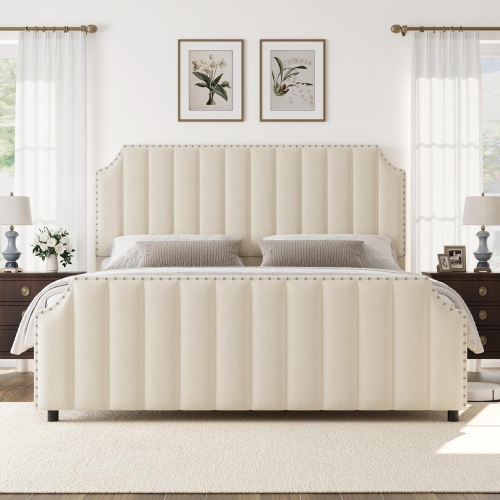

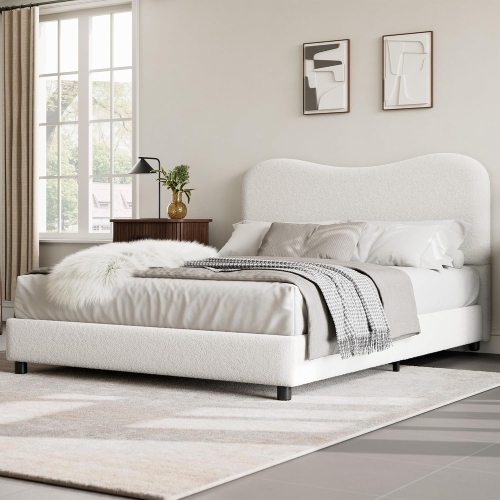
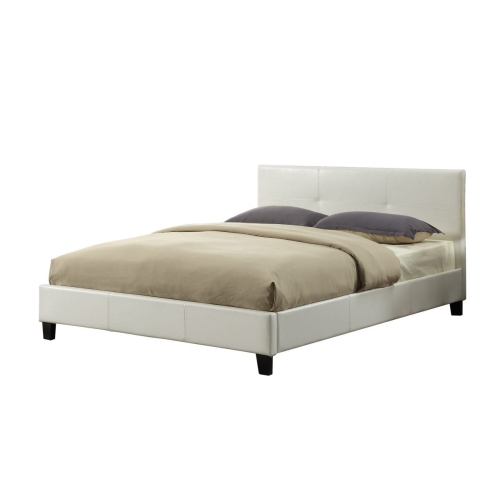



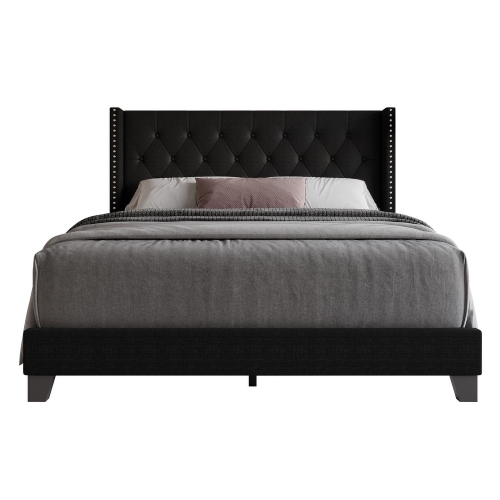
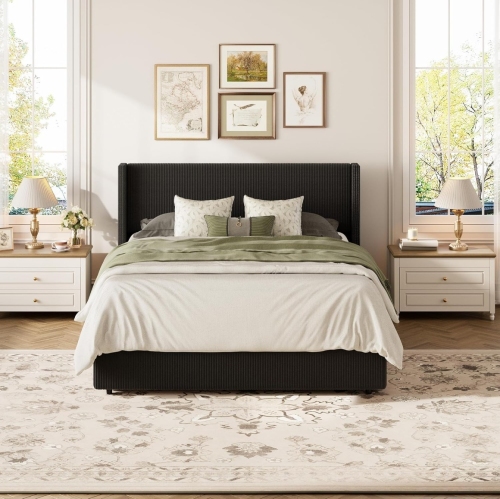
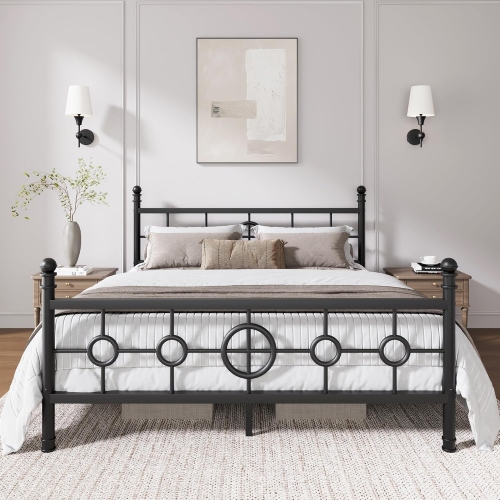
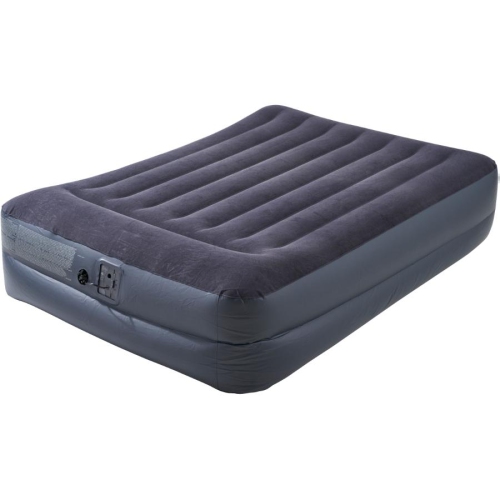



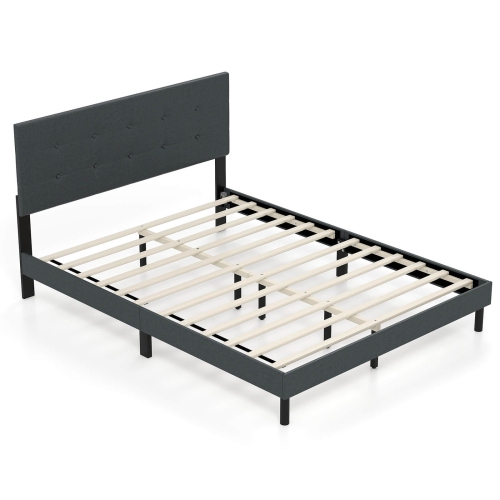
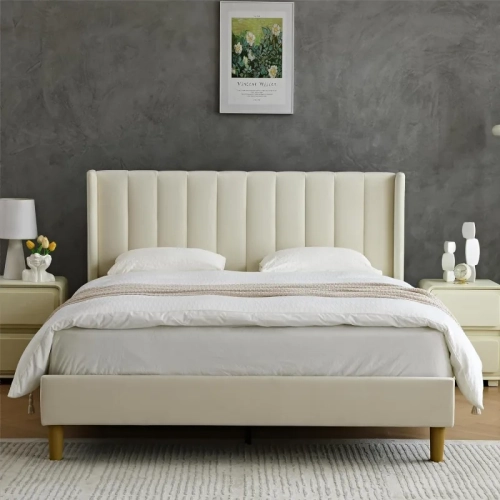
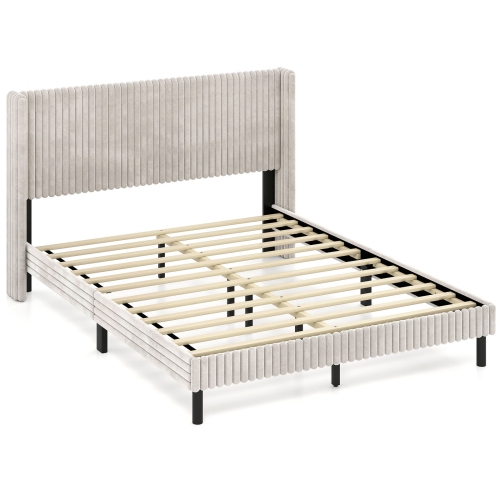
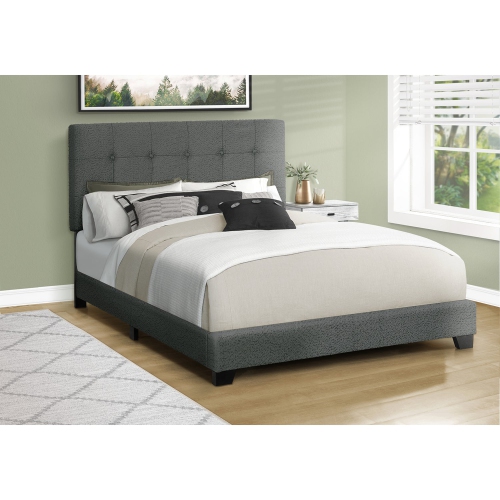
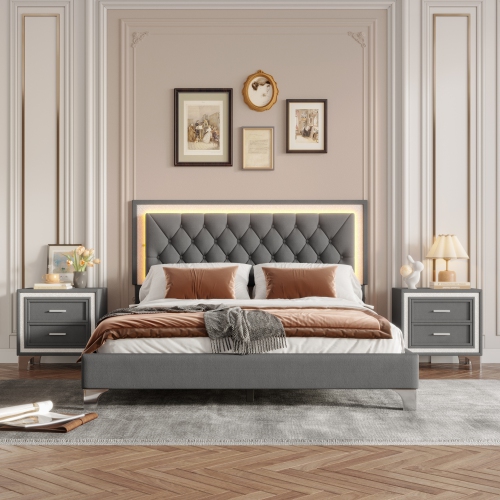

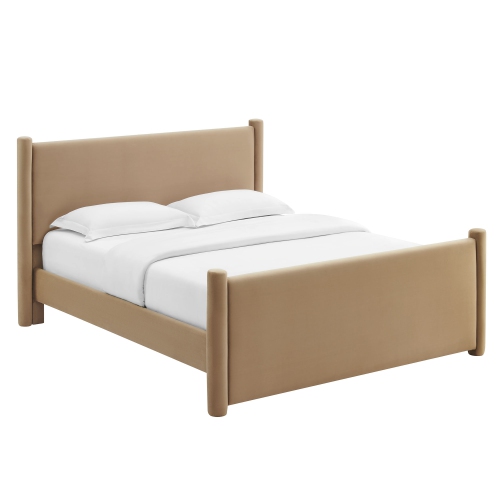
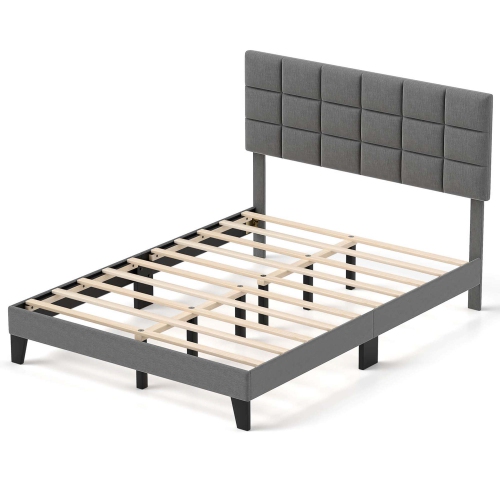
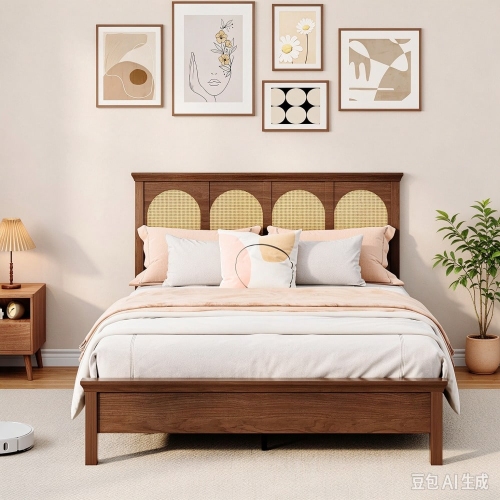
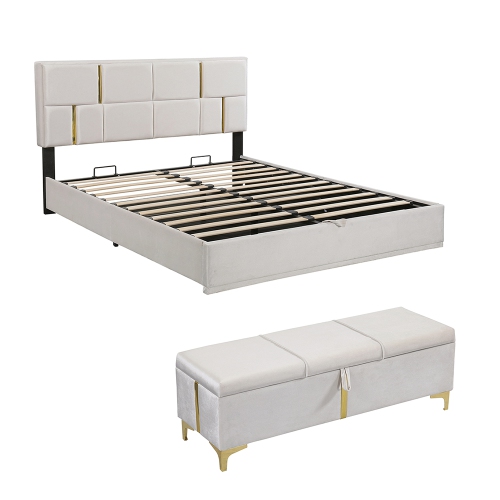
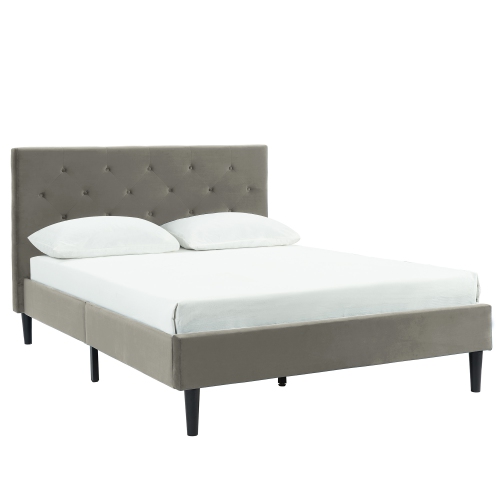
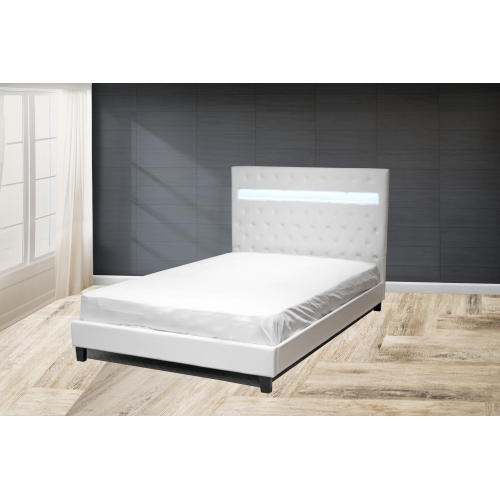
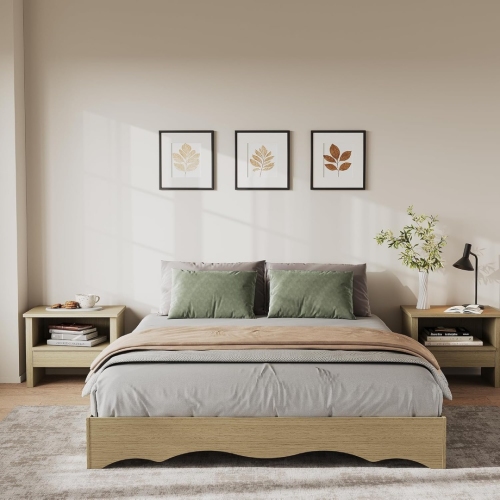

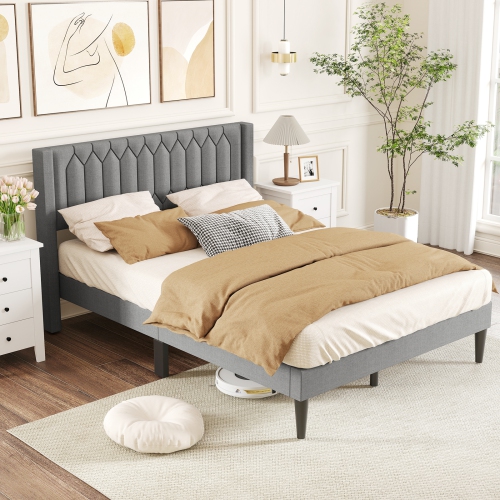
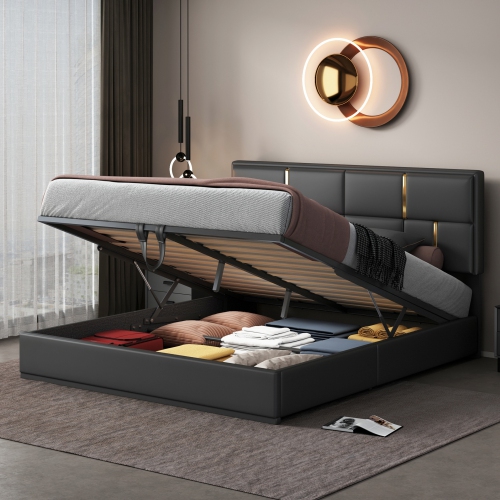
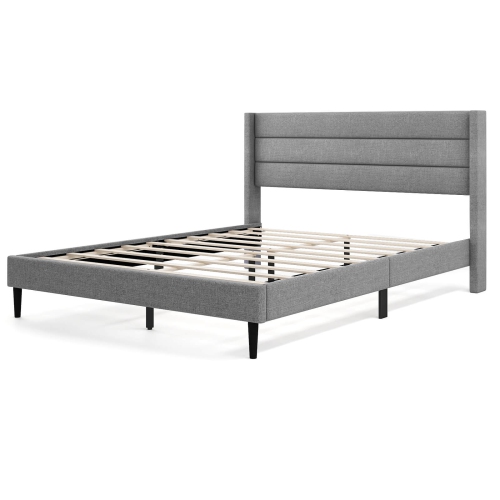
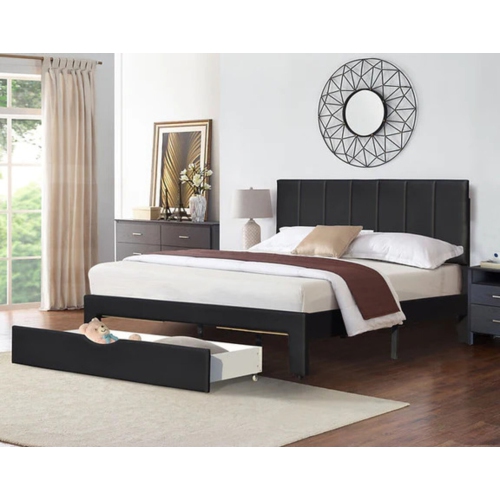
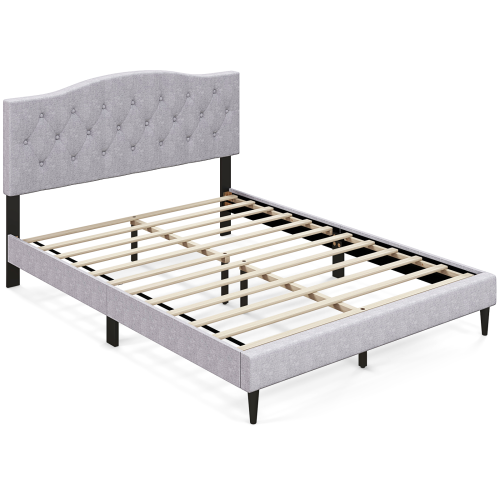
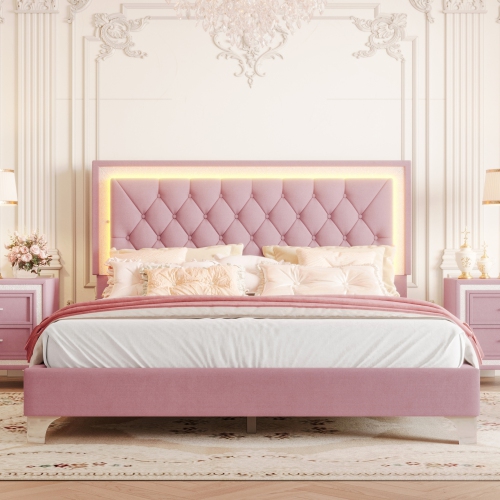

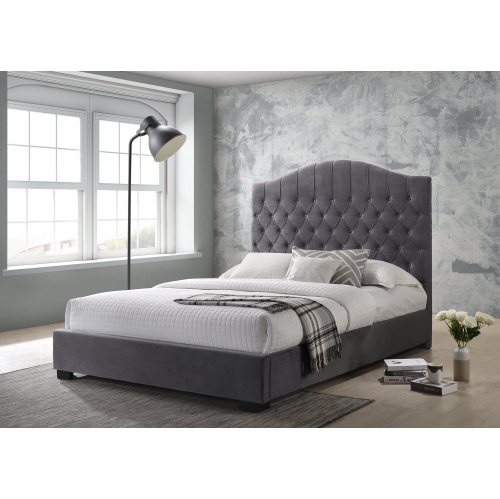


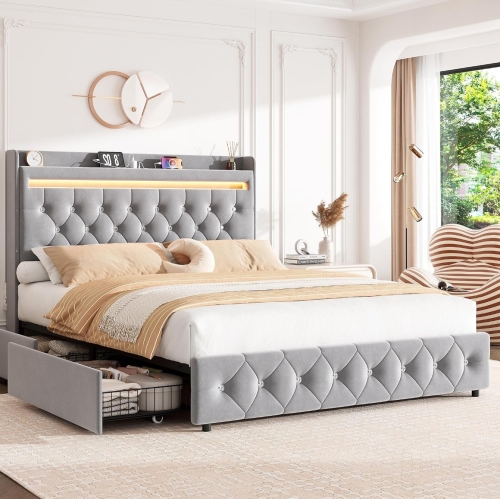
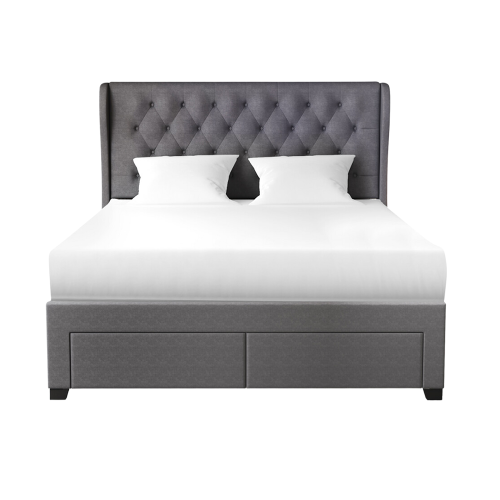
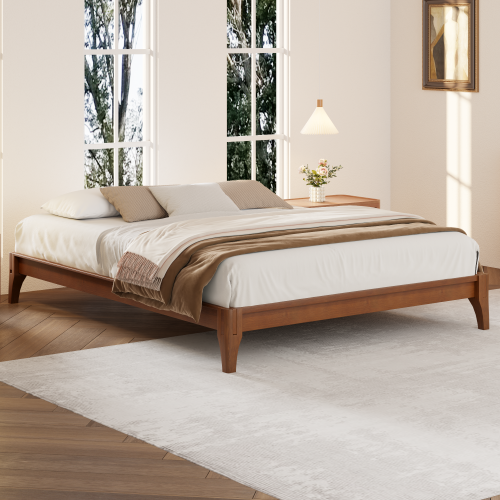
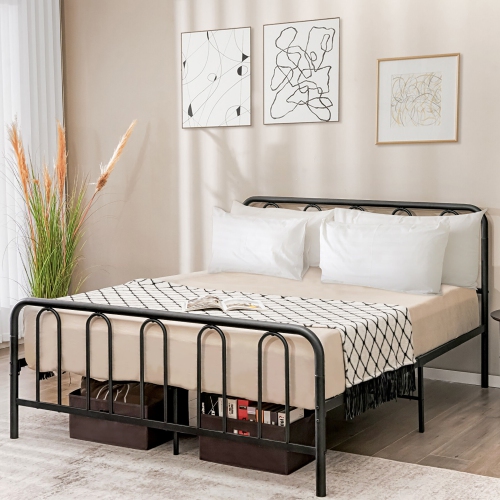
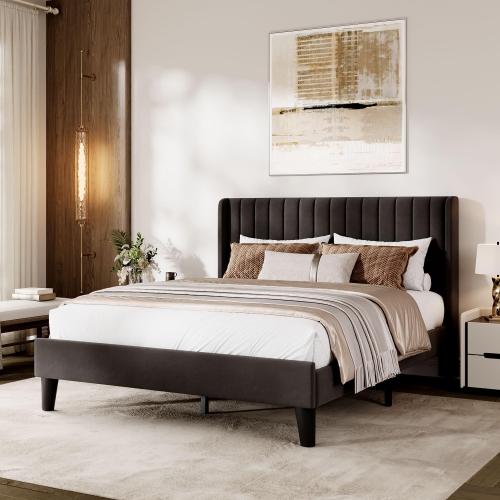
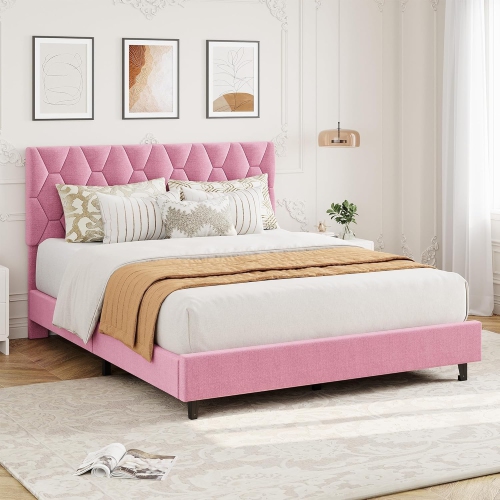
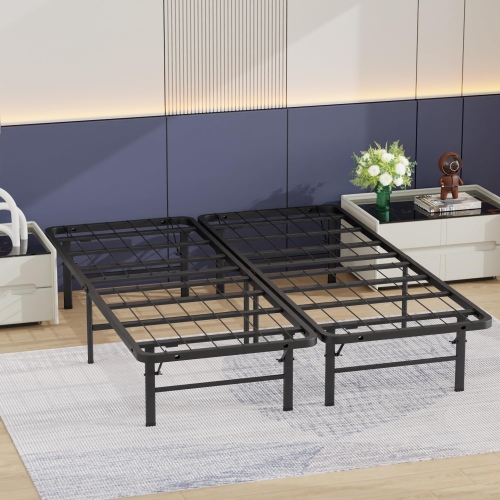
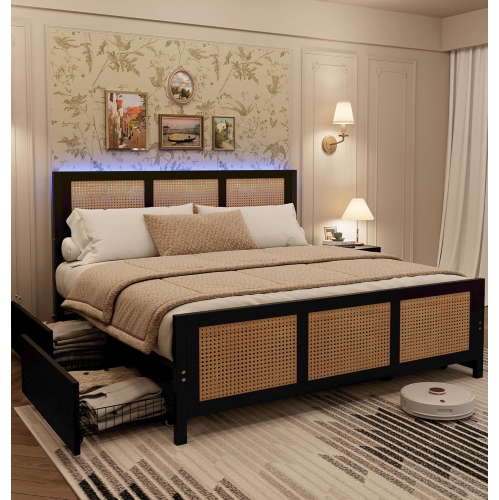
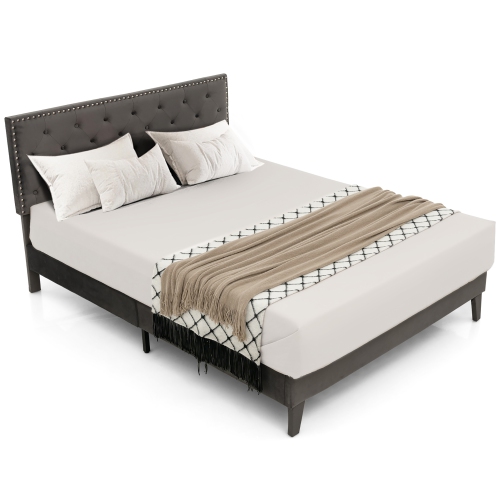
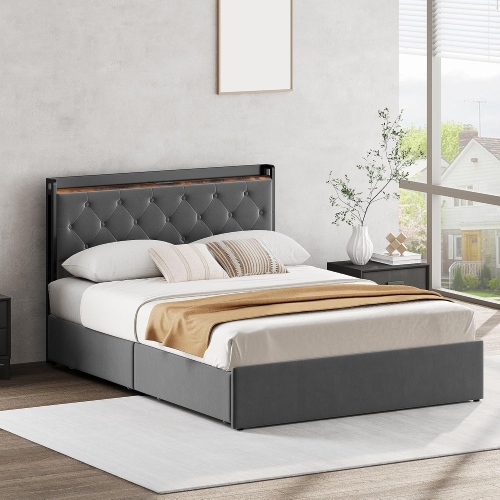
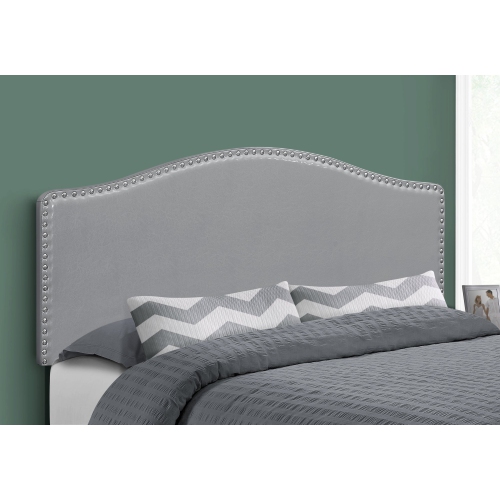

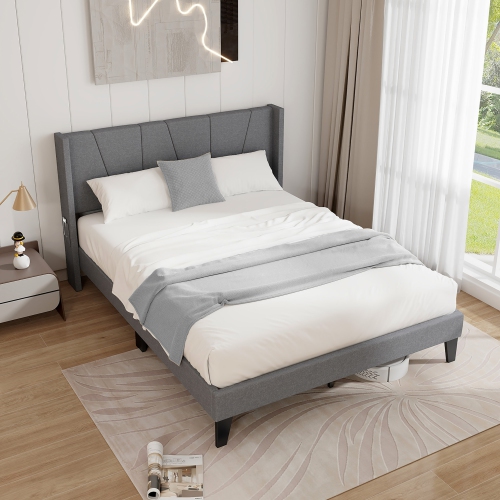
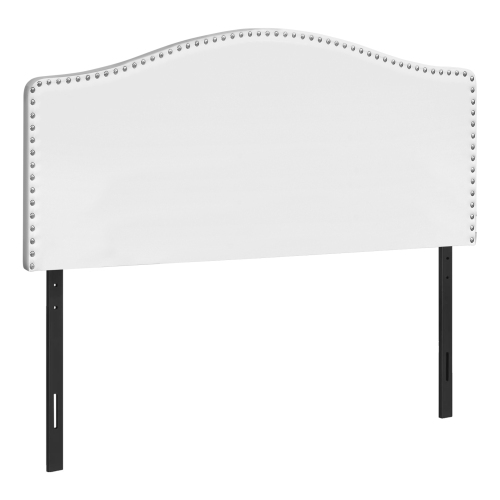
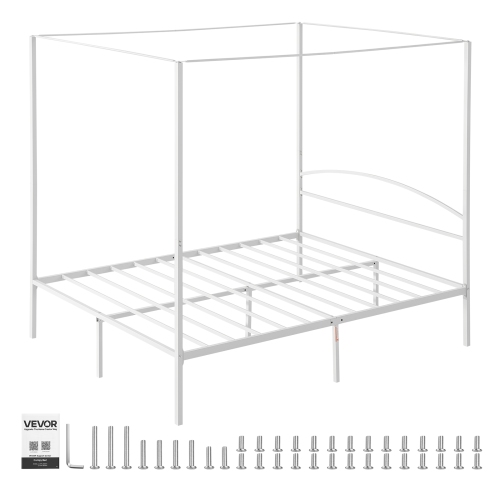
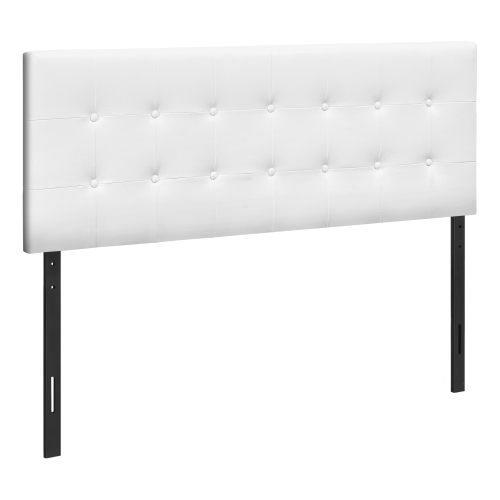
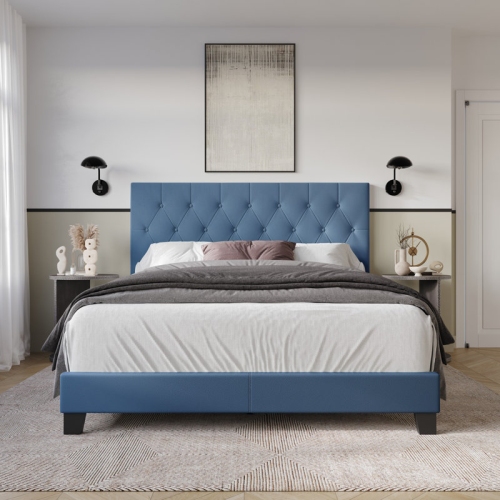


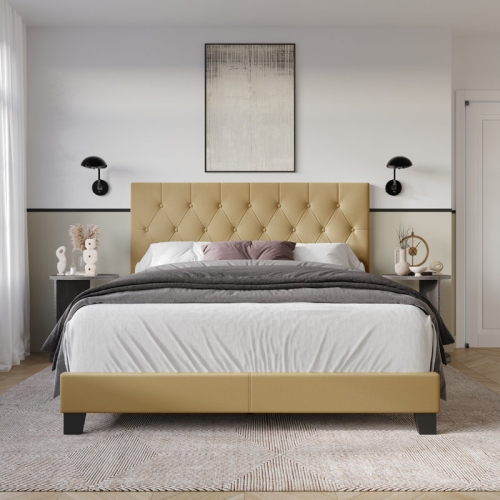
A comfortable fit takes more than mattress measurements
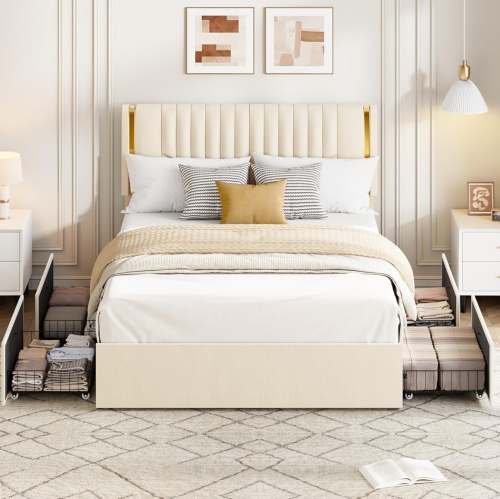
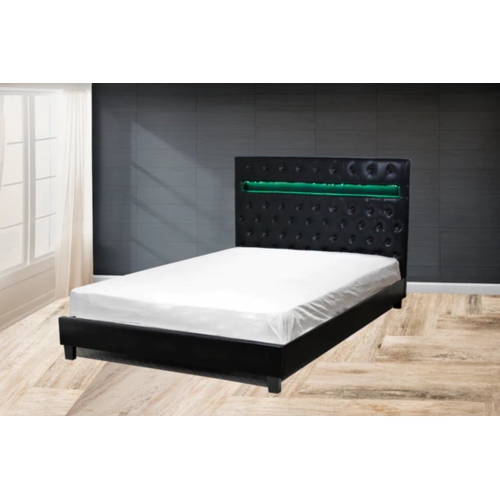
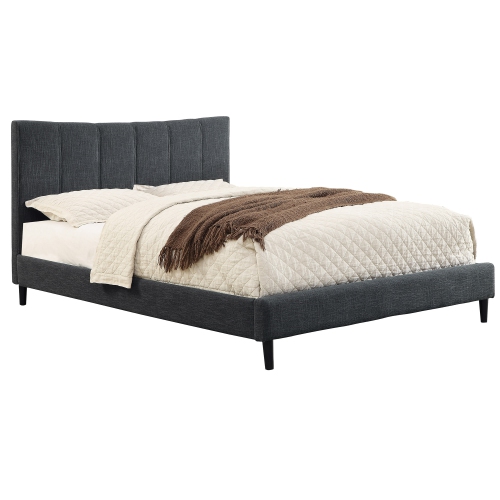
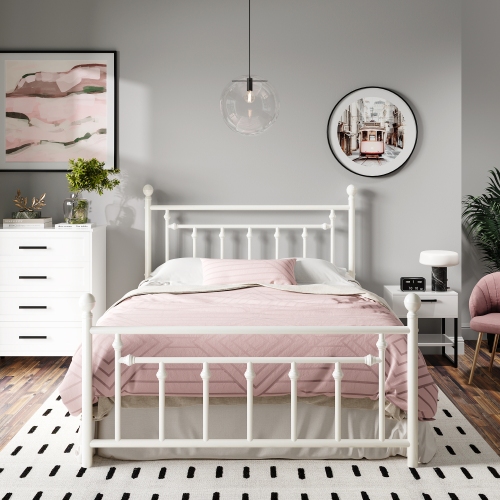
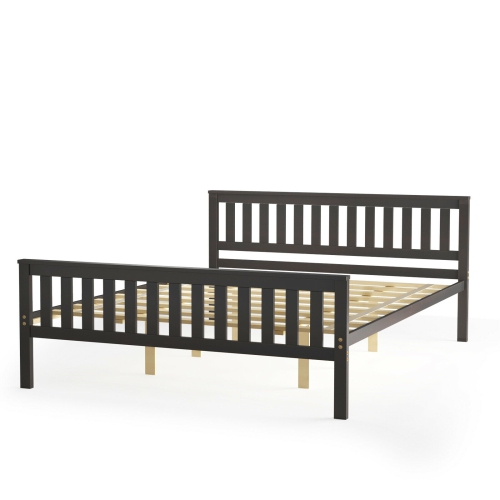
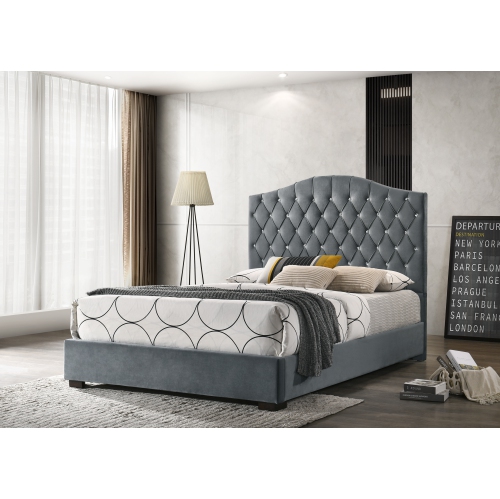
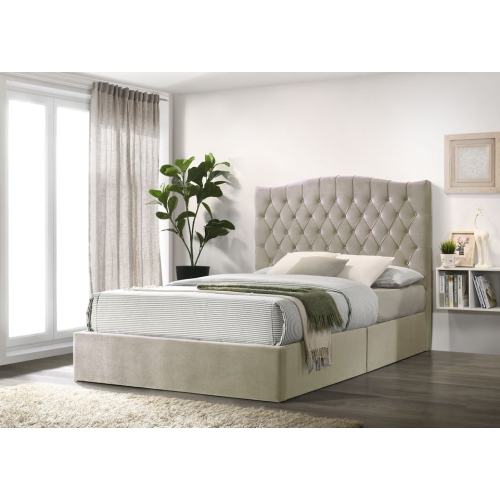
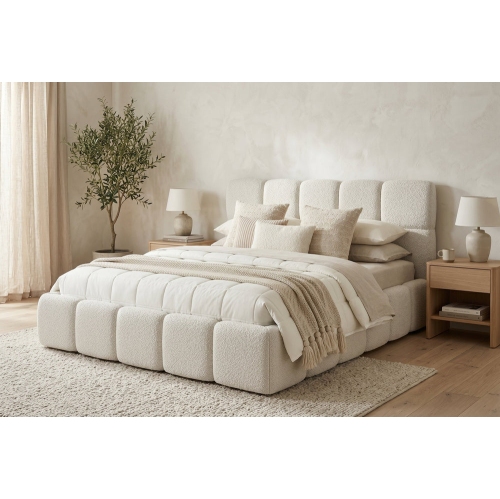
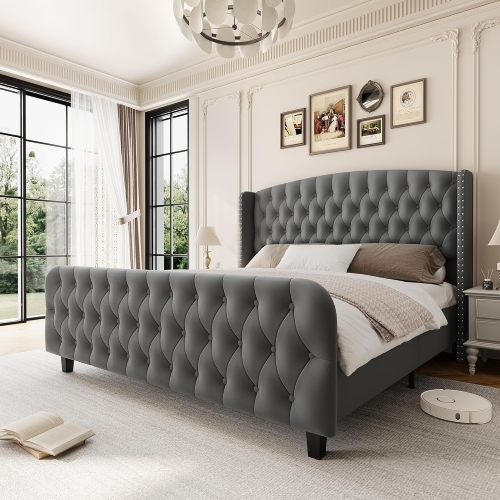
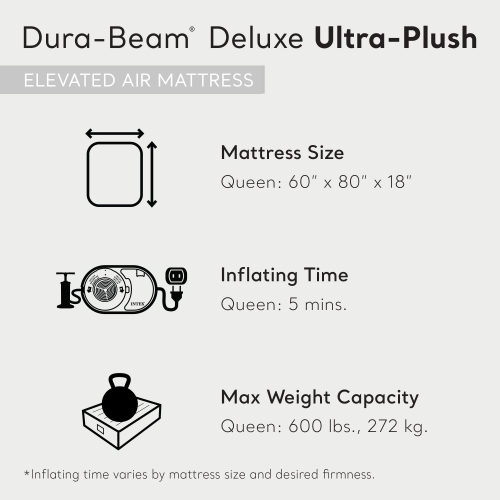
Queen beds are designed for a standard queen mattress measuring 60 inches wide by 80 inches long, or approximately 152 cm by 203 cm. The bed frame’s overall dimensions are usually larger, particularly when the design includes a substantial headboard, an upholstered surround, or a projecting footboard. This distinction matters when planning a bedroom: the mattress measurement describes the sleeping surface, not the full amount of floor space the bed will occupy. A bedroom measuring around 10 by 12 feet is often a practical starting point for a queen bed, although door placement, closet access, and the size of other furniture determine how comfortably everything fits. Leaving approximately 24 to 30 inches of clear space beside the bed and at its foot can make everyday movement easier; more clearance may be needed for mobility aids or drawers that open into a walkway. Marking the frame’s footprint on the floor with removable tape helps reveal whether a dresser can open fully or a bedroom door will catch a corner. Queen beds suit couples, adults who prefer extra room to stretch out, and guest bedrooms intended to accommodate either one person or two. For two sleepers, a standard queen provides approximately 30 inches of width per person, making personal space and sleeping habits worth considering alongside room dimensions. An open footboard can feel less restrictive for someone who likes to stretch their feet beyond the mattress, while a taller footboard creates a more enclosed appearance. In a multipurpose bedroom, a queen bed needs to leave room for the activities that happen around it, whether that means getting dressed, working at a desktop, or helping a child settle down. For a smaller bedroom where a queen would crowd the main walkway, Single Beds provide a more compact alternative. The right fit is one that supports comfortable sleep without making the rest of the room difficult to use.
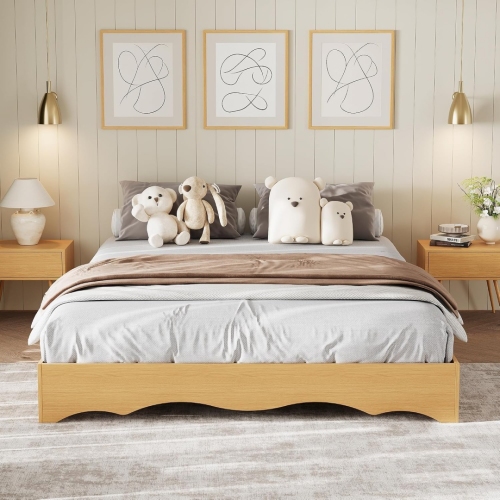
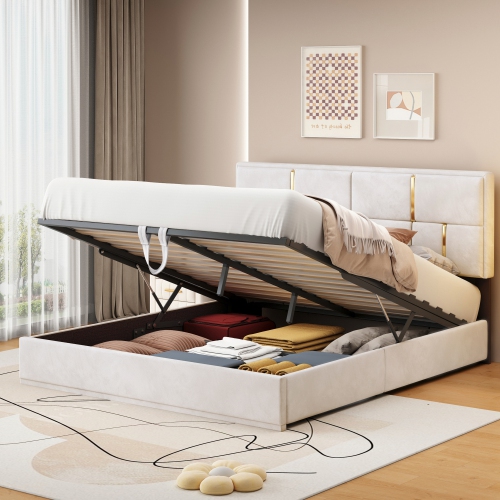
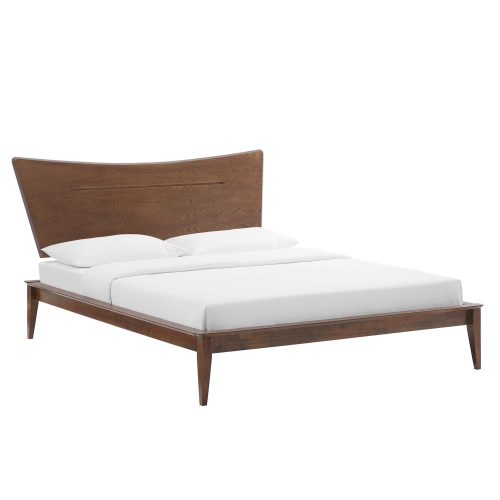
Materials and construction shape both the appearance of queen beds and how they hold up to daily use. Solid wood frames can bring visible grain and a substantial feel to a bedroom, with finishes ranging from pale, understated tones to deeper colours. Wood veneers provide a real-wood surface over another material, while engineered wood construction can create smooth, consistent panels and streamlined shapes. Durability depends on more than the material name: secure joints, suitable hardware, well-supported side rails, and a stable centre support all contribute to a dependable frame. Metal beds can have slender profiles that leave more of the room visible, making them useful where a heavy-looking frame would dominate the space. Upholstered beds introduce fabric or leather-look surfaces that soften the room visually and provide a cushioned surface behind pillows. A woven fabric may add texture, while a smoother covering can create a more tailored appearance; cleaning requirements and resistance to everyday wear vary by covering. Households with pets may want to consider how easily hair can be removed and whether claws could catch in an open weave. The bed’s shape also affects its usefulness. A platform design supports the mattress on a deck or slats, subject to the mattress manufacturer’s requirements, whereas some traditional frames need a separate foundation or box spring. Storage beds use the space beneath the sleeping surface for drawers or a lift-up compartment, which can help organize spare bedding and clothing in bedrooms with limited closet space. Drawers need enough surrounding clearance to open, while lift-up storage requires room to raise the platform and should be operated according to the manufacturer’s safety directions. Low-profile beds can create an open sightline across the room, while taller designs may provide more storage or make changing bedding less of a bend. Headboard height deserves attention too: a thick mattress and stacked pillows can conceal much of a short headboard, while a very tall one may compete with a low window or artwork.
A queen bed works best when the frame, mattress, and any required foundation are treated as a complete setup rather than separate measurements. Check that the frame is intended for a standard queen mattress and that its support system meets the mattress manufacturer’s specifications, including any limits on slat spacing. Foam and hybrid mattresses can have different support requirements, and an unsuitable base may affect both comfort and warranty coverage. The combined height of the frame, foundation, and mattress determines how easy it is to sit down, stand up, and reach a bedside surface. For someone who prefers a straightforward transfer in and out of bed, a useful starting point is a finished height that allows their feet to rest on the floor while seated at the edge. Weight capacity should account for the mattress and sleepers, following the frame manufacturer’s stated limits and definitions. Delivery and assembly also deserve a little planning, especially in homes with narrow stairs, tight landings, or small elevators. Compare the packaged component dimensions with the route into the bedroom, and leave enough working space to assemble the frame without scraping nearby furniture. Follow the assembly sequence, fit all required centre legs, and check hardware periodically as directed to help prevent movement and noise. Everyday care is generally simple but should match the material. Dust hard surfaces with a soft cloth, wipe spills promptly, and avoid soaking wood joints or upholstered panels. Vacuum fabric using an appropriate attachment, and follow the care label before applying a cleaning solution; testing an inconspicuous area first can help prevent visible marks. Felt pads or suitable floor protectors can reduce scuffing where the legs meet the floor. In a guest room, an easy-to-clean frame and accessible sides simplify bedding changes between visits. In a primary bedroom, practical details such as reachable storage, comfortable headboard placement, and enough space to tuck in sheets often matter as much as the overall style. A well-proportioned queen bed balances those daily routines with the sleeping space the room needs to provide.
Top selling and popular products
-
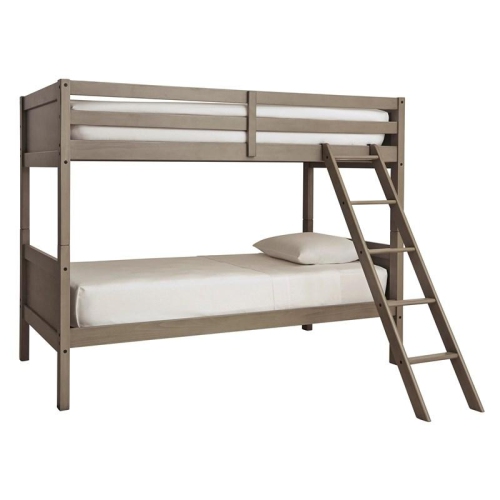 Your price for this item is $799.99
-
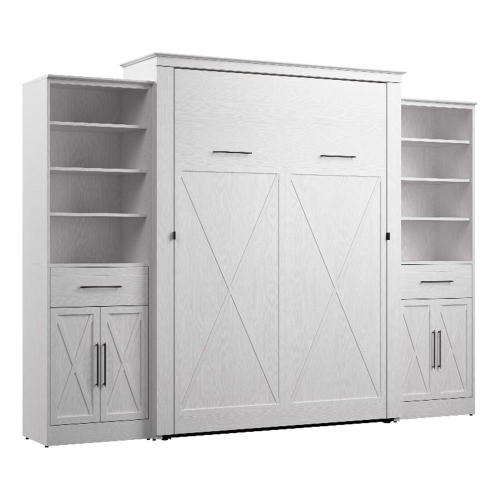 Your price for this item is $3519.99
-
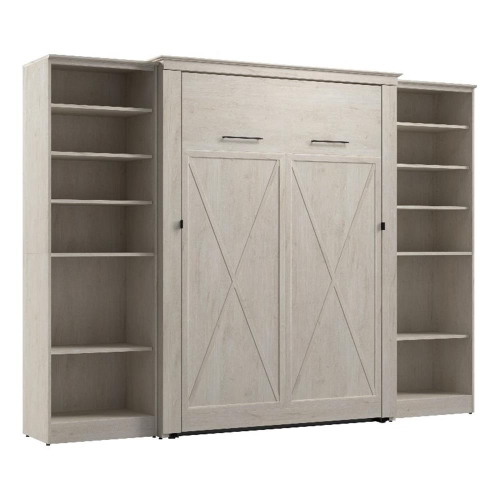 Your price for this item is $3099.99
-
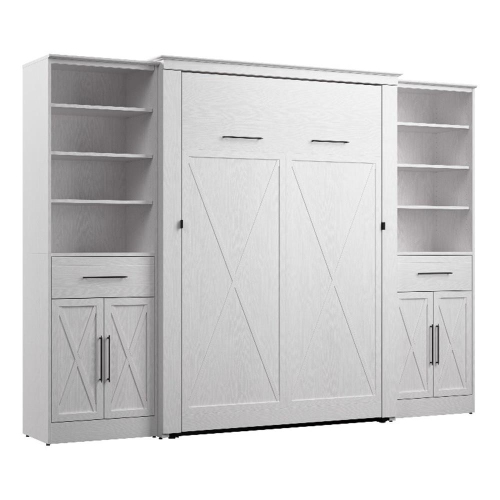 Your price for this item is $3349.99
-
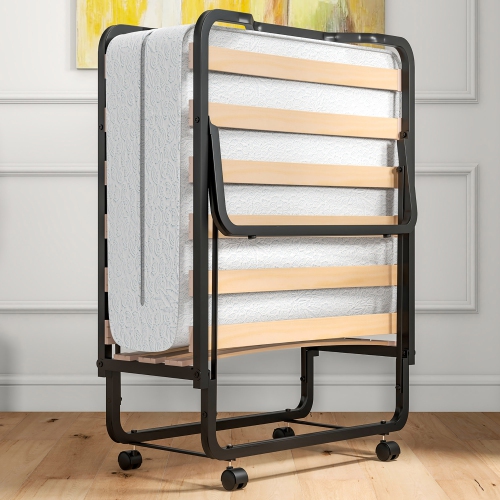 Your price for this item is $235.99
-
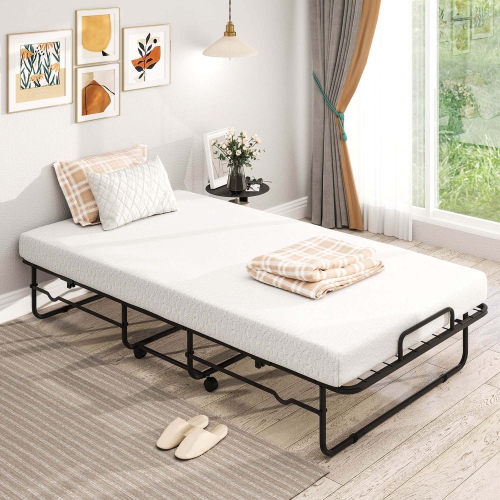 Your price for this item is $243.99
-
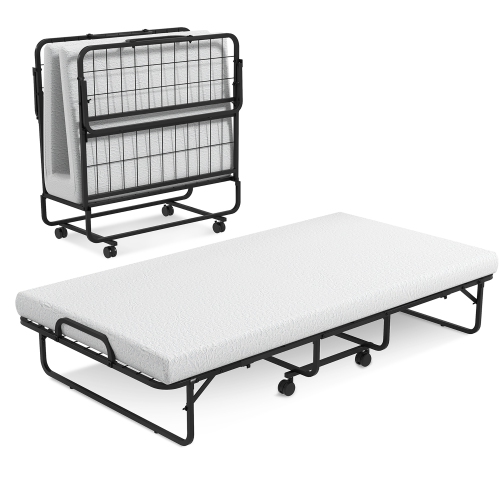 Your price for this item is $233.99
-
 Your price for this item is $364.99
Discover more categories related to Queen Beds
Top Collections:
Best Black Friday Deals This Year, Best Black Friday Deals On Electronics, Kindle Devices, Best Black Friday Deals On Apple Products, Best Budget Office Chairs, Best Cameras for Sports Photography, Dyson Airwrap, Canon G7X Cameras, Best Laptops for Writers, Samsung Galaxy Phones
Some products may be subject to Environmental Handling Fees
(EHF) depending on your province.
Learn more about EHFs.