Queen Size Sheets
Upgrade your bedroom with our luxurious selection of queen-size sheets. Dive into a world of comfort and style with our range of premium sheets, designed to enhance your sleeping experience. From silky, smooth fabrics to cozy flannel options, we have everything you need to create a peaceful oasis in your bedroom. Discover a variety of colors and patterns to suit your personal taste and transform your bed into a haven of relaxation. Explore our collection today and elevate your bedding game to the next level.
Sort

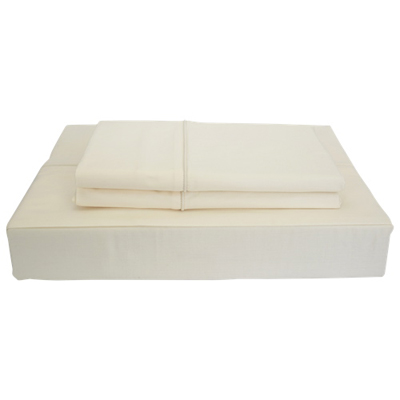
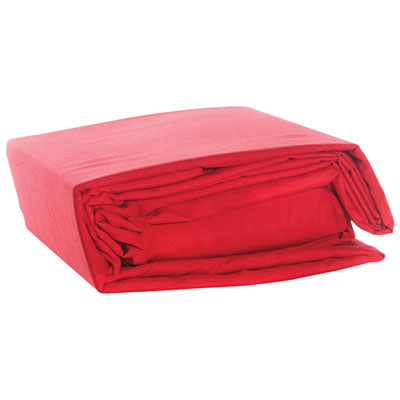
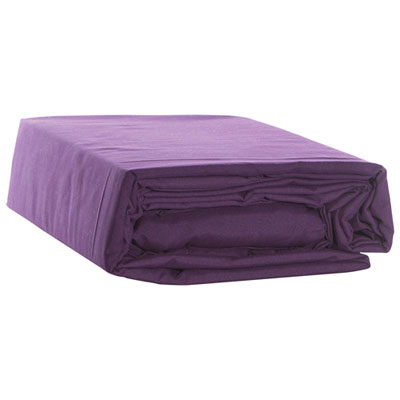
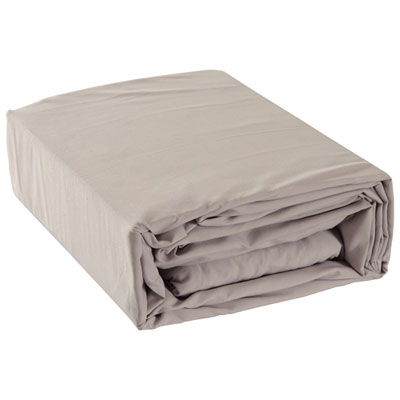
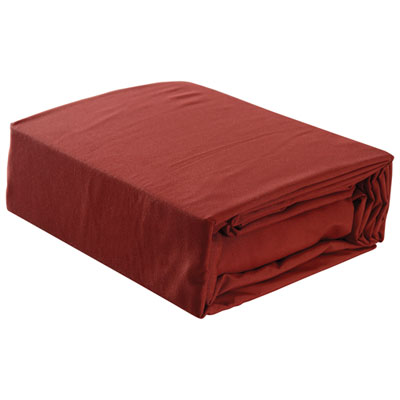
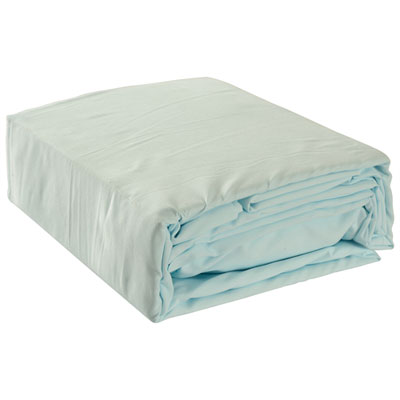
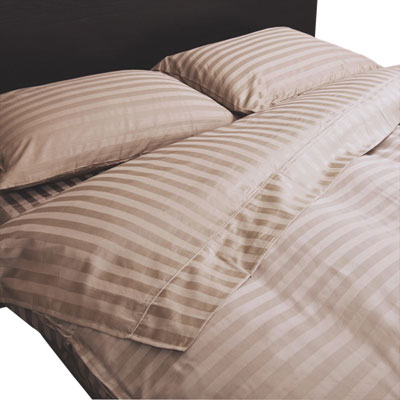


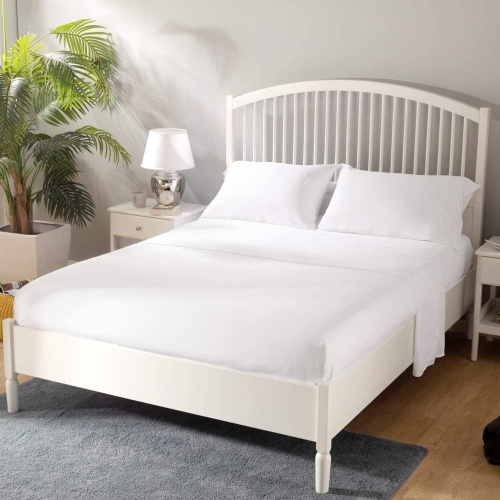


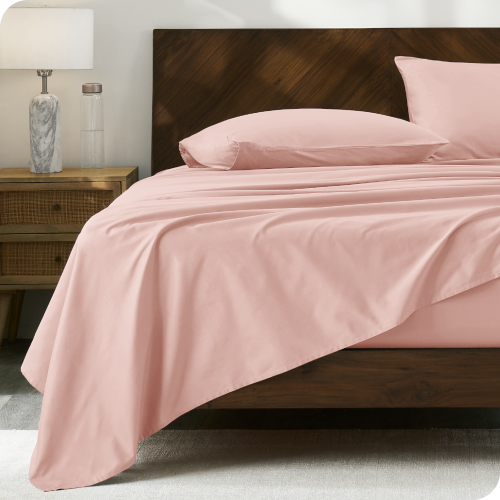
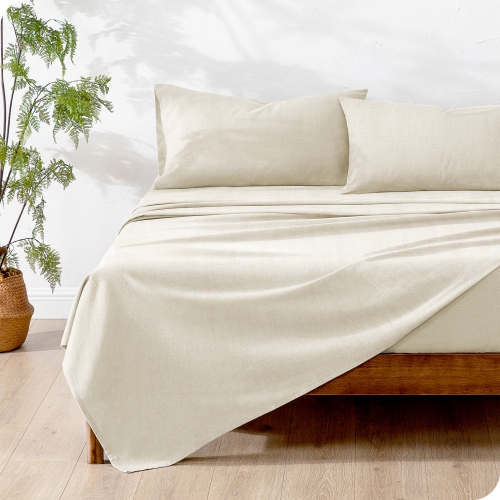
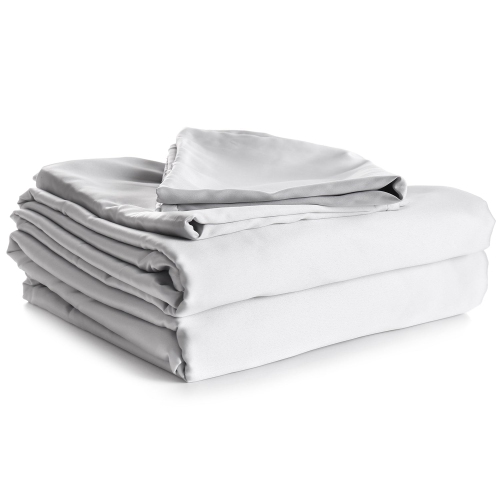
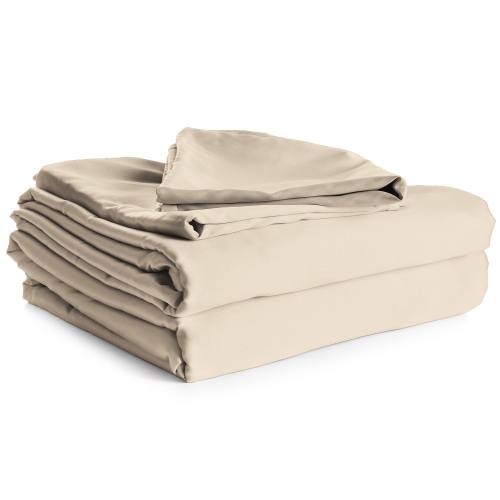
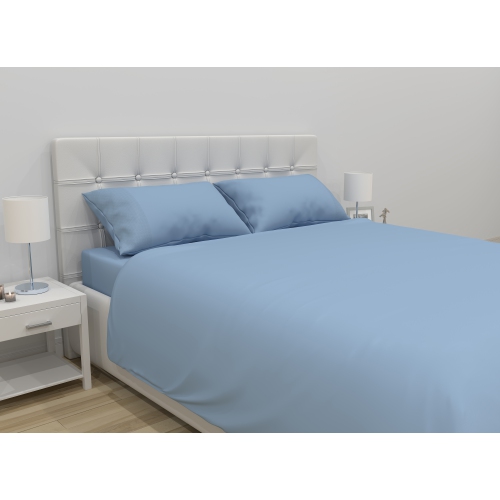
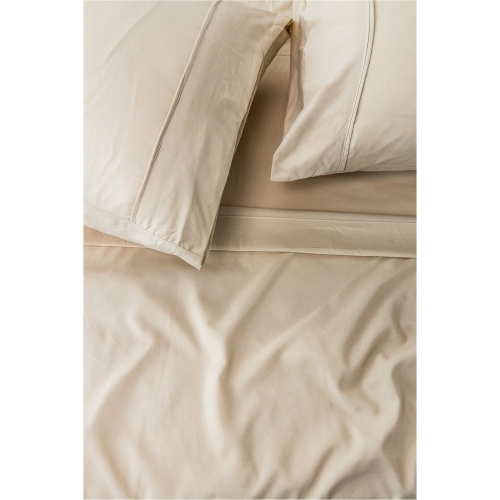
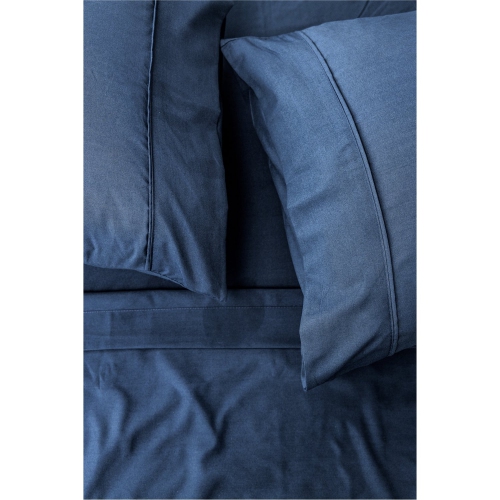
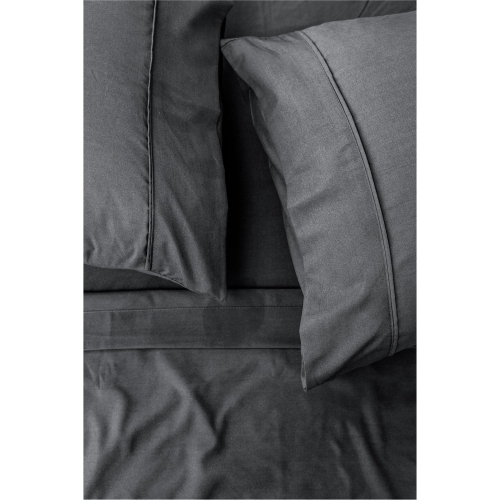
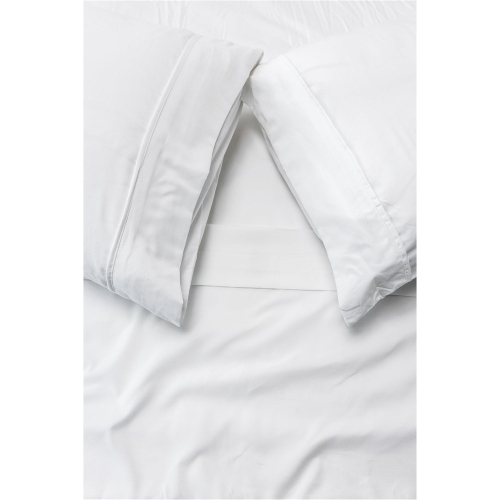
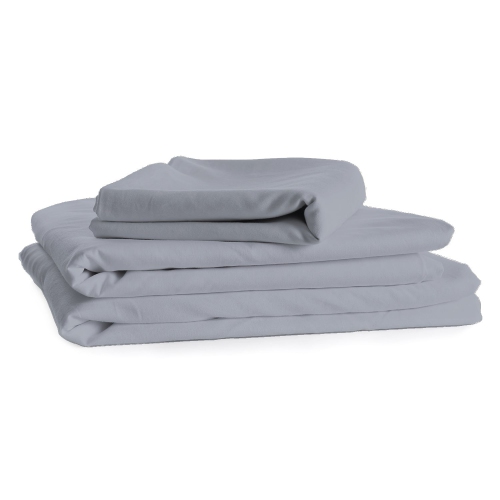
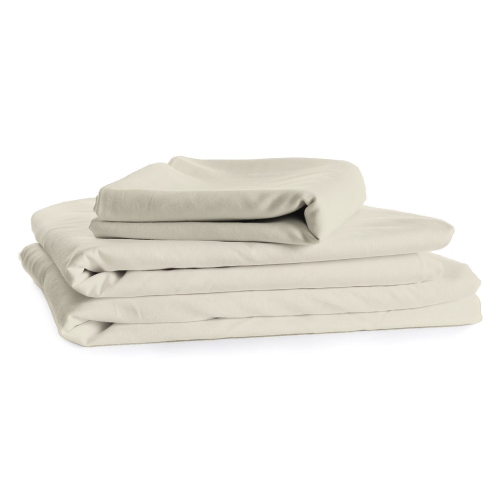
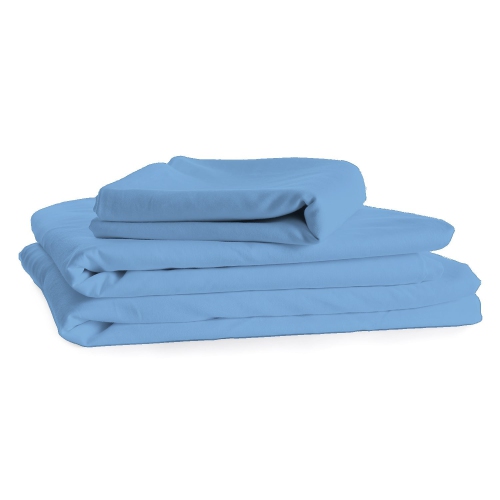

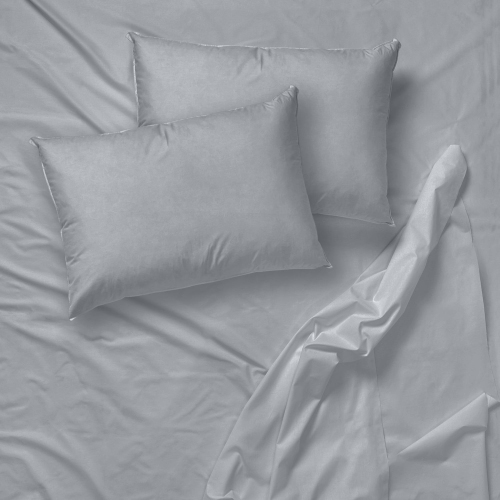
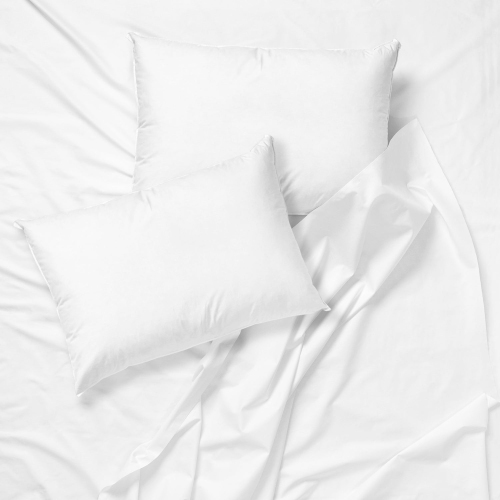
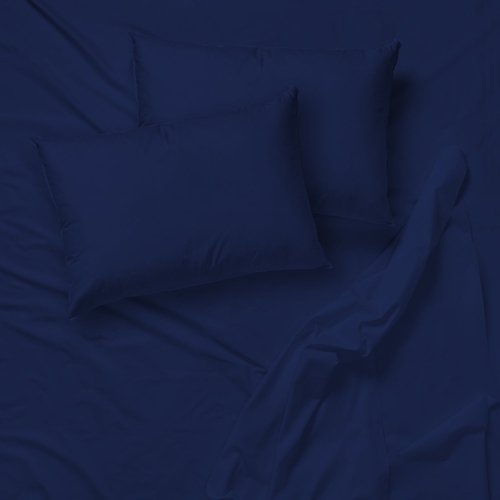
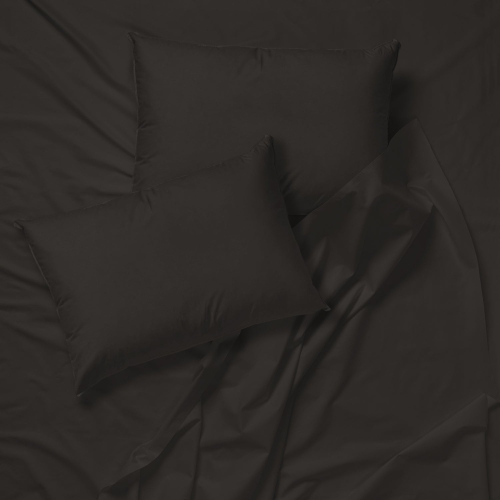
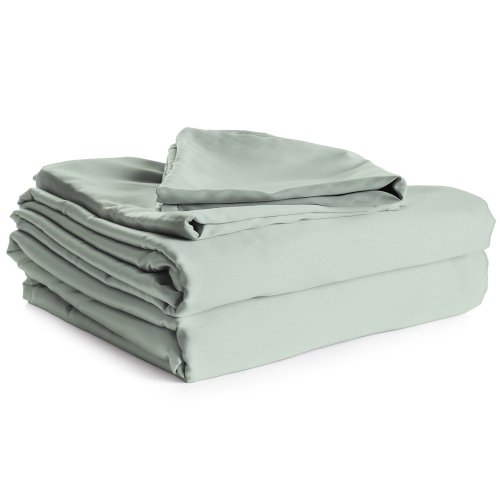
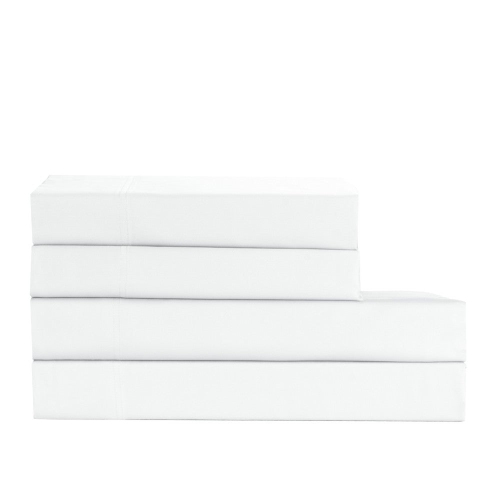
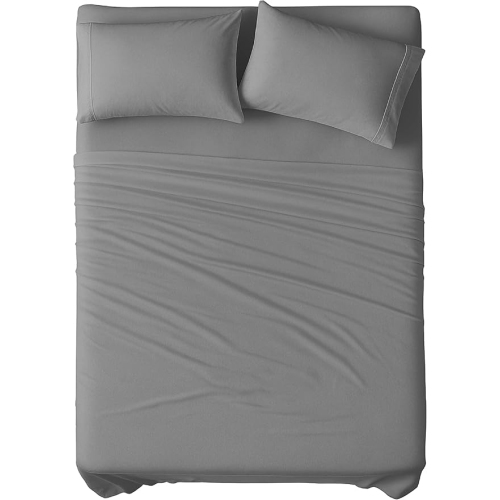
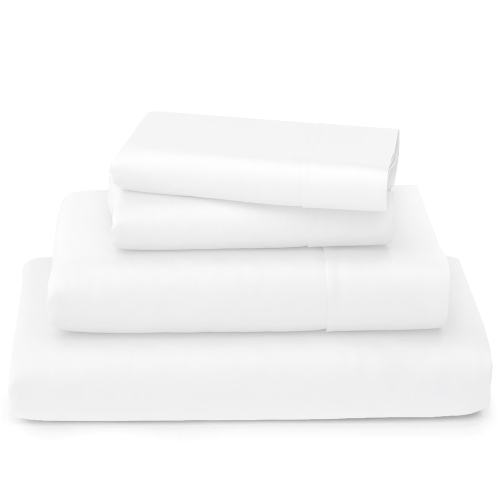

The right sheet fit goes beyond the queen label
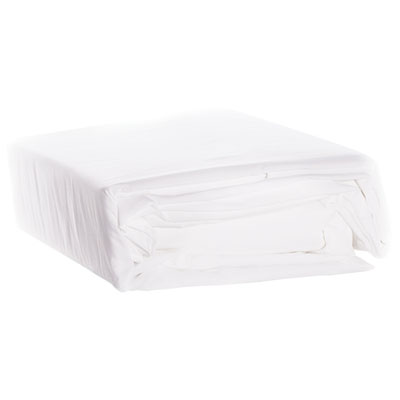
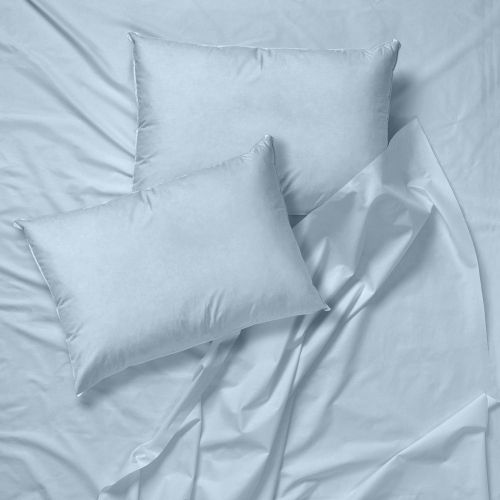
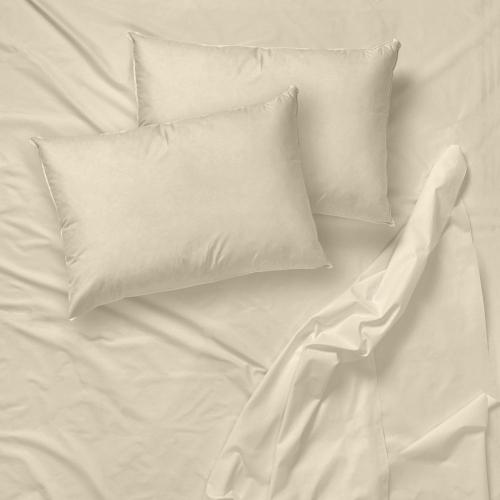
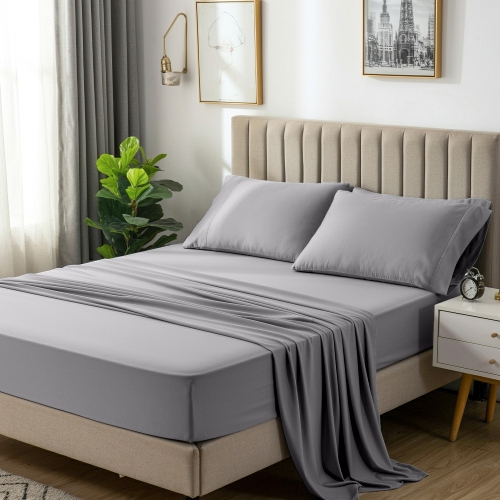
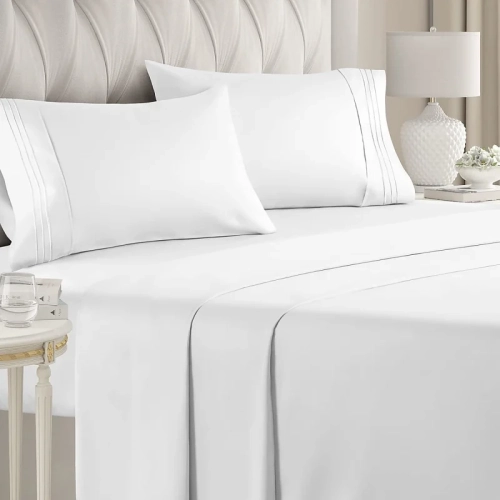
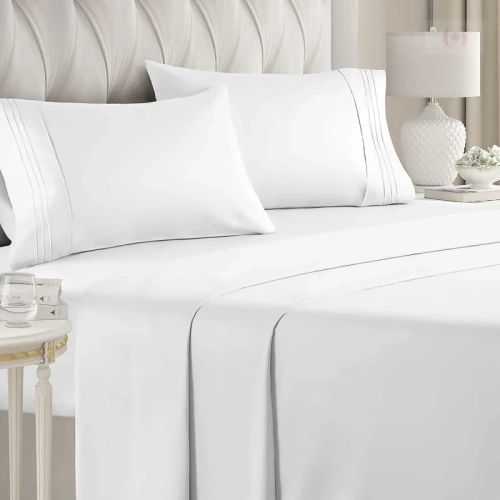
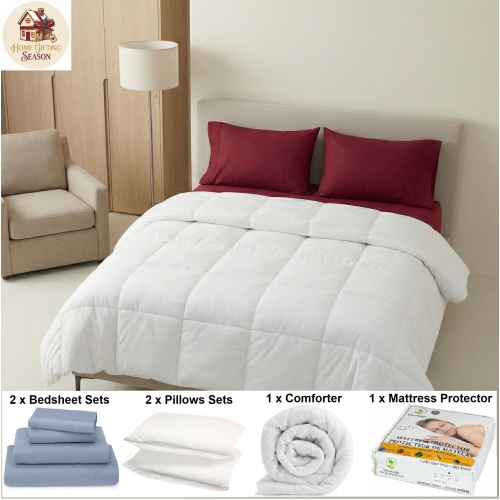
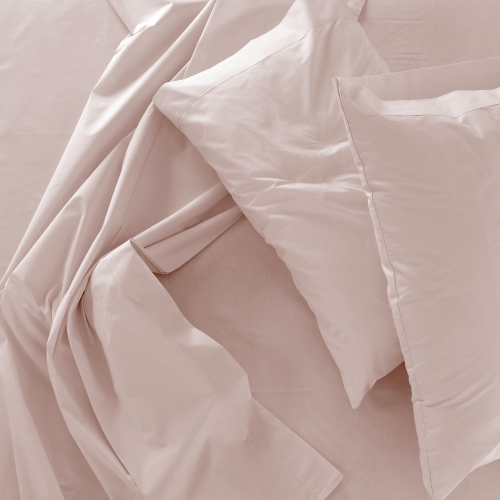
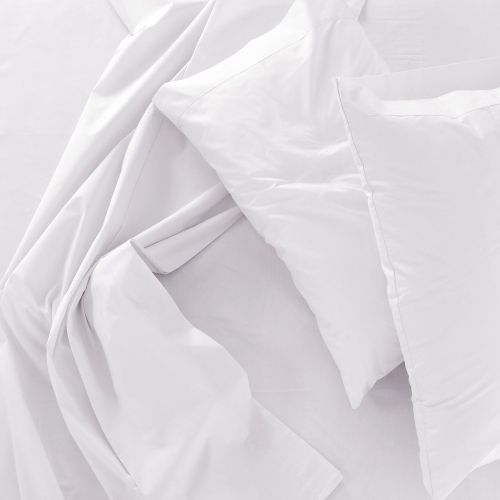
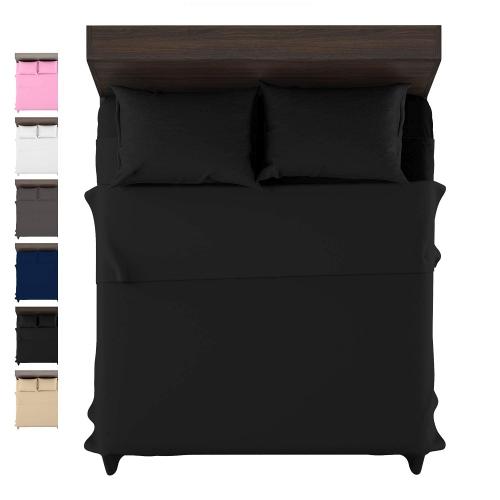
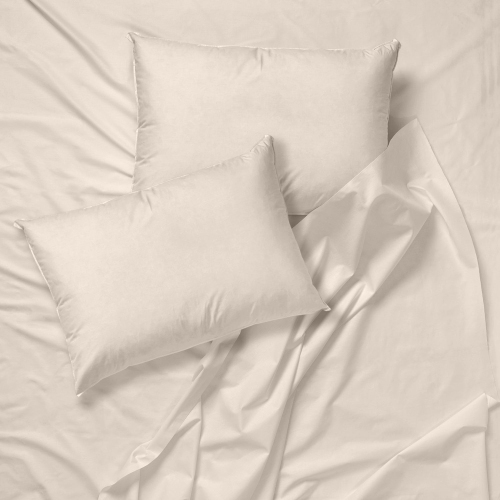
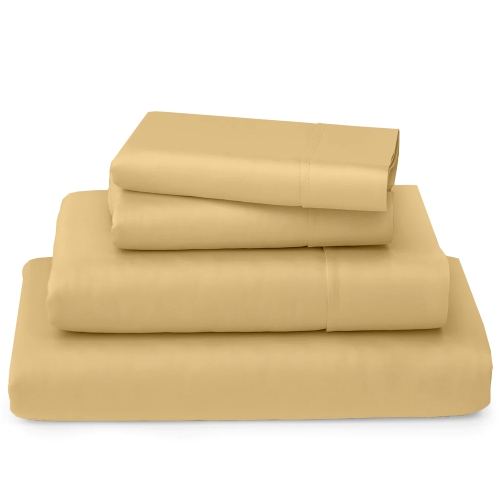
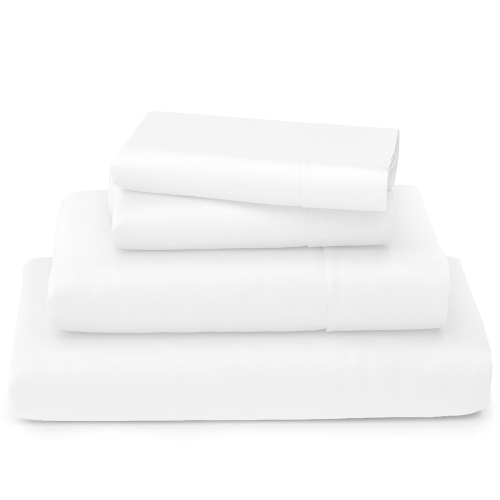
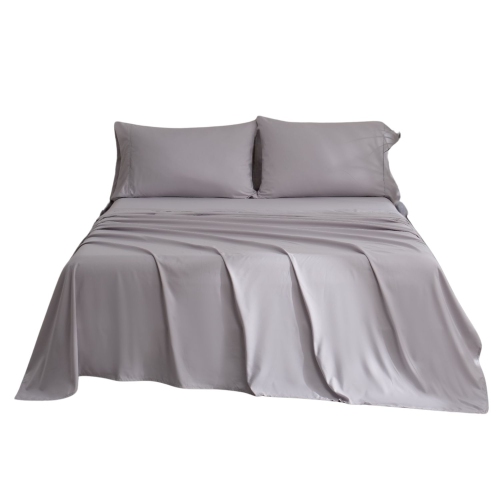
Queen size sheets are designed for a standard queen mattress, which measures approximately 60 inches wide by 80 inches long. They provide the layer between the sleeper and the mattress, with options ranging from individual fitted or flat sheets to coordinated sets with pillowcases. A set of queen sheets can bring a consistent look to a main bedroom, make a guest bed feel thoughtfully prepared, or help furnish a first apartment. Getting the fit right starts with more than the queen label: mattress depth matters just as much as length and width. A fitted sheet needs enough pocket depth to reach around the mattress corners and tuck securely beneath them without pulling the surface overly tight. Measure from the bottom of the mattress to the top of the sleeping surface, including any topper that will sit beneath the sheet, then compare that measurement with the stated mattress fit. Deep-pocket sheets are intended for thicker mattresses, but the term does not describe one universal measurement, so the listed dimensions are more useful than the label alone. A sheet that is too shallow can spring loose when someone turns over, while one that is much deeper than needed may gather in folds. Elastic around the full perimeter can help hold the fabric in place, although accurate sizing remains important. Flat sheet dimensions also vary, affecting how much fabric hangs over each side and how much is left to tuck at the foot. For a shared bed, that extra width can make a noticeable difference when both sleepers prefer a tucked-in top sheet. Set contents deserve a close look as well: a fitted sheet, flat sheet, and two pillowcases are a common combination, but not every set includes all four pieces. Pillowcase measurements should match the pillows being used, especially when a queen bed is styled with larger king pillows rather than standard or queen pillows.
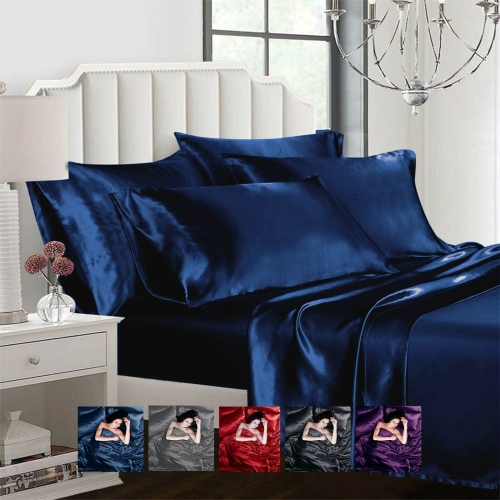
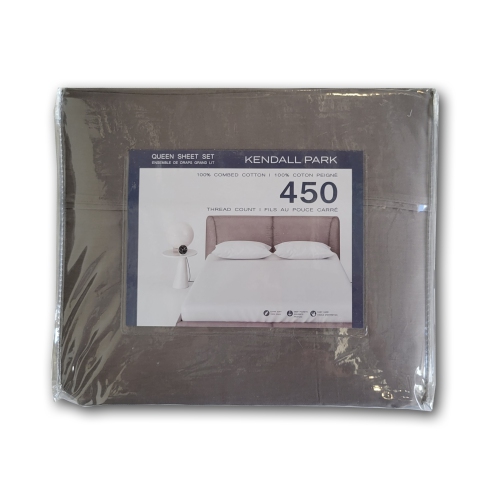
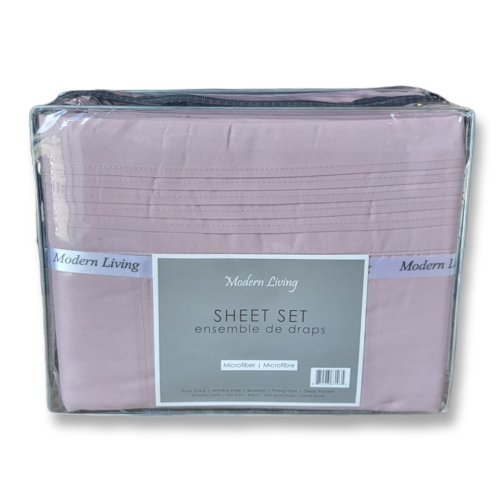
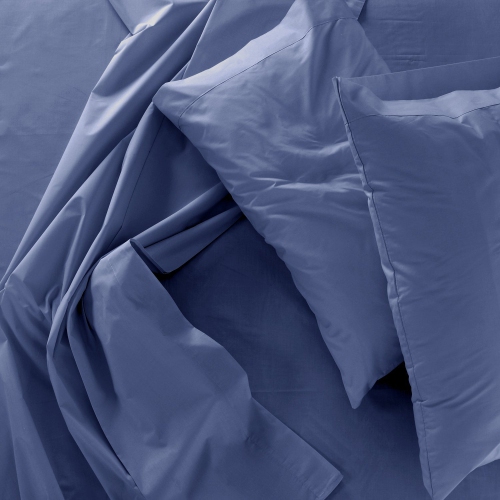
Material and construction shape how queen bed sheets feel against the skin, how they drape, and how much attention they need after washing. Cotton is a familiar choice for its absorbency and breathability, with a feel that varies according to the yarn and weave. Cotton percale has a simple, closely woven structure that typically feels crisp and matte, making it appealing to anyone who likes a neatly made bed with a fresh, lightly structured finish. Cotton sateen uses a different weave to create a smoother surface, a subtle sheen, and a more fluid drape. Neither is automatically better; the distinction is often between a crisp hand and a silkier touch. Linen has a more textured appearance, with natural irregularities that suit a relaxed bedroom, and it generally softens with repeated washing. Its visible creasing is part of its character rather than a sign that the bed has been poorly made. Polyester microfibre sheets usually have a fine, smooth feel and tend to resist wrinkles, making them practical for someone who wants bedding that looks tidy without ironing. Cotton-polyester blends combine characteristics of both fibres, though the proportions influence softness, absorbency, and care. Jersey sheets are knitted rather than woven, giving them a gentle stretch and a familiar T-shirt-like feel; they suit sleepers who prefer softness and flexibility over a crisp finish. Sheets described as bamboo-derived are commonly made from rayon or viscose produced using bamboo as the source material, so the fibre label gives a clearer picture than the name alone. Thread count can help describe some woven fabrics, but it is not a reliable quality score across every material. Fibre quality, yarn construction, weave, and finishing all contribute to comfort and wear, and knitted sheets are not meaningfully compared by the same measure. For people sensitive to rough textures, a smooth surface and well-finished seams may matter more than a high number on the packaging. Those who move frequently during sleep may also appreciate fabric that drapes easily without feeling stiff or bunching beneath them.
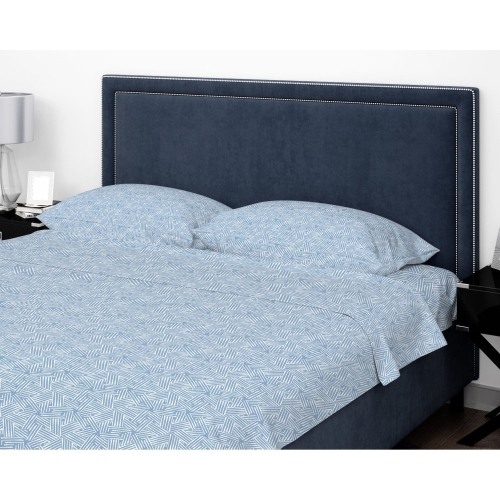
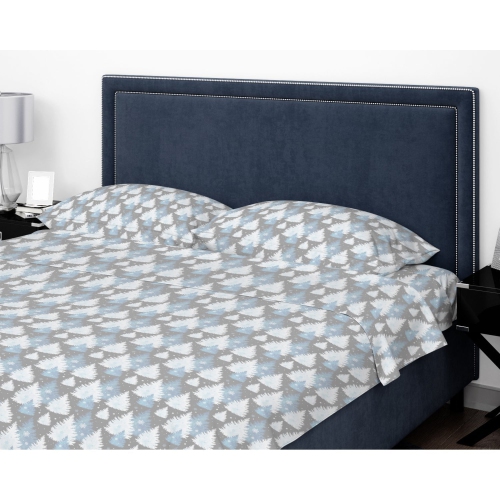
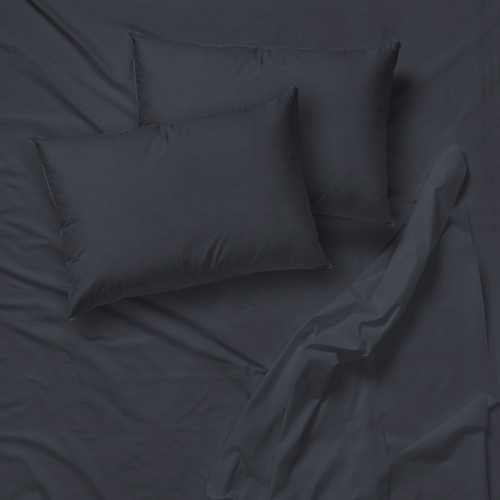
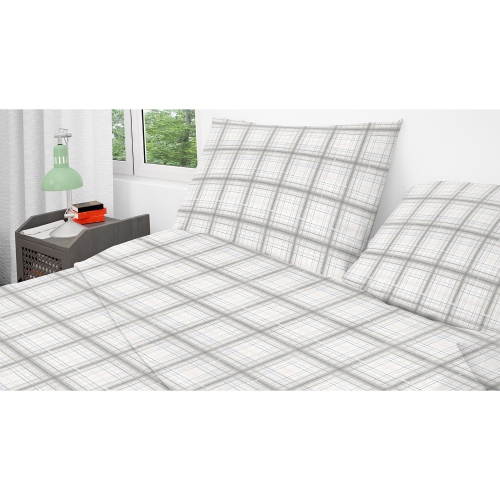
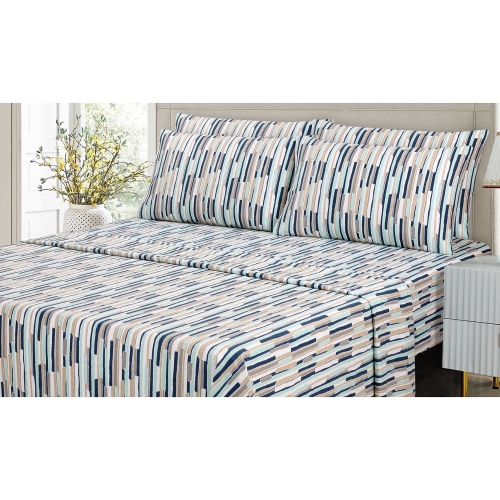
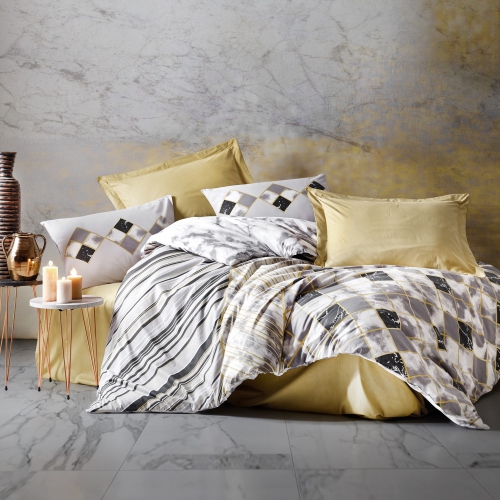
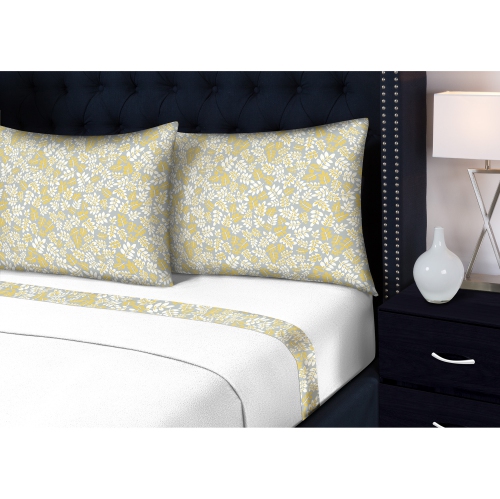
Care requirements and everyday routines help narrow the choice further. Machine-washable queen size sheets are convenient for regularly used beds, but washing and drying instructions differ by fabric, finish, and trim. Following the care label helps preserve the intended fit and feel; excessive drying can contribute to shrinkage in some fabrics and unnecessary wear in others. Leaving enough room in the washer allows sheets to move freely and rinse properly, while keeping them separate from towels and garments with hooks or zippers reduces rubbing and snagging. Promptly removing sheets from the dryer and smoothing them before folding can limit wrinkles without adding another chore. A second set makes laundry day easier, allowing the bed to be remade immediately while the used set is washed and dried thoroughly. For a guest room, keeping the matching pillowcases folded inside a sheet creates a simple bundle that is easy to find when someone stays overnight. Durability comes from a combination of fabric construction, secure stitching, resilient elastic, and suitable care rather than from fibre type alone. Neatly finished hems and reinforced stress points are useful details to consider, particularly on fitted corners that are stretched each time the bed is made. Colour and pattern play a practical role alongside appearance. Solid neutrals are easy to pair with different duvet covers, while stripes, checks, or small prints can add detail beneath plain bedding. Dark colours may show lint more readily, and contrasting trims may call for extra attention to laundering instructions. Queen sheet sets can also make useful housewarming or wedding gifts when the mattress size, depth, and recipient’s fabric preferences are known. For everyday use, the most satisfying choice is usually the one that fits securely, feels pleasant against the skin, complements the room, and works with the household’s laundry routine. Those details turn sheets from a finishing touch into bedding that is comfortable to use and straightforward to maintain.
Material and construction shape how queen bed sheets feel against the skin, how they drape, and how much attention they need after washing. Cotton is a familiar choice for its absorbency and breathability, with a feel that varies according to the yarn and weave. Cotton percale has a simple, closely woven structure that typically feels crisp and matte, making it appealing to anyone who likes a neatly made bed with a fresh, lightly structured finish. Cotton sateen uses a different weave to create a smoother surface, a subtle sheen, and a more fluid drape. Neither is automatically better; the distinction is often between a crisp hand and a silkier touch. Linen has a more textured appearance, with natural irregularities that suit a relaxed bedroom, and it generally softens with repeated washing. Its visible creasing is part of its character rather than a sign that the bed has been poorly made. Polyester microfibre sheets usually have a fine, smooth feel and tend to resist wrinkles, making them practical for someone who wants bedding that looks tidy without ironing. Cotton-polyester blends combine characteristics of both fibres, though the proportions influence softness, absorbency, and care. Jersey sheets are knitted rather than woven, giving them a gentle stretch and a familiar T-shirt-like feel; they suit sleepers who prefer softness and flexibility over a crisp finish. Sheets described as bamboo-derived are commonly made from rayon or viscose produced using bamboo as the source material, so the fibre label gives a clearer picture than the name alone. Thread count can help describe some woven fabrics, but it is not a reliable quality score across every material. Fibre quality, yarn construction, weave, and finishing all contribute to comfort and wear, and knitted sheets are not meaningfully compared by the same measure. For people sensitive to rough textures, a smooth surface and well-finished seams may matter more than a high number on the packaging. Those who move frequently during sleep may also appreciate fabric that drapes easily without feeling stiff or bunching beneath them.
Care requirements and everyday routines help narrow the choice further. Machine-washable queen size sheets are convenient for regularly used beds, but washing and drying instructions differ by fabric, finish, and trim. Following the care label helps preserve the intended fit and feel; excessive drying can contribute to shrinkage in some fabrics and unnecessary wear in others. Leaving enough room in the washer allows sheets to move freely and rinse properly, while keeping them separate from towels and garments with hooks or zippers reduces rubbing and snagging. Promptly removing sheets from the dryer and smoothing them before folding can limit wrinkles without adding another chore. A second set makes laundry day easier, allowing the bed to be remade immediately while the used set is washed and dried thoroughly. For a guest room, keeping the matching pillowcases folded inside a sheet creates a simple bundle that is easy to find when someone stays overnight. Durability comes from a combination of fabric construction, secure stitching, resilient elastic, and suitable care rather than from fibre type alone. Neatly finished hems and reinforced stress points are useful details to consider, particularly on fitted corners that are stretched each time the bed is made. Colour and pattern play a practical role alongside appearance. Solid neutrals are easy to pair with different duvet covers, while stripes, checks, or small prints can add detail beneath plain bedding. Dark colours may show lint more readily, and contrasting trims may call for extra attention to laundering instructions. Queen sheet sets can also make useful housewarming or wedding gifts when the mattress size, depth, and recipient’s fabric preferences are known. For everyday use, the most satisfying choice is usually the one that fits securely, feels pleasant against the skin, complements the room, and works with the household’s laundry routine. Those details turn sheets from a finishing touch into bedding that is comfortable to use and straightforward to maintain.
Top selling and popular products
-
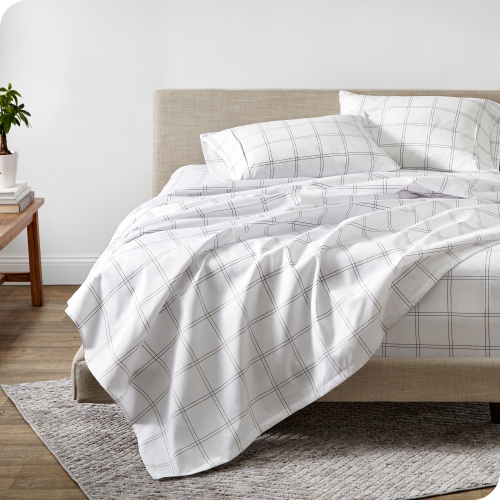 Your price for this item is $95.99
 -
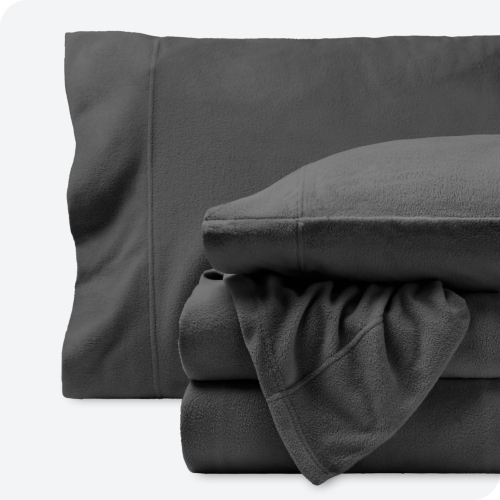 Your price for this item is $122.99
 -
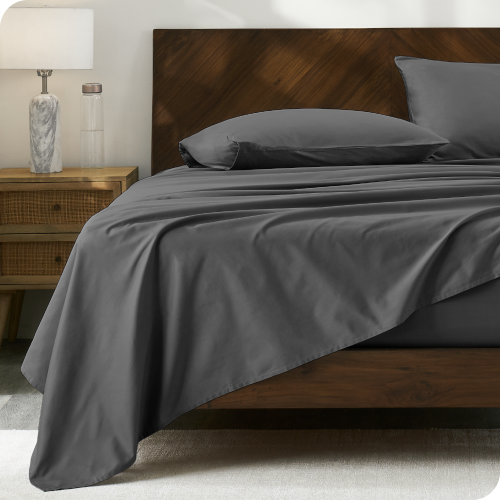 Your price for this item is $156.99
 -
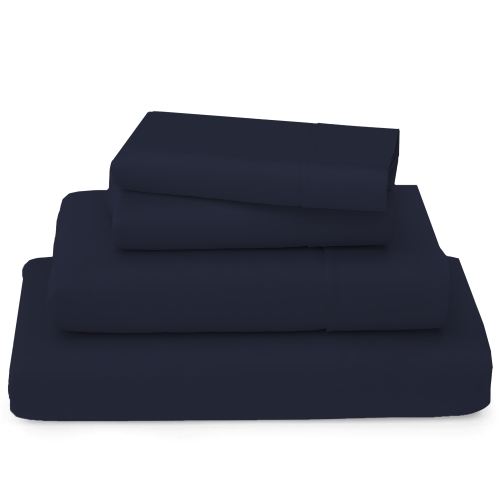 Your price for this item is $34.99
 -
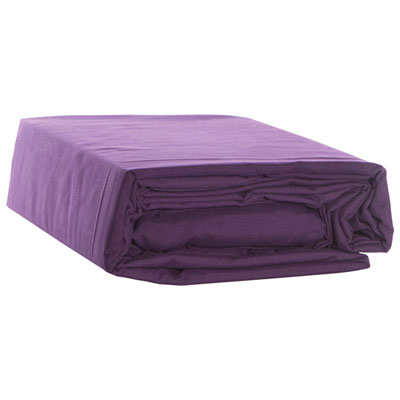 Your price for this item is $80.98
 -
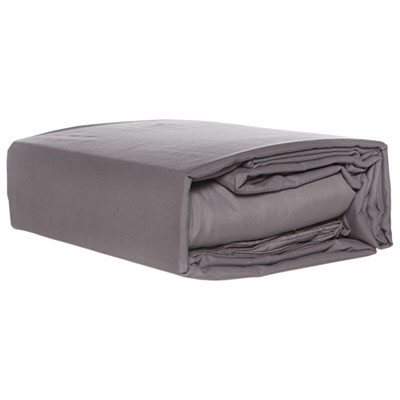 Your price for this item is $99.99
 -
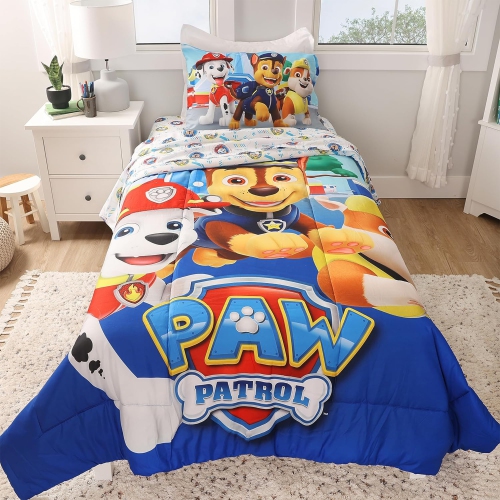 Your price for this item is $80.99
 -
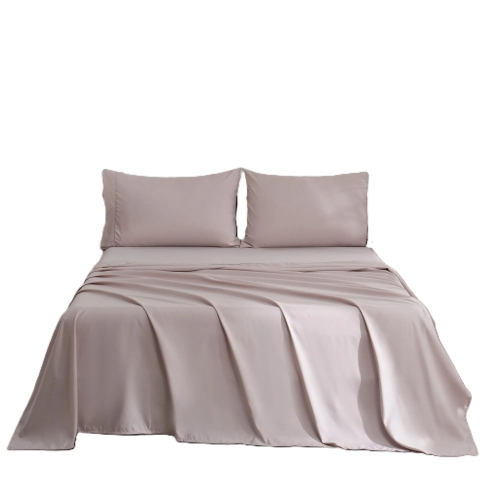 Your price for this item is $270
Discover more categories related to Queen Size Sheets
Top Collections:
Pokemon Centers, Kindle Devices, Best Budget Office Chairs, Apple iPhones 16, Best Laptops for Writers, iPhone 15 Apple, Canon G7X Cameras, Refurbished Apple Laptops, Alarm Clock, Motorola Razr Phones
Some products may be subject to Environmental Handling Fees
(EHF) depending on your province.
Learn more about EHFs.