Recessed Downlights
Illuminate your space with style and sophistication using recessed downlights. These sleek and modern lighting fixtures are designed to seamlessly blend into your ceiling, providing a clean and unobtrusive lighting solution for any room in your home or office. Whether you're looking to add ambiance to your living room, highlight artwork in a gallery, or brighten up your kitchen workspace, recessed downlights offer versatility and functionality to meet your lighting needs. Discover the perfect combination of form and function with our wide selection of recessed downlights that will elevate the look and feel of any space.
Sort

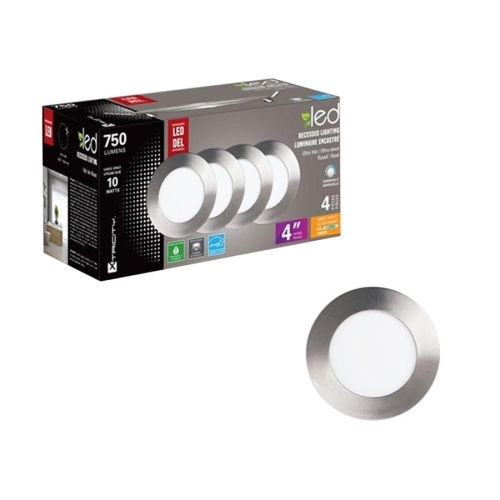
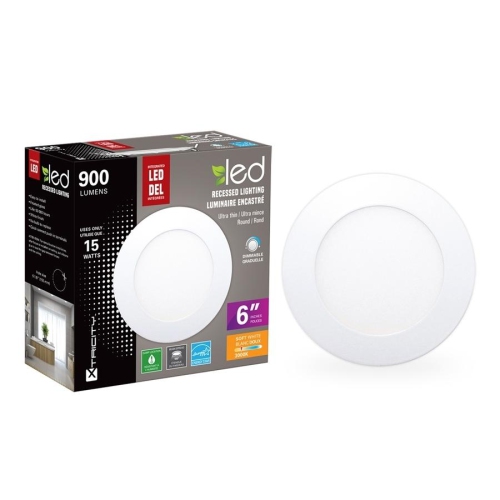
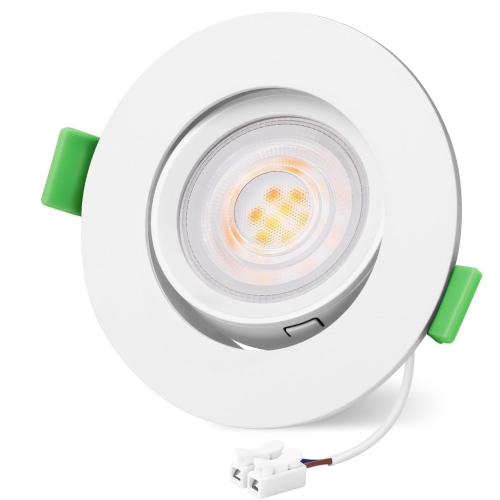
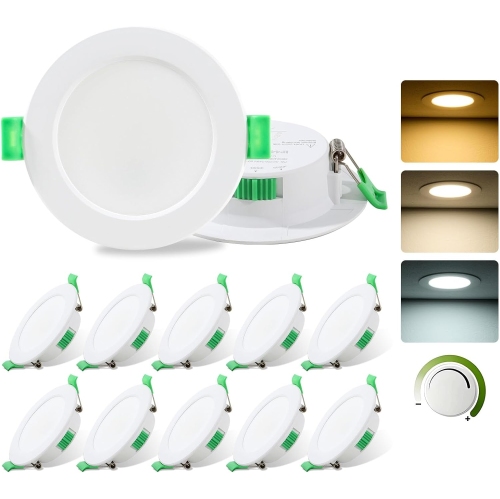
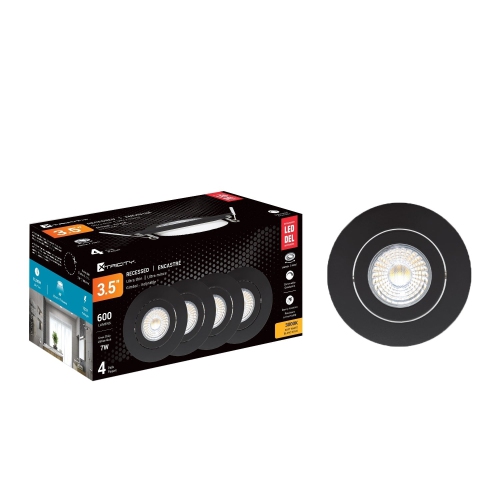
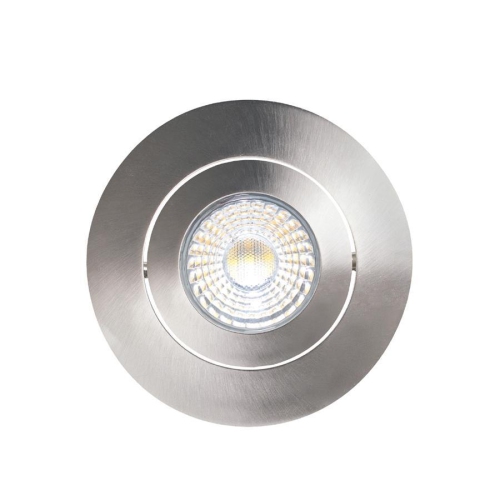
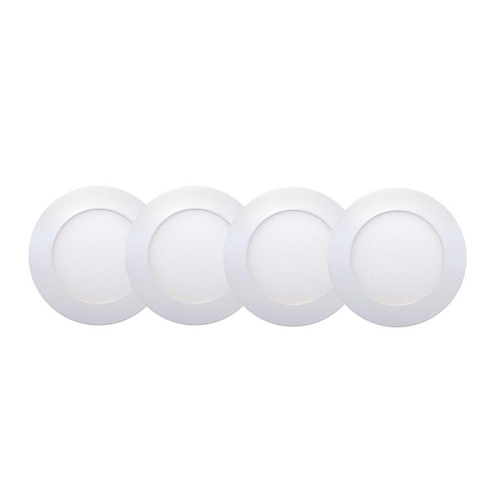
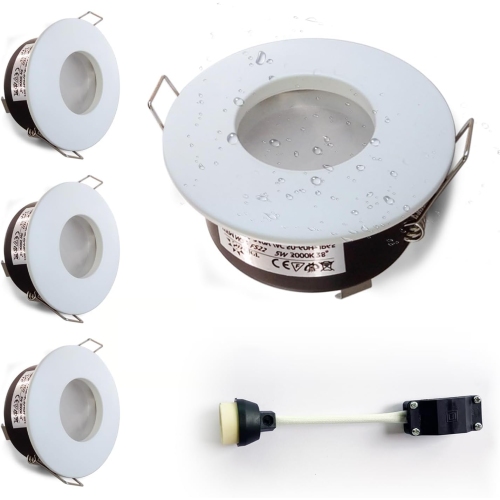
Low-profile lighting starts with the right ceiling fit
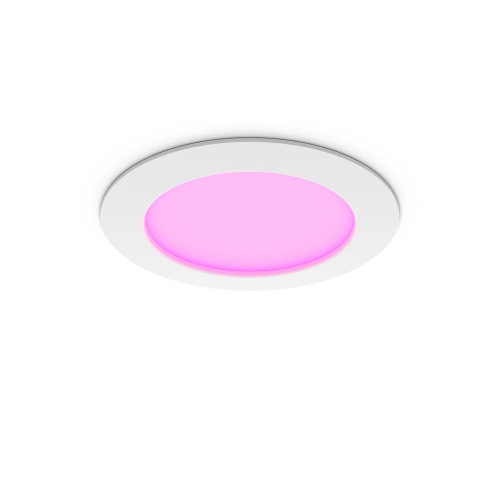
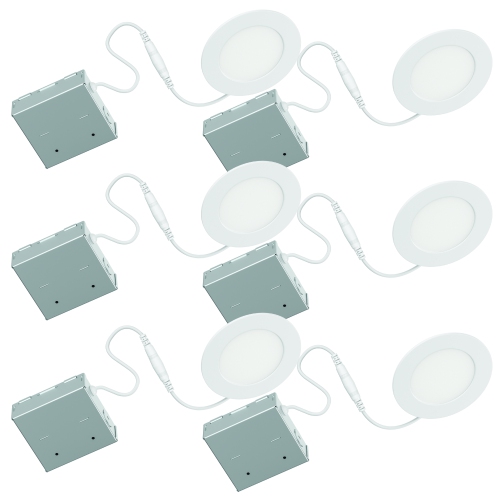
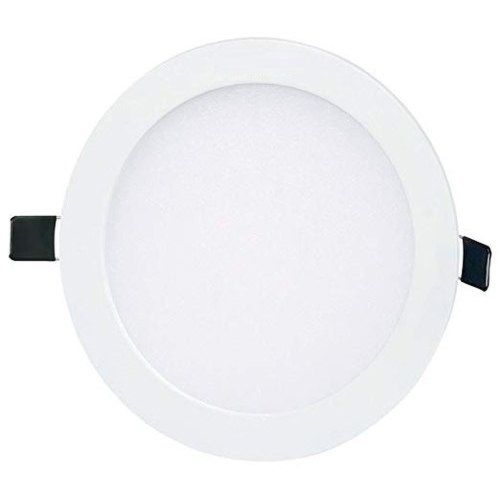
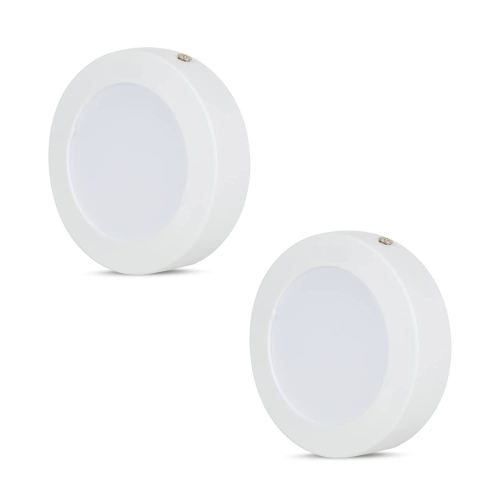
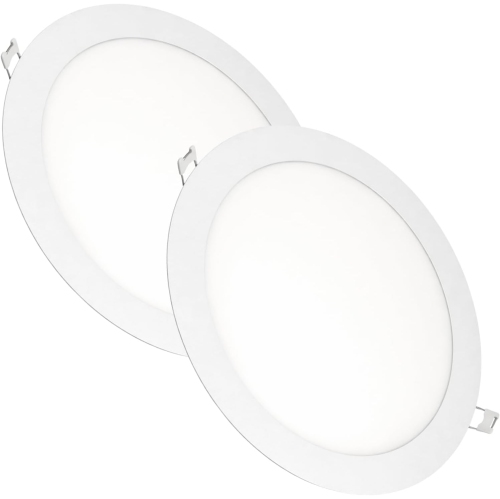
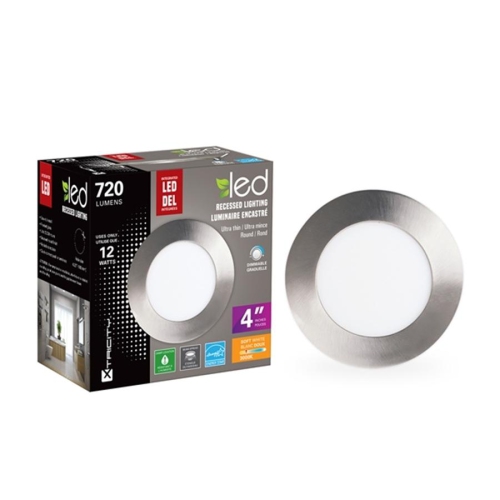
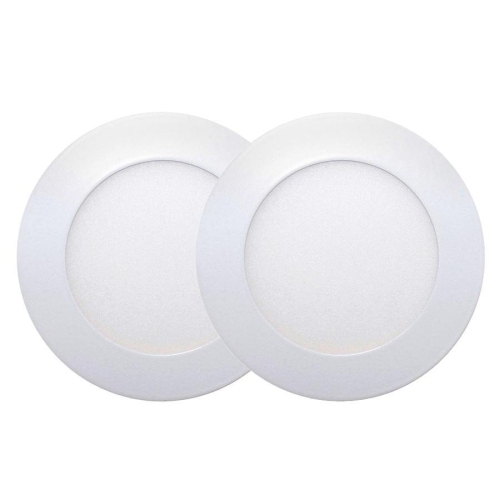
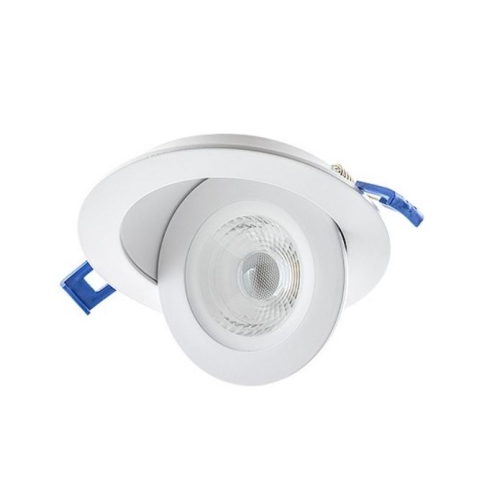
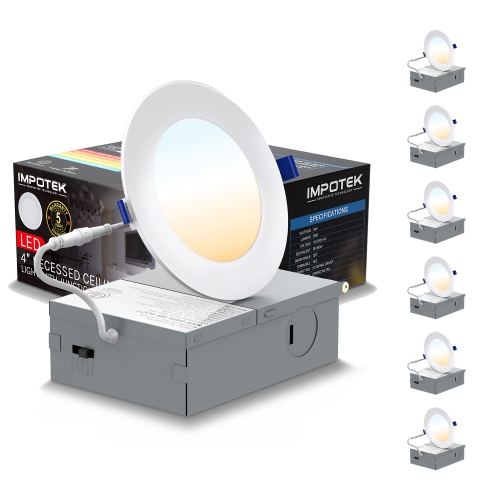
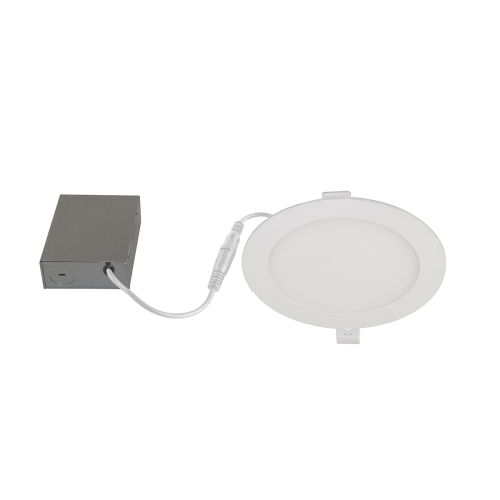
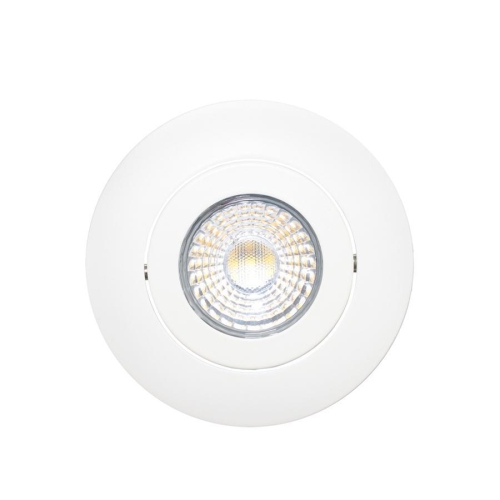
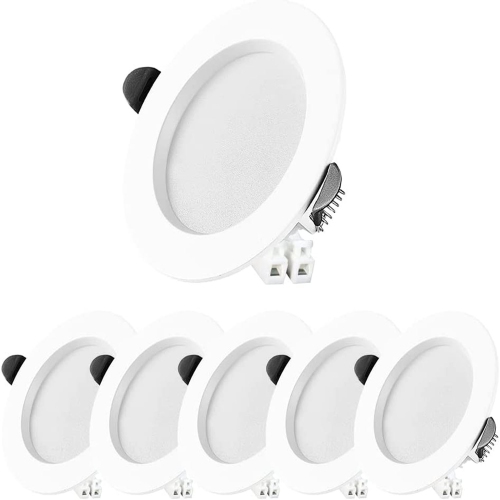
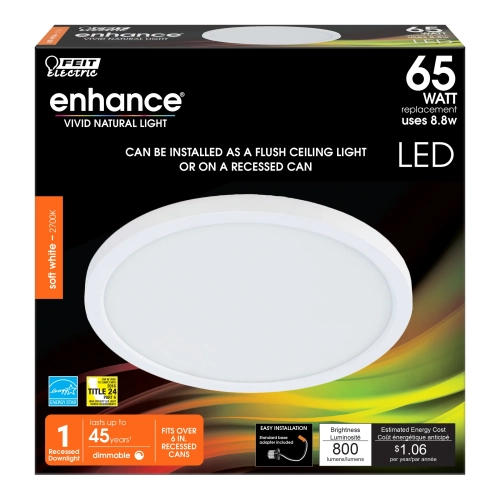
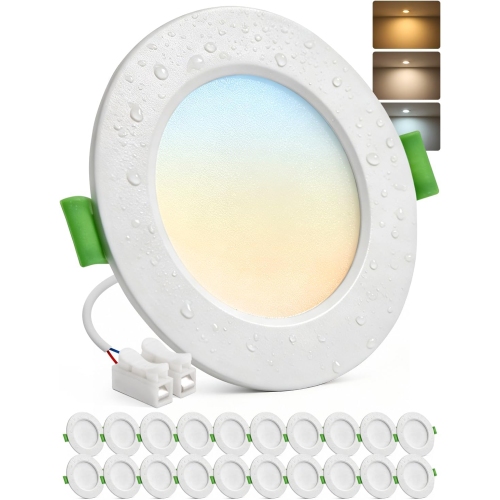
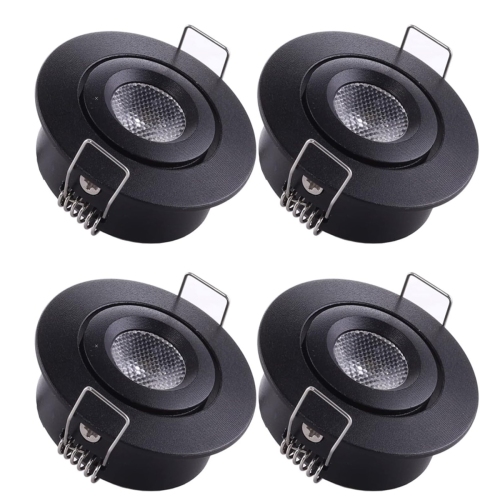
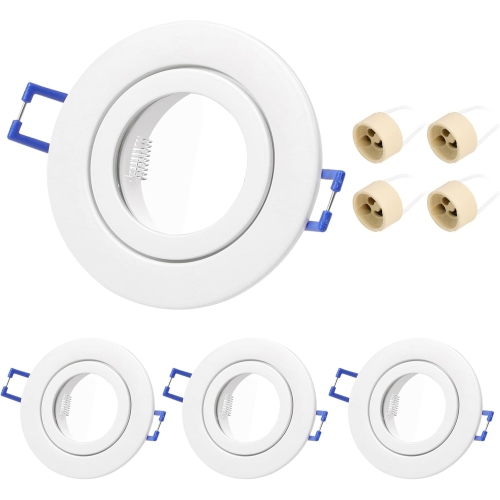
Recessed downlights are ceiling-mounted light fixtures that sit within a ceiling opening and direct illumination downward, leaving only the trim and light source visible from below. Often called pot lights, they provide a clean, low-profile alternative to hanging fixtures, especially in rooms where an unobstructed ceiling helps the space feel open. Their appeal extends from kitchens and living rooms to hallways, bedrooms, and finished basements: a row of compact lights can brighten a passageway, while a carefully positioned group can illuminate a seating area without a large overhead fixture. Several construction styles suit different ceiling arrangements. Traditional recessed lights use a housing set above the ceiling, with a compatible trim and lamp or light module fitted inside. Canless downlights dispense with the separate can-shaped housing, although they still need room for their electrical connections and any separate driver or junction box. Slim wafer-style LED lights have shallow profiles that can suit limited ceiling cavities, provided the complete assembly fits the space and meets its installation requirements. Retrofit modules are designed to update compatible existing recessed housings, making the housing dimensions, attachment method, and electrical connection important parts of the match. Fixed downlights cast light in a set direction, while adjustable or gimbal designs tilt to highlight artwork, shelving, or architectural details. On a sloped ceiling, an appropriately designed adjustable fixture can direct its beam toward the floor rather than across the room. The wider range of Recessed Ceiling Lights also offers context for coordinating overhead lighting across connected spaces. For homeowners furnishing a new room, renovators updating older fixtures, or property managers maintaining consistent lighting, the right downlight type starts with the ceiling itself and the way the room is used. A shallow ceiling, an existing recessed housing, and a new open ceiling each present different fitting requirements, even when the finished lights look similar from below.
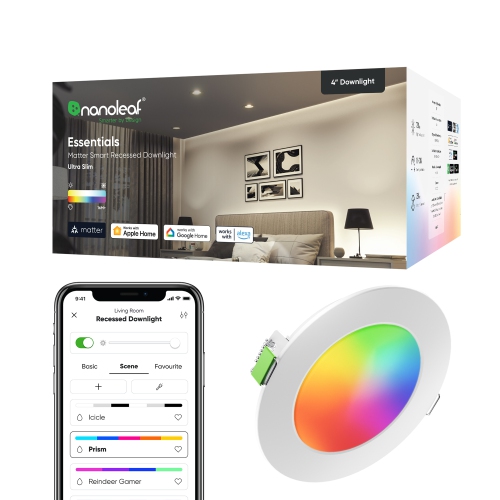
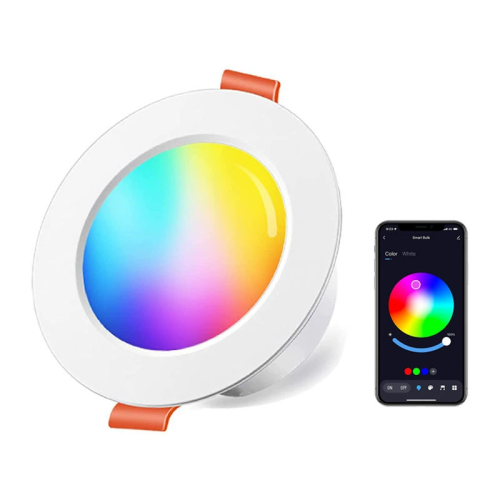
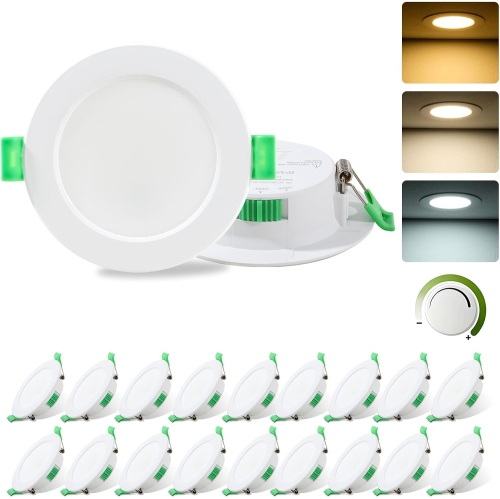
The quality of light matters as much as the appearance of the fixture. Brightness is measured in lumens, while wattage describes power consumption; two downlights with similar wattages may not deliver the same amount of light. Ceiling height, beam angle, wall colour, and surface finishes all affect how that light feels in a room. A broad beam can help create an even wash across a family room, while a narrower beam brings more emphasis to a display shelf or a small work area. Higher ceilings may call for a different balance of output and beam control than a lower basement ceiling. Spacing also influences the result: lights placed too far apart can leave dim patches, while an overly dense layout can create harsh pools of light. In a kitchen, fixtures positioned with the worktop in mind can reduce the shadows cast by someone standing at the counter, though under-cabinet lighting remains useful for detailed tasks. Colour temperature describes whether white light appears warm or cool, with lower Kelvin values generally producing a warmer appearance and higher values a cooler one. Selectable-white downlights allow a setting to be chosen from a defined range, while tunable-white designs may offer adjustment through compatible controls. Keeping the chosen setting consistent across an open-plan area helps neighbouring fixtures look intentional rather than mismatched. Colour rendering is another useful distinction, particularly where accurate-looking food, fabrics, or artwork matters. A higher colour rendering index generally indicates more faithful colour appearance under the light. For seating areas and bedrooms, recessed lenses, baffles, and other glare-control features can make overhead lighting more comfortable when viewed from a sofa or bed. Dimmable designs support different activities in the same space, from bright light for tidying to a softer level for watching a film, but the fixture and dimmer must be compatible. Smart downlights may add scheduling, adjustable colour, or voice control; their usefulness depends on the required app, network connection, hub, and supported platform. Wi-Fi connectivity alone does not guarantee compatibility with every smart-home setup.
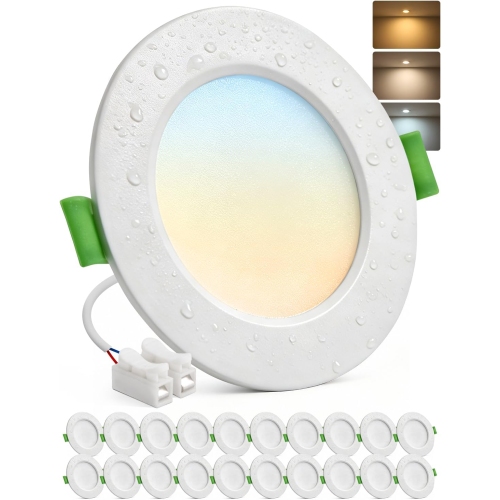
Fit and construction determine how well recessed downlights settle into a ceiling and how practical they are to maintain. Nominal sizes such as 4-inch or 6-inch describe a product size category, not a universal ceiling cut-out, so the specified opening diameter, trim diameter, and required clearance all matter. A trim must cover the opening neatly, and spring clips or other mounting hardware must suit the ceiling material and thickness. Plasterboard, suspended ceiling tiles, and other ceiling systems can have different support requirements. Metal trims, often made from aluminium or steel, offer a firm finished edge, while lenses and diffusers may use glass or engineered plastics to shape and soften the light. White trims tend to blend into pale ceilings; black or metallic finishes create a more noticeable outline and can coordinate with nearby hardware. Durability involves more than the visible trim, since the LED module, driver, electrical connections, and installation conditions all contribute to service life. Integrated LED designs do not necessarily have a replaceable lamp, so access to a serviceable driver or replaceable module can be useful over time. Fixtures with replaceable lamps require the correct lamp type and rating. In bathrooms and other locations exposed to moisture, damp-location and wet-location ratings are distinct, and the fixture must be approved for its intended position. Where ceiling insulation is present, an insulation-contact rating is essential if the installation places insulation against the fixture; airtight construction is a separate characteristic and should not be assumed from that rating. Fire-rated ceiling assemblies may also need specifically suitable lighting components to preserve the assembly’s rating. Recognized Canadian electrical certification and installation by a qualified electrician help address the requirements of the fixture and the building. Routine care is usually straightforward: with power switched off and the fixture cool, a soft, dry cloth can remove dust from the trim and accessible lens, following the manufacturer’s cleaning directions. Abrasive cleaners or moisture entering electrical parts can damage the assembly. Consistent trim styles, suitable light output, and accessible components give recessed downlights a coherent appearance while supporting everyday use throughout the home.
The quality of light matters as much as the appearance of the fixture. Brightness is measured in lumens, while wattage describes power consumption; two downlights with similar wattages may not deliver the same amount of light. Ceiling height, beam angle, wall colour, and surface finishes all affect how that light feels in a room. A broad beam can help create an even wash across a family room, while a narrower beam brings more emphasis to a display shelf or a small work area. Higher ceilings may call for a different balance of output and beam control than a lower basement ceiling. Spacing also influences the result: lights placed too far apart can leave dim patches, while an overly dense layout can create harsh pools of light. In a kitchen, fixtures positioned with the worktop in mind can reduce the shadows cast by someone standing at the counter, though under-cabinet lighting remains useful for detailed tasks. Colour temperature describes whether white light appears warm or cool, with lower Kelvin values generally producing a warmer appearance and higher values a cooler one. Selectable-white downlights allow a setting to be chosen from a defined range, while tunable-white designs may offer adjustment through compatible controls. Keeping the chosen setting consistent across an open-plan area helps neighbouring fixtures look intentional rather than mismatched. Colour rendering is another useful distinction, particularly where accurate-looking food, fabrics, or artwork matters. A higher colour rendering index generally indicates more faithful colour appearance under the light. For seating areas and bedrooms, recessed lenses, baffles, and other glare-control features can make overhead lighting more comfortable when viewed from a sofa or bed. Dimmable designs support different activities in the same space, from bright light for tidying to a softer level for watching a film, but the fixture and dimmer must be compatible. Smart downlights may add scheduling, adjustable colour, or voice control; their usefulness depends on the required app, network connection, hub, and supported platform. Wi-Fi connectivity alone does not guarantee compatibility with every smart-home setup.
Fit and construction determine how well recessed downlights settle into a ceiling and how practical they are to maintain. Nominal sizes such as 4-inch or 6-inch describe a product size category, not a universal ceiling cut-out, so the specified opening diameter, trim diameter, and required clearance all matter. A trim must cover the opening neatly, and spring clips or other mounting hardware must suit the ceiling material and thickness. Plasterboard, suspended ceiling tiles, and other ceiling systems can have different support requirements. Metal trims, often made from aluminium or steel, offer a firm finished edge, while lenses and diffusers may use glass or engineered plastics to shape and soften the light. White trims tend to blend into pale ceilings; black or metallic finishes create a more noticeable outline and can coordinate with nearby hardware. Durability involves more than the visible trim, since the LED module, driver, electrical connections, and installation conditions all contribute to service life. Integrated LED designs do not necessarily have a replaceable lamp, so access to a serviceable driver or replaceable module can be useful over time. Fixtures with replaceable lamps require the correct lamp type and rating. In bathrooms and other locations exposed to moisture, damp-location and wet-location ratings are distinct, and the fixture must be approved for its intended position. Where ceiling insulation is present, an insulation-contact rating is essential if the installation places insulation against the fixture; airtight construction is a separate characteristic and should not be assumed from that rating. Fire-rated ceiling assemblies may also need specifically suitable lighting components to preserve the assembly’s rating. Recognized Canadian electrical certification and installation by a qualified electrician help address the requirements of the fixture and the building. Routine care is usually straightforward: with power switched off and the fixture cool, a soft, dry cloth can remove dust from the trim and accessible lens, following the manufacturer’s cleaning directions. Abrasive cleaners or moisture entering electrical parts can damage the assembly. Consistent trim styles, suitable light output, and accessible components give recessed downlights a coherent appearance while supporting everyday use throughout the home.
Top selling and popular products
-
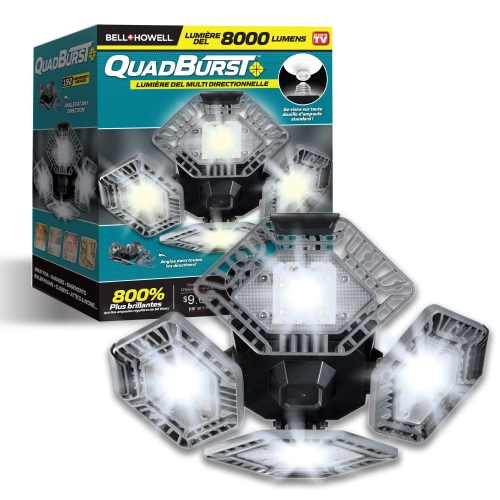 Your price for this item is $49.95
 -
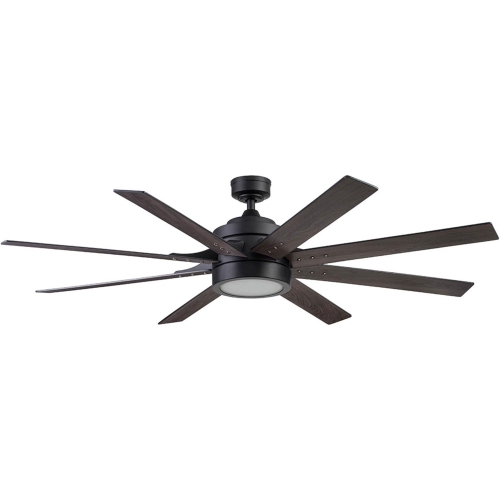 Your price for this item is $424.99
 -
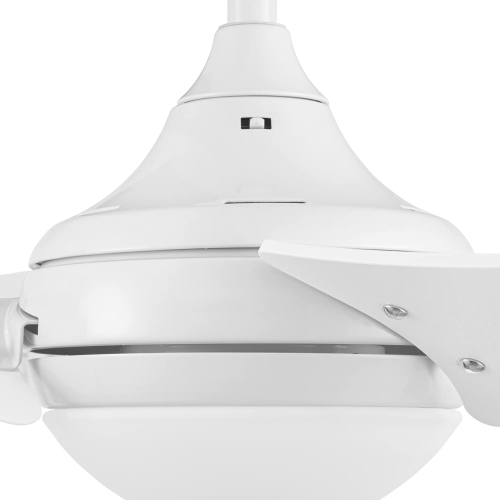 Your price for this item is $205.99
 -
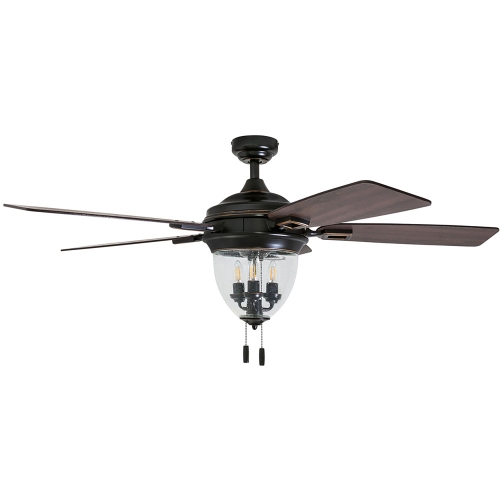 Your price for this item is $287.99
 -
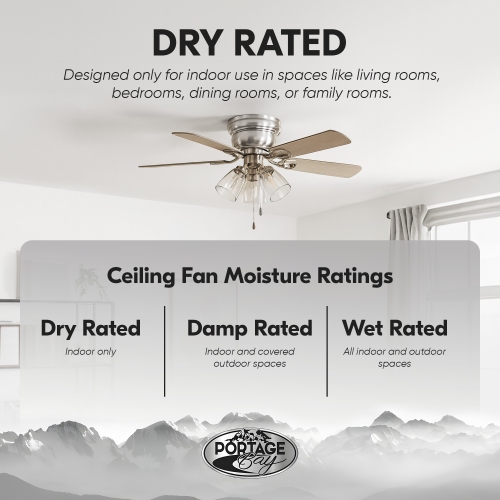 Your price for this item is $184.99
 -
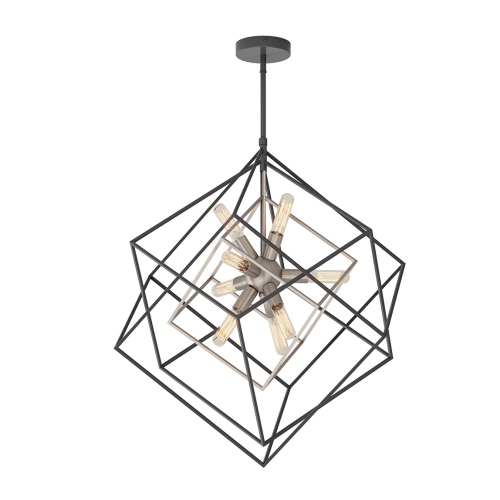 Your price for this item is $299
 -
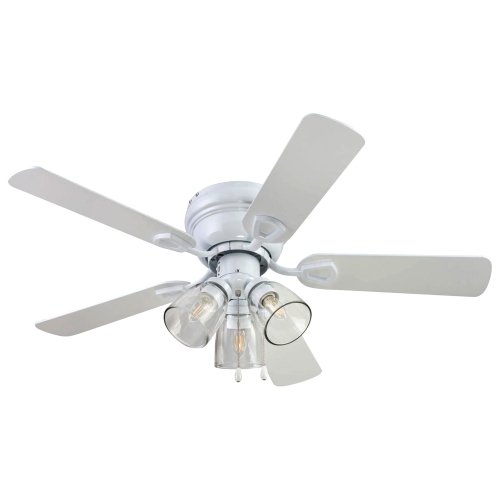 Your price for this item is $193.99
 -
 Your price for this item is $176.99
Discover more categories related to Recessed Downlights
Top Collections:
Pokemon Centers, Kindle Devices, Best Budget Office Chairs, Apple iPhones 16, Best Laptops for Writers, iPhone 15 Apple, Canon G7X Cameras, Refurbished Apple Laptops, Alarm Clock, Motorola Razr Phones
Some products may be subject to Environmental Handling Fees
(EHF) depending on your province.
Learn more about EHFs.