Recessed Lights
Illuminate your space with style and functionality using our selection of recessed lights. Perfect for adding a modern touch to any room, recessed lighting offers a sleek and unobtrusive way to brighten up your home or office. Whether you're looking to create a well-lit kitchen, a cozy living room ambiance, or enhance your workspace with focused light, our range of recessed lights provides versatile options to suit your needs. Explore different sizes, shapes, and finishes to find the perfect fit for your space and bring a touch of elegance to your lighting design.
Sort


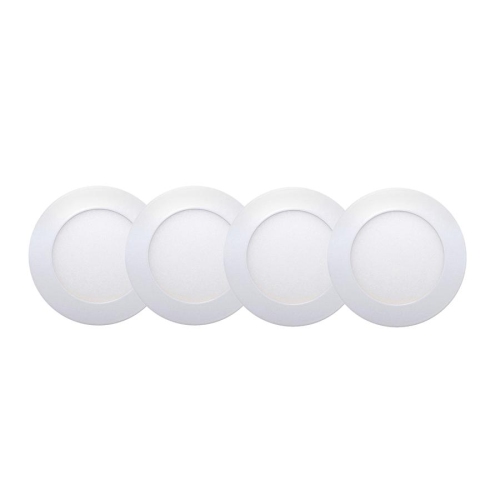
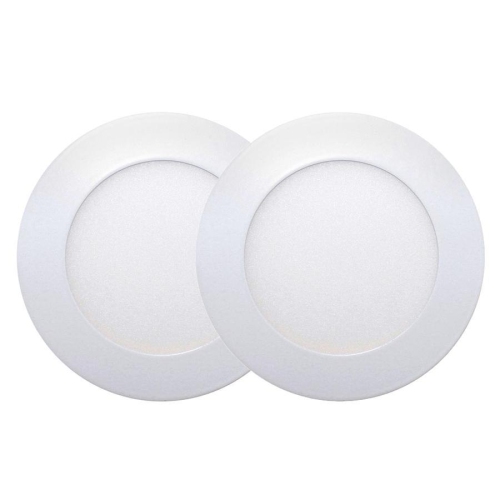

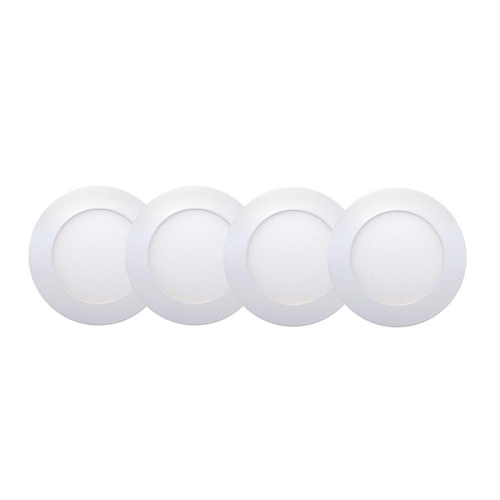


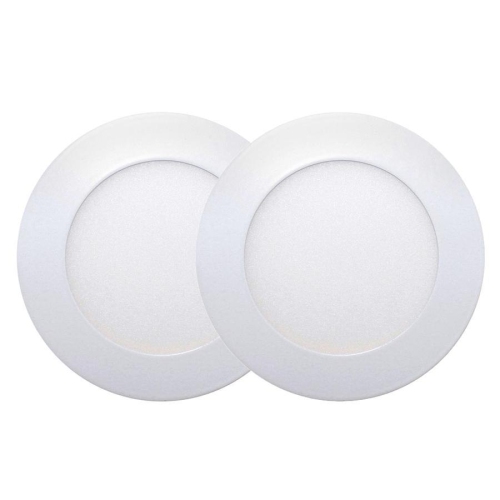
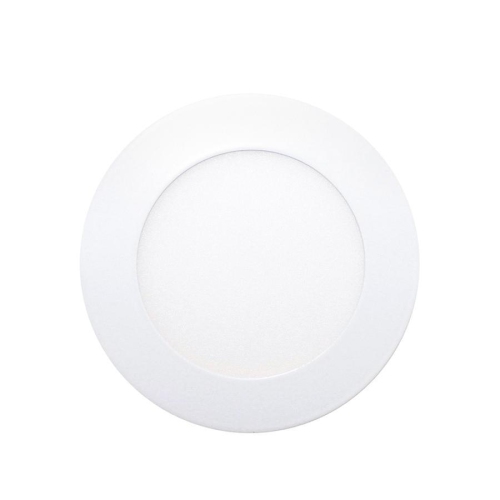
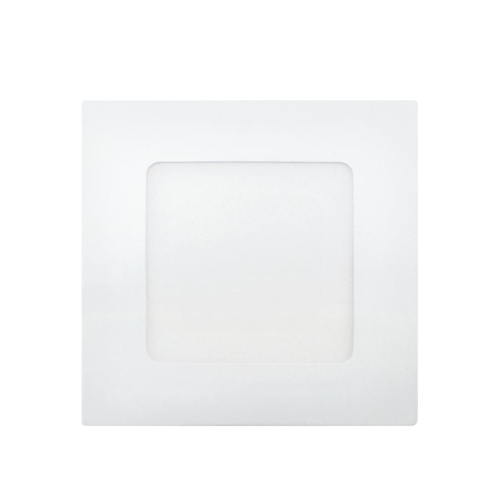
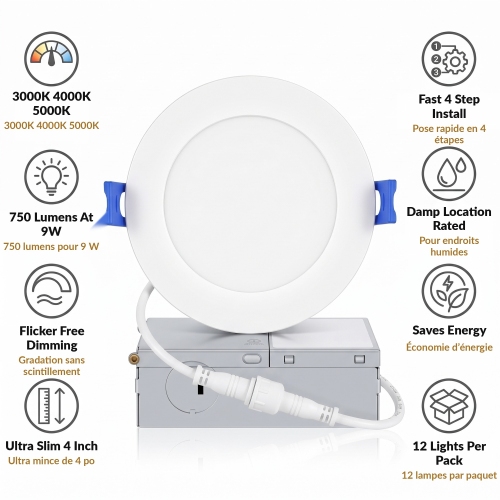

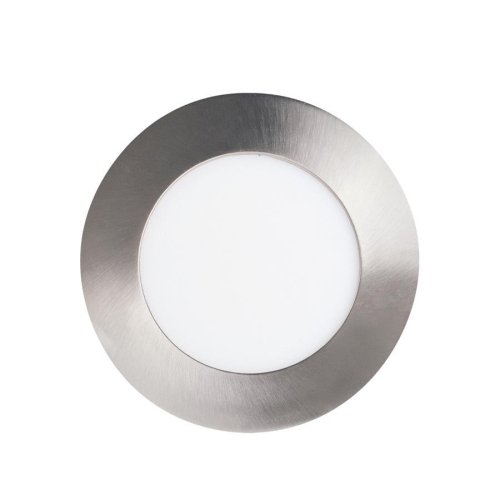
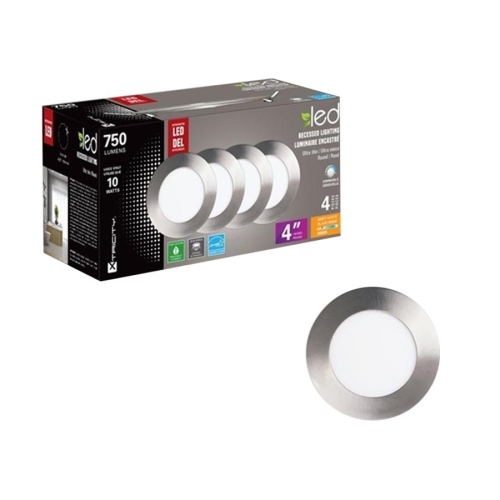
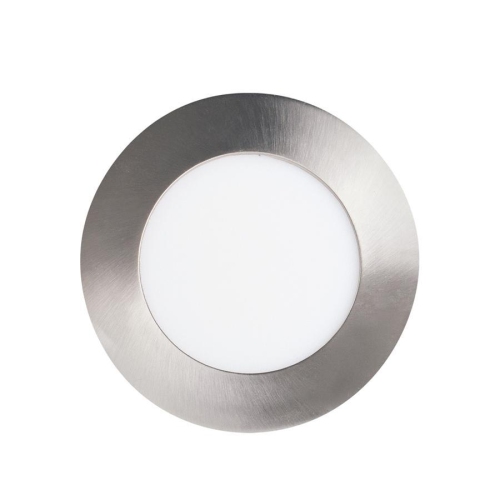
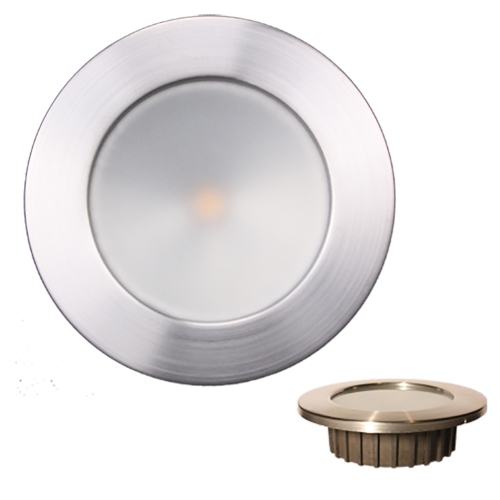
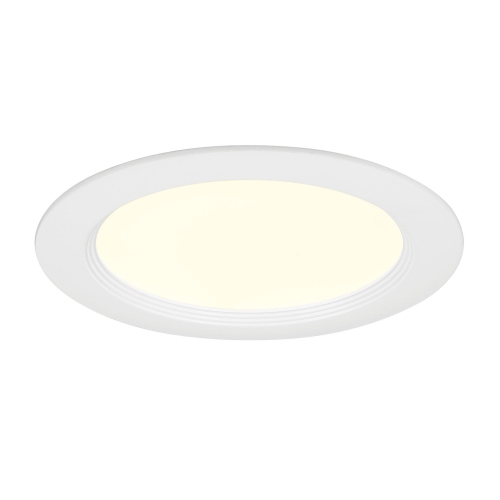
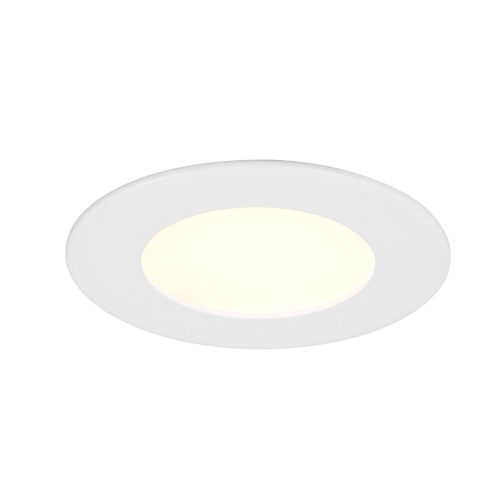
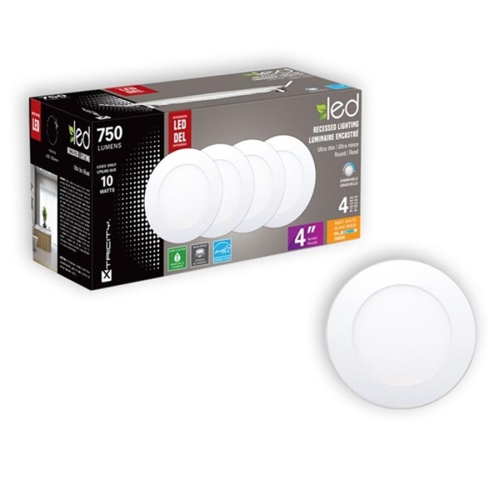
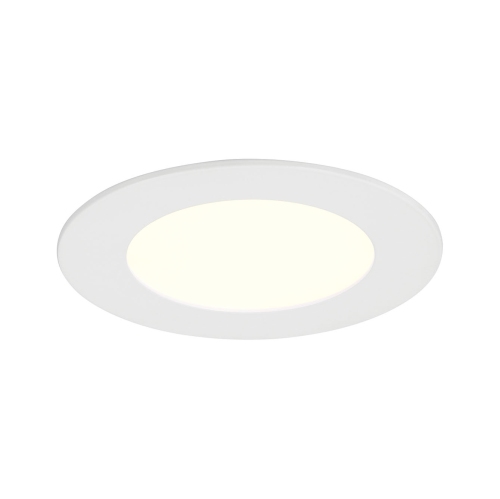
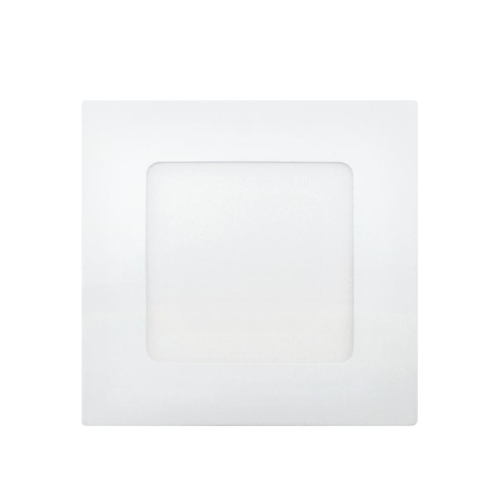

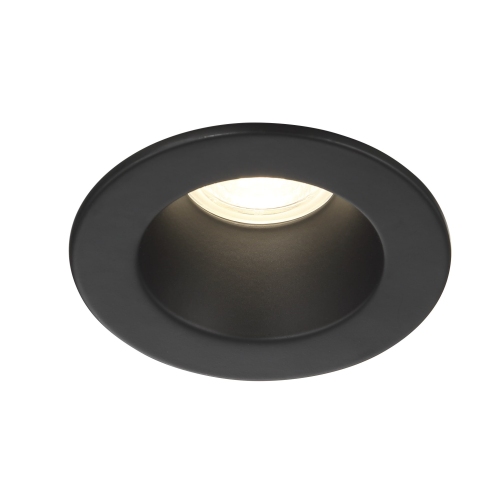
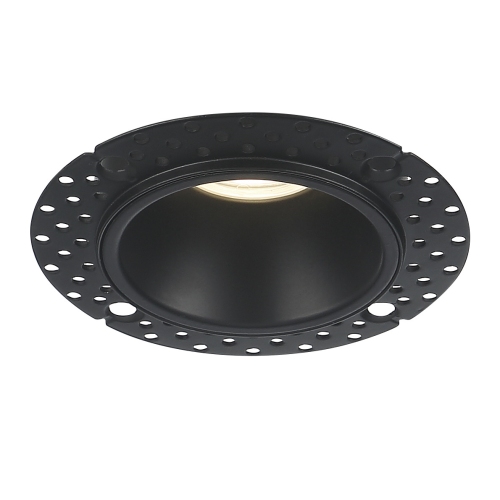
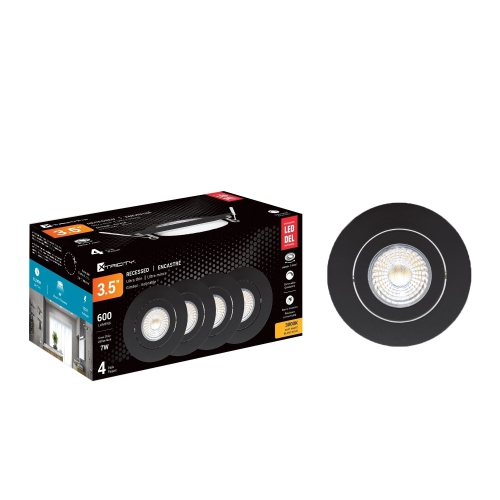
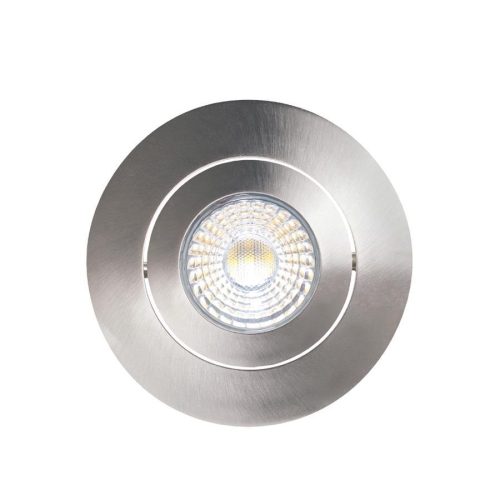
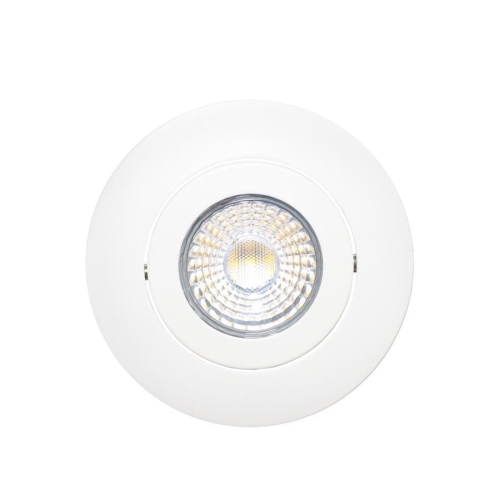
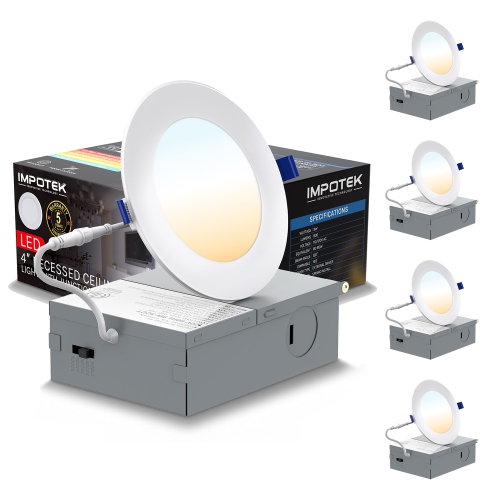
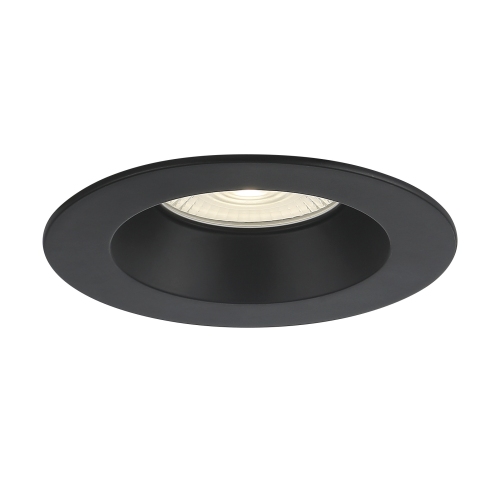
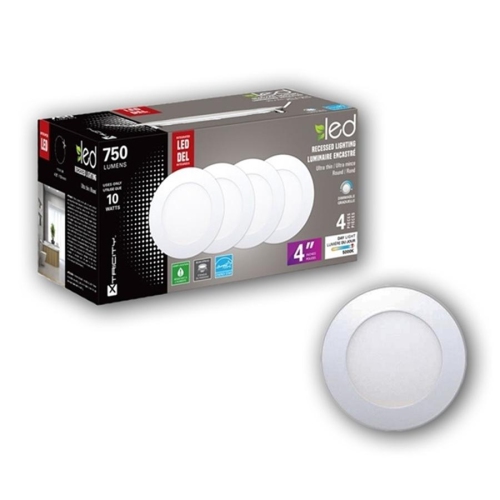
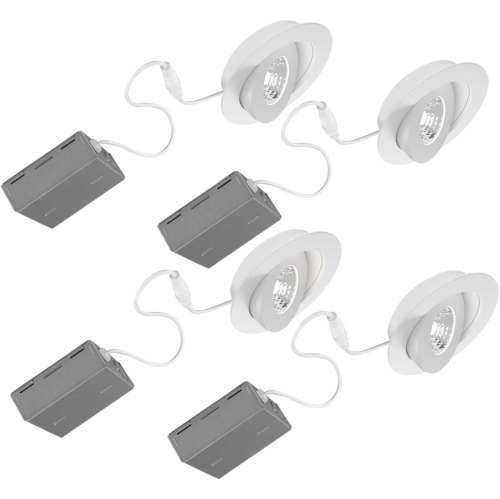
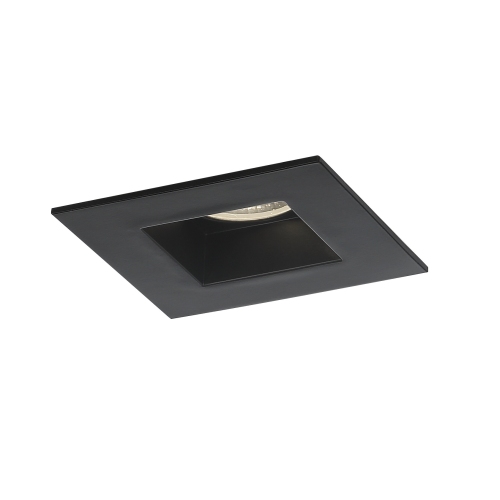
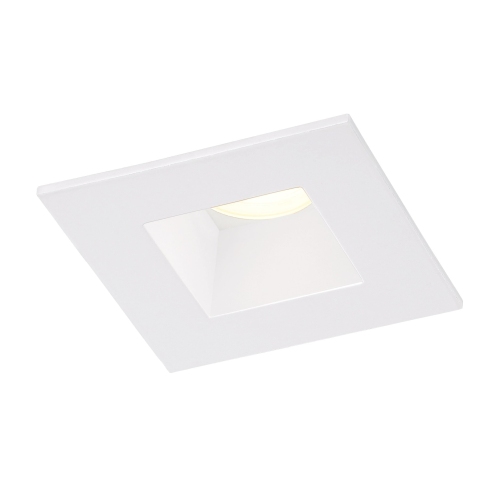
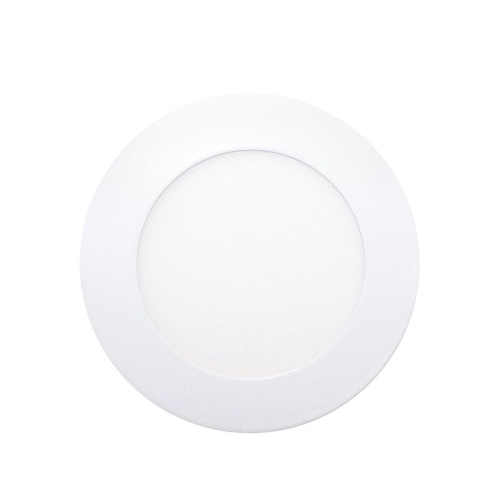
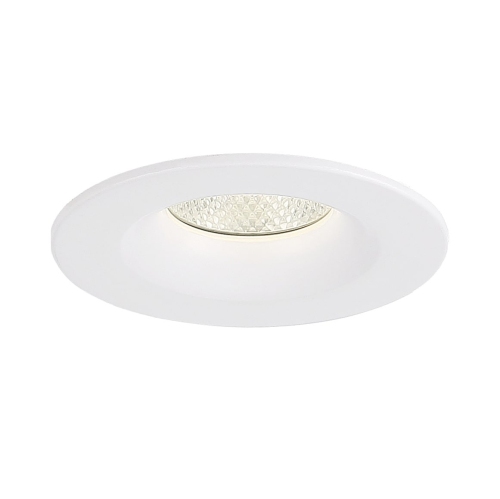
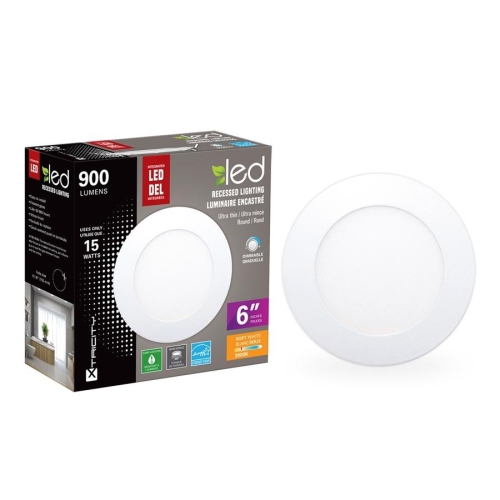
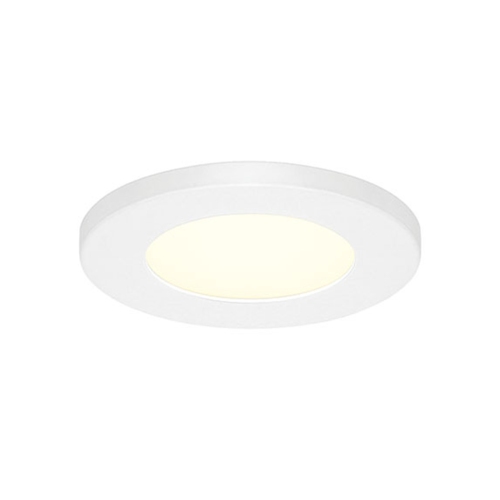
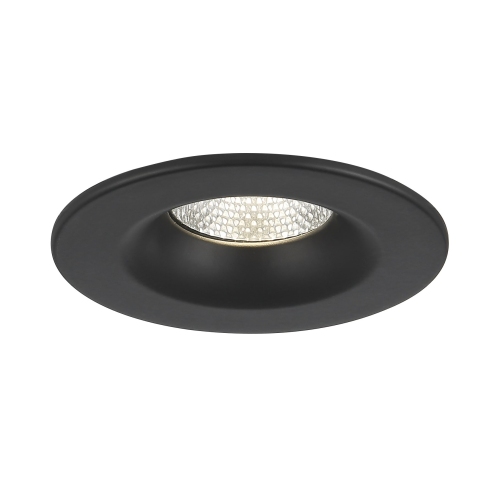
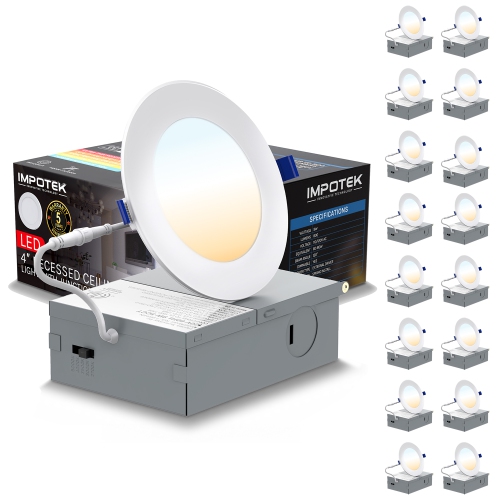
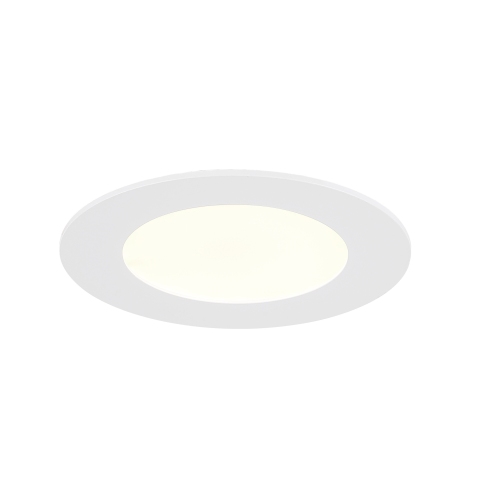
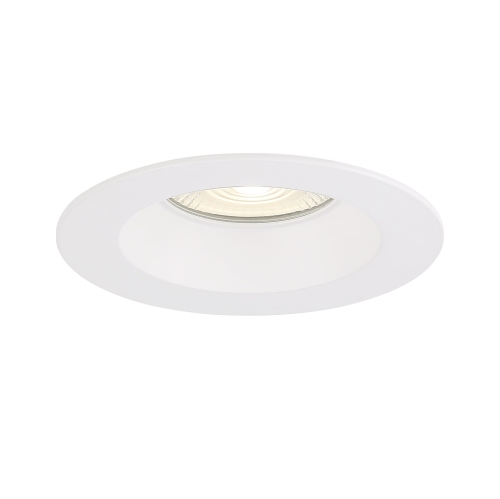
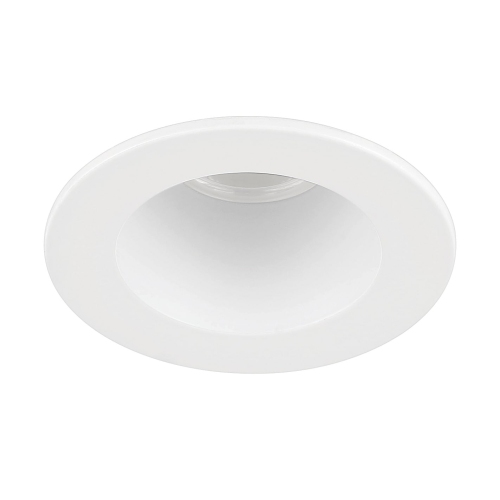
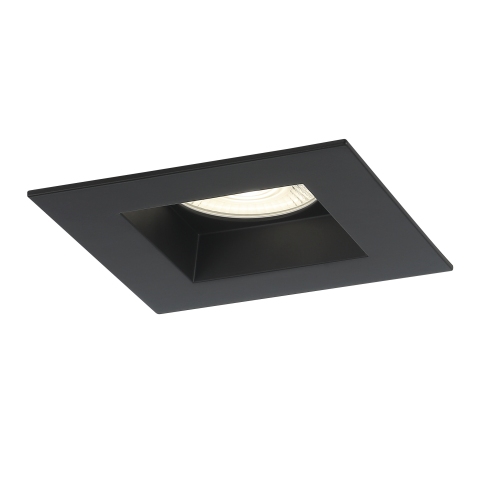
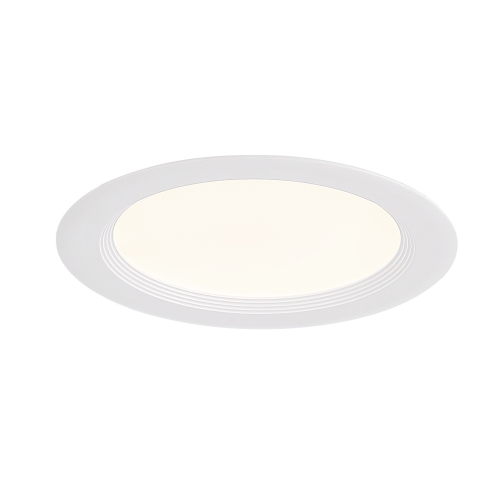
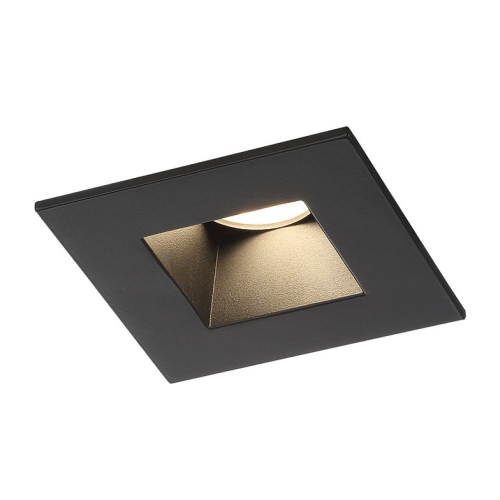
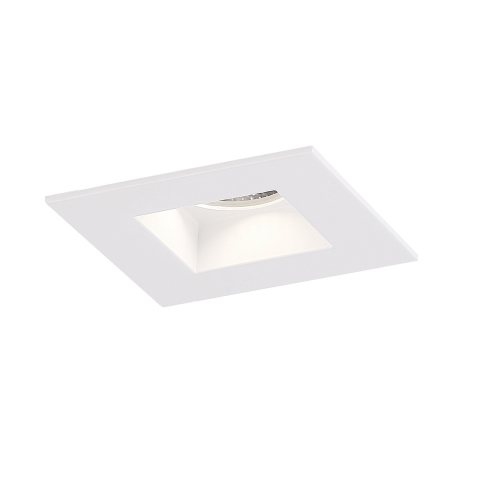
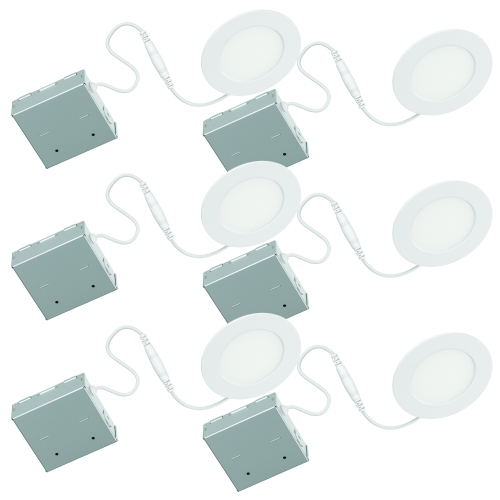
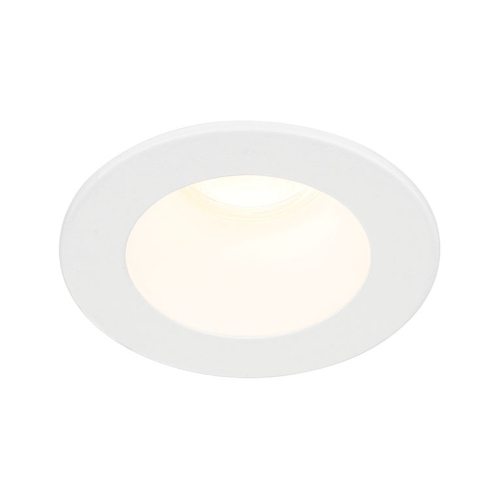
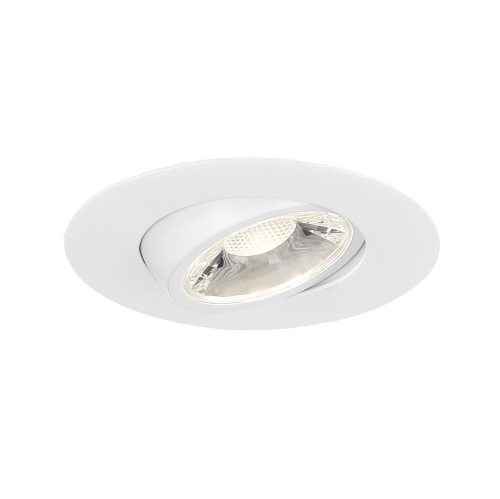
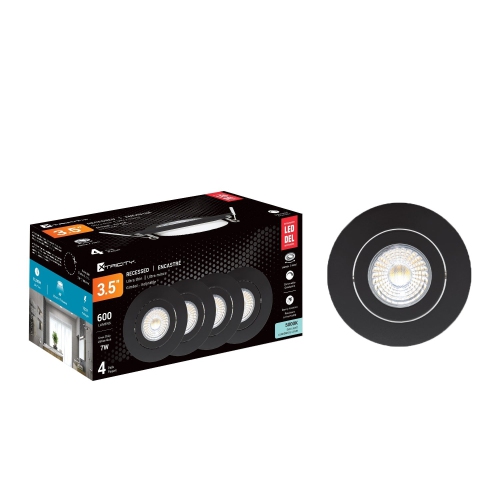
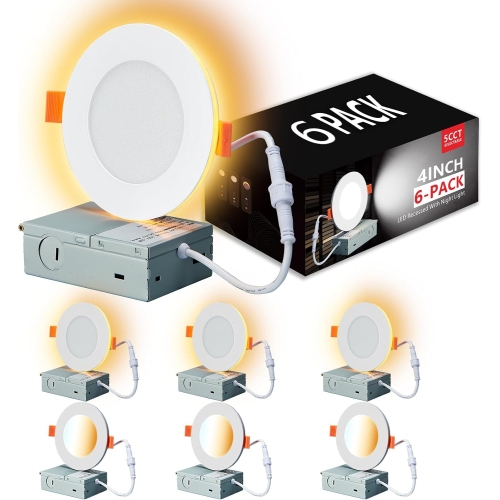
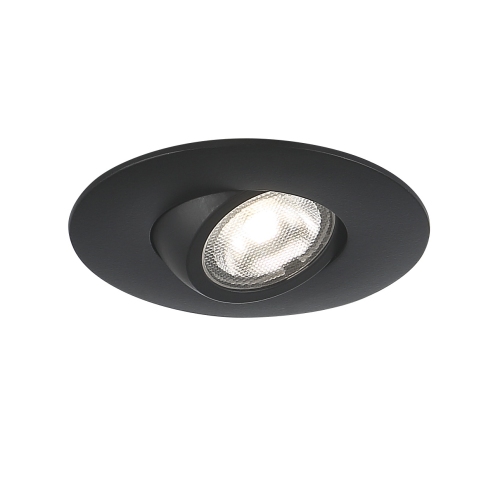
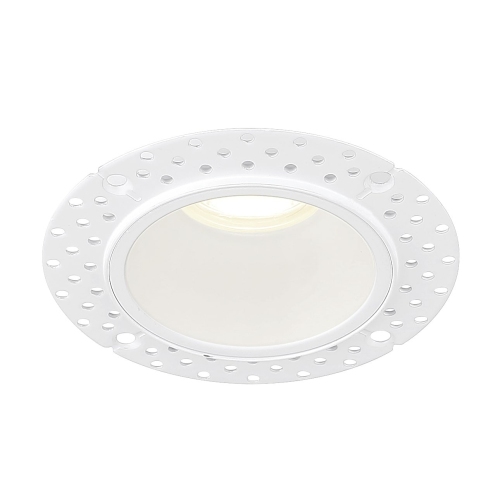
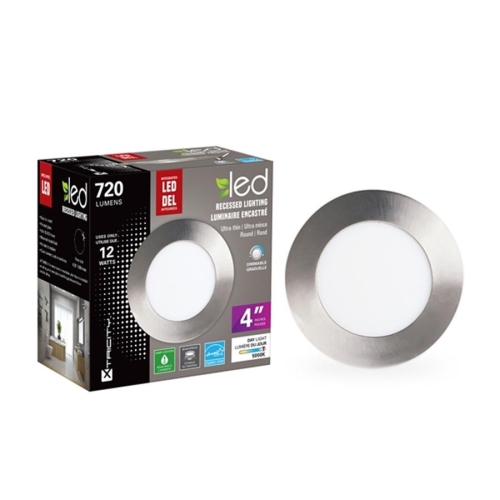
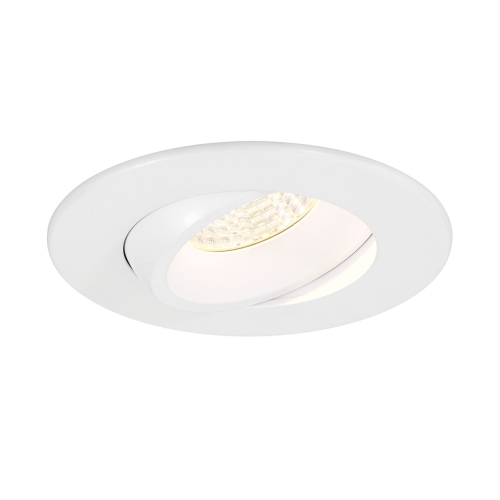
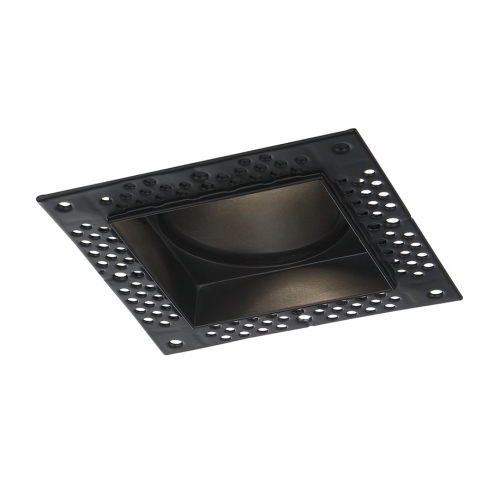
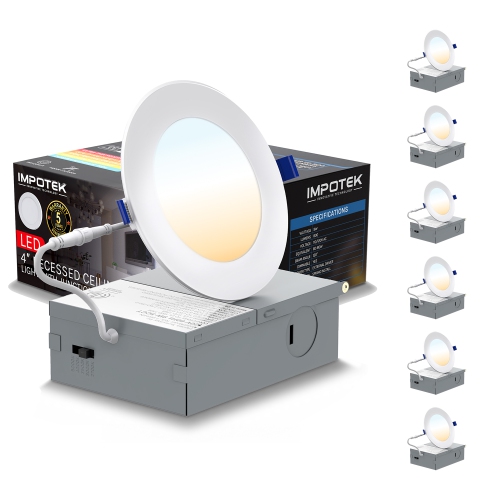
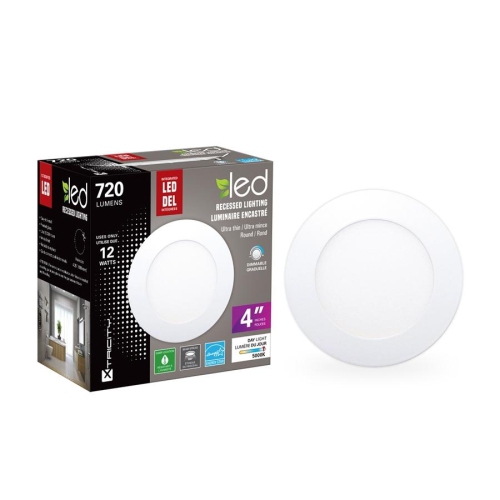
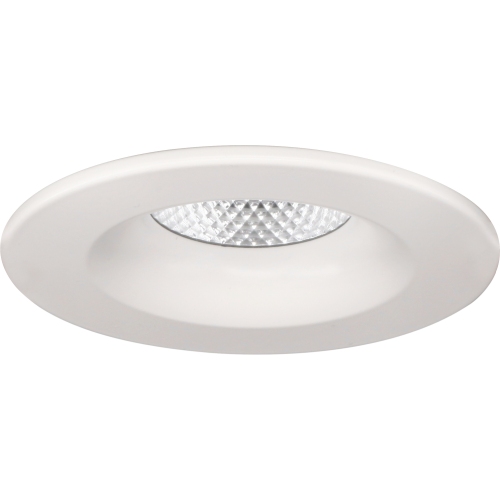
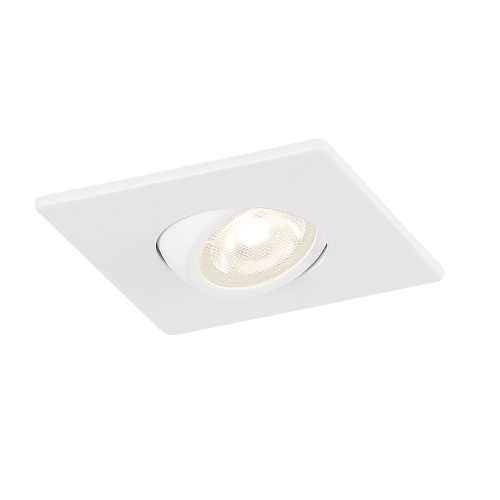
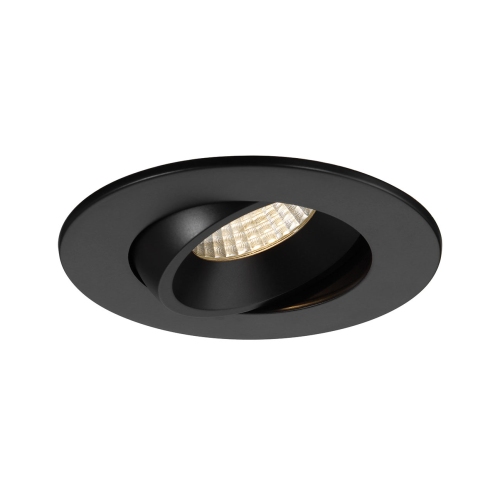
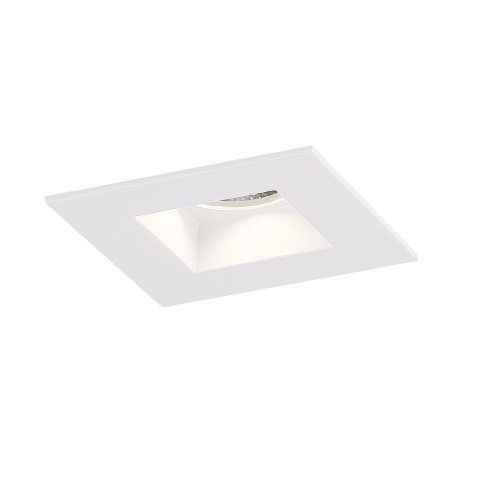
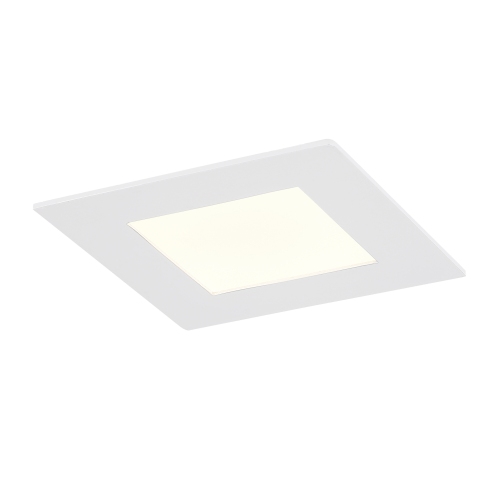
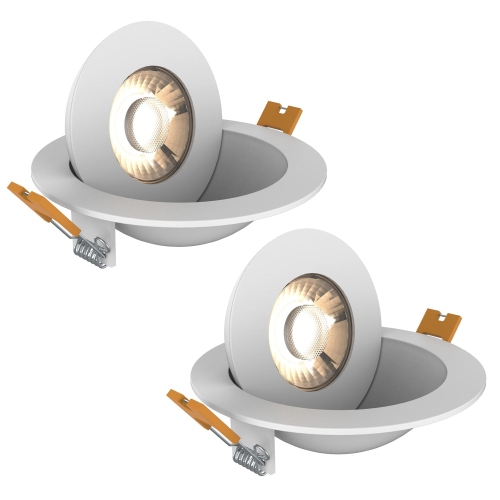
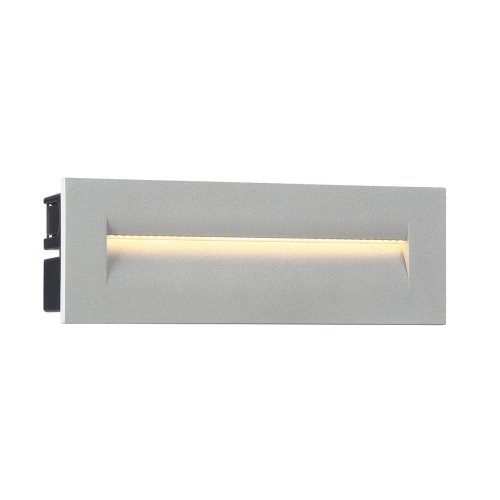
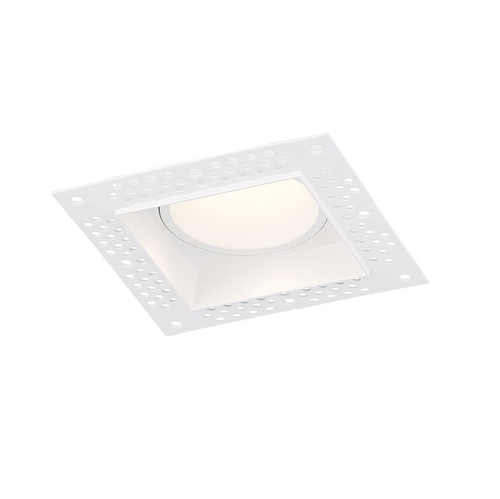
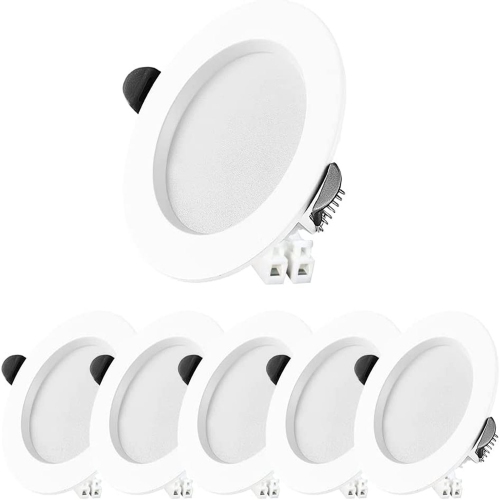
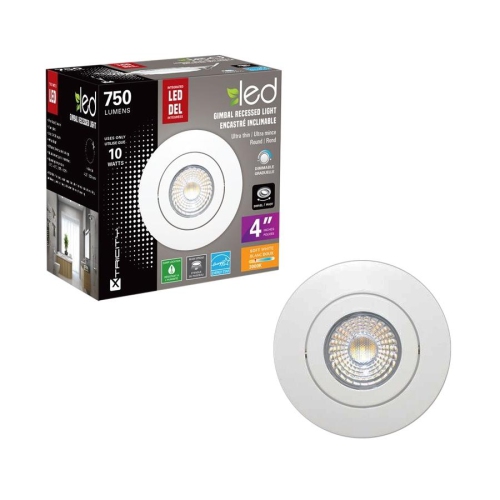
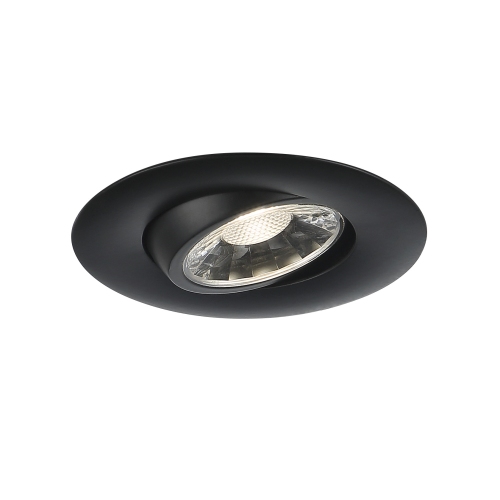
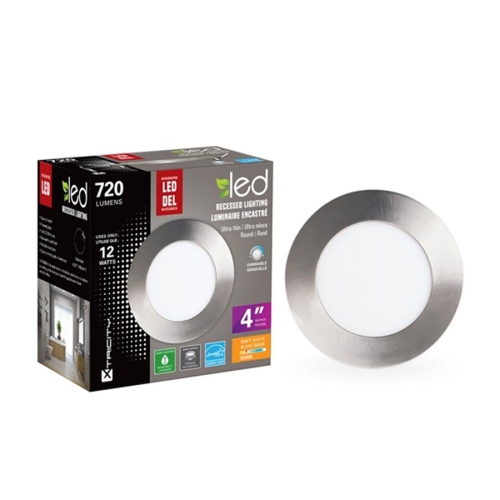
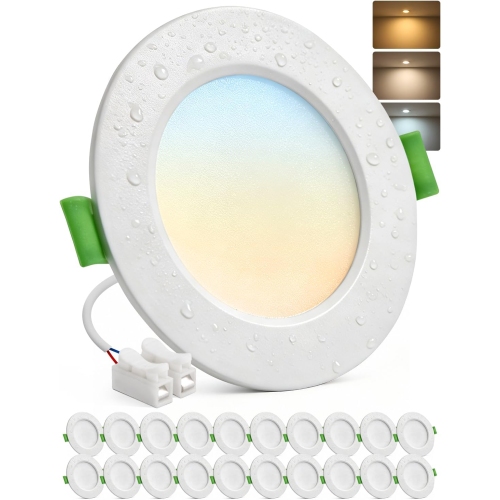
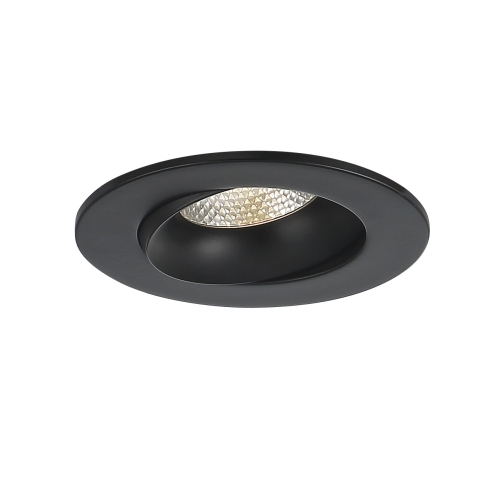
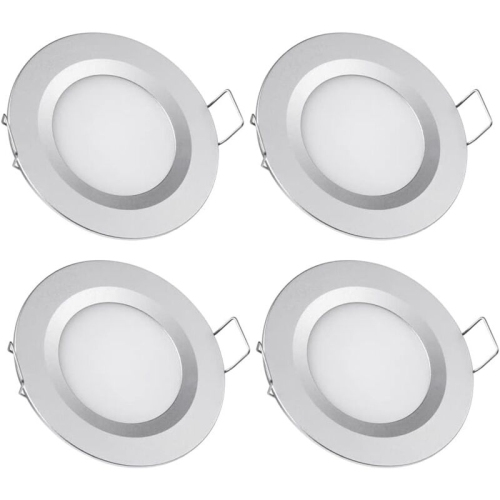
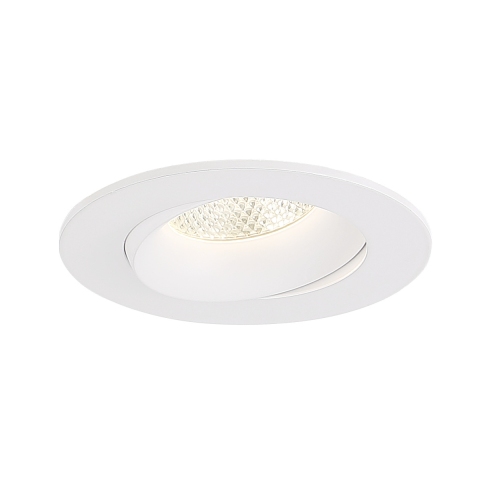
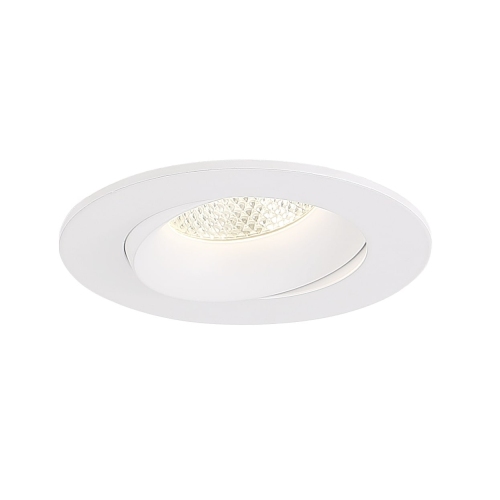
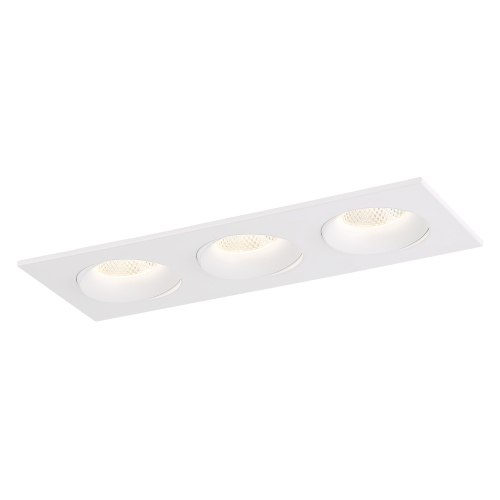
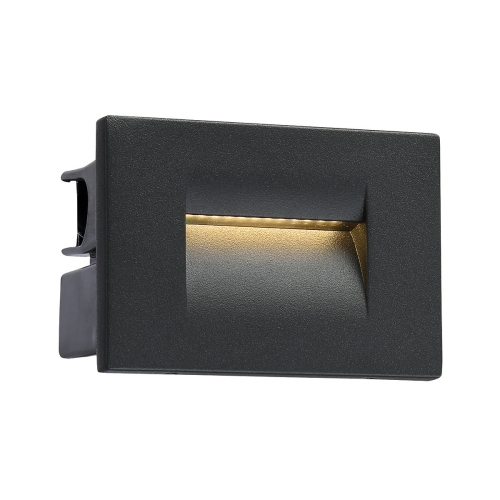
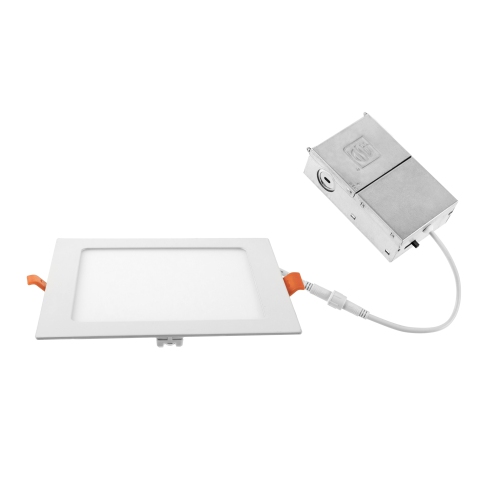
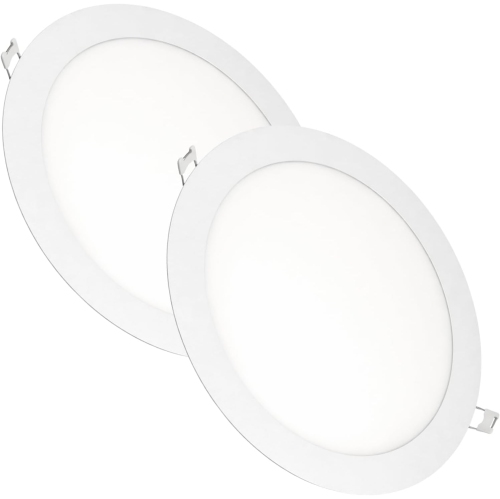
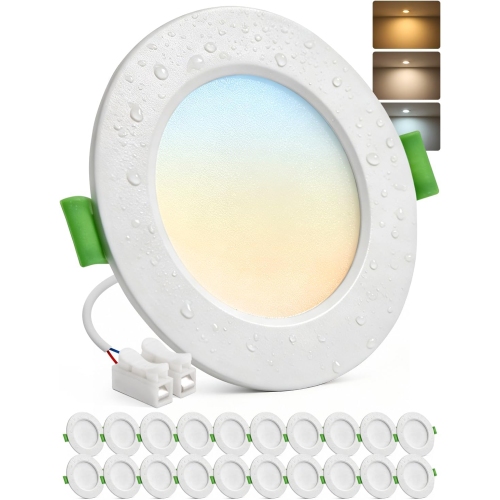
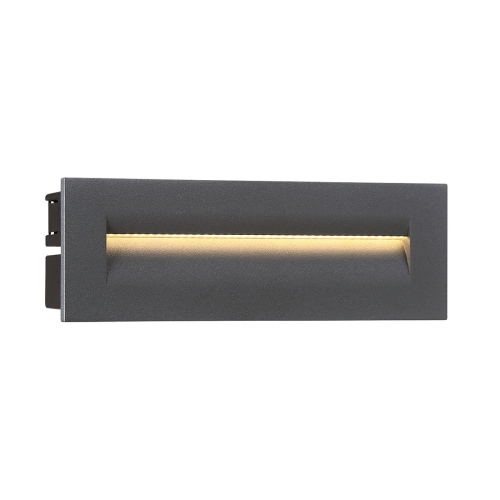
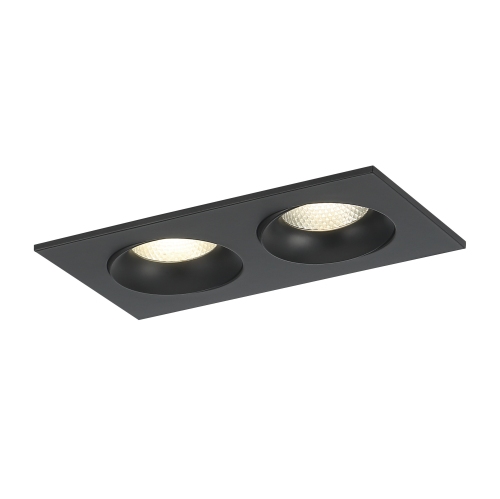
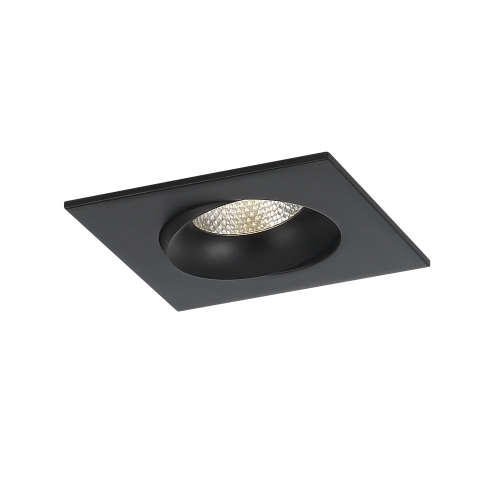
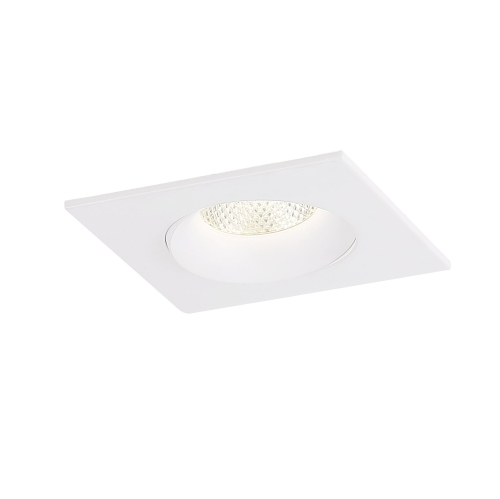
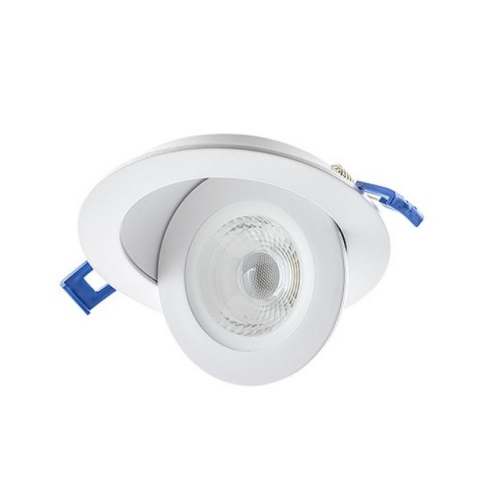
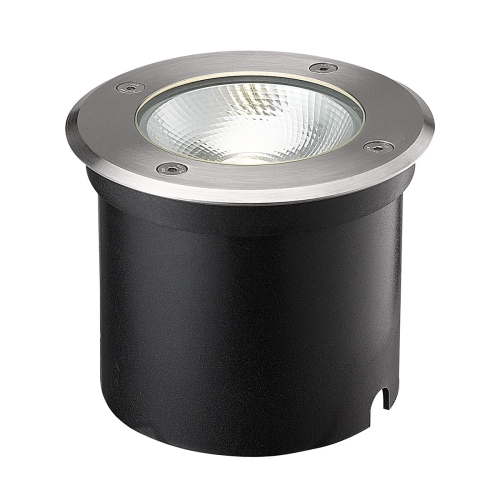
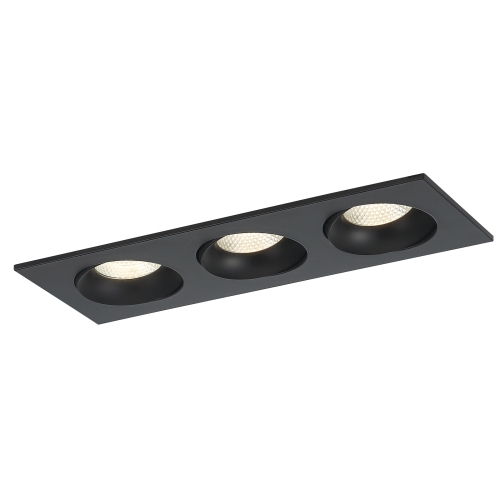
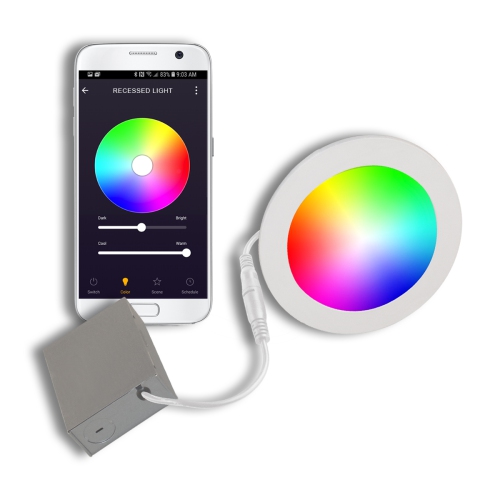
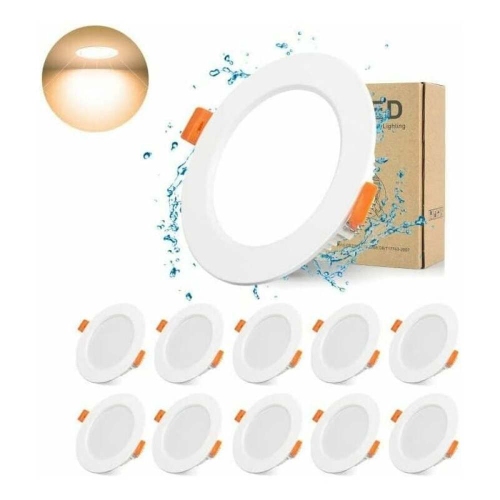
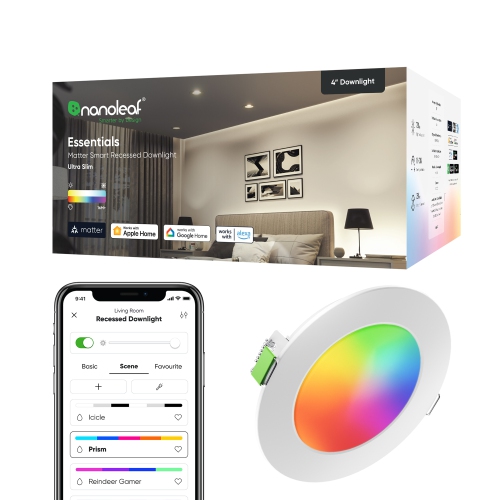
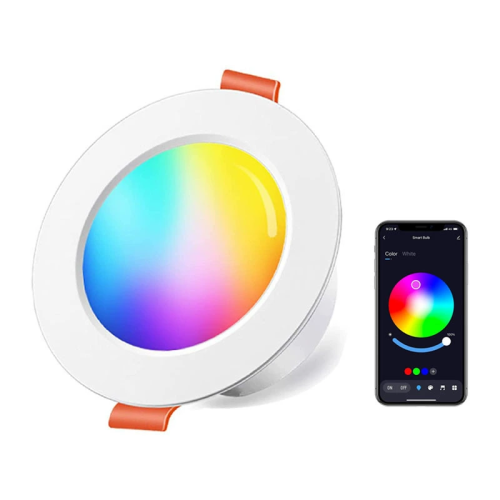
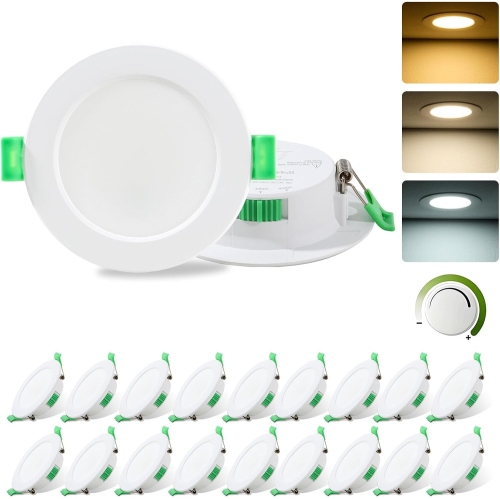
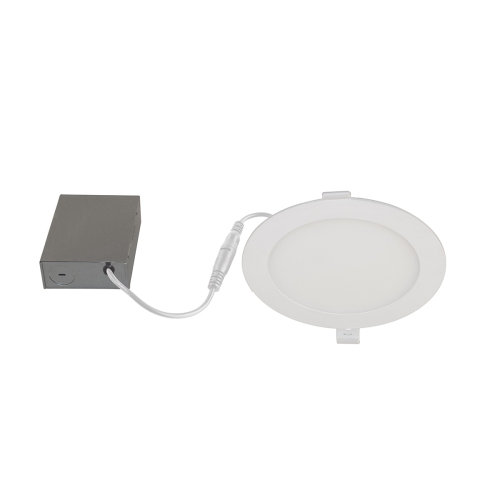
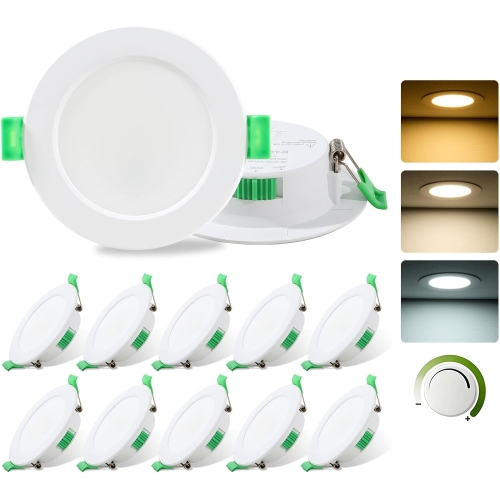
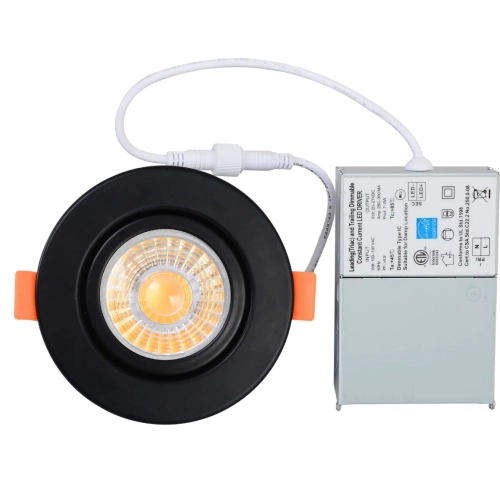
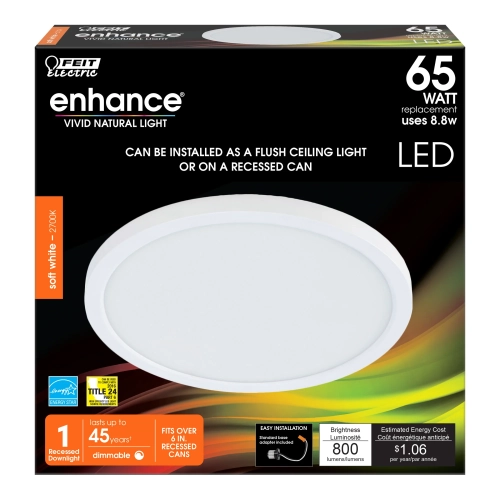
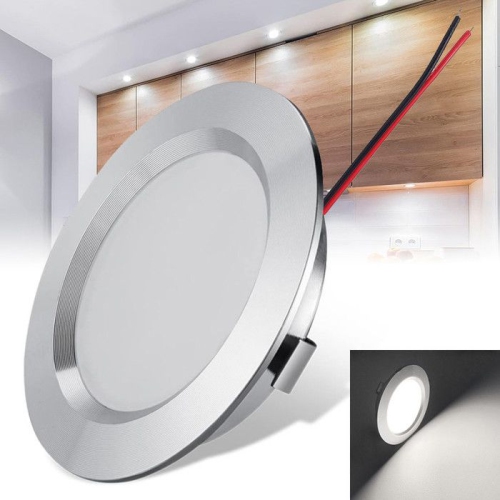
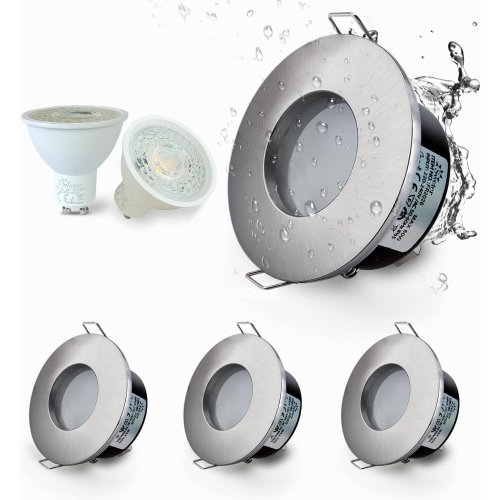
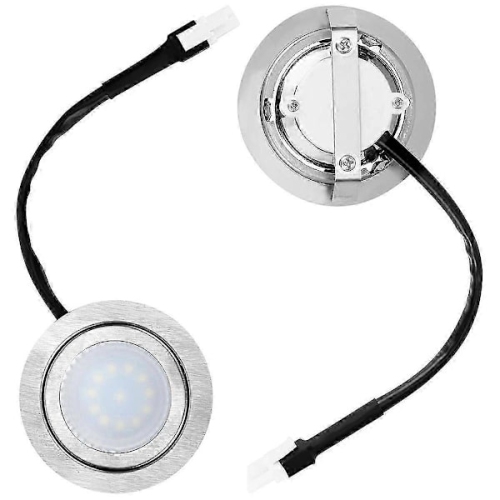
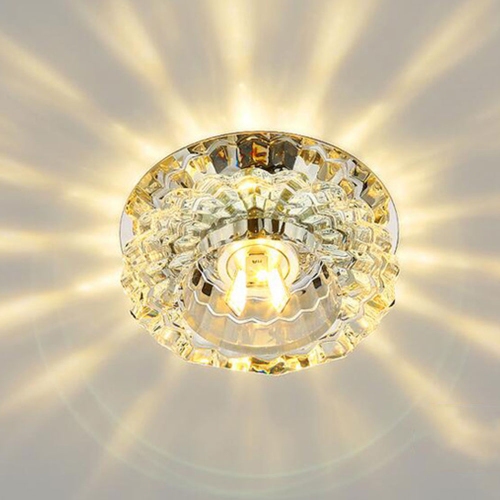
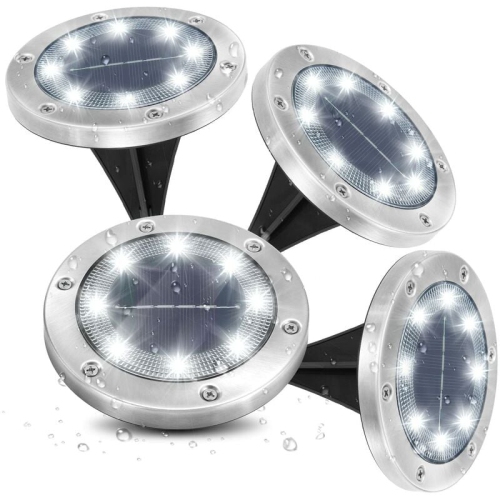
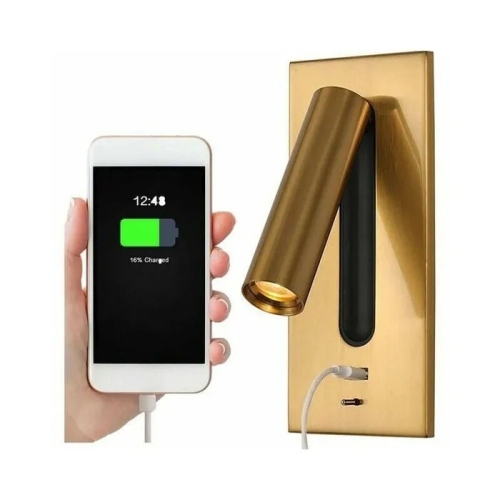
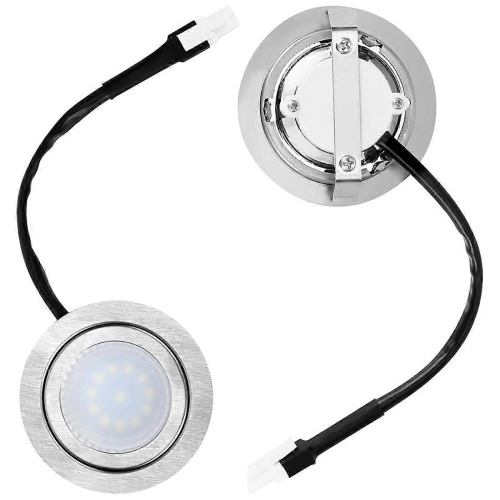
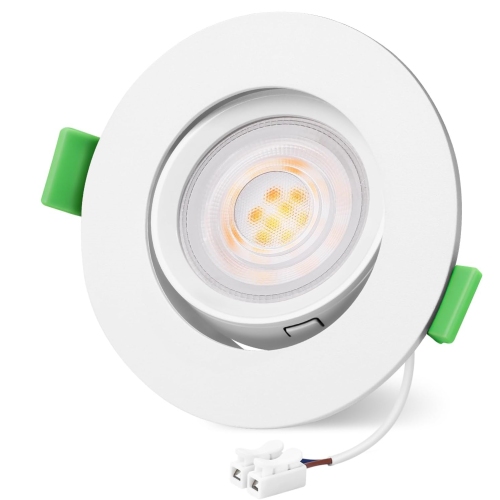
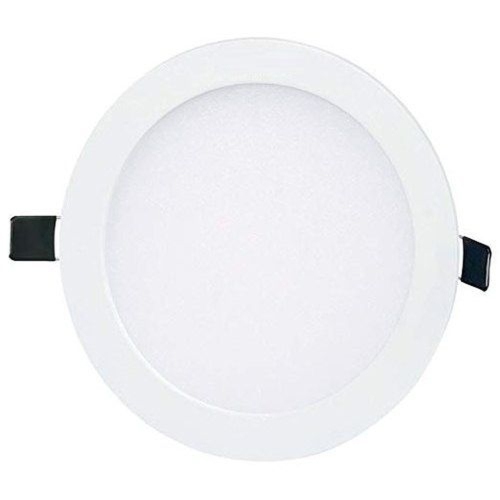
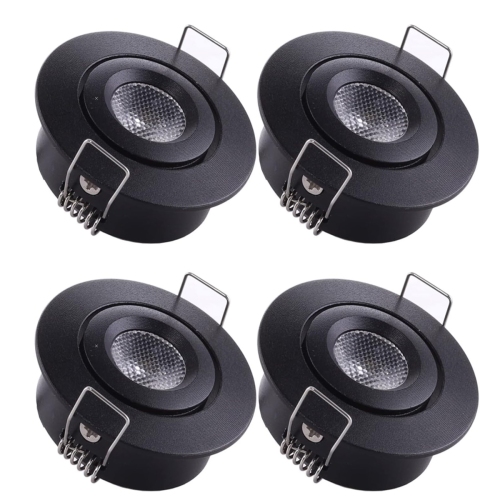
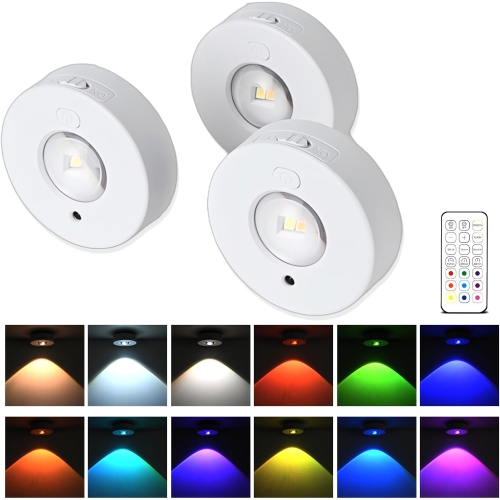
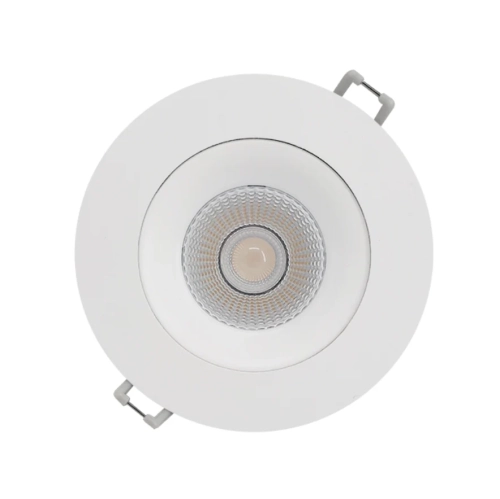
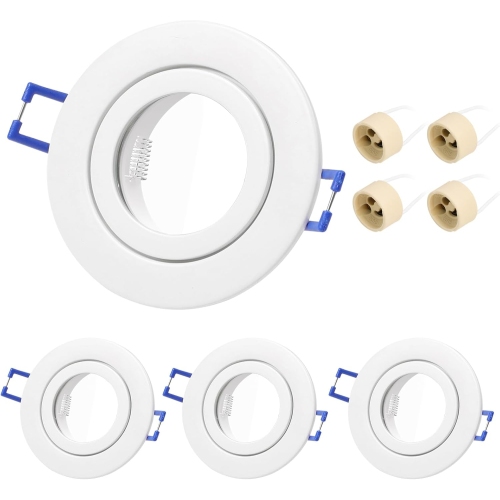
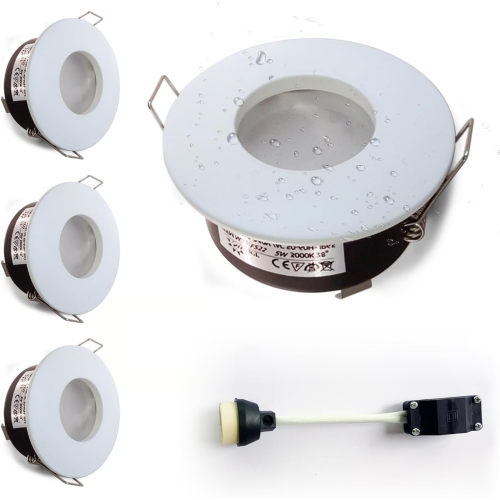
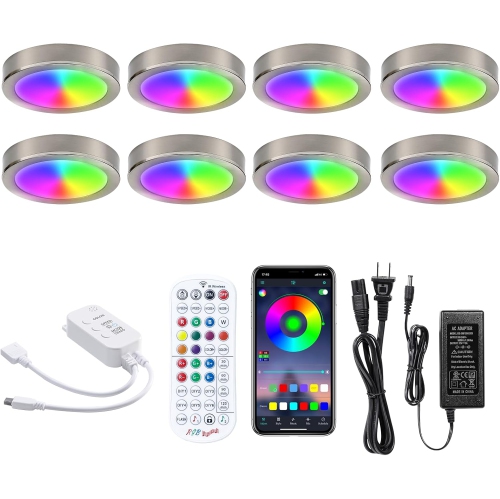
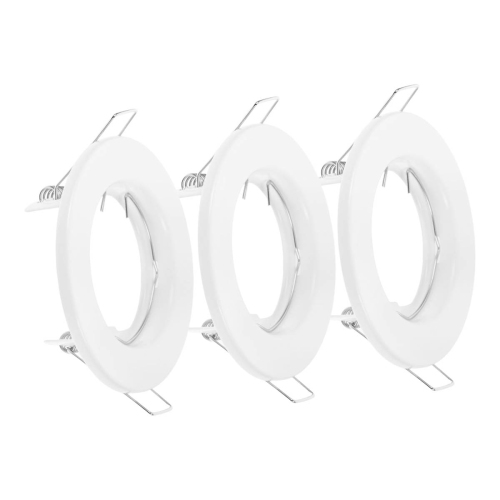
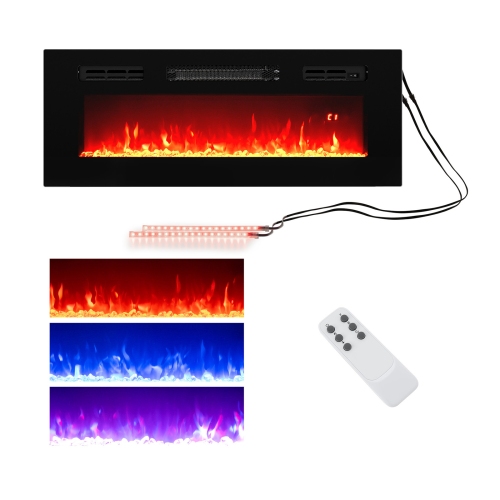
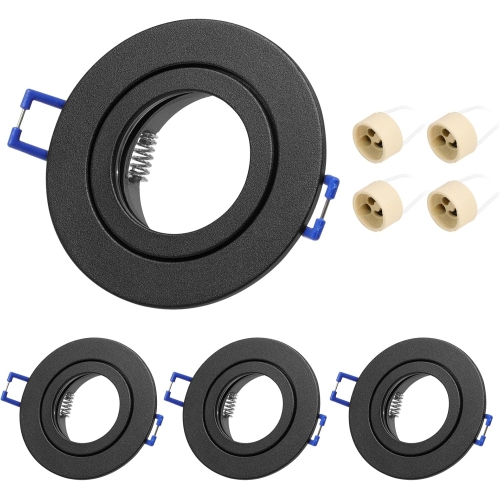
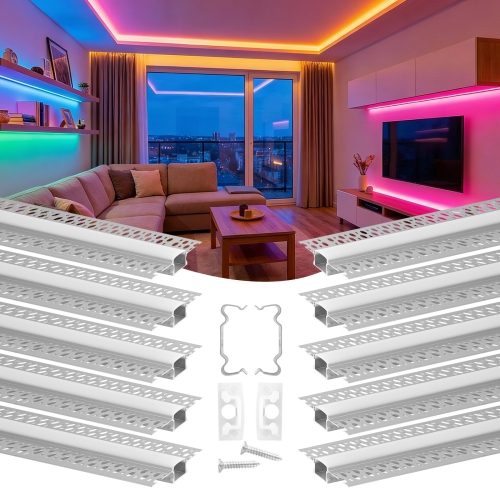
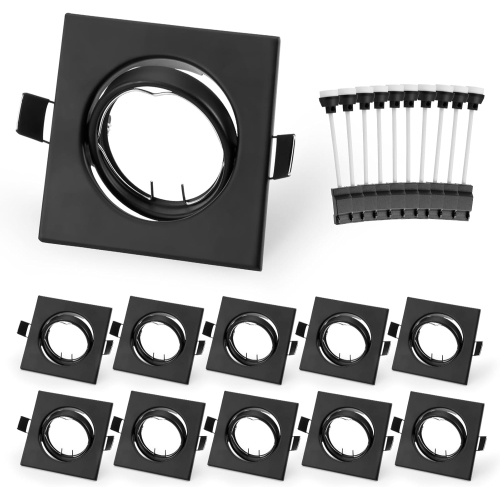
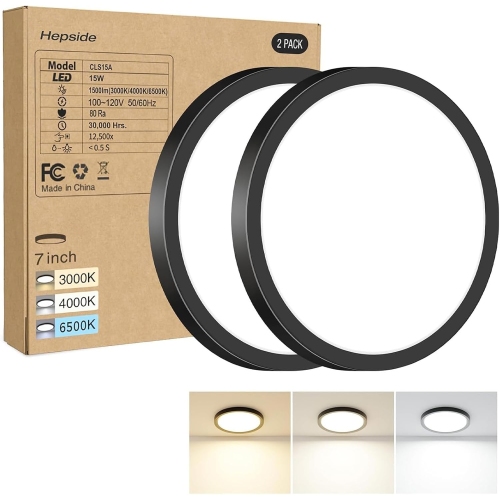
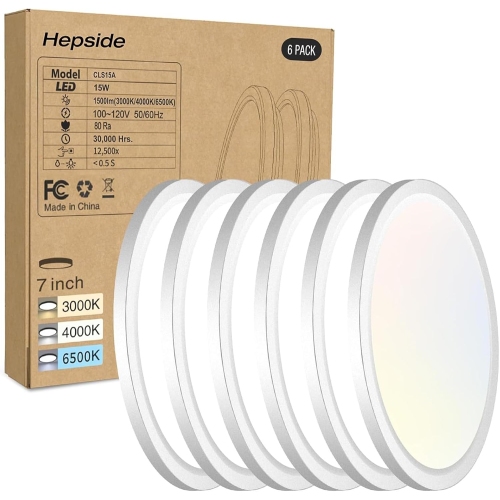
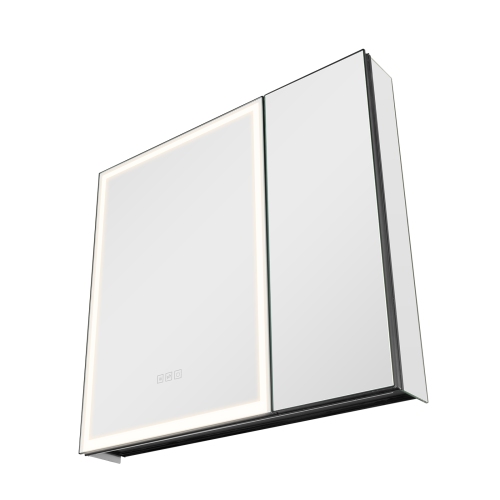
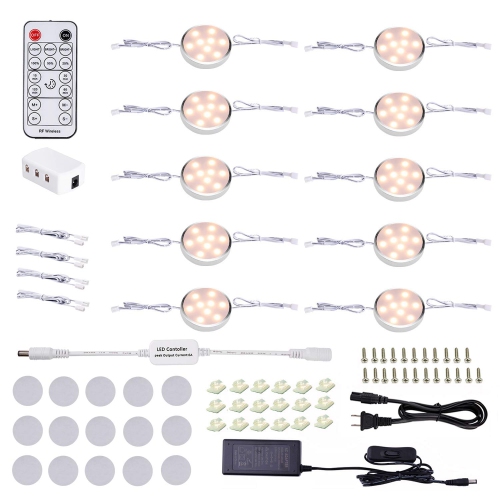
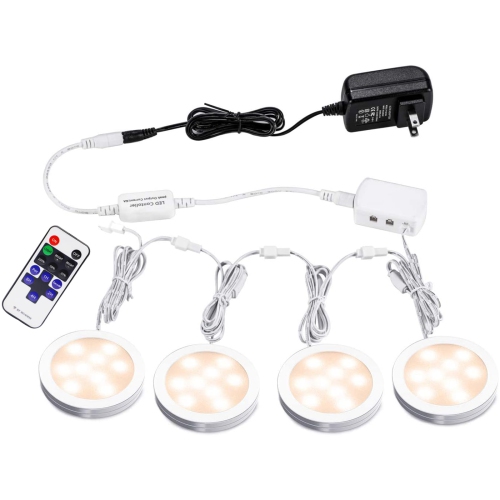
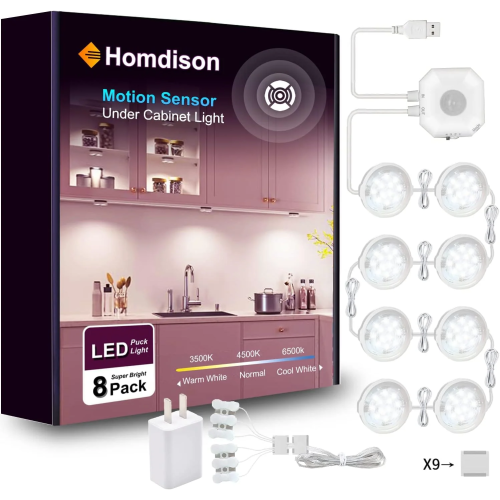
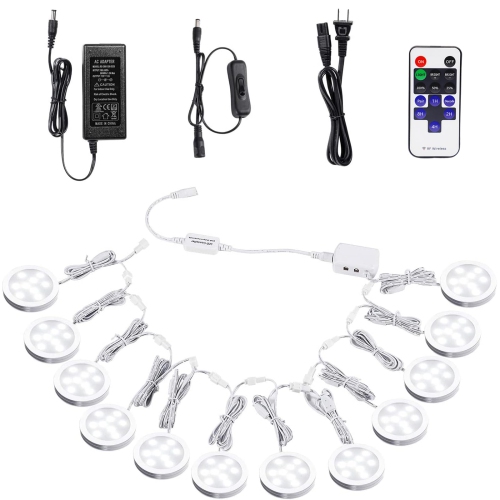
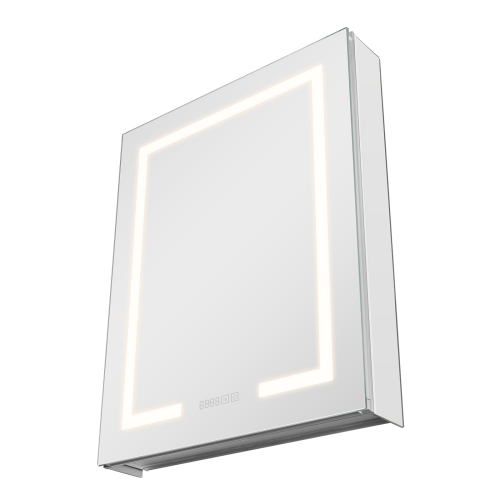
Ceiling lighting that brightens rooms without adding visual clutter
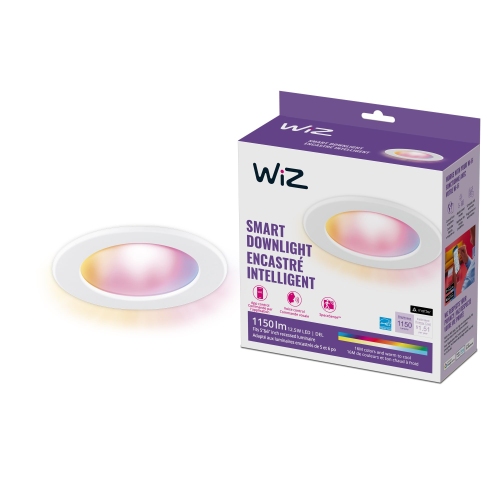
Recessed lights, commonly called pot lights in Canada, provide illumination from fixtures set into the ceiling, with most of the fixture concealed above the finished surface. Their low-profile appearance keeps sightlines open and works well in rooms where a hanging fixture would feel intrusive, such as a hallway, basement, or kitchen with a modest ceiling height. The Recessed Ceiling Lights category encompasses several fixture styles, from traditional housings with separate trims to slim LED downlights and adjustable designs that direct light towards a particular area. These lights can provide broad room lighting, focused illumination over a work surface, or an accent on a textured wall or favourite piece of art. In a kitchen, placement near the front edge of a counter helps illuminate food preparation without putting the person working there between the light and the surface. In a living room, a combination of recessed lighting and table or floor lamps creates more flexibility than a uniformly bright ceiling alone. Beam angle matters as much as fixture size: a wider beam spreads light across a larger area, while a narrower beam concentrates it on a smaller target. Adjustable trims, sometimes called gimbal trims, are useful for aiming light at shelving or accommodating a sloped ceiling when the fixture is approved for that application. Ceiling height, room dimensions, furniture placement, and wall colour all influence how much light reaches the surfaces below. Spacing of roughly 1.2 to 1.5 metres may suit some general-lighting layouts, but it is not a universal rule; beam spread, light output, and the intended use of the room determine whether a closer or wider arrangement makes sense. Lumens describe light output, whereas watts describe power consumption, so wattage alone is not a reliable way to compare brightness. A thoughtfully matched set of fixtures can make a long corridor feel evenly lit or keep a kitchen island distinct from the surrounding seating area without adding visual clutter.
Physical fit is an important consideration because a recessed light must suit both the visible ceiling opening and the space above it. Common 4-inch and 6-inch formats offer different proportions, but the nominal size does not necessarily match the required cutout diameter. The manufacturer's cutout measurement, mounting method, and minimum clearances are more useful than the size label alone. Smaller trims can look discreet in compact rooms, while larger trims may suit broader ceiling areas; neither size automatically guarantees a particular brightness or suitability for a ceiling height. Traditional recessed fixtures use a housing installed above the ceiling, with a trim fitted at the opening. Retrofit designs are intended for compatible existing housings, while canless designs use a compact light assembly and a separate connection enclosure rather than a conventional recessed can. Slim construction can help where overhead space is limited, although the driver, junction box, wiring, and required clearances still need room. Joists, ducts, pipes, and ceiling thickness can all affect fit, even when the visible light assembly is shallow. Trims and housings may use aluminium, steel, or suitable plastics, with glass or polymer lenses and diffusers shaping the light below. Material quality, secure mounting, and a finish suited to the room contribute to durability. Where insulation surrounds the installation area, an insulation-contact, or IC, rating identifies fixtures designed for contact with insulation under the manufacturer's stated conditions. Non-IC-rated fixtures require the specified separation from insulation and other materials; a slim profile does not remove that requirement. Airtight construction is a separate feature from an IC rating. Bathrooms and covered outdoor areas also call for attention to location ratings. Damp-location ratings address moisture exposure without direct water contact, while wet-location ratings apply to specified exposure to water. A shower installation needs a fixture expressly approved for that location. Recognized Canadian electrical certification, installation instructions, and applicable local requirements matter, and hardwired installation is best handled by a qualified electrician.
The quality and character of the light have a noticeable effect on everyday use. Colour temperature is measured in kelvins: approximately 2700K to 3000K produces a warm white appearance often preferred in bedrooms and living rooms, 3500K to 4000K offers a more neutral white for kitchens and bathrooms, and around 5000K gives a daylight-like appearance that can suit utility rooms or detailed work. These ranges describe the appearance of the light, not the amount it produces. Selectable colour-temperature fixtures allow a choice among several settings, although the selector may be on the fixture or connection enclosure and may need to be set before installation. Consistent settings across an open-plan space help avoid patches of visibly different light. Colour rendering also matters, particularly where people prepare food, choose clothing, or view artwork; a higher colour rendering index generally helps colours appear more natural. Dimmable recessed lights can support brighter task lighting and softer light for relaxing, but the fixture and dimmer must be compatible. The specified dimming range is worth checking because not every combination dims smoothly to a very low level. Smart controls may add scheduling, grouped operation, or remote adjustment through Wi-Fi or another supported connection, with setup requirements varying by design. White trims tend to blend into a white ceiling, while black or metallic finishes make the opening more pronounced. Regressed lenses and baffles can help reduce glare, especially above seating where a light source falls directly within the line of sight. Care is generally straightforward: with power switched off and the fixture cool, exposed trims and lenses can be cleaned as directed by the manufacturer, without abrasive cleaners that could damage the finish or diffuser. Integrated LED fixtures may require replacement of an assembly rather than a bulb, so serviceability and access to the driver are practical long-term considerations. Matching light output, colour temperature, and trim appearance during replacement helps preserve a consistent result. In everyday use, the strongest fit is lighting that makes a counter easy to work at, a hallway comfortable to navigate, and a seating area pleasant without drawing unnecessary attention to the ceiling.
Top selling and popular products
-
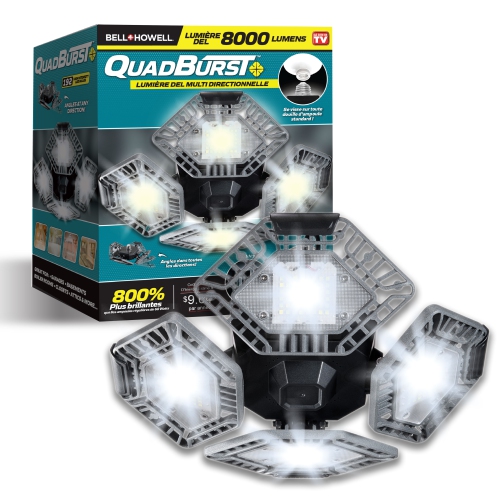 Your price for this item is $49.95
-
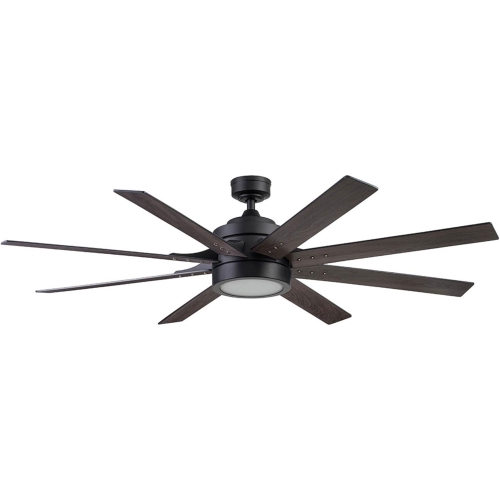 Your price for this item is $392.99
-
 Your price for this item is $191.99
-
 Your price for this item is $522.99
-
 Your price for this item is $368.99
-
 Your price for this item is $202.99
-
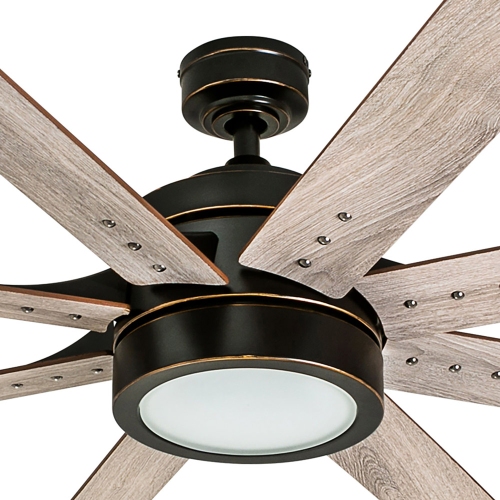 Your price for this item is $534.99
-
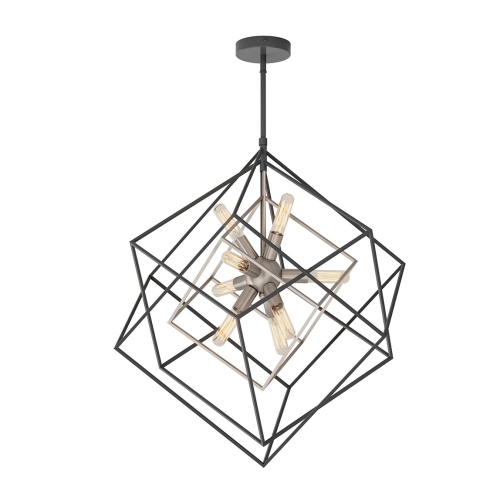 Your price for this item is $299
Discover more categories related to Recessed Lights
Top Collections:
Best Black Friday Deals This Year, Best Black Friday Deals On Electronics, Kindle Devices, Best Black Friday Deals On Apple Products, Best Budget Office Chairs, Best Cameras for Sports Photography, Dyson Airwrap, Canon G7X Cameras, Best Laptops for Writers, Samsung Galaxy Phones
Some products may be subject to Environmental Handling Fees
(EHF) depending on your province.
Learn more about EHFs.