Recliner Bed Chairs
Recliner bed chairs are a versatile and comfortable piece of furniture that can be used in many different ways. These chairs are designed to recline into a bed, providing an ideal sleeping surface for guests or anyone who wants to relax in comfort. Here are some great options available.
Sort


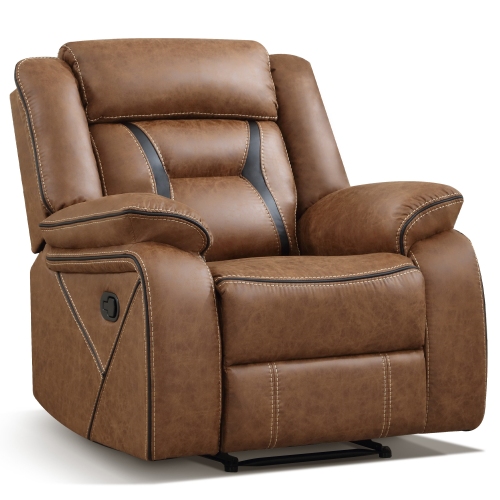
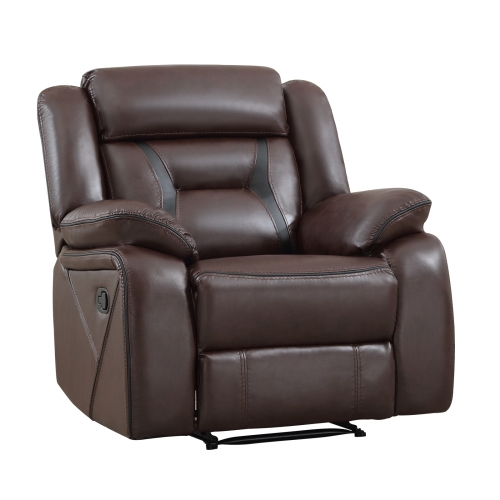
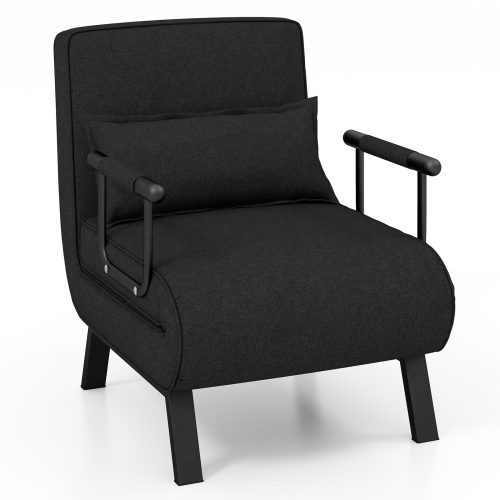
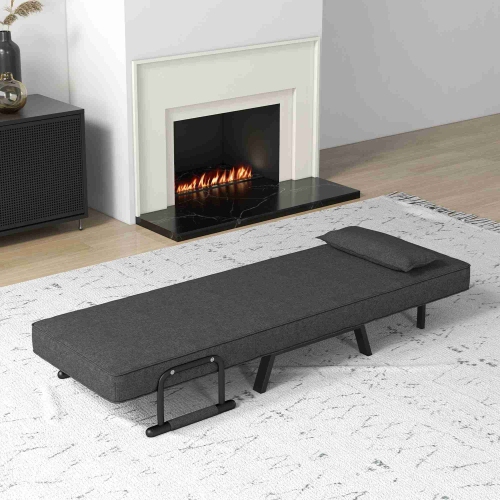


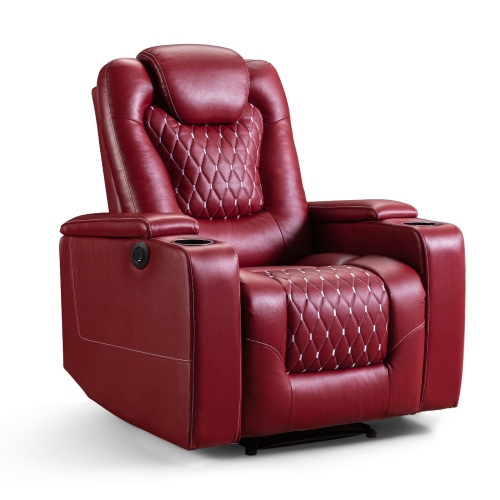


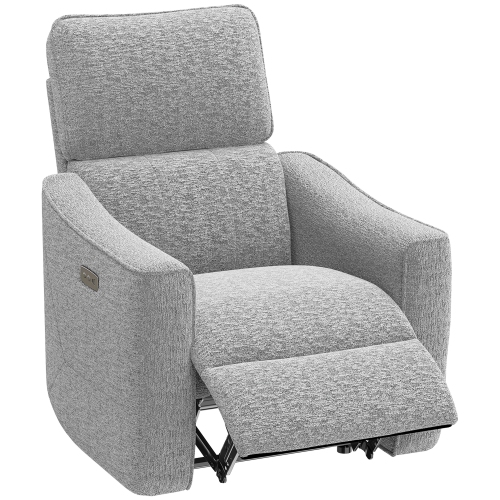
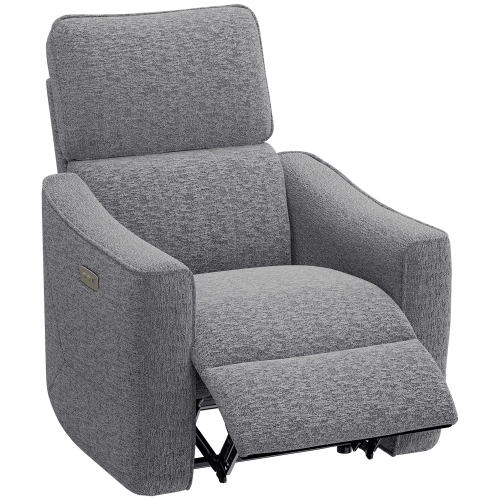


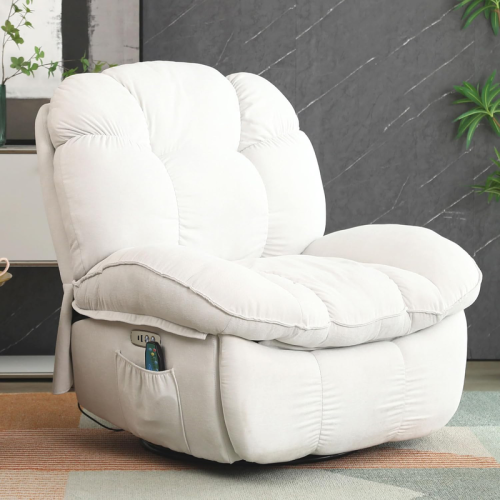

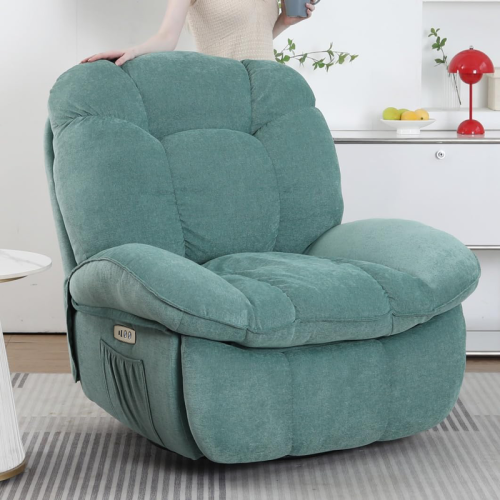

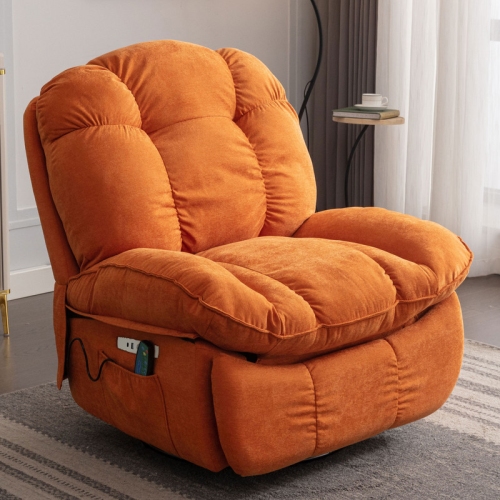


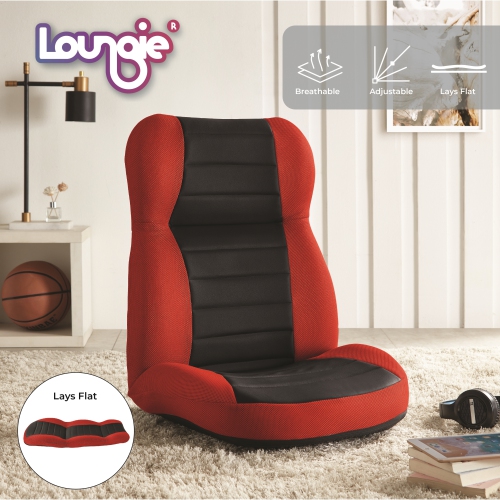
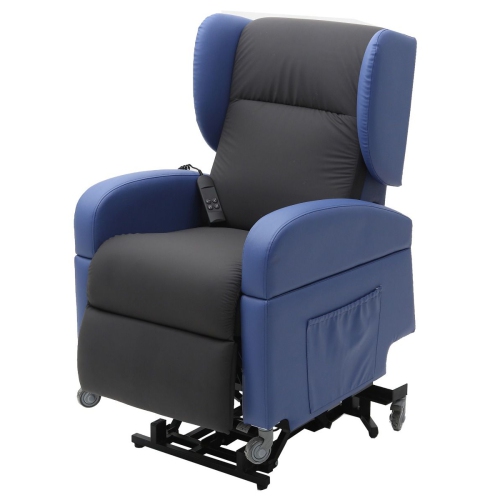

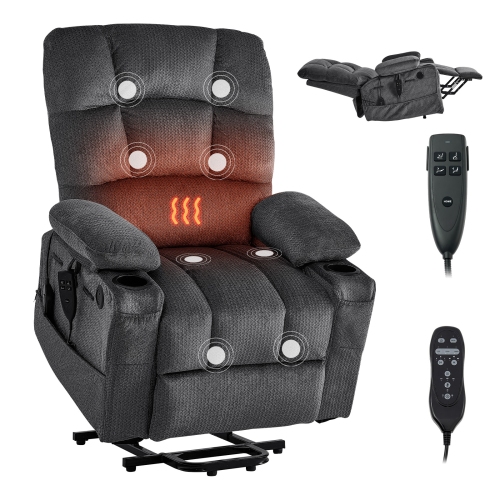
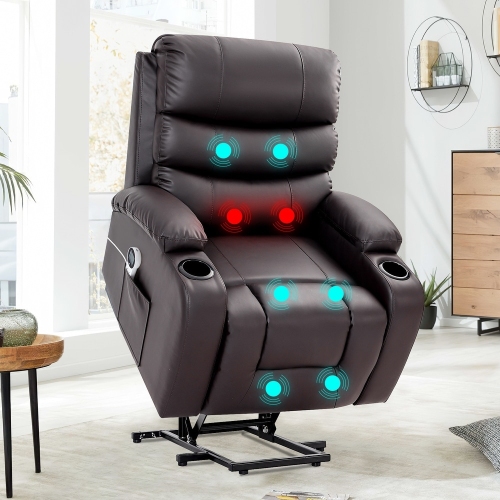

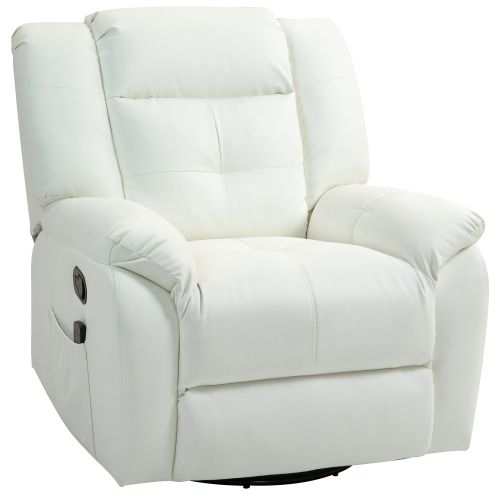
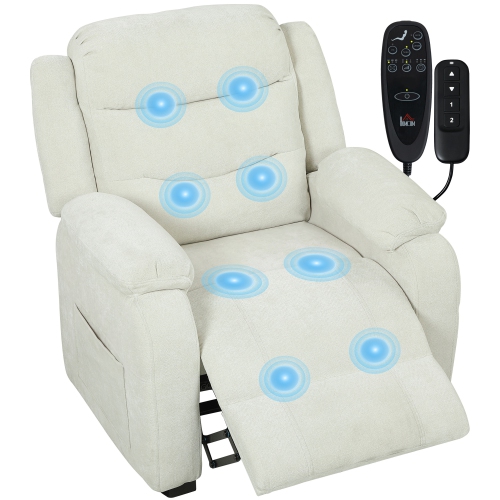

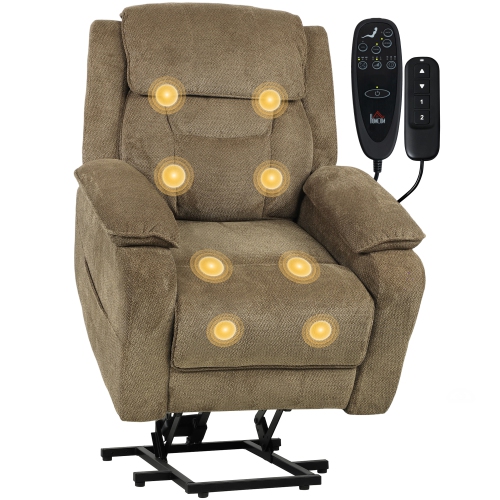
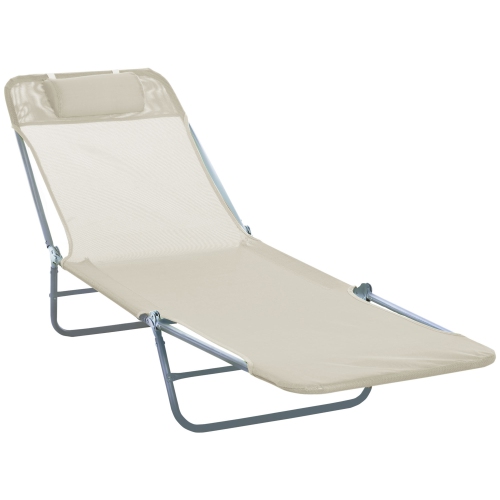

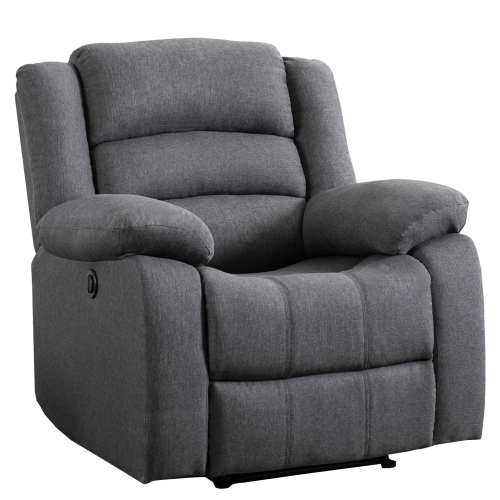
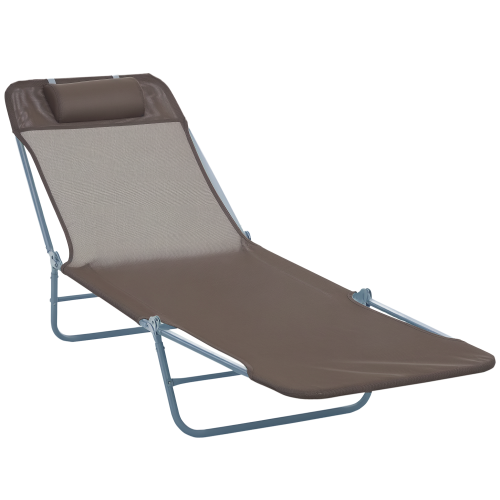
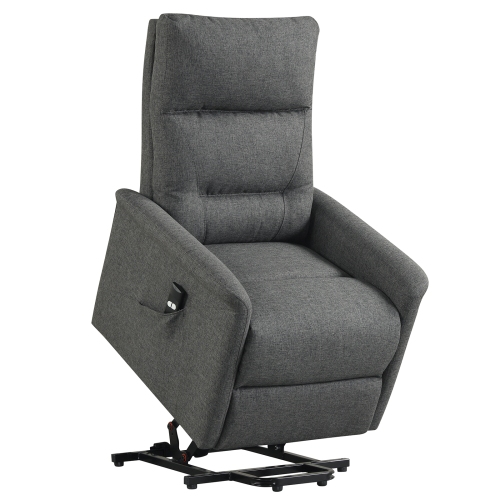

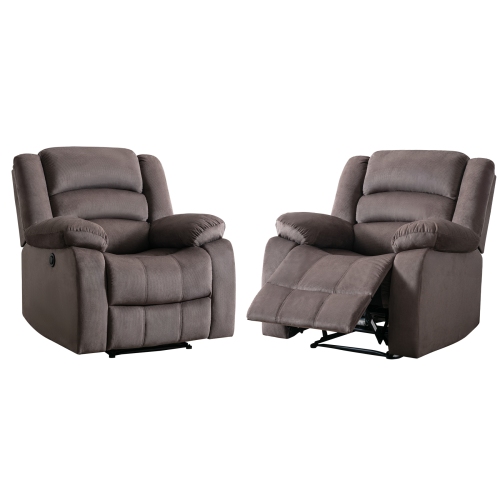
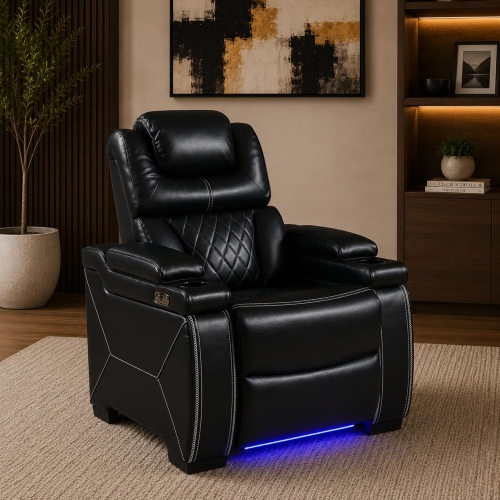
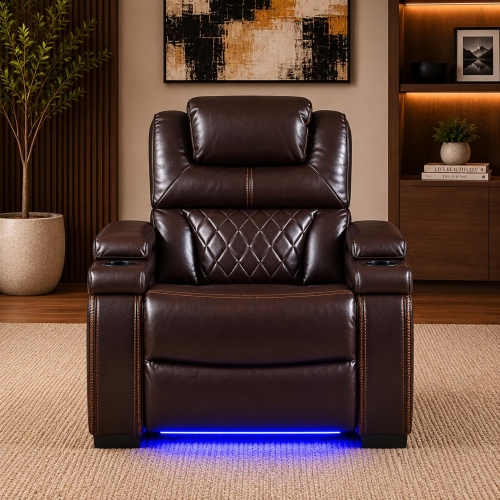
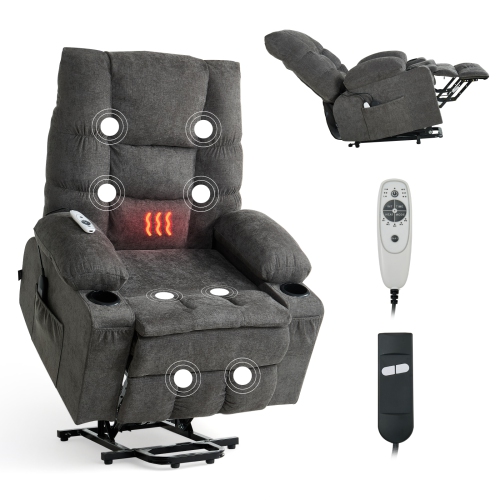
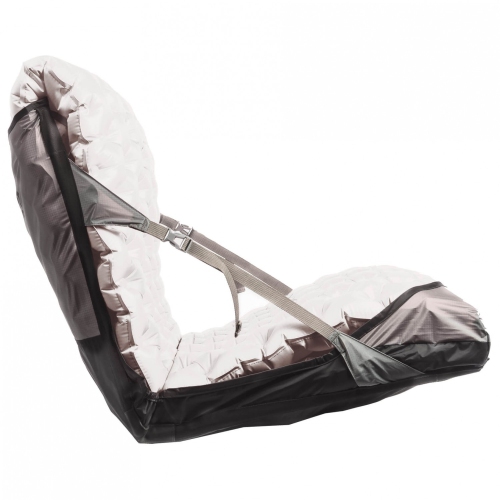

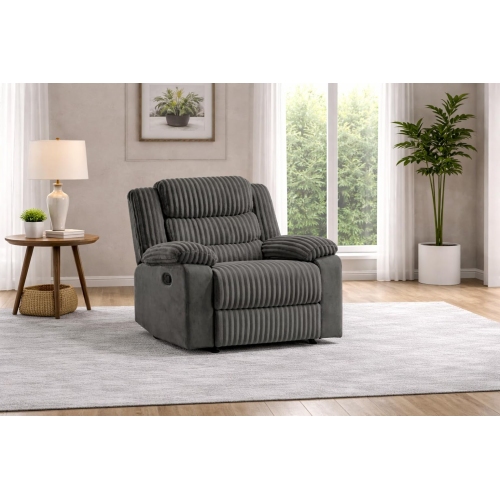
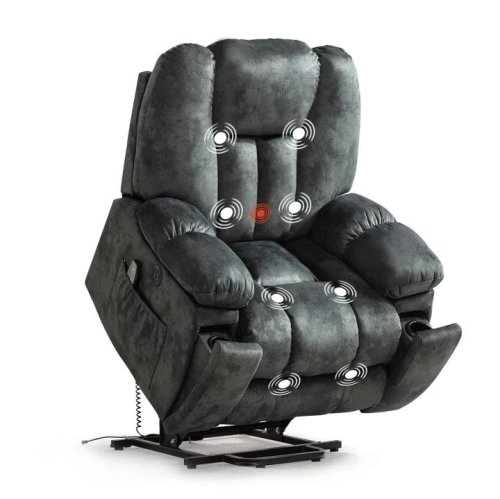
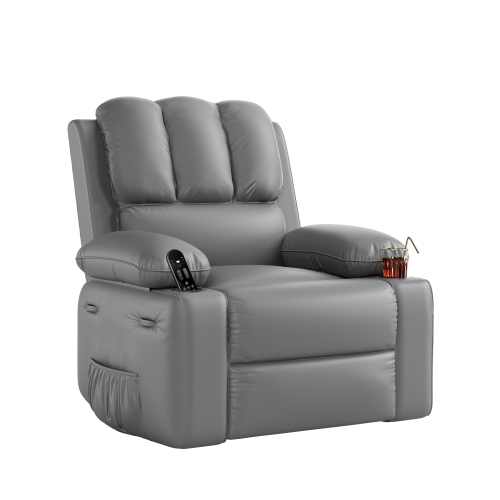

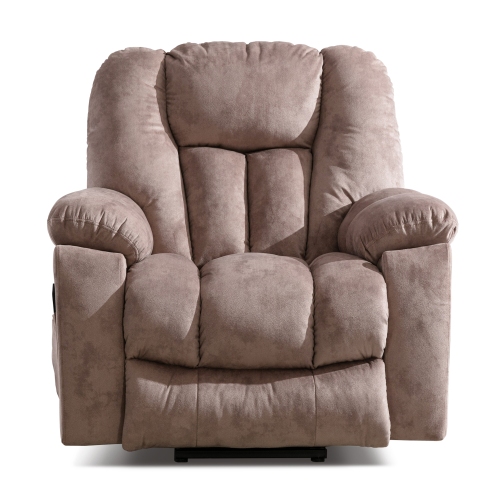
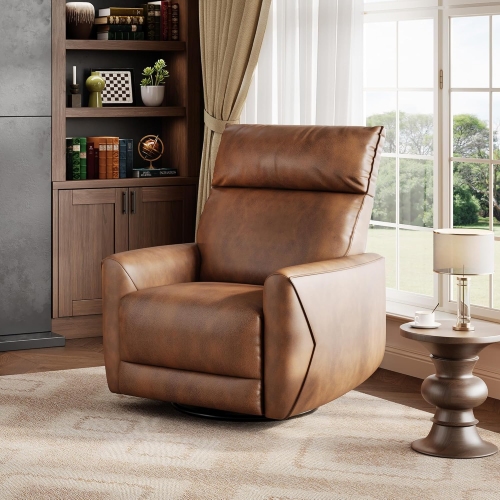
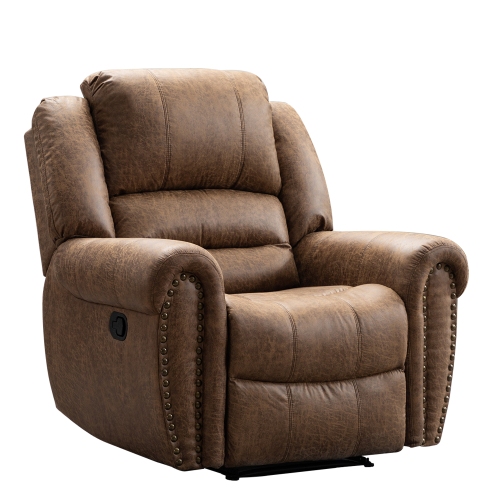
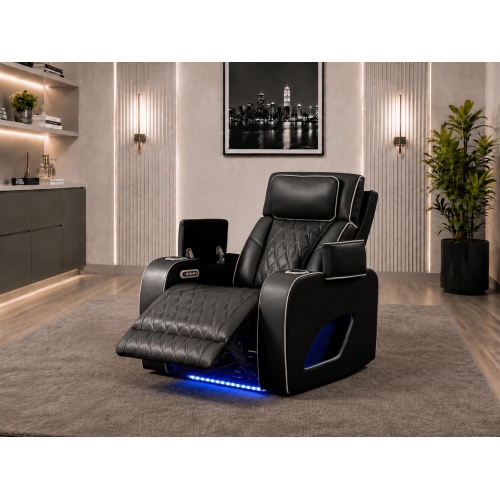
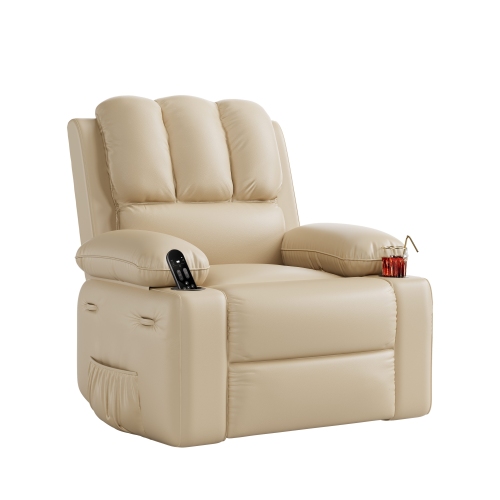
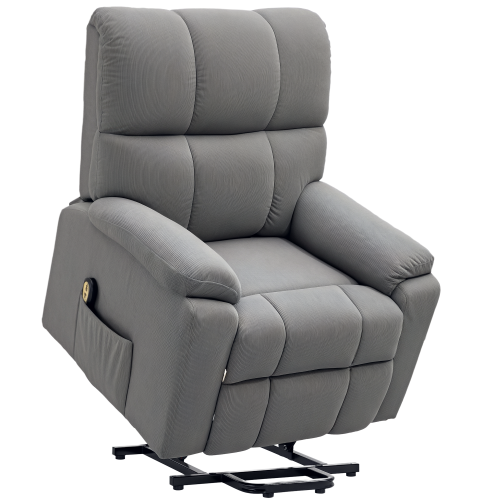


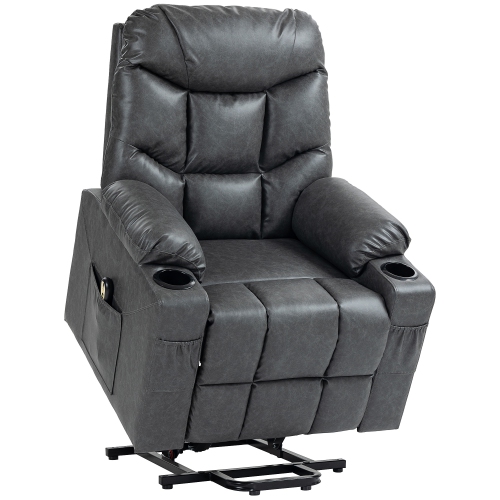

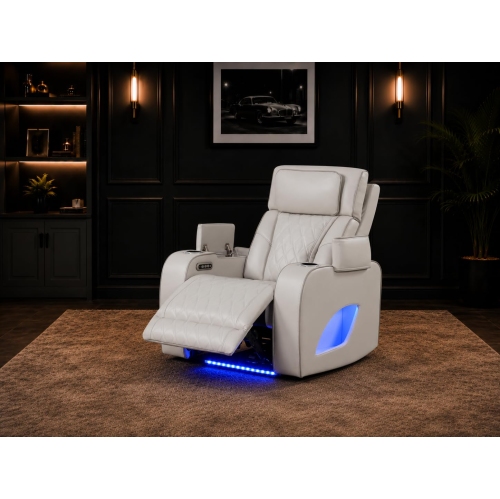

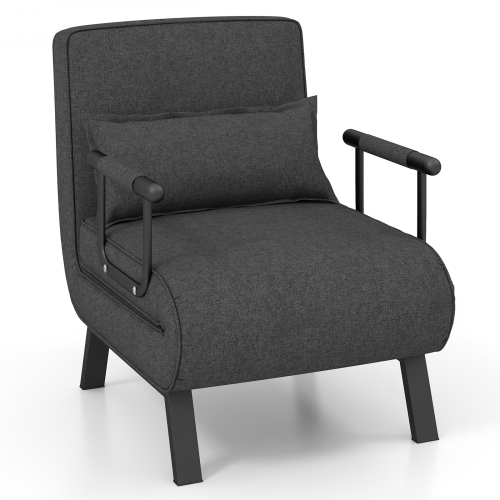
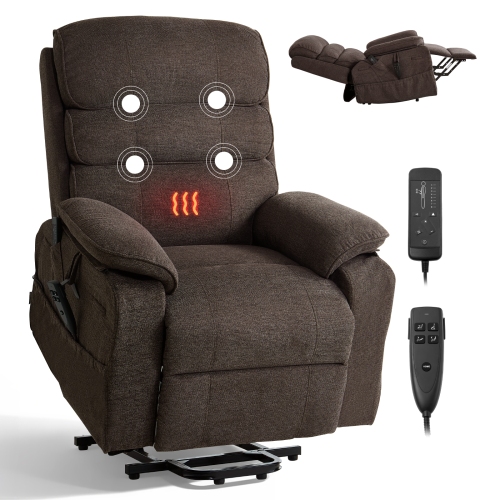

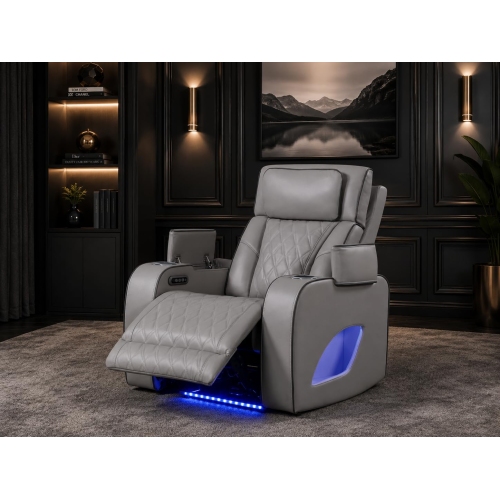

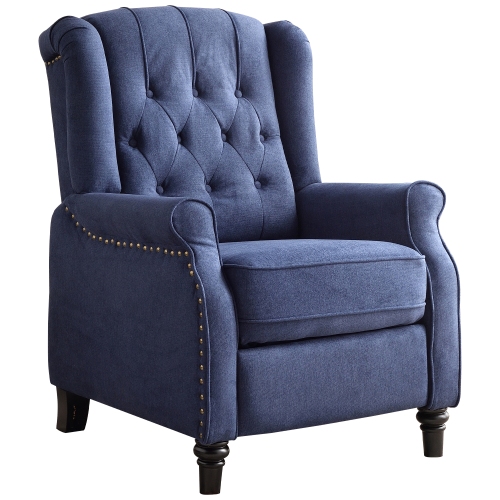
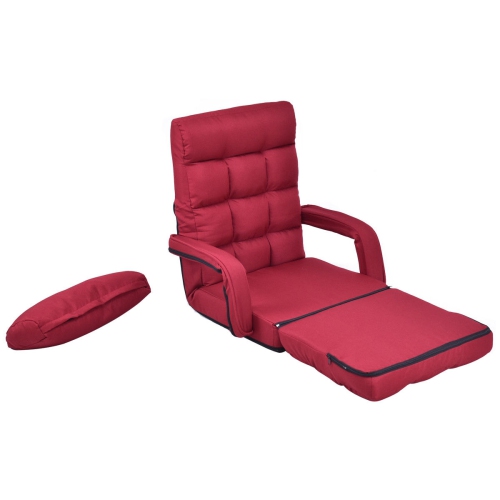
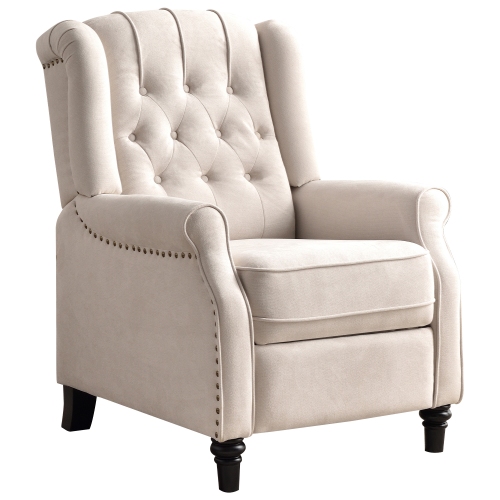
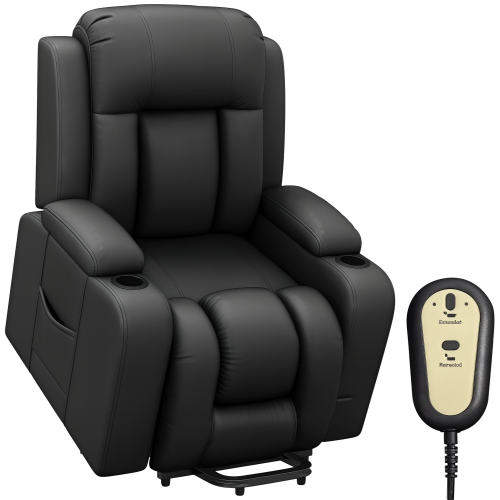
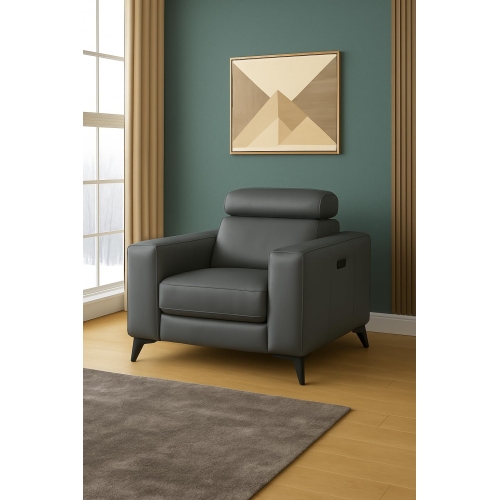
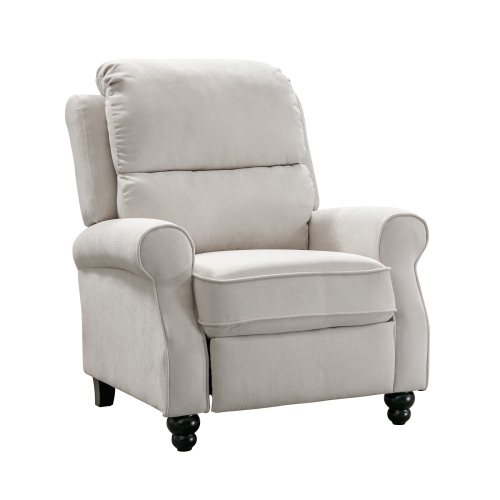

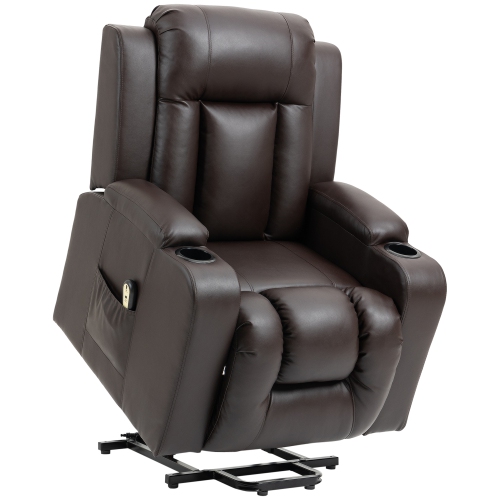
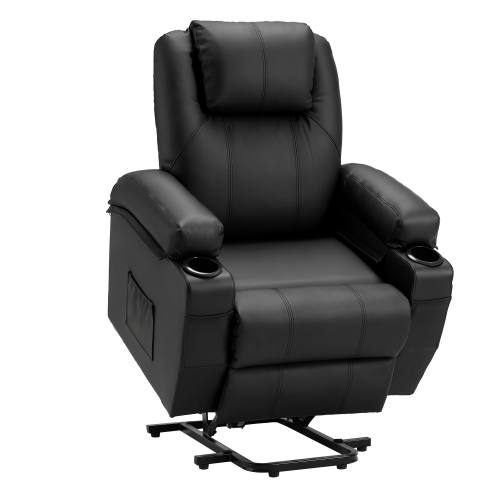
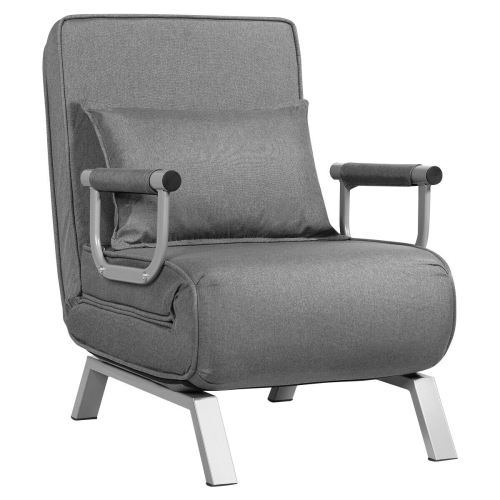
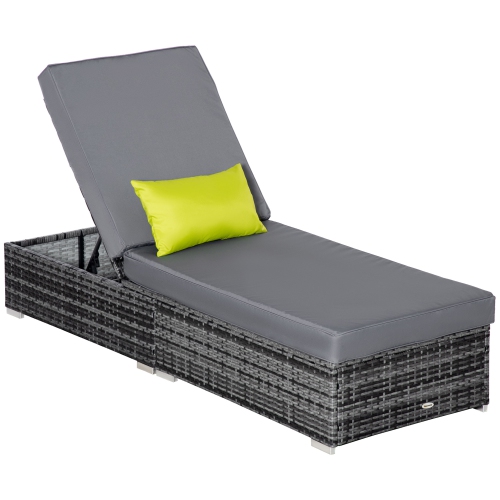


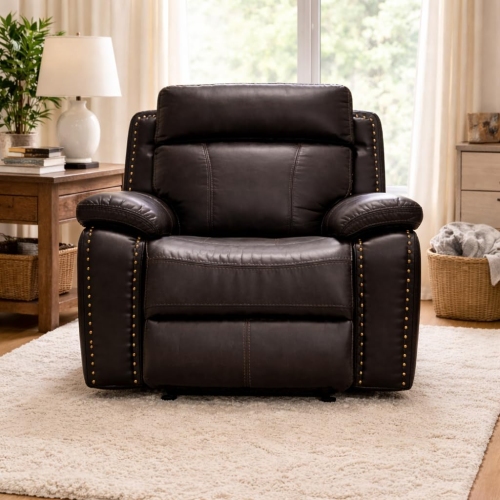
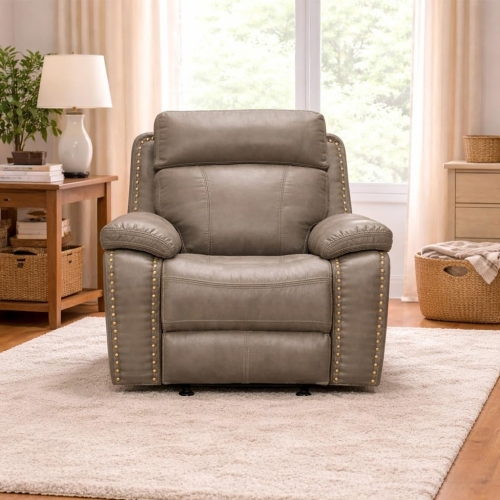


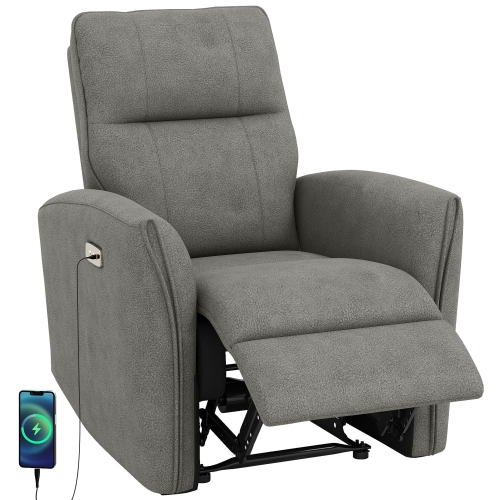

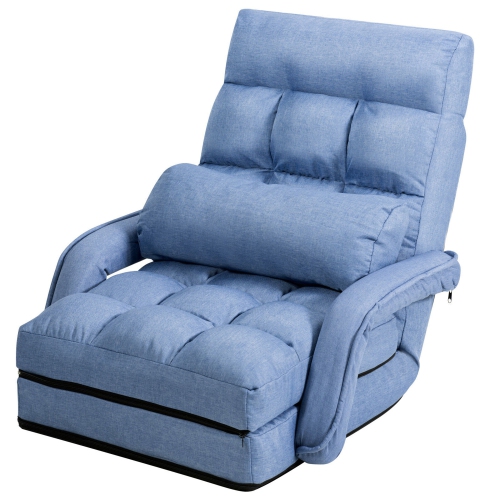
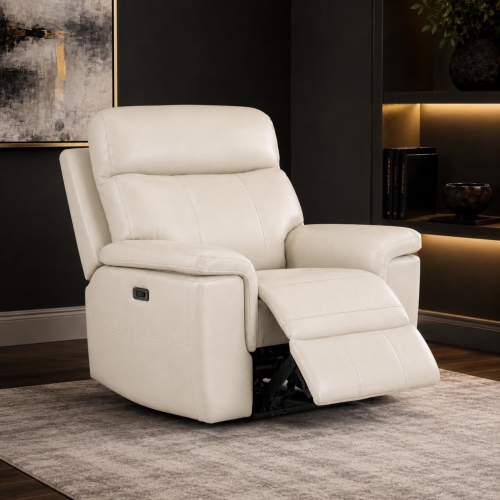
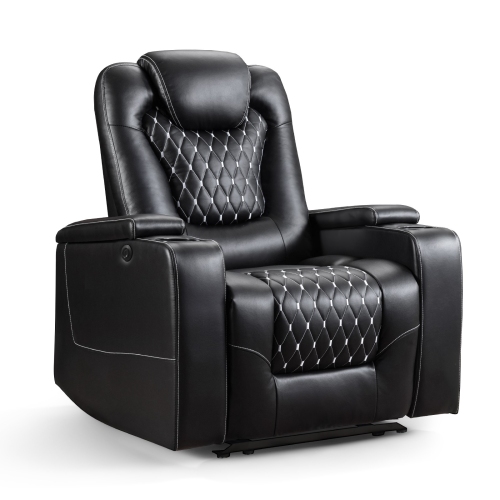
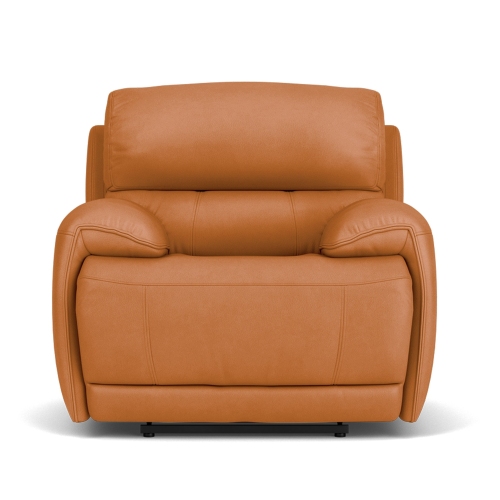

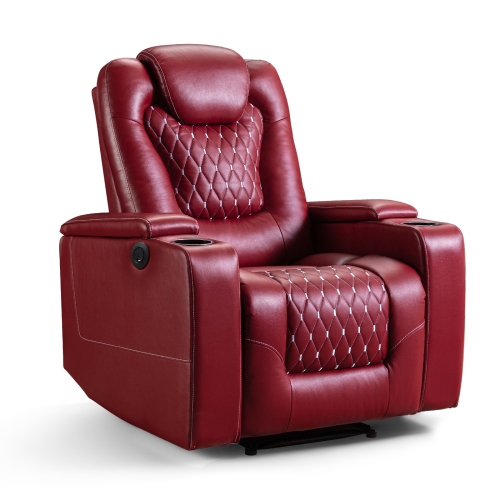
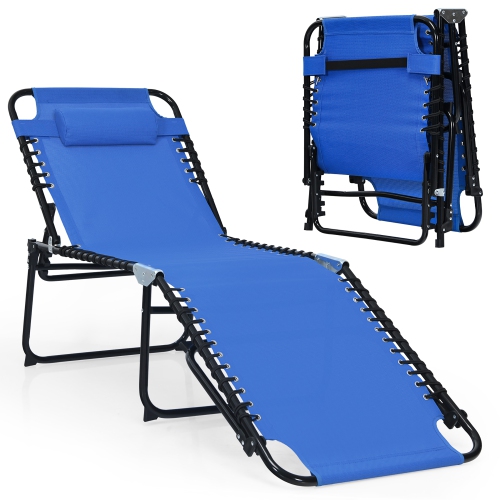

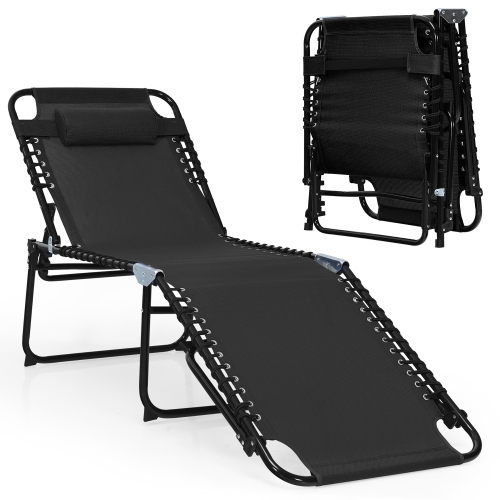

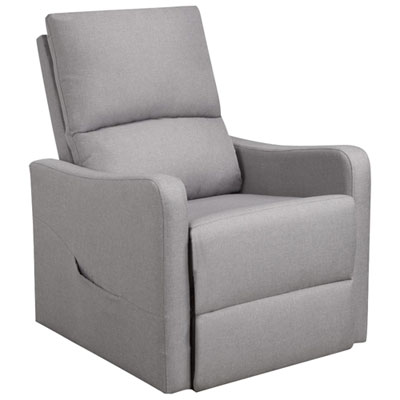

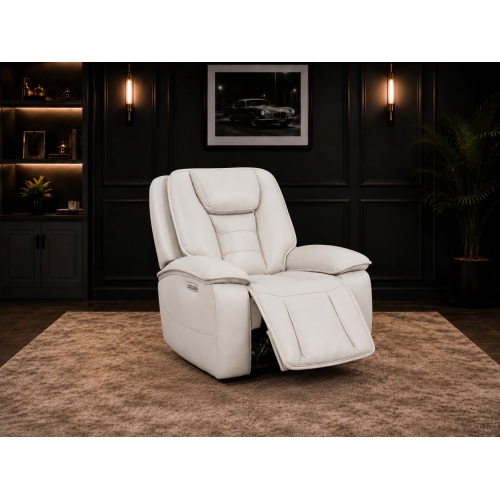
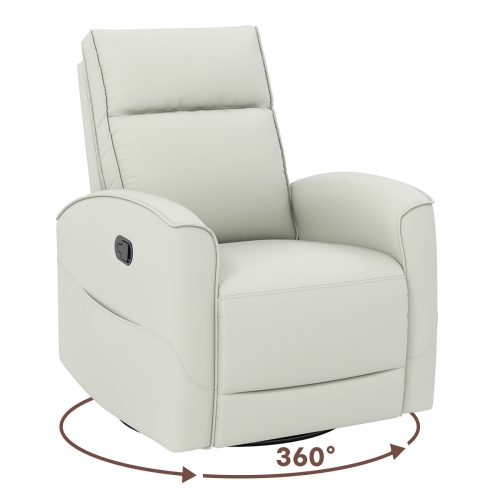

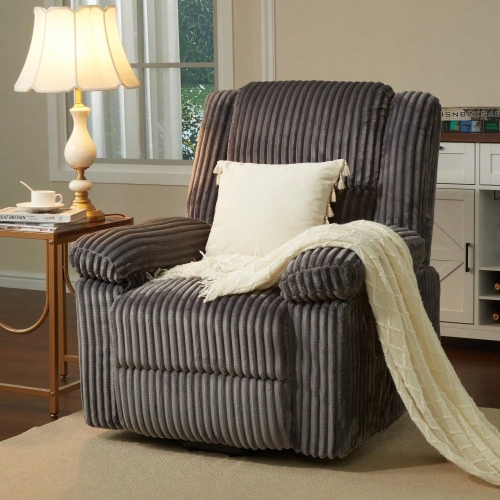
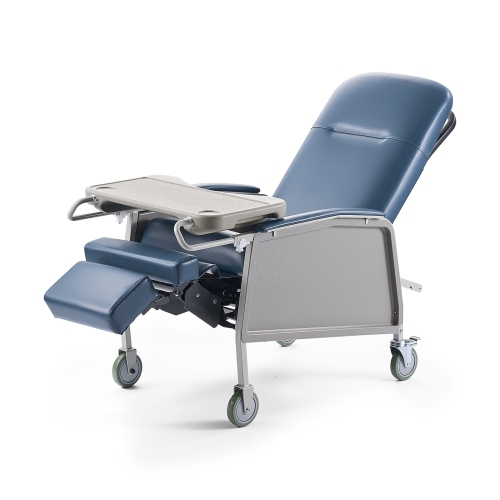
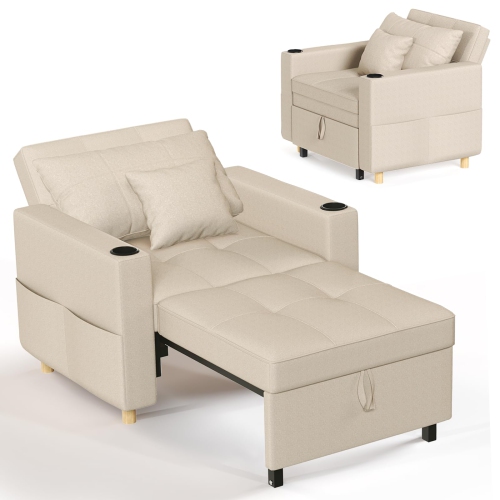
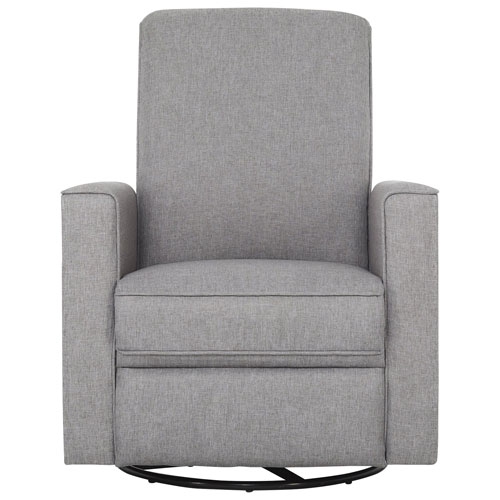

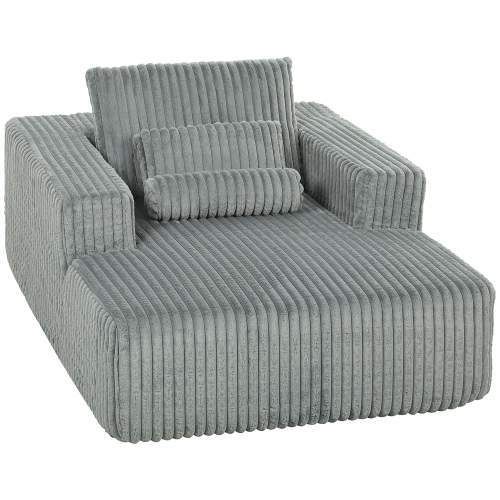

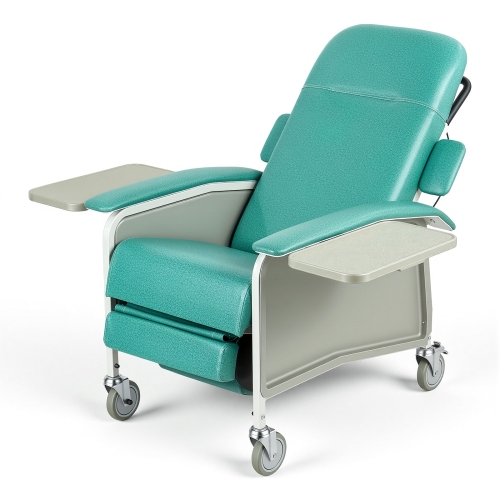

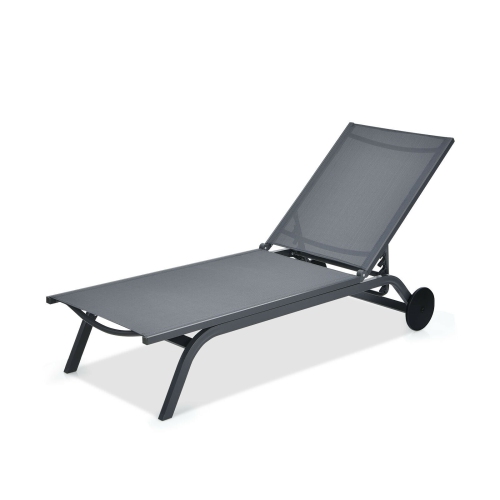


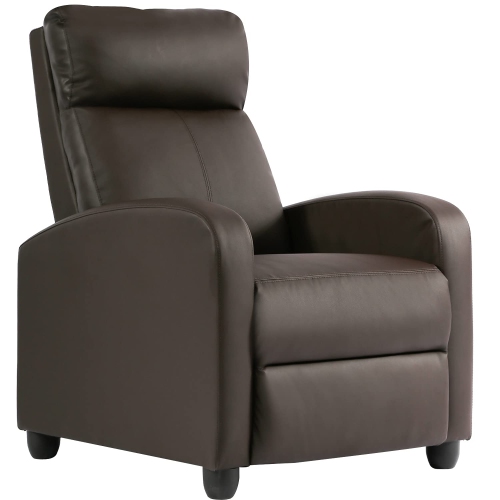


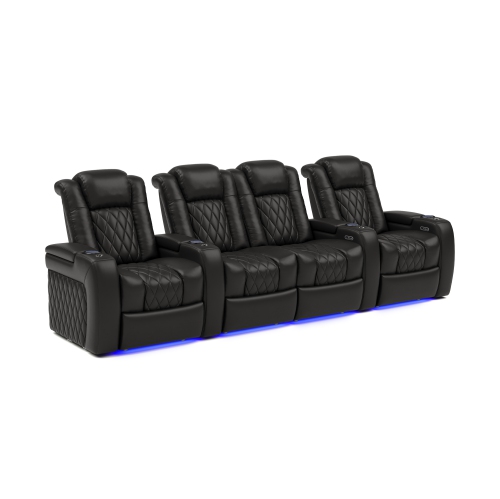


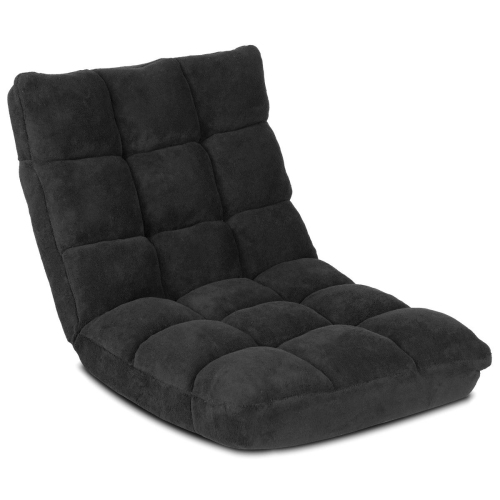
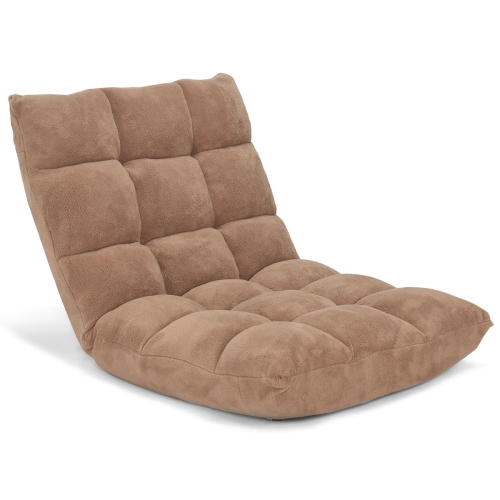
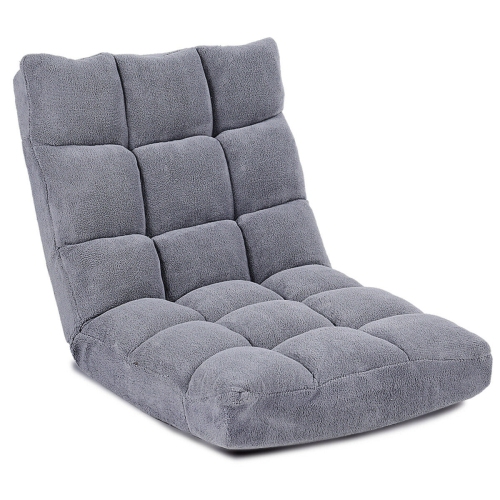

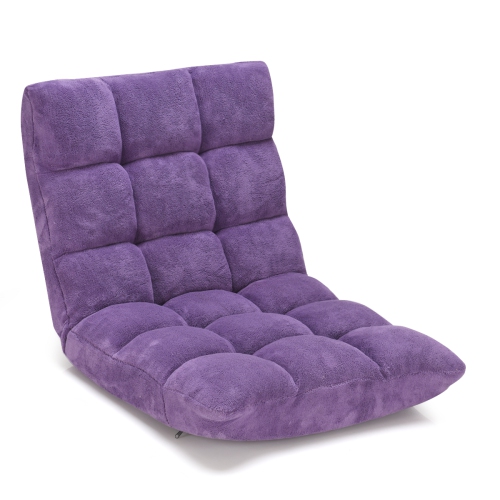




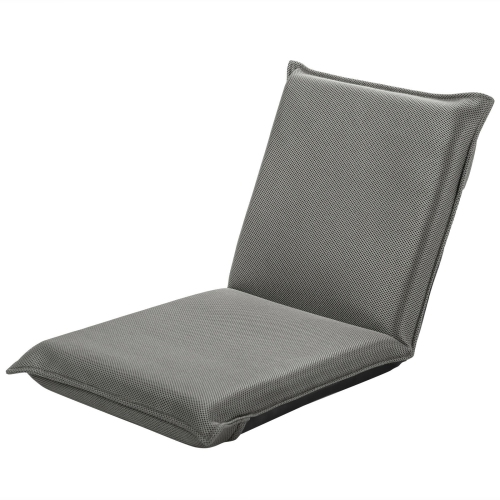
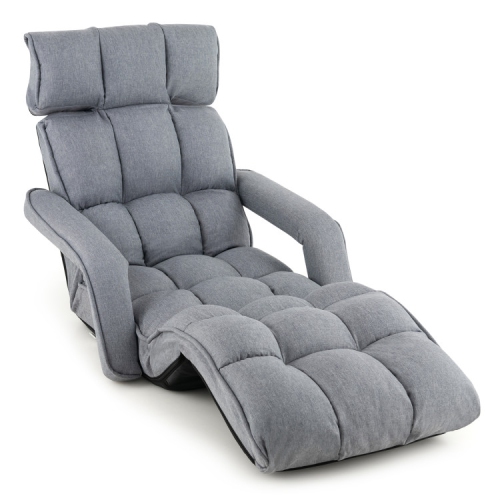
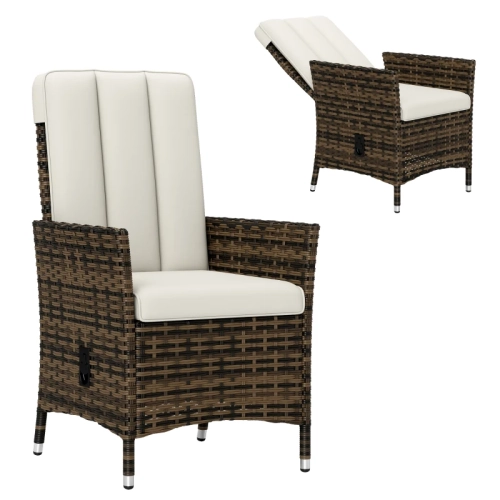
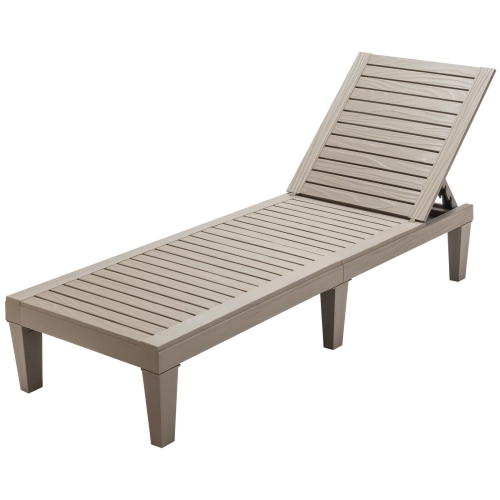


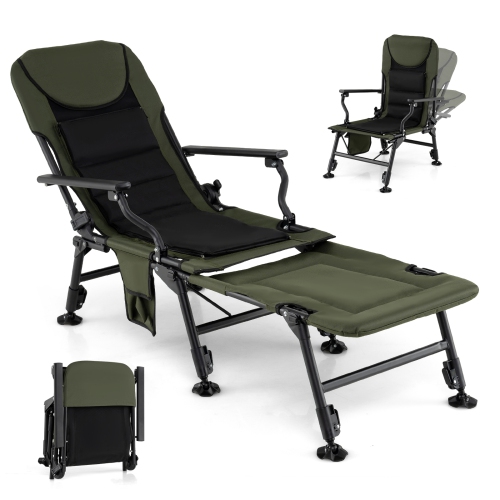


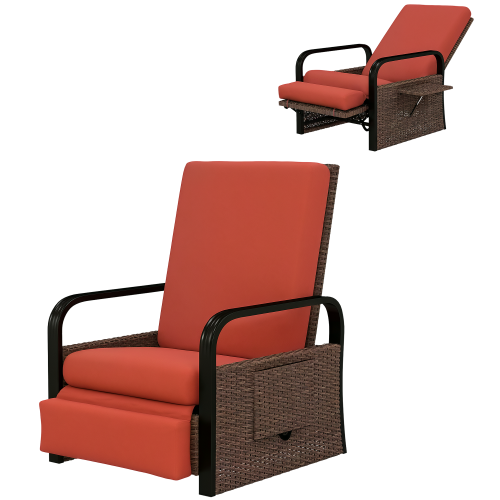


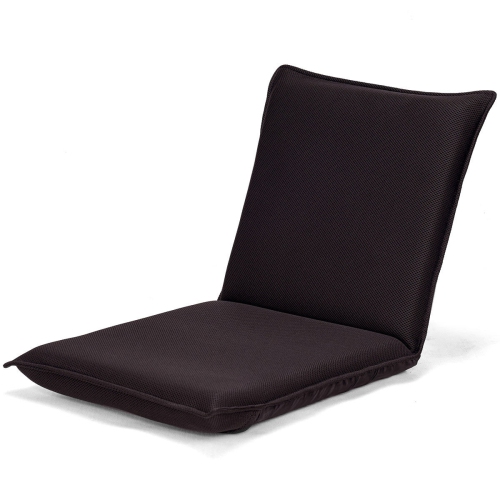


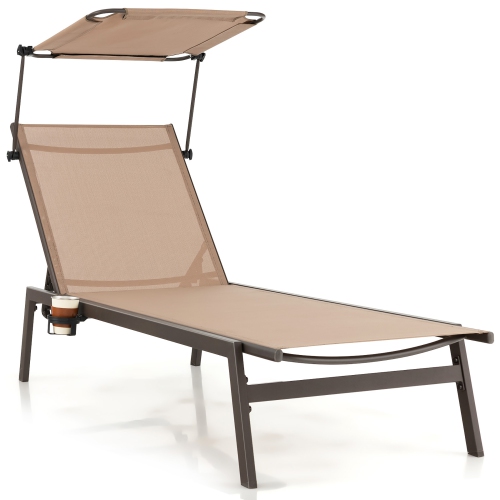
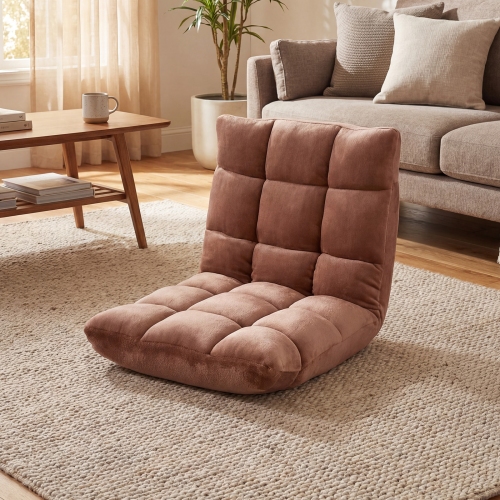


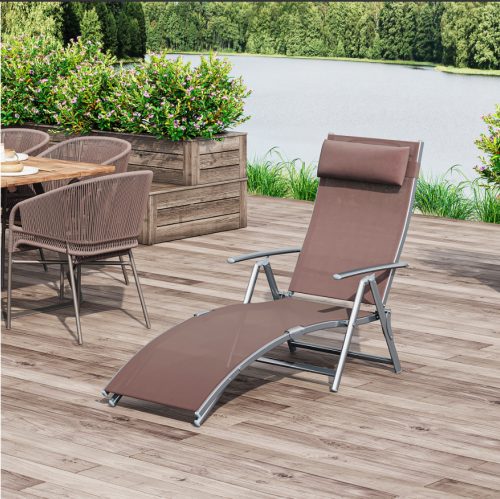
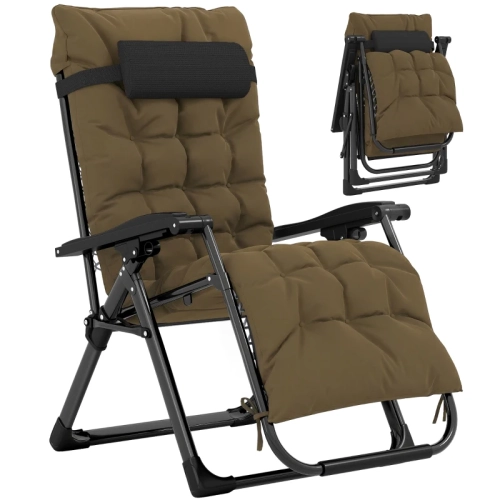


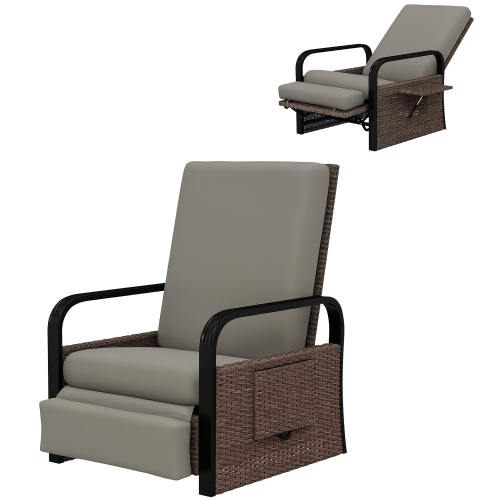


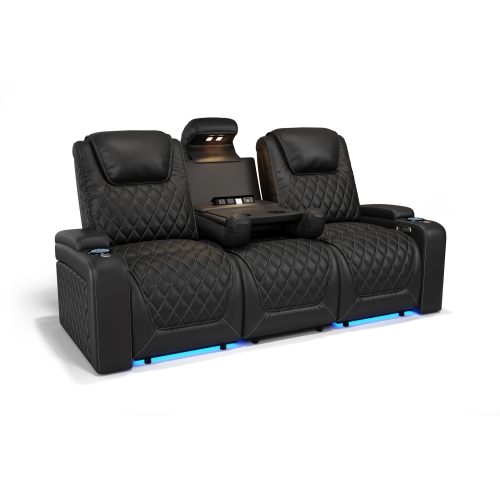
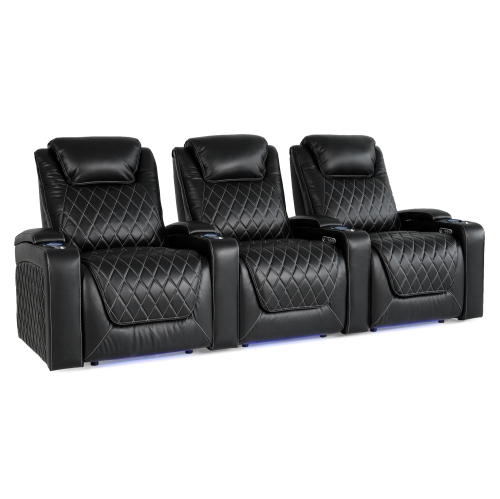


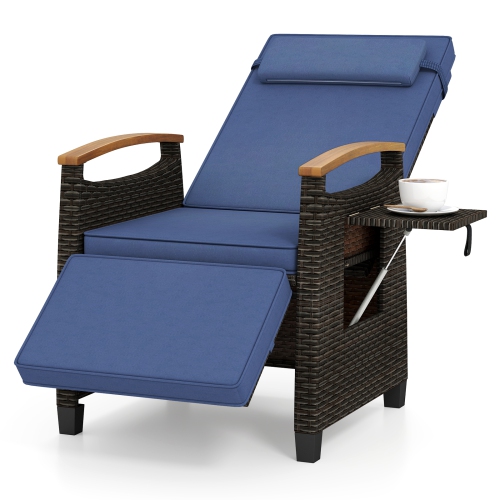
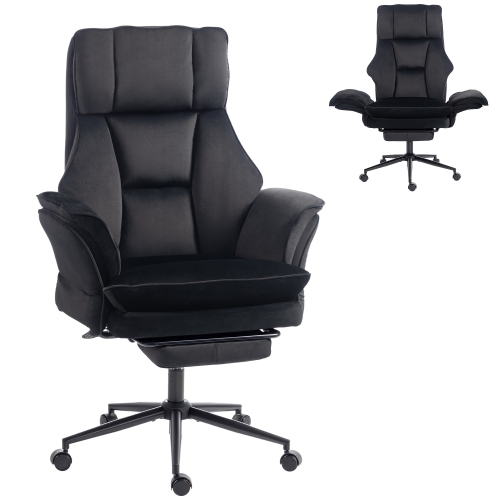

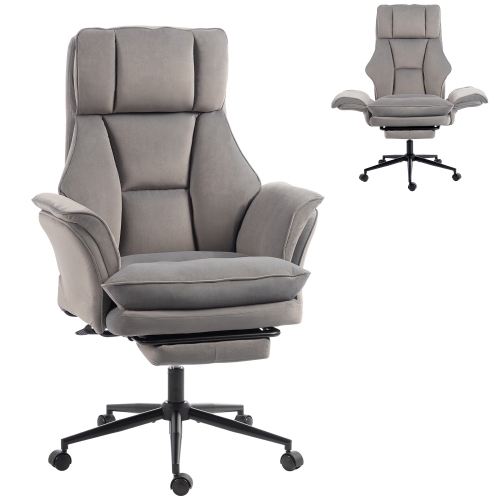
A reclining seat isn't always a guest bed
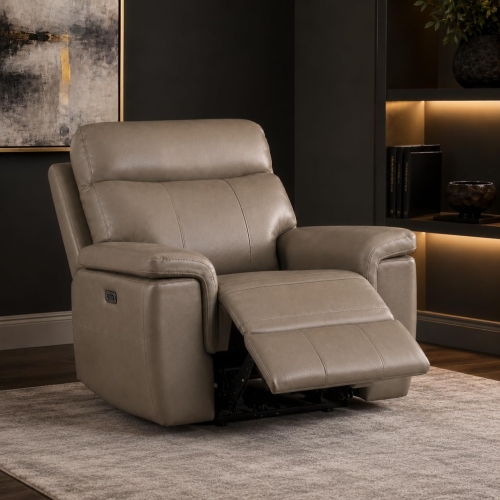
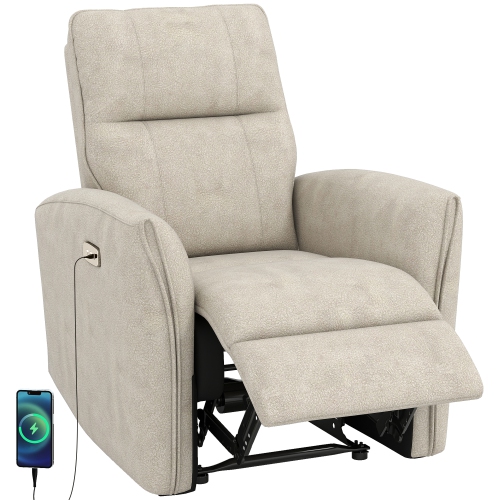
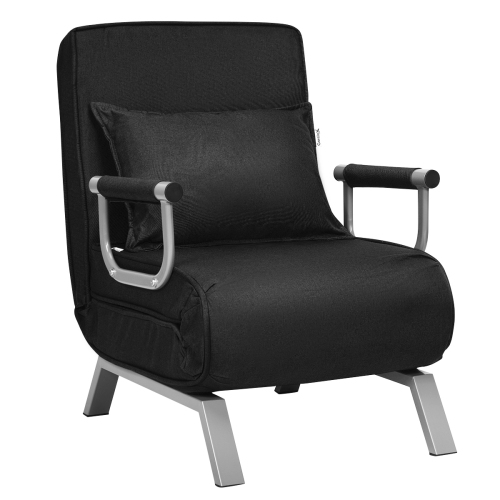
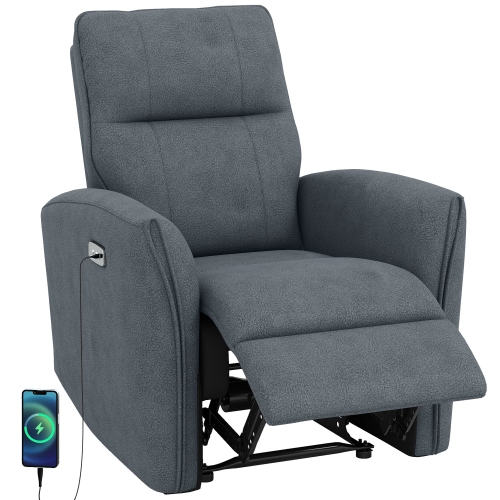
Recliner bed chairs bring comfortable seating and a place to stretch out into a single piece of furniture, making them a practical choice for rooms that need to serve more than one purpose. The term can cover several designs, from deeply reclining armchairs with extending footrests to convertible chairs that unfold into a flat sleeping surface. That distinction matters: a chair that tilts back for reading or watching television does not necessarily provide the level, supported surface needed for an overnight guest. When comparing recliner bed chairs, look at the stated sleeping dimensions, how the chair changes position, and whether the manufacturer describes it as suitable for sleeping or simply reclining. For a condo living room, a home office that doubles as a guest room, or a quiet bedroom corner, the appeal is straightforward. You can sit upright with a book in the afternoon, put your feet up in the evening, and, with a suitable convertible design, make room for someone staying overnight. During the cooler months, a reading lamp, a soft throw, and a small side table can turn that same spot into a welcoming place to unwind. Someone furnishing their first apartment may appreciate the flexibility more than the size of a traditional sofa bed, while a household that hosts occasional visitors may want a guest sleeping option without dedicating an entire room to a permanent bed. For spaces intended mainly for reading, dressing, or relaxing before bedtime, Reclining Chairs for Bedrooms offer another way to think about seating that fits comfortably alongside bedroom furniture. The best fit depends on the room’s main purpose and the balance between everyday sitting comfort and occasional sleeping needs. A chair used every evening should feel right in its seated position first; one bought primarily for overnight visitors deserves closer attention to its extended length, surface width, and cushioning when fully opened.
Start with measurements, including the space the chair needs when it is open rather than just its footprint when upright. A recliner can fit neatly beside a bookcase and still block a doorway once the footrest extends. Measure the available floor area, the clearance behind the backrest, and the walking space around the chair in every intended position. Check delivery access as well, especially in buildings with narrow corridors, tight stair turns, or smaller lifts. Listed package dimensions and assembly requirements can help you judge whether the chair will reach its intended room without an awkward surprise. Seat height, seat depth, and armrest placement deserve equal attention. A deep seat may feel inviting for curling up, but a shorter user may prefer a shallower seat that allows their feet to rest on the floor. Someone with longer legs may need more support beneath their thighs and a longer extended surface. Manual reclining mechanisms generally use a lever, handle, or body pressure, while power mechanisms adjust the chair using controls and require a suitable electrical connection. Consider who will operate the chair and whether reaching a release handle, pushing the backrest, or closing the footrest is comfortable for them. Power adjustment may offer convenient positioning, but it does not automatically mean the chair includes a lift function or can lie flat. Those are separate features to verify in the specifications. If the intended user has difficulty sitting down or standing up, check the seat dimensions and any stated lift assistance carefully rather than relying on the word “recliner.” For overnight use, compare the usable sleeping length and width with the sleeper’s needs, and look for information about joints, gaps, support panels, and cushion firmness. If regular nightly sleeping is the goal, confirm that the design is intended for that frequency of use; an occasional-use chair bed may not offer the same support or comfort as a dedicated bed and mattress.
Upholstery and construction shape how a recliner bed chair feels long after the first sit. Woven fabric can provide a soft, textured finish, although care needs vary with fibre content and weave. Leather and leather-look coverings have different maintenance requirements, so check the material description rather than judging by appearance alone. In a busy family room, easy-to-follow cleaning instructions may matter more than a pale colour that looks appealing in a photograph. Removable covers can be useful where offered, but removable does not necessarily mean machine washable; follow the stated care directions. Cushioning is another personal choice. A plush seat may feel especially inviting for a film night, while firmer cushioning can make it easier to change position and may feel more even when the chair is converted for sleeping. Look for details about the frame, suspension, cushion materials, and maximum supported weight, along with warranty coverage for the mechanism and upholstery. Small practical details often make the difference in daily use: controls that are easy to reach, a footrest that closes smoothly, and a conversion process that does not require moving half the room. Picture a guest arriving late after a long drive. Having enough space to open the chair, somewhere nearby to set down a phone, and bedding stored within reach makes the room feel thoughtfully prepared. Check whether standard bedding will fit the sleeping surface, since chair beds can be narrower or shorter than familiar mattress sizes. For gifting, a recliner bed chair is most successful when the recipient helps choose it; comfort, room layout, and ease of use are too individual to leave entirely to guesswork. It can be a useful housewarming gift or a shared family purchase for someone creating a comfortable sitting area, provided the dimensions and features suit their needs. Balance the purchase price with expected use, cleaning demands, delivery arrangements, and assembly. A well-chosen chair should fit naturally into ordinary routines, offering a comfortable seat when the room is busy and an appropriate place to rest when extra flexibility is needed.
Top selling and popular products
-
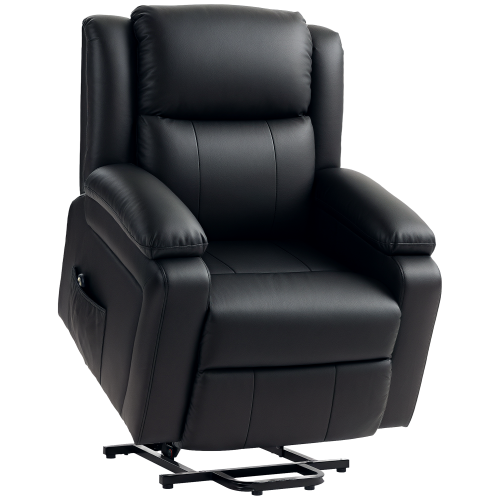 Your price for this item is $465.99
-
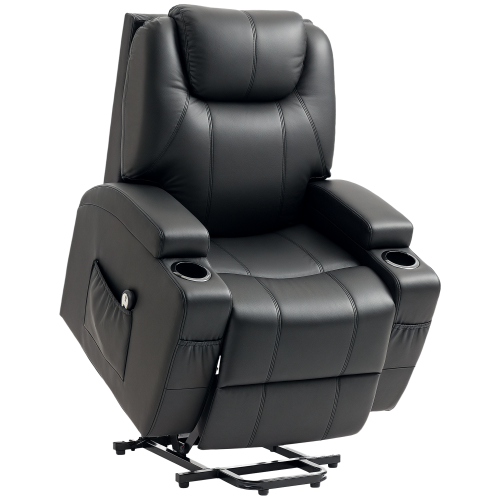 Your price for this item is $559.99
-
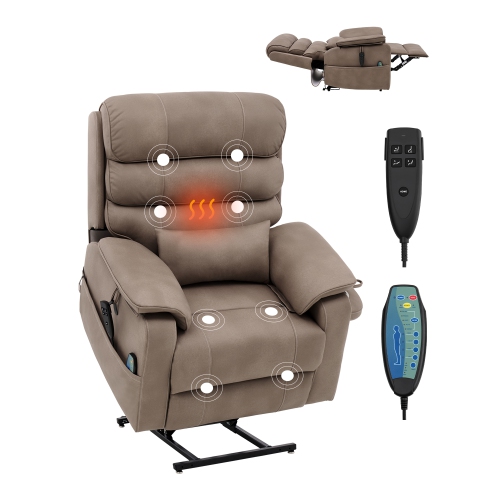 Your price for this item is $770.86
-
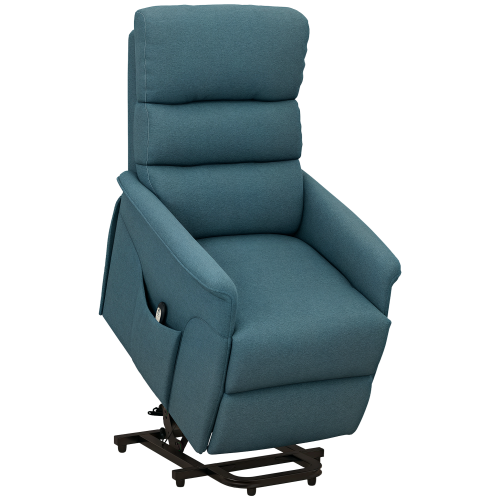 Your price for this item is $449.99
-
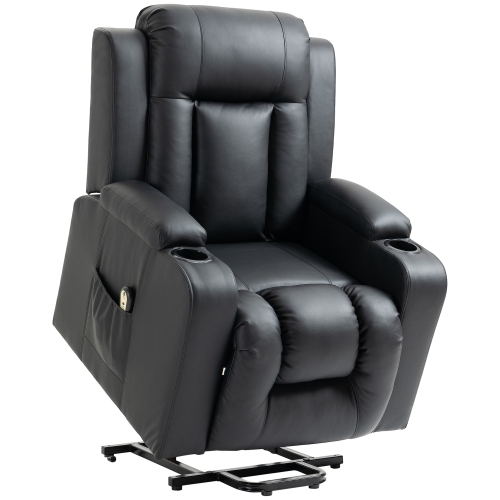 Your price for this item is $549.99
-
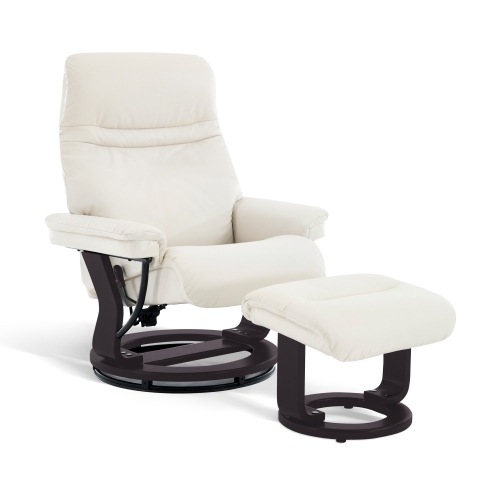 Your price for this item is $1449.99
-
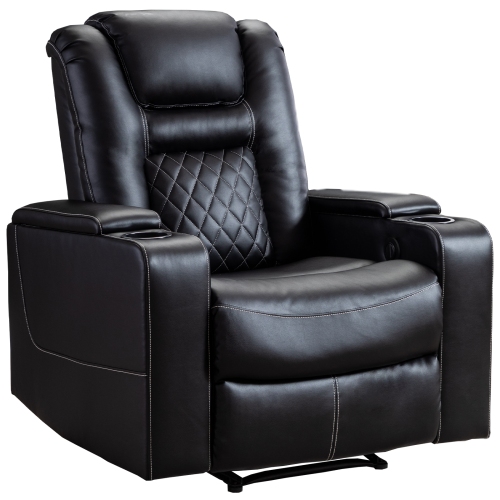 Your price for this item is $489.99
-
 Your price for this item is $374.99
Discover more categories related to Recliner Bed Chairs

Top Collections:
Pokemon Centers, Best Cameras for Sports Photography, Kindle Devices, Samsung Galaxy Phones, Canon G7X Cameras, Pokémon 30th Celebration Cards, Refurbished Apple Laptops, iPhone 15 Apple, Laptops for Students, Budget Smartphones
Some products may be subject to Environmental Handling Fees
(EHF) depending on your province.
Learn more about EHFs.