Rectangular Dining Sets
Upgrade your dining space with our selection of rectangular dining sets, perfect for gathering family and friends around the table in style. Whether you prefer modern minimalism, rustic charm, or classic elegance, we have a variety of options to suit your taste and space requirements. From compact sets ideal for cozy apartments to spacious sets perfect for hosting dinner parties, our collection offers versatility and functionality without compromising on design. Explore our range of rectangular dining sets to find the perfect centerpiece for your dining room that combines both form and function seamlessly.
Sort
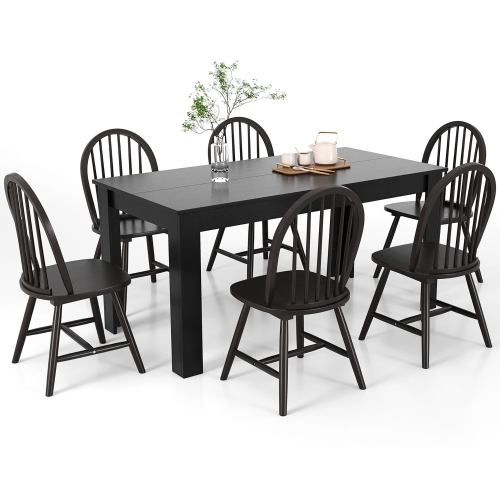
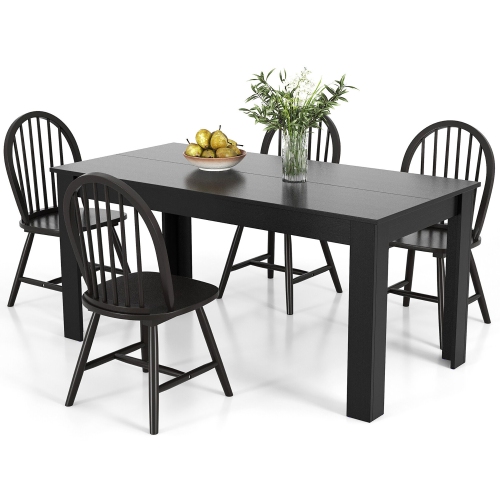

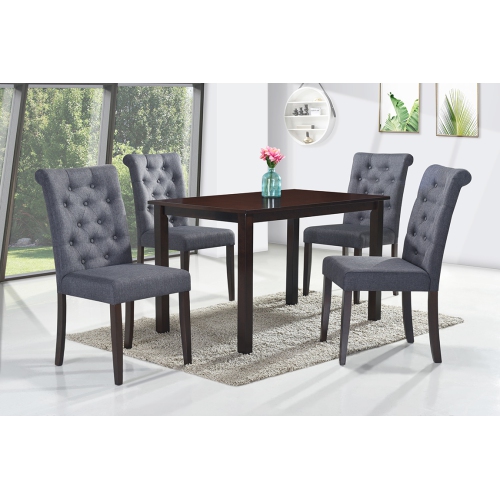


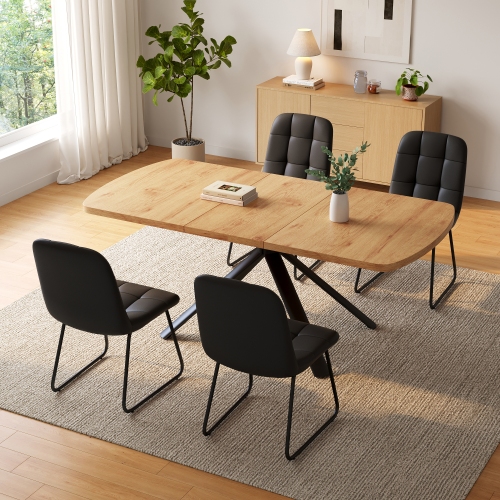
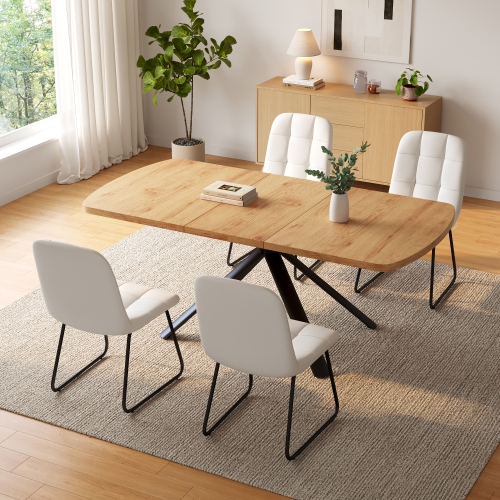
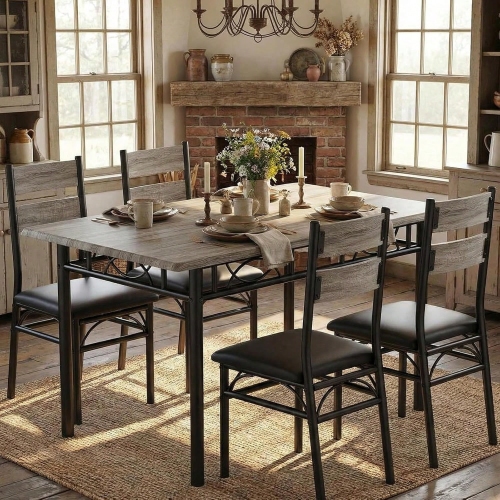
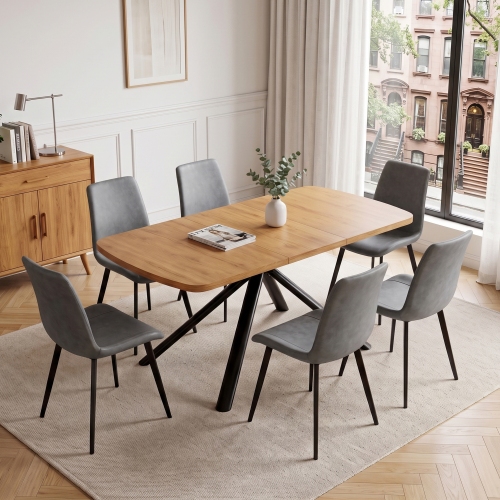
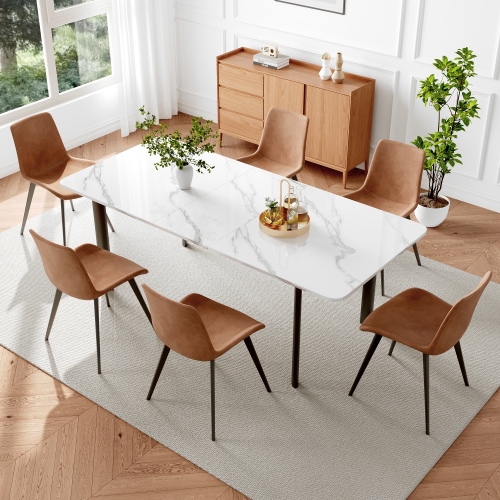
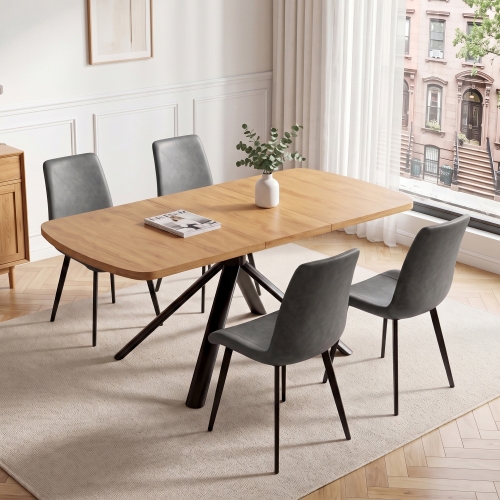
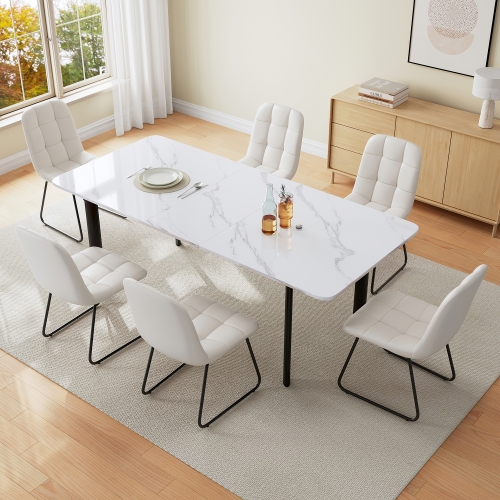
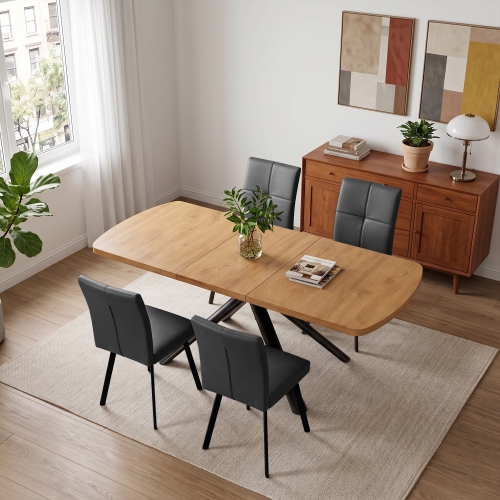
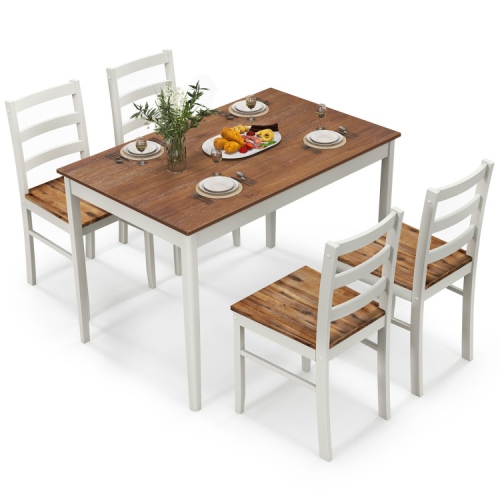
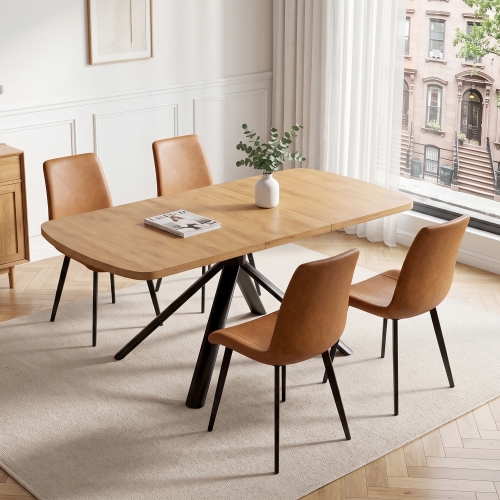
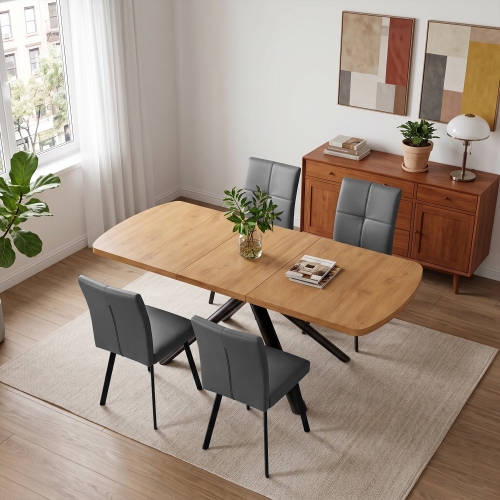
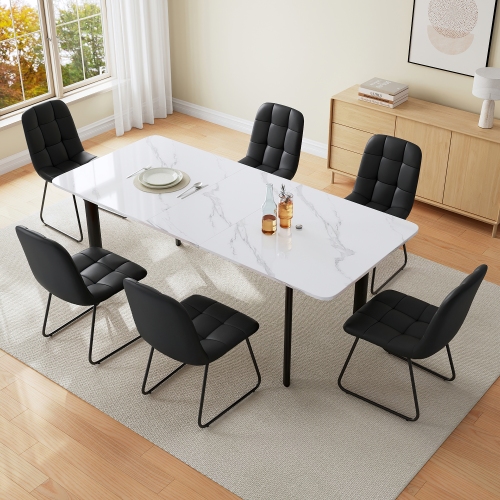
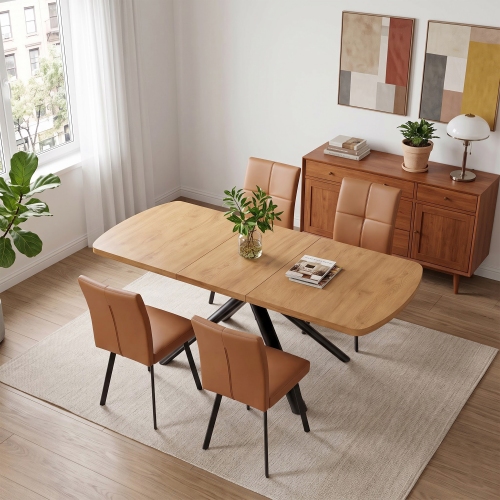
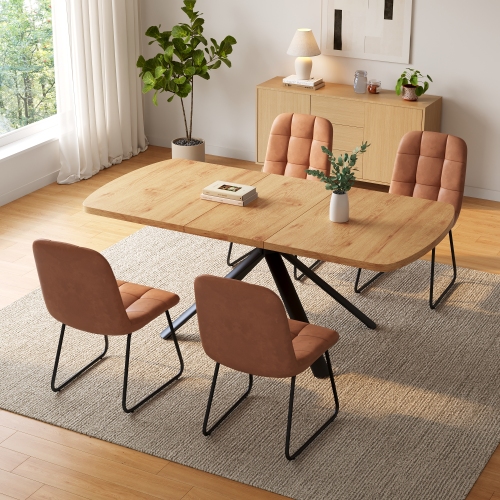
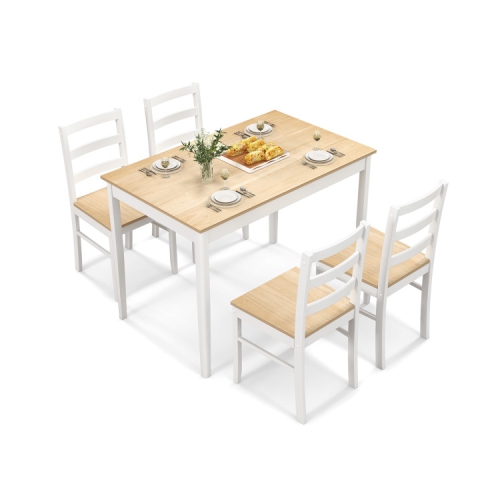
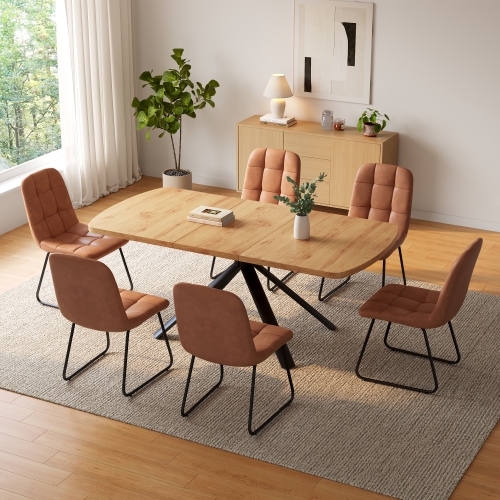
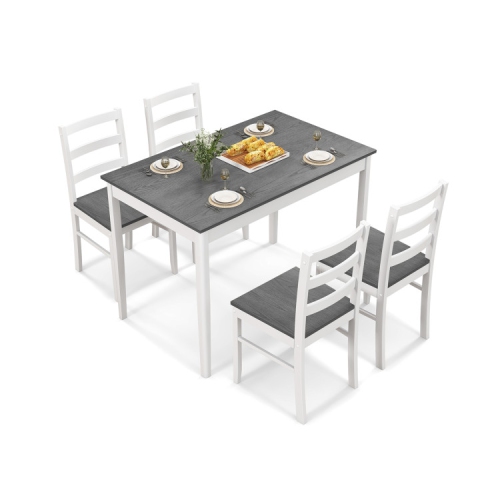
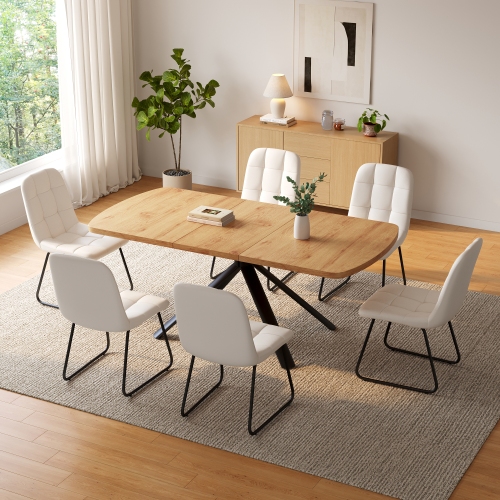
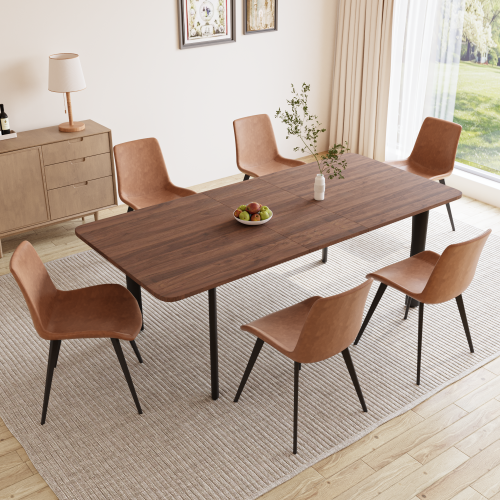
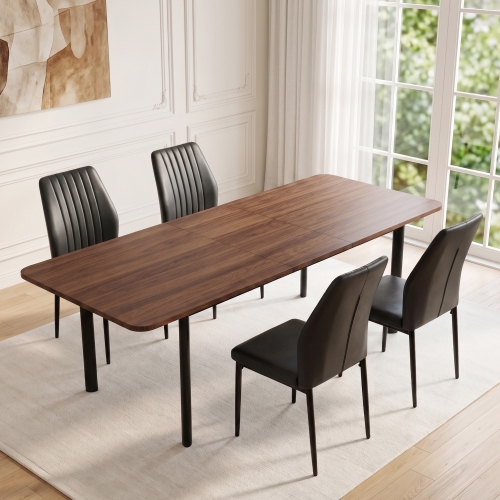
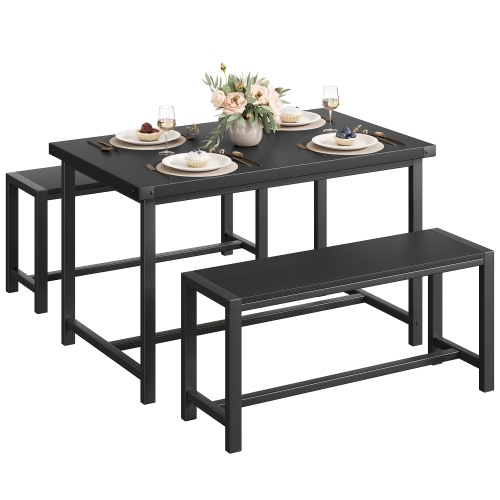
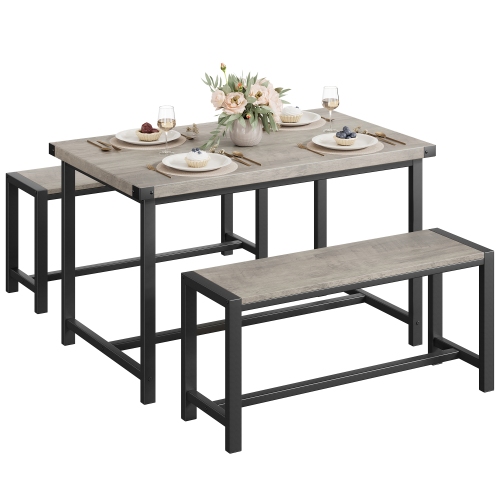
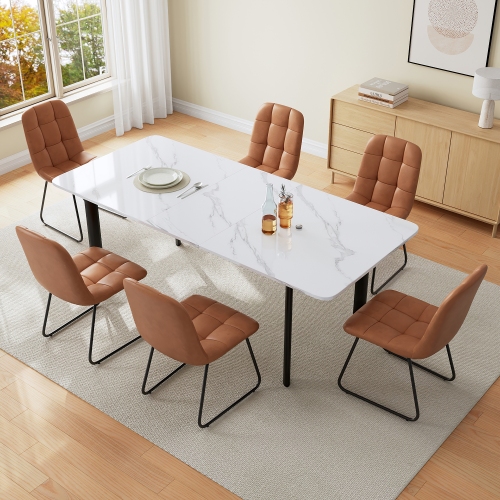
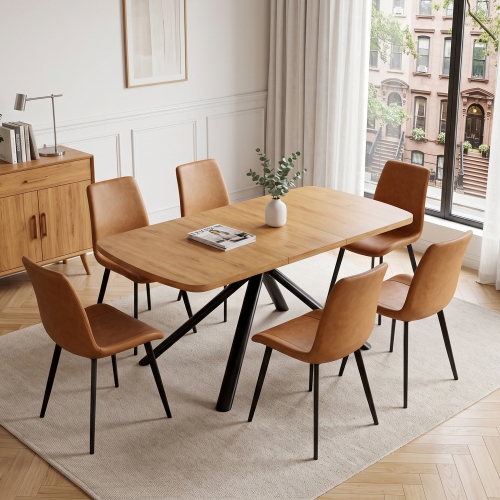
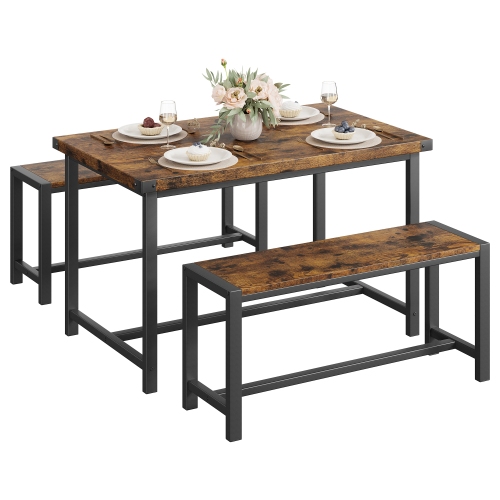
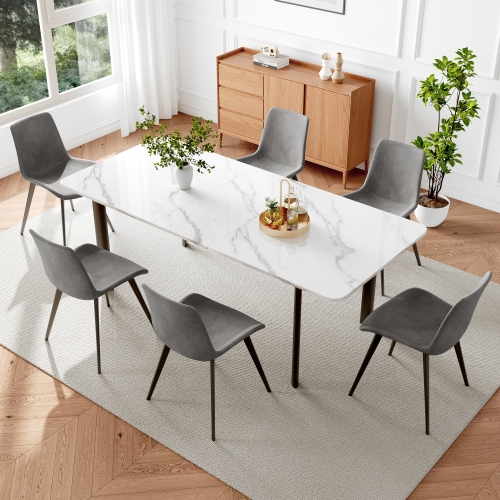
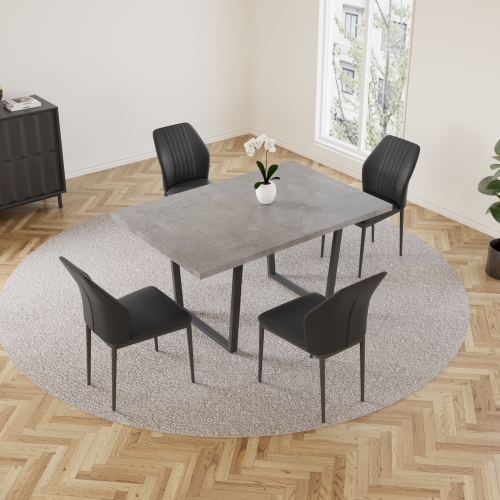
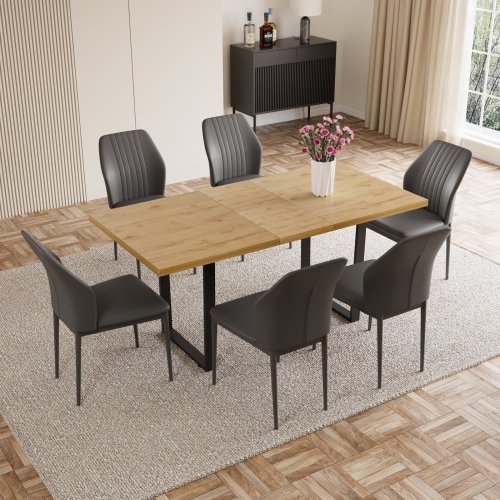
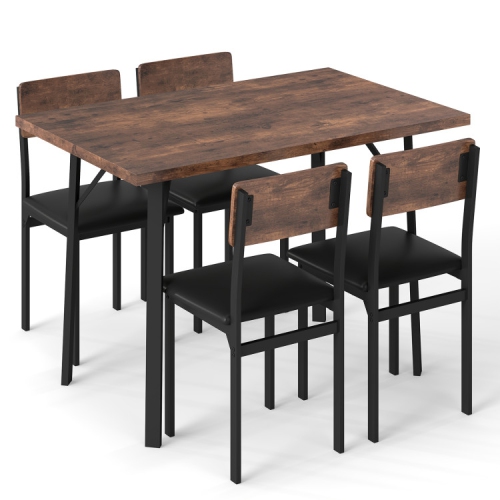
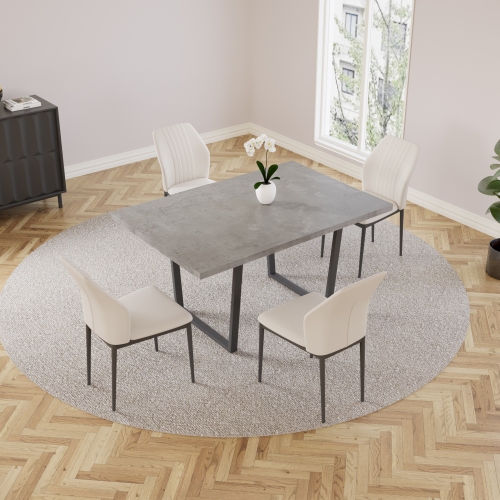
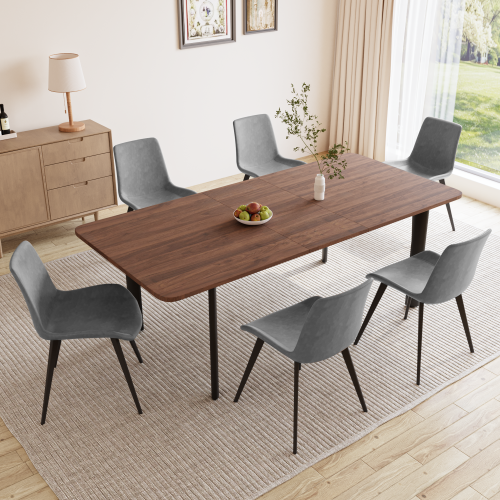
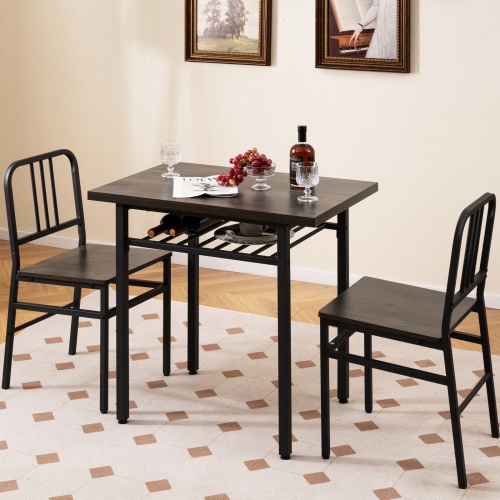
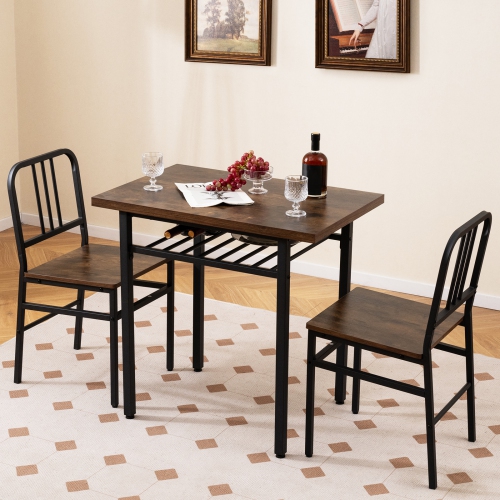
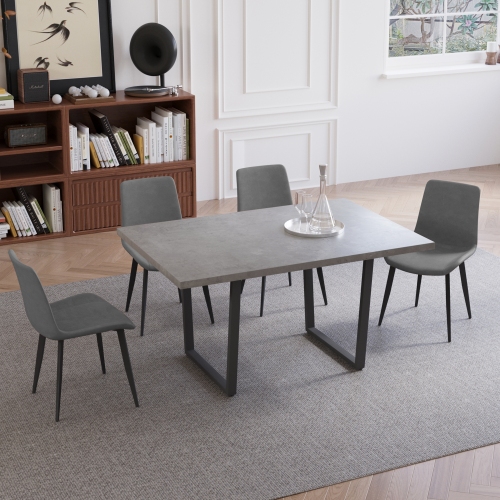
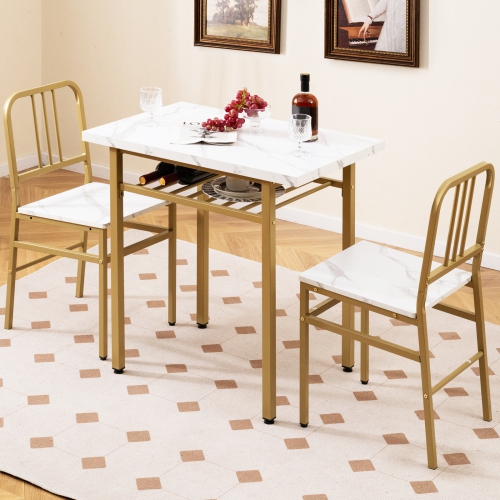
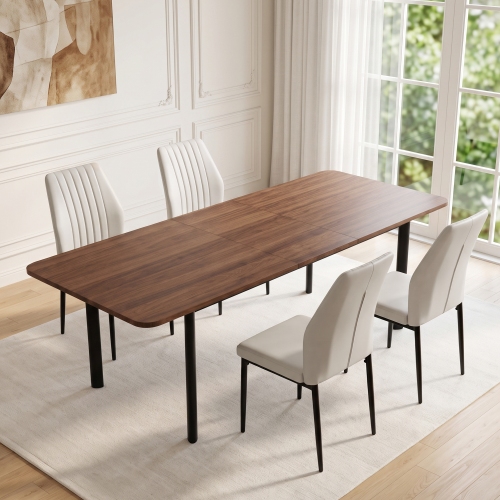
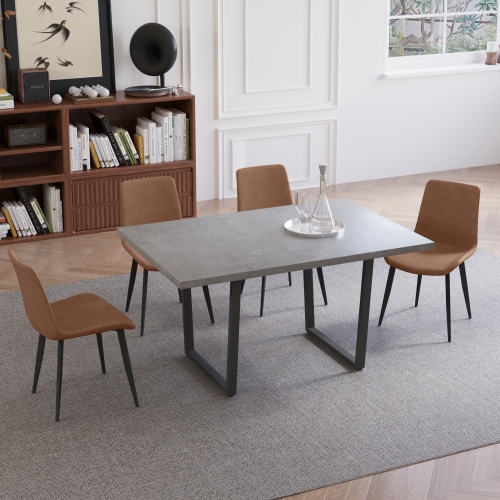
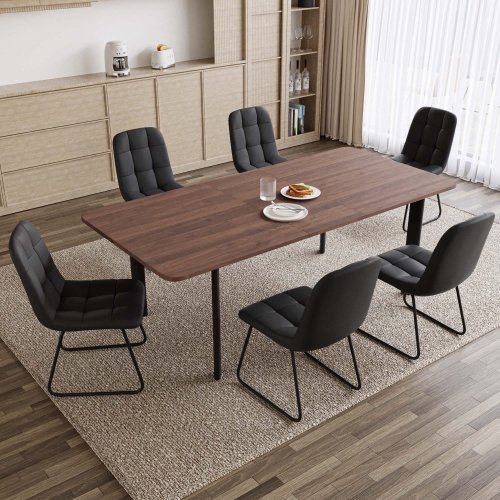
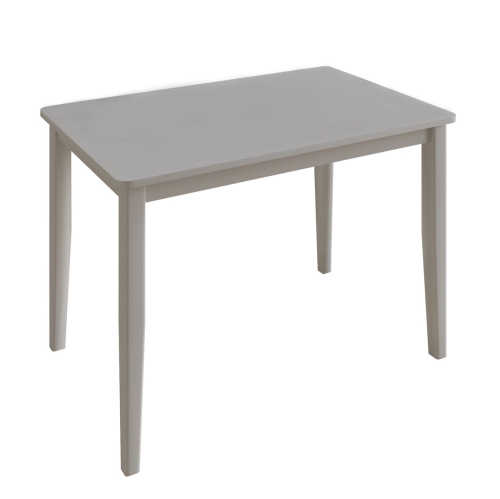
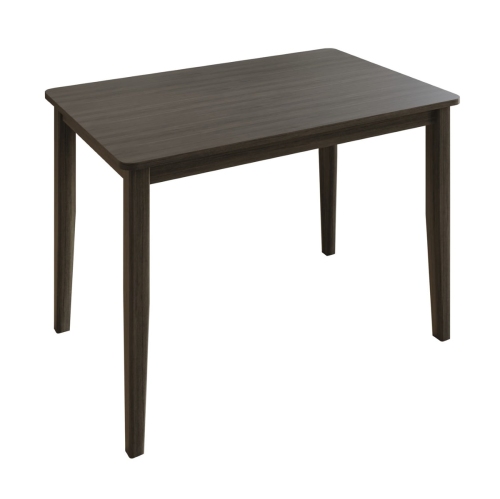
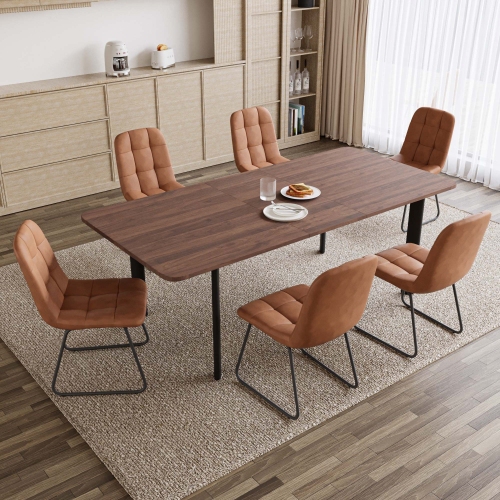
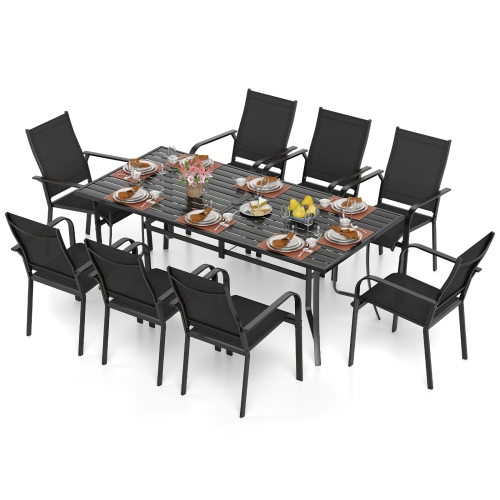

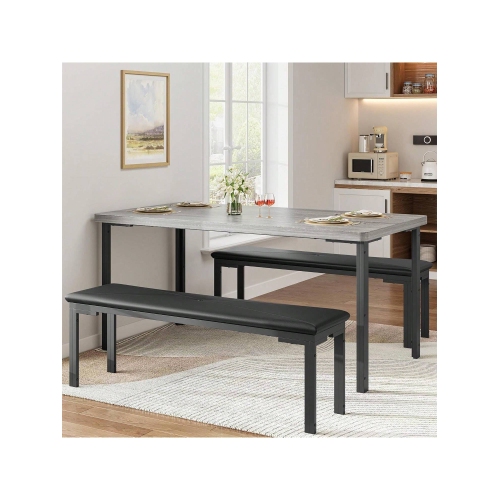
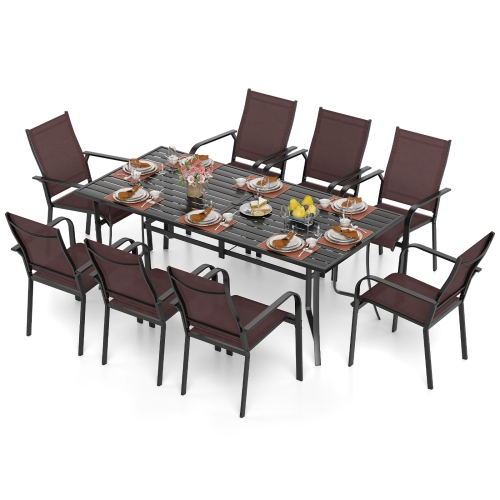
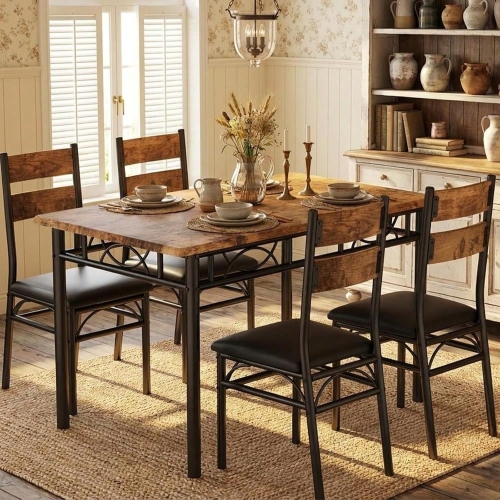
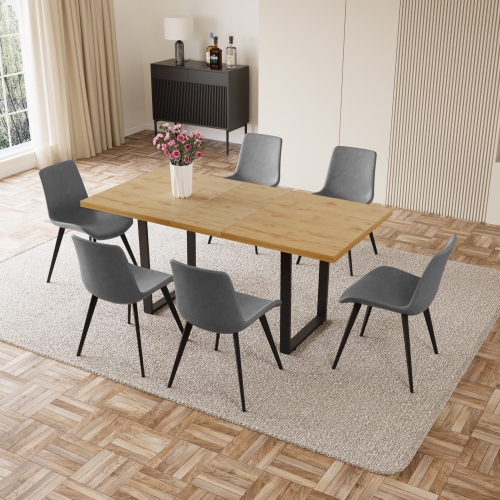
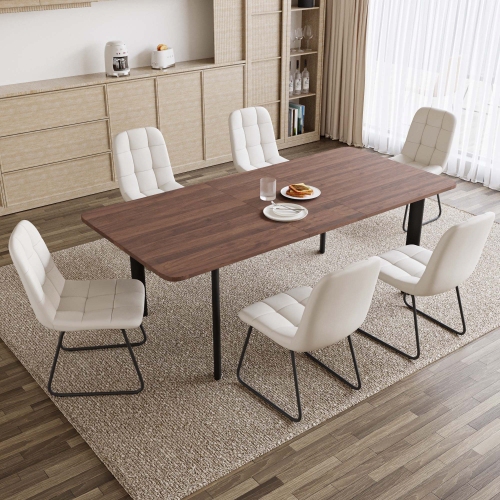
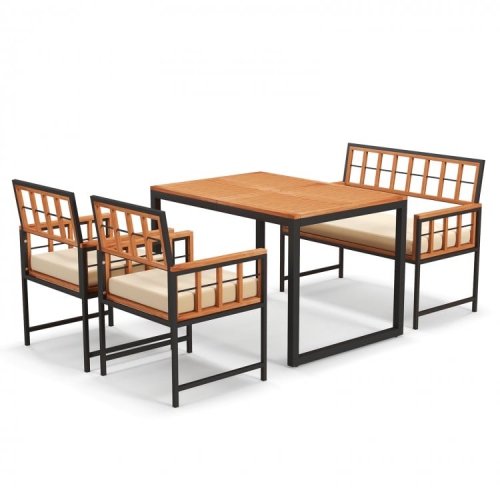
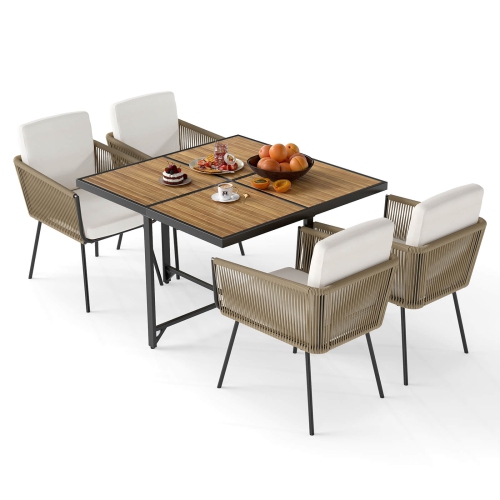
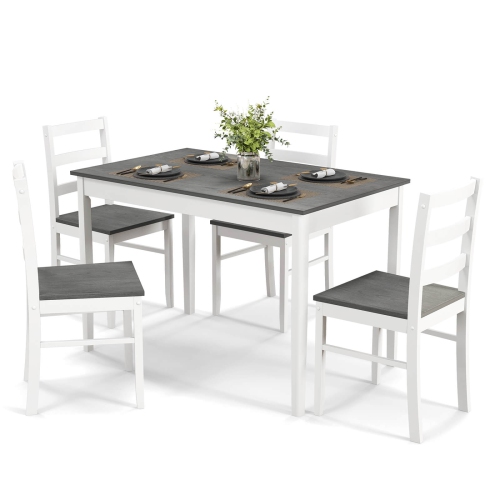
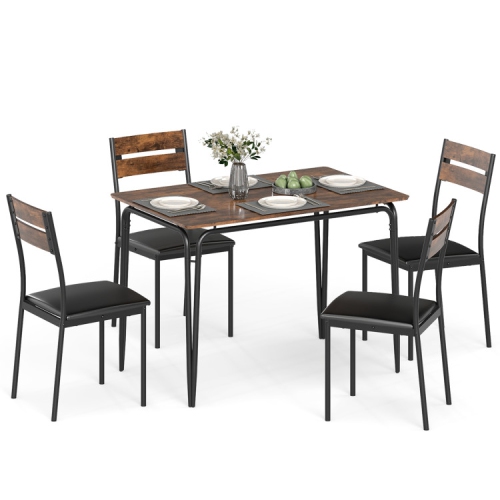
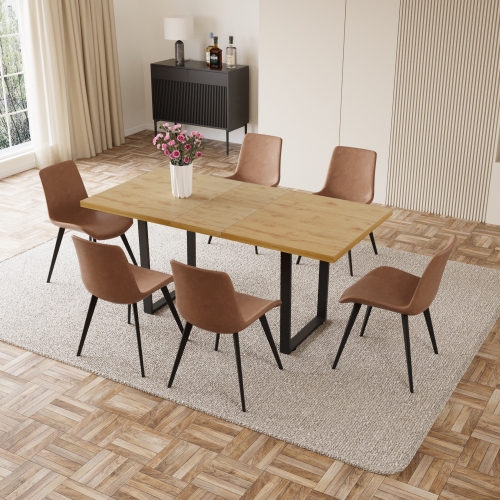
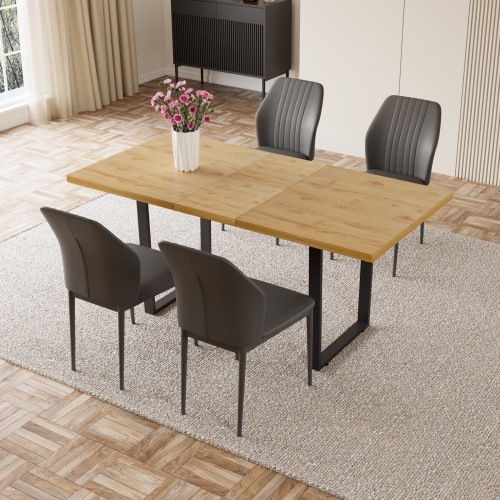
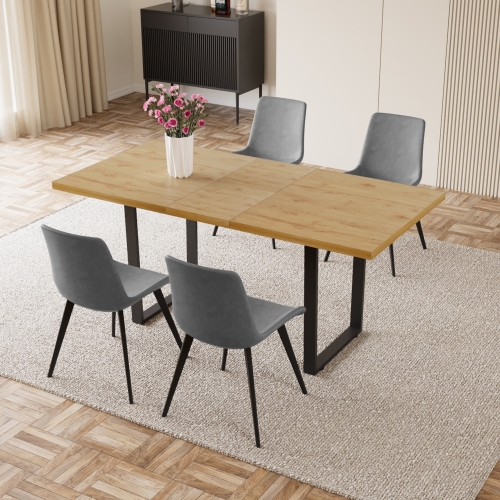
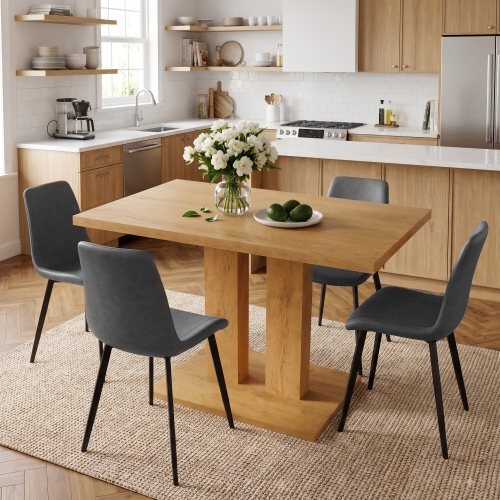
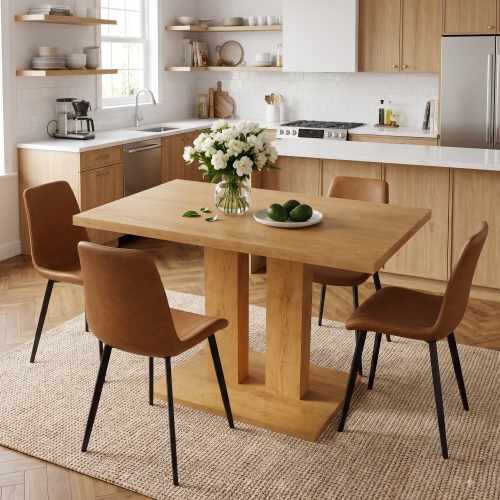
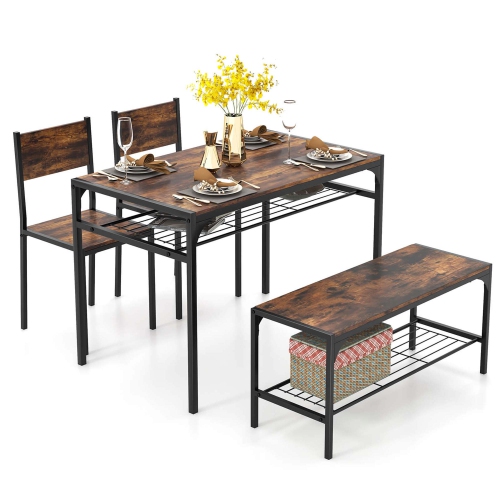

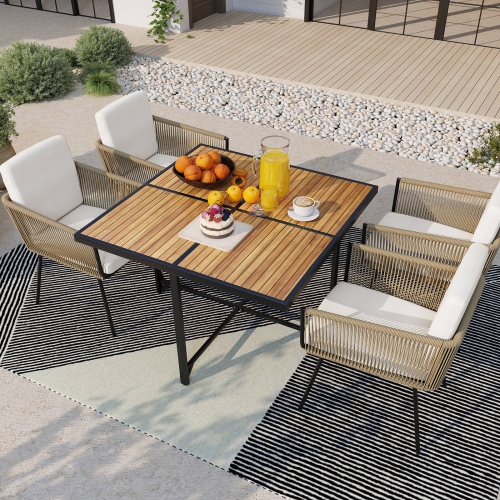
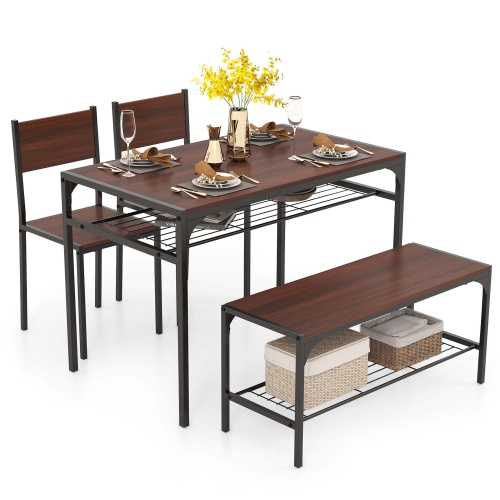
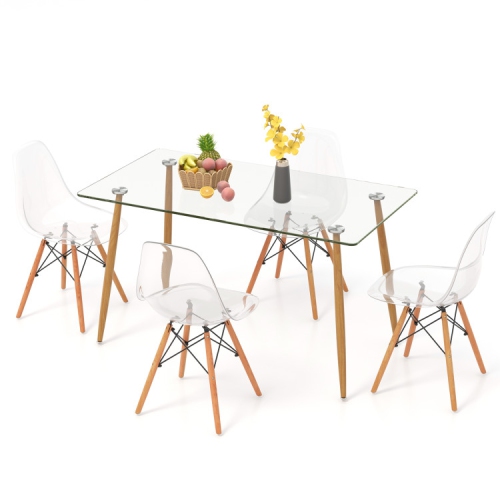

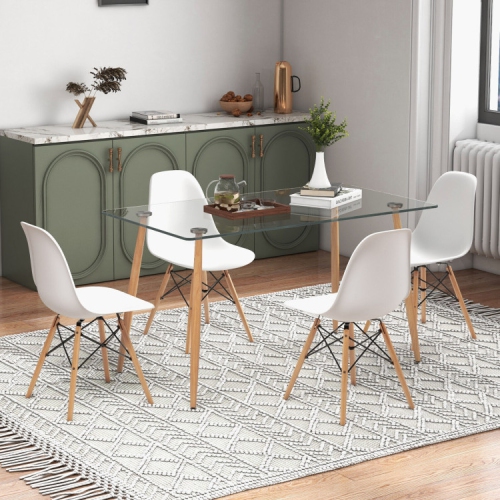
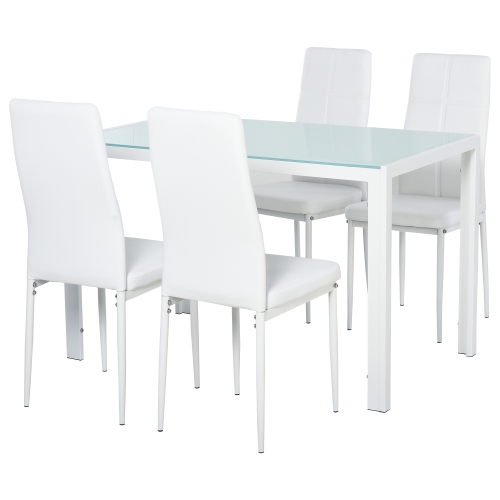
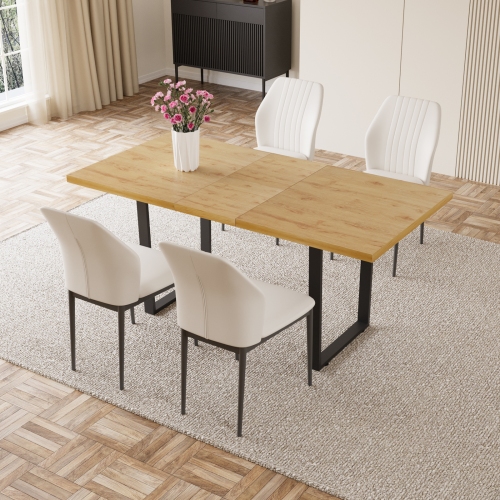
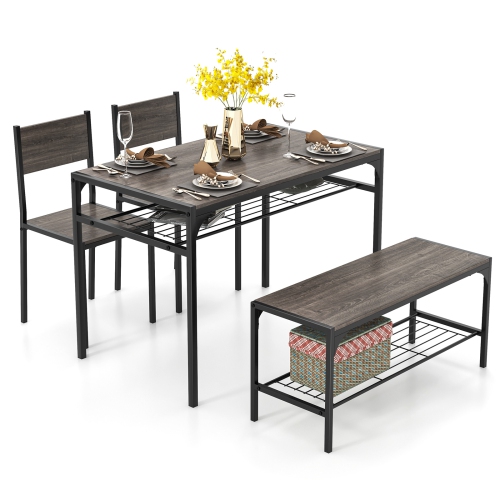
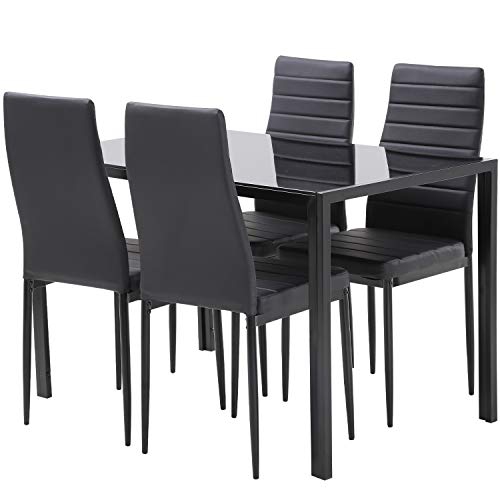
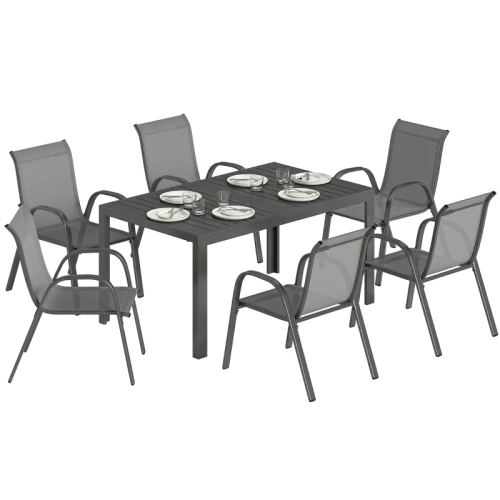
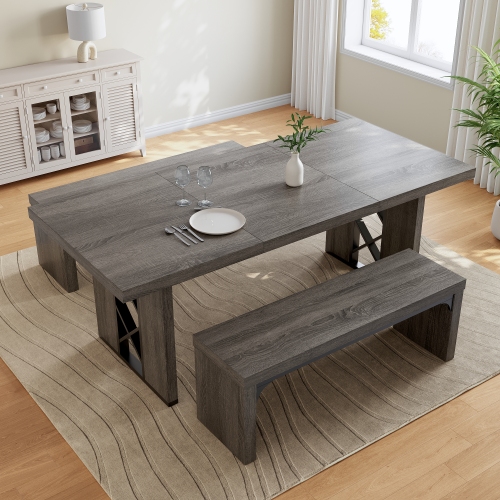
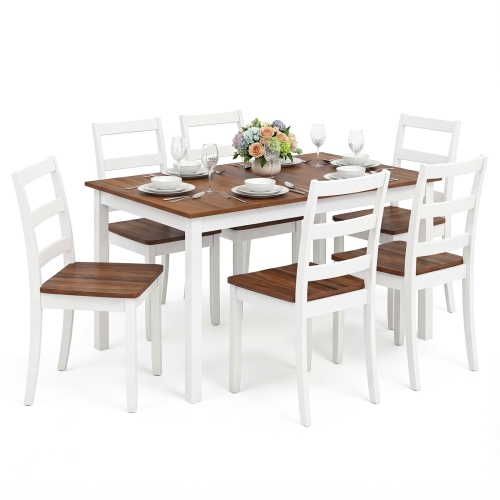
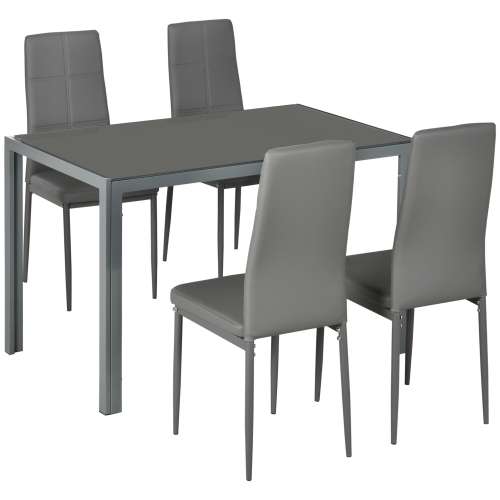
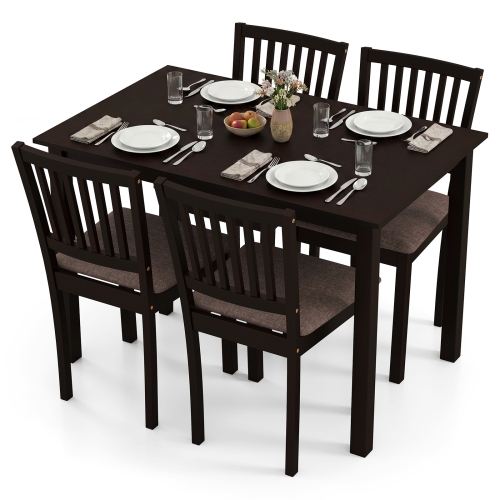
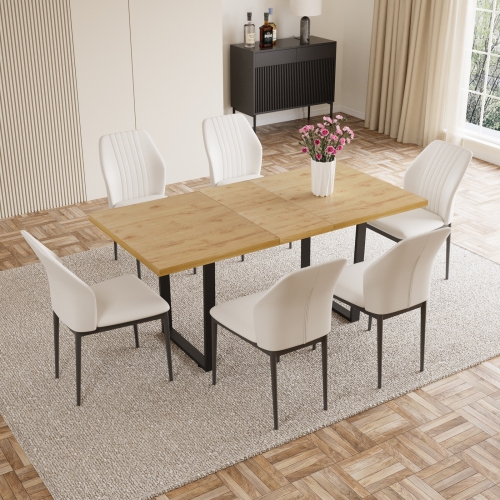
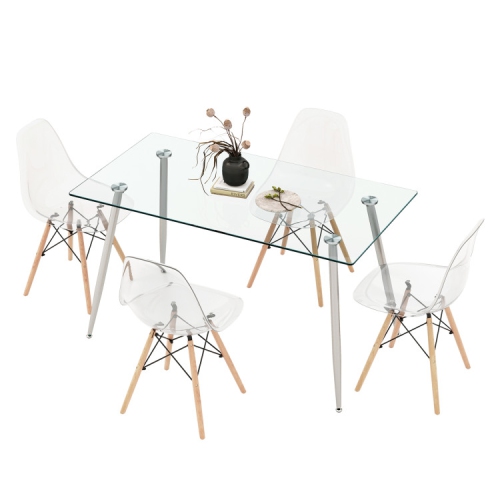
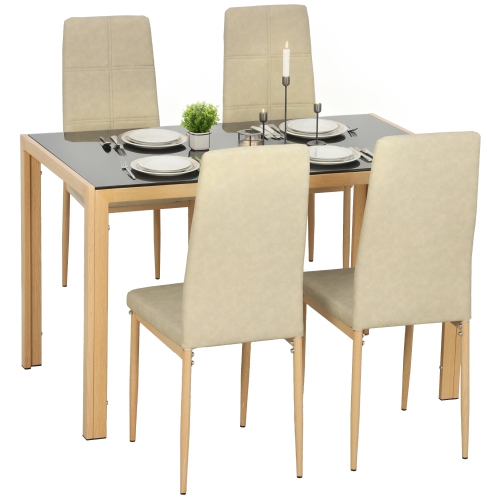
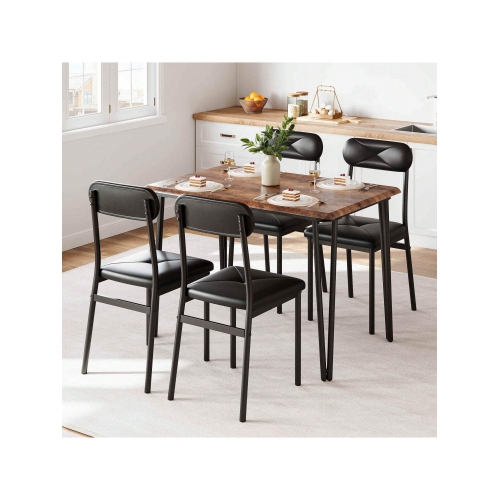
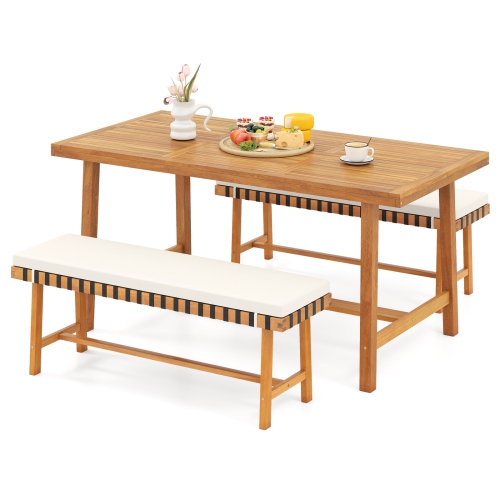
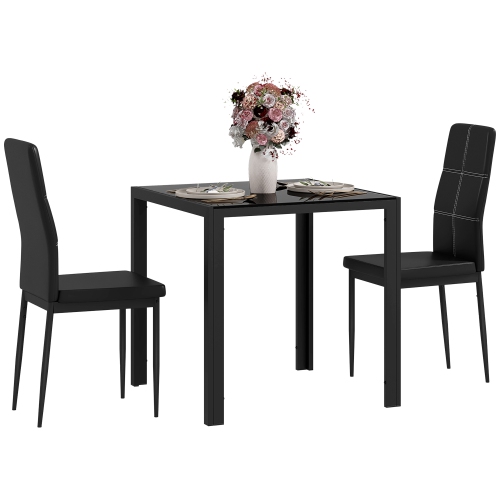
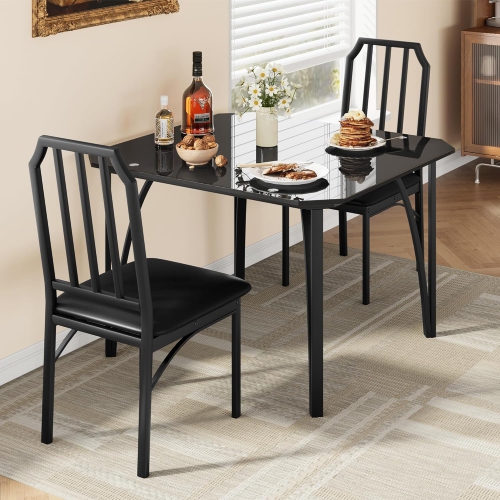
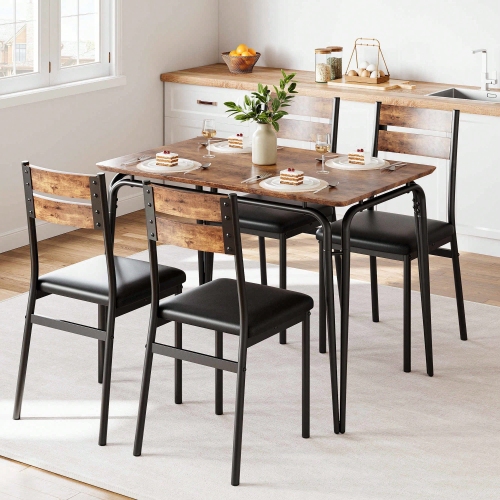
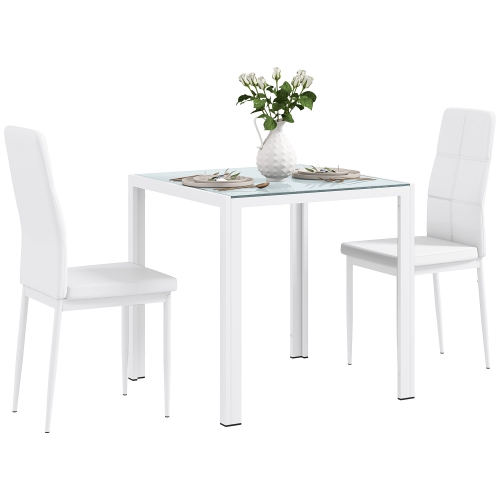
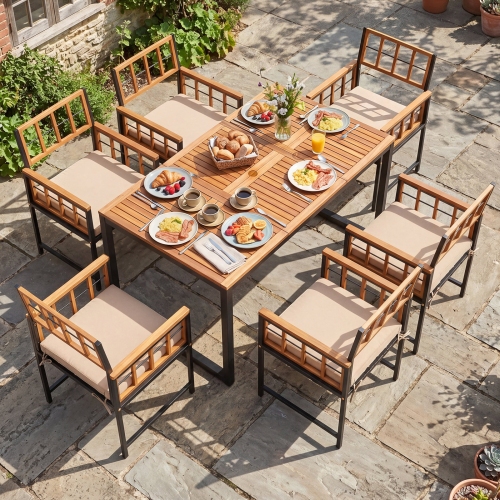
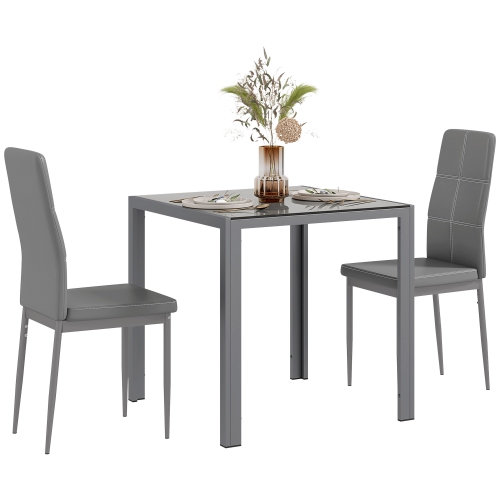
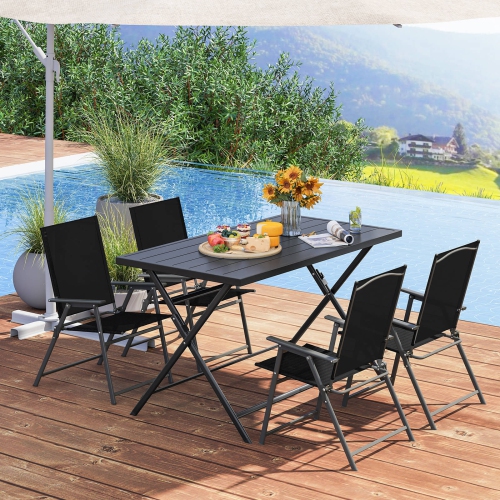
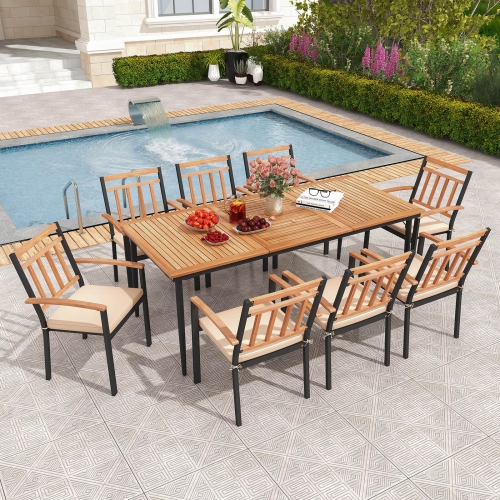
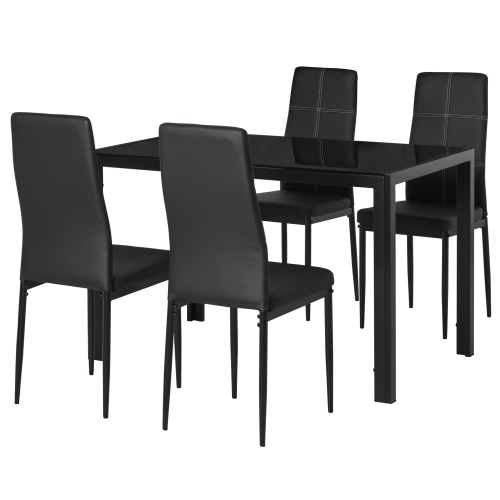
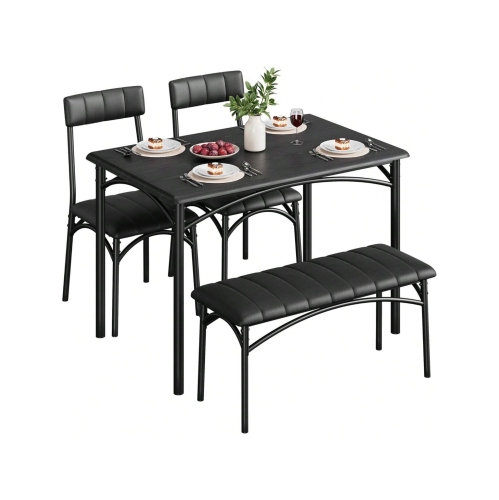
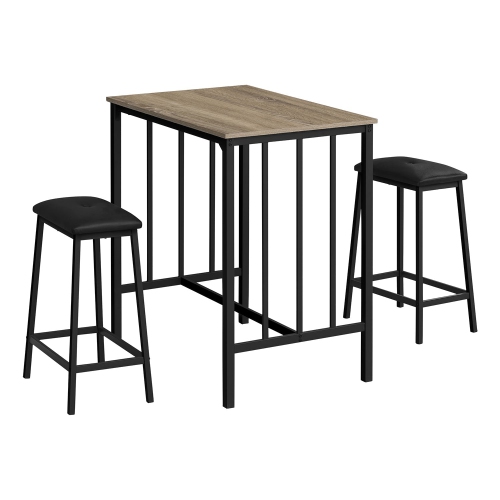

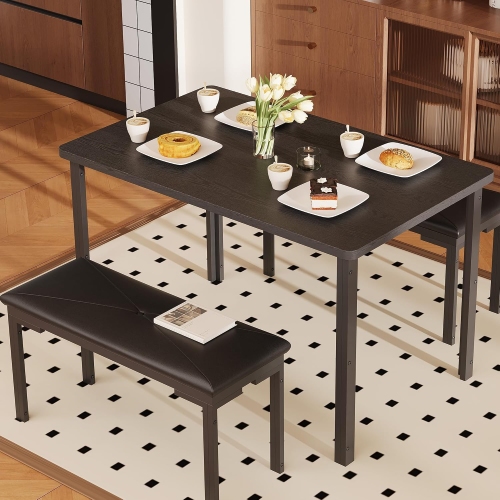
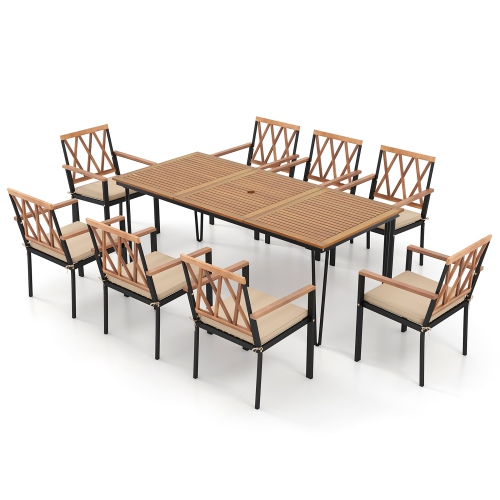
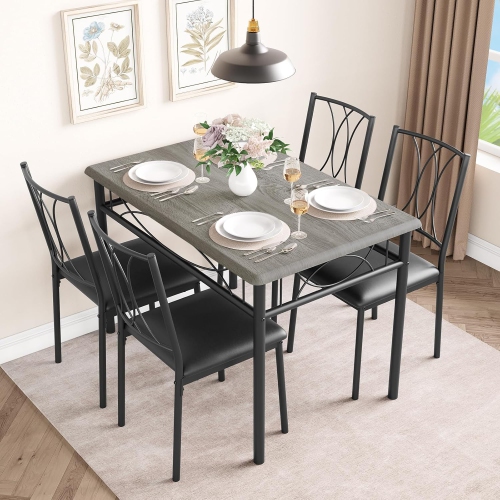

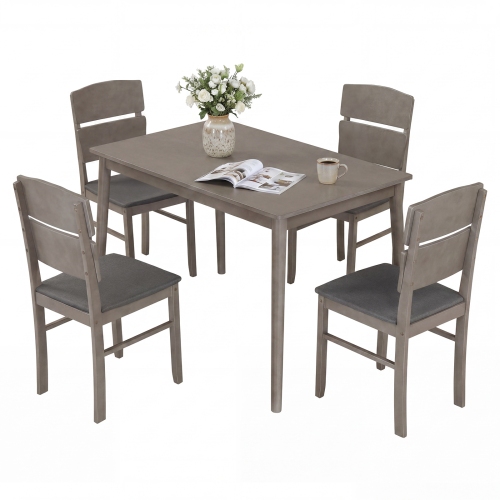
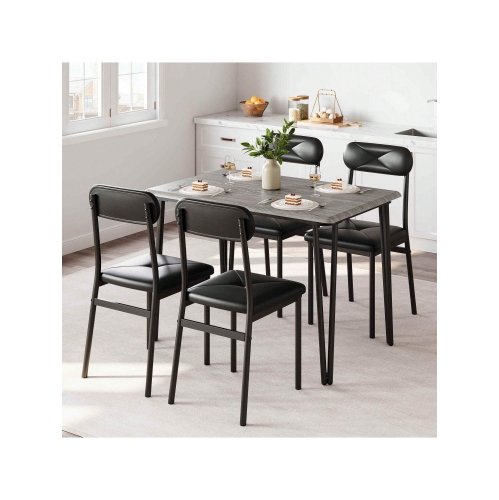
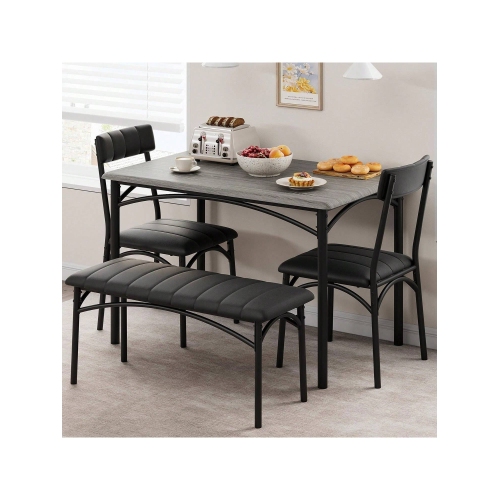
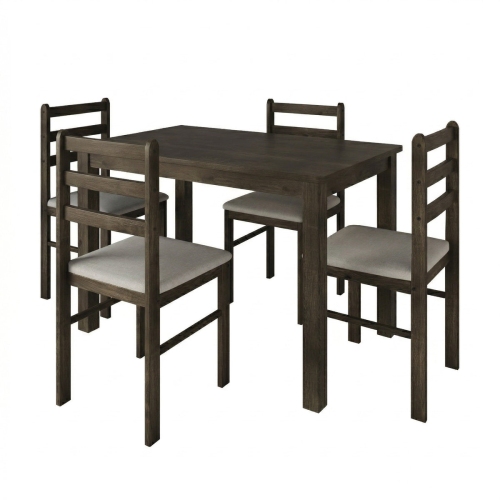

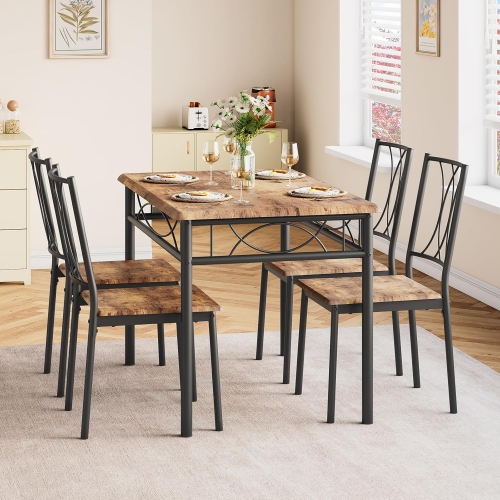
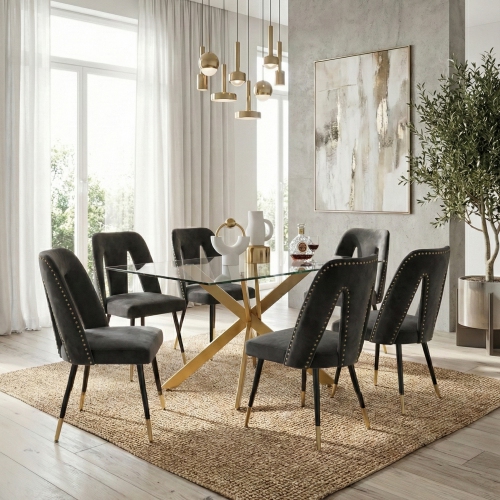
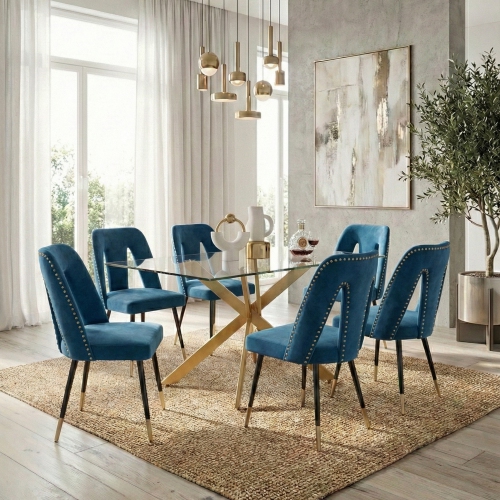
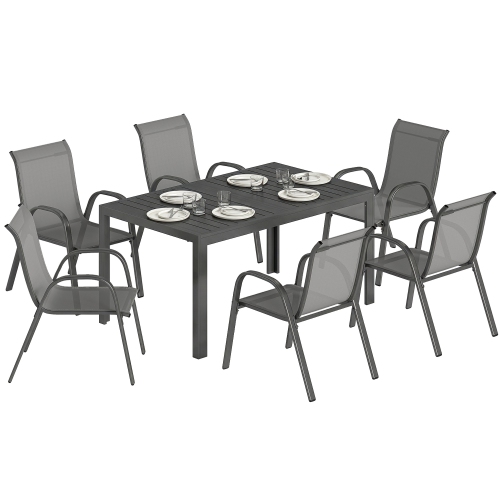
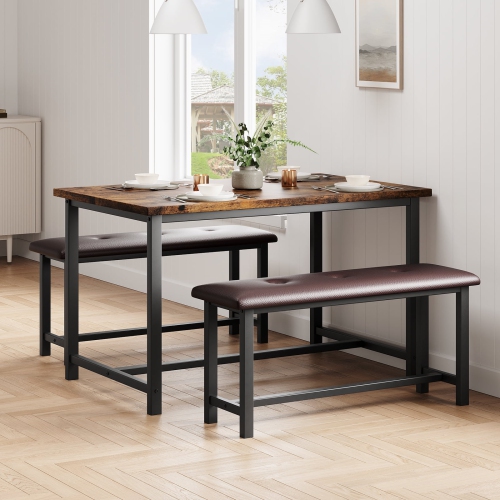
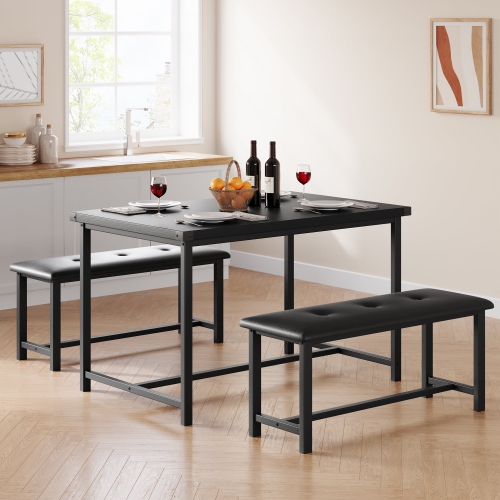
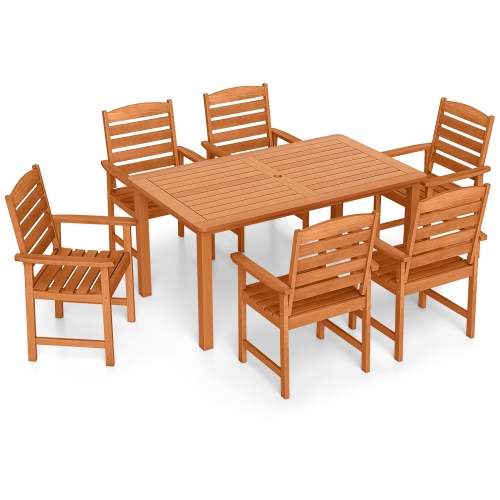
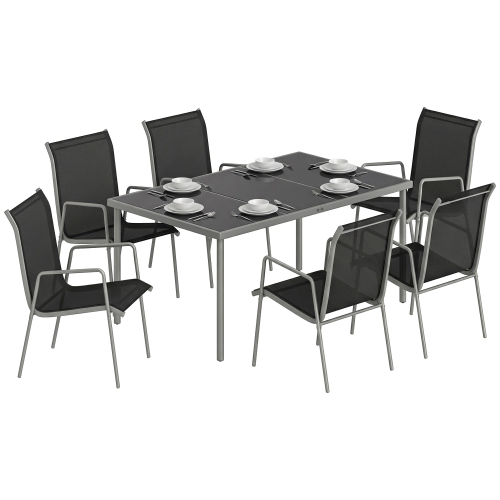

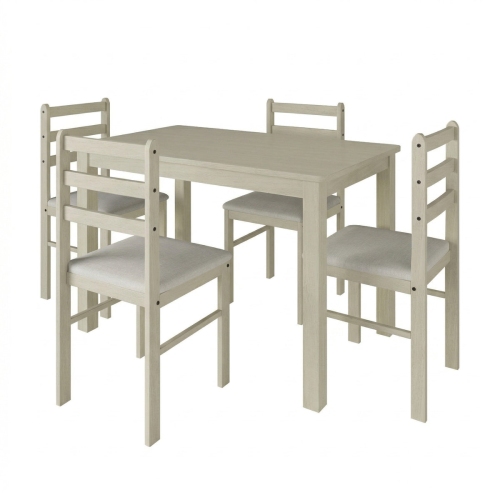
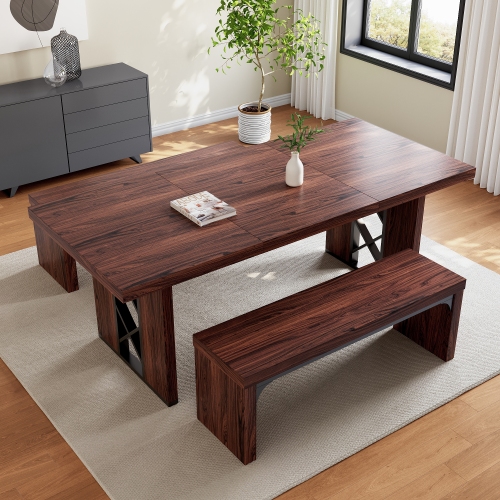
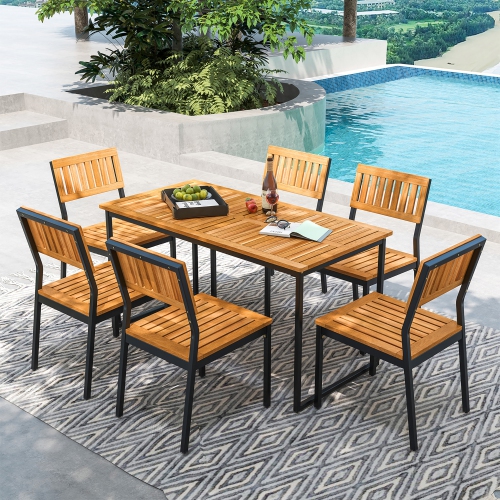

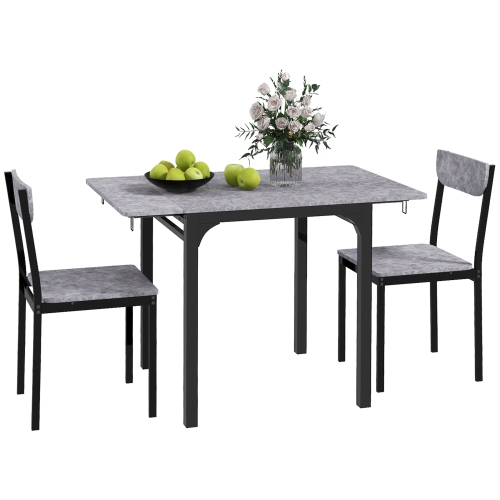
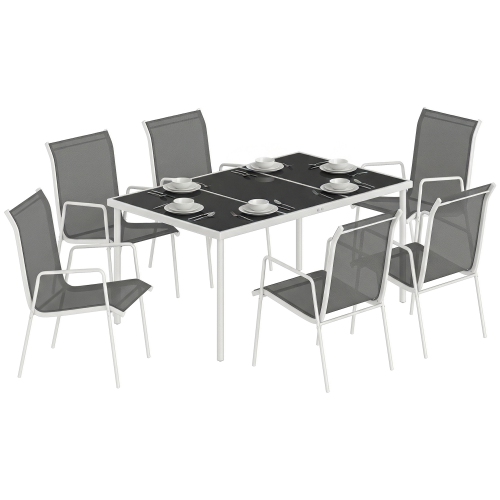


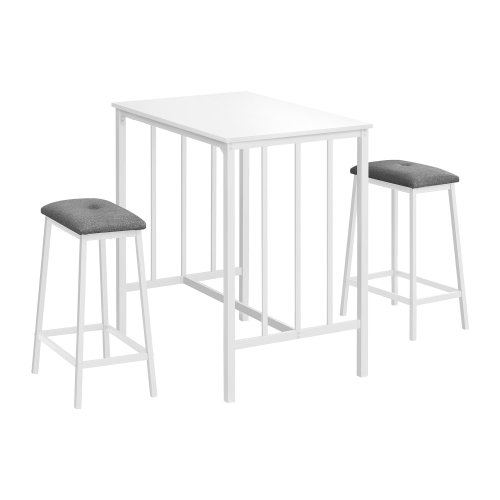
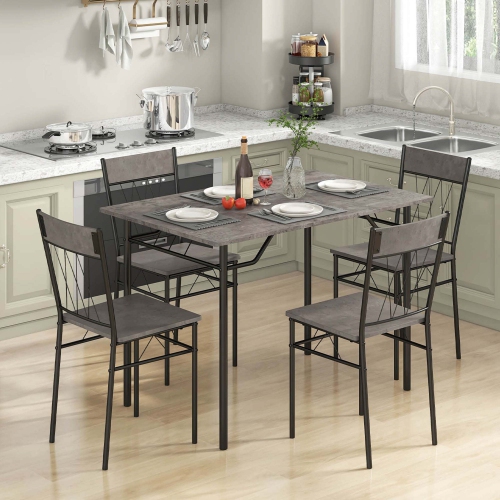
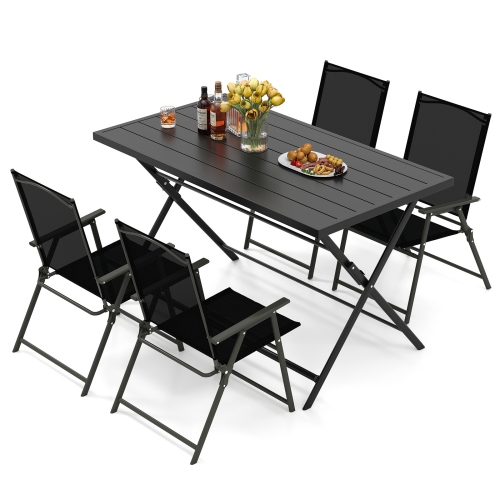
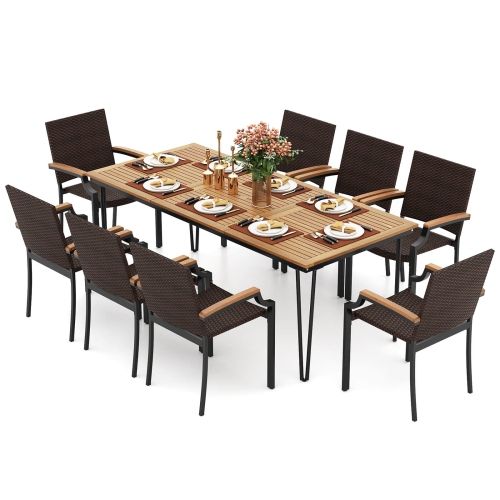

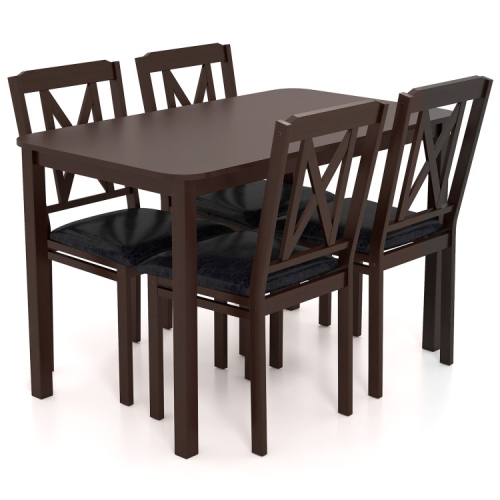
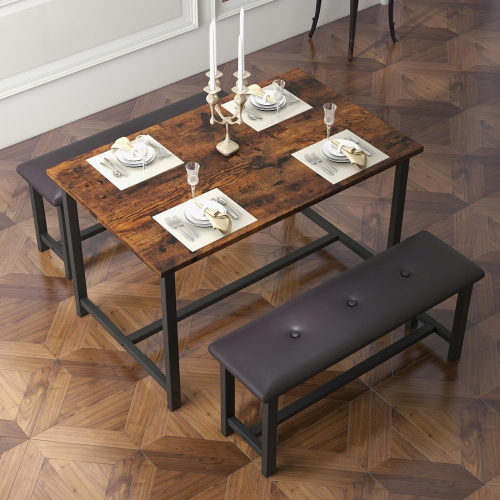
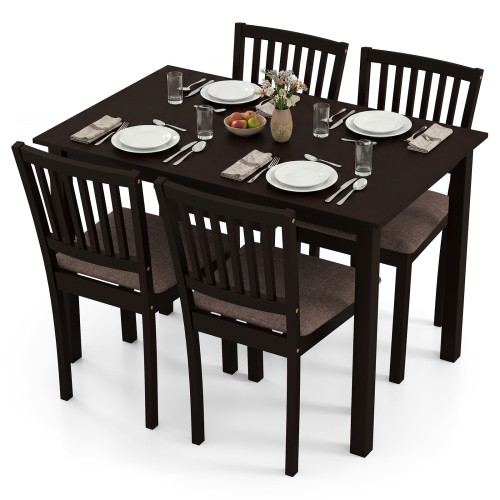
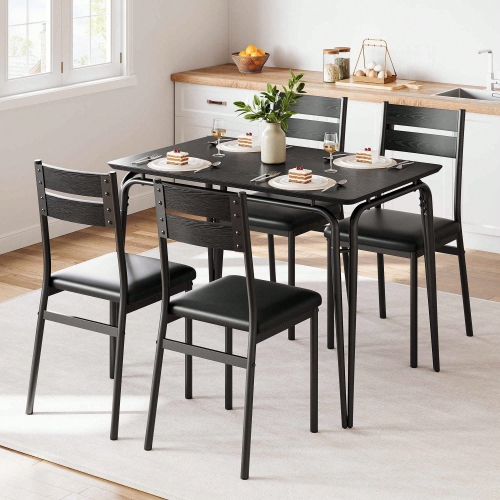
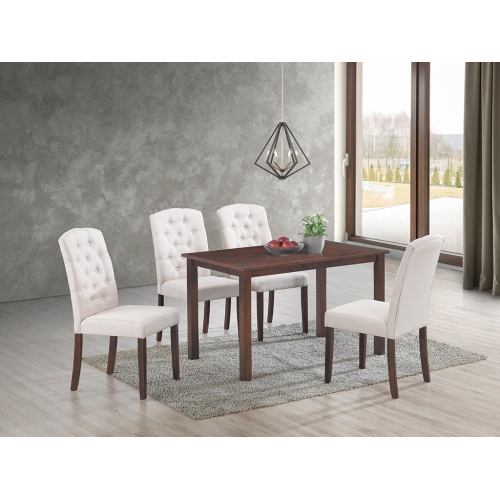

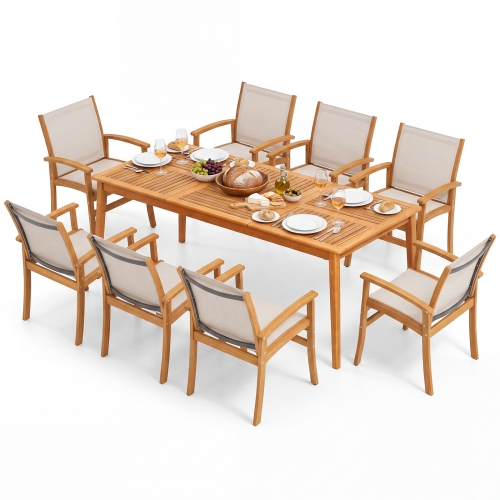
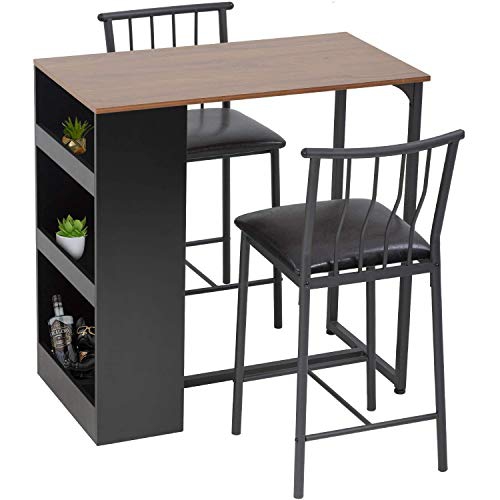
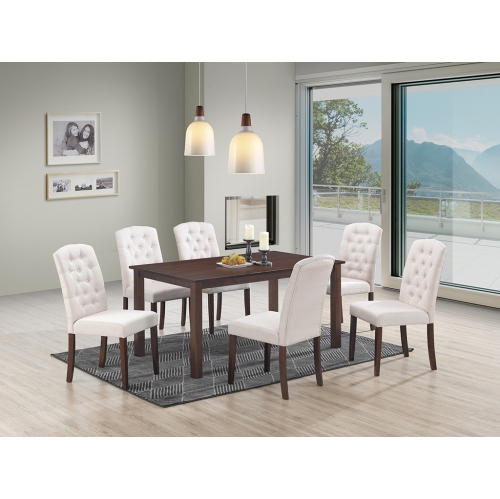
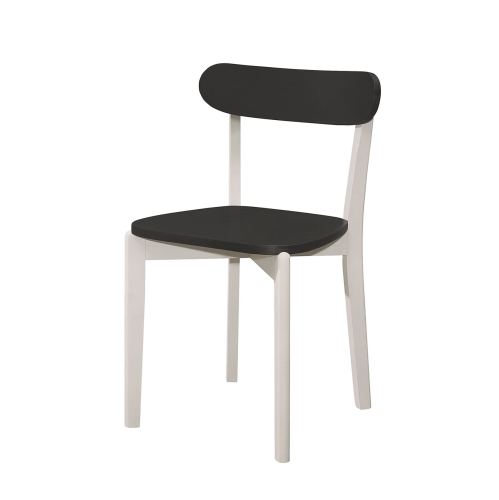
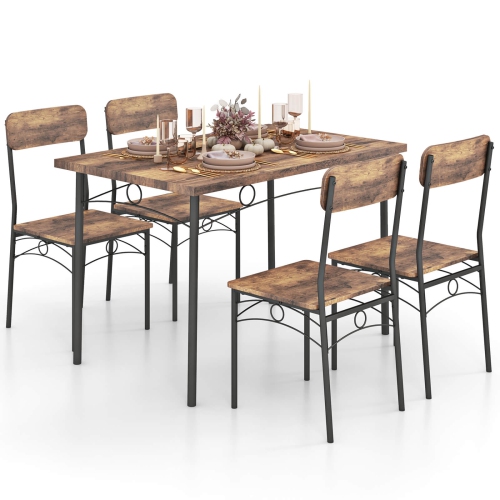
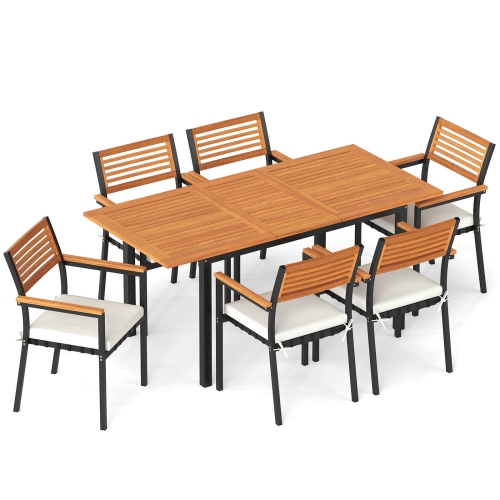

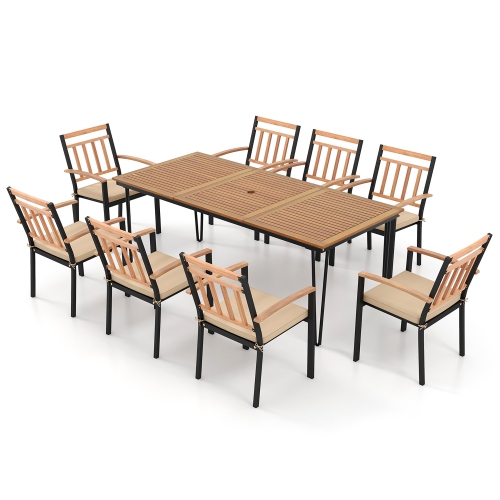
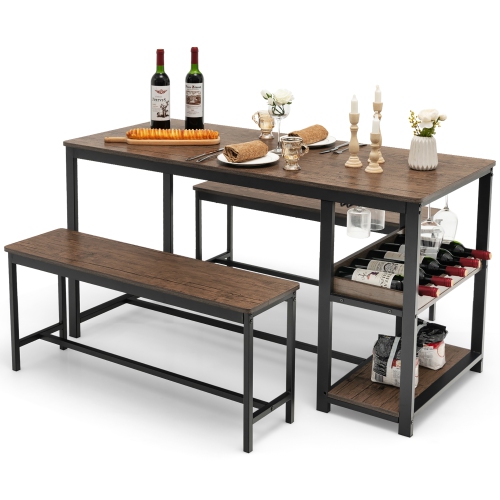
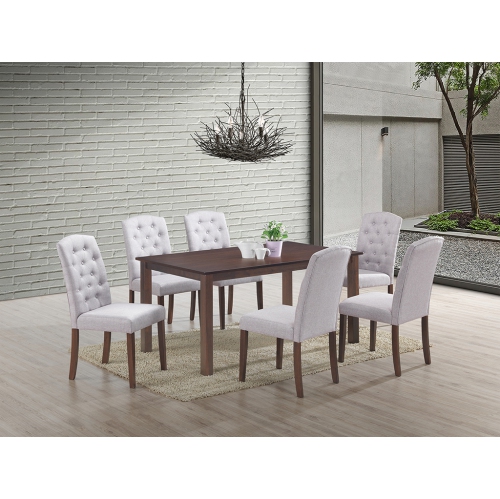
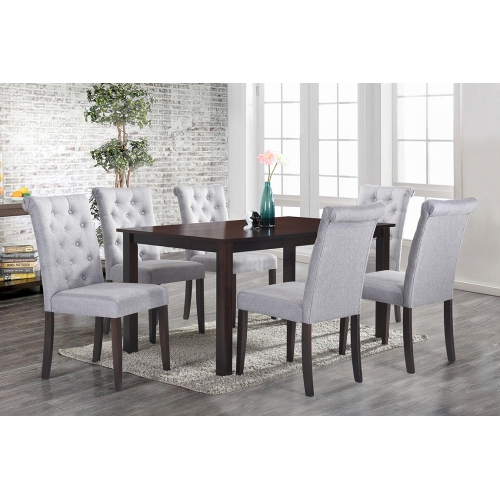

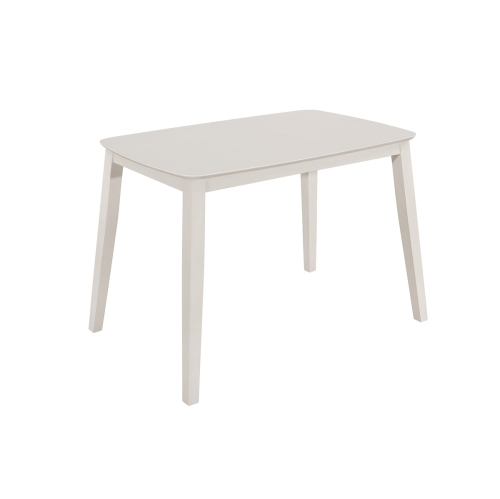
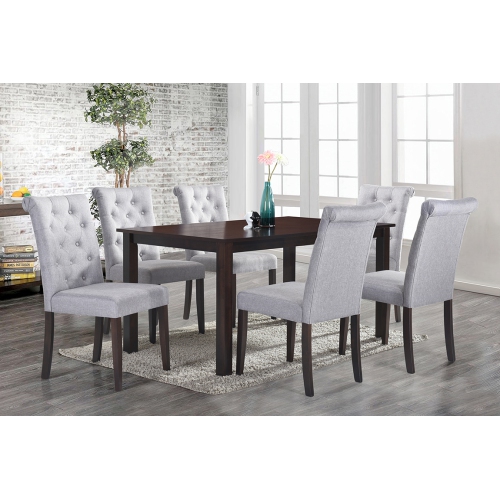
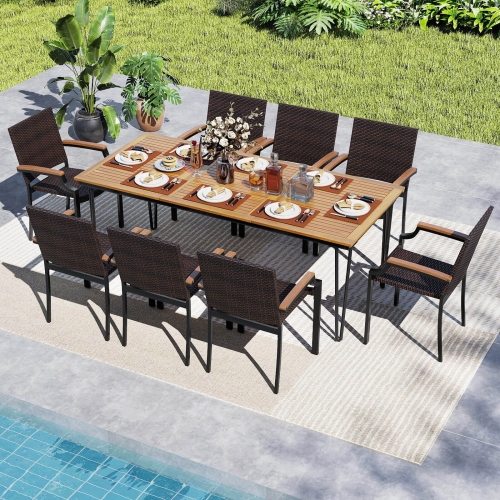

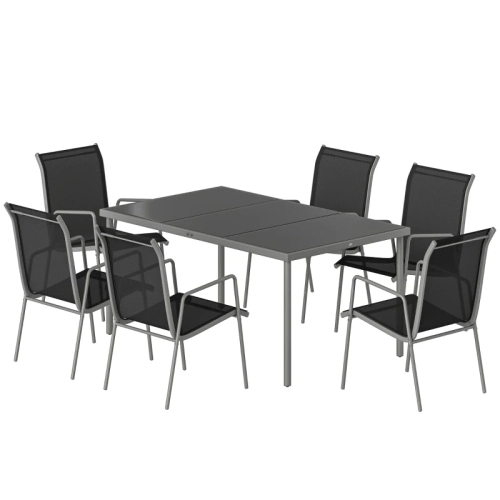
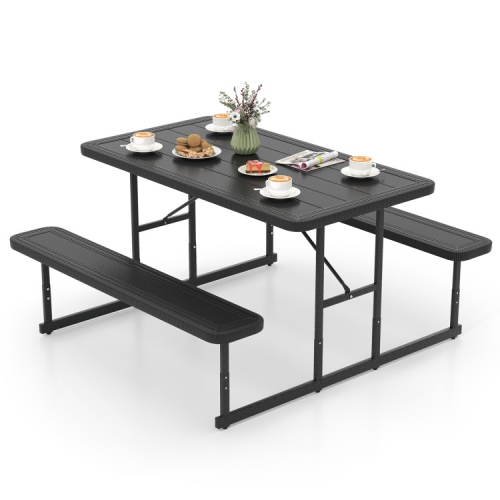


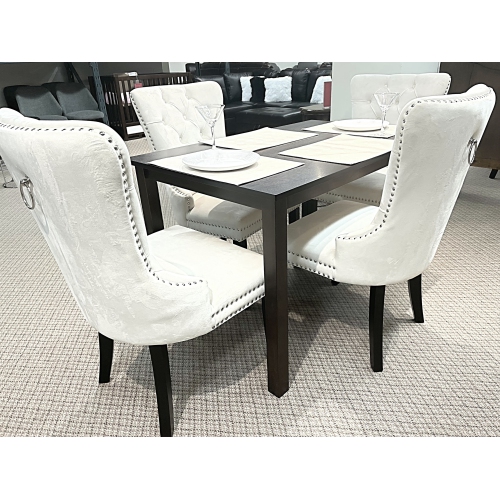
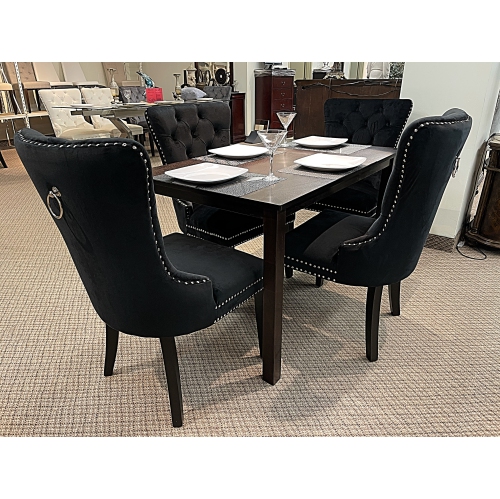
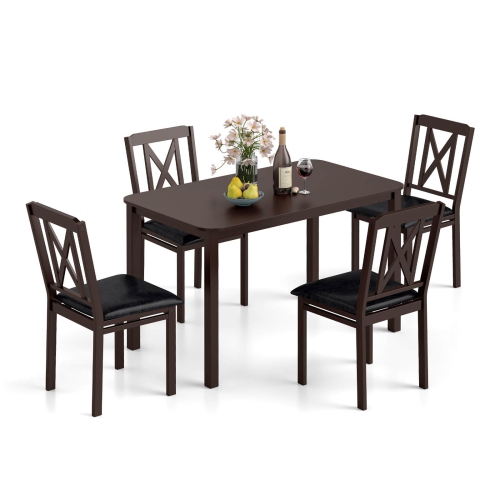
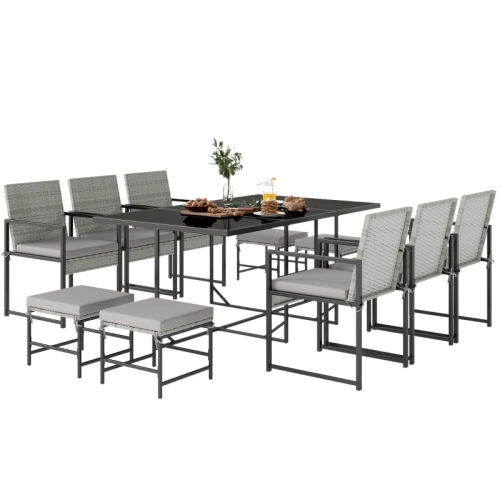
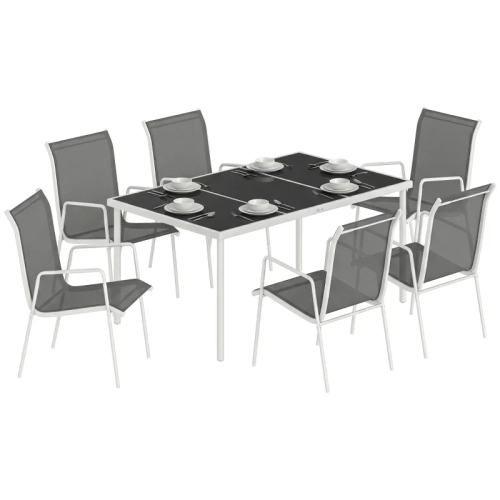
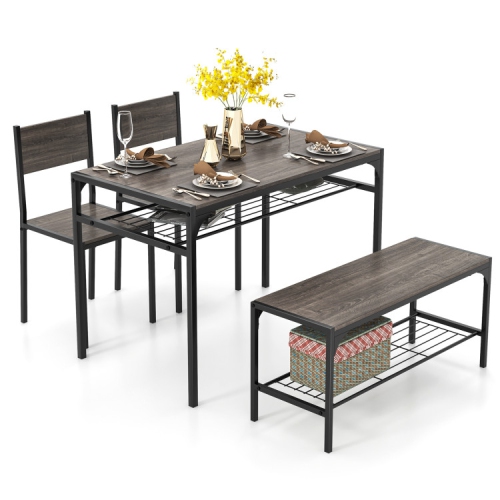
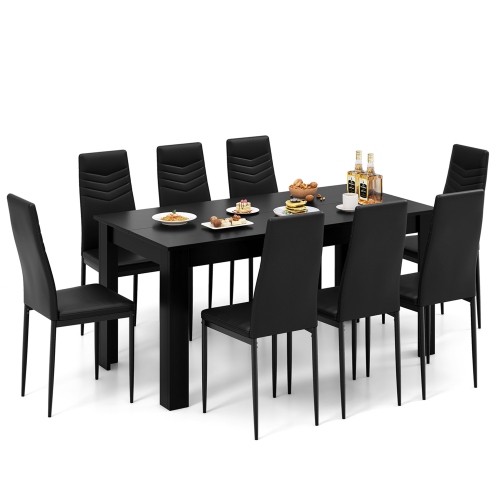
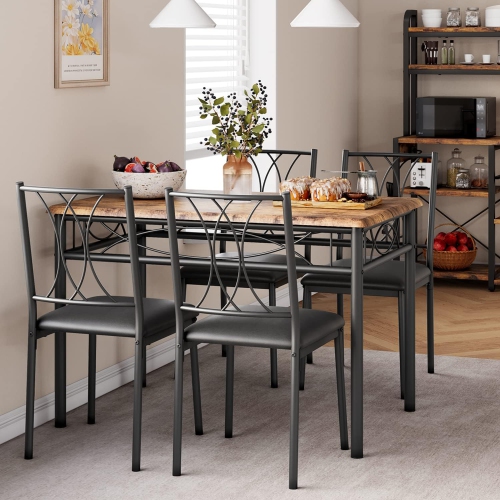
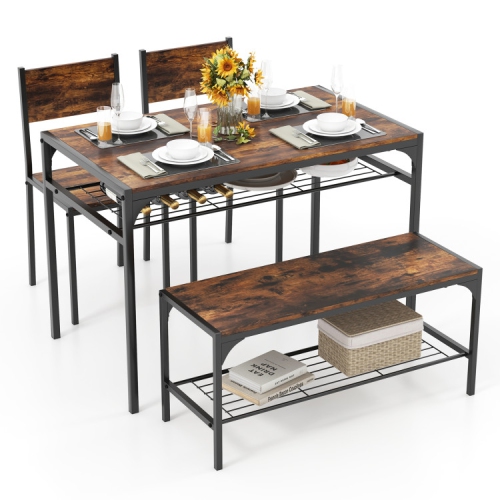
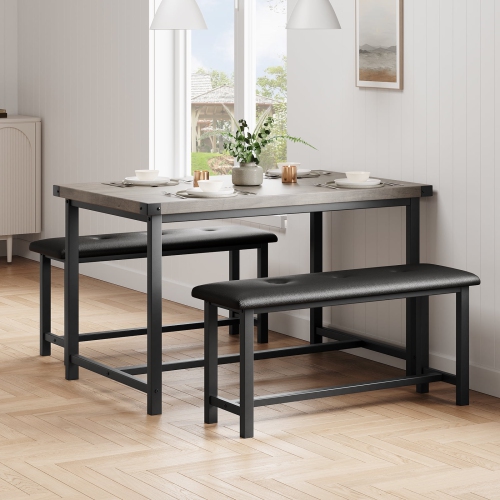
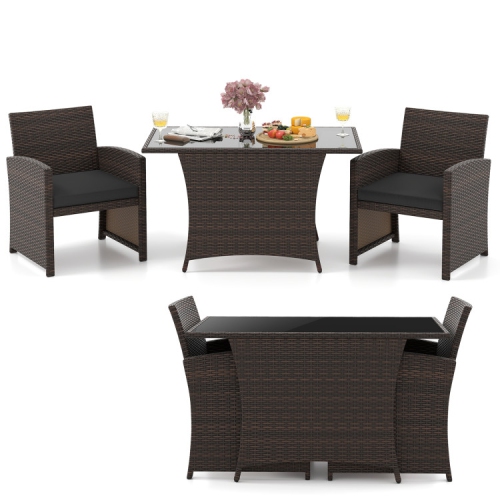
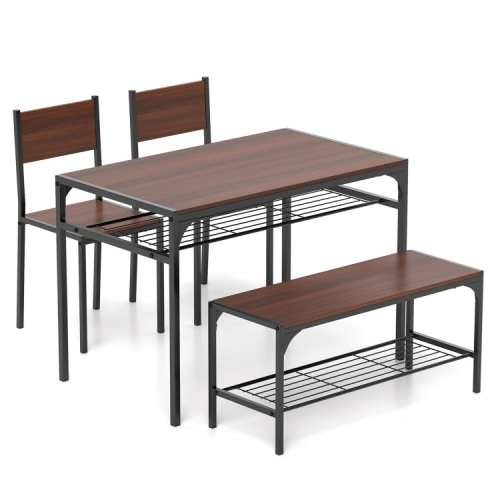
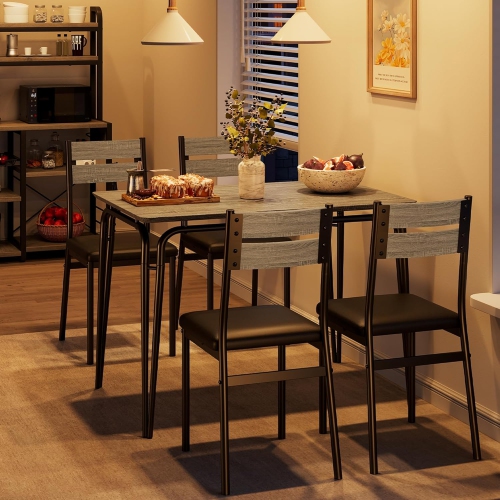
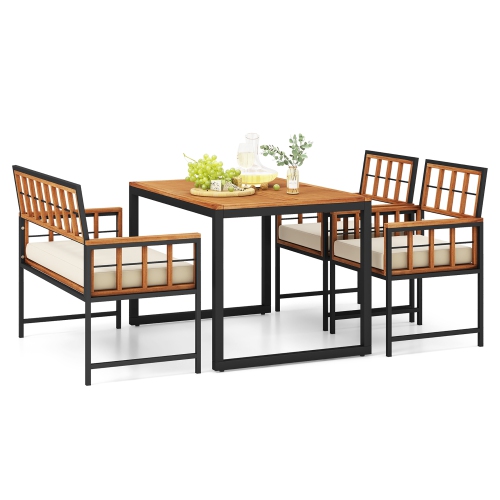
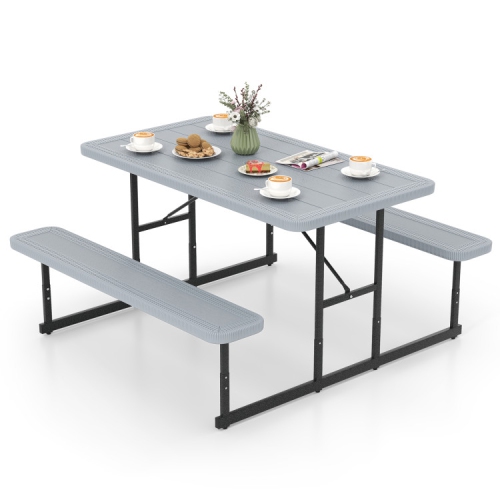
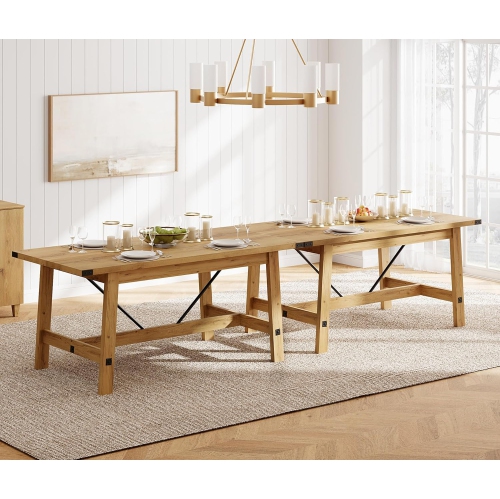

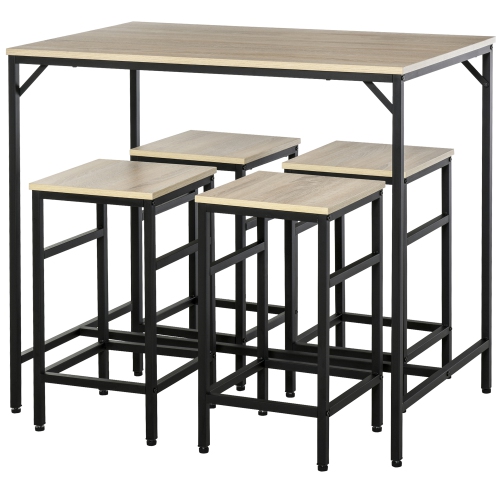
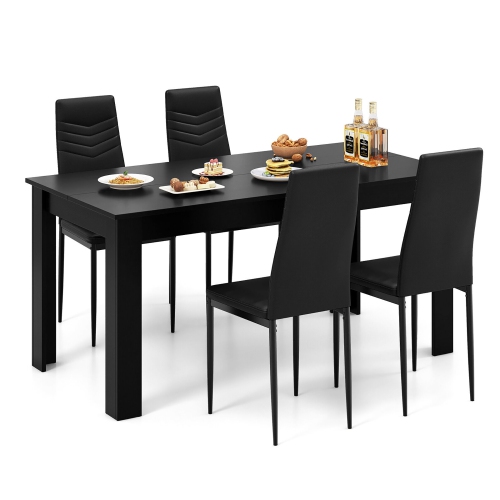
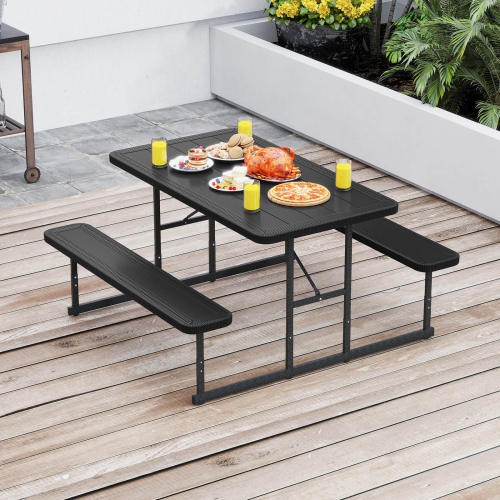
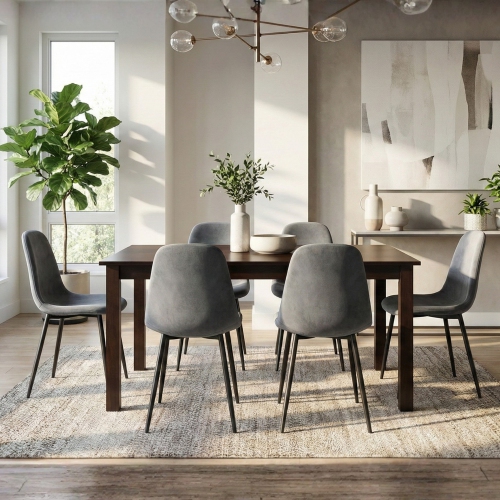
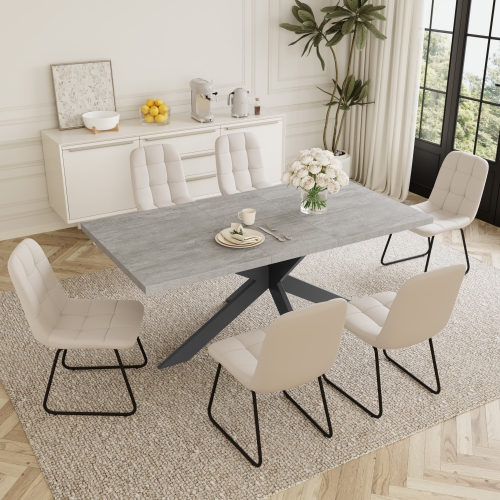
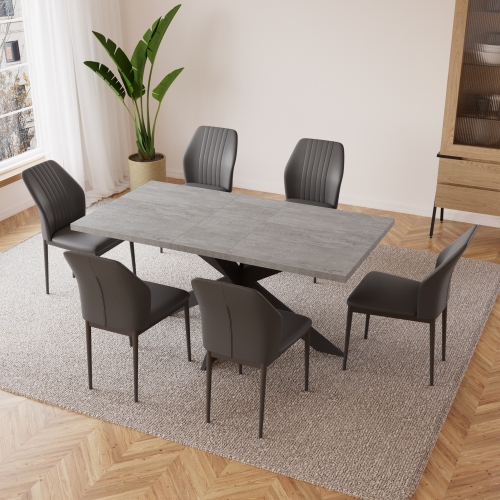
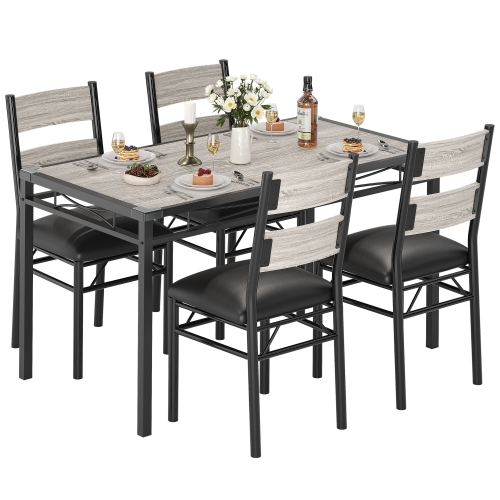
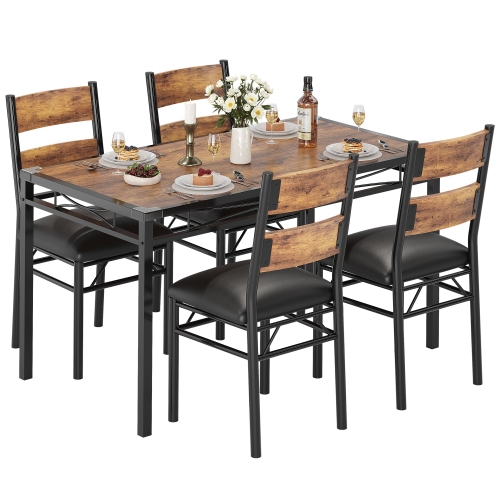
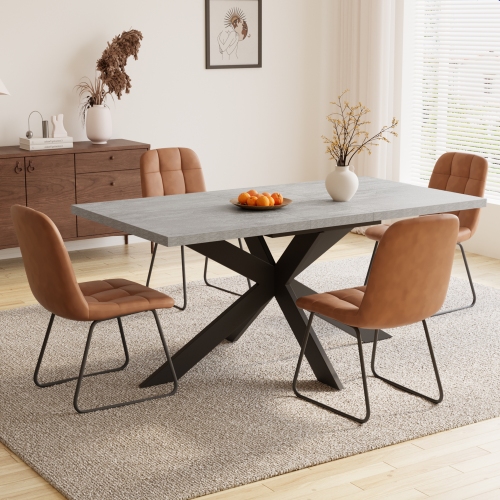
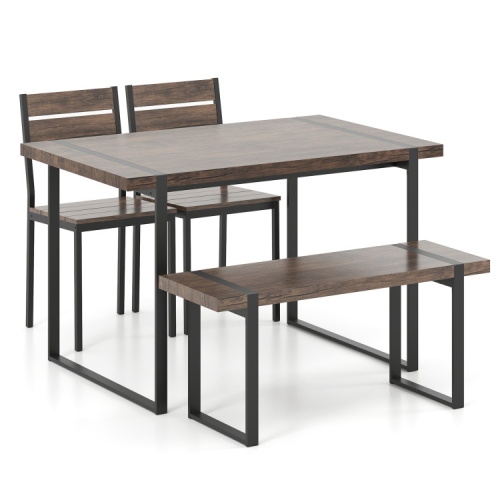
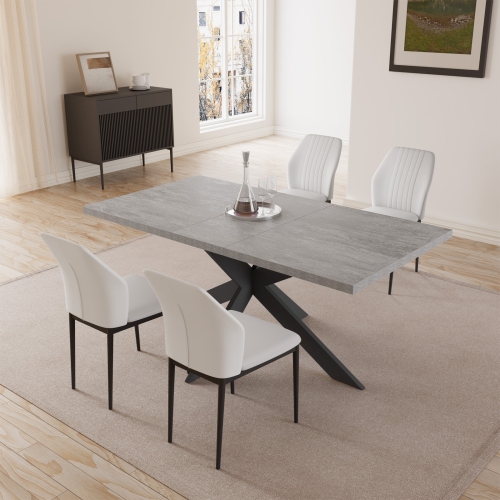
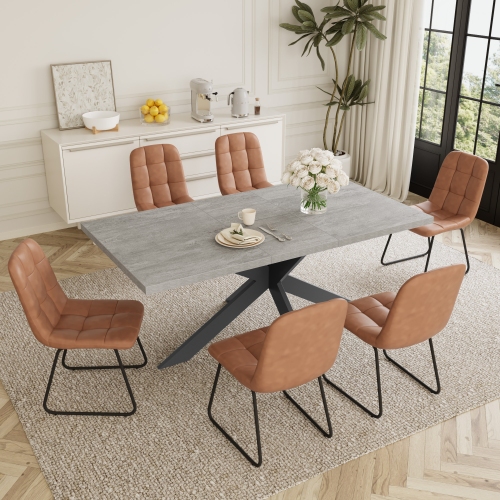
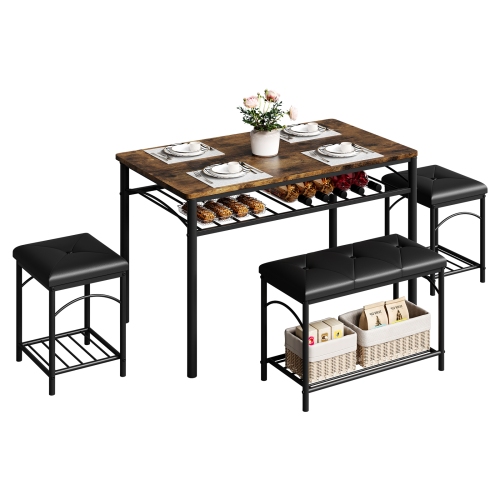
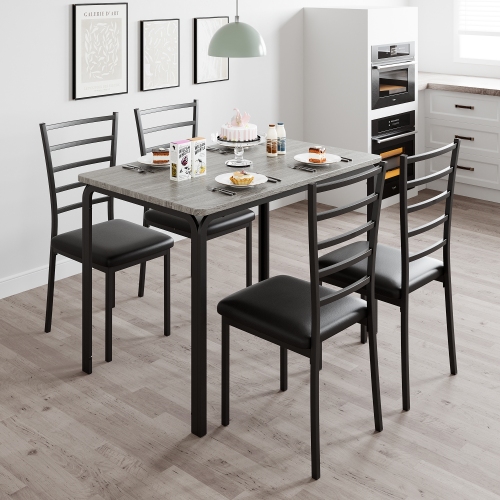
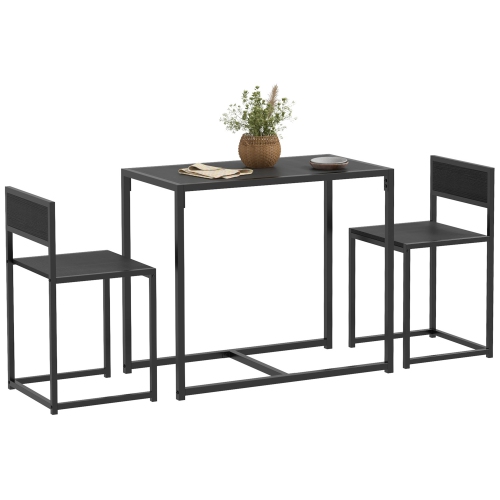
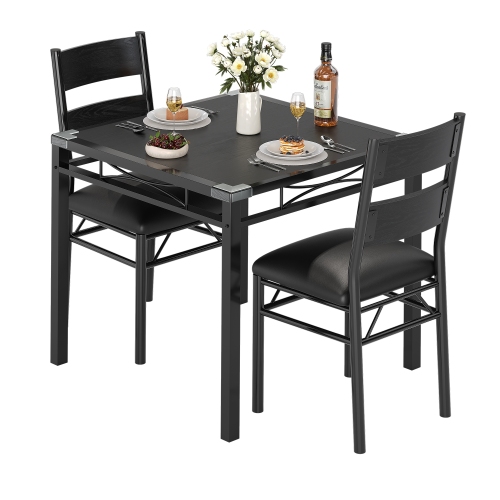
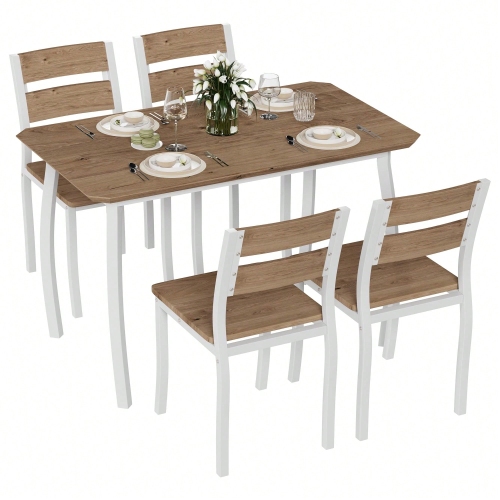
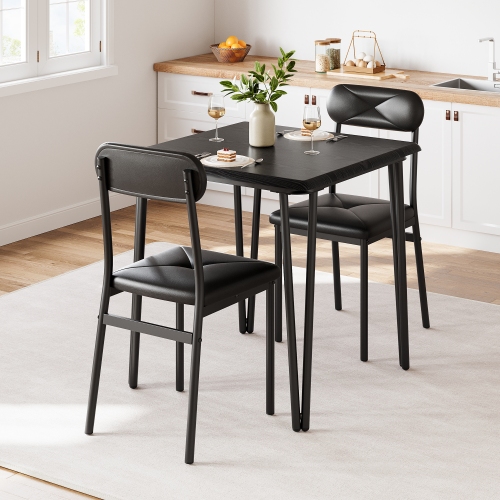

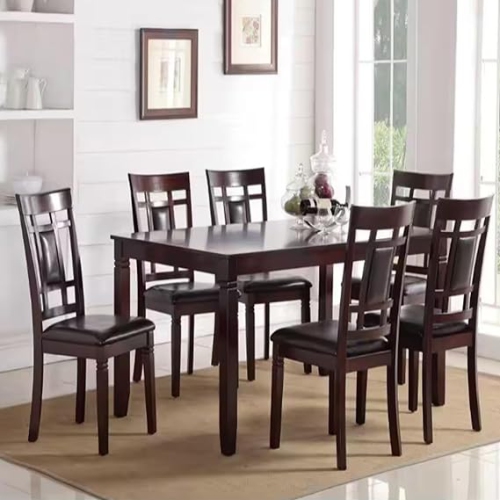
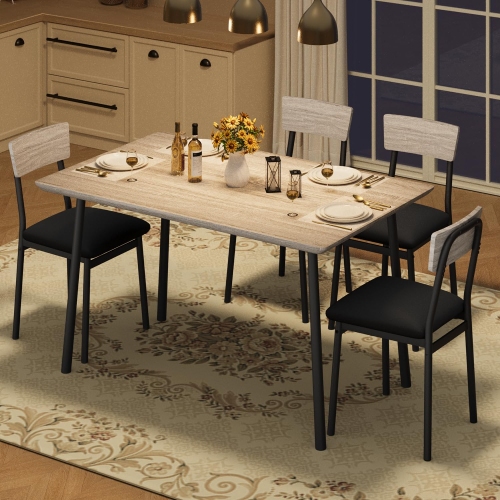
Comfortable dining starts with room beyond the tabletop
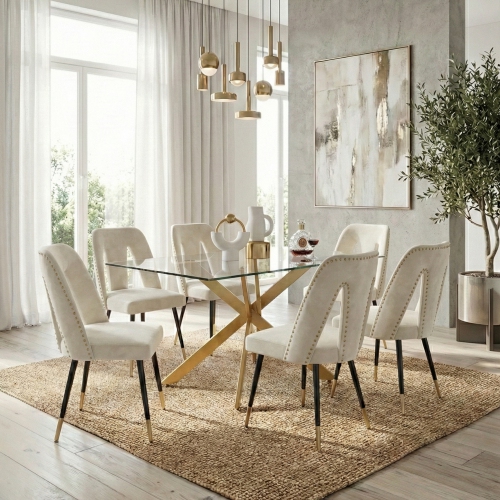
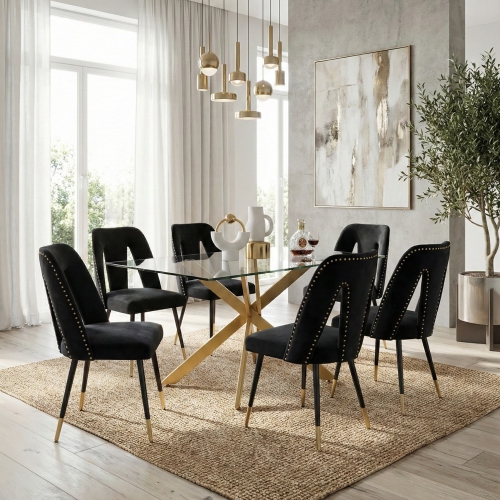
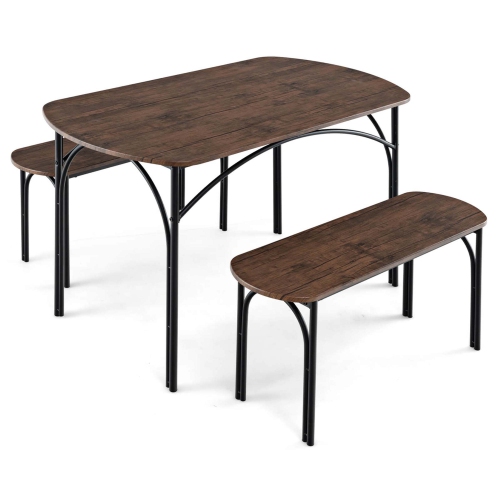
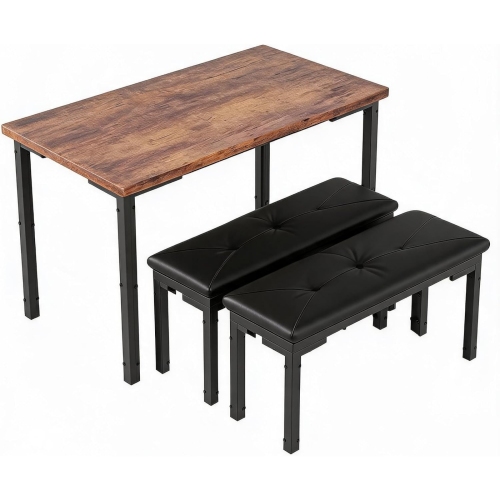
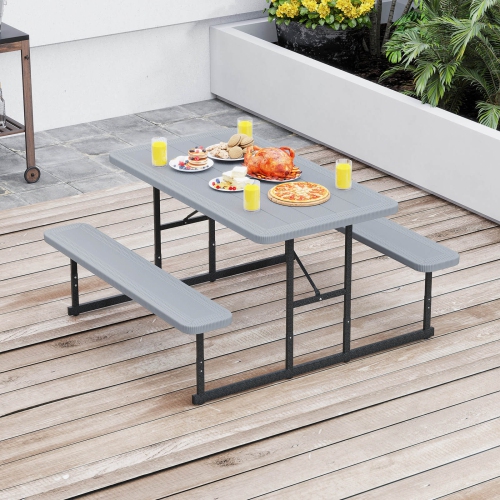
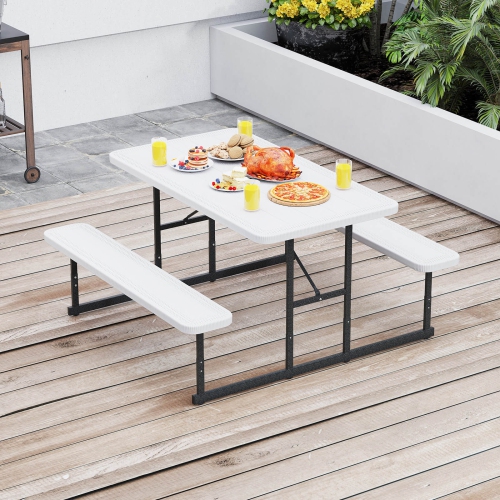
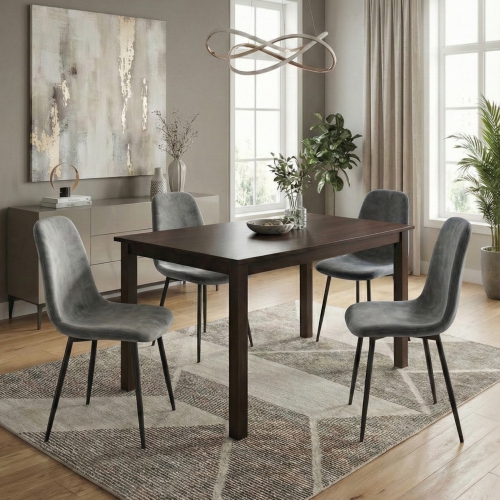
Rectangular dining sets bring a table and coordinated seating together in a shape that suits everyday meals, shared dishes and longer conversations. Their straight sides make efficient use of many dining rooms and open-plan layouts, creating a clear gathering place without requiring a separate, formal space. A five-piece set generally includes a table and four chairs, while a seven-piece set generally includes a table and six chairs; sets with benches may use a different combination, so the seating arrangement matters as much as the piece count. A compact rectangular set can give two people room for breakfast and a laptop between meals, while a longer table can accommodate a larger household or regular dinner guests. The right fit depends on usable space around the furniture, not just the tabletop dimensions. Around 90 cm of clearance between the table edge and a wall or other furniture is a useful starting point for pulling out chairs, with more room helpful where people walk behind occupied seats. Sideboards, door swings and nearby kitchen cabinetry can all affect that clearance. Along the table, roughly 60 cm of width per person offers a practical starting point, although wide chairs, armrests and generous place settings may need more. Table width also changes how the space feels: a narrower surface can suit a smaller dining area, while a wider one leaves room for serving bowls between place settings. Legs and supports deserve attention, too. Corner legs can define where chairs fit, while a trestle or pedestal base may offer different seating flexibility, depending on its position and shape. In a dining nook beside the kitchen, a bench along one side can keep the arrangement visually simple, but it still needs room for people to sit down and get up. These proportions help distinguish a set that merely fits within a room from one that feels comfortable throughout a meal.
Materials influence the character of rectangular dining sets as well as the attention they need over time. Solid wood brings visible grain and natural variation, with lighter finishes often feeling relaxed and darker tones giving the dining area more visual weight. Wood can develop marks through daily use, and some finishes can be repaired or refinished more readily than others. Veneered surfaces offer a real-wood appearance over a supporting core, although the thin surface layer requires care and generally cannot tolerate repeated sanding. Engineered wood with a laminate or similar protective surface can be practical for busy dining spaces, but exposed edges and joints should be protected from standing moisture. Glass tabletops create an open look and allow the base to become part of the design; fingerprints and crumbs are more noticeable, and edges benefit from careful handling. Stone and marble surfaces provide a substantial appearance, though their weight, porosity and sensitivity to spills vary by material and finish. Acidic liquids can mark some natural stone, making prompt cleanup and suitable surface protection important. Metal bases can create a slim profile or a more substantial industrial look, with the quality of the finish affecting resistance to scratches and wear. Across these materials, stable construction, secure joints and a level table are more meaningful durability details than appearance alone. Everyday care is usually straightforward when matched to the surface: a soft cloth, prompt spill removal, coasters and heat-resistant trivets help limit common damage. Cleaning products should be suitable for the material and used according to the furniture’s care directions. Upholstered chairs introduce another layer of maintenance, particularly where children eat or pets brush against seating. Smooth, wipeable surfaces simplify small cleanups, while woven fabric adds texture but may need more attention to trapped crumbs and stains. Removable seat covers, where included, have their own washing requirements. A finish or fabric that works with the household’s routines is more likely to remain appealing than one that demands care no one has time to provide.
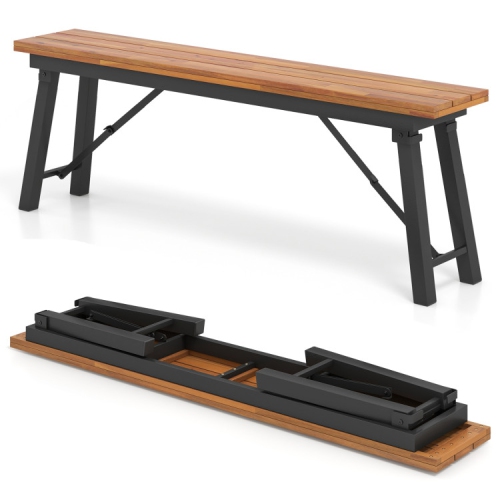
Comfort and intended use give a dining set its lasting value. A chair that looks neatly proportioned beside a table still needs to support a relaxed seated position, with feet resting comfortably and enough space between the seat and the underside of the tabletop. A gap of roughly 25 to 30 cm between the seat and tabletop is common, but a deep table apron or thick cushion can change the usable space. Armchairs need sufficient clearance to slide underneath, and wider seats can reduce how many people comfortably fit along each side. Back shape, seat depth and cushioning become particularly noticeable during long dinners, board games or an evening spent helping with homework. Benches can make room for flexible seating, although a backless design offers different support from a chair and can make it harder for someone in the middle to leave the table. Extendable rectangular dining sets can balance a smaller everyday footprint with extra seating for guests, provided the room accommodates the table when fully opened. Extension mechanisms, leaf storage and the position of the base all affect how convenient that flexibility feels. The number of included chairs may not match the table’s maximum extended seating capacity, so both details matter. For a first apartment, a coordinated set can establish a dining area with fewer decisions about matching heights, finishes and proportions. In a family home, easy-to-clean surfaces and seating that moves comfortably across the floor may take priority. Felt pads suited to the flooring can help reduce scuffs and chair noise, while a dining rug needs enough coverage for chairs to remain supported when pulled back. A complete set offers a coordinated starting point, while separately selected rectangular dining tables can work with existing chairs when the table alone needs replacing. Whether the space hosts quiet breakfasts, shared meals or lively games nights, well-matched dimensions, supportive seating and manageable care help the dining area remain useful beyond mealtimes.
Top selling and popular products
-
 Your price for this item is $218.99
-
 Your price for this item is $219.97
-
 Your price for this item is $219.97
-
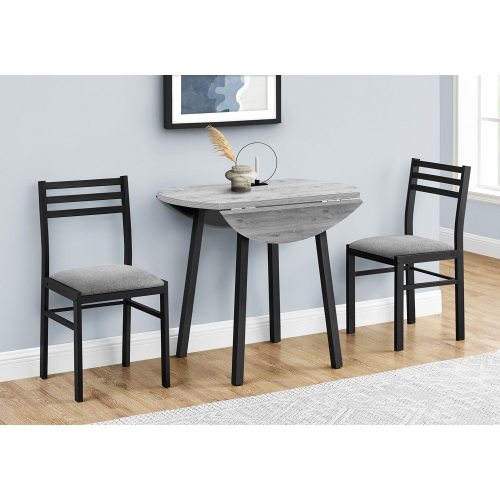 Your price for this item is $219.97
-
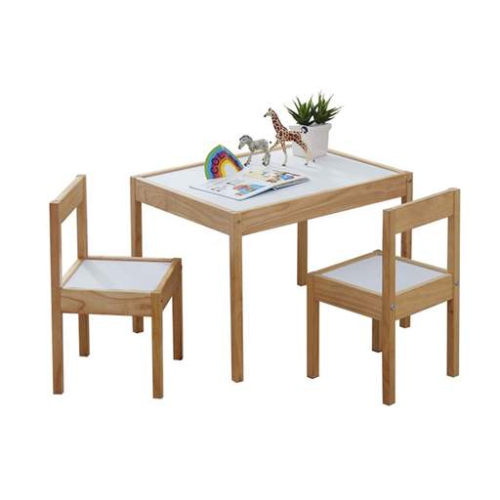 Your price for this item is $176.99
-
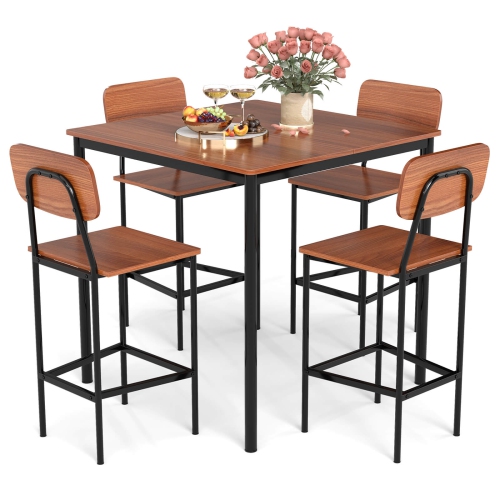 Your price for this item is $265.99
-
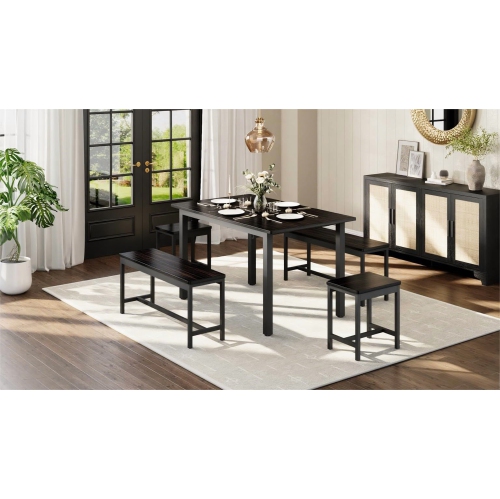 Your price for this item is $243.99
-
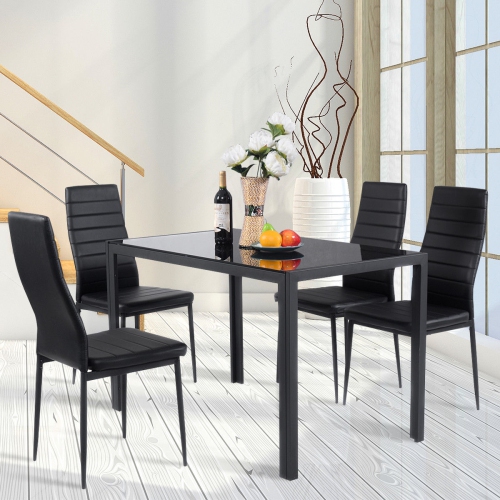 Your price for this item is $325.99
Discover more categories related to Rectangular Dining Sets
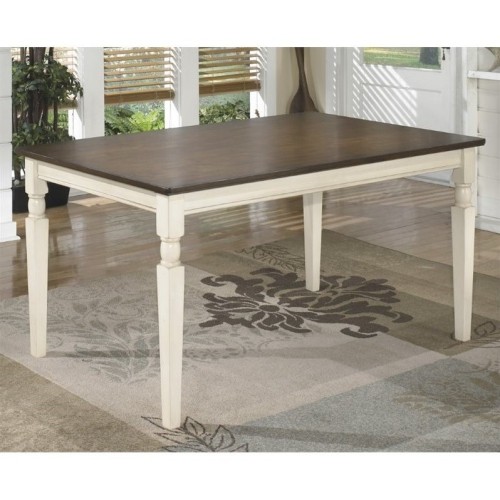
Top Collections:
Best Black Friday Deals This Year, Best Black Friday Deals On Electronics, Kindle Devices, Pokemon Centers, Best Black Friday Deals On Apple Products, Best Cameras for Sports Photography, Dyson Airwrap, Pokémon 30th Celebration Cards, Apple iPhone 17 Pro, Canon G7X Cameras
Some products may be subject to Environmental Handling Fees
(EHF) depending on your province.
Learn more about EHFs.