Rectangular Glass Dining Tables
Rectangular glass dining tables are a popular choice for modern dining rooms. These tables combine the sleek and contemporary look of glass with a classic rectangular shape, making them a timeless addition to almost any home. Here are some great options available.
Sort

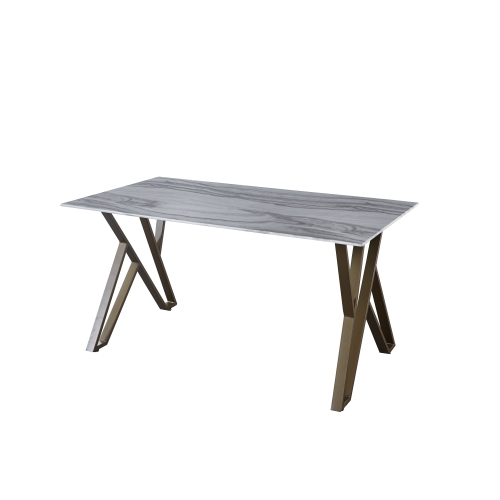
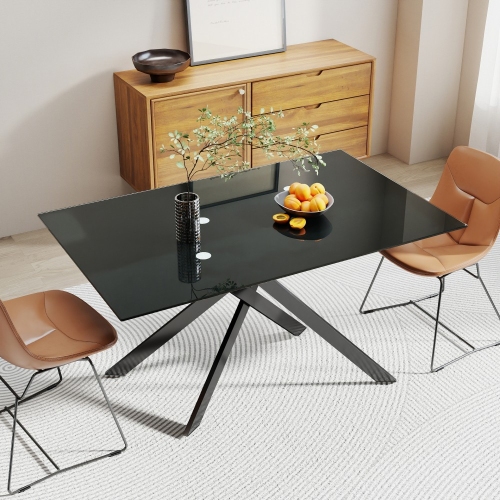
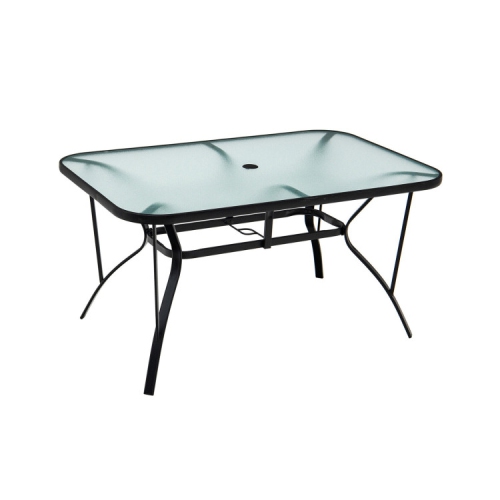
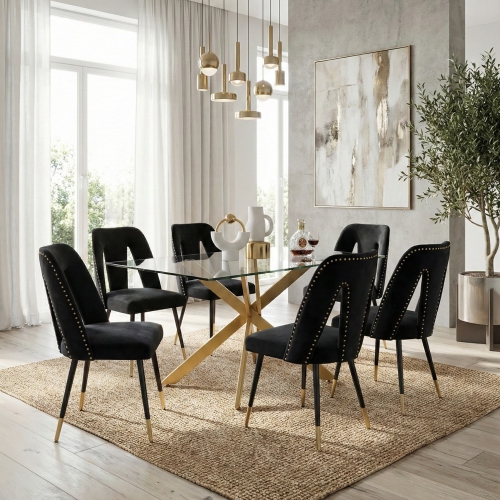
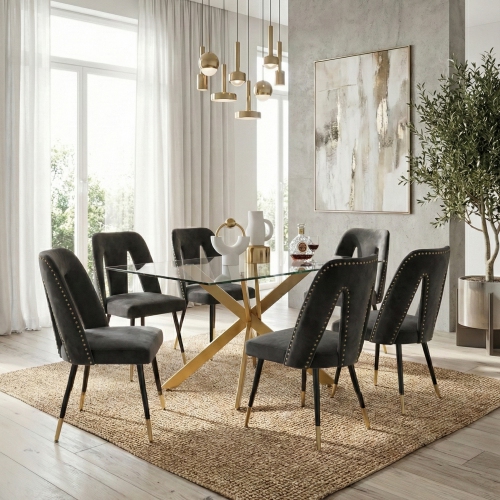
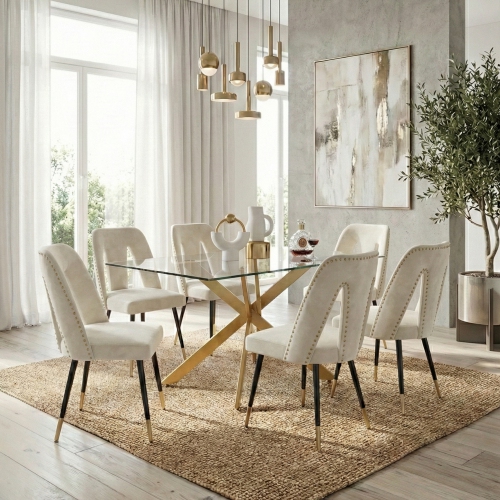
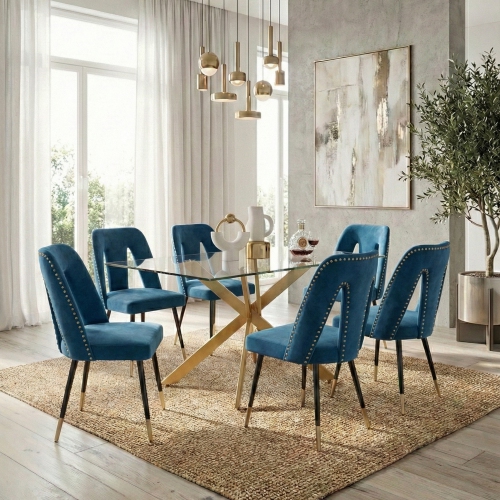
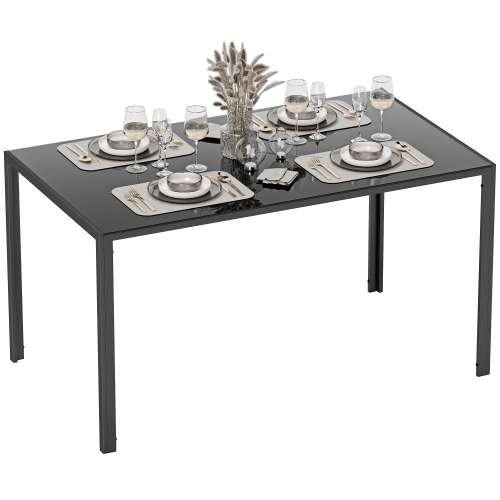
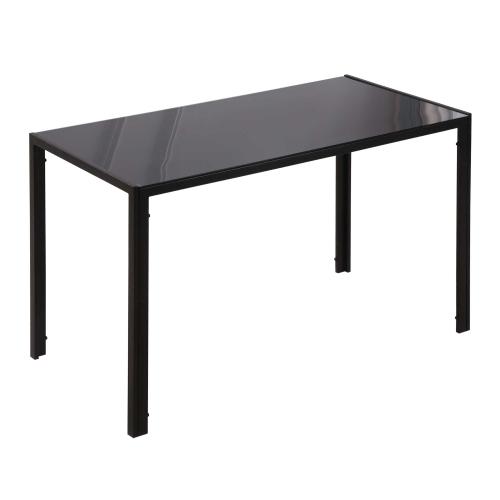
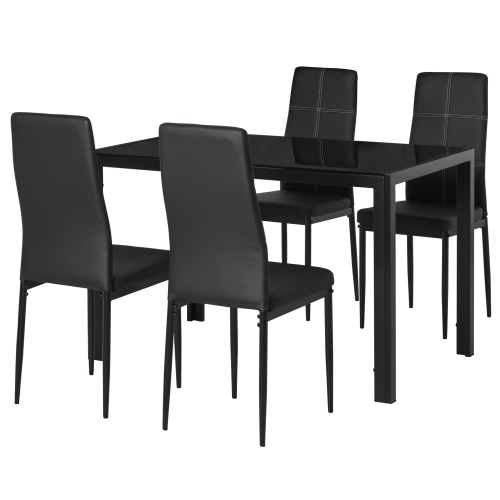
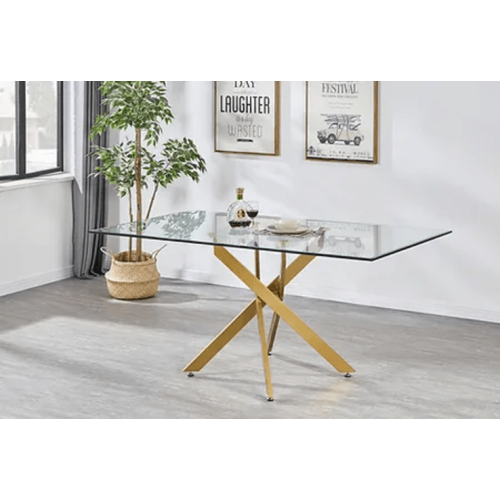
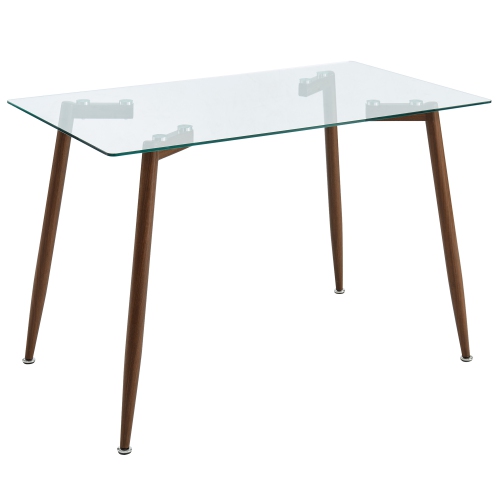
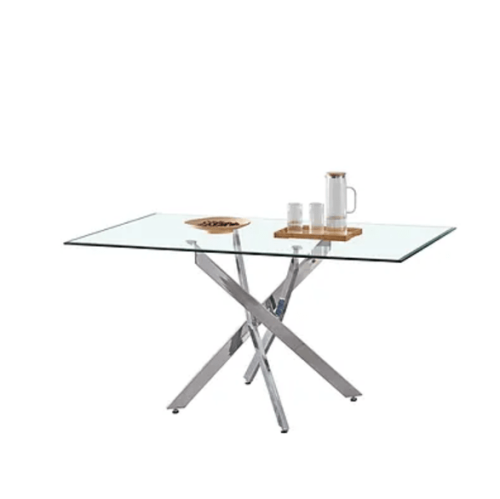
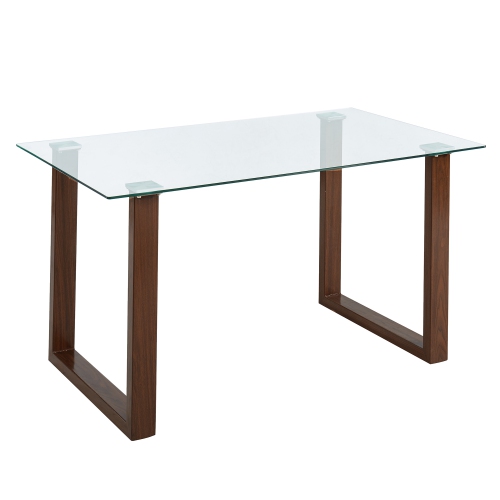
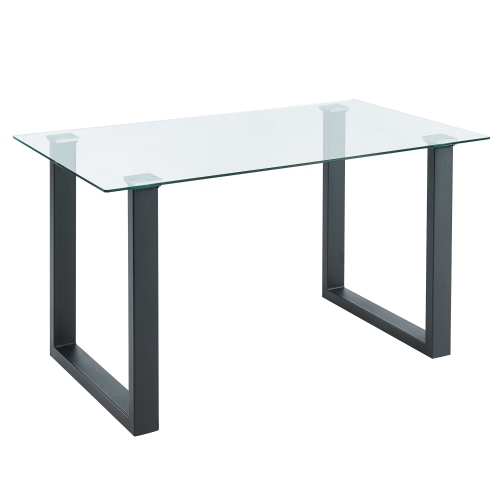
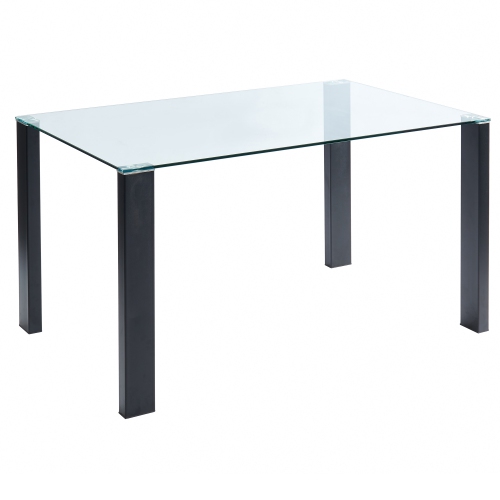
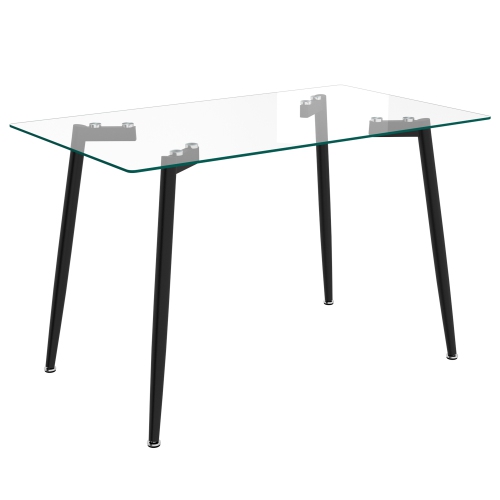
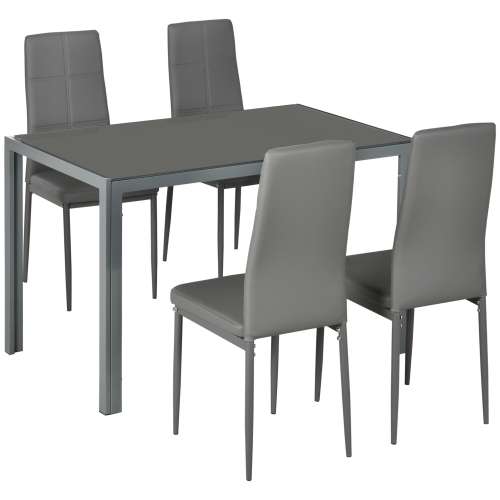
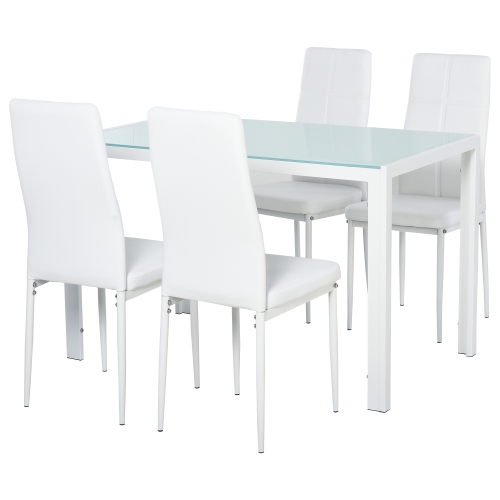
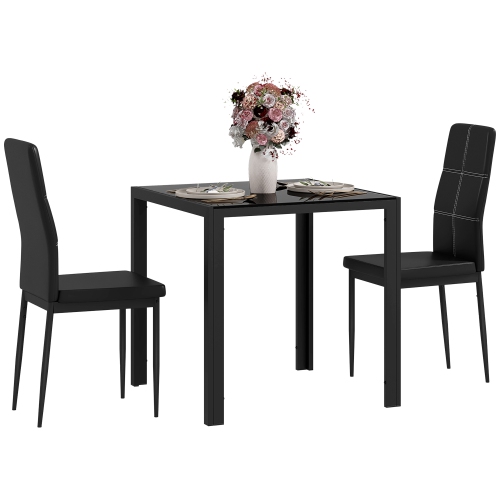
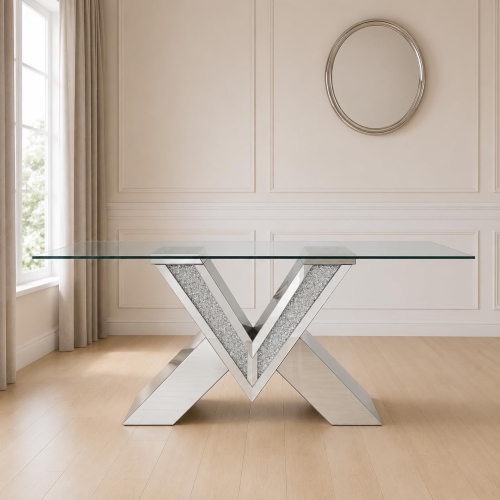
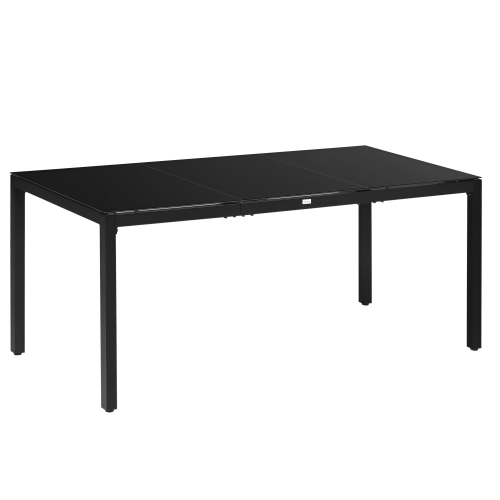
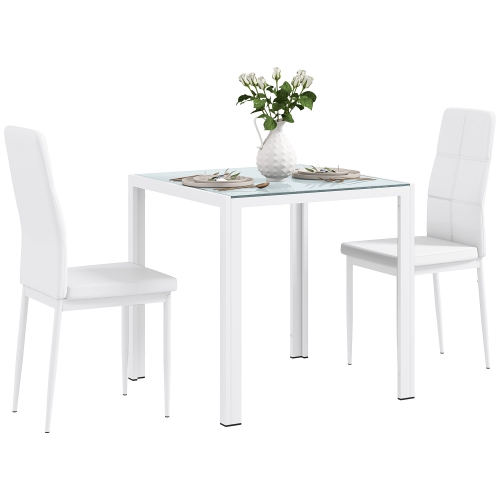
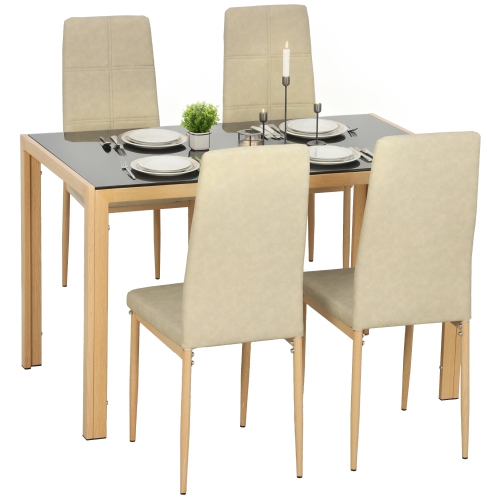

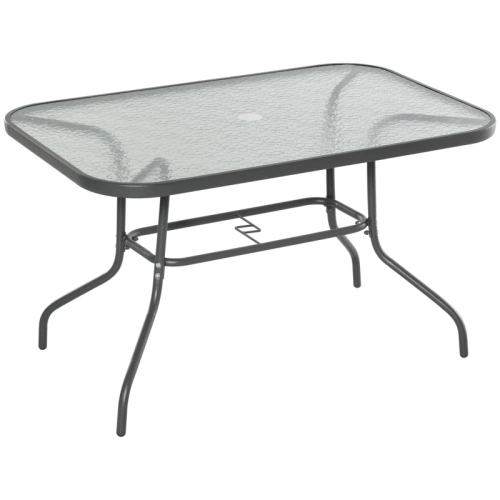
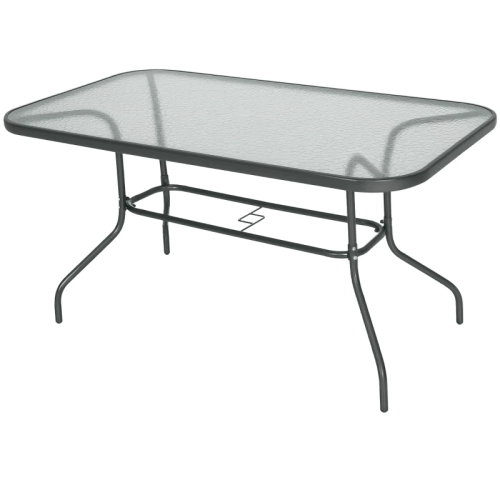
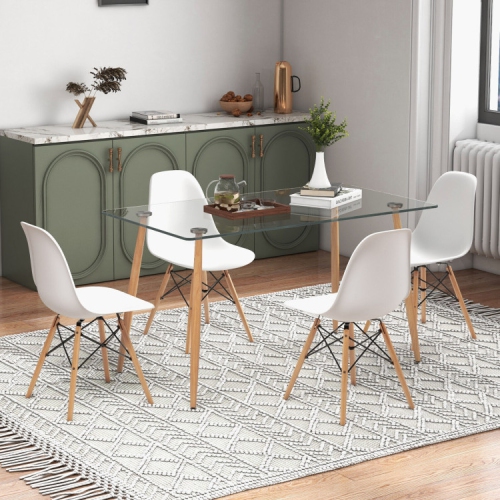
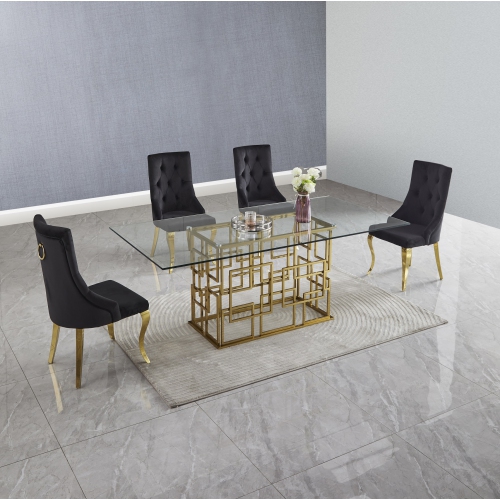
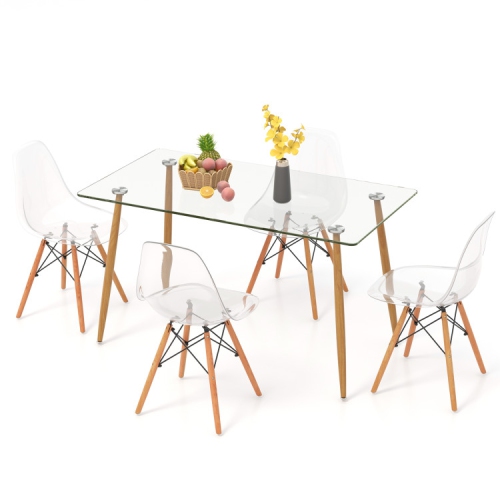
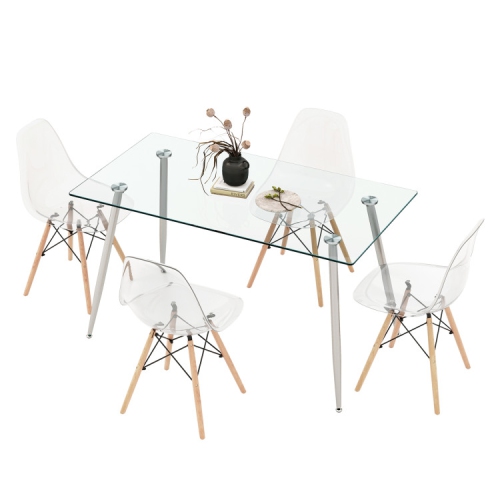
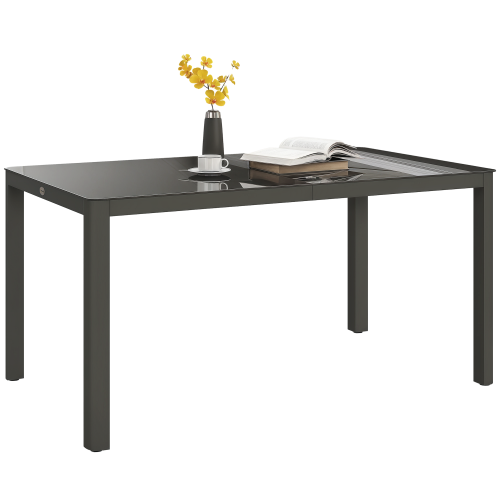

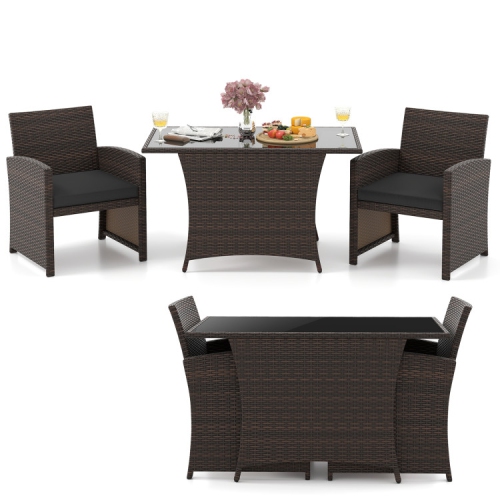
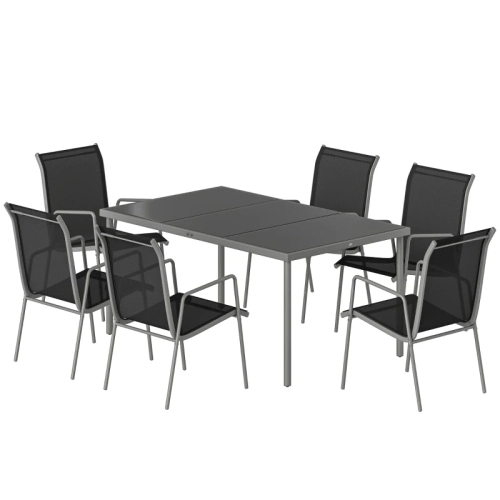
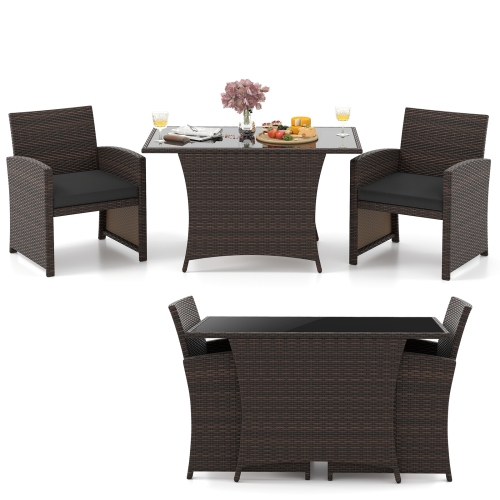
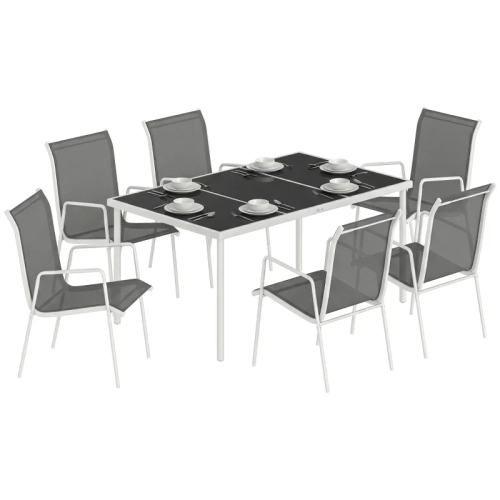
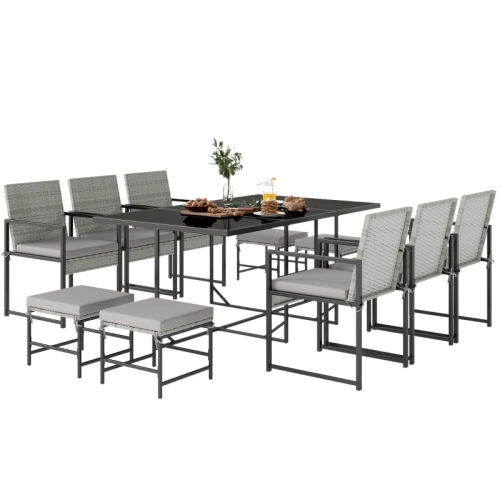
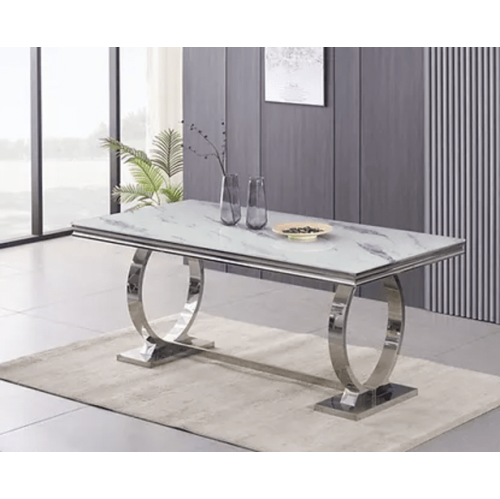
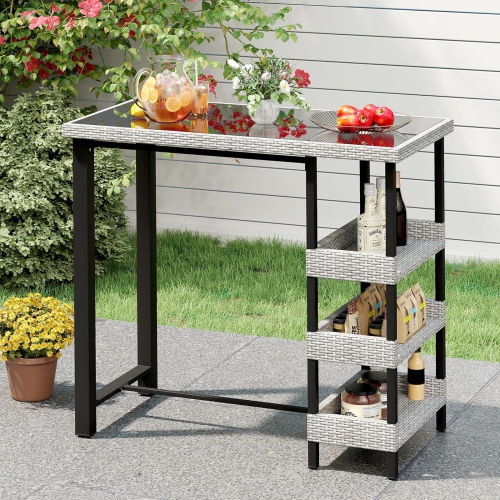
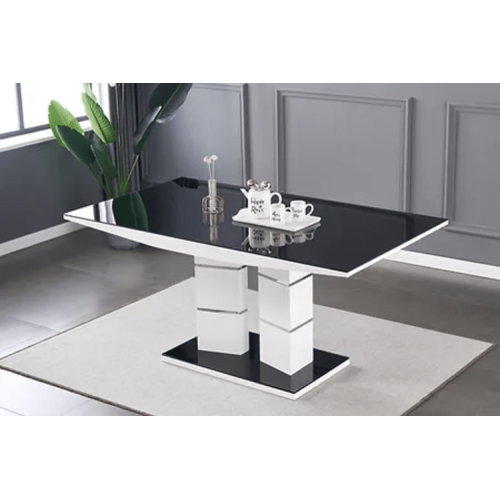
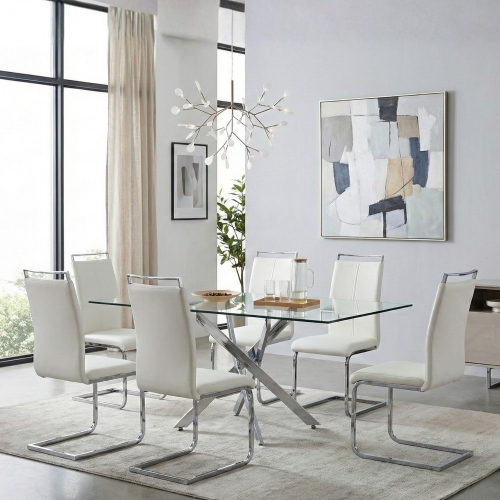
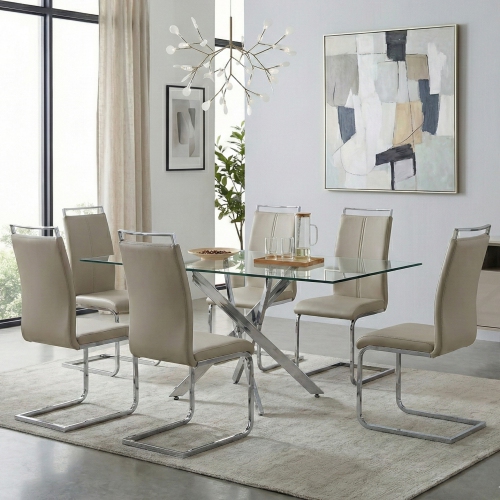
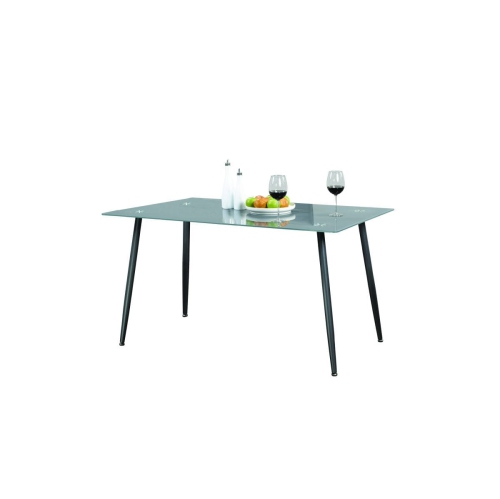
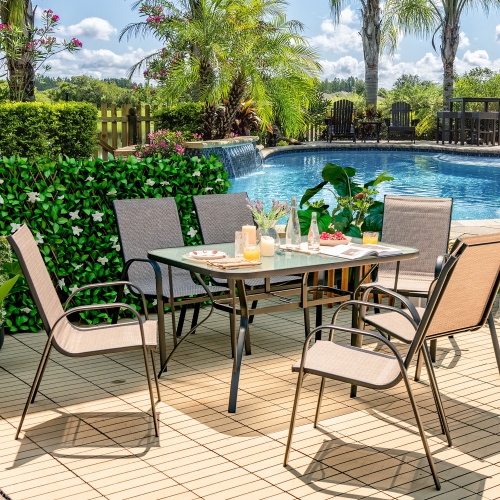
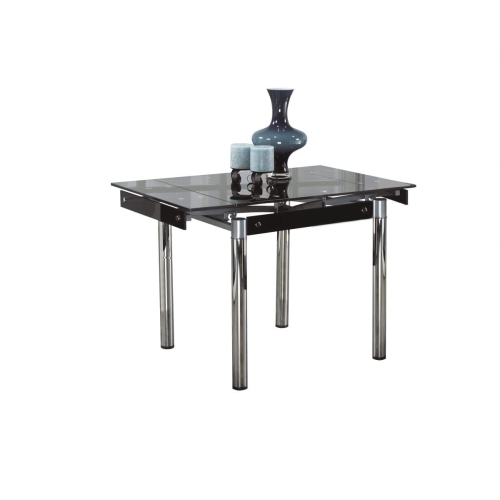
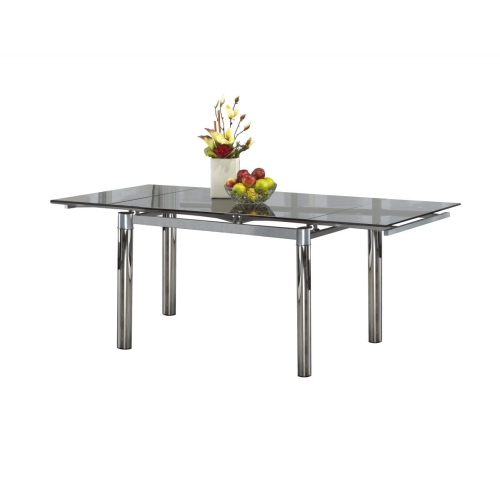
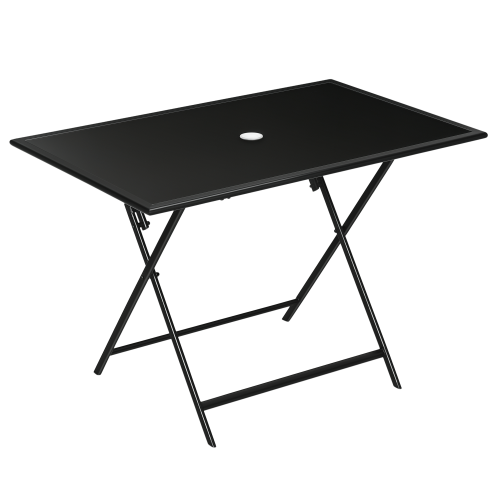
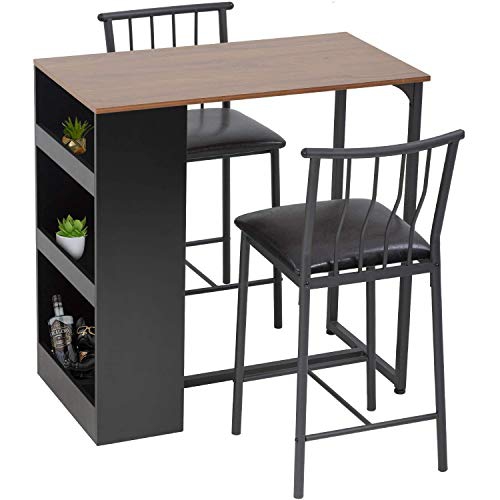


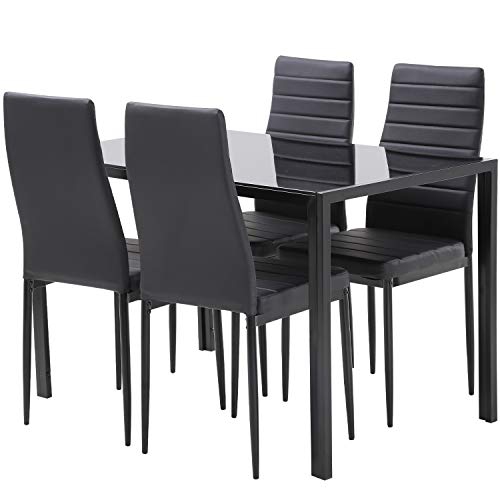
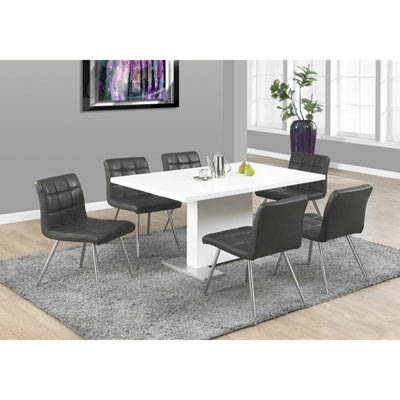
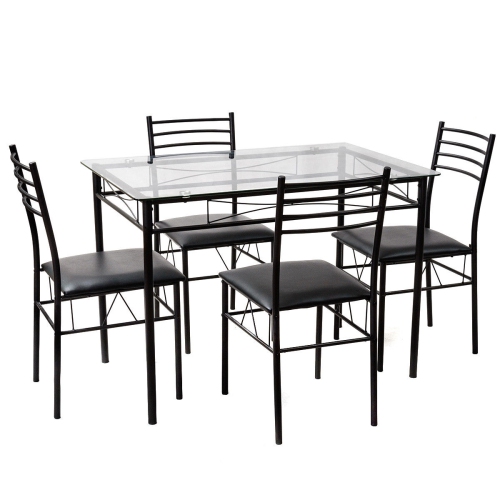
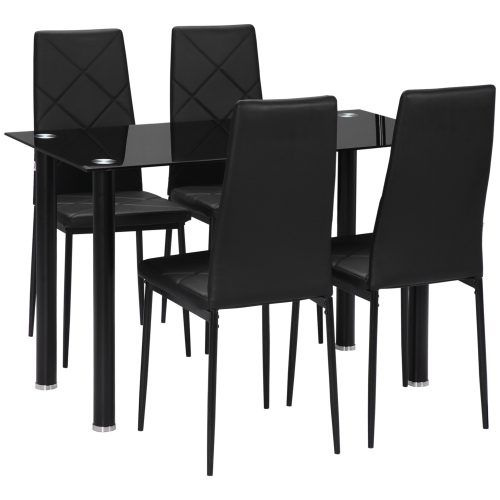
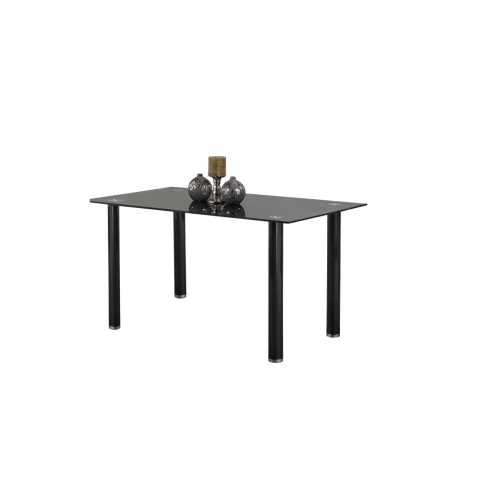
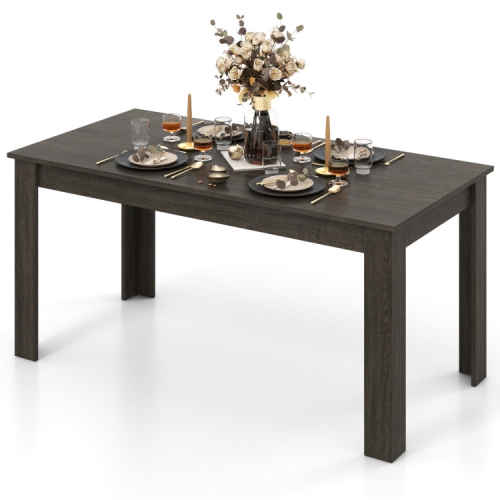
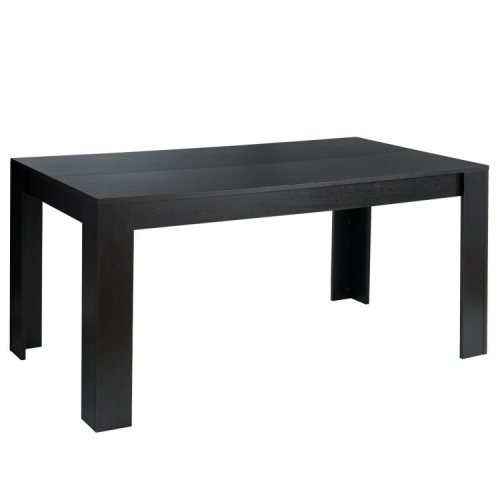
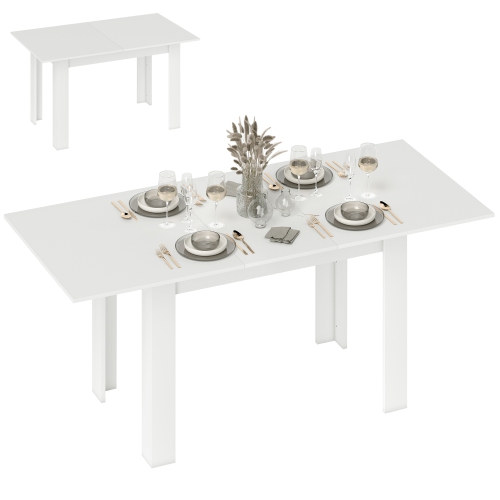
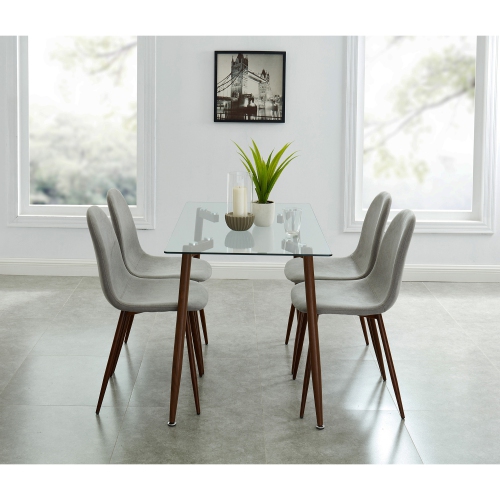
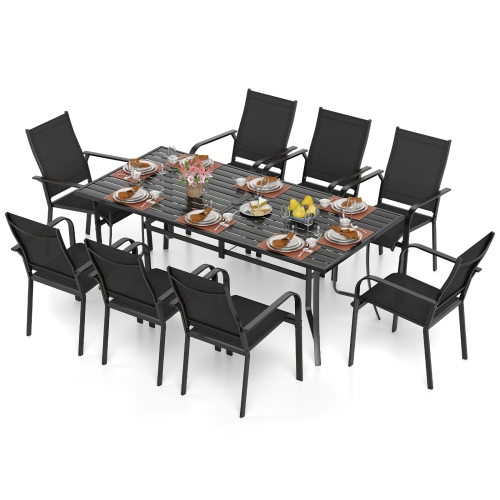
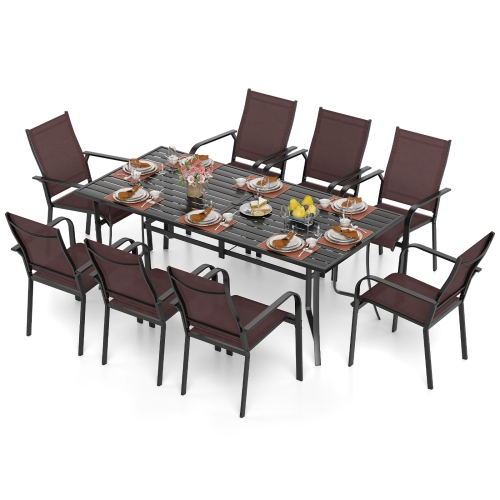
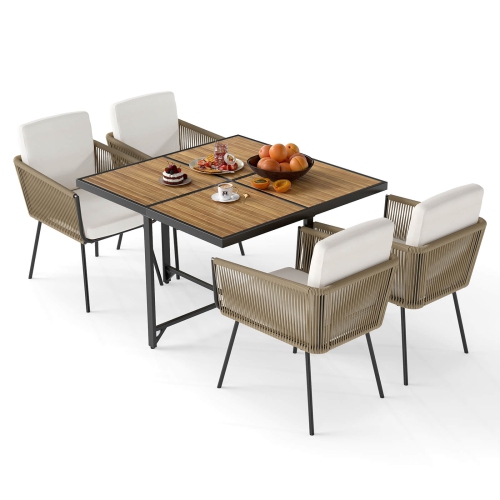
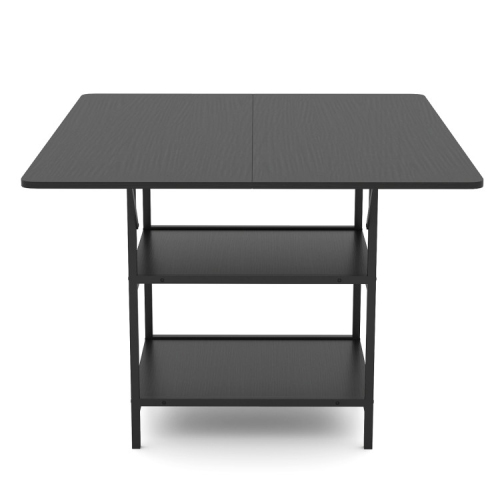
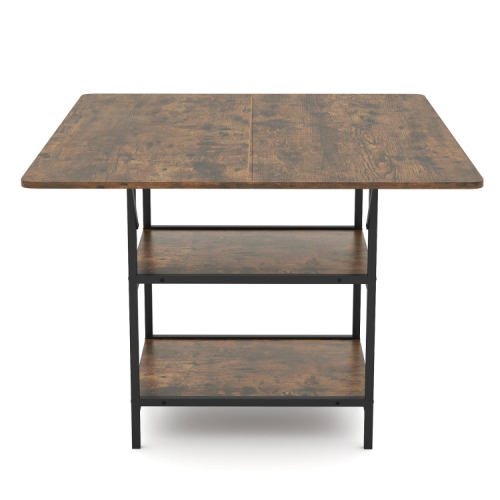
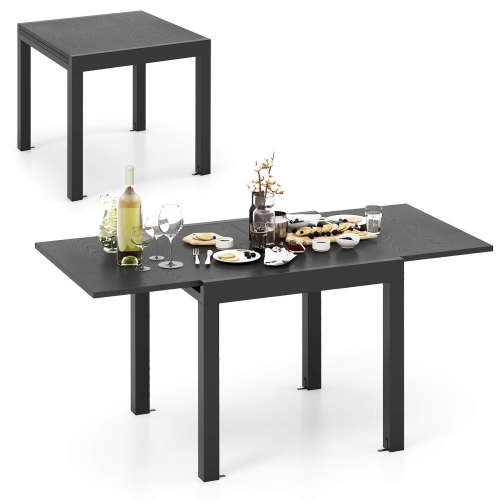
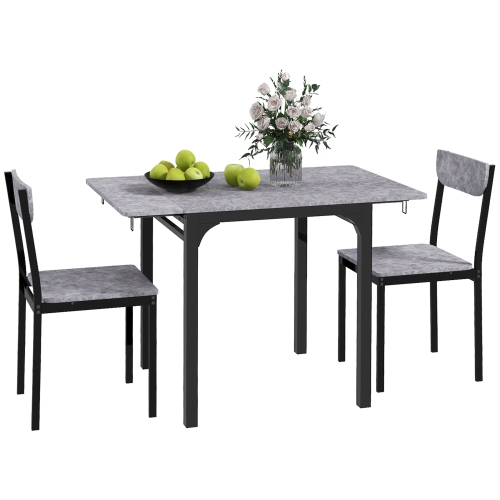
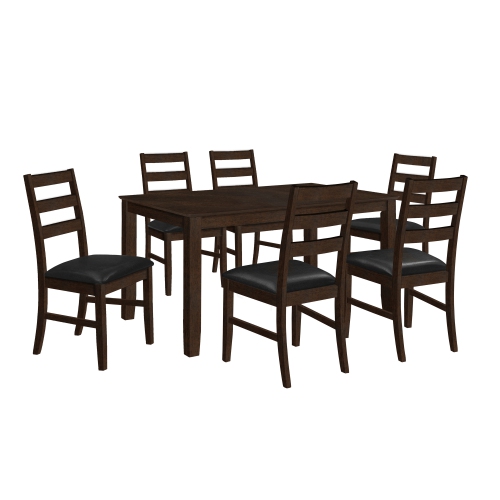
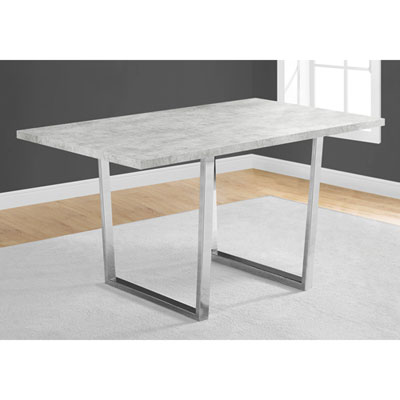
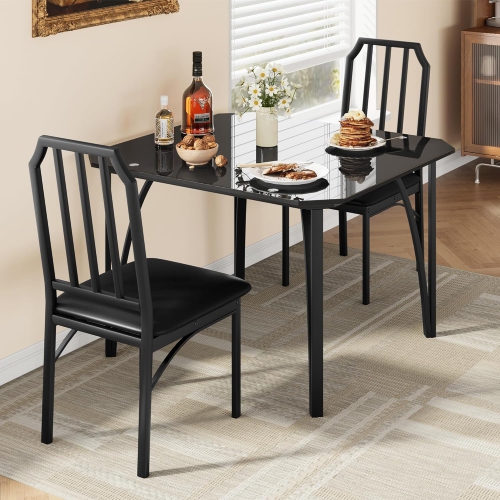
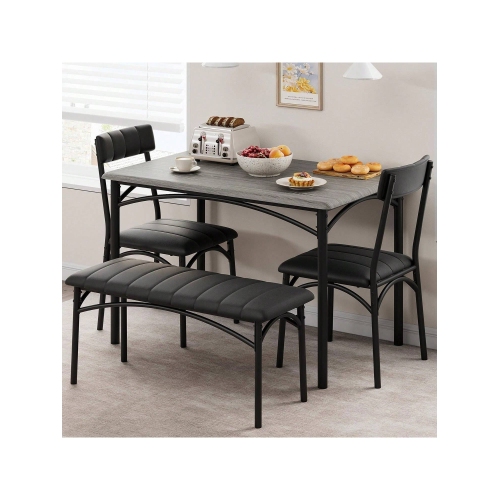
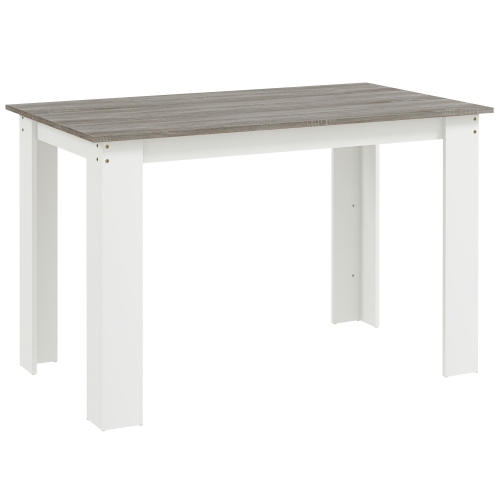
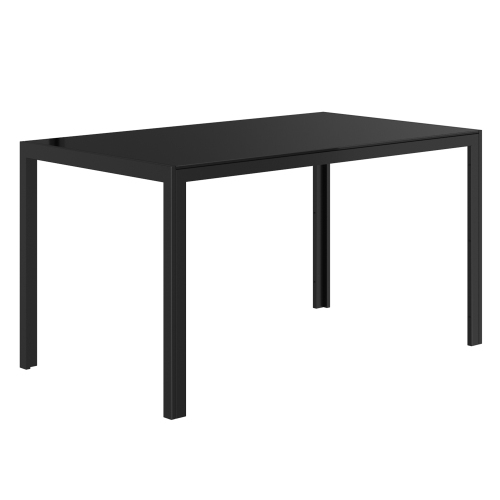
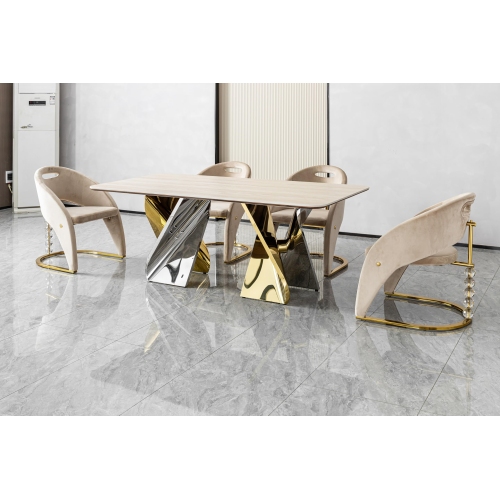
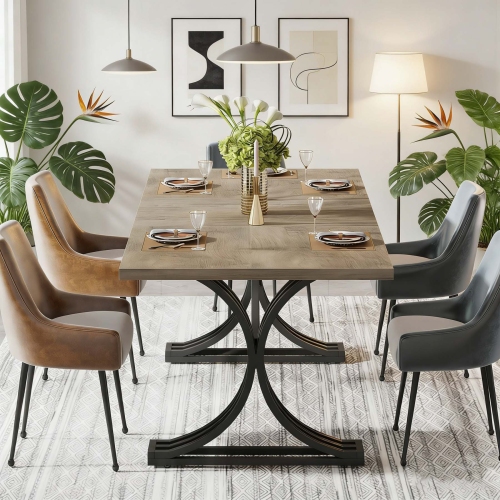
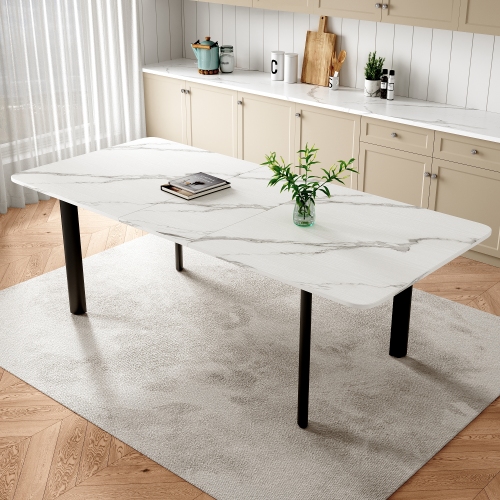
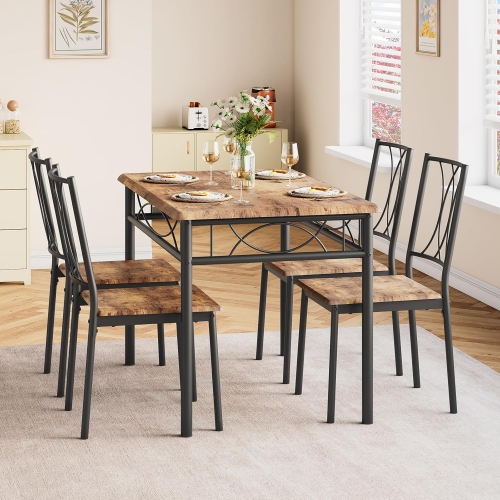
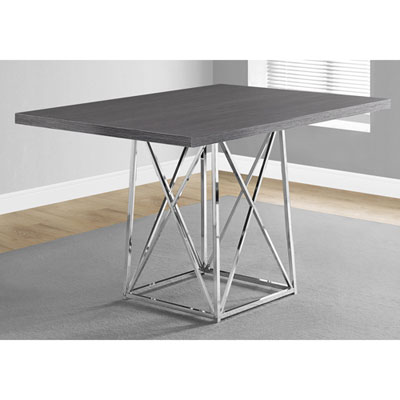
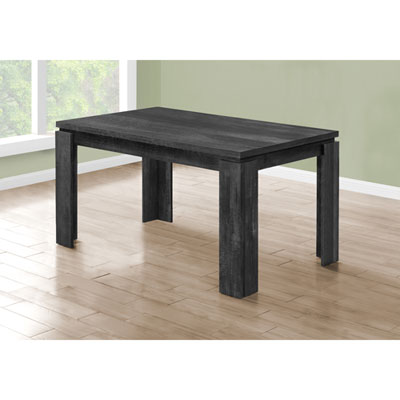

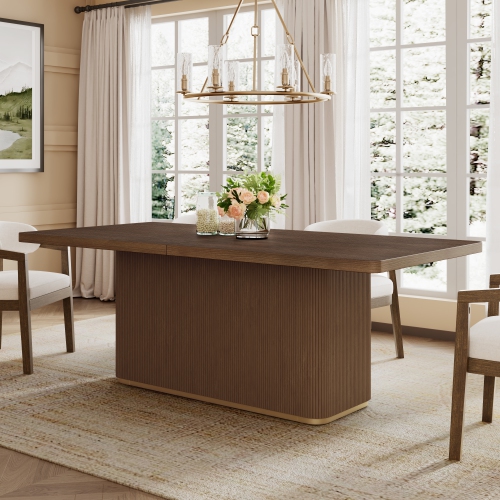
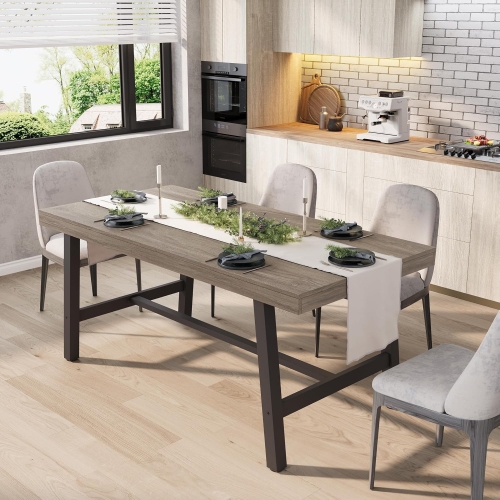
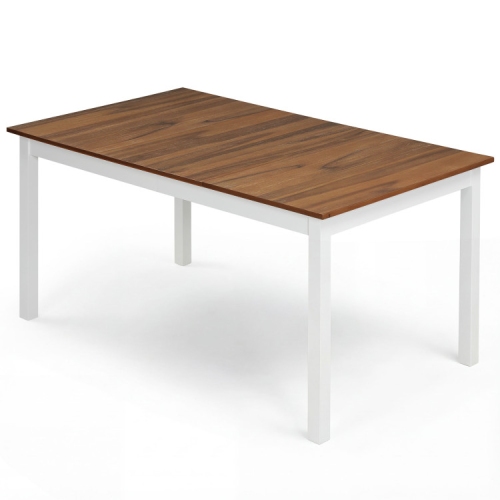
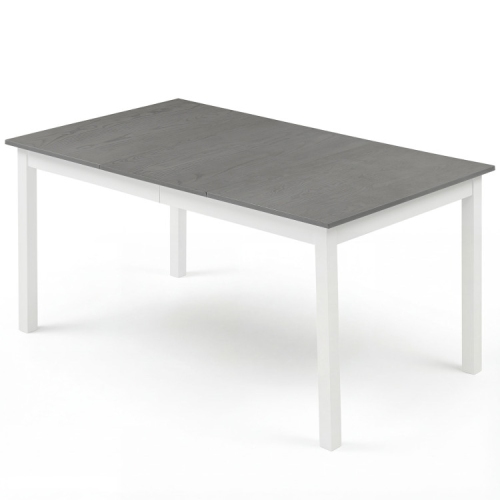

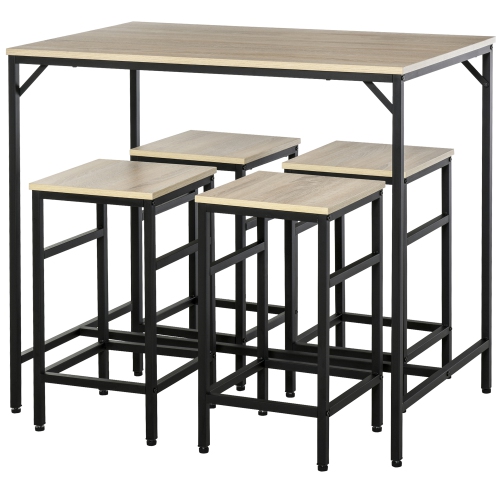
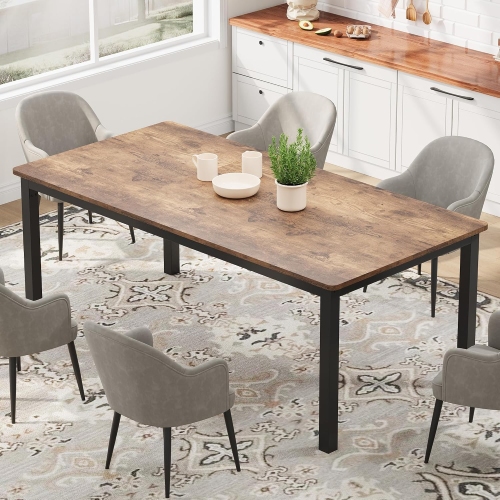
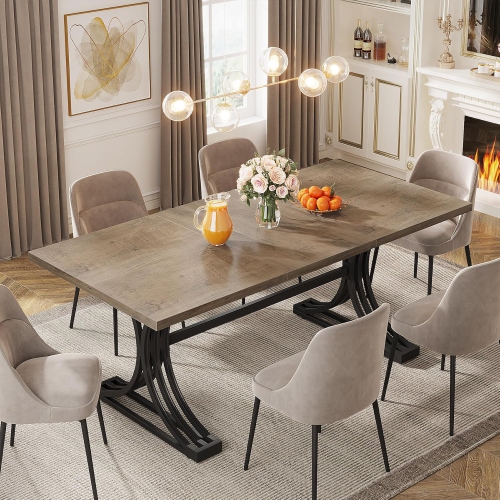
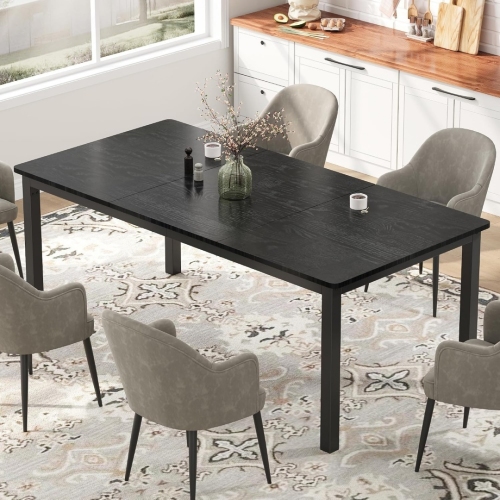
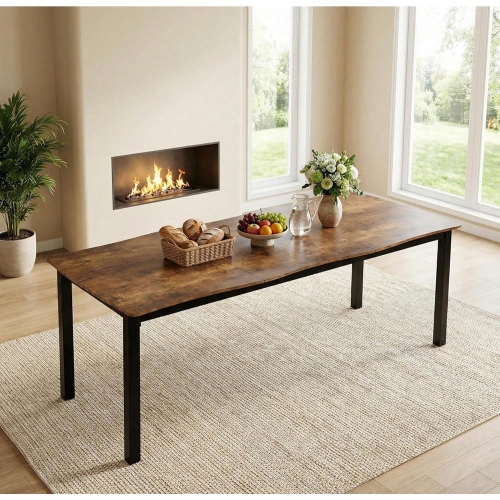
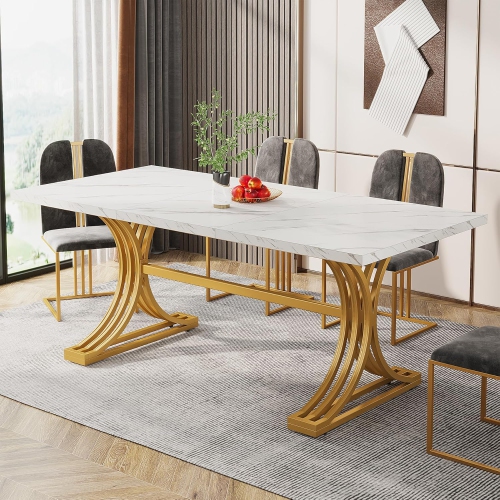
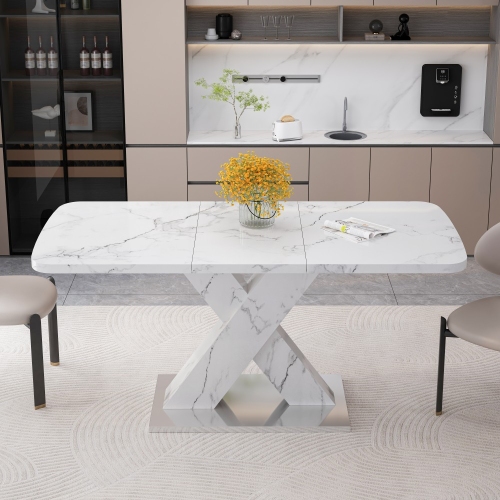
The base matters as much as the glass
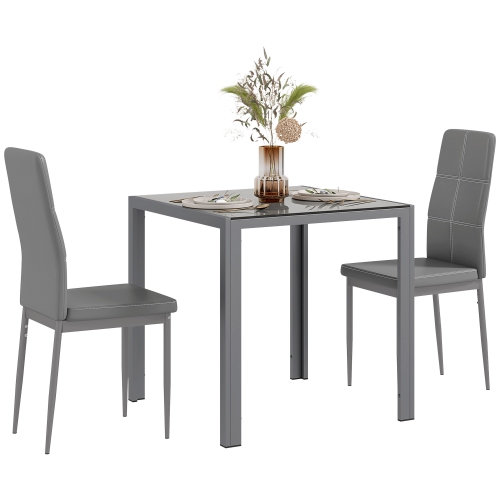
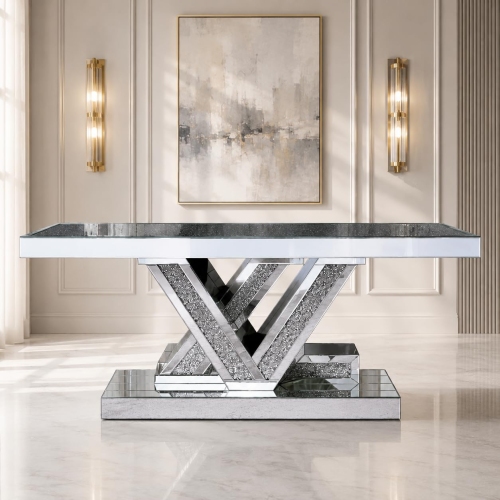
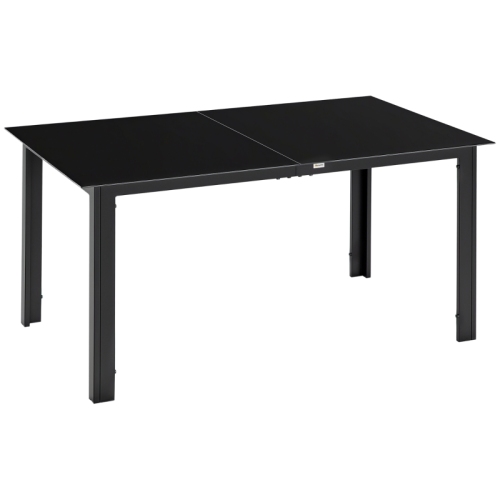
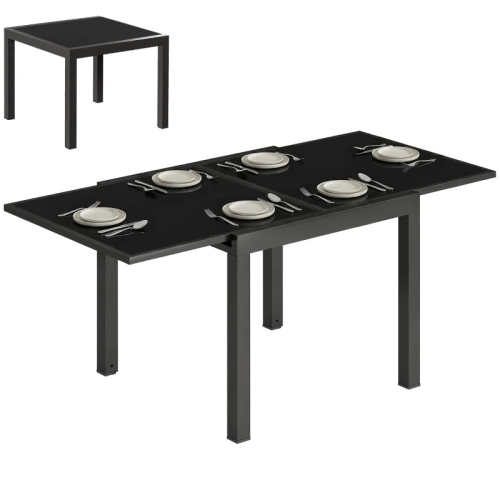
Rectangular glass dining tables combine an elongated glass top with a supporting base, creating a practical surface for meals without the visual weight of an opaque tabletop. Clear glass lets the floor, chairs, and base remain visible, which can help a dining area feel more open, particularly in a compact room or an open-concept layout. The rectangular shape works naturally with many dining rooms, providing seating along both sides and, where the base allows, at either end. It also creates a useful centre line for shared dishes, serving platters, or a low floral arrangement while leaving individual place settings within reach. The character of the table depends as much on its base as its top. Slim metal legs give a restrained, contemporary look, while polished chrome or stainless steel adds a brighter, more reflective finish. Wood bases introduce grain and warmth, making glass easier to pair with wood flooring, upholstered chairs, or existing cabinetry. Sculptural pedestals and crossed supports can become a focal point because their shape remains visible through the surface. Clear, tinted, and frosted glass each affect that relationship differently: clear glass exposes the base fully, tinted glass adds colour and depth, and frosted finishes soften the view beneath the tabletop. Tempered glass is heat-treated for greater strength than ordinary annealed glass and is designed to break into small pieces rather than long, sharp shards if it fails, although those pieces can still cause injury. It is not scratchproof or unbreakable, so the construction and handling requirements still matter. Glass thickness, edge finishing, the way the top attaches to the base, and the stability of the frame all contribute to how a table performs. A substantial-looking top is only one part of the picture; secure connections and a well-supported surface are equally important for everyday use. Because the base is always part of the view, its finish and proportions deserve the same attention as the glass itself.
The right fit depends on the room, the chairs, and the way people move around the table, not simply the number of seats shown in a photograph. A rectangular glass dining table can suit a narrow dining room, a dedicated eating area beside a kitchen, or a larger shared living space where its long edge helps define the dining zone. Measuring the tabletop footprint alongside nearby walls, cabinets, doorways, and walkways gives a more realistic sense of its presence. Around 36 inches of clearance between the table edge and a wall or other furniture is a useful starting point for pulling out chairs, with more room helpful along a busy passage. Chair dimensions also deserve attention, especially with upholstered seats, curved backs, or arms that need to slide beneath the tabletop. Allowing roughly 24 inches of table edge per diner provides a starting point for comfortable place settings, though broad chairs and generous serving arrangements may call for more space. Seating capacity is therefore a combination of length, width, leg placement, and chair size. Corner legs may restrict where chairs can sit, while a central pedestal can free up the perimeter but still affect footroom. A trestle or crossbar beneath a clear top should be considered from a seated position as well as from across the room. In a compact, nearly square eating area, Square Glass Dining Tables offer a different footprint that may better balance the room’s proportions. For a rectangular layout, aligning the table with the room’s longest dimension often creates a more natural path around it. A rug can help anchor the arrangement, provided it extends far enough for chair legs to remain supported when seats are pulled back. The delivery route matters too: narrow hallways, tight corners, and stairs can complicate moving a large glass top, even when the finished table fits comfortably in its intended space.
Everyday care is part of living with a glass dining surface, particularly in a home where the table serves as a breakfast spot, homework station, and gathering place for longer meals. Fingerprints, crumbs, and water marks tend to be more visible on clear glass than on a patterned or textured surface, but routine cleaning is straightforward. A soft, lint-free cloth and a cleaner suitable for the glass and its surrounding materials can remove ordinary marks without abrasive scrubbing. Applying cleaner to the cloth rather than spraying generously across the table helps limit moisture around joints, fasteners, and wood components. Any coating or special finish may have its own care requirements, so the manufacturer’s directions remain important. Placemats and coasters help reduce contact with gritty ceramics, drinkware, and everyday spills; heat-resistant trivets are appropriate beneath hot serving dishes. Glass should not be treated as a cutting surface, and heavy cookware should be set down gently rather than dropped or dragged. Edges deserve particular care because chips or impact damage can compromise the top. A table with rounded or softened corners may be more comfortable in a closely travelled area, although it does not remove the need for supervision around young children. Stability is especially important in busy households, and nobody should sit or stand on the tabletop. Assembly also warrants care: large glass sections can be awkward and heavy, and the supplied supports, pads, and fasteners need to be fitted as directed. Once in place, the table can accommodate varied routines, from a quiet meal for two to shared dishes with family or friends, as long as its dimensions and seating arrangement suit those uses. Upholstered chairs can soften the look, while simpler wood or metal seating keeps the outline crisp. A few restrained accessories let the glass and base remain visible, preserving the openness that makes this style appealing in the first place.
Top selling and popular products
-
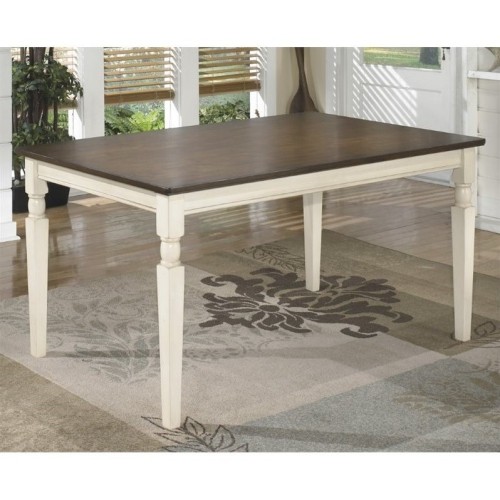 Your price for this item is $399
-
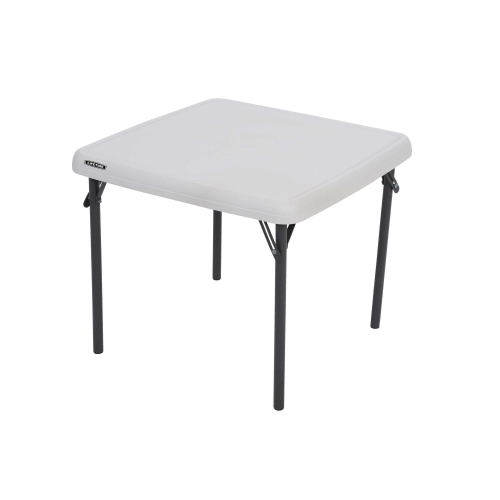 Your price for this item is $74.99
-
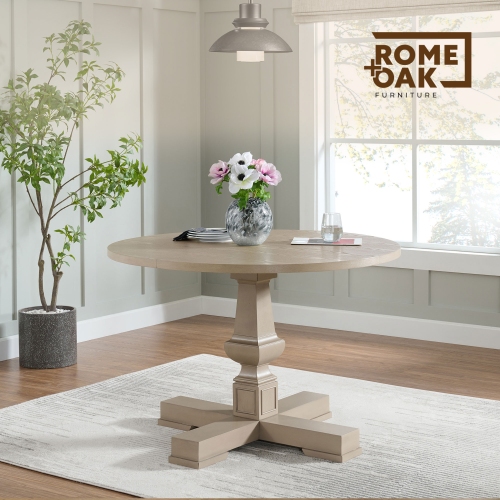 Your price for this item is $971.99
-
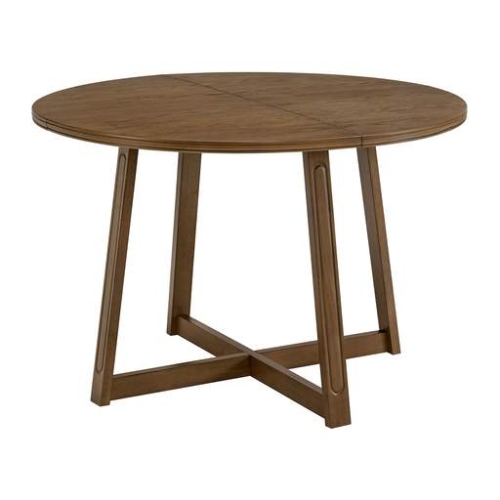 Your price for this item is $796.99
-
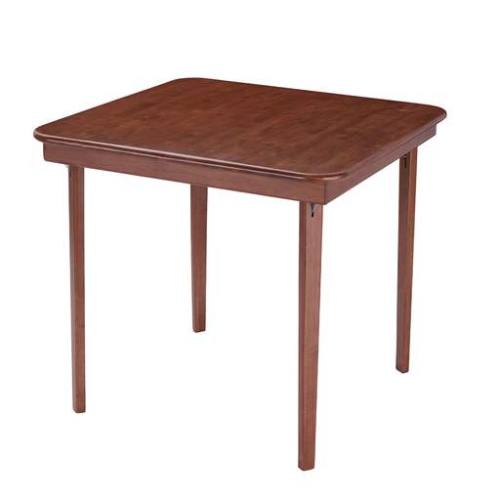 Your price for this item is $413.99
-
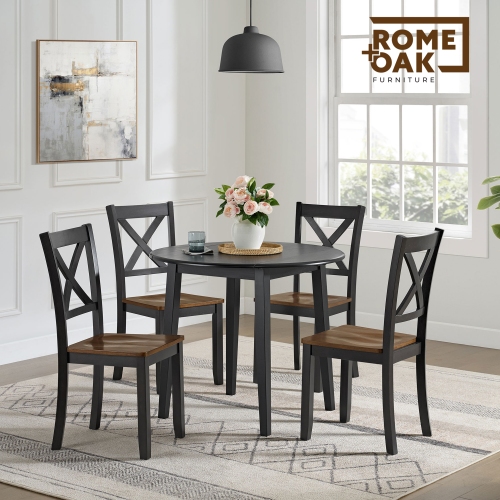 Your price for this item is $392.99
-
 Your price for this item is $243.99
-
 Your price for this item is $827.99
Discover more categories related to Rectangular Glass Dining Tables
Top Collections:
Best Black Friday Deals This Year, Best Black Friday Deals On Electronics, Kindle Devices, Pokemon Centers, Best Black Friday Deals On Apple Products, Best Cameras for Sports Photography, Dyson Airwrap, Pokémon 30th Celebration Cards, Apple iPhone 17 Pro, Canon G7X Cameras
Some products may be subject to Environmental Handling Fees
(EHF) depending on your province.
Learn more about EHFs.