Red Neon Signs
Transform your space with the vibrant glow of red neon signs, a perfect way to add a touch of personality and flair to any room. Whether you're looking to create a cozy atmosphere in your living room, make a bold statement in your office, or enhance the ambiance of your entertainment area, these eye-catching signs offer endless possibilities. Their striking red hue not only captures attention but also evokes a sense of warmth and energy, making them an ideal choice for both home and commercial settings. Explore the diverse range of red neon signs available and find the perfect piece to illuminate your surroundings with style.
Sort




How shape and placement influence a bold red glow
Red neon signs bring a vivid, graphic glow to a room, whether the design is a simple outline, a short phrase, or lettering that gives a space its identity. Their appeal comes from the combination of colour and shape: even an unlit sign has a visible form, while the illuminated tubing adds depth against the wall behind it. The term “neon sign” covers two different constructions. Traditional neon signs use sealed glass tubes containing gas; neon gas in a clear tube produces a characteristic orange-red light. Red LED neon signs create a similar continuous outline using LEDs inside a light-diffusing covering, often mounted on an acrylic backing. Many decorative signs intended for home use follow this LED construction, although materials, power requirements, and mounting arrangements vary. The difference matters for appearance as well as handling. Glass tubing has the distinctive character associated with classic storefront lettering, while flexible LED tubing allows compact shapes and closely spaced lettering on a supporting panel. Red works especially well as an accent rather than an all-purpose room light. Above a gaming desk, behind a music setup, or along a feature wall, it creates a clear focal point without needing a large arrangement of wall art. In a café or reception area, red lettering can reinforce a bold visual identity, provided the design remains readable from the intended viewing distance. Dark walls emphasize the illuminated outline, while pale walls make reflected light more noticeable around the edges. Glossy surfaces may mirror the tubing, adding another layer of colour but also creating reflections in photographs or video. The exact effect depends on the sign’s brightness, the wall finish, and surrounding light. A red sign that looks striking in a dim room may appear much subtler beside a bright window, so its intended setting is as important as its shape.
Construction and proportions influence how comfortably a red neon sign fits into everyday use. Acrylic backing can be cut close to the lettering or left as a broader panel, changing both the silhouette and how much of the support remains visible. Flexible silicone or other polymer coverings help diffuse LED points into a continuous-looking line, though the smoothness of that effect varies by design and viewing distance. Traditional glass tubing needs careful handling and secure support, particularly around bends and attachment points. For either construction, overall width and height tell only part of the story: the backing, cable connection, mounting hardware, and space needed around the sign also affect its fit. A narrow design can sit comfortably above a monitor, while a larger word or symbol needs enough surrounding wall space to remain distinct from shelves and nearby artwork. A tabletop sign requires a base intended for that purpose rather than an improvised lean against a wall. Wall-mounted versions may use screws, hanging points, chains, or other fittings, with suitable hardware depending on the sign’s weight and the mounting surface. Power arrangements are another practical distinction. Decorative LED signs may use USB power, a plug-in adapter, or batteries, but these options are not interchangeable unless the manufacturer specifies them. A USB connection still needs a compatible power source, and the position of that connection can determine whether a cable hangs visibly across the wall. Cable length, access to an outlet, and the space occupied by an adapter all matter in a finished setup. Dimming controls can make a sign more adaptable for a bedroom, desk area, or video background, but dimmer compatibility should be stated rather than assumed. Indoor use does not establish suitability for a patio, window exterior, or damp location. Outdoor placement requires an appropriate rating for the complete installation, including its power supply and connections. Electrical approval markings appropriate for Canada and the manufacturer’s installation directions are important considerations for powered signs.
Red neon wall signs suit people who enjoy expressive rooms, from gamers arranging a streaming background to music fans creating a listening corner or business owners giving a counter area a recognizable accent. The most successful placement usually gives the design a clear role. Behind a camera, a short, uncluttered shape is easier to frame than elaborate lettering that disappears behind a chair or microphone. Near a television, adjustable brightness helps keep the sign from competing with the screen. In a bedroom, an accessible switch makes decorative lighting easier to turn off without moving furniture or reaching behind a headboard. Red illumination can also change how nearby colours appear, especially in photographs, so neutral artwork and wall finishes often provide a straightforward backdrop. For a softer colour direction, Pink Neon Signs offer a related look with a different visual mood. As a gift, a red sign feels more personal when its wording or shape connects with the recipient’s interests and there is a realistic place to display it. Available wall space, preferred lighting intensity, and willingness to mount hardware can matter more than choosing the largest design. Care is generally straightforward but should follow the materials and electrical construction. Power should be disconnected before cleaning, and the sign should be handled by its support or frame rather than pulled by its tubing or cable. A soft, dry cloth is often suitable for light dust; abrasive cleaners, solvents, and excess moisture can damage acrylic, coverings, or electrical components. Glass versions deserve particular care during moving and storage, with cushioning that protects exposed bends rather than pressing against them. Loose mounts, damaged cords, or cracked components need attention before further use. With suitable placement and routine care, a red neon sign can remain a distinctive part of a room’s arrangement, providing a defined glow without replacing the task lighting needed for reading, working, or food preparation.
Top selling and popular products
-
 Your price for this item is $52.98
-
 Your price for this item is $299.98
-
 Your price for this item is $4.99
-
 Your price for this item is $13.99
-
 Your price for this item is $178.98
-
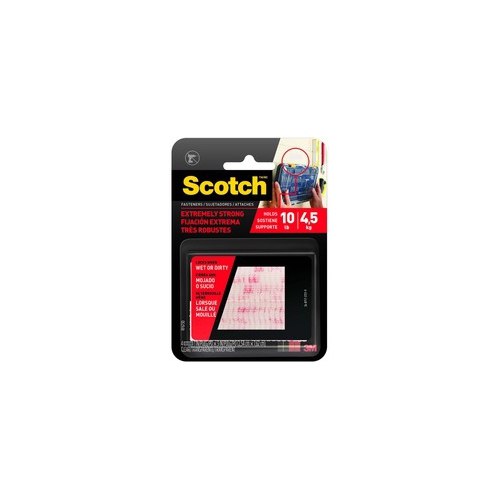 Your price for this item is $3.99
-
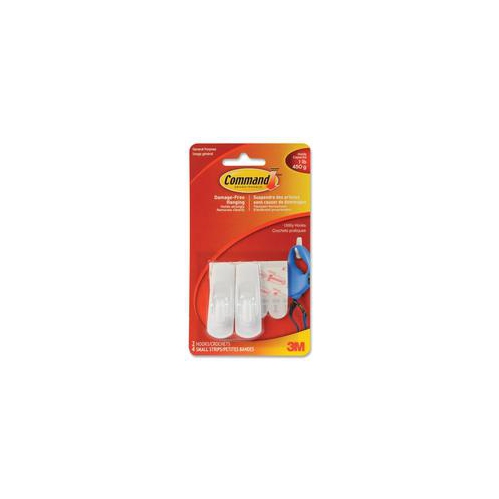 Your price for this item is $4.99
-
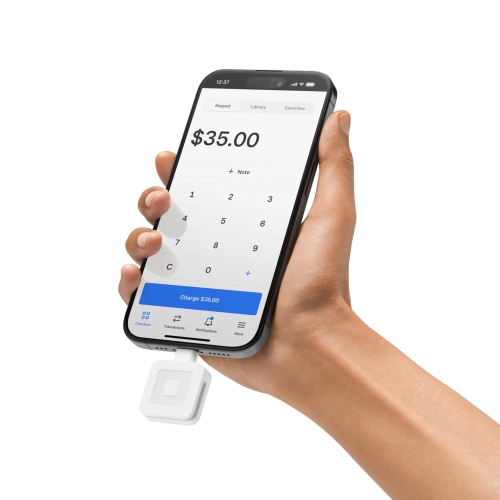 Your price for this item is $95.12
Discover more categories related to Red Neon Signs


Top Collections:
Best Black Friday Deals This Year, Best Black Friday Deals On Electronics, Kindle Devices, Best Black Friday Deals On Apple Products, Best Budget Office Chairs, Best Cameras for Sports Photography, Dyson Airwrap, Canon G7X Cameras, Best Laptops for Writers, Samsung Galaxy Phones
Some products may be subject to Environmental Handling Fees
(EHF) depending on your province.
Learn more about EHFs.