Replacement Light Bulbs
If you're looking to brighten up your space, look no further than these extensive replacement light bulbs. Whether you need to replace a burned-out bulb in your living room or upgrade the lighting in your entire home, we have the perfect solution for you. With a wide range of options available, including LED, halogen, incandescent, and more, finding the right replacement bulb has never been easier.
Sort
![ALBERTATECH [Original Replacement] Long Lasting 25 Watt Dimmable E12 Socket Incandescent Candelabra Salt Lamp Bulb - Value](https://multimedia.bbycastatic.ca/multimedia/products/500x500/160/16037/16037771.jpeg)
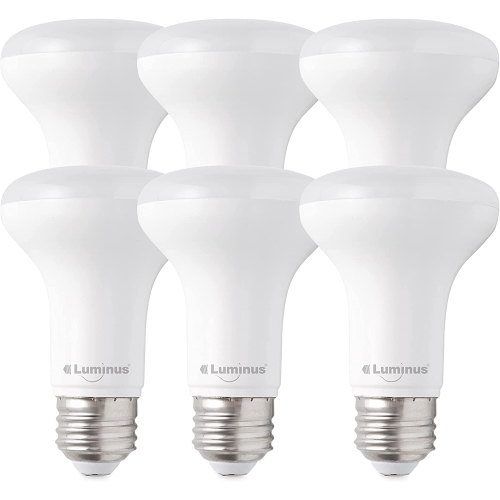
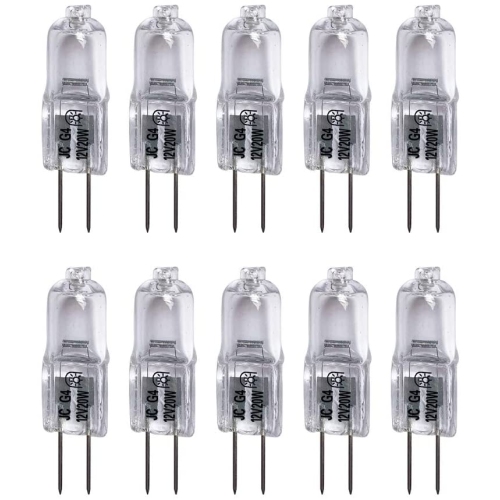
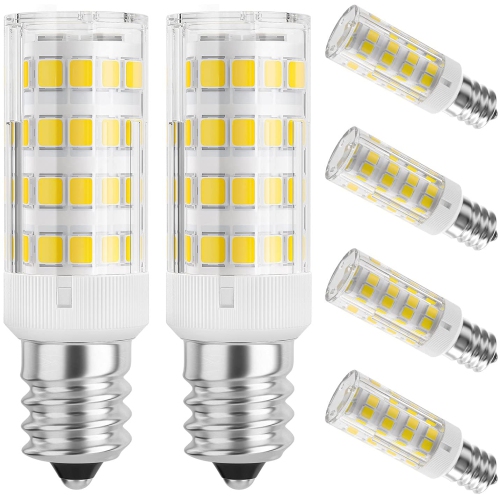
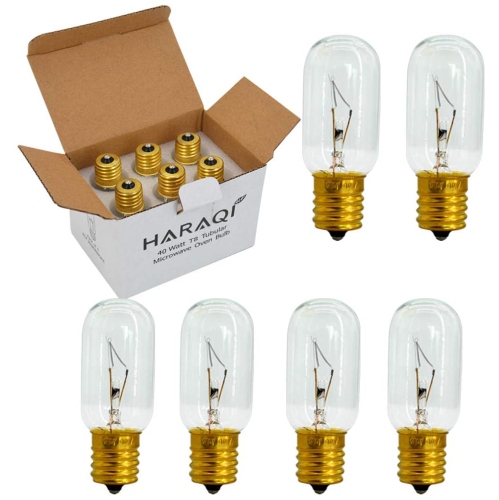
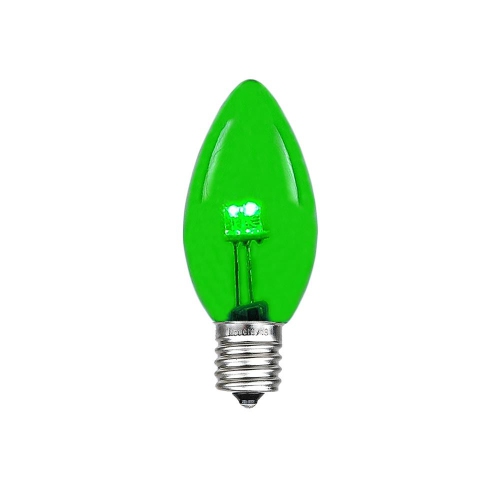
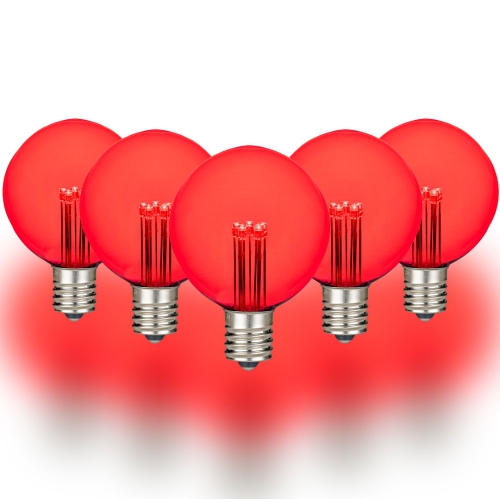
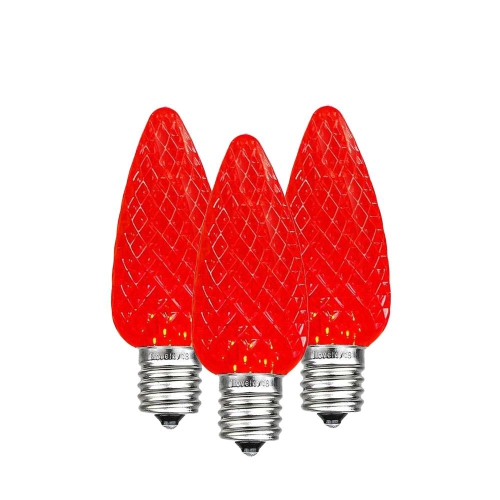
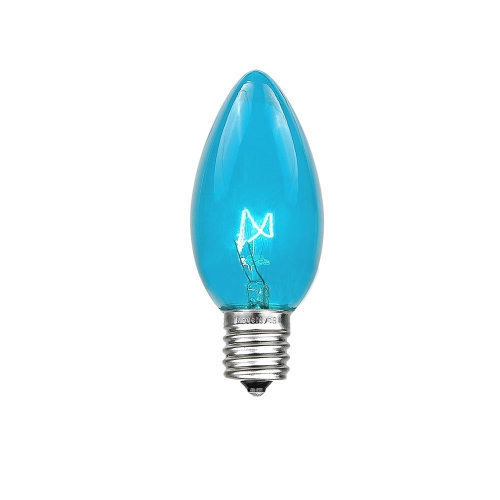
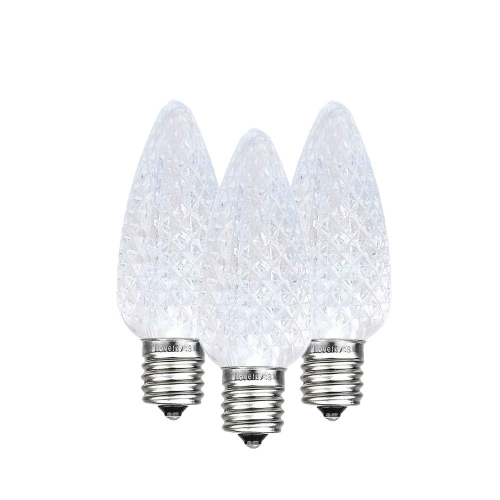
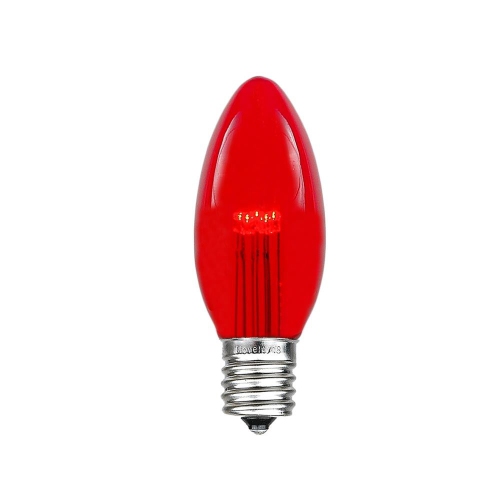
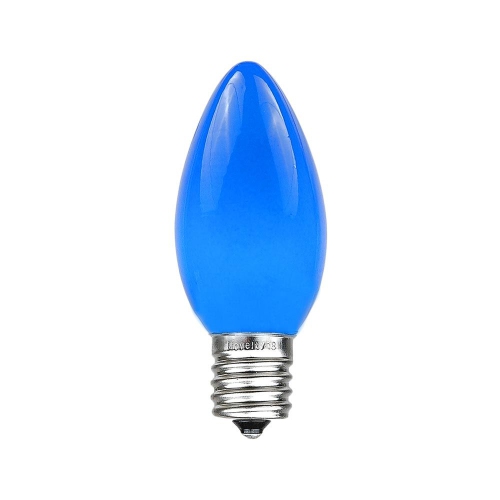
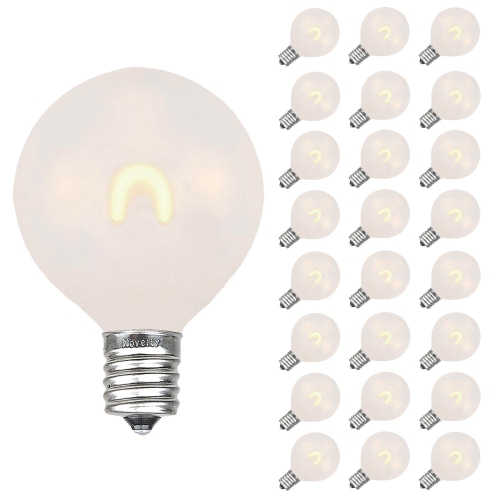
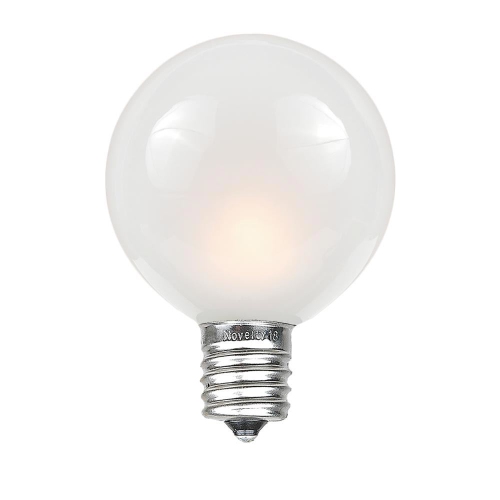
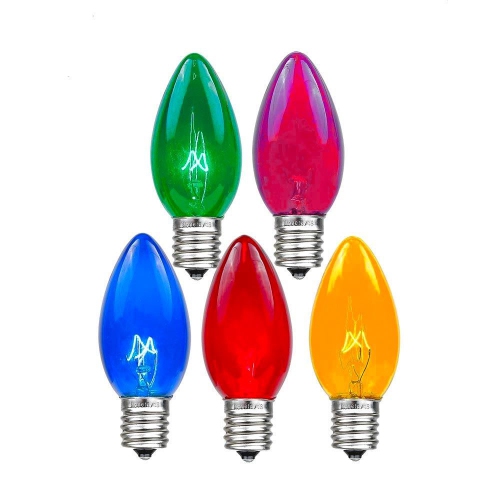
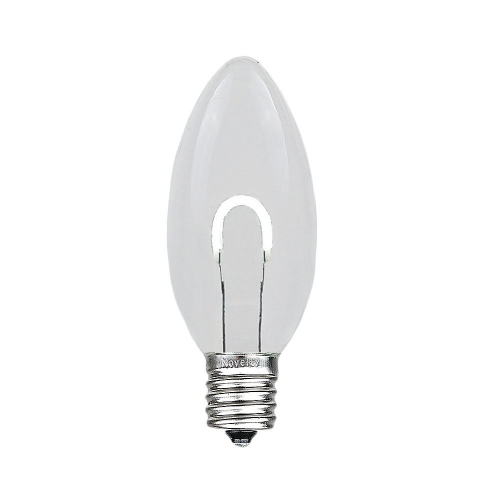
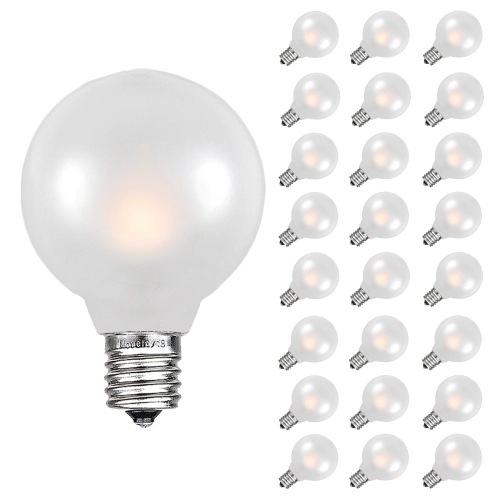
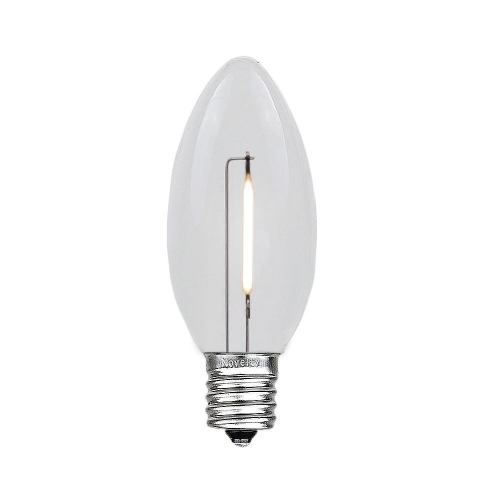
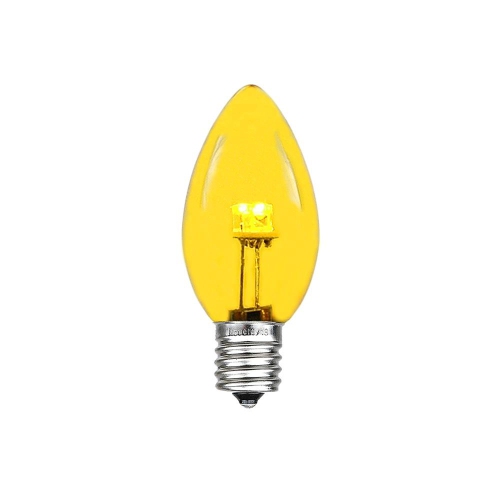
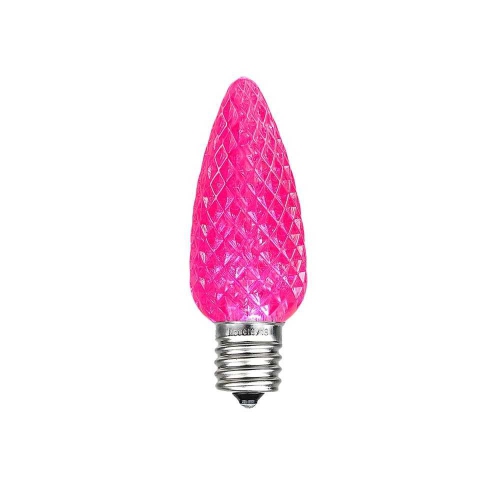
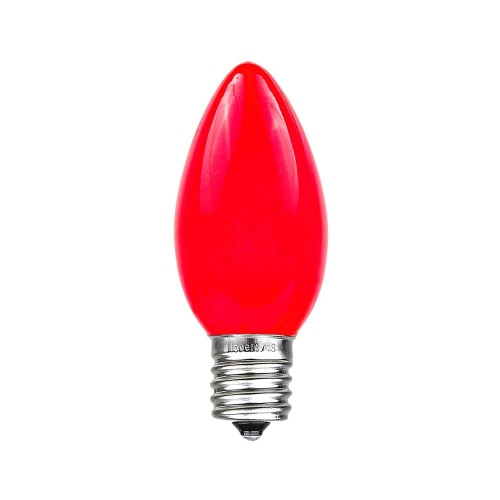

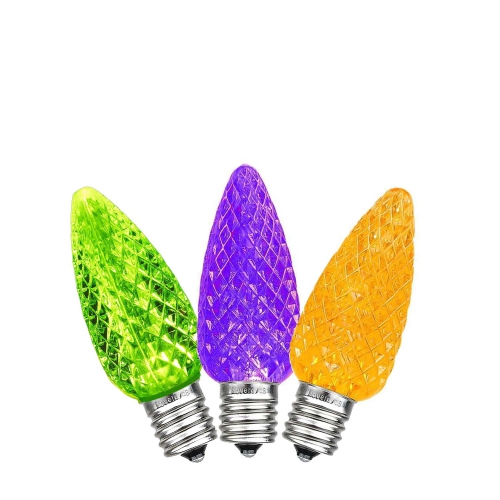
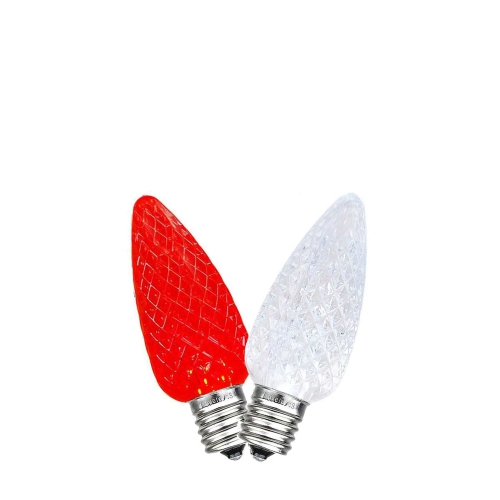
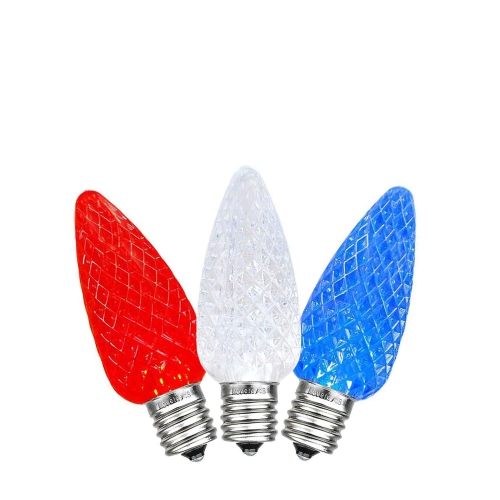
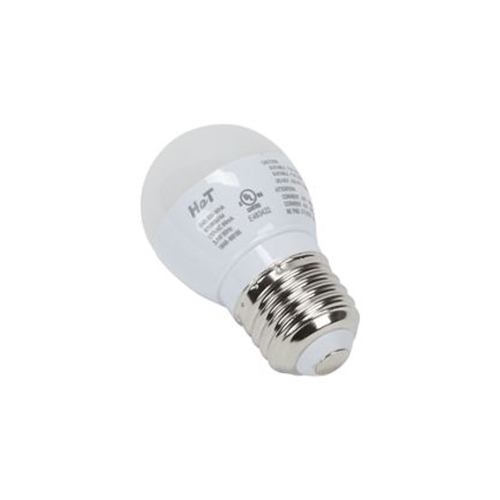
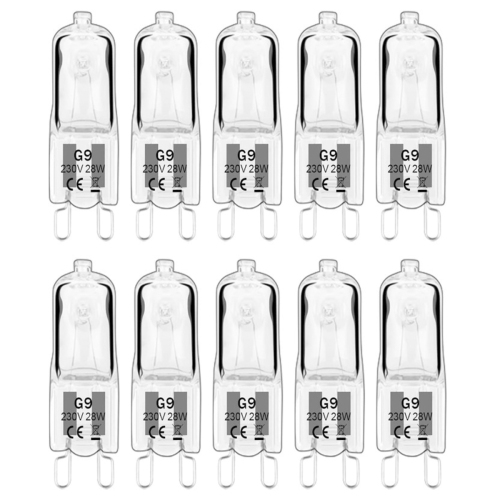
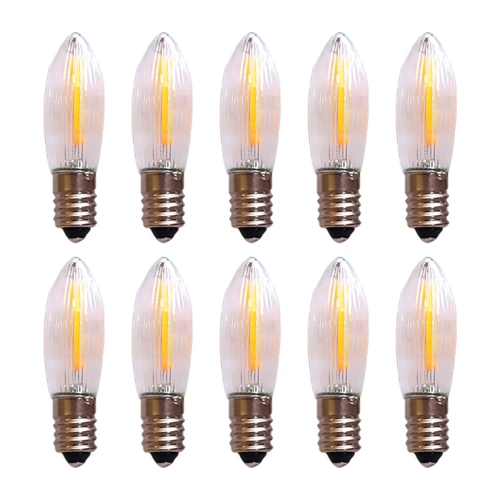
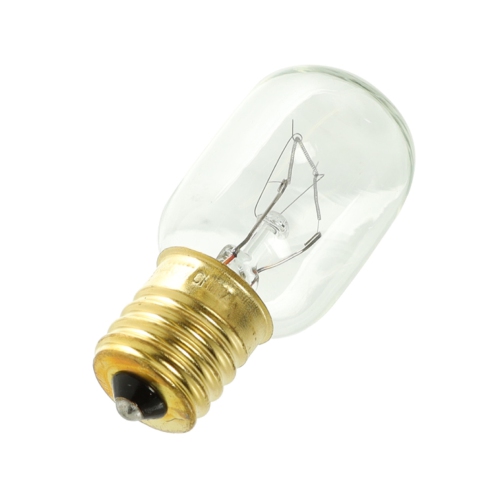
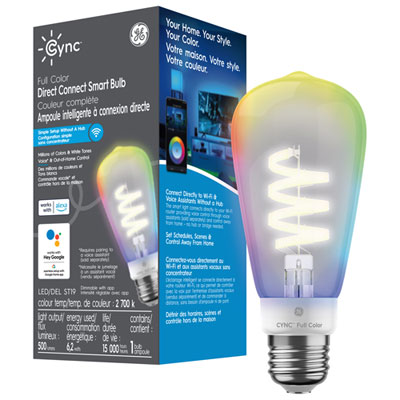


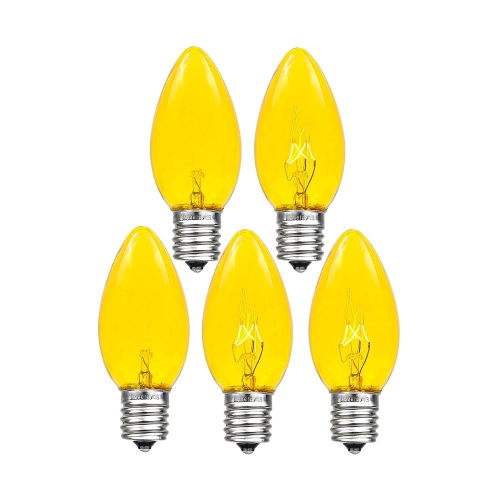
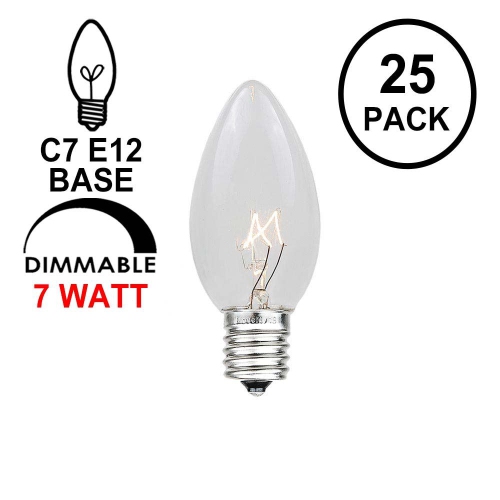
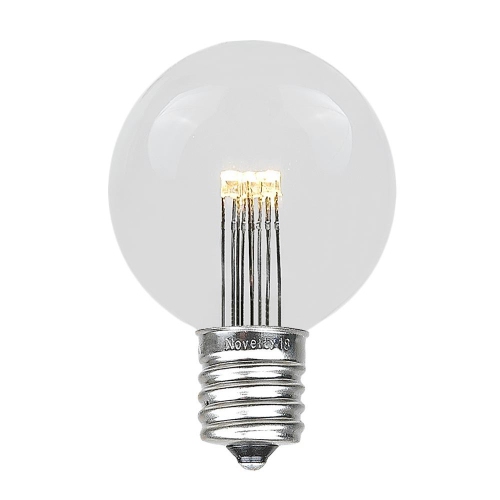
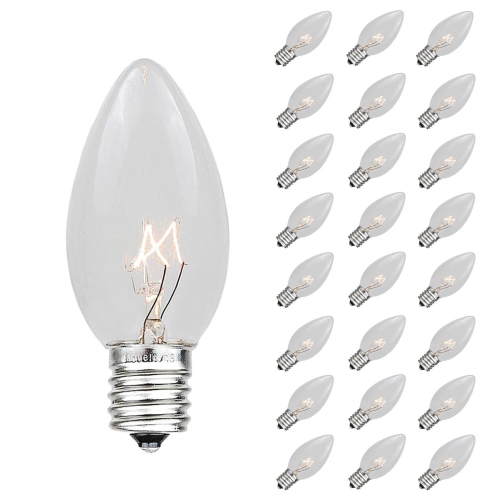
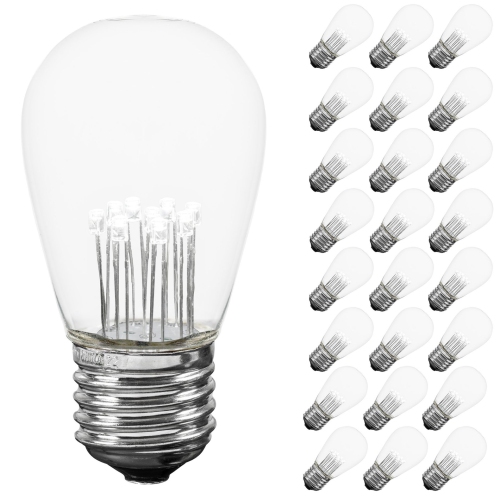
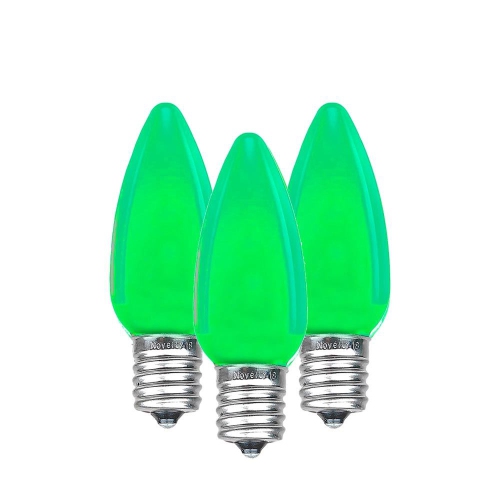
The right bulb does more than fit the socket
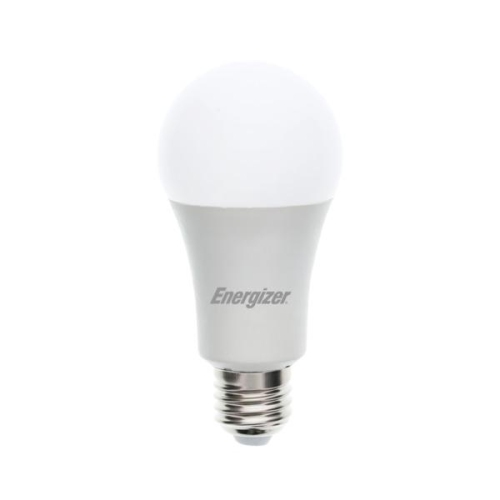
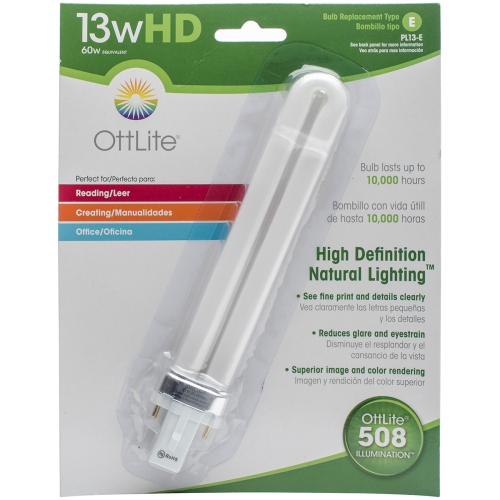
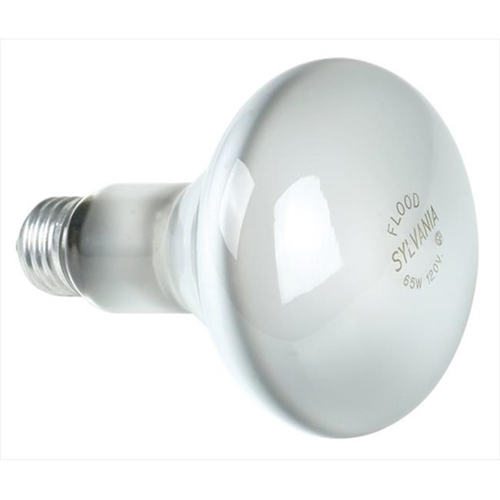
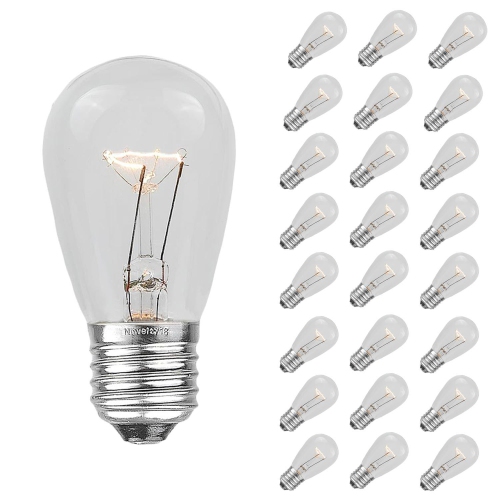
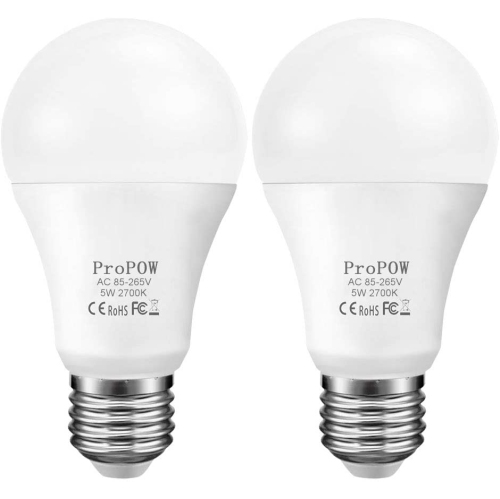
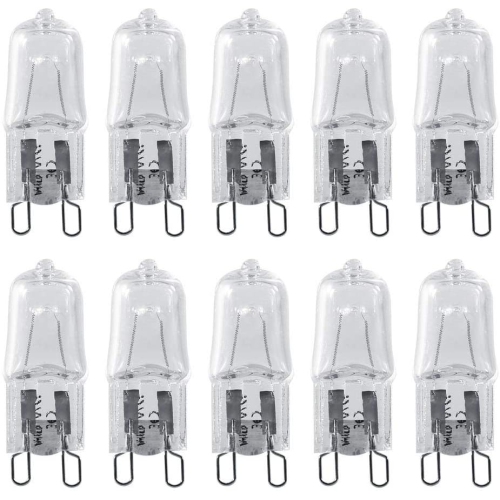
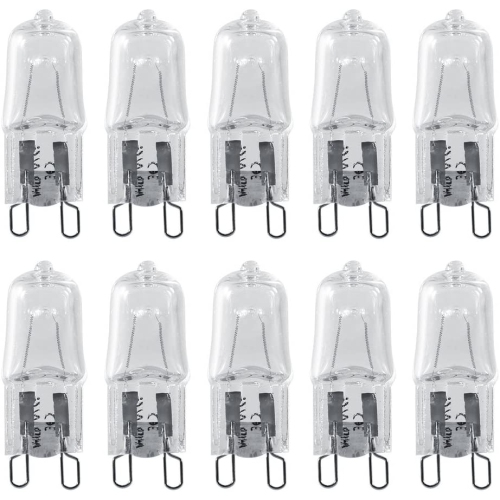
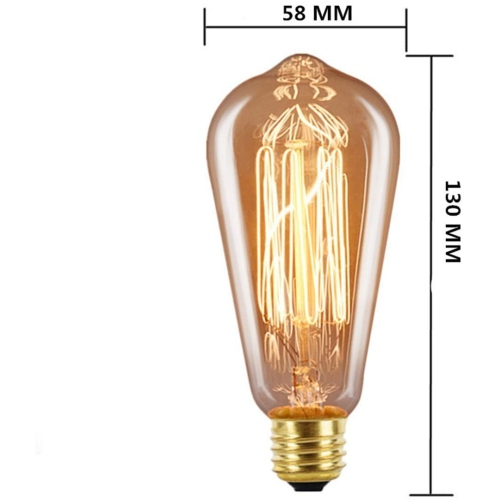
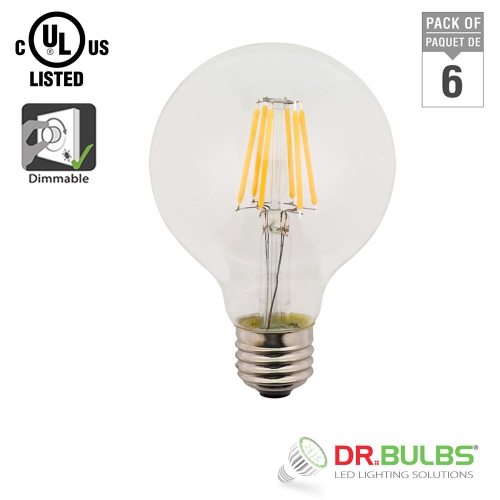
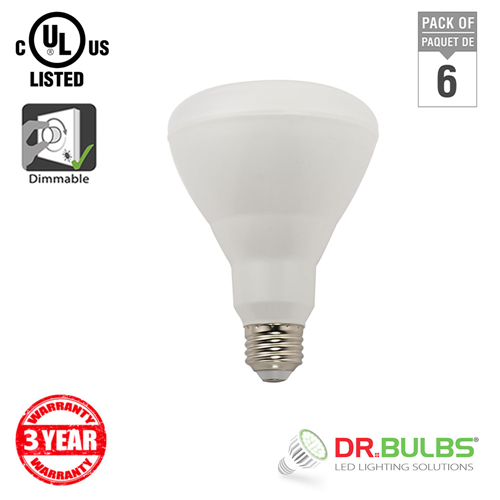
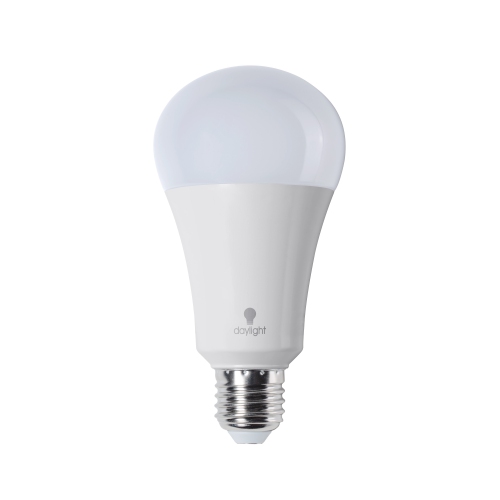
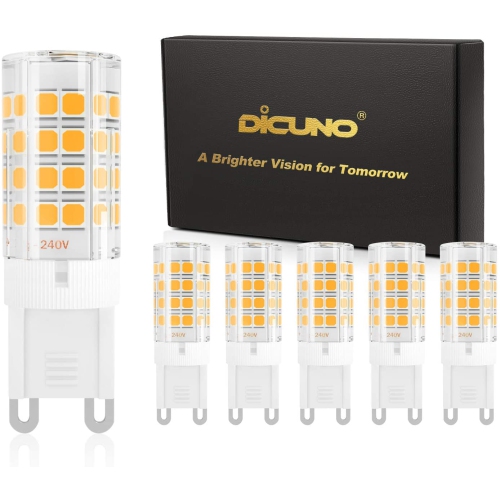
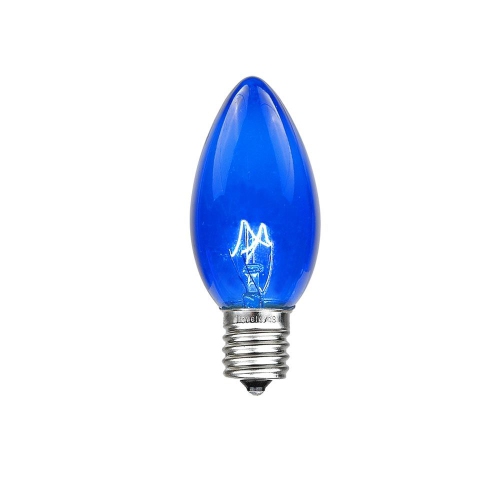
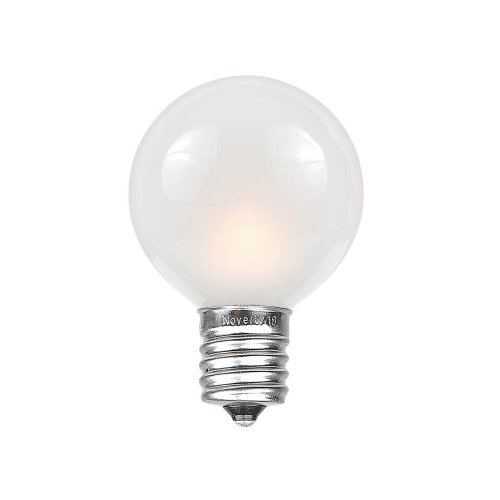
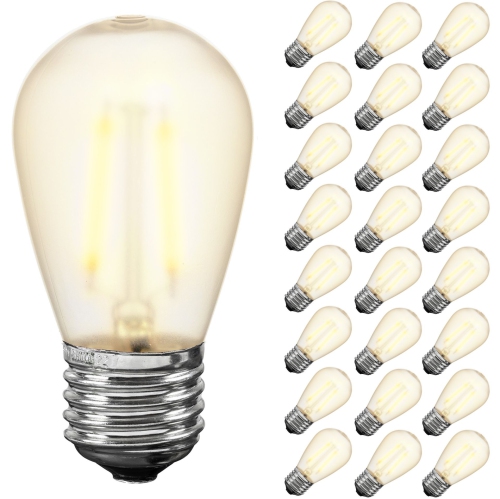
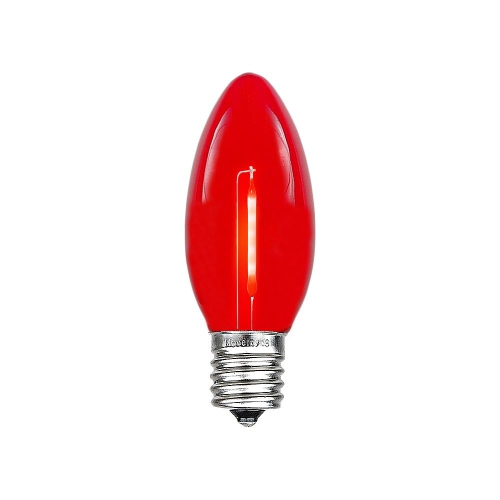
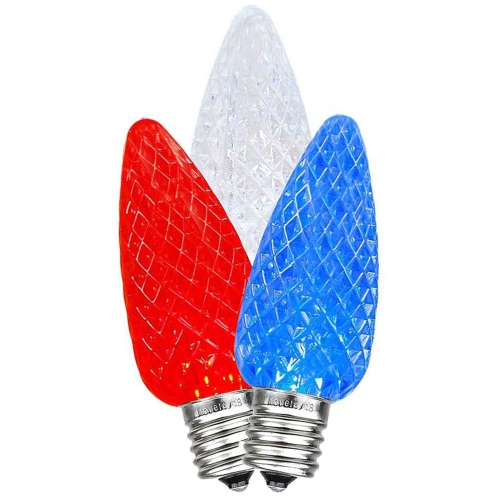
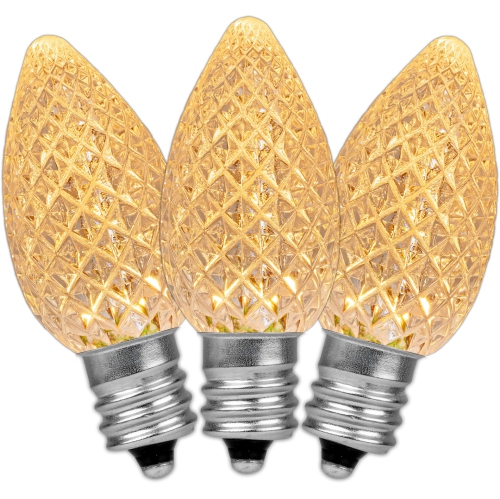
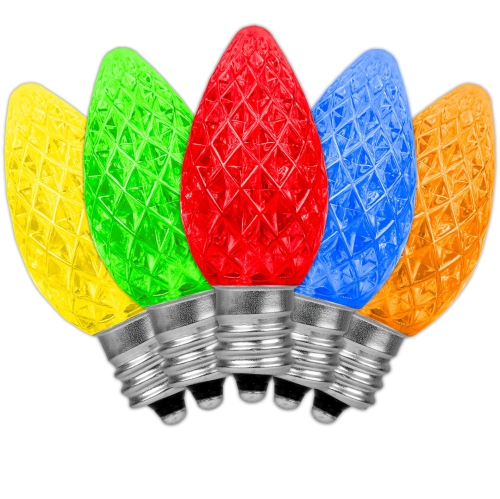
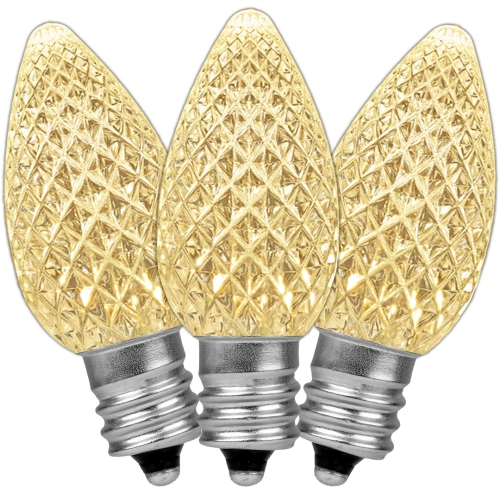
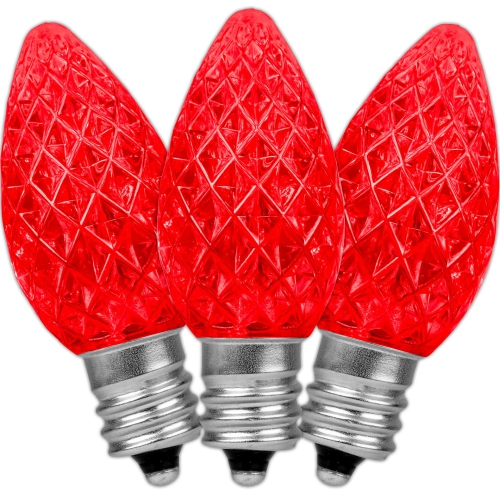
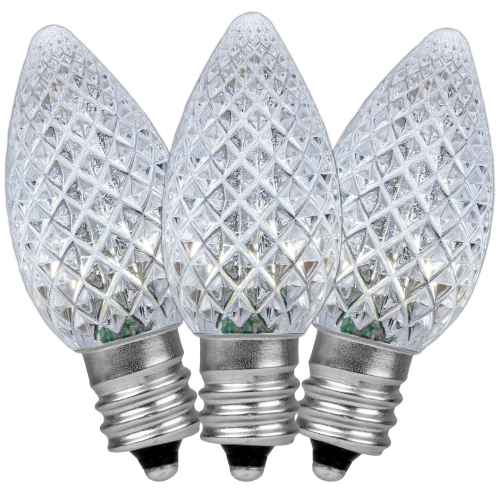
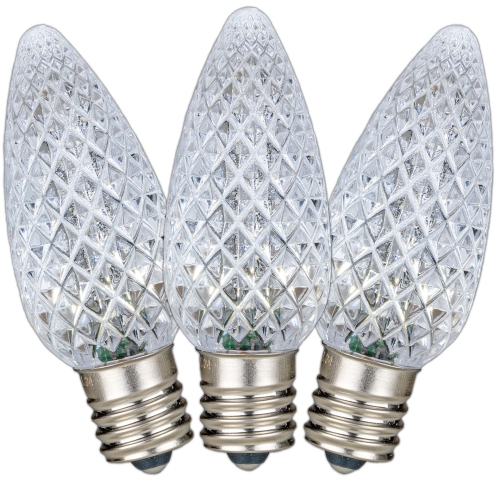
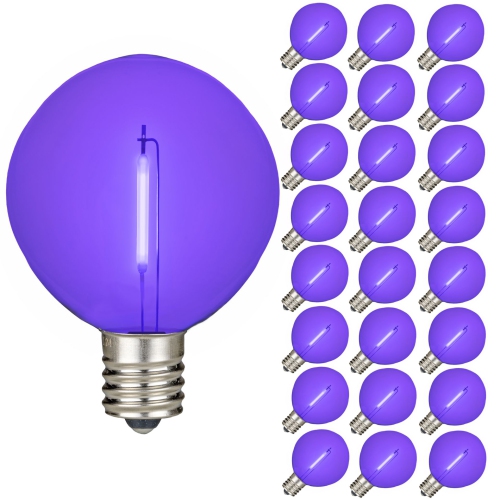
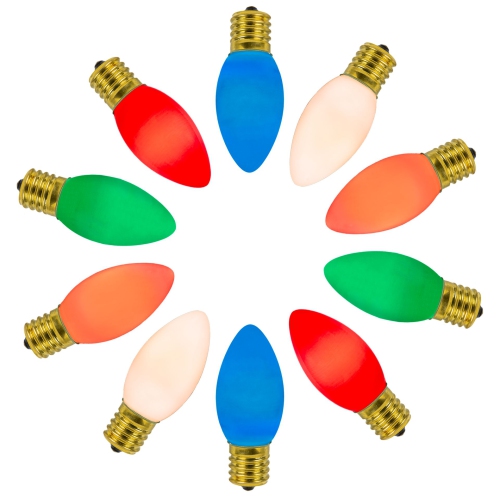
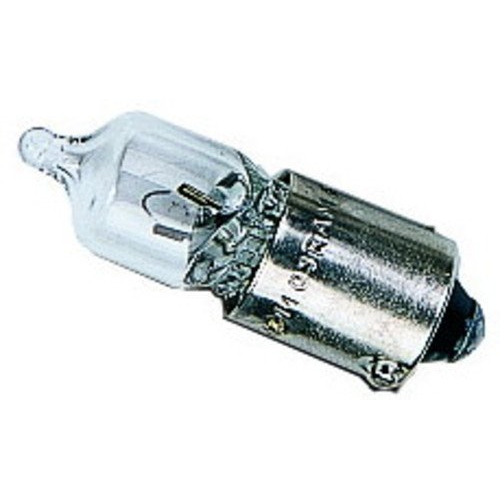
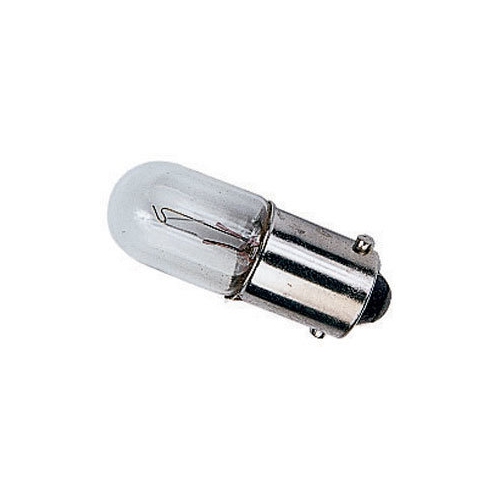
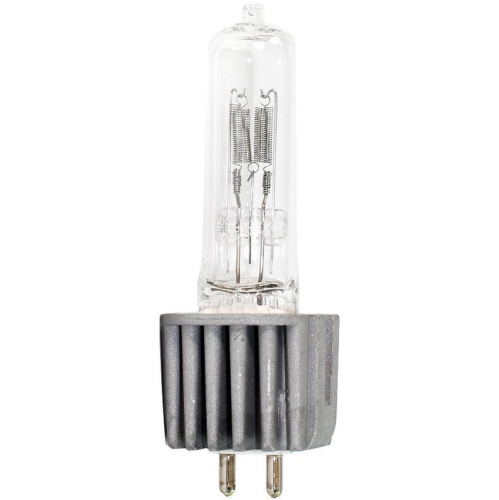
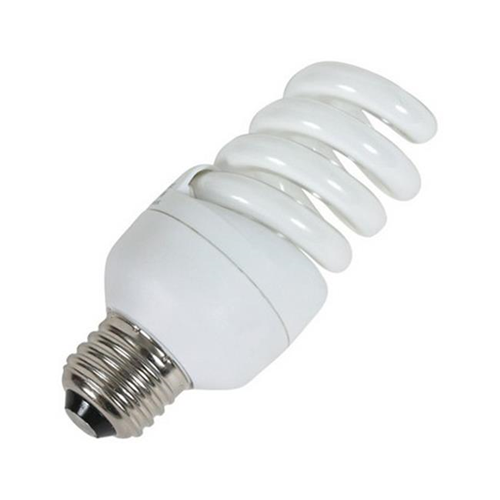
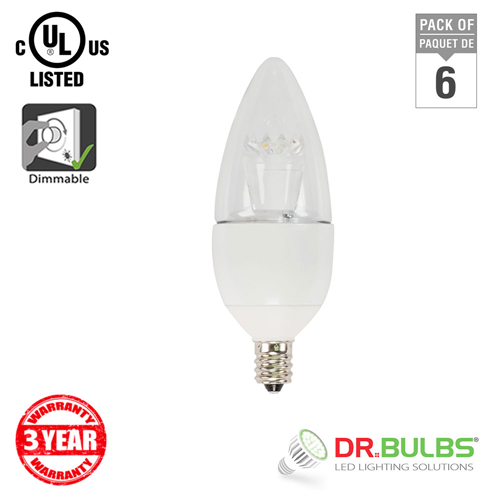
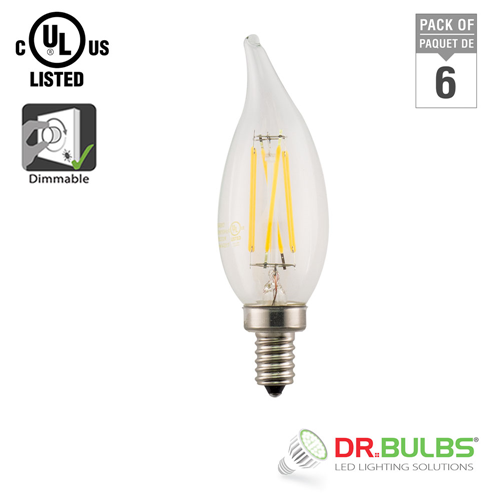
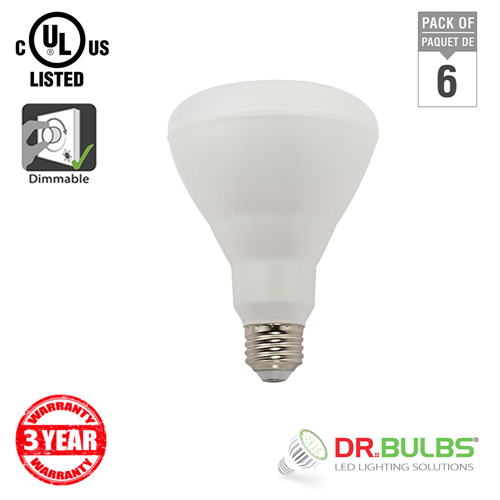
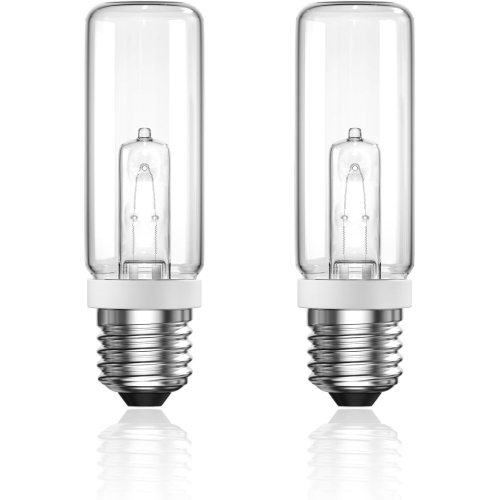
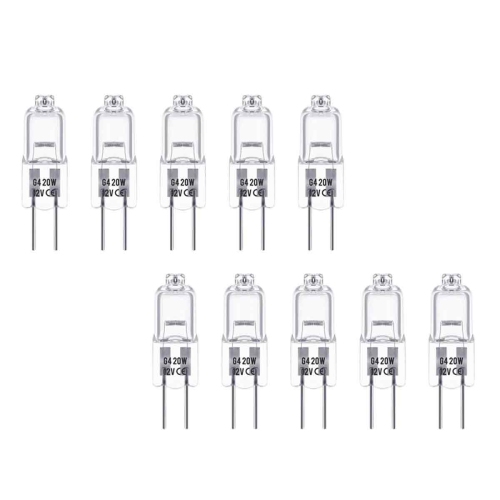
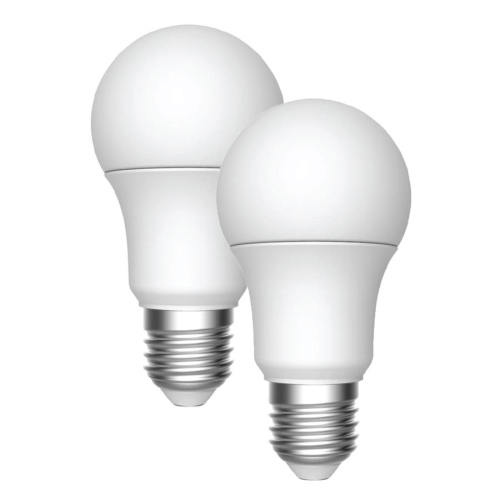
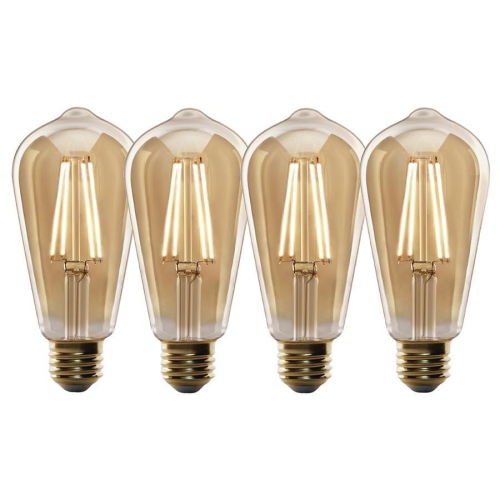
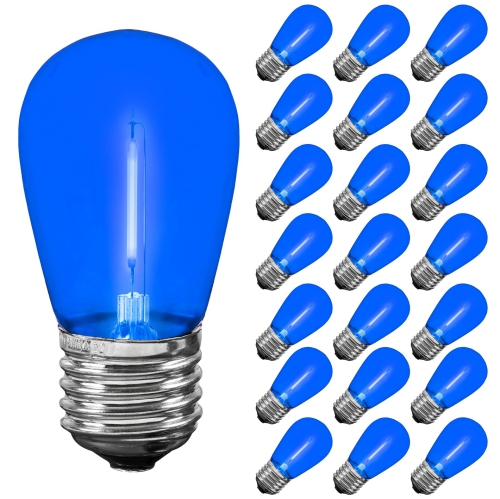
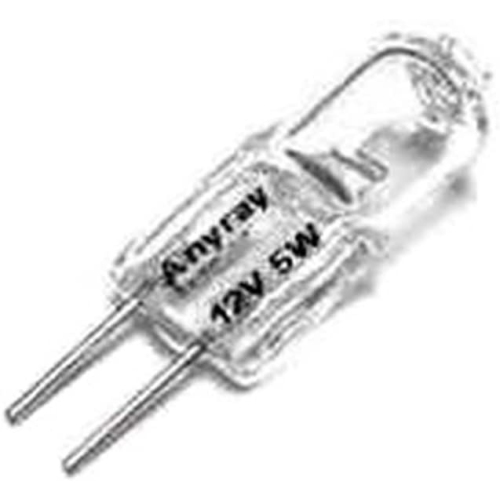
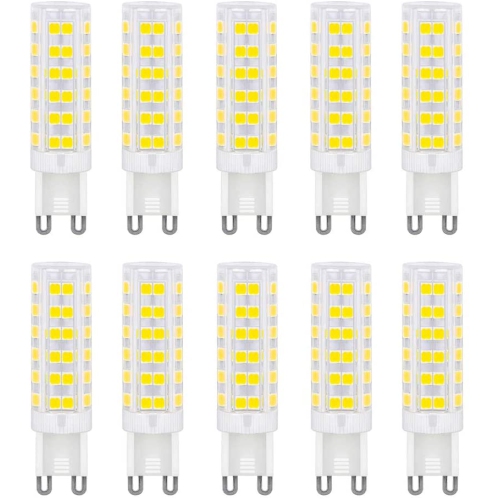
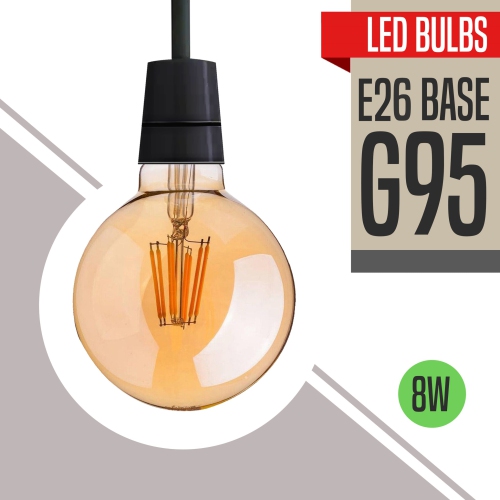
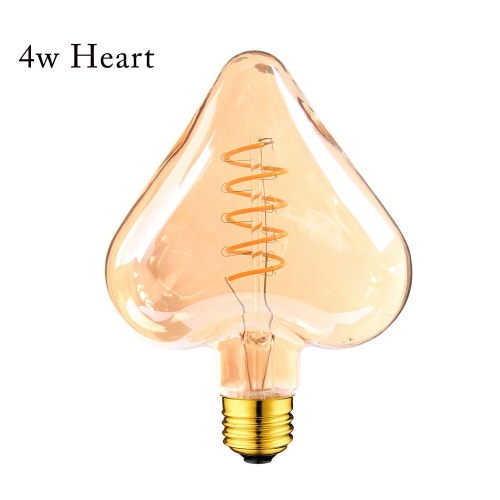
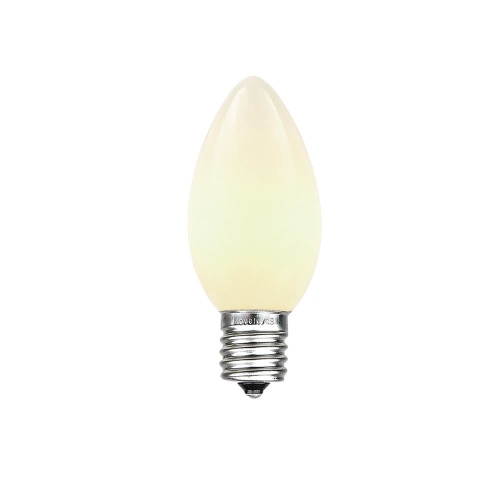
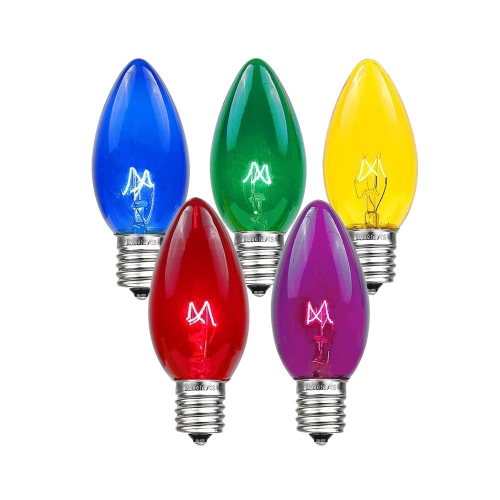
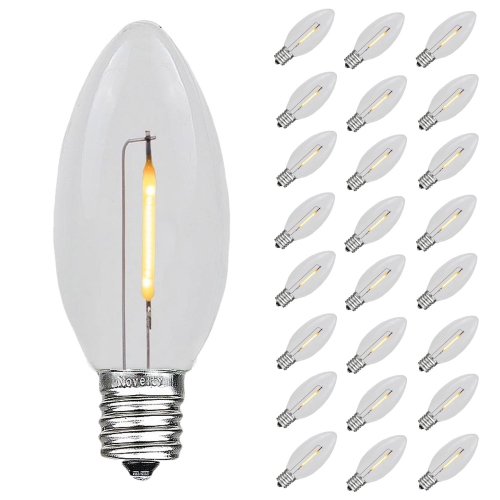
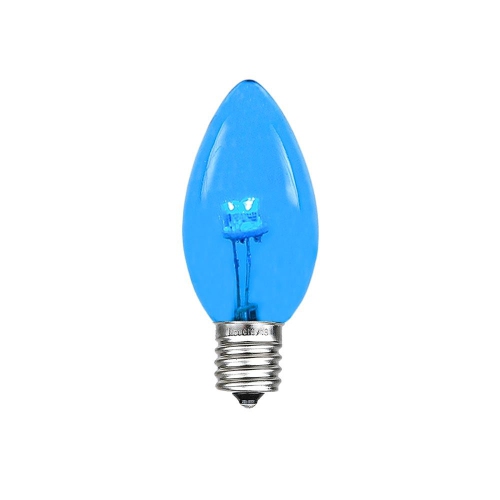
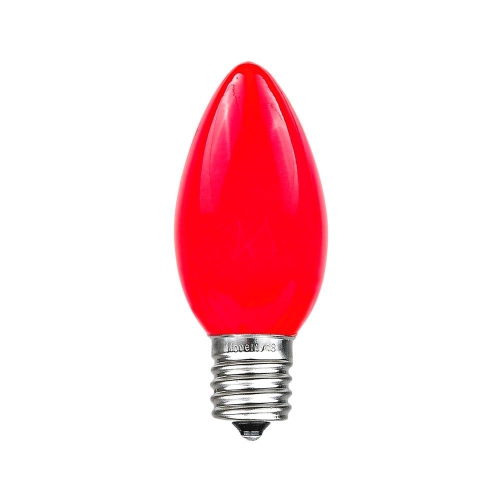
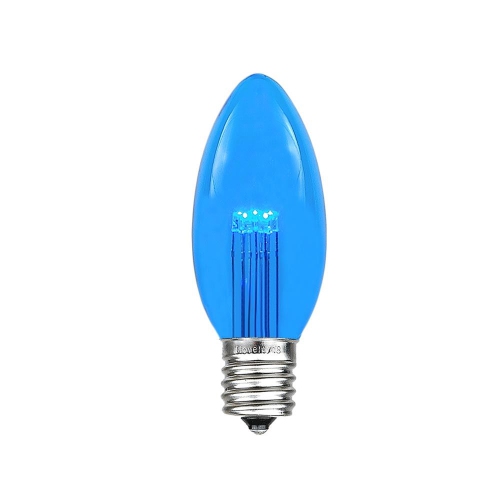
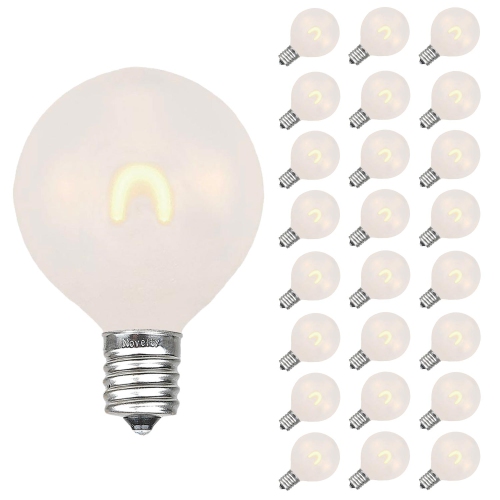
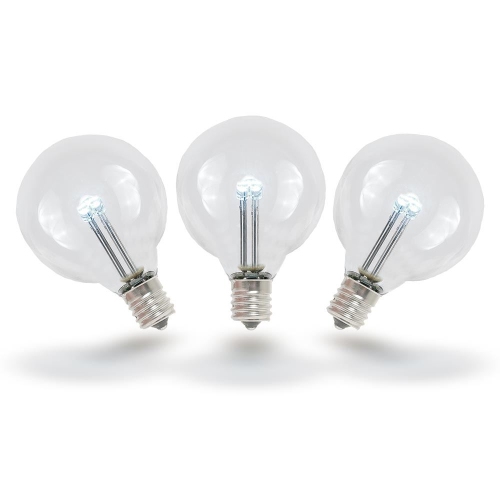
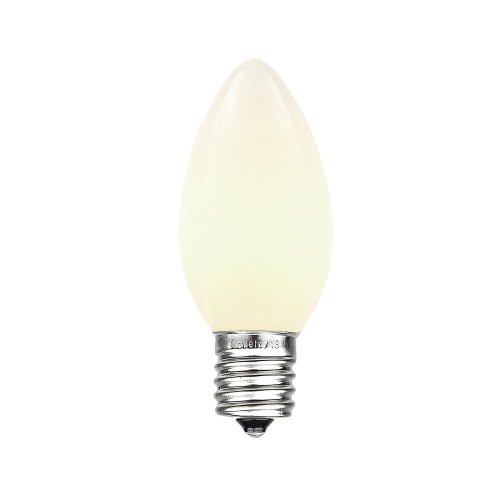
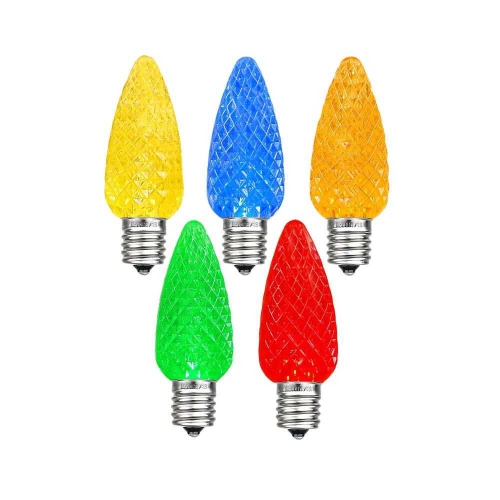
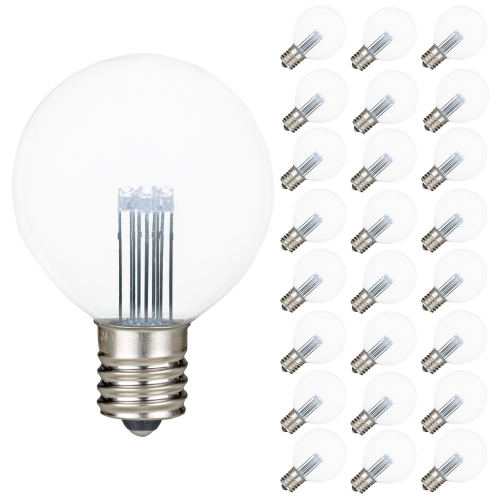
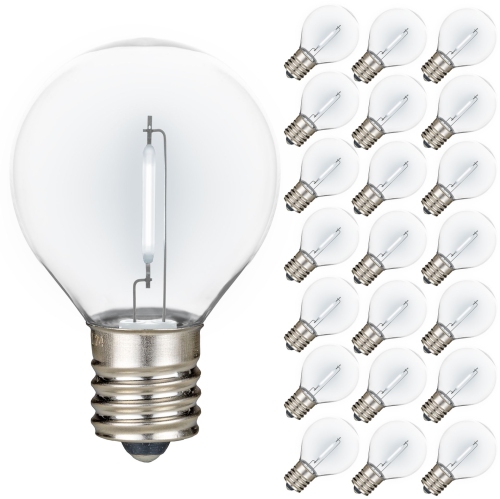
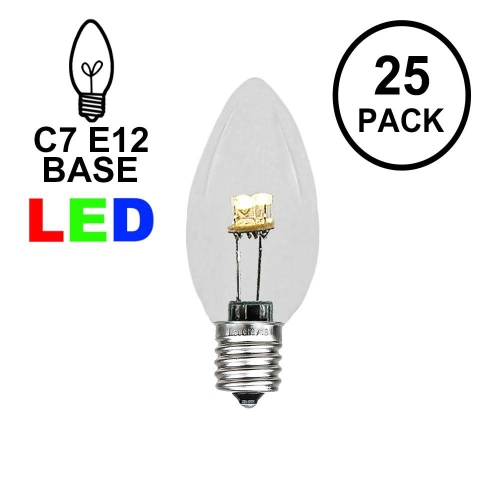
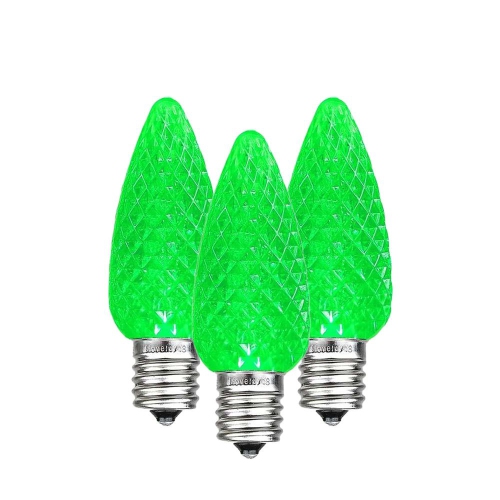
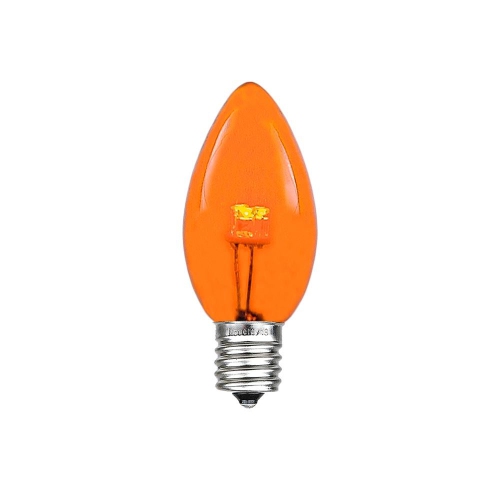
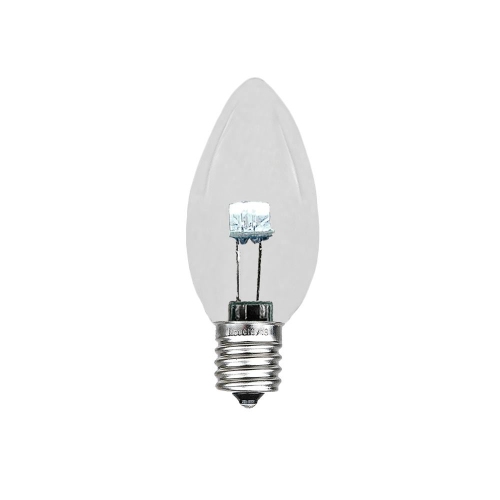
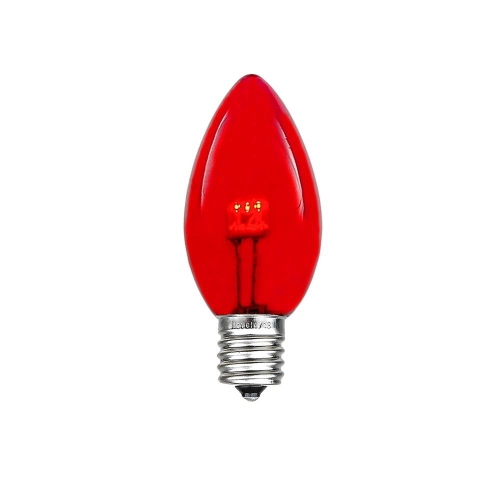
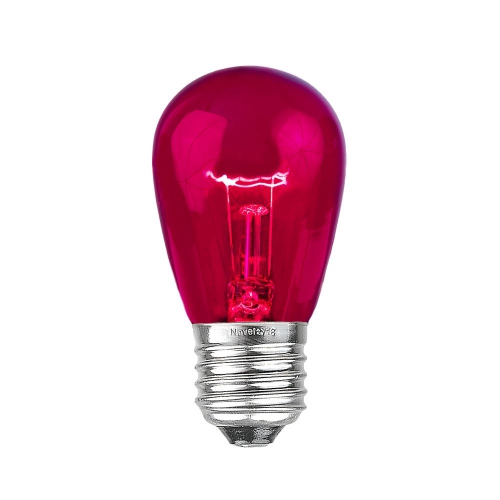
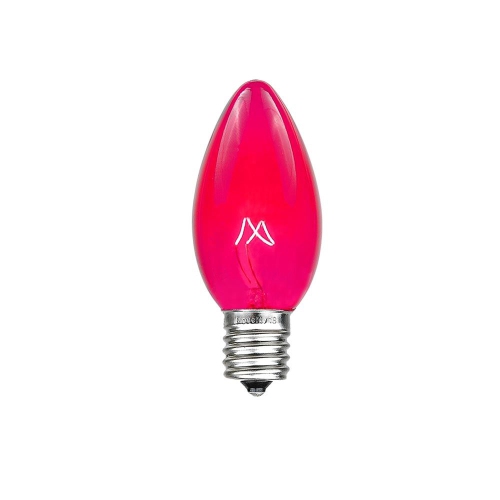
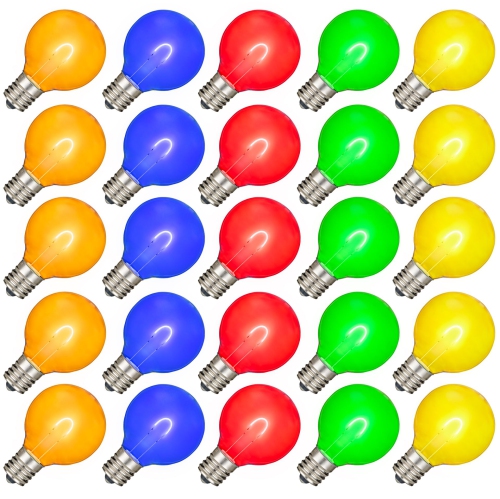
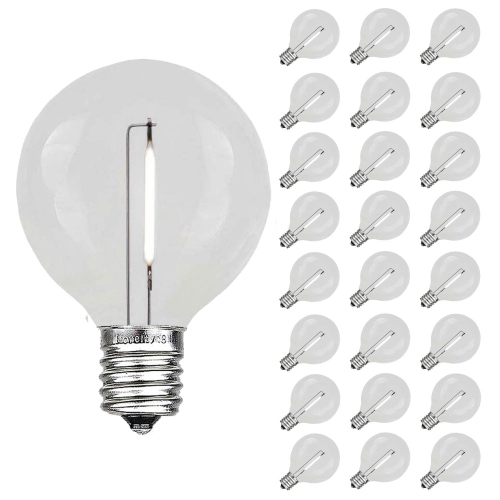
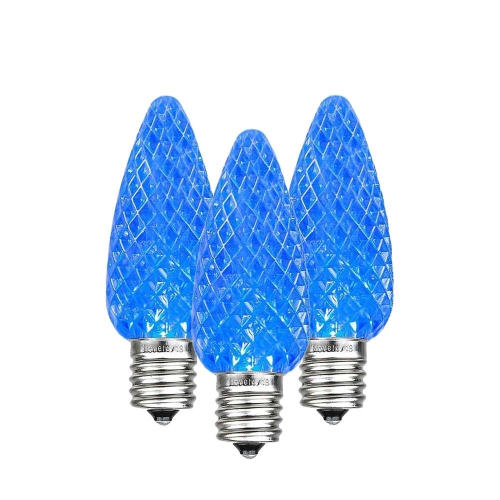
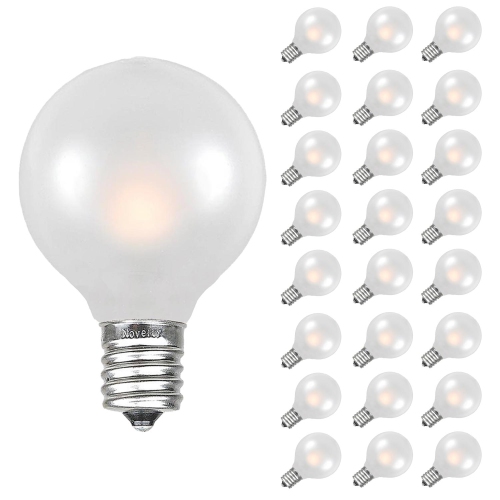
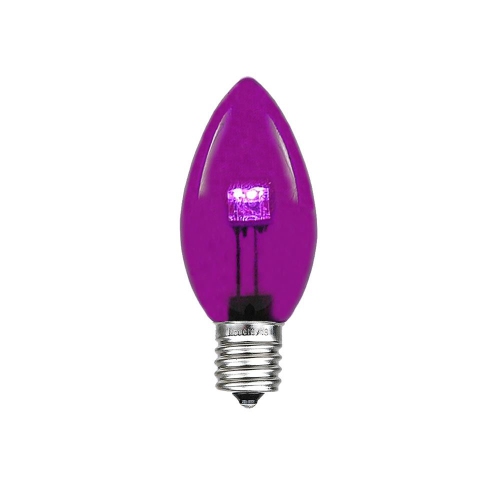
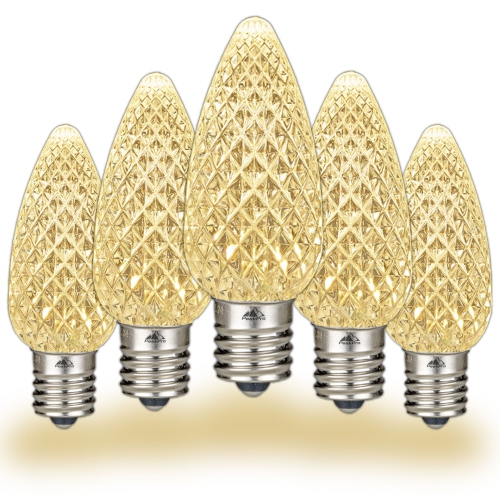
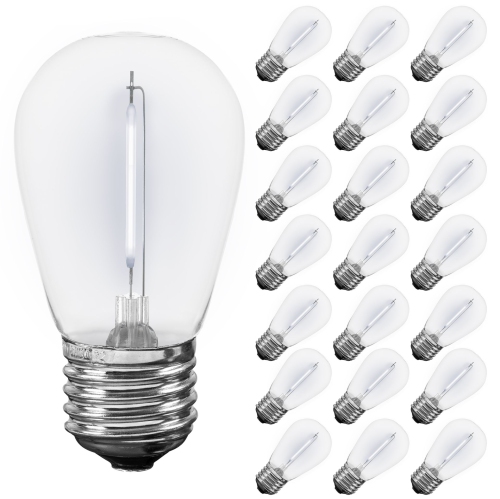
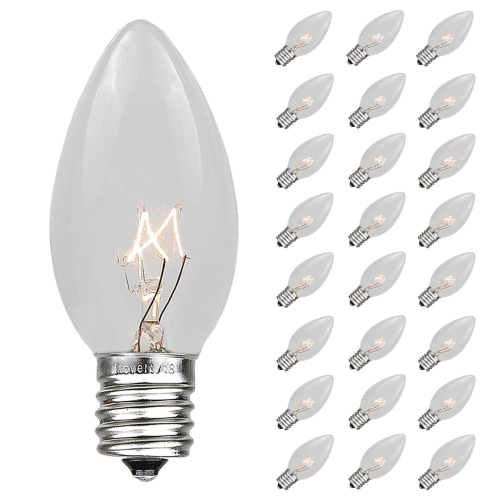
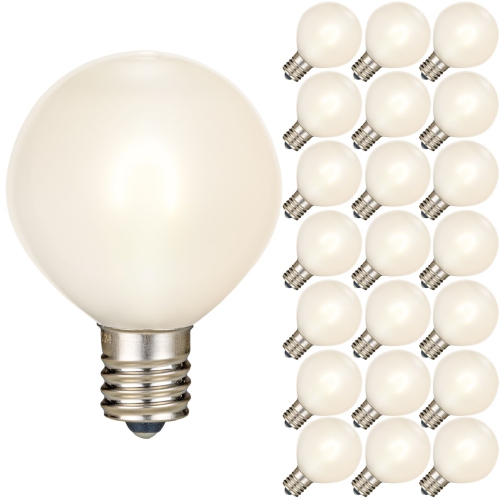
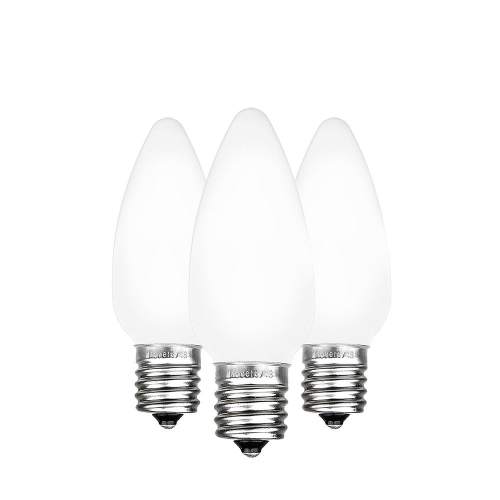
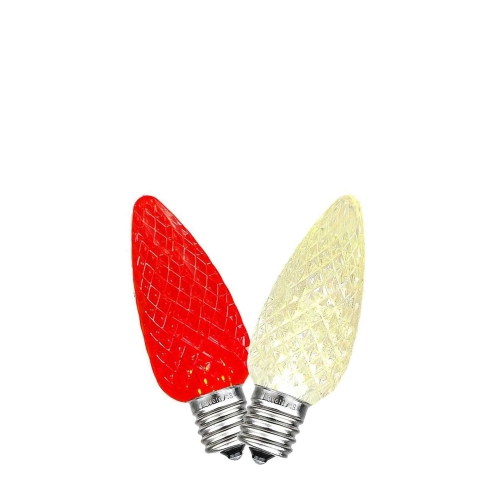
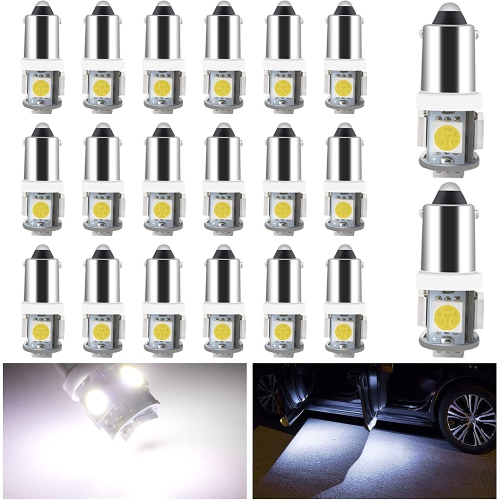
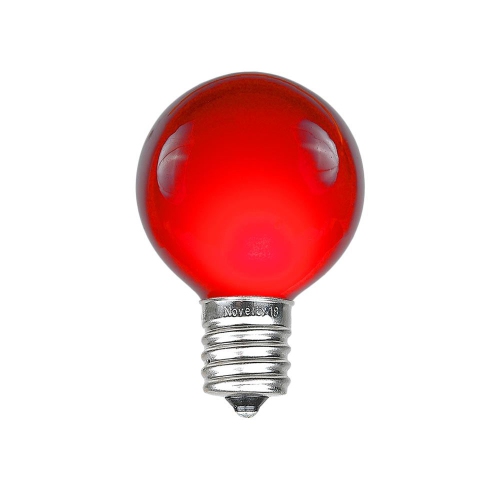
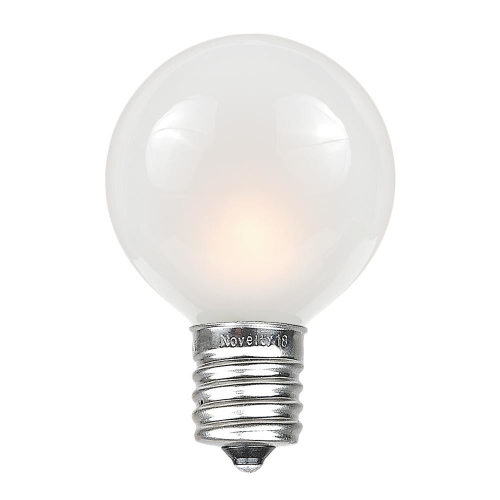
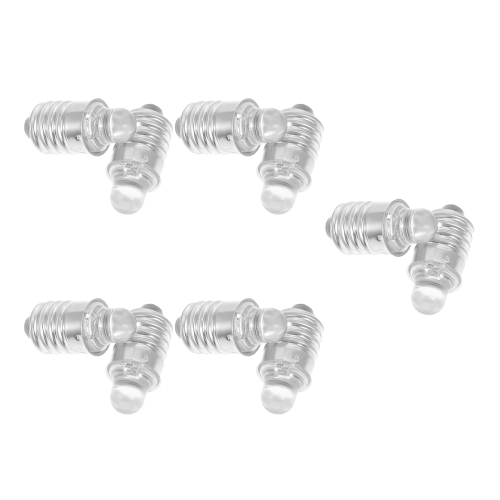
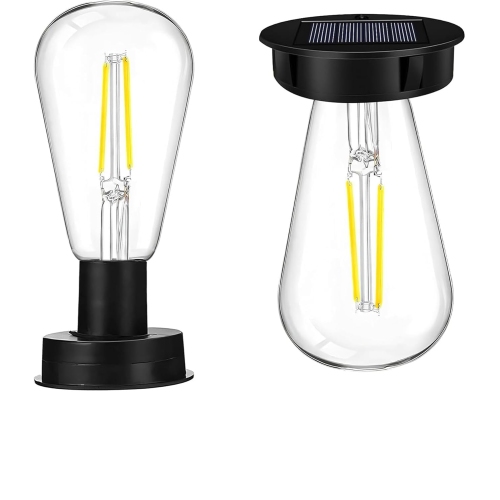
Replacement light bulbs help keep familiar spaces comfortable, useful, and well lit, whether the goal is to restore a favourite reading lamp or match the lighting across a kitchen ceiling. The right replacement does more than fit the socket: its shape, brightness, light colour, and beam pattern all affect how a room looks and feels. A shaded table lamp may need soft, evenly distributed light, while a recessed ceiling fixture may call for a more directed beam that reaches a countertop or highlights a display shelf. Bulb shapes range from familiar rounded profiles to candle shapes, globes, tubular designs, and reflector styles, each suited to different fixtures and uses. Clear glass can make a visible filament part of the look of an open pendant, while a frosted finish helps diffuse light and soften the appearance of the bright source. In a bathroom vanity, matching the shape and finish of exposed bulbs creates a more consistent appearance across the mirror. Beneath a lampshade, the bulb’s dimensions matter just as much as its style: an oversized bulb can sit too close to the shade or prevent a cover from closing properly. Base type is another essential detail. Screw bases, pin bases, and twist-lock connections are not interchangeable, and bulbs that look similar can have different electrical requirements. The markings on the old bulb and the fixture label provide useful information about the base, voltage, wattage limits, and permitted bulb types. For a replacement that fits neatly, compare the overall length and width as well as the connection. Homeowners, renters, and anyone maintaining a shared office or workspace can benefit from keeping track of these details, particularly where several fixtures use different bulb formats. A matching replacement preserves the intended look of the fixture while delivering light where it is needed, from a bedside book to a hallway landing or a work surface used for detailed tasks.
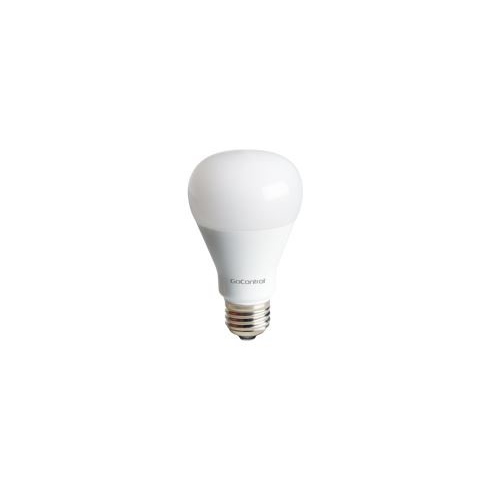
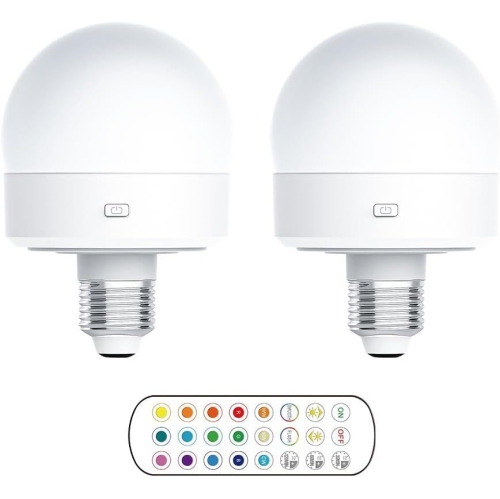
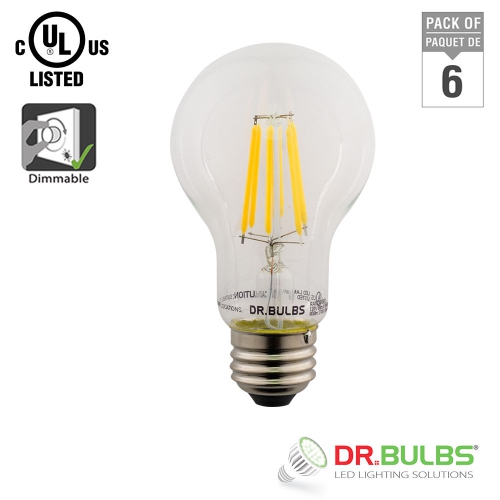
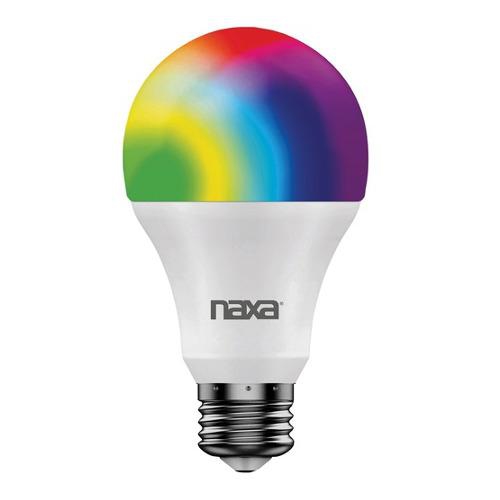
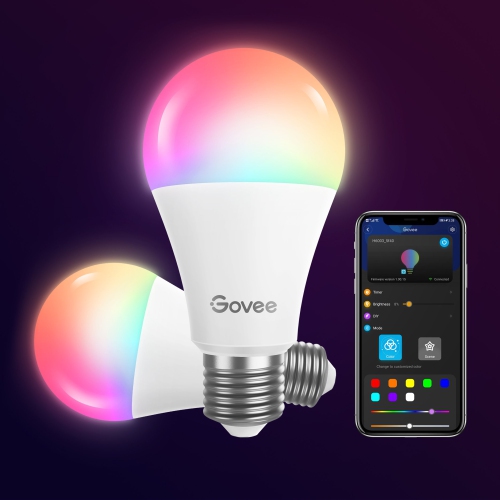
Brightness and light colour are central to choosing replacement light bulbs that feel right in everyday use. Lumens describe light output, while watts describe electrical power use; comparing wattage alone can be misleading when moving between lighting technologies. An LED bulb can provide similar brightness to an incandescent bulb while using a different wattage, so both the lumen rating and the fixture’s requirements deserve attention. A wattage-equivalent description is a brightness comparison, not the bulb’s actual power draw. For a reading chair, adequate light on the page matters more than making the entire room brighter. Over a dining table, a softer appearance may be preferable to the crisp light wanted at a craft desk. Colour temperature, expressed in kelvins, helps describe that difference: lower values generally look warmer and more yellow, while higher values appear whiter or cooler. Keeping this rating consistent across bulbs in the same fixture avoids a patchwork effect, especially in multi-bulb pendants and rows of recessed lights. Colour rendering is a separate consideration that describes how faithfully colours appear under the light. It can be particularly useful around mirrors, artwork, fabrics, and food preparation areas, where subtle differences are easier to notice. Beam angle also changes the result. A narrow beam concentrates light on a smaller area, while a wider beam spreads it across more of the surrounding space. Dimming adds another layer of compatibility: a bulb must be marked as dimmable, and the dimmer must support the bulb technology being used. An incompatible pairing may cause flickering, buzzing, or a limited adjustment range. Touch lamps, three-way lamps, motion sensors, and illuminated switches can also have specific requirements, so a standard replacement is not automatically suitable. Connected bulbs offer features such as adjustable light colour, scheduling, and app control, but their wireless connection, setup requirements, and compatibility with existing controls vary. Features such as Wi-Fi connectivity are worth considering only alongside the fundamentals of fit, useful brightness, and reliable operation.
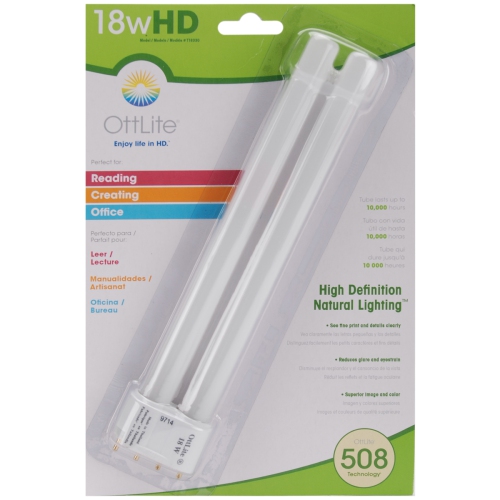
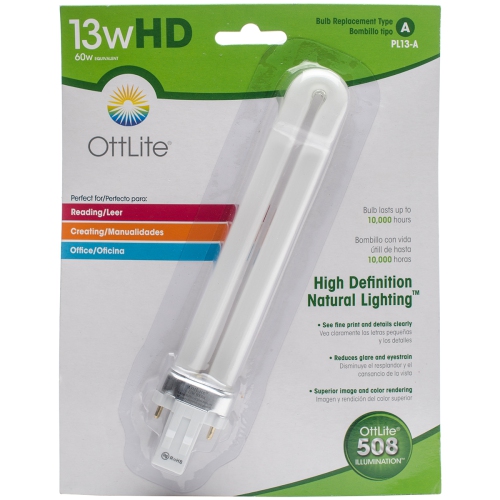
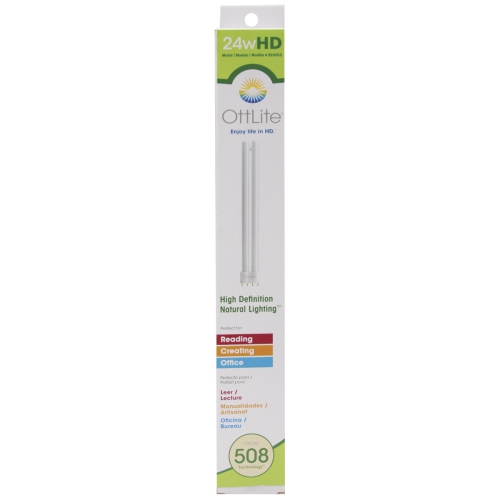
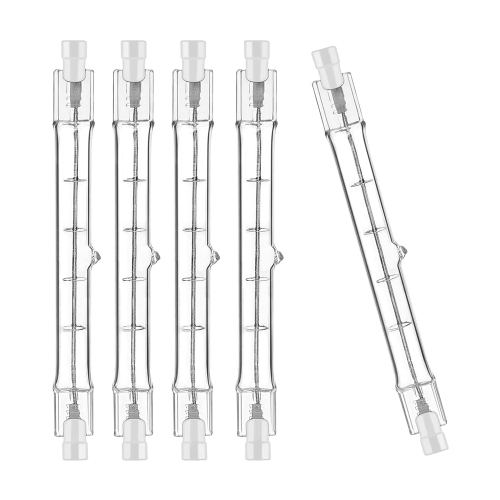
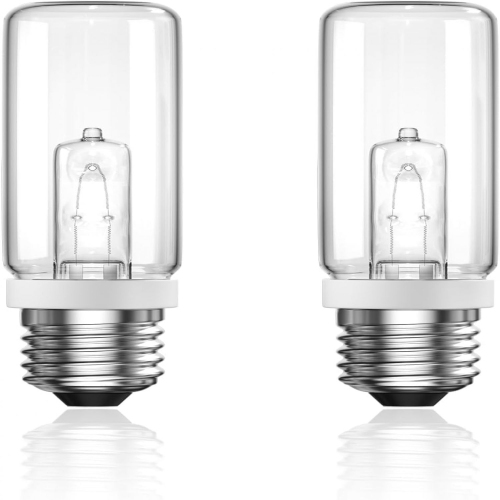
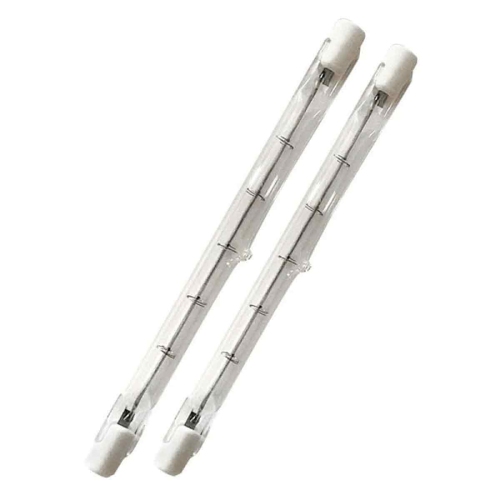
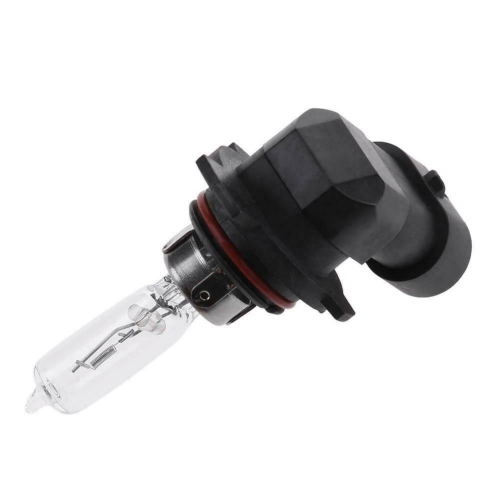
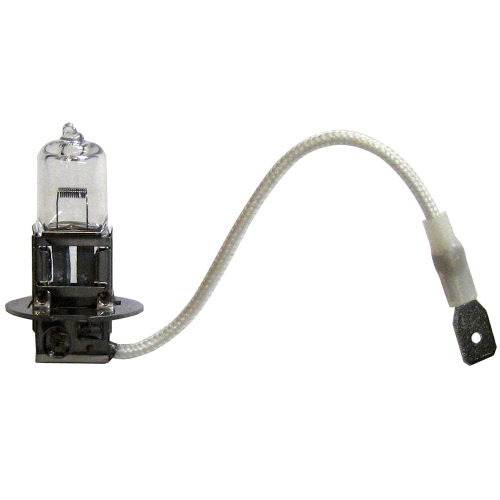
Materials, construction, and intended use influence how a replacement bulb performs over time. Depending on the design, bulbs may combine glass or plastic outer sections with metal bases, electronic components, and parts that help manage heat. LED, halogen, fluorescent, and incandescent technologies have different operating characteristics, and a fixture designed for one format may not accept another without specific approval or changes to its supporting components. Some tube-style replacements, for example, depend on compatibility with an existing ballast, while others require electrical alterations that should be handled by a qualified professional. A bulb’s rated lifespan is an estimate based on specified operating conditions rather than a promise of identical service in every fixture. Ventilation, switching frequency, and the surrounding enclosure can all affect performance. Fully enclosed fixtures need bulbs expressly rated for that use, even when the bulb fits beneath the cover. Fixtures exposed to moisture need replacements with the appropriate rating, and appliance lighting may require purpose-built bulbs rather than standard household versions. An oven light, for instance, must withstand conditions that ordinary bulbs are not designed to handle. Care begins with switching off the power and allowing the old bulb to cool before removal. Handle the replacement gently, avoid overtightening a screw base, and follow any handling directions on the packaging; some halogen bulbs require keeping bare fingers off the glass. A clean, dry cloth can remove surface dust when the bulb is cool and disconnected, provided the manufacturer’s directions allow it. Keeping spare bulbs in their protective packaging helps shield delicate glass and makes specifications easier to find later. Where several bulbs illuminate one space, matching their light output and colour can make an individual replacement less noticeable. Vehicle lighting belongs to a separate application with its own fit and performance requirements; Replacement Headlight Bulbs should be selected for the vehicle’s year, make, model, and headlamp assembly rather than compared with household bulbs. Across these uses, the most suitable replacement combines the correct physical and electrical fit with light that supports the task.
Brightness and light colour are central to choosing replacement light bulbs that feel right in everyday use. Lumens describe light output, while watts describe electrical power use; comparing wattage alone can be misleading when moving between lighting technologies. An LED bulb can provide similar brightness to an incandescent bulb while using a different wattage, so both the lumen rating and the fixture’s requirements deserve attention. A wattage-equivalent description is a brightness comparison, not the bulb’s actual power draw. For a reading chair, adequate light on the page matters more than making the entire room brighter. Over a dining table, a softer appearance may be preferable to the crisp light wanted at a craft desk. Colour temperature, expressed in kelvins, helps describe that difference: lower values generally look warmer and more yellow, while higher values appear whiter or cooler. Keeping this rating consistent across bulbs in the same fixture avoids a patchwork effect, especially in multi-bulb pendants and rows of recessed lights. Colour rendering is a separate consideration that describes how faithfully colours appear under the light. It can be particularly useful around mirrors, artwork, fabrics, and food preparation areas, where subtle differences are easier to notice. Beam angle also changes the result. A narrow beam concentrates light on a smaller area, while a wider beam spreads it across more of the surrounding space. Dimming adds another layer of compatibility: a bulb must be marked as dimmable, and the dimmer must support the bulb technology being used. An incompatible pairing may cause flickering, buzzing, or a limited adjustment range. Touch lamps, three-way lamps, motion sensors, and illuminated switches can also have specific requirements, so a standard replacement is not automatically suitable. Connected bulbs offer features such as adjustable light colour, scheduling, and app control, but their wireless connection, setup requirements, and compatibility with existing controls vary. Features such as Wi-Fi connectivity are worth considering only alongside the fundamentals of fit, useful brightness, and reliable operation.
Materials, construction, and intended use influence how a replacement bulb performs over time. Depending on the design, bulbs may combine glass or plastic outer sections with metal bases, electronic components, and parts that help manage heat. LED, halogen, fluorescent, and incandescent technologies have different operating characteristics, and a fixture designed for one format may not accept another without specific approval or changes to its supporting components. Some tube-style replacements, for example, depend on compatibility with an existing ballast, while others require electrical alterations that should be handled by a qualified professional. A bulb’s rated lifespan is an estimate based on specified operating conditions rather than a promise of identical service in every fixture. Ventilation, switching frequency, and the surrounding enclosure can all affect performance. Fully enclosed fixtures need bulbs expressly rated for that use, even when the bulb fits beneath the cover. Fixtures exposed to moisture need replacements with the appropriate rating, and appliance lighting may require purpose-built bulbs rather than standard household versions. An oven light, for instance, must withstand conditions that ordinary bulbs are not designed to handle. Care begins with switching off the power and allowing the old bulb to cool before removal. Handle the replacement gently, avoid overtightening a screw base, and follow any handling directions on the packaging; some halogen bulbs require keeping bare fingers off the glass. A clean, dry cloth can remove surface dust when the bulb is cool and disconnected, provided the manufacturer’s directions allow it. Keeping spare bulbs in their protective packaging helps shield delicate glass and makes specifications easier to find later. Where several bulbs illuminate one space, matching their light output and colour can make an individual replacement less noticeable. Vehicle lighting belongs to a separate application with its own fit and performance requirements; Replacement Headlight Bulbs should be selected for the vehicle’s year, make, model, and headlamp assembly rather than compared with household bulbs. Across these uses, the most suitable replacement combines the correct physical and electrical fit with light that supports the task.
Top selling and popular products
-
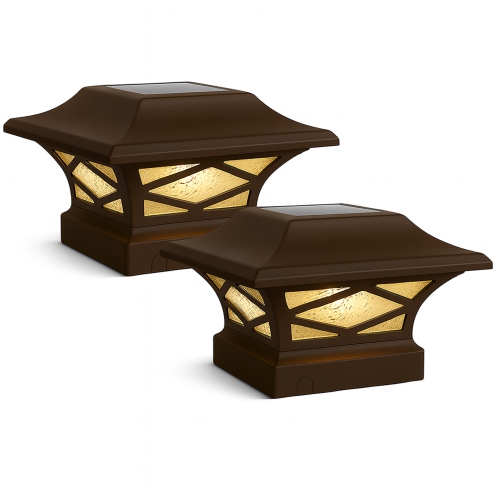 Your price for this item is $99.99
 -
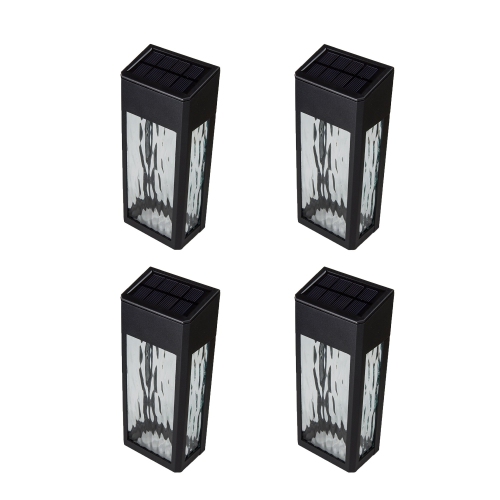 Your price for this item is $73.99
 -
 Your price for this item is $69.99
 -
 Your price for this item is $59.99
 -
 Your price for this item is $99.99
 -
 Your price for this item is $99.99
 -
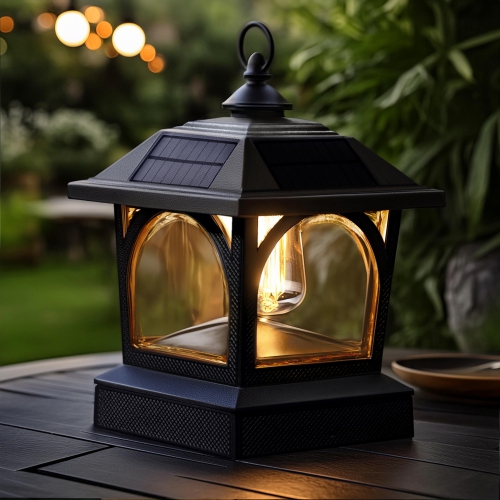 Your price for this item is $99.99
 -
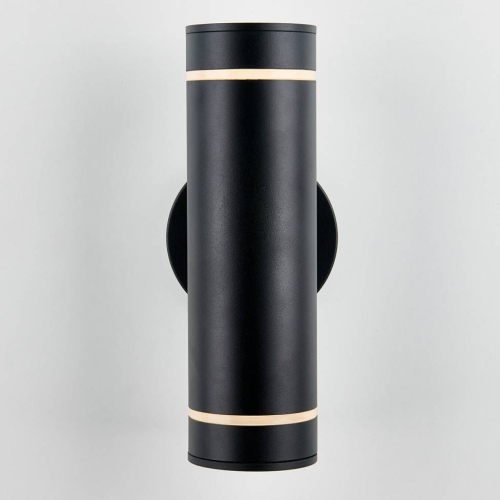 Your price for this item is $99
Discover more categories related to Replacement Light Bulbs
Top Collections:
Pokemon Centers, Kindle Devices, Best Budget Office Chairs, Apple iPhones 16, Best Laptops for Writers, iPhone 15 Apple, Canon G7X Cameras, Refurbished Apple Laptops, Alarm Clock, Motorola Razr Phones
Some products may be subject to Environmental Handling Fees
(EHF) depending on your province.
Learn more about EHFs.