Night Light Bulbs
Illuminate your home with our range of night light bulbs that offer a soft and gentle glow to create a cozy atmosphere in any room. Perfect for bedrooms, hallways, or nurseries, these bulbs provide just the right amount of light to guide you during nighttime without disturbing your sleep. Whether you prefer warm or cool tones, dimmable options, or energy-efficient LED technology, we have the perfect night light bulbs to suit your needs and preferences. Say goodbye to stumbling in the dark and enhance your space with our selection of reliable and long-lasting night light bulbs.
Sort
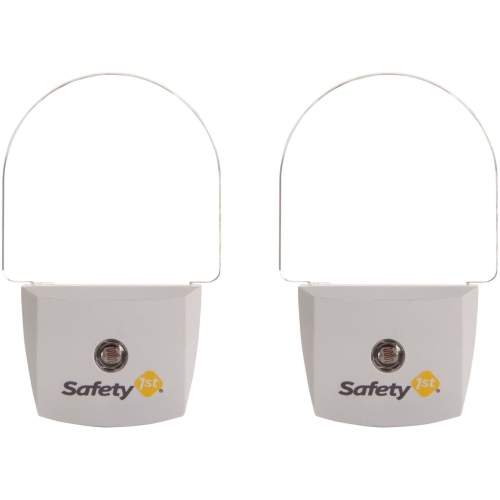
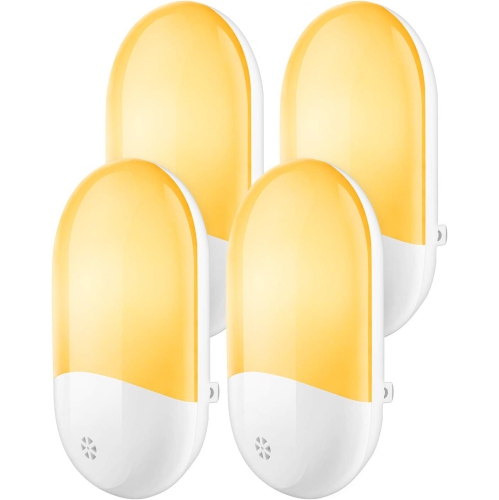
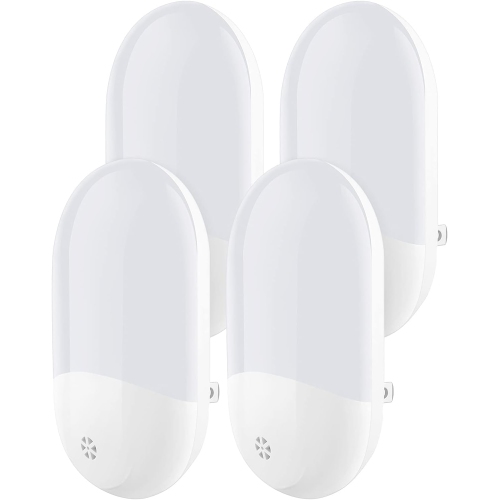
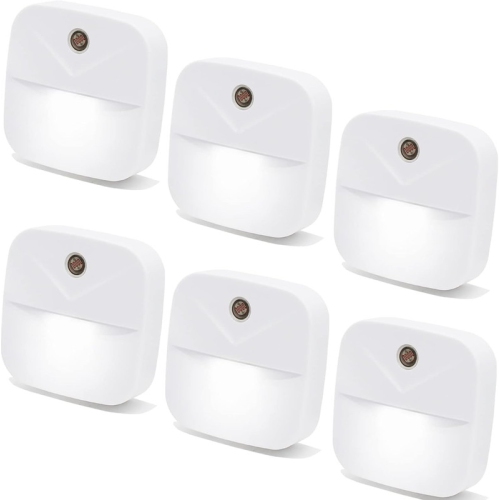

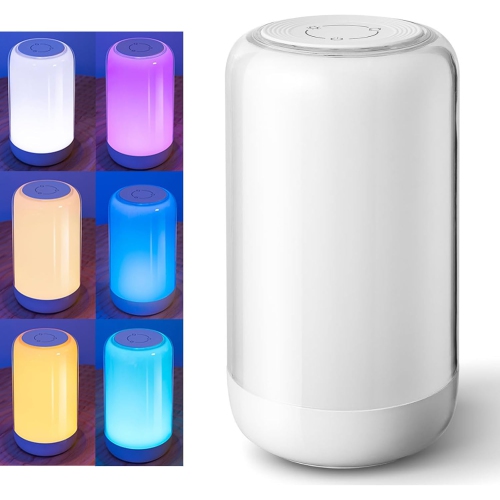

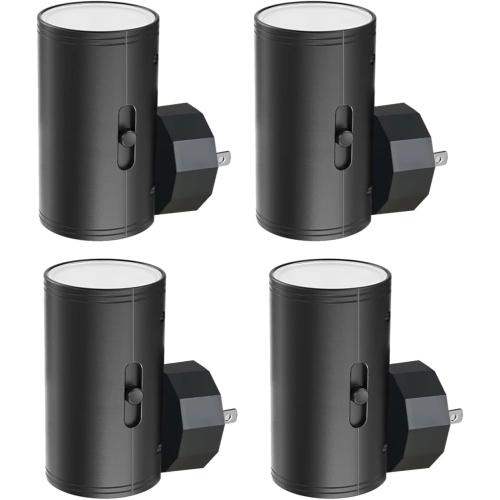
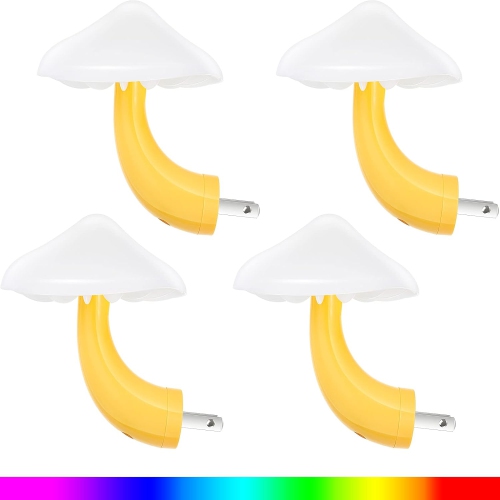
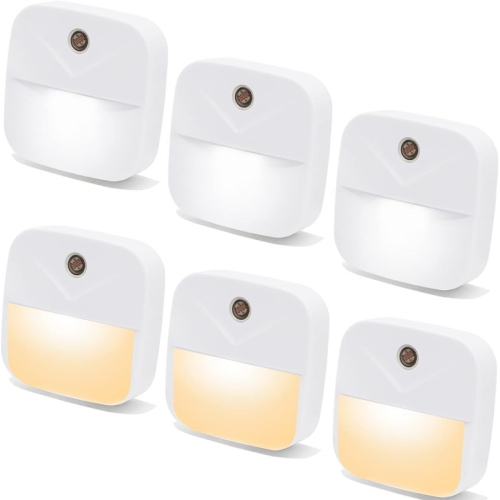
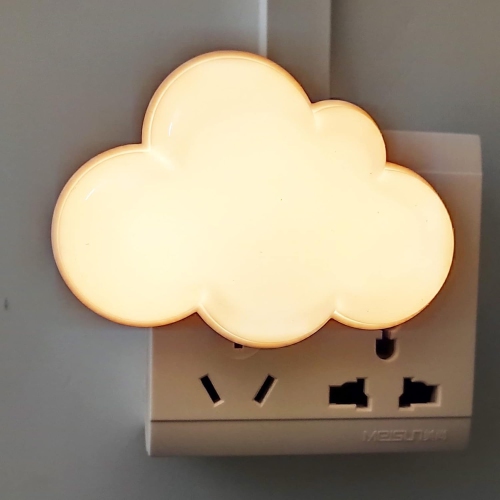
![YOULIGHTS Night Lights Plug Into Wall [2 Pack], Color Changing Night Light for Kids, 8-Color RGB Led Night Light, Nightlight w Dusk to Dawn Sensor](https://multimedia.bbycastatic.ca/multimedia/products/500x500/185/18588/18588682.jpeg)
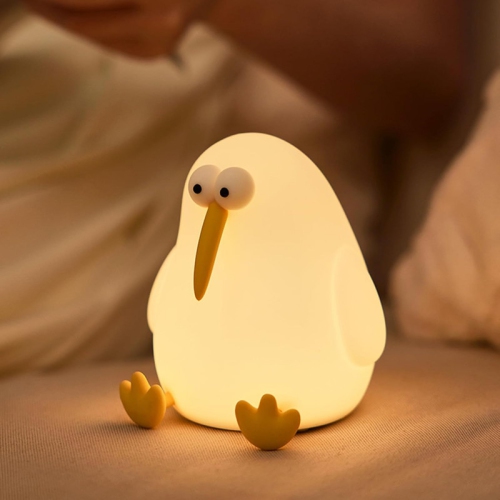
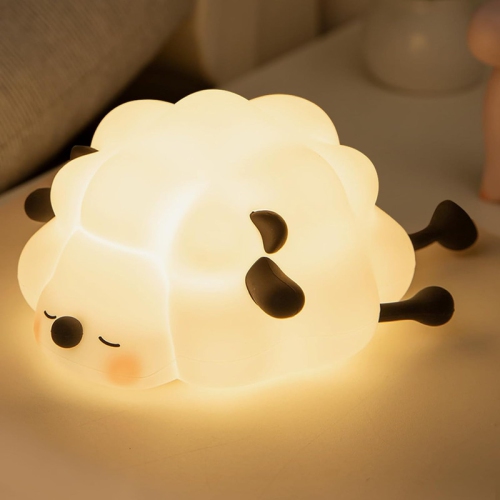
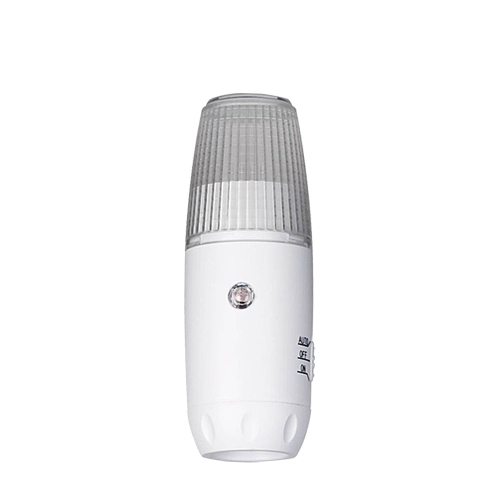
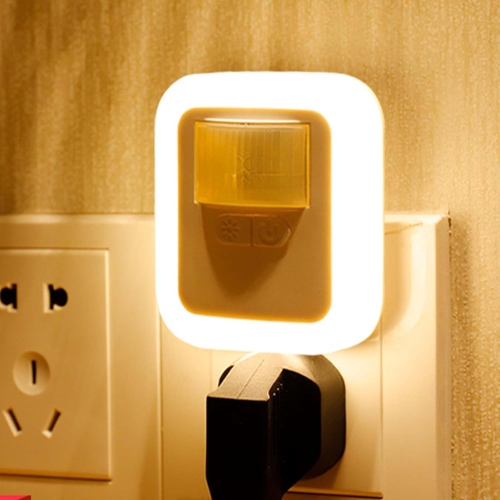
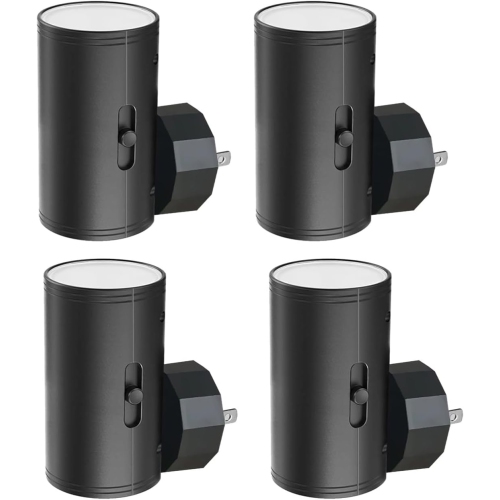
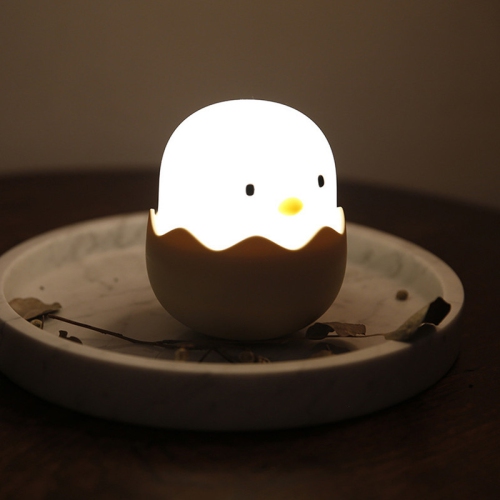
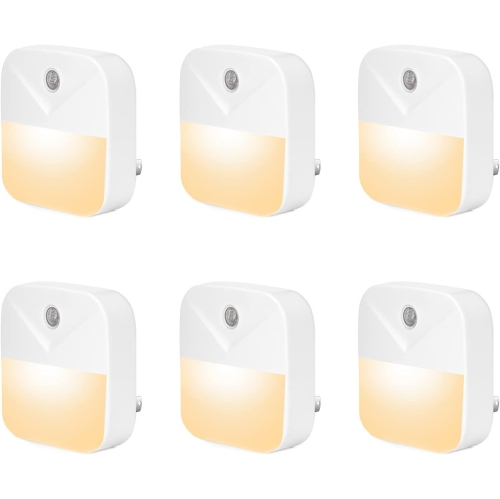
![YOULIGHTS Plug In Night Light [2 Pack], Night Lights Plug Into Wall, Amber Night Light, Warm Night Light, 1800K, Dusk to Dawn Sensor, Adjustable](https://multimedia.bbycastatic.ca/multimedia/products/500x500/185/18588/18588720.jpeg)



![YOULIGHTS Cat Night Light [2 Pack], Color-Changing Kids Night Light, Plug In, Dusk-To-Dawn Sensor, Baby Night Light, 8-Color RGB, Rainbow Led Night](https://multimedia.bbycastatic.ca/multimedia/products/500x500/185/18588/18588718.jpeg)
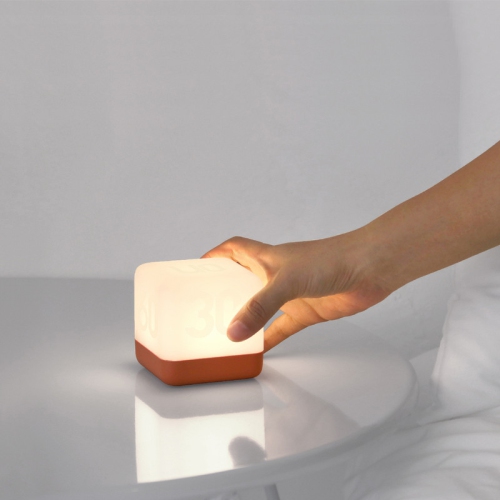

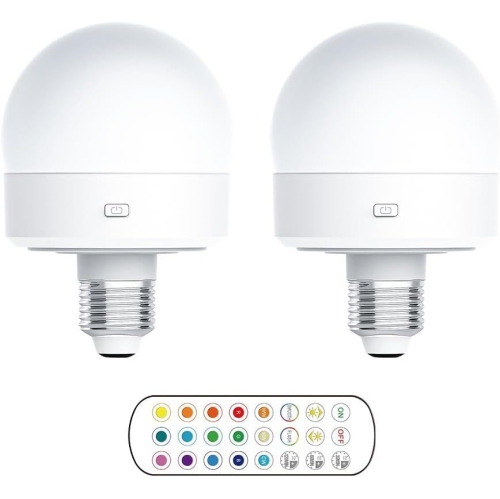
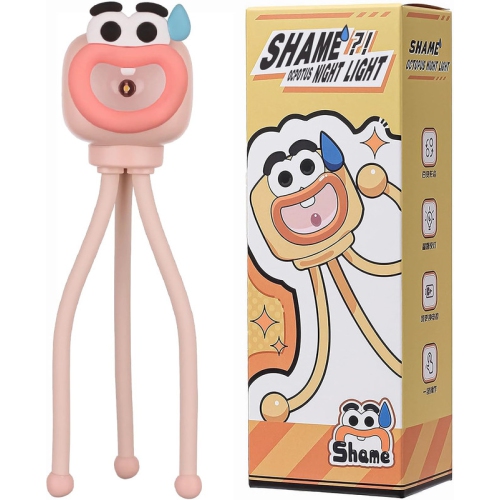
![YOULIGHTS Led Night Light, Baby Night Light [2 Pack], Plug In Night Light With Auto Dusk to Dawn Sensor, Adjustable Brightness Night Light](https://multimedia.bbycastatic.ca/multimedia/products/500x500/185/18588/18588730.jpeg)
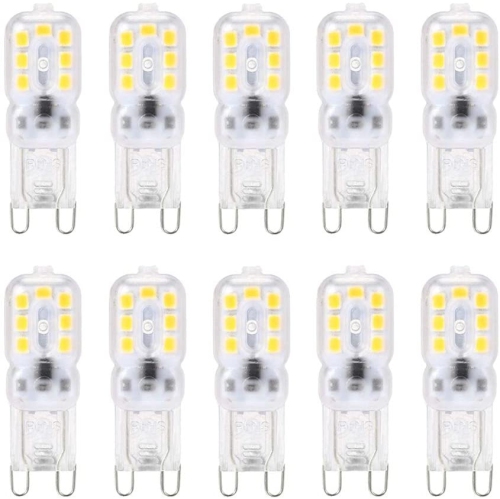
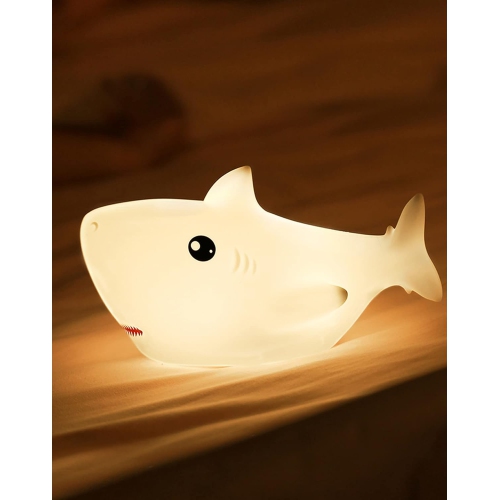
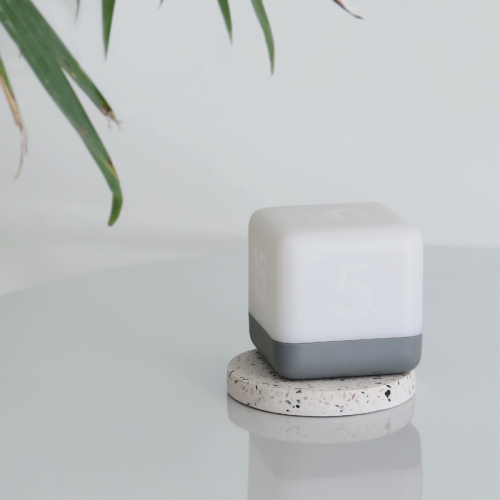
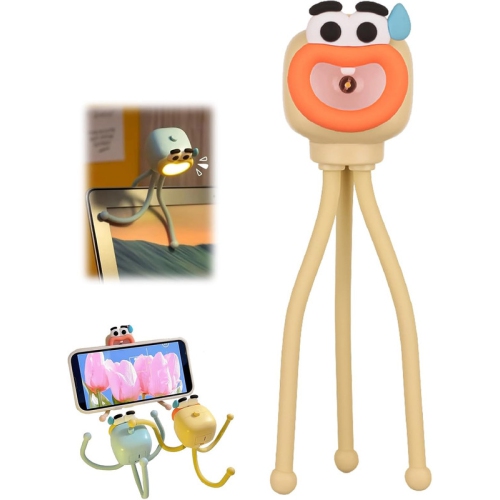

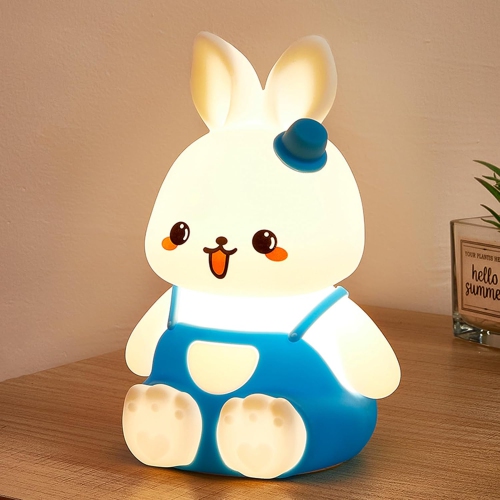
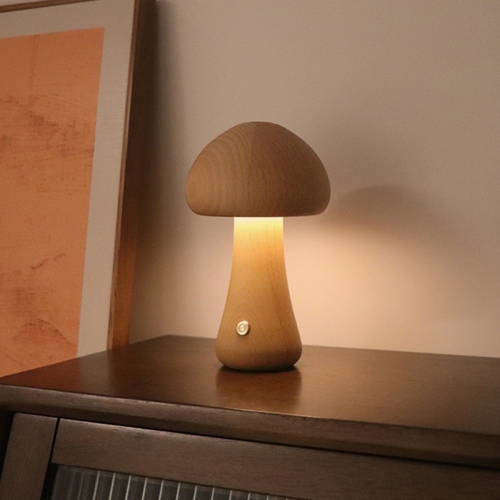
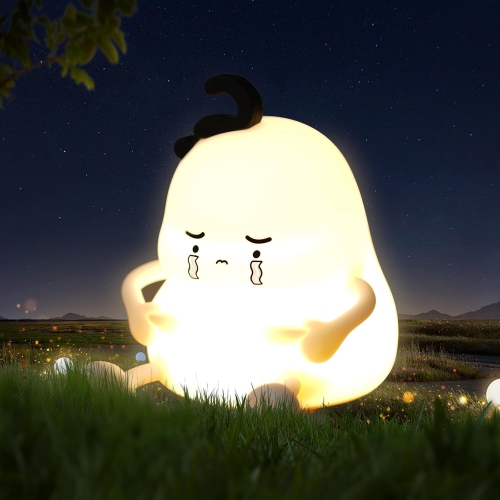
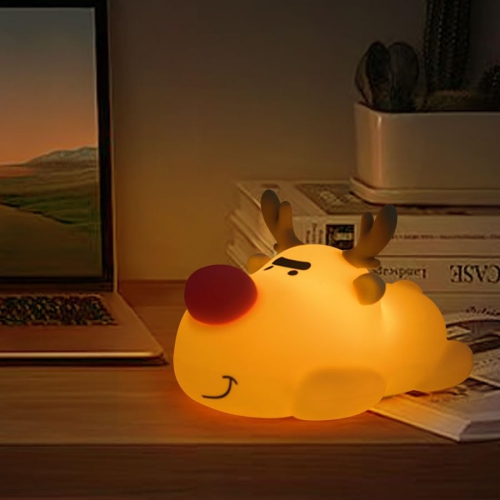
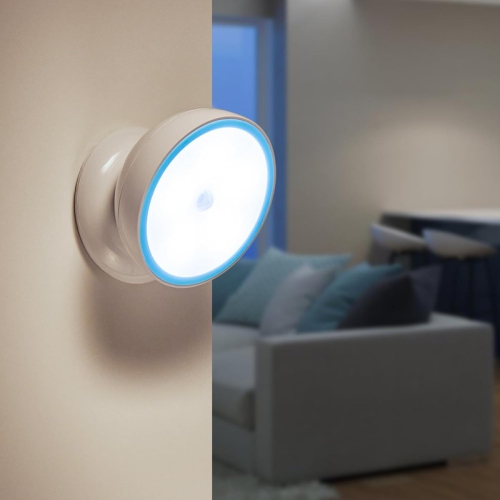

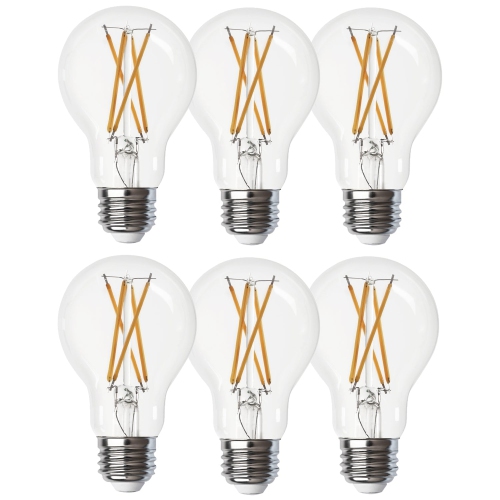
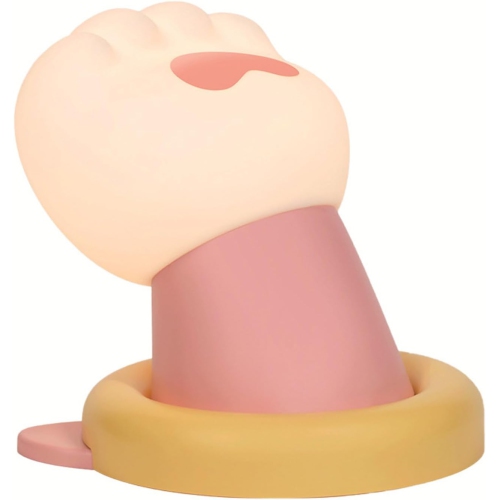
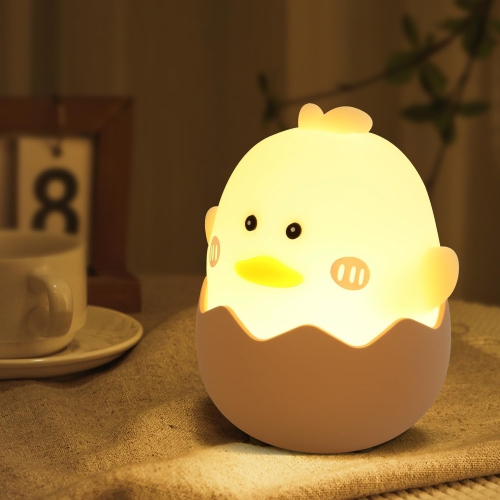
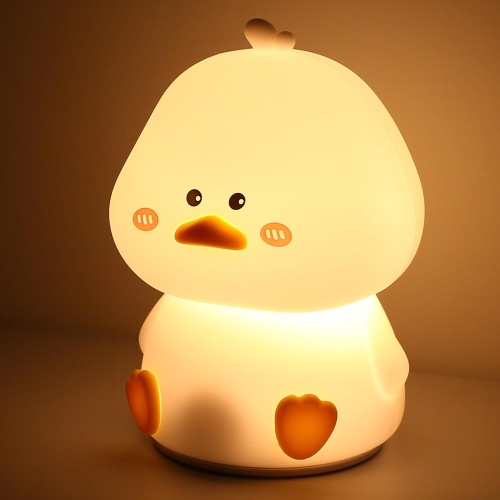

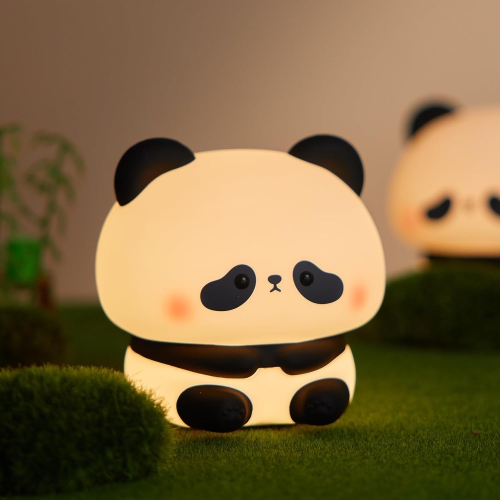
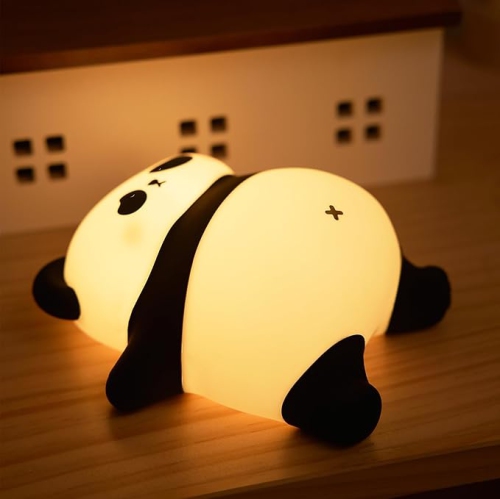
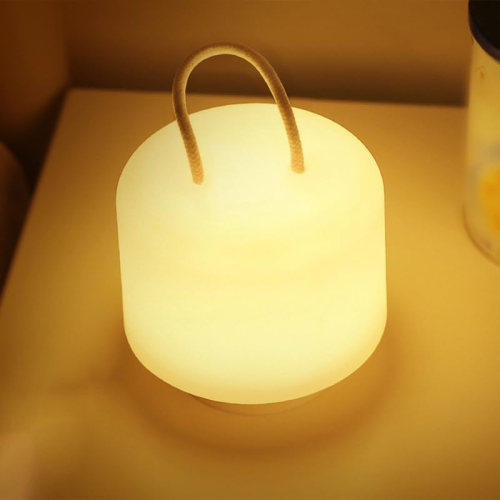


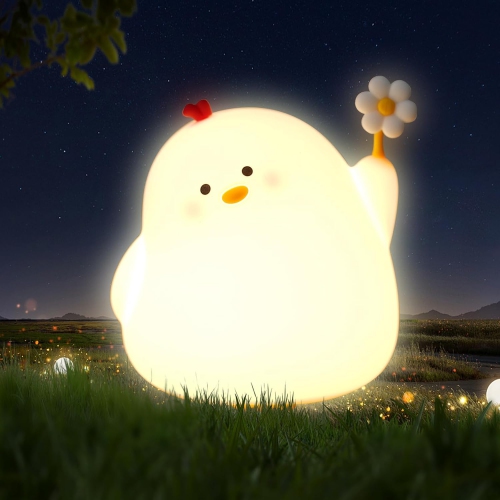

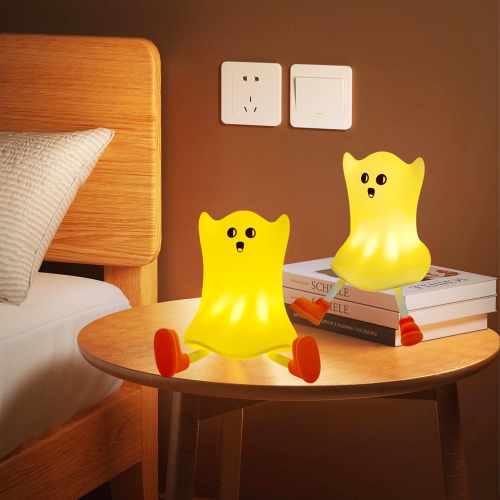
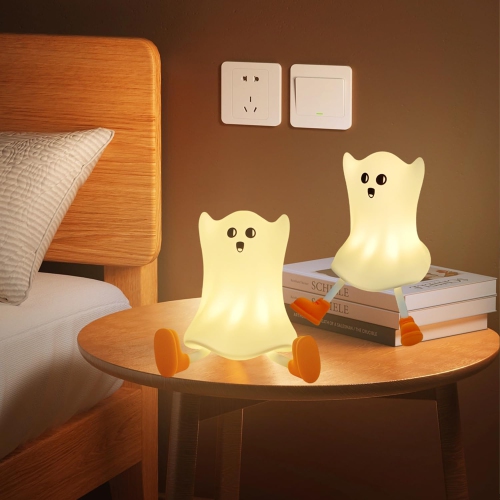
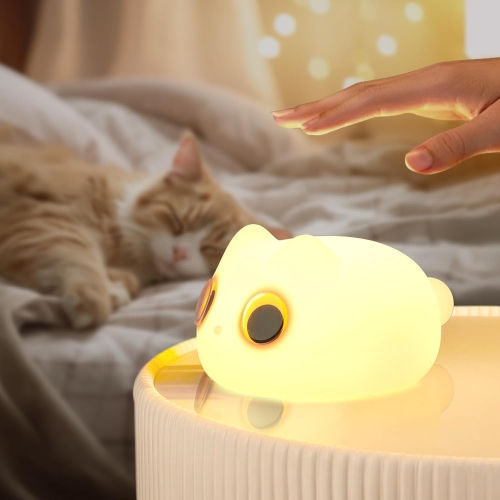
![YOULIGHTS Dinosaur Night Light for Kids [2 Pack], 8 Color Changing Plug In Night Light for Kids, Baby Night Light w Dusk to Dawn Sensor, Night Light](https://multimedia.bbycastatic.ca/multimedia/products/500x500/185/18588/18588727.jpeg)
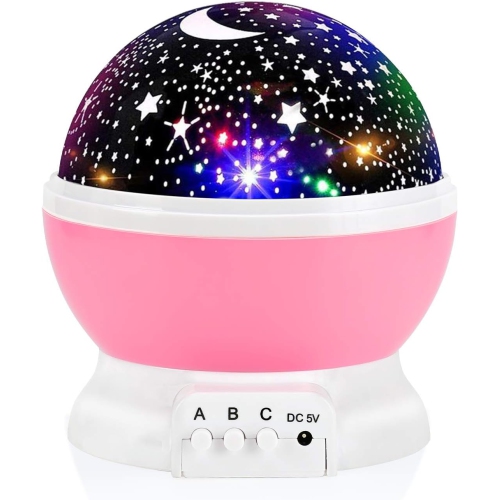
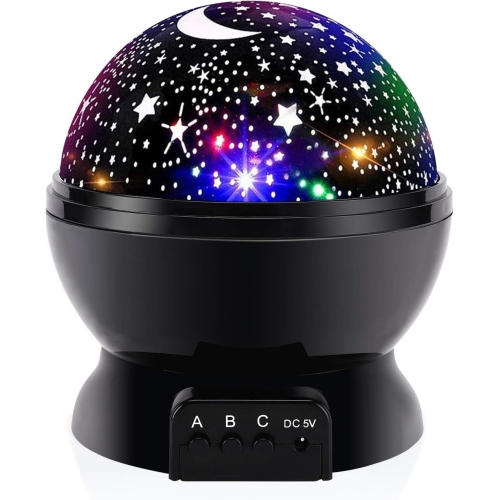
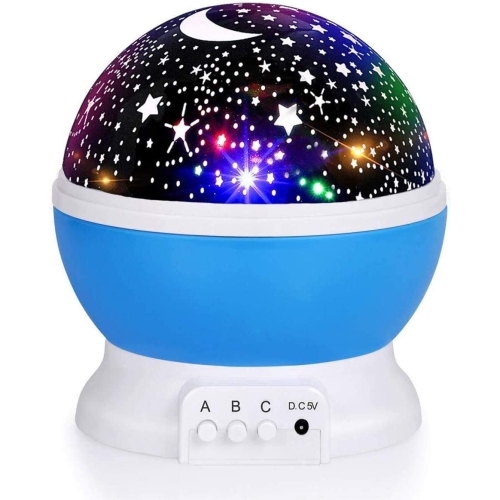
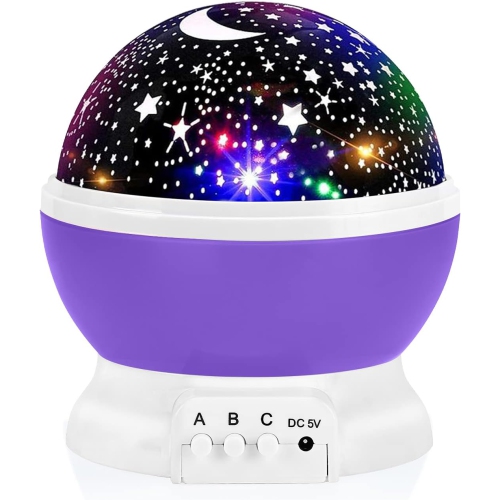
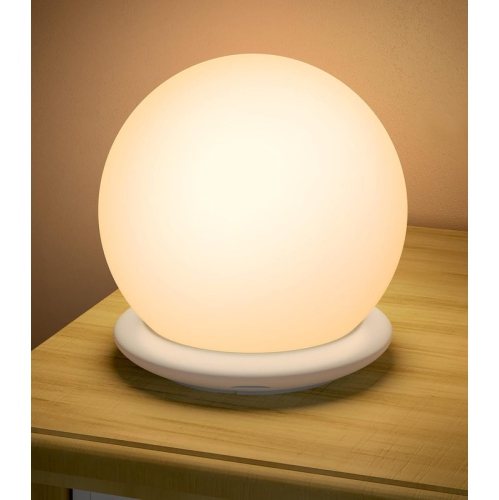
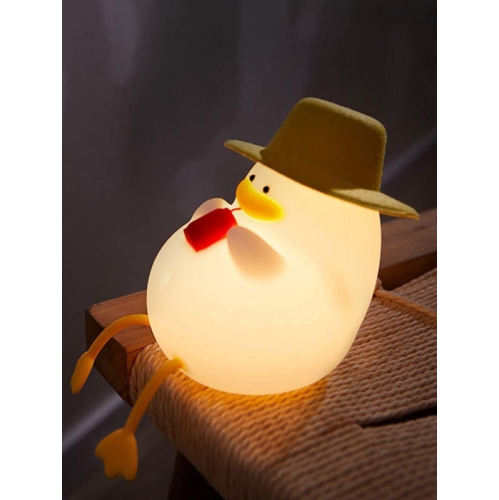
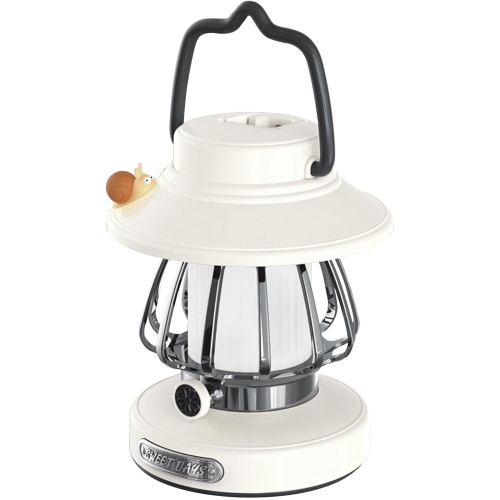
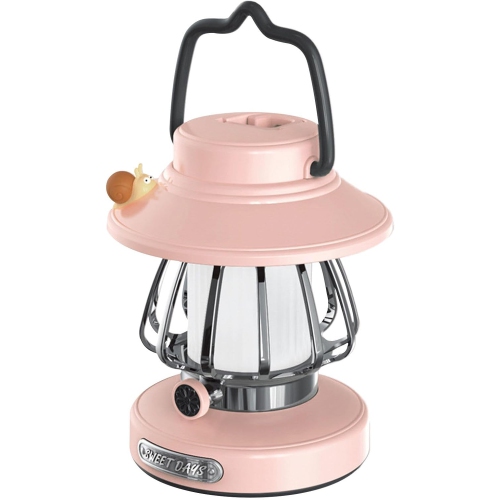
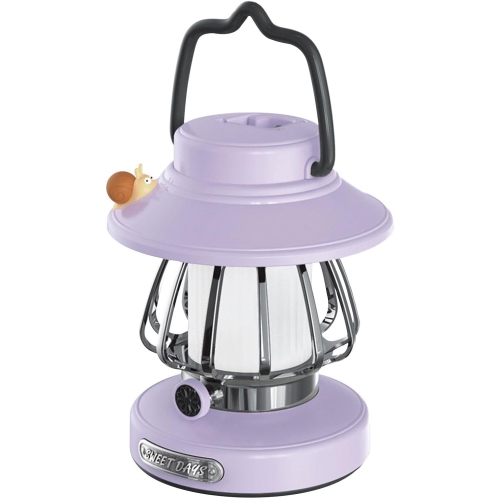
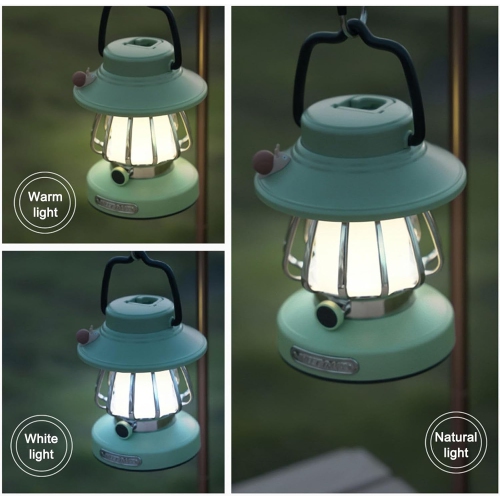
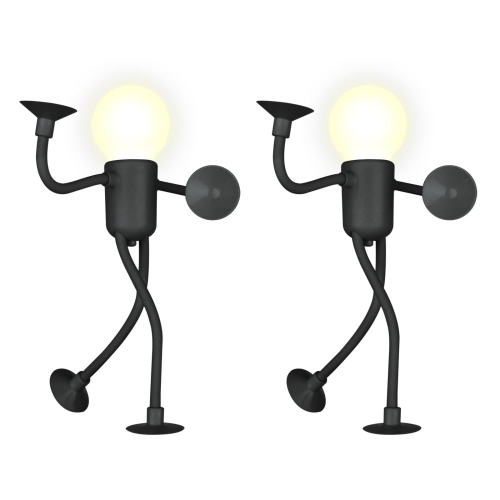
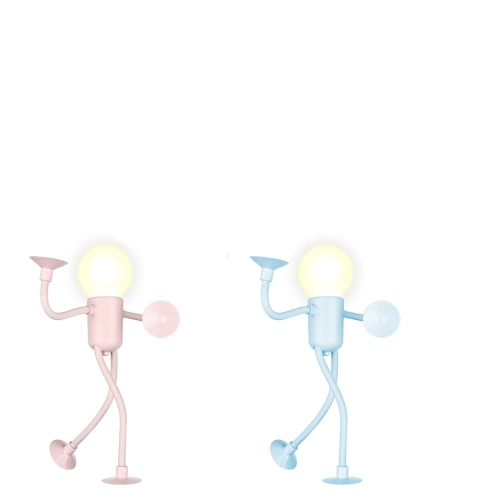
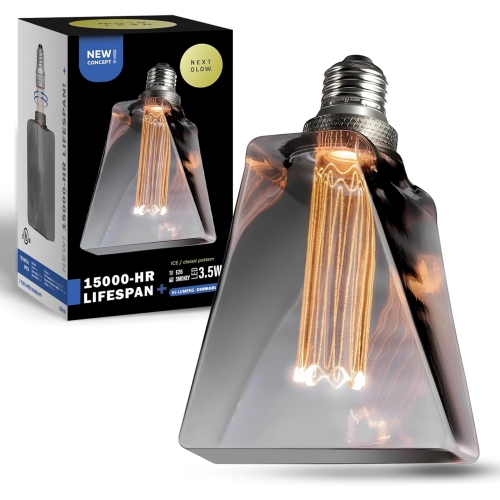
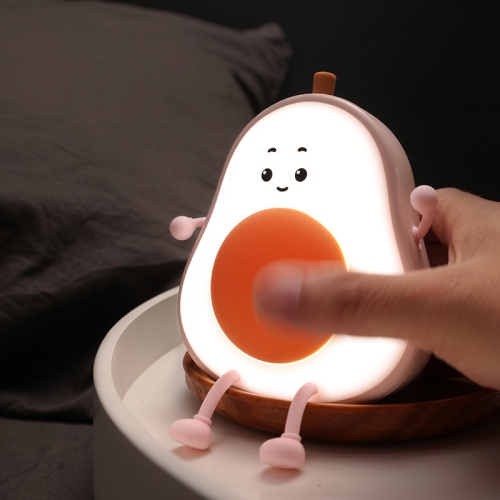
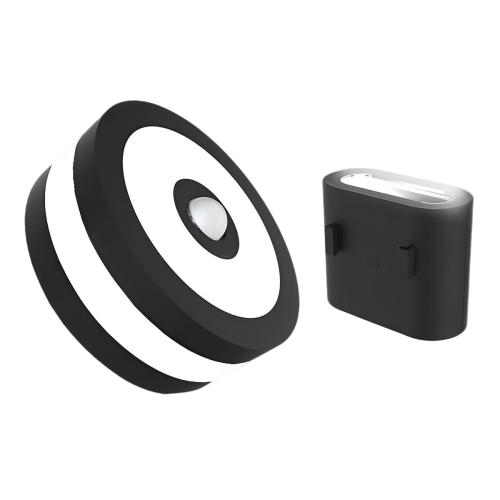
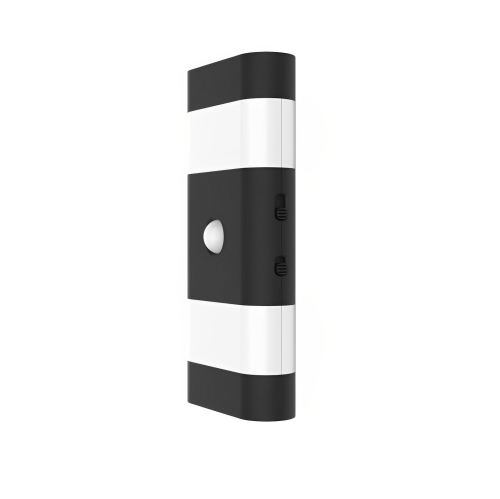
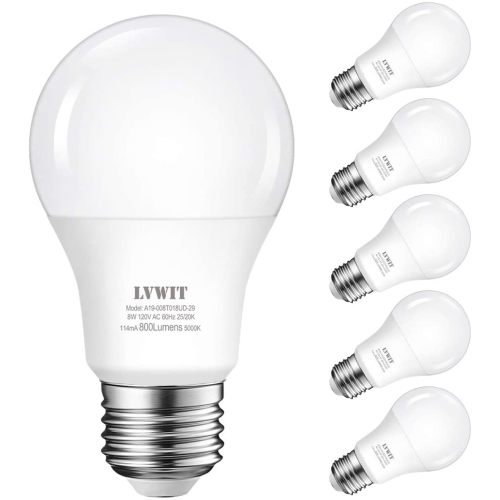
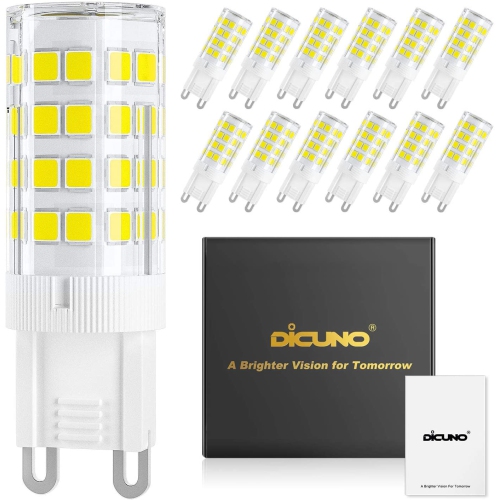
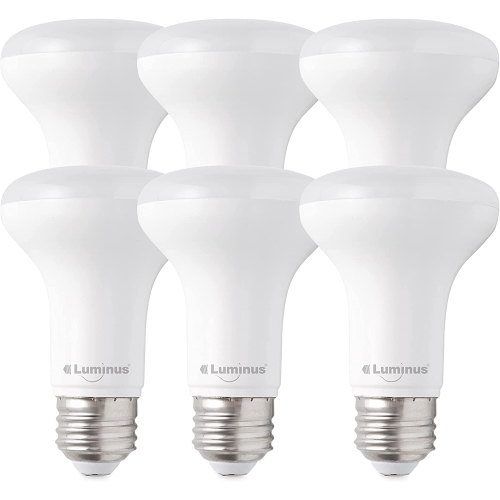
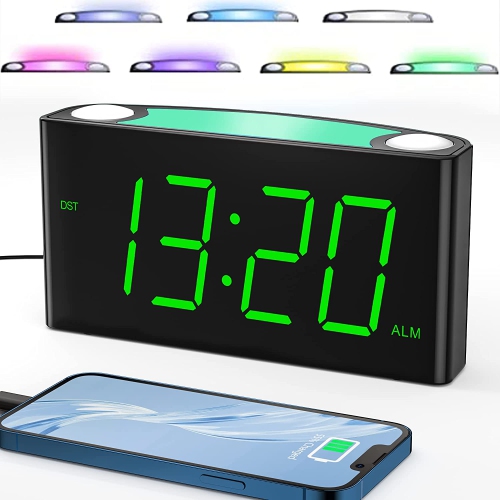
A gentle glow without lighting the whole room
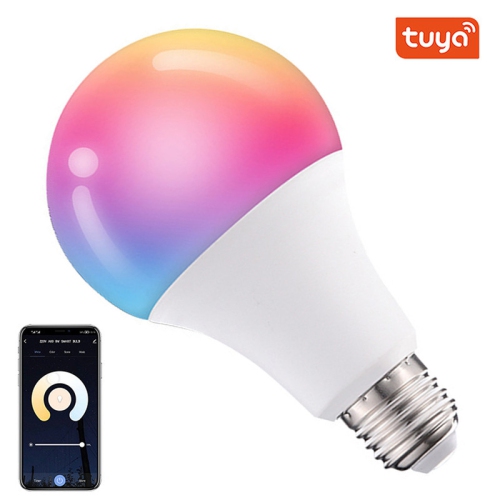
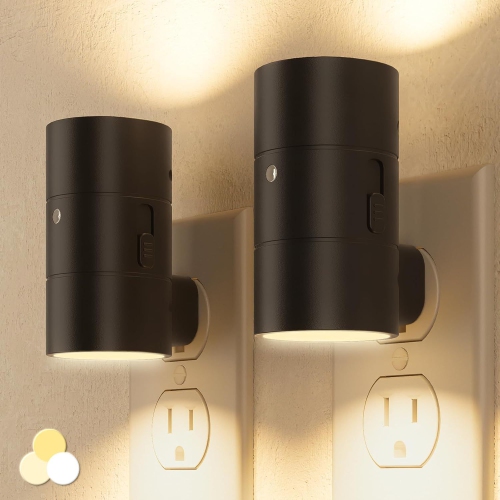
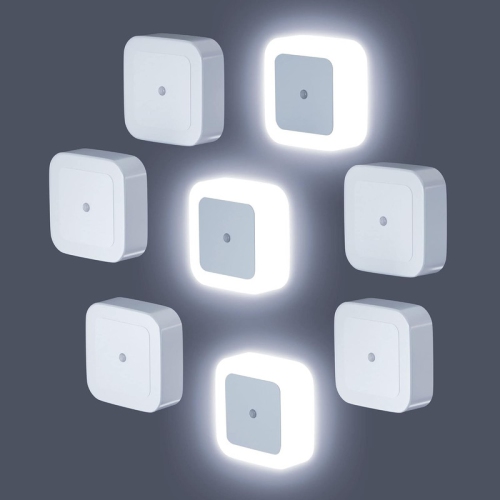
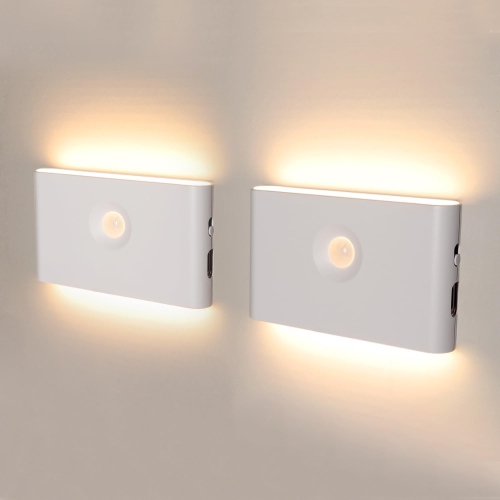
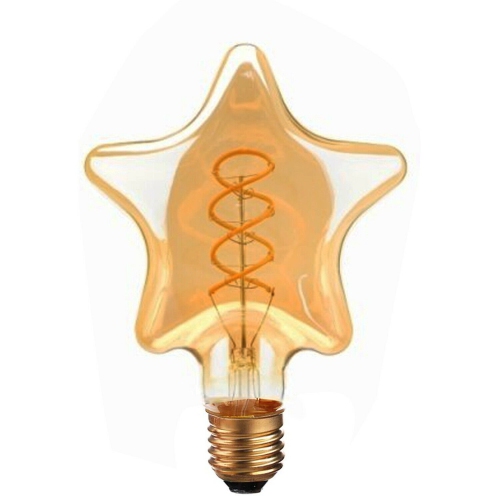
Night light bulbs provide a small pool of light where full room lighting would feel excessive, helping make familiar spaces easier to navigate after the main lights are off. Their purpose is different from that of a reading lamp or ceiling fixture: a night light can mark a doorway, outline a hallway, or make a bathroom entrance easier to find without filling the room with brightness. For a gentle glow, around 10 to 30 lumens can be a useful starting point, though the right output depends on the fixture’s shade, the size of the space, and nearby surfaces. A white wall reflects light differently from dark cabinetry, while a frosted cover softens the appearance of the bulb and may reduce how much light reaches the floor. Lumens describe light output; watts describe electricity use, so wattage alone is not a reliable way to compare the brightness of LED and incandescent night light bulbs. Some small LED bulbs draw less than 1 watt, while traditional incandescent versions commonly use 4 or 7 watts. Colour also changes how the light feels. Soft white light around 2700 K creates a warm appearance, while light around 3500 K or above looks whiter and may suit a passageway where distinguishing nearby objects matters more than creating a subdued glow. Amber or red bulbs offer another option for bedrooms, particularly when a less white-looking light is preferred. These colours generally contain less blue light than cool white light, but brightness, placement, and exposure still matter; bulb colour alone does not guarantee better sleep. For a similar warm appearance in other compatible household fixtures, Warm Light Bulbs offer a related lighting option. In a night light, the most comfortable result often comes from modest brightness and a shielded bulb positioned outside the direct line of sight from a pillow.
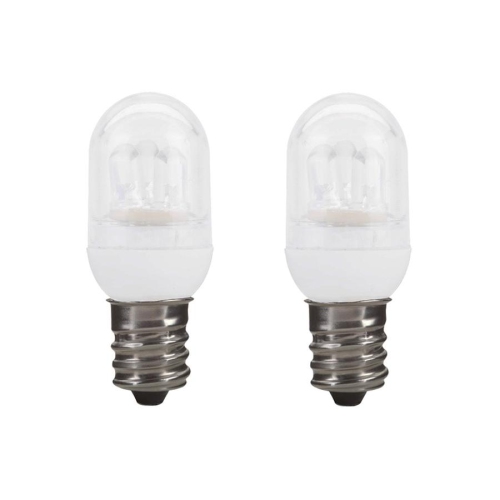
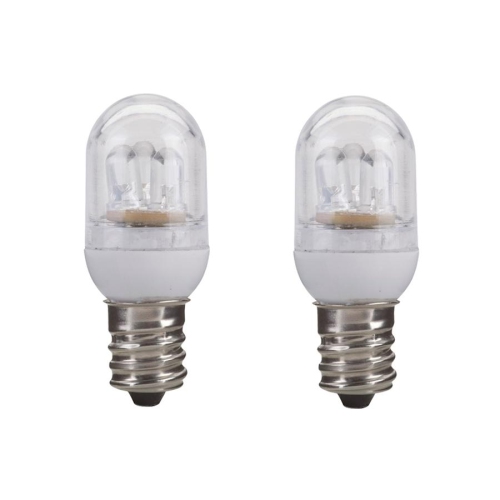
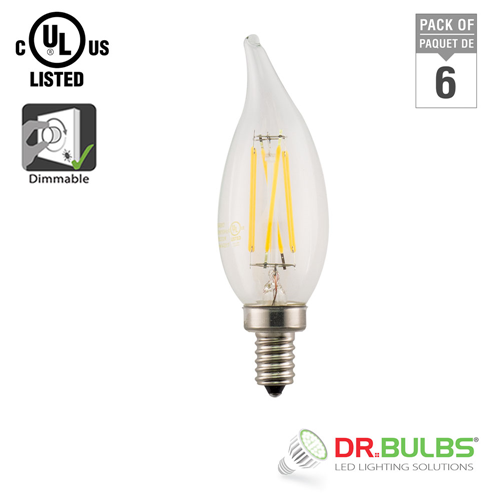
Fit is one of the most important differences between night light bulbs, even when two bulbs look nearly identical. Many small plug-in night lights with replaceable bulbs accept a C7 bulb with an E12 candelabra base, but that combination is not universal. C7 describes the bulb’s shape and approximate diameter, whereas E12 identifies a screw base measuring approximately 12 mm across. Checking both details helps avoid a bulb that screws into the socket but presses against the cover, or one that has the right shape but the wrong base. Overall length matters too, particularly inside a compact shade with little clearance above the socket. The fixture label and the markings on the old bulb are useful references for base type, operating voltage, and maximum permitted wattage. For an LED replacement, actual power consumption must remain within the fixture’s rating, and any other compatibility requirements still apply. A bulb described as having brightness equivalent to a higher-wattage incandescent bulb does not consume that equivalent wattage. LED night light bulbs typically produce less heat than incandescent versions at comparable light output, but they should not be assumed to stay cool under every condition. Their suitability for an enclosed cover depends on the bulb’s stated rating. Construction also affects everyday use: a bulb may have a glass envelope or a plastic diffuser, with a clear or frosted finish that changes the visibility of bright points inside. Neither material alone establishes durability, so the rated life and permitted operating conditions are more useful comparisons. Longer rated life can mean fewer replacements, although actual service life varies with heat, operating hours, and fixture design. Controls deserve the same attention as physical fit. A night light’s built-in light sensor, dimmer, or motion control may require a compatible bulb. An ordinary replacement bulb does not add automatic operation, and a bulb with its own dusk-to-dawn sensor needs sufficient exposure to surrounding light to function as intended. Fixtures with integrated LEDs generally do not take replacement bulbs.
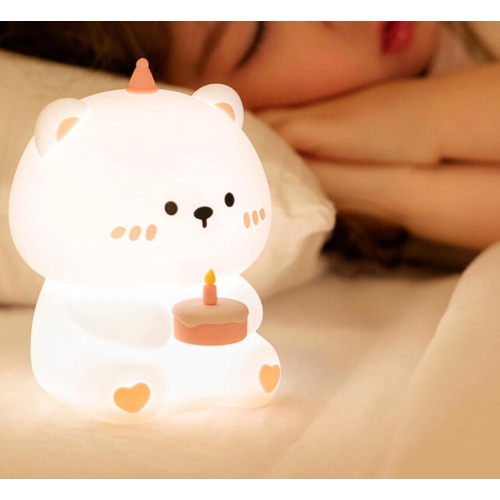
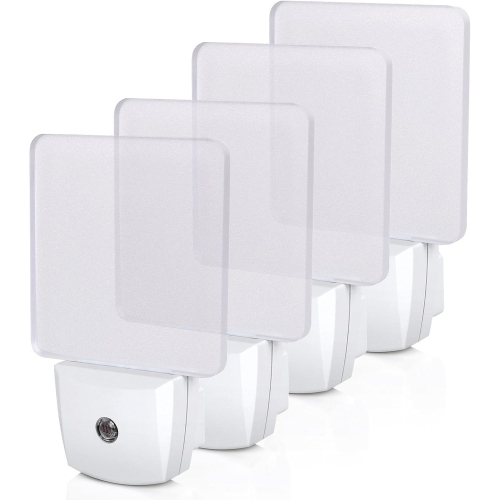
Intended use helps narrow the choice beyond base size and brightness. In a bedroom, a shaded, low-output bulb can provide a reassuring point of light without becoming the brightest object visible from bed. In a nursery, gentle illumination may make a quick check easier, while feeding, changing, and other care tasks can still call for a separate lamp with better visibility. A hallway night light works best when its glow reaches the walking route rather than disappearing behind a console or laundry basket. For someone heading to the bathroom during the night, clear placement can be more useful than a brighter bulb hidden by furniture. Night lighting is supplemental, however, and should not replace adequate lighting on stairs or wherever there is a risk of tripping. In bathrooms and other locations exposed to moisture, both the fixture and bulb need to be suitable for the location, with placement that follows their safety instructions. For children’s rooms, keep plug-in fixtures out of reach and away from bedding, curtains, and other materials that could touch the bulb or cover. A small bulb is also a fragile electrical component, not a toy, so spare bulbs belong in protective packaging somewhere children cannot access. Routine care is straightforward: unplug the night light, allow the bulb to cool, and follow the manufacturer’s cleaning directions. Dust on a cover can make the light appear dimmer, so cleaning the fixture may restore some visibility without increasing the bulb’s output. Avoid spraying cleaner into the socket, and never install a bulb with a cracked envelope or damaged base. A replacement should screw in gently without being forced or overtightened. If a bulb flickers, fails repeatedly, or works inconsistently with automatic controls, check compatibility and the fixture’s condition rather than simply moving to a higher wattage. For households with several night lights, noting each fixture’s base and bulb rating makes future replacements simpler. Matching the bulb to the room, socket, cover, and controls gives these small lights a useful role: enough illumination for familiar nighttime routines, without asking them to do the work of a full-sized lamp.
Fit is one of the most important differences between night light bulbs, even when two bulbs look nearly identical. Many small plug-in night lights with replaceable bulbs accept a C7 bulb with an E12 candelabra base, but that combination is not universal. C7 describes the bulb’s shape and approximate diameter, whereas E12 identifies a screw base measuring approximately 12 mm across. Checking both details helps avoid a bulb that screws into the socket but presses against the cover, or one that has the right shape but the wrong base. Overall length matters too, particularly inside a compact shade with little clearance above the socket. The fixture label and the markings on the old bulb are useful references for base type, operating voltage, and maximum permitted wattage. For an LED replacement, actual power consumption must remain within the fixture’s rating, and any other compatibility requirements still apply. A bulb described as having brightness equivalent to a higher-wattage incandescent bulb does not consume that equivalent wattage. LED night light bulbs typically produce less heat than incandescent versions at comparable light output, but they should not be assumed to stay cool under every condition. Their suitability for an enclosed cover depends on the bulb’s stated rating. Construction also affects everyday use: a bulb may have a glass envelope or a plastic diffuser, with a clear or frosted finish that changes the visibility of bright points inside. Neither material alone establishes durability, so the rated life and permitted operating conditions are more useful comparisons. Longer rated life can mean fewer replacements, although actual service life varies with heat, operating hours, and fixture design. Controls deserve the same attention as physical fit. A night light’s built-in light sensor, dimmer, or motion control may require a compatible bulb. An ordinary replacement bulb does not add automatic operation, and a bulb with its own dusk-to-dawn sensor needs sufficient exposure to surrounding light to function as intended. Fixtures with integrated LEDs generally do not take replacement bulbs.
Intended use helps narrow the choice beyond base size and brightness. In a bedroom, a shaded, low-output bulb can provide a reassuring point of light without becoming the brightest object visible from bed. In a nursery, gentle illumination may make a quick check easier, while feeding, changing, and other care tasks can still call for a separate lamp with better visibility. A hallway night light works best when its glow reaches the walking route rather than disappearing behind a console or laundry basket. For someone heading to the bathroom during the night, clear placement can be more useful than a brighter bulb hidden by furniture. Night lighting is supplemental, however, and should not replace adequate lighting on stairs or wherever there is a risk of tripping. In bathrooms and other locations exposed to moisture, both the fixture and bulb need to be suitable for the location, with placement that follows their safety instructions. For children’s rooms, keep plug-in fixtures out of reach and away from bedding, curtains, and other materials that could touch the bulb or cover. A small bulb is also a fragile electrical component, not a toy, so spare bulbs belong in protective packaging somewhere children cannot access. Routine care is straightforward: unplug the night light, allow the bulb to cool, and follow the manufacturer’s cleaning directions. Dust on a cover can make the light appear dimmer, so cleaning the fixture may restore some visibility without increasing the bulb’s output. Avoid spraying cleaner into the socket, and never install a bulb with a cracked envelope or damaged base. A replacement should screw in gently without being forced or overtightened. If a bulb flickers, fails repeatedly, or works inconsistently with automatic controls, check compatibility and the fixture’s condition rather than simply moving to a higher wattage. For households with several night lights, noting each fixture’s base and bulb rating makes future replacements simpler. Matching the bulb to the room, socket, cover, and controls gives these small lights a useful role: enough illumination for familiar nighttime routines, without asking them to do the work of a full-sized lamp.
Top selling and popular products
-
 Your price for this item is $274.99
 -
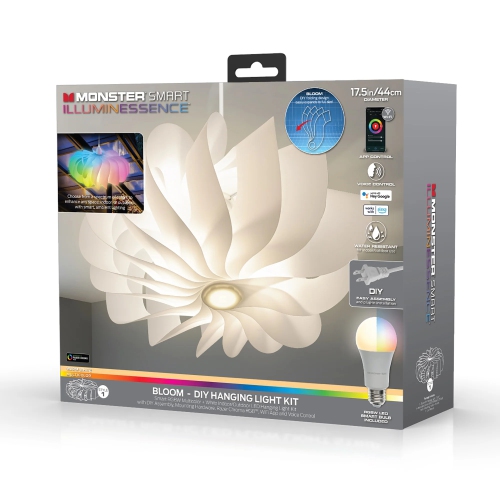 Your price for this item is $49.99
 -
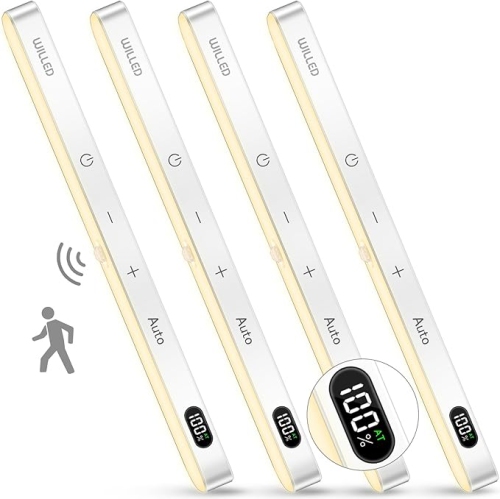 Your price for this item is $48.2
 -
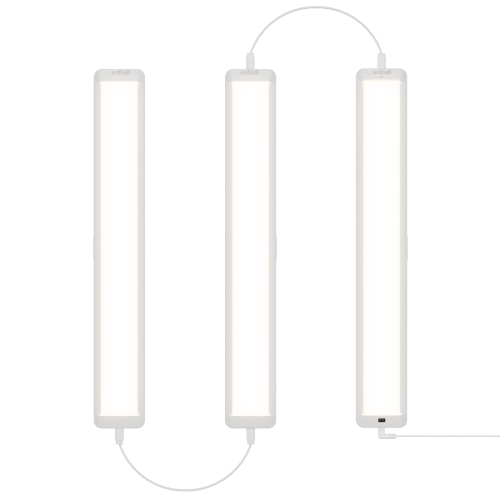 Your price for this item is $89.99
 -
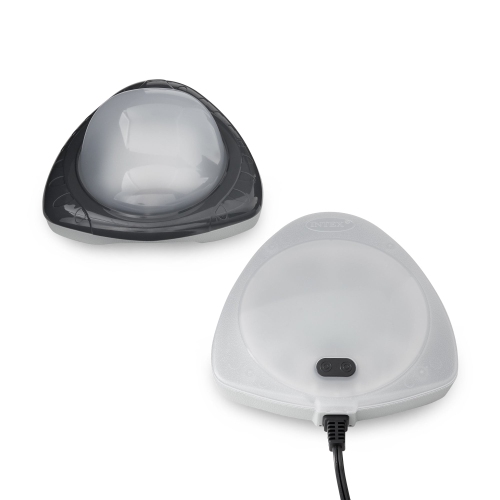 Your price for this item is $89.99
 -
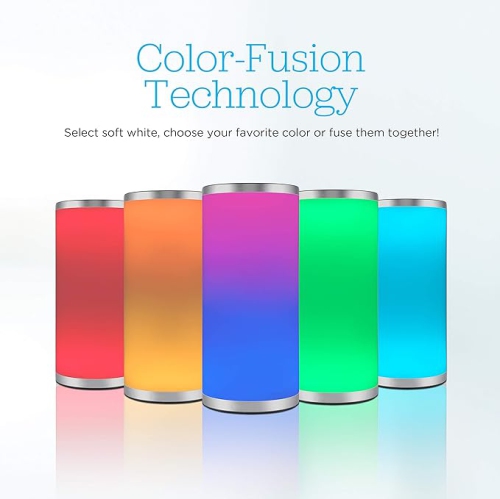 Your price for this item is $26.99
 -
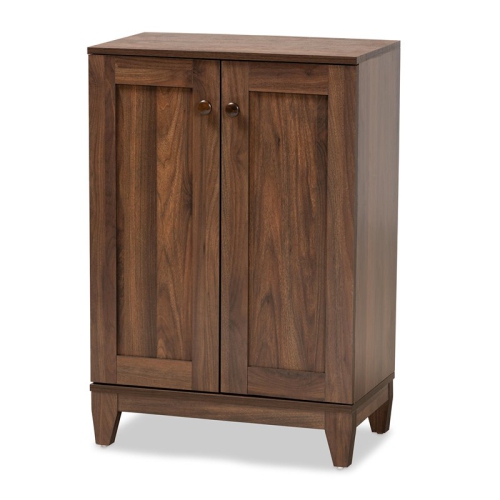 Your price for this item is $370.07
 -
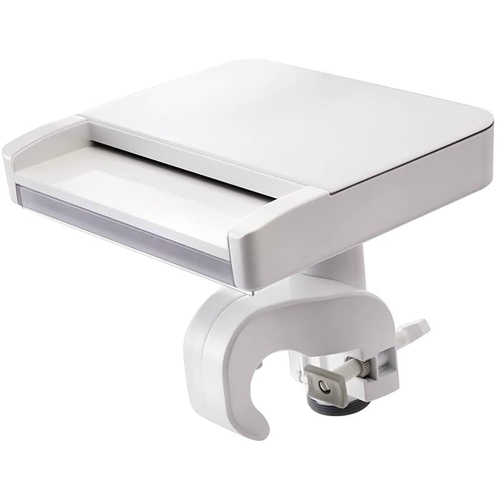 Your price for this item is $99.99
Discover more categories related to Night Light Bulbs
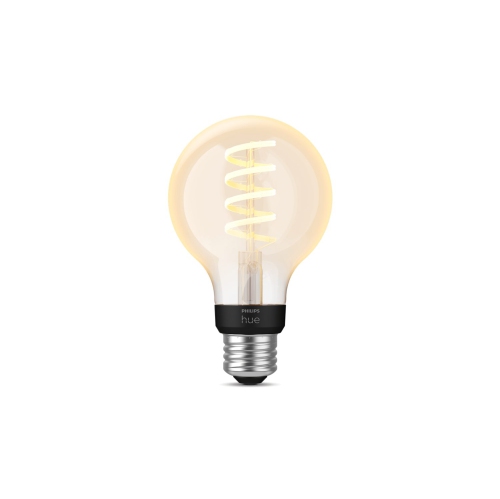
Top Collections:
Pokemon Centers, Kindle Devices, Best Budget Office Chairs, Apple iPhones 16, Best Laptops for Writers, iPhone 15 Apple, Canon G7X Cameras, Refurbished Apple Laptops, Alarm Clock, Motorola Razr Phones
Some products may be subject to Environmental Handling Fees
(EHF) depending on your province.
Learn more about EHFs.