Retractable Sun Shades
Create a shady oasis on your patio or deck with these retractable sun shades. Designed to provide relief from the scorching sun while still enjoying the outdoors, these versatile shades are the perfect addition to almost any outdoor space. Whether you're looking for a sleek and modern design or a more traditional style, these retractable sun shades offer both style and functionality. With easy installation and adjustable features, you can effortlessly transform your outdoor area into a comfortable retreat where you can relax and unwind.
Sort
![YELLOW-PRICE [2-Pack] Car Windshield Sun Shade Blocks Uv Light Sun Rays (Classic 59X31 In) Ca](https://multimedia.bbycastatic.ca/multimedia/products/500x500/166/16613/16613279.jpeg)
Flexible shade for changing sunlight, privacy and comfort
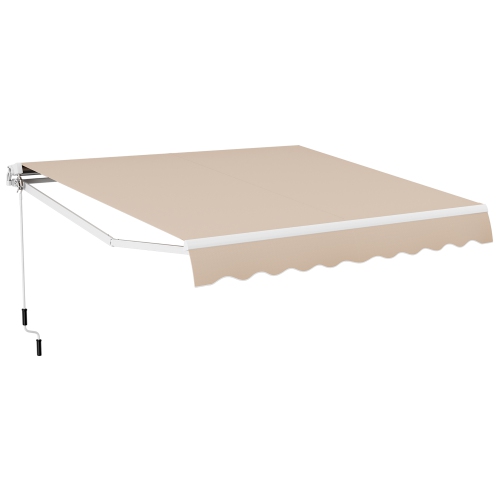
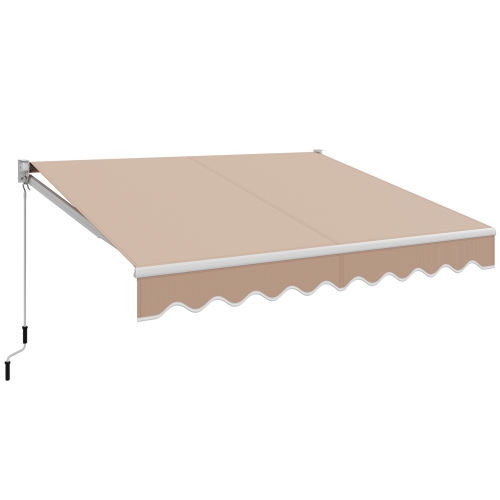
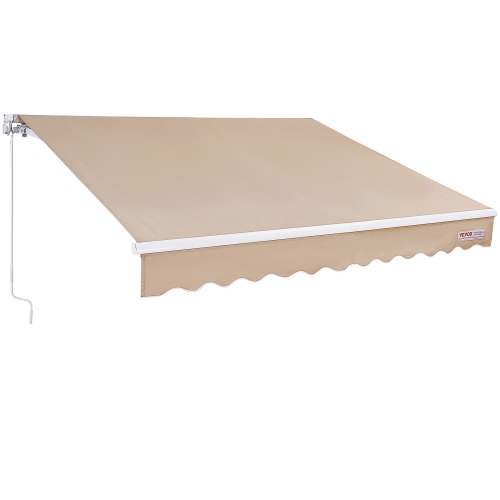
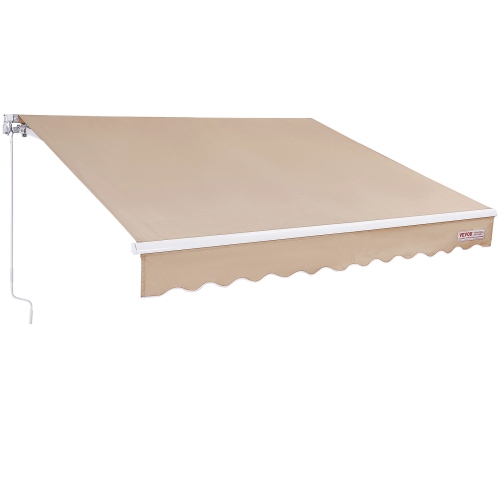
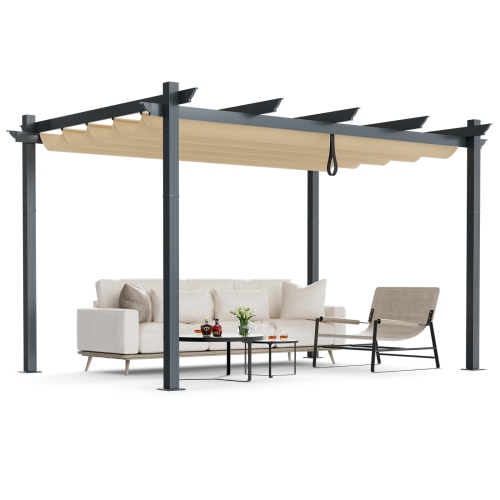
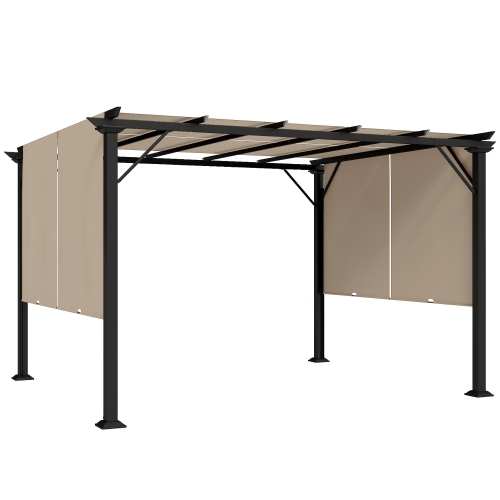
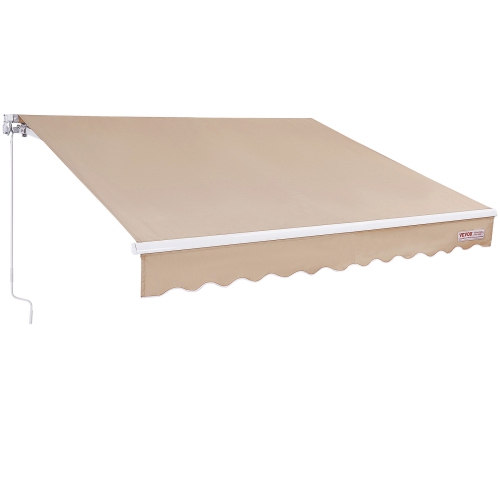
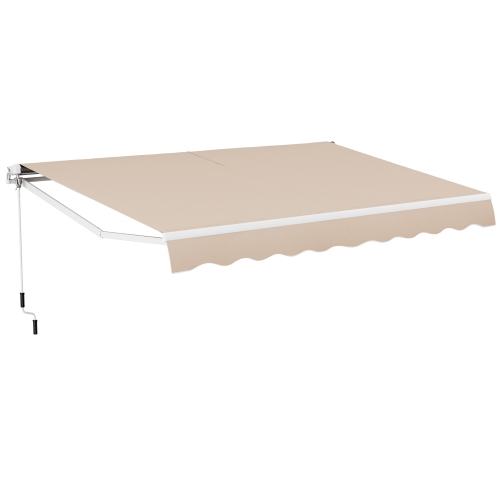
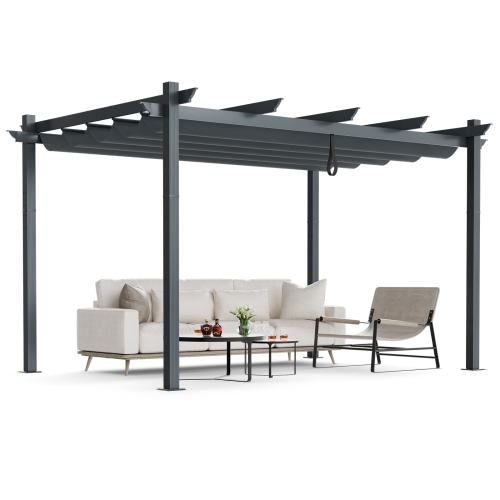
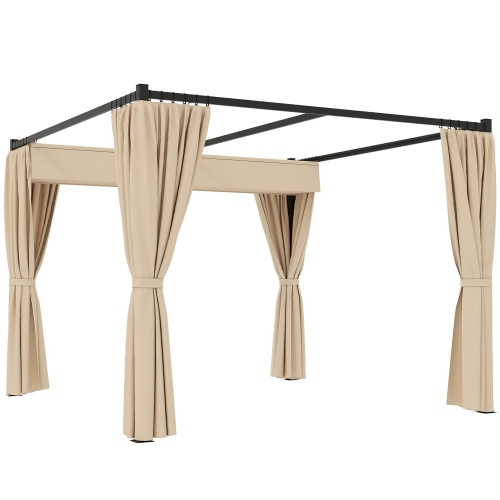
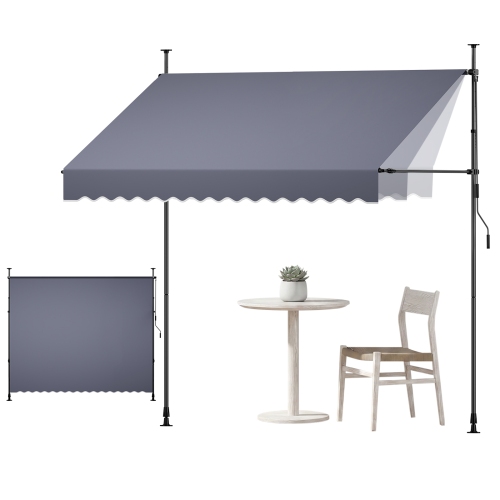
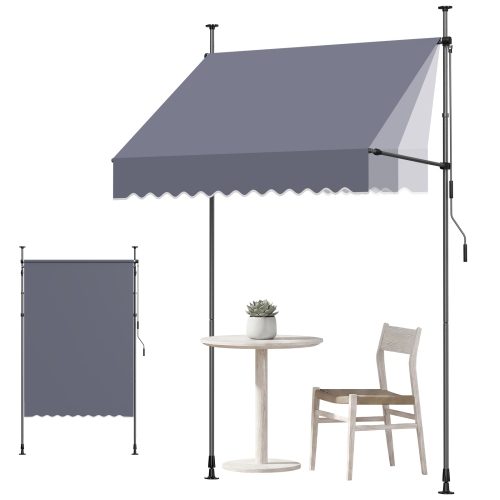
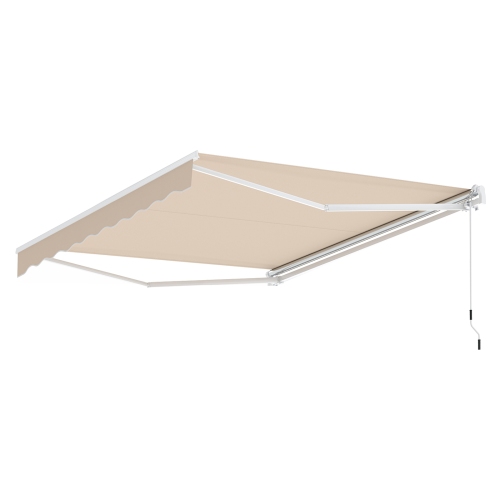
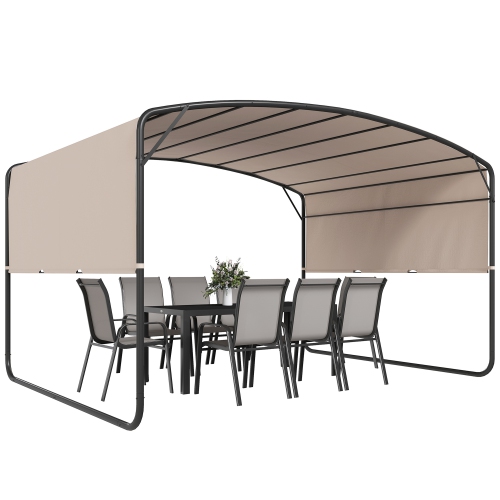
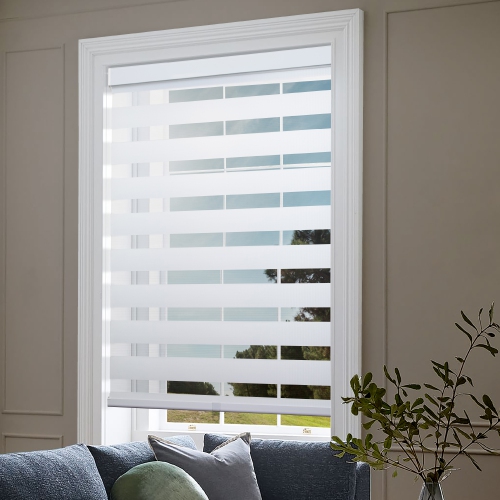
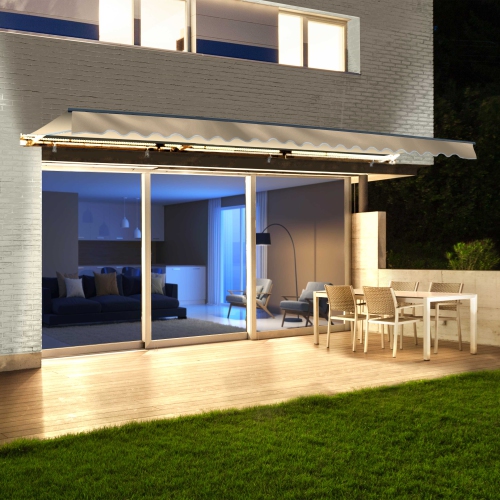
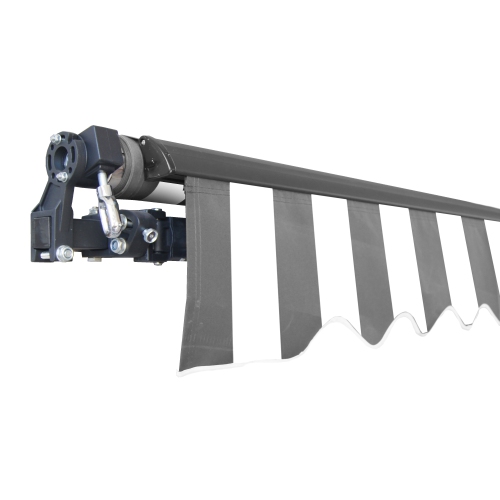
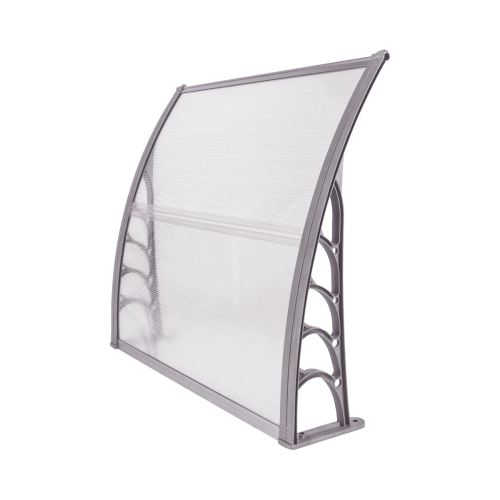
Retractable sun shades make it easier to enjoy patios, decks, balconies, porches, windows and doorways in changing weather. Unlike fixed covers, they can be extended when direct sunlight makes a space uncomfortable and retracted when you want an open view, more daylight or a clearer connection with the outdoors. An overhead retractable awning is a practical choice for a seating area, dining table or outdoor kitchen, helping create a cooler, more comfortable place for reading, visiting and casual meals. Side-mounted shades work differently: they pull horizontally across an open edge to reduce low-angle sunlight, create a little more privacy and help soften breezes moving across a deck or balcony. Smaller window and doorway awnings can reduce glare and heat near the home without covering an entire outdoor area. Explore the available Sun Shade Retractable Awnings to find coverage suited to the layout and scale of your space. These shades can be especially useful in homes where the sun shifts noticeably throughout the day. A west-facing patio, for example, may be pleasant in the morning but uncomfortably bright by late afternoon, while a south-facing window may need protection during the strongest part of the day. Being able to adjust the shade as the sun moves lets you fine-tune the amount of light and cover rather than keeping the area permanently enclosed. They can also make outdoor spaces more inviting during the cooler months by allowing the sun in when warmth is welcome, then providing shelter from glare during brighter periods.
When comparing retractable sun shades, start with the dimensions and mounting location. Measure the width of the area that needs coverage, then consider how far the shade should project outward or across the space. For a patio awning, projection affects how much shade reaches a table or seating arrangement, while the width determines whether the entire area is covered or only part of it. Check the required clearance above doors, windows, railings, light fixtures and other structures, and confirm that the mounting surface is strong enough for the hardware. Wall-mounted models are generally suited to solid exterior walls, but masonry, siding and other surfaces may require different fasteners or installation methods. If drilling into a wall is not suitable, look for a freestanding design or a smaller shade intended for a window, doorway or other specific location. The angle of an overhead awning also matters. A steeper pitch can help block lower sunlight and guide light rain away from the covered area, while a shallower angle may be suitable where clearance is limited. Manual hand-crank operation is straightforward, does not require a nearby power source and can be a dependable choice for occasional use. Motorized shades offer added convenience, particularly when the shade is wide, mounted high or used several times a day. Depending on the design, controls may include a wall switch, remote or smart-home integration. Some motorized models can also work with wind sensors that retract the fabric when conditions become too strong, although no sensor replaces sensible supervision and proper care. Consider how easily the shade can be reached, who will use it and whether the operating method feels comfortable for everyone in the household. A manually operated side screen may be ideal for a balcony where access is close at hand, while powered operation can be helpful for a large deck or an older family member who would rather avoid repeated cranking.
Fabric construction and weather handling are just as important as size and operation. Look for UV-resistant polyester or acrylic fabric, along with a polyurethane coating or another finish designed to help resist moisture. These materials can help the shade retain its appearance and provide more dependable protection from bright sunlight, but they are not a substitute for careful use in severe weather. Check the manufacturer’s guidance for wind, rain and snow, and retract the shade before heavy storms, strong gusts or freezing conditions. Even a securely mounted awning can be stressed when left open in unstable weather, and wet fabric may be heavier and more difficult to retract. Keep the fabric free of leaves, dust and standing water, and allow it to dry before closing it for an extended period. A soft brush or the cleaning method recommended by the manufacturer is usually preferable to harsh chemicals or abrasive tools that could affect the coating. Inspect the arms, brackets, crank, motor and fasteners from time to time, especially after periods of high wind. For homes with children or pets, make sure pull cords, crank handles and moving parts are positioned safely and that the shade cannot become an unintended climbing aid or tripping hazard. Retractable sun shades can be a thoughtful gift for someone who enjoys hosting outdoors, spends time gardening, relaxes on a balcony or wants to make better use of a bright window. They are also a practical addition for a new homeowner setting up a deck or patio. Whether the goal is to cool a favourite chair, reduce glare over a dining table, create a more private corner or make an entryway more comfortable, the best choice combines suitable coverage, secure installation, convenient operation and fabric care that fits the way the space is used.
When comparing retractable sun shades, start with the dimensions and mounting location. Measure the width of the area that needs coverage, then consider how far the shade should project outward or across the space. For a patio awning, projection affects how much shade reaches a table or seating arrangement, while the width determines whether the entire area is covered or only part of it. Check the required clearance above doors, windows, railings, light fixtures and other structures, and confirm that the mounting surface is strong enough for the hardware. Wall-mounted models are generally suited to solid exterior walls, but masonry, siding and other surfaces may require different fasteners or installation methods. If drilling into a wall is not suitable, look for a freestanding design or a smaller shade intended for a window, doorway or other specific location. The angle of an overhead awning also matters. A steeper pitch can help block lower sunlight and guide light rain away from the covered area, while a shallower angle may be suitable where clearance is limited. Manual hand-crank operation is straightforward, does not require a nearby power source and can be a dependable choice for occasional use. Motorized shades offer added convenience, particularly when the shade is wide, mounted high or used several times a day. Depending on the design, controls may include a wall switch, remote or smart-home integration. Some motorized models can also work with wind sensors that retract the fabric when conditions become too strong, although no sensor replaces sensible supervision and proper care. Consider how easily the shade can be reached, who will use it and whether the operating method feels comfortable for everyone in the household. A manually operated side screen may be ideal for a balcony where access is close at hand, while powered operation can be helpful for a large deck or an older family member who would rather avoid repeated cranking.
Fabric construction and weather handling are just as important as size and operation. Look for UV-resistant polyester or acrylic fabric, along with a polyurethane coating or another finish designed to help resist moisture. These materials can help the shade retain its appearance and provide more dependable protection from bright sunlight, but they are not a substitute for careful use in severe weather. Check the manufacturer’s guidance for wind, rain and snow, and retract the shade before heavy storms, strong gusts or freezing conditions. Even a securely mounted awning can be stressed when left open in unstable weather, and wet fabric may be heavier and more difficult to retract. Keep the fabric free of leaves, dust and standing water, and allow it to dry before closing it for an extended period. A soft brush or the cleaning method recommended by the manufacturer is usually preferable to harsh chemicals or abrasive tools that could affect the coating. Inspect the arms, brackets, crank, motor and fasteners from time to time, especially after periods of high wind. For homes with children or pets, make sure pull cords, crank handles and moving parts are positioned safely and that the shade cannot become an unintended climbing aid or tripping hazard. Retractable sun shades can be a thoughtful gift for someone who enjoys hosting outdoors, spends time gardening, relaxes on a balcony or wants to make better use of a bright window. They are also a practical addition for a new homeowner setting up a deck or patio. Whether the goal is to cool a favourite chair, reduce glare over a dining table, create a more private corner or make an entryway more comfortable, the best choice combines suitable coverage, secure installation, convenient operation and fabric care that fits the way the space is used.
Top selling and popular products
-
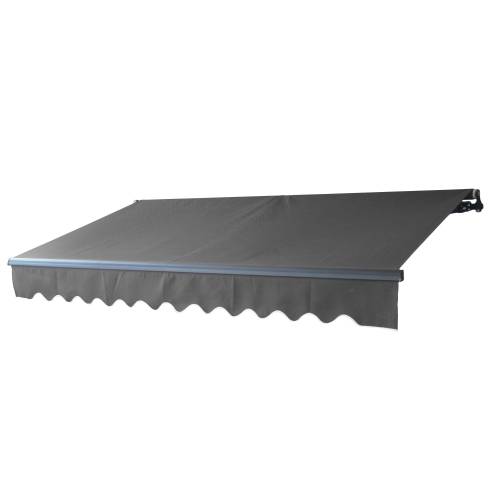 Your price for this item is $819
 -
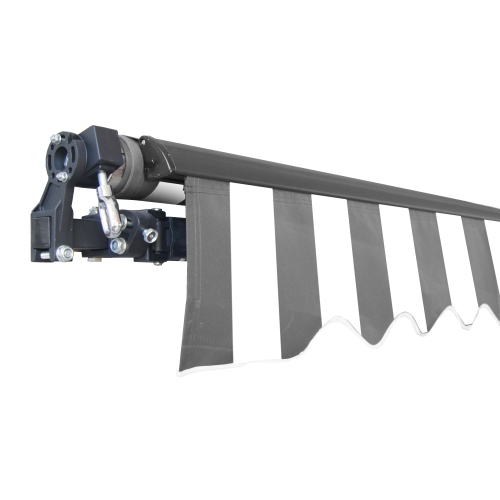 Your price for this item is $625
 -
 Your price for this item is $1029
 -
 Your price for this item is $819
 -
 Your price for this item is $68.99
 -
 Your price for this item is $176
 -
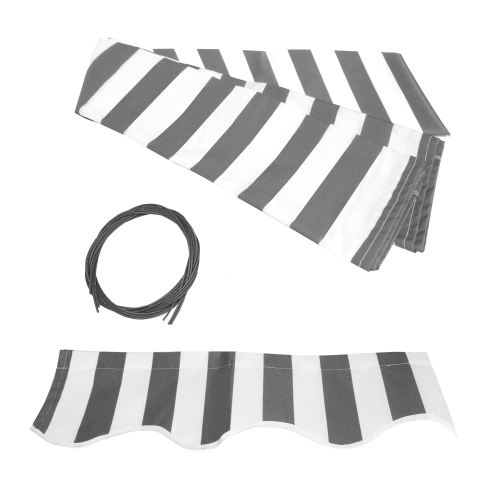 Your price for this item is $749
 -
 Your price for this item is $321.99
Discover more categories related to Retractable Sun Shades
Top Collections:
Pokemon Centers, Kindle Devices, Best Budget Office Chairs, Apple iPhones 16, Best Laptops for Writers, iPhone 15 Apple, Canon G7X Cameras, Refurbished Apple Laptops, Alarm Clock, Motorola Razr Phones
Some products may be subject to Environmental Handling Fees
(EHF) depending on your province.
Learn more about EHFs.