Deck Sunshades
Create a stylish and comfortable outdoor oasis with our selection of deck sunshades. These versatile accessories provide much-needed shade on sunny days, allowing you to enjoy your deck or patio without worrying about harsh UV rays. Whether you're looking for a sleek retractable option or a durable canopy that can withstand the elements, we have the perfect sunshade to suit your needs. Enhance your outdoor living space and stay protected from the sun with our range of deck sunshades.
Sort
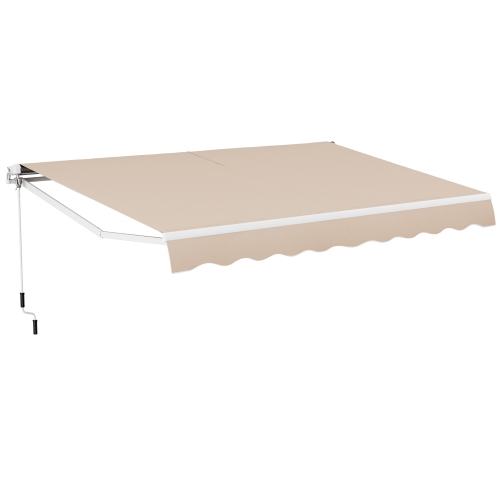
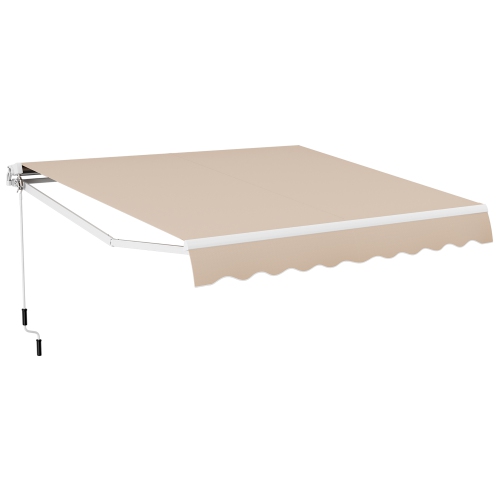
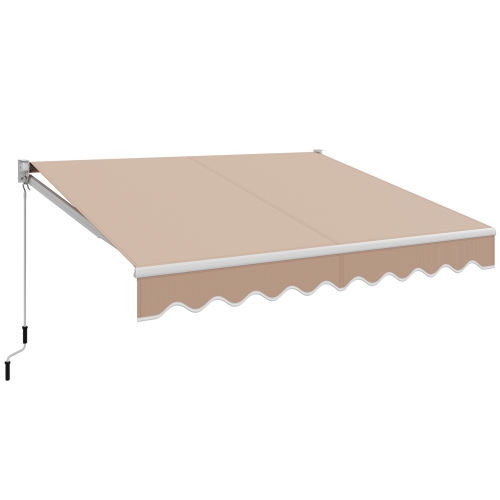
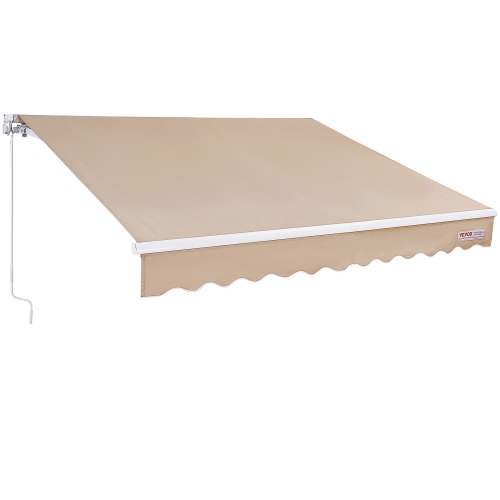
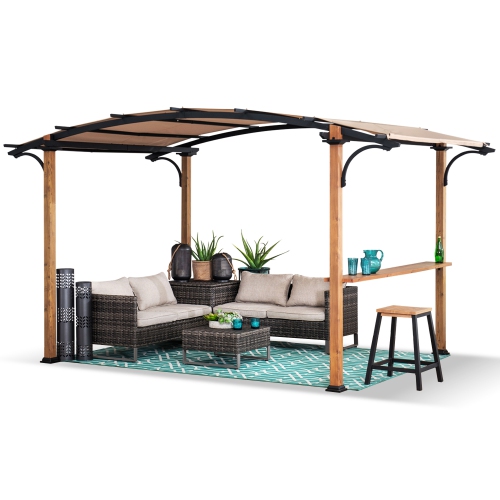
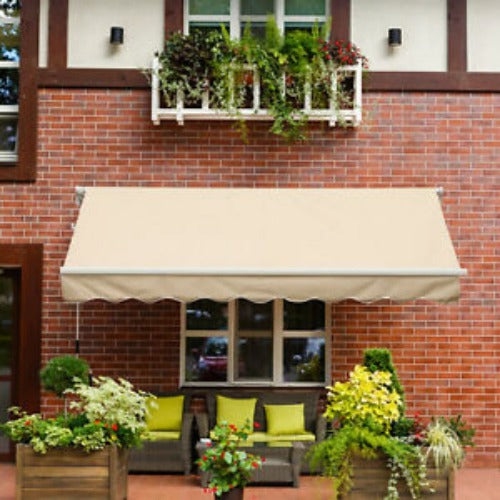
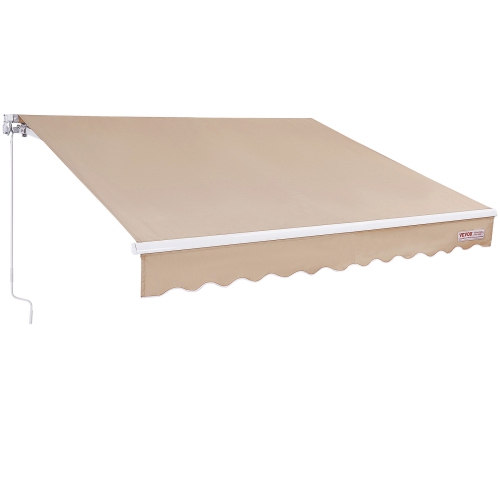
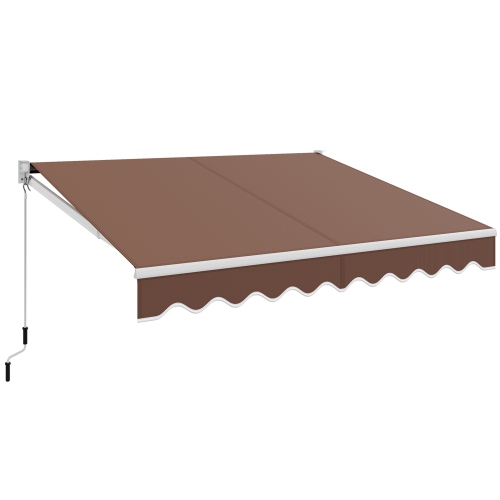
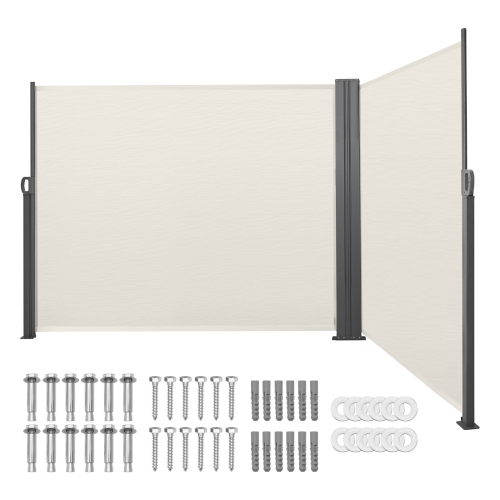
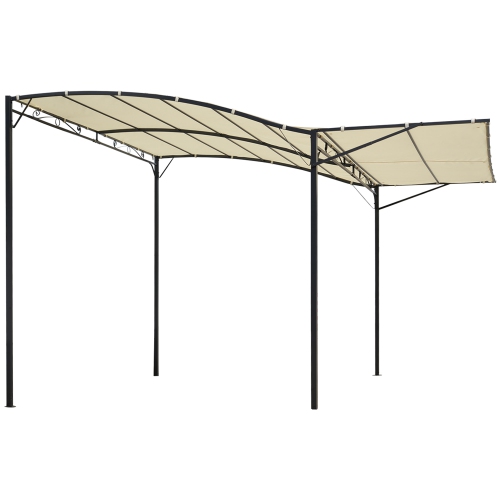
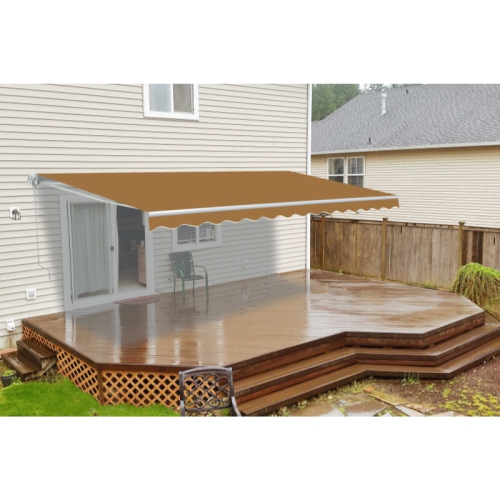
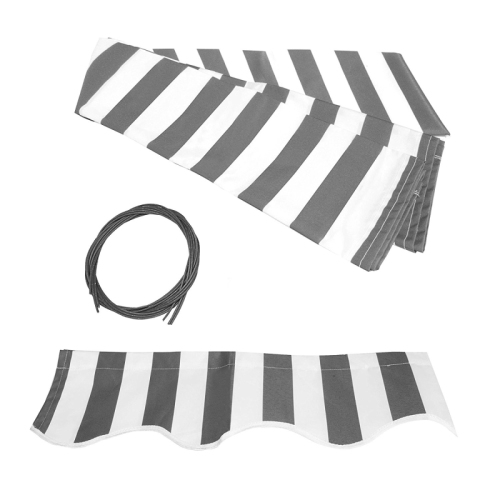
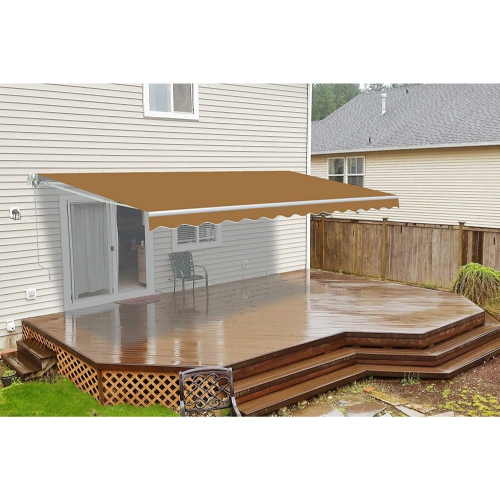
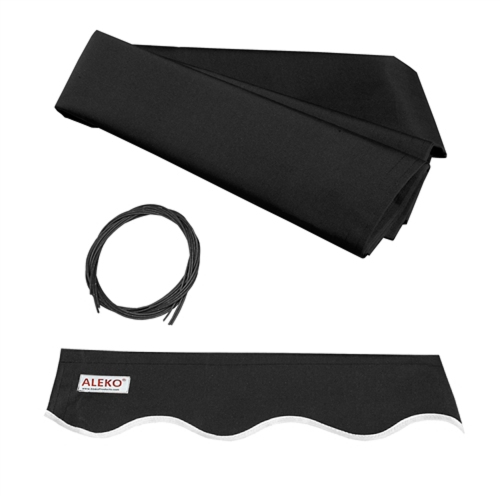
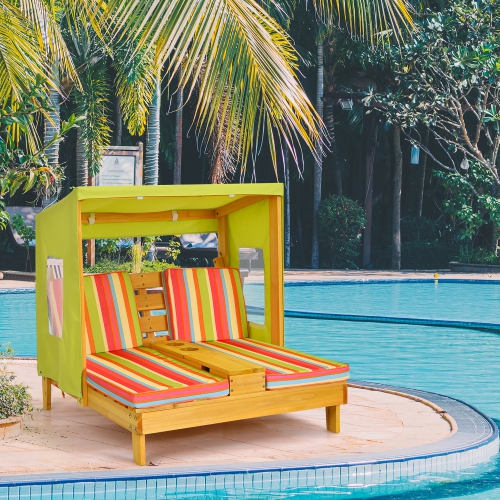
How shade styles handle sunlight from different angles
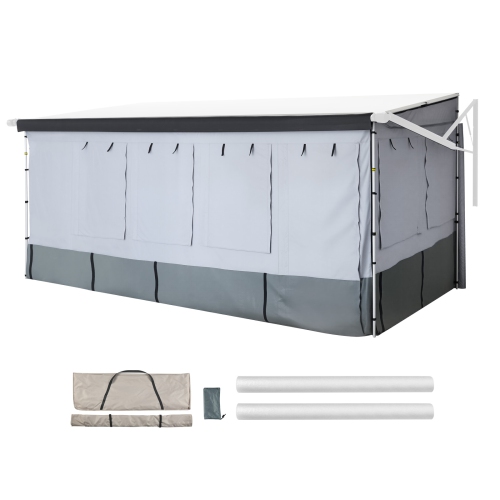
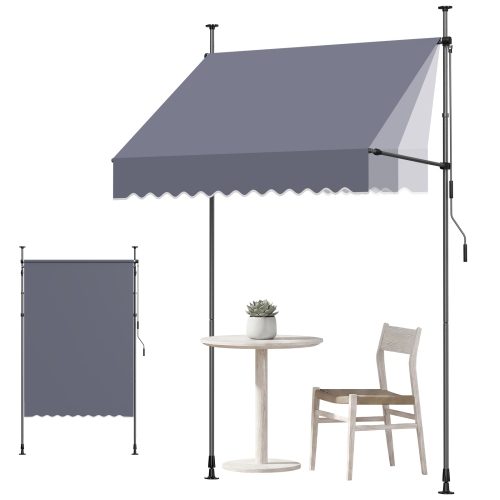
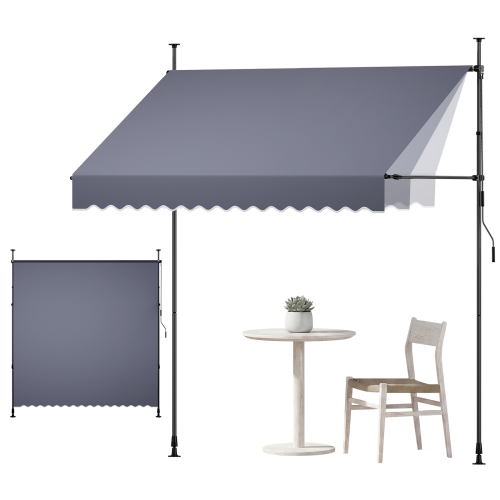
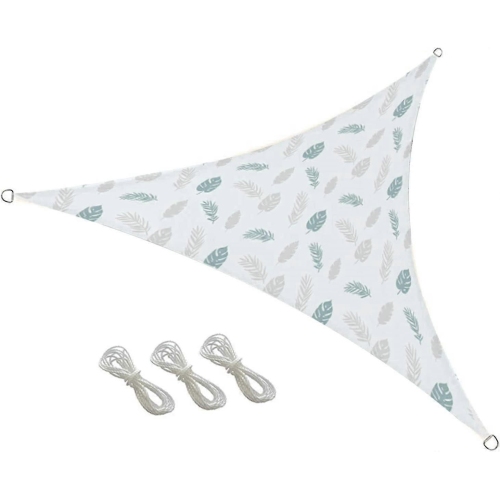
Deck sunshades are outdoor coverings that help reduce direct sunlight and glare over seating areas, dining tables, and other parts of a deck. The main styles include shade sails, outdoor roller shades, pergola canopies, patio umbrellas, and retractable awnings, each suited to a different layout and angle of sunlight. Shade sails use tensioned fabric stretched between suitable structural anchor points to cover an open area without a full roof. Triangular sails can suit smaller spaces or layered arrangements, while rectangular and square sails can provide broad coverage over a lounge set or dining area. Their actual shade footprint changes with the height of the fabric and the position of the sun, so the fabric dimensions alone do not describe how much of a deck will stay shaded. Outdoor roller shades hang vertically from a suitable overhead structure, making them useful where low afternoon sunlight reaches beneath a pergola or covered deck. Depending on the weave, they can also soften views from neighbouring properties while allowing some visibility outward. Pergola canopies add overhead shade within a supporting frame, with sliding or retractable designs offering flexibility between open sky and fabric coverage. Patio umbrellas provide more localized shade around a table or pair of chairs, while cantilever designs position the canopy away from the base to leave usable space underneath. Retractable awnings extend outward from a building to shade an adjoining deck without posts along the outer edge, provided the mounting surface can support the installation. These differences matter in everyday use: a reading chair beside the house may need protection from sideways glare, whereas a long outdoor table benefits from coverage that reaches beyond its centre. For households that spend time eating, chatting, or relaxing outside, deck sunshades can make a bright space more comfortable without enclosing it. They help manage sun exposure, but the protection varies by fabric and construction; any stated ultraviolet protection rating applies to the tested material and does not eliminate exposure from open sides or reflected sunlight.
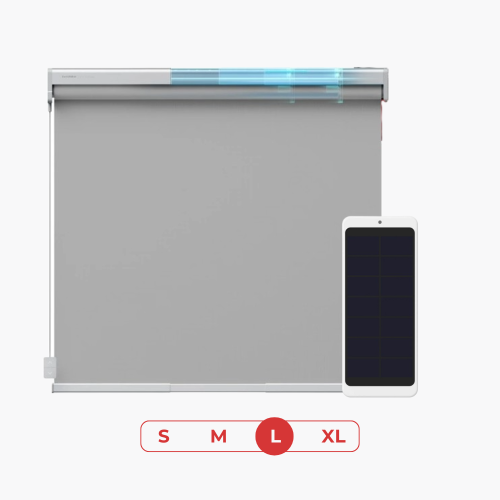
The fit of a deck sunshade involves its shape, mounting method, operating space, and relationship to the furniture below it. On a compact raised deck, a large umbrella base can interrupt the path between the back door and the stairs, even when the canopy itself fits overhead. A wall-mounted awning or overhead sail may preserve floor space, but both depend on suitable attachment points and adequate clearance. Deck railings, fascia boards, and decorative posts should not be assumed to support the loads created by a tensioned sail or an extended awning. Secure installation requires hardware and structural supports appropriate to the design, with professional assessment where the supporting structure is uncertain. Shade sails also need space beyond their fabric edges for attachment hardware and tensioning, while roller shades need enough room to lower without catching on railings, planters, or furniture. The position of doors, exterior lights, gutters, and nearby branches can affect how easily a shade opens and closes. Materials influence comfort as much as appearance. Knitted high-density polyethylene shade cloth commonly allows air and water to pass through, helping create shade without acting as a rain roof. Polyester and acrylic fabrics may have finishes that resist moisture or fading, although water resistance is not the same as waterproof construction. Rain protection depends on the complete design, including seams, fabric treatment, slope, and drainage. A tightly woven or coated canopy may provide more shelter from light rain when designed for that purpose, but it can feel different beneath the fabric than an open mesh shade. Lighter colours tend to keep the covered area visually bright, while darker fabrics can reduce perceived glare and create a more defined overhead surface. Openness, weave, and colour work together, so appearance alone does not establish a shade’s level of protection or privacy. For sunlight entering the home through nearby glazing, Window Sun Shades address a different part of the space, while deck sunshades focus on outdoor coverage.
Durability depends on both the construction of the sunshade and how it is used through changing weather. Reinforced edges, well-finished seams, corrosion-resistant hardware, and a frame suited to outdoor use all contribute to dependable performance, but no fabric shade should be treated as storm shelter. Aluminium frames offer relatively light handling and resistance to rust, while powder-coated steel can provide a substantial structure as long as its protective finish remains intact. Fasteners and brackets deserve attention too, particularly where water can collect around connections. Wind can place considerable force on a raised canopy or tensioned sail, and a weighted umbrella base still needs to meet the size and weight requirements of the umbrella it supports. Retractable and removable designs are useful for households that want to close or take down their shade when conditions change. During the cooler months, fabric coverings that are not specifically rated for snow loads need removal or retraction before snow and ice accumulate, following their care instructions. Regular upkeep is usually straightforward: brushing away loose debris, cleaning with a fabric-appropriate mild solution, and rinsing as directed can help prevent dirt from settling into the weave. Harsh cleaners, abrasive scrubbing, and pressure washing may damage coatings or fibres unless expressly permitted. Fabric should be completely dry before being folded or placed in a storage bag to reduce the chance of mildew. Checking tension, seams, mounting hardware, and moving parts helps identify wear before it interferes with use. Day-to-day convenience also shapes whether a sunshade suits a household. An accessible crank or smooth sliding canopy makes adjusting coverage simpler as sunlight moves across the deck, while furniture placement should leave the controls within easy reach. Cords and tensioning lines need to remain clear of walkways and out of children’s reach, and fabric requires safe clearance from barbecues, fire features, and patio heaters. The most useful deck shade fits naturally around the way the space is enjoyed, whether that means a quiet spot for an afternoon book, room for a family meal, or comfortable seating for visiting friends.
The fit of a deck sunshade involves its shape, mounting method, operating space, and relationship to the furniture below it. On a compact raised deck, a large umbrella base can interrupt the path between the back door and the stairs, even when the canopy itself fits overhead. A wall-mounted awning or overhead sail may preserve floor space, but both depend on suitable attachment points and adequate clearance. Deck railings, fascia boards, and decorative posts should not be assumed to support the loads created by a tensioned sail or an extended awning. Secure installation requires hardware and structural supports appropriate to the design, with professional assessment where the supporting structure is uncertain. Shade sails also need space beyond their fabric edges for attachment hardware and tensioning, while roller shades need enough room to lower without catching on railings, planters, or furniture. The position of doors, exterior lights, gutters, and nearby branches can affect how easily a shade opens and closes. Materials influence comfort as much as appearance. Knitted high-density polyethylene shade cloth commonly allows air and water to pass through, helping create shade without acting as a rain roof. Polyester and acrylic fabrics may have finishes that resist moisture or fading, although water resistance is not the same as waterproof construction. Rain protection depends on the complete design, including seams, fabric treatment, slope, and drainage. A tightly woven or coated canopy may provide more shelter from light rain when designed for that purpose, but it can feel different beneath the fabric than an open mesh shade. Lighter colours tend to keep the covered area visually bright, while darker fabrics can reduce perceived glare and create a more defined overhead surface. Openness, weave, and colour work together, so appearance alone does not establish a shade’s level of protection or privacy. For sunlight entering the home through nearby glazing, Window Sun Shades address a different part of the space, while deck sunshades focus on outdoor coverage.
Durability depends on both the construction of the sunshade and how it is used through changing weather. Reinforced edges, well-finished seams, corrosion-resistant hardware, and a frame suited to outdoor use all contribute to dependable performance, but no fabric shade should be treated as storm shelter. Aluminium frames offer relatively light handling and resistance to rust, while powder-coated steel can provide a substantial structure as long as its protective finish remains intact. Fasteners and brackets deserve attention too, particularly where water can collect around connections. Wind can place considerable force on a raised canopy or tensioned sail, and a weighted umbrella base still needs to meet the size and weight requirements of the umbrella it supports. Retractable and removable designs are useful for households that want to close or take down their shade when conditions change. During the cooler months, fabric coverings that are not specifically rated for snow loads need removal or retraction before snow and ice accumulate, following their care instructions. Regular upkeep is usually straightforward: brushing away loose debris, cleaning with a fabric-appropriate mild solution, and rinsing as directed can help prevent dirt from settling into the weave. Harsh cleaners, abrasive scrubbing, and pressure washing may damage coatings or fibres unless expressly permitted. Fabric should be completely dry before being folded or placed in a storage bag to reduce the chance of mildew. Checking tension, seams, mounting hardware, and moving parts helps identify wear before it interferes with use. Day-to-day convenience also shapes whether a sunshade suits a household. An accessible crank or smooth sliding canopy makes adjusting coverage simpler as sunlight moves across the deck, while furniture placement should leave the controls within easy reach. Cords and tensioning lines need to remain clear of walkways and out of children’s reach, and fabric requires safe clearance from barbecues, fire features, and patio heaters. The most useful deck shade fits naturally around the way the space is enjoyed, whether that means a quiet spot for an afternoon book, room for a family meal, or comfortable seating for visiting friends.
Top selling and popular products
-
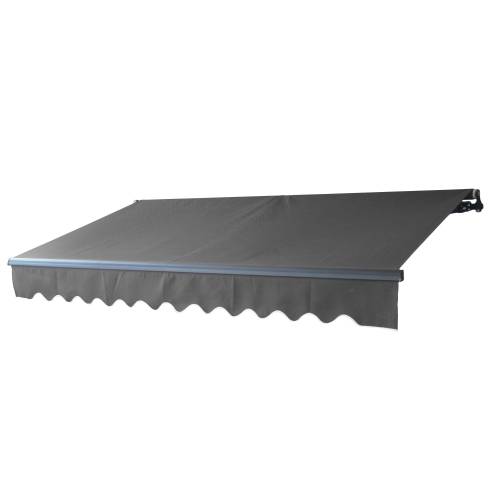 Your price for this item is $819
 -
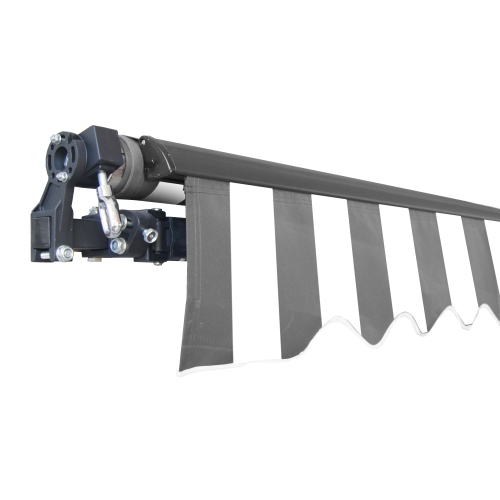 Your price for this item is $625
 -
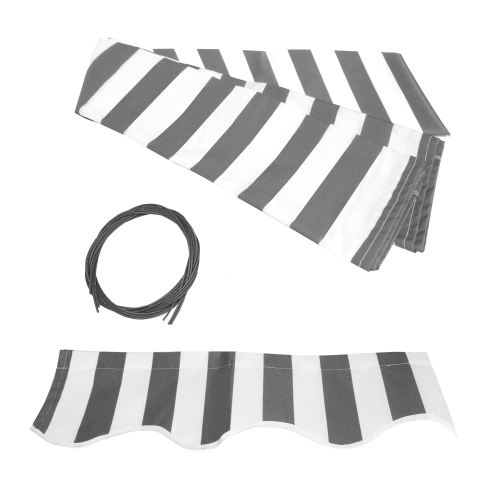 Your price for this item is $749
 -
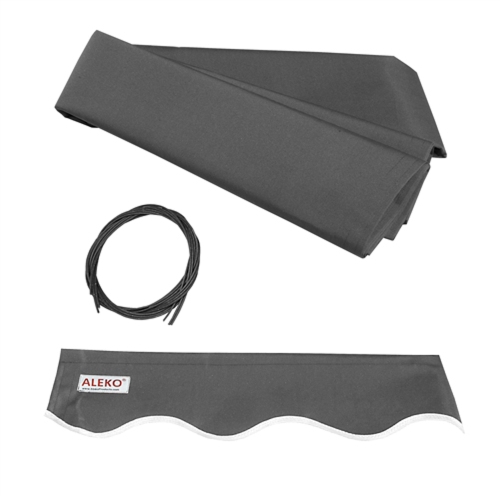 Your price for this item is $176
 -
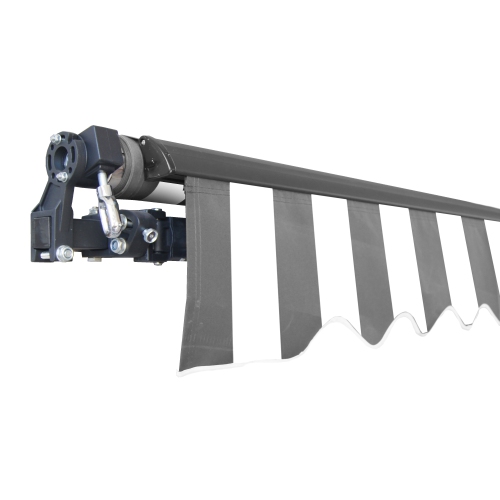 Your price for this item is $819
 -
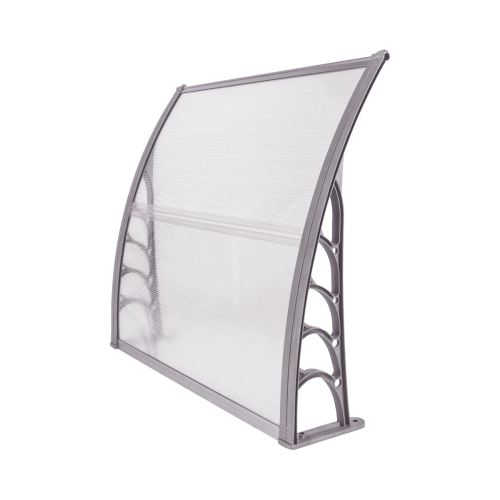 Your price for this item is $68.99
 -
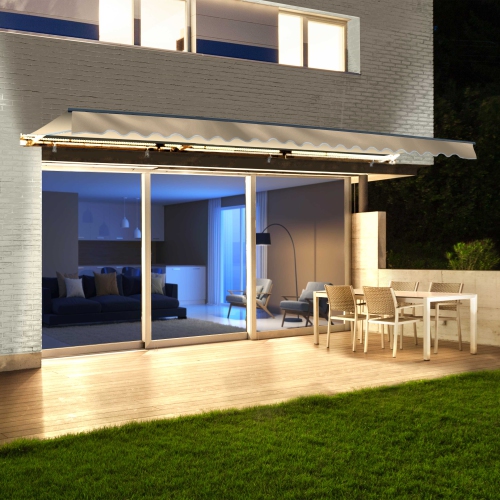 Your price for this item is $1029
 -
 Your price for this item is $321.99
Discover more categories related to Deck Sunshades
Top Collections:
Pokemon Centers, Kindle Devices, Best Budget Office Chairs, Apple iPhones 16, Canon G7X Cameras, iPhone 15 Apple, Alarm Clock, Refurbished Apple Laptops, Flip Phones, Best Laptops for Writers
Some products may be subject to Environmental Handling Fees
(EHF) depending on your province.
Learn more about EHFs.