Rolling Drawer Carts
Organize your space with the convenience and versatility of rolling drawer carts. These practical storage solutions offer a seamless blend of functionality and style, making them a must-have for any home or office. Whether you need to declutter your kitchen, tidy up your craft supplies, or keep your workspace neat and tidy, these rolling drawer carts provide the perfect storage solution. With their sleek design and easy mobility, these carts effortlessly fit into any room while keeping your belongings easily accessible.
Sort
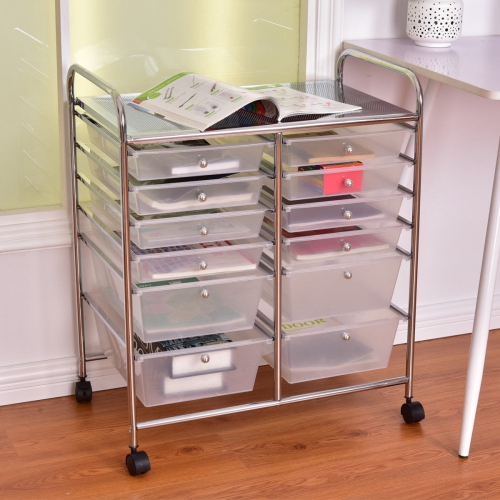
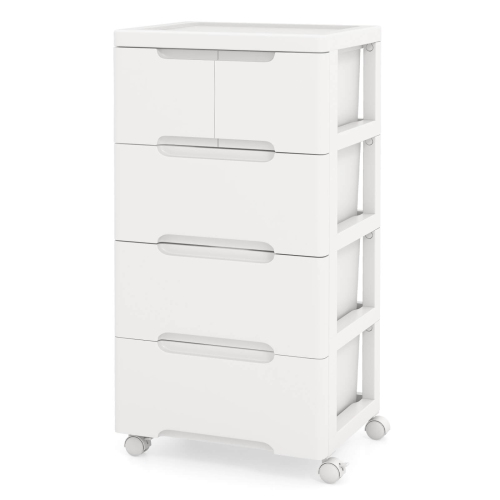
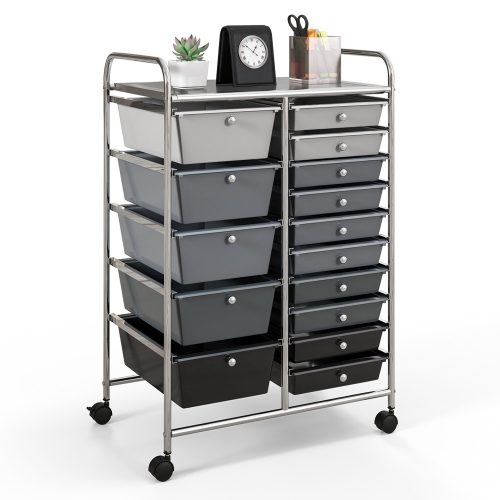
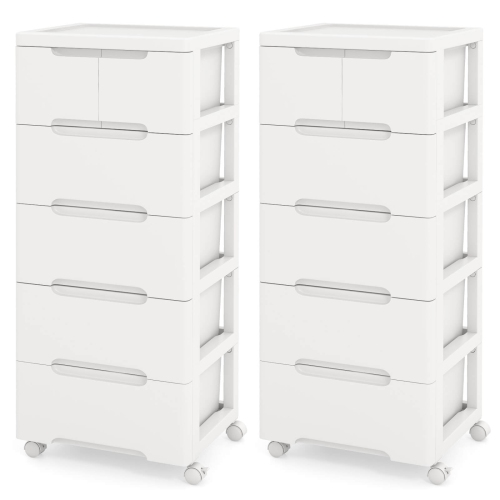

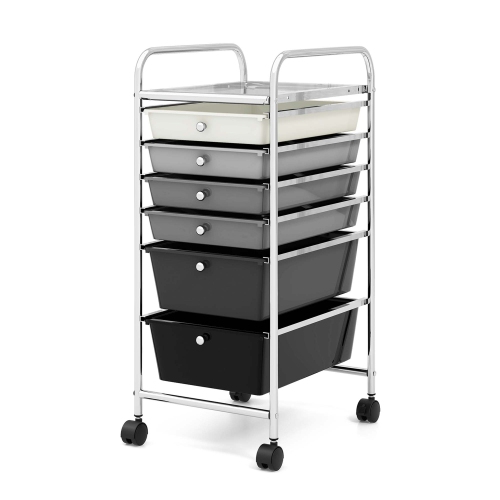
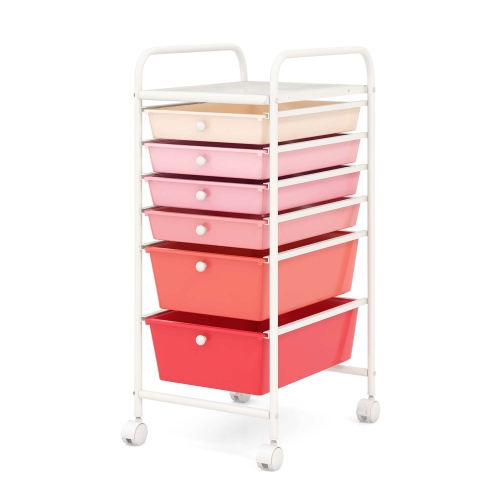
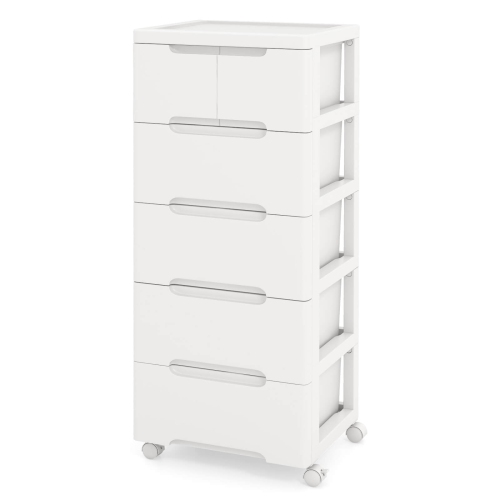
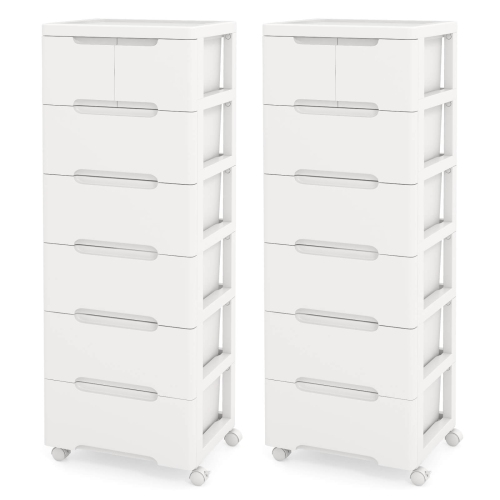
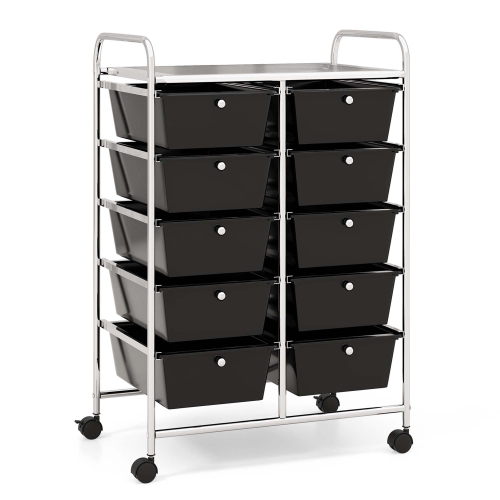
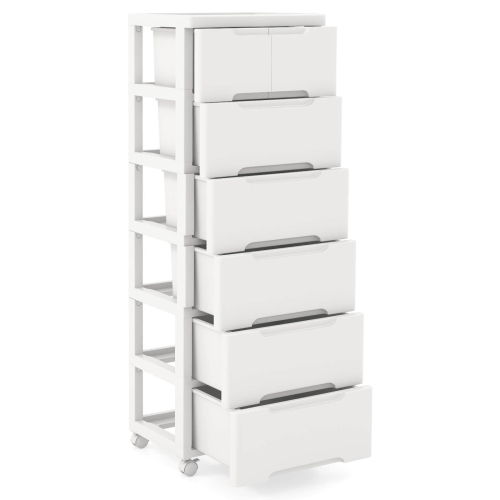
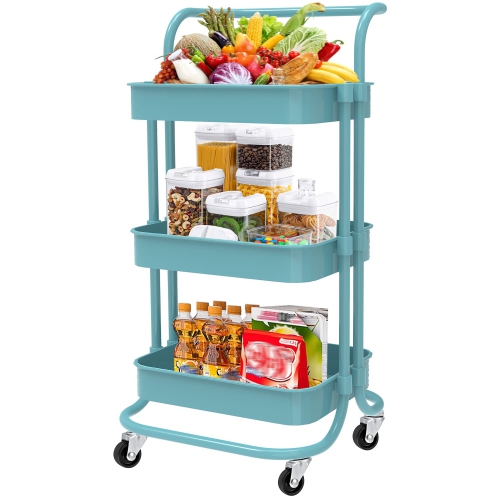


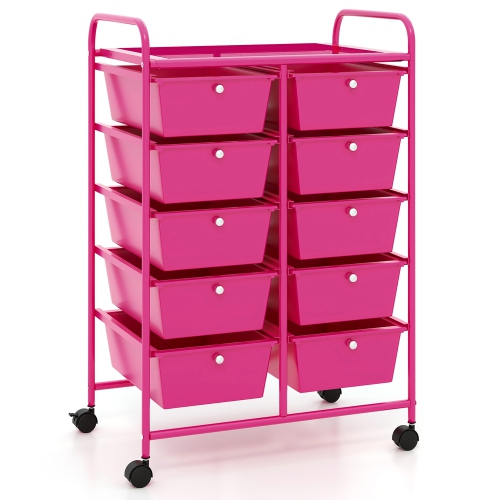
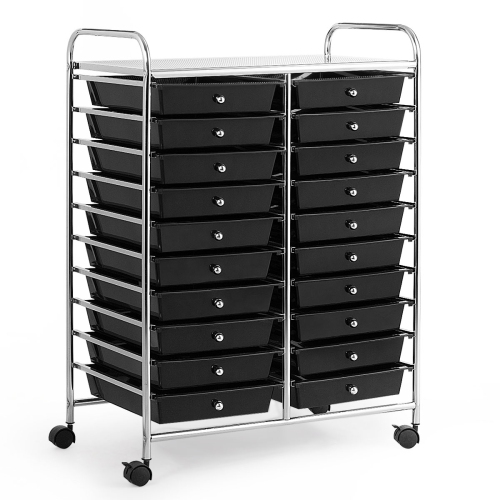
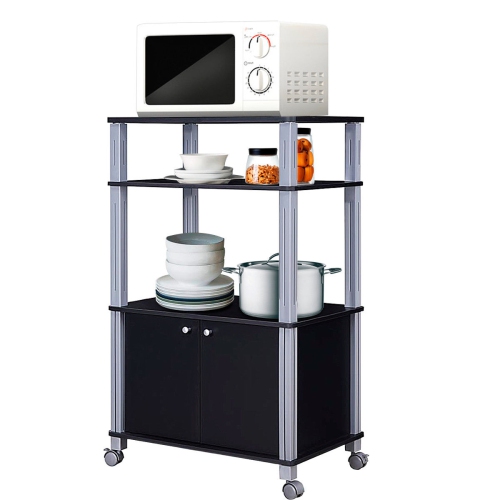
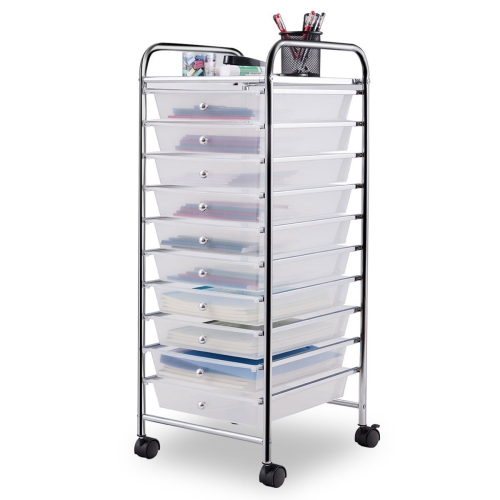
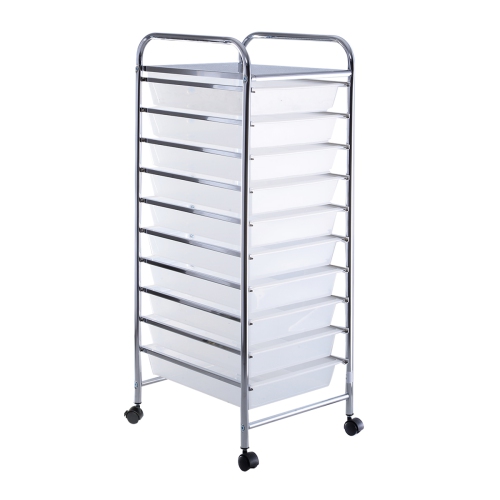
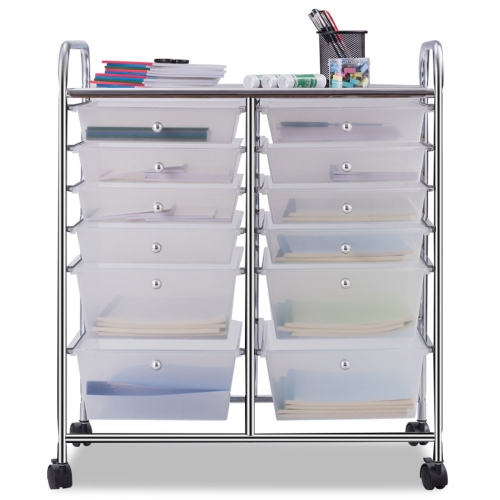
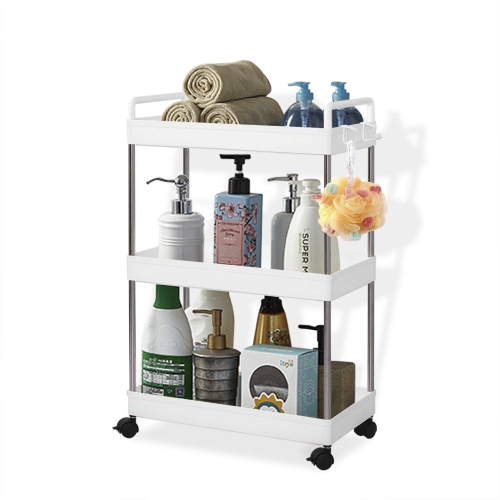

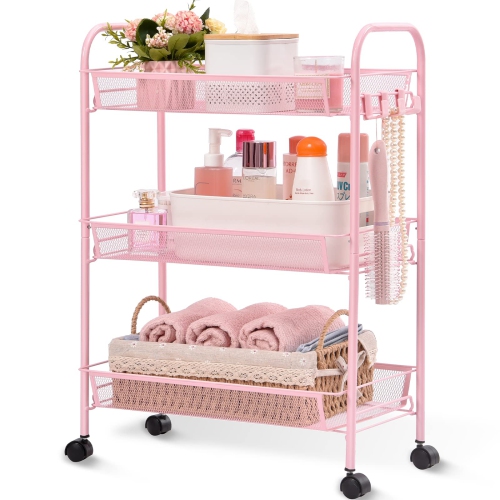
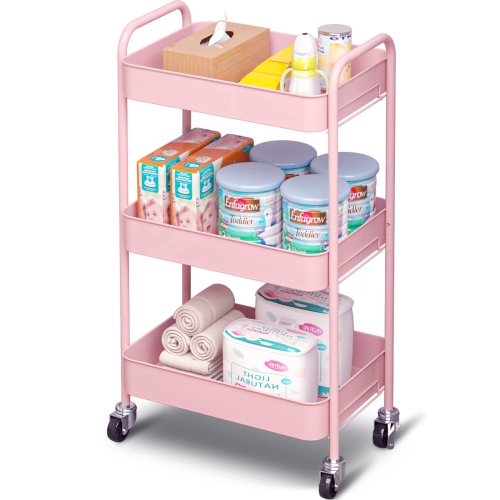
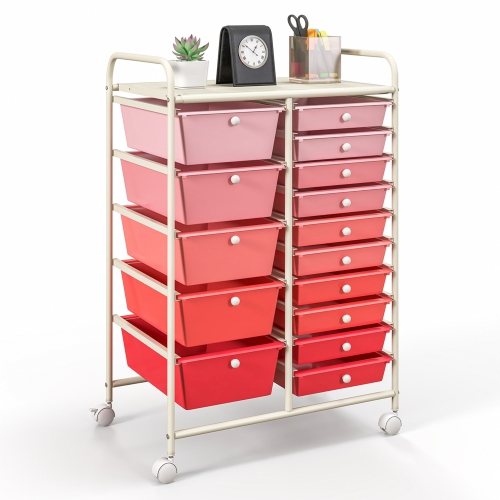
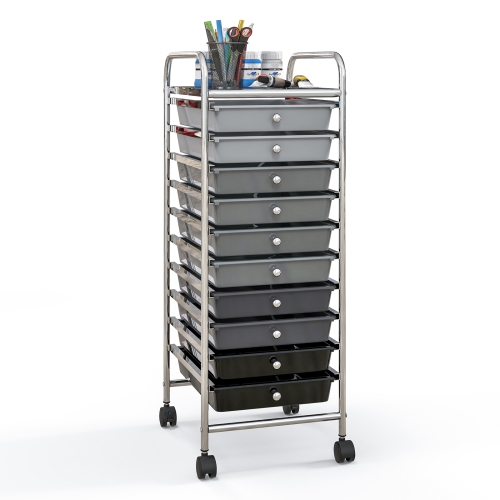
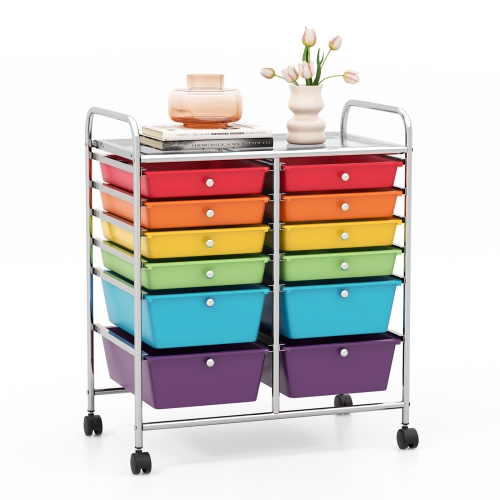
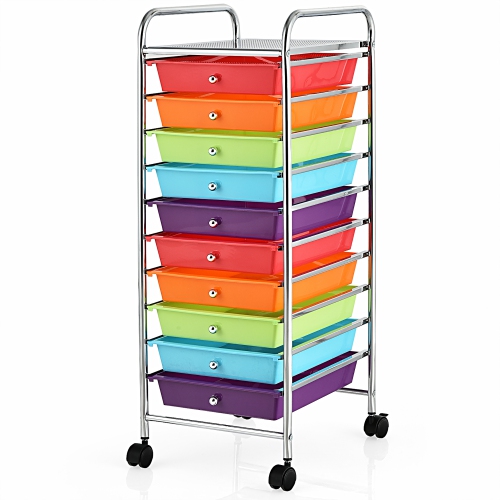
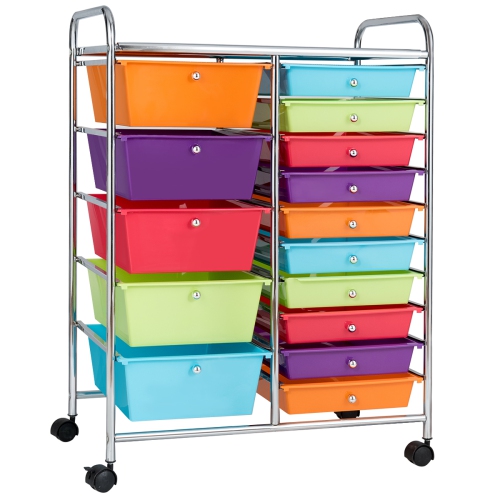
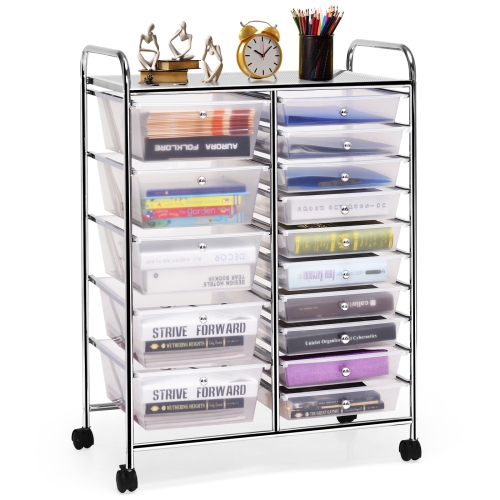
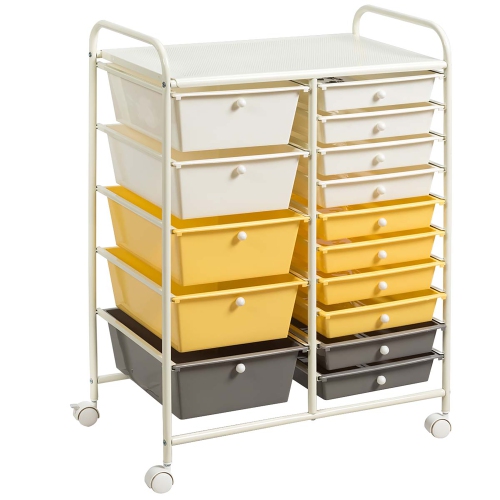
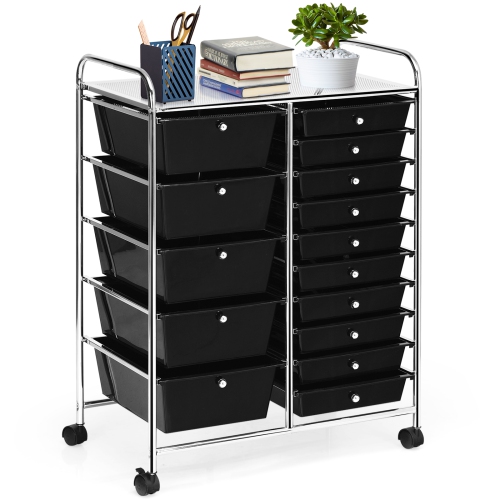
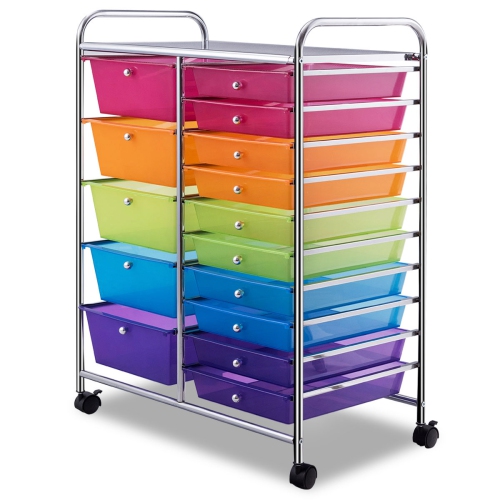
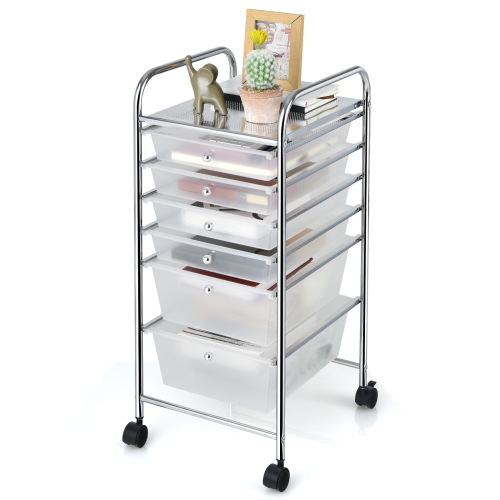
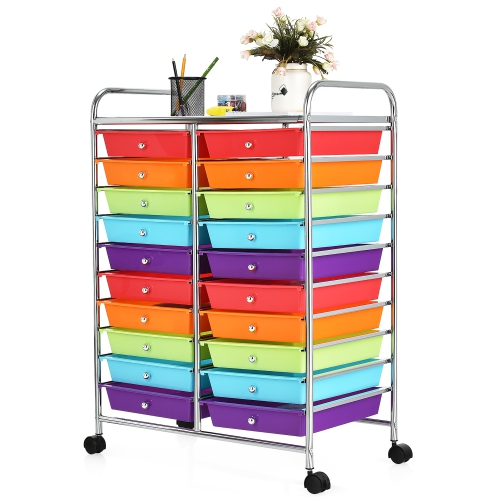
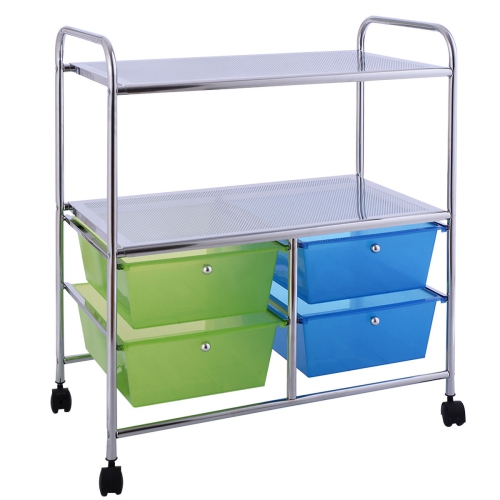
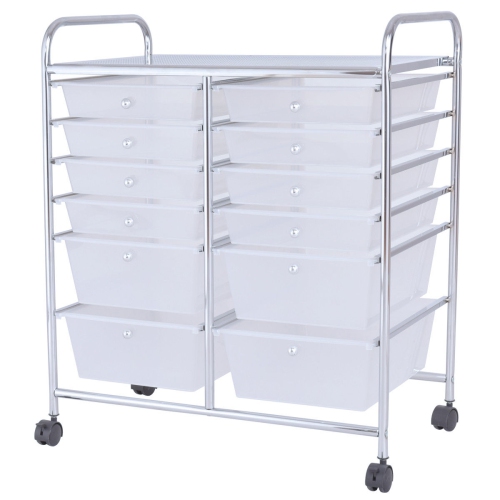
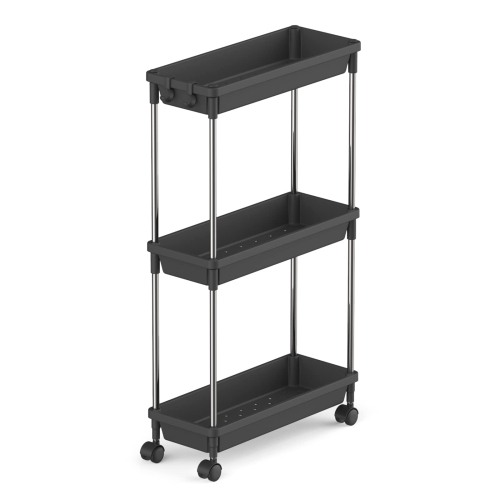
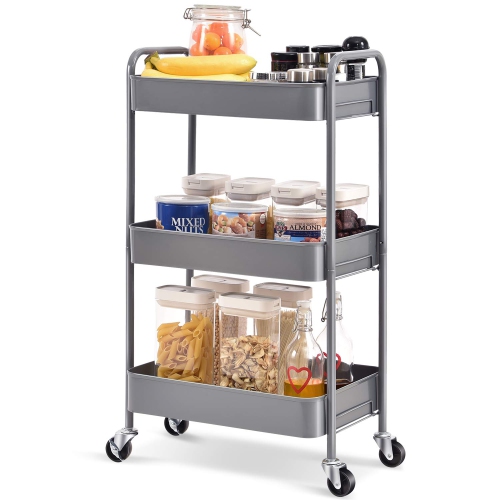
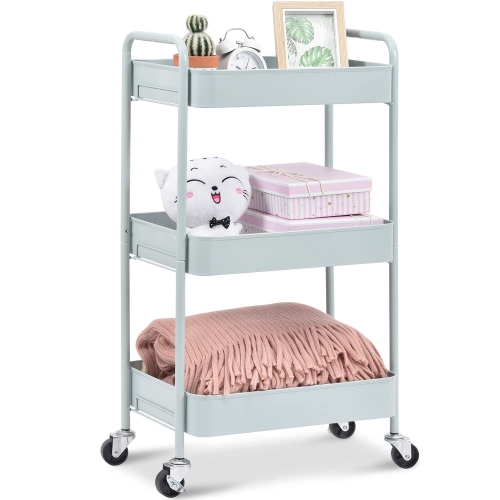
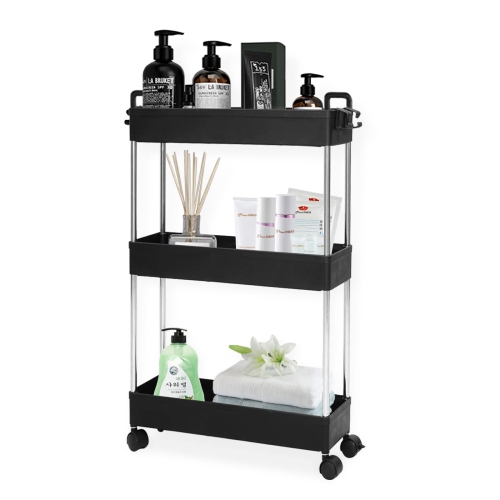
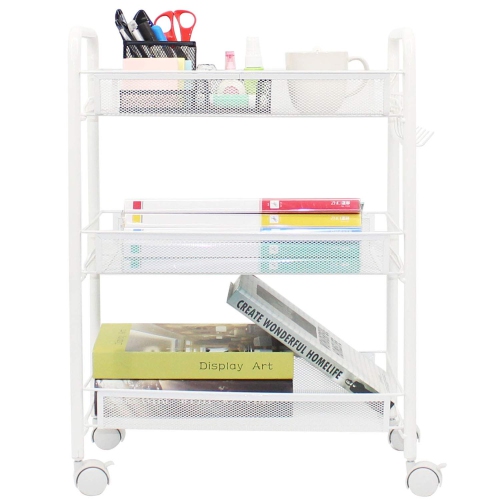
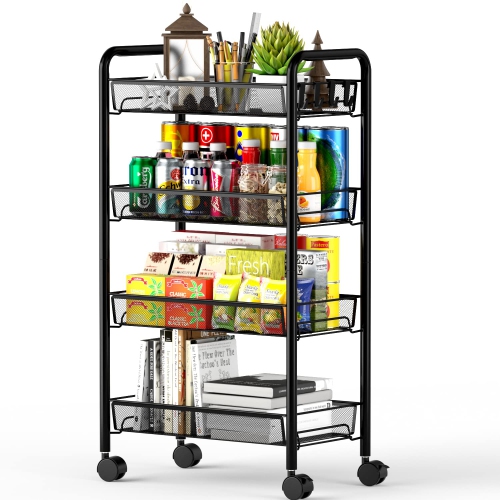
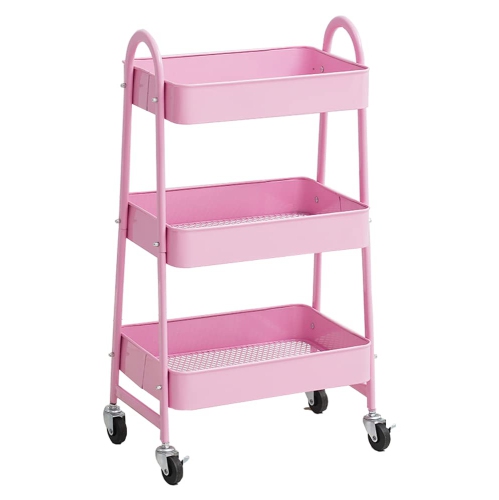
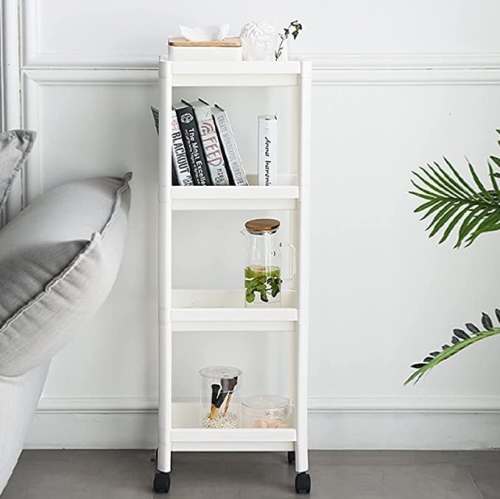
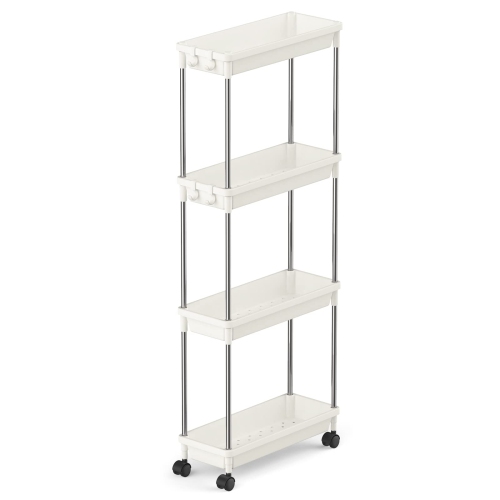
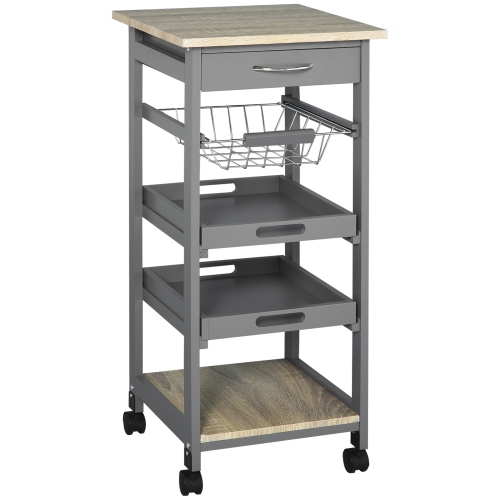
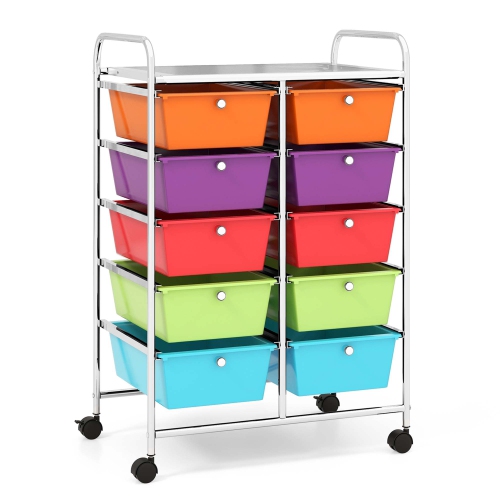
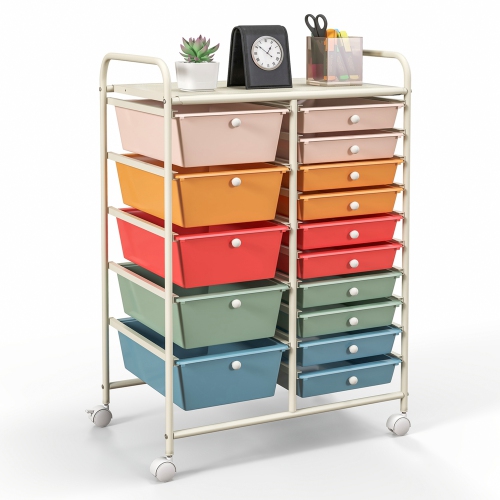

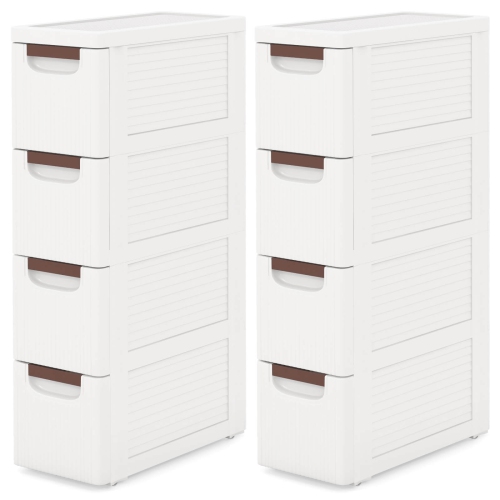
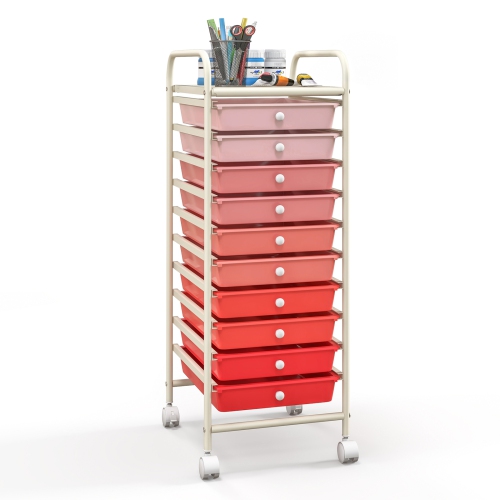
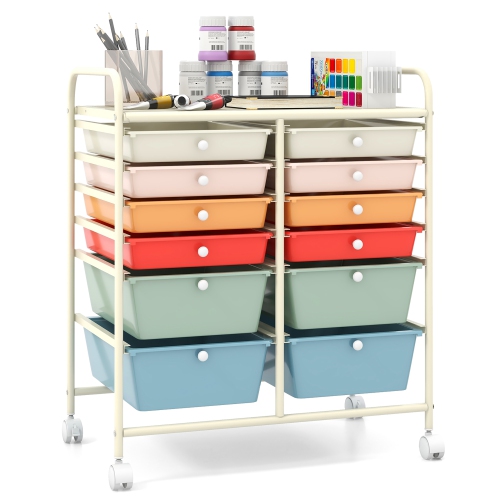

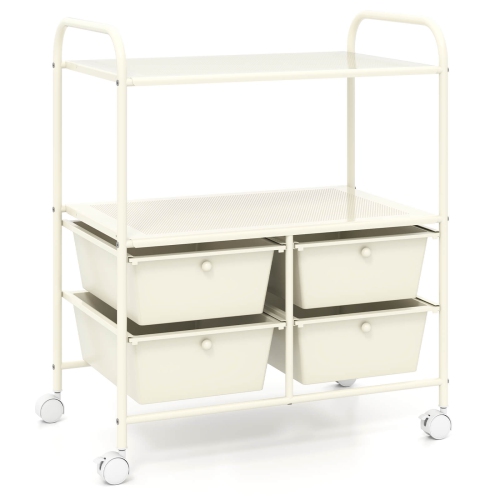
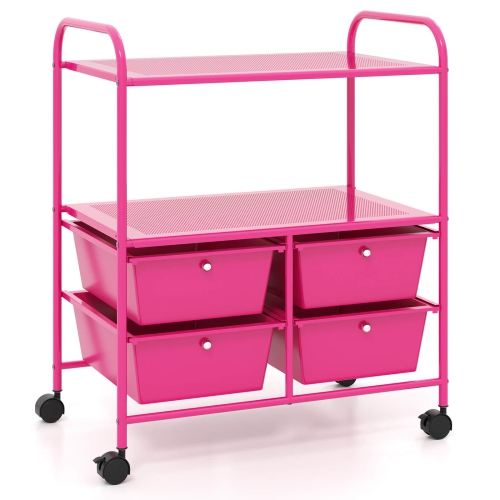
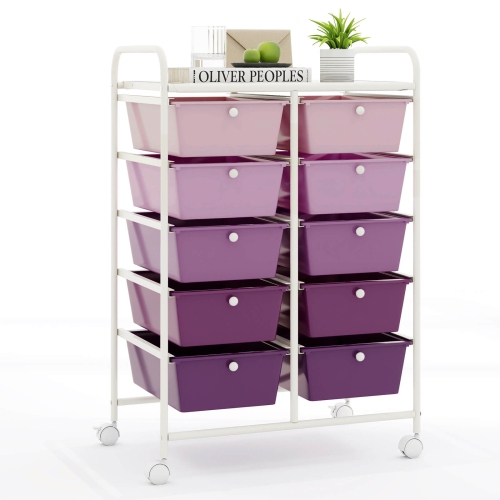
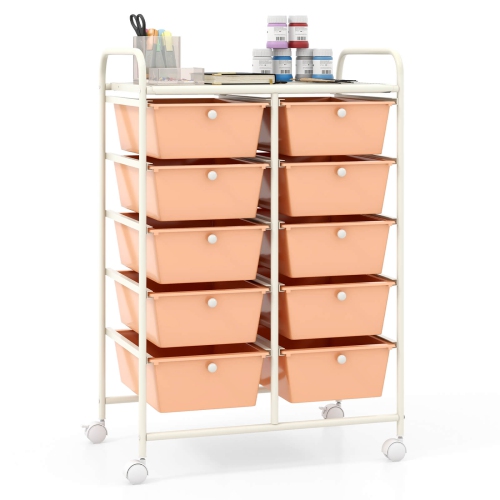
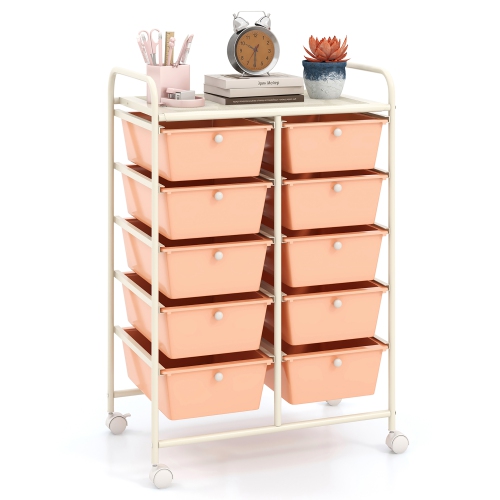
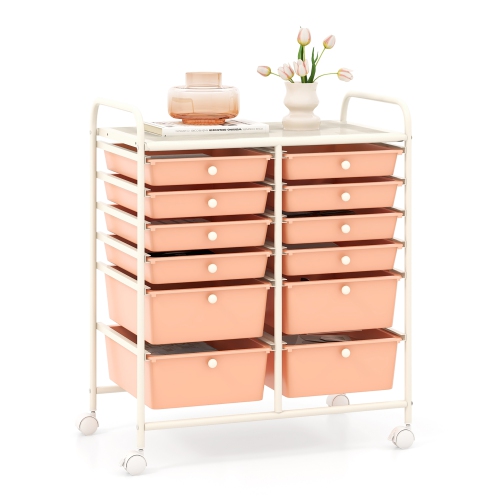
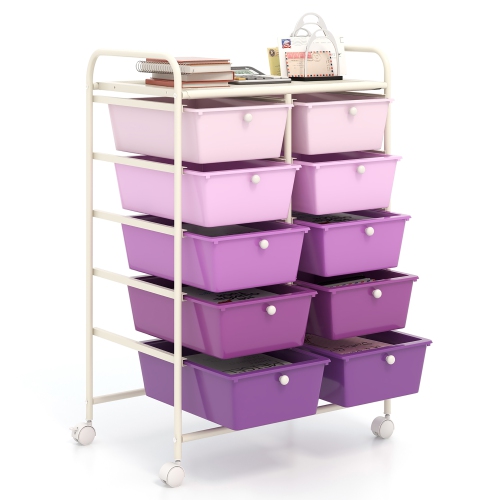
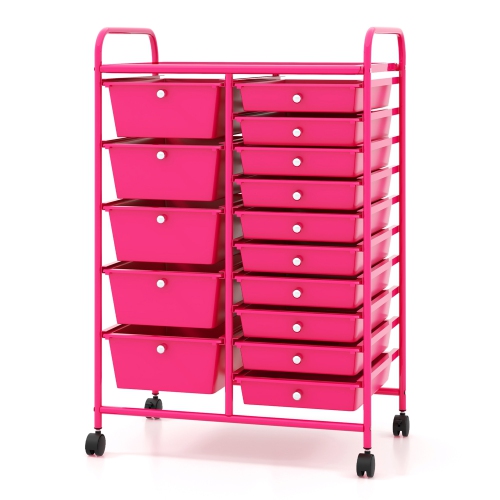
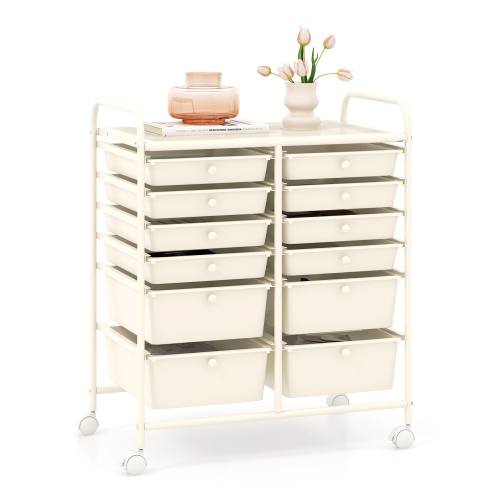
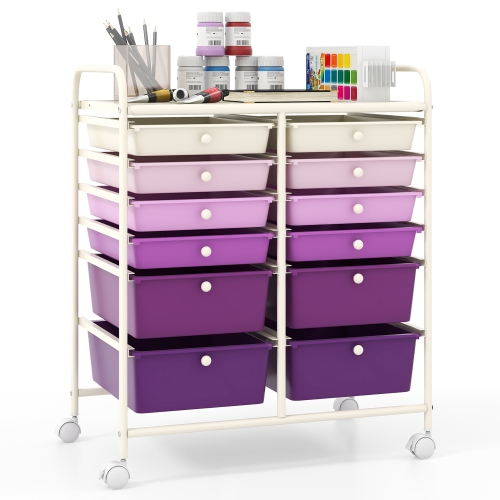
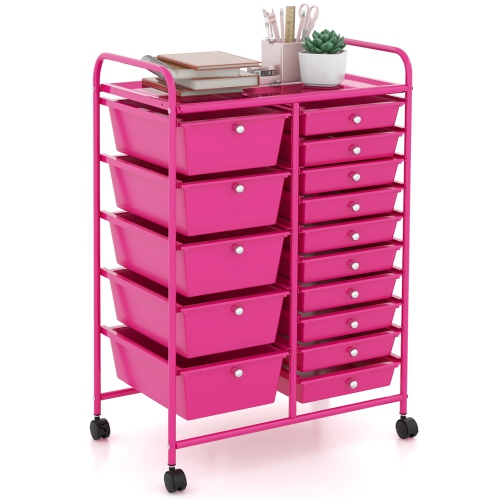
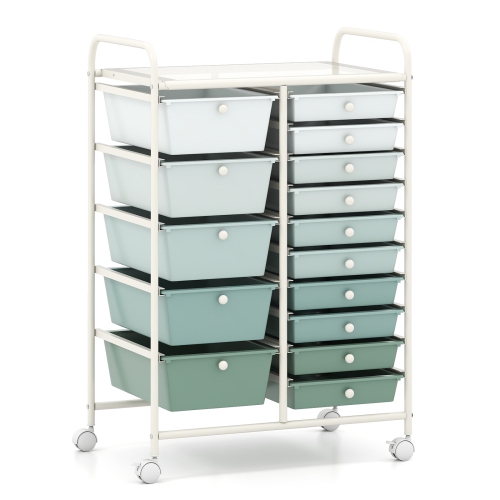
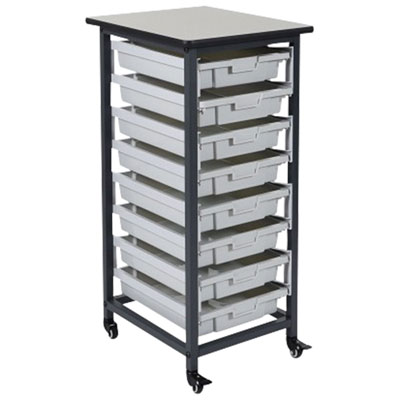
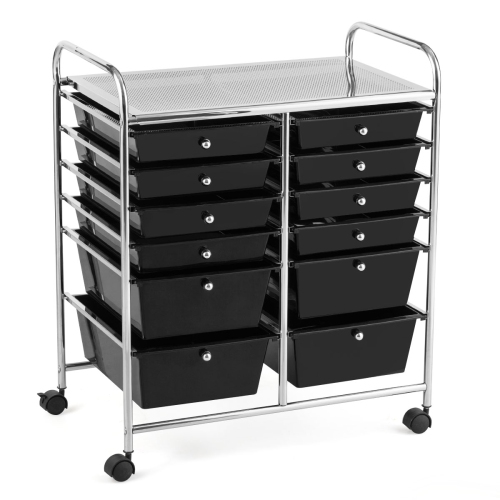
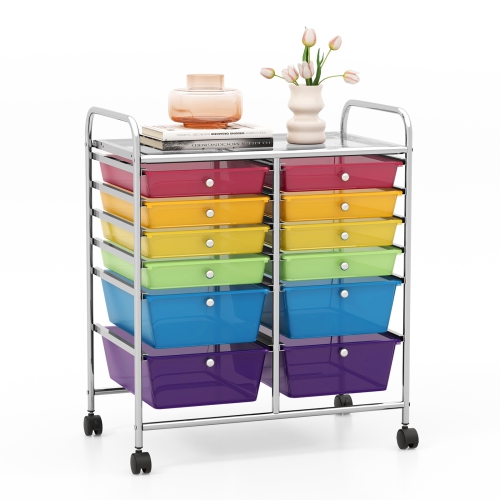
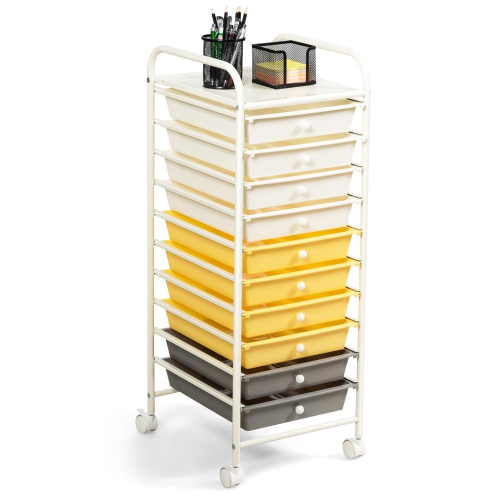
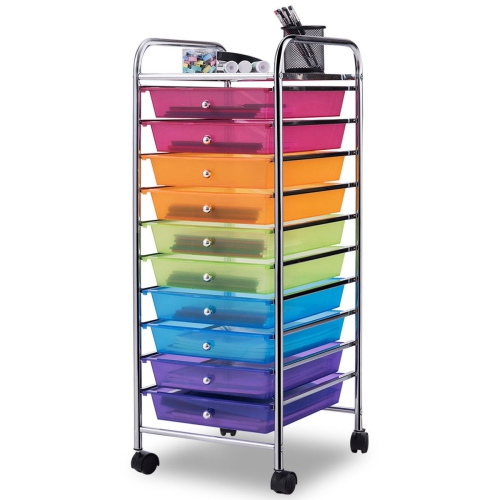
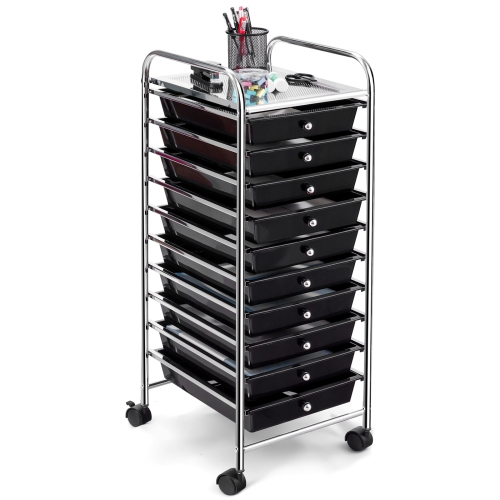
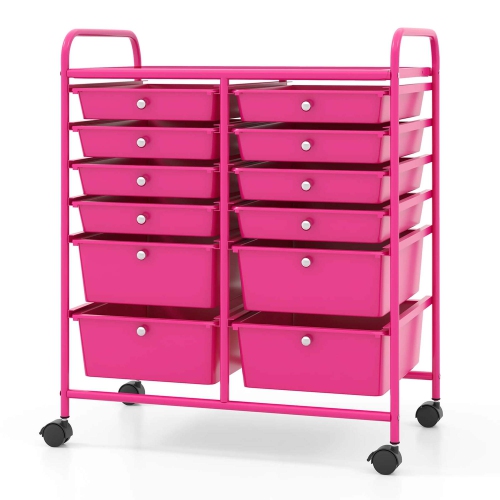
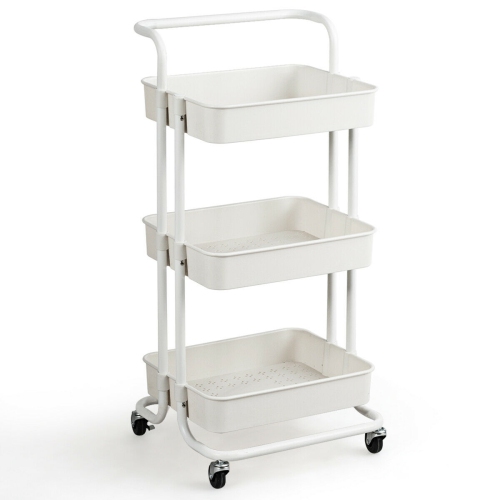
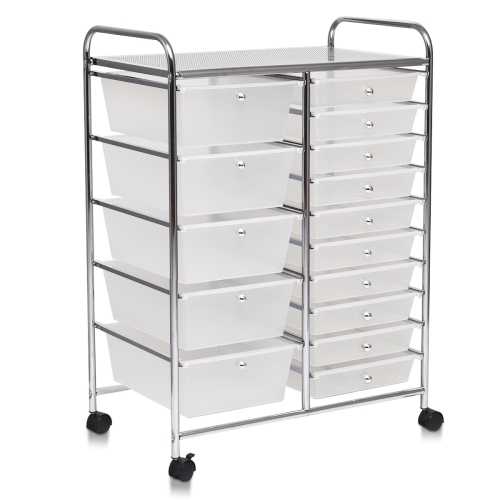
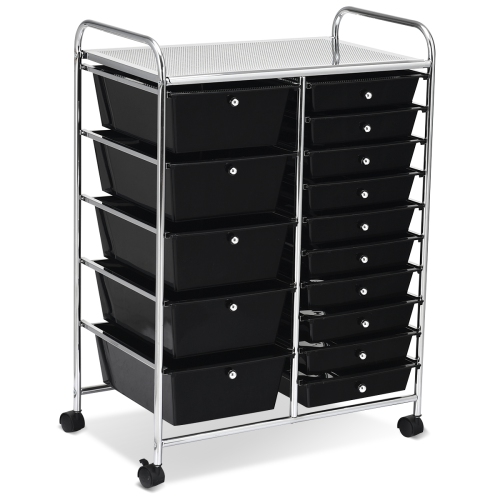
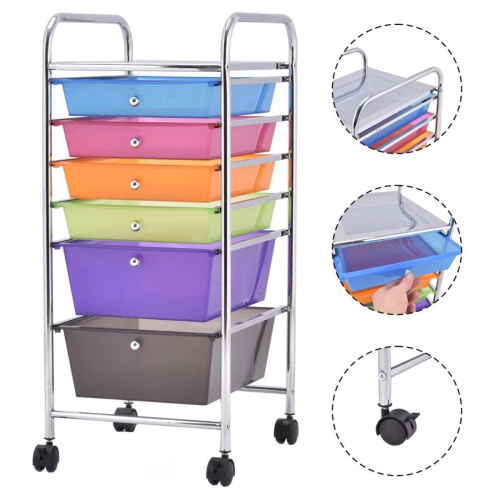
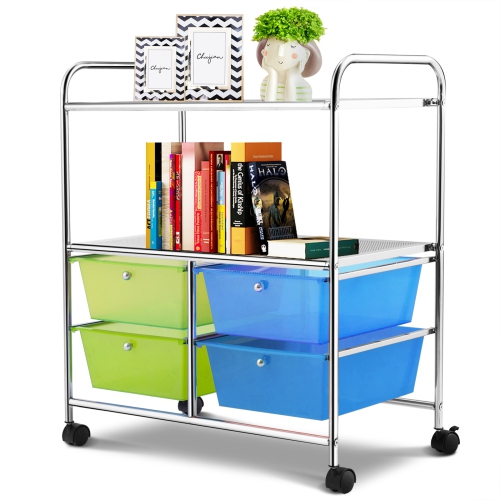
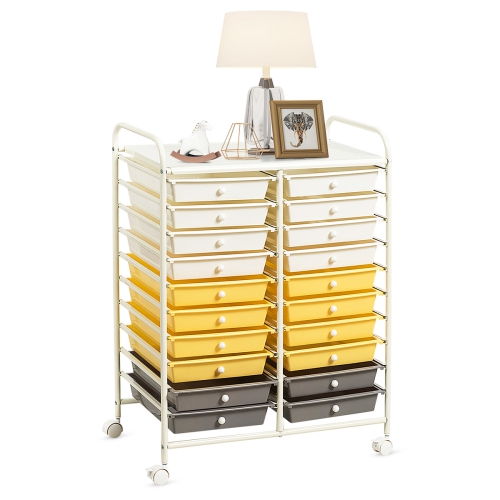
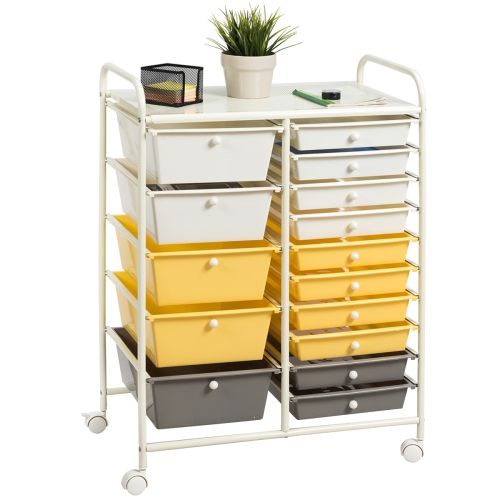
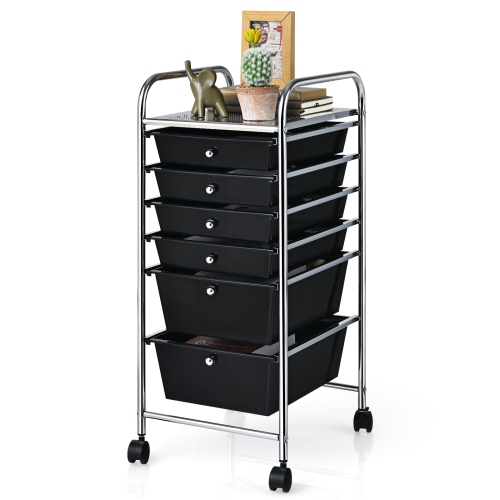
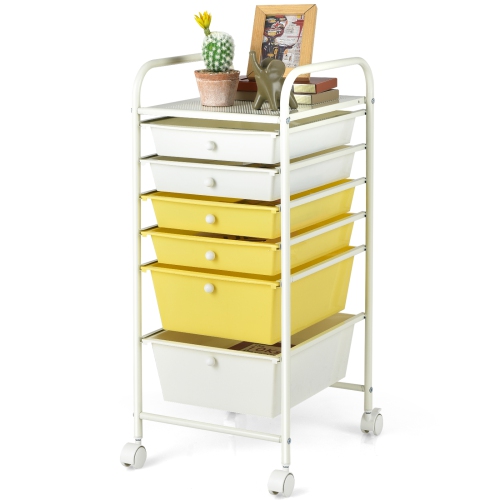
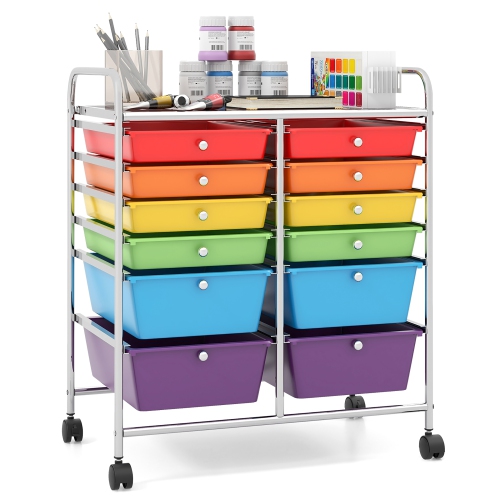
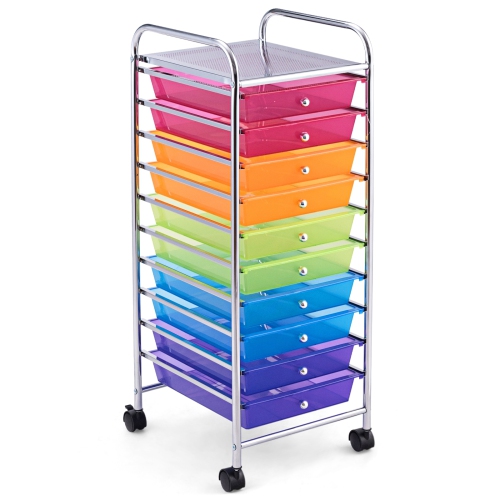
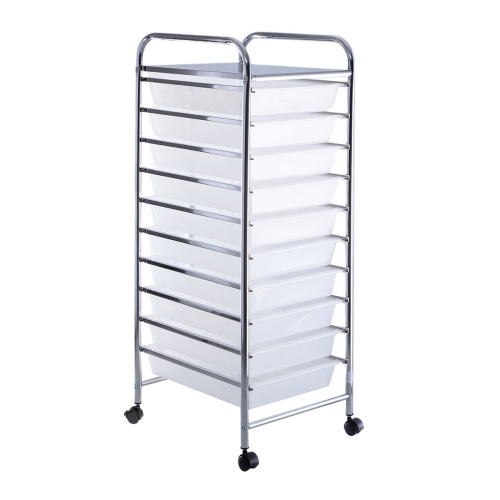
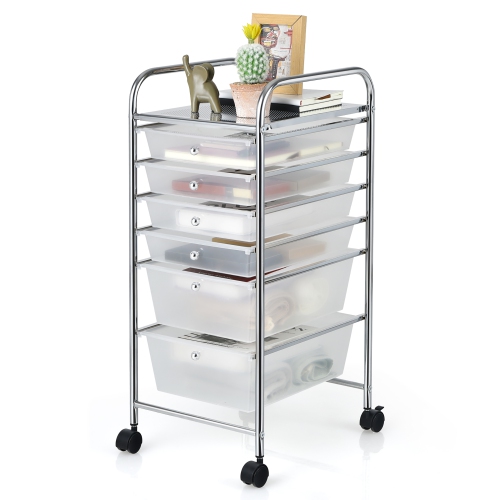
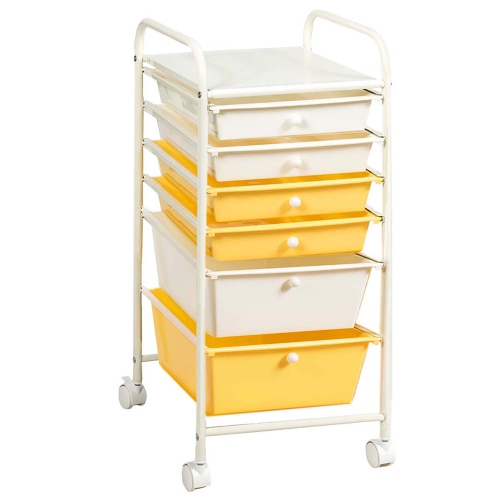
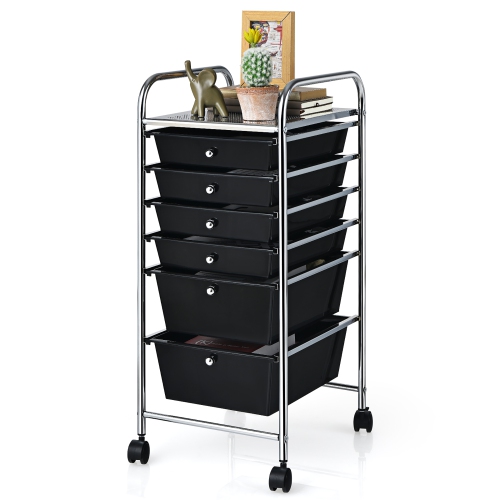
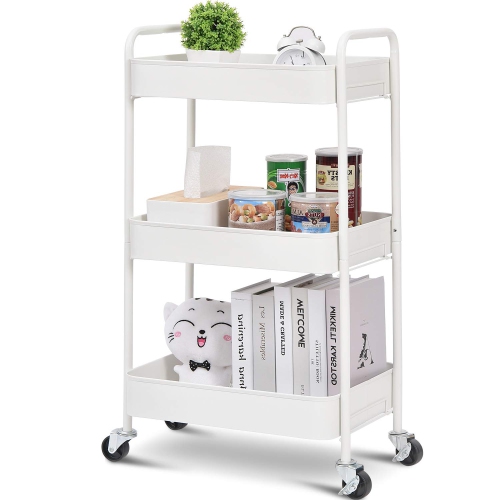
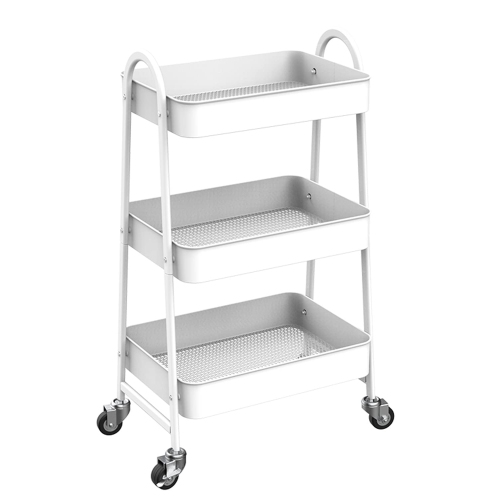
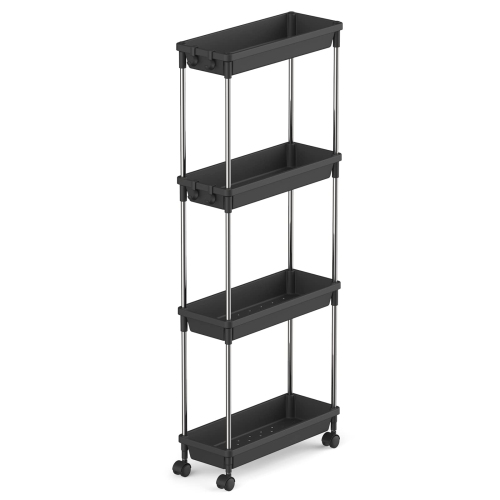
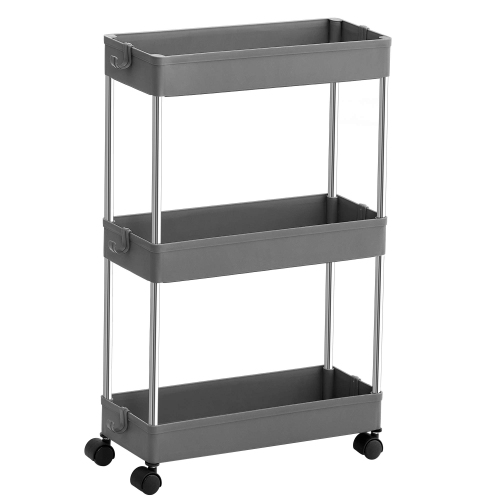
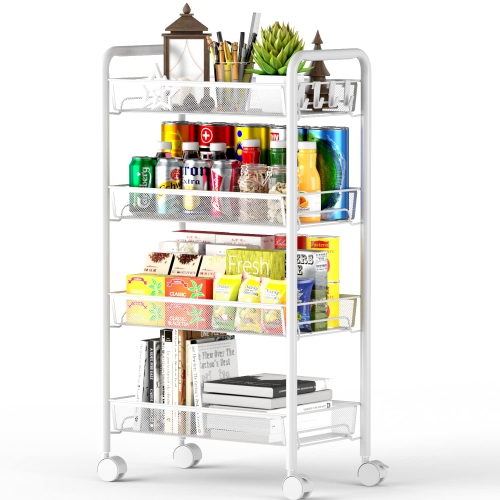
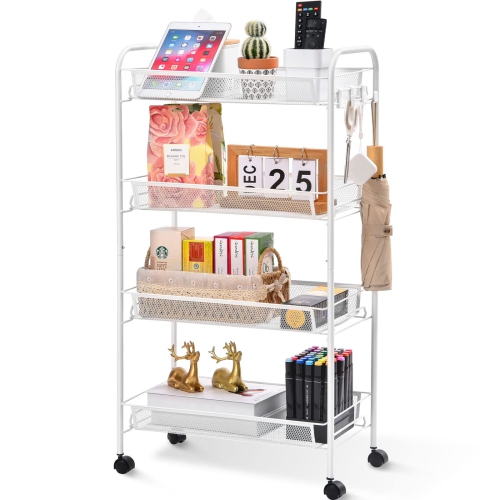
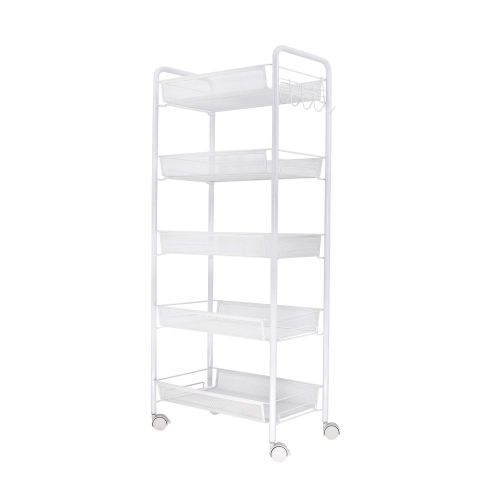
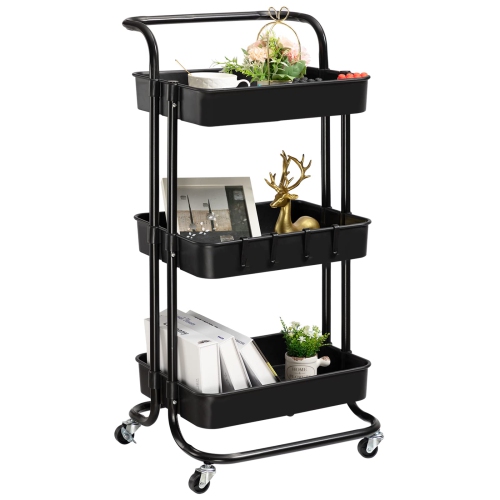
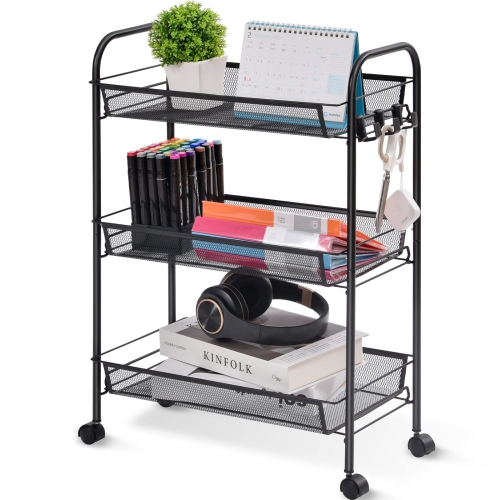
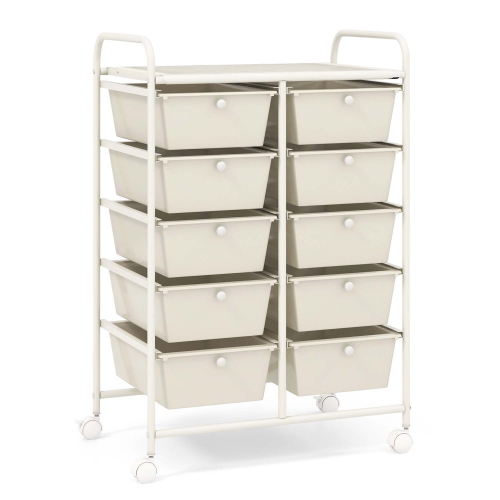
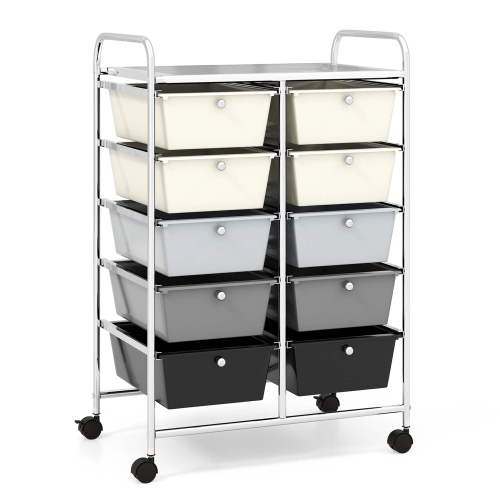
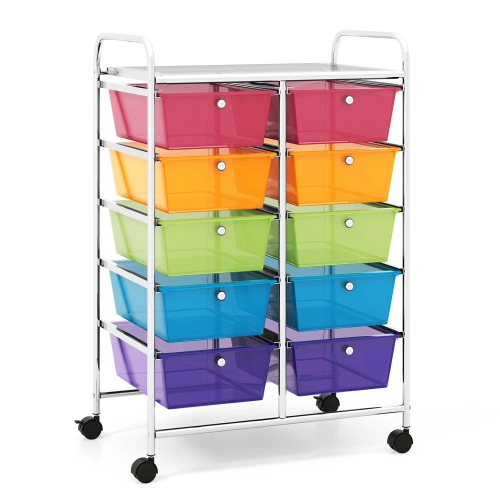
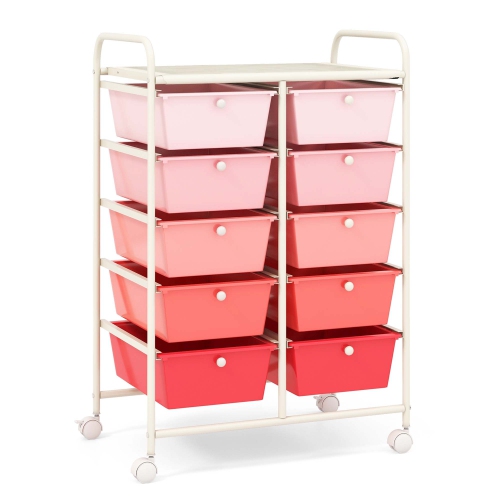
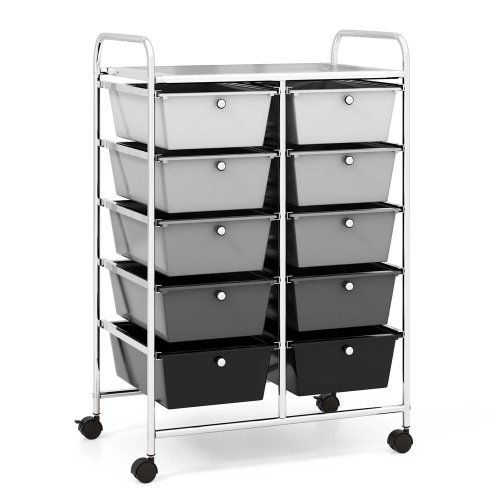
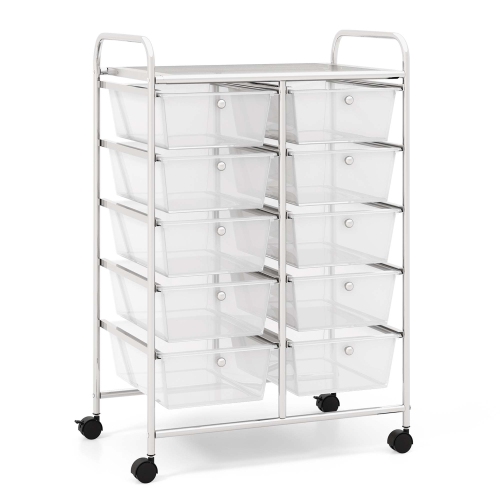
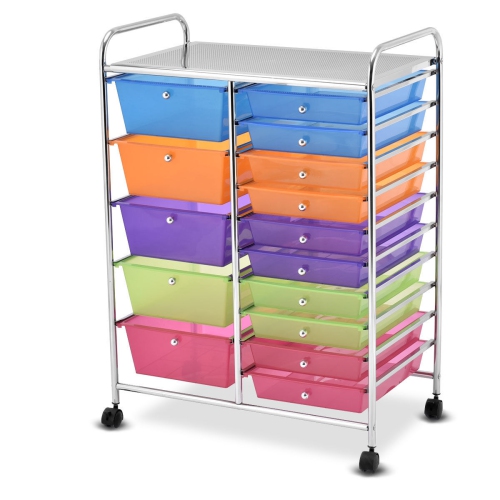
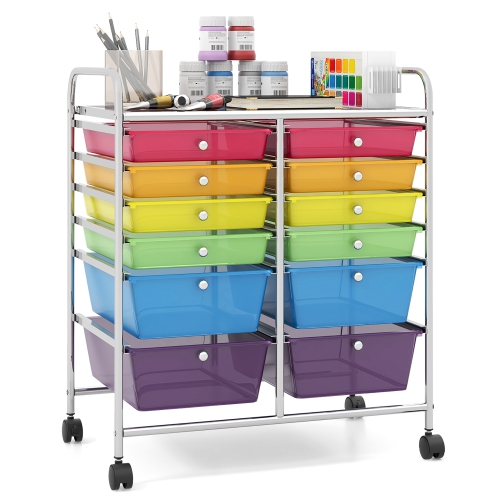
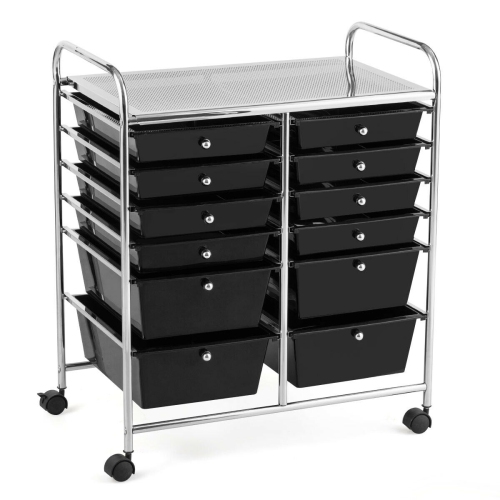
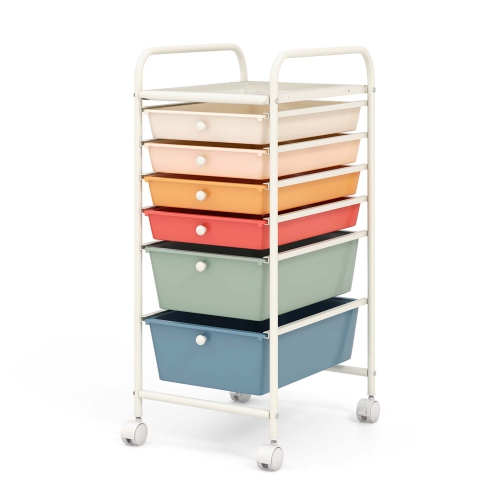
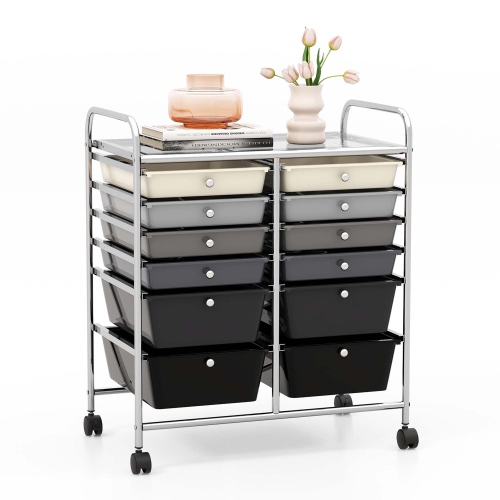
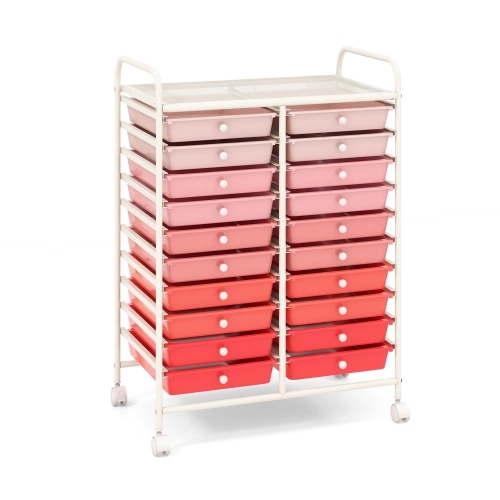
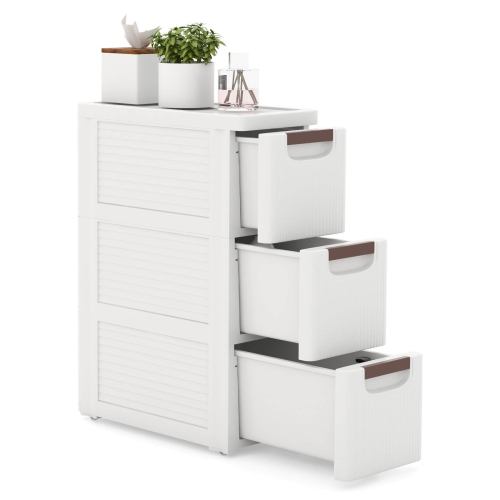
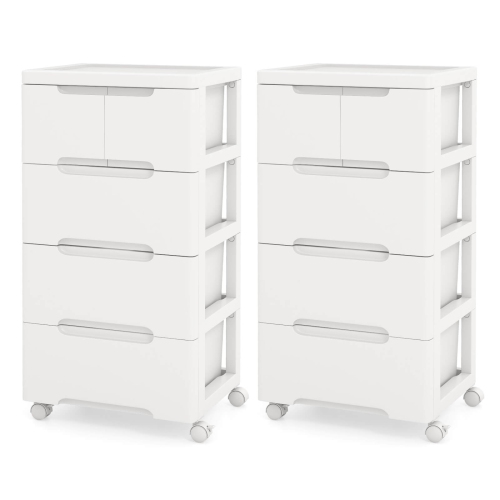
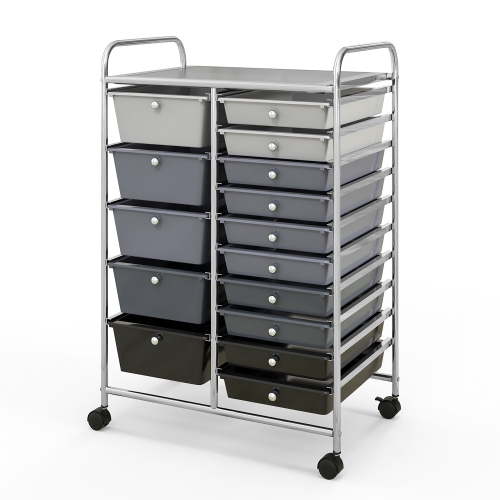
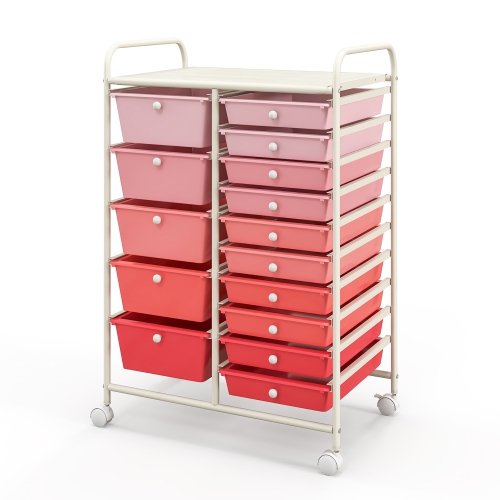
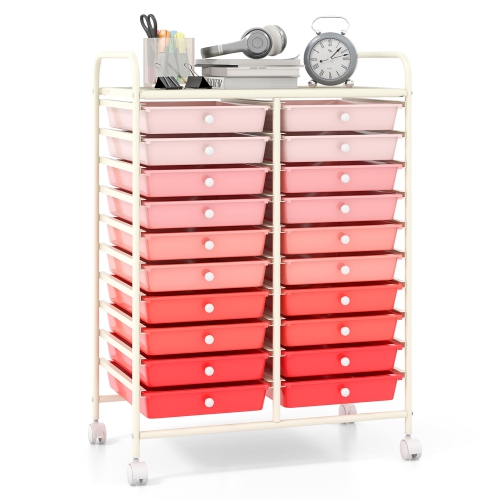
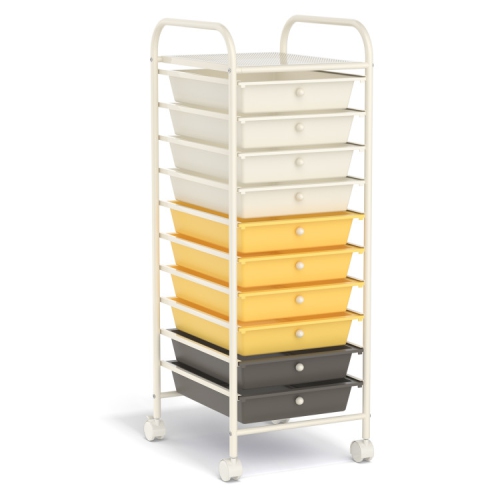
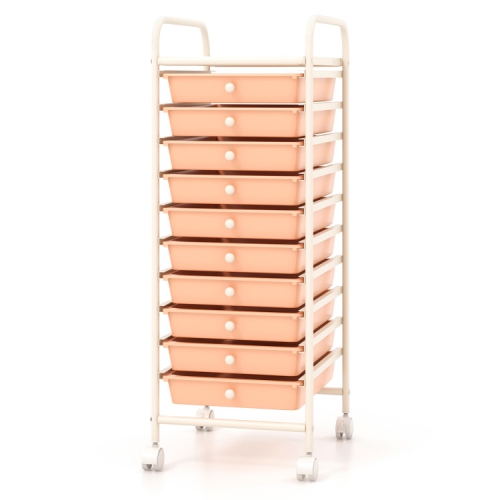
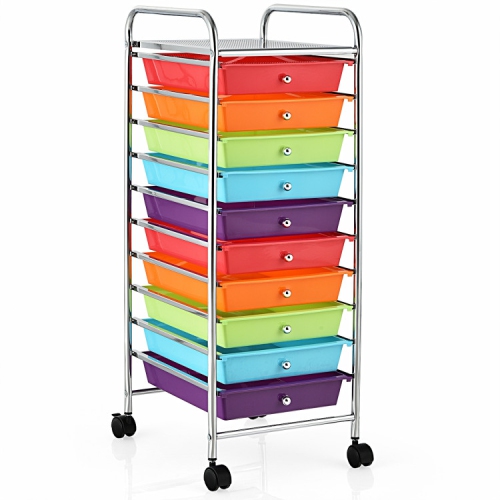
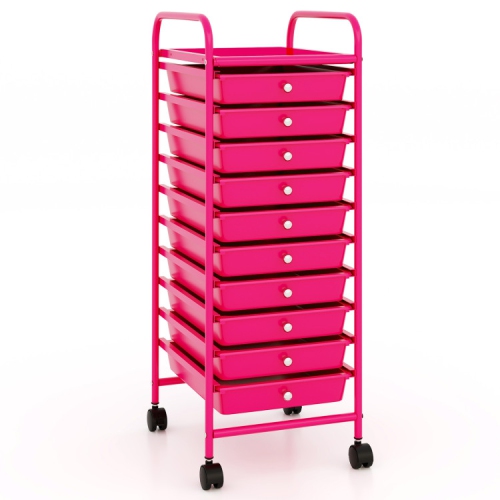
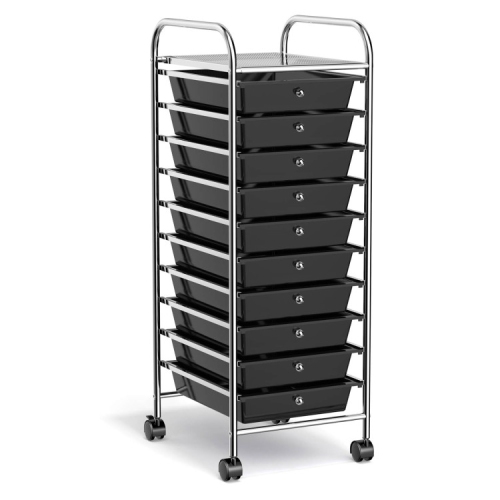
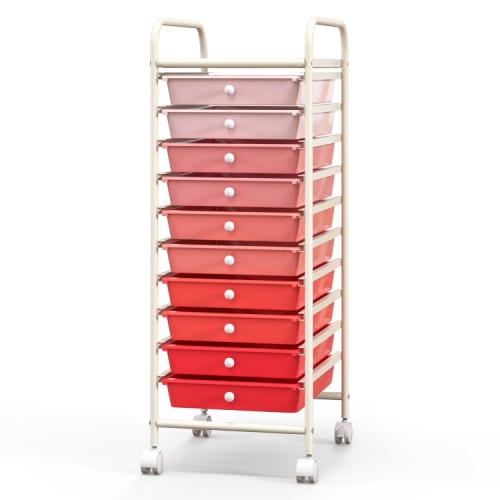
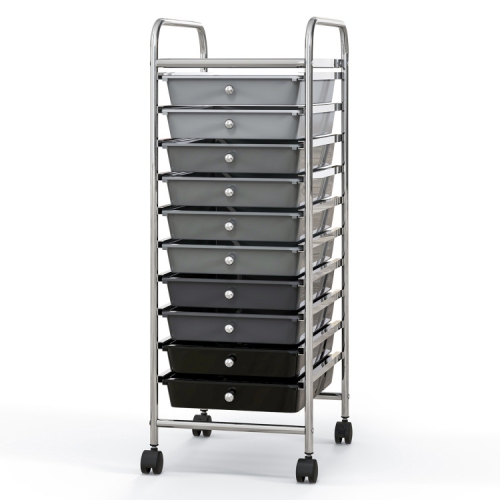
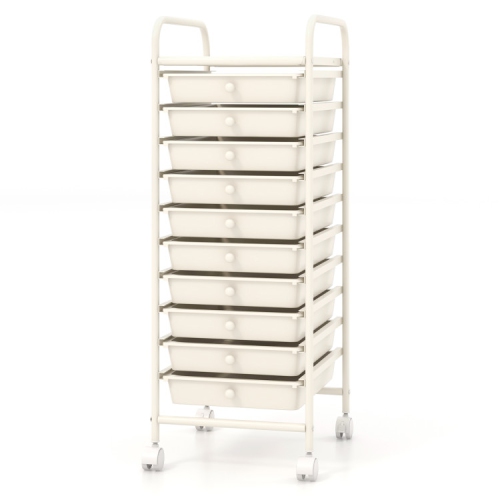
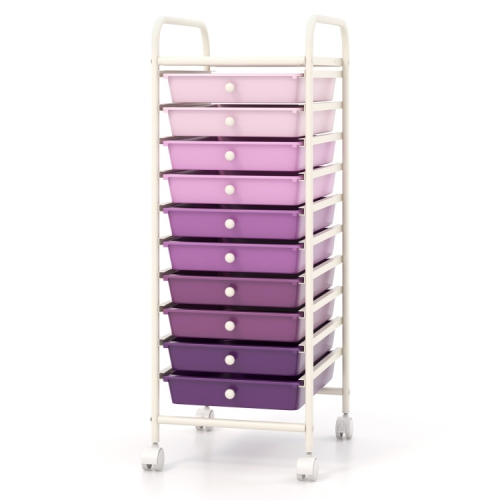
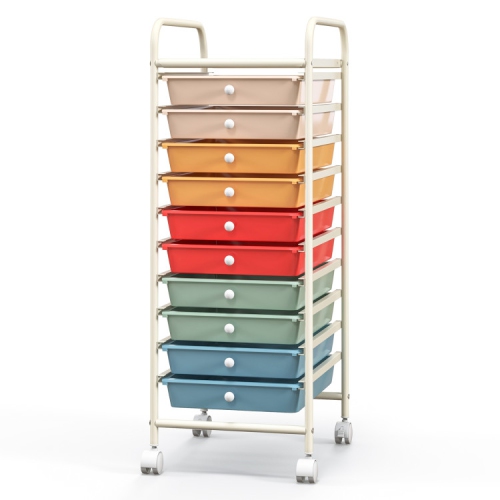
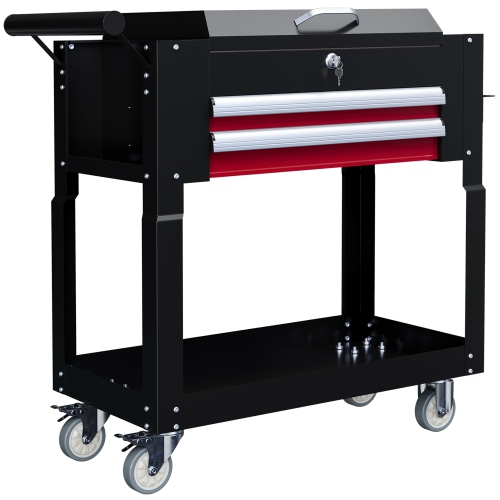
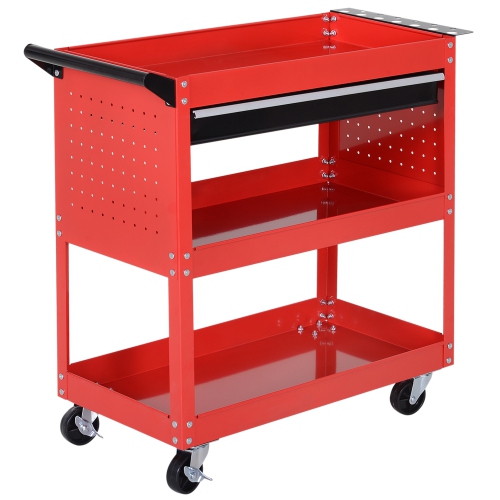
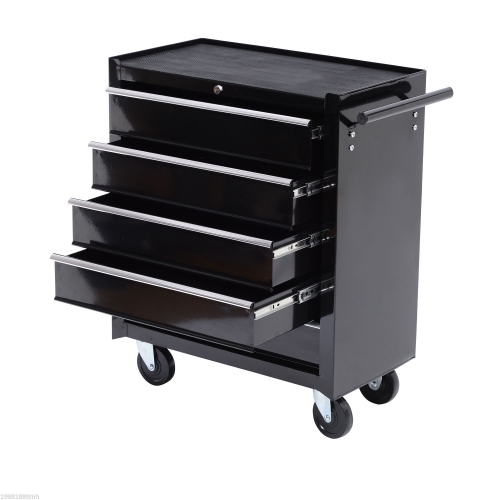
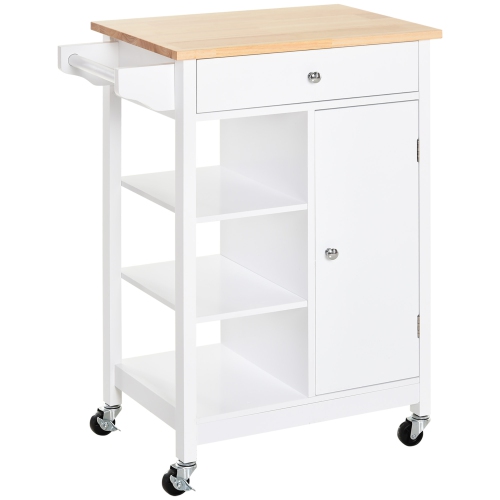
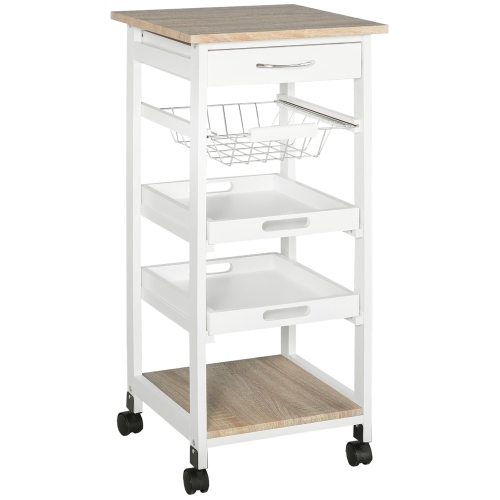

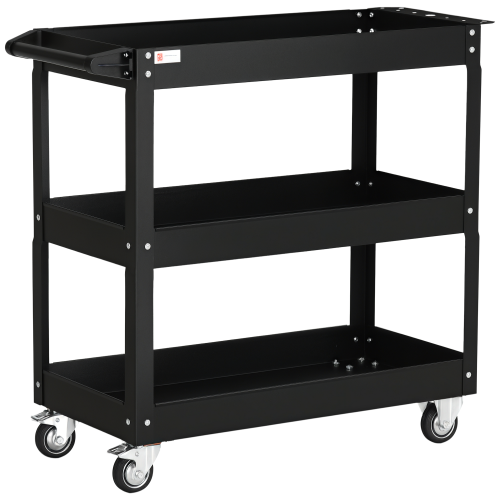
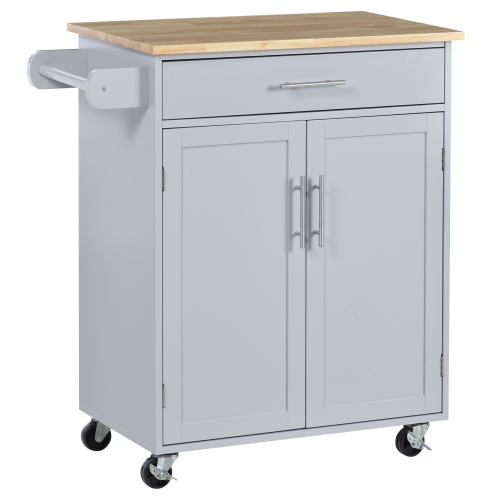
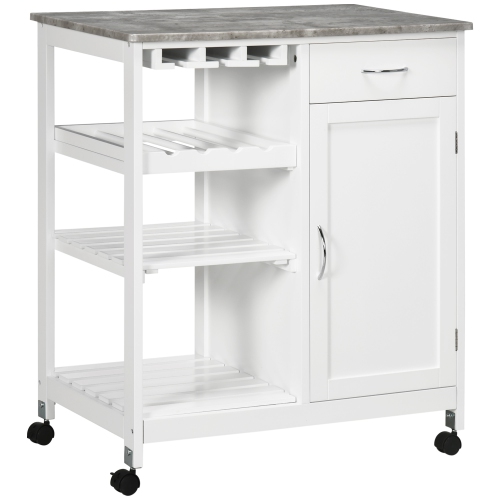
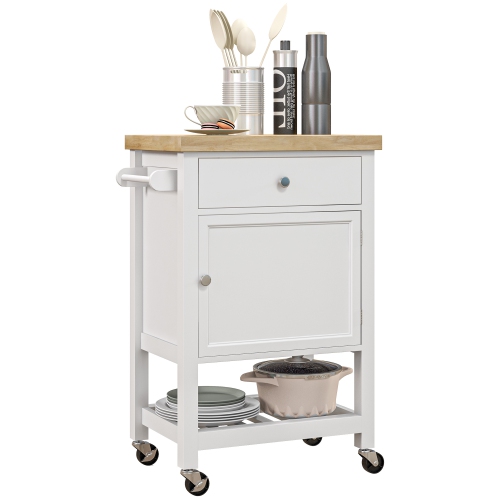
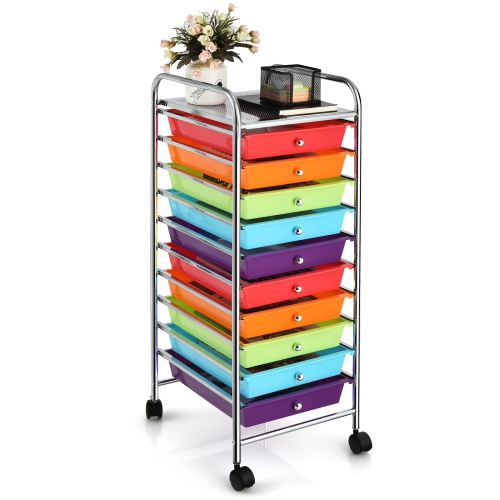
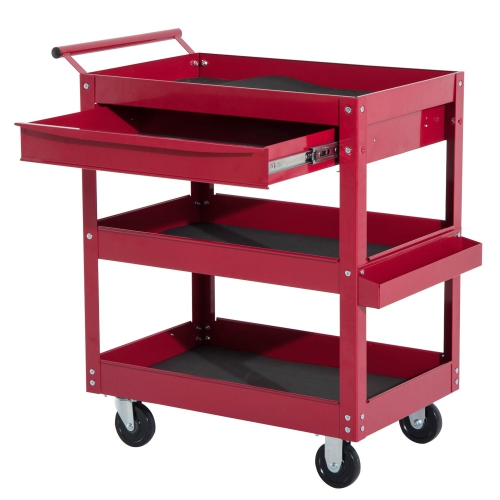
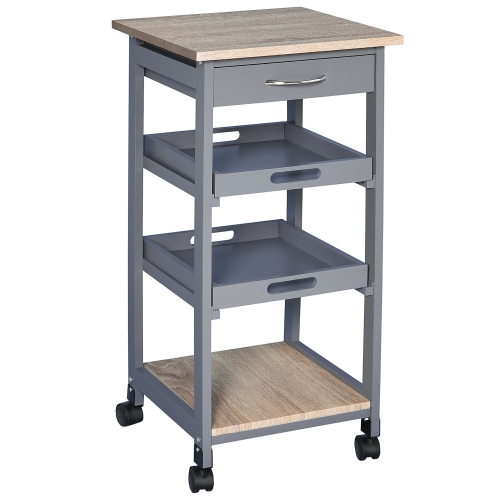
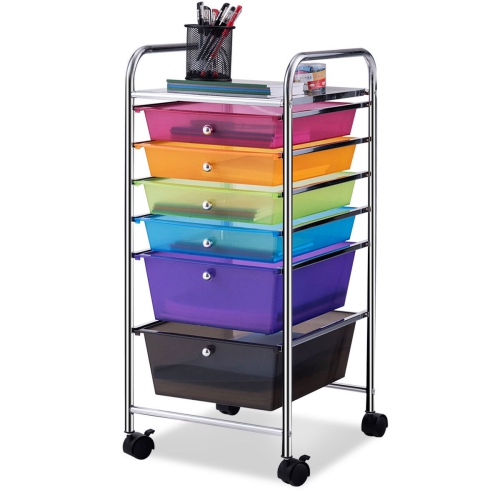
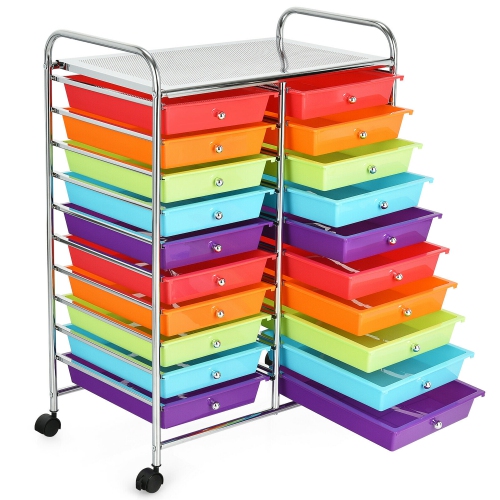
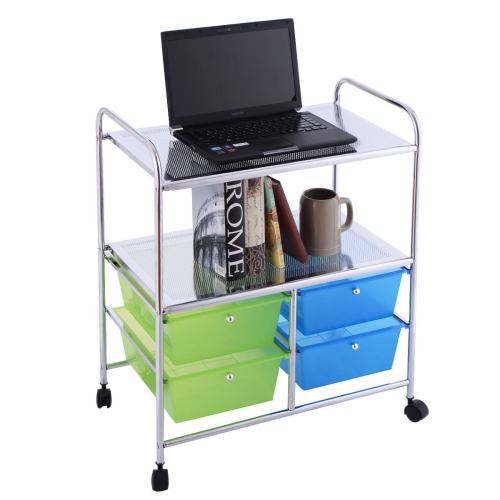
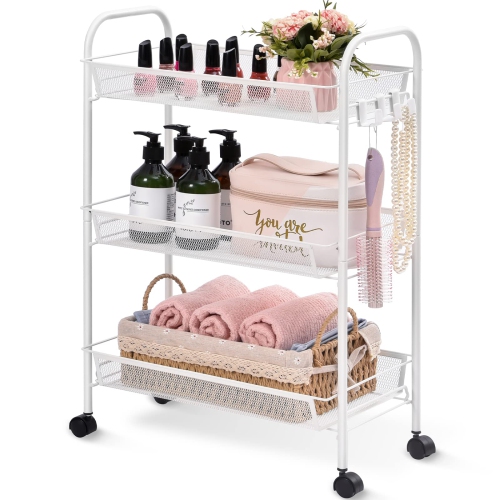

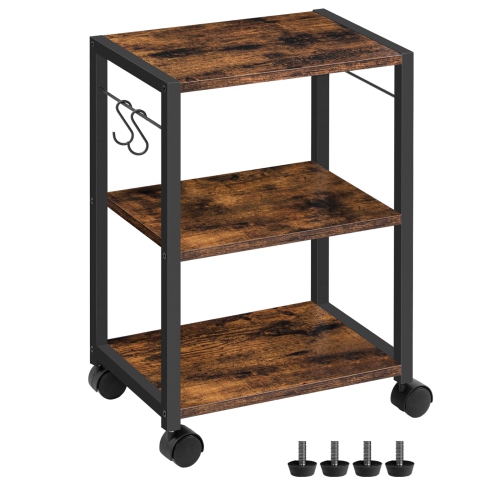
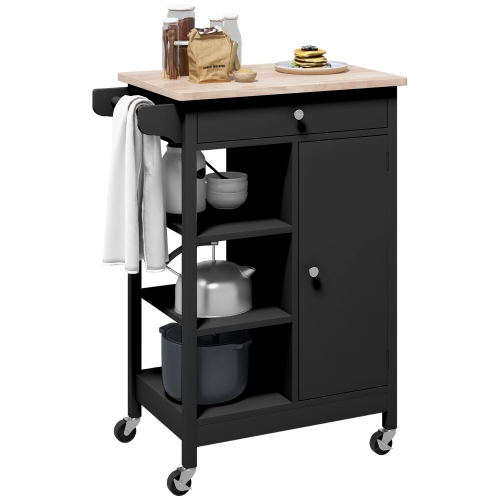
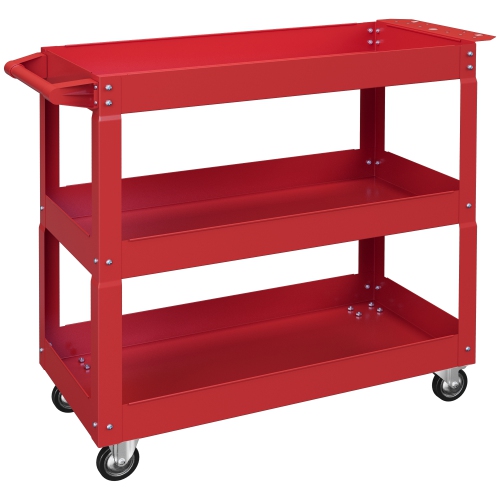
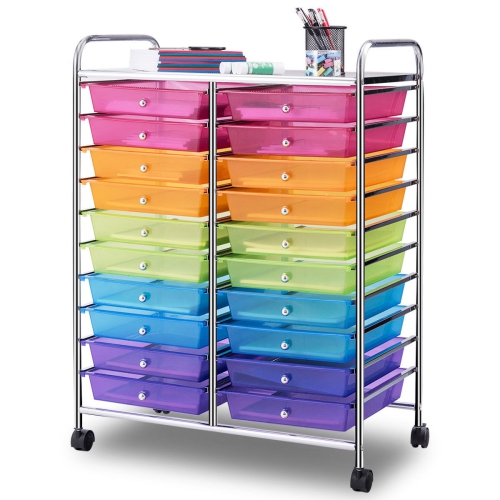

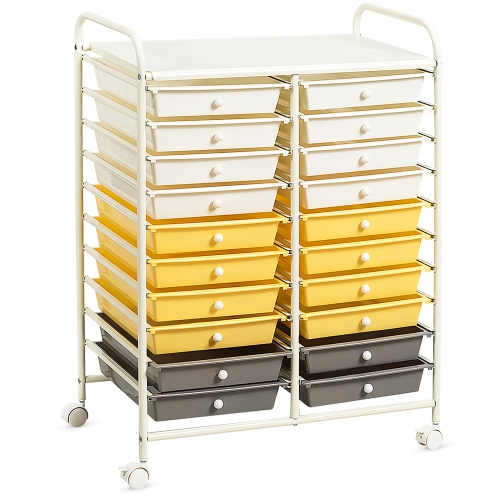
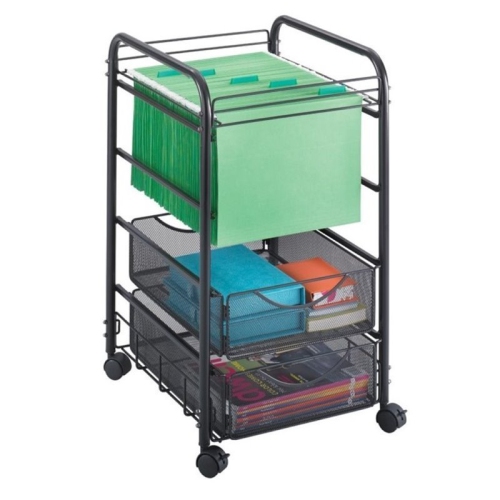
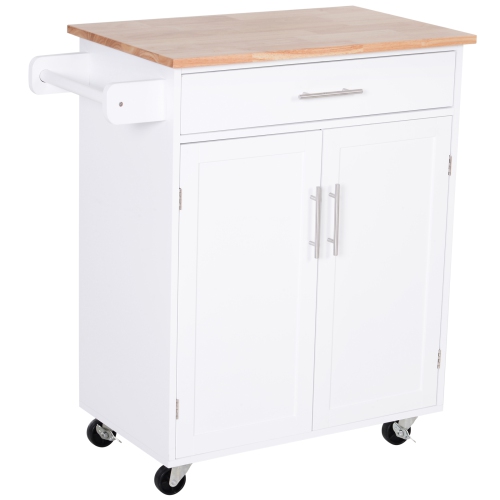
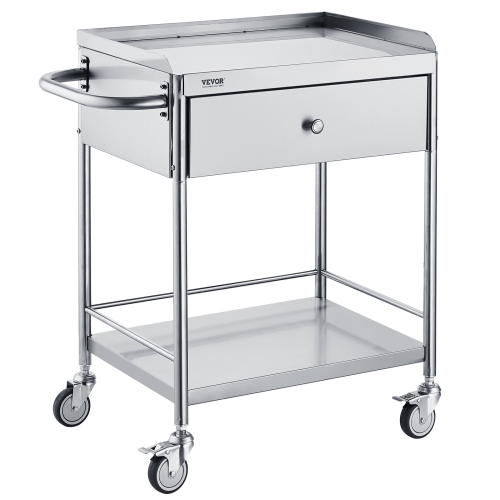

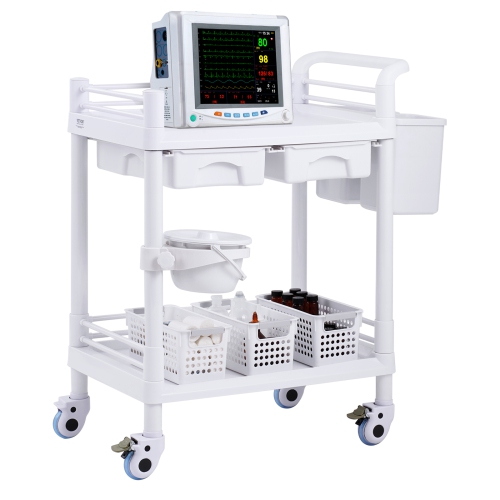
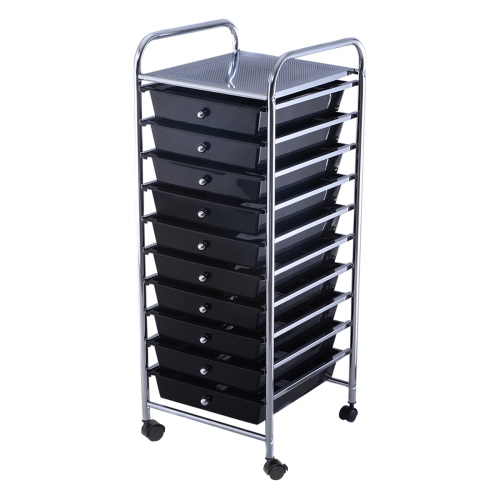
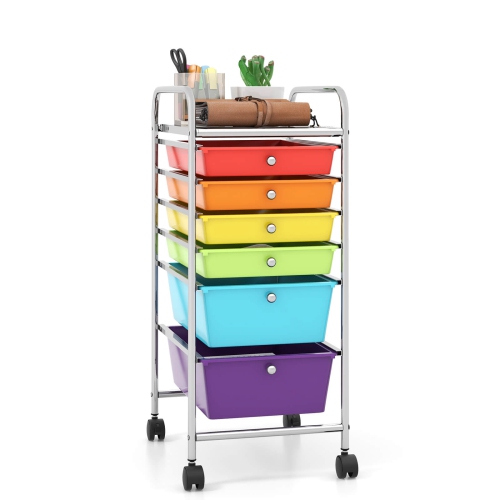
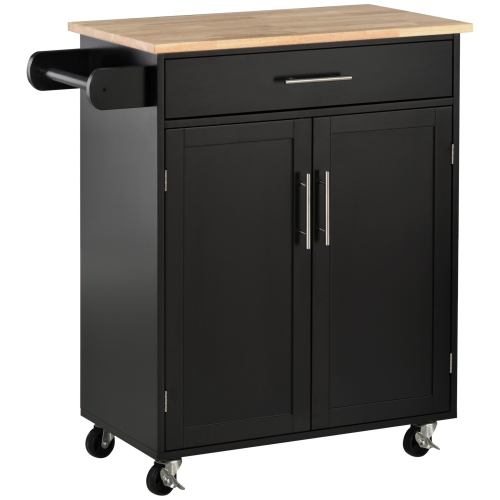
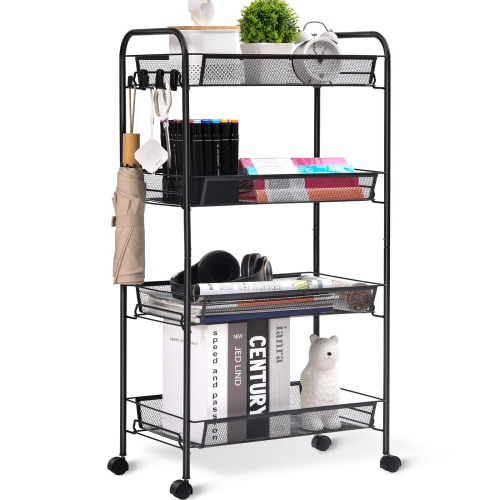
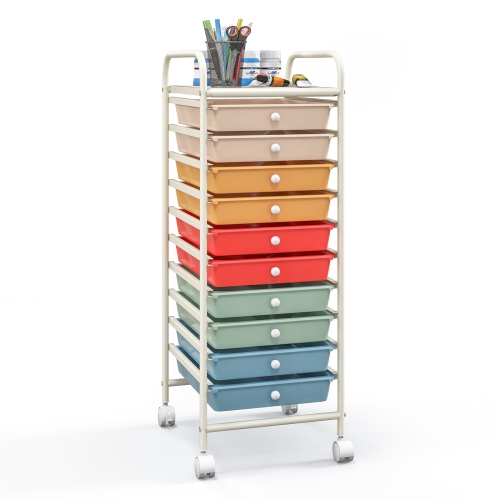
Everyday supplies organized and ready to roll
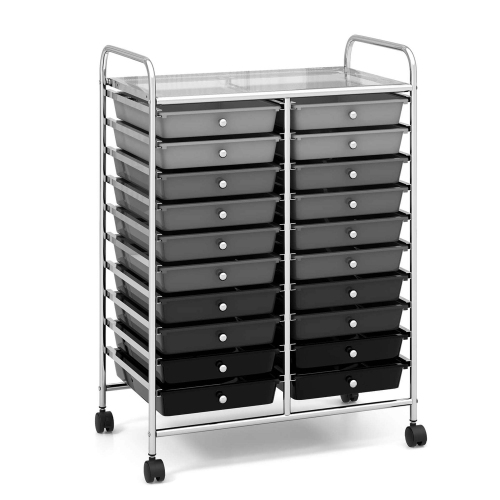
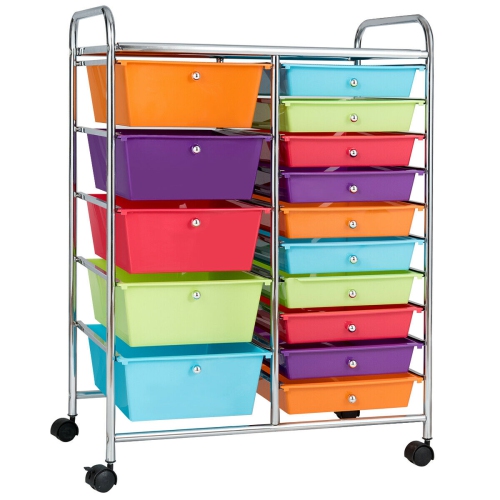
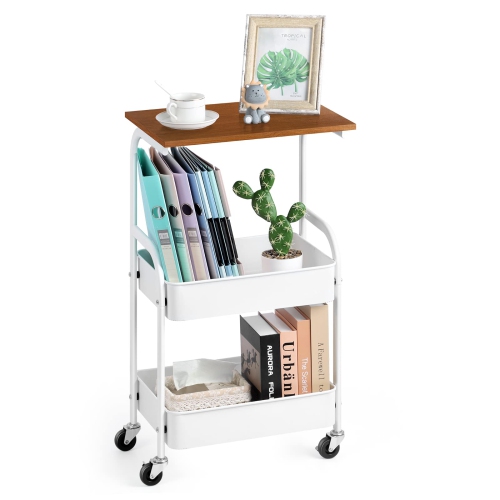
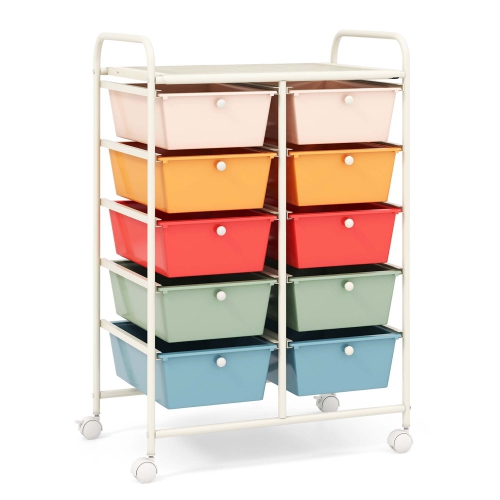
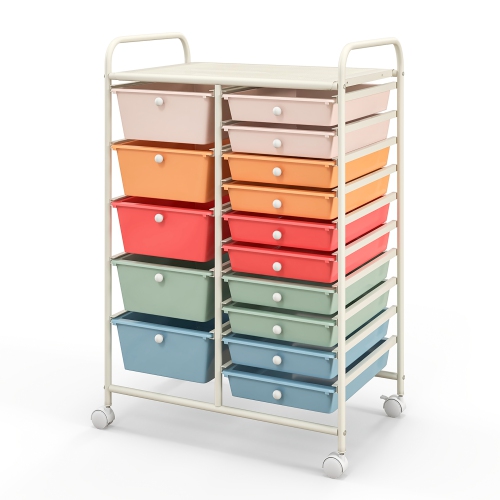
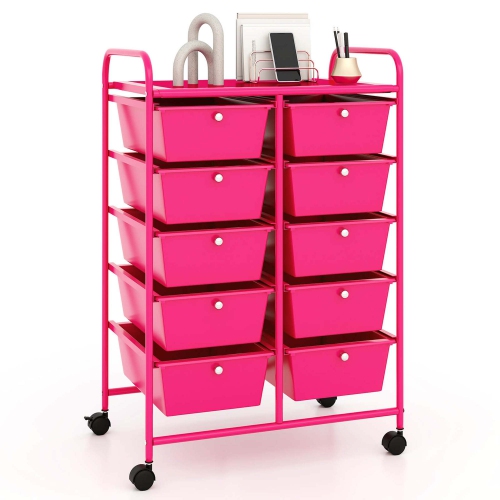
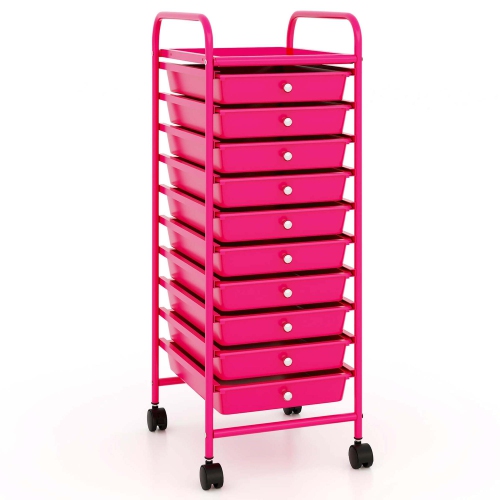
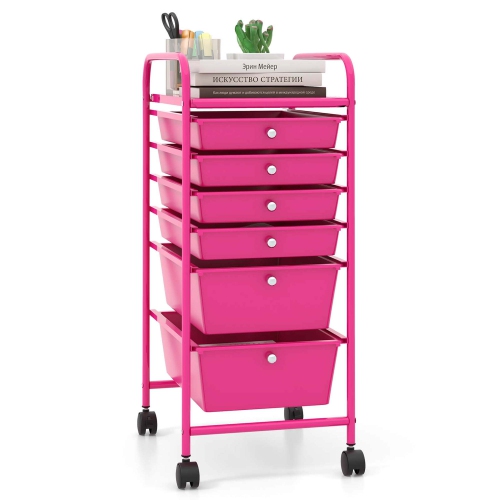
Rolling drawer carts are mobile storage units that combine pull-out drawers with a wheeled base, keeping everyday supplies organized while allowing them to move between work areas. They are useful for craft materials, office essentials, classroom resources, sewing notions, and small household belongings that otherwise collect on desks and shelves. Unlike a fixed drawer unit, a rolling cart can sit beside a table during a project, then move out of the way when the surface is needed for something else. Drawer layouts vary from a few deep compartments to taller arrangements of shallow trays, with some designs combining both. Shallow drawers suit pens, markers, thread, labels, and loose sheets of paper because they keep small supplies visible without much stacking. Deeper drawers offer room for yarn, folded fabric, notebooks, and bulkier accessories, provided the contents stay within the stated weight limits. For someone who works at a dining table, a compact cart can keep stationery and charging cables together without turning a shared room into a permanent office. A crafter might separate supplies by task, with cutting tools in one drawer, adhesives in another, and unfinished work kept apart from unused materials. Teachers and students can use separate drawers for subjects or activities, while a household cart can give frequently misplaced belongings a consistent home. The broader range of Storage Drawer Carts includes configurations suited to different storage needs, with drawer depth, overall size, and construction shaping how each style fits into a room. Clear drawers make contents easier to identify at a glance; opaque drawers keep mixed supplies out of sight. Coloured drawers can also help distinguish one activity or person's belongings from another. The most useful arrangement is not necessarily the one with the most drawers, but the one that gives the contents enough room to be seen, reached, and put away without rearranging everything around them.
Materials and construction influence how a rolling drawer cart feels in daily use, how much it can hold, and how easily it can be cleaned. Plastic drawers are generally lightweight and wipeable, making them practical for supplies that leave small messes, such as pencil shavings or bits of thread. A metal frame can provide a rigid structure around removable plastic drawers, although overall strength still depends on the frame design, connections, drawer supports, and stated load capacity. Wood and engineered wood designs can have a more furniture-like appearance, with finishes that may coordinate with a desk or shelving unit. These surfaces may need more care around spills, especially along edges and joints. Smooth drawer movement matters as much as the outer material: a drawer that sits properly in its supports should open without excessive twisting or catching when loaded within its limits. Where fitted, drawer stops help prevent drawers from being pulled all the way out unintentionally, while removable drawers can be convenient for carrying a set of supplies to a table. Dividers or small trays can keep loose accessories from sliding together, but their dimensions need to suit the usable interior space. Exterior measurements alone do not establish whether a drawer will hold letter-size paper, a scrapbook pad, or a particular organizer. Drawer interiors can be narrower at the bottom, and handles or frame rails may reduce usable clearance. Height also affects placement. A cart intended to tuck beneath a desk needs enough clearance for its full assembled height, including casters and any raised top edge. Beside a workstation, the top may serve as a handy landing spot if it is designed and rated for that use. Allowing space in front for a fully opened drawer helps prevent awkward reaching, particularly in a narrow craft corner or shared office. Wide, low configurations may suit spaces beneath work surfaces, while tall, slim carts make use of smaller footprints without offering the same drawer width.
Mobility is a defining feature of rolling drawer carts, but wheel design and the route through a room determine how convenient that feature will be. Small casters often move more easily over smooth, level flooring than over thick rugs, uneven surfaces, or raised thresholds. Wheel material also matters where floor finishes are concerned, so suitability for the intended surface is worth checking rather than assuming every caster will behave the same way. Locking casters, when included, help keep a cart parked while drawers are opened or supplies are retrieved, but they do not make it safe to sit, climb, or stand on. Heavier contents belong in lower drawers, with loads distributed evenly and kept within both individual drawer and total cart limits. Opening one drawer at a time and closing drawers before moving the cart helps reduce shifting and instability. In homes with children, sharp craft tools, small loose parts, and household chemicals need appropriate secure storage; an ordinary drawer or wheel lock is not a child-resistant safeguard. Routine care is straightforward when matched to the materials. Dust and debris can be cleared from drawer runners and wheels, spills should be wiped up promptly, and cleaning products should follow the manufacturer's directions to avoid damaging plastic or surface finishes. Casters and frame connections may need occasional inspection, particularly when a cart is moved frequently or carries a substantial load. A loose fastener, sticking drawer, or wheel wrapped with hair is easier to address before it interferes with daily use. Rolling drawer carts can also make thoughtful practical gifts for someone setting up a study space, organizing a sewing area, or finding room for a growing collection of art supplies. Knowing the recipient's available floor space and preferred activities is more helpful than choosing by appearance alone. Whether placed beside a desk, near a craft table, or in a household work area, a well-proportioned cart gives supplies a clear place to return to and keeps a useful set of materials close to the task at hand.
Materials and construction influence how a rolling drawer cart feels in daily use, how much it can hold, and how easily it can be cleaned. Plastic drawers are generally lightweight and wipeable, making them practical for supplies that leave small messes, such as pencil shavings or bits of thread. A metal frame can provide a rigid structure around removable plastic drawers, although overall strength still depends on the frame design, connections, drawer supports, and stated load capacity. Wood and engineered wood designs can have a more furniture-like appearance, with finishes that may coordinate with a desk or shelving unit. These surfaces may need more care around spills, especially along edges and joints. Smooth drawer movement matters as much as the outer material: a drawer that sits properly in its supports should open without excessive twisting or catching when loaded within its limits. Where fitted, drawer stops help prevent drawers from being pulled all the way out unintentionally, while removable drawers can be convenient for carrying a set of supplies to a table. Dividers or small trays can keep loose accessories from sliding together, but their dimensions need to suit the usable interior space. Exterior measurements alone do not establish whether a drawer will hold letter-size paper, a scrapbook pad, or a particular organizer. Drawer interiors can be narrower at the bottom, and handles or frame rails may reduce usable clearance. Height also affects placement. A cart intended to tuck beneath a desk needs enough clearance for its full assembled height, including casters and any raised top edge. Beside a workstation, the top may serve as a handy landing spot if it is designed and rated for that use. Allowing space in front for a fully opened drawer helps prevent awkward reaching, particularly in a narrow craft corner or shared office. Wide, low configurations may suit spaces beneath work surfaces, while tall, slim carts make use of smaller footprints without offering the same drawer width.
Mobility is a defining feature of rolling drawer carts, but wheel design and the route through a room determine how convenient that feature will be. Small casters often move more easily over smooth, level flooring than over thick rugs, uneven surfaces, or raised thresholds. Wheel material also matters where floor finishes are concerned, so suitability for the intended surface is worth checking rather than assuming every caster will behave the same way. Locking casters, when included, help keep a cart parked while drawers are opened or supplies are retrieved, but they do not make it safe to sit, climb, or stand on. Heavier contents belong in lower drawers, with loads distributed evenly and kept within both individual drawer and total cart limits. Opening one drawer at a time and closing drawers before moving the cart helps reduce shifting and instability. In homes with children, sharp craft tools, small loose parts, and household chemicals need appropriate secure storage; an ordinary drawer or wheel lock is not a child-resistant safeguard. Routine care is straightforward when matched to the materials. Dust and debris can be cleared from drawer runners and wheels, spills should be wiped up promptly, and cleaning products should follow the manufacturer's directions to avoid damaging plastic or surface finishes. Casters and frame connections may need occasional inspection, particularly when a cart is moved frequently or carries a substantial load. A loose fastener, sticking drawer, or wheel wrapped with hair is easier to address before it interferes with daily use. Rolling drawer carts can also make thoughtful practical gifts for someone setting up a study space, organizing a sewing area, or finding room for a growing collection of art supplies. Knowing the recipient's available floor space and preferred activities is more helpful than choosing by appearance alone. Whether placed beside a desk, near a craft table, or in a household work area, a well-proportioned cart gives supplies a clear place to return to and keeps a useful set of materials close to the task at hand.
Top selling and popular products
-
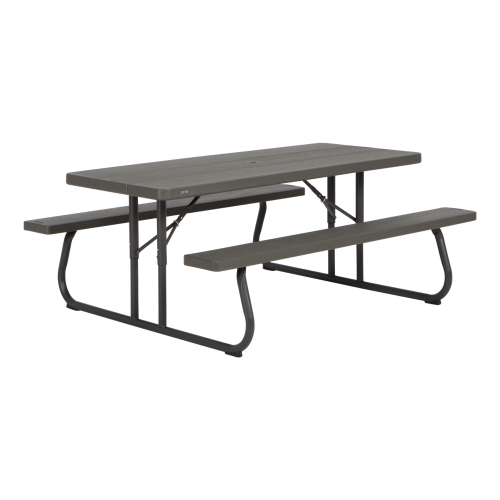 Your price for this item is $369.99
 -
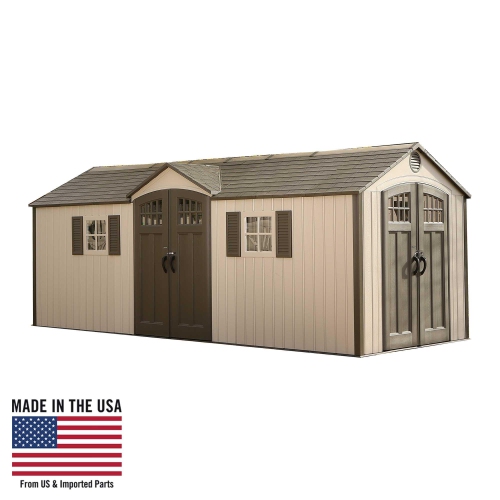 Your price for this item is $5599.99
 -
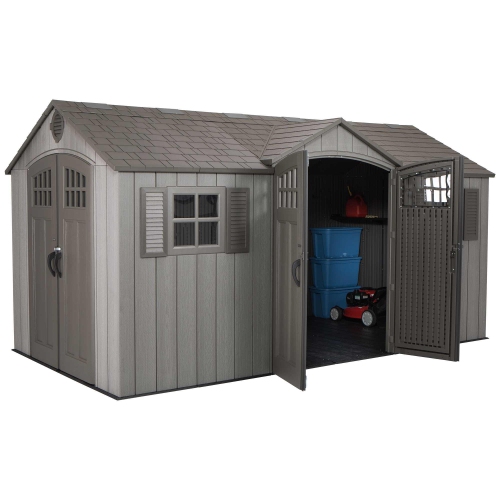 Your price for this item is $4269.99
 -
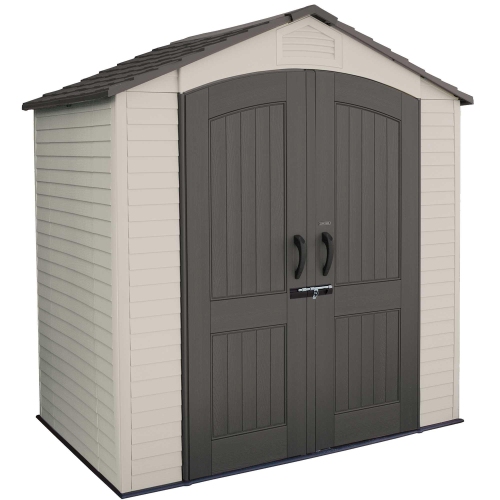 Your price for this item is $1639.99
 -
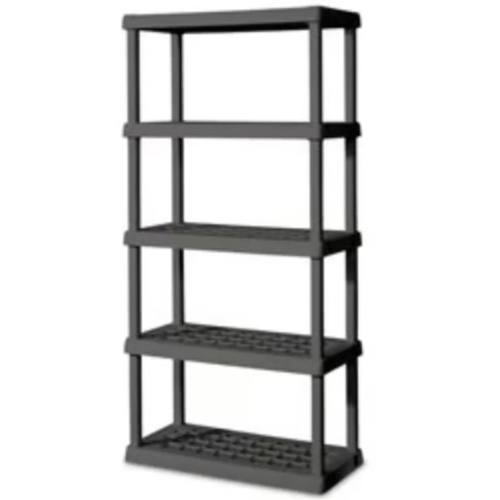 Your price for this item is $967.99
 -
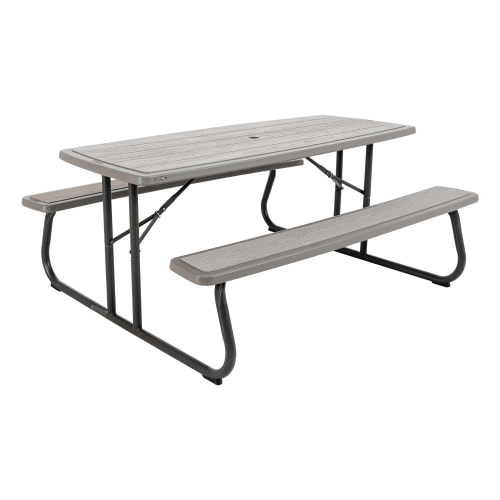 Your price for this item is $369.99
 -
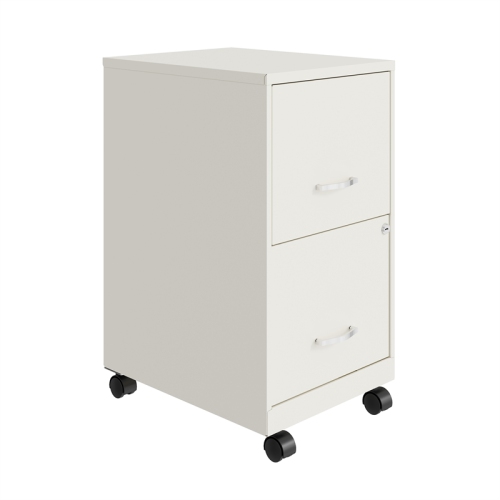 Your price for this item is $399.93
 -
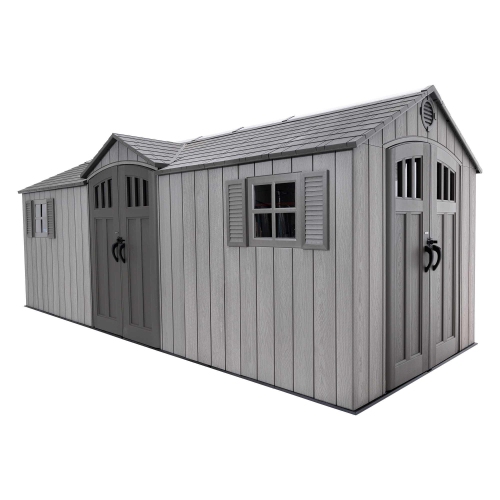 Your price for this item is $5589.99
Discover more categories related to Rolling Drawer Carts
Top Collections:
Pokemon Centers, Kindle Devices, Best Budget Office Chairs, Apple iPhones 16, Best Laptops for Writers, iPhone 15 Apple, Canon G7X Cameras, Refurbished Apple Laptops, Alarm Clock, Motorola Razr Phones
Some products may be subject to Environmental Handling Fees
(EHF) depending on your province.
Learn more about EHFs.