Roman Numeral Clocks
If you're looking to add a touch of timeless elegance to your home decor, Roman numeral clocks are an excellent choice. These classic timepieces effortlessly blend vintage charm with modern functionality, making them a stylish addition to any room. Whether you prefer a sleek wall clock or a sophisticated desk clock, our collection offers a variety of options to suit your personal style and aesthetic. With their iconic Roman numerals and intricate detailing, these clocks not only serve as functional timekeepers but also as beautiful decorative accents. Explore our selection of Roman numeral clocks and discover the perfect piece to enhance the ambiance of your space.
Sort
















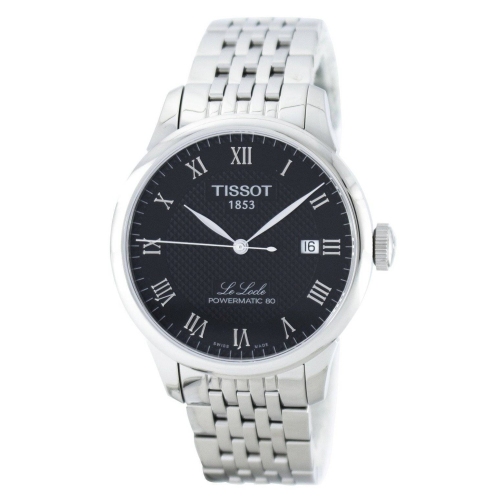
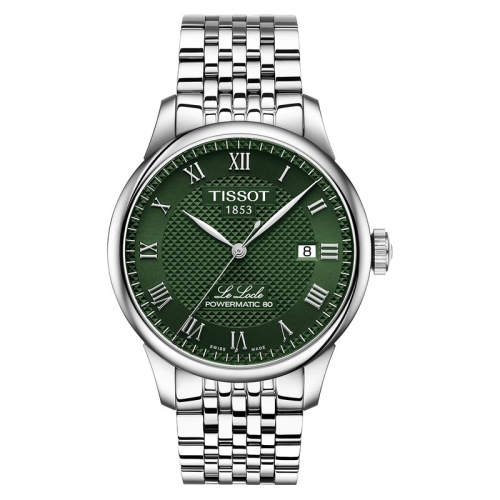
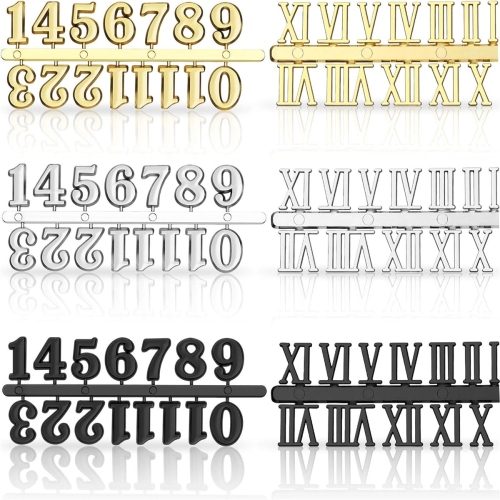
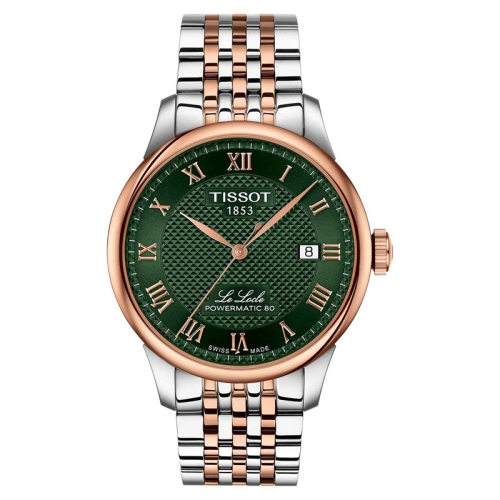

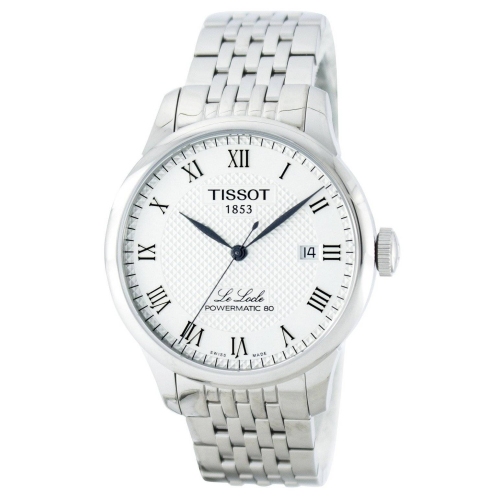
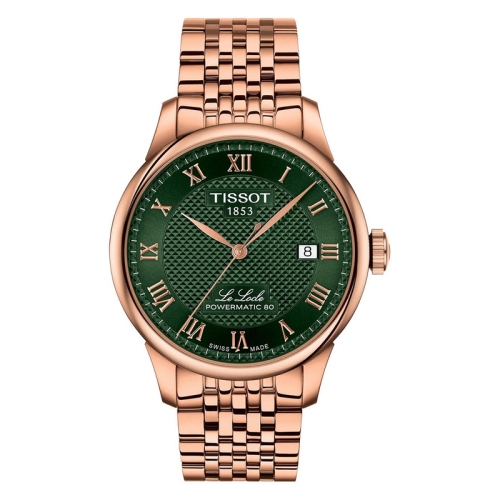

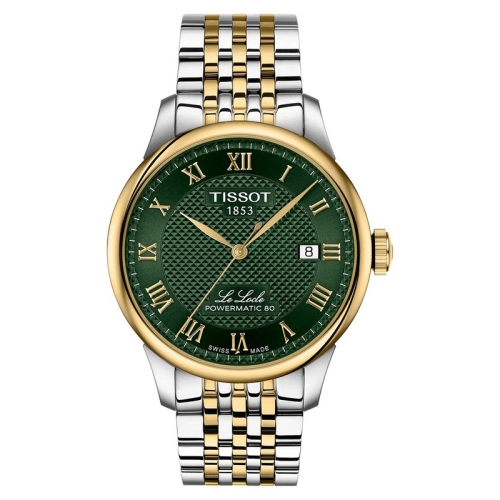

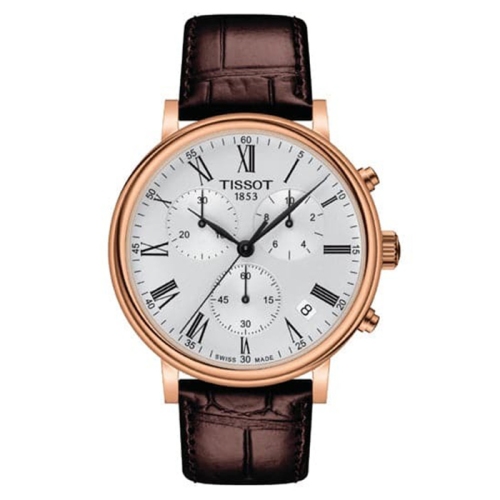

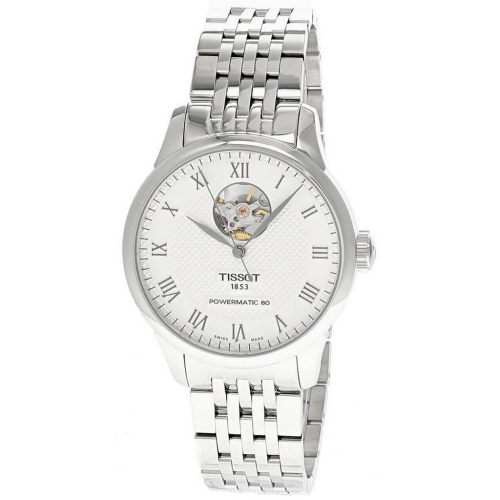


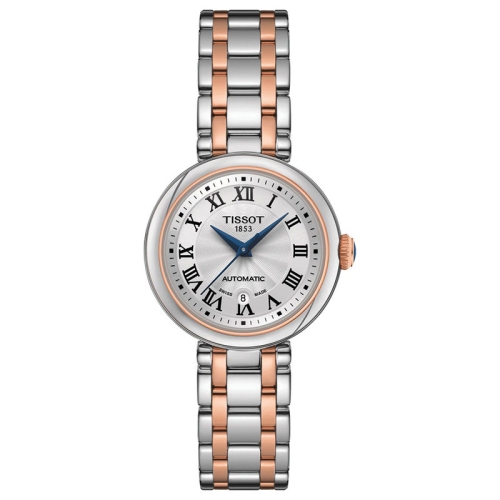
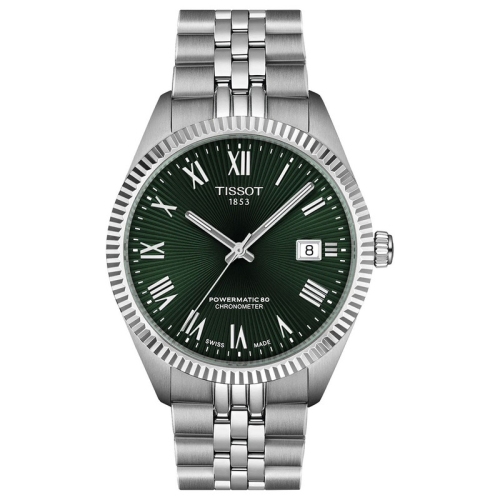


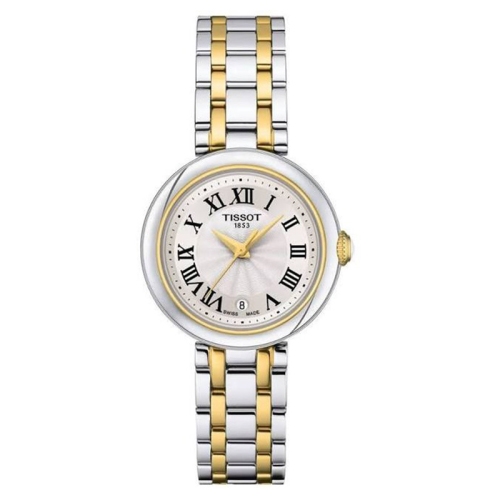


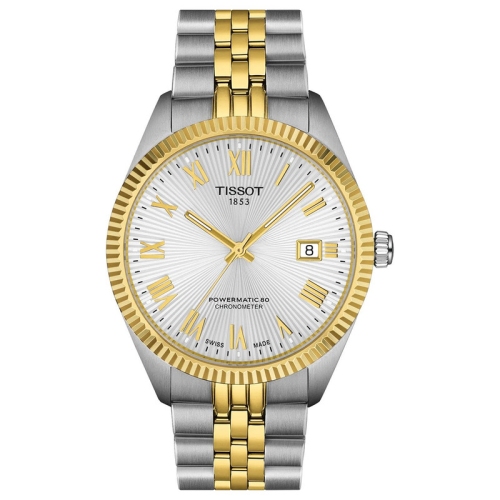

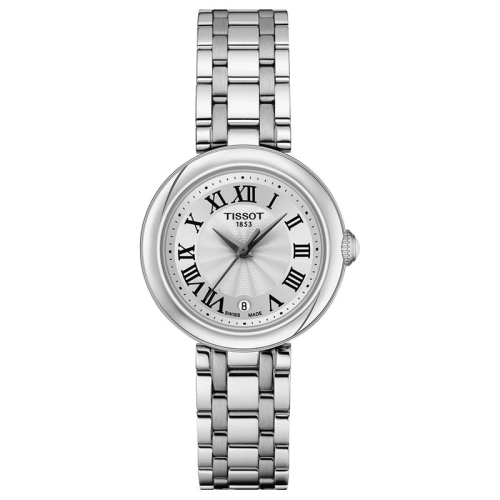
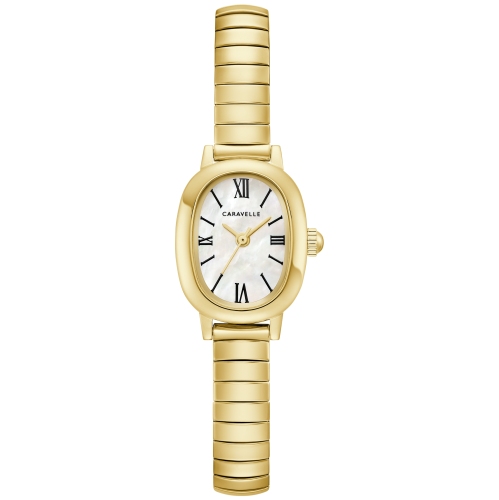

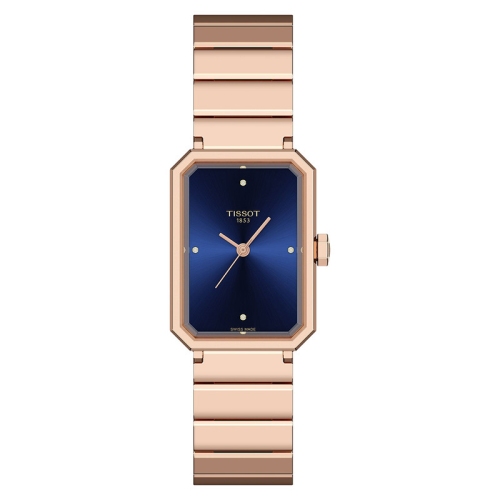
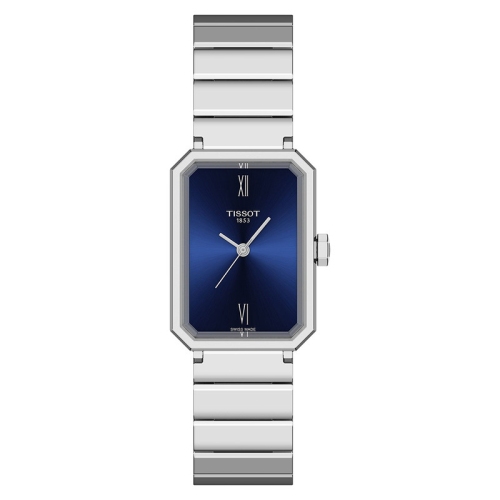
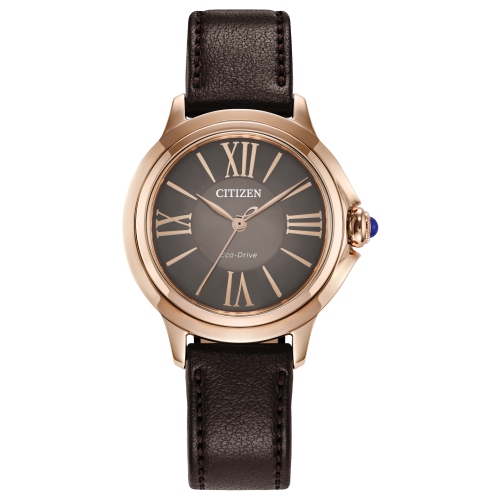
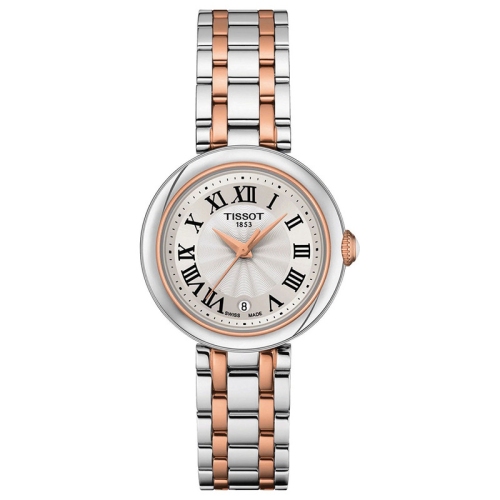


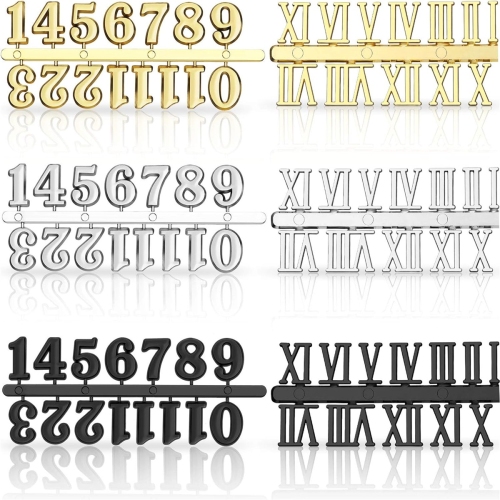
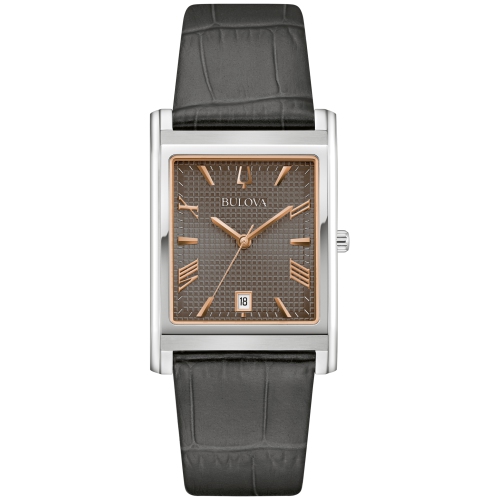
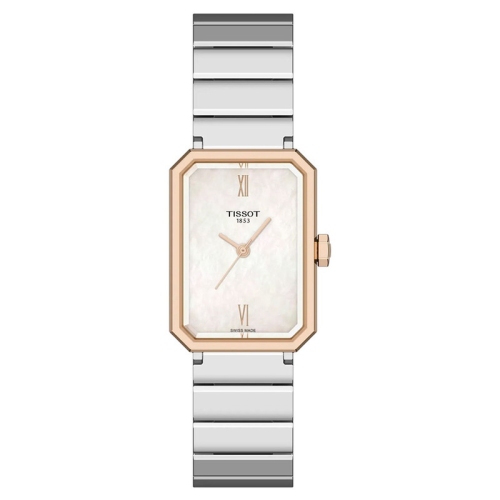


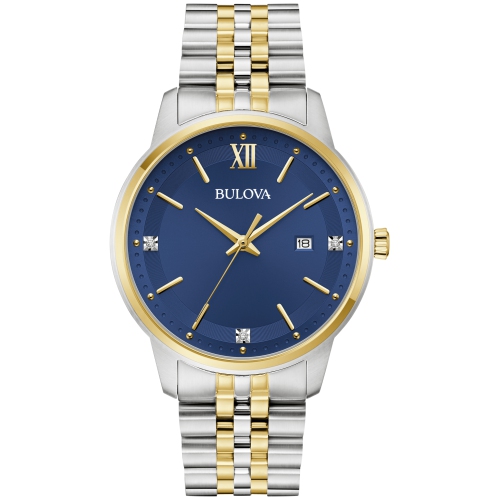


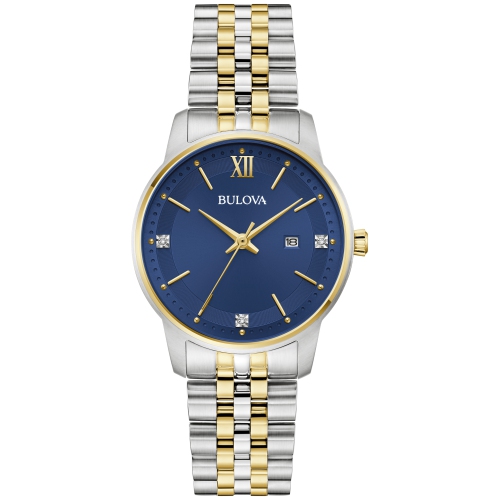
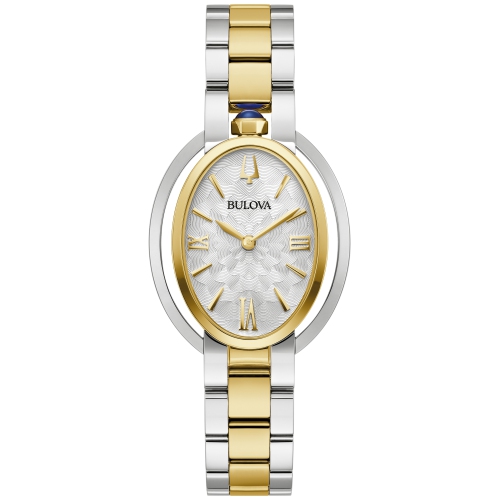


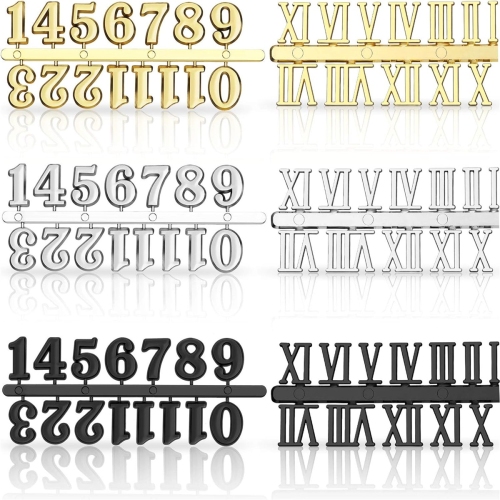
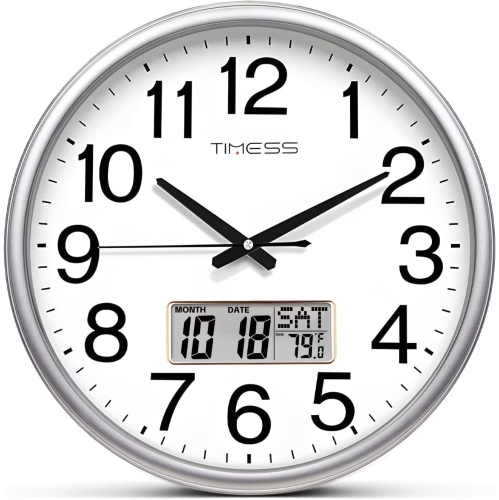
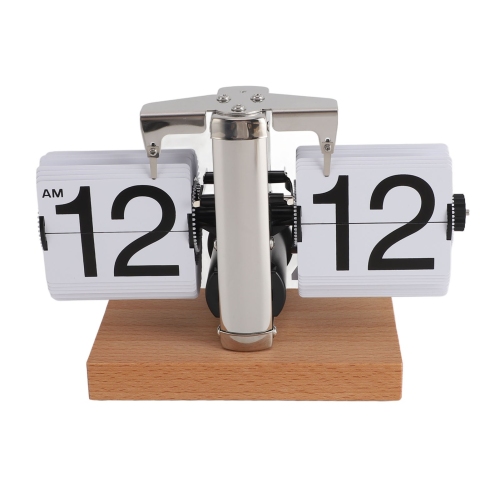

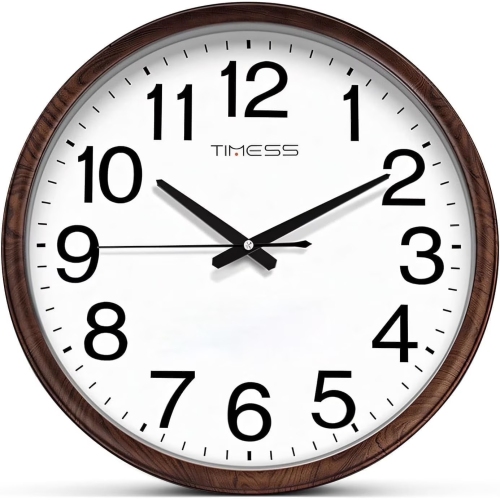
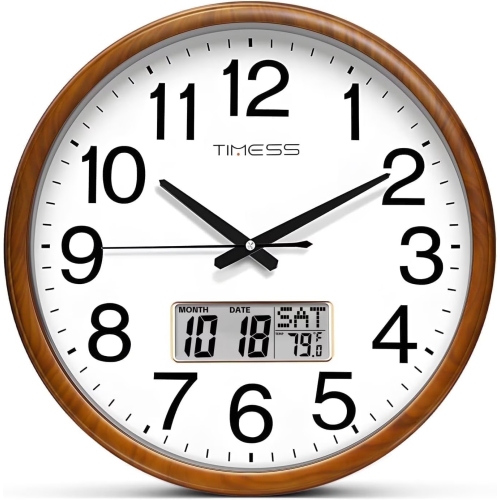
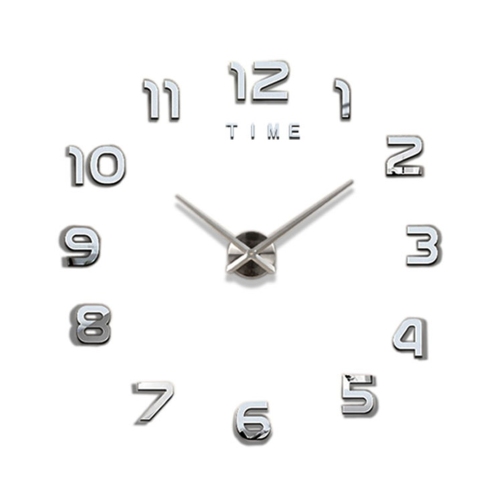
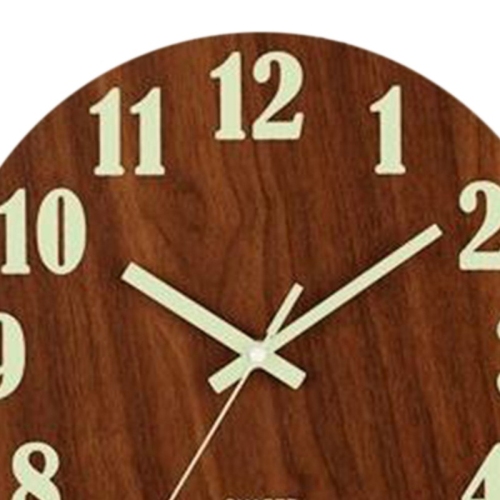
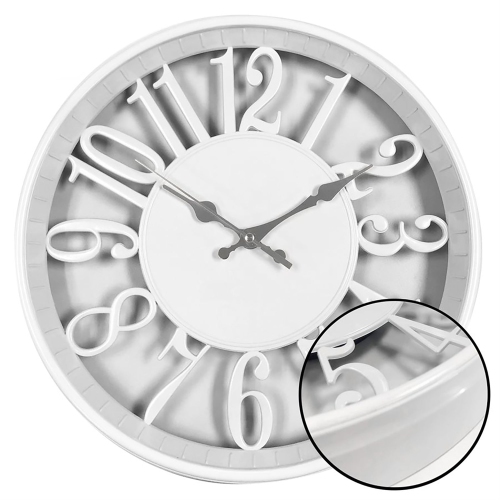
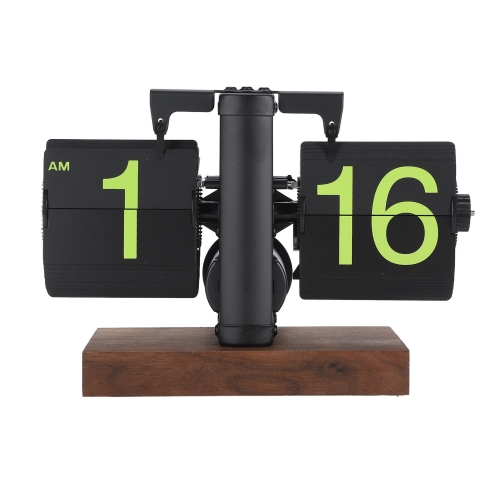
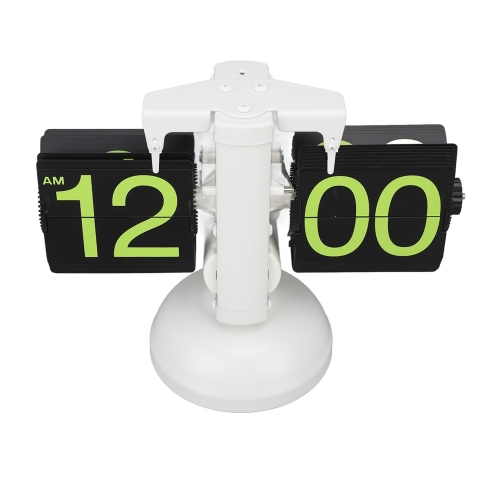
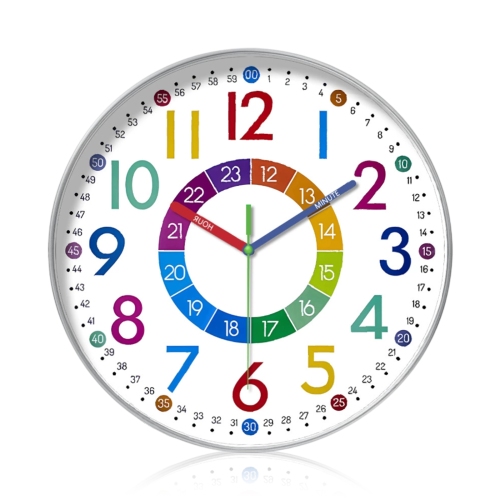




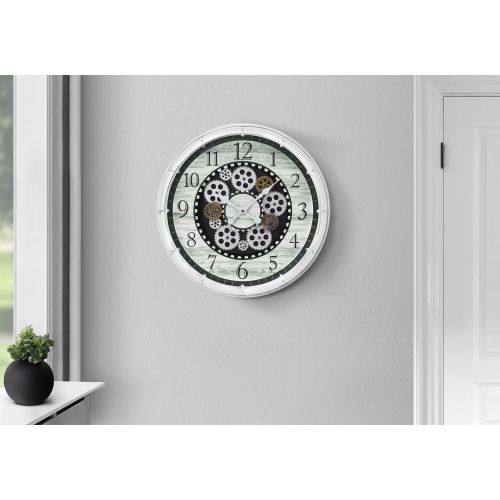


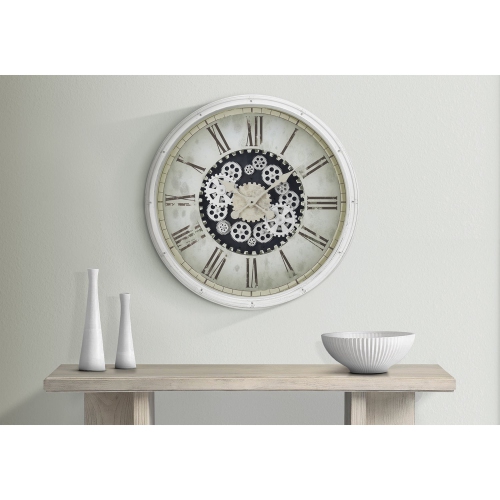


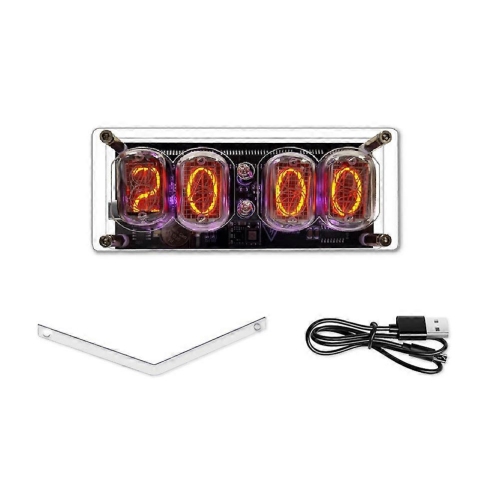


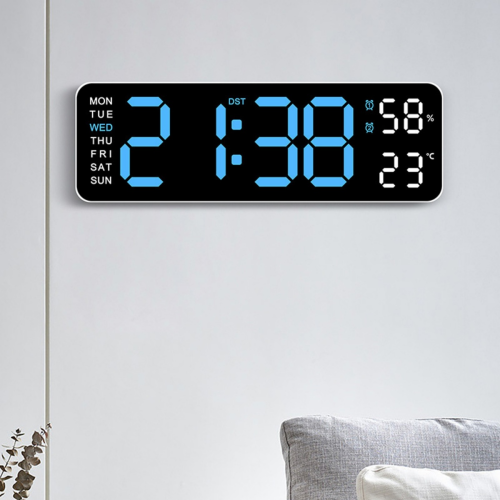


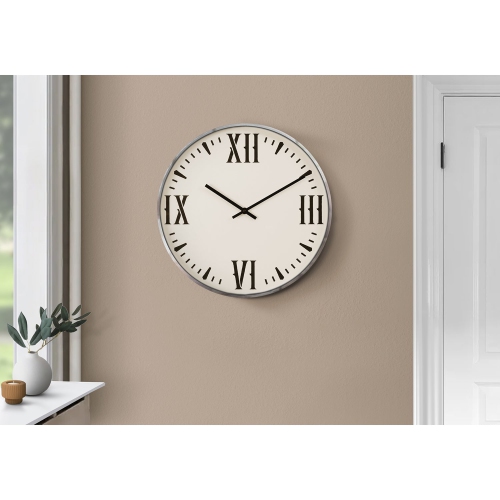


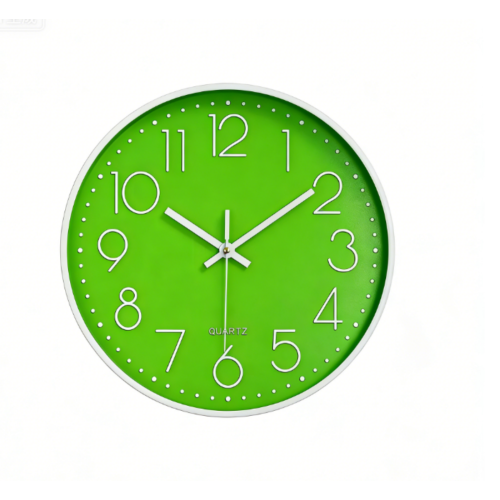

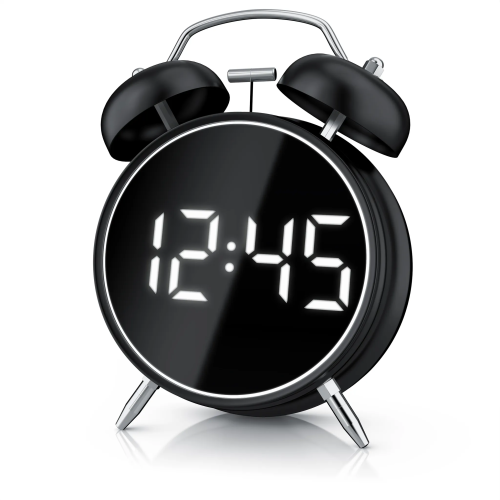

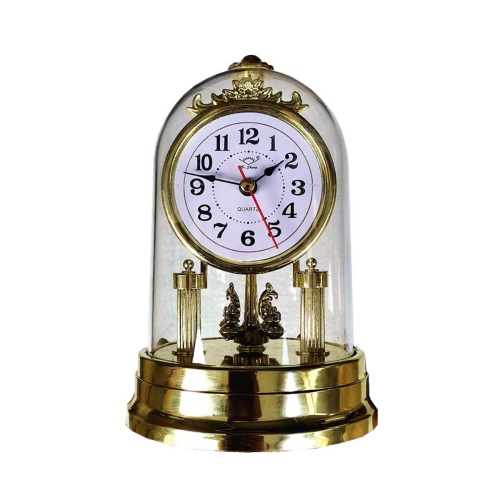






Classic timekeeping details for every room and routine
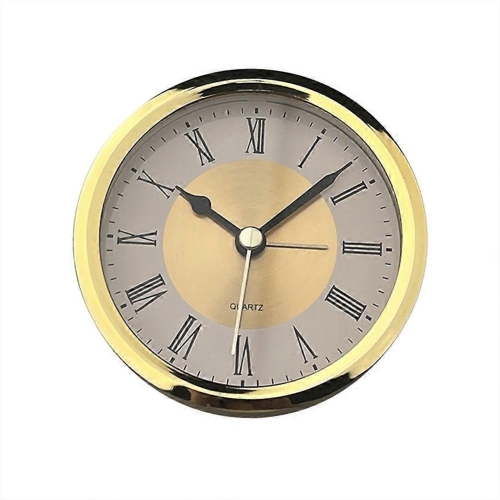
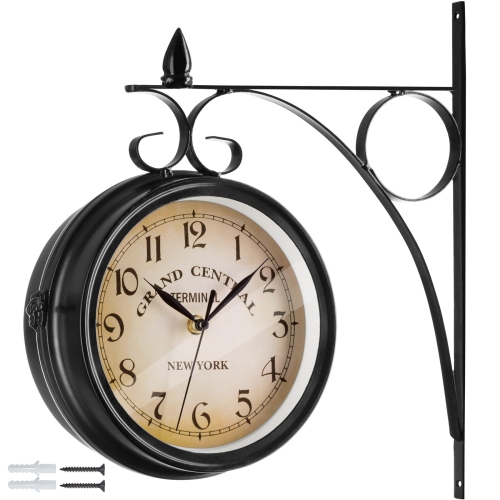
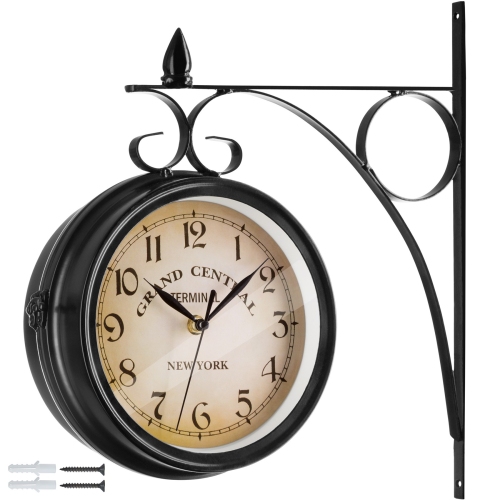
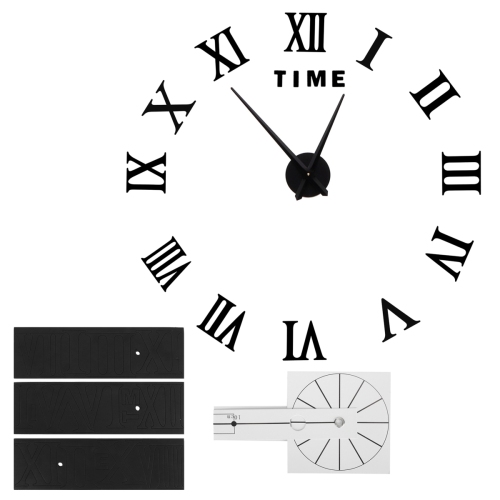
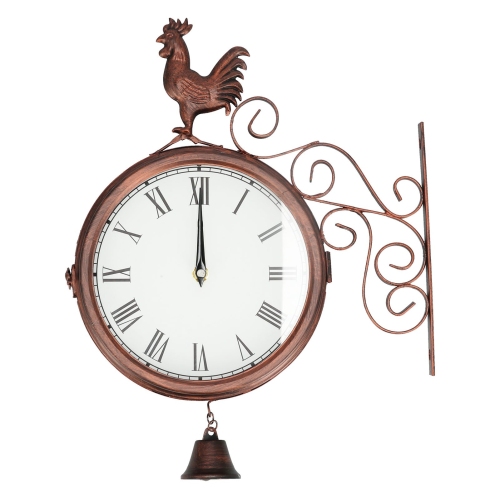
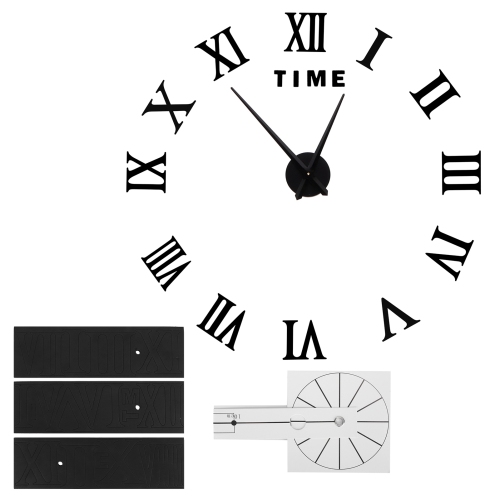
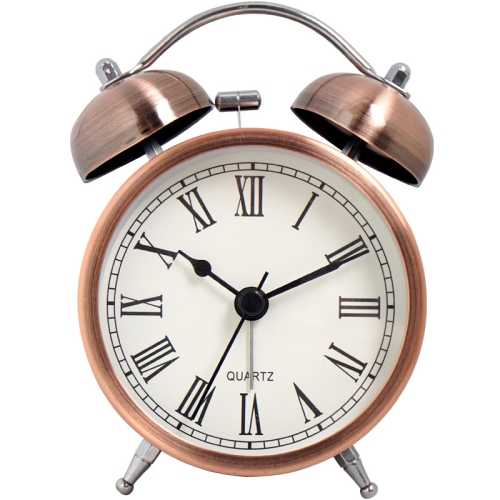
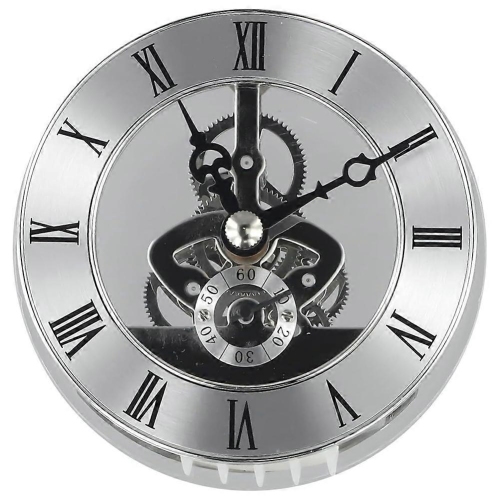
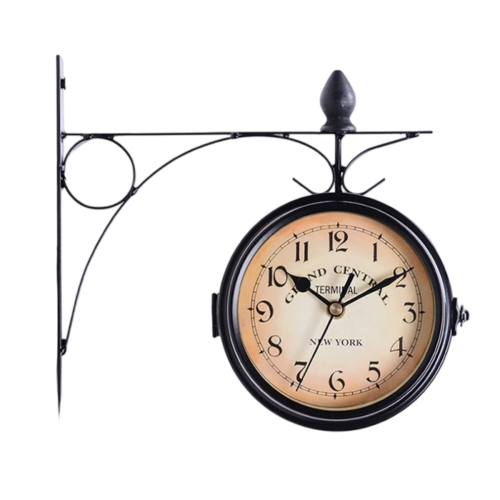
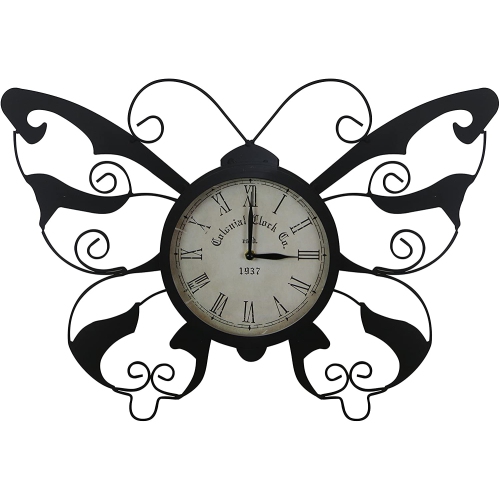
Roman numeral clocks bring the familiar rhythm of an analogue timepiece together with the distinctive character of classical lettering. Instead of using standard Arabic numerals such as 1, 2 and 3, the clock face shows the hours as I, II, III, IV, V, VI, VII, VIII, IX, X, XI and XII. Their positions remain the same as on a traditional clock: XII sits at the top, III is on the right, VI is at the bottom and IX is on the left. Reading the time is just as straightforward. The shorter hand indicates the hour, while the longer hand indicates the minutes, moving around the face in the familiar clockwise direction. Some designs use IV for four, while others display IIII. This long-established clockmaking detail is not a mistake; IIII can create a more balanced visual weight against VIII on the opposite side and may give the dial a more symmetrical appearance. The result is a timepiece that feels both practical and decorative, whether it is placed above a sideboard, positioned in a home office, or used as a defining feature in a living room. Roman numerals can add a traditional architectural note to a room with wood furniture, framed artwork and warm lighting, while a cleaner face can suit contemporary spaces that benefit from a single classic detail. Because the numerals are arranged around a broad, open dial, these clocks can also serve as an easy-to-read focal point from across the room. When browsing Roman numeral clocks, consider the overall face size, the contrast between the hands and dial, and the amount of detail around the numerals. A large face may be easier to read in an open-concept room, while a smaller clock can fit neatly in a hallway, bedroom or compact workspace. Dark hands against a pale background generally provide clear visibility, whereas ornate hands, textured faces and decorative markers create a more layered look. The best choice depends on whether the clock’s main role is quick timekeeping, interior decoration or a balance of both.
Placement is an important part of choosing a Roman numeral clock. A wall clock should be easy to see from the areas where people naturally spend time, such as a sofa, dining table, kitchen island or desk. Hanging it too high can make the hands difficult to read, while placing it behind furniture or beside visually busy artwork can reduce its impact. Before selecting a size, measure the wall and consider the clock’s relationship to nearby shelves, mirrors, artwork and lighting fixtures. A substantial clock can anchor a wide, empty wall, while a more modest design may look better grouped with other framed pieces. Consider the depth as well as the diameter, particularly when the clock will be installed near a doorway or along a narrow passage. A slim profile may be preferable in tighter areas, while a deeper frame can add dimension above a console or mantel. The finish also contributes to the room’s atmosphere. Metal details can bring a crisp, structured appearance; wood tones can make the display feel warmer and more familiar; and neutral colours can blend into a variety of interiors. Shoppers comparing decorative timepieces may also want to explore Metal Clocks for designs with a more defined frame or industrial-inspired presence. Look for practical details that suit everyday routines, including the type of movement, battery requirements and whether the clock is designed for quiet operation. Quartz movements are commonly chosen for dependable timekeeping and simple maintenance, while a quiet mechanism can be especially useful in a bedroom, nursery, reading area or home office. If the clock includes a second hand, listen for the movement style when possible and check the product information for any sound-related details. A sturdy hanging mechanism and an easy-to-access battery compartment can make installation and routine care more convenient. Although a clock may be selected for its appearance, these small functional details often determine how well it fits into daily life.
Roman numeral clocks can suit many households and make thoughtful gifts for people who appreciate home décor with a sense of history. They may appeal to someone furnishing a first home, refreshing a dining room, completing a study or adding a finishing detail to a cottage or entryway. A classic clock can also be a fitting housewarming gift because it is useful without relying on a particular personal size, style or hobby. For a parent or grandparent, Roman numerals may evoke the look of an older family clock, schoolhouse timepiece or traditional railway station display, bringing a touch of familiarity to a modern room. For someone who enjoys entertaining, a larger clock above a buffet or dining area can help guests keep track of the evening while contributing to the room’s visual character. In a child’s room or learning space, an analogue face can support familiarity with the relationship between the hour hand, minute hand and the twelve positions on the dial, although a clear, uncluttered design is usually easier for developing readers. During the cooler months, when more time is spent indoors, a well-placed clock can make a living area feel finished and give an empty wall a useful purpose. It can also help establish a gentle sense of routine in a home office, kitchen or shared family space. When choosing among Roman numeral clocks, think about the recipient’s existing décor, the available wall area, the distance from which the face will be viewed and whether the clock should stand out or quietly complement its surroundings. A carefully selected design can do more than display the time: it can frame a room, reinforce its style and remain useful through changing décor and daily routines.
Top selling and popular products
-
 Your price for this item is $42.98
-
 Your price for this item is $44.99
-
 Your price for this item is $89.99
-
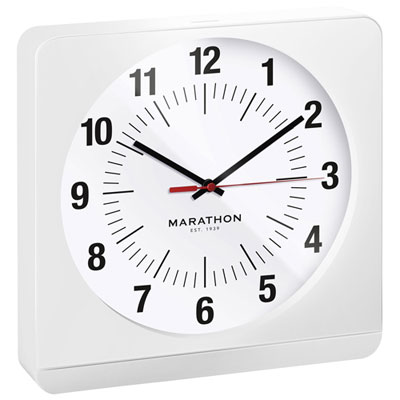 Your price for this item is $114.99
-
 Your price for this item is $19.95
-
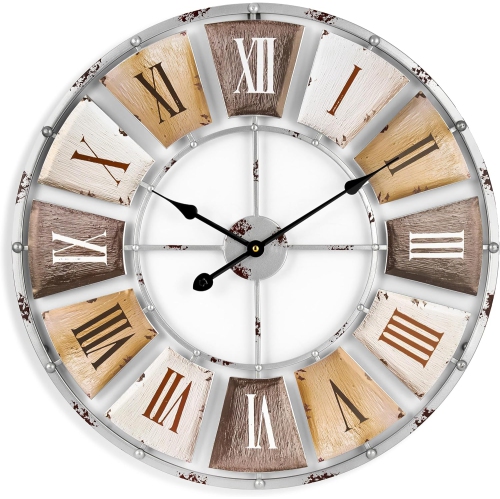 Your price for this item is $79.99
-
 Your price for this item is $45.99
-
 Your price for this item is $19.99
Discover more categories related to Roman Numeral Clocks

Top Collections:
Pokemon Centers, Kindle Devices, Best Cameras for Sports Photography, Samsung Galaxy Phones, Laptops for Business Work, Canon G7X Cameras, Pokémon 30th Celebration Cards, Refurbished Apple Laptops, iPhone 15 Apple, Cordless Dyson Vacuums
Some products may be subject to Environmental Handling Fees
(EHF) depending on your province.
Learn more about EHFs.